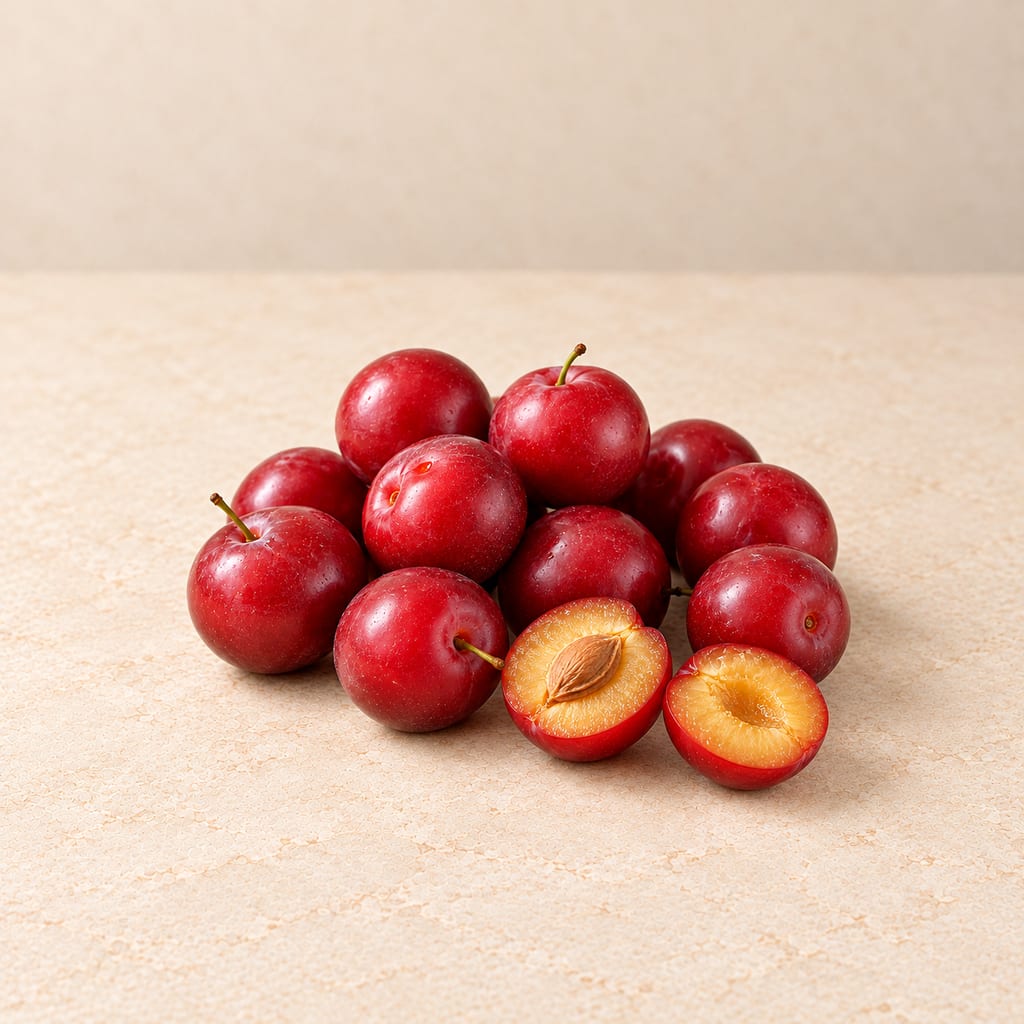
Tart plums (cherry plums)
Cherry plums (Prunus cerasifera) are small, malic-acid-rich plums, red, yellow or green, that give Georgian tkemali sauce its sharp, fruity sourness.
 FermenteaWhere food goes to change
ტყემალი · T'q'emali · Tqemali · Georgian plum sauce · Sour plum sauce
A Georgian sour plum sauce of cherry plums cooked with garlic, coriander, dill-family herbs and chilli. Its sourness comes from the fruit, and it is served as a condiment with grilled meat, poultry and potatoes.
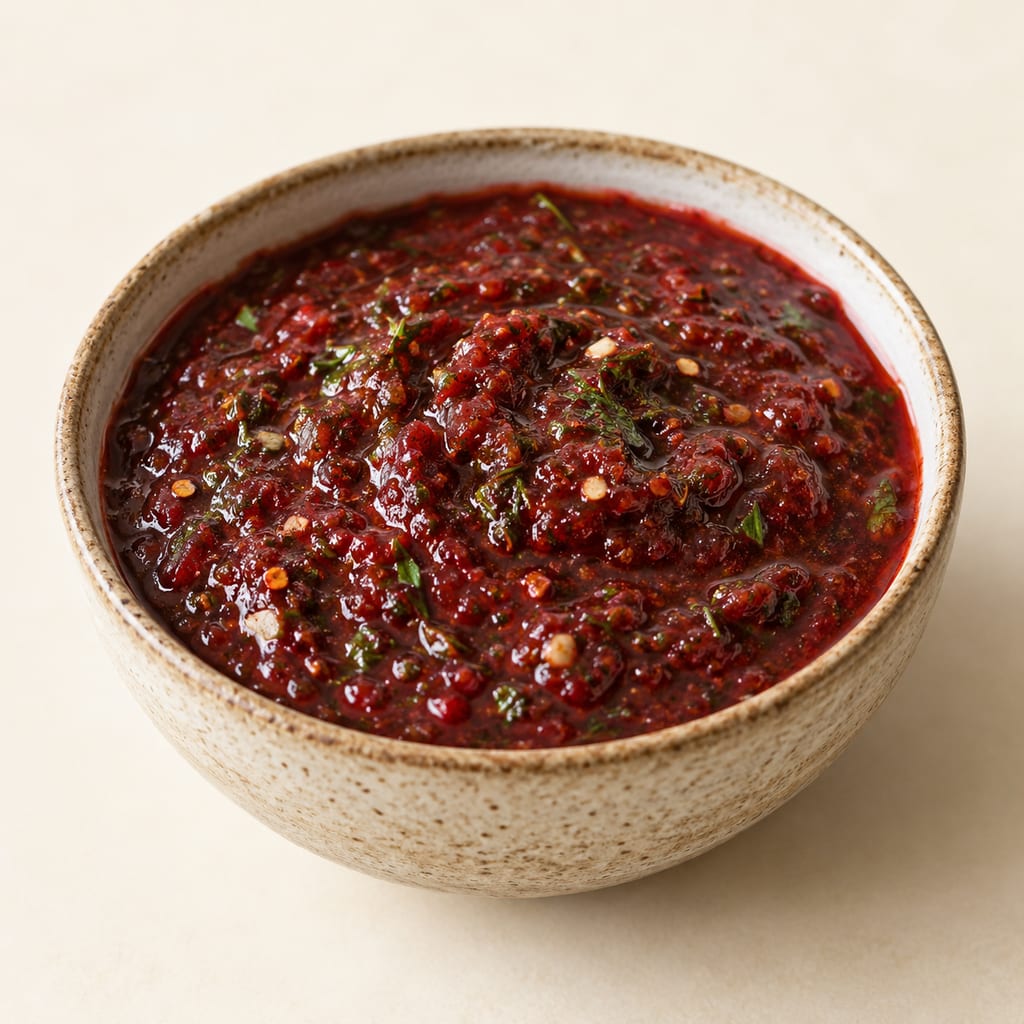
Tkemali is a sauce from Georgia made mainly from cherry plum. Wikipedia describes it as a condiment with a role in Georgian cooking similar to ketchup in the United States. Its flavour is tart and comes from the fruit, and it is most often served with fried or grilled meat, poultry and potato dishes.
The sauce is also popular in Russian cuisine, where many manufacturers make it.
Cherry plum (Prunus cerasifera) is the main fruit. Alucha and red-leaf plums are also common in Georgia. Red sauces use ripe plums and green sauces unripe ones; the article notes that both colours are made. Sweeter plums are sometimes mixed in to reduce the tartness.
Herbs and seasoning are the second axis of variation. The traditional set is garlic, pennyroyal, coriander, dill, chilli and salt, and the infobox adds cumin. The home recipe used here makes the red version with anise and dried hot red pepper, and it leaves out dill.
The recipe cooks the plums in water until soft, presses the pulp through a sieve, and adds the cooking liquid back until the sauce is smooth. Garlic, coriander, pennyroyal and salt are mixed in, the herb bundles and hot pepper are pushed under the surface, and the pot is heated very low for 40 minutes. Sugar is an option for very sour plums and the recipe does not say when to add it.
The recipe names no temperature for the cooking and gives no pH or acidity figure.
The recipe describes cooling the sauce and refrigerating it for short-term use. For longer keeping it describes washing and drying bottles, heating them in water, filling them hot with the sauce and sealing them, then storing them in a cool, dark place.
This bottling is one home method. Neither source gives a validated process, pH or shelf life, so keeping time is not stated here.
The sources read give no history of the sauce before the modern period, no dated first record, and no commercial recipe. Green tkemali is listed as a variant, but this page sets out only the red home recipe. The dill and cumin variants are listed from Wikipedia without a method.
Wikipedia names Georgia as the place of origin and gives no historical background. Tkemali is also made in Russia, where manufacturers produce it commercially. No dated source for the sauce is read.
Scaling: stated batch only
The sauce's acidity depends on the plums, and the recipe adds salt and herbs without a measured pH. The source's hot-fill method is not a validated preservation process.
Hazard sourceRefrigerate the short-term batch; do not rely on the long-term bottling without process validation.
Control sourceWikipedia gives Georgia as the sauce's origin. The recipe source is a Georgian home recipe. Neither gives a locality.
Wikipedia says tkemali is popular in Russian cuisine and that many Russian manufacturers make it. It is a documented use, not an origin.
Cherry plums (Prunus cerasifera) are small, malic-acid-rich plums, red, yellow or green, that give Georgian tkemali sauce its sharp, fruity sourness.
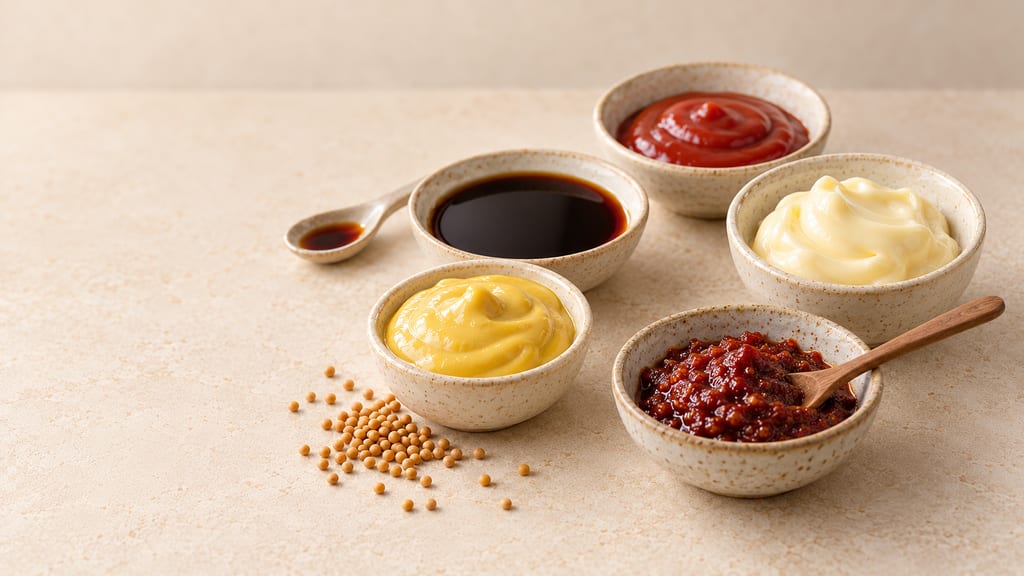
Ketchup, mayonnaise and mustard are three kinds of kitchen engineering. This guide shows how each works, compares real bottles instead of national clichés, then follows the sauces of Asia, the Caucasus, Europe, the Americas and Africa.

A Georgian walnut sauce of ground walnuts, garlic, vinegar and spices, thinned with water or broth. It is served with poultry, vegetables and bread, and is the sauce of the dish satsivi.
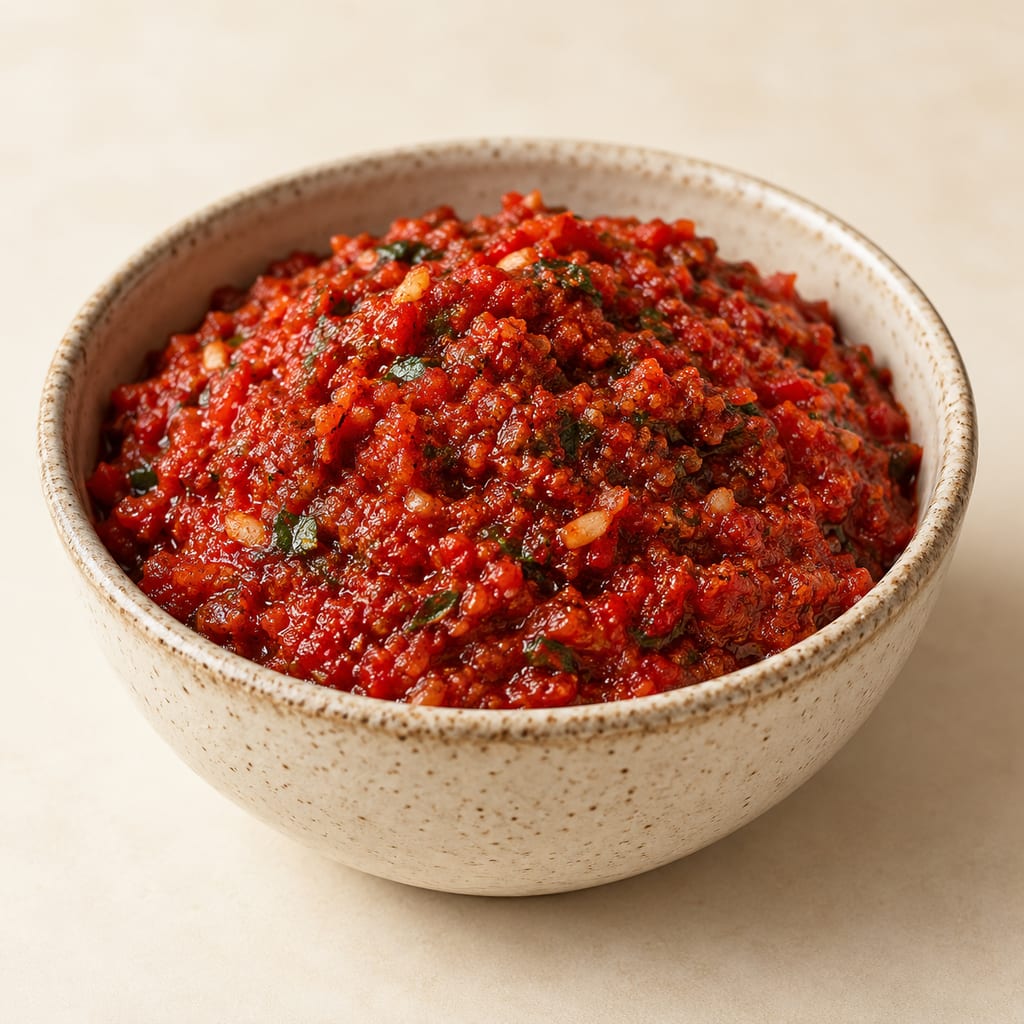
A documented Megrelian red pepper, garlic and herb paste with salt and ground spices. This preparation is mixed, not fermented; its source gives no validated preservation method or shelf life.
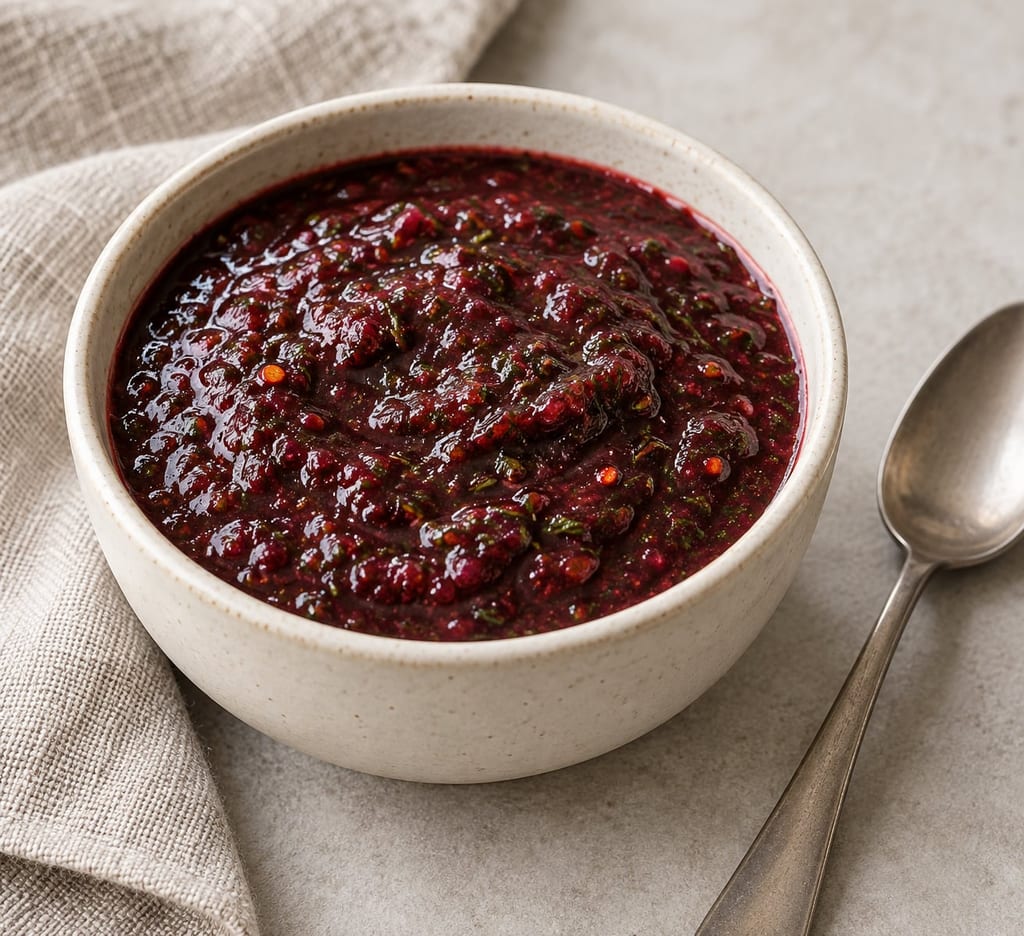
An untested refrigerator sauce inspired by Georgian tkemali. This version uses ordinary mint in place of pennyroyal (ombalo), changing its aroma; it is not a tested preserve.
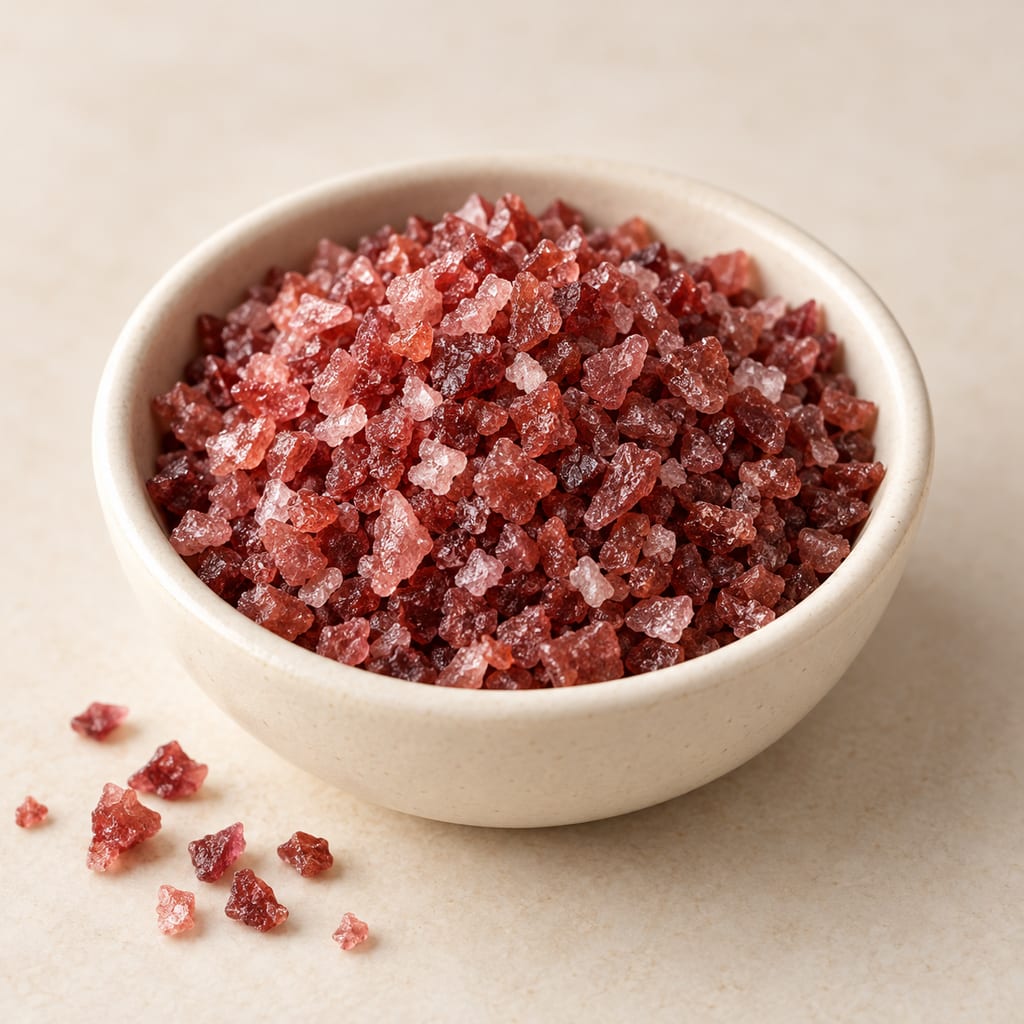
Wine-infused salt is coarse food salt carrying wine colour and aroma after a wine-and-salt mixture is reduced and dried. This version follows a Missouri Wines method at a one-to-three salt-to-wine ratio.
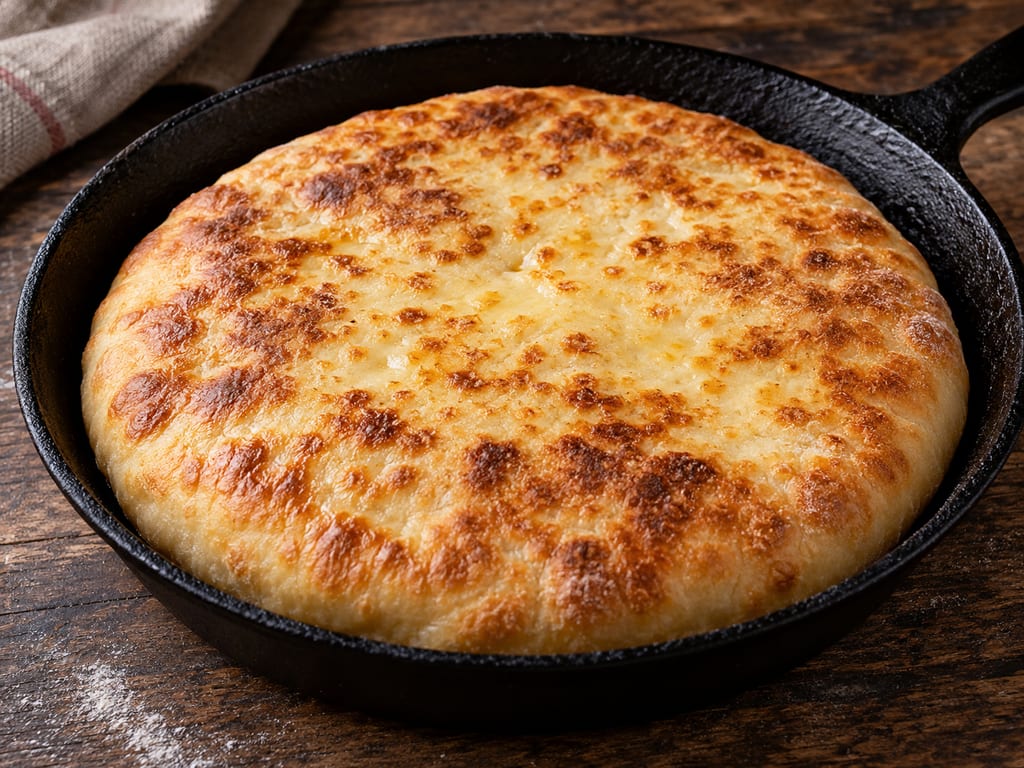
Closed round cheese breads made with sour-cream dough and cooked in a frying pan. This named Gunda version has no added yeast or proofing stage.
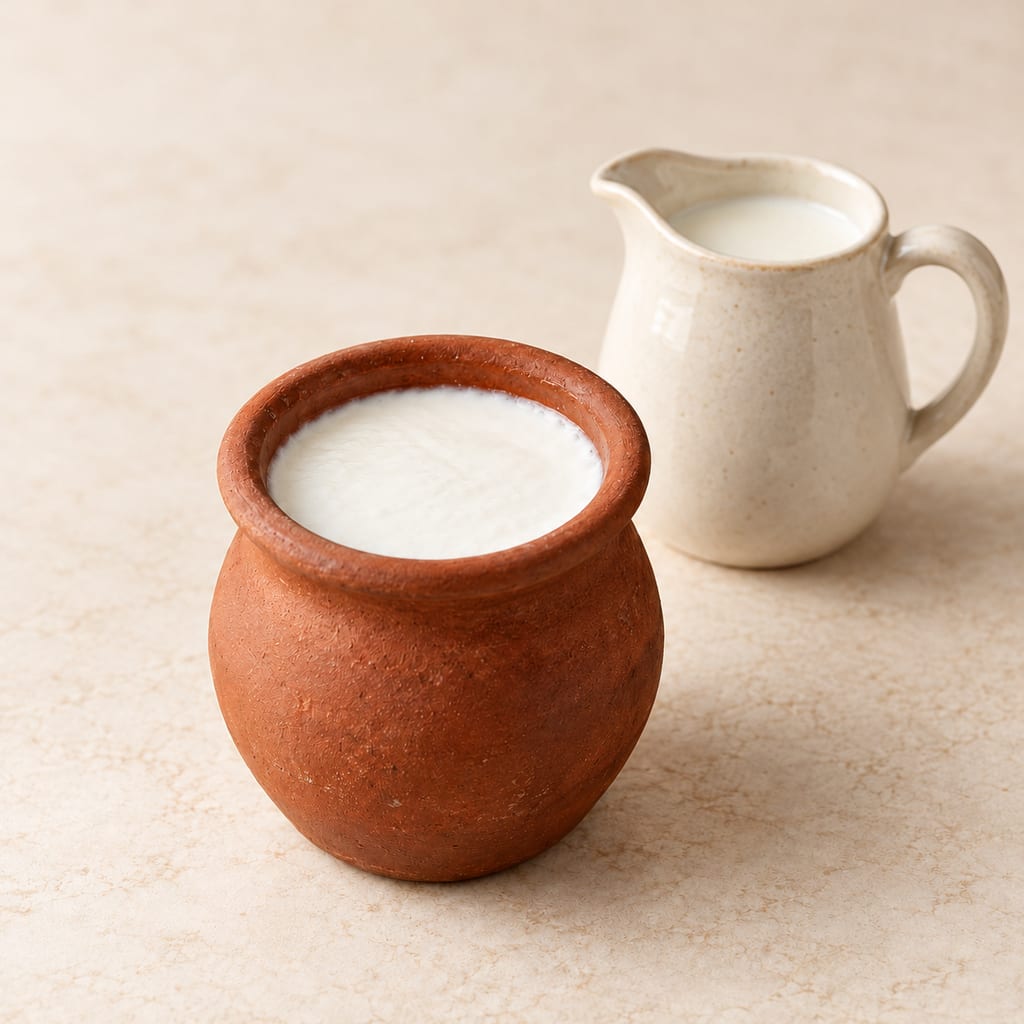
A commercial countertop-culture version of matsoni, a Georgian cultured milk. Its room-temperature method differs from the warmer Georgian production process.
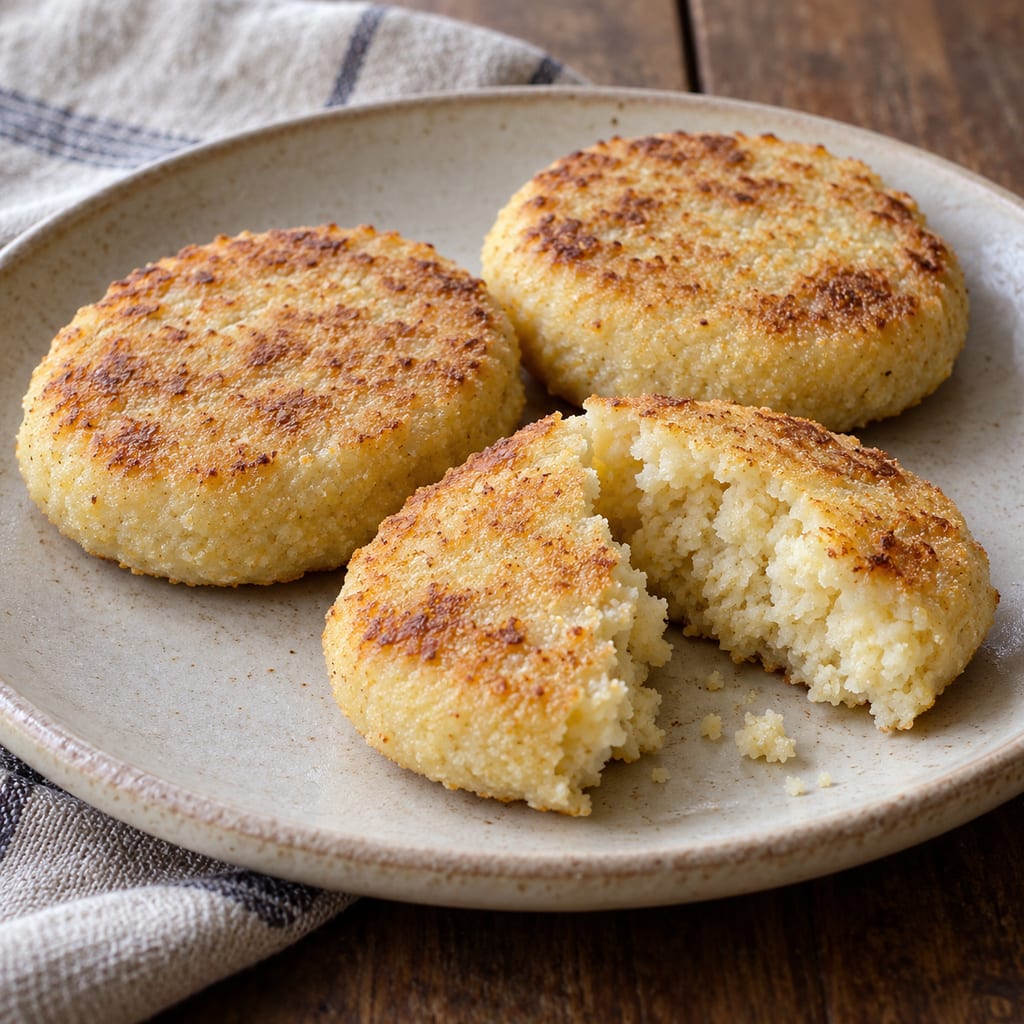
Unleavened cornmeal cakes mixed with cold water and cooked on both sides in a covered-then-uncovered pan. Cheese is served alongside rather than mixed into this dough.
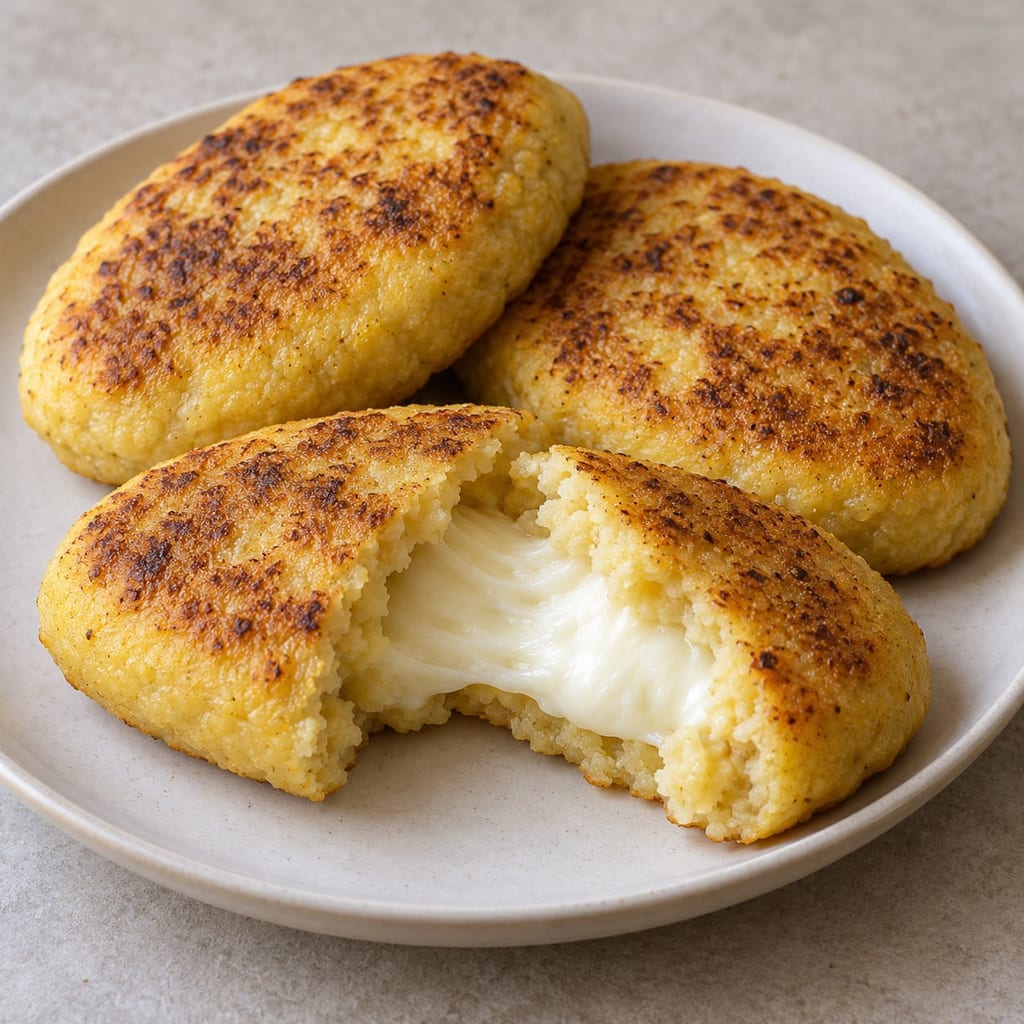
Megrelian chvishtari uses a maize dough with sulguni wrapped around a cheese piece, then cooks covered over low heat in a skillet.

Ajvar is a cooked Balkan pepper preserve built around roasted red peppers, peeled, drained, ground and slowly fried with oil and seasoning. Leskovac’s protected version is a pepper specialty; regional versions vary.

Amlou is a nutty, lightly sweet Moroccan spread of roasted almonds, culinary argan oil and honey. The almonds are ground first, then loosened with oil and sweetened; the balance can range from a thick spread to a dip.

Apple sauce for goose and pork is a plain English accompaniment: cooked apples pulped with water, then sweetened with sugar and finished with a little butter.

A warm dip of garlic, anchovy and olive oil, often enriched with butter, that Piedmont serves over a flame with raw and cooked vegetables and bread.

A sweet-hot table sauce of ripe banana simmered with vinegar, sugar, onion, garlic and fresh chilli, in the manner of Philippine banana ketchup. An untested development batch of about 500 g.

A pourable dessert sauce of brown sugar, butter and cream, with a little corn syrup and salt. It is the sauce form of the butterscotch confection and is made without water, unlike caramel.

Byzantine murrī is a cooked imitation of murrī from the medieval Arabic repertoire, made from scorched honey, toasted bread, walnuts, quince, carob and spices rather than from a long grain fermentation.
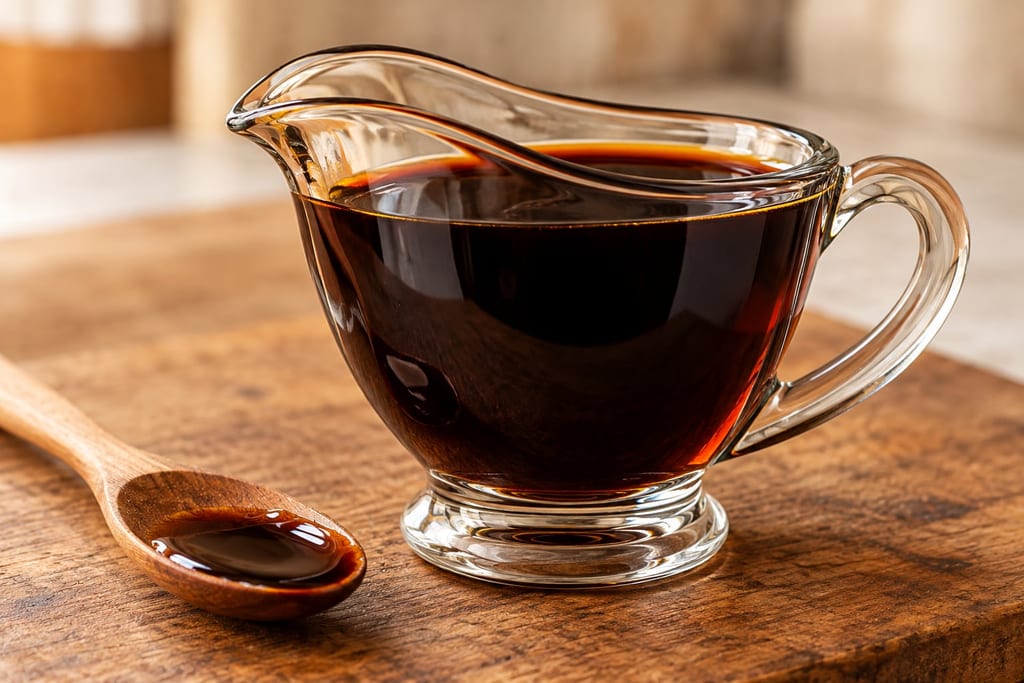
Caribbean browning is a dark liquid of deeply caramelised sugar, used in small amounts for colour and a smoky, bitter-sweet flavour in stews and black cake.
No community contributions have been published for this entry yet.
Sign in to contribute. Published comments and photos are free to read.
WikipediaIngredients · Uses · Regional variation · History
TkemaliSauce from Georgia made mainly from cherry plum, with alucha and red-leaf plums; red and green versions; pungently tart; sweeter plums sometimes added
Traditional ingredients: plum, garlic, pennyroyal, coriander, dill, chilli pepper, salt; infobox lists cumin
Served with fried or grilled meat, poultry and potatoes; popular in Russian cuisine; mass-produced in Georgia and Russia
Cited in: A Georgian sour plum sauce; Plums and variation; What the sources do not establish
Georgian RecipesMethod · Ingredients · Safety
Red Tkemali SauceQuantities for a 10 kg batch: plums, 3 litres water, 50 g anis, 20 g pennyroyal, 200 g green flowering coriander, 1 kg garlic, 200 g salt, 100 g coriander, 50 g dried hot red pepper, up to 100 g sugar
Method: boil and simmer plums, sieve, add garlic and herbs, bundles, heat on very low for 40 minutes
Storage: refrigerate short-term; long-term hot-fill bottling described without validation figures
Cited in: Plums and variation; A home method; Keeping the sauce