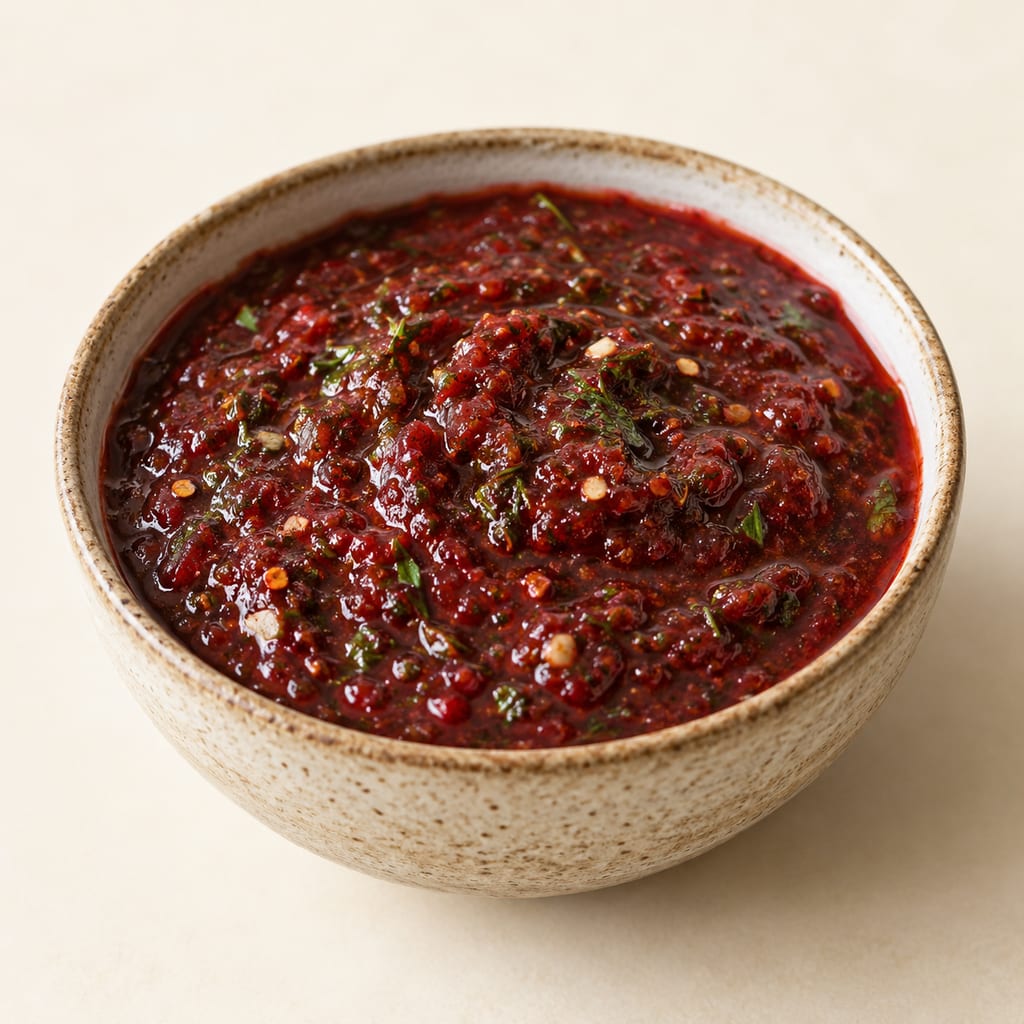
Tkemali
A Georgian sour plum sauce of cherry plums cooked with garlic, coriander, dill-family herbs and chilli. Its sourness comes from the fruit, and it is served as a condiment with grilled meat, poultry and potatoes.
 FermenteaWhere food goes to change
Substrates
Cherry plums (Prunus cerasifera) are small, malic-acid-rich plums, red, yellow or green, that give Georgian tkemali sauce its sharp, fruity sourness.
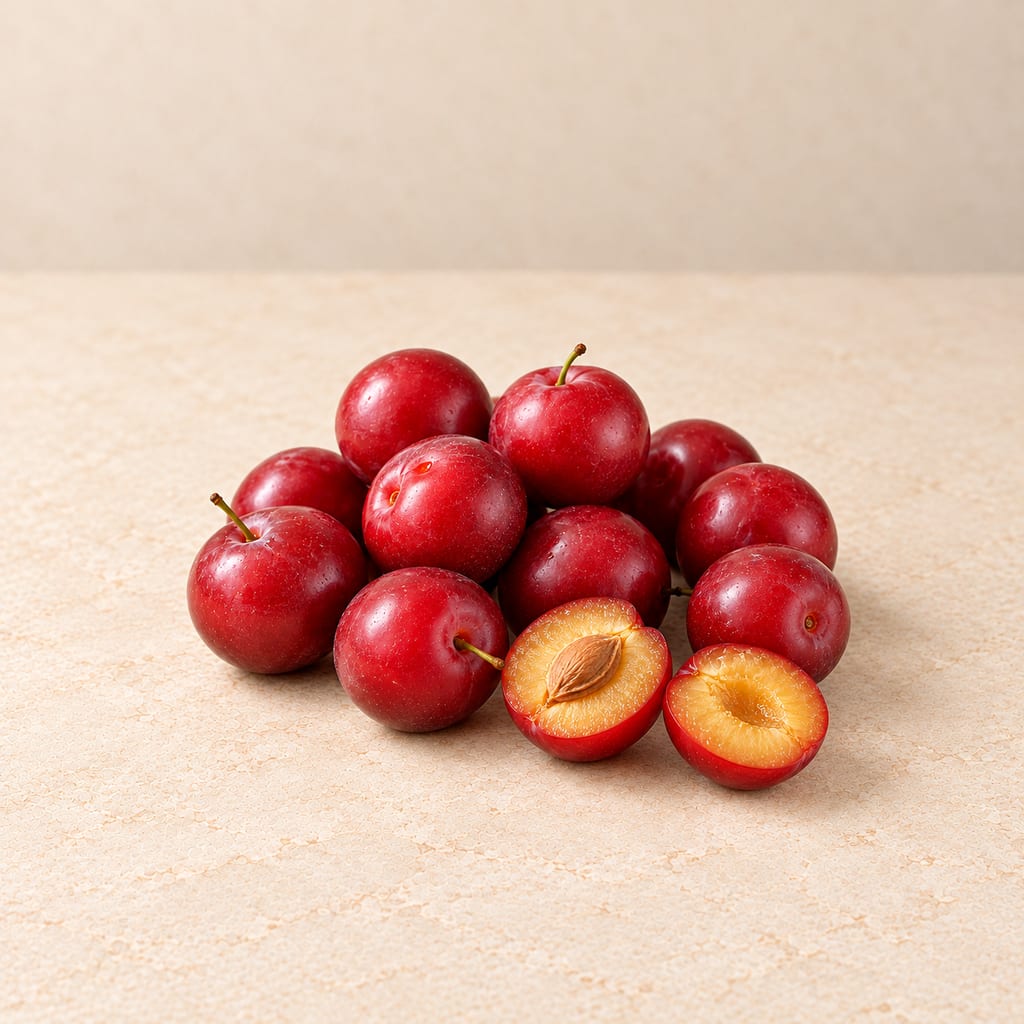
The tart plums of the Caucasus and the Balkans are cherry plums, Prunus cerasifera, also called myrobalan plums. The fruits are small drupes, 2 to 3 centimetres across, that ripen from early July to mid-September and turn yellow or red. In Georgia they are tkemali (ტყემალი), and the same word names the sauce made from them. Georgian fruit gathered in the mountains of Adjara runs from bright red to dark burgundy, elongated or oblong-rounded and sometimes almost spherical. The flavour is the point of the fruit: sweet and sour together, with the sour in front.
The numbers explain the taste. In juice pressed from four wild red and dark-red ecotypes from the Khulo district of Adjara, soluble solids ran from 9.6 to 10.7 degrees Brix, and total acids reached 3.2 to 3.4 percent weight per volume. Malic acid made up 69 to 75 percent of the acid, at 2.21 to 2.55 percent, with smaller quinic acid and only traces of citric. That is a sugar-to-acid ratio of about 2.8 to 3.1, with acidity comparable to or slightly above that of cultivated European and Japanese plums, which is why a spoonful of tkemali can sharpen a dish without much sweetness. Glucose dominates the sugars, ahead of fructose and then sucrose.
The same fruit appears in the kitchen at several ripeness stages and colours. Green unripe fruit, yellow fruit and red fruit are all used, and the sourness of a sauce shifts with the colour that went into it. A cook who wants more sweetness sometimes adds a sweeter plum to the pot.
Cherry plum is native to south-eastern Europe and western Asia, and its range runs across temperate Asia, including Turkey, Iran, China and Georgia, and parts of Europe such as Greece, Bulgaria and Albania. Its original habitat is obscure and the tree is not known in a truly wild situation, so the native range is partly inferred from where it persists. In the mountains of the Southern Caucasus it grows in thickets with sloe, hawthorn, dog rose, apples, pears, quinces and medlars.
The tree matters to the history of the whole plum family. The European plum, Prunus domestica, is believed to come from cherry plum crossed with the sloe, Prunus spinosa, or possibly from cherry plum alone, and the botanist Nikolai Vavilov put the centre of origin of the cultivated plum around the Caspian Sea and the Caucasus, where both parent species grow. Plastid DNA work on a wild plum population from Mount Erciyes in Central Anatolia places it in a clade with Prunus domestica and Prunus cerasifera, consistent with earlier evidence that cherry plum is the maternal ancestor of the European plum, and Anatolia is recognised as a centre of genetic diversity for cherry plum, myrobalan, sloe and domestic plum. Plums as a group count among the first fruits domesticated by people.
Wild cherry plums are therefore not a rustic variant of the plum on sale; they are a close relative of its ancestors.
In Georgia cherry plums are wild and cultivated, and households turn them into several preserved products. The best known is tkemali, the sauce. The main products of Adjara fruit are the sauce, tklapi, korao and jam. Tklapi is a fruit leather: the pulp is homogenised to a slurry, spread 3 to 4 millimetres thick on wooden boards and dried outdoors in the sun for three to five days. Korao is concentrated juice, boiled down to about 60 degrees Brix. Jam is made with sugar in equal weight to the fruit mass and cooked to about 65 degrees Brix.
One harvest feeds all four products, because the fruit is divided as it is processed. The juice is pressed out and either boiled down to korao or cooked into sauce with the pulp; the residual pulp is spread and dried as tklapi; and the pomace left after pressing is cooked with sugar into jam. Nothing in the fruit goes to waste, and each product keeps a different part of its character: the sourness and colour of the juice, the chew of the leather, the sweetness of the jam.
The sauce is cooked from juice and pulp, with coriander, garlic, savory and red pepper in one Georgian formulation. Traditional descriptions of tkemali list garlic, pennyroyal, coriander, dill, chilli pepper and salt, and call the sauce pungently tart, with a flavour that changes with the plum’s ripeness. It is typically red, but green and red versions of the plums are both used. Georgians serve it with fried or grilled meat, poultry and potato dishes, and it fills a role in Georgian cooking like that of ketchup in the United States. Several Georgian companies bottle it, and it is popular in Russian cooking, where many sauce makers produce it.
Georgia is not the only place that sours food with cherry plums. In Romania the fruit is used to sour soups and to make moonshine, and in the wider plum family fermentation has its own traditions: plums are made into wine and brandy, such as the slivovitz of the Balkans and the țuică of Romania.
The wild forms are large shrubs or small trees, up to 8 to 12 metres tall. The white or pale pink flowers open early, often from mid-February, and the tree is one of the first in Europe to flower in spring. It is self-fertile, though other Prunus varieties can pollinate it, and it spreads by seed or suckers, which is also how it is used as a rootstock. Hardiness is high: it is listed for USDA zones 5 to 8. Seed needs two to three months of cold stratification and can take up to 18 months to germinate; cuttings and layering also work.
Fruit quality follows the site. In Adjara the largest and juiciest fruit came from a mid-altitude, moderately humid ecotype, while a mountain ecotype collected higher up bore smaller, denser fruit with more intense pigment and the highest Brix. This looks like an adaptation to the temperature gradient, since slower ripening in cooler conditions seems to delay sugar metabolism and concentrate the fruit. Cherry plum is also grown as an ornamental, and purple-leaved cultivars such as ‘Atropurpurea’ and ‘Nigra’ are common in gardens.
Malic acid is the principal acid, and that sets Georgian cherry plum apart from many Central European plum cultivars, where citric acid often leads. Malic acid gives a sharp, refreshing flavour and stronger buffering than citric acid, and is described as the stronger microbial inhibitor of the two, which is linked to the stability of tkemali products. Potassium is the dominant mineral in the juice, at over 80 percent of the cations measured.
The colour comes from anthocyanins, mainly cyanidin 3-O-rutinoside and cyanidin 3-O-galactoside.
Acidity alone does not make a bottled sauce keep, and there is no validated storage time for sauce, leather or concentrate.
Tklapi is a way of preserving fruit that is widespread in the Southern Caucasus and in surrounding areas such as northern Iran: a layer of boiled, sun-dried fruit, mulberries or plums or another fruit, spread as thin as a sheet of paper. Families in the region treat it as part of a wider habit of leaving nothing to waste, and alongside it they make jams from plums, apricots and wild berries, and ferment apples to cider, alcohol or vinegar.
A Georgian recipe for the mulberry version shows the method. The fruit is chopped finely to a pulp, sieved and boiled until it is reduced to one-tenth of its original volume. In a separate pan a paste of wheat flour and water is prepared, at 0.5 kilogram of flour to three litres of fruit, and added to the concentrate. After mixing, the dense concentrate is spread over a clean linen cloth and left to dry in the sun for about a day; the cloth is dampened on the other side, the sheet is lifted off and rolled up, and it can be stored at room temperature for a long time. Tklapi can also be made without flour. In Adjara the residual pulp left after pressing cherry-plum juice is dried the same way, spread 3 to 4 millimetres thick on wooden boards in the sun for three to five days.
Most of the colour is in the skin. Analysis of a Georgian sample put the total anthocyanins in the skin at roughly three and a half times those in the pulp (1,663 against 483 milligrams per kilogram), and the skin also held more total phenols than the pulp, 14,752 against 10,679 milligrams per kilogram of dry matter. In all, 34 phenolic compounds were identified: anthocyanins, hydroxycinnamic acids such as neochlorogenic and chlorogenic acid, flavan-3-ols including catechin and procyanidin A2, and flavonol glycosides, and resveratrol was tentatively detected in the species for the first time. The anthocyanin pool is mostly cyanidin 3-O-rutinoside and cyanidin 3-O-galactoside, with a rare acylated form, cyanidin 3-(6-trans-p-coumaroyl)-glucoside, which resists fading better and helps explain the deep red-violet hue of tkemali juices and sauces.
Cooking turns that colour down. In a comparison of ways to process the same fruit, open-pan concentrate and jam lost 90 to 95 percent of their anthocyanins; sun-dried tklapi kept 5.39 milligrams per kilogram against 47.09 for tklapi dried in a freeze-dryer, and the classic sauce showed three to five times less anthocyanin than fresh fruit. The mechanism is the breaking of the sugar bonds that hold the pigments together, followed by oxidation and polymerisation, which speed up above about 70 degrees Celsius in the presence of oxygen. Concentrating juice under vacuum at 40 to 45 degrees gave only a small advantage in anthocyanin over open-pan boiling (43.8 against 41.5 milligrams per kilogram), while freeze-drying gave the largest. Flavonols behave differently: they are not concentrated in the peel and survive moderate heat better, although prolonged heating of jam and sauce destroys more than half of them.
The sugar profile, with glucose well above fructose and little sucrose, is the pattern of an acid-dominant stone fruit that has converted most of its sucrose during ripening.
The Adjara fruit was picked at the stage of optimal consumer maturity, judged by colour, firmness and flavour; the 20 kilogram sample was hand-sorted to remove leaves and stalks, which came to about 1.5 percent, then frozen at minus 20 degrees Celsius. For juice the plums were pitted and either cold-pressed through a slow twin-gear juicer, or blanched whole in water at 90 to 95 degrees Celsius for four minutes to inactivate browning enzymes and soften the cells before pressing.
Plum kernels contain amygdalin, a cyanogenic glycoside, and the leaves and seeds of cherry plum carry hydrogen cyanide, detectable as bitterness, so the stones are removed before the fruit is cooked or pressed.
A cook meets the fruit as red, dark red, yellow or green. The Adjara study sampled four wild ecotypes from the Khulo district, two red and two dark red, one of them from the mountain village of Mkvirala, each with its own balance of sugar and acid. Related Georgian plums include the alucha and the red-leaf plum, which are also used for the sauce. The cherry plum is not a single named cultivar but a species with many wild and local forms, and a recipe that says only tart plum leaves its sourness to the fruit in hand.
The acid and sugar figures are for four wild ecotypes from one Georgian district; other cherry plums will differ.
Source of the wild ecotypes analysed; a sample area, not an exclusive growing region or the birthplace of the sauce.
Home of tkemali sauce, tklapi and korao; a country-level association.
Area in which Vavilov placed the origin of the cultivated plum from cherry plum and sloe; a hypothesis, not a dated record.
Recognised as a centre of genetic diversity of cherry plum and related plums.
Cherry plum is used to sour soups and to make moonshine.
A Georgian sour plum sauce of cherry plums cooked with garlic, coriander, dill-family herbs and chilli. Its sourness comes from the fruit, and it is served as a condiment with grilled meat, poultry and potatoes.
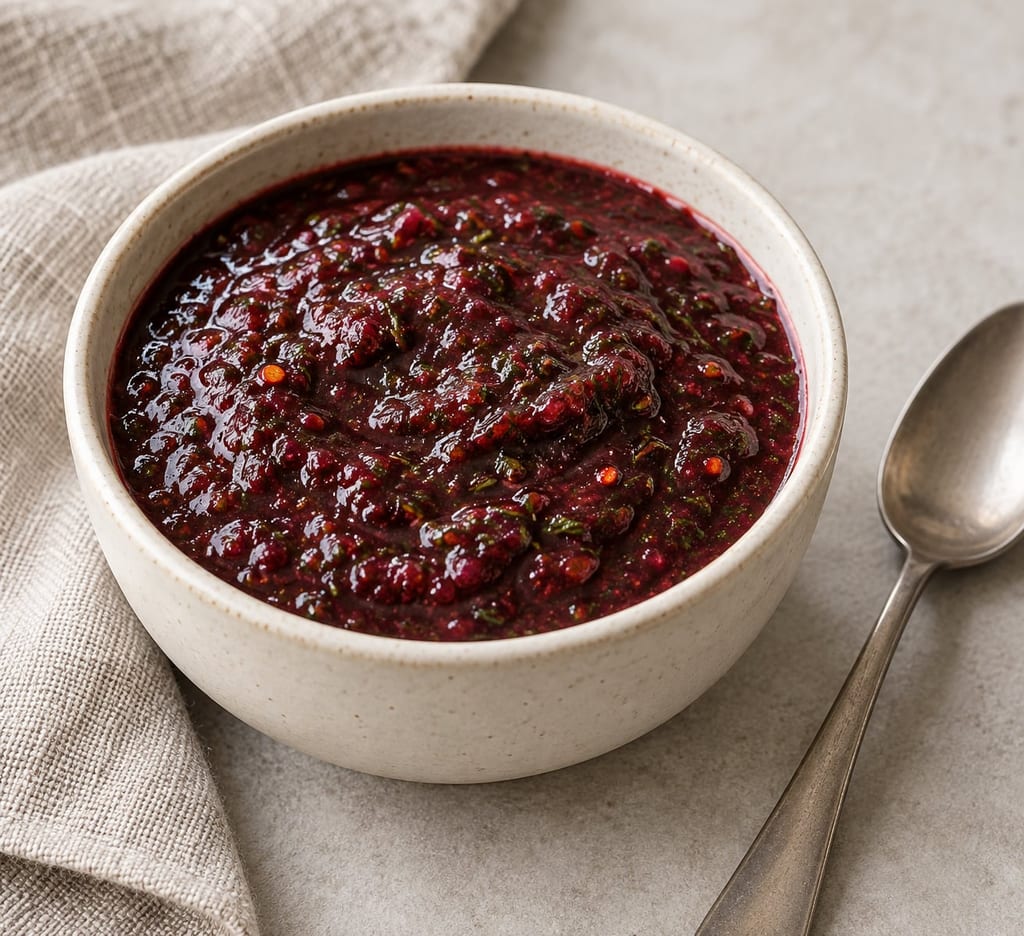
An untested refrigerator sauce inspired by Georgian tkemali. This version uses ordinary mint in place of pennyroyal (ombalo), changing its aroma; it is not a tested preserve.
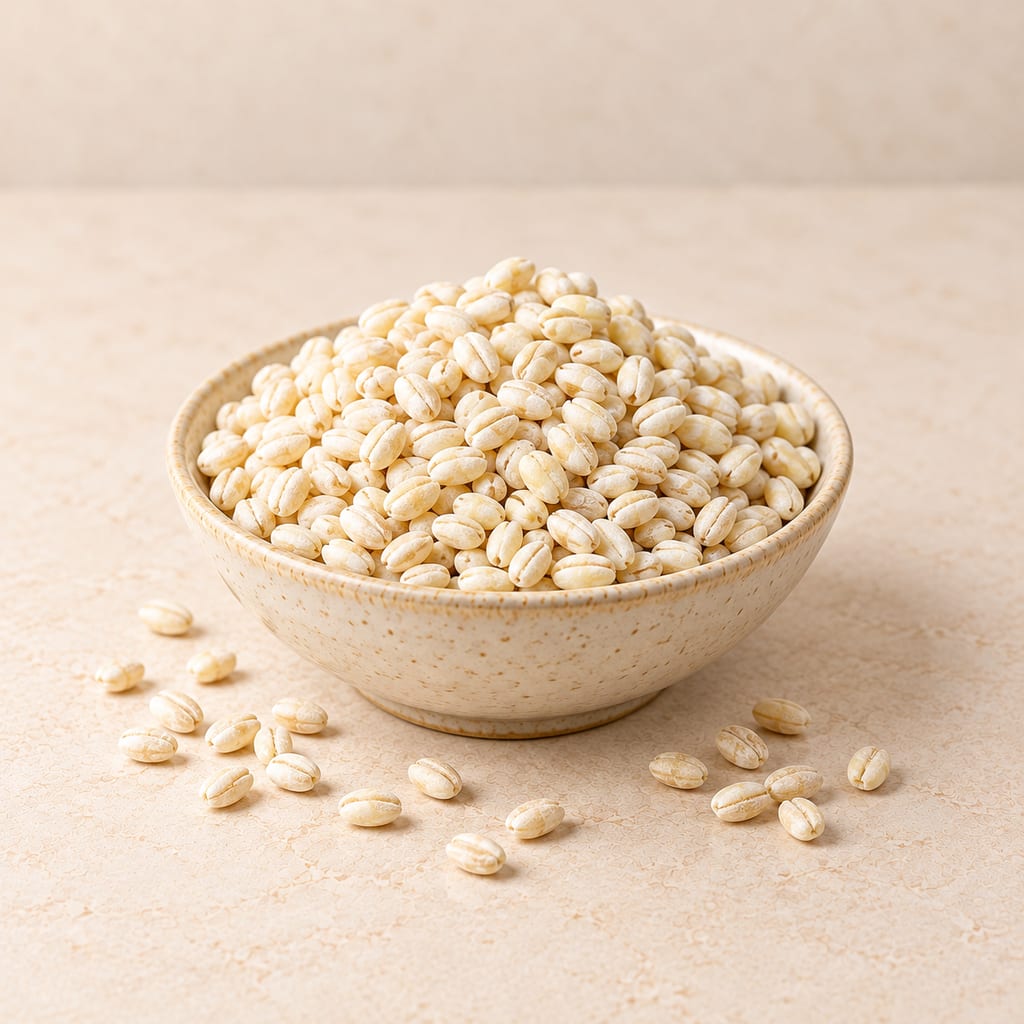
Barley is a hardy cereal, domesticated in the Middle East over 10,000 years ago, eaten whole, pearled or milled, malted for brewing, and grown with koji mold for barley miso.
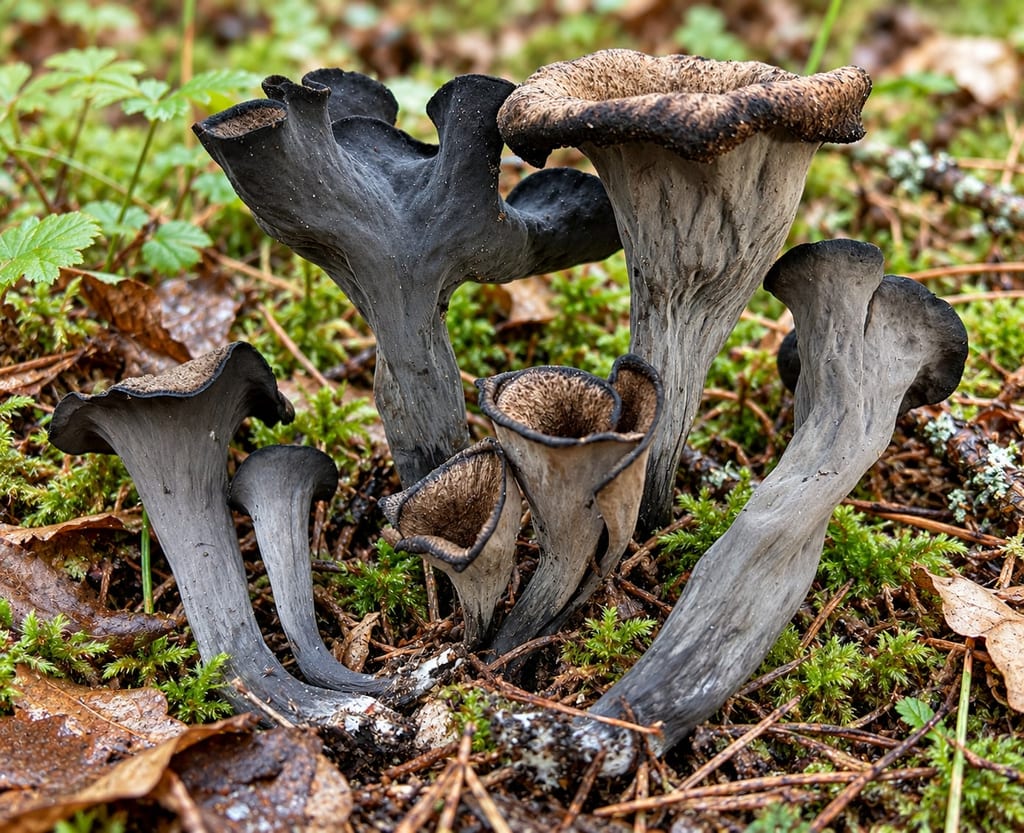
Black trumpet, or horn of plenty, is Craterellus cornucopioides, a dark hollow woodland mushroom used in cooked dishes and dried seasonings, with regional identity and range limits.
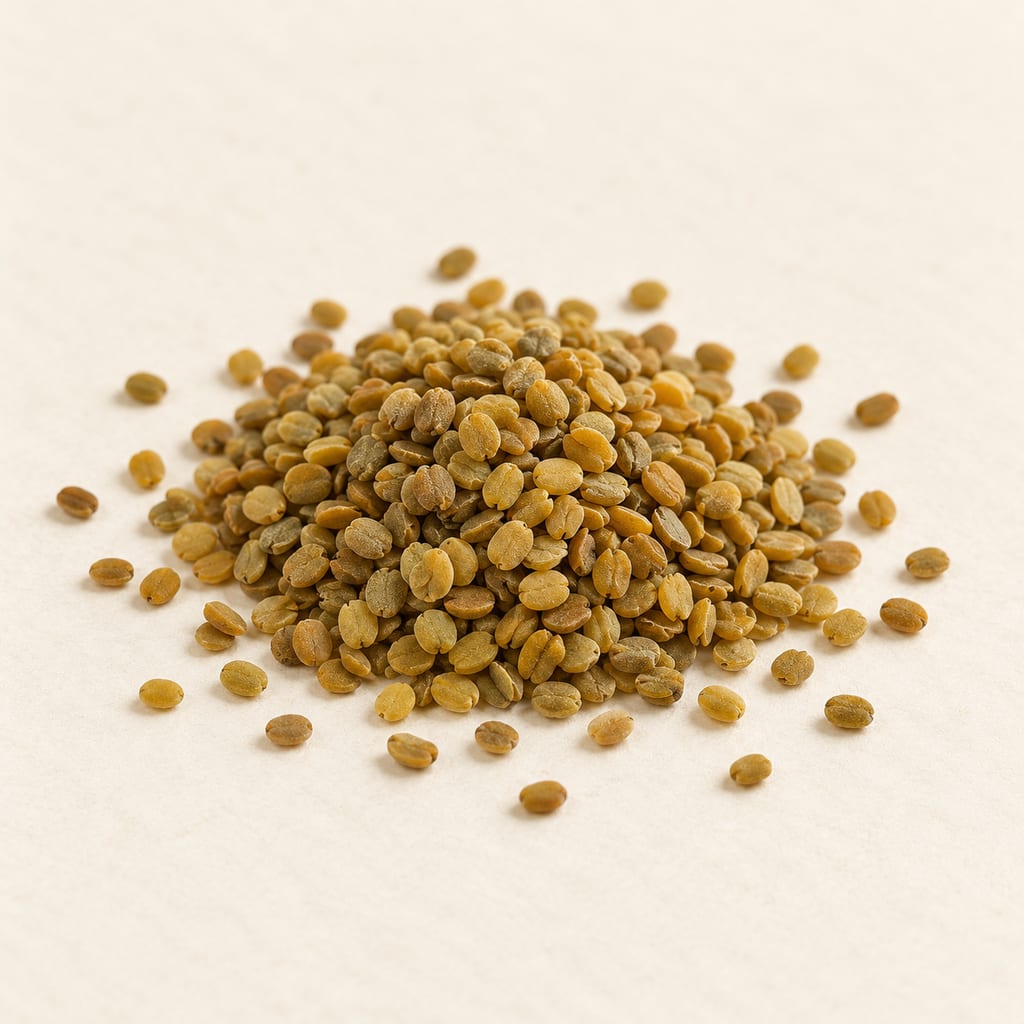
Blue fenugreek (Trigonella caerulea) is an aromatic annual used as an herb in Alpine cheese and bread and as a seed spice in Georgian cooking; its identity differs from common fenugreek.
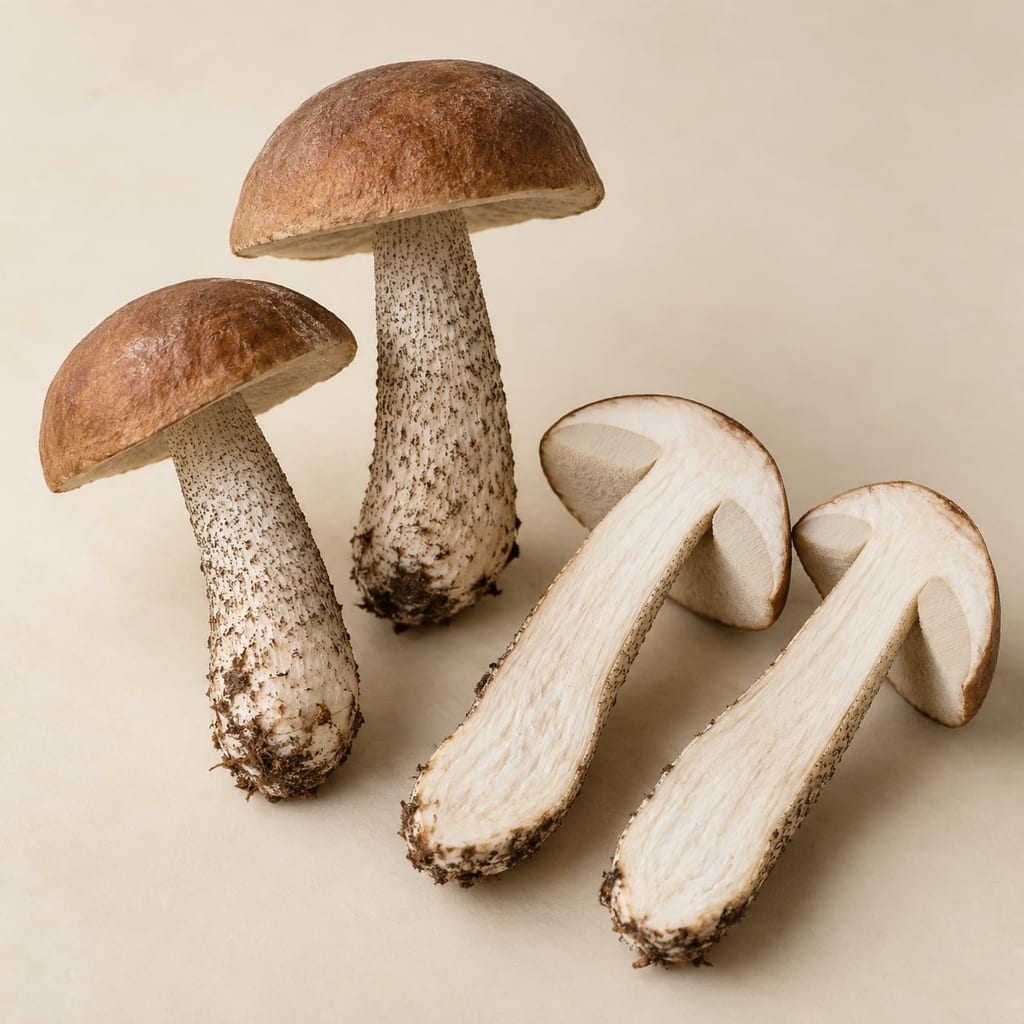
A wild birch-associated bolete eaten in parts of Europe. Its older name, Boletus scaber, remains common in historical sources; regional food records and cooking cautions require source-specific reading.
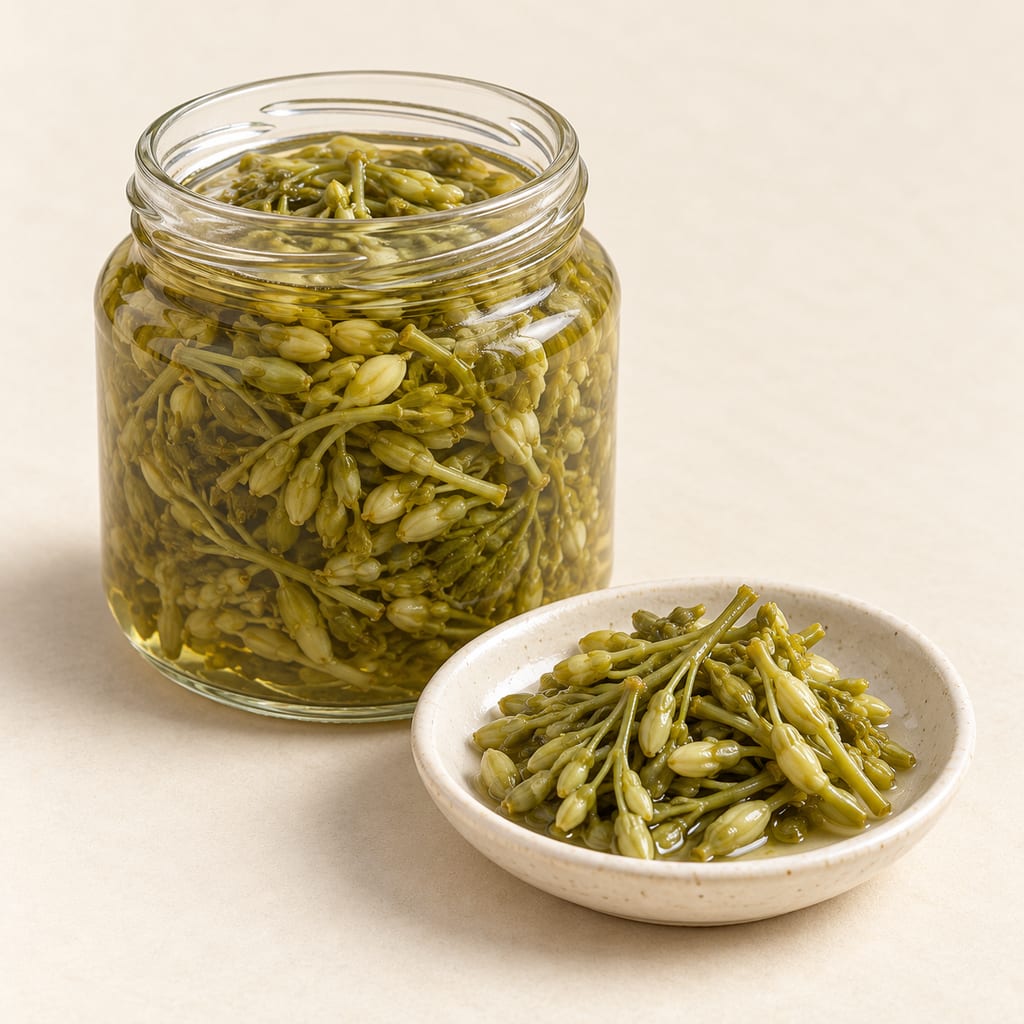
Georgian sources describe jonjoli as a flower-bud food associated with more than one Staphylea species. A 2021 figure caption names S. pinnata for the pictured preparation, while the study’s food table and the FAO profile preserve paired or shared-species evidence.
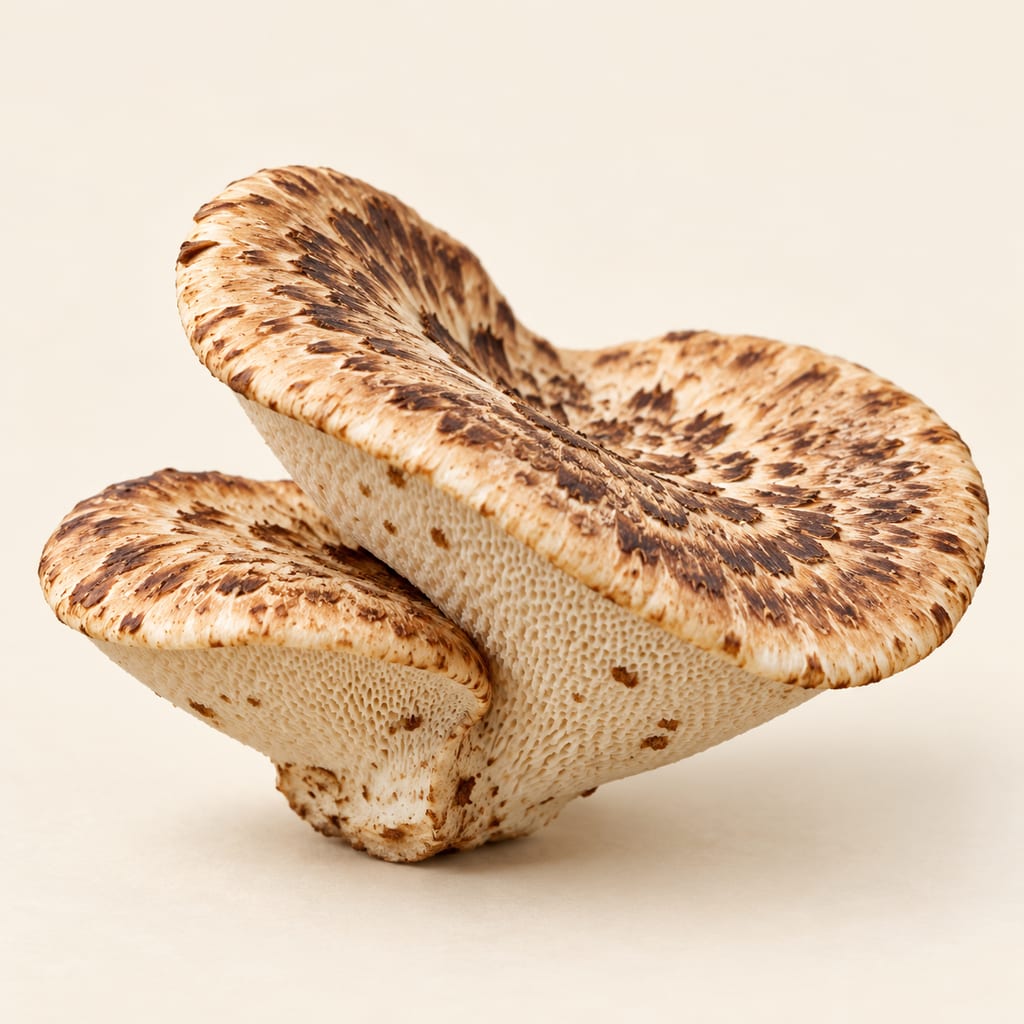
Dryad’s saddle is a wild hardwood polypore whose young tender margins are cooked in some regional food traditions; mature brackets quickly become tough.
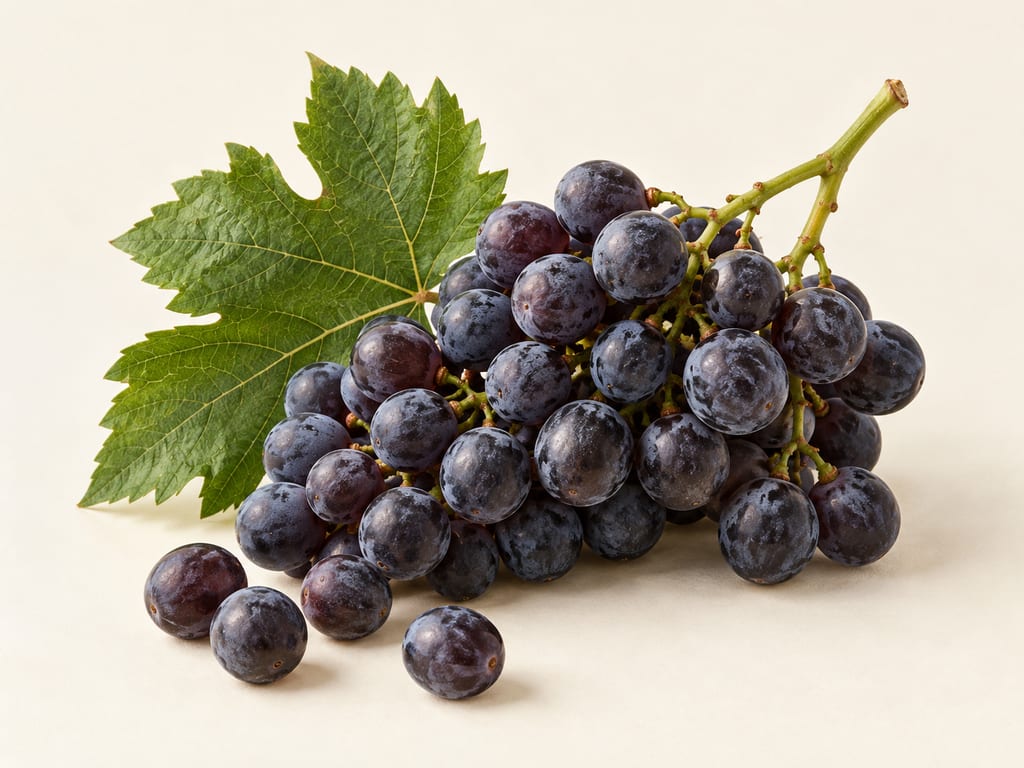
Wine grapes are fresh berries selected for vinification; their sugars fuel alcoholic fermentation, while cultivar, ripeness and handling shape the fruit and the wine it can become.
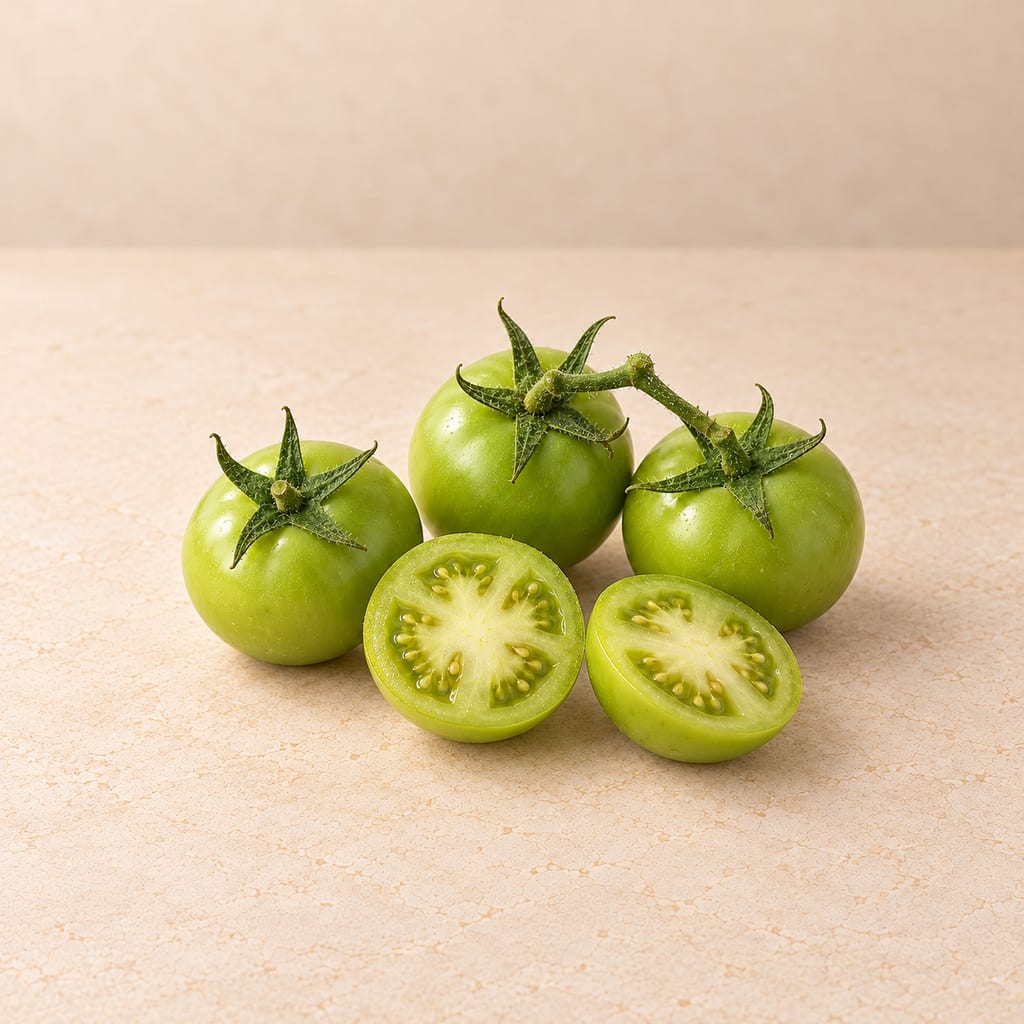
A green tomato is an unripe tomato, firm and sour, used for frying, pickling, relish and ferments. It carries tomatine, which falls as the fruit ripens.
No community contributions have been published for this entry yet.
Sign in to contribute. Published comments and photos are free to read.
Food Science & Nutrition (Wiley)Composition · Processing · Geography
Traditional and Innovative Processing of Georgian Myrobalan Plum (P. cerasifera Ehrh): Effects on Phytochemical ContentOrganic acids (malic 2.21 to 2.55 percent, total 3.2 to 3.4 percent), sugars, Brix and sugar-to-acid ratio of four Khulo (Adjara) ecotypes.
Fruit colours and shape; altitude effects on size and pigment.
Georgian products: sauce, tklapi (sun-dried leather, 3 to 5 days), korao (about 60 degrees Brix), jam (65 degrees Brix); spices in the sauce.
Anthocyanin losses over 90 percent in jam and open-pan concentrate; benefits of freeze-drying and vacuum concentration; handling and blanching of the fruit.
Cited in: A small plum that is more acid than sweet; A Georgian pantry built on one fruit; How the tree grows; What the chemistry means for preserving; Tklapi, the fruit sheet of the Caucasus; Where the colour sits, and what heat does to it; Choosing and preparing the fruit; Colours, forms and relatives; Notes
Biological ResearchOrigin · Taxonomy
Integrative morphological, biochemical, and plastome-based characterization of a wild plum (Prunus spp.) population from Mount Erciyes (Central Anatolia, Türkiye)Vavilov placed the origin of Prunus domestica around the Caspian Sea and Caucasus where P. cerasifera and P. spinosa occur; cherry plum as maternal ancestor of European plum; Anatolia as a centre of genetic diversity.
Cited in: Where cherry plums come from; Where the colour sits, and what heat does to it
WikipediaLead · Botany
Prunus cerasiferaNative range, tree size, flowering from mid-February, fruit 2 to 3 cm ripening July to September, self-fertile, rootstock use, purple-leaved ornamental cultivars; Romanian use for souring soups and moonshine.
Cited in: A small plum that is more acid than sweet; Where cherry plums come from; How the tree grows; Colours, forms and relatives
WikipediaLead · Use
TkemaliSauce made primarily of cherry plum; alucha and red-leaf plum also used; red and green versions; garlic, pennyroyal, coriander, dill, chilli, salt; served with fried or grilled meat, poultry and potatoes; produced by Georgian companies.
Cited in: A Georgian pantry built on one fruit; Colours, forms and relatives
WikipediaLead · History
PlumPlums among the first domesticated fruits; fermentation to wine and brandy (slivovitz, țuică); kernels contain amygdalin.
Cited in: Where cherry plums come from; Where the colour sits, and what heat does to it
Plants For A FutureBotany · Safety
Prunus cerasiferaNative range; original habitat obscure; hardiness; seed and cutting propagation; leaves and seed contain hydrogen cyanide.
Cited in: Where cherry plums come from; How the tree grows; Choosing and preparing the fruit
Food and Agriculture Organization of the United NationsHistory · Preservation
Gardens of Biodiversity: Conservation of Genetic Resources and Their Use in Traditional Food Production Systems by Small Farmers of the Southern Caucasus (chapter 4)Tklapi as a sheet of boiled, sun-dried fruit widespread in the Southern Caucasus and northern Iran; the Georgian mulberry tklapi method with flour paste and linen cloth; jams, cider and vinegar from household fruit.
Cherry plum growing in thickets with sloe, hawthorn, dog rose, apples, pears, quinces and medlars.
Cited in: Where cherry plums come from; Tklapi, the fruit sheet of the Caucasus