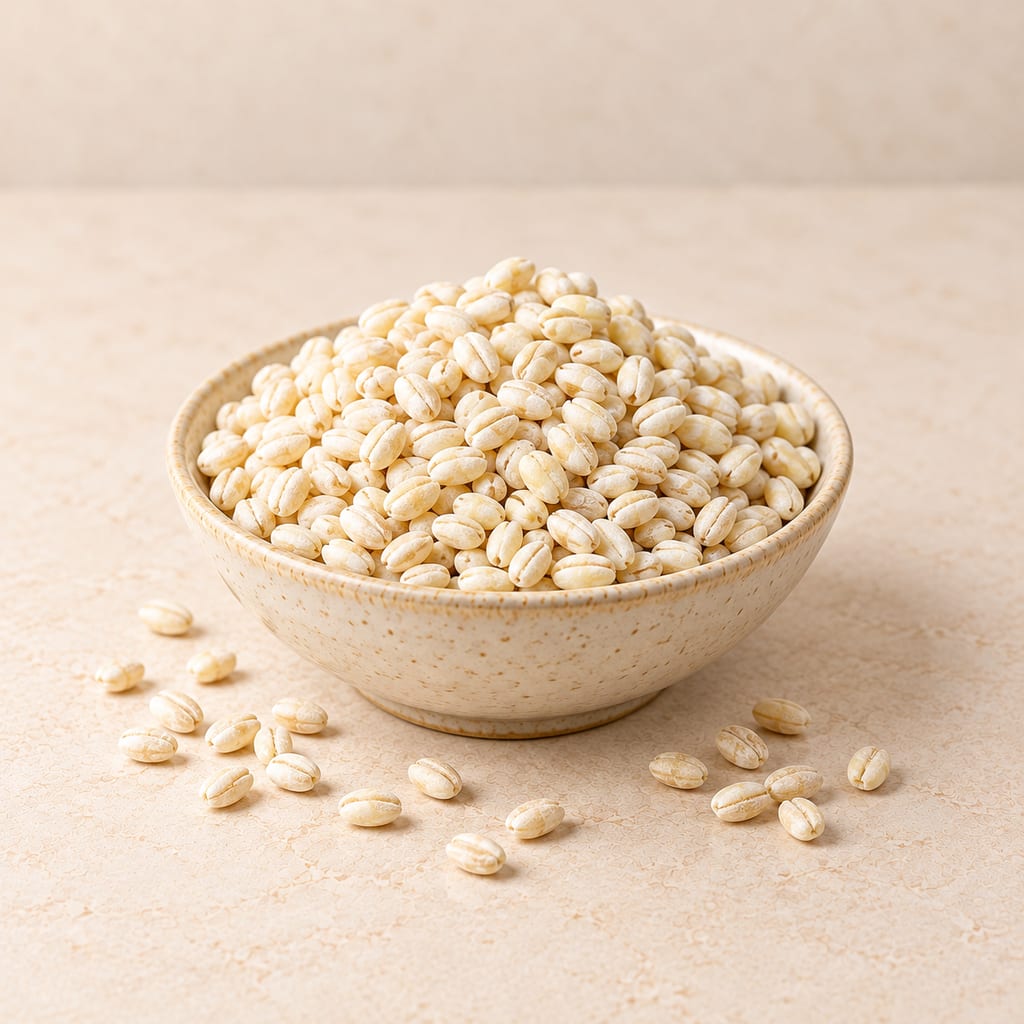
Barley
Barley is a hardy cereal, domesticated in the Middle East over 10,000 years ago, eaten whole, pearled or milled, malted for brewing, and grown with koji mold for barley miso.
 FermenteaWhere food goes to change
Substrates
Georgian sources describe jonjoli as a flower-bud food associated with more than one Staphylea species. A 2021 figure caption names S. pinnata for the pictured preparation, while the study’s food table and the FAO profile preserve paired or shared-species evidence.
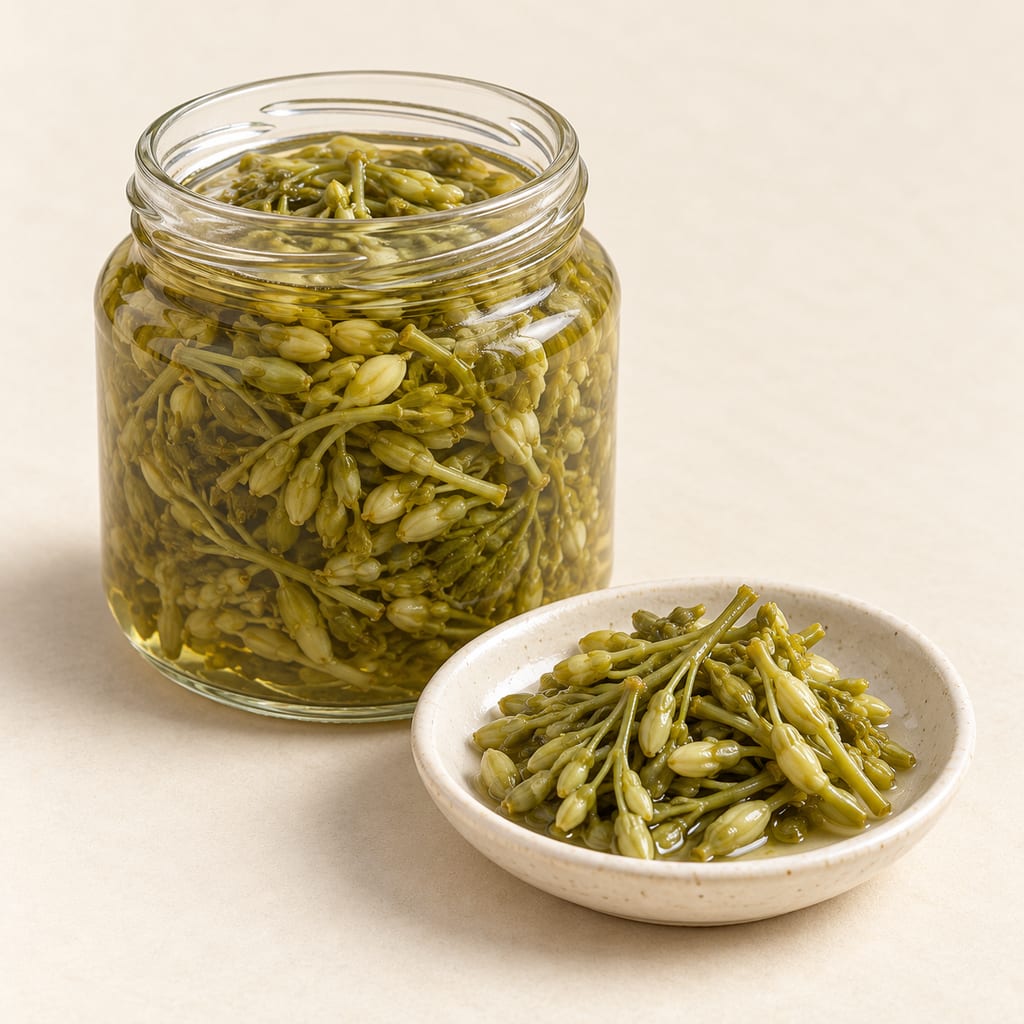
Kew accepts Staphylea pinnata L. and Staphylea colchica Steven as separate species in Staphyleaceae. Georgian sources use jonjoli for the food context and distinguish common jonjoli from Colchic jonjoli, but the shared word is not a specimen identification.
A northeast Georgian study based on spring 2018 fieldwork records 136 interviews across seven ethnolinguistic groups. Its food table pairs S. pinnata with S. colchica for flower use fermented in brine. The caption for Figure 3 names S. pinnata as the plant shown in the pictured fermented jonjoli. That caption is a source-specific label for the image; it does not separate every table report, household name or market product by species.
The FAO atlas names both S. colchica and S. pinnata as Georgian jonjoli forms. It associates common jonjoli with Kartli and Kakheti and describes flower buds sourced from farm production and/or wild collection. The atlas also describes Staphylea in forest and meadow settings, including some subforests at 1,000–1,200 m. Those are regional product and habitat descriptions, not a measured S. pinnata crop range or yield.
The paired 2021 table uses flowers and reports brine fermentation, but it does not allocate each report to one species or provide a complete process. The 2016 table’s “Fruit, Leaf” food entry is for S. colchica; it is not transferred to S. pinnata. The FAO atlas describes jonjoli as a pickled product but does not give a species-specific, validated household method. No safety endpoint or storage life is established by these accounts.
The FAO profile says common jonjoli, S. pinnata, is grown in Kartli and Kakheti, but its account does not assign the described farm and wild sourcing methods to a measured species-specific trial. RHS provides UK ornamental advice for S. pinnata: full sun or partial shade, moist but well-drained chalk, clay, loam or sand, and acid, alkaline or neutral soil. It gives H6 in the UK scheme, whose legend is −20 to −15 °C. RHS also describes autumn seed in containers in a cold frame and softwood or semi-ripe cuttings with bottom heat. These ornamental conditions and propagation notes do not establish productive edible-bud pots, greenhouse culture or Georgian crop thresholds.
A voucher-level Georgian record that separates the paired flower reports by species and community remains open. No S. pinnata-specific harvest calendar, yield, propagation trial, greenhouse protocol or validated pickle process was established in the reviewed sources. The existing S. colchica article remains separate; its calendar and conservation findings are not assigned to S. pinnata.
The 2021 food table and FAO jonjoli account preserve paired or shared S. pinnata/S. colchica evidence; only the Figure 3 caption names S. pinnata for the pictured preparation.
No species-resolved Georgian voucher and community/name crosswalk for all jonjoli reports was established.
No species-specific Georgian crop trial, yield, harvest calendar, productive container or greenhouse protocol was found in the reviewed source set.
No complete, validated S. pinnata preservation process or storage endpoint was established.
RHS conditions and propagation advice concern UK ornamental gardening, not Georgian edible-bud production.
The underlying plant account received a partial source review. Its review scope is described in the original plant article.
The regional product account associates common jonjoli with Kartli and Kakheti; its sourcing and food use can involve more than one Staphylea species.
Barley is a hardy cereal, domesticated in the Middle East over 10,000 years ago, eaten whole, pearled or milled, malted for brewing, and grown with koji mold for barley miso.
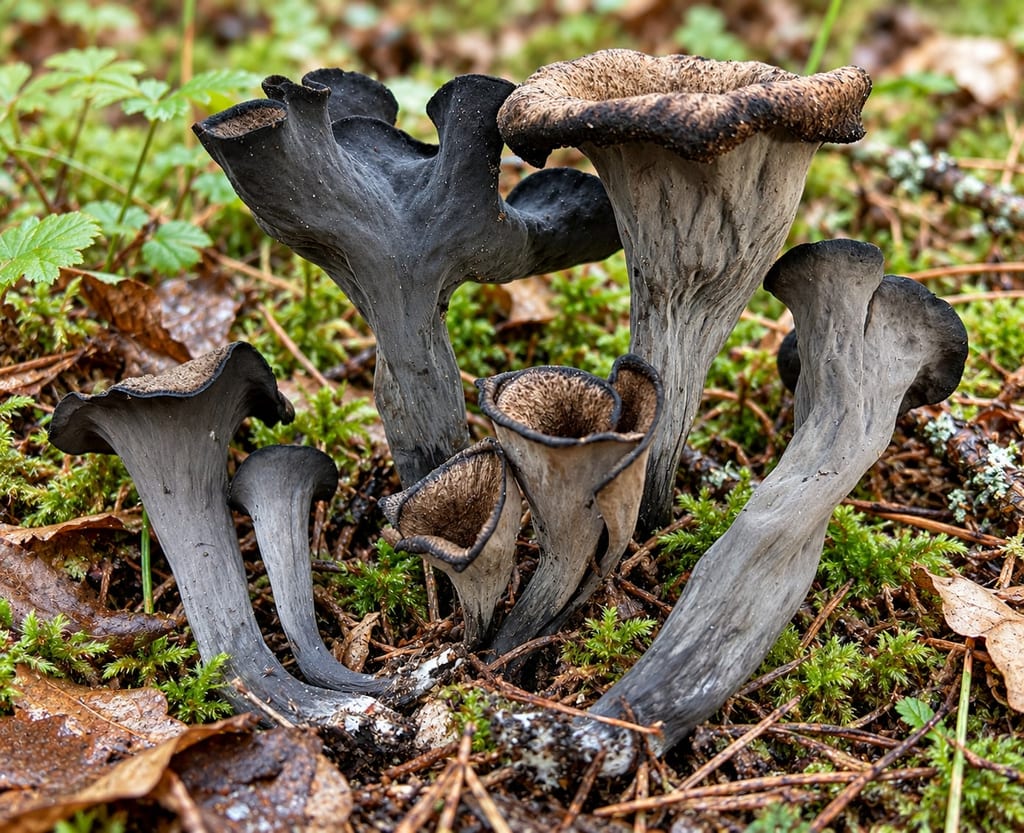
Black trumpet, or horn of plenty, is Craterellus cornucopioides, a dark hollow woodland mushroom used in cooked dishes and dried seasonings, with regional identity and range limits.
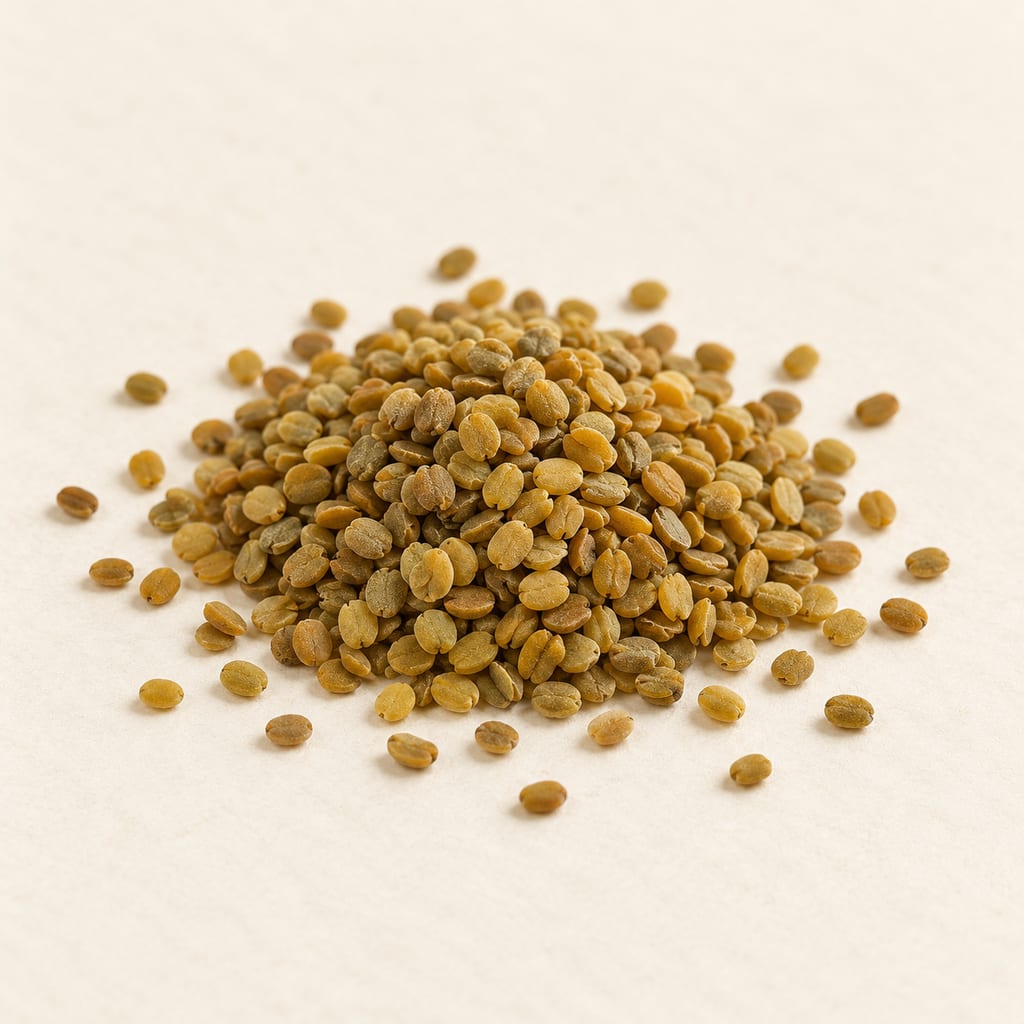
Blue fenugreek (Trigonella caerulea) is an aromatic annual used as an herb in Alpine cheese and bread and as a seed spice in Georgian cooking; its identity differs from common fenugreek.
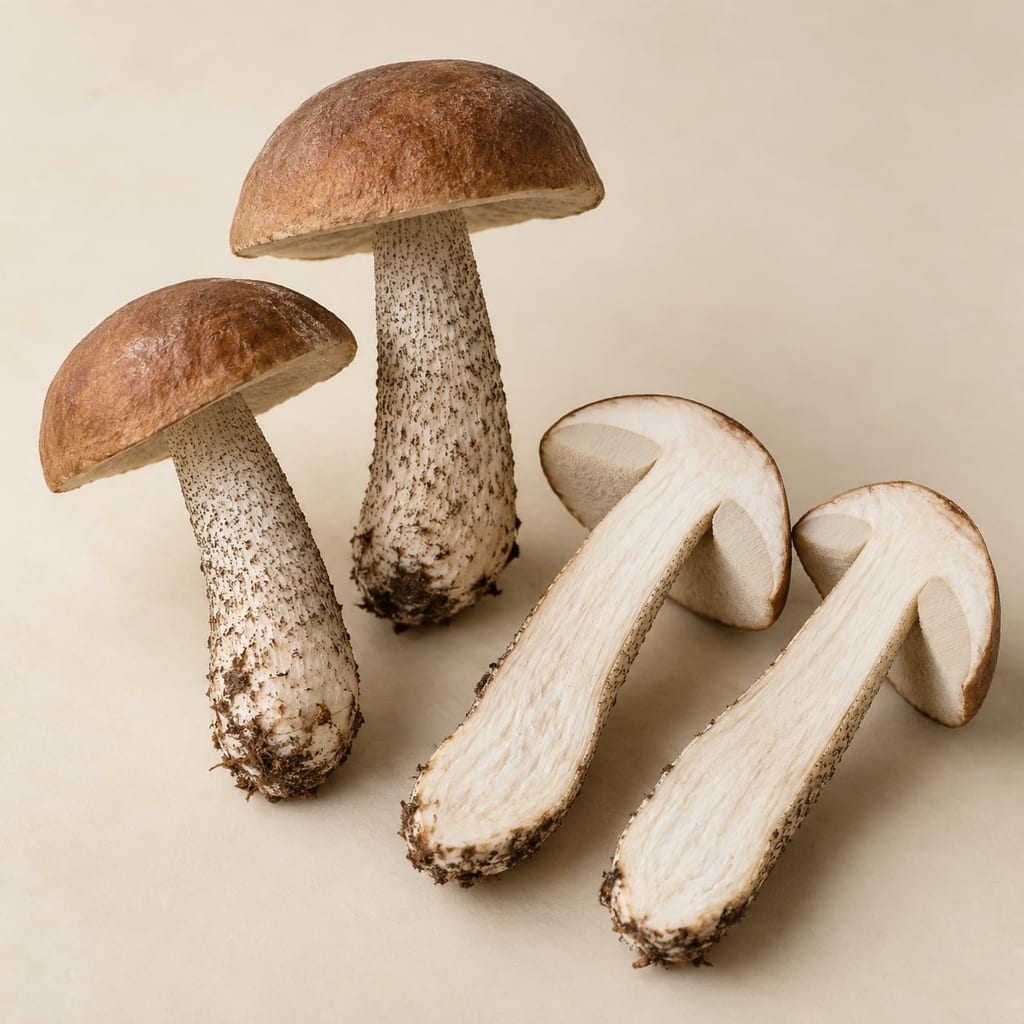
A wild birch-associated bolete eaten in parts of Europe. Its older name, Boletus scaber, remains common in historical sources; regional food records and cooking cautions require source-specific reading.
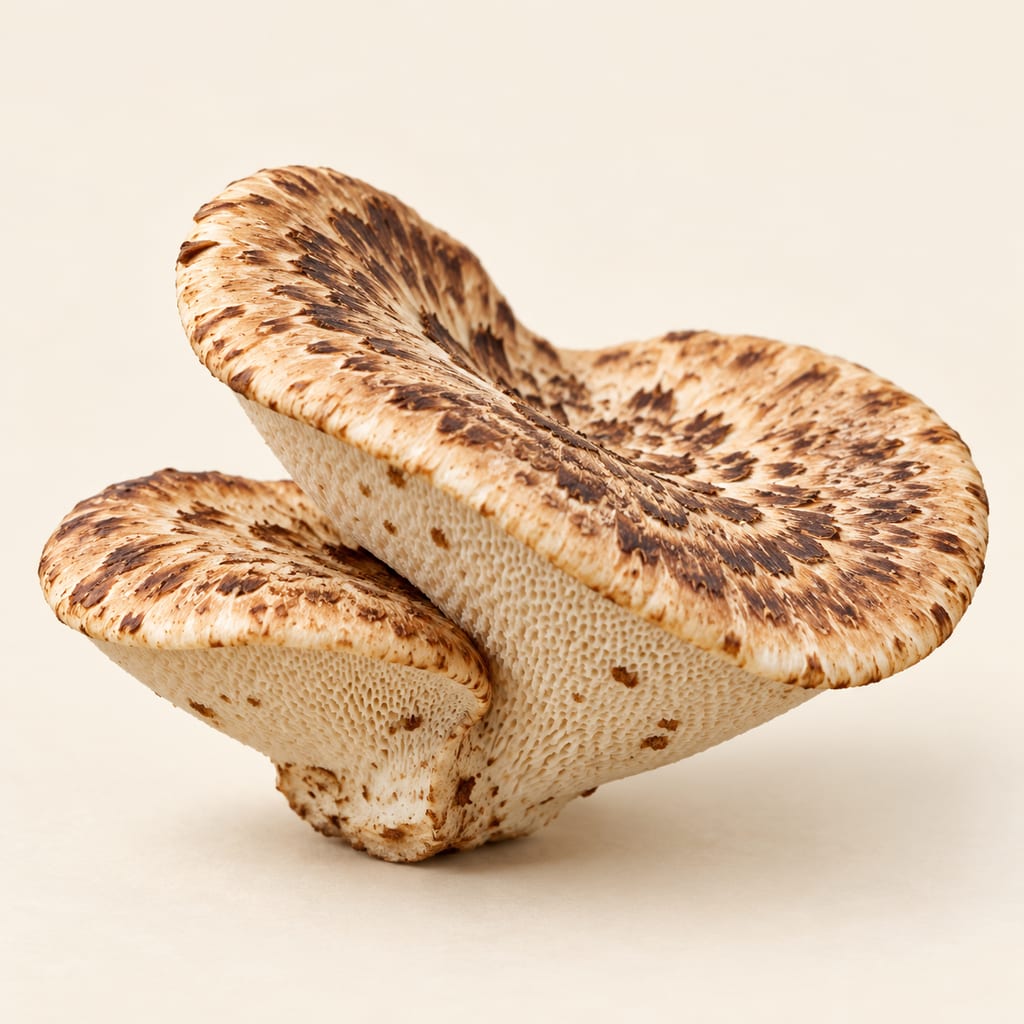
Dryad’s saddle is a wild hardwood polypore whose young tender margins are cooked in some regional food traditions; mature brackets quickly become tough.
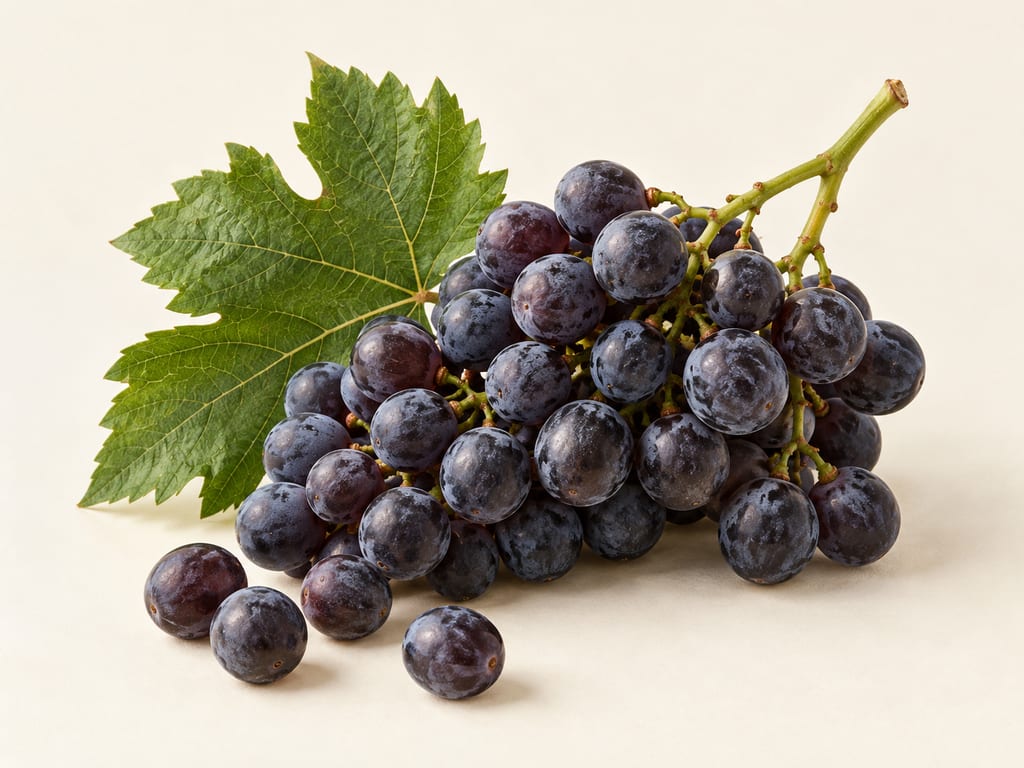
Wine grapes are fresh berries selected for vinification; their sugars fuel alcoholic fermentation, while cultivar, ripeness and handling shape the fruit and the wine it can become.
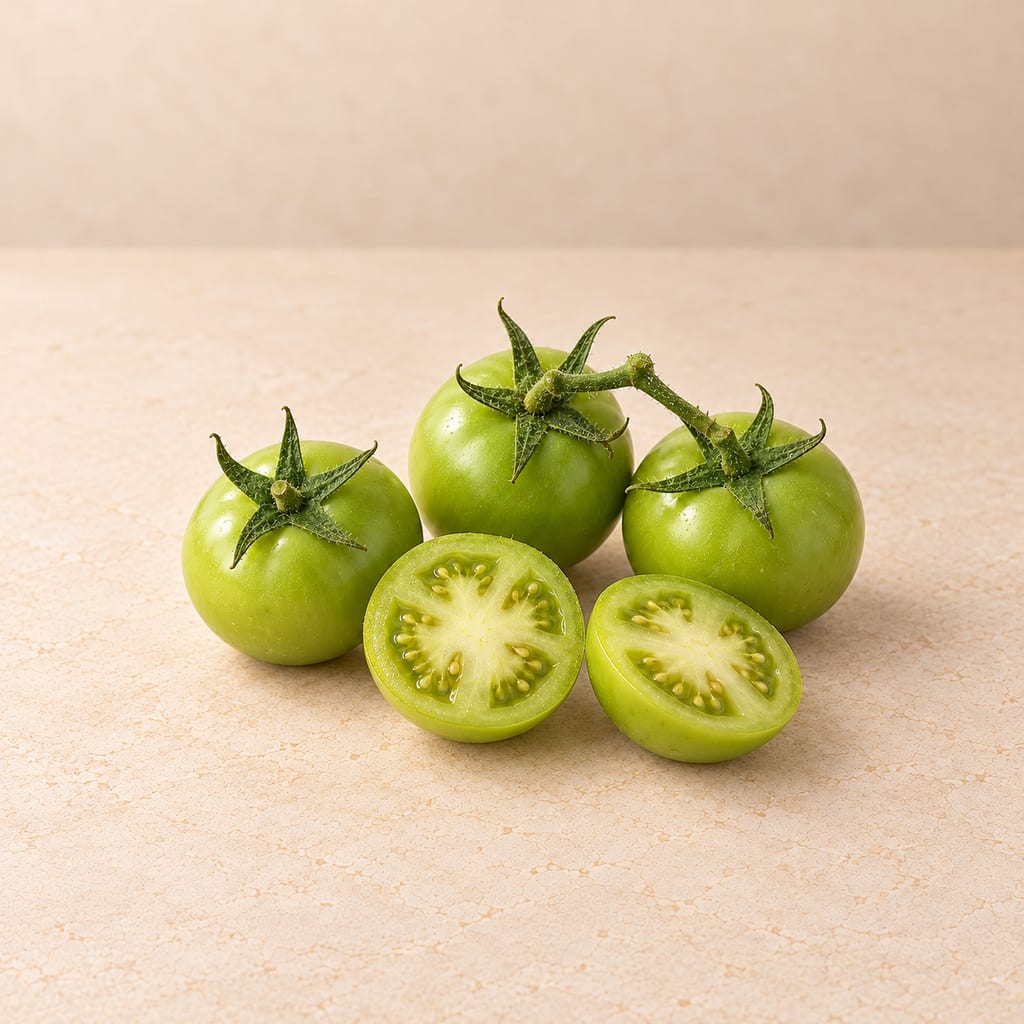
A green tomato is an unripe tomato, firm and sour, used for frying, pickling, relish and ferments. It carries tomatine, which falls as the fruit ripens.
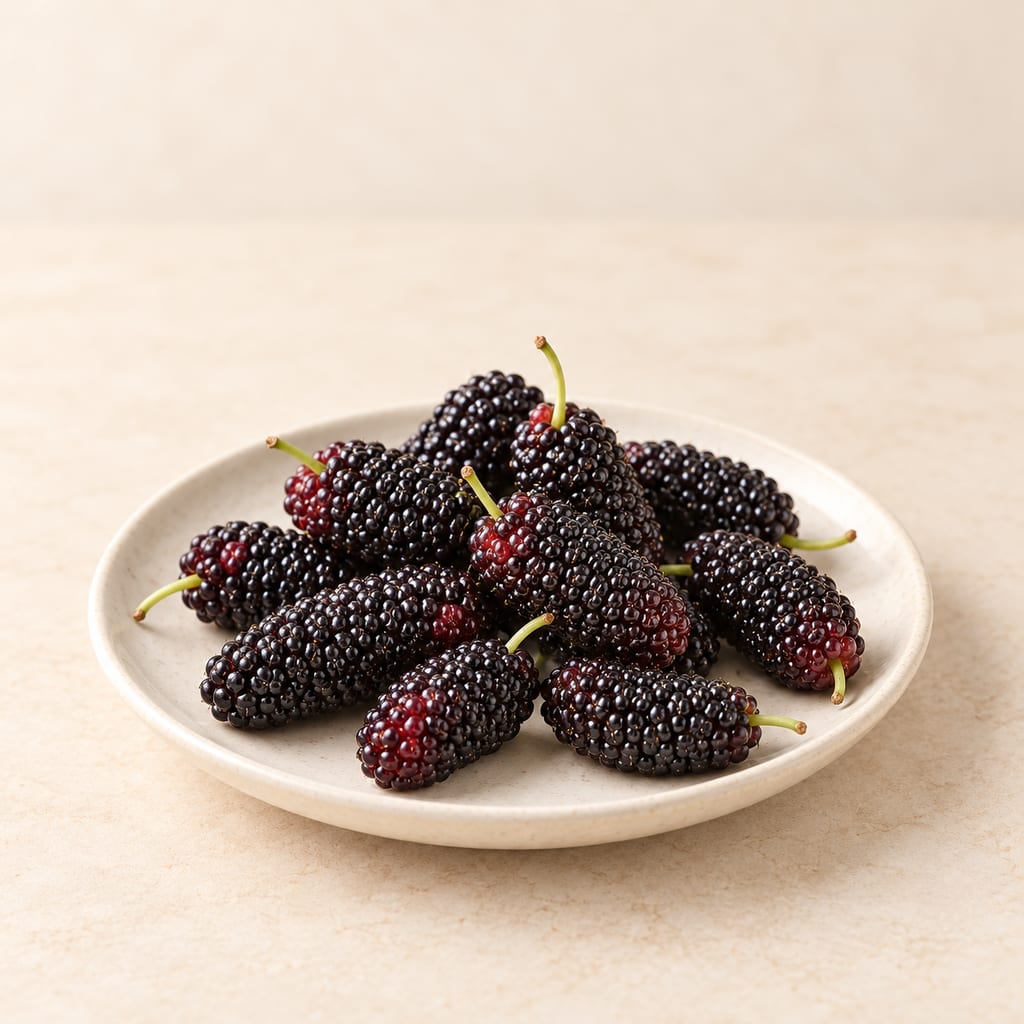
Mulberries are the soft fruits of Morus trees, used fresh and dried and as the fruit base for documented Georgian tklapi. The cited tklapi accounts do not identify a species.
No community contributions have been published for this entry yet.
Sign in to contribute. Published comments and photos are free to read.
Royal Botanic Gardens, Kew, Plants of the World OnlineIngredient research
Staphylea pinnata L. | Plants of the World OnlineCited in: Two accepted species, one shared food name; Open questions; Research gaps
Royal Botanic Gardens, Kew, Plants of the World OnlineIngredient research
Staphylea colchica Steven | Plants of the World OnlineCited in: Two accepted species, one shared food name; Open questions; Research gaps
Pieroni, Sõukand and Bussmann, Economic Botany 74 (2020), Springer NatureIngredient research
The Inextricable Link Between Food and Linguistic Diversity: Wild Food Plants among Diverse Minorities in Northeast Georgia, CaucasusCited in: What the Georgian food records say; Plant parts and process limits; Open questions; Research gaps
Food and Agriculture Organization of the United Nations, Rome (2019)Ingredient research
Atlas of Origin Linked Food Products in GeorgiaCited in: Two accepted species, one shared food name; Regional product account; Plant parts and process limits; Growing information; Open questions; Research gaps
Royal Horticultural SocietyIngredient research
Staphylea pinnata | RHS Plant ProfileCited in: Growing information; Open questions; Research gaps
Bussmann et al., Medicinal & Aromatic Plants 5(5), article 1000266 (2016)Ingredient research
Medicinal and Food Plants of Svaneti and Lechkhumi, Sakartvelo (Republic of Georgia), CaucasusCited in: Plant parts and process limits; Open questions; Research gaps
FermenteaResearch provenance
Common jonjoli and Staphylea pinnata: original plant researchCited in: Research status