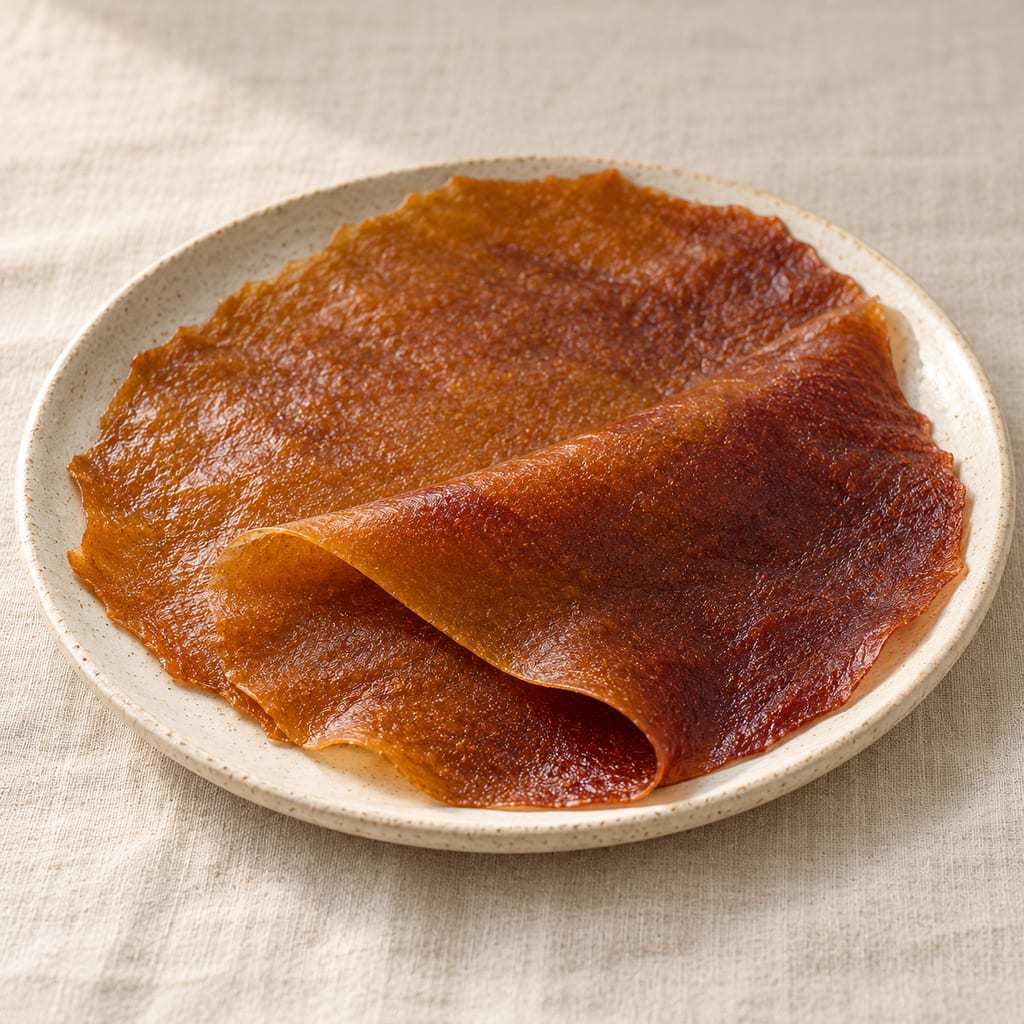
Meskhetian mulberry tklapi
A reported Khizabavra household method cooks mulberry juice with wheat flour into a thin porridge before drying it on cloth; batch measures and a measured endpoint are absent.
 FermenteaWhere food goes to change
Substrates
Mulberries are the soft fruits of Morus trees, used fresh and dried and as the fruit base for documented Georgian tklapi. The cited tklapi accounts do not identify a species.
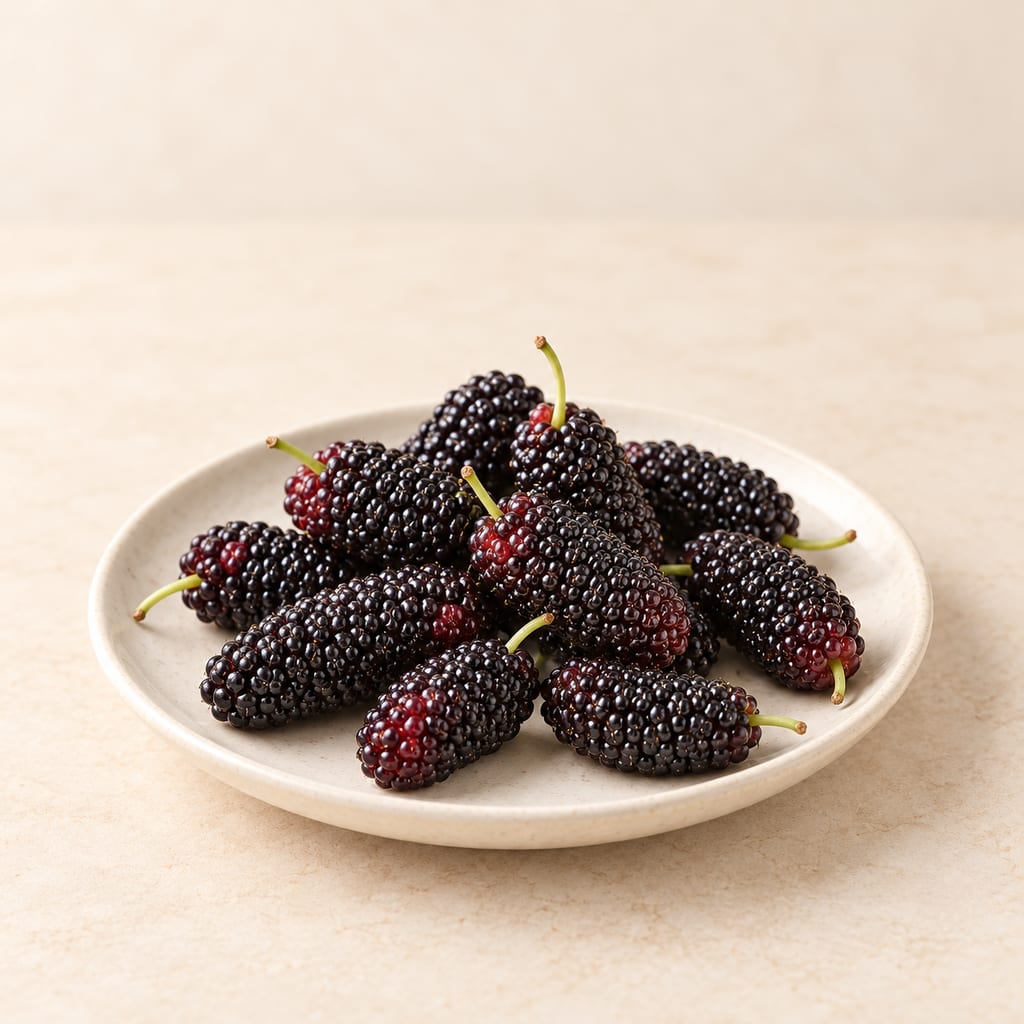
In the Mtkvari valley of Samtskhe-Javakheti, mulberries ripen in a sequence that follows the villages. Gardens cluster around Khertvisi, Tolosi and Nijgori: Khertvisi ripens first, Toloshi about a week later, and Atskvita and Kuntsa about two weeks after Khertvisi. The season runs from mid-July to early August. Most trees stand on terraces; growers spread mats under the branches and shake ripe fruit down.
The harvest is sorted by ripeness as well as place. Sweet fruit from the middle shaking is set aside for tklapi; well-ripened fruit from the fifth or sixth shaking goes to bakmazi. By the final shaking, berries are very sweet, darkening and partly drying on the tree. They fall half-dry, finish quickly on clean cloth and retain their aroma. Called *tutikhmeli*, these dried mulberries are eaten in winter and sometimes cooked into winter tklapi. The same trees therefore supply a sequence of foods rather than one uniform crop.
A broader Meskhetian harvest calendar starts at the end of June and carries fruit work into August: early, less-sweet berries go for distilling; a later picking is used for tklapi; after about two weeks, the sweetest berries are reserved for bakmazi and smaller leftovers are dried. This is a separate, broader calendar from the Mtkvari valley’s mid-July-to-early-August ripening window, not a date to transfer to every village.
Georgian uses *tuta* and *bzhola* for the mulberry genus; the country has white mulberry (*Morus alba*) and black mulberry (*Morus nigra*), called *khartut*. Meskhetian descriptions vary: some specify white mulberry for the region’s preserved fruits, while others say bakmazi can be made from either white or black. Other tklapi preparations simply name mulberry. These practices vary by product and preparation, so the descriptions do not fix one species for every household batch.
A mulberry’s juicy surface is made from many closely packed units. Botanically, the whole structure is a syncarp: small fruits are enclosed by enlarged, fleshy flower parts and gathered into one edible cluster. The tiny dry achenes sit within that fleshy structure. The familiar word berry is convenient in the kitchen, although it does not describe the fruit’s strict botanical construction.
This structure becomes apparent when the fruit is cooked and strained. Soft flesh releases liquid and pulp, while seeds and coarser material can be held back by a sieve or cloth. Pressing the fruit and using the clear juice gives a different starting material from retaining more of the pulp. Those choices matter to the smoothness and body of a syrup or dried sheet.
Mulberry leaves and fruit also serve different purposes. The leaves feed silkworms, while the juicy fruit is gathered for human food. A tree selected or described for leaf production is not thereby identified as the fruit cultivar used in a particular household preserve.
White mulberry, Morus alba, can bear mature fruit that is greenish white, purple or blackish purple. A dark mulberry is therefore not automatically black mulberry, Morus nigra. Colour descriptions remain useful for describing the fruit in front of a cook, but they cannot replace a botanical identification. A photograph of dark fruit cannot settle the species used in a recipe.
The named species have separate botanical distributions. Morus alba is associated with a native range in Central China, and Morus nigra with western and southwestern Iran. Both have been introduced beyond those ranges. These broad species histories do not establish a route by which fruit reached a Georgian village, the date of a local food’s invention or the growing place of an unidentified batch.
For the mulberry tklapi preparations described here, the fruit remains Morus at genus level. That is enough to retain the documented food identity without replacing it with an assumed species. White or black fruit can be described where a particular preparation names it, while an unspecified mulberry account should remain unspecified.
Bakmazi is a thick syrup made from mulberry juice. Fully ripe fruit from the fifth or sixth shaking is boiled in a broad copper pot until the berries release juice, then pressed in a stone trough. The clean juice, called *shira*, is simmered in a shallow copper basin, stirred and skimmed. After roughly two hours it thickens and darkens; readiness is read by appearance and stretch: the juice has reduced by about half, turned black and pulls like honey.
An older preparation takes a simpler route: boil the mulberries, press them through a basket and sieve, then reduce the juice until about one-fifth remains. The same reduction method is said to work with apples and pears. The contrast shows that bakmazi names a family of fruit reductions, with a Meskhetian mulberry version distinguished by the fruit chosen and the cooked syrup’s dark, elastic finish.
Mulberries bring sugars and organic acids into the kitchen along with their water and flesh. In examined fruit of Morus alba, Morus nigra and Morus rubra from Van in Türkiye, malic acid was the main measured organic acid, followed by citric acid. Glucose exceeded fructose in those samples. These are findings about sampled fruit, rather than a composition assigned to all mulberries.
Fruit from different genotypes can differ in soluble solids, acidity and size. Samples from Muş in eastern Anatolia showed variation within a collection identified as white and black mulberries. The differences explain why the broad name mulberry does not specify one balance of sweetness and acidity. Species, genotype and harvest conditions can all complicate a simple description such as sweet or sour.
Cooking a juice down removes water while retaining a larger concentration of its remaining solids. The starting fruit therefore matters to the character of the reduction: different fruit can reach a thick consistency with a different flavour balance. A household description of sweetness or a laboratory value from another growing region cannot supply the composition of the fruit in a particular pot.
These chemistry accounts do not provide a pH target or a storage rule for mulberry sheets. Their useful contribution is to show variability in the raw ingredient. The tklapi and bakmazi methods still need to be understood as complete preparations, with their own handling and processing.
As mulberries mature, their chemical profile changes. In a comparison of Morus alba maturation stages, the fully mature fruit had higher measured glucose, fructose and citrate than earlier stages, alongside differences in anthocyanin pigments. Some other compounds were more abundant at the semi-mature stage. Ripening is consequently a set of changes, rather than every component simply increasing together.
Successive harvests from the same growing season can also yield different fruit. Work with selected Morus alba genotypes over consecutive seasons found changes in sugar content, soluble solids and drying yield across the pickings. Juice yield followed a different pattern. Fruit preferred for one processed product need not be the same picking preferred for another.
That distinction is relevant to a kitchen making both juice reductions and dried fruit. Recovering liquid and retaining dried solids are different aims. The measured harvest patterns belong to the tested genotypes and seasons, however, and cannot replace the picking traditions of Meskhetian households. They explain a reason to sort a harvest without supplying a universal calendar or identifying the Georgian trees.
Meskhetian tklapi is a sweet mulberry sheet, dried for winter. In Aspindza, the selected fruit is boiled, strained to remove seeds, returned to the pot and thickened with flour before the mixture is spread thinly over cloth to dry in the sun. One Mtkvari-valley formula uses eight handfuls of flour for 35–40 litres of *shira* and leaves the sheet in the sun for three days. A separate Georgian recipe reduces sieved mulberry pulp to one-tenth its starting volume, then adds a flour-and-water paste at 0.5 kilograms flour to three litres of fruit and sun-dries it for about a day; flourless tklapi is also noted. The recipes use different proportions and drying schedules. In the Aspindza method, the sheet is kept thin and nearly transparent; on the third day, the cloth is dampened from behind to release it, then the bare sheet gets a final spell in the sun.
Mulberries are also eaten fresh and made into jam, fruit spirit, dried fruit and sweet breads. In one household preparation, dried mulberries are stirred into apple juice for a winter fruit sheet. In Meskhetian New Year cooking, bakmazi may sweeten gozinaki. A newer confection combines the syrup with walnuts, hazelnuts and dried black plums, without added sugar; it is a contemporary interpretation of the syrup rather than an older tklapi form.
Mulberry jam has a different place in this food history: it is described as a comparatively new Meskhetian preparation, dating from the early twentieth century, while mulberry spirit, bakmazi, tklapi and *tutikhmeli* are treated as older foods. The same list includes *tutmaji*, but its separately described recipe is a sour-buttermilk-and-dough soup, not a mulberry preserve.
The flour-to-fruit ratio in the separate Georgian account does not clearly distinguish the fruit volume before reduction from the concentrate afterwards. Both accounts form the sheet by cooking and drying; neither describes a microbial fermentation stage. The regional use of mulberries for fruit spirit is another preparation and does not make tklapi a fermented food.
Drying fruit changes more than its weight. Removing water alters the tissues that support the juicy fresh structure, and the drying method affects the texture that remains. In experiments on mulberries purchased in Yibin, China, hot-air drying, vacuum drying and freeze-drying produced different hardness, brittleness and colour. Those differences belong to the tested whole-fruit material and equipment.
The movement of water also changes during drying. It can leave more readily at an early stage, then more slowly as it moves out of smaller spaces within the tissues. A surface that has begun to dry therefore does not describe the complete drying history of the fruit. The method and the structure of the material both affect the resulting product.
Whole dried mulberries and a cooked fruit sheet present different structures to drying air. A thin spread has already been pulped or pressed and may contain flour, whereas a whole fruit retains much of its original shape. Experimental results for dried whole fruit explain possible changes in texture and aroma; they do not establish a drying time, finished moisture level or storage life for tklapi.
Beyond Meskheti, eastern Georgian food traditions include mulberries eaten fresh or dried, dried and ground for sweet cakes, and processed into syrup, *badagi*, bakmazi, *tatara* and fruit spirit. A distinct preparation is syrup from *khartut*, the Georgian name for black mulberry (*Morus nigra*). A local description places this fruit later in the season and says it can remain into late autumn. This regional, species-linked syrup use does not identify the fruit in Meskhetian tklapi.
A flour-thickened mulberry sheet contains another raw agricultural ingredient. Flour can carry Salmonella or pathogenic E. coli, and grinding grain does not destroy those bacteria. Keep raw flour and uncooked mixtures away from ready-to-eat foods, avoid tasting them raw, and use the cooking directions of a preparation with established controls.
The flour versions of tklapi also contain wheat. That is a property of the preparation, rather than an allergen assigned to the plain mulberry fruit. The flourless form belongs to a separate documented version.
Documented mulberry tklapi and other mulberry food uses in this Georgian region; this does not identify the tree species or its place of origin.
A reported Khizabavra household method cooks mulberry juice with wheat flour into a thin porridge before drying it on cloth; batch measures and a measured endpoint are absent.
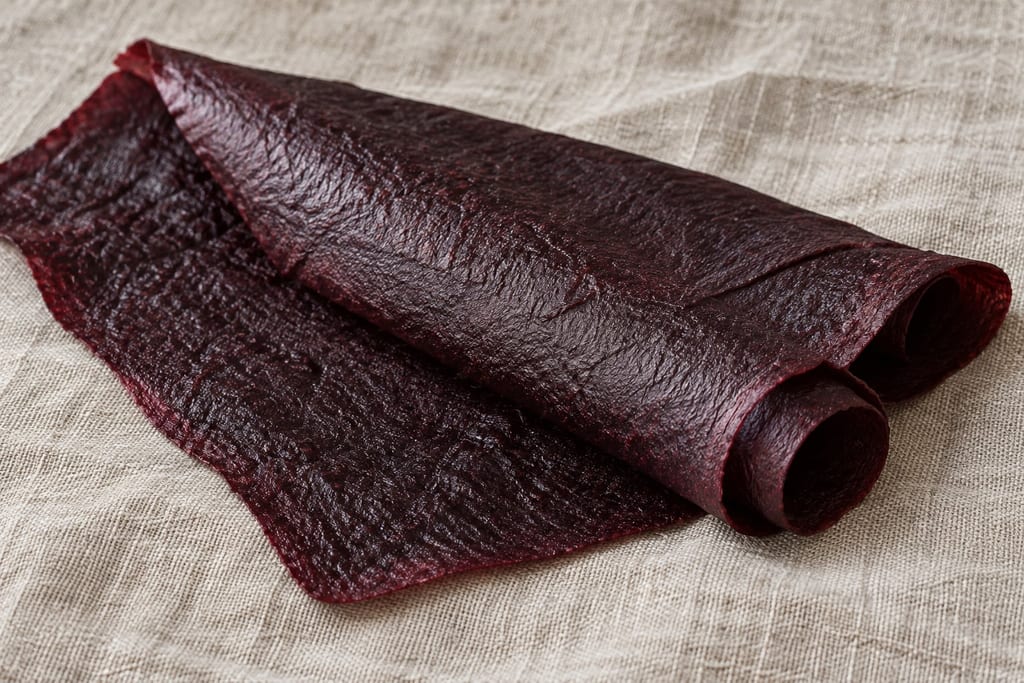
Georgian field notes describe mulberry tklapi with wheat flour but omit how the paste is cooked. FDA warns raw flour can carry harmful bacteria; this incomplete account is documentary, not a home recipe.
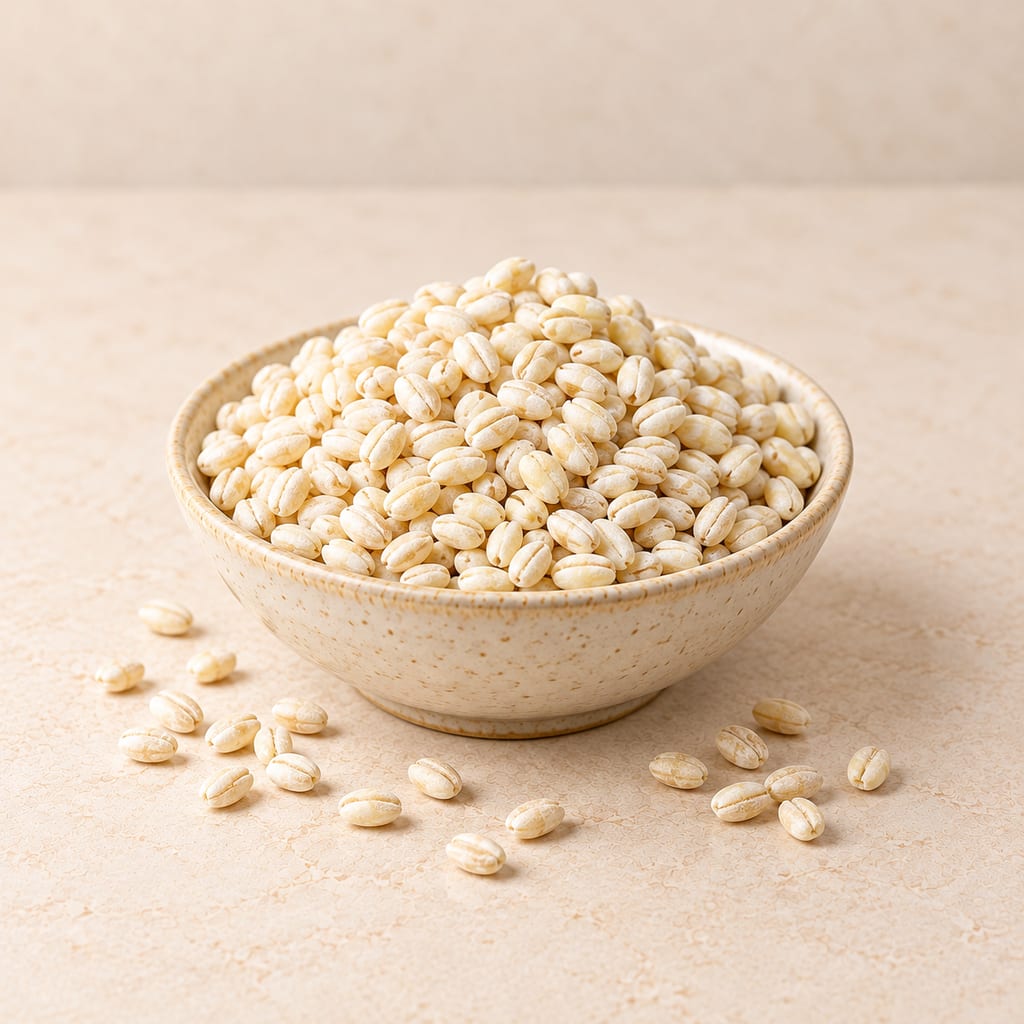
Barley is a hardy cereal, domesticated in the Middle East over 10,000 years ago, eaten whole, pearled or milled, malted for brewing, and grown with koji mold for barley miso.
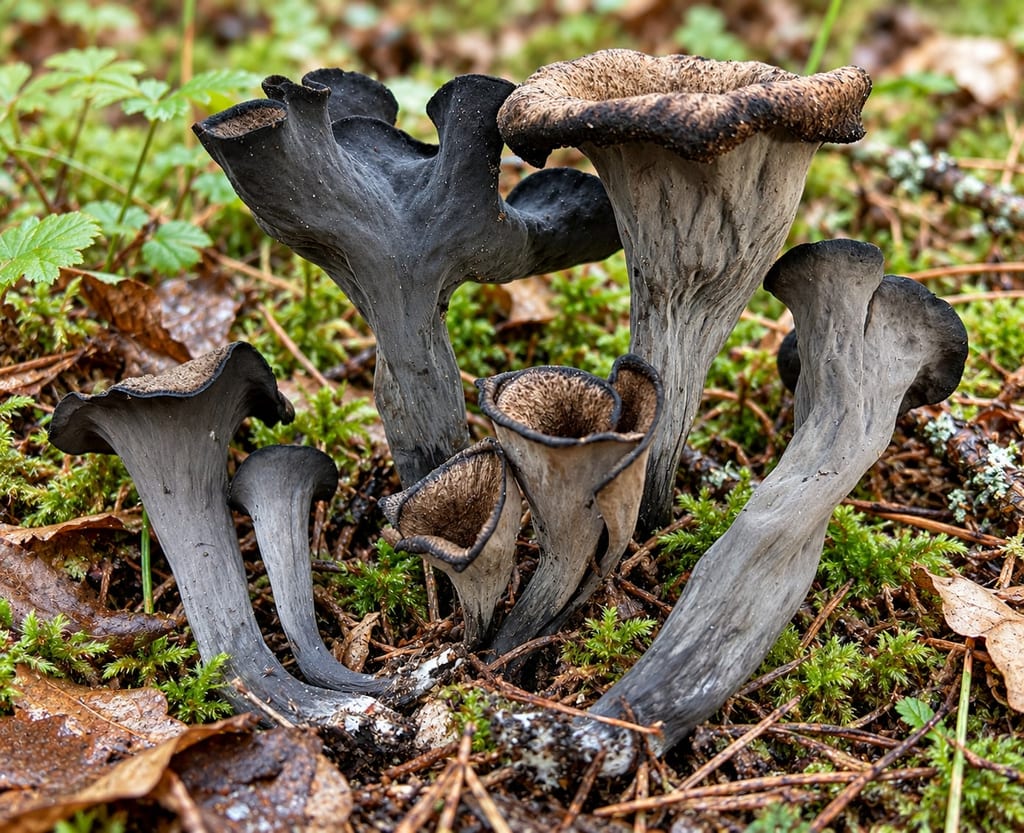
Black trumpet, or horn of plenty, is Craterellus cornucopioides, a dark hollow woodland mushroom used in cooked dishes and dried seasonings, with regional identity and range limits.
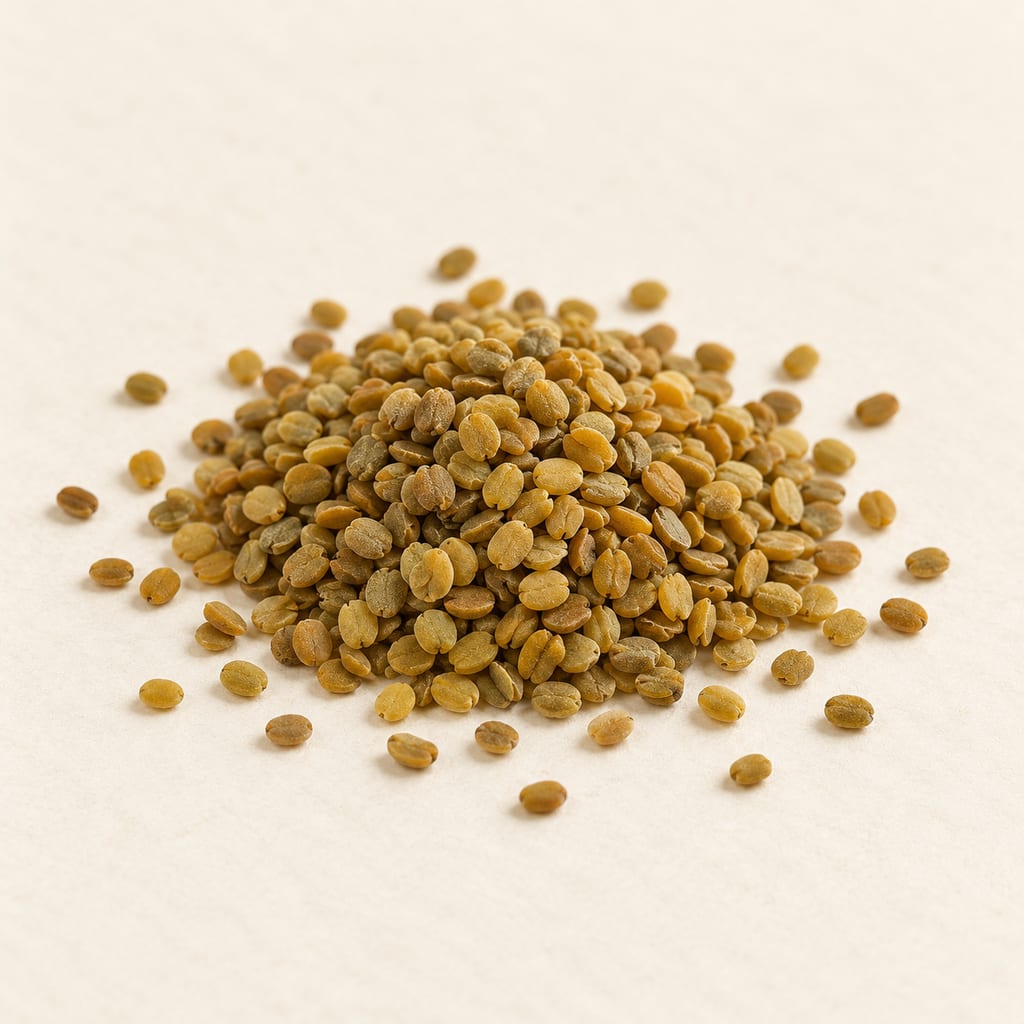
Blue fenugreek (Trigonella caerulea) is an aromatic annual used as an herb in Alpine cheese and bread and as a seed spice in Georgian cooking; its identity differs from common fenugreek.
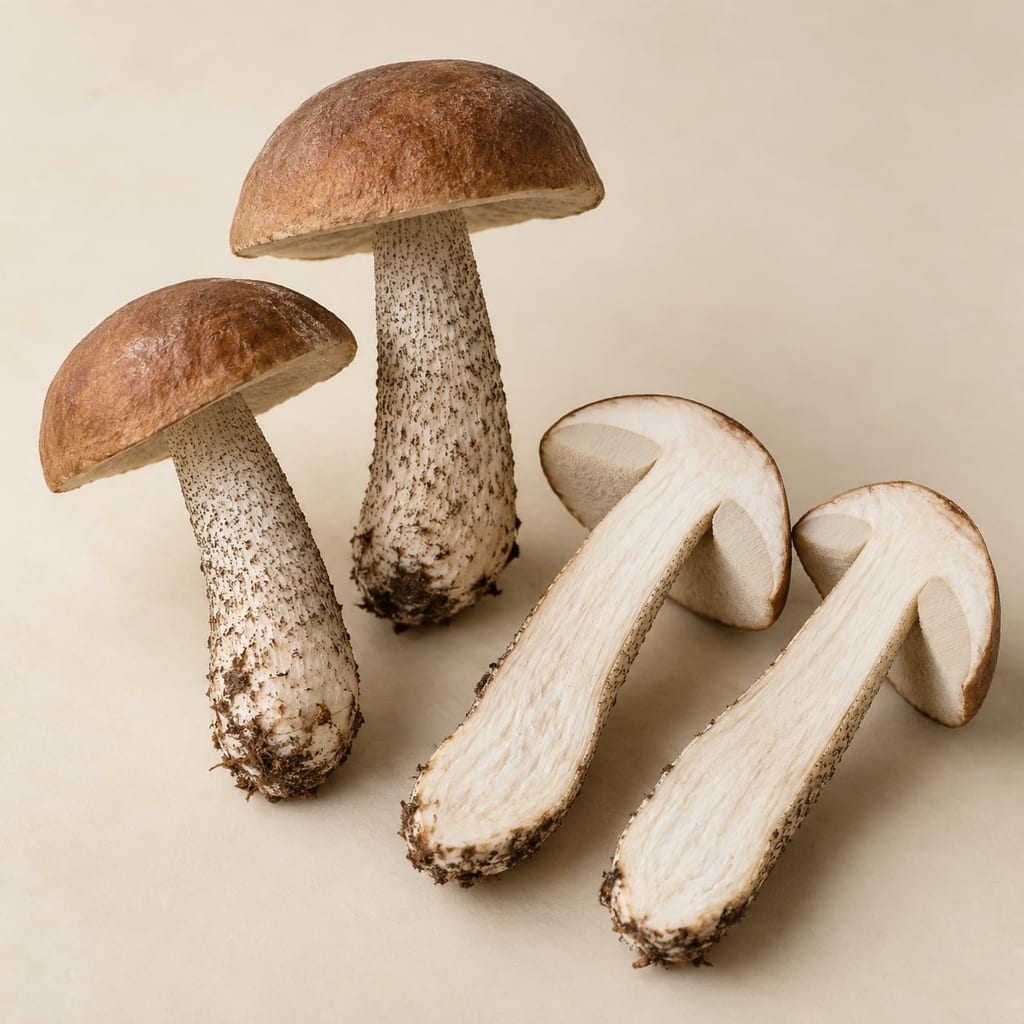
A wild birch-associated bolete eaten in parts of Europe. Its older name, Boletus scaber, remains common in historical sources; regional food records and cooking cautions require source-specific reading.
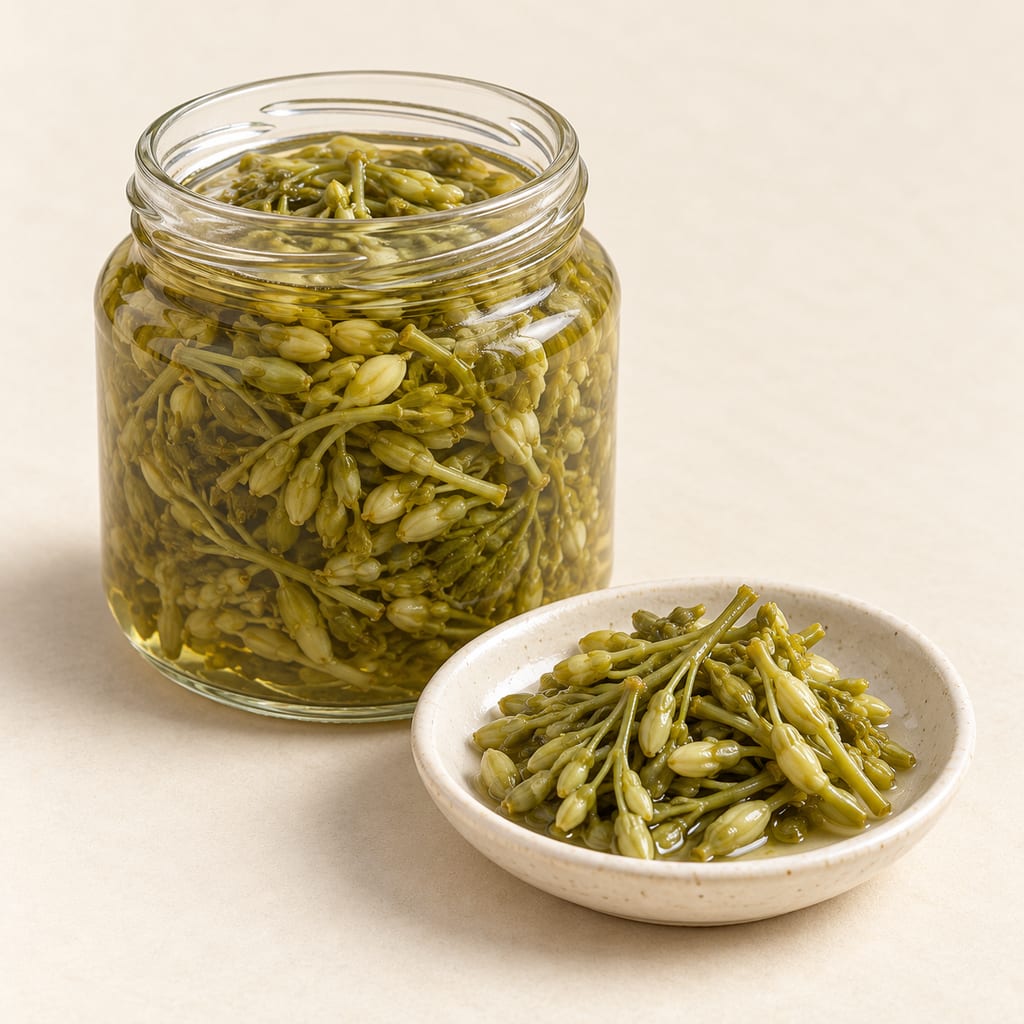
Georgian sources describe jonjoli as a flower-bud food associated with more than one Staphylea species. A 2021 figure caption names S. pinnata for the pictured preparation, while the study’s food table and the FAO profile preserve paired or shared-species evidence.
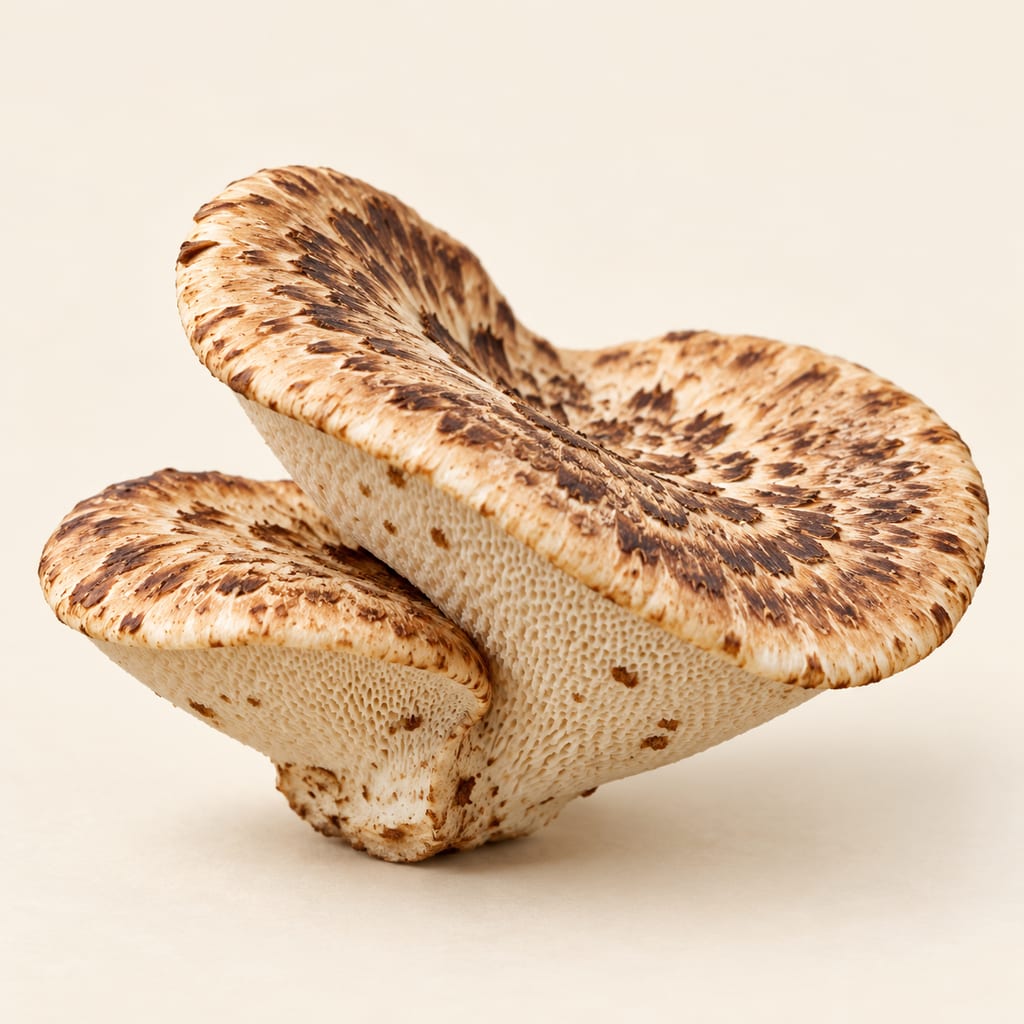
Dryad’s saddle is a wild hardwood polypore whose young tender margins are cooked in some regional food traditions; mature brackets quickly become tough.
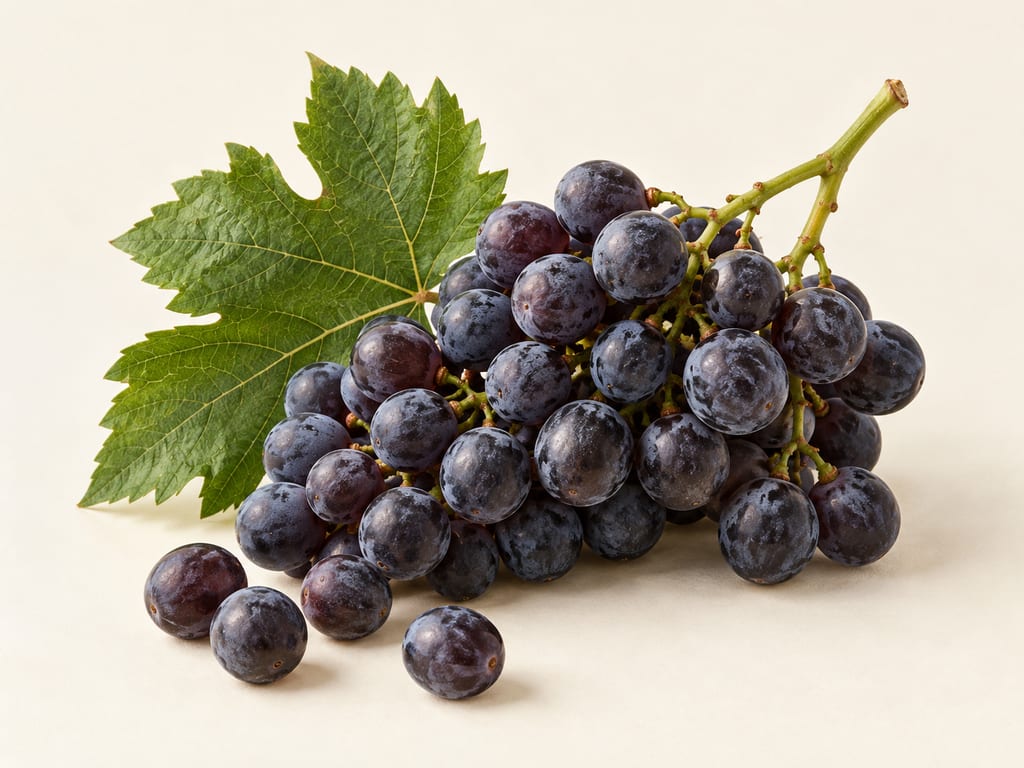
Wine grapes are fresh berries selected for vinification; their sugars fuel alcoholic fermentation, while cultivar, ripeness and handling shape the fruit and the wine it can become.
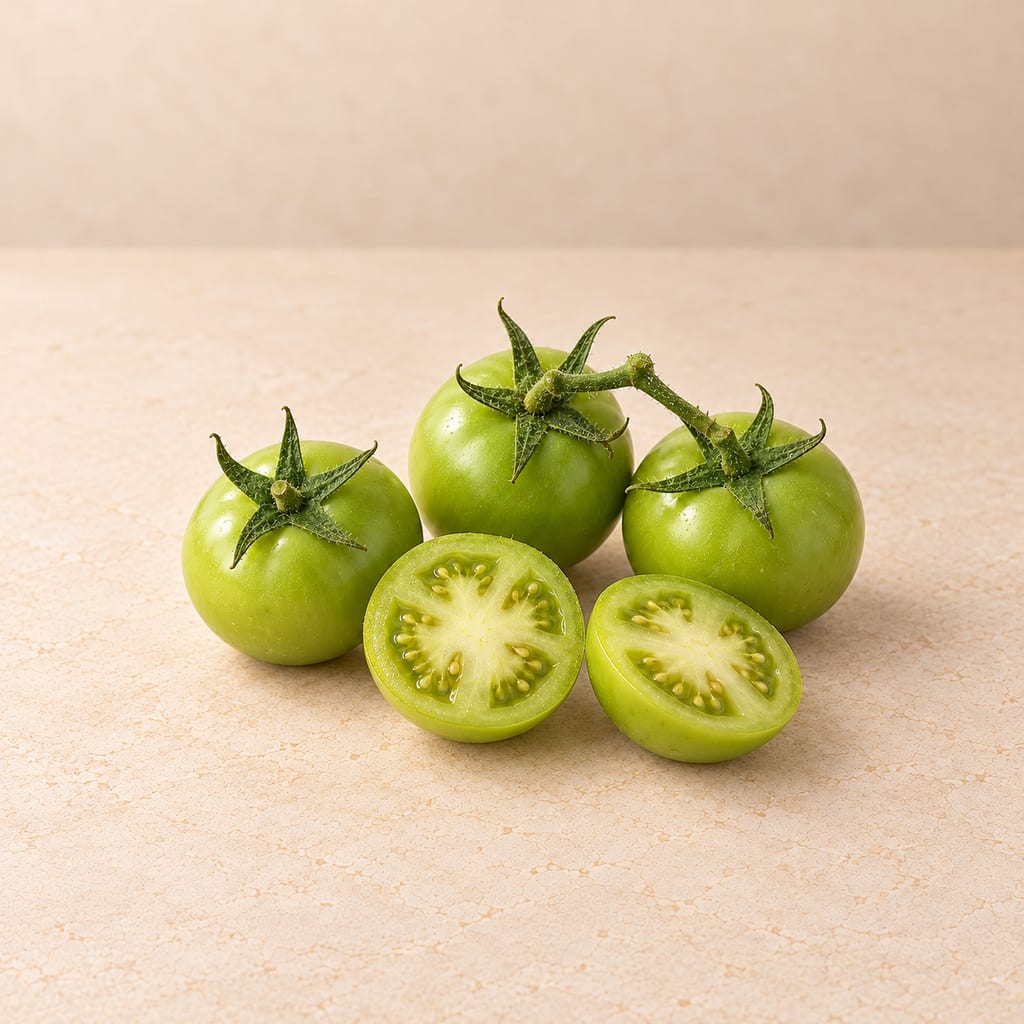
A green tomato is an unripe tomato, firm and sour, used for frying, pickling, relish and ferments. It carries tomatine, which falls as the fruit ripens.
No community contributions have been published for this entry yet.
Sign in to contribute. Published comments and photos are free to read.
Georgian National Academy of Sciences, I. Abashidze Main Scientific Editorial BoardNames · Taxonomy
თუთაGeorgian names *tuta* and *bzhola*; white mulberry M. alba and black mulberry M. nigra, called khartut.
Cited in: Mulberry names and food identity; A species-linked use beyond Meskheti
National Parliamentary Library of Georgia; 2023; authors Rozeta Gujejiani, Ketevan Khutsishvili and Mirian KhositashviliRegional harvest · Food selection · Processing · Culinary uses
Social-cultural characteristics and transborder relations of Georgian borderlands: JavakhetiPrinted pp. 77–82 and 173: pp.77–78 list mulberry spirit, bakmazi, tklapi, tutikhmeli and jam as Meskhetian foods, date jam to the early 20th century, and separately describe tutmaji as sour-buttermilk-and-dough soup; pp.80–82 document middle-shaking sweet berries for tklapi, fifth/sixth shaking ripe berries for bakmazi, final-shaking berries partly drying on tree and becoming aromatic tutikhmeli for winter eating or tklapi. Bakmazi process/cues: shira pressed from boiled fruit, simmered in copper basin, stirred and skimmed, about two hours, halved, black and honey-stretching; older reduction to one-fifth with apples/pears also noted. Tklapi recipe: 8 handfuls flour per 35–40 L shira, sun-dried three days, thin/near-transparent sheet released with dampened cloth. Printed p.173: gardens around Khertvisi, Tolosi, Nijgori; staggered ripening across Khertvisi, Toloshi, Atskvita and Kuntsa; mid-July to early August; terrace trees; mat-and-shake harvest; white mulberry named for regional products.
Cited in: A short harvest, several Meskhetian foods; Mulberry names and food identity; Bakmazi: syrup, picking and texture; Tklapi and the winter pantry
Food and Agriculture Organization of the United NationsTklapi · Processing variation · Preservation context
Gardens of Biodiversity: Conservation of Genetic Resources and Their Use in Traditional Food Production Systems by Small Farmers of the Southern Caucasus, Chapter 4Printed pp.151–153: tklapi as boiled and sun-dried mulberry sheet made to preserve surplus fruit; recipe finely chops and sieves mulberries, reduces to one-tenth, adds a thick wheat-flour-water paste at 0.5 kg flour per three litres of fruit, dries on linen in sun about a day; flourless version noted.
Cited in: Mulberry names and food identity; Tklapi and the winter pantry; Flour changes the preparation as well as the texture
Georgian Travel Guide; Mai Lo; 2021-06-14Household preparation · Culinary uses · Harvest
მესხური კერძები (Meskhetian dishes)Khizabavra household tklapi account and ripe-fruit selection; mulberry spirits and sweets; dried mulberries used with apple juice in winter tklapi.
Cited in: A short harvest, several Meskhetian foods; Mulberry names and food identity; Tklapi and the winter pantry; Flour changes the preparation as well as the texture
Georgia TravelCulinary uses · Ingredient variation
ბაქმაზი (Bakmazi)Meskhetian use and harvest account: end-of-June fruit season and household processing through August; early less-sweet berries distilled, later fruit made into tklapi, sweetest picking after about two weeks held for bakmazi, small remaining fruit dried; bakmazi can use either white or black mulberries; fruit rolls, dried mulberries, vodka and New Year gozinaki.
Cited in: A short harvest, several Meskhetian foods; Mulberry names and food identity; Bakmazi: syrup, picking and texture; Tklapi and the winter pantry
Davit Pavliashvili; Georgian SSR Academy of Sciences Publishing House, Tbilisi, 1962Regional species use · Ethnographic food uses · Seasonal harvest
მეხილეობა აღმოსავლეთ საქართველოში (Fruit Growing in Eastern Georgia, Based on Ethnographic Materials)PDF pp. 149–151: Eastern Georgian mulberry uses include fresh fruit, dried fruit ground for sweet cakes, boiled juice, bakmazi, tatara and distillate; source says white cultivars are more numerous than black. It separately identifies khartut syrup, links khartut to late fruiting and reports continued availability into late autumn. These data are East Georgian, not Meskhetian tklapi evidence.
Cited in: A species-linked use beyond Meskheti
BM.ge; interview by Nini Gigishvili with Baqmazia founder Giorgi Maghradze; 2026-06-05Contemporary producer account · Culinary uses
მესხური ტრადიციის თანამედროვე ინტერპრეტაცია - ბაზარზე Baqmazia გამოჩნდაFounder describes a contemporary confection combining mulberry bakmazi, walnuts, hazelnuts and dried black plums, with no added sugar; framed as a new interpretation of Meskhetian tradition.
Cited in: Tklapi and the winter pantry
Science Press and Missouri Botanical Garden PressIngredient identity · Processing
Morus, Flora of China volume 5, pp. 22–26, 2003Fruit anatomy and the distinction between fruit and leaves; mature Morus alba fruits can overlap in colour with other mulberries.
Cited in: The small fruits within a mulberry; Colour does not identify the species
Royal Botanic Gardens, KewIngredient identity · Processing
Morus alba L.Accepted species; Central China native range distinguished from introduction, recipe fruit and domestication.
Cited in: Colour does not identify the species
Royal Botanic Gardens, KewIngredient identity · Processing
Morus nigra L.Accepted species; western/southwestern Iran native range, not a Georgian fruit provenance or domestication date.
Cited in: Colour does not identify the species
Scientia HorticulturaeIngredient identity · Processing
Determination of fruit chemical properties of Morus nigra L., Morus alba L. and Morus rubra L. by HPLC — M. Gundogdu et al., 2011Original abstract and sample scope: Van fruit, malic/citric acids and glucose/fructose; no Georgian batch values or limits.
Cited in: Sugars, acids and the fruit’s flavour
Turkish Journal of Agriculture and ForestryIngredient identity · Processing
Diversity of biochemical content in fruits of some indigenous mulberry genotypes — Aytül Balık, Mustafa Kenan Geçer and Rafet Aslantaş, 2019The abstract reports genotype-specific differences in Muş mulberry fruit acidity, soluble solids and size; it does not establish universal recipe targets.
Cited in: Sugars, acids and the fruit’s flavour
Food Science and Biotechnology; original abstract via PubMed CentralIngredient identity · Processing
Comprehensive metabolic profiles of mulberry fruit (Morus alba Linnaeus) according to maturation stage — Kyung-Min Lee et al., 2016Differences in sugar, citrate and pigment with maturation, from the published abstract; not a Georgian harvest study.
Cited in: Ripeness changes more than colour
Journal of Berry ResearchIngredient identity · Processing
Dynamic changes in pyhsical and biochemical fruit quality attributes of Morus alba L. across multiple harvests: Insights from consecutive seasons — Oktay Turgay Altun, Hüseyin Karlıdağ and Fırat Ege Karaat, 2025Original publisher title retains its spelling; abstract covers four genotypes and successive harvests, differing juice/drying yields, no Georgian cultivar identification.
Cited in: Ripeness changes more than colour
FoodsIngredient identity · Processing
Effect of Different Drying Techniques on the Bioactive Compounds, Antioxidant Ability, Sensory and Volatile Flavor Compounds of Mulberry — Jing Zhang et al., 2024Original methods/results: purchased Yibin fruit, hot-air/vacuum/freeze-drying texture, colour and aroma changes; no tklapi or safe storage endpoint.
Cited in: Drying changes the texture and aroma
US Food and Drug AdministrationIngredient identity · Processing
Handling Flour Safely: What You Need to KnowRaw flour may carry Salmonella or pathogenic E. coli; milling does not destroy them; avoid raw flour/batter and follow cooking directions.
Cited in: Flour changes the preparation as well as the texture