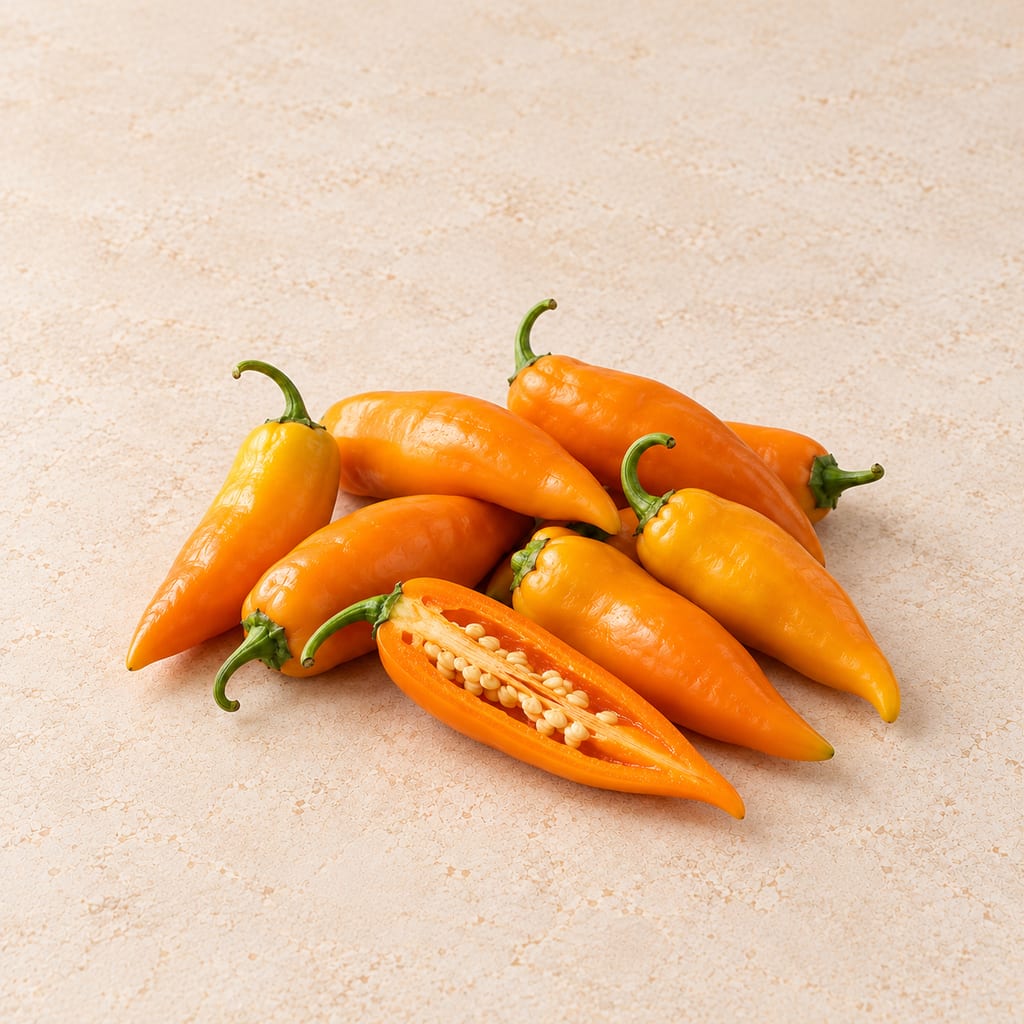
Ají amarillo
Ají amarillo is the orange-yellow Peruvian chilli cultivar group of Capsicum baccatum, used to colour and season huancaína sauce and ají de gallina. Published heat estimates do not establish one range for the named cultivar.
 FermenteaWhere food goes to change
A creamy Peruvian sauce of ají amarillo, fresh cheese and milk, served with potatoes. This source-based version sautés aromatics before blending the sauce.
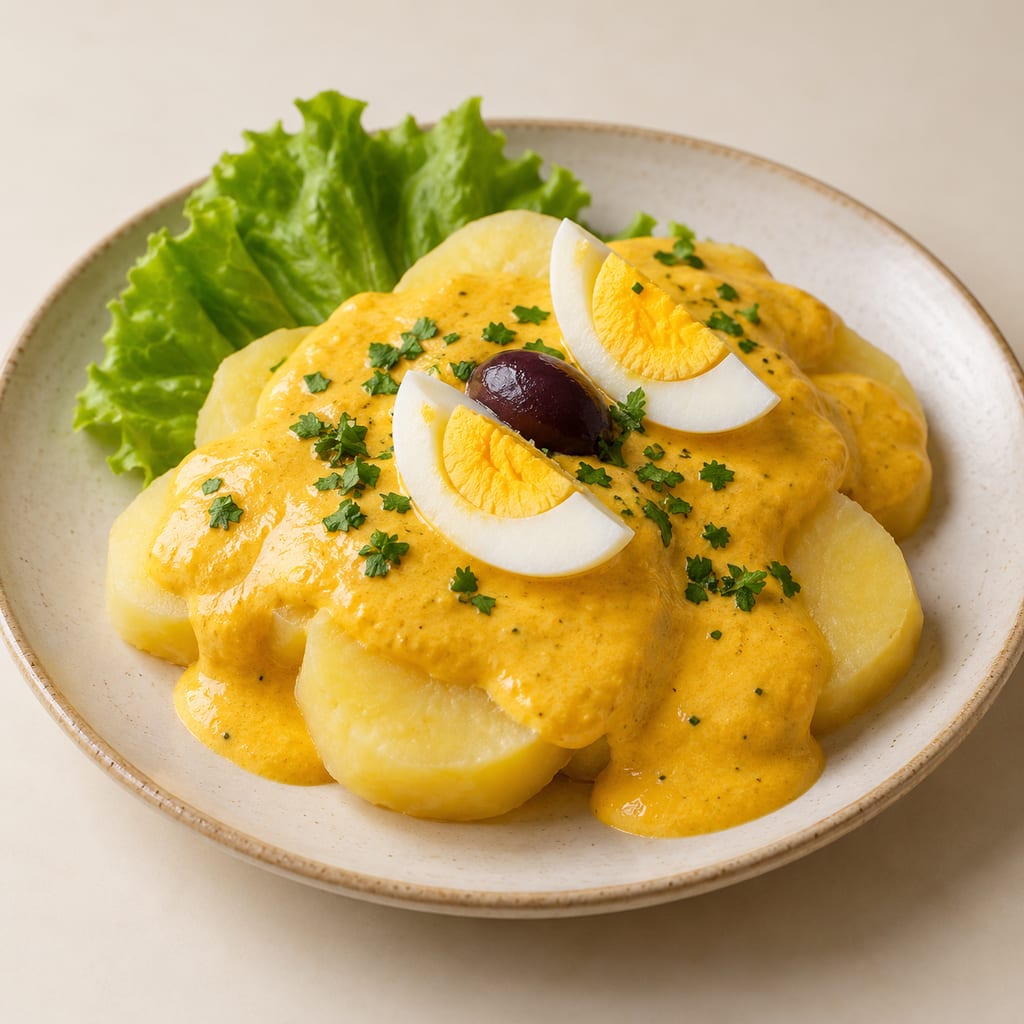
This entry records the sauce in a 2019 Smithsonian demonstration recipe for papa a la huancaína. The source gives amounts for two servings of the dish, not a separate sauce yield. Its version cooks ají amarillo paste with garlic and onion, then blends the cooled mixture with evaporated milk, saltine crackers and queso fresco. The method and ingredient amounts below follow that modern source batch. They do not reproduce the older Huancayo preparation described in the history note.
A 2019 paper by Sergio Zapata Acha examines a Huancayo manuscript dated 1897 and connects papa a la huancaína with Junín cuisine. It describes an older hot preparation: onion and ají cooked with cheese or quesillo and vinegar to make a creamy sauce for boiled yellow potatoes. The paper also notes that the dish appeared at official banquets in the second half of the nineteenth century and records claims of creation in Lima. It leaves the birthplace unsettled. The 2019 Smithsonian sauce is a distinct formula, so its milk-and-cracker method should not be projected back onto the manuscript.
The sauce contains dairy. FoodSafety.gov advises refrigerating perishable foods within two hours, or within one hour when ambient temperatures exceed 90°F (32°C), and keeping the refrigerator at or below 40°F (4°C). Neither source establishes how long this sauce keeps, so no storage duration is given.
The sauce is usually served cold, spooned over boiled yellow potatoes on lettuce leaves, with black olives, white corn kernels and quarters of hard-boiled egg. Because it is served cold, it became a common picnic and travel food. In southern Peru, around Cuzco, Puno and Arequipa, it is often served with ocopa, a peanut-based sauce, instead.
The most repeated origin story ties the dish to construction of the central railway between Lima and Huancayo. A 2006 account by Rodolfo Hinostroza describes Huanca women serving boiled potatoes with a cheese, pepper and milk sauce to the workers. A later account says the dish was sold to passengers at stations along the line. The Wikipedia article rejects the railway link as unsupported: the yellow pepper and olives are coastal foods, and the dish does not match typical Huanca cooking, which favours hot red-meat dishes. The name Huancayo-style potatoes is the only firm link to the city.
A 2019 paper by Sergio Zapata Acha associates papa a la huancaína with Junín and describes an 1897 Huancayo manuscript sauce made hot with onion, ají, cheese or quesillo and vinegar. The paper leaves the dish's origin unresolved and notes claims of creation in Lima. That historical preparation differs from the modern ají amarillo paste, milk, cracker and queso fresco formula recorded here.
Yield 2 servings · Scaling: source batch only
The formula includes evaporated milk and fresh cheese, so the finished sauce needs chilled handling.
Hazard sourceRefrigerate perishable sauce within two hours, or within one hour above 90°F (32°C); keep the refrigerator at or below 40°F (4°C).
Control sourceThe source does not establish a storage life for the prepared sauce; do not infer one.
The Smithsonian source identifies ají amarillo as Peruvian and presents this sauce with papa a la huancaína; this is an association, not an origin claim.
Zapata Acha associates the dish with Junín regional cuisine and says its origin remains unresolved.
Ají amarillo is the orange-yellow Peruvian chilli cultivar group of Capsicum baccatum, used to colour and season huancaína sauce and ají de gallina. Published heat estimates do not establish one range for the named cultivar.
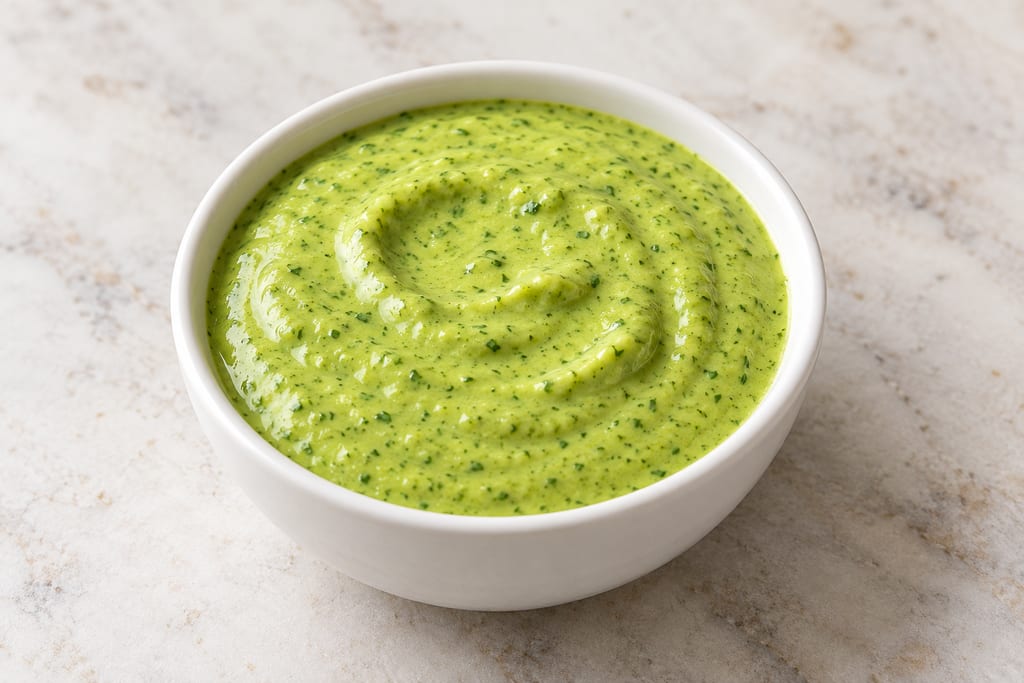
Ají verde is a Peruvian green sauce of coriander, chilli, onion and garlic in a mayonnaise or cheese base. It is best known through Peruvian restaurant cooking abroad.
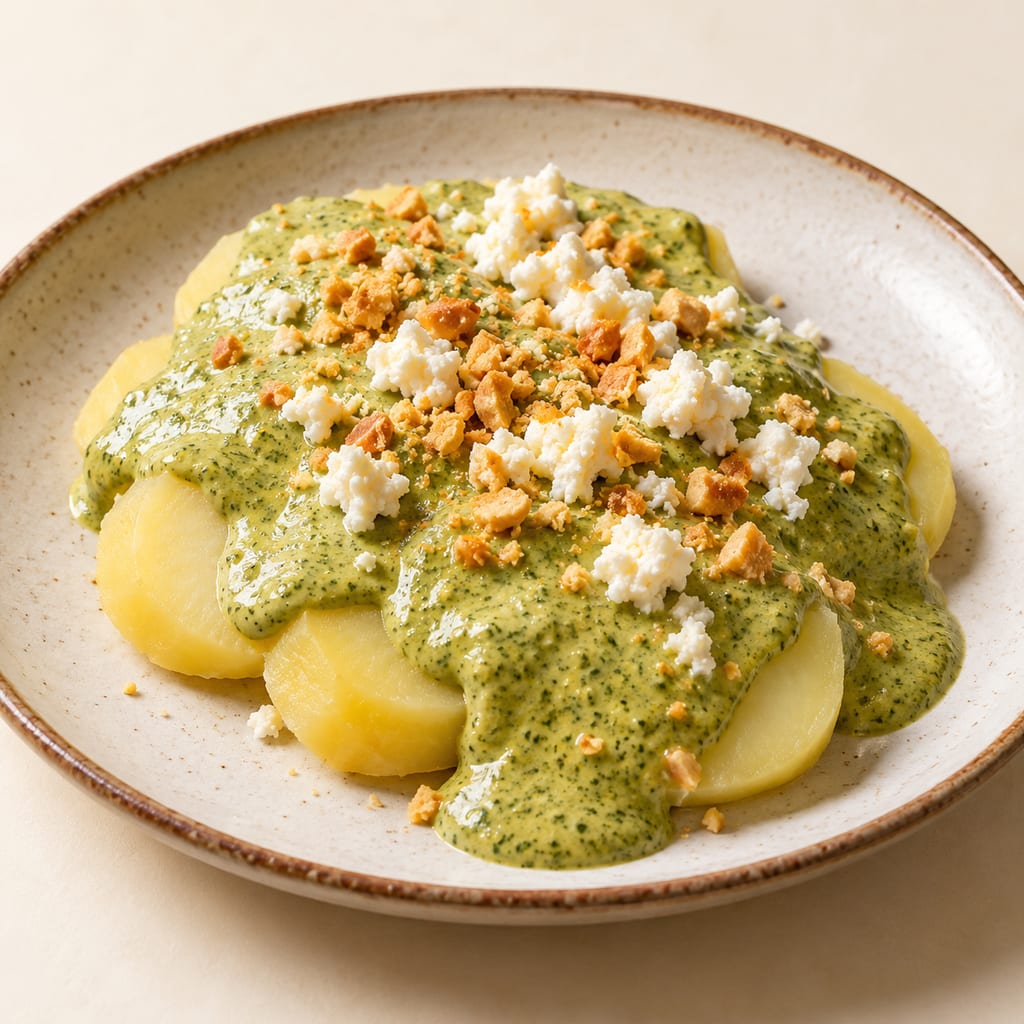
Ocopa is a sauce from Arequipa, Peru, of huacatay, dried mirasol chillies, nuts, fresh cheese and soda crackers. It is usually spooned over boiled potatoes.
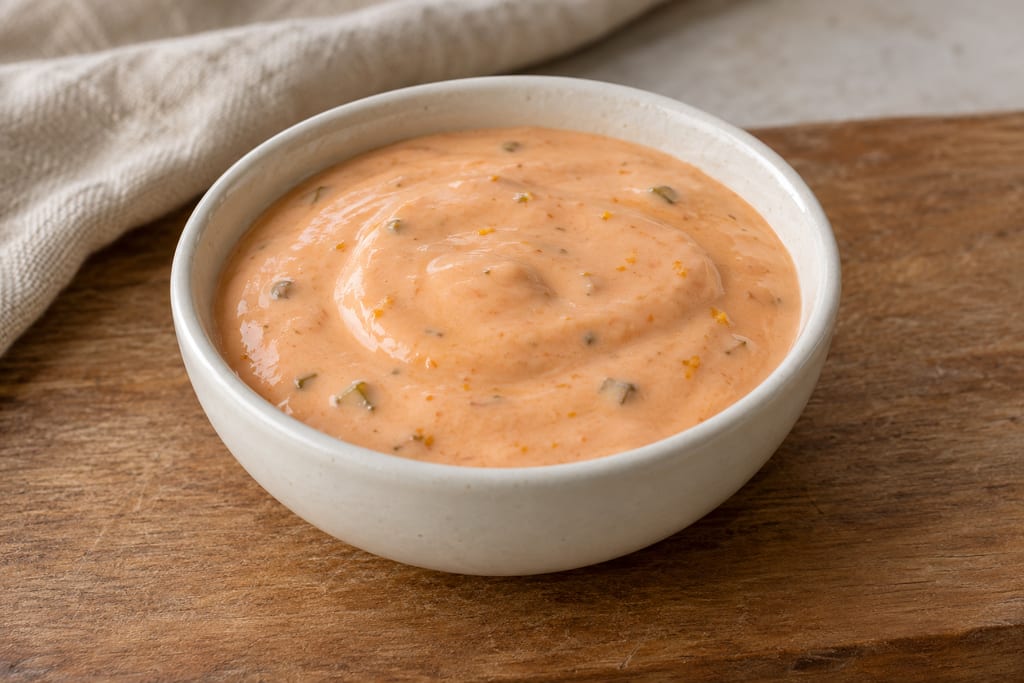
A cold mayonnaise-and-tomato condiment family with distinct documented forms in Argentina, Peru and Puerto Rico; this draft records a Peruvian caper-and-orange version and keeps its regional relatives separate.
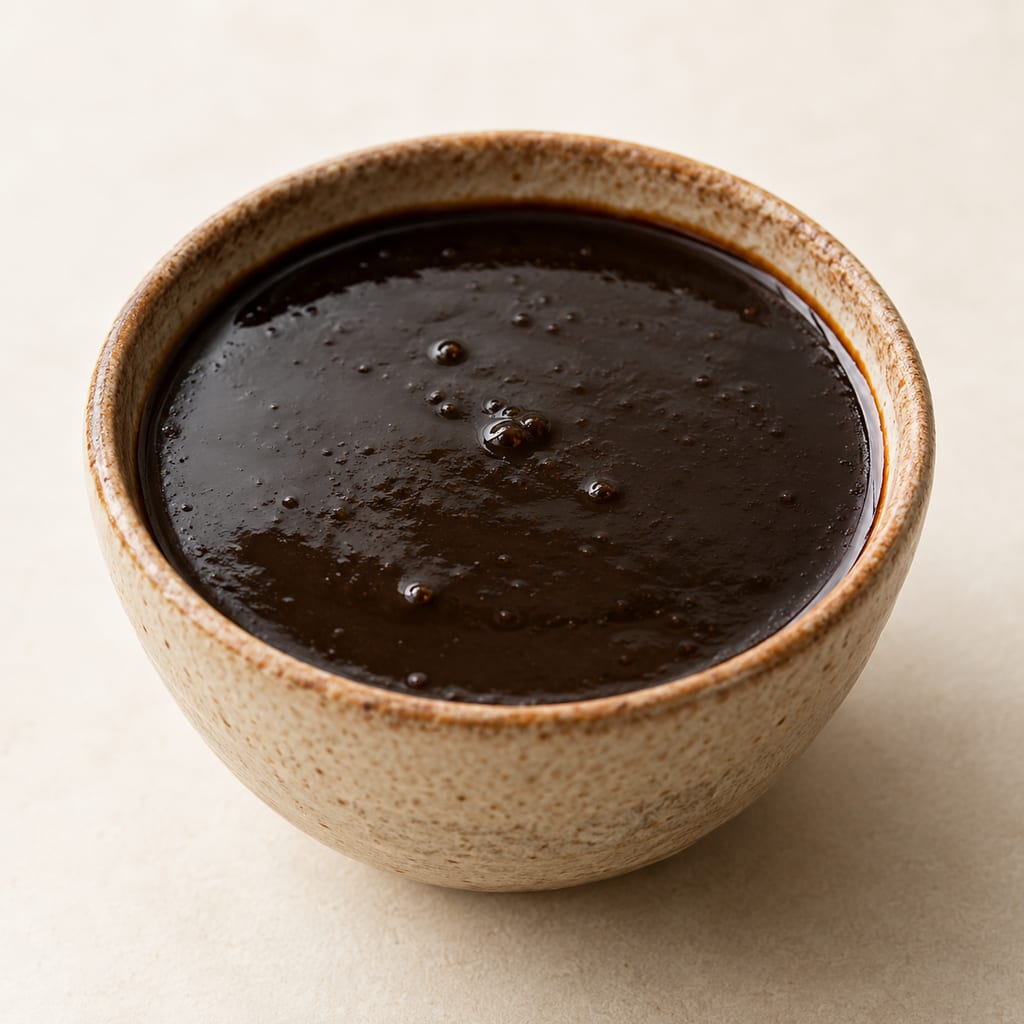
Tucupi negro is a dark, pungent sauce that Amazonian Indigenous women make by pressing bitter cassava, settling its starch and simmering the juice for hours until it thickens.
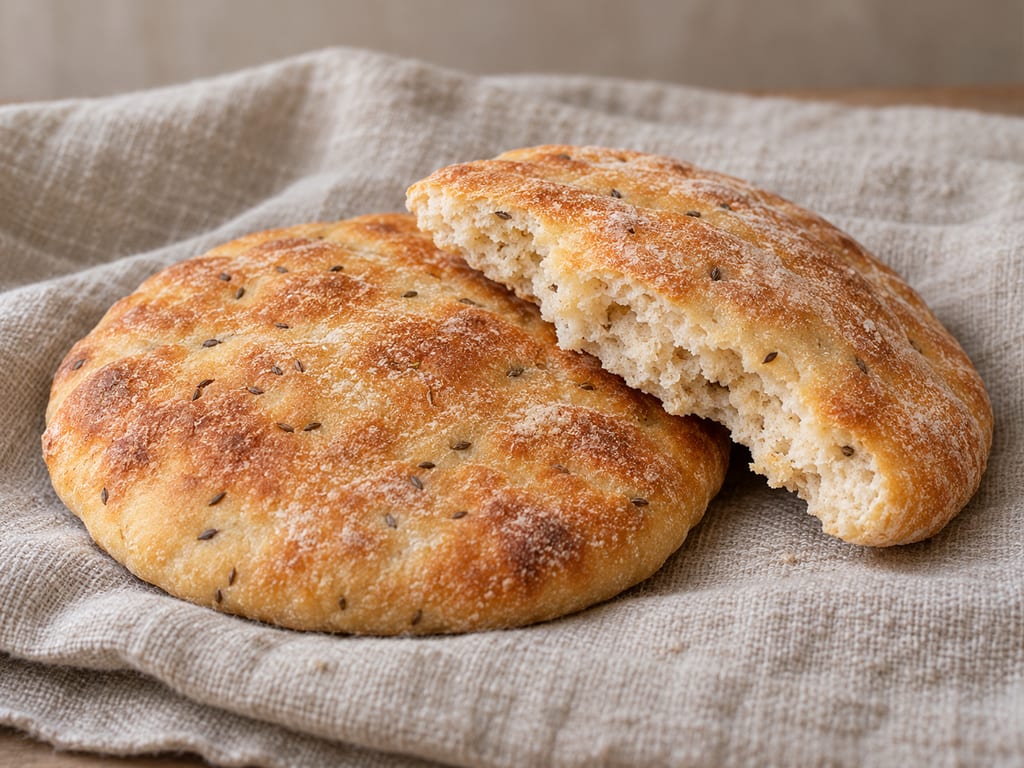
A measured, yeast-raised Ayacucho chapla home method shared by Thermomix Peru presenter Roxanna Salaverry. It makes thin, anise-scented rounds baked at 240°C; the historic qunchu-leavened form is documented separately.
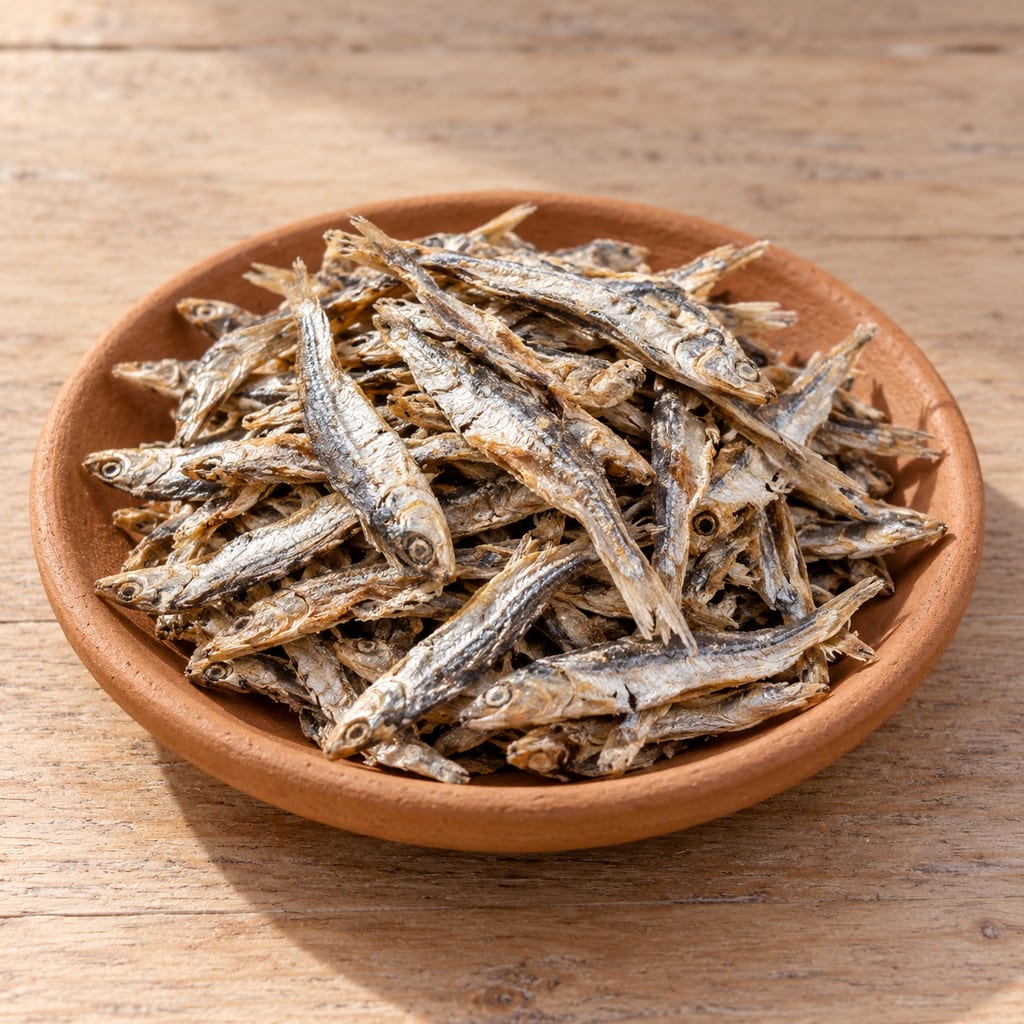
Anchoveta salted, drained of sanguaza and sun-dried on sand or stones at Caleta de Carquín, a technique declared part of Peru's cultural heritage in 2016.
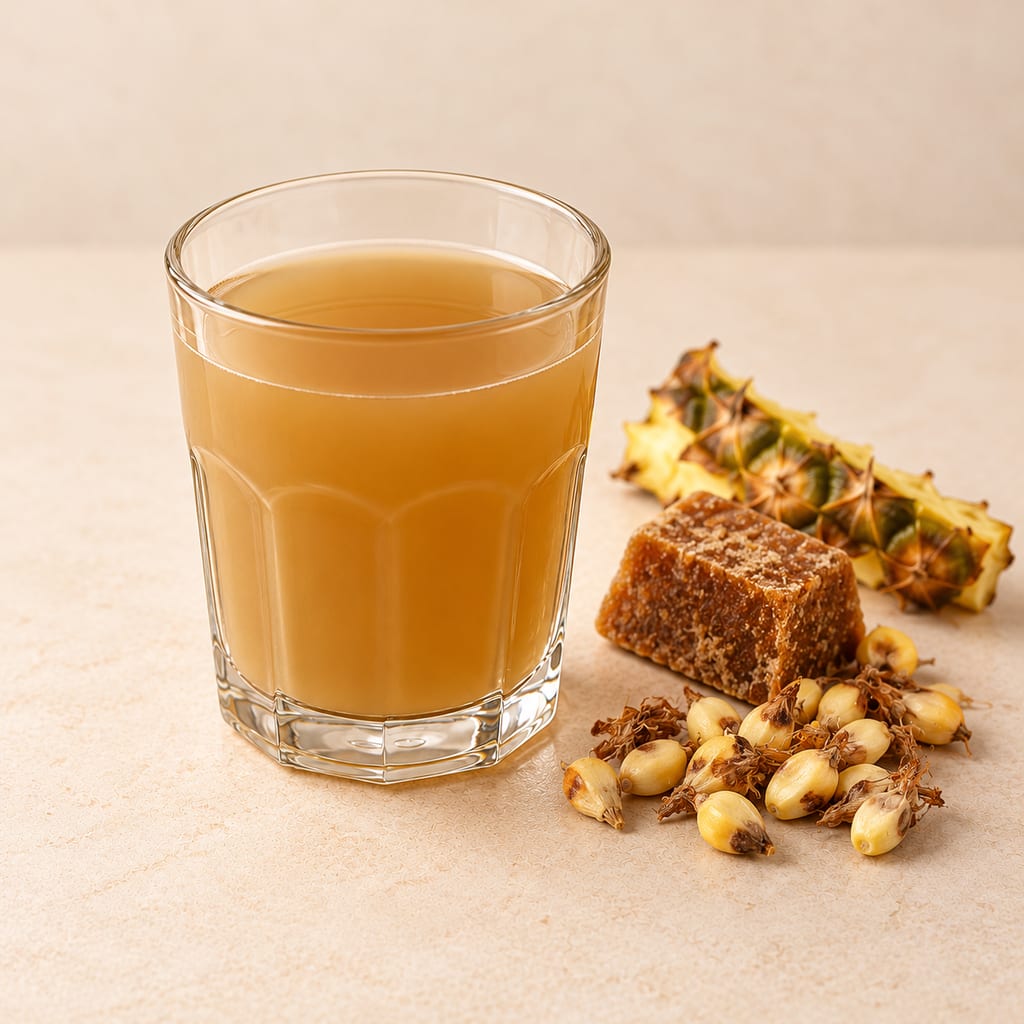
A contemporary Ecuadorian recipe simmers jora flour with spices, then adds panela and pineapple peel before a short spontaneous ferment. Its particular aromatics and measurements belong to this published adaptation.
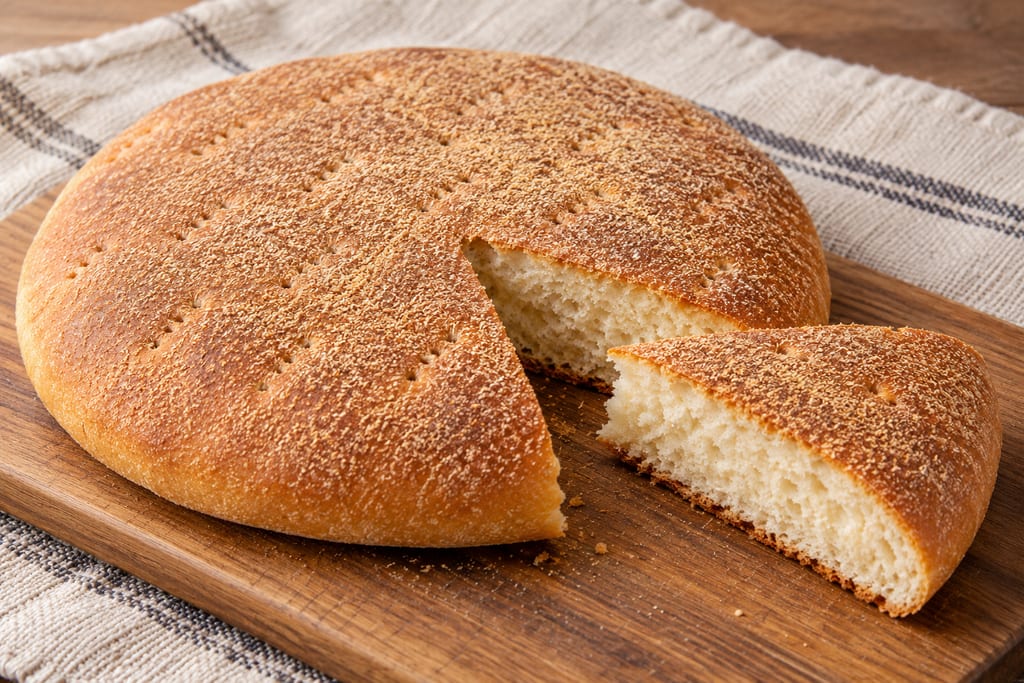
Pan chuta is a broad, lightly sweet wheat loaf associated with Oropesa in Cusco; this home-scale version uses chamomile, brown sugar and butter.
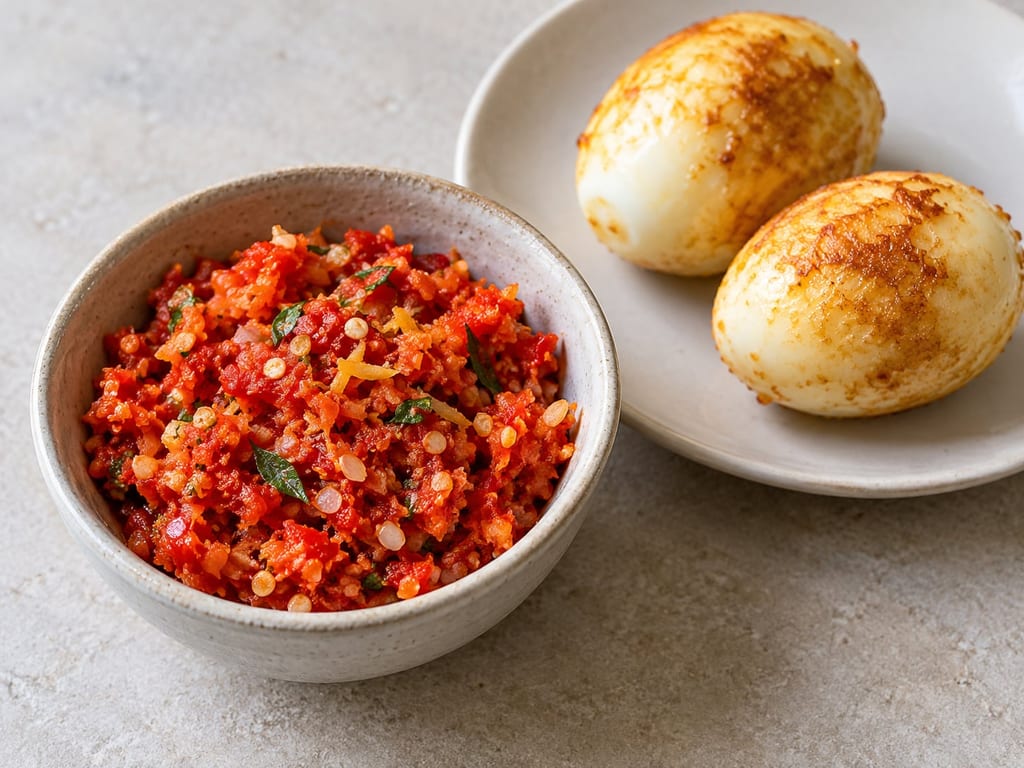
Ai-manas is described as a very hot chilli paste served with Timorese meals. One published version blends fresh chillies, shallots, garlic, Thai basil, ginger, lemon and salt, and serves it with eggs. Sources do not establish a standard formula, precise birthplace or earliest date.
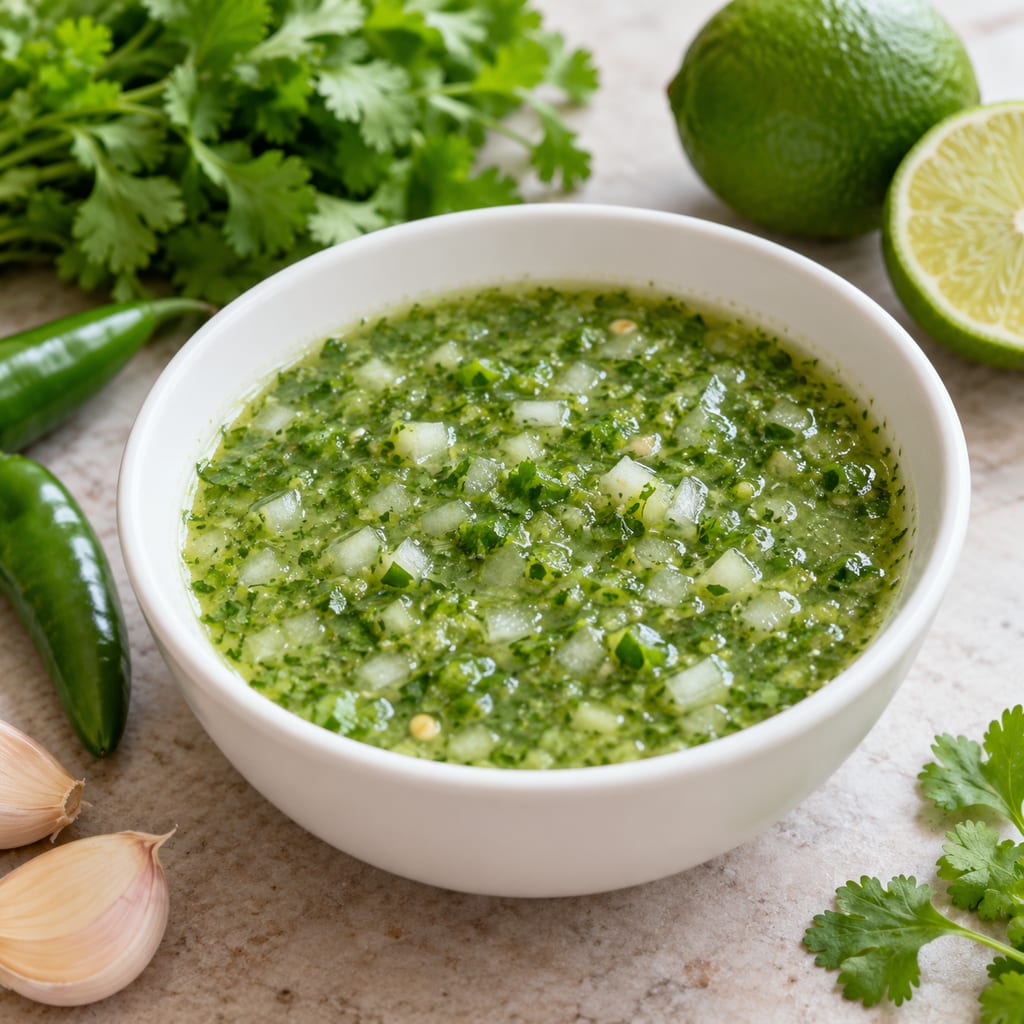
A fresh, uncooked Ecuadorian table sauce of hot pepper, cilantro, garlic and lime, served with most everyday dishes.
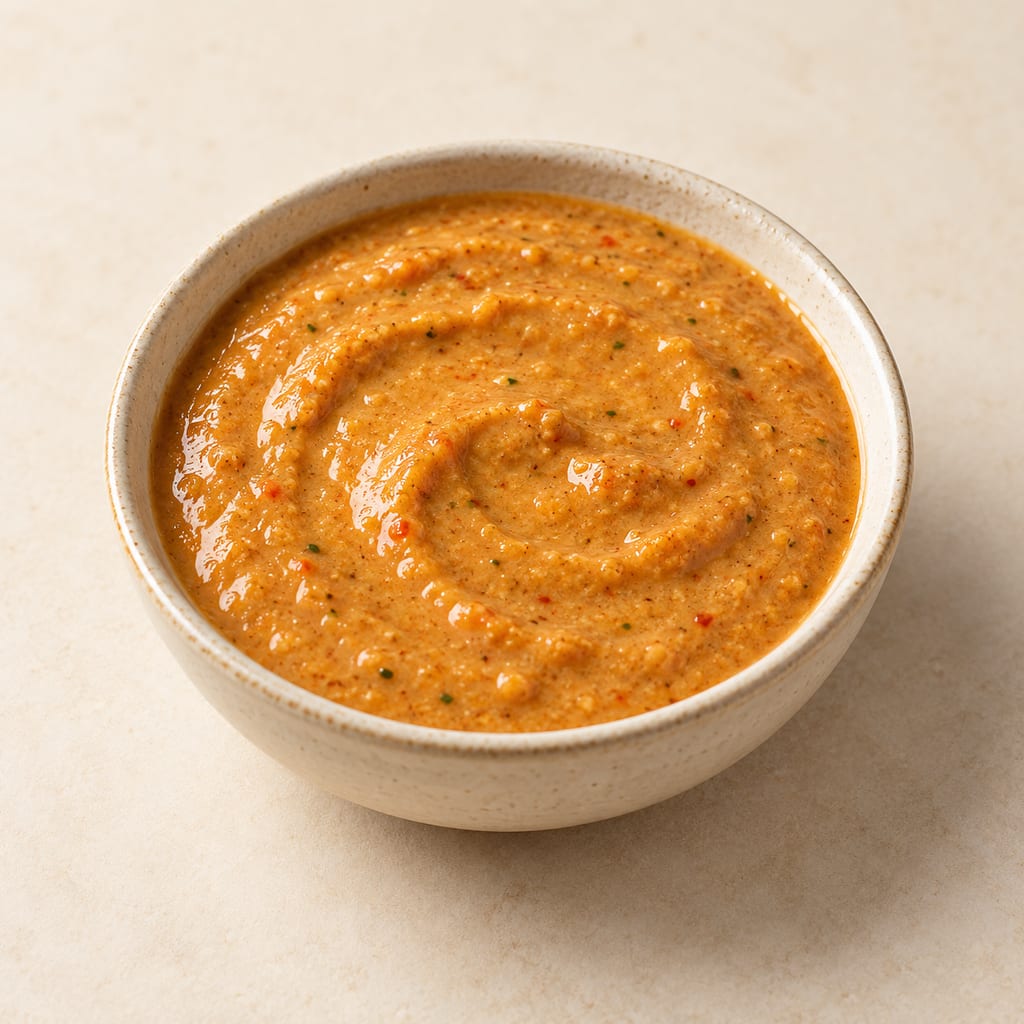
A spicy peanut hot sauce from the Popayán and Cauca region of Colombia, traditionally served with pipián empanadas and tamales.
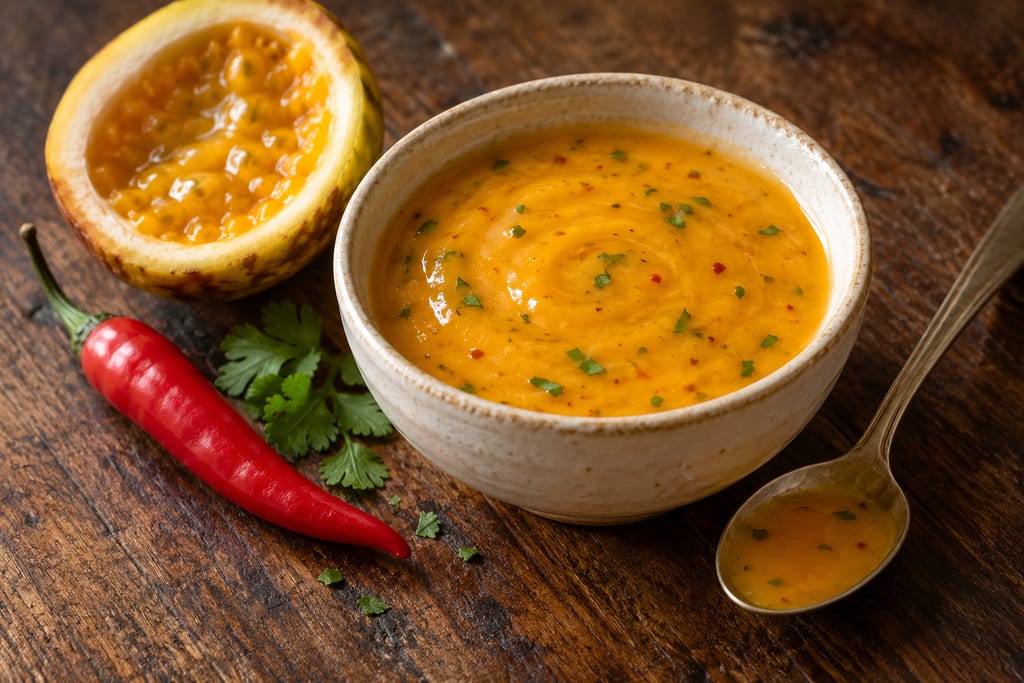
A contemporary Ecuadorian hot sauce that pairs passion fruit juice with boiled chile peppers, oil and lime.
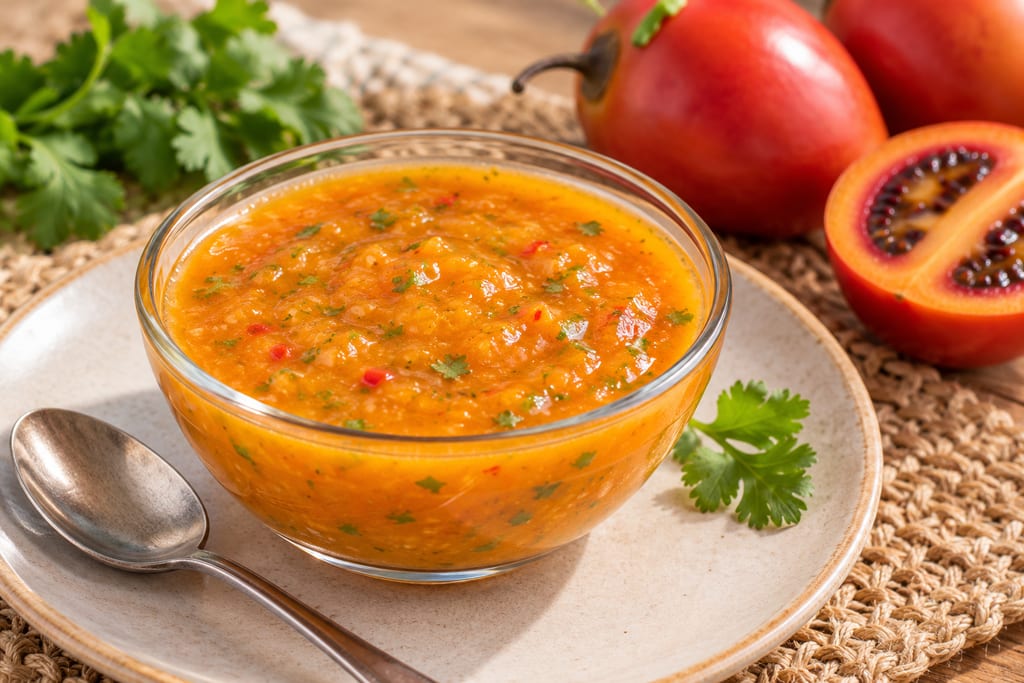
An Ecuadorian hot sauce built on tamarillo, a tart fruit that gives a sharper, fleshier base than ordinary tomato salsa.
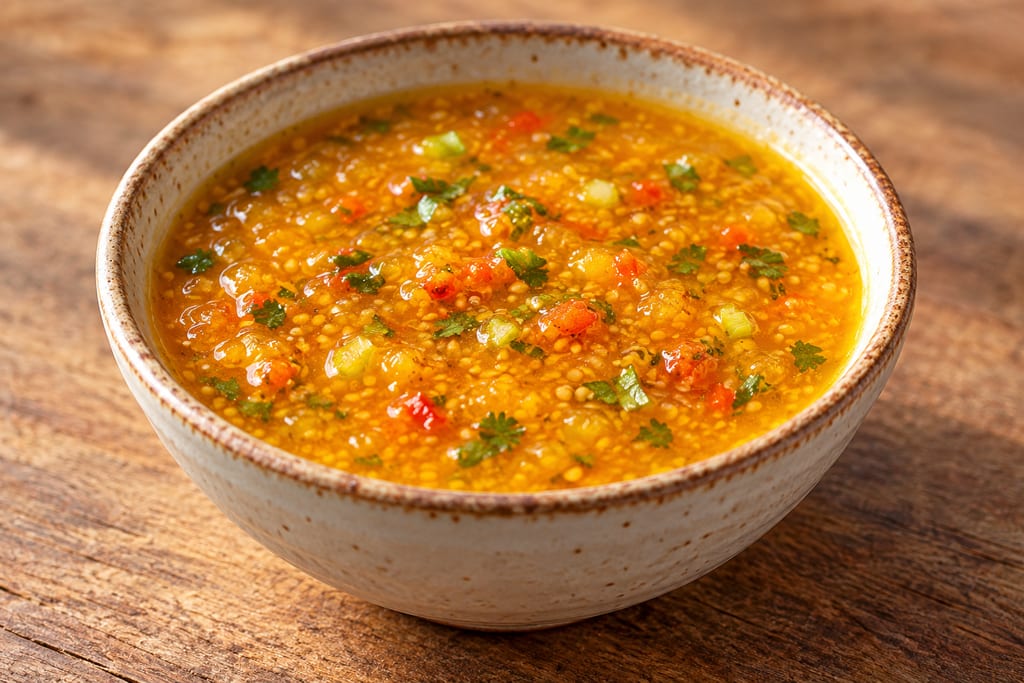
A sweet, tart and spicy Colombian sauce of uchuva, the yellow physalis fruit, with hot pepper, scallion, cilantro and lime.
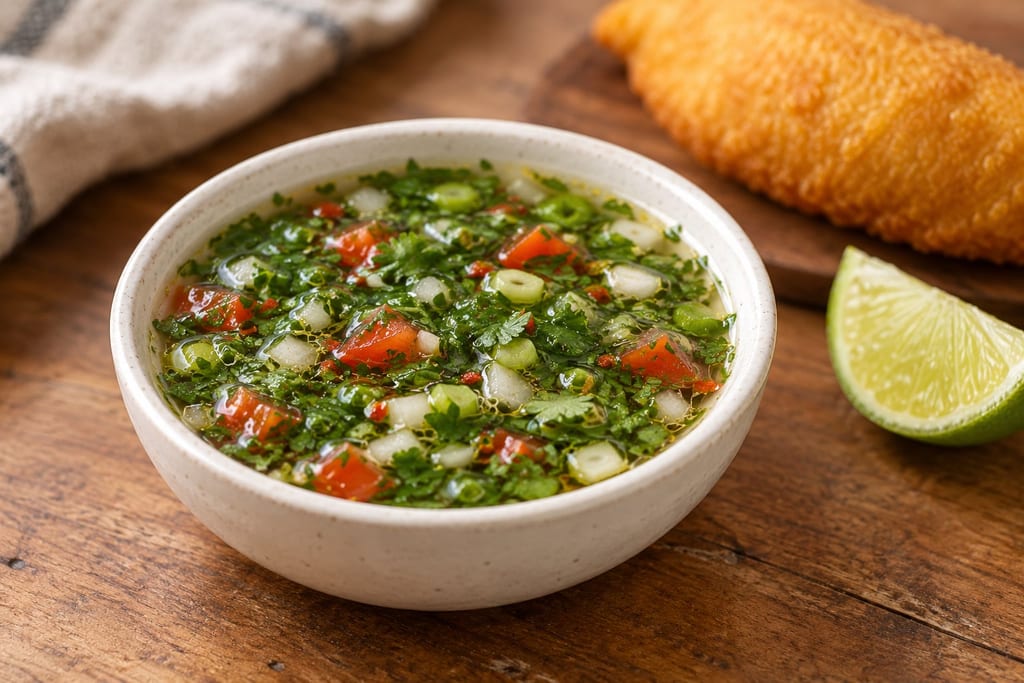
A fresh Colombian table condiment of chopped herbs, scallion and tomato in a vinegar and chile base, served beside fried and filled dishes.
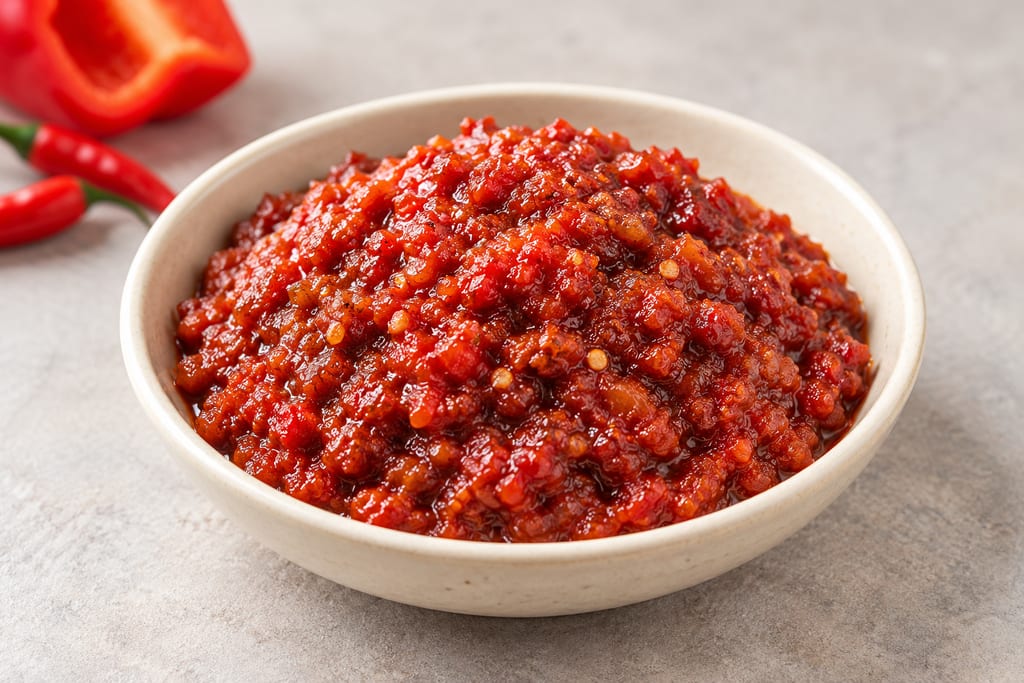
Ata dindin is the Yoruba fried pepper sauce: chillies, red bell pepper and onion blended and cooked down in oil until the oil separates. The same name is also given to a finished stew built on it.

A Cap-Pelé boucanière is an Acadian herring-smoking building. The documented Willie Niles example is a one-storey wood-frame structure with a ridge smoke vent and interior bays for hanging fish-bearing cannes.

Achcharu is a family of Sri Lankan vinegar pickles made with mixed vegetables or seasonal fruit and a piquant spice dressing. This version is a quick, refrigerated, non-fermented mixed-vegetable pickle.

The acocote is a long, hollowed and dried gourd used to draw aguamiel from a mature maguey. It is a harvesting tool: the sap is transferred to a separate vessel before it ferments into pulque.

Adrak murabba preserves young ginger in sugar syrup, a sweet South Asian preparation recorded in Indian cookery and food-processing sources.

Parkia biglobosa seeds are fermented into regional West African seasonings, including nététou, iru, dawadawa and soumbala. The yellow fruit pulp is a separate food, and names and methods vary by place.

Japanese reddish-brown vinegar from sake lees matured about three years, turned to vinegar by acetic bacteria; the vinegar of Handa and Edomae sushi rice.

A refined common-wheat flour blended for a broad range of baking; its protein and behavior vary with wheat, milling and market.

The almond mushroom, Agaricus subrufescens, was cultivated in eastern North America in the 1800s, lost its market, and returned as a cultivated mushroom from Brazil, where it is grown under several names.
No community contributions have been published for this entry yet.
Sign in to contribute. Published comments and photos are free to read.
Smithsonian National Museum of American HistoryInspiration · Method
Papas a la Huancaína: Huancayo-style PotatoesTwo-serving modern demonstration recipe and sauce ingredients.
Sauté, cool and staged blending method; visual texture description.
Cited in: The sauce and its served dish
Turismo y Patrimonio, Universidad de San Martín de PorresHistory · Geography
Regionalismo y centralismo culinario en un manuscrito huancaíno del siglo XIX: influencias y saboresJunín regional association and disputed origin of papa a la huancaína.
Description of the distinct 1897 Huancayo manuscript preparation and earlier 19th-century attestation.
Cited in: A documented history with an unresolved origin
FoodSafety.govSafety
4 Steps to Food SafetyRefrigeration within two hours, within one hour above 90°F (32°C), and refrigerator at or below 40°F (4°C).
Cited in: Chilled handling
WikipediaHistory · Serving · Origin dispute
Papa a la huancaínaRailway origin story attributed to Rodolfo Hinostroza (2006) and disputed by the article.
Served cold over lettuce with black olives, white corn and hard-boiled egg; in southern Peru often served with ocopa.
Cited in: Served cold, and the railway story