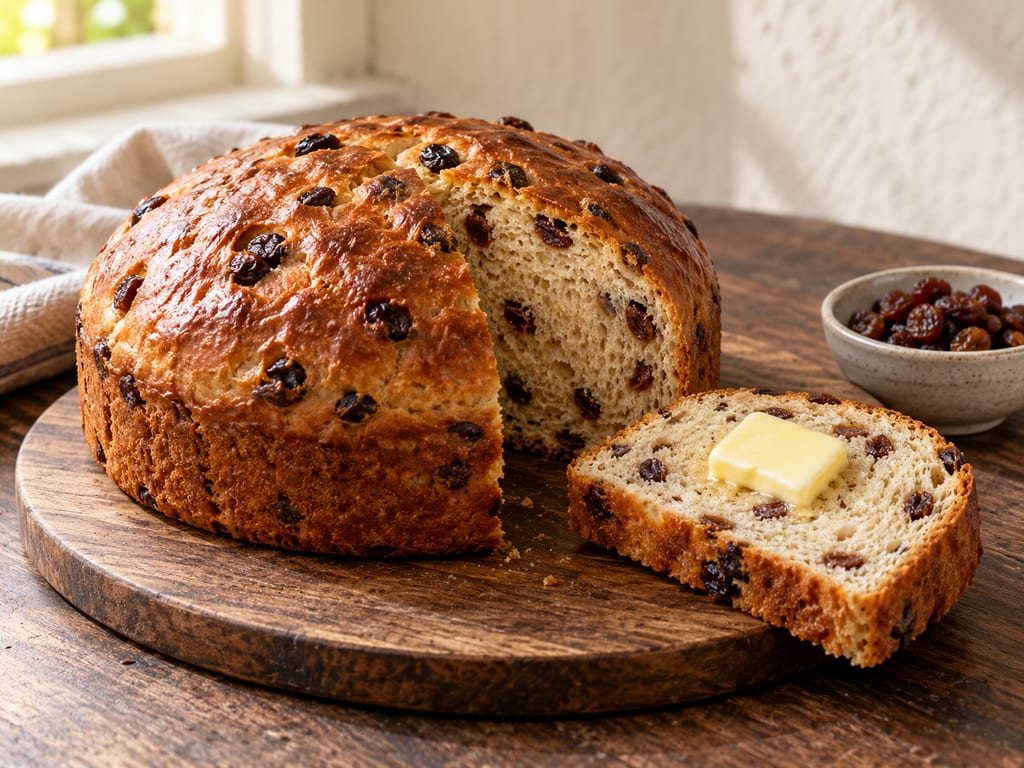
This one-loaf method follows a published home recipe by The Velvet Taste. It uses chamomile infusion, brown sugar and butter. Peruvian heritage material associates pan chuta with Oropesa in Cusco, but this particular formula is a modern adaptation rather than a verified traditional formula.
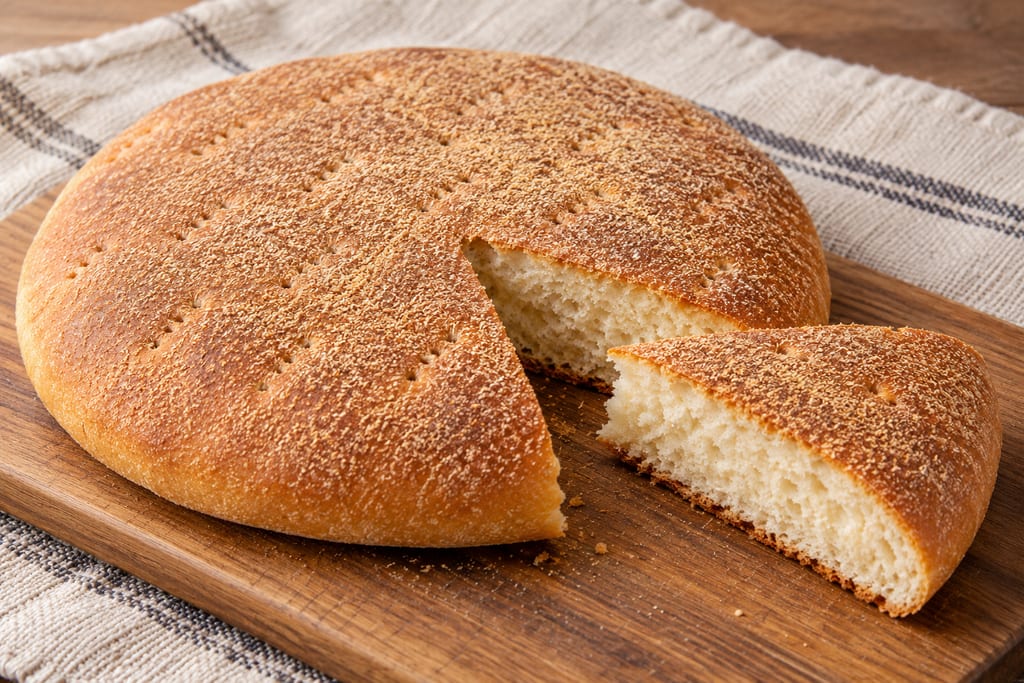
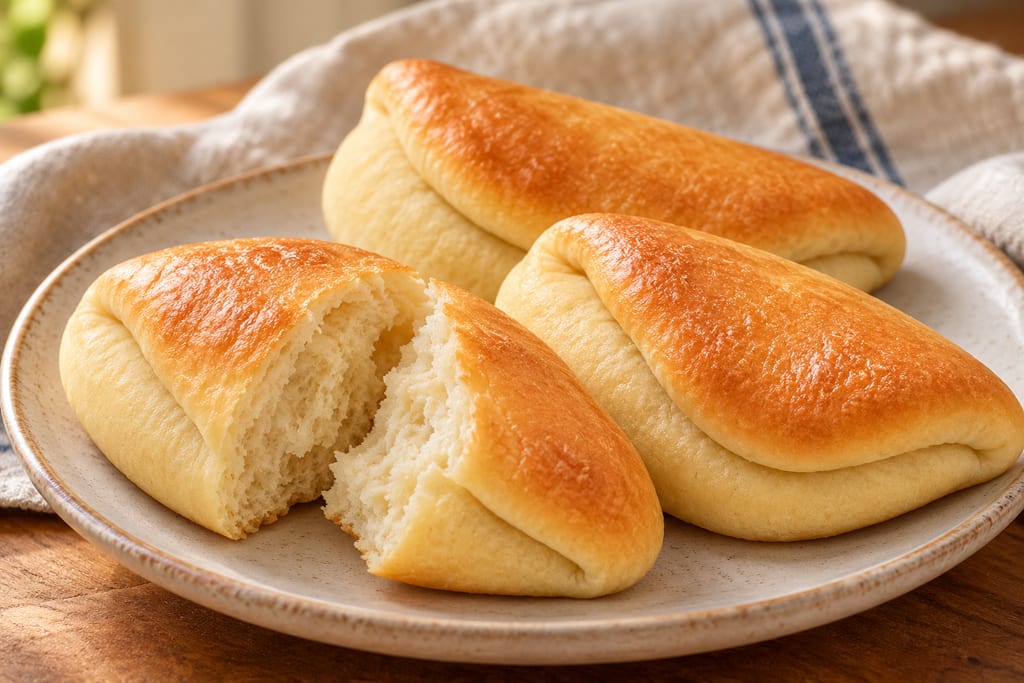
The Slow Food Ark of Taste profile describes pan chuta as a broad, spongy, sweet-spiced bread of Oropesa. It dates the bread's beginning to the sixteenth-century introduction of wheat, which is the profile's interpretation rather than a dated attestation.
Production continues through the year, except on days of mourning. Family members prepare a ferment of sugar, water and flour, then the dough and its decorations, and the loaves are baked in traditional clay ovens. The profile names wheat flour, lard, water, sugar, cinnamon, anise, eggs and sourdough, but gives no quantities, yield, process temperatures or complete household method. It differs from the chamomile-and-butter home formula above.
A Lesaffre Perú commercial formula resolves two gaps in the CIPU bakery feature: it puts yeast into flour before mixing and lists sugar. Its quantities are for a 10 kg flour batch, with sugar split between the dough and an assembly entry. The home method uses 20 g dry yeast for 500 g flour, far more proportionally than the commercial formula's 30 g for 10 kg flour. They are separate source formulas and should not be combined.
The home page says the recipe takes 1 hour 30 minutes, but its listed steps include one hour of first proofing, 45 minutes of second proofing and 25 minutes of baking. This version keeps those step times and allows at least 2 hours 10 minutes for them, plus infusion preparation and cooling.
Raw flour can carry bacteria that cause illness. Do not taste raw flour or dough, bake the dough before eating it, and wash hands, bowls, utensils and work surfaces after handling raw flour or dough. These controls follow CDC guidance for flour and dough.
Pan chuta is associated with Oropesa, Cusco. The Slow Food Ark of Taste profile attributes a sixteenth-century beginning to the introduction of wheat; that is the profile's interpretation, not a dated attestation of the bread. This chamomile-and-butter home method appears in a 2025 recipe and is not evidence of a historic or traditional formula.
Ingredients
Yield 1 large round loaf · Scaling: source batch only
Wheat flour
500 g
The source does not specify flour strength.
Chamomile infusionBrew with boiling water, then cool until warm before use.
200 mL
Brown sugar
120 g
Dry yeast
20 g
The source does not specify yeast type.
ButterCut into cubes.
40 g
Salt
10 g
Whole-wheat flour or wheat bran
Amount not stated
A handful for dusting; amount not specified.
Anise or raisins (optional)
Amount not stated
Optional; amount not specified.
Method
Risks and precautions · Standard risk
Pathogens in raw flour
Flour may carry harmful bacteria; uncooked dough should not be tasted.
Hazard source
Bake the dough before eating; wash hands, bowls, utensils and work surfaces after handling raw flour or dough.
Control source
Do not taste raw flour or dough. Raw flour can contain harmful bacteria.
The page's stated total time of 1 hour 30 minutes conflicts with its one-hour first proof, 45-minute second proof and 25-minute bake. Allow at least 2 hours 10 minutes for those timed stages, plus infusion preparation and cooling.
This recipe uses 20 g dry yeast for 500 g flour. A commercial bakery formula uses a much lower yeast proportion; this version follows the home recipe as printed and has not been experimentally reconciled.
Brew chamomile in boiling water. Let the infusion cool until warm, not hot.
Combine the wheat flour, brown sugar, salt and dry yeast in a mixing bowl.
Pour in the warm chamomile infusion and mix until a dough forms. Add the butter cubes and knead until incorporated. If using the optional anise, toast it first and add it at this stage, as the source suggests. The source gives no amount for the anise and no directions for its optional raisin alternative. Knead for about 10 minutes until the dough is smooth.
Cover the dough and leave it in a warm place for about 1 hour, until visibly doubled.
Shape the dough into one broad round about a finger thick. Dust the top with whole-wheat flour or bran and prick the surface with a fork. Set it on a buttered baking tray.
Cover and proof for about 45 minutes, until visibly risen.
Bake at 180°C for about 25 minutes, until golden. Do not taste the raw dough. Wash hands, utensils and work surfaces after handling raw flour or dough.
Transfer to a rack and cool before slicing.
Conditions
Yield1 large round loaf
Active time25 min
Fermentation1.75 h
Temperature180°C
Places
Oropesa
Documented preparation · Locality evidence
Pan chuta is associated with production in Oropesa; this does not establish a precise birthplace. The method below is a modern home recipe, not a verified traditional formula.
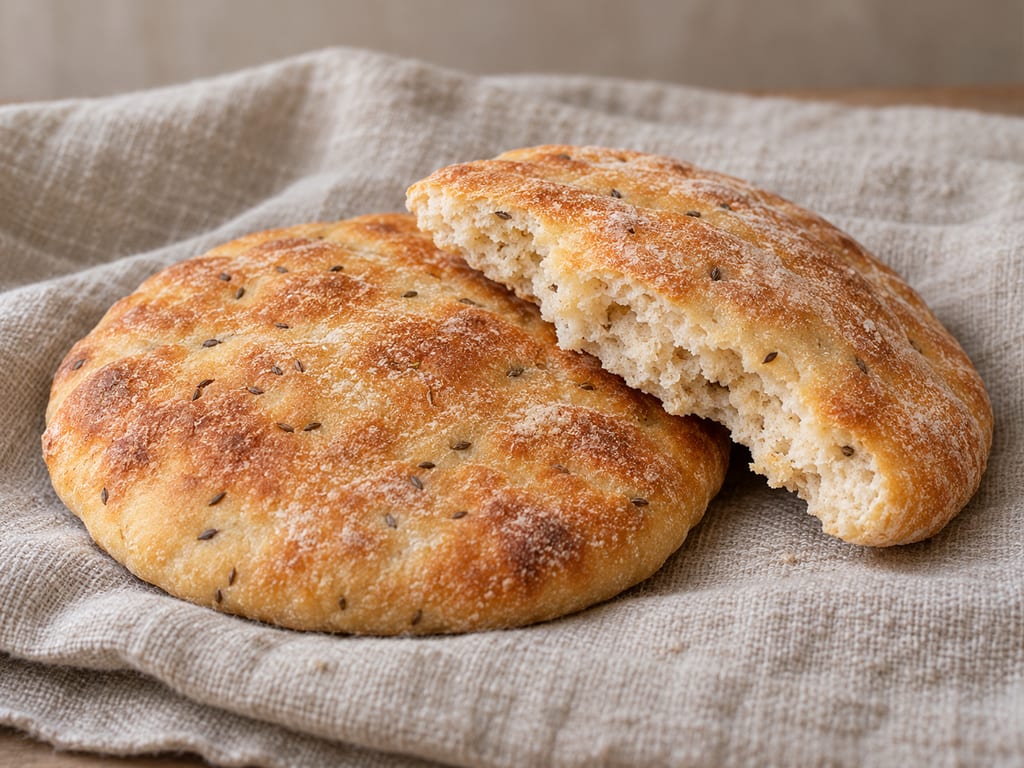
A measured, yeast-raised Ayacucho chapla home method shared by Thermomix Peru presenter Roxanna Salaverry. It makes thin, anise-scented rounds baked at 240°C; the historic qunchu-leavened form is documented separately.
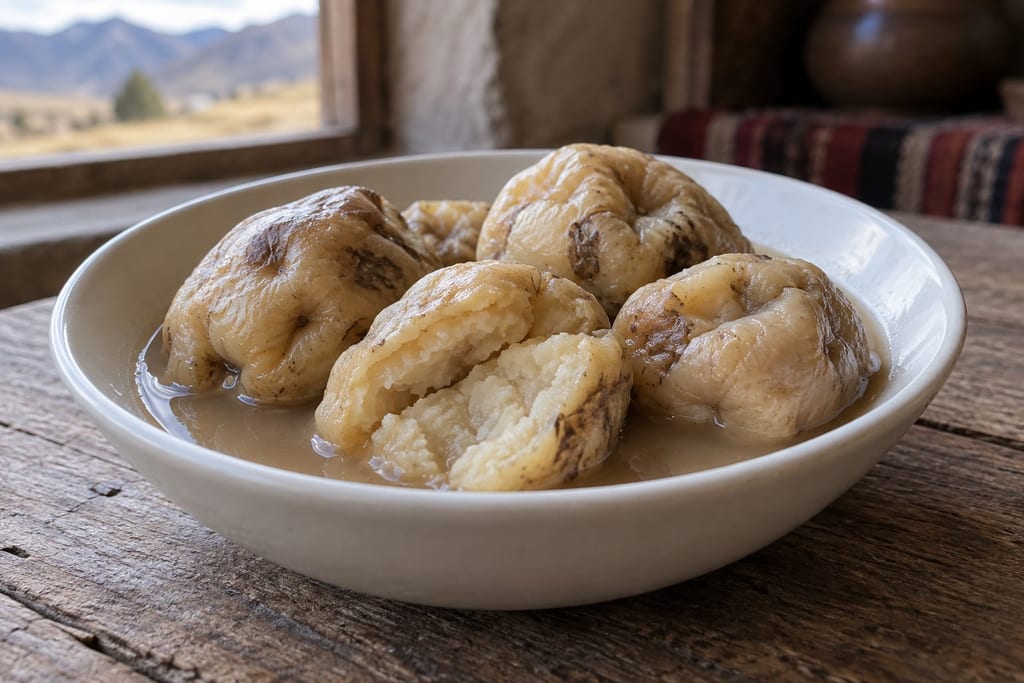
Peruvian Andean fermented potato: tubers held in water-fed earthen wells for a long lactic fermentation, giving an acidic food that can be dried and ground into flour for storage.
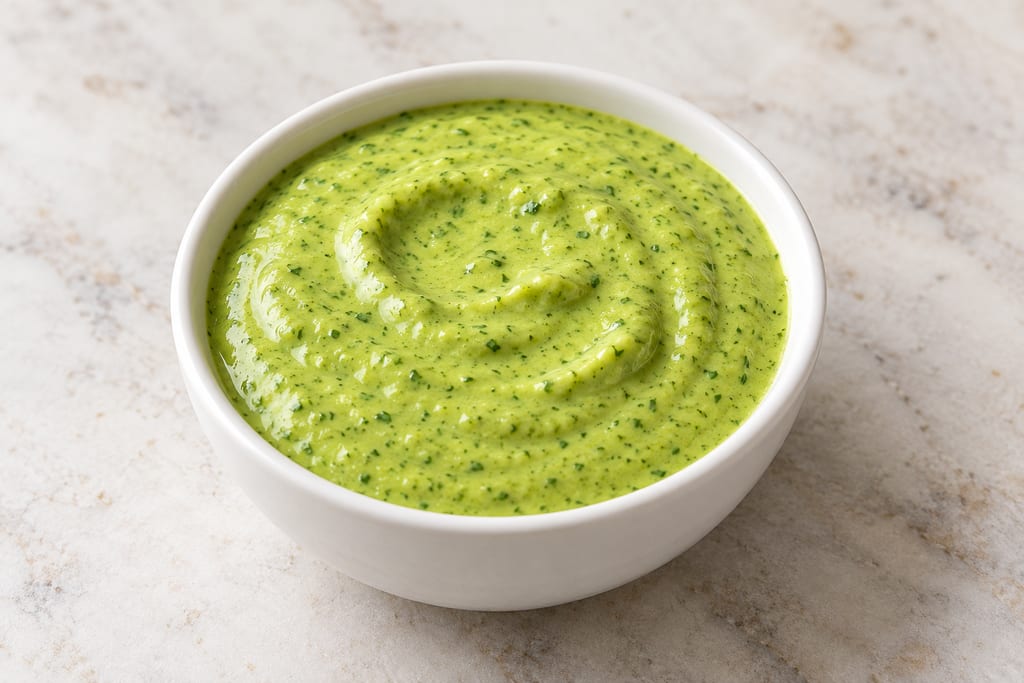
Ají verde is a Peruvian green sauce of coriander, chilli, onion and garlic in a mayonnaise or cheese base. It is best known through Peruvian restaurant cooking abroad.
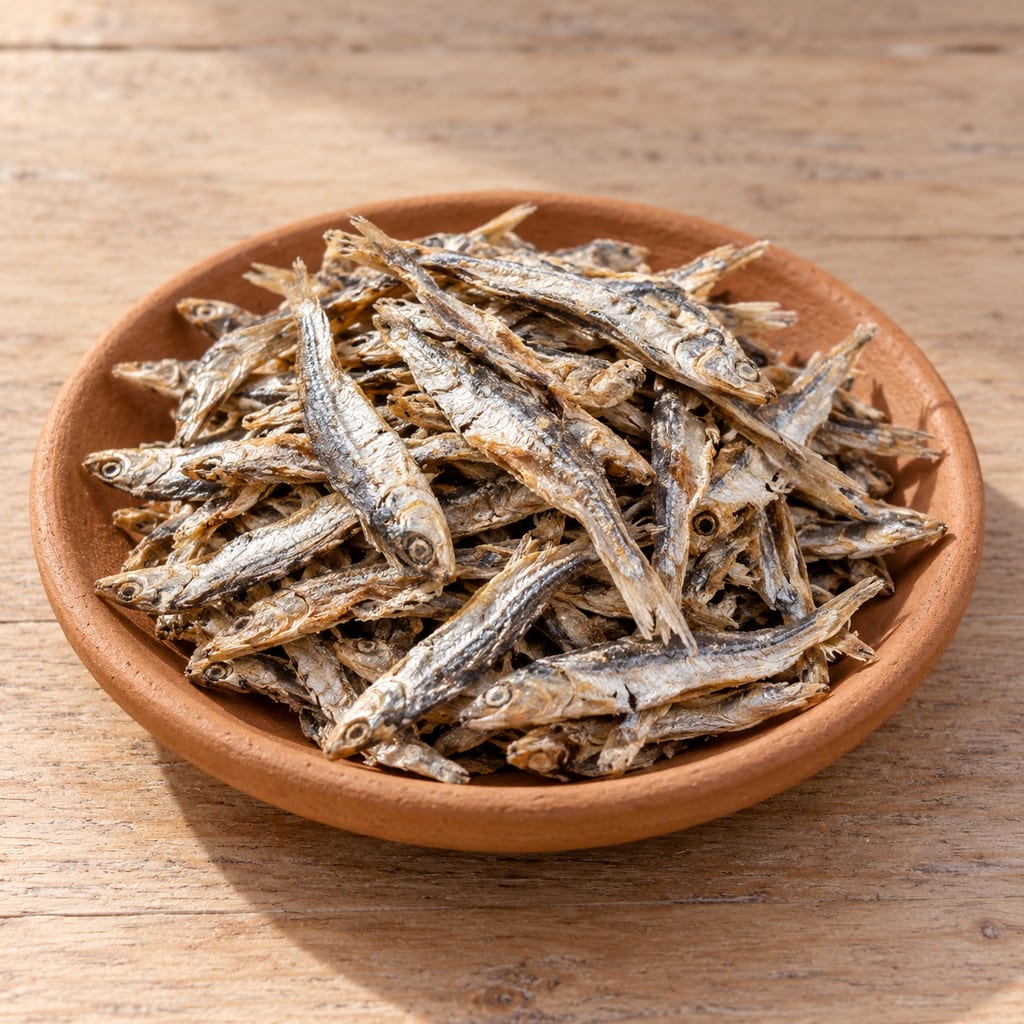
Anchoveta salted, drained of sanguaza and sun-dried on sand or stones at Caleta de Carquín, a technique declared part of Peru's cultural heritage in 2016.
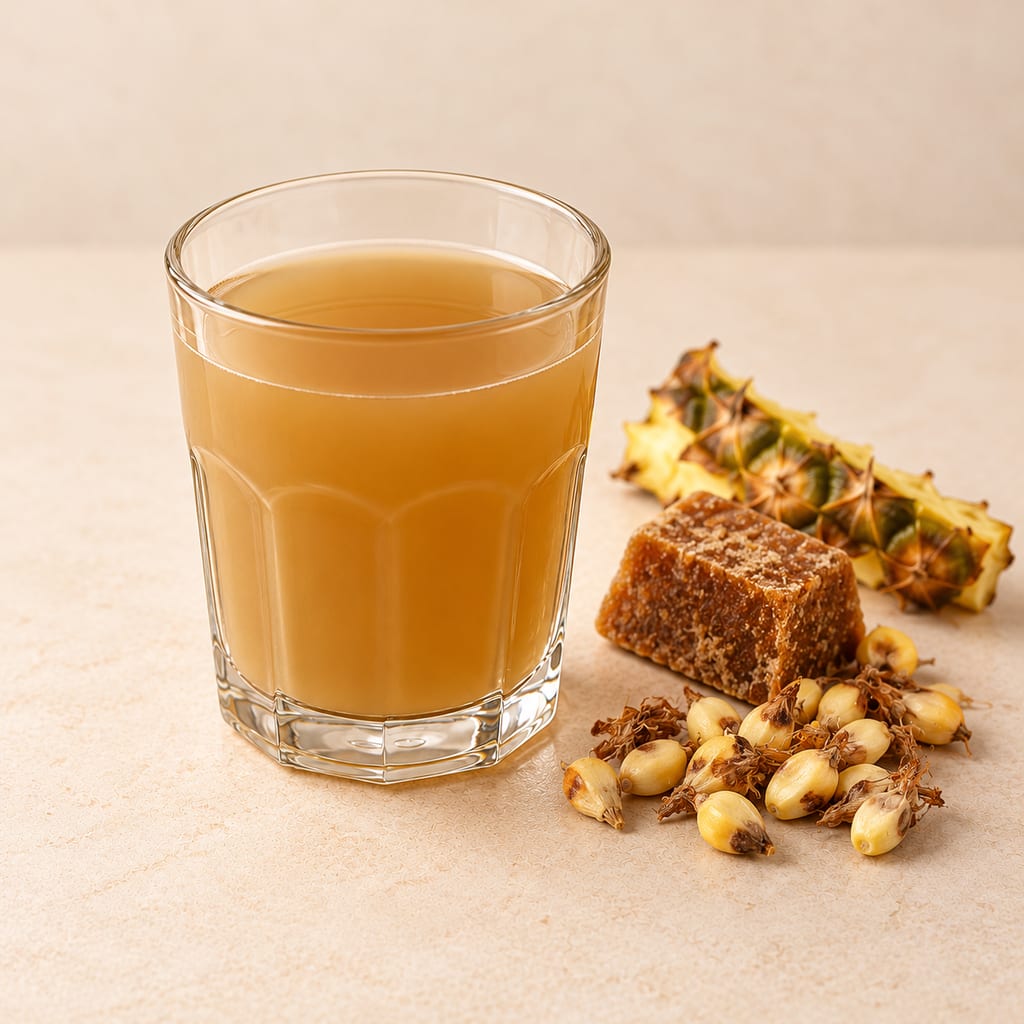
A contemporary Ecuadorian recipe simmers jora flour with spices, then adds panela and pineapple peel before a short spontaneous ferment. Its particular aromatics and measurements belong to this published adaptation.
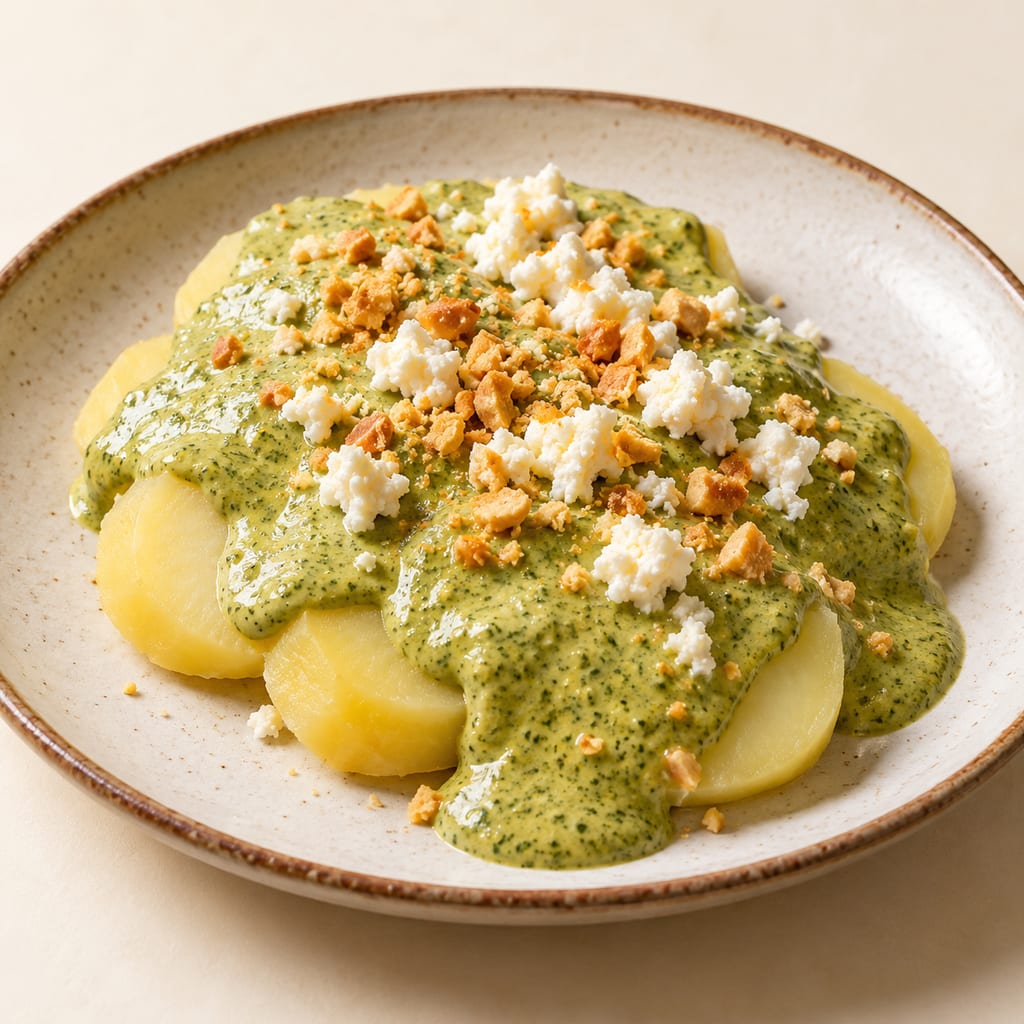
Ocopa is a sauce from Arequipa, Peru, of huacatay, dried mirasol chillies, nuts, fresh cheese and soda crackers. It is usually spooned over boiled potatoes.
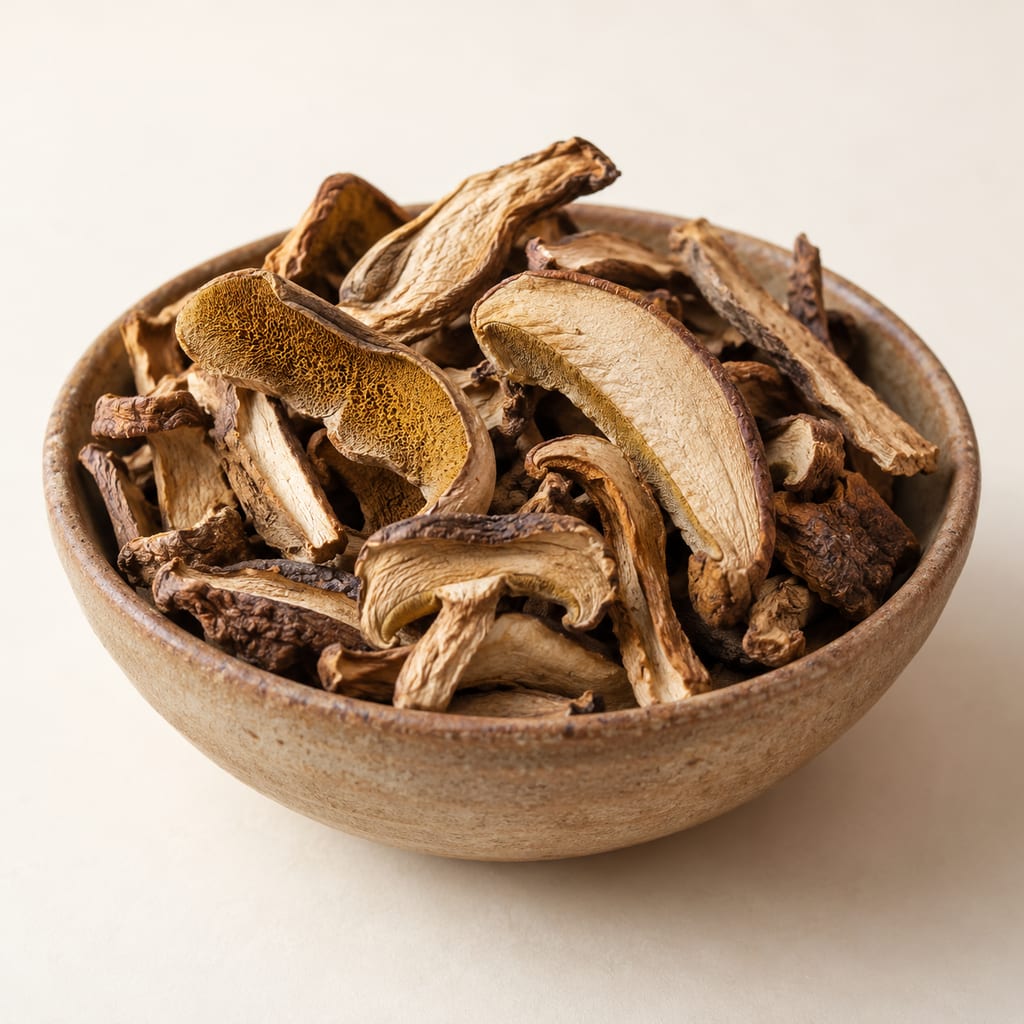
Protected solar-dried mushrooms are slices of wild Suillus luteus dried under a shade cover, a fitotoldo, rather than in open sun, as tested in an experimental study from Apurímac, Peru.
A creamy Peruvian sauce of ají amarillo, fresh cheese and milk, served with potatoes. This source-based version sautés aromatics before blending the sauce.
Bint al-sahn is a Yemeni celebration and home bread built from thin, egg-rich yeast dough layers brushed with ghee or butter. This source-specific version makes one round cake, baked until golden and served warm with honey.
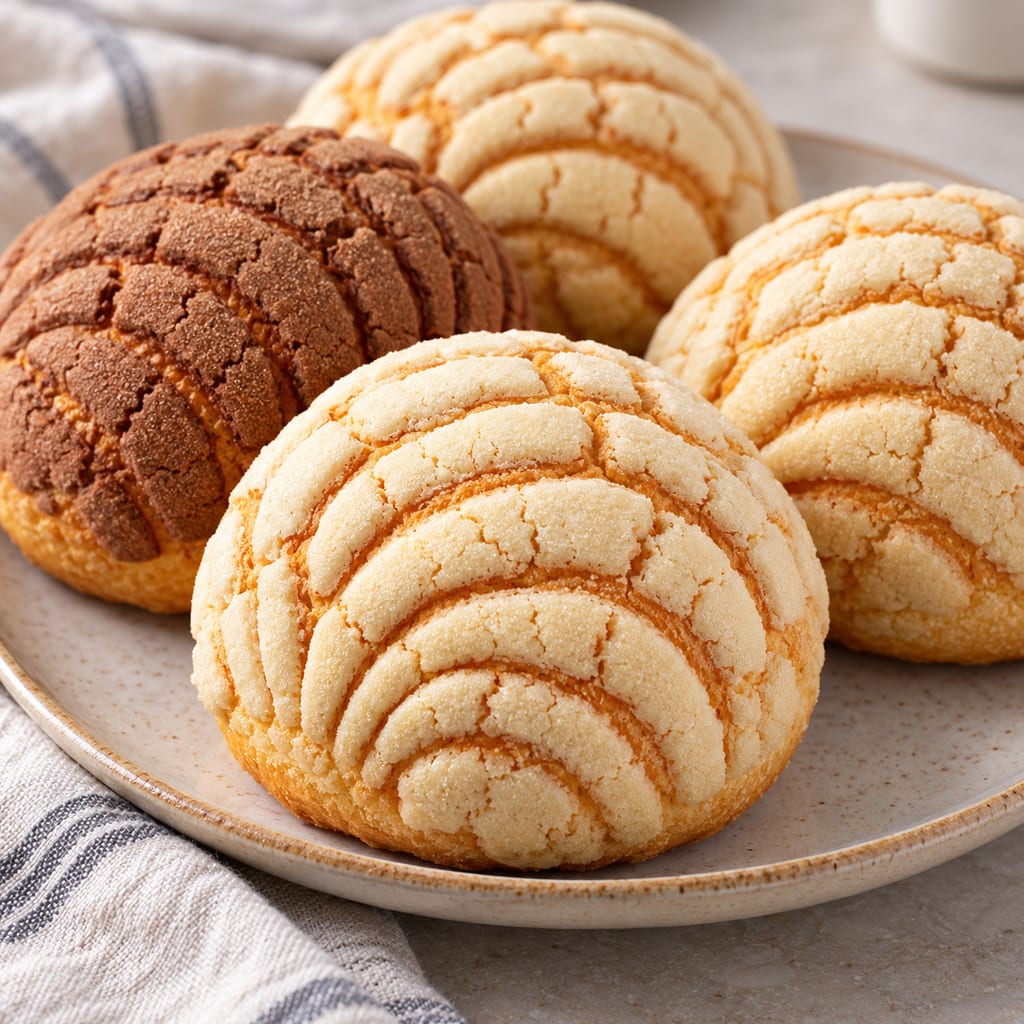
Mexican sweet rolls with a soft enriched yeast dough and a separate scored sugar-flour topping shaped like a shell. This version makes 15 rolls and uses a chilled dough rest before final proofing.
Soft, spreadable Calabrian pork sausage made with a great deal of red chilli and fatty pork, stuffed into natural casings, sometimes smoked and matured while staying soft.
A way to add independent temperature logging to an existing food dehydrator without changing its built-in controls or protections. It is a monitoring method, not a rewiring plan.
Pleurotus cystidiosus is the abalone mushroom, a cultivated oyster-type fungus with dark brown caps that grows more slowly and is more demanding than other Pleurotus species.
A dark, balanced vinegar from Emilia-Romagna made by combining cooked or concentrated grape must with wine vinegar, then acetifying and refining it in wood under a protected specification.
A small electric incubator holds jars at a selected temperature for yogurt and other documented warm food preparations. Controls, capacity and vessel arrangement vary by model.
Adygean salt is a seasoned table salt associated with Adygea and the wider North Caucasian culinary tradition. Salt is blended with garlic and a variable selection of herbs and spices; the exact mix depends on the named style and maker.
The African Caesar-group mushroom, Amanita masasiensis, is a wild ectomycorrhizal species of central and southern African woodlands, eaten locally. The genus contains deadly poisonous species, so identification needs care.
Community
No community contributions have been published for this entry yet.
Share what you made
Sign in to contribute. Published comments and photos are free to read.
One-large-round home formula and complete mixing, proofing, shaping and baking sequence. Its tip says optional anise can be toasted and added after the butter is fully incorporated; it gives no amount for anise or method for the raisin alternative.
Commercial formula associates pan chuta with Oropesa, includes sugar and places yeast before mixing. Its scale and yeast proportion differ from the home recipe; it is not used to modify the home formula.
Cited in: How the formulas differ
Accessed 2026-10-29
Centro de Industriales Panaderos del UruguayContext
The profile associates pan chuta with Oropesa and describes a broad, spongy, sweet-spiced bread.
It attributes a sixteenth-century beginning to the introduction of wheat; this is the profile's interpretation, not a dated attestation.
Production continues through the year except on days of mourning; family members prepare a ferment of sugar, water and flour, then the dough and its decorations, and the loaves go to traditional clay ovens.
It names wheat flour, lard, water, sugar, cinnamon, anise, eggs and sourdough, with no quantities, yield, process temperatures or complete household method.
Raw flour can contain illness-causing germs. CDC advises not to eat raw dough, to bake it before eating, and to wash hands, bowls, utensils and countertops after handling raw flour or dough.