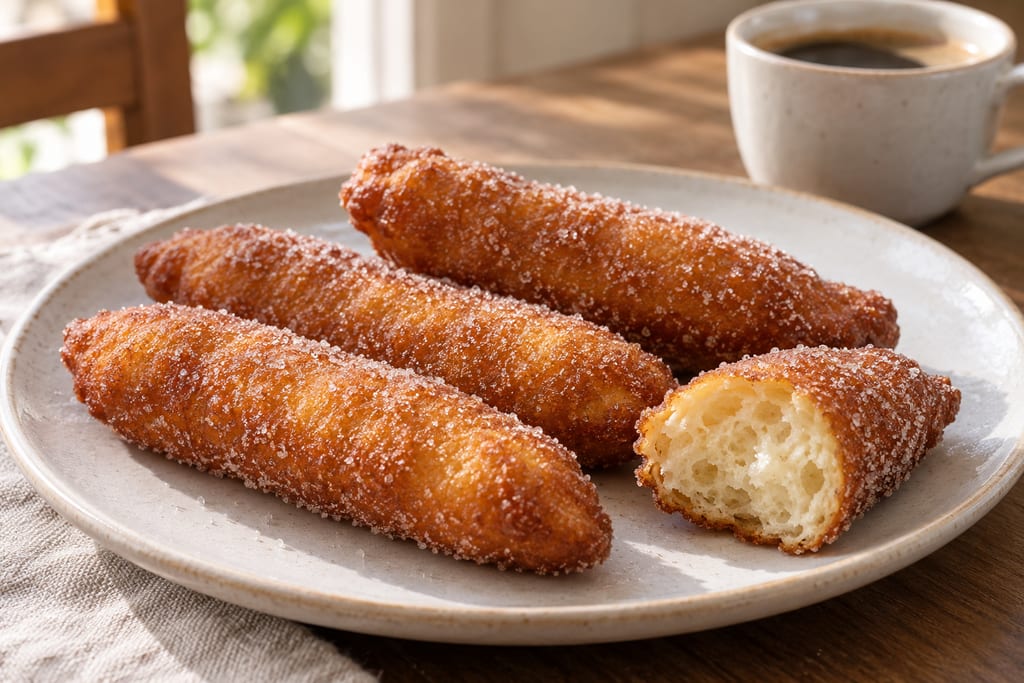
Firi firi (Tahitian coconut doughnuts)
Firi firi is a yeast-raised coconut doughnut piped into long pieces and deep-fried at 170°C, traditionally eaten for breakfast or dessert in Tahiti.
 FermenteaWhere food goes to change
Traditional method
Tahitian coconut bread logs
Sweet dough with grated coconut is divided into ten logs, wrapped in foil and baked slowly in this Polynesian Cultural Center version demonstrated by Gina Pasi.
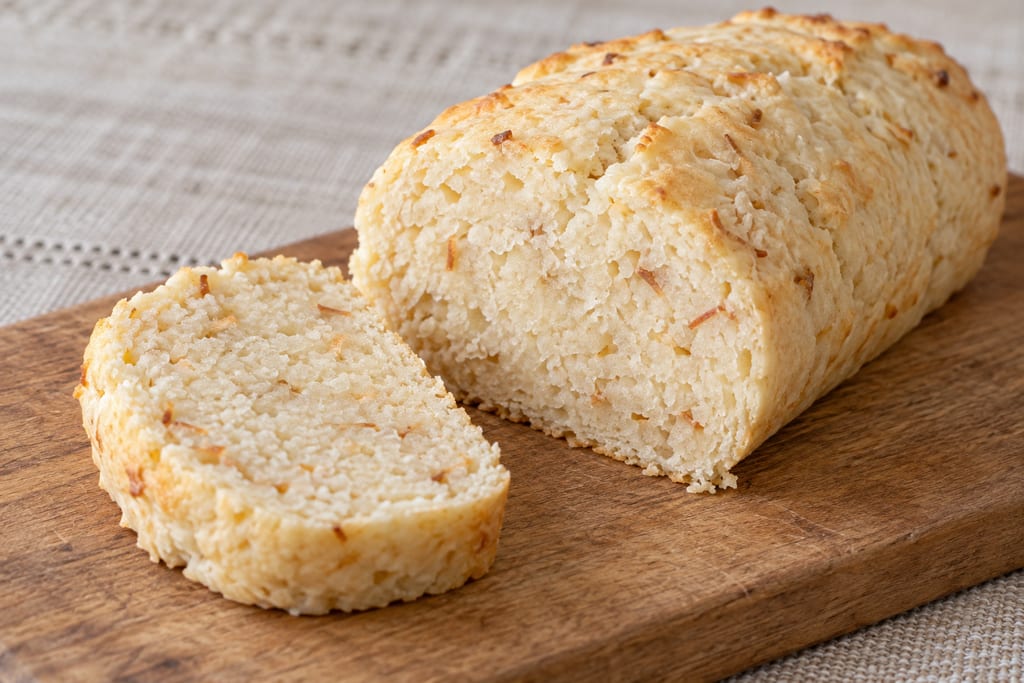
The Polynesian Cultural Center records Gina Pasi demonstrating a Tahitian coconut bread made from a sweet, baking-powder dough with grated coconut. The dough is divided into ten logs, wrapped in foil and baked on oven racks. The source's alternate coconut-frond wrapping is a separate route; this recipe gives the complete foil method only.
The page says fresh grated coconut should be toasted first. It allows unsweetened shredded coconut when fresh is unavailable and recommends reducing the sugar if the substitute is sweetened. The recipe uses water as its only added liquid and contains no yeast.
Pasi is described as coming from Hikueru in the Tuamotu Archipelago. She remembers her grandmother preparing coconut bread by deep-frying it or shaping it as dumplings. Those recollections give family and place context, but the source does not say that the grandmother used the exact oven-baked formula here.
The recipe published by the center is a demonstration version: a batch of ten foil-wrapped logs baked for one to one and a quarter hours. The source does not specify the logs' dimensions, a temperature inside the finished bread, or how the loaf is stored.
The Polynesian Cultural Center presents this as traditional Tahitian coconut bread. It records Gina Pasi, from Hikueru in the Tuamotu Archipelago, recalling her grandmother's coconut bread as deep-fried or made into dumplings. That memory describes related family preparations; this body follows the separate oven-baked, foil-wrapped version Pasi demonstrated. The source does not date the first attestation or establish a single French Polynesian formula.
Yield 10 logs · Scaling: source batch only
The source gives no storage instructions or measured center-temperature endpoint. Its doneness cue is that the center is no longer doughy; no storage duration or additional limit is inferred.
The Polynesian Cultural Center presents this as traditional Tahitian coconut bread and records Gina Pasi's demonstration. It does not establish one formula across French Polynesia.
Firi firi is a yeast-raised coconut doughnut piped into long pieces and deep-fried at 170°C, traditionally eaten for breakfast or dessert in Tahiti.
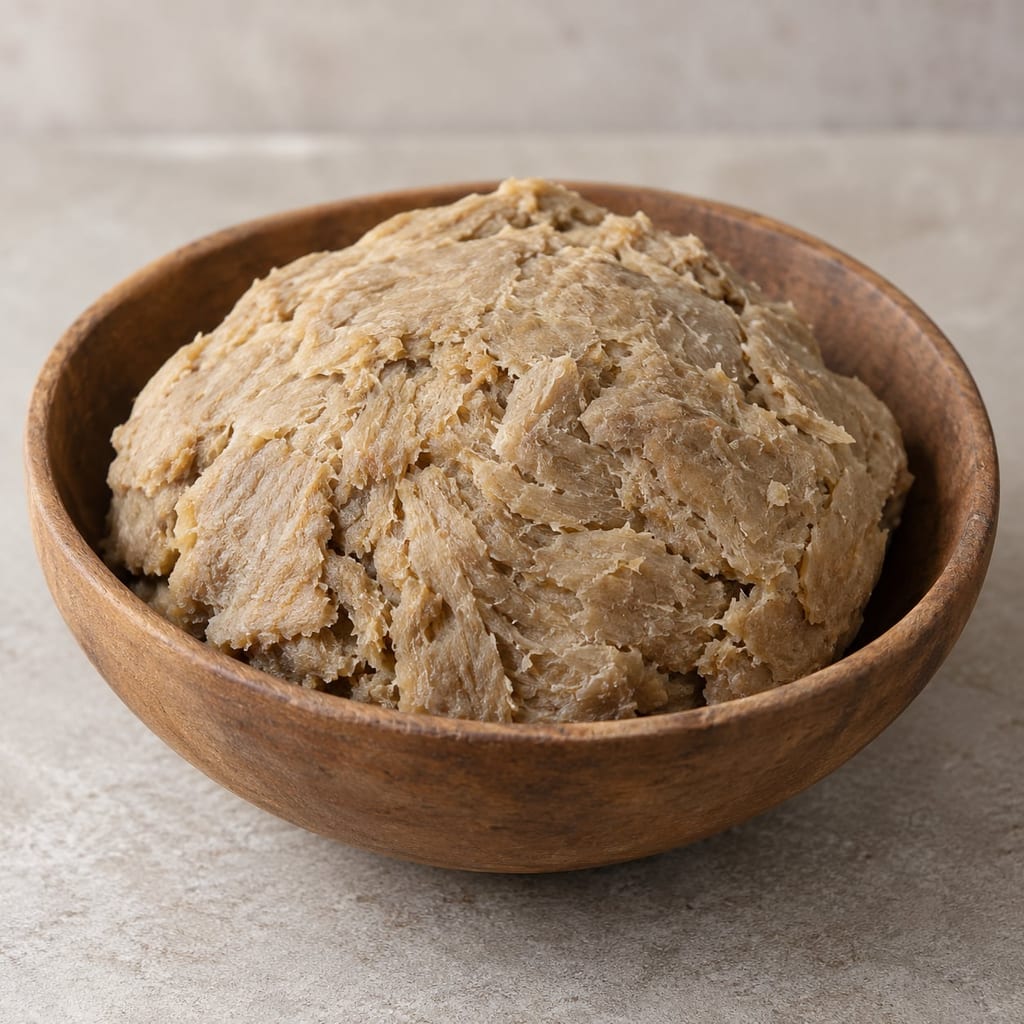
Marquesan ma is fermented breadfruit paste stored in pits and prepared as popoi. The source describes the process and dishes but gives no validated household method.
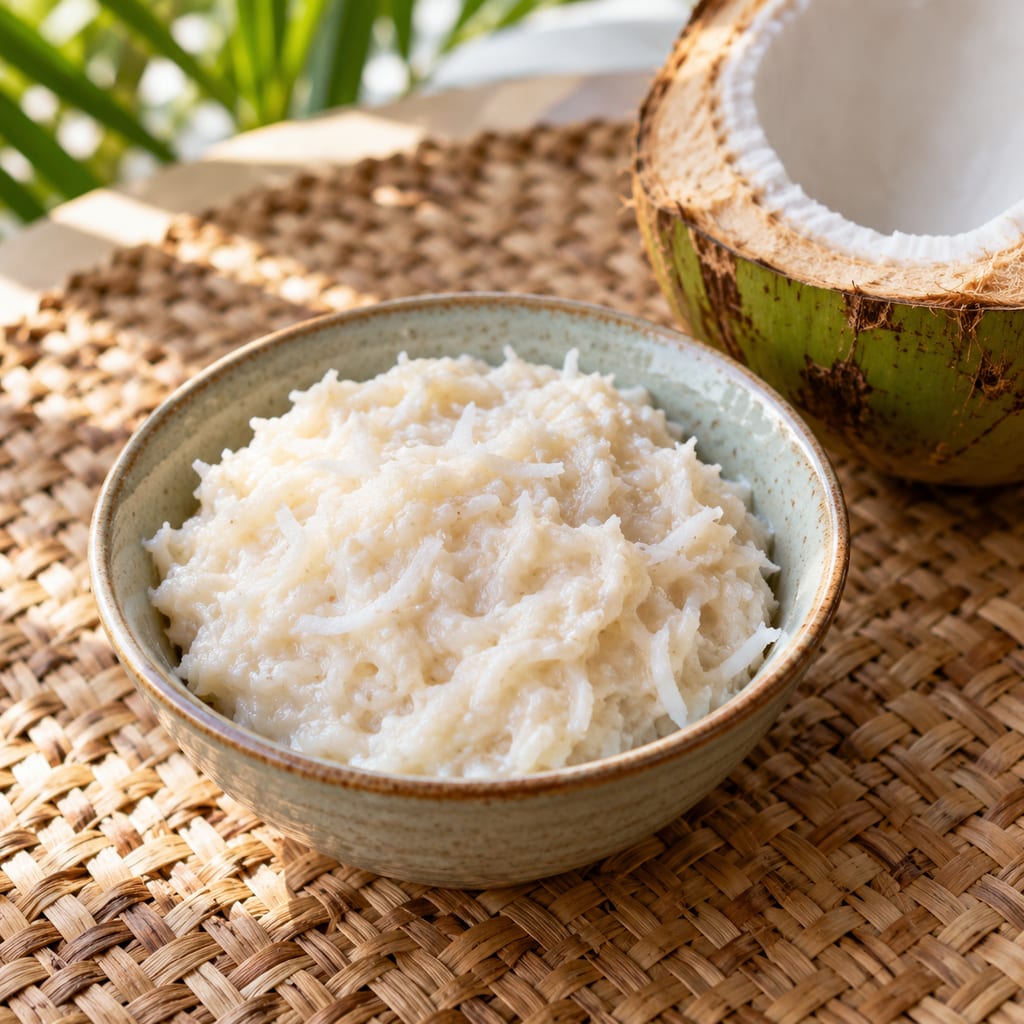
A documentary account of Tahitian mitihue, a fermented coconut condiment traditionally associated with freshwater prawns. It records cultural context and source-reported risks without giving a household preparation method.
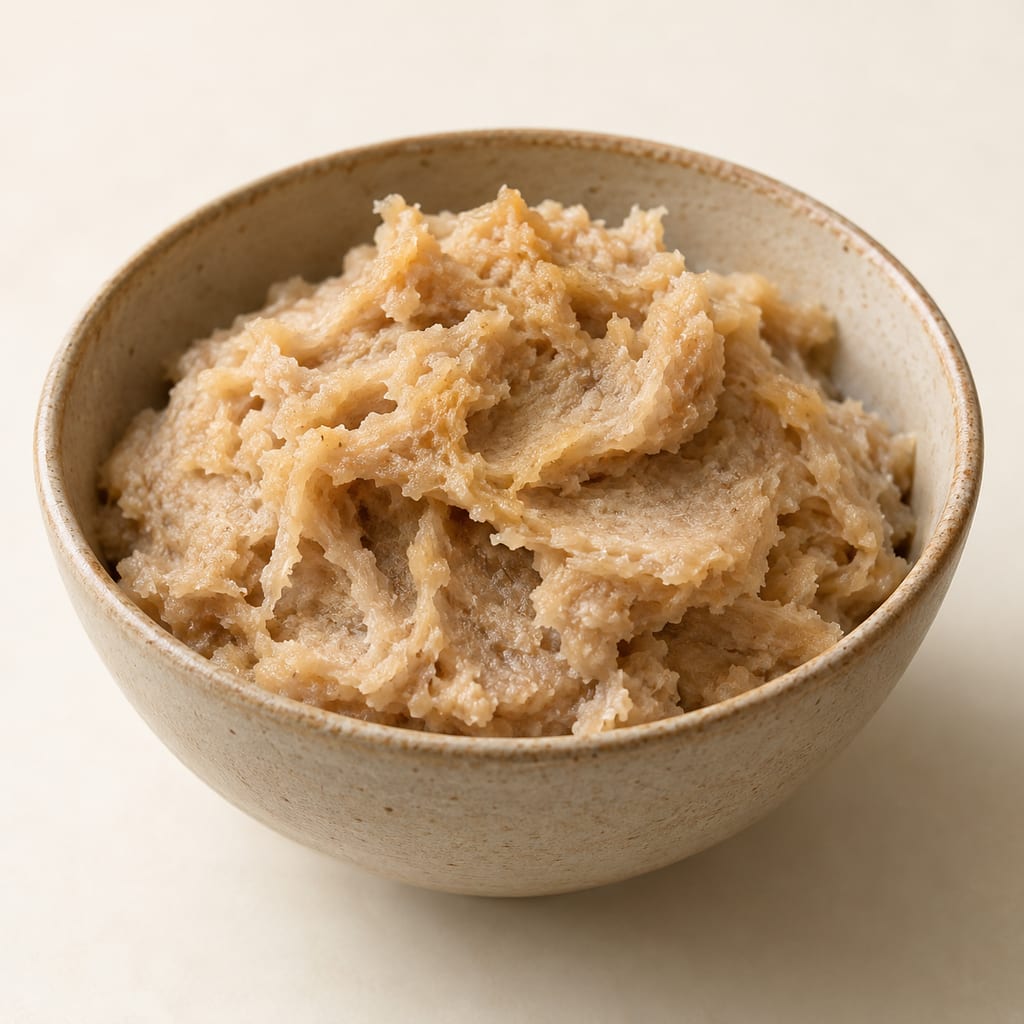
Tahitian mahi is a breadfruit paste wrapped in Cordyline leaves and kept in an earth-covered pit for several months, a scarcity food of French Polynesia. The heritage account gives no validated method.
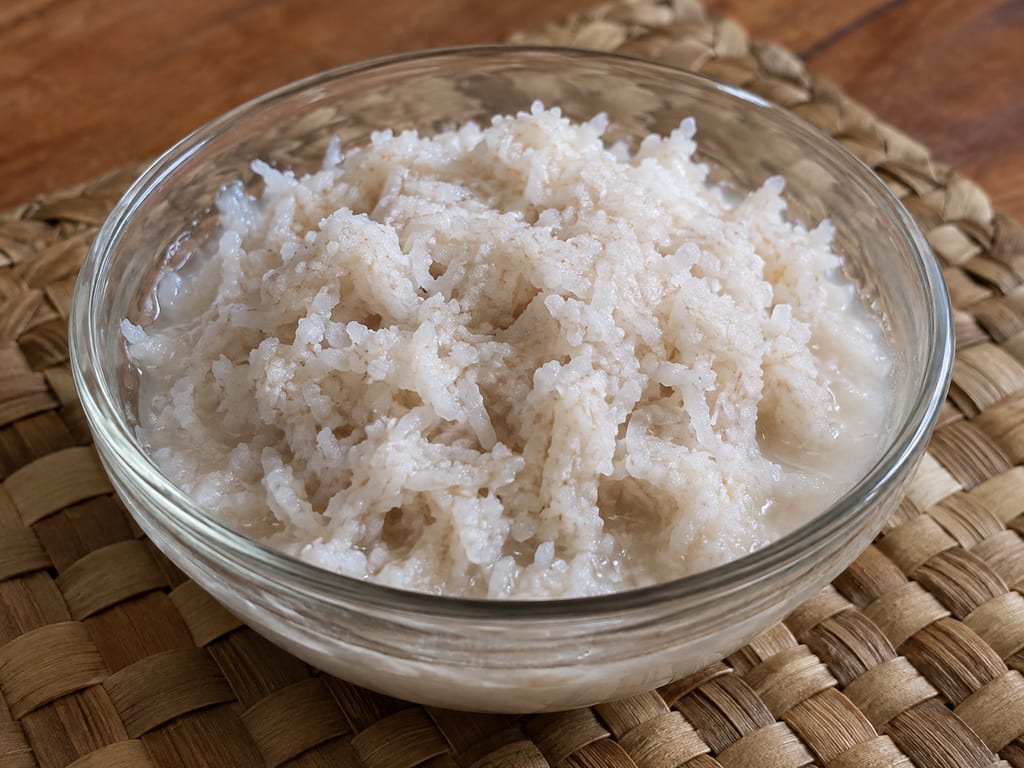
Taioro is a Polynesian condiment of grated coconut fermented with freshwater prawn heads in seawater, then rested in a cool place for a day before it is used.
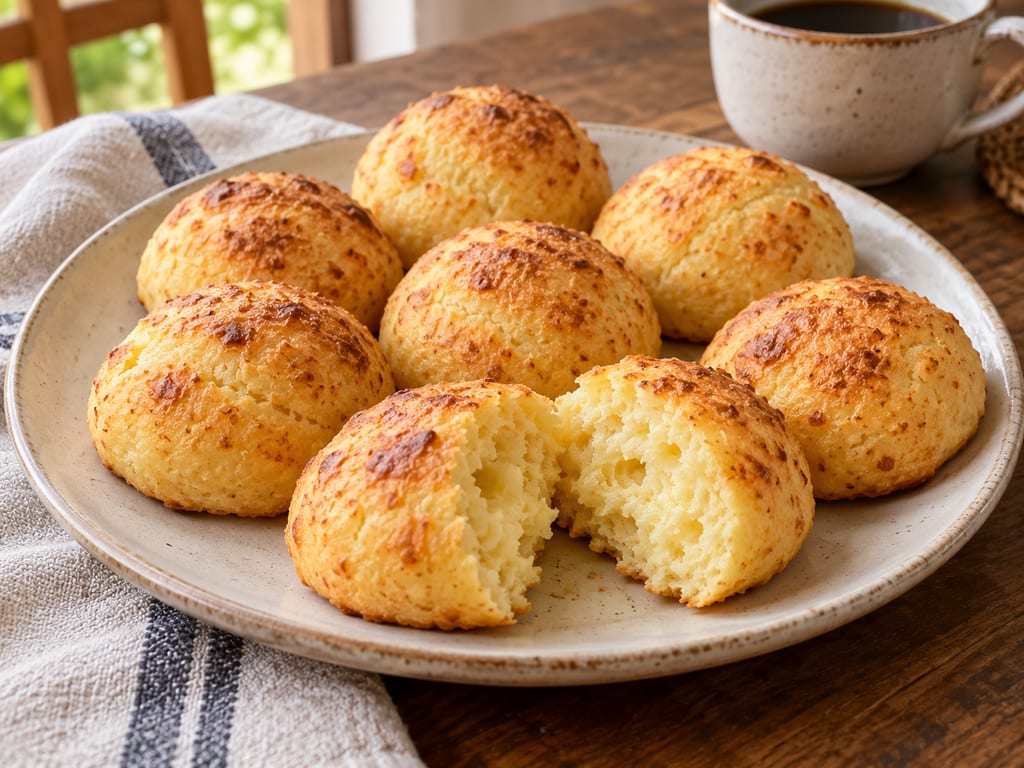
Small Colombian cheese breads made with precooked corn flour, queso fresco, mozzarella, eggs, milk and baking powder. This documented home version makes eight breads and is served warm.
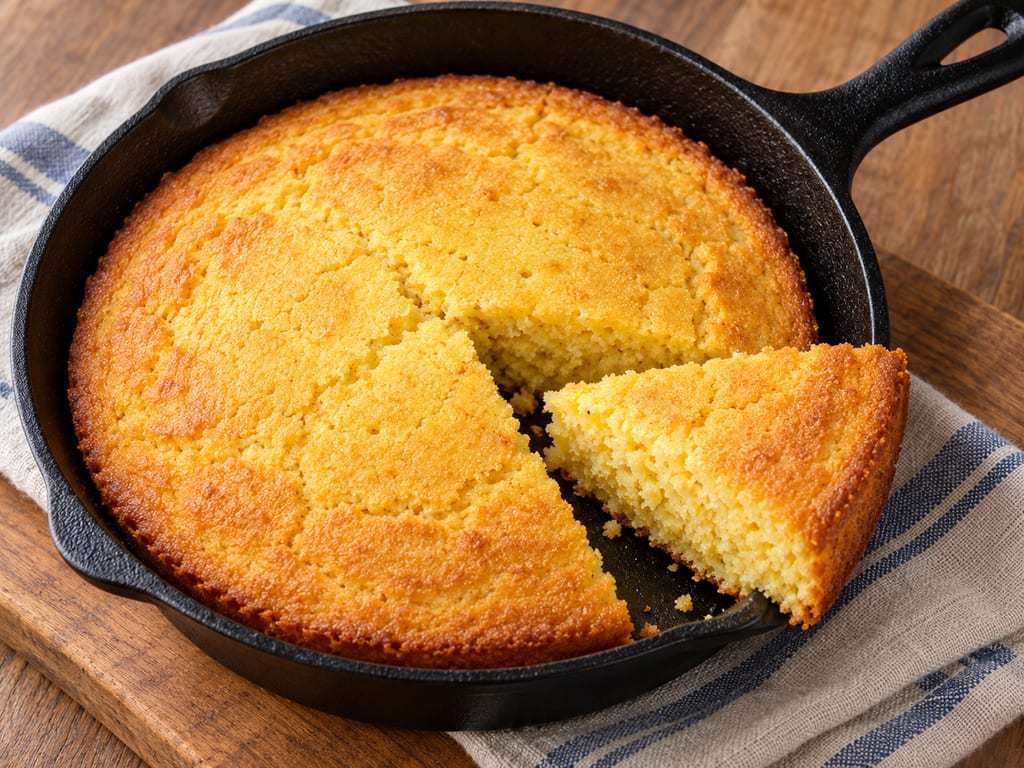
A modern cornmeal-and-wheat cornbread that King Arthur Baking describes as a compromise between Northern and Southern styles. The batter is baked in a pan or as muffins and served warm.
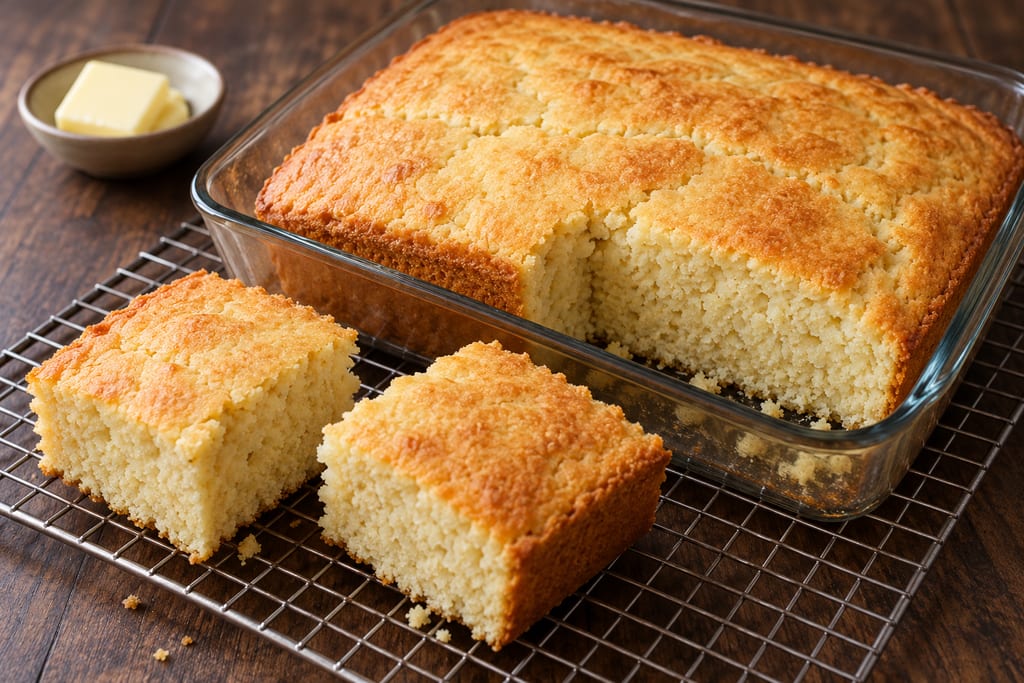
A soft, butter-rich Bahamian-style baked johnnycake made from flour, baking powder, sugar, butter and milk. The dough rests briefly in a square pan before baking.
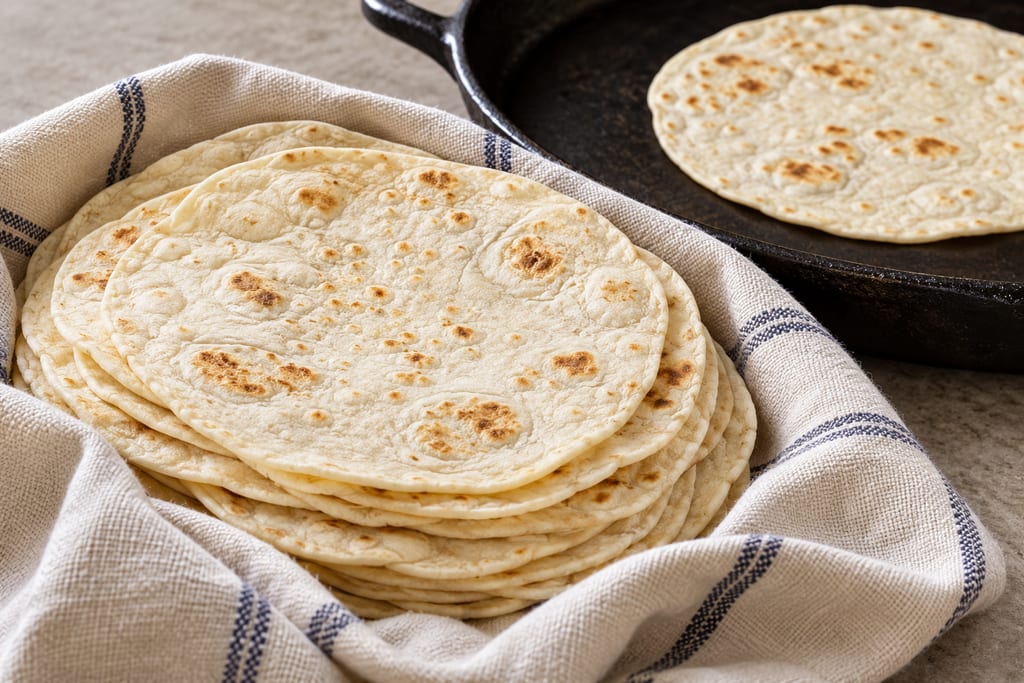
Soft wheat-flour rounds from an INCAP Honduran baleada recipe are rolled thin and cooked on a dry skillet; this record covers tortillas, not the filled dish.
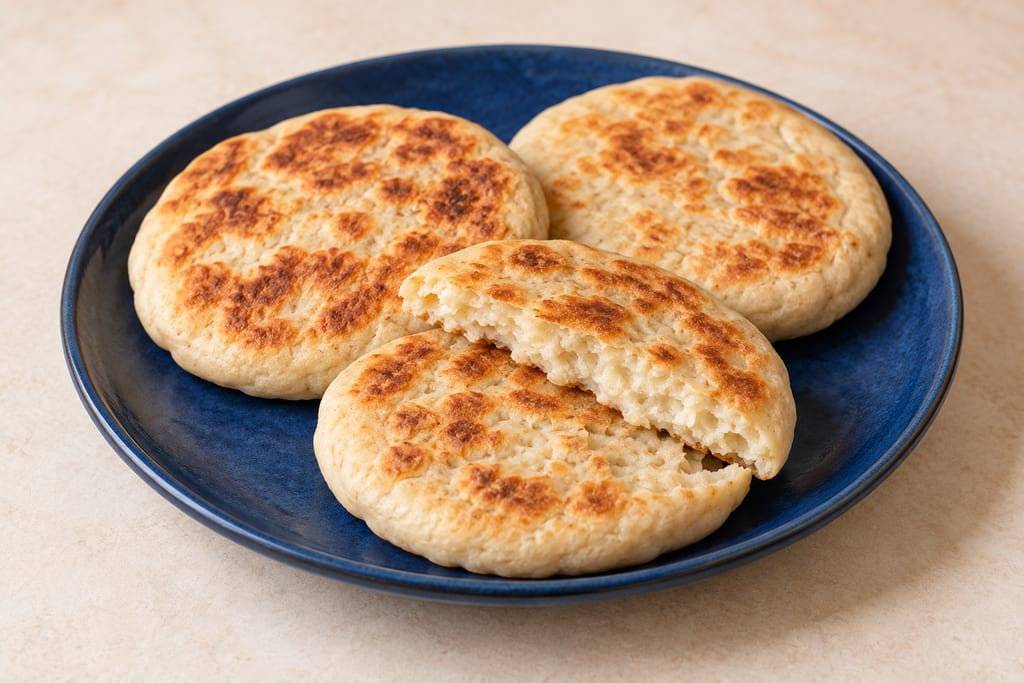
A Central Tibetan style pan bread made from flour, water and baking powder. Four dough balls are rested, rolled into rounds and cooked covered in a skillet, turning them several times.
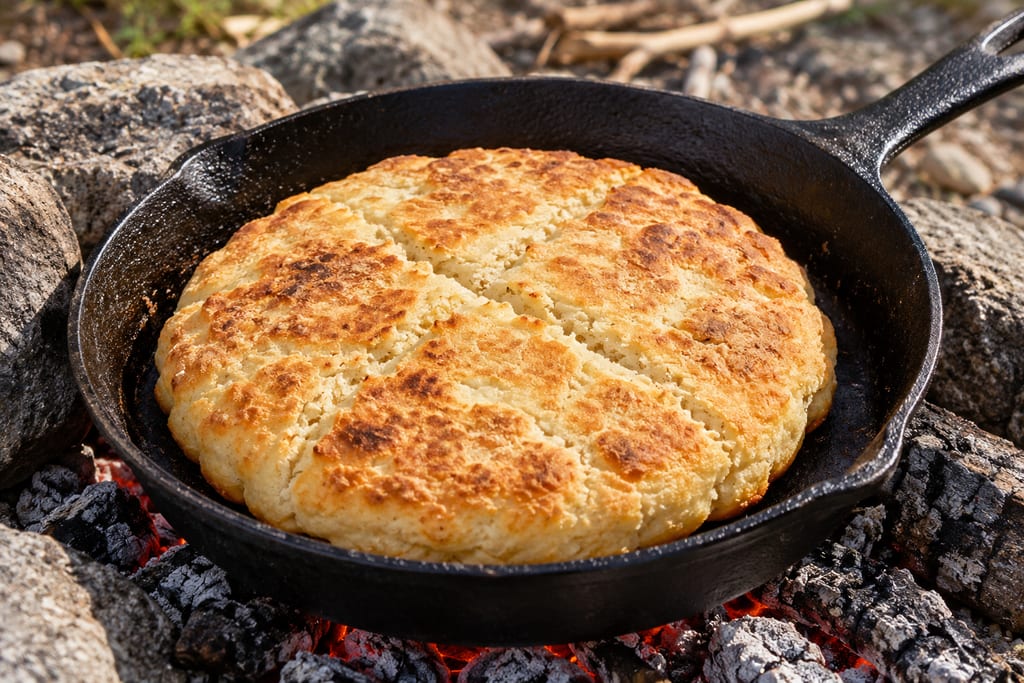
This flour, baking-powder and oil dough is Parks Canada’s contemporary Métis-interpreter version prepared at Rocky Mountain House; its specific recipe origin is unknown.
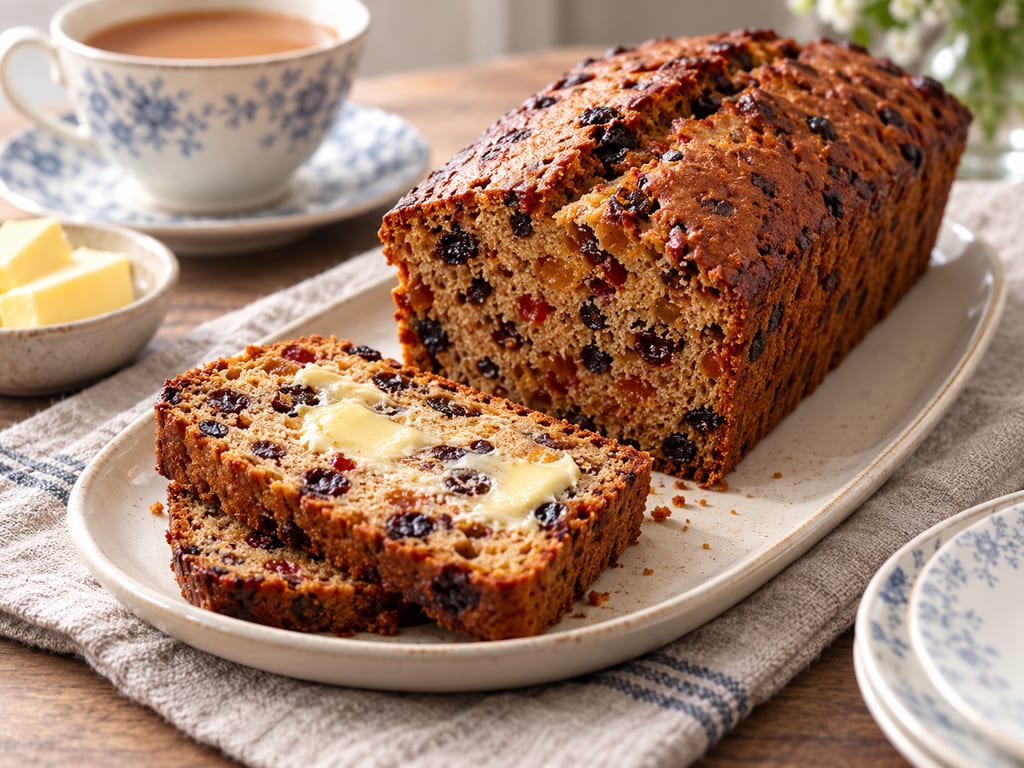
Bara brith is Wales’s speckled fruit loaf, made in both yeasted bread forms and the widely served modern tea-loaf style. This version soaks dried fruit in strong tea before mixing it with self-raising flour, spice, sugar and egg.
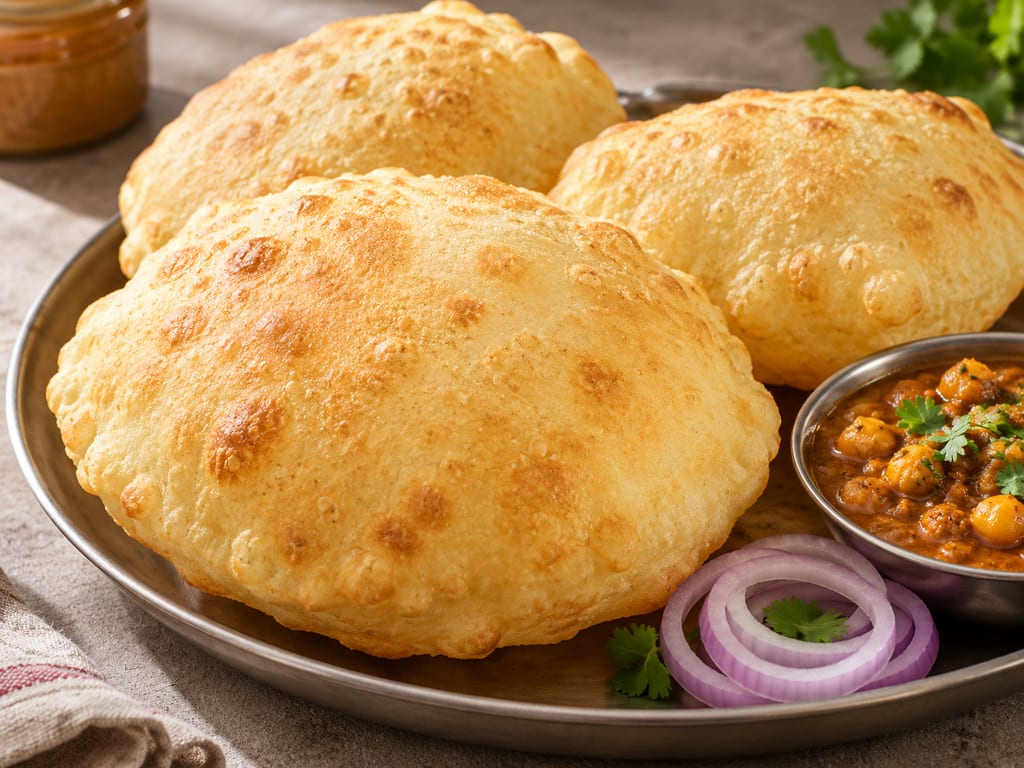
A North Indian fried bread made with yogurt, wheat flour and chemical leaveners. This source batch makes eight.
No community contributions have been published for this entry yet.
Sign in to contribute. Published comments and photos are free to read.
Polynesian Cultural CenterRecipe · Cultural context · Geographic association
Traditional Tahitian Coconut Bread RecipeThe PCC describes a long-running Tahiti Village demonstration and identifies Gina Pasi and her Hikueru/Tuamotu background and memories of family coconut-bread preparations.
The formula, grated coconut toasting instruction, sweetened-coconut substitution, dough mixing and kneading, ten logs, foil wrapping and 1–1¼ hour bake.
The source's center doneness cue and absence of storage or measured internal-temperature directions.
Cited in: A particular oven-baked version; Gina Pasi's family memory