
Beef
Beef is the meat of domestic cattle, Bos taurus and Bos indicus, sold as steaks, roasts, ground meat and cured products, and used in broths, salami and koji seasonings.
 FermenteaWhere food goes to change
Traditional method
Charqui · Carne-seca · Brazilian dried salted beef
Beef salted heavily and dried into a strongly preserved ingredient that is desalted before it is cooked in stews; a Brazilian form of salt-dried meat that keeps far longer than the lightly salted carne-de-sol.
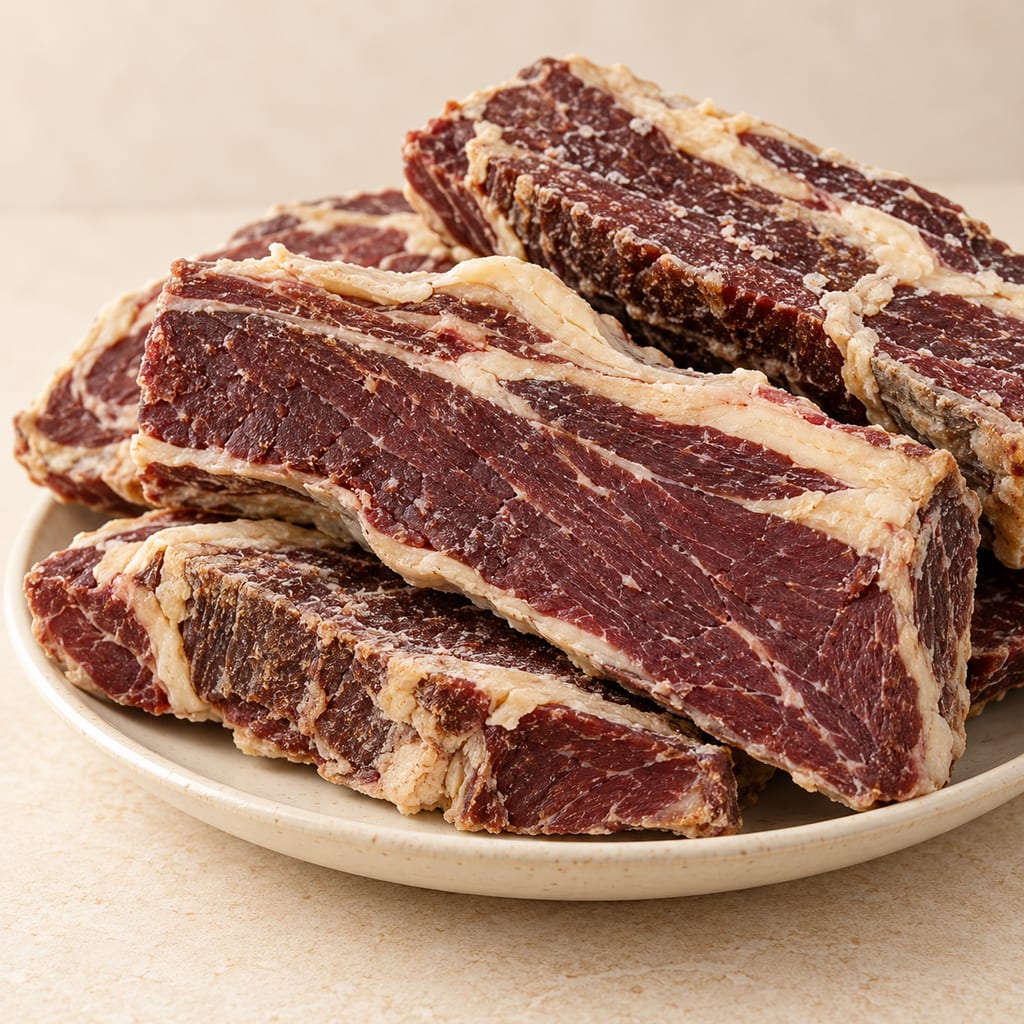
Charque is beef salted and dried until it is hard. The dried meat is a reserve, not a meal in itself: it is desalted and then cooked, most often in stews. The product is related to other salt-dried whole-muscle meats, such as charqui from the Andes, but the sources treat each regional form on its own terms.
Carne-de-sol is a lightly salted, partly dried beef with a short keeping life. Charque is the more thoroughly preserved product. The sources do not treat the two as interchangeable, and the difference in salting and drying is what separates them.
Heavy salting draws water out of the beef and reduces the water available for spoilage. Drying removes more water, so the stored meat stays hard and stable until it is needed. Desalting before cooking restores a food that can be eaten.
The sources give no salt concentrations, drying times or storage limits. Desalting time is not recorded, and the historical method is not a validated home curing process.
Charque is beef that has been substantially salted and dried. It is a strongly preserved product that is desalted before it is used in stews. The sources distinguish it from carne-de-sol, which is less salted and dried and has much more limited keeping quality.
Scaling: source batch only
Salt-dried meat depends on salt and moisture levels the sources do not quantify for charque.
Hazard sourceUse a tested salt and drying process; do not treat this historical description as a validated method.
Control sourceThe sources record historical practice only. They are not a tested home method.
The record names Brazil; the sources do not establish a single origin for charque.
Beef is the meat of domestic cattle, Bos taurus and Bos indicus, sold as steaks, roasts, ground meat and cured products, and used in broths, salami and koji seasonings.
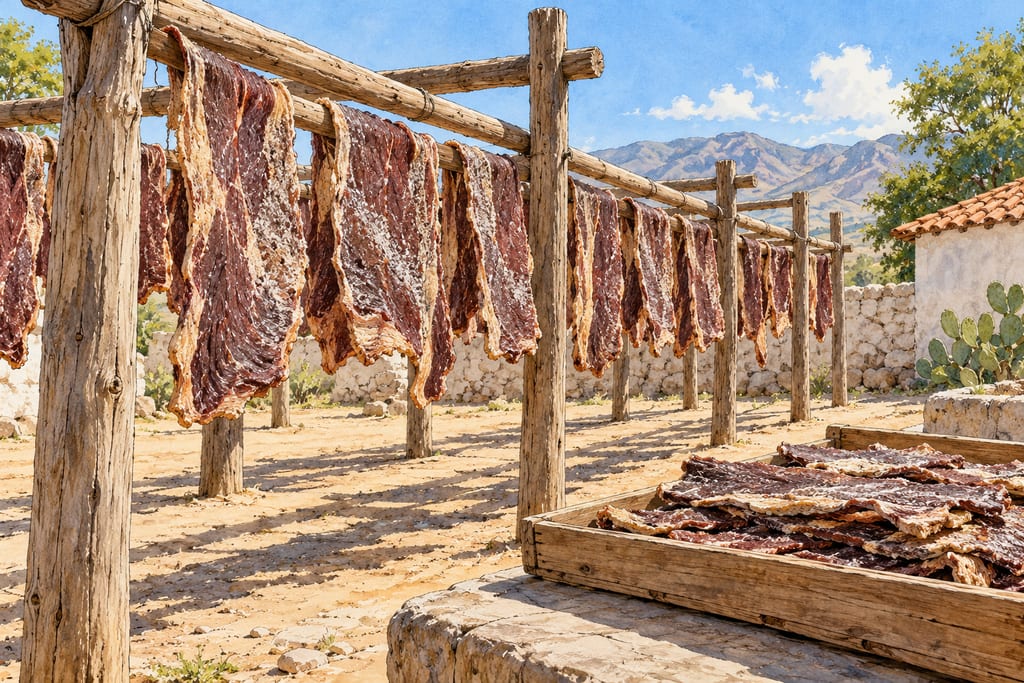
Open wooden rails in a sunny, ventilated yard, on which salted beef sheets for charque are hung in the air and sun. The rails are a Latin American premises arrangement that the FAO describes in its meat-processing guidelines.
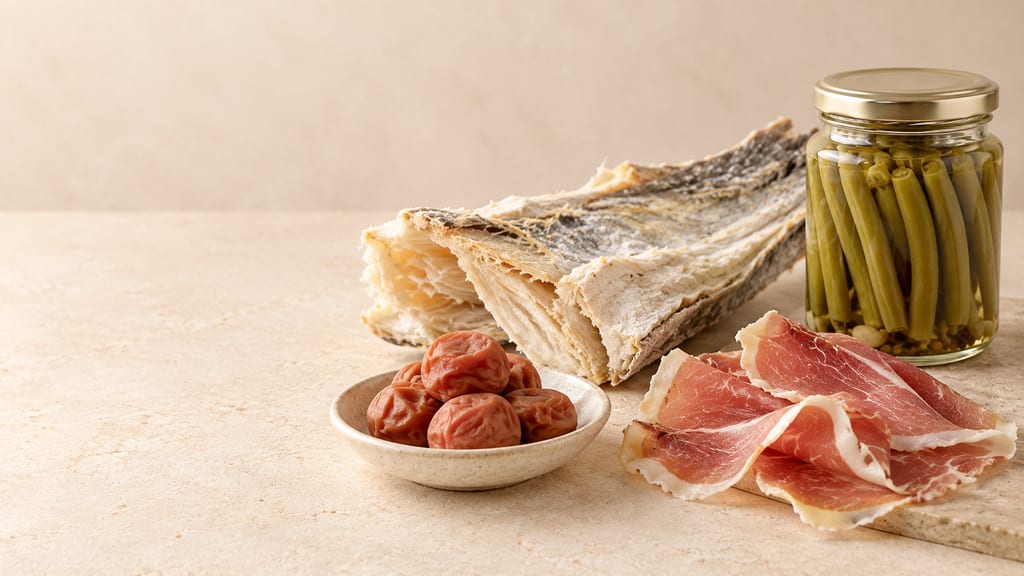
Every preserved food is a stack of barriers against microbes, enzymes, air and time. This is how they work, what a recipe's numbers measure, and how cooks worldwide build them.
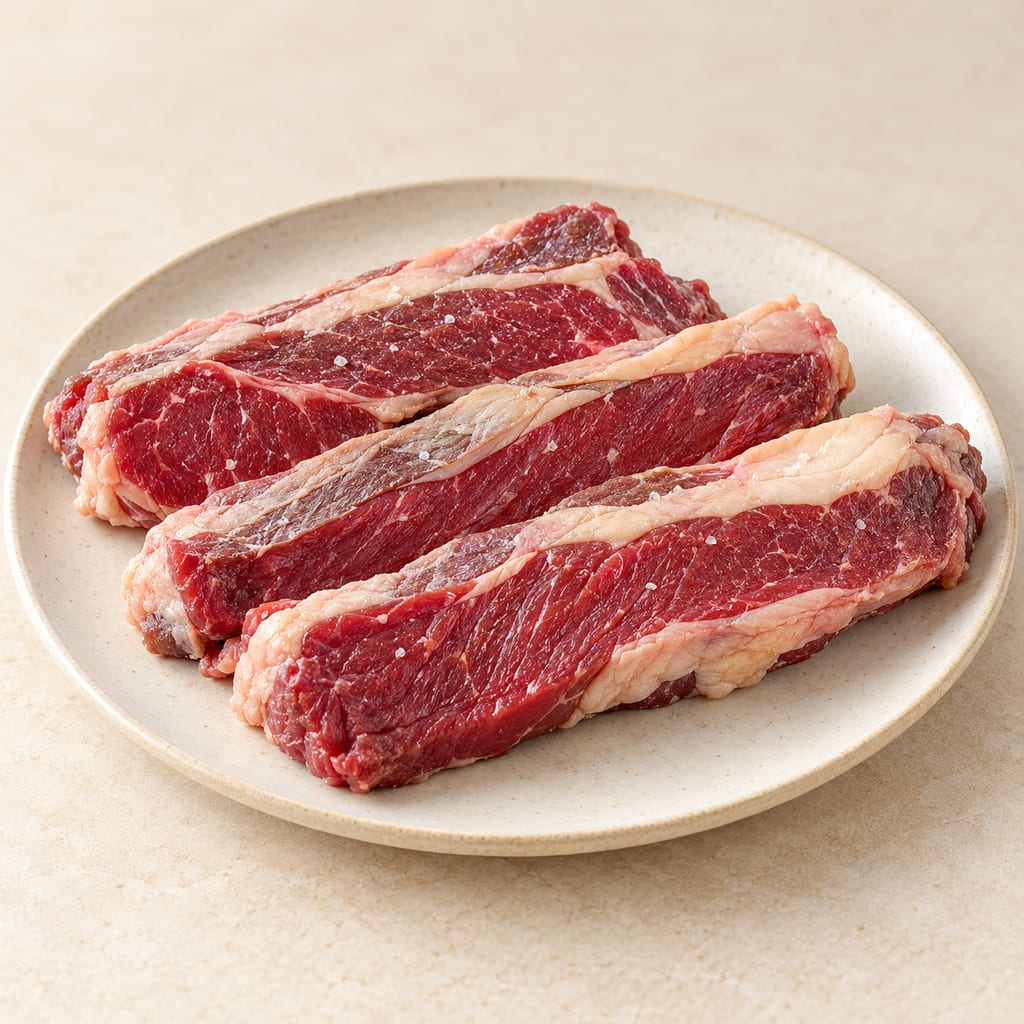
Beef given limited salt and partial surface drying, a short-keeping Brazilian meat that is much less durable than fully dried charque and is treated as a cold-chain product.
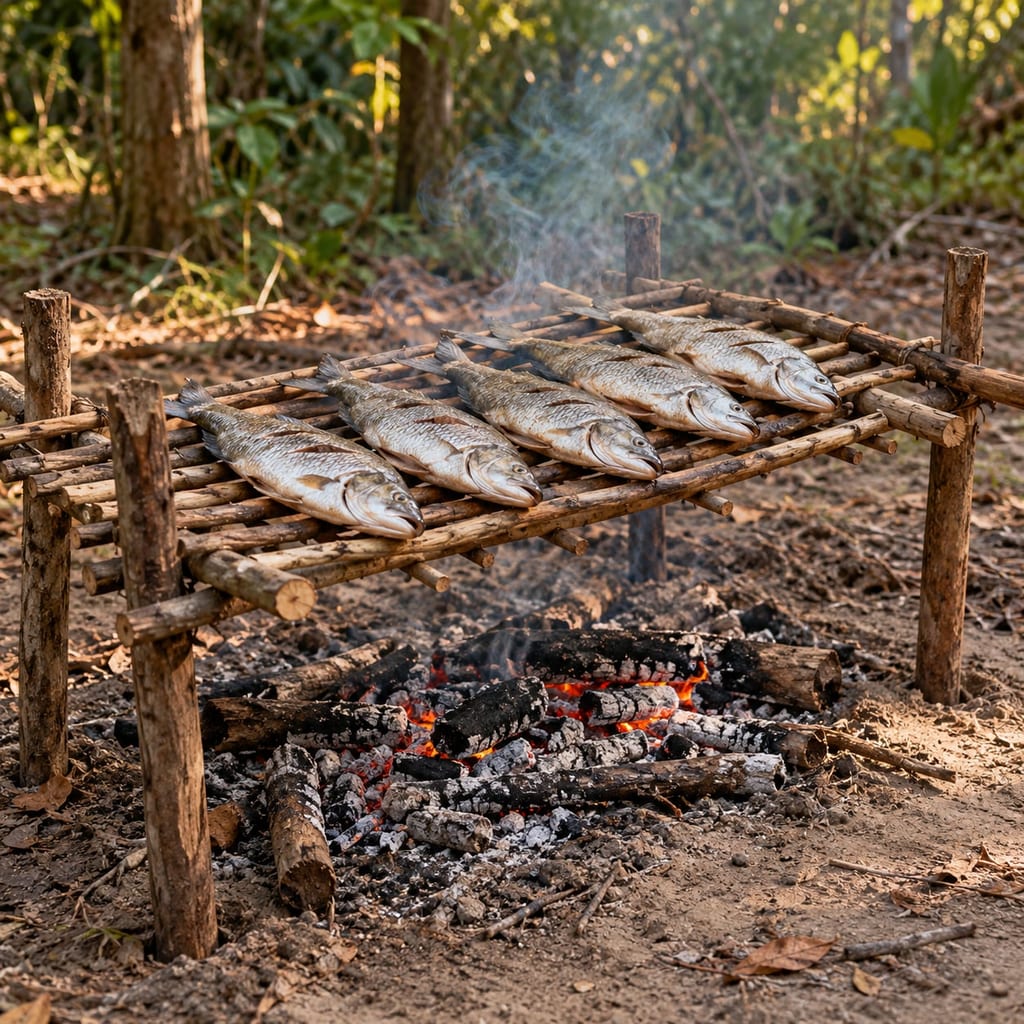
Moquém is the Brazilian Indigenous method of laying meat or fish on a grill of wooden sticks to roast, dry or smoke it, and also the name of the grill itself.
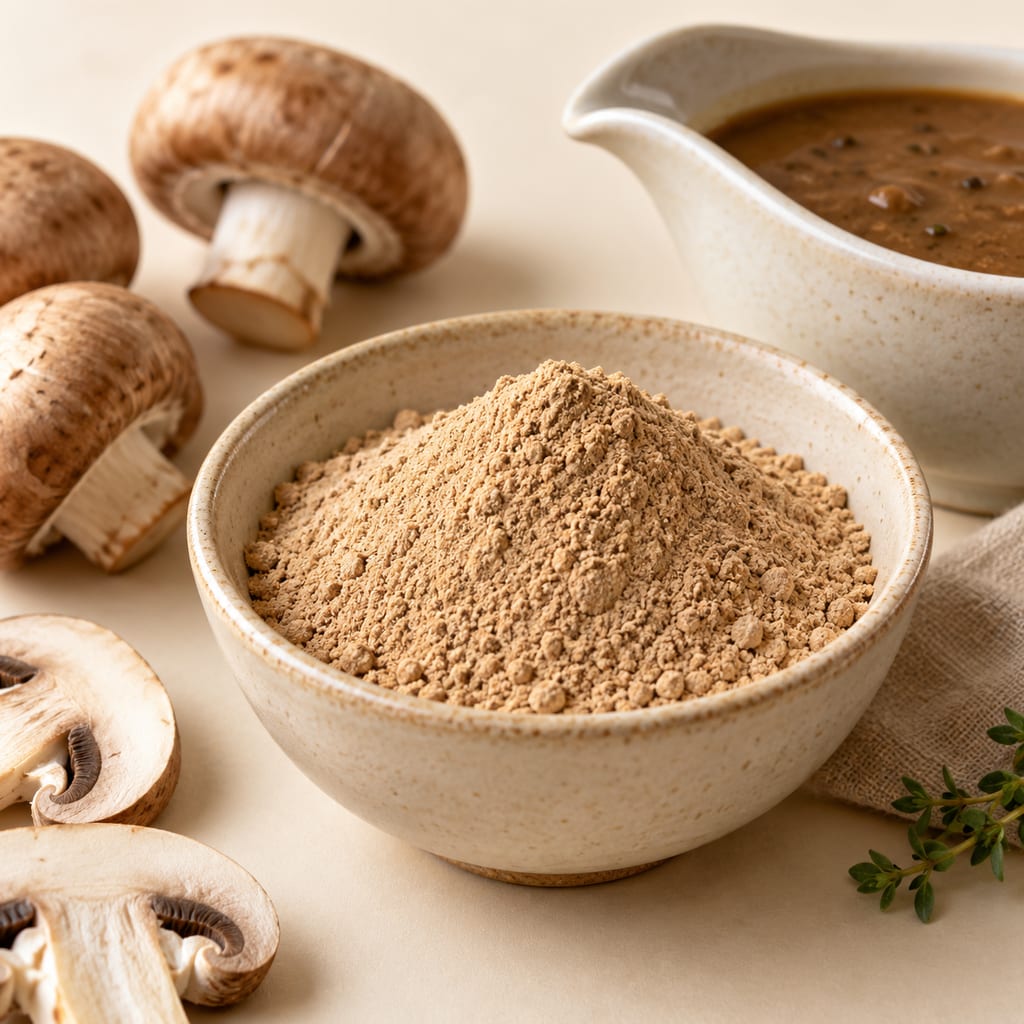
Mushroom powder is dried mushroom tissue ground to a fine powder and added to gravies and sauces. Victorian cooks made it from fresh cultivated mushrooms when fresh ones were not to hand.
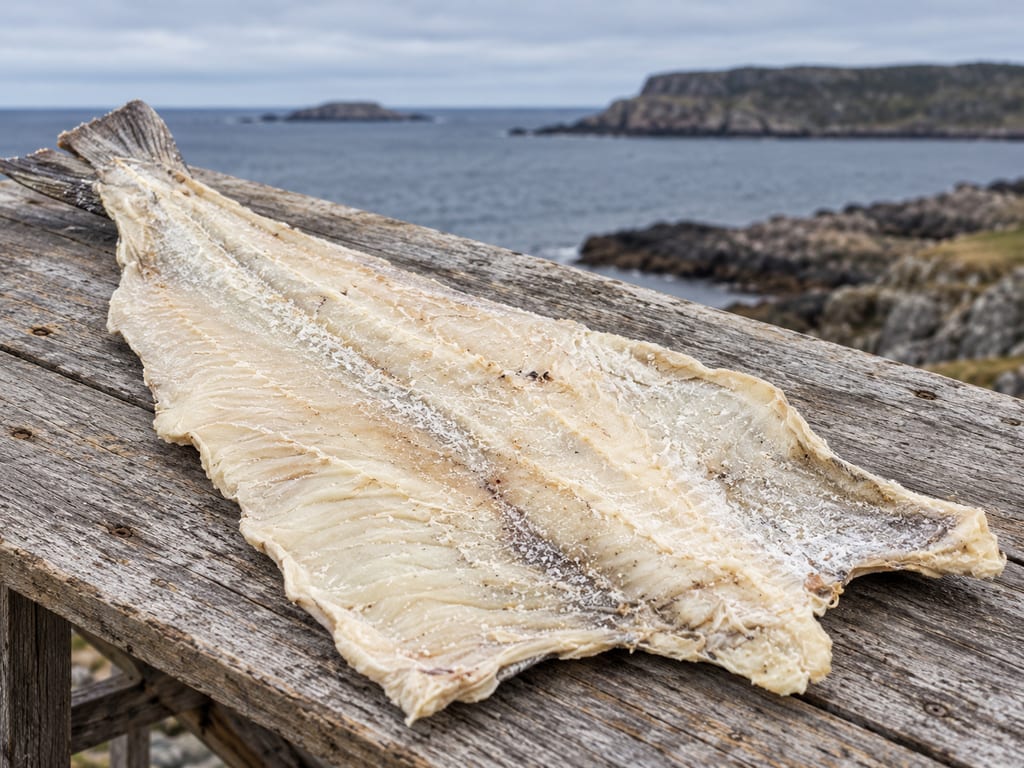
Atlantic cod split, salted and dried on raised flakes along the Newfoundland and Labrador shore, manufactured ashore for markets across the Atlantic.
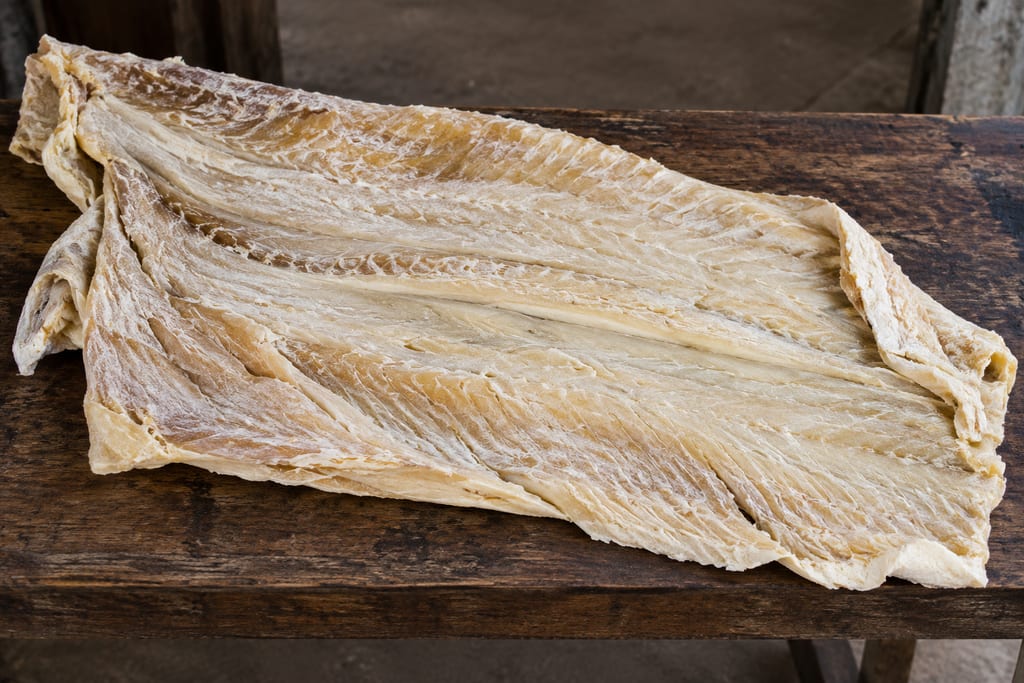
Arapaima gigas split into broad mantas, salted, matured for days and dried into the sheets that travel Amazonian river markets as bacalhau da Amazônia.
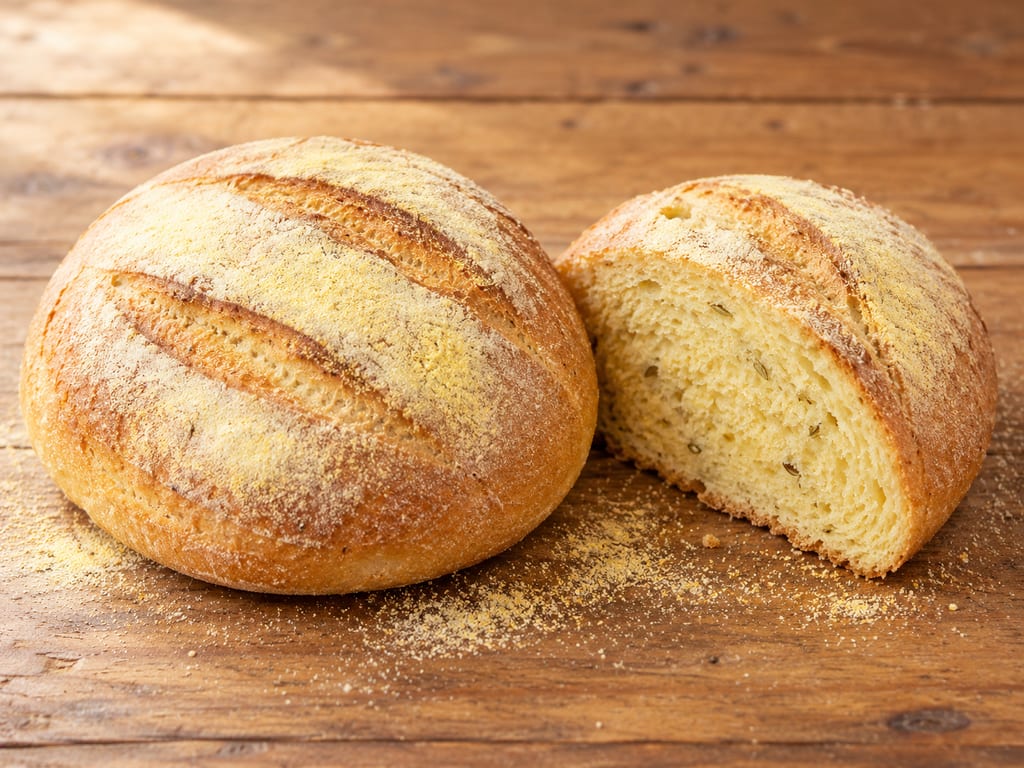
Brazilian broa de milho is a lightly sweet wheat-and-fine-maize bread with fennel and dry yeast, shaped into two small loaves for a Festa Junina or coffee break.
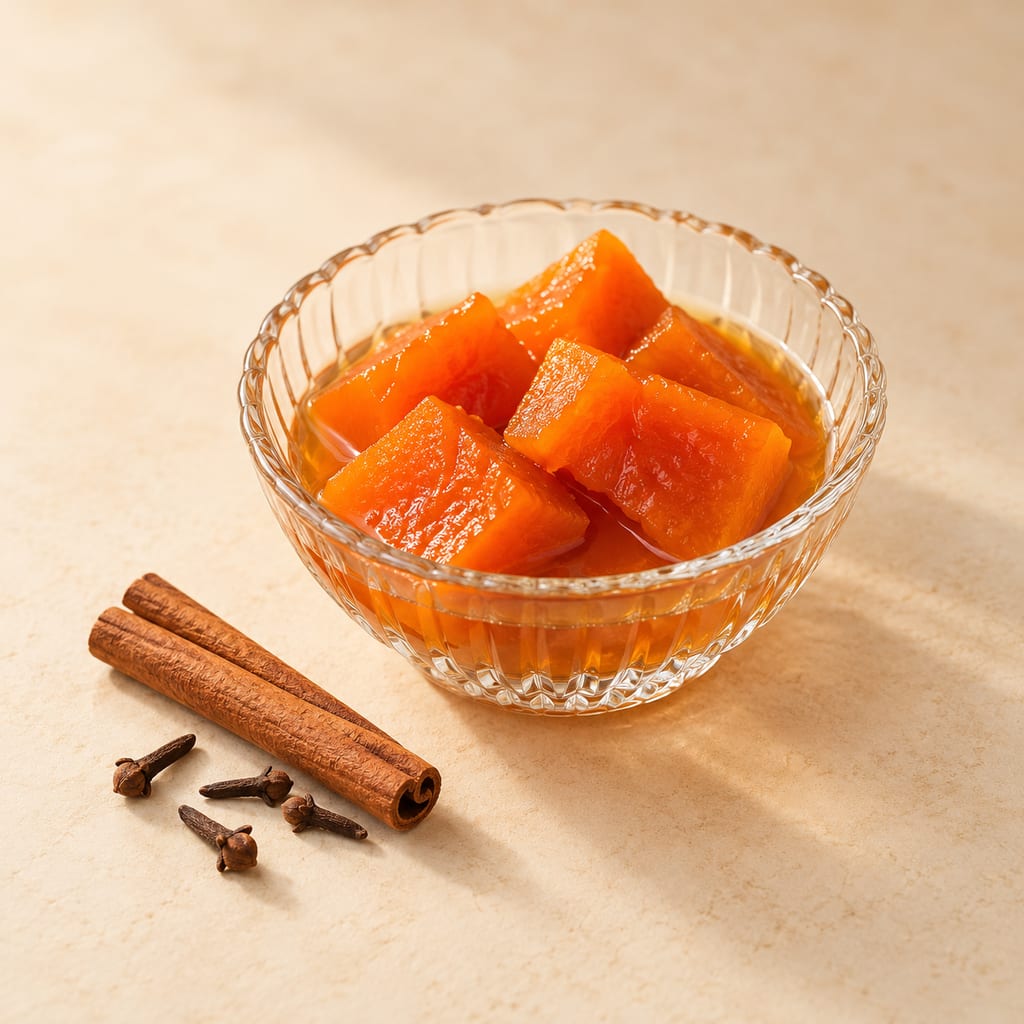
Brazilian doce de abóbora: Freeze for winter; small fresh portion refrigerated up to 48 hours.
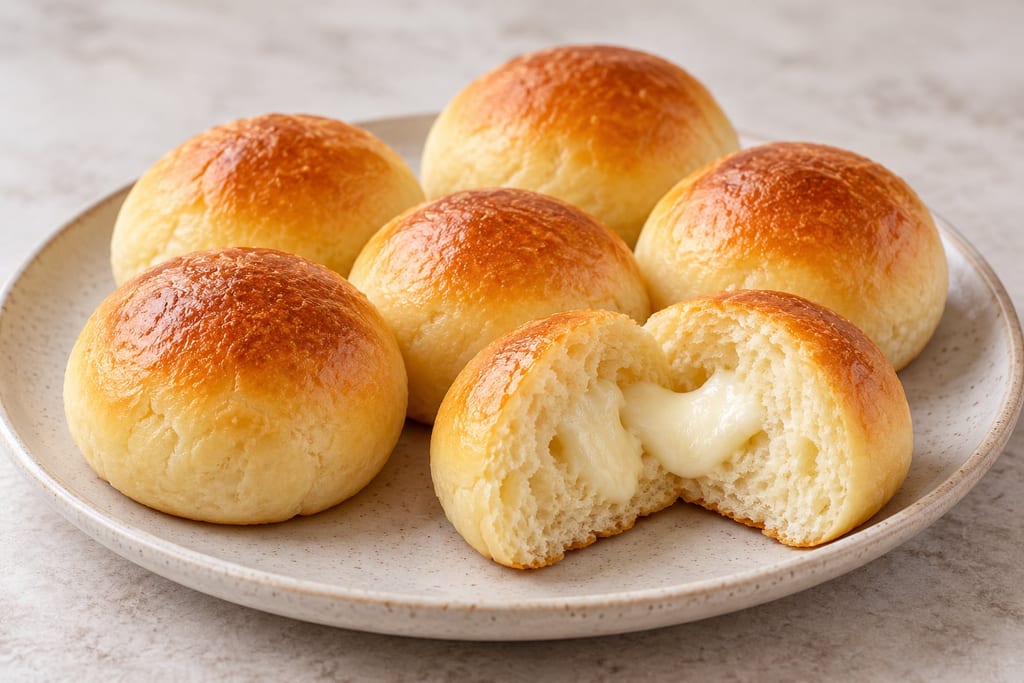
Soft Brazilian yeast rolls use cooked mashed potato in an enriched dough, with mozzarella cubes enclosed before baking.
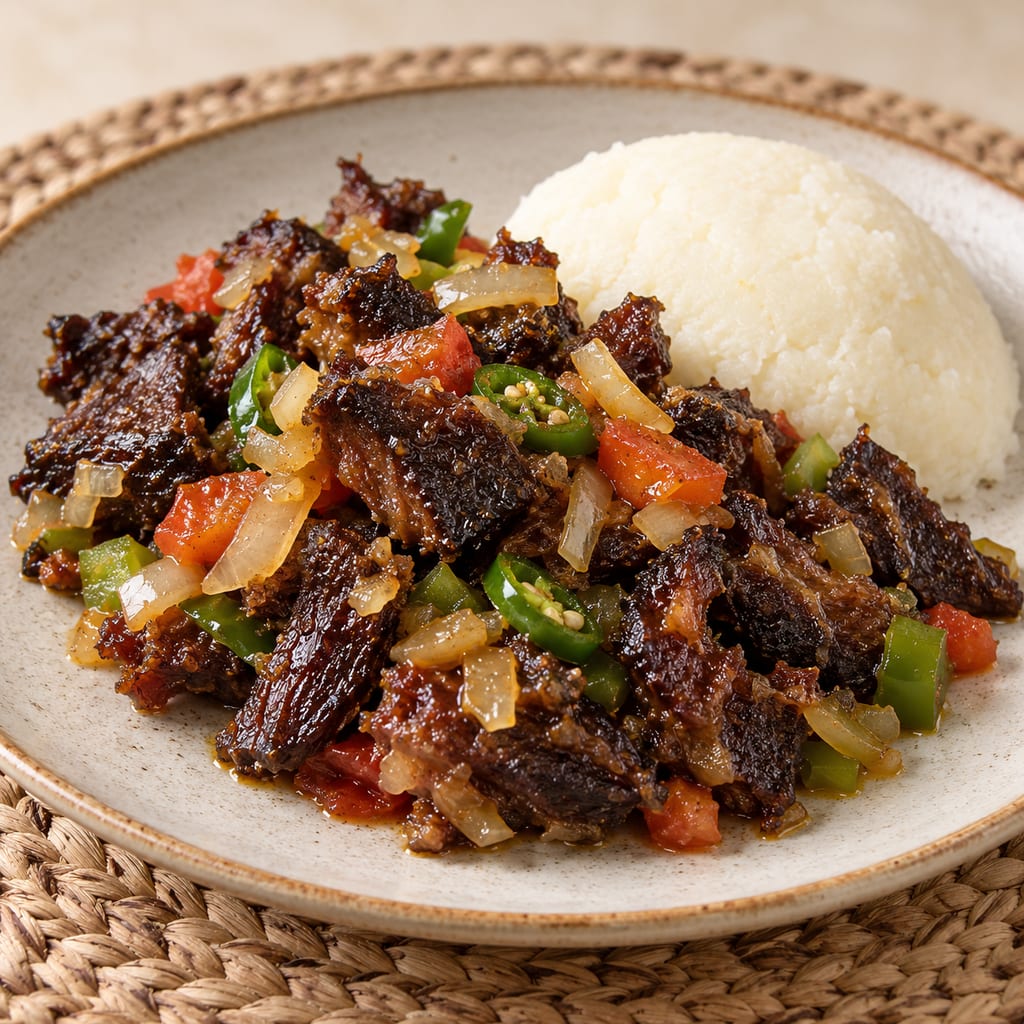
Alina Magano Johannes’s Oondhingu is a family dish from Onyaanya, Oshikoto, in northern Namibia: softened dried beef fried with vegetables and served with pap.
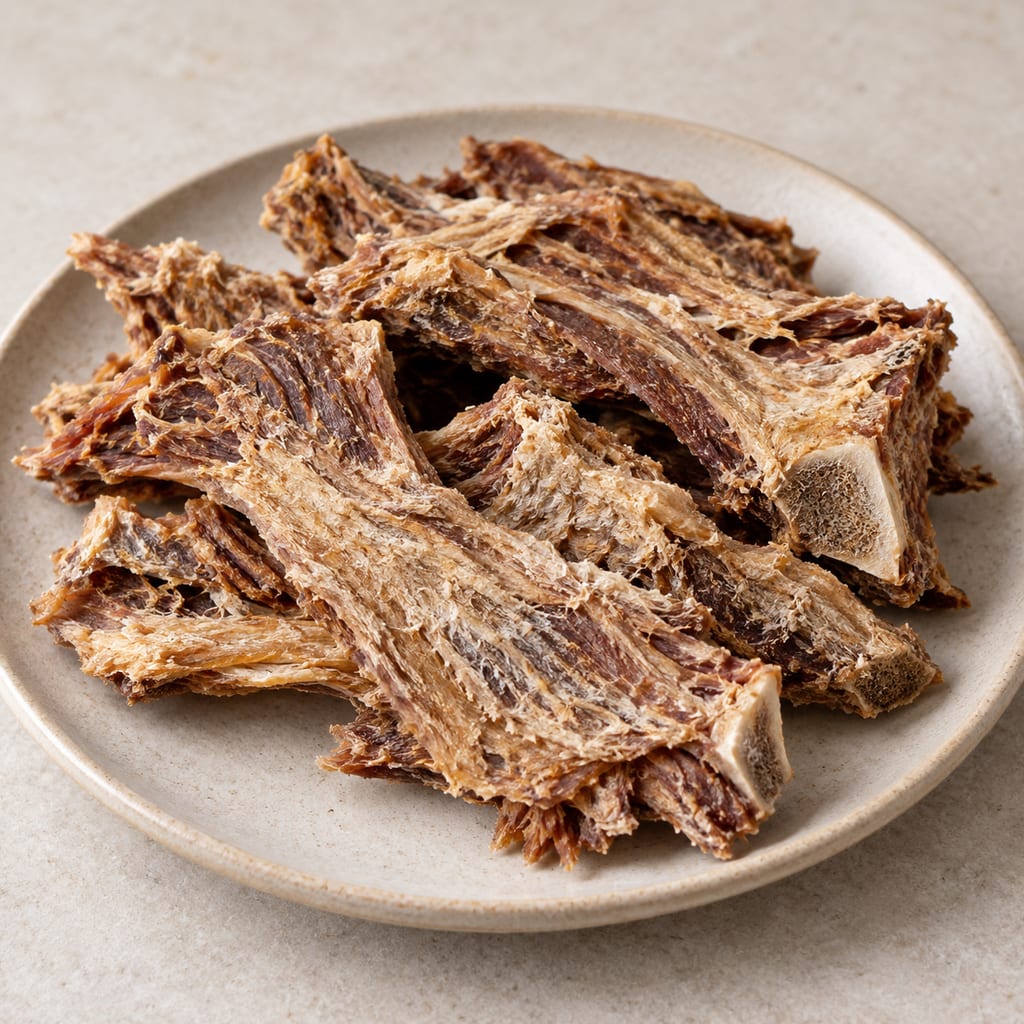
Alpaca charqui is Andean dried meat, made from camelid meat exposed to hot sun by day and frost by night at high altitude, the ancestor of the modern word jerky.
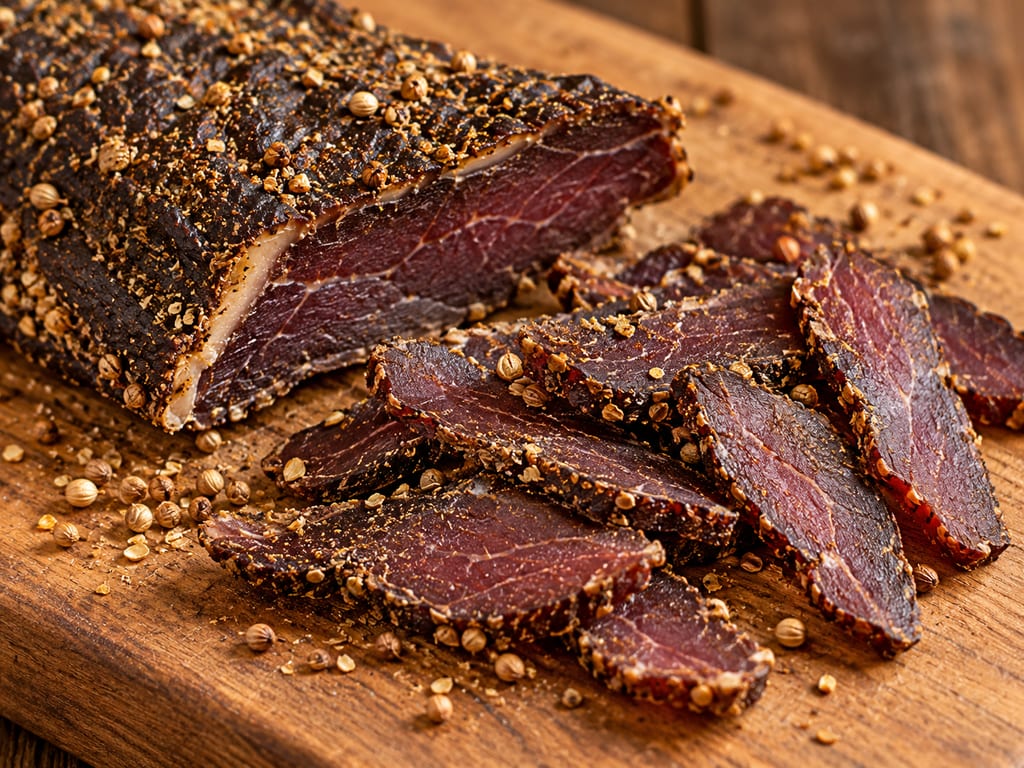
Strips of whole-muscle beef or game seasoned with salt, vinegar, roasted coriander and pepper and air-dried without cooking, sold anywhere from soft and moist to hard and very salty.
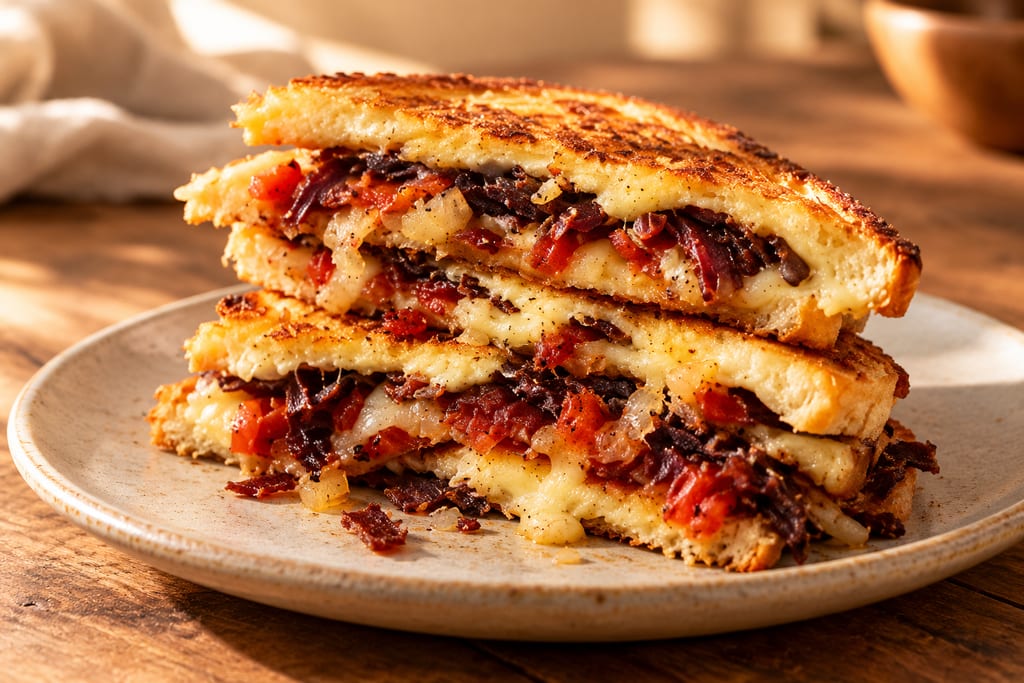
Chopped biltong, sweet onion, cream cheese and Cheddar fill bread toasted in a hinged grid over gentle coals, then finished with biltong dust.
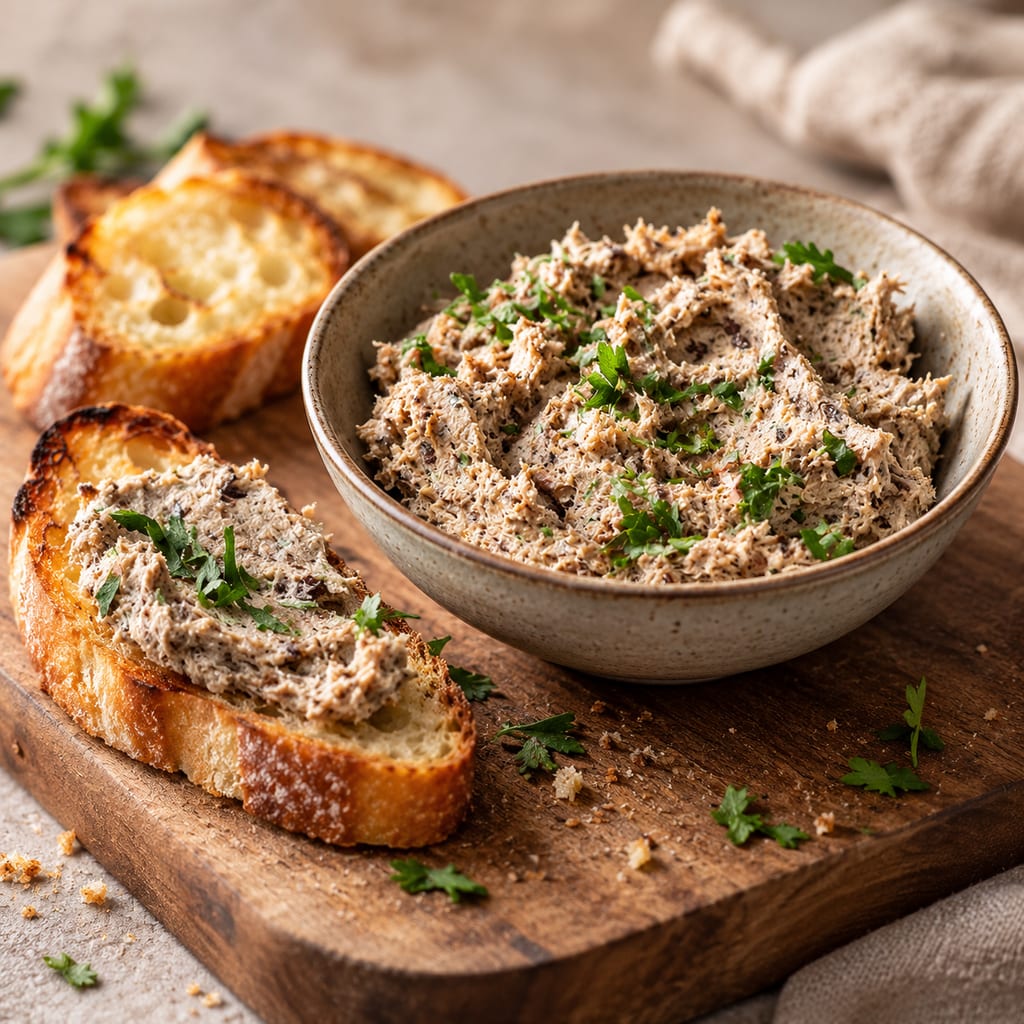
A cold biltong spread with sour cream, mayonnaise, mustard, lemon and herbs; serve it with crackers, crostini or bread.
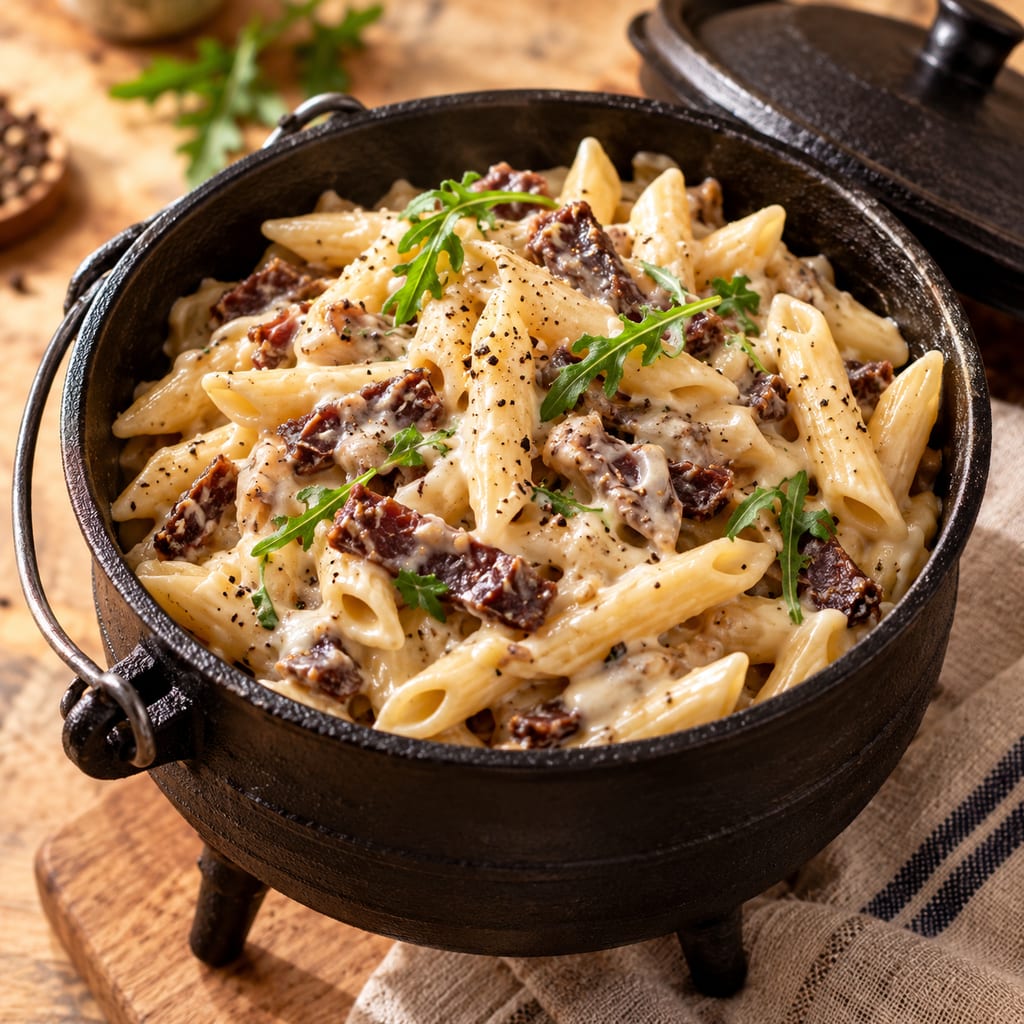
Biltong, bacon and vegetables simmer in tomato-herb stock, then join cooked pasta, milk, cream and Cheddar in this outdoor potjie.
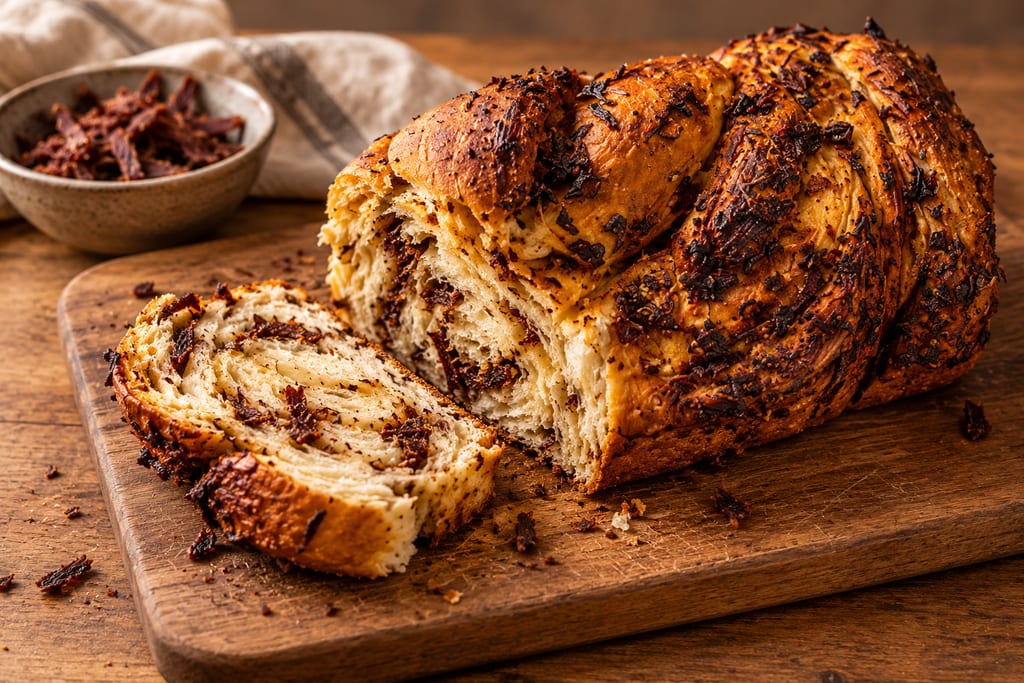
Yeasted bread wrapped around biltong, tomato pesto, Cheddar and feta, split lengthwise into a braid and baked; served with chilli-biltong butter.
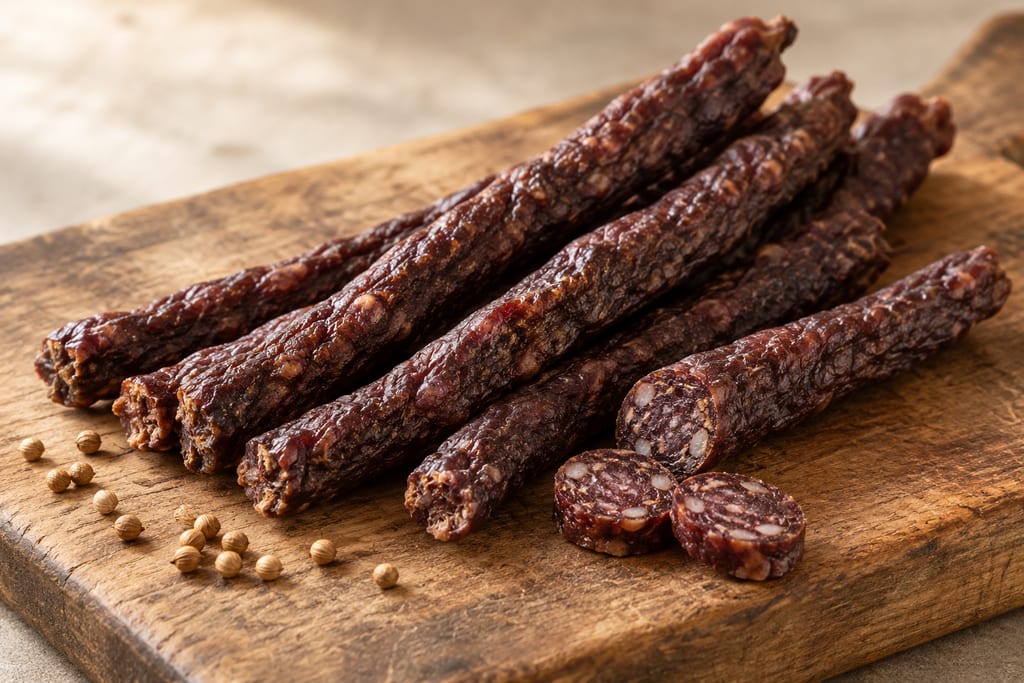
South Africa's dried sausage: seasoned minced meat in narrow casings, dried until it can be eaten without cooking, which makes it a far more demanding product than fresh boerewors.

A gelling polysaccharide extracted from red seaweeds, sold as kanten strips or powder; it sets firm at a low concentration and stays solid until about 85 °C.

A Dominican table and seasoning condiment of sour orange juice, mixed with lime and salt and bottled raw; garlic, oregano or a hot pepper may be added for meat or a spicier bottle.

Cicerbita alpina is an alpine perennial whose tender shoots and leaves have been eaten raw or cooked. Sámi milk preparations and modern Carnian dishes are distinct uses, with serious identification and preservation limits.

Japanese skipjack tuna cooked, then repeatedly smoked and dried over a wood fire by the hand-fired tebiyama method into a hard block for shaving into dashi: the first stage of katsuobushi.

A Swedish-style spirit vinegar made by fermenting neutral alcohol with live vinegar bacteria, with a separate guide to commercial ättika strengths.

A yeast-raised wheat ring shaped from a firm dough, briefly boiled and baked. This source-batch formula gives a gently malted crust and a chewy crumb.

A warm dip of garlic, anchovy and olive oil, often enriched with butter, that Piedmont serves over a flame with raw and cooked vegetables and bread.

Bechamel is a white sauce of milk thickened with a butter and flour roux, one of the French mother sauces, and the base from which Mornay and other cheese and cream sauces are made.
No community contributions have been published for this entry yet.
Sign in to contribute. Published comments and photos are free to read.
FAOMethod · History
https://www.fao.org/4/x6555e/X6555E02.htmCarne-de-sol is less dried and salted than charque, and the two are not interchangeable
Cited in: What it is; Charque and carne-de-sol; How salting and drying preserve; Limits of the record
FAOMethod
https://www.fao.org/4/x6932e/x6932e02.htmSalting, air drying and sometimes spice coatings or pressing across salt-dried whole muscles