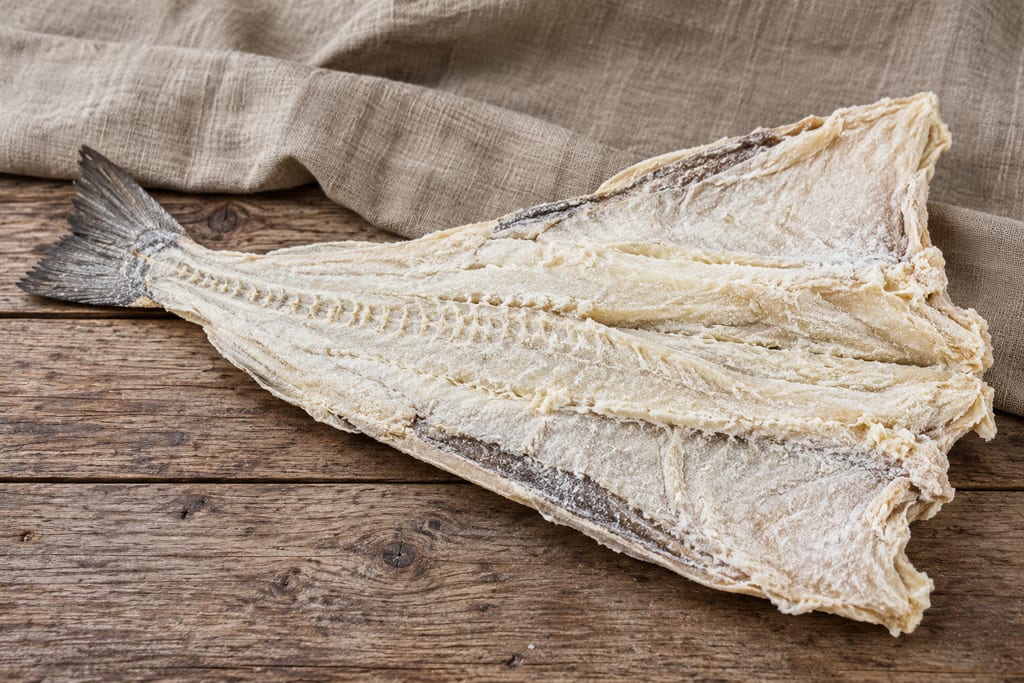
Dried salted cod
Cod split, salted and dried on flakes until hard, a long-keeping fish that must be desalted and rehydrated before use; the salting and the extensive drying together make it portable where light salting or partial drying does not.
 FermenteaWhere food goes to change
Traditional method
Pirarucu salgado seco · Pirarucu salgado seco · Manta de pirarucu · Paiche salado · Bacalhau da Amazônia
Arapaima gigas split into broad mantas, salted, matured for days and dried into the sheets that travel Amazonian river markets as bacalhau da Amazônia.
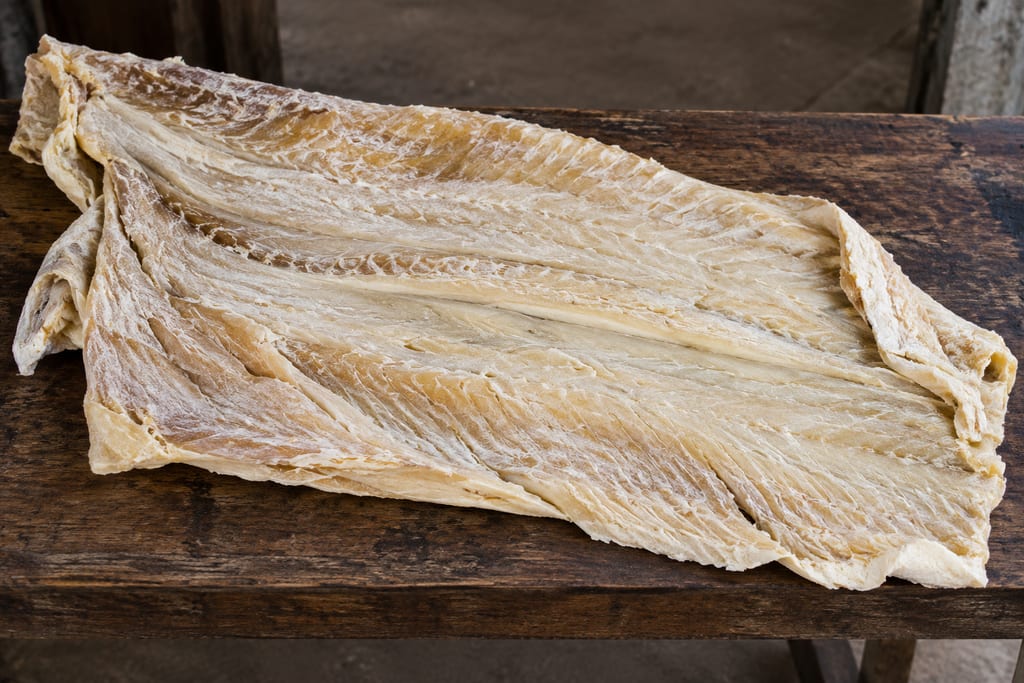
The pirarucu is one of the largest freshwater fishes of the Amazon basin. Its substantial body provides thick, pale muscle that can be cut into broad sheets, salted and dried.
The resulting product is pirarucu salgado seco, a distinctive Amazonian preserved fish.
Because its preparation and culinary role resemble salt cod in certain ways, it is sometimes marketed as bacalhau da Amazônia, or Amazonian cod.
That nickname is descriptive, not biological. Pirarucu is not a member of the cod family.
The fish belongs to the genus Arapaima, a group of large tropical freshwater fishes with a taxonomy more complicated than the trade name might suggest. Brazilian processing literature commonly identifies the commercial species as Arapaima gigas.
In Spanish-speaking Amazonia, the fish is often called paiche.
Pirarucu — Brazilian Portuguese — Common name of Amazonian Arapaima
Paiche — Spanish-speaking Amazonia — Common name for large Arapaima
Pirarucu salgado seco — Portuguese — Salted-and-dried pirarucu
Manta de pirarucu — Portuguese — Large opened sheet of pirarucu flesh
Bacalhau da Amazônia — Brazilian marketing nickname — Amazonian cod, by analogy
Pirarucu de casaca — Brazilian Portuguese — A regional layered dish made with prepared pirarucu
Pirarucu salgado seco is not traditionally a fermented fish.
Its principal preservation barriers are salt penetration and moisture removal.
Nevertheless, its production has considerable microbiological significance because badly controlled salting and drying can permit dangerous contamination.
Pirarucu is an enormous air-breathing freshwater fish.
Its biology differs substantially from Atlantic cod.
It lives in tropical waters, often including floodplain environments where water levels change seasonally.
Its ability to breathe air allows it to occupy habitats that might be challenging for fishes relying solely on dissolved oxygen.
Its large body makes it especially valuable as a source of flesh.
Some cuts are comparatively lean, which is favourable for salt curing and drying.
Brazilian technical literature records muscle fat levels varying approximately 0.5–4%, depending on the cut and source.
That range is not a guaranteed composition for every animal.
Large fillets offer economic advantages because a single fish can yield substantial quantities of meat, but their thickness also creates a preservation challenge.
Salt must penetrate deeply and drying must remove enough moisture from every part of the flesh.
Pirarucu has long been harvested and eaten in the Amazon.
Salted fish became important in riverine trading systems where catches had to travel between fishing communities and distant markets.
Large cured sheets were easier to transport and sell than fresh fish without refrigeration.
Traditional mantas, formed from broad sections of flesh, became characteristic market products.
Historical traders could move salted fish through networks of rivers, boats and settlements.
The precise date when pirarucu salgado seco was first developed is not established by the cited technical manuals.
It would be misleading to assign the process to one colonial period or a single inventor.
What is well documented is the continuing commercial importance of dried-salted pirarucu in markets including Manaus.
The familiar broad sheets, sometimes rolled or tied into bundles, remain visually distinctive.
Pirarucu is also a major fisheries-conservation subject.
Overexploitation has affected populations in parts of its range.
Community-based management, harvest controls and monitoring have become important in regions where the species is commercially harvested.
The value of a preserved fish product therefore cannot be separated from the sustainability of the fishery supplying it.
A well-made manta from an illegally or unsustainably caught fish is not a successful food system.
The preparation begins by converting the enormous fish into manageable sections.
Traditional cutting can leave the broad side fillets connected along part of the belly, producing the characteristic sheet.
This is considerably different from simply drying a small fish whole.
Large exposed surfaces make salt application and moisture loss more practical.
The process has several stages.
Fish must be processed promptly after capture or slaughter.
Warm Amazonian conditions make delays particularly problematic.
Once a fish begins deteriorating, adding salt does not necessarily eliminate the hazards that have developed.
The quality of the raw material therefore sets limits on the quality of the finished product.
The fish is washed, gutted and processed.
The head and skin may be removed, depending on the intended product.
Large sections of flesh are cut and opened into sheets.
Uniform cutting improves the likelihood that salt and subsequent drying affect the product consistently.
Salt is distributed over the muscle.
It dissolves in surface water to form a concentrated brine, which draws moisture from the tissues and allows sodium chloride to diffuse inward.
Some documented industrial research uses salt around 30% of fish weight.
That is a published processing example, not a universal requirement and not a complete validated manufacturing procedure.
Salt should be food-grade and free of contamination.
Poor-quality salt can introduce undesirable microorganisms or foreign material rather than improve preservation.
A Brazilian technical manual gives an average maturation period of approximately 6–8 days under appropriate temperature conditions.
During this time, salt continues moving through the muscle.
The period depends on the size and thickness of the manta and the process being used.
A large slab cannot be assumed to have cured completely merely because its surface is visibly salty.
The manual does not provide a universal temperature that can be applied to every household method described in the publication.
After salting, moisture must be reduced further.
Traditional processors may dry fish in suitable outdoor conditions. Industrial processors may use controlled drying equipment.
Mechanical drying makes temperature, exposure time and airflow easier to standardize.
One set of technical literature examples describes drying at 40°C for 36 hours, with a target moisture content around 40%.
Another published example uses a much higher temperature for a shorter time, but these are distinct experimental or technical processes, not interchangeable instructions.
The cited Brazilian manual discusses an upper moisture limit of 45% in the regulatory framework referenced for the product.
These values are tied to particular standards, methods and periods of publication. They should not be reused without checking current Brazilian requirements and validating the complete process.
Finished fish must be protected from moisture uptake and contamination.
Damp packaging can undo some of the preservation achieved during drying.
Handling, market display and the condition of storage areas are therefore crucial.
A product can be successfully salted and dried, then contaminated afterward.
Salt-dried pirarucu uses a combination of preservation barriers.
Salt decreases the availability of water and inhibits many microorganisms.
Drying removes additional moisture.
Together, these effects can make the flesh less favourable to spoilage organisms.
The two steps also change the muscle's physical structure.
Salt moves inward through the tissues over time.
The thickness of a large manta affects how long this takes.
Poor distribution can leave areas that receive much less salt than others.
Those areas may spoil while the outside appears adequately cured.
Water activity measures the availability of water for microbial growth.
A moisture percentage does not establish water activity by itself.
Two fish products with similar moisture content can have different water activities because their salt levels and composition differ.
For modern shelf-stable dried seafood, a water activity of 0.85 or below is one important FDA control, but commercial processors must comply with applicable local regulations and validate their processes.
Salt alters muscle proteins and water retention.
Drying further concentrates the tissue.
The resulting fish is firm and dense, and rehydration does not completely restore its original fresh-fish texture.
That characteristic is part of the attraction of the preserved ingredient in cooking.
Although many pirarucu cuts are comparatively lean, they are not free from fat.
Oxidation can still produce rancid flavours.
Improper storage under heat and light can damage quality, even when obvious microbial spoilage is absent.
Pirarucu is a particularly important example of the danger of romanticizing traditional salt-curing methods.
A microbiological investigation published in 2019 examined salt-dried pirarucu purchased from stalls in Manaus.
The samples showed serious contamination problems, including bacterial indicators and fungi. The investigators reported moulds and yeasts in all the samples examined.
These findings concern the sampled market products, not every producer or every batch in Brazil.
They do demonstrate why visual tradition and commercial familiarity are not enough to guarantee hygiene.
Other Brazilian studies have also examined contamination risks associated with artisanal processing and market handling.
Potential warning signs include slime, putrid odours, unexpected wet patches, visible mould and insect contamination.
Red or pink discoloration may be associated with certain salt-tolerant microorganisms in cured fish.
Not all colour changes have the same cause, and appearance alone cannot establish the organism responsible.
Discard fish showing signs of spoilage rather than attempting to repair it through additional salting or prolonged cooking.
The existence of a market for a product is not proof that every seller handles it safely.
One of the best-known Amazonian dishes using preserved pirarucu is pirarucu de casaca.
The fish is desalted and prepared, then layered or combined with ingredients such as cassava flour, ripe plantain, vegetables and coconut milk.
The result brings together savoury preserved fish, starch and fruit sweetness.
The dish demonstrates why pirarucu salgado seco survived as a valued ingredient rather than merely an emergency preserving technique.
A Brazilian Ministry of Fisheries recipe uses:
- 1 kg purchased dried-salted pirarucu - 500 g cassava or Uarini flour - Ripe plantains - Coconut milk - Onions and other vegetables
Other regional recipes include eggs, olives, tomatoes or different arrangements of the layers.
These are variations of one named dish rather than grounds for inventing separate food categories.
The ministry's recipe describes desalting the fish for approximately 24 hours, changing the soaking water three or four times.
In home preparation, prolonged soaking should be carried out under refrigeration.
The prepared fish is cooked, separated into pieces and incorporated into the other ingredients.
The layered dish may then be baked or heated until ready to serve.
One published version specifies an oven temperature of 200°C for approximately 25 minutes.
That is a cooking instruction for prepared ingredients, not a sterilization process for unsafe preserved fish.
Cassava flour absorbs moisture and provides substance.
Plantain contributes sweetness and a softer texture.
Coconut milk can add richness.
The cured fish supplies concentrated savoury flavour.
The combination is distinctly Amazonian even though salt cod elsewhere plays a broadly similar culinary role.
Substituting Atlantic cod can produce an adaptation, but it is no longer the same defining ingredient.
Salt-dried pirarucu may also be desalted and cooked in stews, sautéed dishes or preparations with cassava, squash and other regional vegetables.
Different anatomical cuts have different textures and fat content.
A broad manta may be shredded after cooking, while smaller portions may be cut into pieces.
The product has also been important in market trading because it can be divided and sold in portions.
Consumers should distinguish food-grade preserved fish from products handled under unknown conditions.
Pirarucu salgado seco resembles salt cod in its use of salting and drying, but important differences remain.
It is a tropical freshwater species rather than a cold-water marine cod.
Its very large body makes the broad manta a characteristic product.
Its markets, ingredients and culinary traditions belong to the Amazon basin.
Its conservation status creates particular questions about harvest management.
And the warm conditions of its production environment make careful food safety controls especially important.
Reducing it to the phrase Amazonian cod therefore obscures more than it explains.
The product brings together fish biology, cutting expertise, salt quality, diffusion, drying, storage and trade.
It also demonstrates that combining two preservation methods is not automatically enough.
Both have to work effectively throughout a large piece of flesh.
Modern research has documented practical processing parameters as well as serious contamination problems in poorly handled market samples.
Those findings should guide contemporary production.
Pirarucu salgado seco deserves recognition as an important Amazonian preserved food, but its future depends on safe manufacturing and sustainable fisheries as much as on maintaining traditional recipes.
Pirarucu has long been harvested and eaten in the Amazon. Salted fish became important in riverine trading systems where catches had to travel between fishing communities and distant markets, because large cured sheets were easier to transport and sell than fresh fish without refrigeration. Traditional mantas, formed from broad sections of flesh, became characteristic market products, and historical traders moved salted fish through networks of rivers, boats and settlements.
The precise date when pirarucu salgado seco was first developed is not established by the cited technical manuals, and it would be misleading to assign the process to one colonial period or a single inventor. What is well documented is the continuing commercial importance of dried-salted pirarucu in markets including Manaus, where the familiar broad sheets, sometimes rolled or tied into bundles, remain visually distinctive.
Scaling: source batch only
A 2019 investigation of salt-dried pirarucu bought from stalls in Manaus found serious contamination problems, including bacterial indicators and fungi, with moulds and yeasts in all the samples examined.
Hazard sourceA large slab cannot be assumed to have cured completely merely because its surface is visibly salty, and salt continues moving through the muscle during maturation.
Hazard sourceSalt that is not food-grade can introduce undesirable microorganisms or foreign material rather than improve preservation.
Hazard sourceExposed surfaces of a cured and dried fish can oxidise, producing rancid flavours in the finished manta.
Hazard sourceUpper moisture limit in the regulatory framework referenced by the Brazilian manual
Control sourceWater activity for shelf-stable dried seafood
Control sourceUse food-grade salt free of contamination
Control sourceThe salt proportion, maturation period, drying temperature and moisture limit quoted here are tied to particular standards, methods and publication dates, and should not be reused without checking current Brazilian requirements and validating the complete process.
Visual tradition and commercial familiarity do not guarantee hygiene: market samples in Manaus showed moulds and yeasts throughout.
Baking a finished dish at 200 °C is a cooking instruction for prepared ingredients, not a sterilisation process for unsafe preserved fish.
The region the processing manual and ministry material describe; not a claim about a single locality.
Market stalls sampled in a microbiological investigation; a record of where the product is sold, not of a distinct local method.
Related paiche traditions in neighbouring countries are noted at country level; the cited manuals document the Brazilian process.
Cod split, salted and dried on flakes until hard, a long-keeping fish that must be desalted and rehydrated before use; the salting and the extensive drying together make it portable where light salting or partial drying does not.
Tarubá is a cassava drink documented in several distinct Amazonian settings. Community-linked accounts describe different beiju-based processes; they do not establish one universal recipe, fermentation culture or safety endpoint.
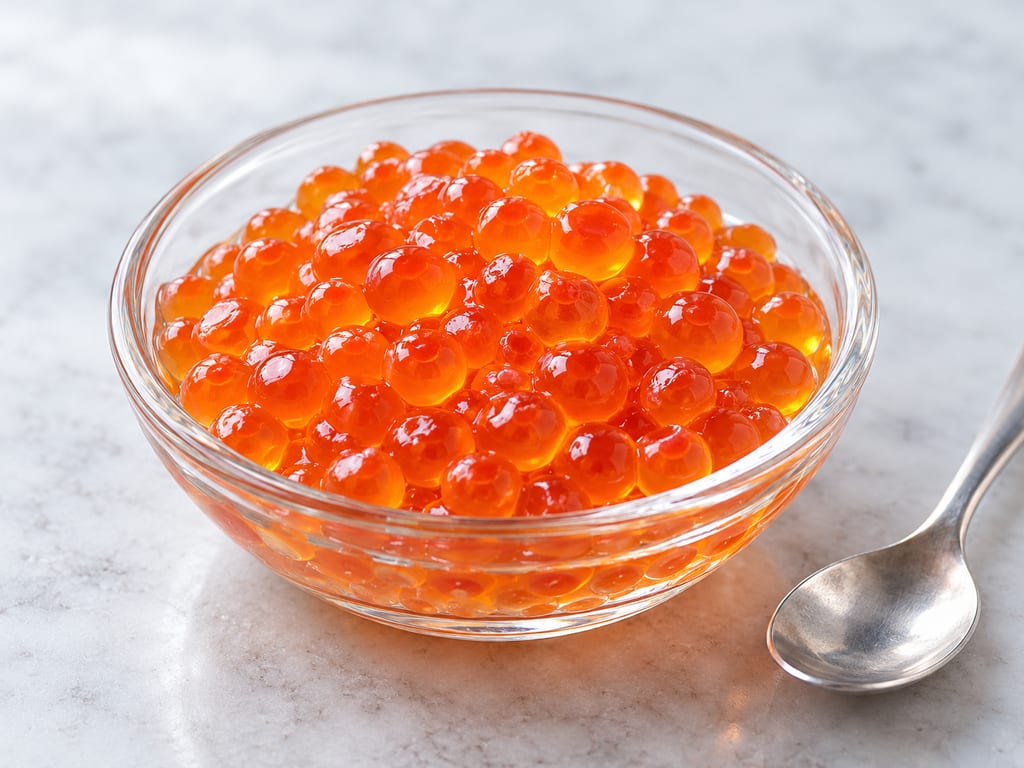
Salmon roe is separated from skeins and treated in two salt-water stages using a University of Alaska Extension formula.

Kodiak salmon, halibut and cod cut as seg'aq and hung on an initaq rack to become tamuuq, with kac'amaasaq and kupcuunaq named as different results.
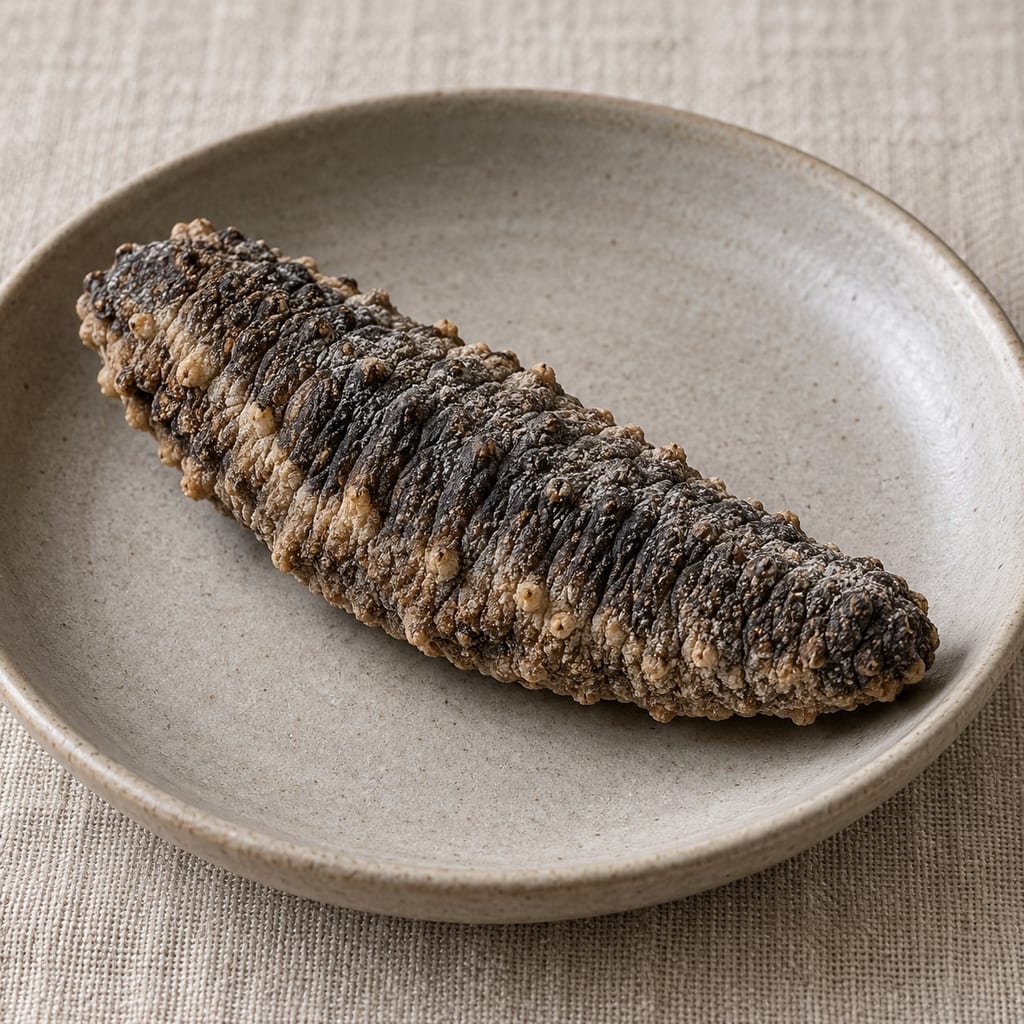
Sea cucumber cleaned, boiled and dried, sometimes with smoke, into a long-keeping trade product; Makassan processing in Arnhem Land is documented from at least the eighteenth century.
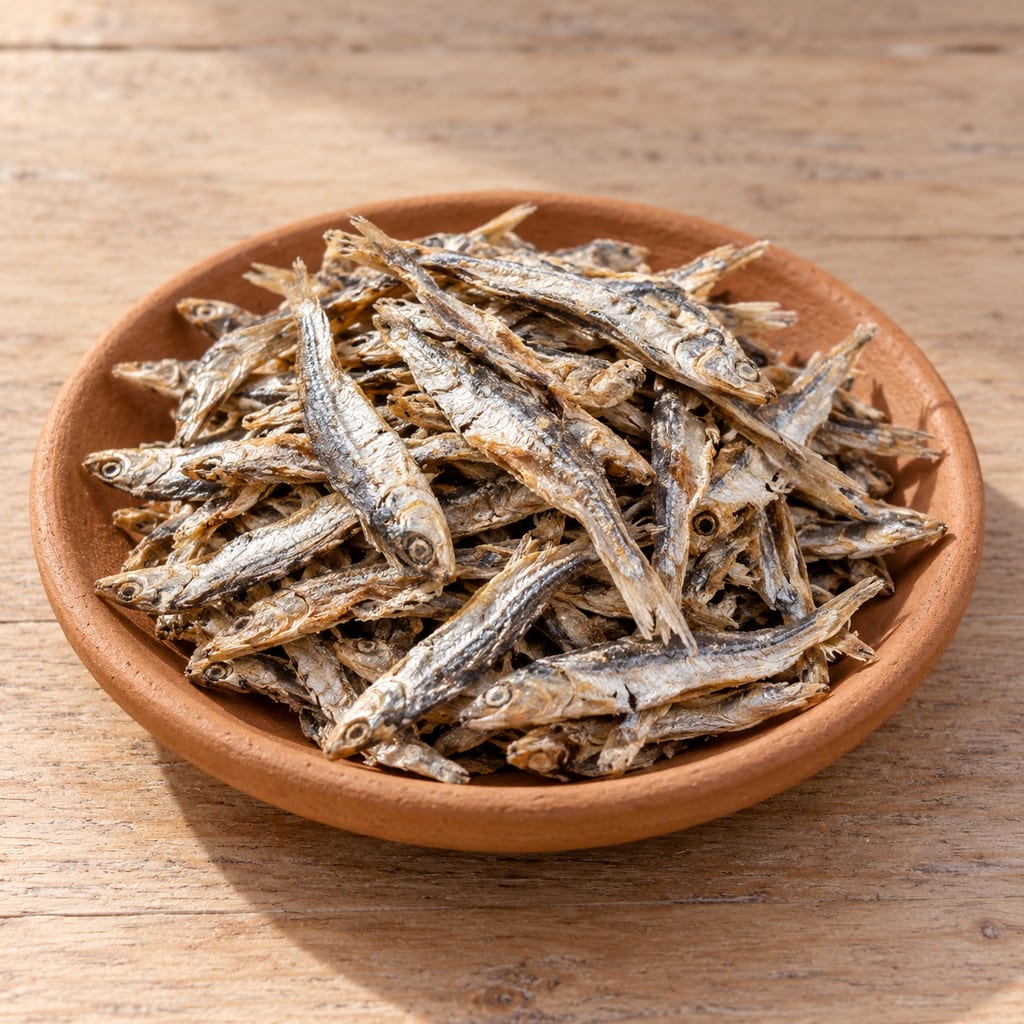
Anchoveta salted, drained of sanguaza and sun-dried on sand or stones at Caleta de Carquín, a technique declared part of Peru's cultural heritage in 2016.
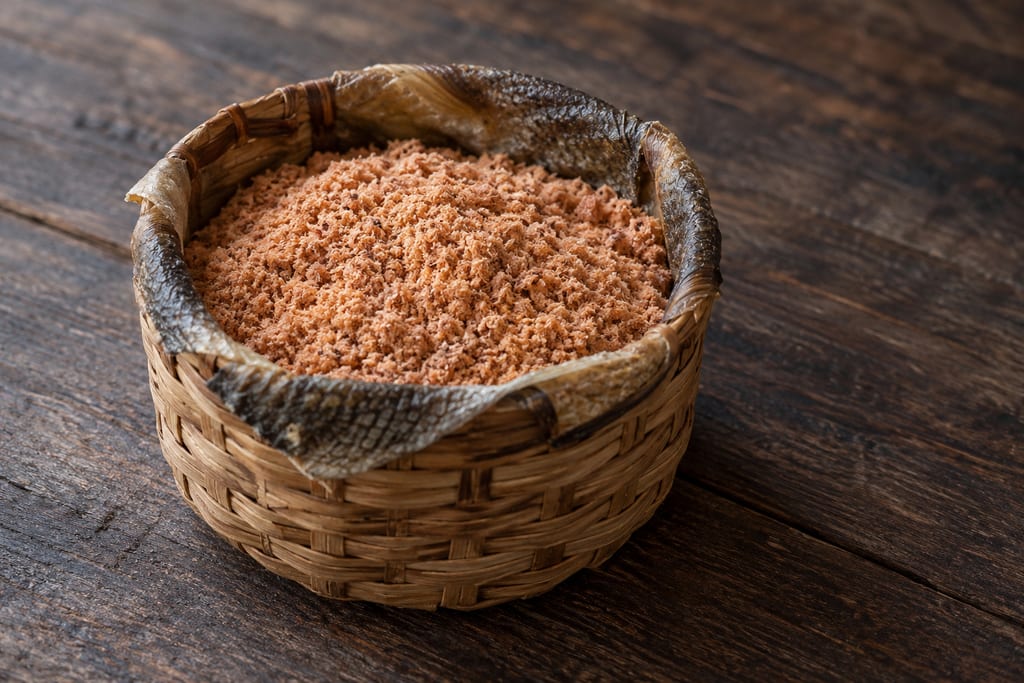
Dried salmon broken down, pounded to a meal and pressed into grass baskets lined with fish skin: the compact trade food of Celilo Falls and The Dalles.
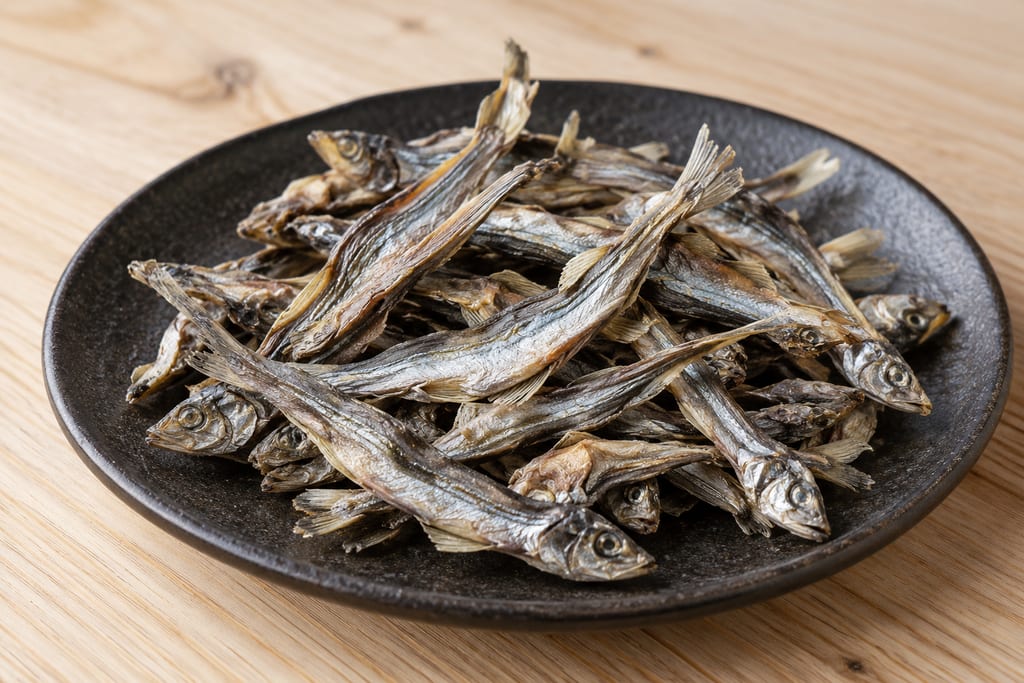
Greenlandic capelin dried whole on rocks, among crowberry vegetation or on buildings, and the microbial research that has made this small fish unusually well studied.
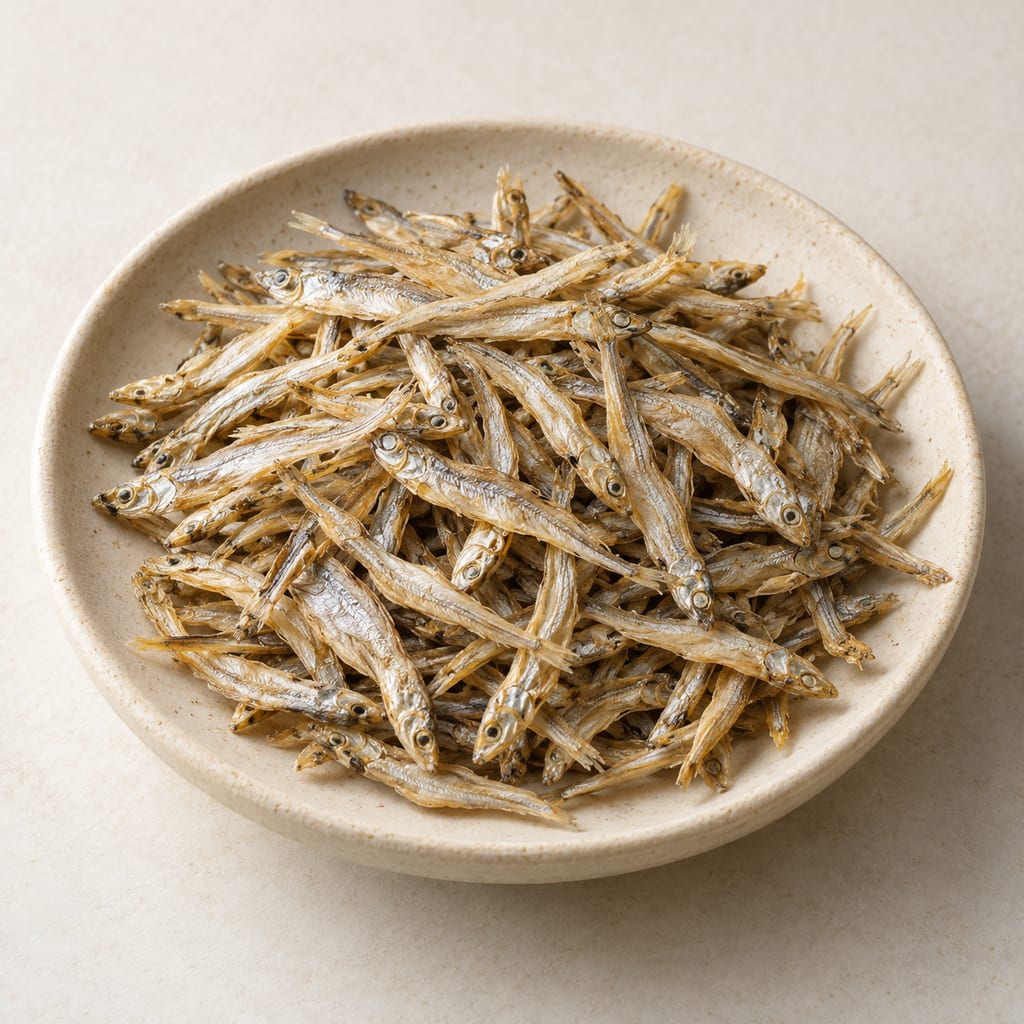
Small central-Mexican lake silversides, Chirostoma spp., dried whole and sometimes salted, then fried, roasted or simmered into Lenten tortitas and snacks.
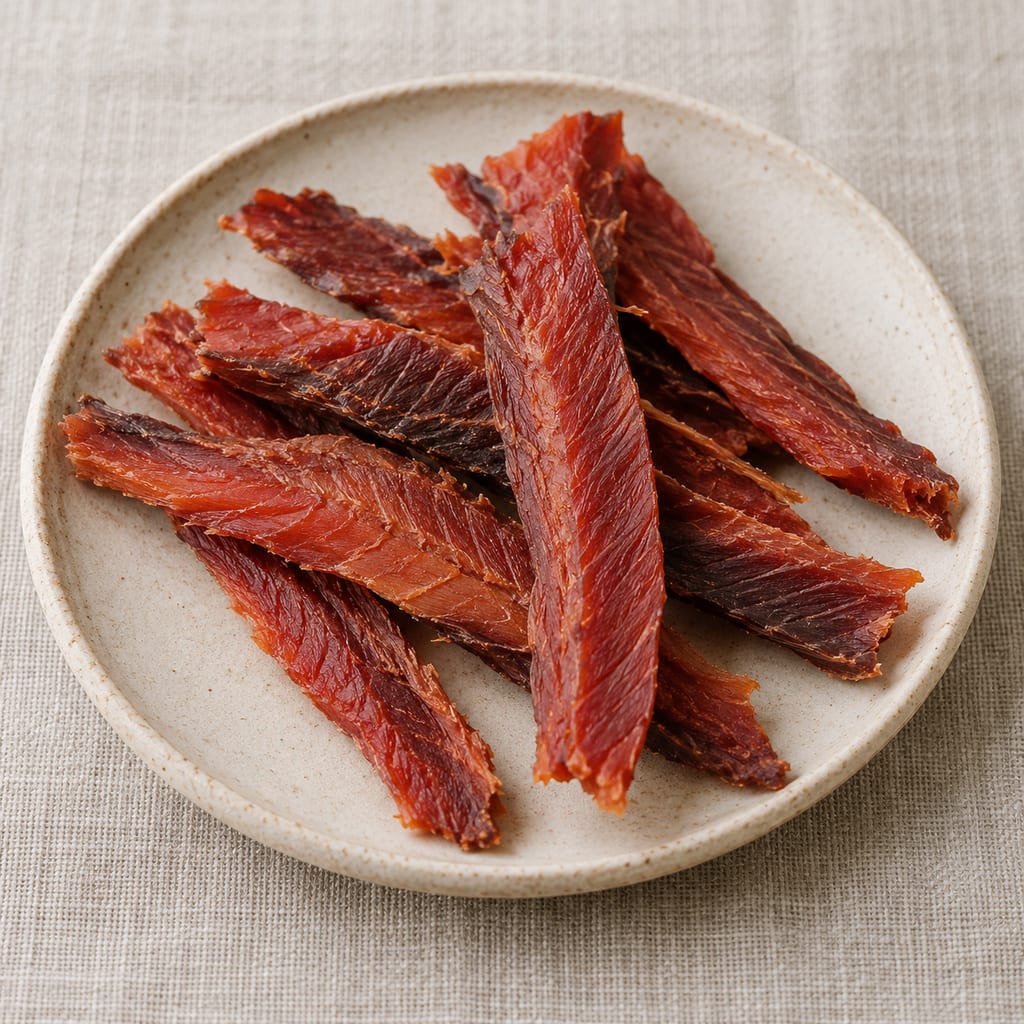
Salmon opened, scored and hung on roofed racks in the dry canyon winds of the Fraser River: slhíts'es in Stó:lō documentation, sts'wan in St'át'imc records.
No community contributions have been published for this entry yet.
Sign in to contribute. Published comments and photos are free to read.
EmbrapaMethod · Production
Embrapa — Pirarucu Salgado Seco, 2017The processing of pirarucu salgado seco and the formation of broad mantas
An average maturation period of approximately 6 to 8 days under appropriate temperature conditions
An upper moisture limit of 45% in the regulatory framework referenced for the product
Cited in: A freshwater fish transformed into an Amazonian staple; The fish itself; History and river commerce; How the large manta is produced; 1. Obtaining and handling the fish; 2. Cleaning and cutting; 3. Applying salt; 4. Curing and maturation; 5. Drying; 6. Cooling, packing and storage; How salt and drying work together; Salt penetration; Water activity; Protein changes; Oxidation; Other uses of preserved pirarucu; What makes pirarucu distinctive?; A complete preservation system
EmbrapaMethod · Production
Chicrala, Kato and Lima — Processing manual, full PDFIndustrial research using salt at around 30% of fish weight
Technical literature examples describing drying at 40 °C for 36 hours with a target moisture content around 40%
Recognising defects in the finished manta
Cited in: How the large manta is produced; How salt and drying work together; Salt penetration; Oxidation; Recognising defects; A complete preservation system
Brazilian Ministry of Fisheries and AquacultureUse · Method
Brazilian Ministry of Fisheries and Aquaculture — Pirarucu and Pirarucu de CasacaA recipe using 1 kg of purchased dried-salted pirarucu, 500 g of cassava or Uarini flour, ripe plantains, coconut milk, onions and other vegetables
Desalting the fish for approximately 24 hours with the soaking water changed three or four times
Cited in: A freshwater fish transformed into an Amazonian staple; The fish itself; History and river commerce; Conservation and fish management; Pirarucu de casaca: the best-known culinary preparation; A documented ingredient combination; Preparing the fish; Why the ingredients work together; Other uses of preserved pirarucu; What makes pirarucu distinctive?
Revista Brasileira de Pesquisa em Alimentos (UTFPR)Safety · Microbiology
Jesus and Tarayra — Microbiological quality of salt-dried pirarucu sold in Manaus, 2019A 2019 microbiological investigation of salt-dried pirarucu bought from stalls in Manaus found serious contamination problems, with moulds and yeasts in all the samples examined
Cited in: What research has found about safety; Recognising defects
EmbrapaProduction
Embrapa — Publication catalogue recordThe publication catalogue record for the processing manual
Receitas GloboUse · Method
Receitas Globo — Pirarucu de CasacaA published version of pirarucu de casaca specifying an oven temperature of 200 °C for approximately 25 minutes
Cited in: Pirarucu de casaca: the best-known culinary preparation; Preparing the fish; Why the ingredients work together
US Food and Drug AdministrationSafety
US FDA — Fish and Fishery Products Hazards and Controls GuidanceWater activity as a control for shelf-stable dried seafood
Cited in: Water activity