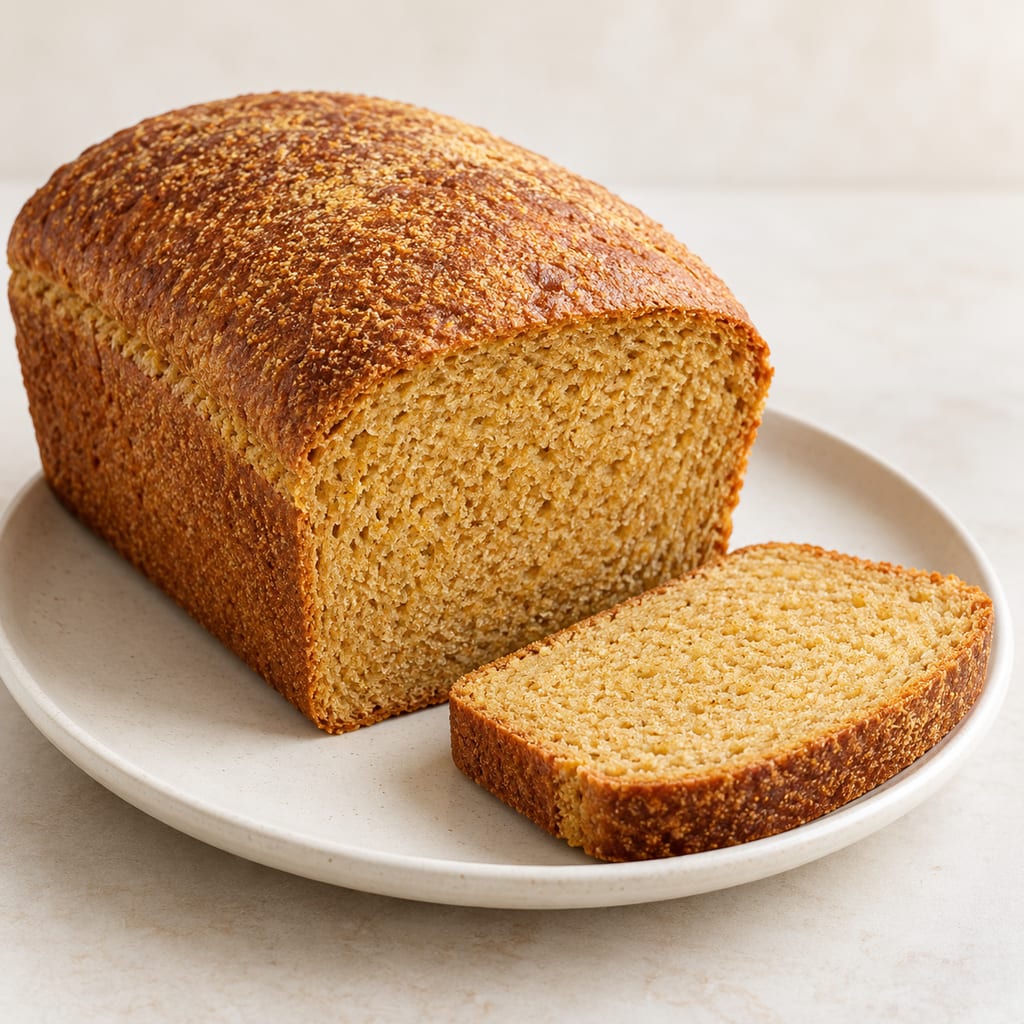
Anadama
Anadama is a New England yeast loaf made with wheat flour, cornmeal and molasses. Scalded cornmeal enriches the dough, while molasses lends sweetness and a dark crust; it is especially good toasted or beside soup and baked beans.
 FermenteaWhere food goes to change
Modern adaptation
Cuban bread · Pan cubano · Cuban bread rolls
Six yeast rolls for Cuban sandwiches, shaped into long tapered loaves and slashed down the center.
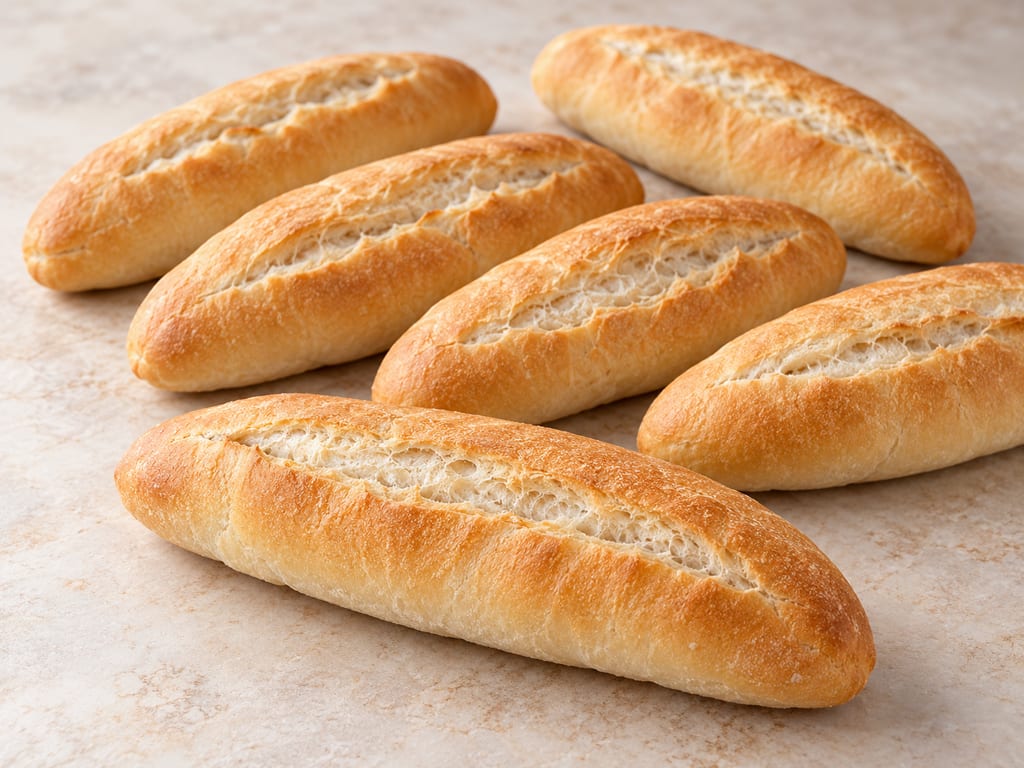
King Arthur Baking published these rolls within a Cuban sandwich recipe. The page says customers wanted bread to recreate sandwiches they had in Miami. This entry covers the rolls only, not the pork, fillings or pressed sandwich.
The dough uses six ingredients, including a choice of butter or lard. The method has a first rise with one fold and turn, a covered rest after rough shaping, then a second rise after the rolls are tapered and arranged on a sheet. The source's whole-recipe total includes pork and sandwich assembly, so it is not treated as the bread's total time.
Shape the dough into rolls about 8 inches long with tapered ends, brush or spray them with water and make one lengthwise slash down each roll. Bake at 375°F for about 30 minutes, until golden brown, then cool on a rack. The first rise takes about an hour depending on kitchen warmth.
For make-ahead storage, keep the rolls at room temperature for up to one day or freeze them for several weeks. The recipe page's 10-hour-40-minute total includes the pork and sandwich work, so it is not a bread-only timing. No safety limit or internal-temperature endpoint is added.
King Arthur Baking says customers requested bread rolls to recreate Cuban sandwiches they had in Miami. This supports a Miami-use and inspiration association for this published formula, not an origin claim for Cuban bread or a claim that this formula is representative of all Cuban bakeries.
Yield 6 rolls · Scaling: source batch only
The formula contains wheat flour and must be baked before eating.
Hazard sourceBake the rolls as directed before serving. The source gives no internal-temperature endpoint.
Control sourceThe source's bake-time and golden-brown cues are recipe directions, not independent process validation.
King Arthur says customers wanted rolls to recreate Cuban sandwiches they had in Miami. This documents a use and inspiration context, not a birthplace or the location where this formula was developed.
Anadama is a New England yeast loaf made with wheat flour, cornmeal and molasses. Scalded cornmeal enriches the dough, while molasses lends sweetness and a dark crust; it is especially good toasted or beside soup and baked beans.

A yeast-raised wheat ring shaped from a firm dough, briefly boiled and baked. This source-batch formula gives a gently malted crust and a chewy crumb.
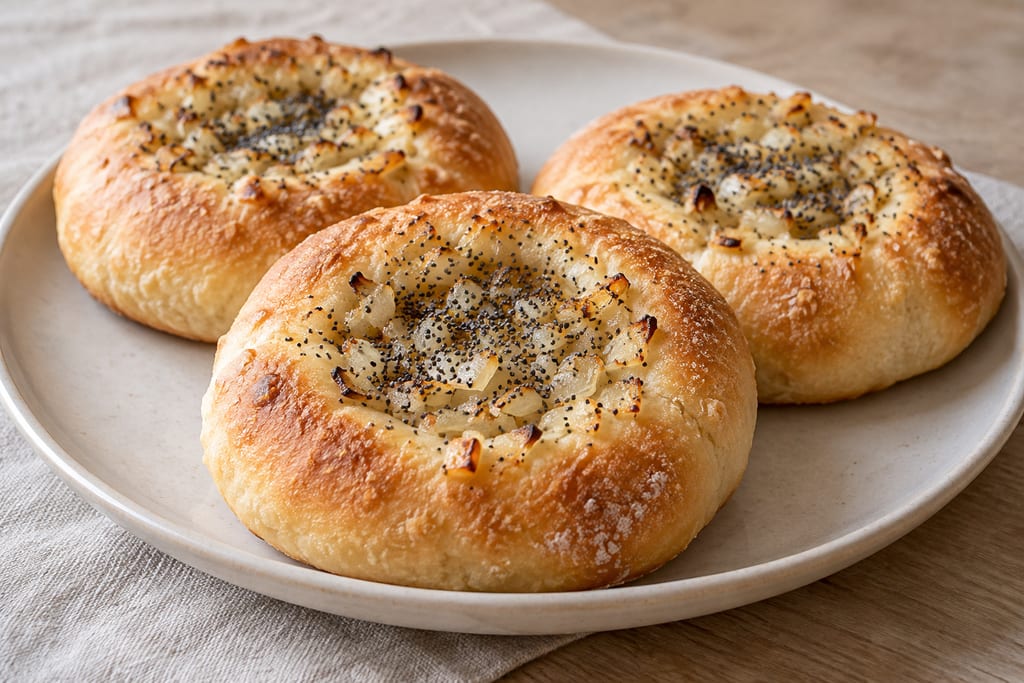
Bialys are soft, yeasted wheat rolls baked without boiling, each shaped with an onion-filled central depression instead of a hole.
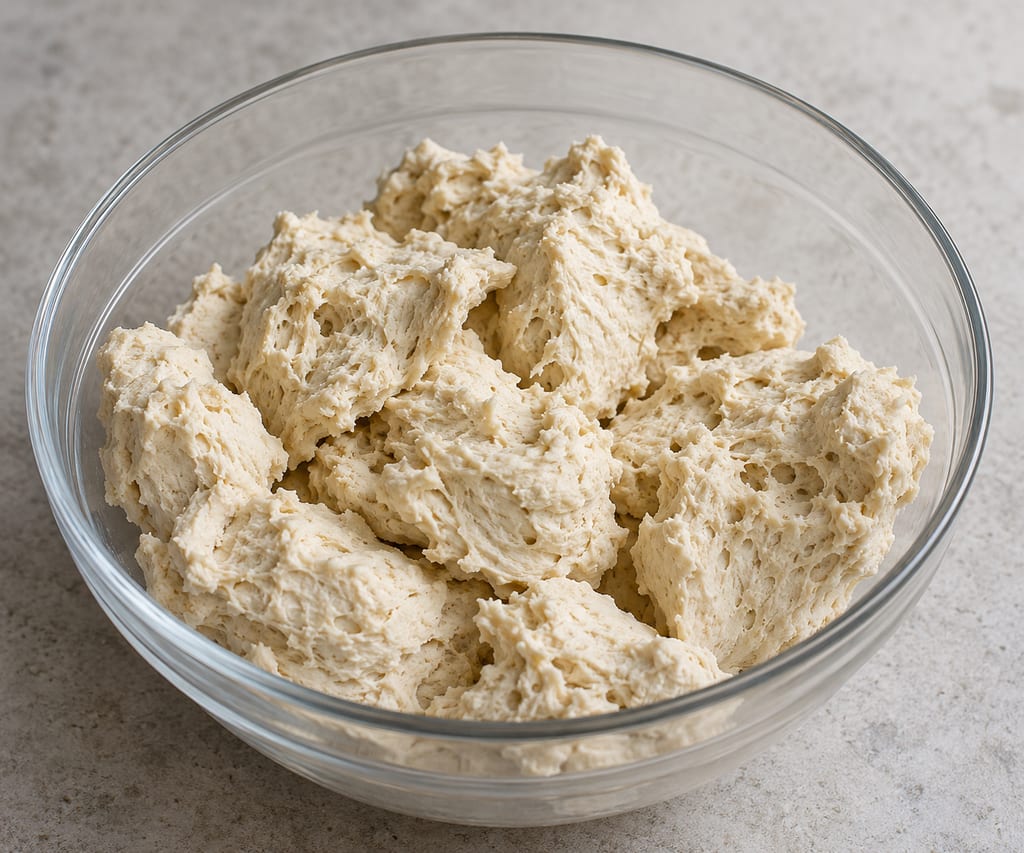
Biga is an Italian bread preferment of flour, water and a little yeast, usually a stiff unsalted mass of about 45 per cent water, fermented ahead and then mixed into the final dough.
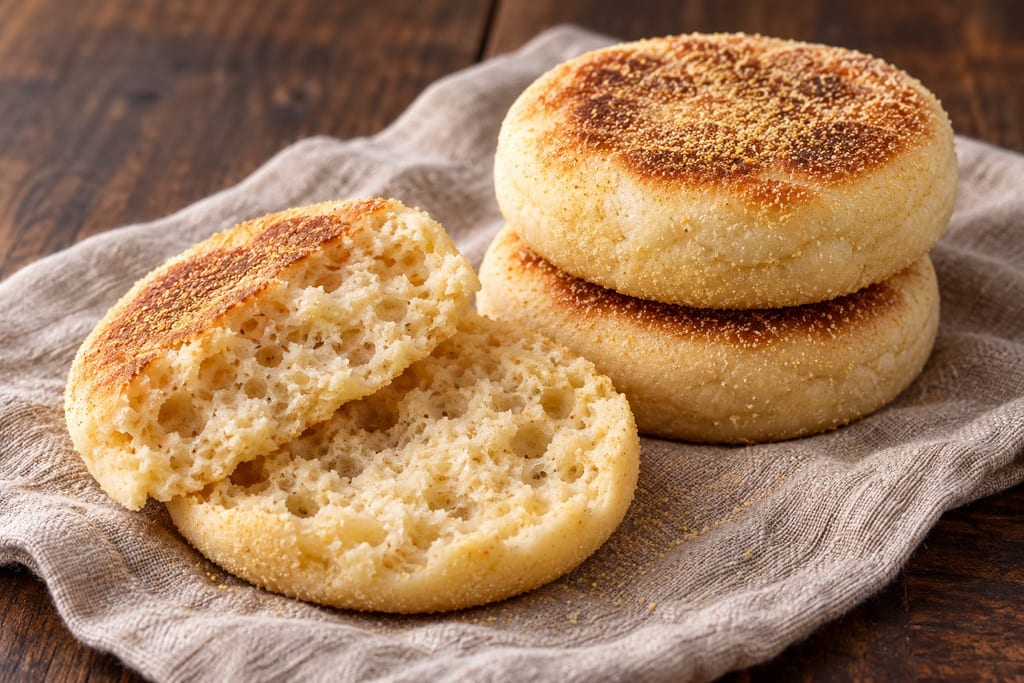
King Arthur’s six-piece English muffin batch uses a yeast preferment, two folds and a skillet or electric griddle; it is distinct from the sourdough-and-yeast version already catalogued.
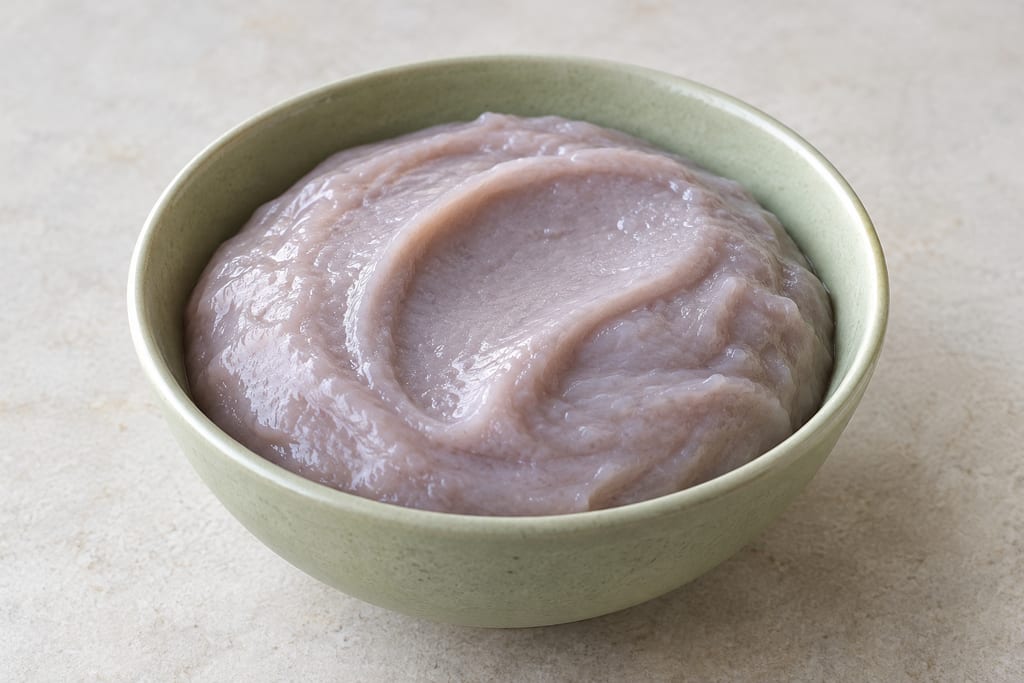
This modern introductory batch boils 500 g edible taro, then pounds it with water into fresh poi. It stops before fermentation and makes no preservation claim.
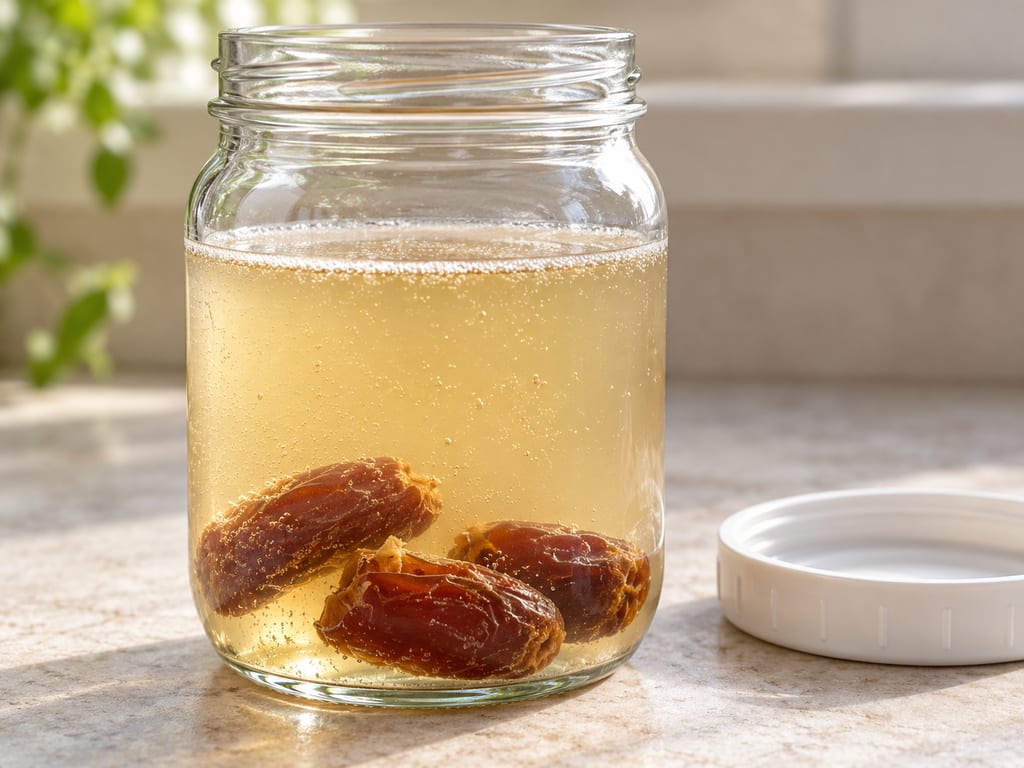
Fruit yeast water is a spontaneously fermented liquid made by soaking fruit in water, with or without sugar, to grow yeast for starting bread dough or a separate flour starter.
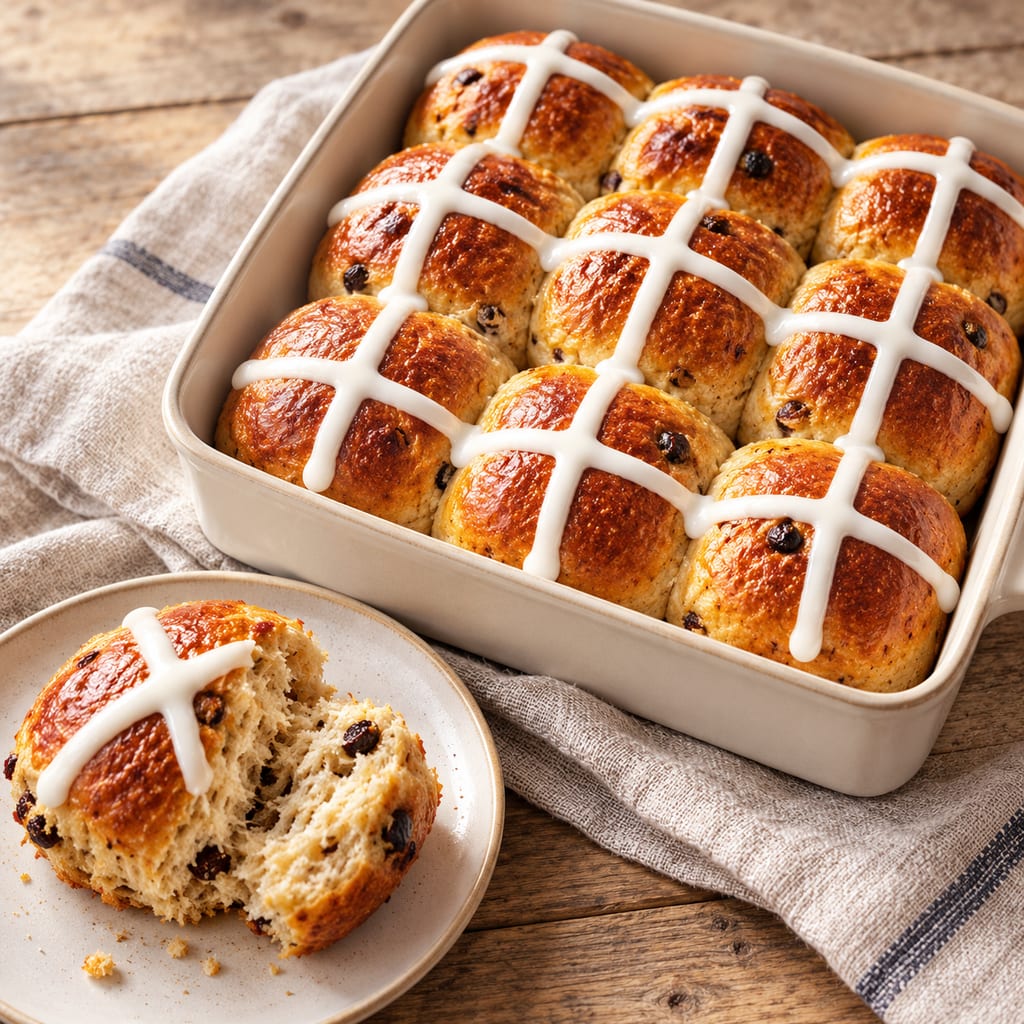
These spiced fruit buns use yeast and baking powder in a soft wheat dough, then receive an icing cross after baking.
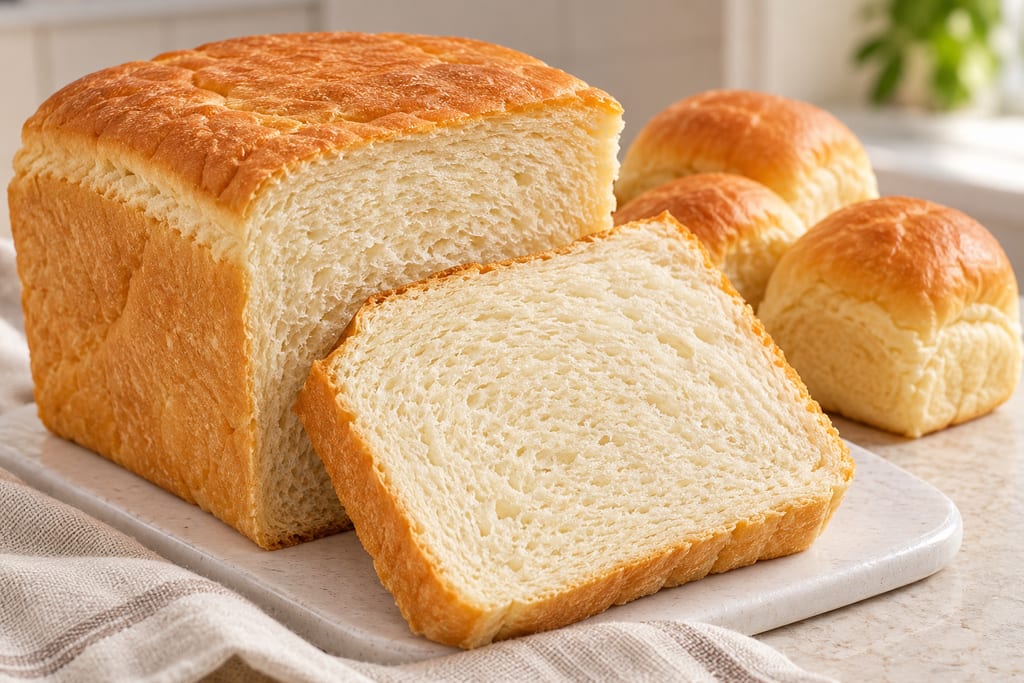
This softer home-style Agege bread uses a scalded flour paste, an enriched yeast dough and a 9×5-inch loaf pan, with rolls from the extra dough.

Three long, crusty wheat loaves made with an overnight yeast poolish, shaped by hand and baked with steam for a crisp crust.
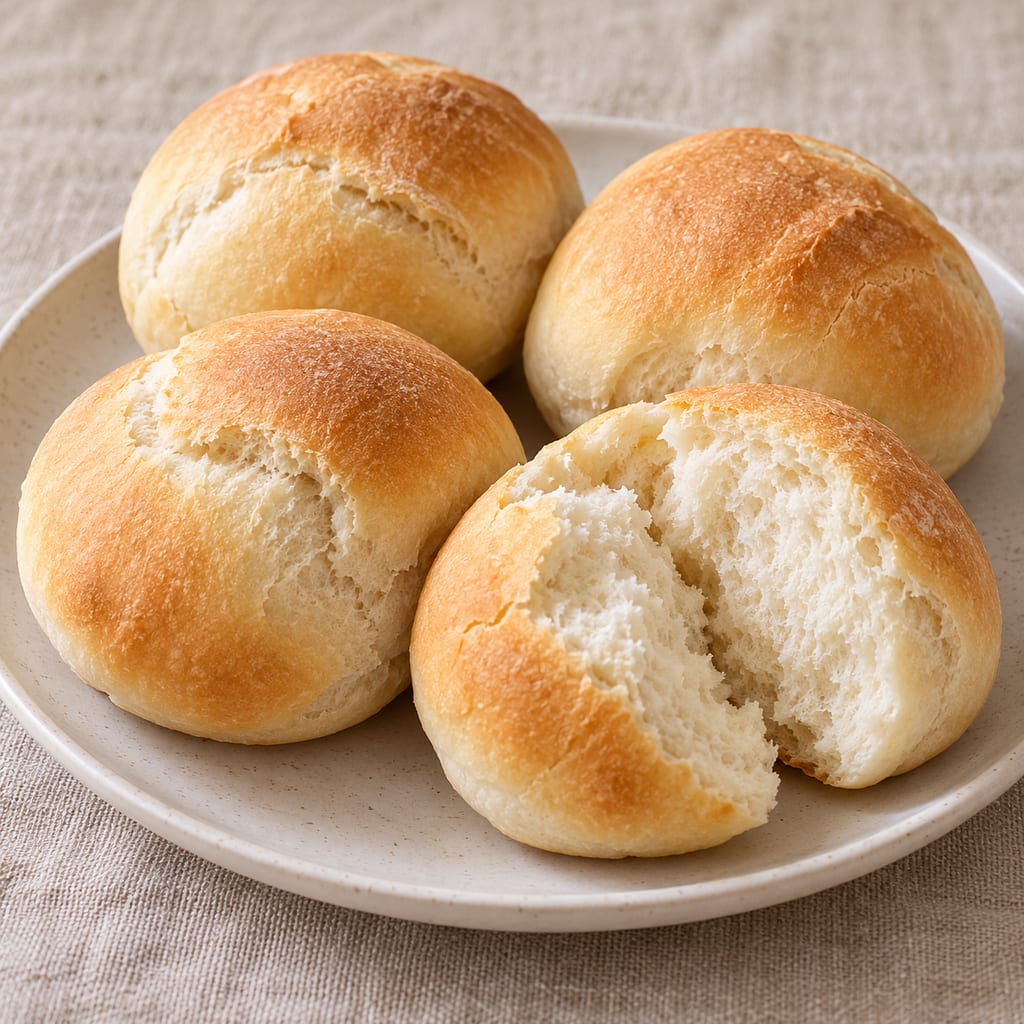
A lightly salted, yeast-raised Barbadian roll, baked in a dozen-roll home batch and often split for cutters.
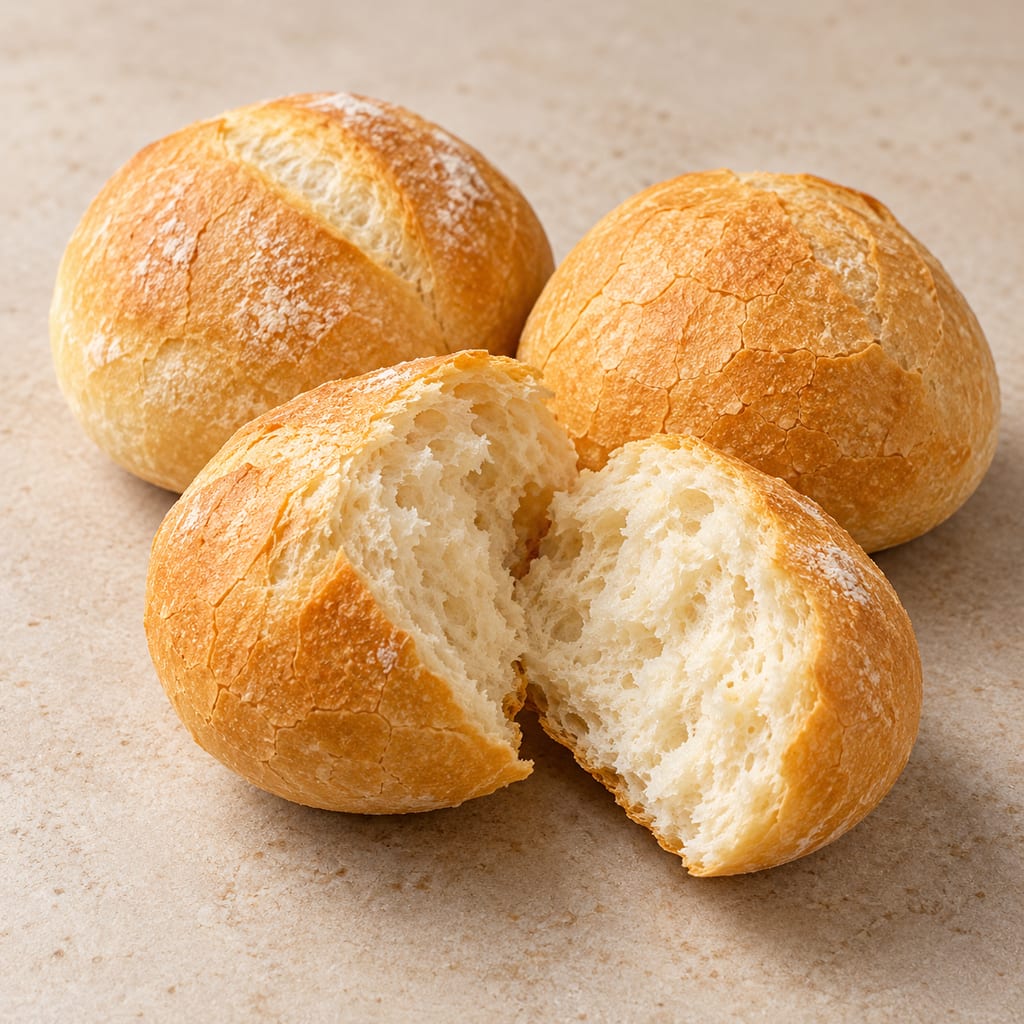
A crisp Belgian roll made from a supplier’s Croc-flour dough, mixed by hand or machine, proofed in rounds and baked with steam.
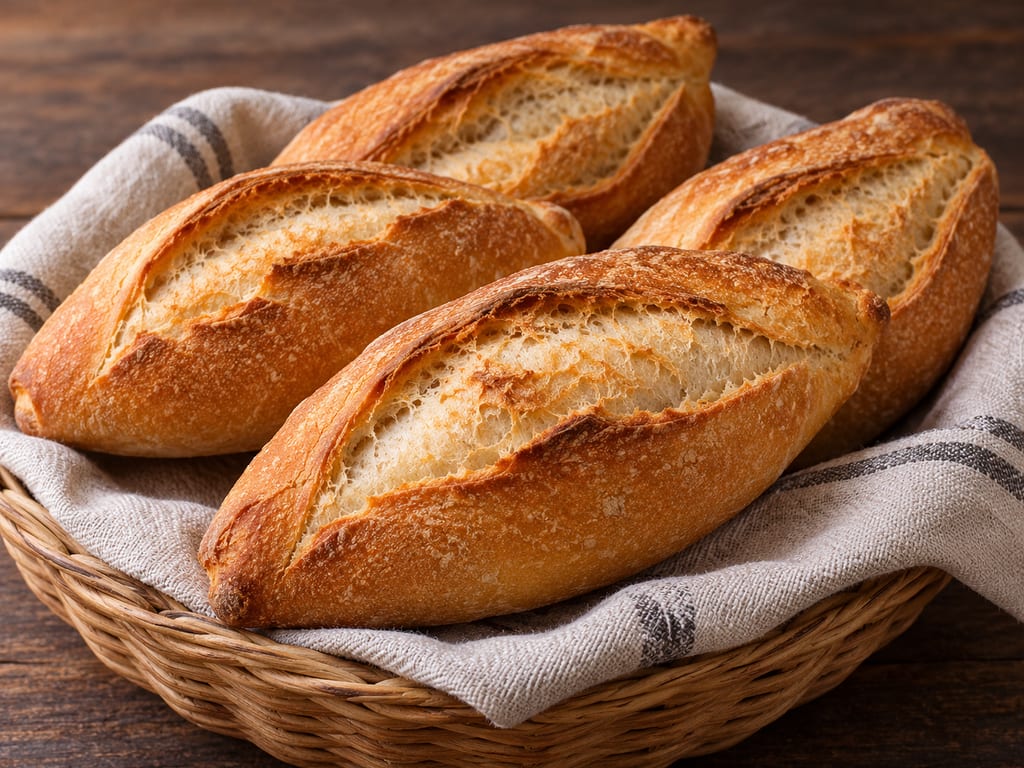
A measured, commercial-yeast home method for Guadalajara-style birote salado, with a six-hour preferment, shaped rolls and a two-temperature steam bake. This formula contains no egg.
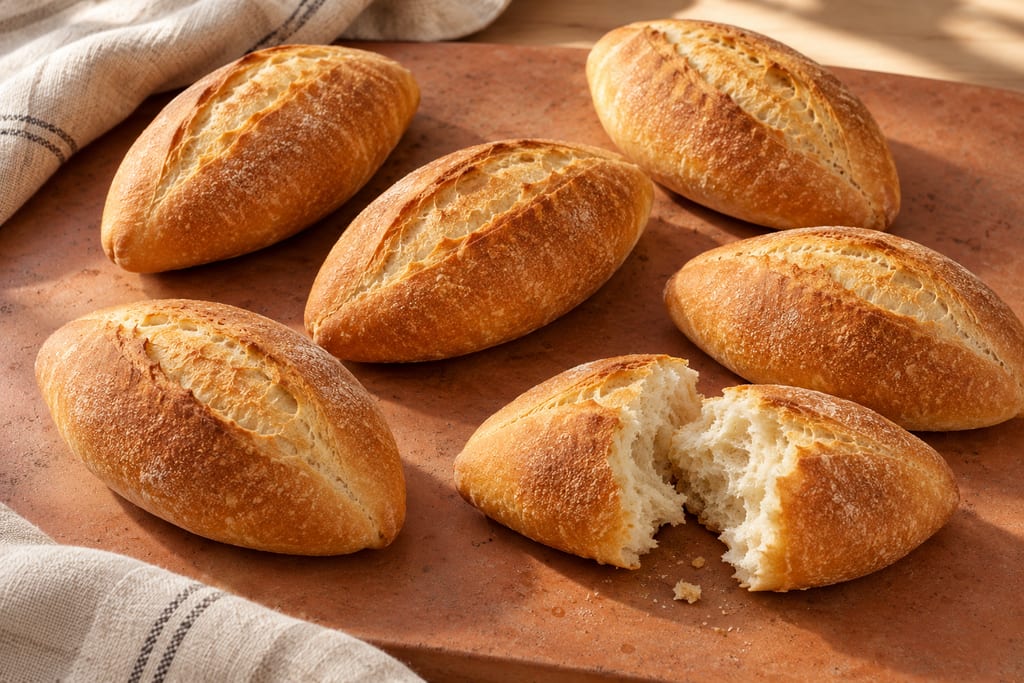
Small, lightly enriched rolls with tapered ends and a scored top; this six-roll formula bakes on a hot stone with steam for a thin, crisp crust.
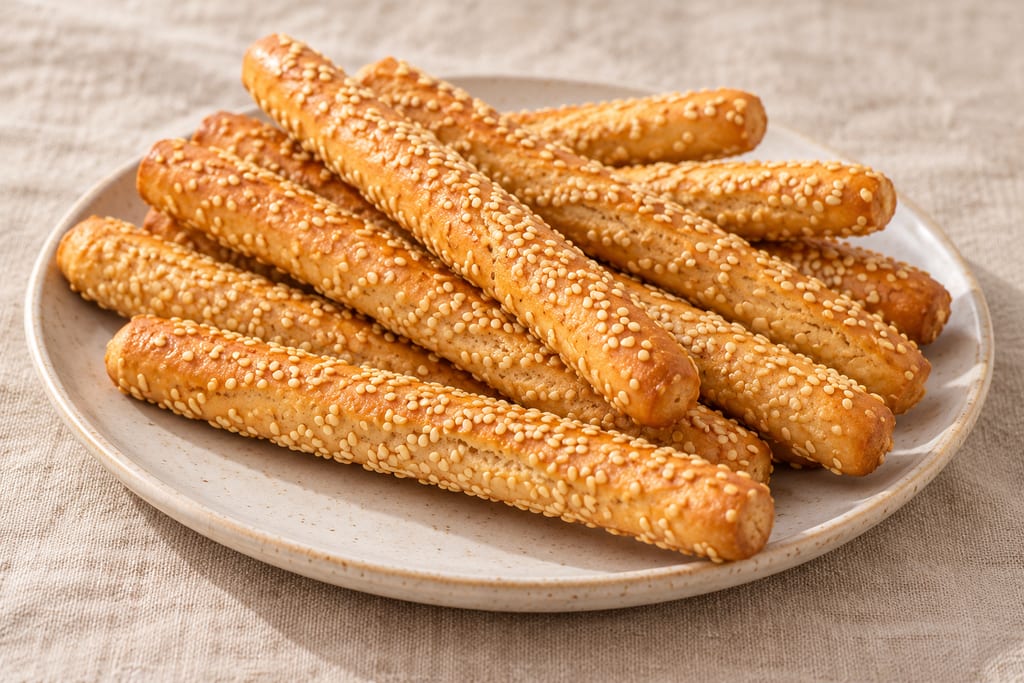
Amira Ibrahim’s Egyptian bosomat are yeast-raised wheat sticks scented with optional fennel and anise, topped with sesame and baked until dry and crisp.
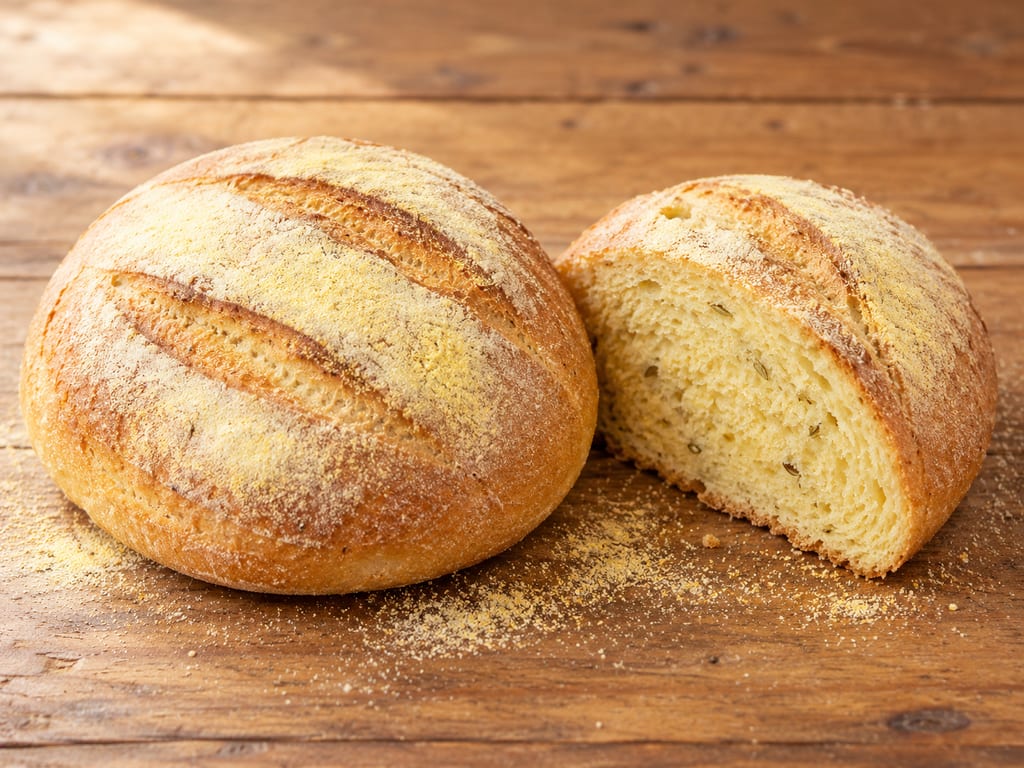
Brazilian broa de milho is a lightly sweet wheat-and-fine-maize bread with fennel and dry yeast, shaped into two small loaves for a Festa Junina or coffee break.
No community contributions have been published for this entry yet.
Sign in to contribute. Published comments and photos are free to read.
King Arthur BakingBread recipe · Modern adaptation · Documented Miami inspiration
Cuban SandwichThe source gives the six-roll formula, including flour, sugar, salt, instant or active dry yeast, butter or lard, and lukewarm water.
It directs kneading, a 1-hour first rise with a turn after 30 minutes, 15-minute covered log rest, shaping, a 1-hour final rise, water brushing, a lengthwise slash and a roughly 30-minute bake at 375°F.
The page says customers wanted to recreate Cuban sandwiches they had in Miami, and dates its current recipe page update to 22 June 2022. Bread-specific storage is one day at room temperature or several weeks frozen; the page's whole-recipe total includes pork and sandwich work.
Cited in: The bread portion of a Cuban sandwich recipe; Rise, shape and bake