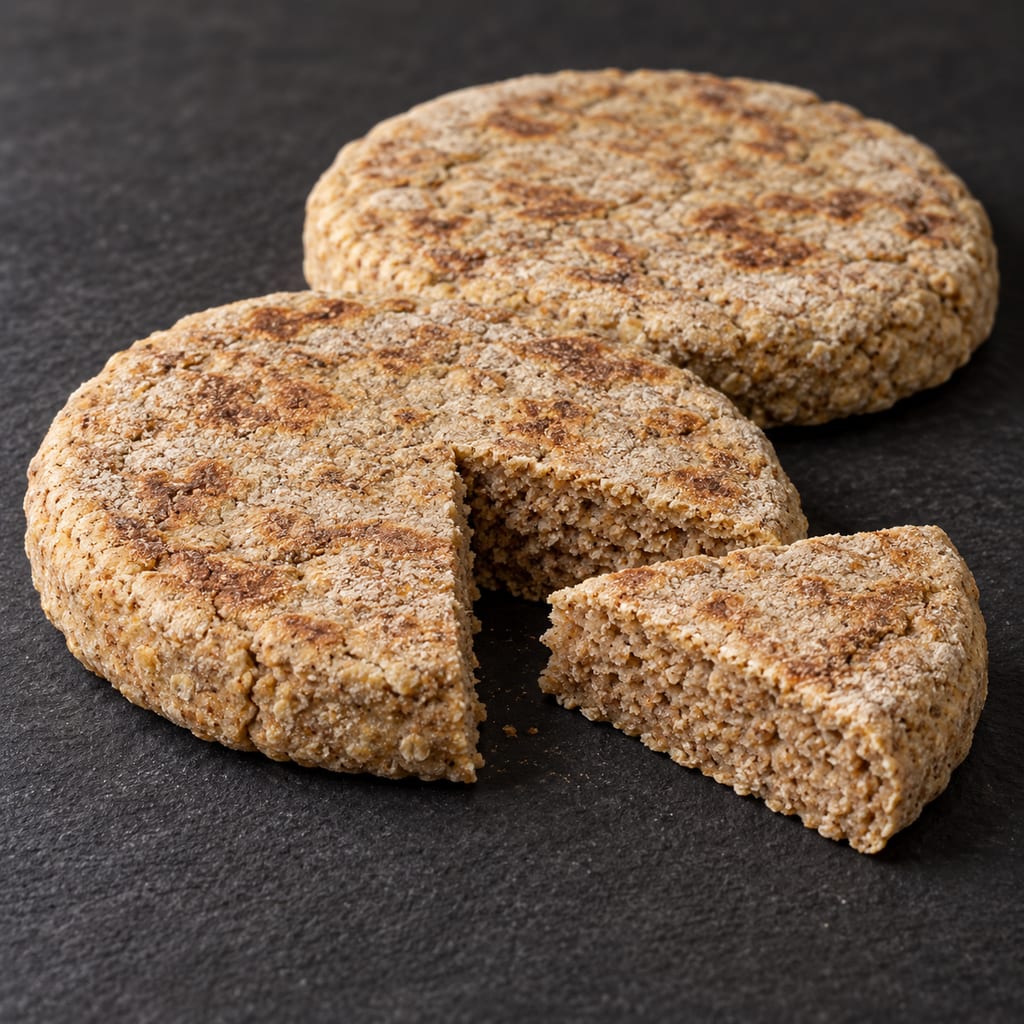
Orkney barley or oat bannocks
Two round, chemically raised bannocks made with equal weights of white flour and beremeal, barley flour or oat flour, following Anne Johnson's Orkney formula.
 FermenteaWhere food goes to change
Modern adaptation
Tattie scones · Potato scones · Tottie
Scottish Scran’s batch combines boiled potatoes, butter and flour, then cooks three thin rounds on a dry pan.
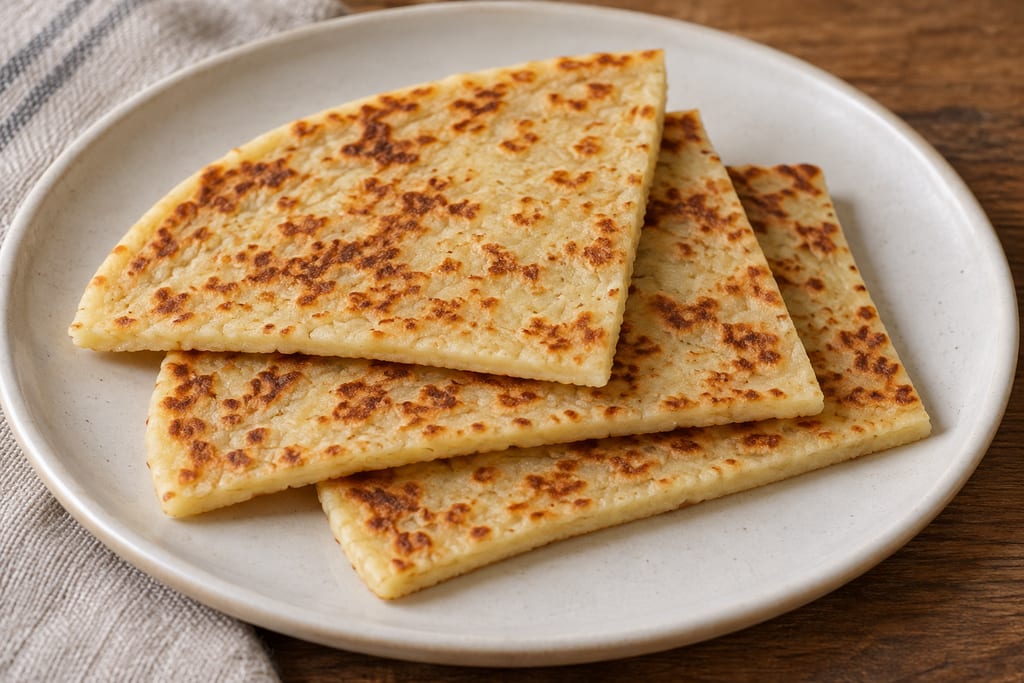
Tattie scones are soft, unleavened rounds made with warm mashed potato, butter and flour. Scottish Scran gives one household batch using 500 g potatoes, 25 g butter and up to 125 g plain flour. The author weighs the potatoes before peeling and boiling, and notes that the flour needed varies with the potato. The recipe makes about 12 scones from three rounds.
This entry follows that contemporary batch. It does not add egg, raising agent or salt to the measured formula. Scottish Scran associates the food with Scotland and describes it at Scottish breakfasts, but its recipe page does not document a dated first attestation.
Choose similar-sized potatoes, or cut large ones into pieces so they cook evenly. Boil them until tender, drain and let surface moisture evaporate for a few minutes. Mash with room-temperature butter until smooth; a potato ricer is optional.
Add plain flour a little at a time until the warm mash forms a stiff dough. Keep the remainder for dusting and shaping. Too much flour can make the rounds heavy, while dough that is still very hot may be hard to lift without tearing. Let it cool briefly until workable.
Divide the dough into three balls. Pat each one into a round about 5 mm thick, turning and lightly flouring it to prevent sticking. Prick the surface with a fork. Cut each round into four wedges before cooking, or score it and divide it after cooking.
Heat a large flat pan, then lower the heat to medium-low. Keep the surface dry; added butter can burn during repeated batches. Cook each round or wedge for 3–4 minutes per side, watching the colour and lowering the heat if it browns before the centre has warmed through. The source gives no measured pan temperature. Serve warm, plain or with butter; leftover pieces may be reheated in a pan or toaster.
Raw flour can carry harmful bacteria. Do not taste the uncooked dough and clean hands and utensils after handling flour. Take care when draining hot potatoes and moving the scones in and out of the pan.
Scottish Scran presents tattie scones as a Scottish food and describes them as a common part of a Scottish breakfast. The inspected recipe and Scots dictionary entry establish no dated first attestation for the dish.
Yield 12 scones · Scaling: source batch only
Handling hot cookware and freshly boiled potatoes can cause burns.
Hazard sourceThe dough includes wheat flour before it is cooked; uncooked flour should not be tasted.
Hazard sourceHandle the hot pan and potatoes carefully and use a suitable turner.
Control sourceDo not taste uncooked dough; wash hands and utensils after handling flour.
Control sourceThe source uses color and time cues but gives no measured internal endpoint.
Scottish Scran presents this as a Scottish preparation and associates tattie scones with Scotland; it does not establish a unique birthplace.
Two round, chemically raised bannocks made with equal weights of white flour and beremeal, barley flour or oat flour, following Anne Johnson's Orkney formula.
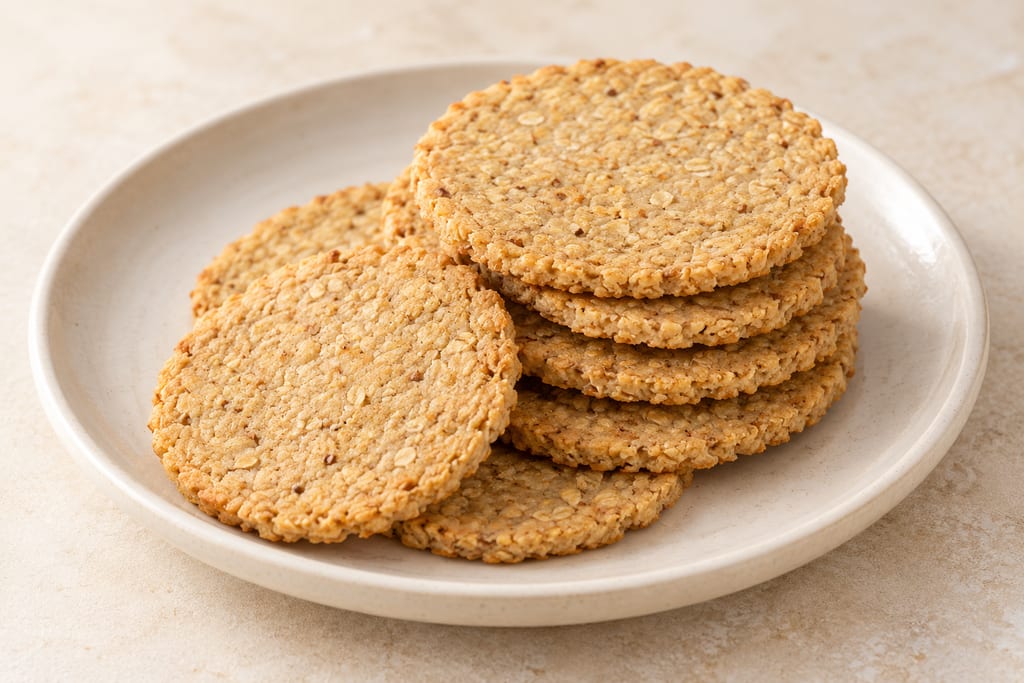
A thin Scottish oatcake of medium oatmeal, butter, salt, bicarbonate of soda and boiling water. This measured oven adaptation differs from older girdle methods and soft, yeasted Staffordshire oatcakes.
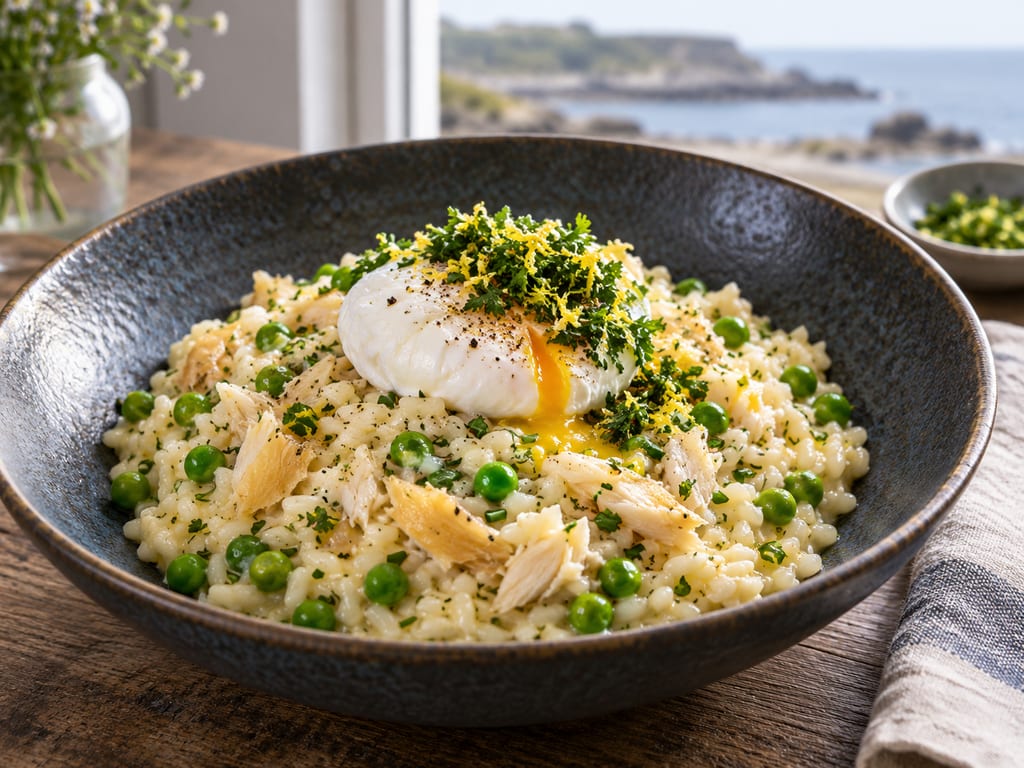
A four-serving risotto published in the 2014 Arbroath Smokie Trail booklet and credited to Hayley Wilkes. It cooks with finished Arbroath smokies; it does not describe smoking fish.
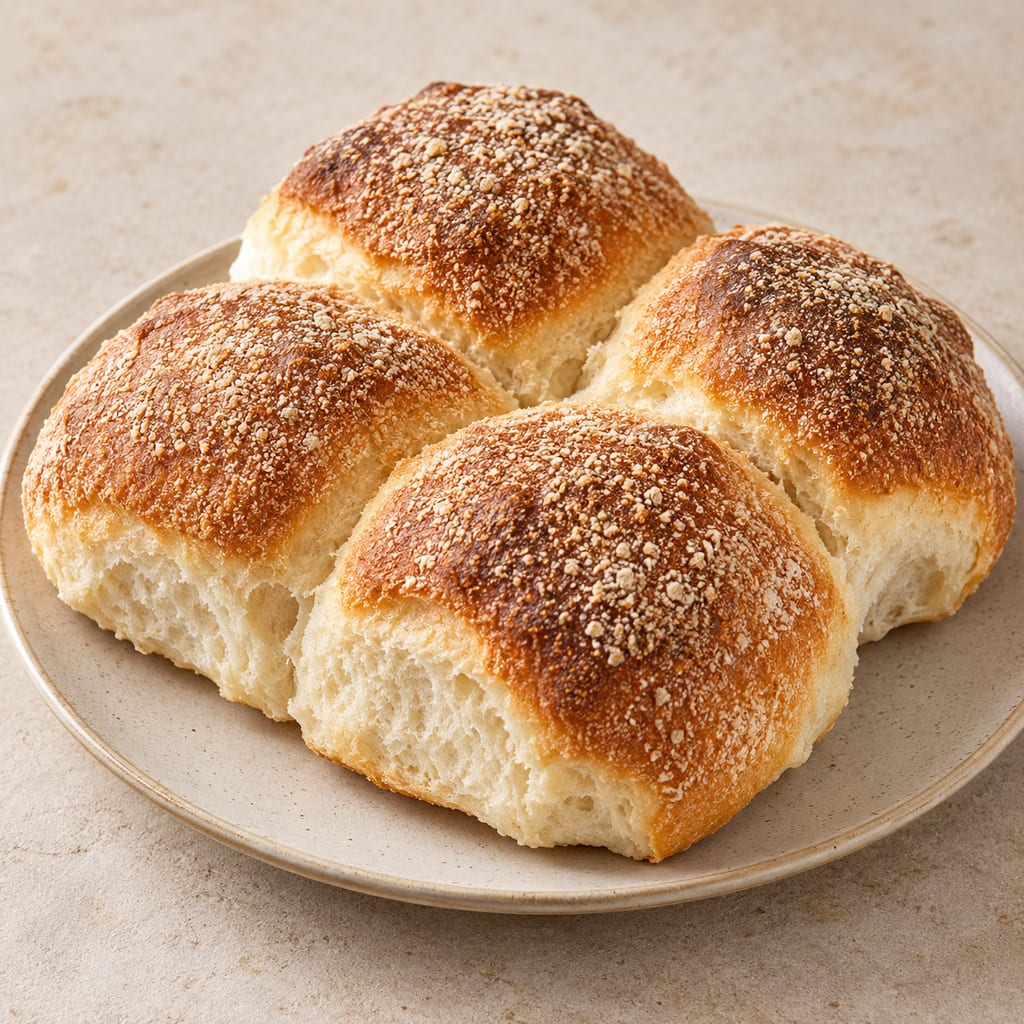
A wet, cold-fermented wheat dough is coated in rice flour and baked close together at high heat for Glasgow-style rolls with a crisp, dark crust and light interior.
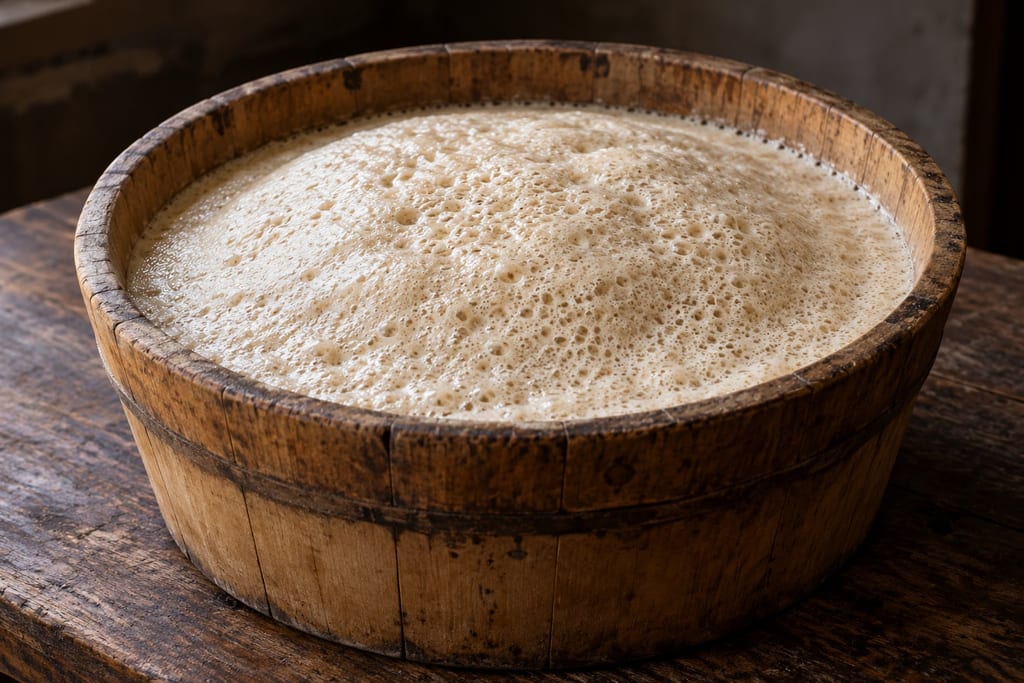
Scotch barm is a Scottish bakery ferment grown in a malt-and-scalded-flour medium and renewed with mature barm from the last batch to leaven successive bread sponges.
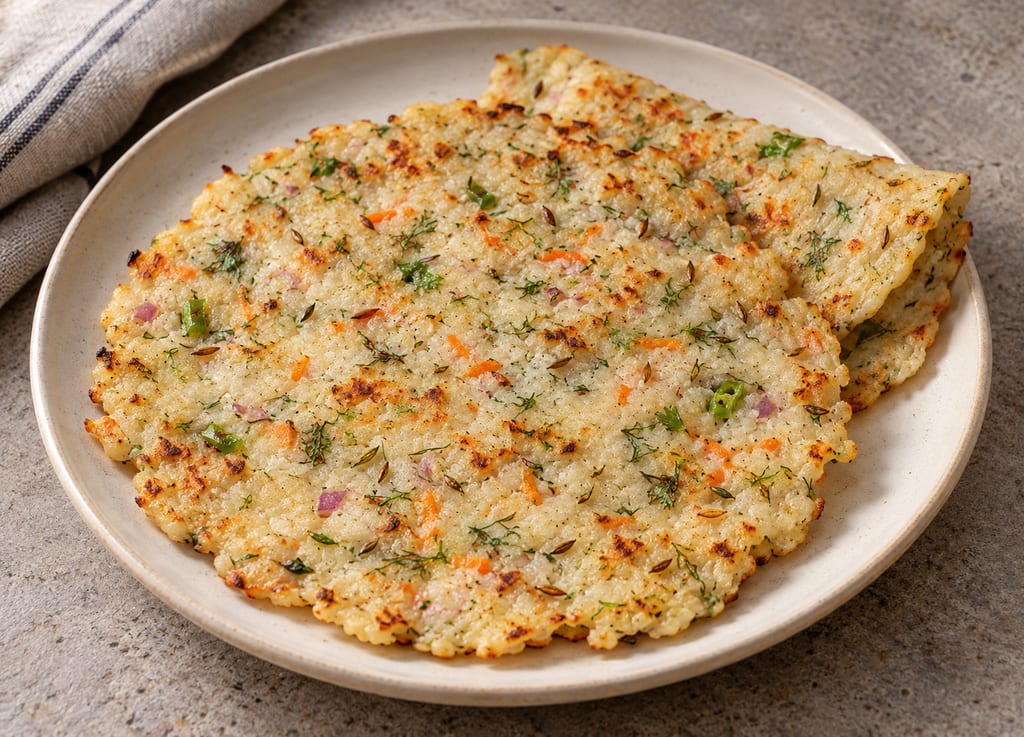
This Karnataka-style akki rotti mixes fine rice flour with vegetables, coconut, herbs and spices, then hand-pats and griddle-cooks the dough.
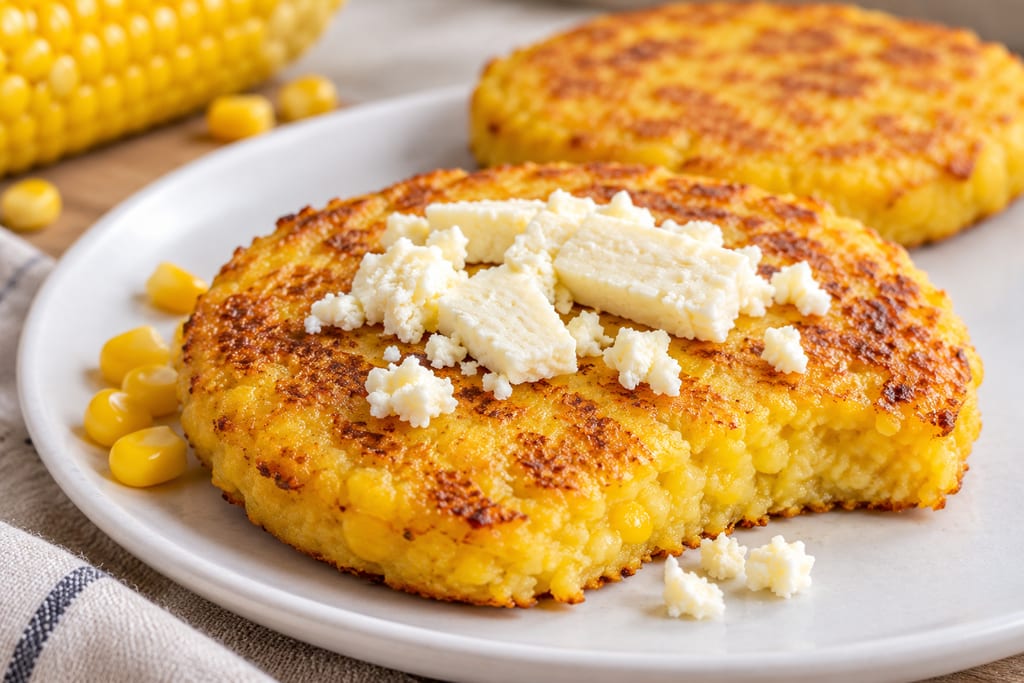
A Colombian Andean griddle cake made from fresh sweet-corn batter, cooked in butter and served with white cheese.
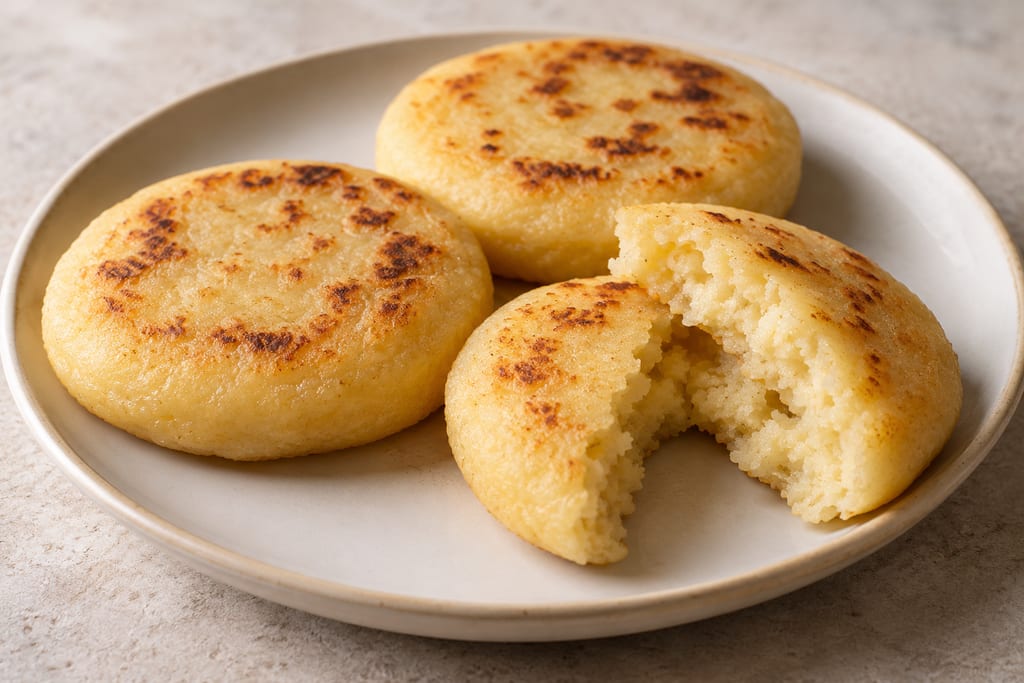
This household version combines precooked corn flour, warm water and salt, then cooks thick rounds on a lightly oiled skillet or griddle. It is one source-specific arepa method, not a universal Colombian or Venezuelan formula.
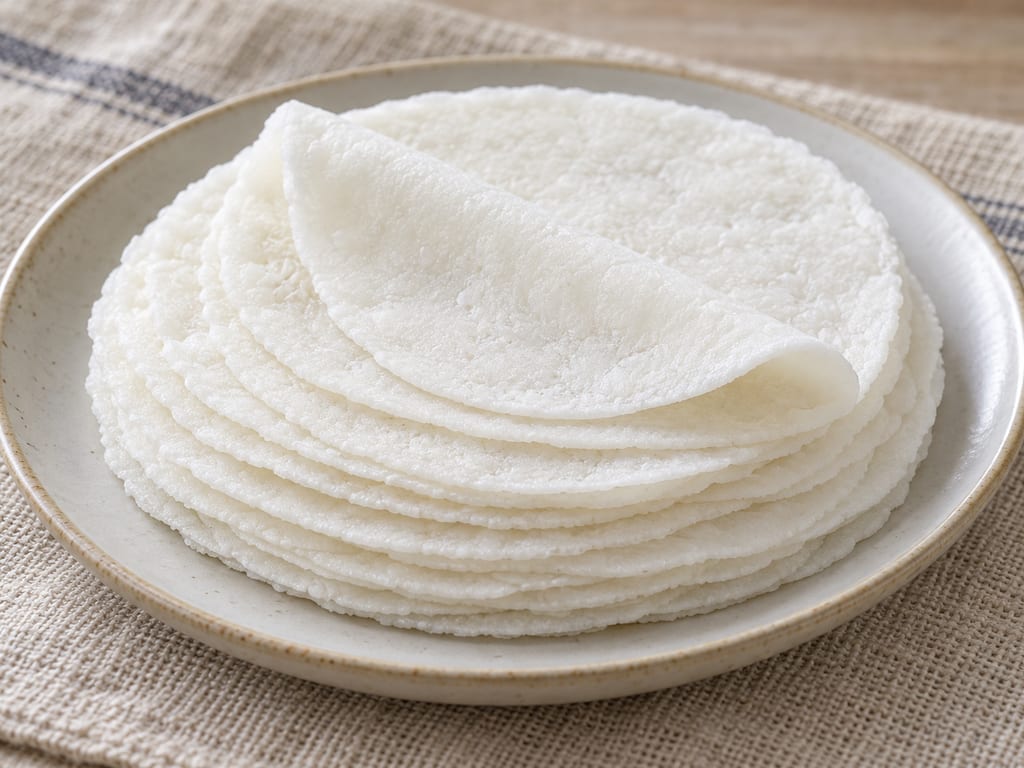
Thin Malabar rice-flour rounds made from roasted rice flour cooked into salted boiling water, kneaded after cooling, and rolled to about 1 mm. They cook on a hot griddle without taking on colour.
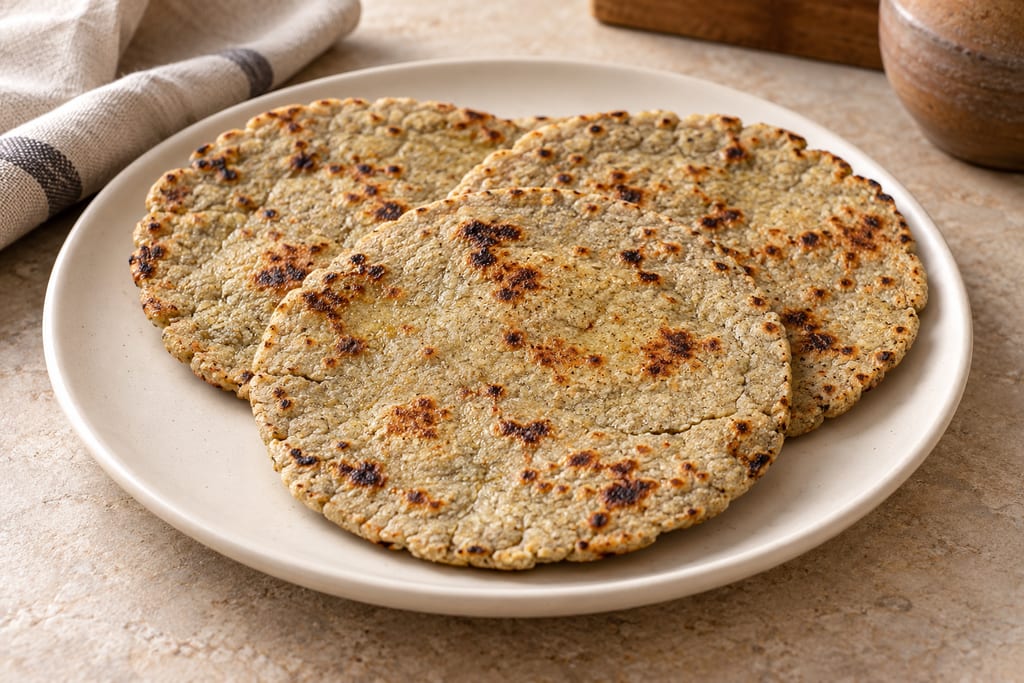
A pearl-millet flatbread shaped between sheets and cooked on a hot tawa. This home batch makes eight.
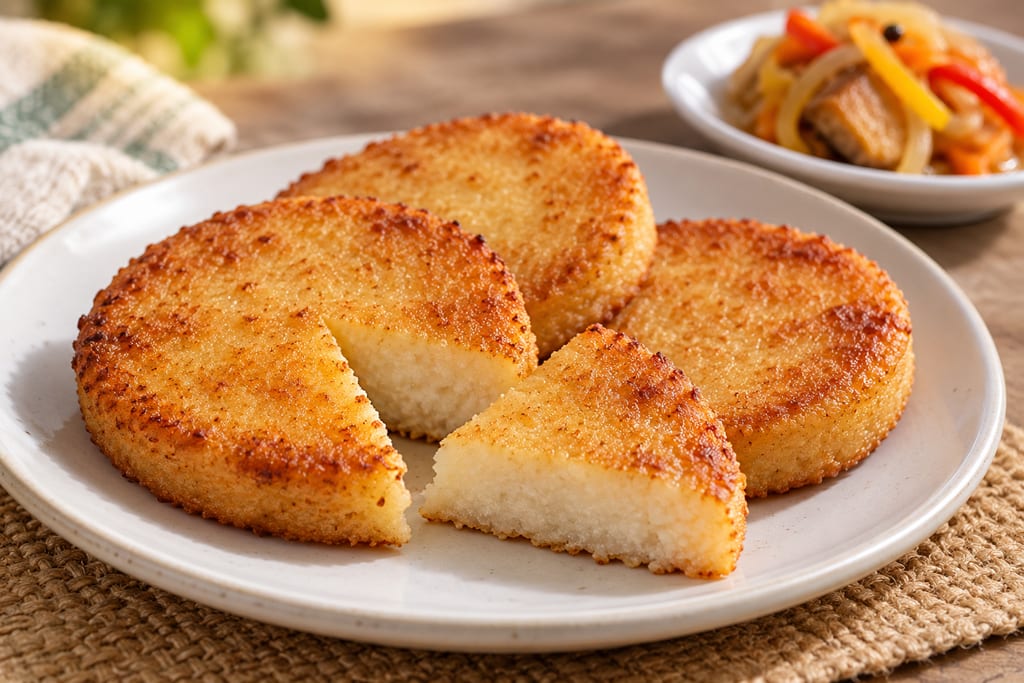
A serving method for approved, prepared bammy rounds: soak them in coconut milk and refry until golden. It does not process raw cassava.
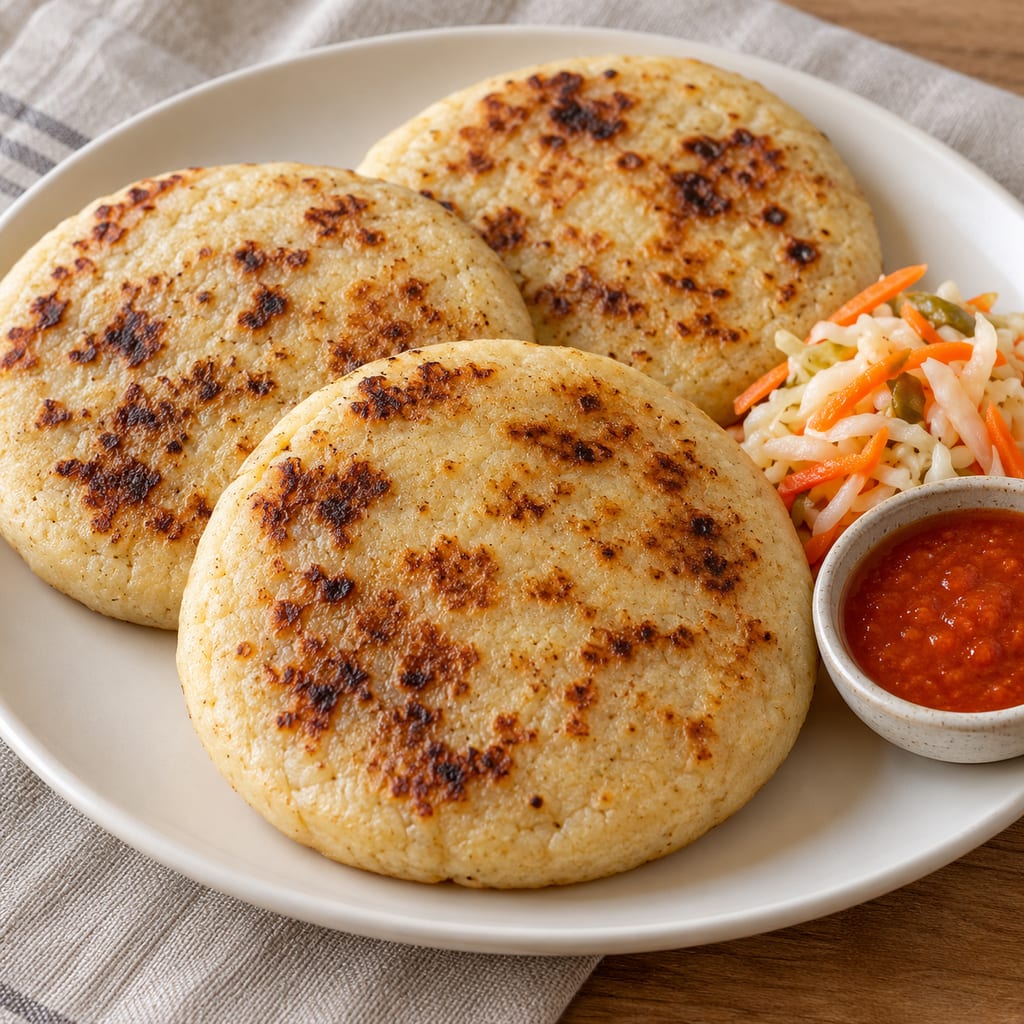
Salvadoran-style masa harina cakes filled with refried beans and cheese, sealed and cooked on an oiled skillet.
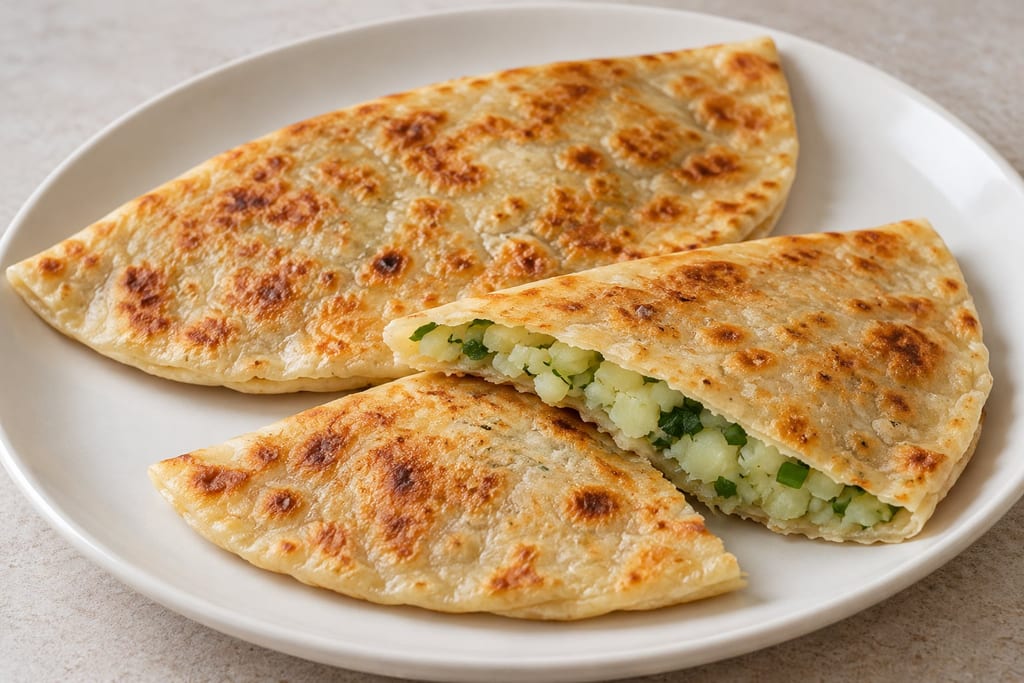
A thin, unleavened Afghan flatbread filled with mashed potato, scallion and cilantro, folded and pan-browned. This version uses a dough made from scratch.
No community contributions have been published for this entry yet.
Sign in to contribute. Published comments and photos are free to read.
Scottish ScranInspiration · Method · Food use · Geography
Traditional Scottish Tattie Scone RecipeScottish Scran gives a measured batch of 500 g potatoes, 25 g butter and 125 g plain flour, with flour added gradually as needed; the potatoes are weighed before peeling and boiling.
The recipe forms three rounds about 5 mm thick, divides them into quarters and cooks them in a dry pan for 3–4 minutes per side; the whole round can also be cooked before cutting.
It estimates 12 pieces and 50 minutes total, with 10 minutes preparation, 30 minutes cooking and 10 additional minutes; the author describes Scottish breakfast service and reheating.
The page states that tattie scones originated in Scotland but provides no dated historical evidence; this entry records the regional association without asserting a precise birthplace.
Cited in: A griddled potato bread; Boil, dry and mash the potatoes; Shape and cook the rounds; Handle flour and hot food safely
Dictionaries of the Scots LanguageHistorical context
Dictionaries of the Scots Language: tattieLexical support for tattie as a Scots term; not a dated first attestation of the dish.
Cited in: A griddled potato bread
U.S. Food and Drug AdministrationSafety
Handling Flour Safely: What You Need to KnowRaw flour can carry harmful bacteria; do not taste uncooked dough and clean hands and utensils after handling flour.
Cited in: Handle flour and hot food safely