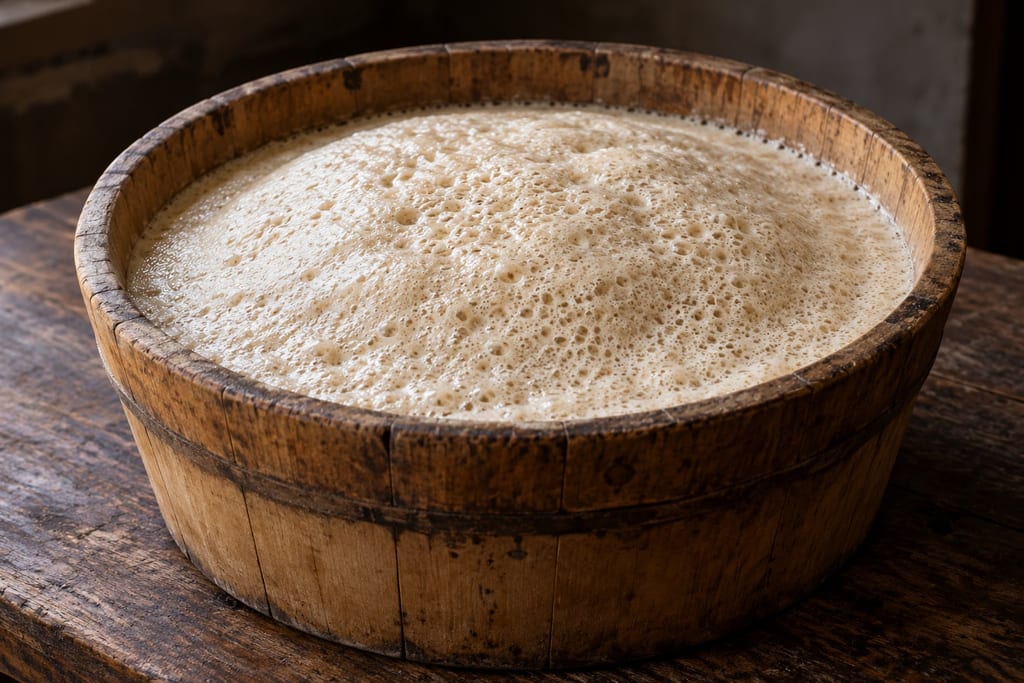
Scotch barm
Scotch barm is a Scottish bakery ferment grown in a malt-and-scalded-flour medium and renewed with mature barm from the last batch to leaven successive bread sponges.
 FermenteaWhere food goes to change
Glasgow crispy morning rolls · Glasgow crispy roll
A wet, cold-fermented wheat dough is coated in rice flour and baked close together at high heat for Glasgow-style rolls with a crisp, dark crust and light interior.
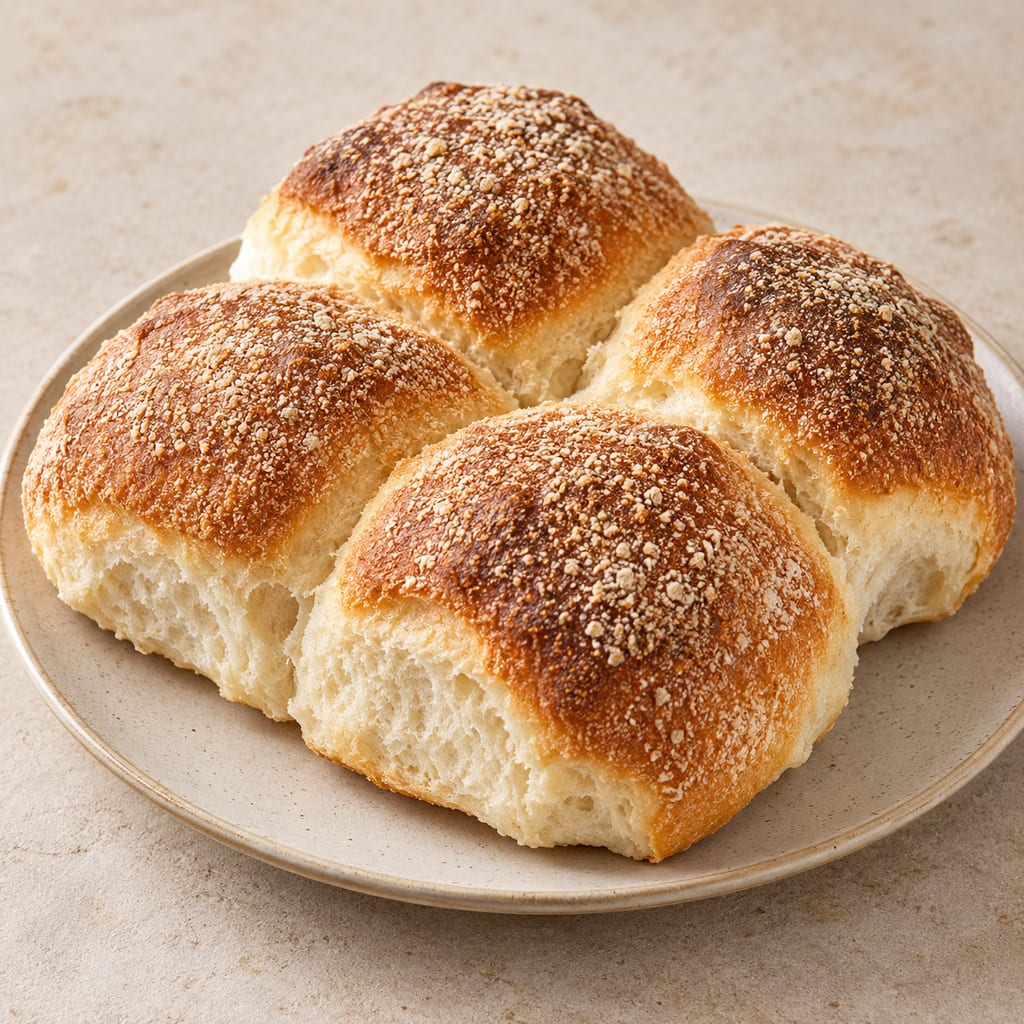
Scottish morning rolls vary by region. The Scottish Bakers trade association separates the central Scottish morning roll from generic dinner rolls, burger buns, ciabatta rolls and sweet rolls. This entry follows one Glasgow crispy form described by Fraser Wright: a light, airy roll with a very crisp, dark crust, a rough rice-cone or rice-flour coating and pieces set close enough to bake together.
Glasgow Life records a long local baking trade and says James Jack & Sons supplied morning rolls to about 800 shops after its 1922 founding. Mortons says it began at Temple, Anniesland in 1965 and still makes handmade crispy rolls. These records place the food in Glasgow's bakery culture, but they do not establish when this exact coated style began. The home-scale recipe below is not presented as a bakery's proprietary formula.
Fraser Wright's home-scale batch uses 500 g strong white bread flour, 400 ml cold water, lard or vegetable shortening, sugar, salt and fast-action yeast. The source specifies flour with at least 14% gluten content and says that strength lets the dough take its high water quantity without becoming sloppy. The dough is kneaded briefly, then covered and refrigerated for 12–16 hours.
The coating combines equal weights of plain flour and rice cones or rice flour. The coating uses rough-textured rice flour made from rice cones. After the cold ferment, the sticky dough is divided with a scraper into eight pieces and dipped in the coating. They are intentionally left irregular rather than shaped into smooth rounds. Place the pieces near each other so that they rise and bake touching; the joined edges create a soft inner crust.
Leave the coated pieces for one to two hours, or until doubled. The source gives no temperature for this final rise. Preheat the oven to 250°C, set the tray on a high shelf and bake for 15–20 minutes, until the tops are dark. The author's Glasgow version calls for a well-fired crust; stop at the source's described color and timing rather than extending the bake by assumption.
The formula makes eight rolls. Strong flour, a scraper and a large baking sheet make the sticky pieces easier to handle. The recipe is for this home adaptation; Glasgow and other Scottish bakeries use different doughs, improvers and fermentation schedules.
Raw flour can carry germs. Do not taste the uncooked dough, and wash hands, tools and work surfaces after handling it. Bake the rolls before eating.
Glasgow Life records James Jack & Sons supplying morning rolls to about 800 shops from its 1922 founding and notes that Glasgow City Archives holds the bakery's recipe book. Mortons says it began in Glasgow in 1965 and continues making handmade crispy rolls. These sources establish a local bakery tradition, not the origin date or formula of the specific coating method here. The measured recipe is Fraser Wright's 2016 home-scale version of Glasgow crispy morning rolls.
Yield 8 rolls · Scaling: source batch only
Uncooked flour can carry germs. Do not taste the dough before baking.
Hazard sourceBake the rolls before eating; do not taste raw dough, and wash hands, utensils and work surfaces after handling raw flour or dough.
Control sourceThe dough is wet and sticky; use the coating and a scraper to handle it without adding unsupported flour amounts.
Do not taste raw dough; bake it before eating.
The source describes Glasgow's rice-cone-coated crispy roll and gives a home-scaled recipe for it. Other Scottish regions have different morning-roll recipes.
Scotch barm is a Scottish bakery ferment grown in a malt-and-scalded-flour medium and renewed with mature barm from the last batch to leaven successive bread sponges.
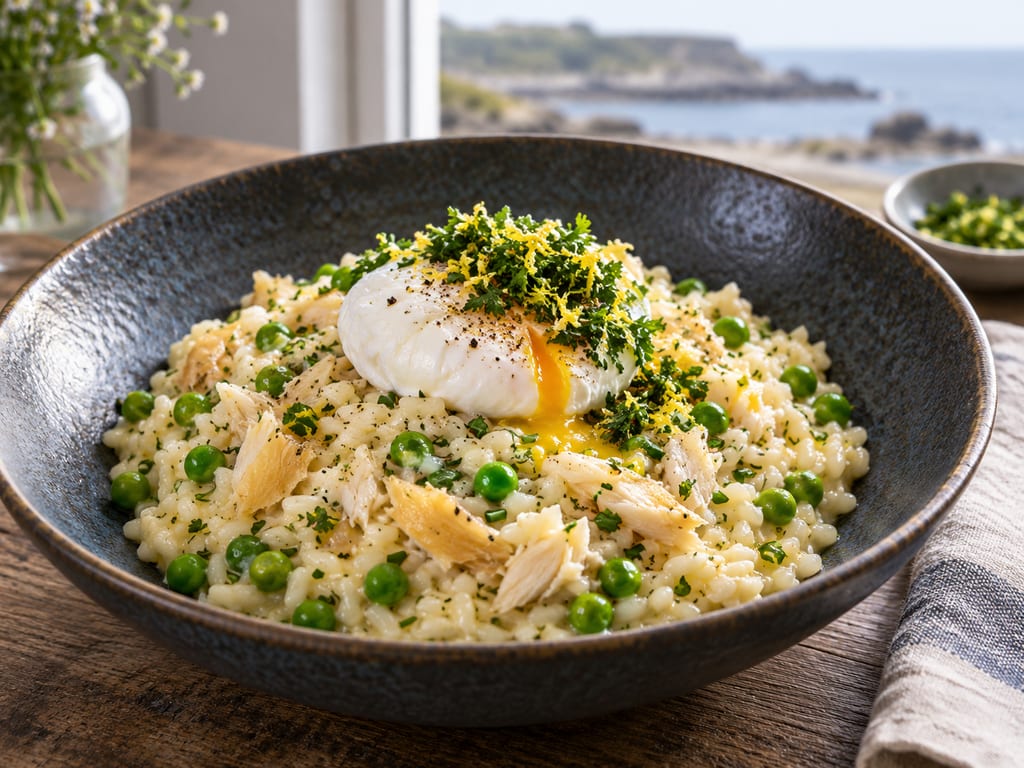
A four-serving risotto published in the 2014 Arbroath Smokie Trail booklet and credited to Hayley Wilkes. It cooks with finished Arbroath smokies; it does not describe smoking fish.
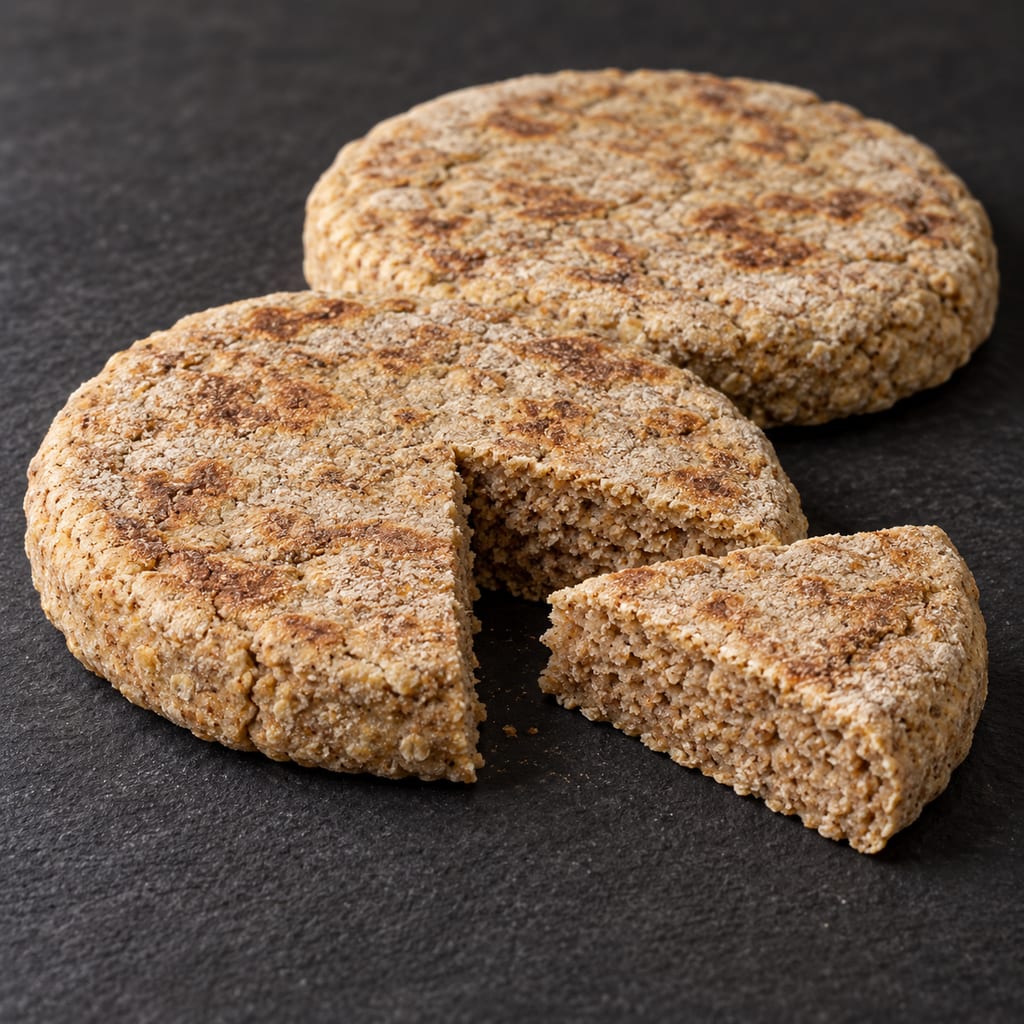
Two round, chemically raised bannocks made with equal weights of white flour and beremeal, barley flour or oat flour, following Anne Johnson's Orkney formula.
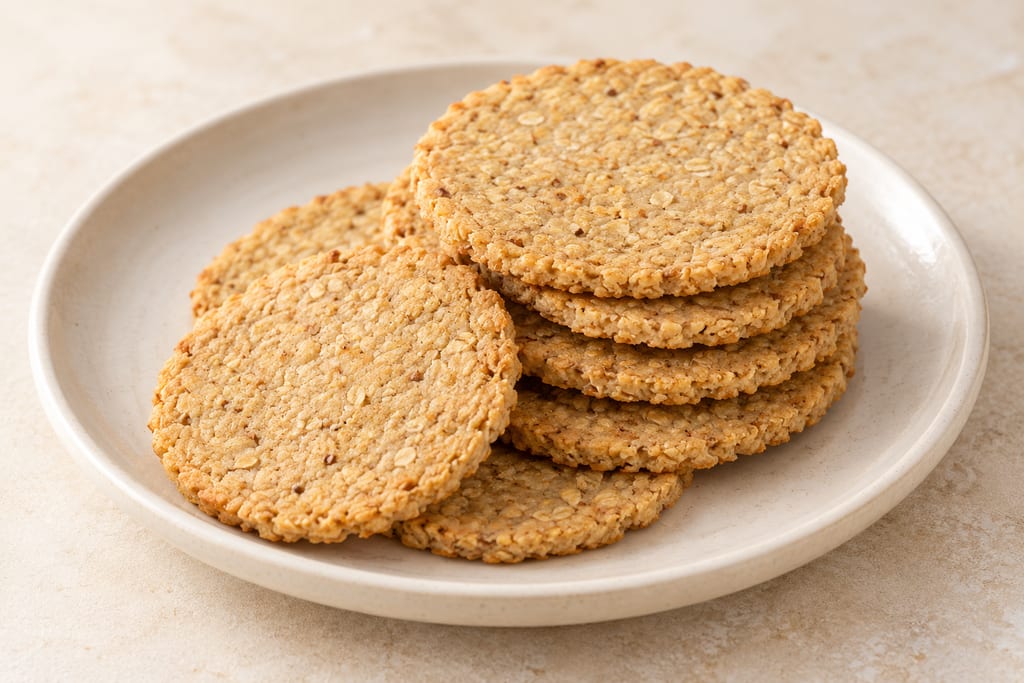
A thin Scottish oatcake of medium oatmeal, butter, salt, bicarbonate of soda and boiling water. This measured oven adaptation differs from older girdle methods and soft, yeasted Staffordshire oatcakes.
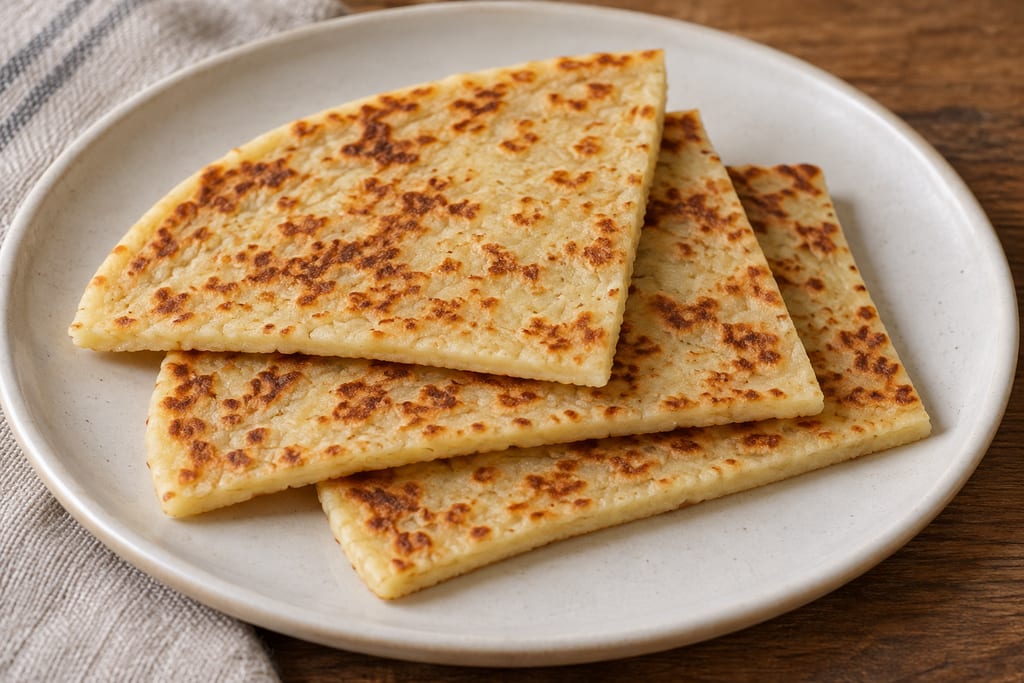
Scottish Scran’s batch combines boiled potatoes, butter and flour, then cooks three thin rounds on a dry pan.
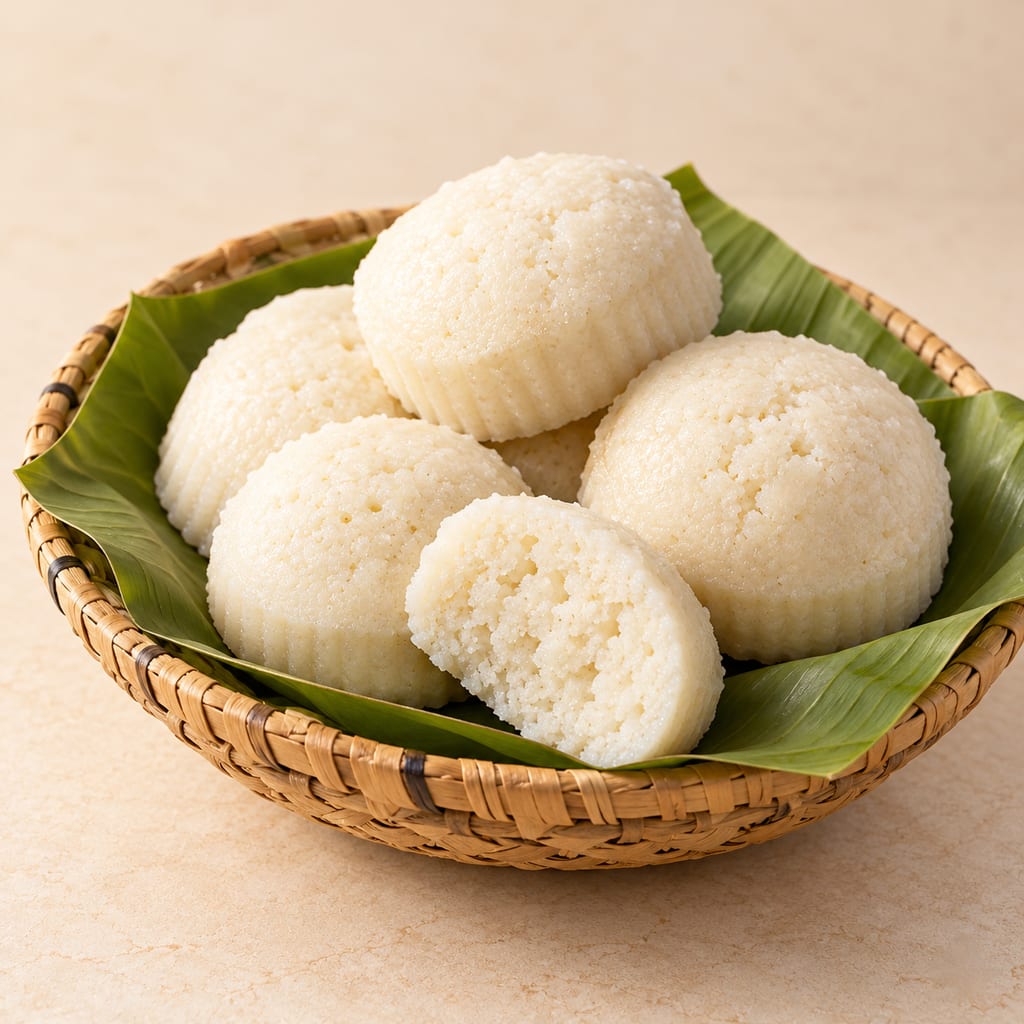
Soft, lightly tangy steamed cereal bread documented across Benin and Togo. This page gives one measured rice-flour research method; maize-based Ablo and mixed-grain versions remain distinct traditions.
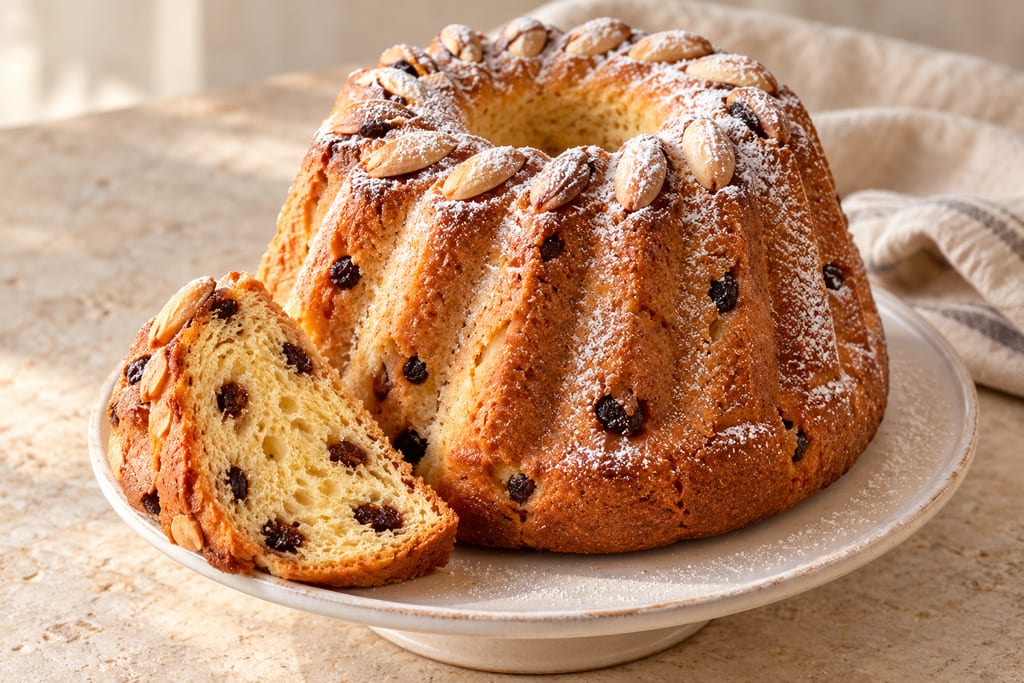
An enriched Alsatian yeast ring with raisins and almonds, kneaded with butter, proofed in a fluted mould and baked until browned.
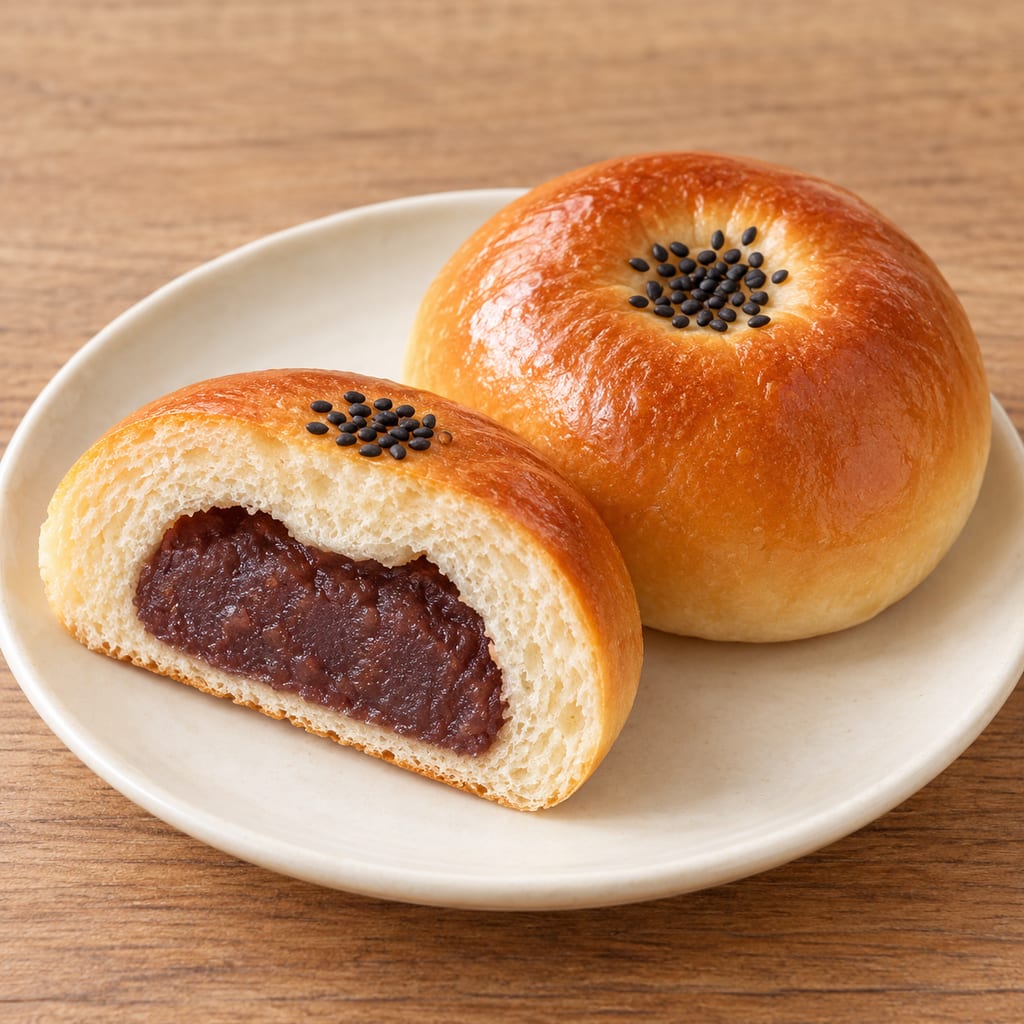
Anpan is a soft wheat bun filled with sweet red-bean paste and finished with egg wash and black sesame. This dough rises with commercial instant yeast.
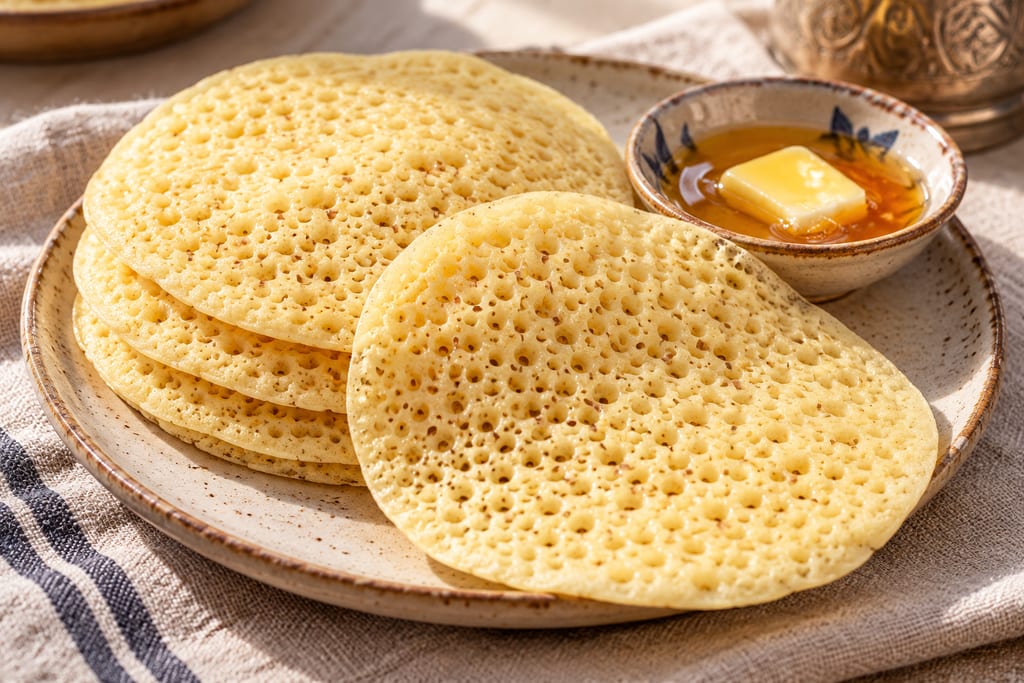
Moroccan semolina pancakes made from a thin yeast batter, rested until foamy and cooked on one side until the surface sets with a honeycomb of holes. This source-specific batch makes sixteen 5-inch pancakes.
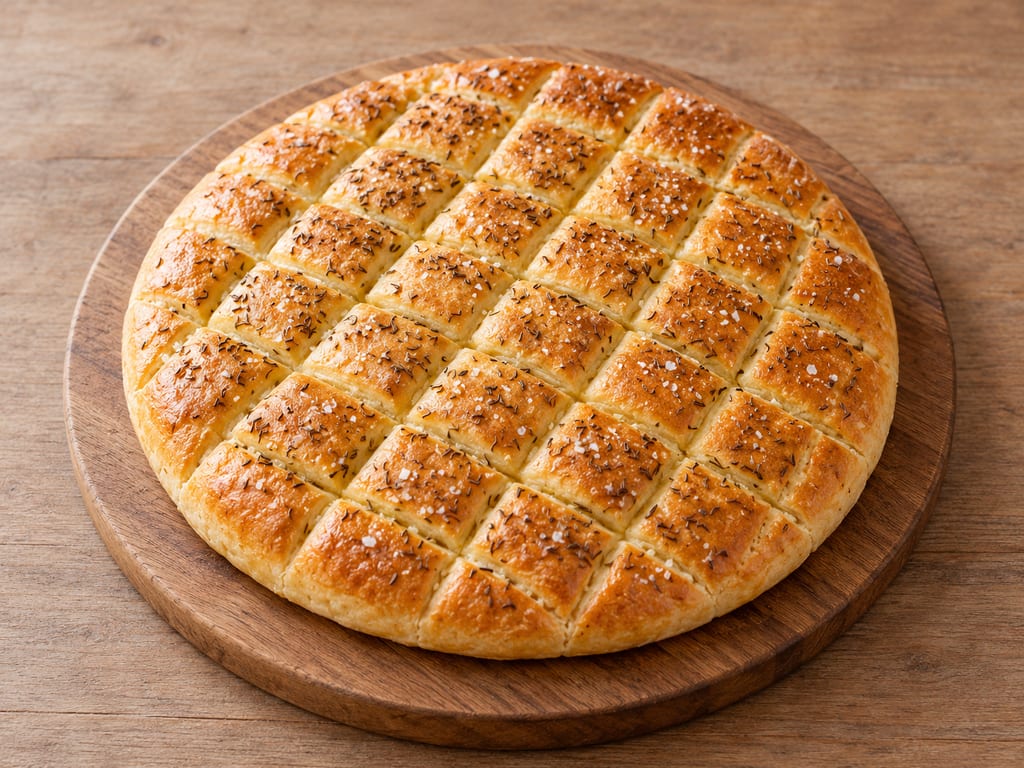
A round Slovenian flatbread scored in a grid and topped with caraway and coarse salt.
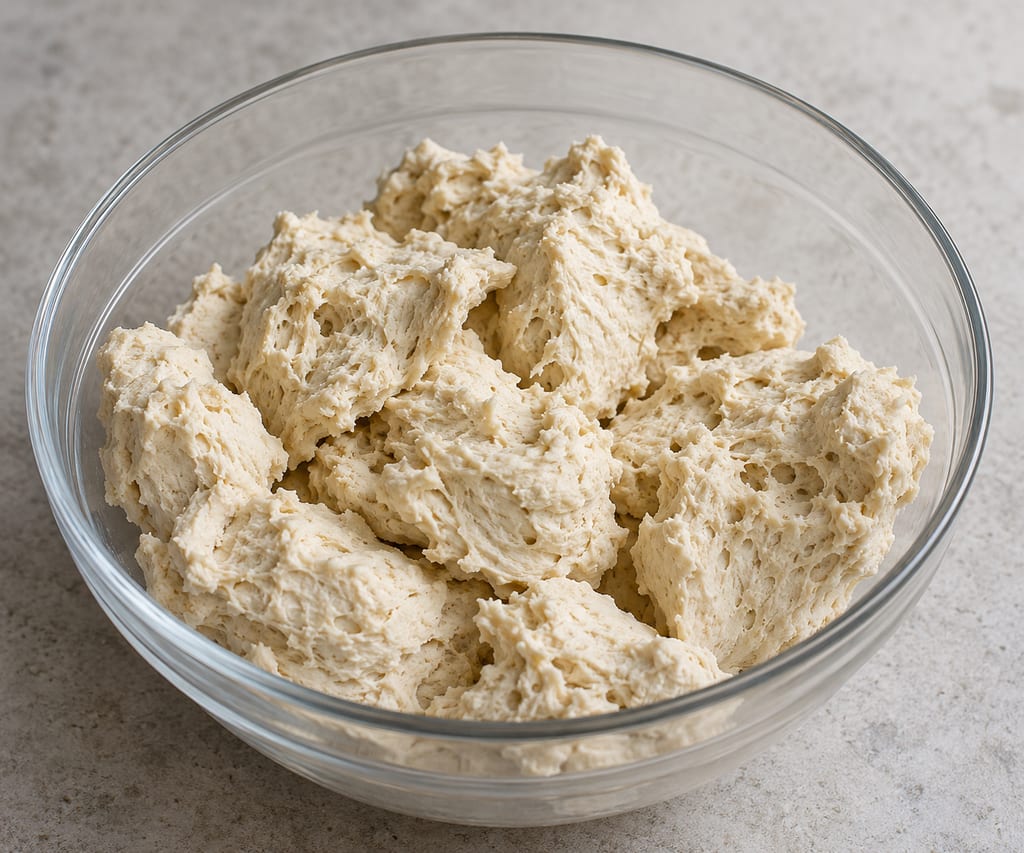
Biga is an Italian bread preferment of flour, water and a little yeast, usually a stiff unsalted mass of about 45 per cent water, fermented ahead and then mixed into the final dough.
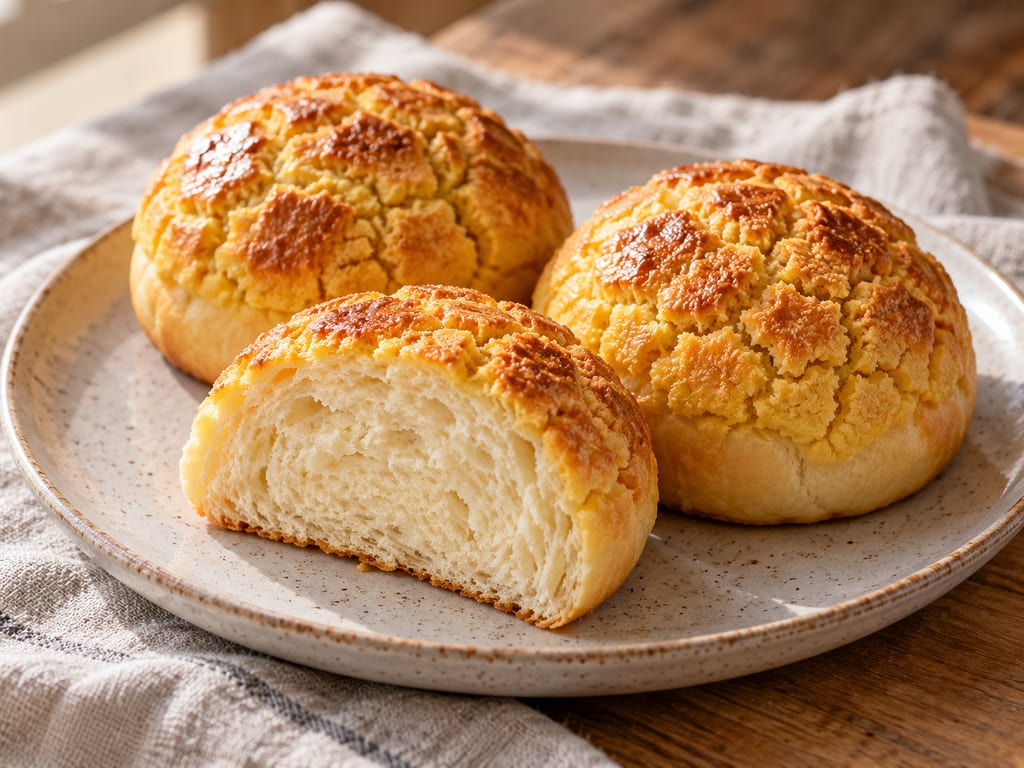
Hong Kong-style pineapple buns have soft yeast dough beneath a crisp, sweet pastry topping.
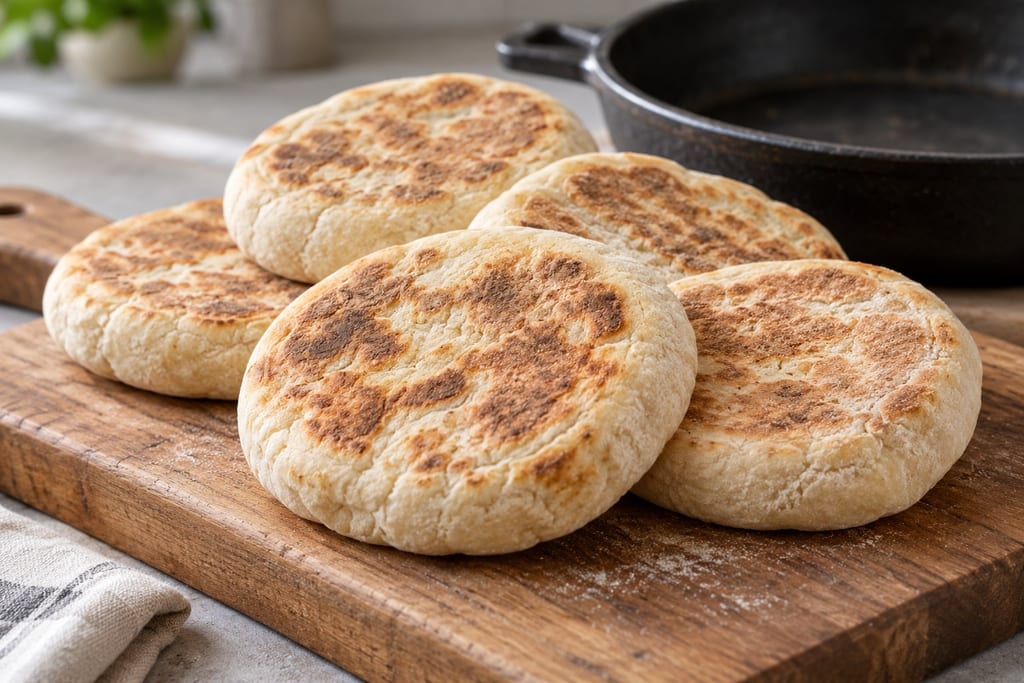
Sweet-potato wheat breads with fresh yeast, browned in a pan and finished in the oven. This is the bread component of Teleculinária's scrambled-egg dish.
No community contributions have been published for this entry yet.
Sign in to contribute. Published comments and photos are free to read.
The ScotsmanRecipe · Method · Identity · Geography
The history of morning rolls, including a recipe for making your ownThe article distinguishes Glasgow crispy rolls from other Scottish regional morning-roll recipes and describes the Glasgow type as light and airy, crisp outside, coated with rough-textured rice cones/rice flour, sometimes hand-cut, baked close together and well fired.
The home-scaled formula uses 500 g strong white flour with at least 14% gluten content, 30 g lard or vegetable shortening, 10 g each sugar and salt, 5 g fast-action yeast, 400 ml cold water, and a coating of 50 g plain flour plus 50 g rice cones/flour.
The method calls for about one minute of kneading, 12–16 hours of covered refrigeration, eight gently divided pieces coated and arranged close together, a 1–2 hour rise or until doubled, and a 250°C bake on a high shelf for 15–20 minutes until dark.
Cited in: A wet overnight dough and rice-flour coating; Proof and bake
Scottish Bakers / Scottish Baker of the YearIdentity · Regional context
Morning Roll categoryThe trade association says morning rolls vary by region and identifies a traditional central Scotland morning roll as distinct from generic dinner rolls, burger buns, ciabatta rolls and sweet rolls.
It describes desired qualities including light, resilient crumb and fully baked product, with fermentation a key judging criterion; this is category context, not the formula for the Glasgow recipe.
Cited in: A Glasgow style, not every Scottish morning roll
Mortons RollsIdentity · History · Geography
About usMortons says the bakery was founded in 1965 at Temple, Anniesland, on Glasgow's west side, to supply Glasgow with a traditional handmade roll.
The bakery says its crispy rolls continue to use handmade methods. This establishes a present Glasgow bakery tradition but does not date the specific rice-coating or fermentation method.
Cited in: A Glasgow style, not every Scottish morning roll
Glasgow Life / The Mitchell LibraryHistory · Geography
Glasgow's Bakers - Times PastGlasgow Life describes a long city baking trade and notes that James Jack & Sons, founded in 1922, supplied morning rolls to about 800 shops, mainly in Glasgow's south side.
Glasgow City Archives holds the firm's records, including a recipe book compiled by James Jack. The source documents local baking history but does not provide the morning-roll recipe or date the current crispy style.
Cited in: A Glasgow style, not every Scottish morning roll
McGhee's BakeryIdentity · Comparison
4 Scottish Morning RollsMcGhee's product page identifies its product as Scottish morning rolls and lists wheat flour, water, yeast, salt, soy flour, rapeseed oil and rice flour among its ingredients.
The same Glasgow bakery is based in Glasgow's Keppochhill area. The commercial product ingredients are comparison evidence and are not transferred into Fraser Wright's home-scale formula.
Cited in: Proof and bake
Centers for Disease Control and PreventionSafety
Raw Flour and DoughCDC advises that raw flour and dough can carry germs; do not eat raw dough and wash hands and surfaces after handling flour or dough.
Cited in: Handling raw flour