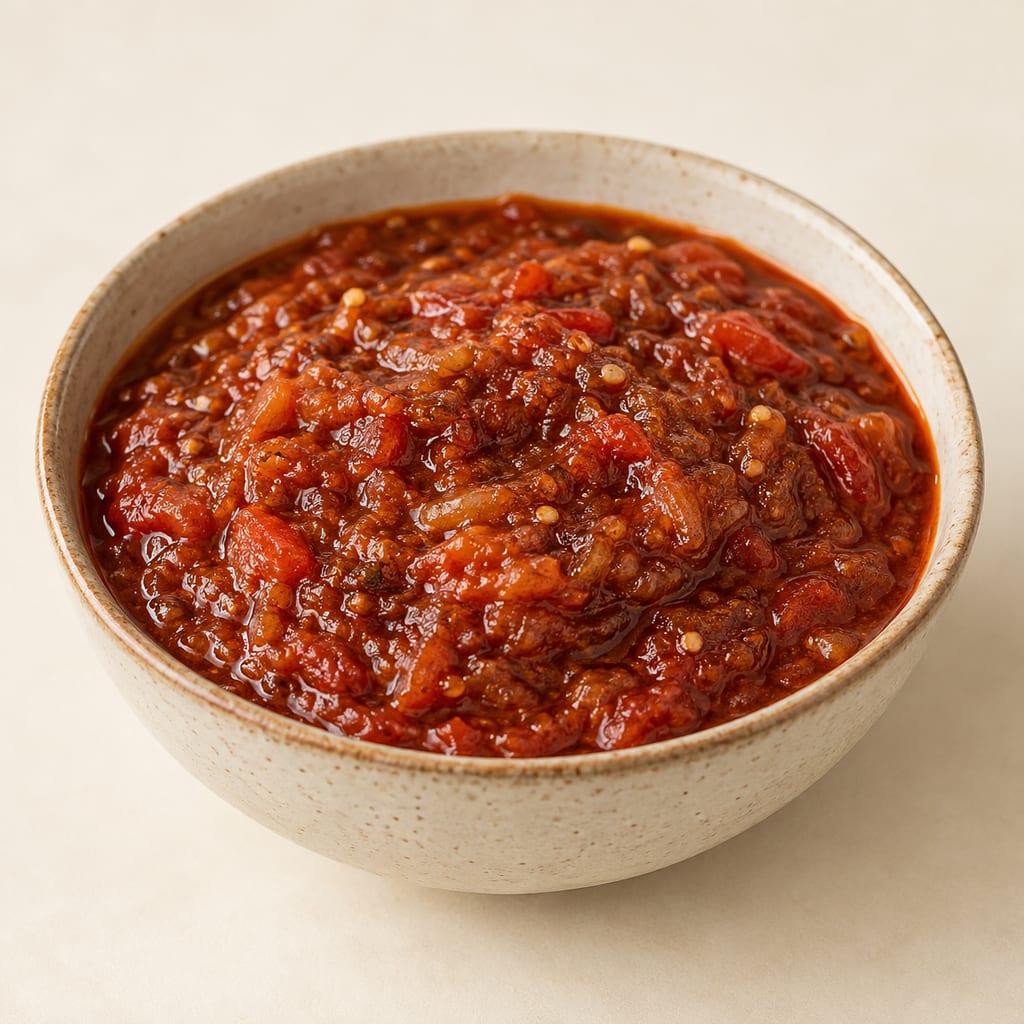
Shidni
Shidni, also called shigni, is a Somali tomato, chilli and tamarind sauce. An everyday version is fried for about five minutes; a festive chutney with dates and mango cooks for about two hours under the name basbaas alla-bari.
 FermenteaWhere food goes to change
Basbaas cagaar · Basbaas qumbe
Basbaas is the Somali word for chilli and the name of a family of hot sauces served at the table, so each diner can set the heat. Green, coconut and tomato-based versions are all called basbaas.
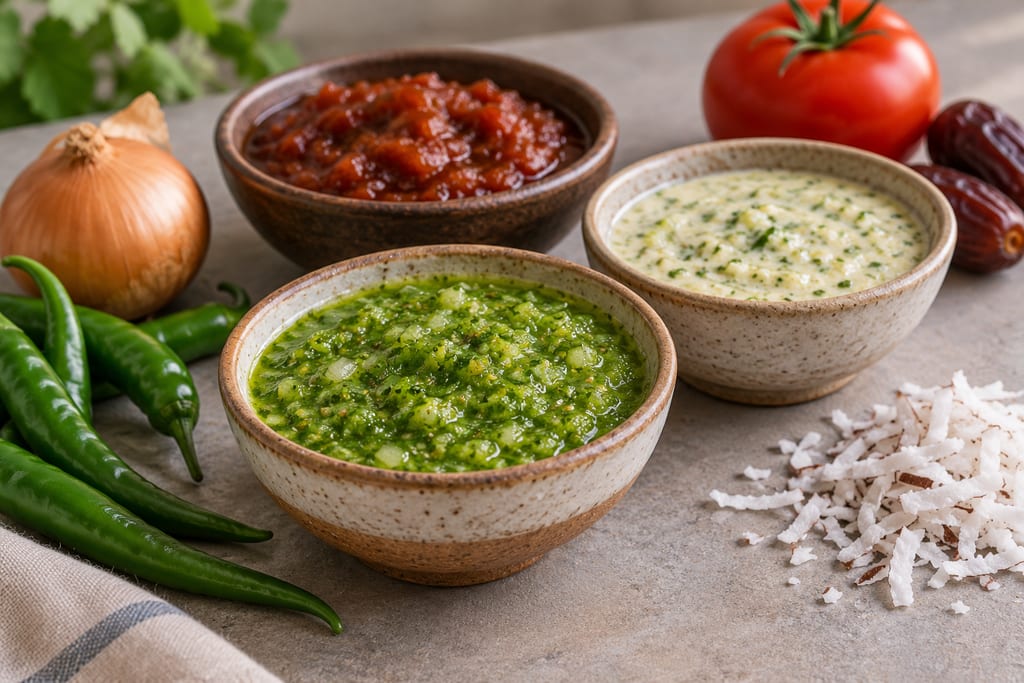
Basbaas is the Somali word for chilli or pepper, and it is also the name of a family of hot sauces. The sauce is meant for the table: each person adds as much heat as they want to the food on their plate. The sources do not describe one fixed recipe, and the family covers at least a green version, a coconut version and a cooked tomato-based chutney.
The name is used in more than one way. The Xawaash recipe page for its tomato chutney lists Shidni, Shigni and Basbaas Alla-bari among its names, and explains the last as feast hot sauce. Alla-bari is a large prayer gathering followed by a feast. The chutney is therefore tied to celebration rather than to daily meals. The page says it is not everyday Somali food. The tomato chutney has its own record, shidni, which is linked from this page.
The green sauce known as basbaas cagaar is built on fresh green chilli peppers and onion. Basbaas cagaar is the form the Wikipedia article describes, and the same article treats the coconut version as a variant: dried shredded coconut makes basbaas qumbe. The article gives those core ingredients and one preparation detail, that leaving the seeds in increases the heat. It states no proportions, no method beyond blending or chopping and no date.
Heat is the main variable the sources name. The green sauce is hotter when the seeds stay in, which the Wikipedia article states directly, and a milder sauce comes from removing them, as the Africa on the Blog method advises for its own recipe. The sources give no measure of heat for basbaas specifically.
Many Somali home versions of basbaas-style sauces add tomato, tamarind and garlic, and some are cooked. The simplest version described in the sources is a blend of tamarind paste, diced tomatoes, green chillies, garlic and salt, fried in oil for about five minutes with the pan covered because the sauce spatters. That version is the everyday shidni. The more elaborate Xawaash chutney adds dates, mango, tomato paste, sugar and vinegar and cooks for about two hours; that version is documented on its own record.
The difference between the green sauce and the cooked sauce is the cooking. A green basbaas is fresh and blended or pounded. A cooked version is fried or simmered, which changes its colour, softens the chilli and lets tomato and tamarind thicken it. The sources keep the two forms within one family, with separate methods.
The sauce is put on the table so that each person can adjust the heat of their own plate. The sources name the table use as the point of the family; they do not describe a fixed set of dishes for the green sauce.
When a sauce is too hot, the Africa on the Blog advice is to drink milk or yoghurt rather than water. The same page gives no further handling rule for chillies, so none is recorded here.
The sources give no proportions for the green sauce, no yield, no preparation time and no storage time for a fresh sauce. The Xawaash page says its cooked, oil-based chutney keeps in the fridge for several months, but that claim belongs to its own method and cannot be carried over to a fresh green basbaas. No origin date or first-attested source for the family has been found.
The sources reviewed do not date basbaas or name a point of origin. The Xawaash chutney page ties the name Basbaas Alla-bari to alla-bari, a large prayer gathering followed by a feast, and calls its chutney not everyday Somali food. The Wikipedia article on basbaas cagaar states no history.
Scaling: not stated
The seeds and membrane carry most of the heat; the sources recommend removing them for a milder sauce and drinking milk or yoghurt rather than water if the sauce is too hot.
Hazard sourceNo shelf life or safe storage time is given for fresh green basbaas in the sources used.
The catalogue and the sources place the family in Somalia; no locality is given.
Shidni, also called shigni, is a Somali tomato, chilli and tamarind sauce. An everyday version is fried for about five minutes; a festive chutney with dates and mango cooks for about two hours under the name basbaas alla-bari.
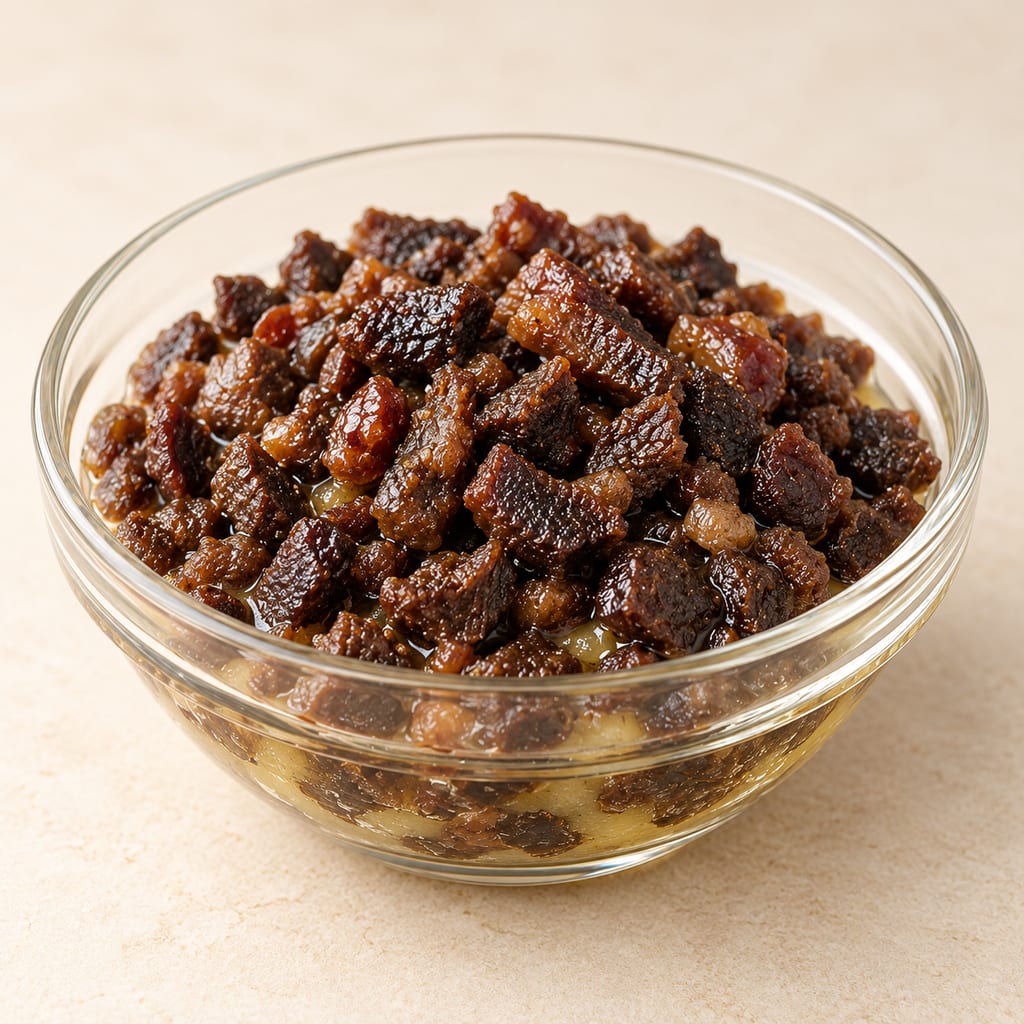
Odka, also called muqmad, is Somali meat that is dried, cut small, fried and kept under fat. It is a dried-meat preserve whose keeping depends on the whole sequence.
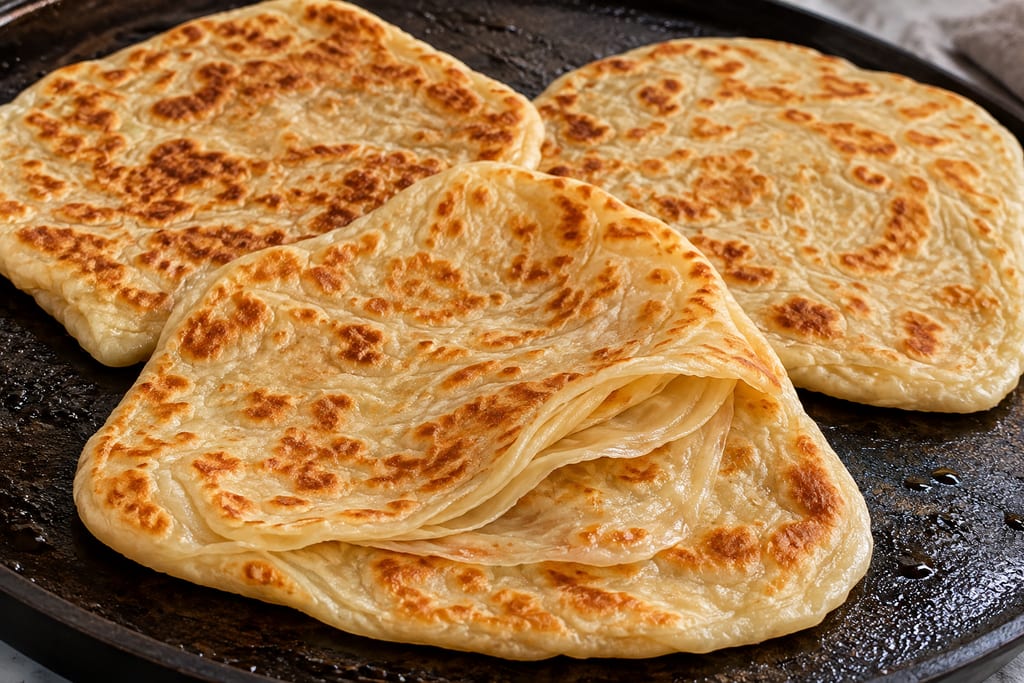
An unleavened Somali wheat flatbread made by oiling and folding soft dough into layers, then griddle-cooking it until browned.
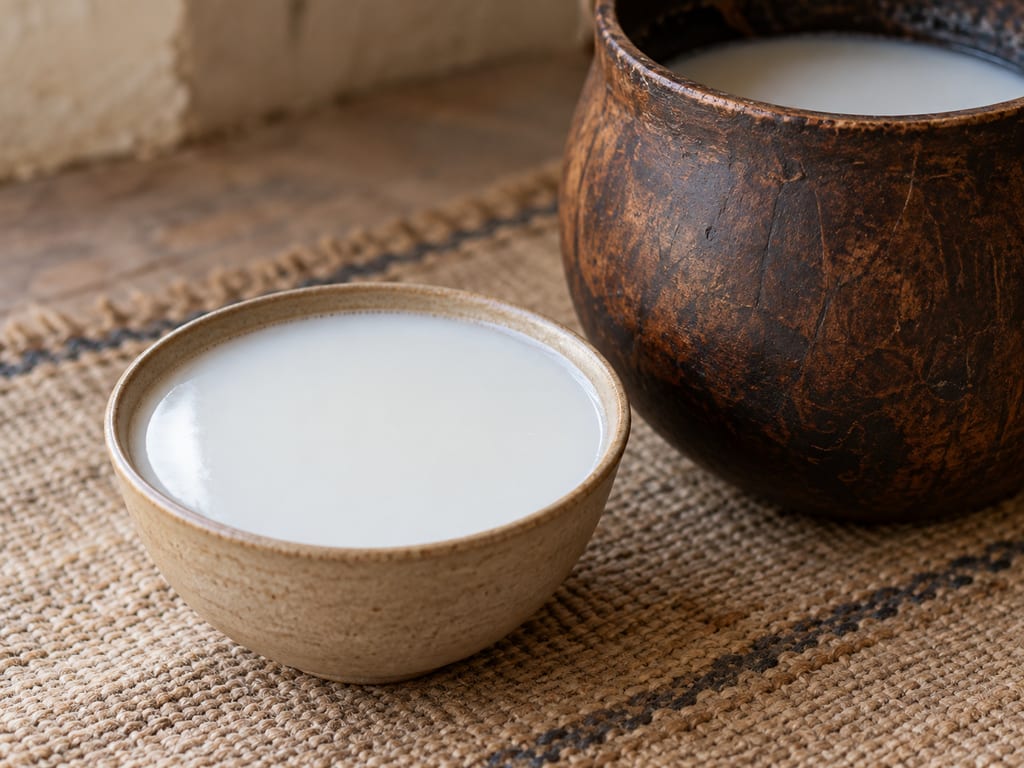
Suusac is a traditional fermented camel-milk drink of Somali pastoral communities in Kenya and Somalia, soured spontaneously in smoke-treated vessels into a thin, acid, smoky milk.
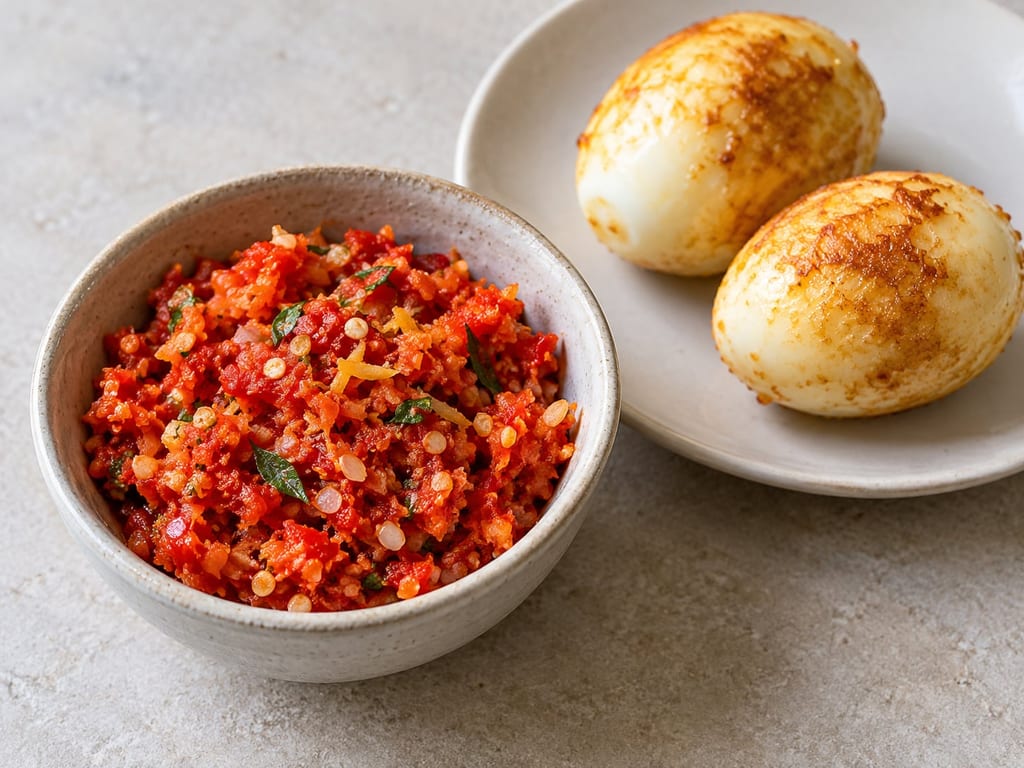
Ai-manas is described as a very hot chilli paste served with Timorese meals. One published version blends fresh chillies, shallots, garlic, Thai basil, ginger, lemon and salt, and serves it with eggs. Sources do not establish a standard formula, precise birthplace or earliest date.
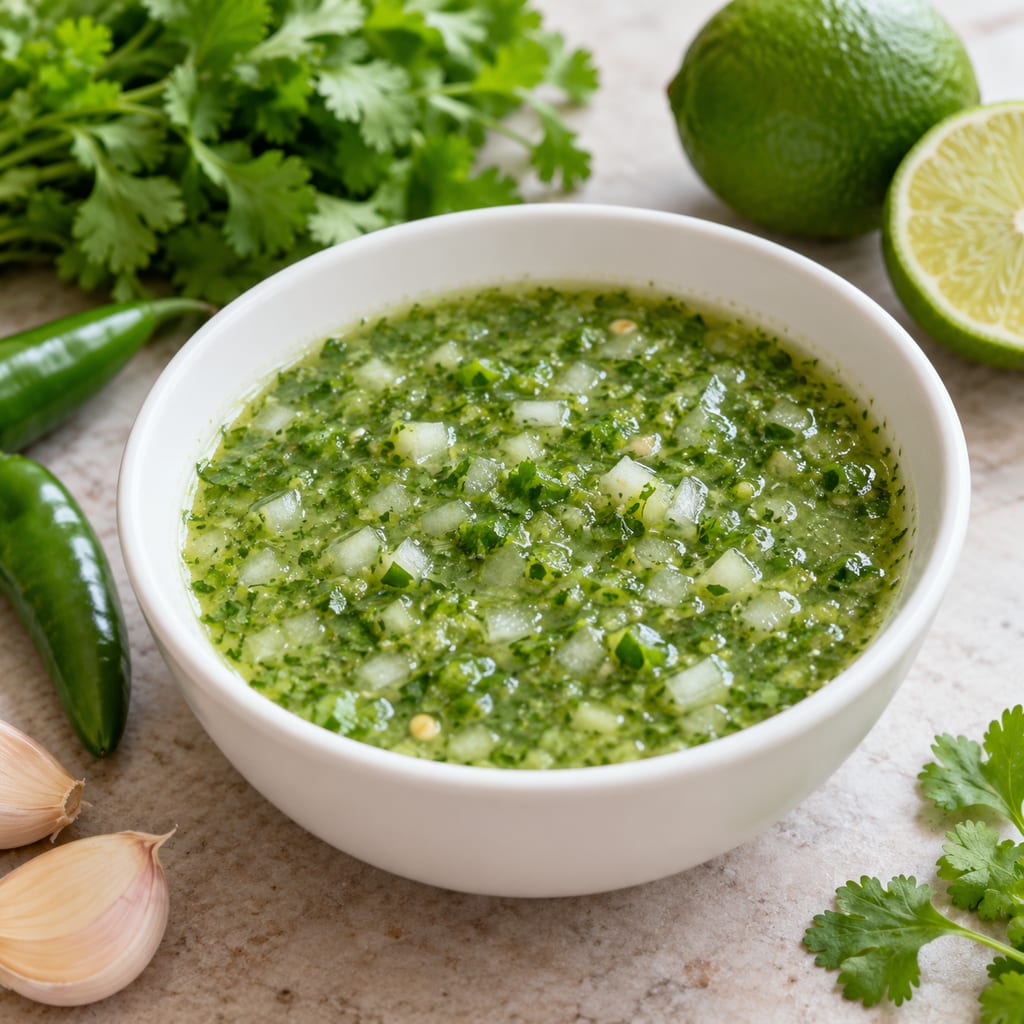
A fresh, uncooked Ecuadorian table sauce of hot pepper, cilantro, garlic and lime, served with most everyday dishes.
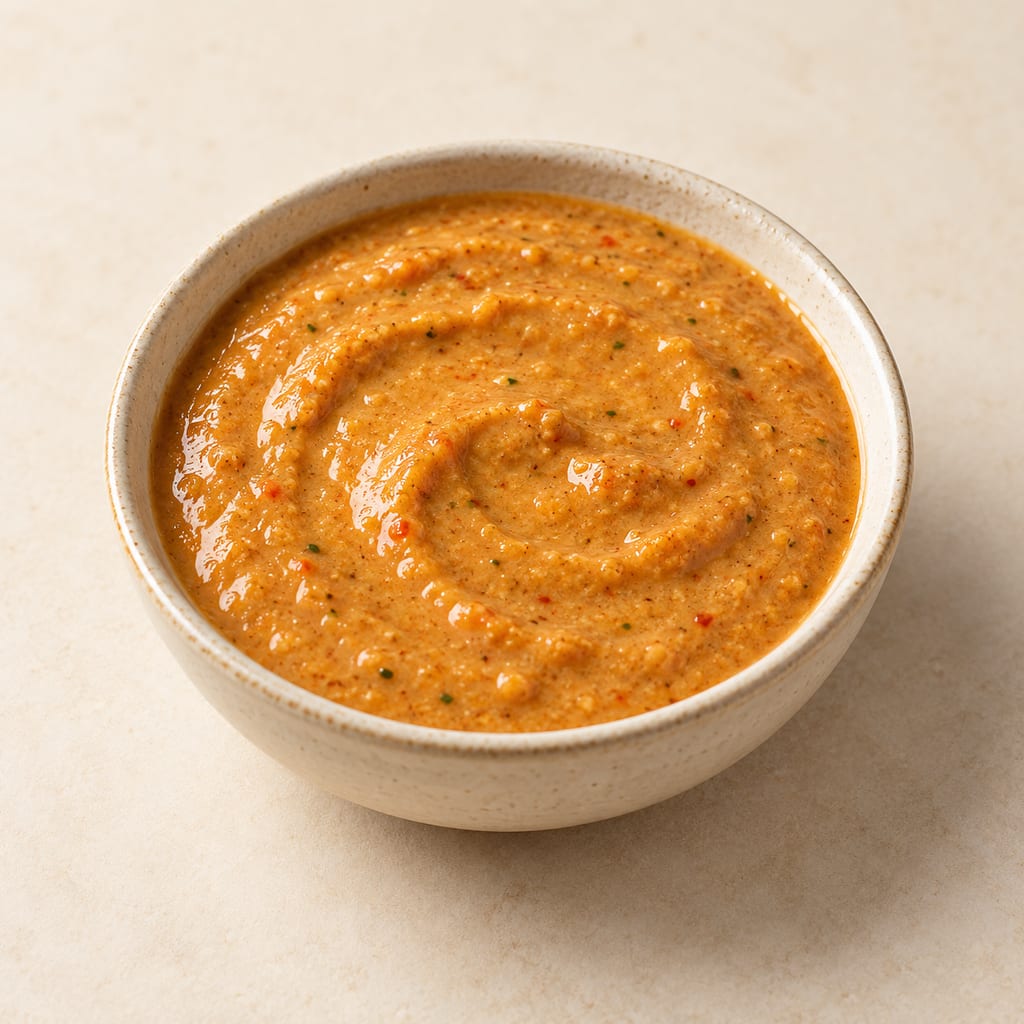
A spicy peanut hot sauce from the Popayán and Cauca region of Colombia, traditionally served with pipián empanadas and tamales.
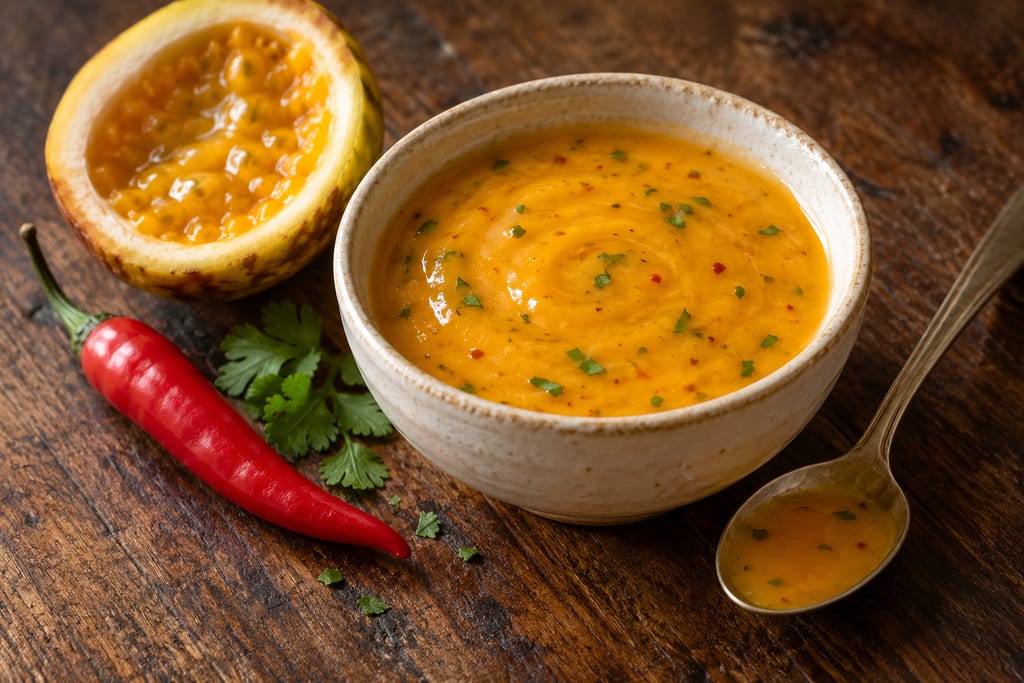
A contemporary Ecuadorian hot sauce that pairs passion fruit juice with boiled chile peppers, oil and lime.
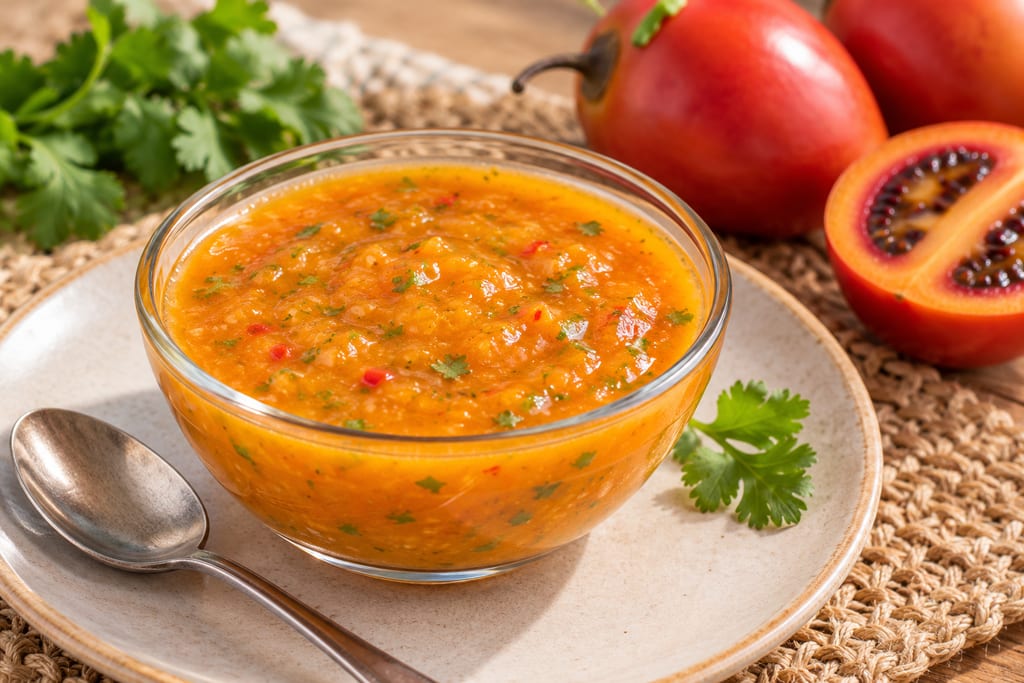
An Ecuadorian hot sauce built on tamarillo, a tart fruit that gives a sharper, fleshier base than ordinary tomato salsa.
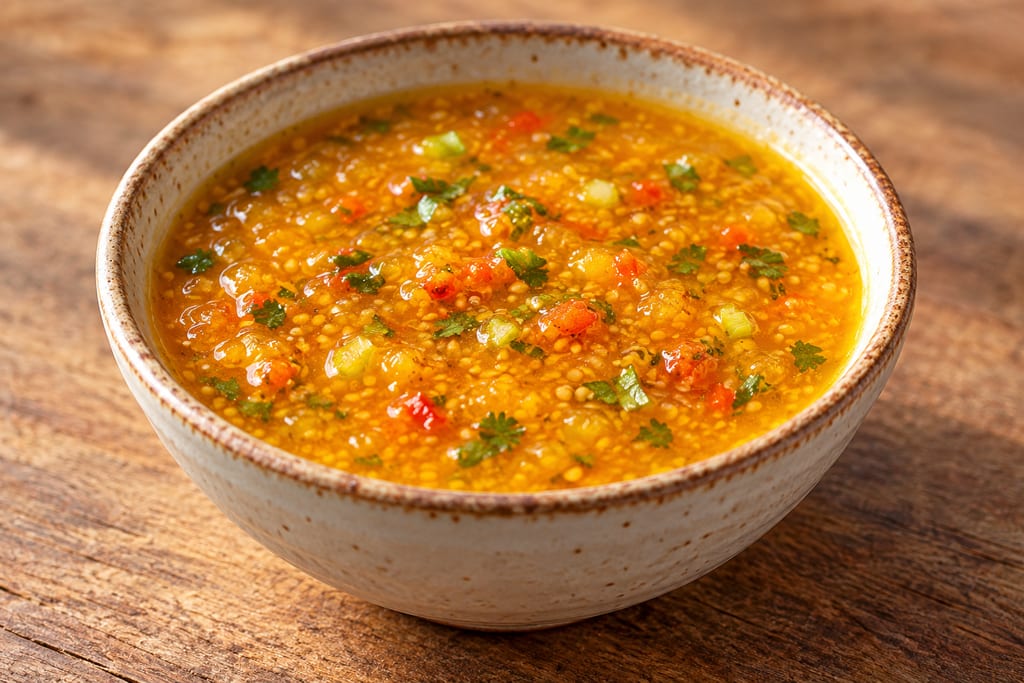
A sweet, tart and spicy Colombian sauce of uchuva, the yellow physalis fruit, with hot pepper, scallion, cilantro and lime.
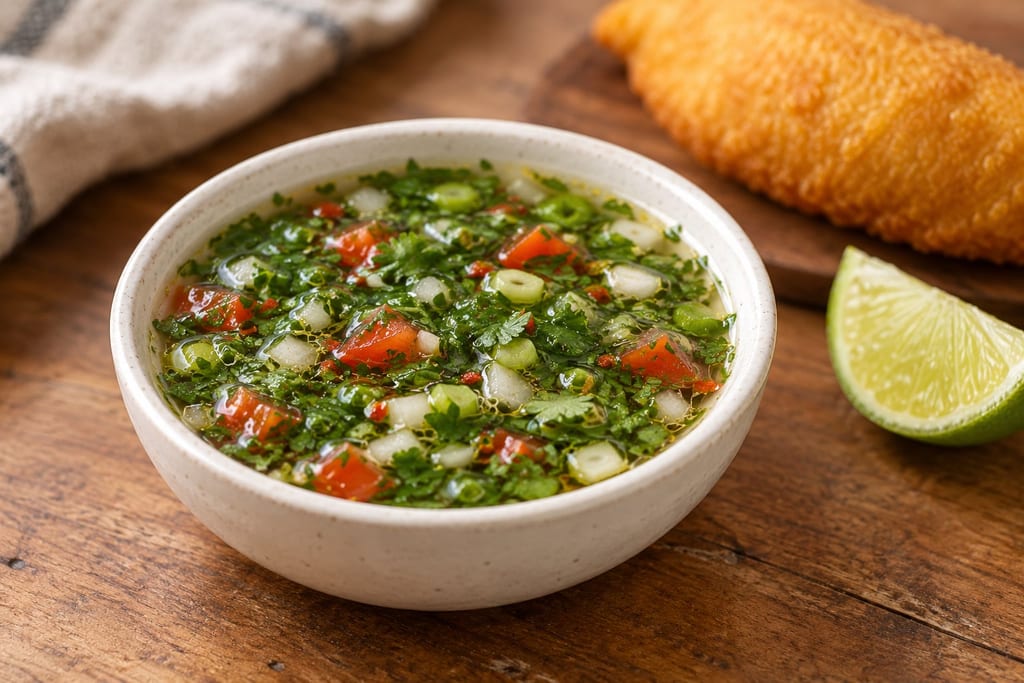
A fresh Colombian table condiment of chopped herbs, scallion and tomato in a vinegar and chile base, served beside fried and filled dishes.
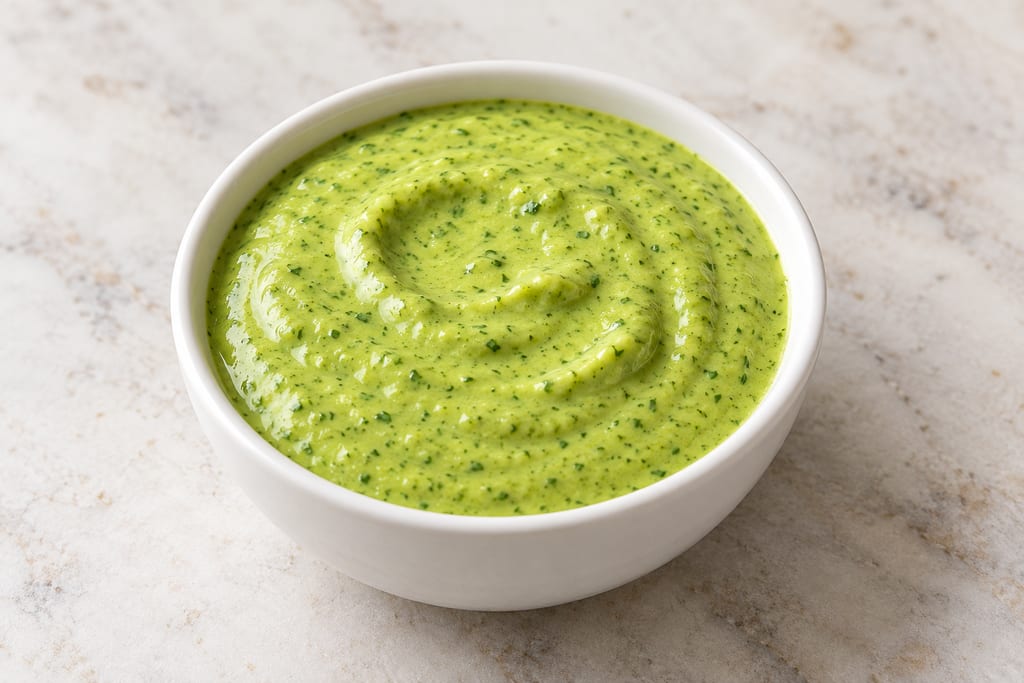
Ají verde is a Peruvian green sauce of coriander, chilli, onion and garlic in a mayonnaise or cheese base. It is best known through Peruvian restaurant cooking abroad.
No community contributions have been published for this entry yet.
Sign in to contribute. Published comments and photos are free to read.
WikipediaNames · Ingredients · Method
Basbaas cagaarBasbaas cagaar is a green hot sauce from Somalia; basbaas qumbe adds dried shredded coconut.
Green chilli peppers and onions are the core ingredients.
Leaving the seeds in increases the heat; the article states no history.
Cited in: Green basbaas and the coconut version
XawaashHistory · Names · Occasion
Somali Chutney (Xawaash)Basbaas Alla-bari (feast hot sauce) is linked to alla-bari, a large prayer gathering followed by a feast.
The chutney is not everyday food and is usually served on special occasions.
Shidni, Shigni and Basbaas Alla-bari are listed as names of the tomato chutney.
Cited in: A table sauce and its name; Cooked and tomato-based versions; What the sources leave open
Africa on the BlogMethod · Heat · Use
Shidni (Somali chilli sauce with tamarind)Removing the membrane and seeds reduces heat; milk or yoghurt rather than water is suggested if the sauce is too hot.
Tamarind is an East African pod product soaked and squeezed to a paste.
Cited in: Green basbaas and the coconut version; Cooked and tomato-based versions; Eating it and handling the heat