
Bagna cauda
A warm dip of garlic, anchovy and olive oil, often enriched with butter, that Piedmont serves over a flame with raw and cooked vegetables and bread.
 FermenteaWhere food goes to change
Modern adaptation
Grissini stirati · Turin breadsticks
A measured Torino baker’s formula for hand-stretched grissini, baked until crisp and dry.
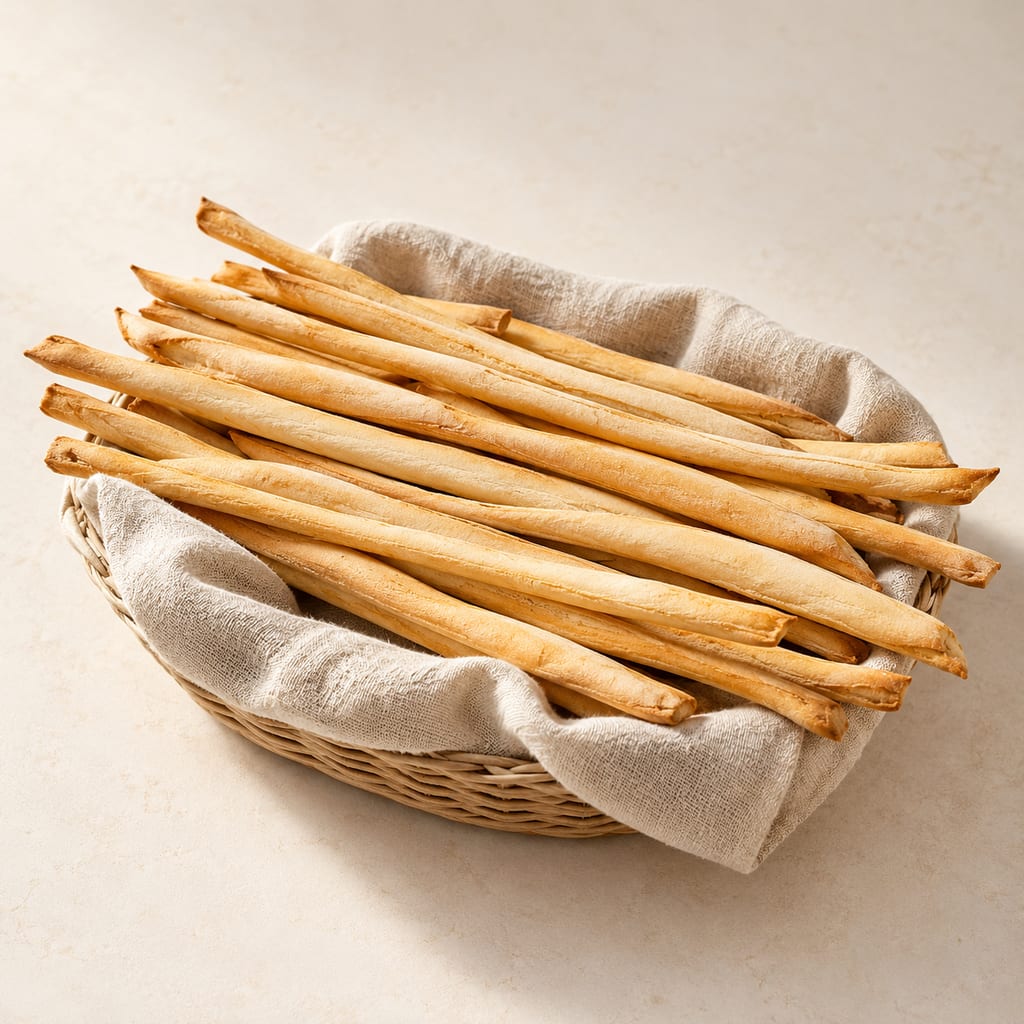
Grissini stirati are associated with Torino and several Piedmont areas. The regional product record describes their thin, hand-stretched shape and long bake, which dries them into a crisp breadstick. It also records competing local views about whether traditional dough includes fat.
This measured formula is credited to Andrea Perino of Perino Vesco Fornai in Torino. It uses olive oil. Historical accounts of the grissino's origin conflict, so this recipe is presented as Perino's documented formula rather than as the original or universal Piedmont method.
Measure 500 g flour W 260, 15 g powdered malt, 10 g fresh yeast, 300 g water in two additions, 80 g extra-virgin olive oil and 10 g salt. Keep the first 260 g water at 4°C. Have rice flour ready for dusting. The source gives no piece count.
Mix the flour, malt, yeast, first 260 g water, olive oil and salt on low speed for 5–6 minutes. Increase speed, add the remaining 40 g water and mix about 5 minutes. Cover and rest for 10 minutes. Shape a tight log, brush it with oil, cover it and wait 20 minutes. Flatten the log and let it rise for 2 hours.
Dust the dough generously with rice flour, slice it into strips, coat them and stretch each gently from the center toward the ends. Keep the thickness even; thick spots stay softer. Arrange on parchment while heating the oven to 230°C.
Bake at 230°C until golden. The recipe gives no fixed baking time. For a drier, crisp result, its method leaves the grissini in the switched-off oven to dry; check as they cool and remove once crisp. The regional description supports a prolonged bake to remove moisture, but does not assign a time to this formula.
Flour is raw and may carry harmful bacteria. Do not taste raw dough; bake it fully and wash hands and work surfaces after handling flour.
Grissini are associated with Torino and Piedmont, but their exact origin is contested. The Piedmont regional product record says the grissino appeared by the mid-17th century and notes competing origin accounts. The selected oil-based formula is a modern measured recipe credited to Torino baker Andrea Perino; it is not evidence for a particular 17th-century formula.
Scaling: source batch only
Flour is a raw food that may carry harmful bacteria; the dough must be baked before tasting or eating.
Hazard sourceDo not taste raw flour or dough. Bake the grissini fully and wash hands, utensils and surfaces after handling raw dough.
Control sourceThe recipe gives no fixed bake duration. Bake until the breadsticks are fully dried and crisp; do not rely on colour alone if their centers remain soft.
The selected oil-based formula is credited to Andrea Perino of Perino Vesco Fornai in Torino; the regional record lists several Piedmont production areas, so this is a documented preparation association rather than a single-place origin claim.
A warm dip of garlic, anchovy and olive oil, often enriched with butter, that Piedmont serves over a flame with raw and cooked vegetables and bread.
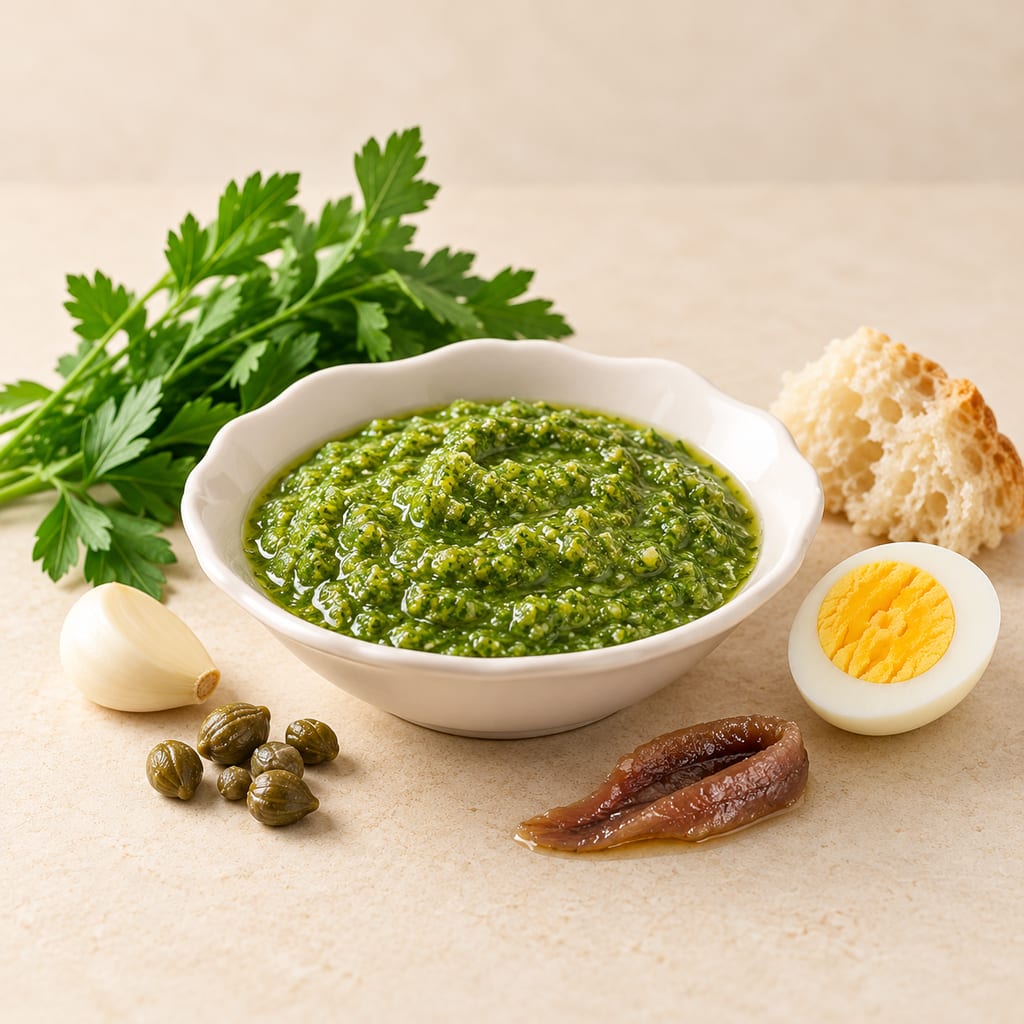
A cold parsley sauce of capers, anchovy, garlic, olive oil and vinegar, with bread or egg in some regional versions, served across Italy with boiled meats and fish.
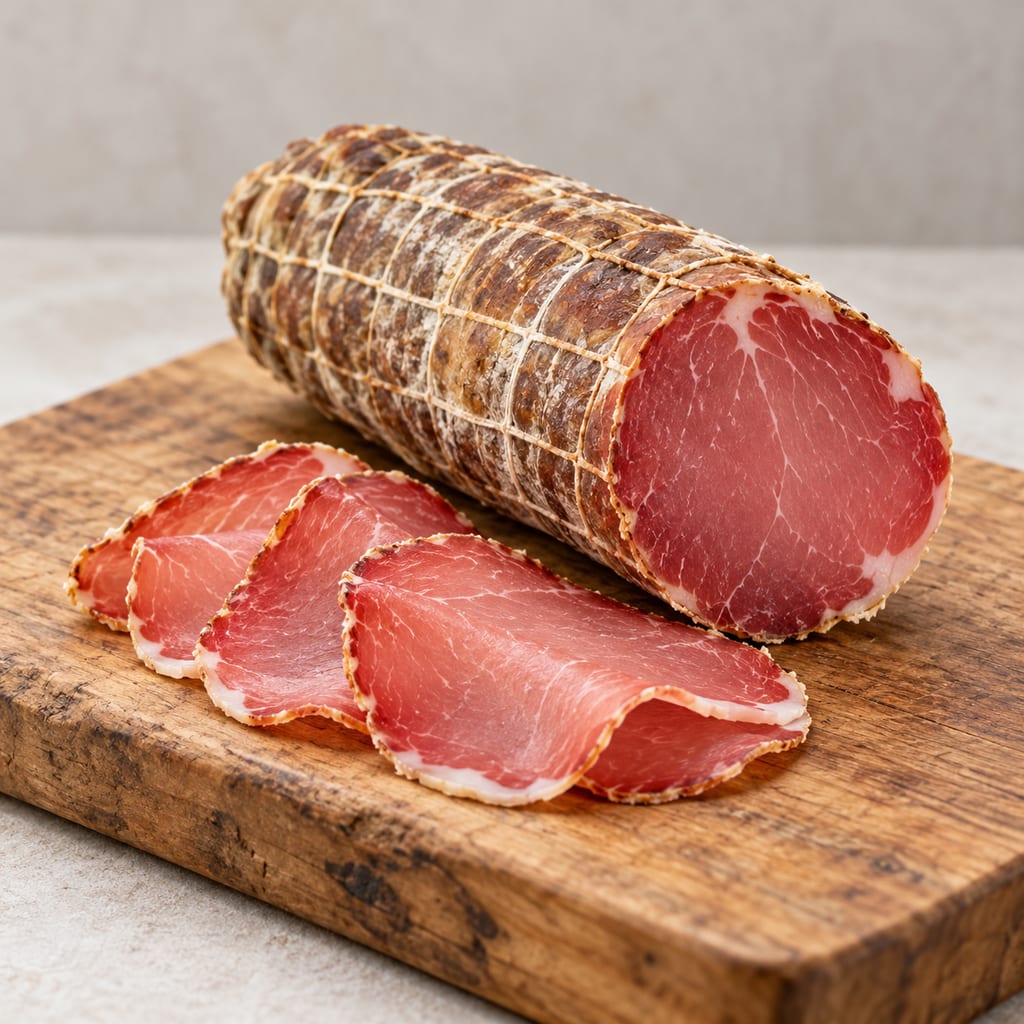
Documentary account of Italian regional cured-loin traditions, including Tuscan and Marche variations; no home-cure instructions are provided because the published professional methods lack validated safety controls.
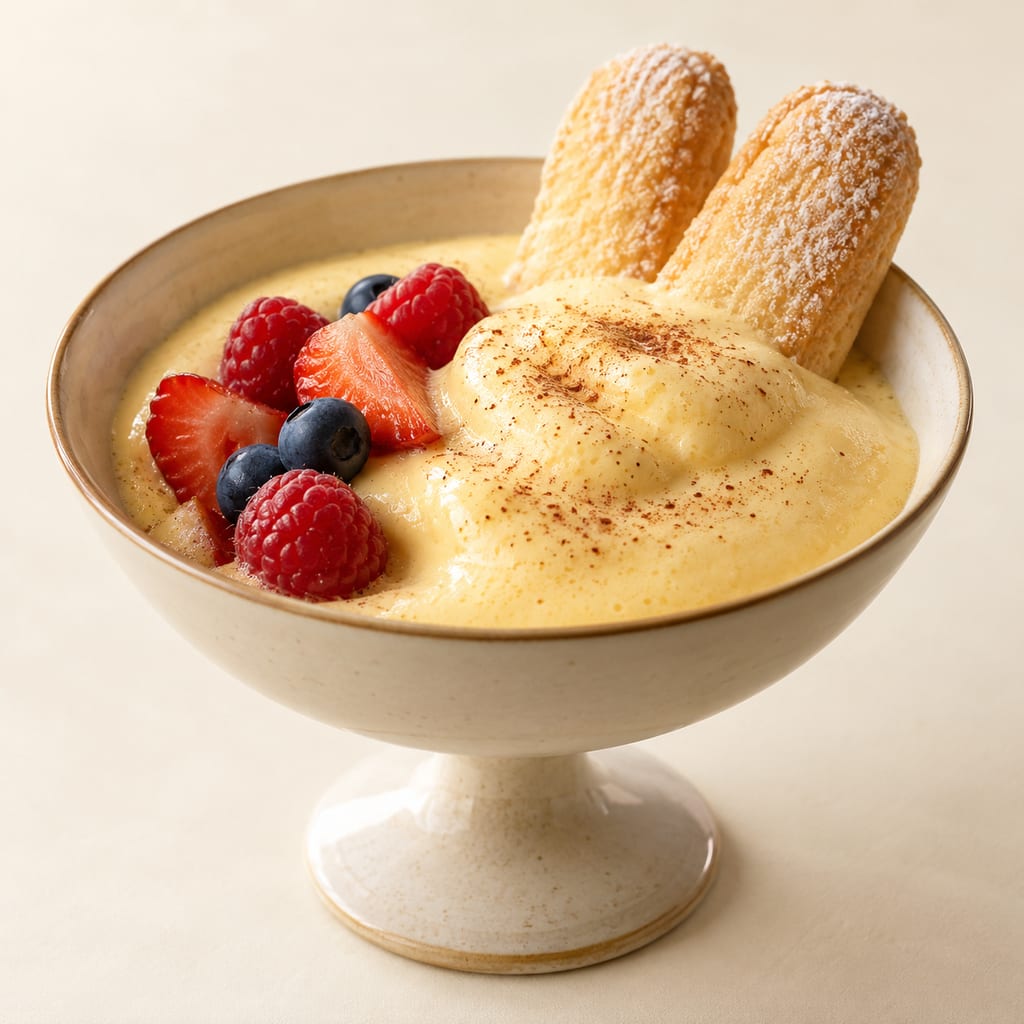
A warm foam of egg yolks, sugar and sweet wine, whisked over gentle heat in a double boiler until light, served at once with fruit or biscuits.
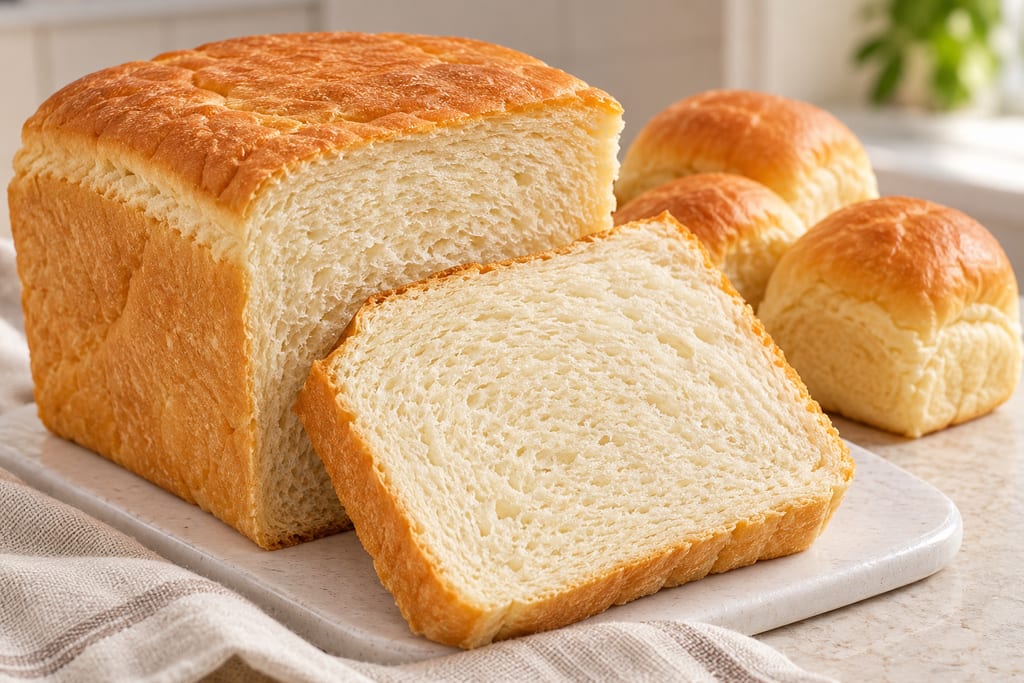
This softer home-style Agege bread uses a scalded flour paste, an enriched yeast dough and a 9×5-inch loaf pan, with rolls from the extra dough.
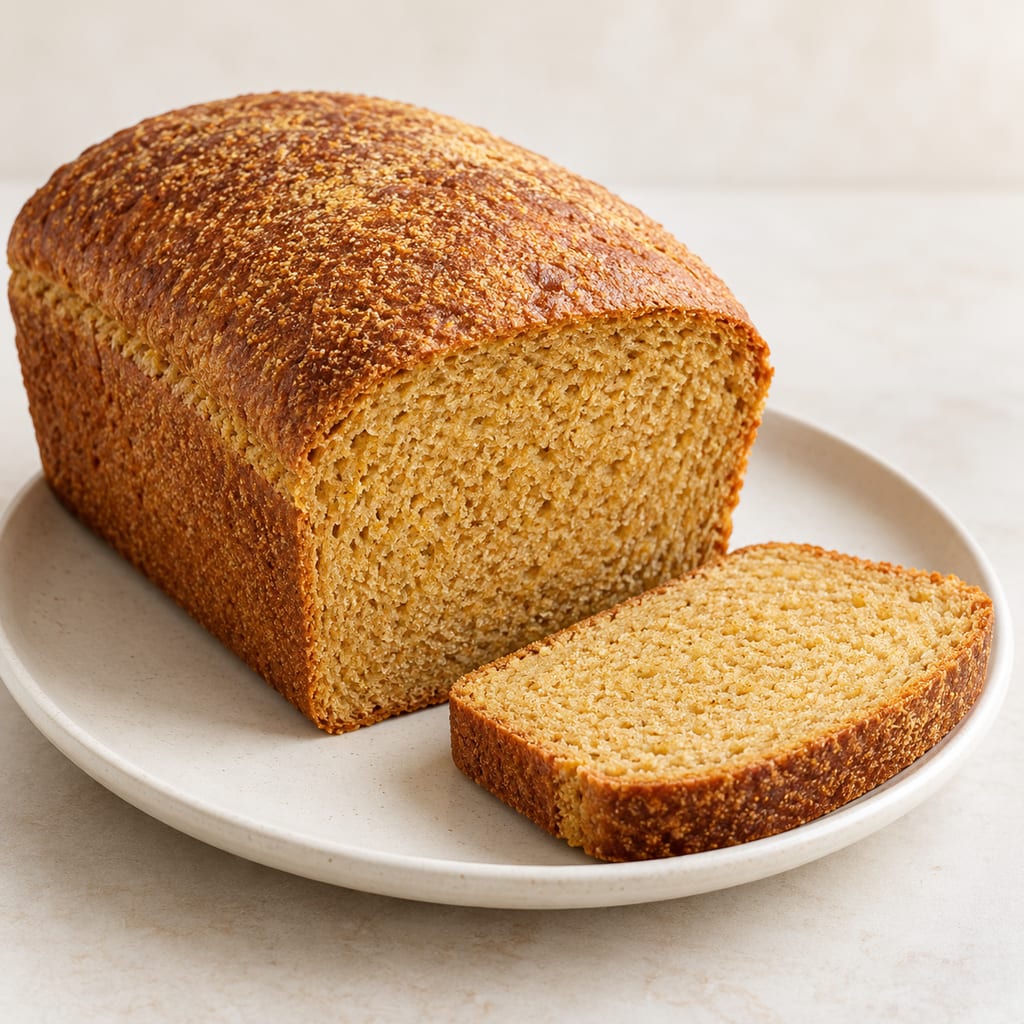
Anadama is a New England yeast loaf made with wheat flour, cornmeal and molasses. Scalded cornmeal enriches the dough, while molasses lends sweetness and a dark crust; it is especially good toasted or beside soup and baked beans.

A yeast-raised wheat ring shaped from a firm dough, briefly boiled and baked. This source-batch formula gives a gently malted crust and a chewy crumb.

Three long, crusty wheat loaves made with an overnight yeast poolish, shaped by hand and baked with steam for a crisp crust.
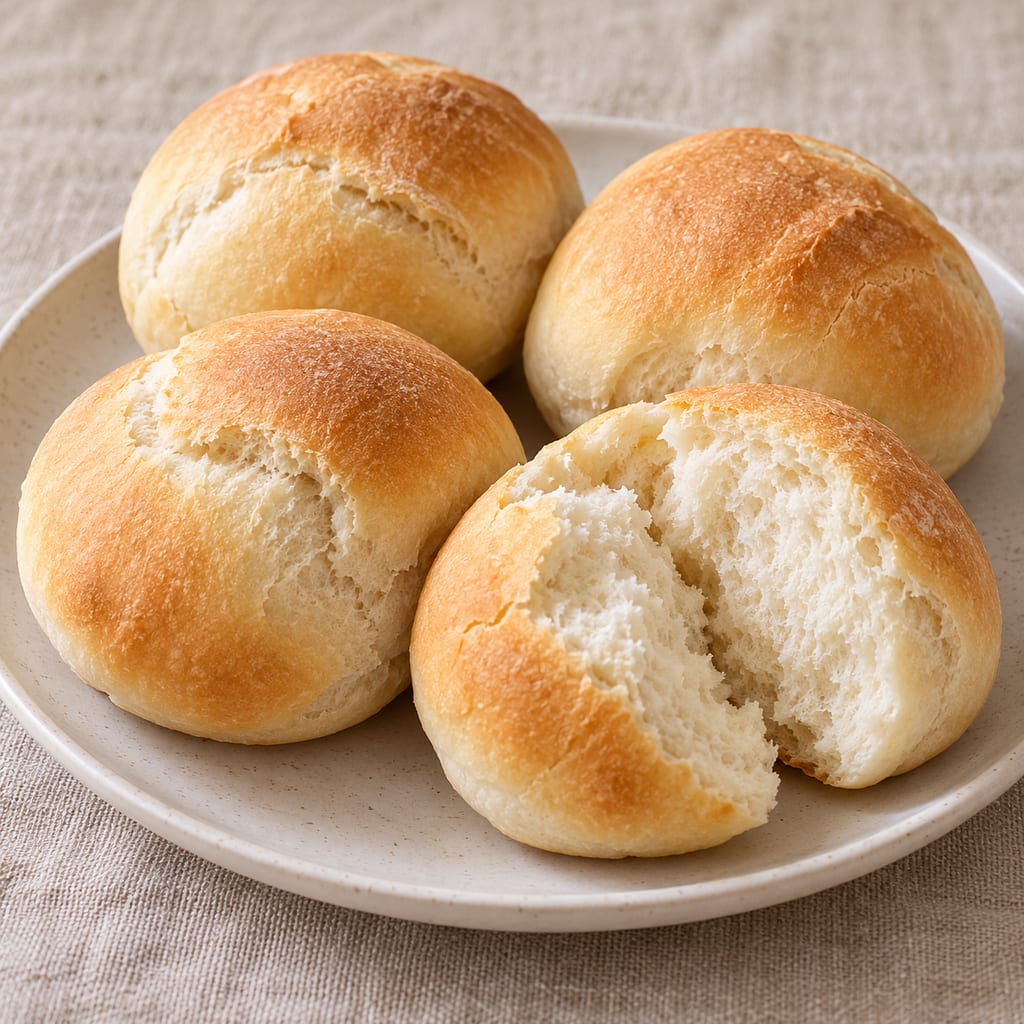
A lightly salted, yeast-raised Barbadian roll, baked in a dozen-roll home batch and often split for cutters.
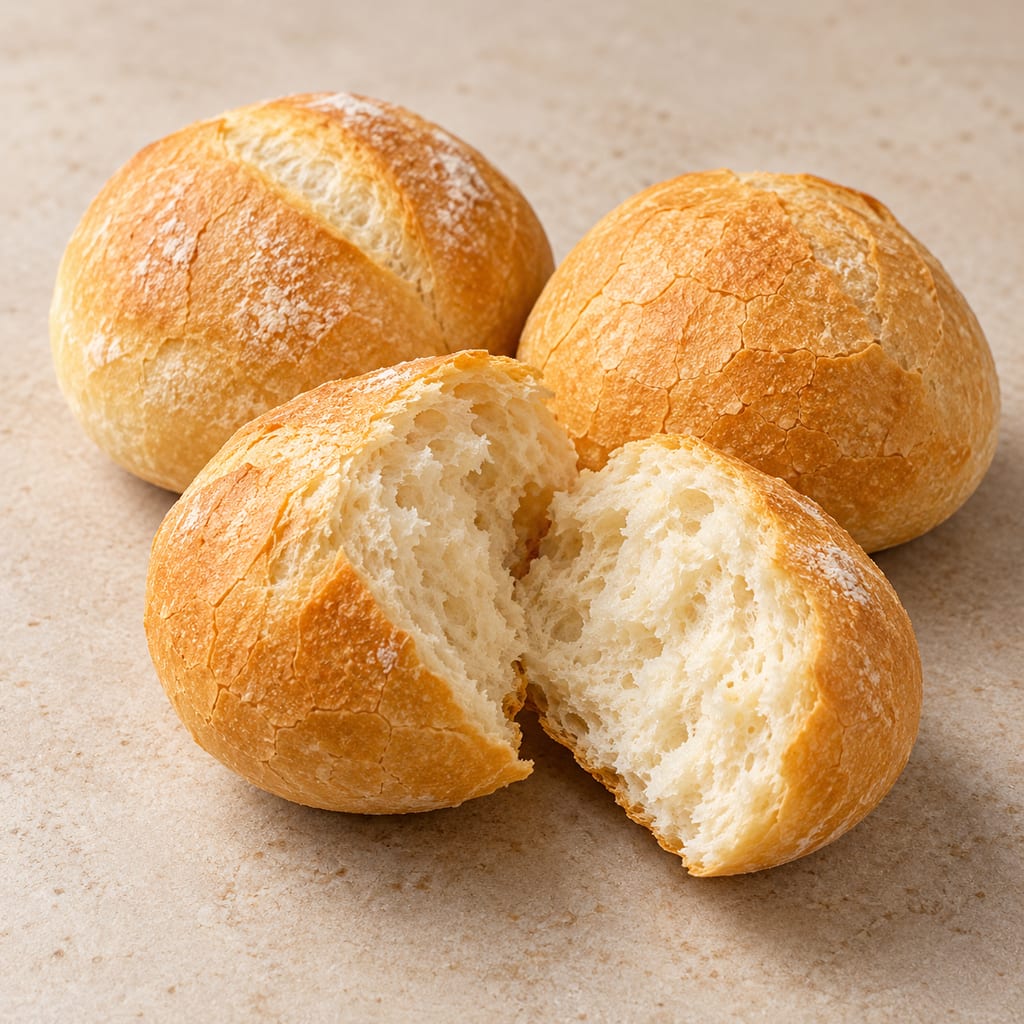
A crisp Belgian roll made from a supplier’s Croc-flour dough, mixed by hand or machine, proofed in rounds and baked with steam.
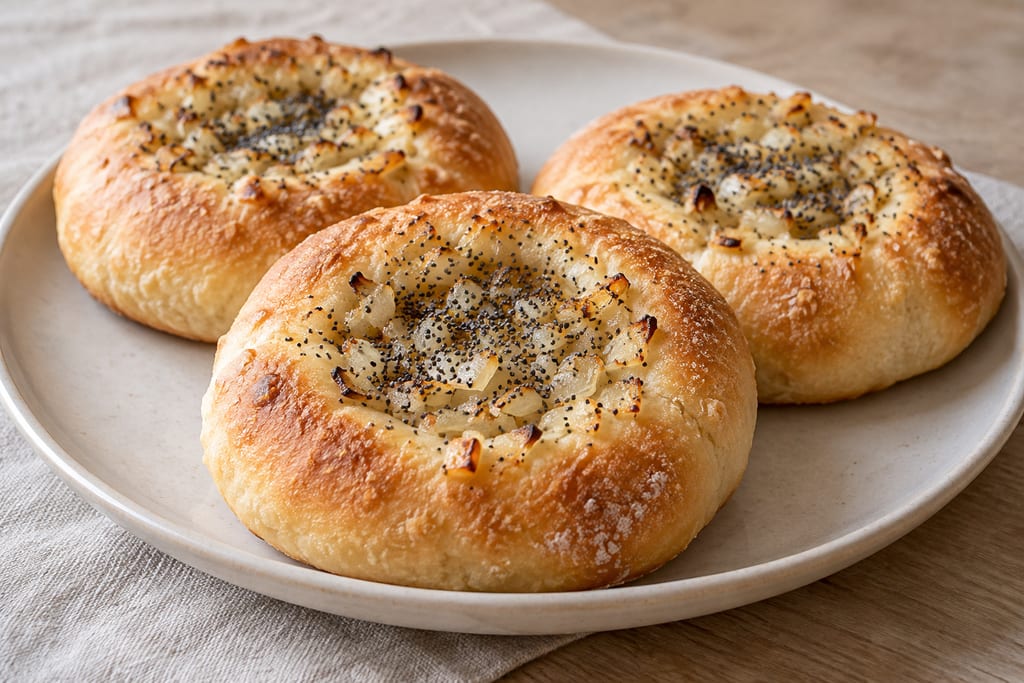
Bialys are soft, yeasted wheat rolls baked without boiling, each shaped with an onion-filled central depression instead of a hole.
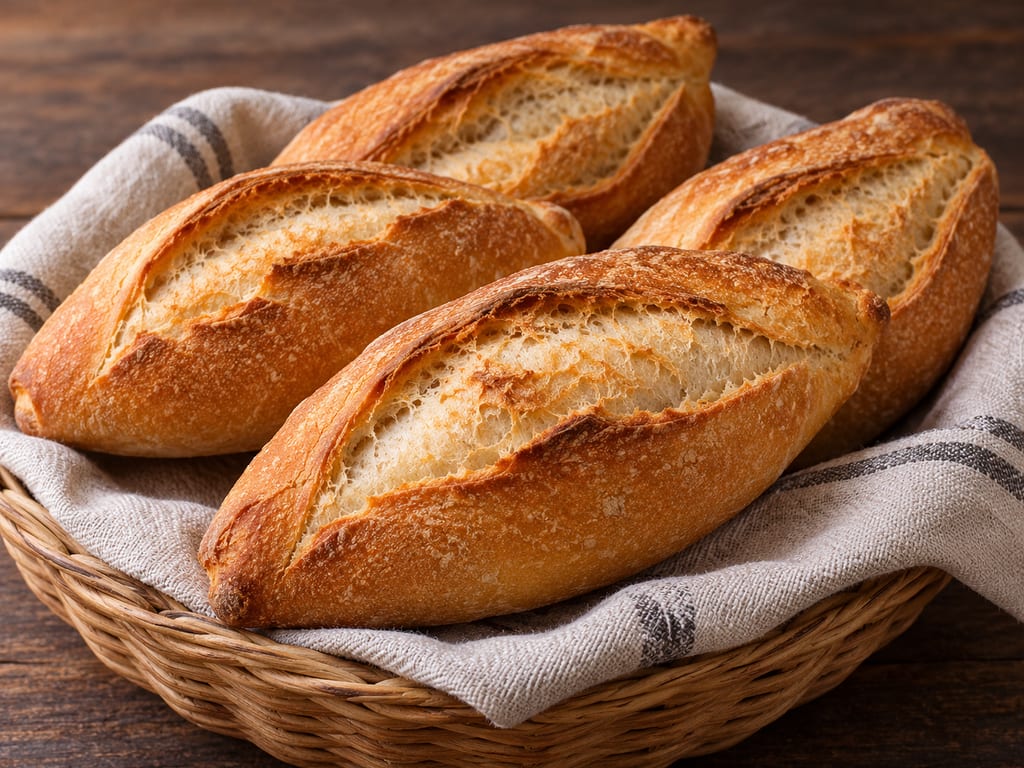
A measured, commercial-yeast home method for Guadalajara-style birote salado, with a six-hour preferment, shaped rolls and a two-temperature steam bake. This formula contains no egg.

A gelling polysaccharide extracted from red seaweeds, sold as kanten strips or powder; it sets firm at a low concentration and stays solid until about 85 °C.

A Dominican table and seasoning condiment of sour orange juice, mixed with lime and salt and bottled raw; garlic, oregano or a hot pepper may be added for meat or a spicier bottle.

Cicerbita alpina is an alpine perennial whose tender shoots and leaves have been eaten raw or cooked. Sámi milk preparations and modern Carnian dishes are distinct uses, with serious identification and preservation limits.

Japanese skipjack tuna cooked, then repeatedly smoked and dried over a wood fire by the hand-fired tebiyama method into a hard block for shaving into dashi: the first stage of katsuobushi.

A Swedish-style spirit vinegar made by fermenting neutral alcohol with live vinegar bacteria, with a separate guide to commercial ättika strengths.

Bechamel is a white sauce of milk thickened with a butter and flour roux, one of the French mother sauces, and the base from which Mornay and other cheese and cream sauces are made.
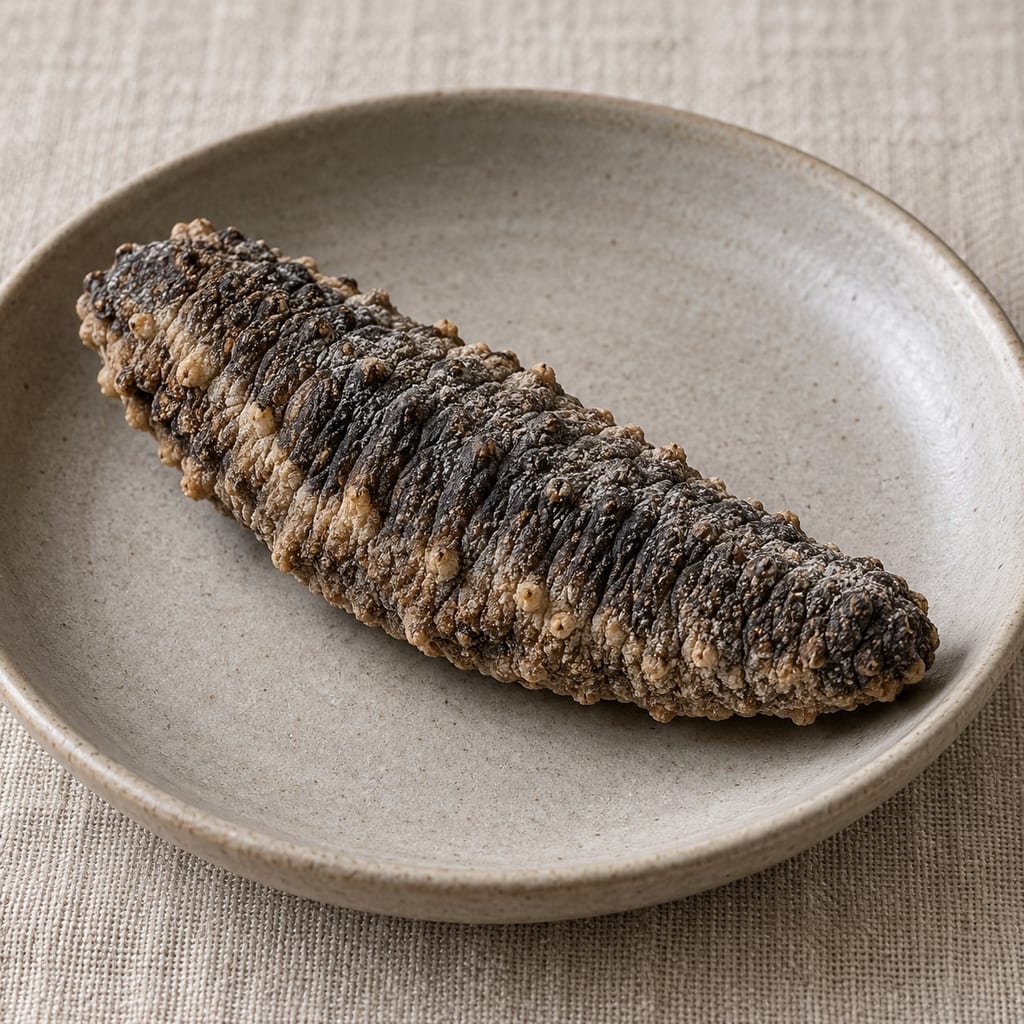
Sea cucumber cleaned, boiled and dried, sometimes with smoke, into a long-keeping trade product; Makassan processing in Arnhem Land is documented from at least the eighteenth century.
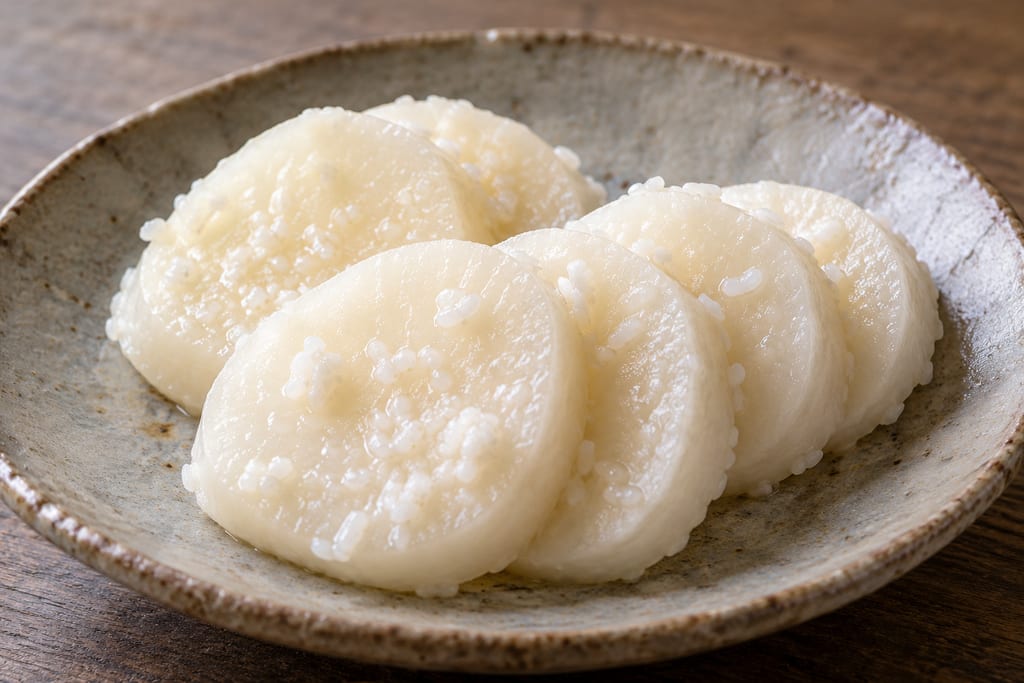
A sweet, crisp Japanese daikon pickle from Tokyo's Nihonbashi district, made by salting fresh radish and dressing it in rice koji, sugar or koji amazake without the heavy drying used for takuan.
No community contributions have been published for this entry yet.
Sign in to contribute. Published comments and photos are free to read.
Associazione Italiana Food BloggerRecipe · Geographic context · History
I grissiniThe article credits the oil-based grissini stirati formula to Andrea Perino of Perino Vesco Fornai in Torino and provides its measured ingredients, mixing, resting, stretching and 230°C bake method.
It recounts competing origin stories and says the history and paternity are uncertain.
Cited in: A Torino baker’s formula; Mix, shape and stretch; Bake until crisp
PiemonteIS - Regione PiemonteGeographic context · History · Method
Grissino stiratoThe regional product record associates grissini stirati with Valli di Lanzo, Canavese, Pinerolese and Torino; it describes flour, water, yeast and salt, with regional disagreement about fats.
The method includes shaping, rising, hand stretching to around 1.5 m and baking at 200–250°C for a prolonged time to remove moisture.
It says origin is debated but records the product's appearance in the mid-17th century.
Cited in: A Torino baker’s formula; Bake until crisp
U.S. Food and Drug AdministrationFood safety
Handling Flour Safely: What You Need to KnowFlour may carry harmful bacteria; do not taste raw flour or dough, and clean hands, utensils and work surfaces after handling it.
Cited in: Bake until crisp