
African fermented foods, drinks and preservation
From sour breads and milk to savoury seeds, cassava staples and living beers, African fermentation follows the crop, the community and the work of transformation.
 FermenteaWhere food goes to change
terkeen · meluha · maluha
Terkin, also called meluha, is a Sudanese fermented fish paste or sauce. Sources describe raw and cooked forms and different processing methods; none establishes validated safety controls.
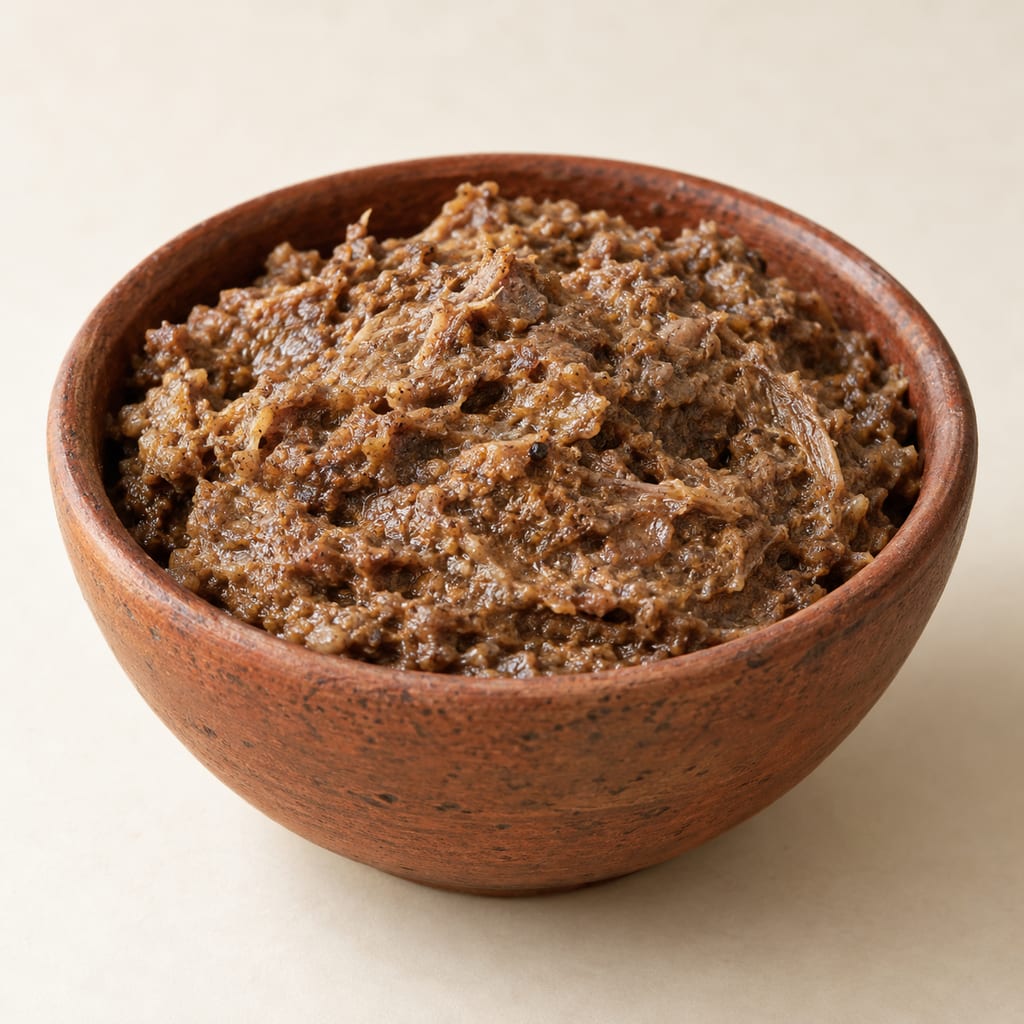
Terkin, also called terkeen or meluha, is a Sudanese fermented fish paste or sauce made from freshwater fish. Dirar distinguishes it from fessiekh, the salted fermented whole-fish preparation, and from kejeik and mindeshi. Research also describes raw and cooked forms called Meluha naya and Meluha matbukha. The names and methods vary; the evidence does not support one process for every product called meluha.
Sources associate Terkin with northern Sudan and Nubia. A study of commercial samples names production in Jebel Al-aulia and Wadi Halfa; another paper describes Dongola/Nubia as a consumption center and records White Nile production around Jebel Awlia and Kosti. These reports establish regional associations, not a single origin.
An FAO report groups Terkeen and Mindeshi in one description: salted fish layered in a pot or barrel, then held for a reported period before warming and stirring it into a paste. A later commercial-product study describes separate processes in Jebel Al-aulia and Wadi Halfa, including a Jebel Al-aulia start with whole ungutted fish in a lightly salted closed sac and a Wadi Halfa variant using larger eviscerated fish that are heated, stirred and packed. A separate laboratory study also cooked Terkin while stirring it into paste.
These sources differ in whether fish are eviscerated, which species or sizes are used, how salt and water are added, and how the paste is heated, drained and held. Their reported times and amounts document individual studies; they do not define a safe household process. The 2012 source itself notes that there were no standard microbial-load levels for the product and describes no controlled fermentation in the observed process.
One Terkin study names young Kass (*Hydrocynus* spp.) and Kawara (*Alestes* spp.) in Jebel Al-aulia; its Wadi Halfa description uses larger fish of the same names. Another laboratory account also includes Dabs (*Labeo* spp.). These are source-specific materials, not a universal Terkin species list. The sample study documents Jebel Al-aulia in Khartoum State and Wadi Halfa in northern Sudan; another paper connects the product with Dongola/Nubia and White Nile production.
Dirar places Terkin/meluha among Sudanese sauces and pastes. Sources describe it as a condiment and meal ingredient. The 2021 study reports both raw and cooked forms; that distinction does not supply a safe consumption recommendation for the raw form.
A study of two commercial Terkin products reports pH values of 7.2 and 6.7 and total bacterial counts of 3.5×10^5 and 6.2×10^5 CFU/g. These measurements are specific to its samples, not a safety threshold. A separate documented method begins with sealed, ungutted whole fish and little salt. FDA guidance warns that uneviscerated salt-cured fish can pose a botulism hazard and that toxin may be present without visible spoilage. FDA’s cited faseikh outbreak history is Egyptian, not evidence of a Sudanese Terkin outbreak.
No source here establishes a validated salt concentration, pH or water-activity endpoint, evisceration specification, heating endpoint, fermentation schedule, packaging control or storage limit. Because the reported methods vary and some include raw or lightly controlled fermentation, the evidence is not enough for a safe home recipe.
Dirar distinguishes Terkin/meluha from other Sudanese preserved-fish products. Later studies document commercial processing and regional use but differ in the history and forms they describe; no secure first date is established.
Scaling: source batch only
A Terkin production study describes a first-stage sealed bag with whole ungutted fish and little salt, while other variants differ. FDA identifies botulism hazards in uneviscerated salt-cured fish and warns that toxin may not cause visible spoilage. Its faseikh outbreak records are Egyptian and do not establish Terkin incidence.
Hazard sourceA study of two commercial Terkin samples reports total bacterial counts and near-neutral pH values; its small sample does not establish prevalence or safety for other batches.
Hazard sourceThis is a source comparison, not a validated preparation method. Do not use the reported timings or amounts as safe limits.
An ungutted-fish variant is reported. The cited evidence does not establish that its initial sealed fermentation or later heating controls botulinum toxin.
Do not taste or rely on smell, appearance or bubbling to judge safety. FDA notes that botulinum toxin may be present without visible spoilage.
A commercial-product study reported pH 7.2 and 6.7 and total bacterial counts of 3.5×10^5 and 6.2×10^5 CFU/g in samples from two locations. These are study results, not safety criteria.
No validated salt concentration, pH or water-activity target, evisceration specification, heating endpoint, fermentation schedule, packaging control or storage limit is established.
Country-level documentation; no single birthplace is claimed.
Production and sample location; not the sole source of Terkin.
The study documents one local production variant.
Later source attribution; not an origin claim.
From sour breads and milk to savoury seeds, cassava staples and living beers, African fermentation follows the crop, the community and the work of transformation.

Dry salami, sour pork with rice, matured sheep and aged blubber follow different paths from animal to food. Their stories connect microbes with climate, slaughter, migration and the meals people share.
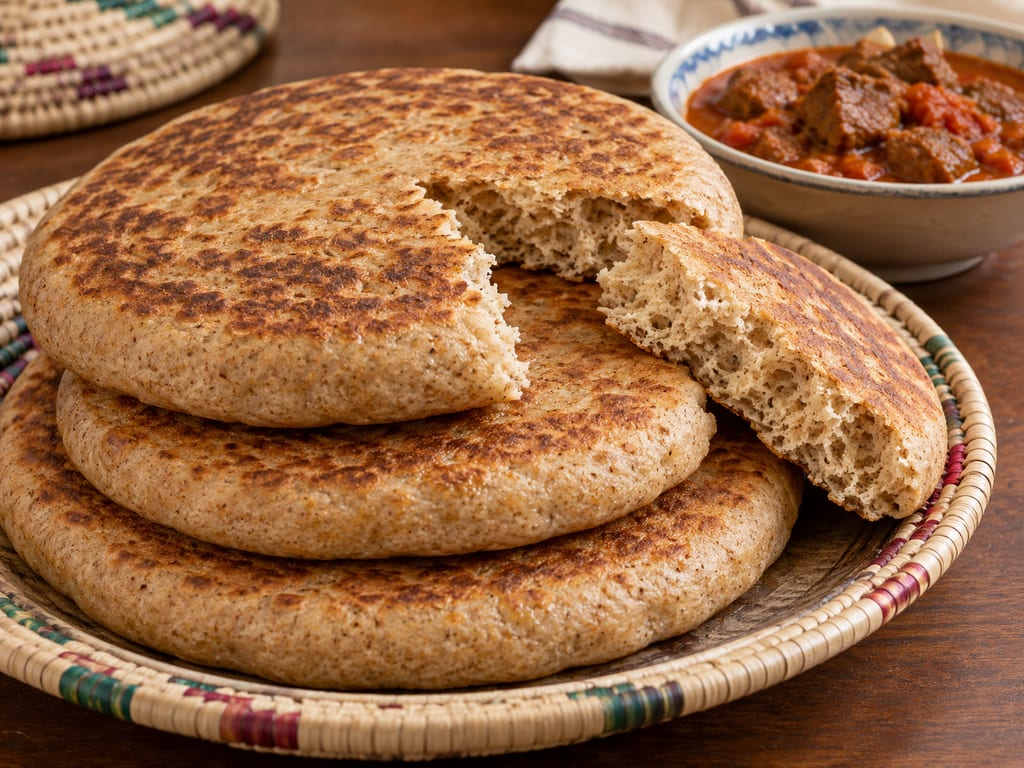
A northern Sudanese wholemeal wheat batter bread, rested with instant yeast and poured in thick rounds onto a lightly oiled pan or saaj.
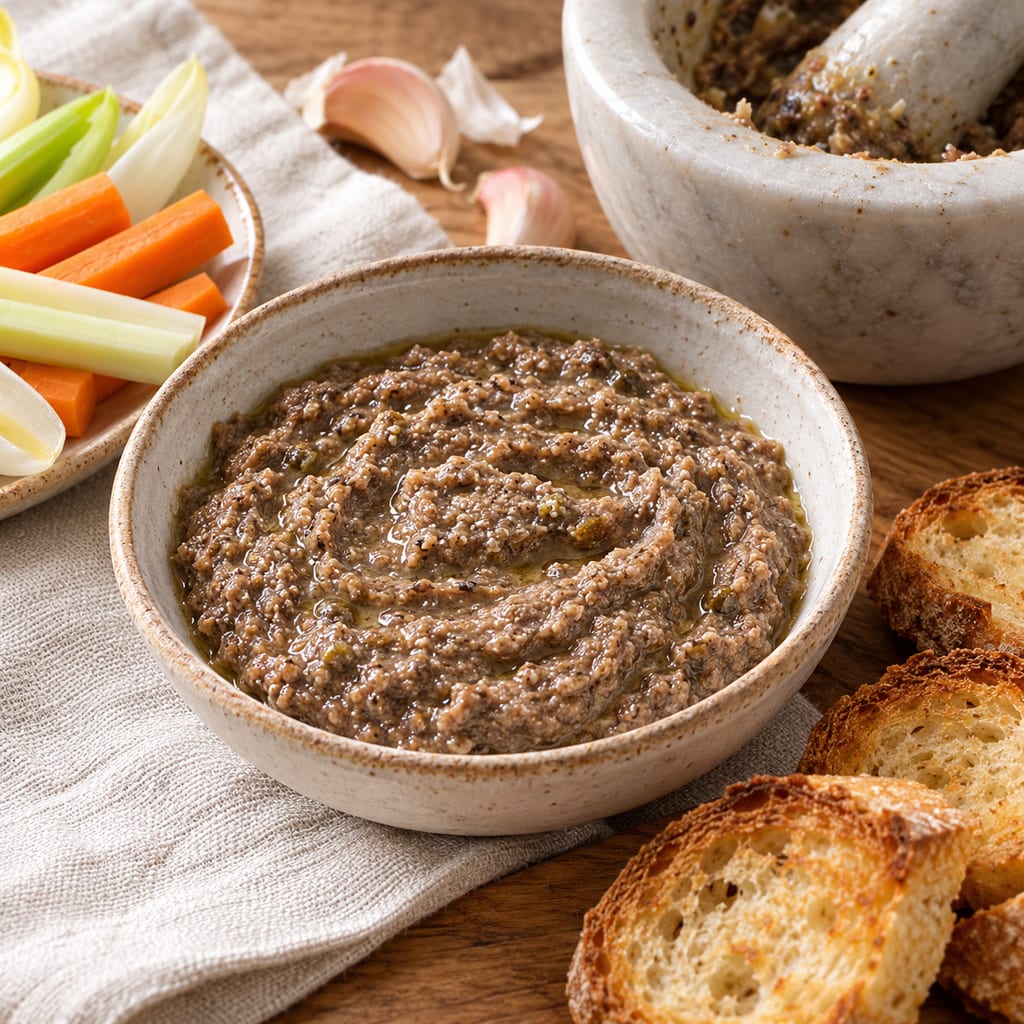
A Provencal dip of anchovies, garlic, capers and olive oil, pounded or blended to a creamy paste and served with raw vegetables, bread and eggs.
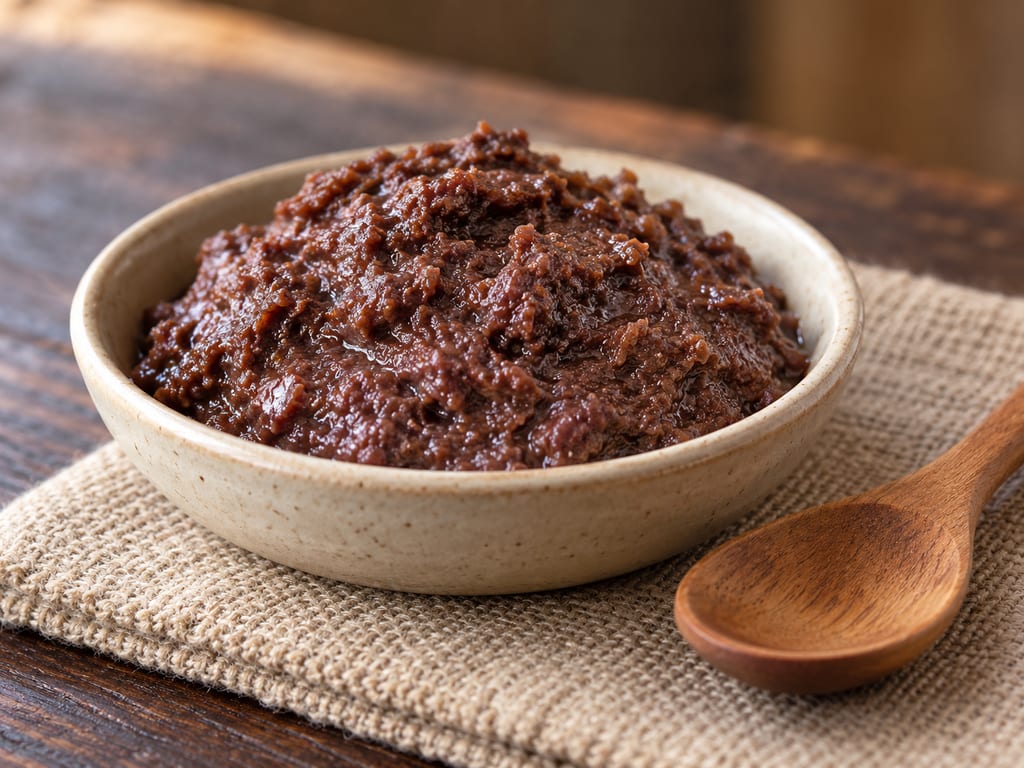
Bagoong isda is a Philippine fish paste: whole small fish salted and left to ferment for a month or more in earthen jars. It is the fish counterpart of bagoong alamang.
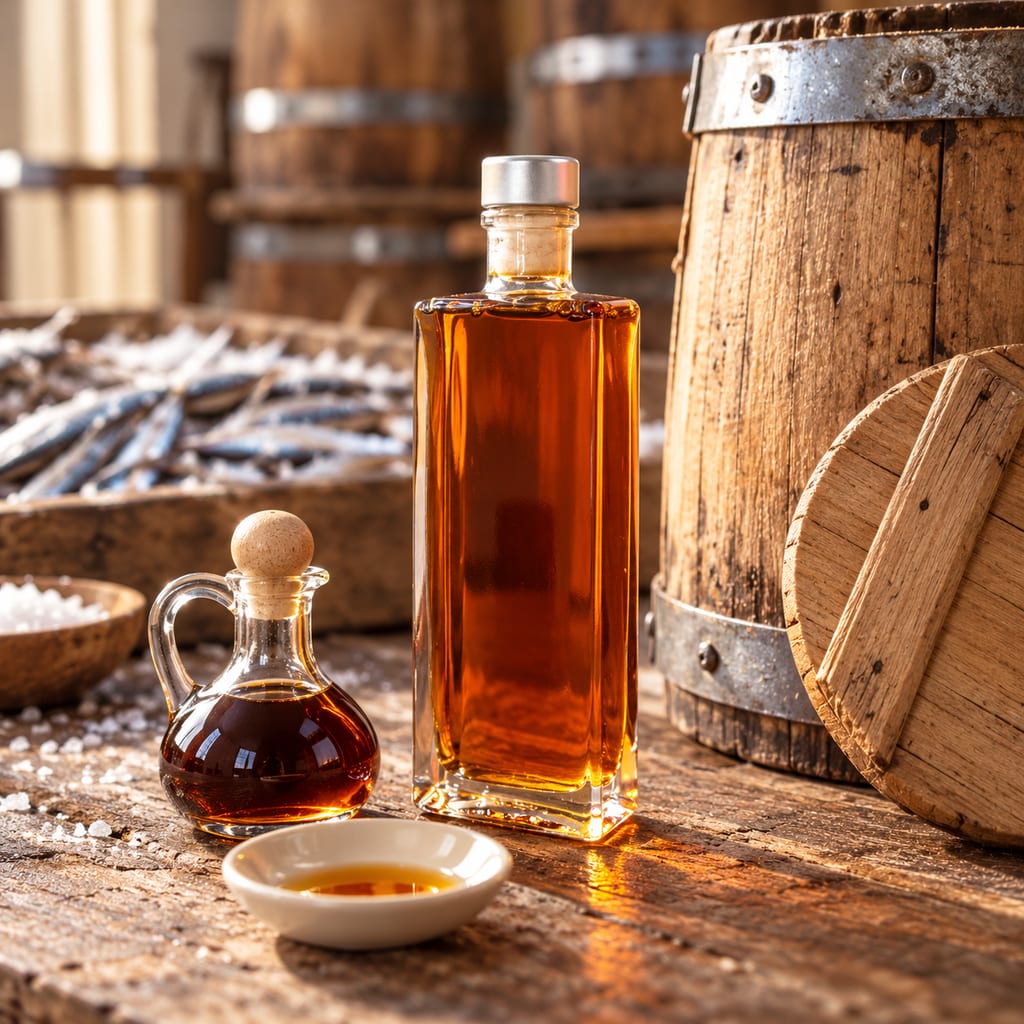
Colatura di alici is the amber liquid drained from salted anchovies matured in wooden containers in Cetara, on the Amalfi coast of Campania, and sold under a protected designation of origin.
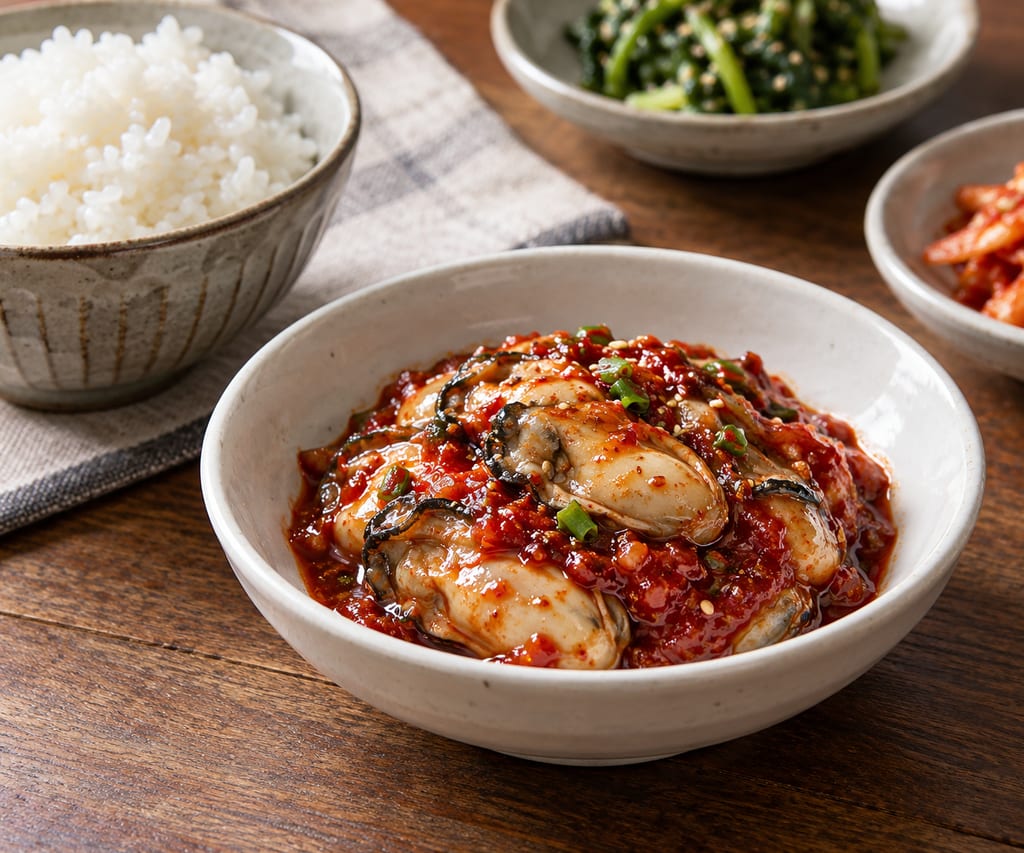
A Korean salted-oyster jeotgal seasoned with chili, associated especially with Seosan and Ganwoldo. This page records its food culture, not a household preparation method.
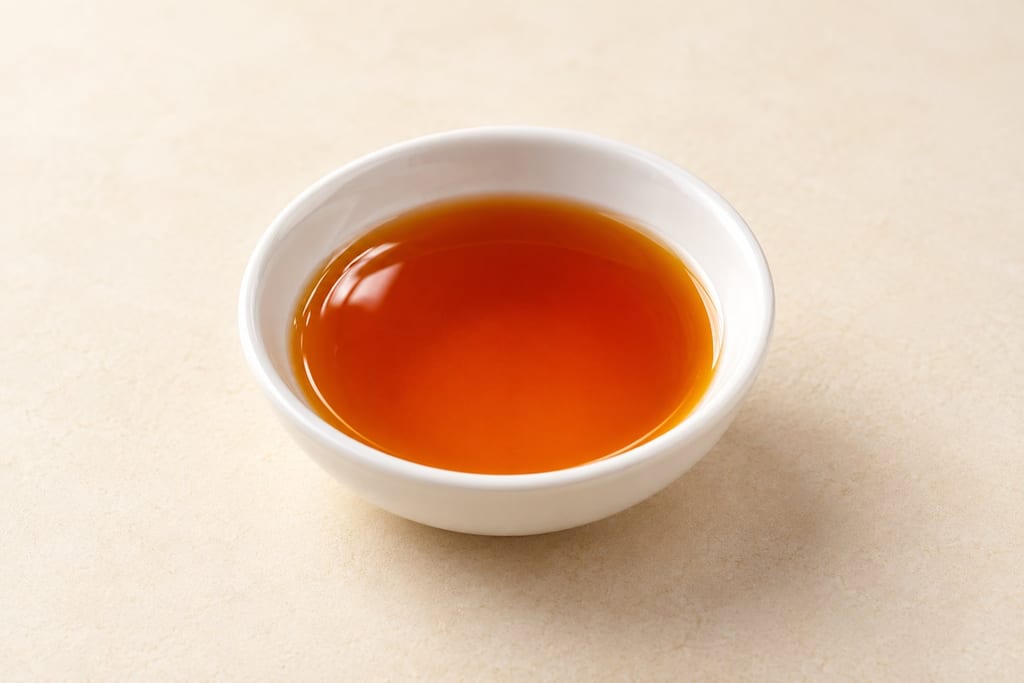
Fish sauce is a clear, salty seasoning made by maturing fish with salt and drawing off the liquid. The broad family includes distinct regional sauces rather than one interchangeable method.
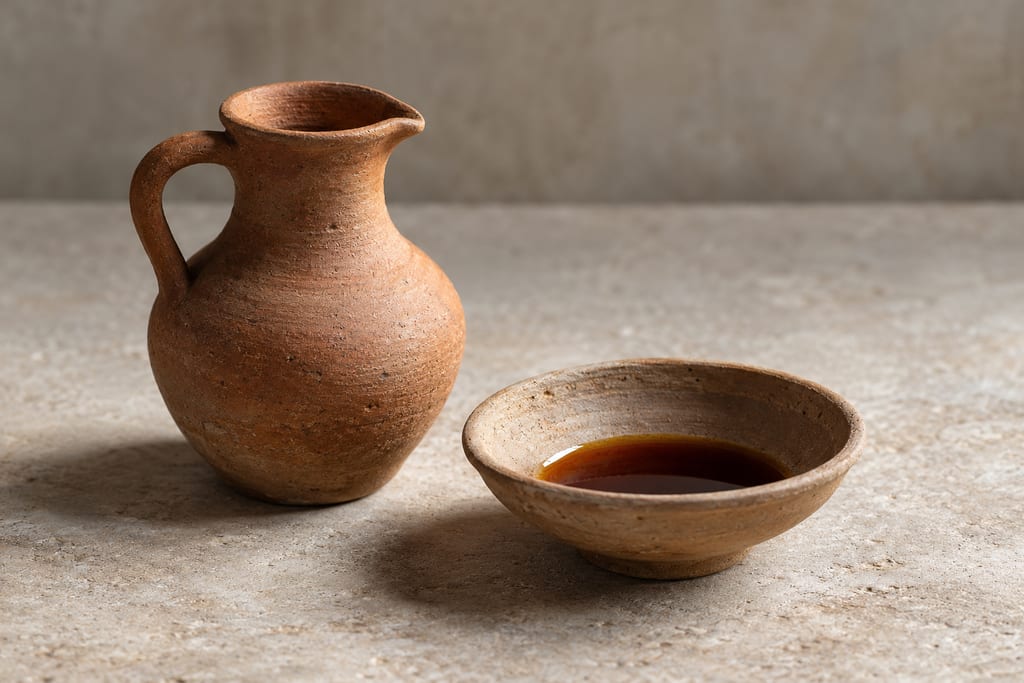
Garum, Greek garos and Latin liquamen, was the fish sauce of the ancient Mediterranean: fish and viscera salted and left in the sun, then drained off as a savoury liquid.
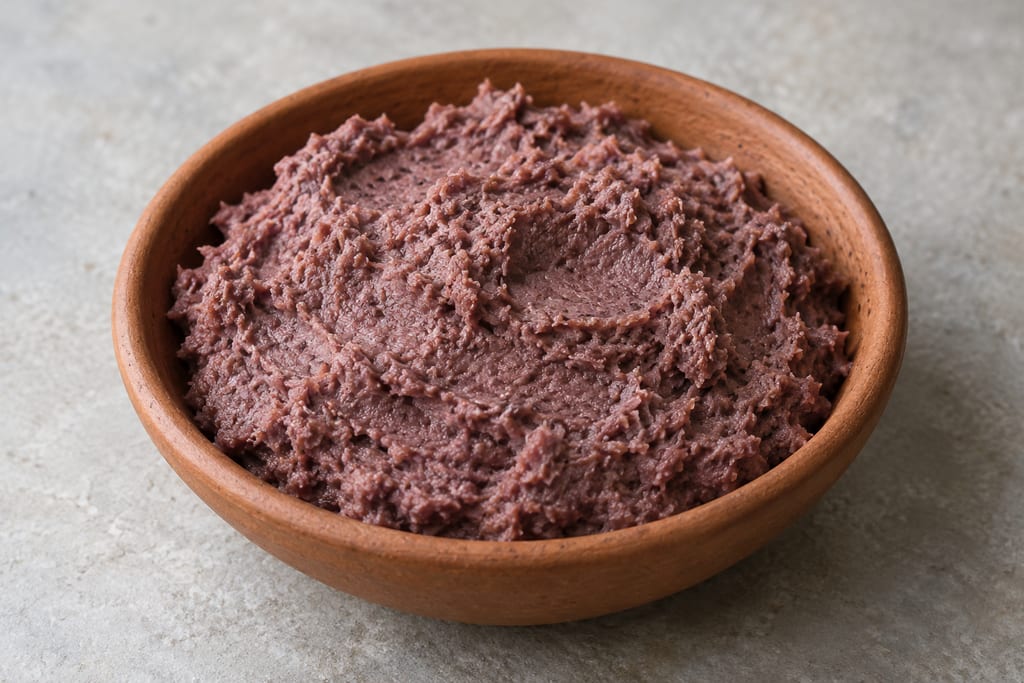
Guinamos is a shrimp paste made on Guimaras in the Philippines: small shrimp salted by hand, sun-dried and trodden by foot until it turns smooth.
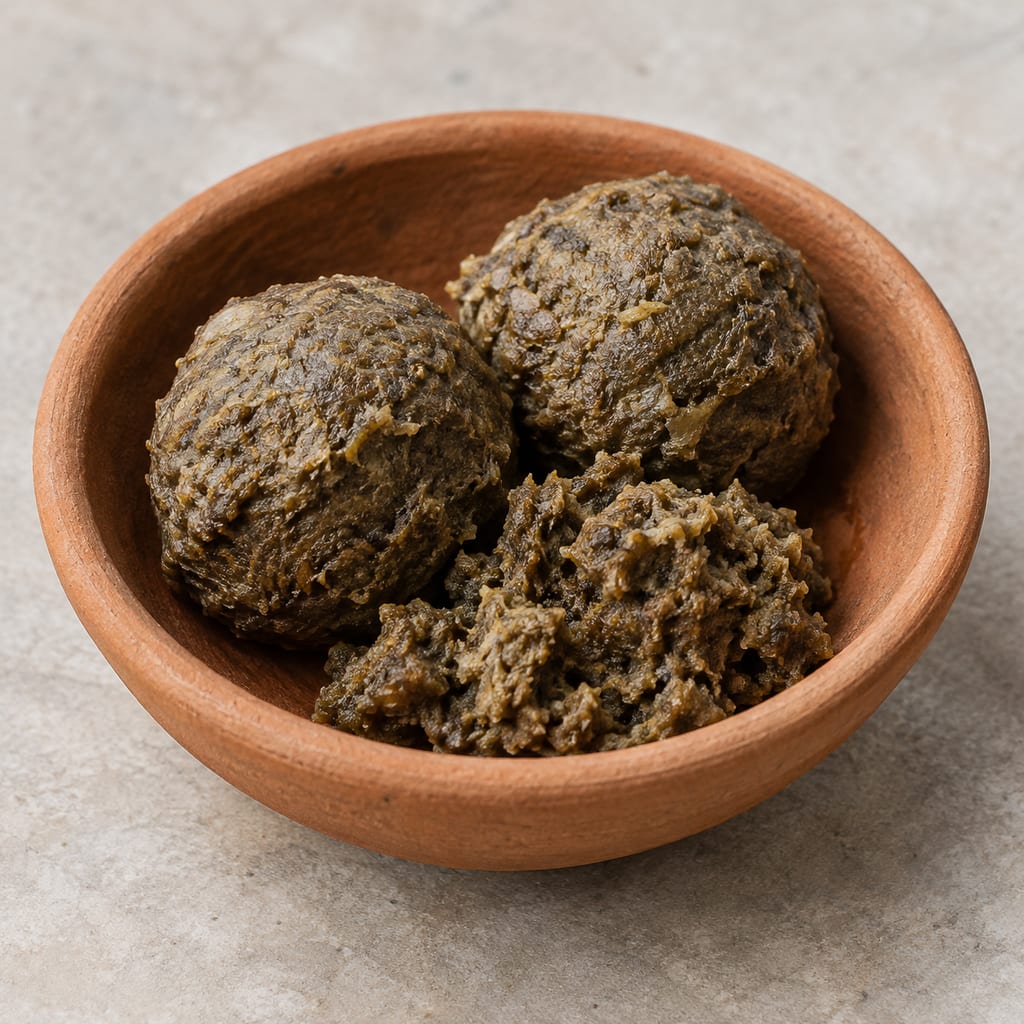
Manipuri fermented fish-and-aroid paste, formed into balls or kept in an earthen pot, used to season Manipuri dishes. Its method is documented in outline only.

Soft, spreadable Calabrian pork sausage made with a great deal of red chilli and fatty pork, stuffed into natural casings, sometimes smoked and matured while staying soft.

A way to add independent temperature logging to an existing food dehydrator without changing its built-in controls or protections. It is a monitoring method, not a rewiring plan.

Pleurotus cystidiosus is the abalone mushroom, a cultivated oyster-type fungus with dark brown caps that grows more slowly and is more demanding than other Pleurotus species.

A dark, balanced vinegar from Emilia-Romagna made by combining cooked or concentrated grape must with wine vinegar, then acetifying and refining it in wood under a protected specification.

A living dairy inoculum that starts controlled cream fermentation, developing acidity and aroma before sour cream or cultured butter is finished.

A small electric incubator holds jars at a selected temperature for yogurt and other documented warm food preparations. Controls, capacity and vessel arrangement vary by model.

Adygean salt is a seasoned table salt associated with Adygea and the wider North Caucasian culinary tradition. Salt is blended with garlic and a variable selection of herbs and spices; the exact mix depends on the named style and maker.

The African Caesar-group mushroom, Amanita masasiensis, is a wild ectomycorrhizal species of central and southern African woodlands, eaten locally. The genus contains deadly poisonous species, so identification needs care.
No community contributions have been published for this entry yet.
Sign in to contribute. Published comments and photos are free to read.
FAO Fisheries Technical Paper 329Identity · Method · Ingredients · Equipment · Geography
Fermented Fish in Africa: A Study on Processing, Marketing and Consumption — Chapter 5: Fish Processing CharacteristicsA Sudan section describes Terkeen/Mindeshi as salted in layers in an earthenware pot or barrel, possibly with pepper or other spices; it reports 9–15 days pickling/fermentation and about four days sun/fireplace warming with daily stirring into a paste. Because the account groups Terkeen/Mindeshi and differs from other descriptions, these are source-specific observations, not a universal method.
Identifies Sudanese fish processing vessels and methods; equipment/process details are not validated safety limits.
Cited in: Different source-specific processes
World's Veterinary Journal 1(1):10–13Identity · Method · Species variation · Geography · Food safety
Quality and Microbial Analysis of Local Salted-Fermented Paste Product (Terkin)Reports commercial Terkin paste sampled at Jebel Al-aulia and Wadi Halfa and describes distinct processing variants: a Jebel Al-aulia method beginning with whole, unwashed, ungutted young fish in a lightly salted closed plastic sac, followed by added boiled water, stirring to paste, cooling, salt addition and drainage; the Wadi Halfa account uses larger eviscerated fish, hot-water cooking/stirring and sealed jerricans.
The tested products had pH values of 7.2 and 6.7 and total bacterial counts of 3.5×10^5 and 6.2×10^5 CFU/g. These are measurements of two commercial products, not safety thresholds. The article reports no standard microbial-load criteria and no controlled fermentation for the described process.
Cited in: A Sudanese fish paste; Different source-specific processes; Fish species, geography and use; Hazards and missing controls
European Academic Research IX(6):3300–3306Identity · Method variation · Geography · History
Biochemical Study on Terkin: A Fermented Fish ProductDescribes raw Meluha naya and cooked Meluha matbukha forms and reports a laboratory cooked Terkin variant using fresh young fish, a one-day unsalted hold in a can, open-fire cooking with salt and continuous stirring to a paste. The source is a research variant, not a validated home method.
The authors describe Dongola/Nubia as a consumption center and White Nile production including Jebel Awlia and Kosti, and explain meluha as an Arabic name connected to salt. These are source attributions, not proof of origin.
Cited in: A Sudanese fish paste; Different source-specific processes; Fish species, geography and use
National Academies PressIdentity · Use · Distinctions
Applications of Biotechnology to Traditional Fermented Foods — Sudan's Fermented Food HeritageDefines terkin or meluha as a Sudanese fermented fish sauce or paste made from freshwater Nile fish, distinct from fessiekh (salted whole fish), kejeik (split dried fish) and mindeshi (pounded small-fish paste).
Cited in: A Sudanese fish paste; Fish species, geography and use
U.S. Food and Drug AdministrationFood safety · Botulism
CPG Sec. 540.650: Uneviscerated Fish Products that are Salt-cured, Dried, or SmokedFDA warns about botulism in uneviscerated salt-cured whole fish and reports Egyptian faseikh outbreaks; toxin can be present without obvious spoilage. These are general hazard guidance and Egyptian incidents, not reports about Sudanese Terkin.
One Sudanese Terkin process report describes whole, ungutted fish in a sealed bag for initial fermentation, but it does not document local botulism incidence or a validated control.
Cited in: Hazards and missing controls