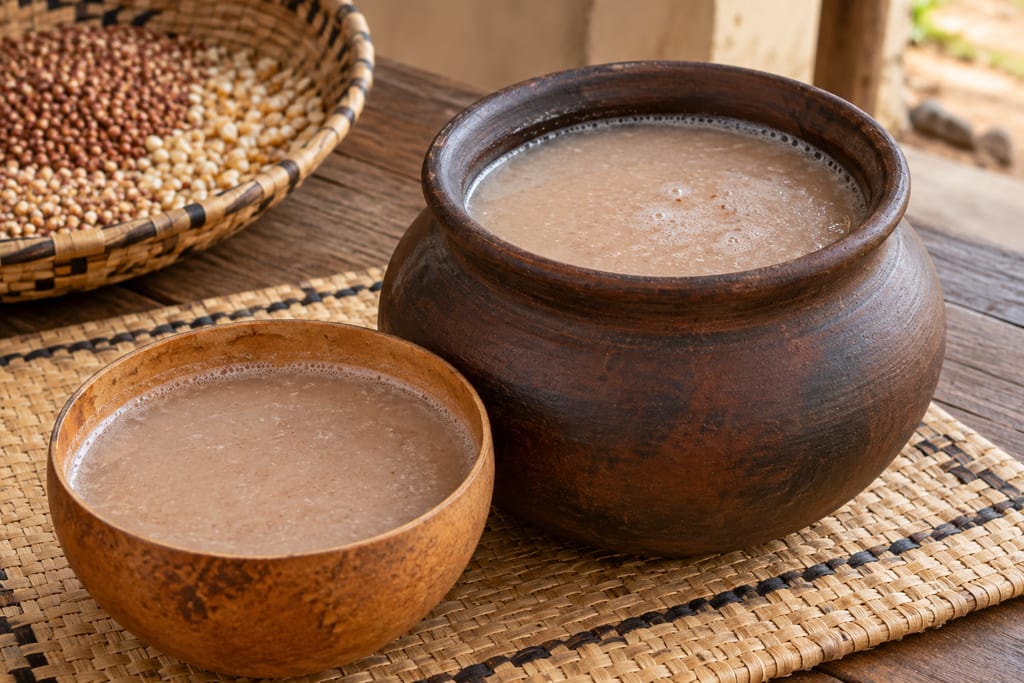
South African sorghum-and-maize umqombothi
A South African opaque beer soured from sorghum malt and maize meal, cooked as a thick porridge, then fermented again after a second addition of malted sorghum.
 FermenteaWhere food goes to change
Traditional method
مريسة · Marissa · Marisa · Merisa · Marīsa · Merrissa
Sudanese opaque sorghum beer made from soured, toasted, cooked and malted grain through three linked fermentations, drunk fresh while still fermenting.
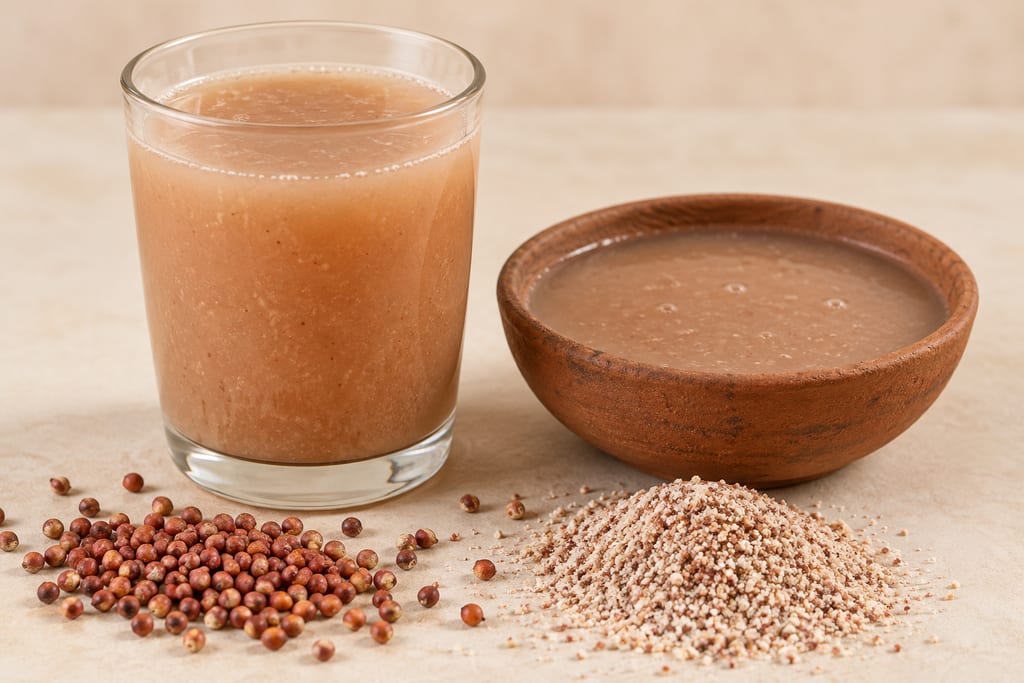
Merissa (Arabic مريسة, marīsa; also spelled marissa, marisa or merisa) is a cloudy, sour, mildly alcoholic beer that Sudanese households and beer houses brew from sorghum, which Sudan calls dura. It belongs to the wide family of African opaque cereal beers, but its method is its own. Instead of one mash followed by one fermentation, the brewer prepares several portions of grain in different ways, some soured, some toasted, some boiled to a paste and a small share malted, and then brings them together through three linked fermentations.
The grain behind the best-documented method is feterita, a sorghum variety. Other sorghums can be used, and later reviews describe merissa made with millet. Millet covers several unrelated cereals, so no single species should be assumed for every batch.
What sets merissa apart from a European malt beer is how little of the grain is malted. In the method Hamid Dirar recorded in 1978, malt makes up about 5 per cent at the points where it is added, and its job is to supply starch-splitting enzymes rather than to provide the bulk of the starch. Most of the grain is soured or cooked first. That gives the brewer separate levers: sourness from the first stage, starch texture from the cooking, and yeast vigour from the starter.
The three stages have names. Ajeen is a sorghum dough left to sour. Once heated and toasted, the soured dough becomes soorij (also written surij), a dark, acid mass. Deboba is a strongly fermenting starter made from cooled soorij, malt and a little merissa from an earlier batch. The last stage, merissa fermentation proper, begins when cooked sorghum, called futtara, and more malt meet the deboba.
What reaches the cup is water, ethanol, organic acids, dissolved grain and fine solids that passed through the straining cloth. It is nothing like filtered lager. Published measurements put finished merissa near pH 4 and at roughly 5 to 6 per cent alcohol by volume, depending on the account. Those figures describe studied batches, not a standard, and the drink keeps changing after straining because the yeasts and bacteria are still at work.
Merissa sits inside a long history of grain growing and grain fermenting along the Nile. Sorghum has fed people in the region for centuries as porridge, bread and drink. That background matters, but it does not date the particular three-stage method. Evidence that people brewed cereal beer is one thing; evidence that they made ajeen, soorij, deboba and futtara in the order modern researchers recorded is another, and the second is missing for the ancient period.
Classical writers describe grain drinks in the Kingdom of Kush, and a Meroitic graffito from Musawwarat es-Sufra shows figures drinking from a vessel through straws. Both show that cereal drinking is old in the region. Neither says what the drink contained, which organisms made it, or how. Archaeologists working on Sudan say this directly: beverages such as marisa have left little trace that identifies their recipes.
The nineteenth century brings the first specific records. Archaeological writing cites Burckhardt's account of 1819 and Cailliaud's of 1826 for Sudanese fermented cereal drinks. A traveller who journeyed in 1881 and 1882 drank merissa at Kassala, named dura as its grain and noted germination, milling, dough, cooking and fermentation. He disliked the taste, which tells us about him, not about how Sudanese drinkers judged it.
In 1925 C. B. Tracey published a short note, Merissa, in Sudan Notes and Records. It describes a low-alcohol cereal drink that served as a staple food for some communities, particularly in western and southern Sudan. Dirar then gave the drink its fullest documentation: The Art and Science of Merissa Fermentation in 1976 and A Microbiological Study of Sudanese Merissa Brewing in 1978, which set out the three stages and the different jobs of souring and alcoholic fermentation.
Dirar later placed merissa within a much larger body of Sudanese fermented foods. In a 1992 chapter for the United States National Research Council he explained that much of his information came from elderly rural women, and he stressed how much of this knowledge rests with them. FAO and UNIDO publications drew on his work to explain how Sudanese brewers combine lactic souring, cooking and enzymatic conversion. These twentieth-century records document a tradition. They do not show that merissa began then.
Two linked processes make merissa. First, sorghum starch is turned into sugars. Second, microbes turn part of those sugars into acids, ethanol and carbon dioxide. Starch is a mix of amylose and amylopectin, long glucose chains that brewing yeasts cannot ferment directly. Cooking opens the starch granules so water and enzymes can reach them, and germinated sorghum supplies the enzymes. The acid comes first and the alcohol later, from different stages.
Malting starts when soaked grain germinates and switches on the enzymes the seed uses to draw on its own reserves. Alpha-amylase cuts starch in the middle of its chains, giving shorter carbohydrates and dextrins, and other starch-degrading activities help produce fermentable sugars. Sorghum malt strikes a different enzyme balance from barley malt, so it should not be assumed to behave the same. Proteases free peptides and amino acids that feed the microbes and shape flavour.
Ajeen is the souring stage. In the moistened flour, lactic acid bacteria grow alongside yeasts and possibly acetic acid bacteria. A UNIDO account by Dirar stresses homofermentative lactobacilli, which turn glucose almost entirely to lactic acid. The acid lowers the pH, and the lower pH changes which organisms can grow next. FAO reports ajeen at about pH 4 with 1 per cent alcohol and 2.5 per cent lactic acid; the short FAO text does not explain the basis for the acid figure.
Heating the ajeen into soorij cuts the living microbial population sharply while keeping most of the acidity. It also browns the paste and produces toasted flavours through reactions between sugars and amino compounds. Soorij is then cooled and becomes the base of deboba, where malt and a little earlier merissa bring in enzymes and living organisms, so yeasts become active before the bulk of the cooked grain is added.
In the final fermentation, yeast turns sugar into ethanol and carbon dioxide. Reviews connect Saccharomyces yeasts with merissa, but the literature does not support naming one species or strain for every traditional batch. Lactic acid bacteria and yeasts remain in the finished beer. Its taste comes from lactic sourness, ethanol, leftover carbohydrate, heat-derived flavours and yeast by-products together, and it stays a living, unclarified drink, not a stable bottled product.
The method starts with sorghum and water. In the system Dirar recorded, part of the grain is malted separately: soaked for a day, left to germinate for two days, dried in the sun and ground to a coarse flour. Malting exists to build enzymes that will later break down cooked starch. These timings come from the one method he recorded and have not been shown to hold across Sudan.
The unmalted grain is ground to a fine flour and divided into thirds by weight. One third is moistened with just enough water to make a dough and left at room temperature for about 36 hours. That is ajeen, and its lactic acid sets the low pH that the later yeast stage will work in. The soured dough is then heated in a metal vessel and turned continuously until it becomes dark brown and strongly acid. Constant turning matters because it keeps any portion from sitting uncooked or scorching.
The other two thirds are split into two equal lots and cooked differently. One is lightly cooked to a greyish-brown paste and the other cooked further to a brown paste. They are combined and spread to cool as futtara. Heat makes starch granules take up water, swell and gelatinise, which is what lets malt enzymes work on them. Two degrees of cooking give a mixed texture and a staggered supply of accessible starch. Brewers work by eye and feel, not by thermometer or fixed ratio.
When the soorij has cooled, about 5 per cent malt flour, water and about 5 per cent merissa from a previous good batch go in. The mixture ferments for roughly four to five hours into deboba. Its purpose is to build a strong starter population in an acid medium: the old beer carries organisms, and the malt carries enzymes and nutrients. Deboba is very sour and is not meant to be drunk.
The cooled futtara is mixed with about 5 per cent more malt and added to the deboba in portions. Dirar notes that the cooked pieces are left to dissolve and not stirred in all at once, and that the malt enzymes liquefy the thick mass quickly. The final fermentation lasts about eight to ten hours. The mix is then strained through cloth. The liquid is merissa; the coarse residue, mushuk, goes to animals. Fermentation carries on after straining, so the beer changes while it is sold and drunk. No measured water volume or yield is recorded for the whole process.
Merissa is not one standardised style. Sudanese cereal beers form a broad family whose names shift with region, language and period, and Dirar describes many opaque beers with different processing. The 1978 three-stage sorghum method is a detailed example. It is not a record of every drink ever called merissa.
Sorghum, and in particular feterita, is the principal grain in the well-described method. Millet is also reported. Grain choice affects colour, starch available, enzyme activity, protein and the texture of the cooked fractions, but no tested proportion for swapping millet in is recorded, so millet stays a reported variation, not part of the main method.
Accounts place merissa in several parts of Sudan: Kassala in the east, Kordofan and Darfur in the west, and western and southern Sudan generally in the 1925 note. These records need not describe identical methods. National borders have also moved since; South Sudan became independent in 2011. A shared name does not prove a shared method.
Other names turn up in the Sudanese literature, among them um-bilbil, baqaniya and bouza. Some refer to related cereal drinks or to grades, not to strict synonyms. Some are described as weak and others as stronger. One account of Sudanese fermented foods reports that in parts of northern Sudan a drink called merissa could be made with dates, which is a different thing from the sorghum beer described here.
Scale varied too. The 1978 study records family batches of about 2 to 4 litres and commercial brewing of 20 to 30 gallons. Equipment, stirring, heat, water and fermentation temperature differ with scale, which helps explain the spread in reported strength, sourness and thickness. A reconstruction today using cultured yeast, measured mash temperatures or commercial sorghum malt would be a modern adaptation, not the documented procedure.
Merissa is both a drink and a substantial food. Because it keeps part of the grain it is brewed from, it is cloudy and has body, and the amount of solid in the glass depends on milling, liquefaction and straining. Descriptions treat it as closer to a nourishing grain drink than to a modern filtered beer.
In the 1978 study the beer is drunk soon after straining, while fermentation is still going. Dirar saw customers come to an indaya, a place where beer is made and sold, from sunrise to sunset. Merissa is not matured. It is made for almost immediate drinking, and its character shifts through the day: by late afternoon it can turn sharp and sour enough for customers to refuse it.
The plural of indaya is anadi, and these houses were also social places where people drank, talked and spent time. Brewing and selling gave income, especially to women, while brewing for the family was part of everyday food work. In some communities beer was tied to ceremonies, gatherings and hospitality. These roles varied by place and time and should not be read as one custom shared by all Sudanese communities.
Photographs from western Darfur in 1965 and 1969 show cereal beer sold by women from earthenware vessels and drunk from calabashes during communal house building. The beer in these photographs is the Fur millet beer kira, a different drink from the sorghum merissa described here. They show the social setting of cereal beer in Darfur, not this brewing method.
General research on African sorghum beers links their nutritional value to suspended grain, amino acids, yeast and B vitamins. That helps explain why merissa counts as a food, but it does not fix the nutrient content of any one batch, which depends on the grain, how much starch is converted and how much is strained out. The residue left in the cloth, mushuk, feeds animals. Historical accounts also mention aragi, a spirit distilled from fermented cereal, including strong merissa. Distillation is a separate process and does not belong in the brewing steps.
Merissa changes a great deal between souring, starter and final fermentation, so the brewer is judging several preparations, not one beer. Ajeen should turn sour, soorij should keep its acidity after cooking, deboba should ferment briskly, and futtara should liquefy steadily once it meets malt. These are observations from the traditional process. They are not tests of safety, and appearance, smell and bubbling cannot show that a batch is free of pathogens.
Soorij should be dark brown and sour. Underheated, it may taste different and keep more living organisms; burnt, it turns bitter. No colour scale or temperature is given in the primary description, so a modern recipe has to separate historical sensory cues from measured controls.
Weak activity in the deboba may point to a poor inoculum from the old batch, a cold room, too little accessible nutrient or contamination. These are possible causes, not a diagnosis. If the final mixture stays thick, the grain preparation, malt activity and heating are the places to look, though the traditional record gives no viscosity target and no corrective quantities.
Acidity and alcohol are useful for comparing published results. The Liege review reports finished merissa at about pH 4 and about 5 per cent alcohol by volume, and FAO describes about 6 per cent. They come from different summaries and are not limits or proof of safety. A pH meter says more than taste does, and a lively fermentation does not show that acidification came early enough to hold harmful organisms back.
Keeping quality is poor and well documented. Traditional sorghum beers are drunk while still fermenting and spoil fast because yeast and bacteria remain in the liquid. More acid, shifts in aroma, sediment and more ethanol are expected after straining. A batch that is visibly mouldy or putrid should be thrown away, not strained or reheated, and a clean smell does not rule out every hazard.
Grain quality matters too. A 2018 study of sorghum from Burkina Faso, Ethiopia, Mali and Sudan found aflatoxins, fumonisins, sterigmatocystin and other mycotoxins in part of the grain. Sudanese samples had the lowest prevalence of the four countries but were not free of them, and such toxins can survive cooking and fermentation. Sound dry grain, clean water and clean equipment are essential. The historical method is not a validated food-safety protocol, and without measured quantities and microbiological limits, a reconstruction meant for others to drink would need its own validation.
Travellers described Sudanese sorghum beer in the nineteenth century (Burckhardt 1819, Cailliaud 1826, Kassala 1881 to 1882). C. B. Tracey wrote on merissa in 1925, and Hamid Dirar documented its preparation in 1976 and its microbiology in 1978. Cereal beer is far older in the Nile region, but that evidence does not establish the modern three-stage method.
Sorghum can carry aflatoxins, fumonisins, sterigmatocystin and ochratoxin A, including in Sudanese samples. Cooking and fermentation cannot be assumed to remove them.
Hazard sourceAjeen sours on its own, and the method gives no validated time, temperature and acidity combination. Unwanted organisms may grow if acidification is slow or the material is contaminated.
Hazard sourceDeboba is started with merissa from an earlier batch, which carries fermenting organisms but can also carry contaminants.
Hazard sourceFermentation continues after straining and the beer turns sharply sour within a day; no stable shelf life is established.
Hazard sourceWater, hands, grain-contact surfaces, vessels and straining cloth can bring in microorganisms.
Hazard sourceFermentation produces carbon dioxide, so sealing active beer in a container not rated for pressure can burst it.
Hazard sourceUse sound, dry sorghum meant for human food and reject mouldy, damp or damaged grain. Inspection by eye cannot prove grain is free of mycotoxins.
Control sourceUse potable water for soaking, cooking, mixing and dilution.
Control sourceWash hands and clean all vessels, utensils, surfaces and straining cloth.
Control sourceMeasure acidity and fermentation progress with instruments rather than by smell, sight or bubbling. Published pH values describe studied samples and are not safety limits.
Control sourceDo not use previous-batch merissa that has deteriorated or been stored in uncertain conditions. The study sets no safe age or storage method for it.
Control sourceTreat fresh merissa as perishable and actively fermenting; keep it cold and do not hold it unrefrigerated unless a validated process says otherwise.
Control sourceDo not seal actively fermenting merissa in containers that are not pressure-rated.
Control sourceThis reconstructs a documented traditional process. It is not a validated food-safe home-brewing protocol.
The source gives no absolute ingredient weights, measured fermentation temperatures or microbiological limits.
A pH near 4 and a strength of 5 to 6% describe studied products. They do not guarantee a result or prove safety.
Spontaneous souring and fermentation do not guarantee that pathogens are destroyed, and mycotoxins can survive cooking and fermentation.
Smell alone does not establish safety.
Backslopping must not be read as a recommendation to inoculate food with an untested or contaminated earlier batch.
Merissa contains alcohol, and its strength changes while it ferments.
Country-level: the drink is brewed across Sudan and the method is described for one documented system.
A traveller drank merissa here; the entry says nothing about the exact method used.
Grain beer called merissa is mentioned in nineteenth-century accounts.
Described as a staple drink here in 1925; the area is not bounded precisely.
The documented brewing study was carried out from the University of Khartoum; the entry does not claim a single brewery.
A South African opaque beer soured from sorghum malt and maize meal, cooked as a thick porridge, then fermented again after a second addition of malted sorghum.
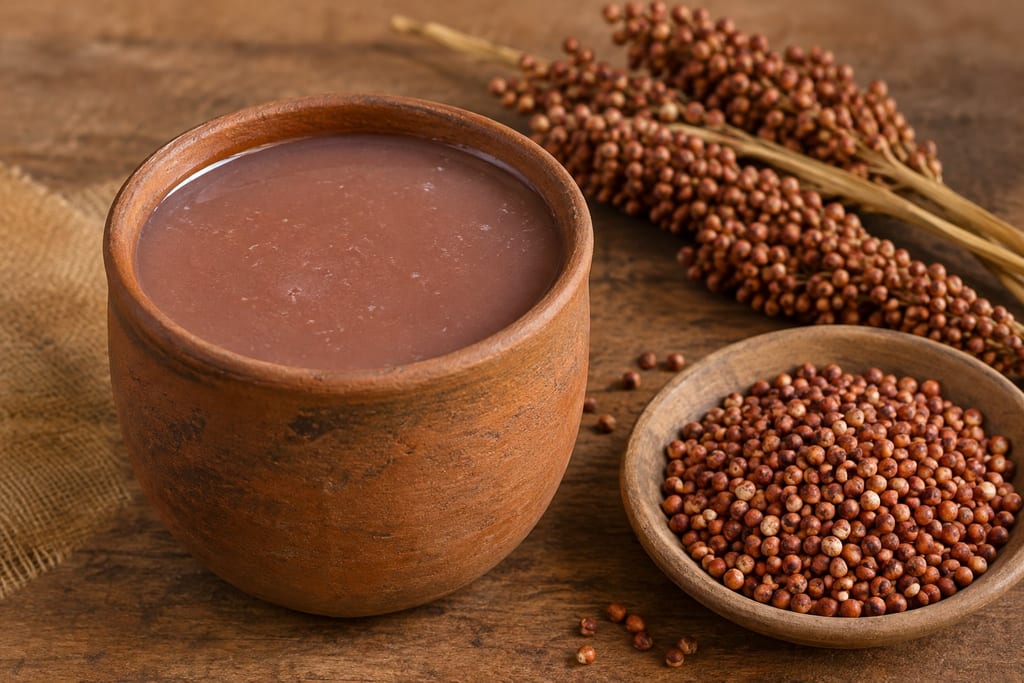
A cloudy Zimbabwean beer brewed from malted red sorghum, given a two-day lactic souring and then a longer alcoholic fermentation.
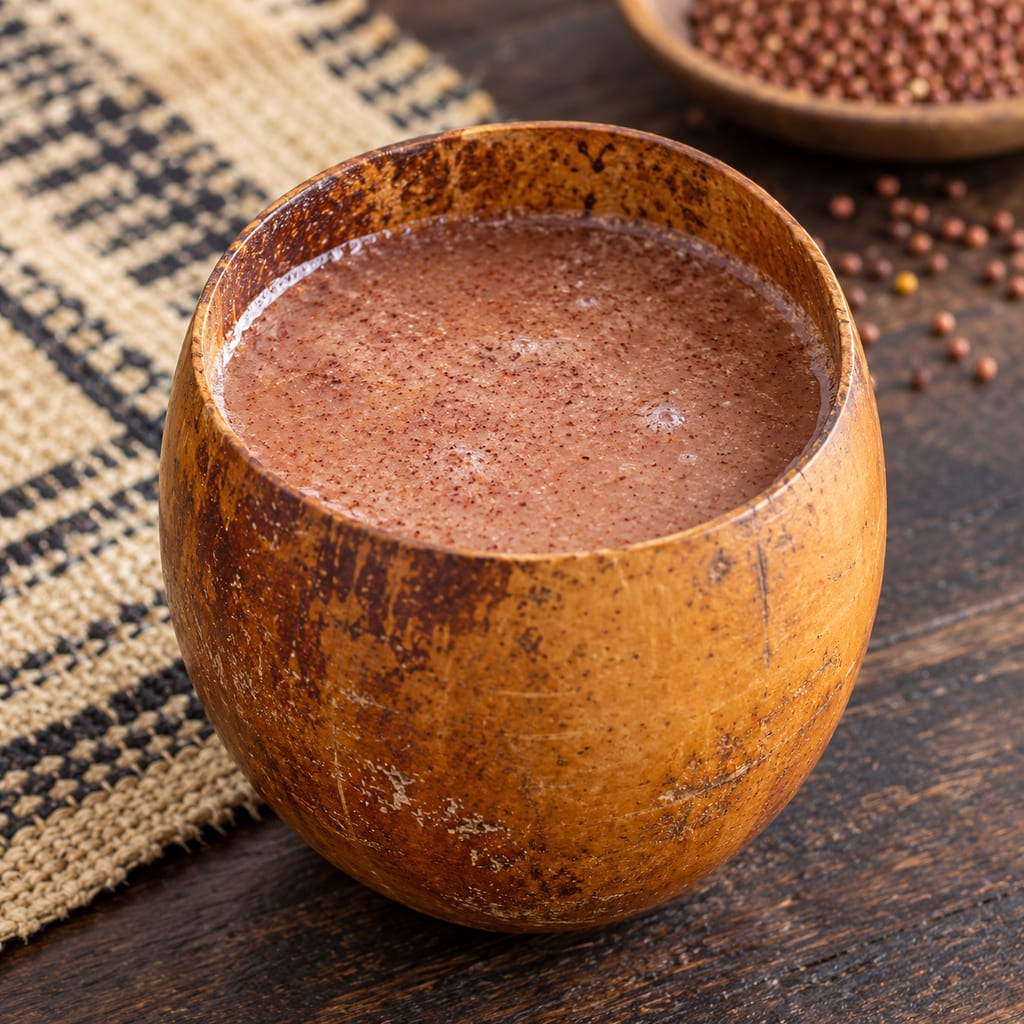
Chagga beer from the slopes of Kilimanjaro in Tanzania, made by combining a fermented banana porridge with a sweet porridge of germinated finger millet and drunk fresh within a day or two.
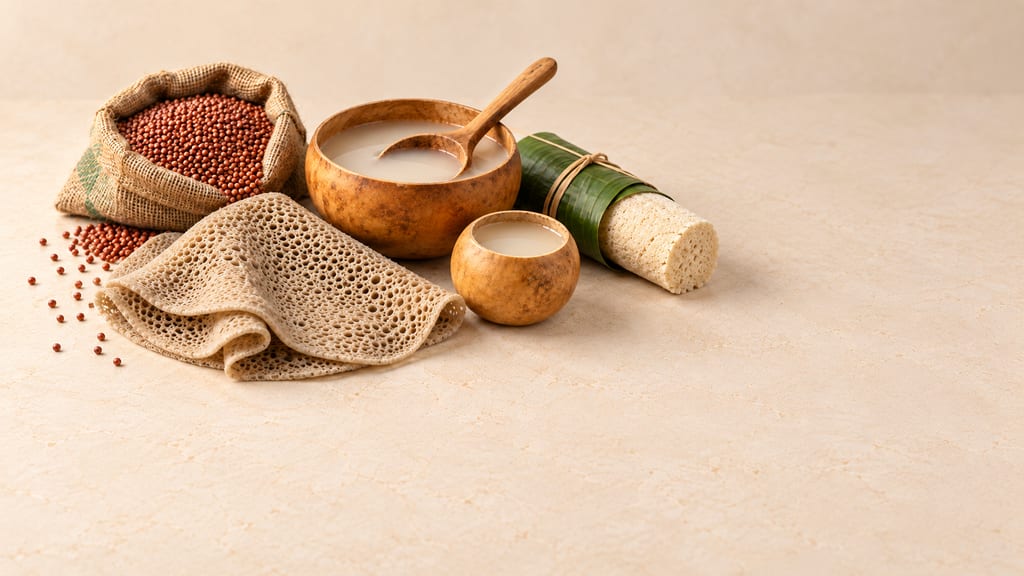
From sour breads and milk to savoury seeds, cassava staples and living beers, African fermentation follows the crop, the community and the work of transformation.
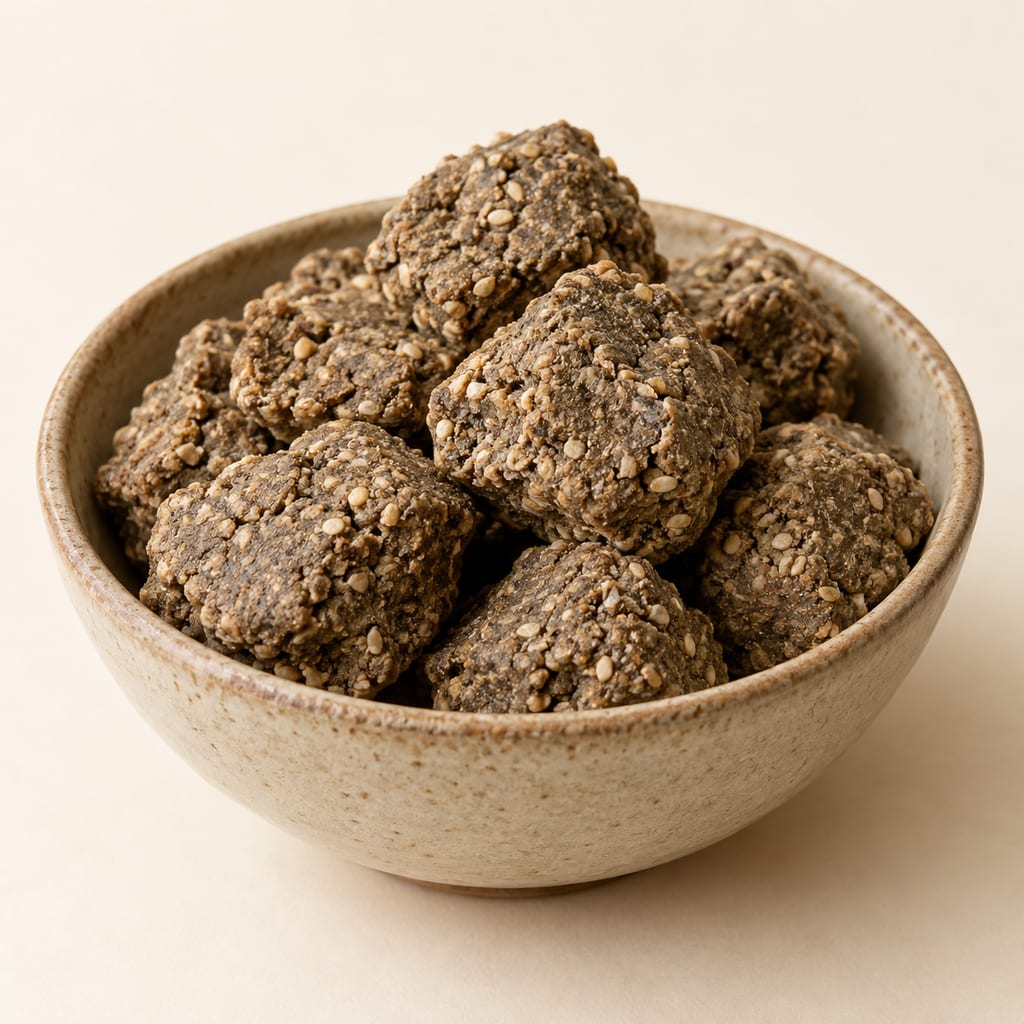
A Sudanese preparation made by fermenting sesame oilseed cake, shaping it into balls and sun-drying. Published accounts describe different processes and do not give a complete household batch.
A deep amber-red American ale brewed from pale, Munich, CaraVienne and chocolate malts, bittered with Columbus hops and finished with Amarillo.
A source-specific modern extract adaptation of Düsseldorf Altbier, with specialty malts, two hop additions and an ale yeast. It is distinct from a brewery's commercial Altbier process and from Kölsch.
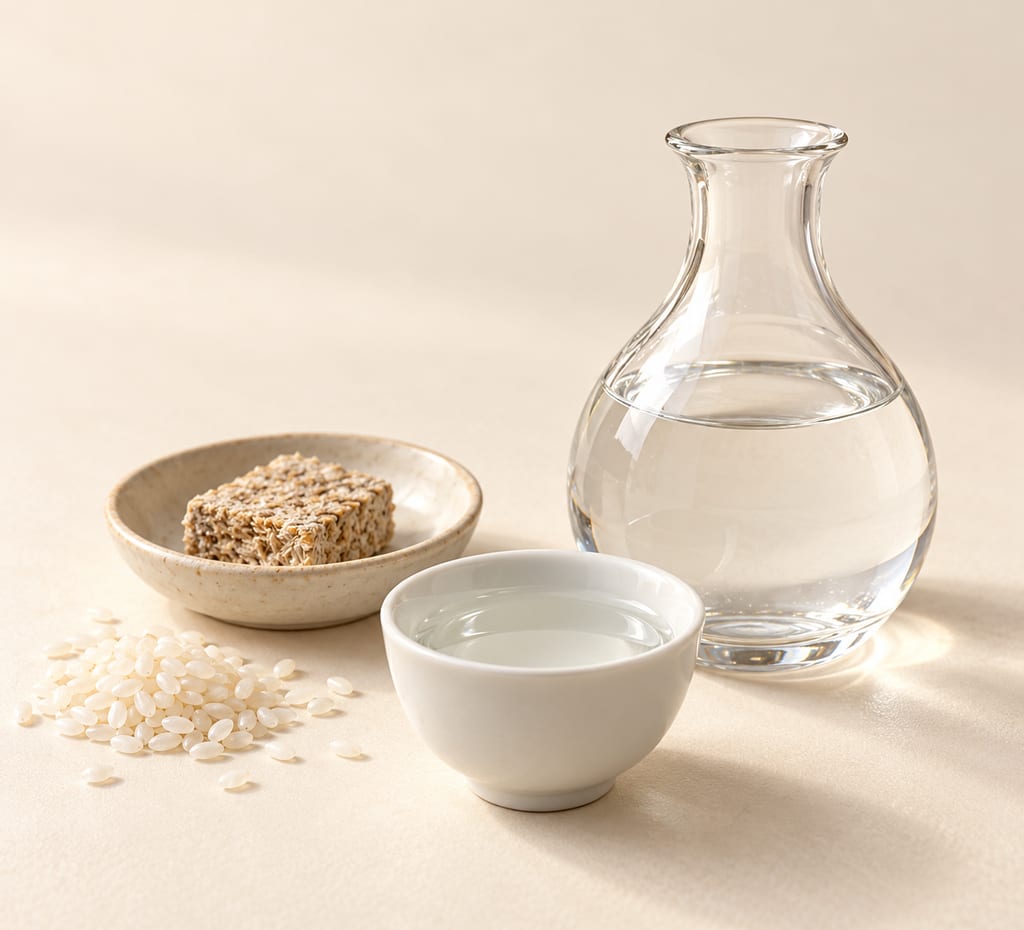
Andong soju is a rice spirit from North Gyeongsang, distilled from steamed rice and wheat nuruk. This method makes the starter before fermenting the rice mash in a jar.
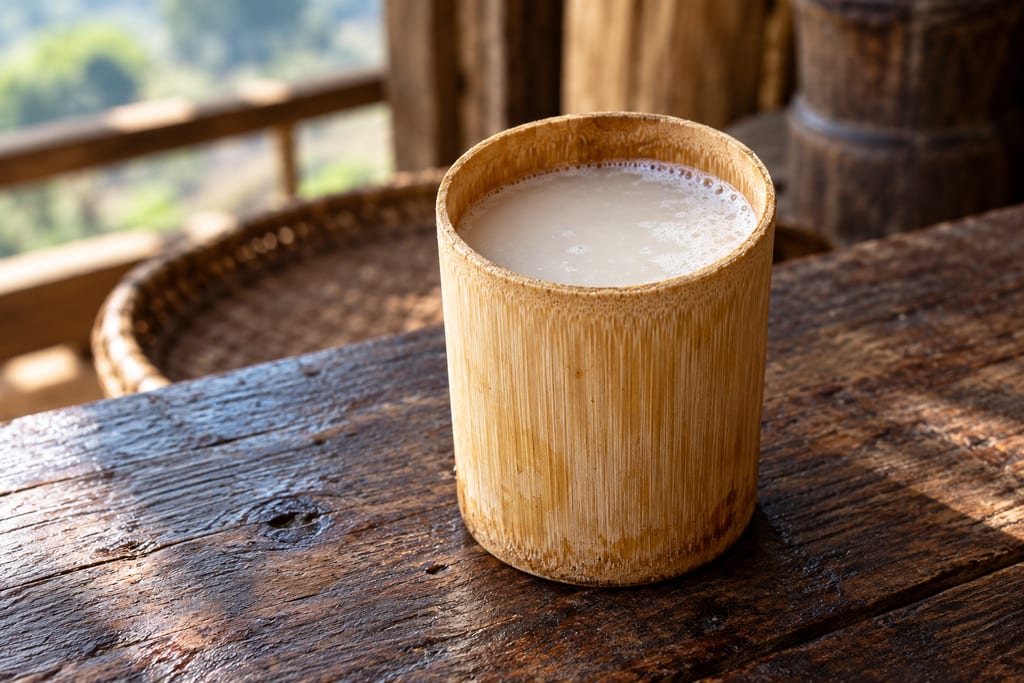
Angami rice beer from Nagaland. A surveyed method mixed cooked rice with piazu, fermented it for about four days in summer or a week in winter, then added water and filtered it. The starter ratio leaves the rice-weight basis unclear.
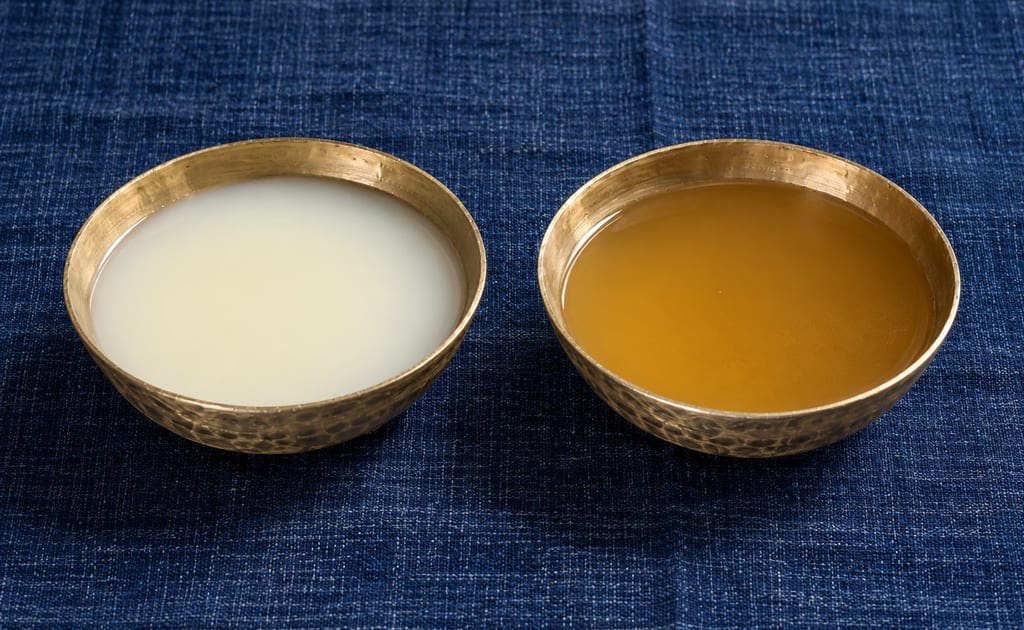
Apong names Mising rice beverages in Assam, including pale Nogin and ash-associated Po:ro. Sources describe distinct preparations and do not establish one unified household recipe or validated safety endpoint.
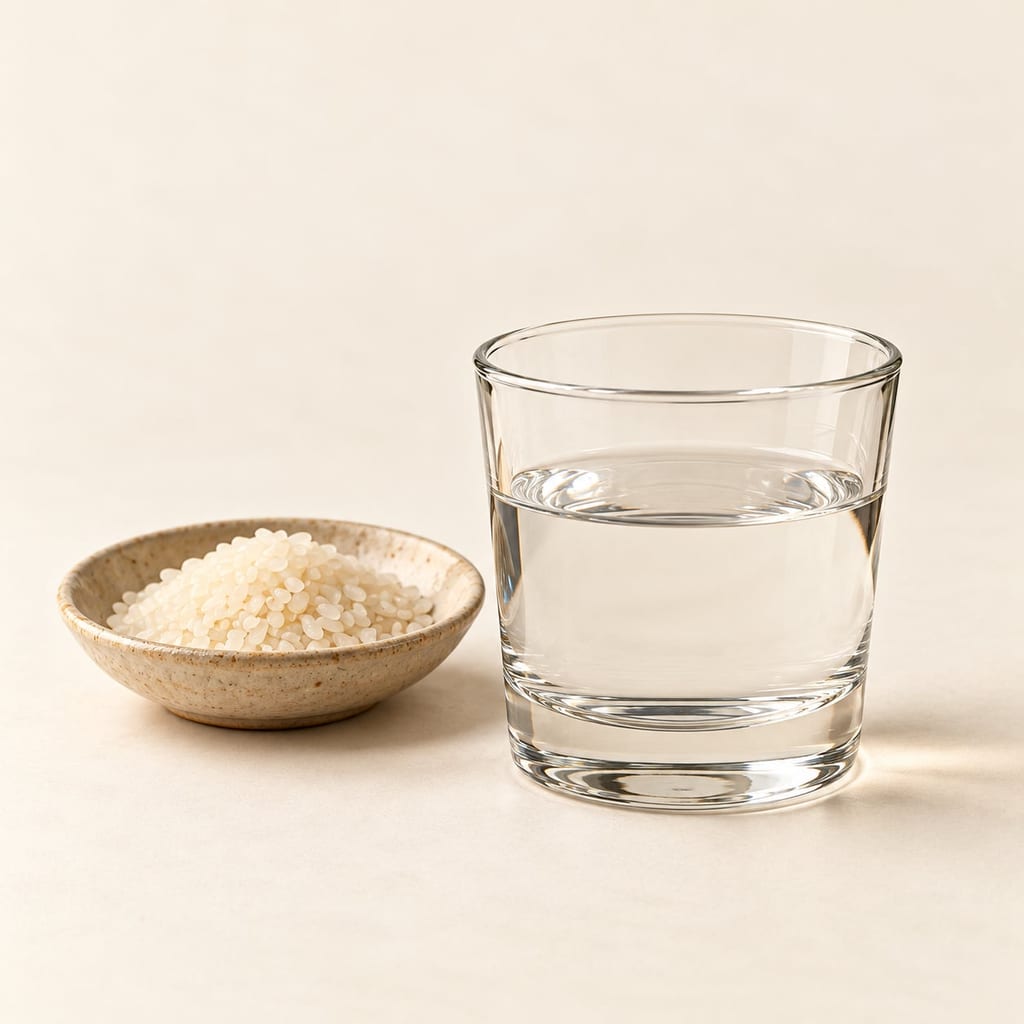
An Okinawan rice spirit made by turning all the rice into black koji, fermenting it with water and yeast, then pot-distilling and maturing the spirit.
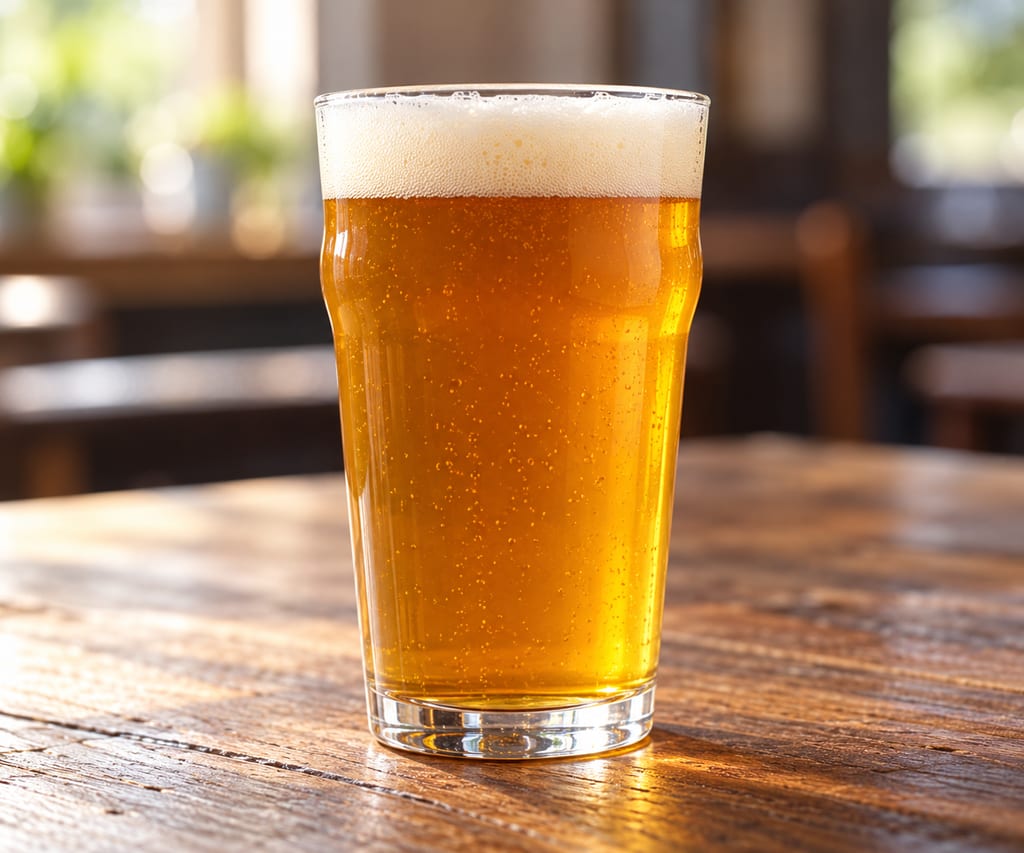
This is a process overview, not a complete batch recipe: key quantities, yield and packaging directions are absent. The AHA tutorial uses Hop Hammer Imperial IPA as an example; this page is not that full formulation.
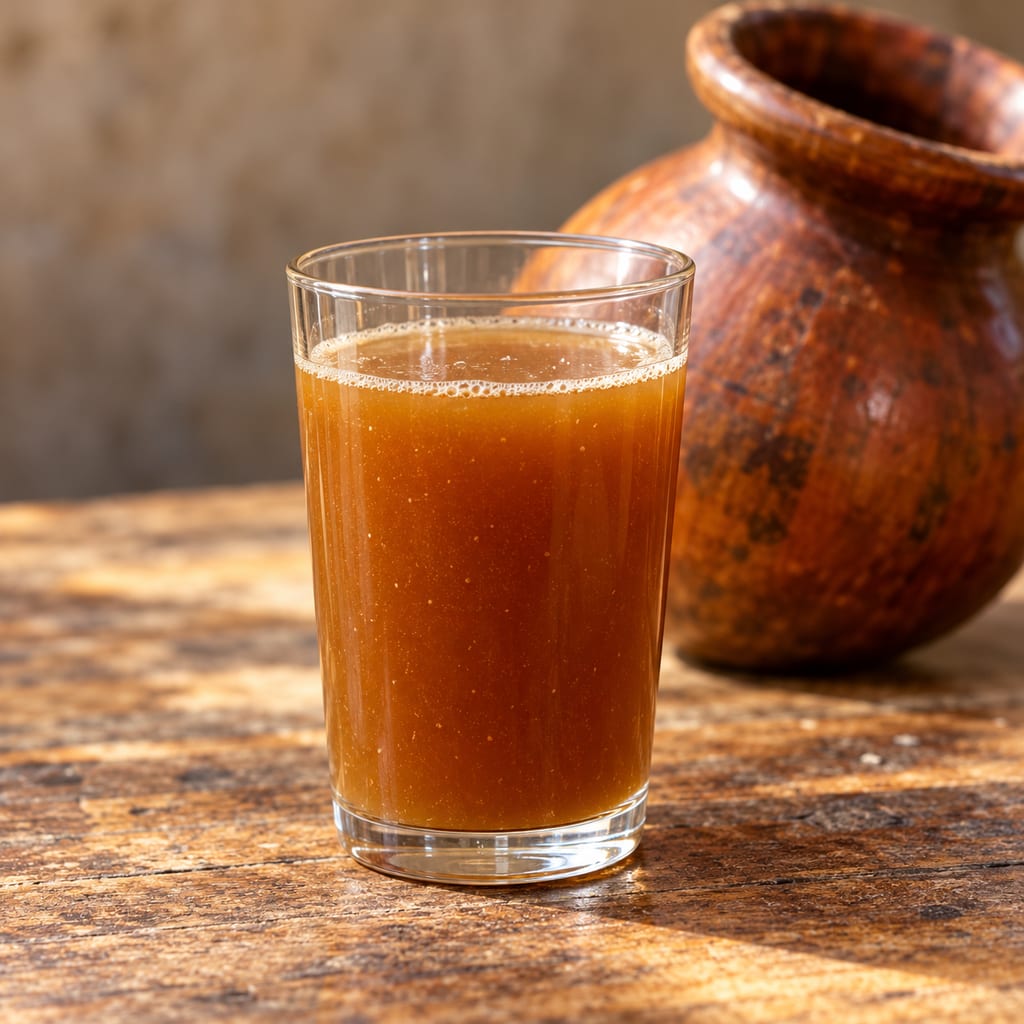
A darker Ethiopian maize tella, brewed from maize baked into a hot, dry kita pancake and then fermented in three stages with barley malt, gesho and water.

A Cap-Pelé boucanière is an Acadian herring-smoking building. The documented Willie Niles example is a one-storey wood-frame structure with a ridge smoke vent and interior bays for hanging fish-bearing cannes.

Achcharu is a family of Sri Lankan vinegar pickles made with mixed vegetables or seasonal fruit and a piquant spice dressing. This version is a quick, refrigerated, non-fermented mixed-vegetable pickle.

The acocote is a long, hollowed and dried gourd used to draw aguamiel from a mature maguey. It is a harvesting tool: the sap is transferred to a separate vessel before it ferments into pulque.

Adrak murabba preserves young ginger in sugar syrup, a sweet South Asian preparation recorded in Indian cookery and food-processing sources.

Parkia biglobosa seeds are fermented into regional West African seasonings, including nététou, iru, dawadawa and soumbala. The yellow fruit pulp is a separate food, and names and methods vary by place.

Japanese reddish-brown vinegar from sake lees matured about three years, turned to vinegar by acetic bacteria; the vinegar of Handa and Edomae sushi rice.

A refined common-wheat flour blended for a broad range of baking; its protein and behavior vary with wheat, milling and market.

The almond mushroom, Agaricus subrufescens, was cultivated in eastern North America in the 1800s, lost its market, and returned as a cultivated mushroom from Brazil, where it is grown under several names.
No community contributions have been published for this entry yet.
Sign in to contribute. Published comments and photos are free to read.
Journal of Food Science, 43(6), 1683-1686, 1978Method · History · Safety
A Microbiological Study of Sudanese Merissa BrewingThe three stages: ajeen, deboba and final merissa fermentation.
Feterita sorghum; malted and unmalted grain kept apart.
Soaking one day, germination two days, sun-drying, coarse milling.
One third of the unmalted flour soured as ajeen for about 36 hours; two thirds cooked as futtara.
Ajeen heated to dark acidic soorij.
About 5% malt and about 5% previous-batch merissa in deboba, fermented about 4-5 hours.
Futtara added with about 5% malt and liquefied; final fermentation about 8-10 hours; straining; mushuk residue.
Family batches of 2-4 litres, commercial brewing of 20-30 gallons; beer sold fresh and turning sharply sour by day end.
Cited in: What merissa is; Where it comes from; How it works; Why each ingredient and step matters; Variations across Sudan and the grain belt; How it is drunk and used; Reading results and problems
Institute of Food TechnologistsMethod
Journal of Food Science, Volume 43, Number 6, November-December 1978Scanned issue carrying the 1978 merissa paper and its process diagram.
Cited in: Why each ingredient and step matters
Sudan Notes and Records, vol. 57, 1976, pp. 115-129 (record hosted by AfricaBib)History · Method
The Art and Science of Merissa FermentationBibliographic record of the 1976 ethnographic study.
Zurreia, soorij and futtara; the separate souring, starter and final stages.
Merissa in Sudanese food culture.
Cited in: Where it comes from; Variations across Sudan and the grain belt; How it is drunk and used
Biotechnology, Agronomy, Society and Environment, University of Liege, 16(4), 509-530, 2012Method · Science · Safety
Characteristics of African Traditional Beers Brewed with Sorghum Malt: A ReviewReview of African sorghum beers with a flowchart of merissa.
Finished merissa about pH 4 and about 5% alcohol by volume.
Sorghum malt enzymes; short shelf life of traditional cereal beers.
Cited in: What merissa is; How it works; Why each ingredient and step matters; How it is drunk and used; Reading results and problems
FAO Agricultural Services Bulletin 138, 1999Method · Science
Fermented Cereals: A Global Perspective, Chapter 2Merissa as a Sudanese beverage from sorghum and millet.
Ajeen reported near pH 4, 1% alcohol and 2.5% lactic acid.
Lactic acid bacteria, acetic acid bacteria and yeasts in ajeen.
Finished drink about 6% alcohol.
Cited in: What merissa is; Where it comes from; How it works; Variations across Sudan and the grain belt; Reading results and problems
National Research Council, Applications of Biotechnology to Fermented Foods, National Academies Press, 1992History · Method
Sudan's Fermented Food HeritageSmall amounts of sorghum malt used as an enzyme source.
Caramelised surij and differently cooked cereal fractions.
Knowledge held by rural women; regional diversity of opaque beers.
Cited in: What merissa is; Where it comes from
Sudanow Magazine, 21 March 2021History
Sudan's Fermented Food HeritageRepublished account of Sudanese fermented foods, surij and about 5% malt.
Sudan Notes and Records, vol. 8, 1925, pp. 212-214; Sudan Memory / University of KhartoumHistory
MerissaMerissa described in Sudanese literature in 1925.
A low-alcohol cereal drink and staple food in western and southern Sudan.
Cited in: Where it comes from; Variations across Sudan and the grain belt
African Archaeological Review, Springer NatureHistory
A Window into the Nubian Diet: Food Crop Storage in the Kingdom of Dongola (14th-18th Centuries CE), Northern SudanArchaeological evidence for cereals is distinct from modern merissa recipes.
Nineteenth-century references to Cailliaud and Burckhardt on Sudanese cereal drinks.
Cited in: Where it comes from; Variations across Sudan and the grain belt
Cyberlibrary (online edition of a travel narrative of 1881-1882)History
Life in the Soudan: Adventures amongst the Tribes and Travels in Egypt, chapter 51A traveller drinks merissa at Kassala, names dura as the grain and describes germination, milling, dough, cooking and fermentation.
Cited in: Where it comes from
CORE repositoryHistory
Scholarly text on Sudanese fermented beverages (PDF)Nineteenth-century mention of merissa-type grain beer in Kordofan.
Cited in: Variations across Sudan and the grain belt
United Nations Industrial Development OrganizationScience
UNIDO publication on Sudanese fermented foods (PDF)Homofermentative lactobacilli and lactic acid in the souring stage.
Cited in: Where it comes from; How it works; Why each ingredient and step matters; Reading results and problems
CD3WD ProjectMethod
CD3WD fermented foods processing collectionSecondary description of merissa preparation and use.
Cited in: What merissa is; Why each ingredient and step matters
Frontiers in MicrobiologyScience
Review of fermented cereal beverages and their microbiota (Frontiers in Microbiology, 2016)Yeasts and lactic acid bacteria in African cereal beers; no single universal strain.
Cited in: How it works; Reading results and problems
Food Additives & Contaminants: Part A, 35(7), 1384-1393, 2018Safety
Mycotoxin Contamination of Sorghum and Its Contribution to Human Dietary Exposure in Four Sub-Saharan CountriesAflatoxins, fumonisins, sterigmatocystin and other mycotoxins found in sorghum from Burkina Faso, Ethiopia, Mali and Sudan.
Sudanese samples had the lowest prevalence of the four countries but were not free of contamination.
Cited in: Reading results and problems
World Health OrganizationSafety
Five Keys to Safer FoodClean hands and equipment, safe water and raw materials, separation, temperature control.
University of Bergen Library, Marcus Special CollectionsImage
Men Drinking Beer During Communal House Building, Umu Village, Western Darfur, 1969Fur millet beer (kira) drunk during communal labour.
Cited in: How it is drunk and used
University of Bergen Library, Marcus Special CollectionsImage
Beer Sales in Umu Village, Western Darfur, 1965Women selling cereal beer from earthenware vessels in western Darfur, 1965.
Cited in: How it is drunk and used
Women's Literacy in Sudan, 23 May 2022Image
Ethnographic Museum KhartoumMerissa straining vessels from the Nuer community of Bahr El Zaraf.
Cited in: How it is drunk and used