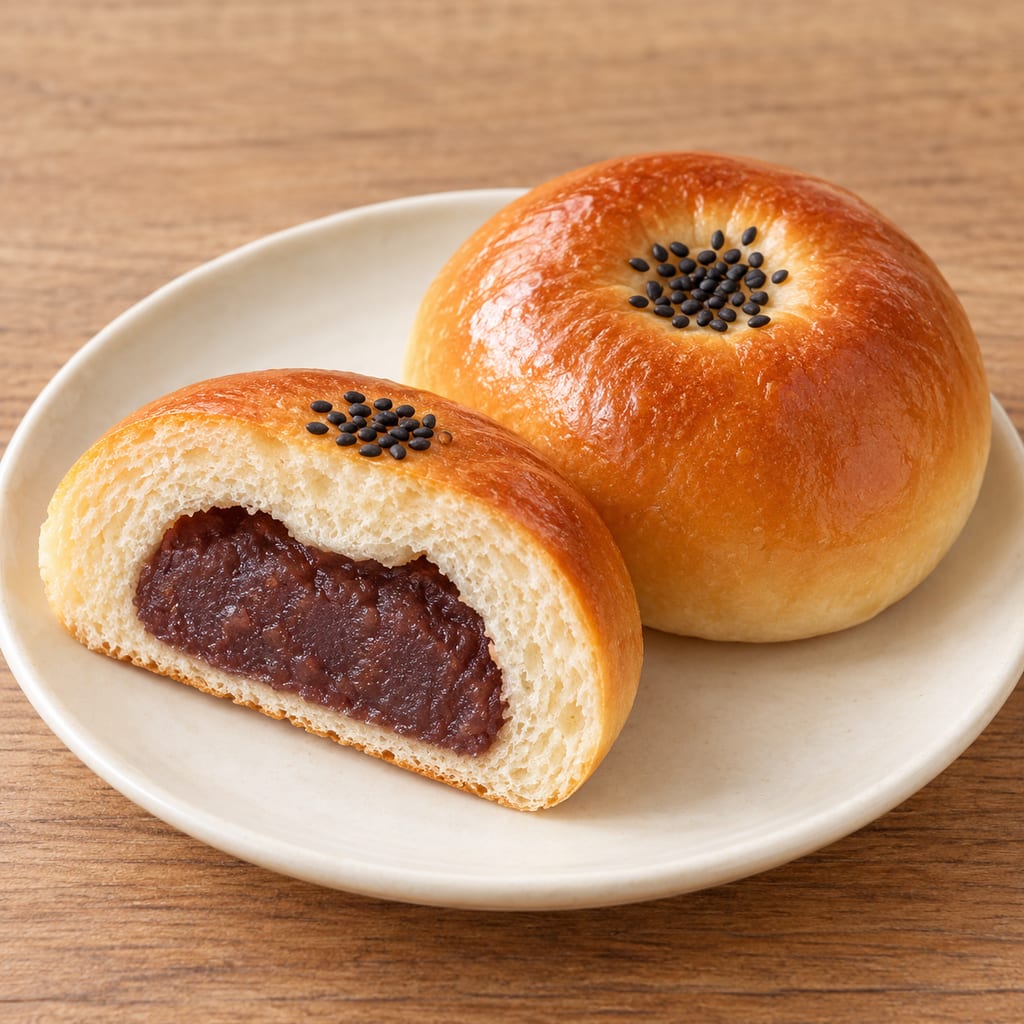
Anpan
Anpan is a soft wheat bun filled with sweet red-bean paste and finished with egg wash and black sesame. This dough rises with commercial instant yeast.
 FermenteaWhere food goes to change
Modern adaptation
Melon pan (メロンパン) · melonpan · melon bread
Melon pan pairs a soft Japanese yeast bun with a crisp, crosshatched cookie shell. In this ten-bun version, the bread dough is wrapped in a separate biscuit layer and baked until lightly golden.
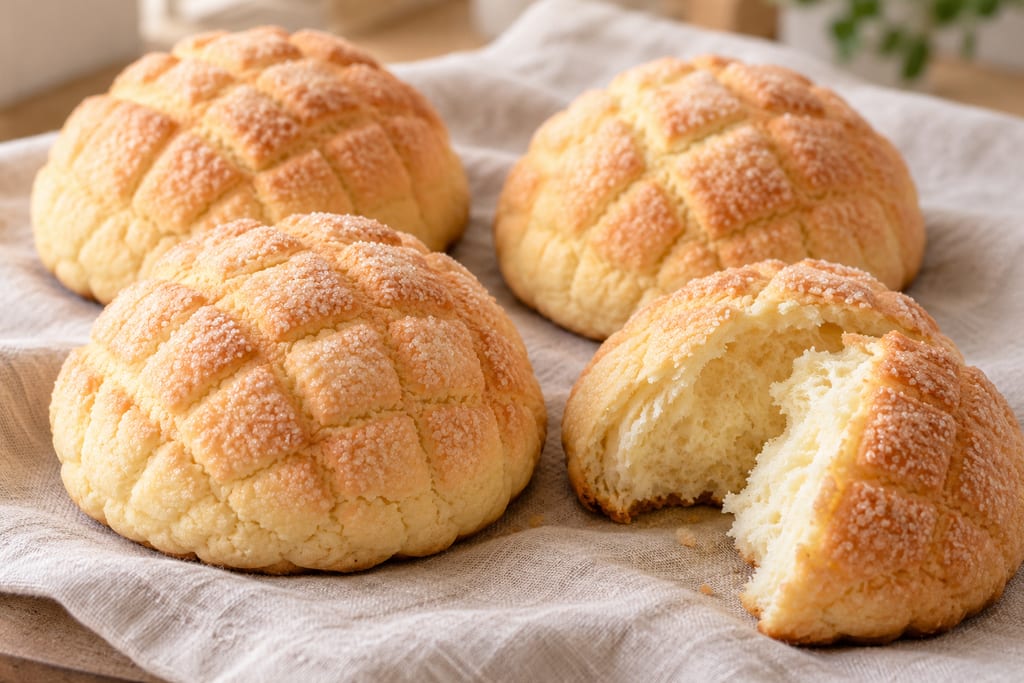
The NDL Reference Cooperative reproduces an Aichi Prefectural Library response saying the origin is unclear and summarizing competing accounts. This is a secondary reference answer, not direct first-attestation evidence. The JOC page describes melon pan as Japanese sweet bread; its selected recipe contains no melon.
Yield 10 buns · Scaling: source batch only
Raw flour and eggs may carry harmful bacteria; uncooked dough should not be tasted.
Hazard sourceKeep raw flour, eggs and dough separate from ready-to-eat food. Do not taste the dough; bake the buns before eating, and wash hands, utensils, bowls and work surfaces after handling.
Control sourceThe source's refrigeration and freezing directions are retained as author guidance, not independently validated storage limits.
JOC identifies Japanese kashi pan; the NDL/Aichi reference response discusses uncertain origin accounts. No precise birthplace is established.
Anpan is a soft wheat bun filled with sweet red-bean paste and finished with egg wash and black sesame. This dough rises with commercial instant yeast.
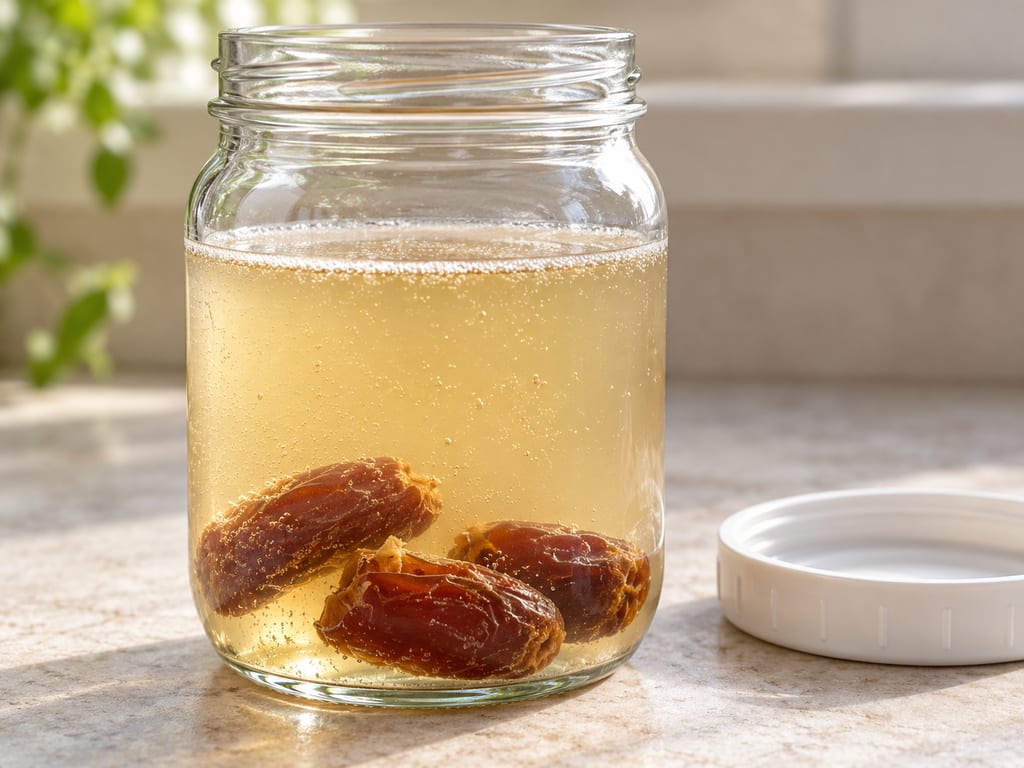
Fruit yeast water is a spontaneously fermented liquid made by soaking fruit in water, with or without sugar, to grow yeast for starting bread dough or a separate flour starter.
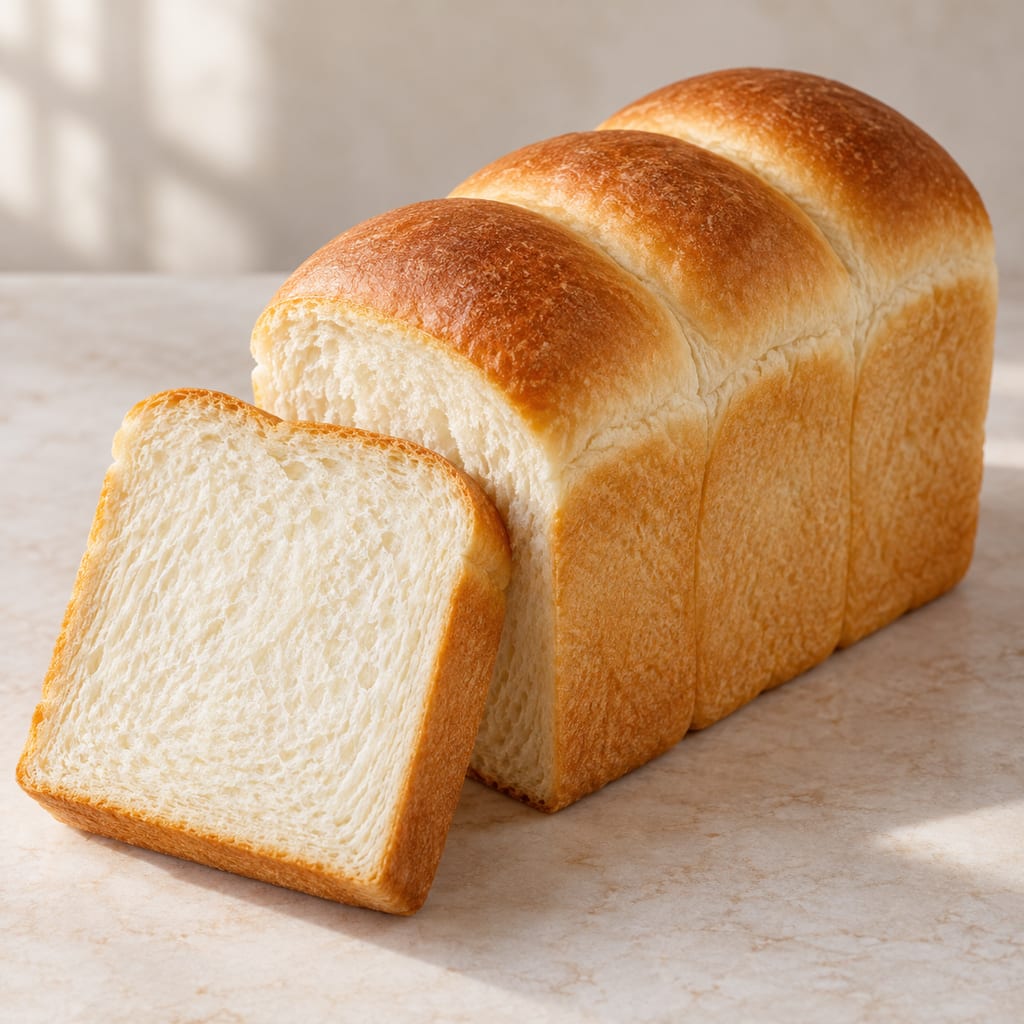
Shokupan is a soft, mildly sweet Japanese wheat loaf served as toast or in sandwiches. This formula makes a square or rounded one-loaf pan bread with a fine, milky crumb.
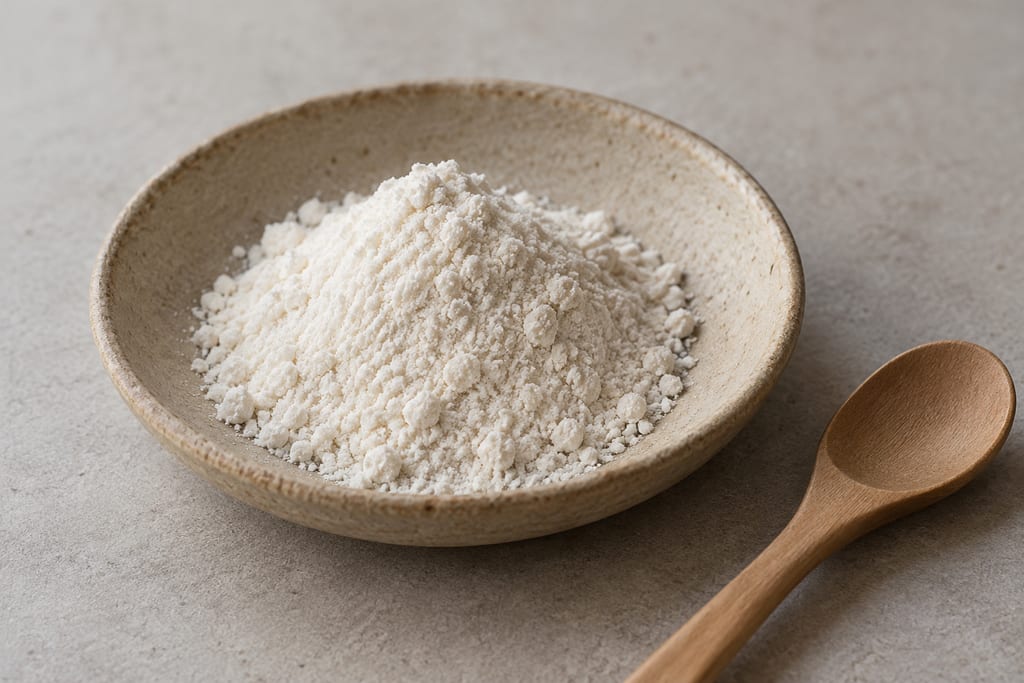
Starch released from giant woodland lily bulbs by pounding, washed out in water, settled and dried: the refined fraction of an Ainu process that also yields fermented cakes from the residue.

Japanese reddish-brown vinegar from sake lees matured about three years, turned to vinegar by acetic bacteria; the vinegar of Handa and Edomae sushi rice.

A thick, naturally sweet rice-and-koji preparation used to add body and sweetness to marinades, dressings and sauces. This method follows a published Marukome home recipe and is an enzyme-conversion hold, not a way to grow koji mould.
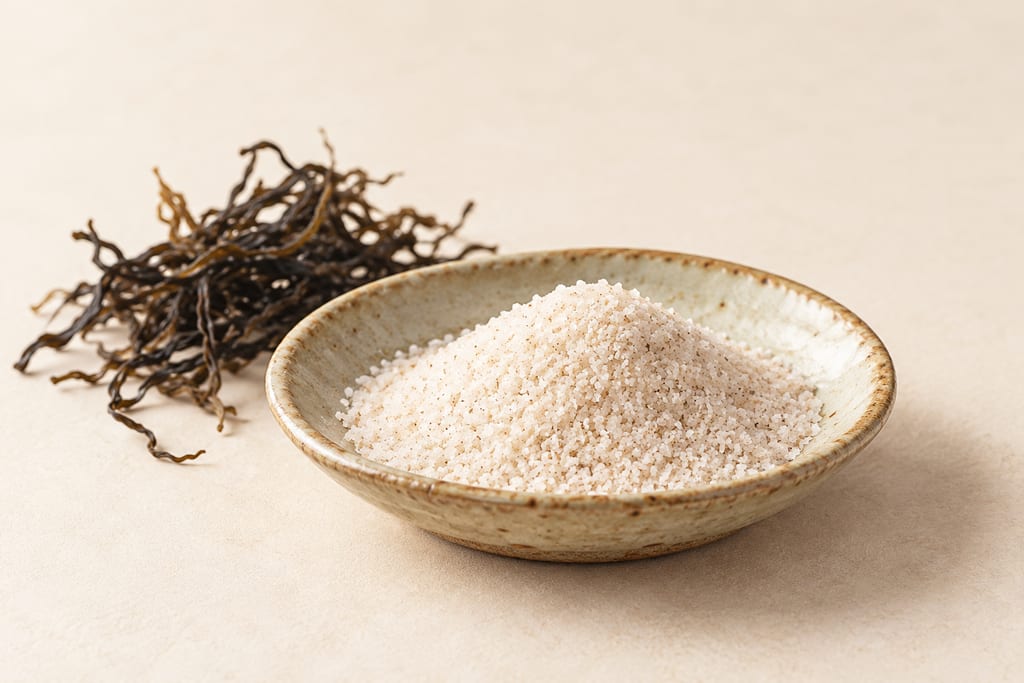
Amabito no Moshio is a modern, pale beige Japanese seaweed salt made from Seto Inland Sea water and hondawara seaweed. Its documented factory method concentrates filtered brine in kettles, then separates and dries the salt.

Japanese skipjack tuna cooked, then repeatedly smoked and dried over a wood fire by the hand-fired tebiyama method into a hard block for shaving into dashi: the first stage of katsuobushi.
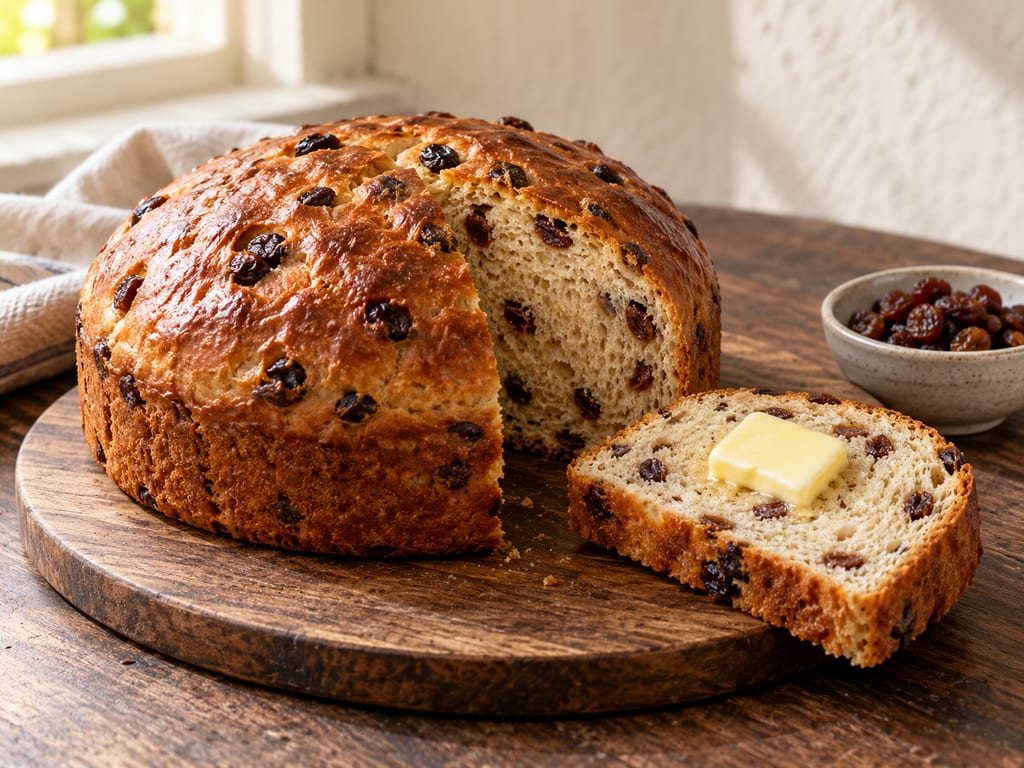
An Irish fruit-studded yeast loaf, associated in a contemporary cultural account with Halloween and often served fresh or toasted with butter.
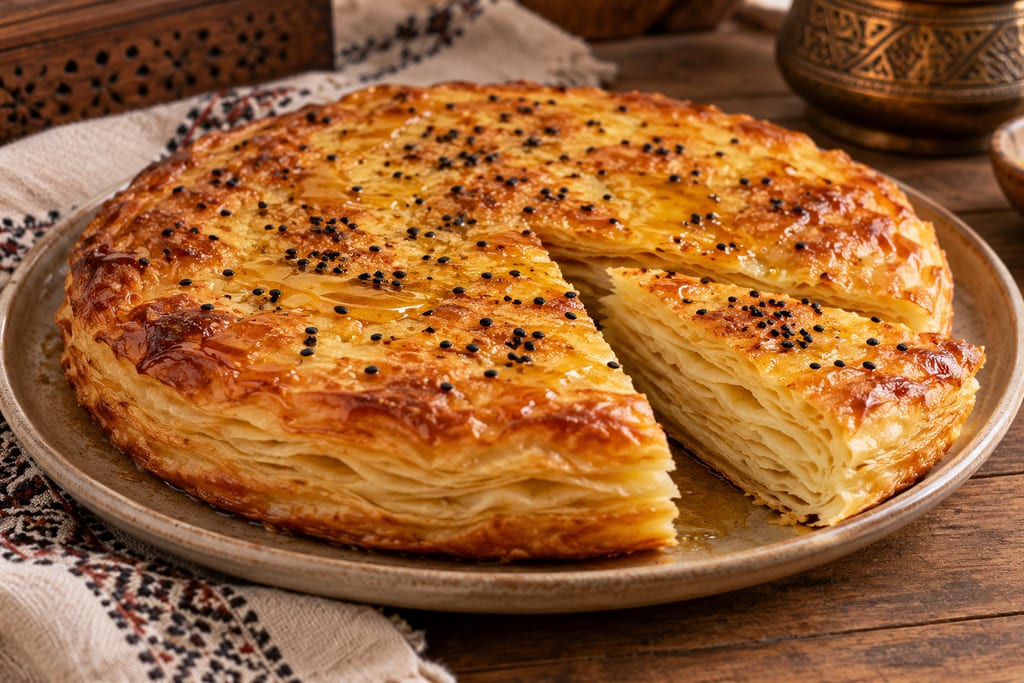
Bint al-sahn is a Yemeni celebration and home bread built from thin, egg-rich yeast dough layers brushed with ghee or butter. This source-specific version makes one round cake, baked until golden and served warm with honey.
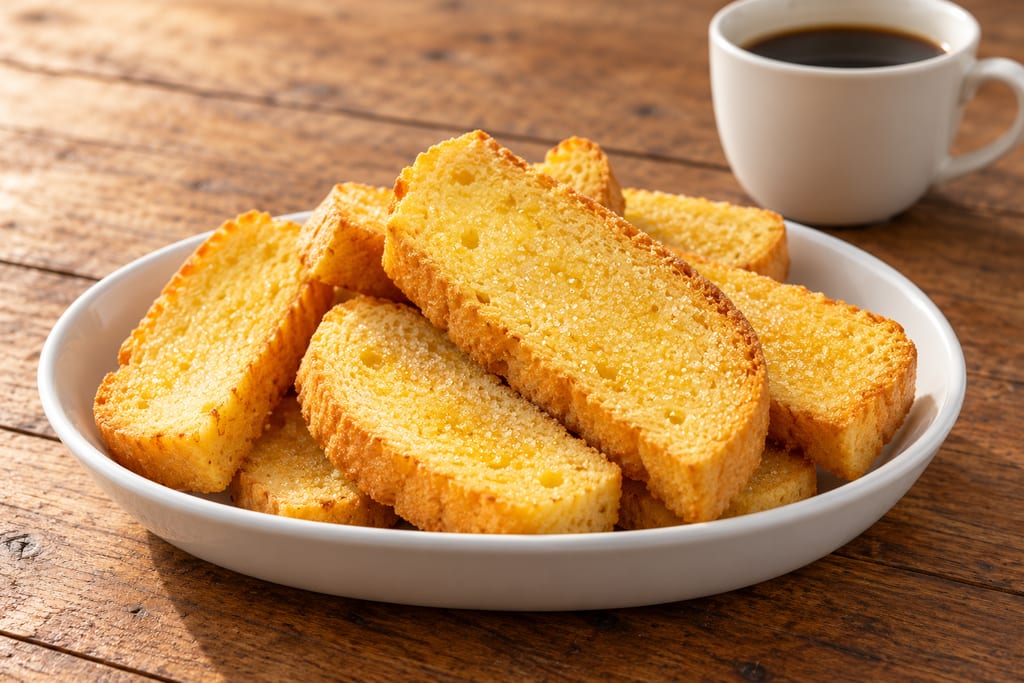
PagkainPinoy’s 24–30 piece version twice-bakes day-old soft bread with a thin butter-and-sugar coating.
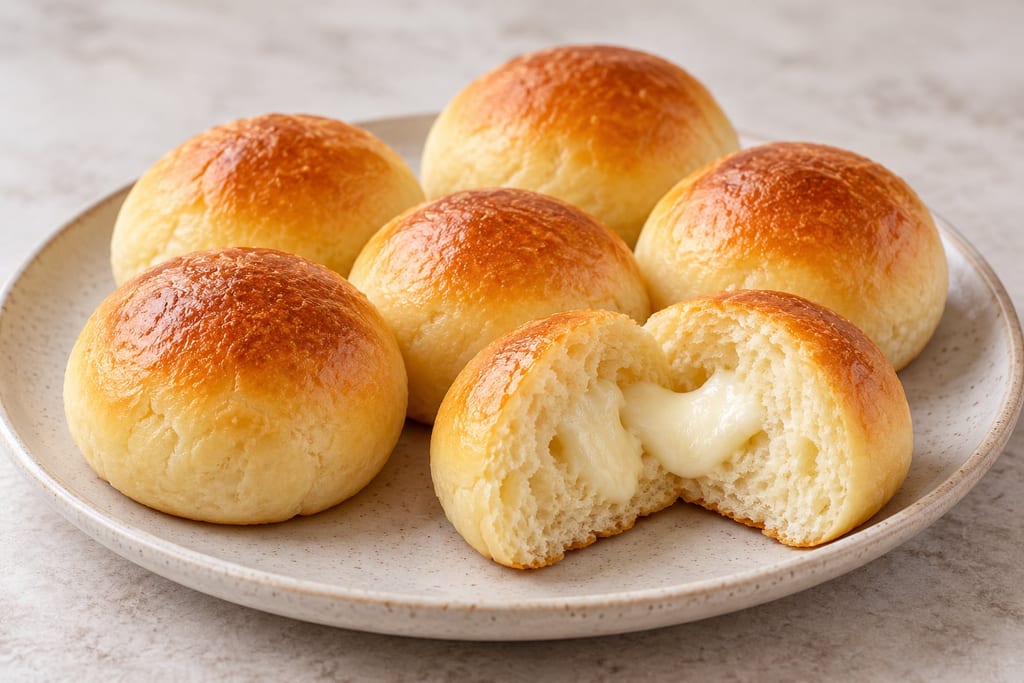
Soft Brazilian yeast rolls use cooked mashed potato in an enriched dough, with mozzarella cubes enclosed before baking.
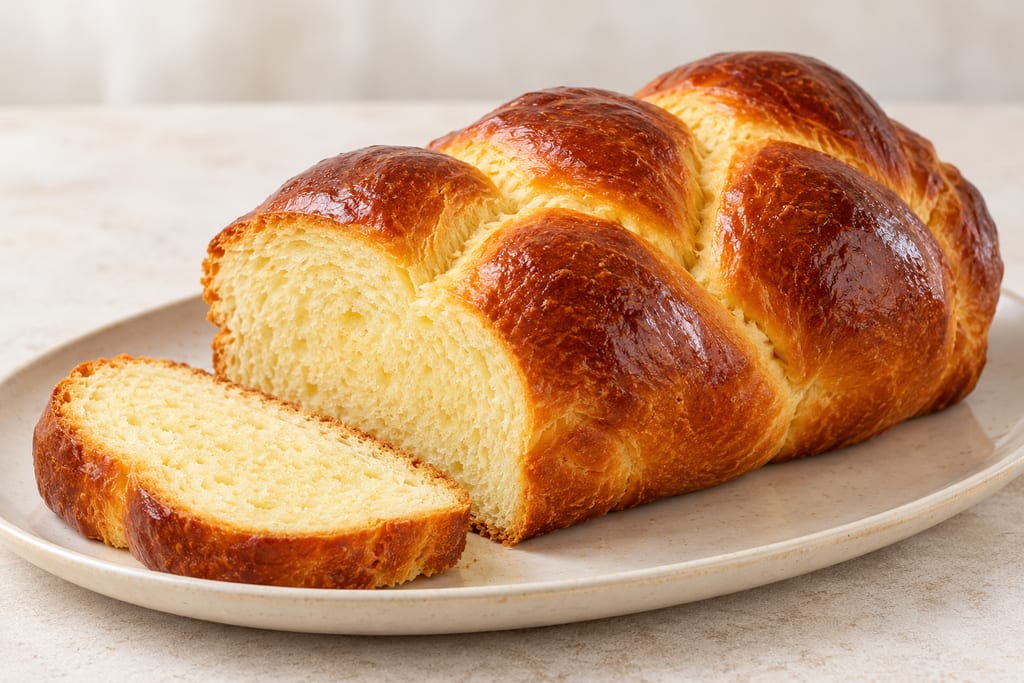
An egg-and-butter-rich yeast dough shaped as one round loaf, two loaves or twelve small brioches, with baking paths that vary by shape.
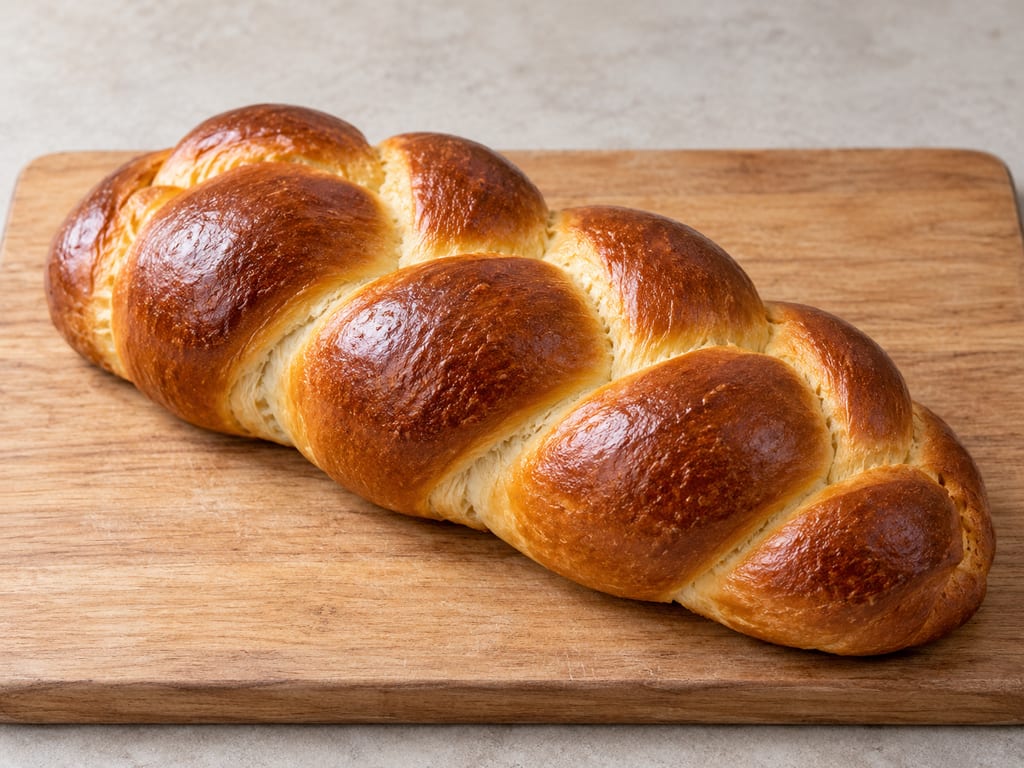
A three-strand yeast-raised challah with flour, salt, yeast, water, neutral oil, honey and egg, based on a Jewish Museum Vienna home recipe.
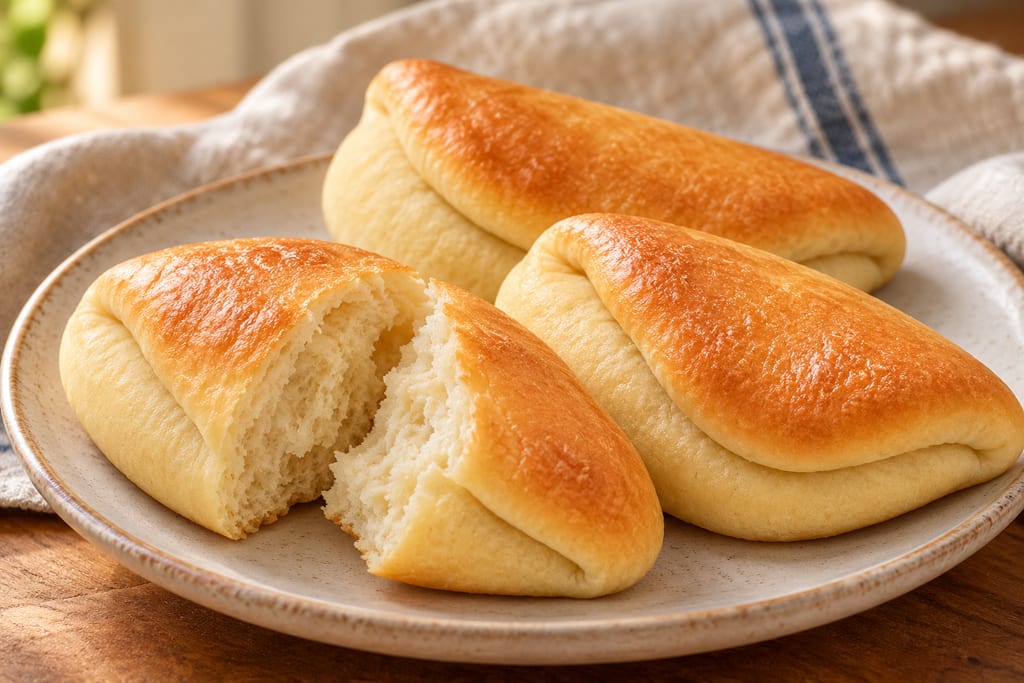
Jamaican-style folded rolls made from sweet coconut-milk yeast dough and brushed with butter.
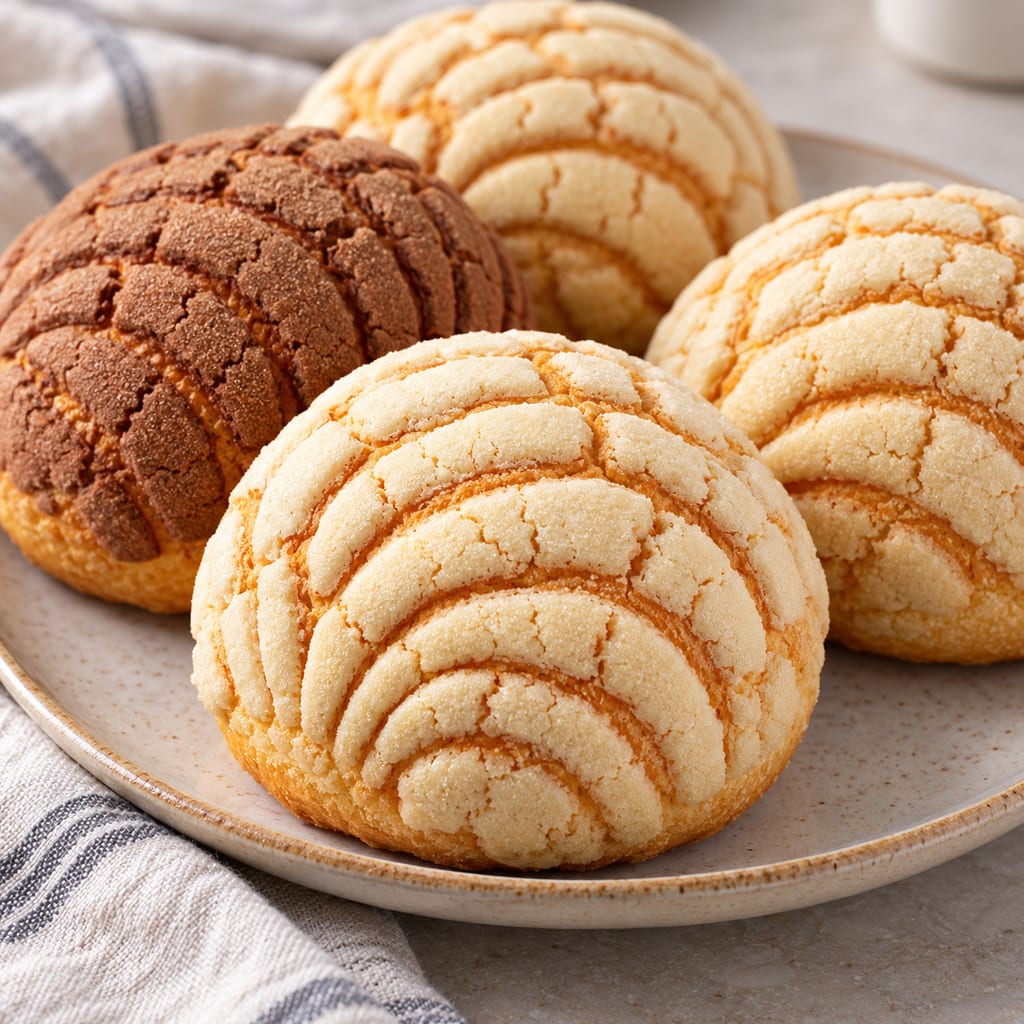
Mexican sweet rolls with a soft enriched yeast dough and a separate scored sugar-flour topping shaped like a shell. This version makes 15 rolls and uses a chilled dough rest before final proofing.
No community contributions have been published for this entry yet.
Sign in to contribute. Published comments and photos are free to read.
Just One CookbookInspiration · Recipe · Identity
Melon PanIdentity and food description, lines 117–140; current recipe card and steps, lines 283–486; storage section inspected in page.
NDL Reference Cooperative / Aichi Prefectural LibraryHistory
Melon pan: reference responseAichi Prefectural Library’s secondary account of uncertainty and competing origin stories, lines 79–90.
U.S. Food and Drug AdministrationFood safety
Handling Flour Safely: What You Need to KnowRaw flour and raw eggs may carry harmful bacteria; cooking is the only way to ensure foods made with them are safe.
Keep raw flour and eggs separate from ready-to-eat foods; do not taste raw dough; wash hands, utensils, bowls and surfaces after handling.