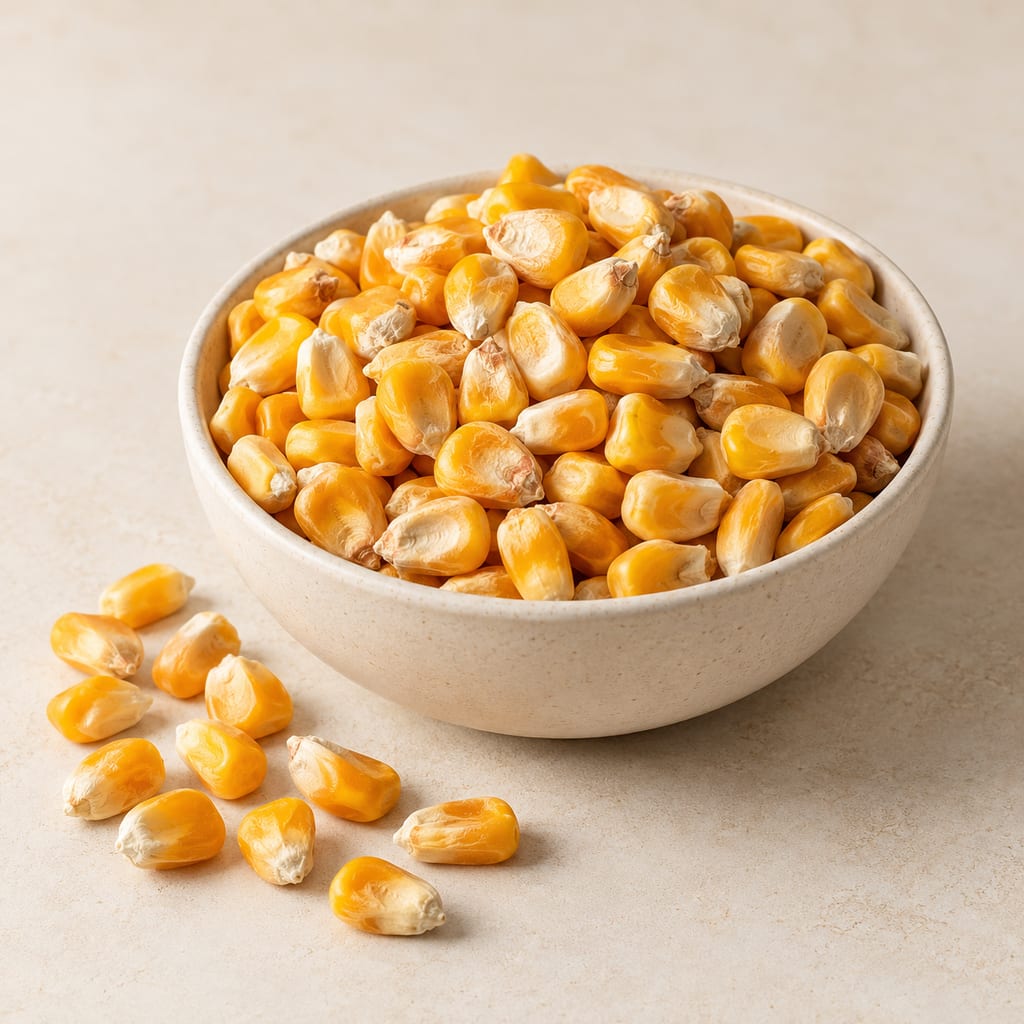
Maize
Maize is the foundational grain of Andean fermentation. Its role in brewing chicha de jora depends on germination into jora, a malted form generating enzymes and sugars necessary for alcoholic fermentation.
 FermenteaWhere food goes to change
Quimbombo · Kimbombo · Chimbombo · Ocimbombo
Quimbombo is a maize beer made in an Umbundu tradition in Angola. The documented Huambo method stages malt saccharification, lactic souring, a second boil and yeast fermentation.
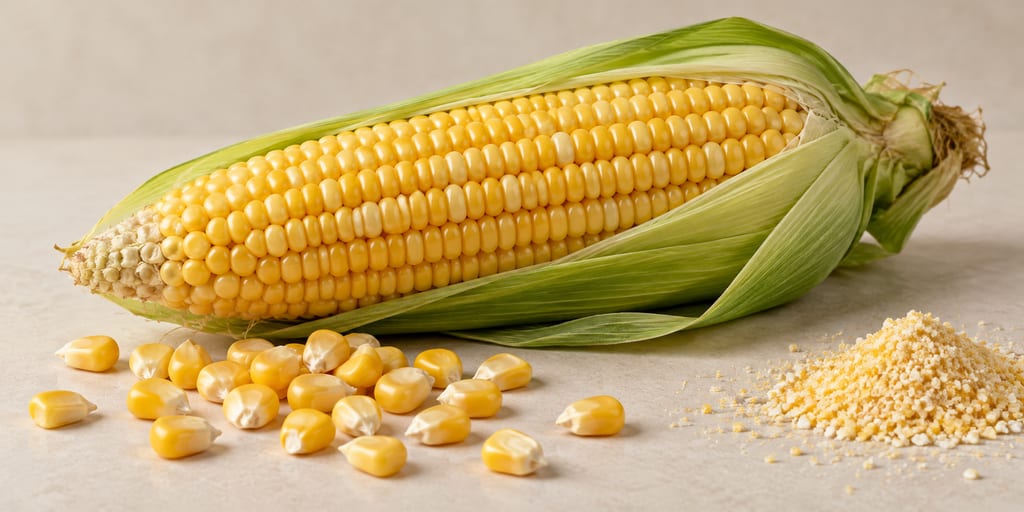
Quimbombo is a maize beer documented among Umbundu communities in Angola. It uses lactic souring as one stage in a longer brewing process that also includes malt saccharification and alcoholic fermentation. The process differs from Quissângua, the lactic maize drink made without the beer's later yeast fermentation.
The name has covered other products in urban settings, including stronger fruit drinks in the 1970s. This record follows the maize-and-malt beer observed in Huambo, rather than treating those products or Quissângua as synonyms.
An 1881 travel account describes capata, quimbombo or chimbombo as a maize beer in the Bihé. The account is a dated written attestation; it does not establish when the beverage began or whether the 1881 method was identical to the later one.
A process study followed a respected producer in Huambo's Aeroporto neighbourhood for four months between late 1973 and April 1974. The producer made beer for celebrations as well as household use, and the study records her method rather than a universal formula. The authors note that family transmission of the knowledge was being disrupted by migration and reduced access to traditional ingredients.
The documented beer combines maize flour or fermented fuba, maize malt, cold ombundi-root extract and a maintained culture of yeast and lactic bacteria. The malt supplies enzymes that convert cereal starch into fermentable sugars. Ombundi extract adds flavour and is also described as an enzyme source; its quantity and exact root-to-water ratio are not given.
The process first warms the flour-and-malt mash to support saccharification, then cools it and adds more malt with the root extract. Lactic bacteria sour this intermediate before the second heating stage and boil. The wort then cools and receives an active starter maintained separately in a gourd. Yeast fermentation follows the earlier souring; those stages should not be collapsed into a single generic ferment.
The source's large batch begins with about 70 litres of water and about 4 kilograms of maize-flour and malt blend at a 4:1 ratio. The mixture is heated first to 65–75 °C for about two hours. About 15 litres of ombundi extract and 1 kilogram of additional malt are then added, followed by an overnight lactic stage reported at 20–30 °C for 8–10 hours.
The sour intermediate is reheated at 60–70 °C for about an hour, then boiled. After cooling to roughly 30 °C, the wort is inoculated with an active yeast-and-lactic culture that had been started in about 3–4 litres of boiled wort for roughly 12 hours. These measurements describe one observed batch. The maker judged heat partly from steam and bubbles because she did not use a thermometer.
The article names beer stages from the onset of alcoholic fermentation through three days of fermentation. It records about 1–1.5% alcohol by volume after one day and about 3–4% after three days for the observed maker. These values do not define every local batch or a safe stopping point.
The authors identify mould-contaminated grain or malt, inconsistent ingredients, inadequate equipment hygiene and imprecise fermentation as risks across traditional cereal beers. The Huambo account describes lactic souring and boiling as safety-supporting steps, but it does not validate a modern household control plan. The final stage can spoil as acetic acid develops; refrigeration is mentioned as a way to extend keeping, without a validated duration or temperature.
Carvalho cites Serpa Pinto's 1881 description of capata, quimbombo or chimbombo as maize beer. The detailed process record follows one Umbundu producer in Huambo's Aeroporto neighbourhood from late 1973 to April 1974; it does not establish an origin date or a universal method.
Scaling: source batch only
The article identifies mould-contaminated cereal and malt as a general safety risk for traditional cereal beers.
Hazard sourceThe article notes that imprecise methods, inconsistent raw materials, inadequate equipment hygiene and short keeping periods can harm traditional-beer safety.
Hazard sourceThe observed process includes an initial lactic stage and a later boil before yeast fermentation; the article discusses these as safety-supporting operations, not as validated household critical limits.
Control sourceUse clean, serviceable fermentation equipment and sound, properly stored grain; the source identifies poor hygiene and stored-cereal mould as risks but gives no acceptance test or storage limit.
Control sourceAlcohol values of about 1–1.5% after one day of alcoholic fermentation and 3–4% after three days are observations for the documented producer, not a guaranteed strength or safe stopping rule.
The source describes spoilage risk after the final fermentation stage and says refrigeration can extend keeping, but it gives no validated storage time or temperature.
The article identifies further microbiological and food-safety work as unfinished. Do not treat the observed pH, heat stages, bubbles or elapsed time as proof that another batch is safe.
The observed producer worked in Huambo's Aeroporto neighbourhood from late 1973 to April 1974. The study site is not claimed as the drink's birthplace.
Carvalho cites Serpa Pinto's 1881 account of maize beer in the Bihé; it is an attestation, not an origin claim.
Maize is the foundational grain of Andean fermentation. Its role in brewing chicha de jora depends on germination into jora, a malted form generating enzymes and sugars necessary for alcoholic fermentation.
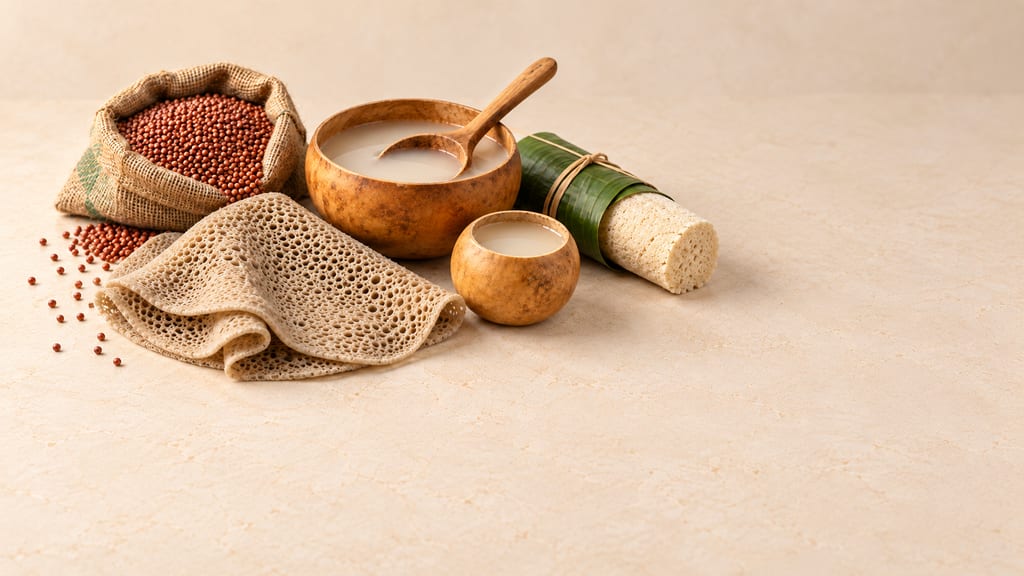
From sour breads and milk to savoury seeds, cassava staples and living beers, African fermentation follows the crop, the community and the work of transformation.
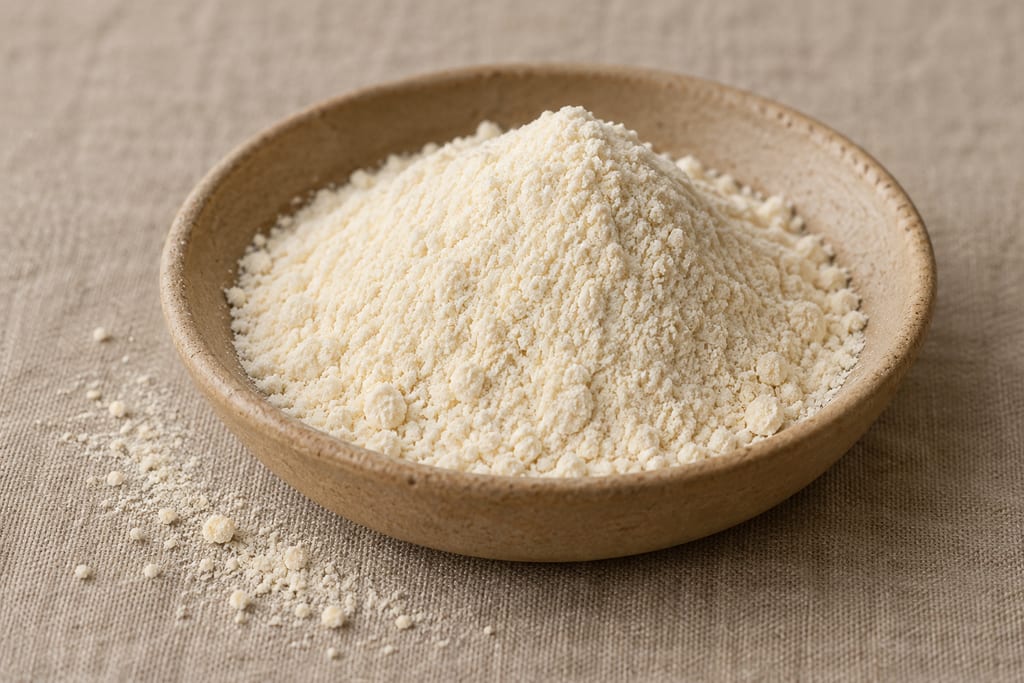
Fermented fuba is an Umbundu maize-flour preparation made by lactic fermentation of dehulled, degermed kernels before milling, sun-drying and sieving.
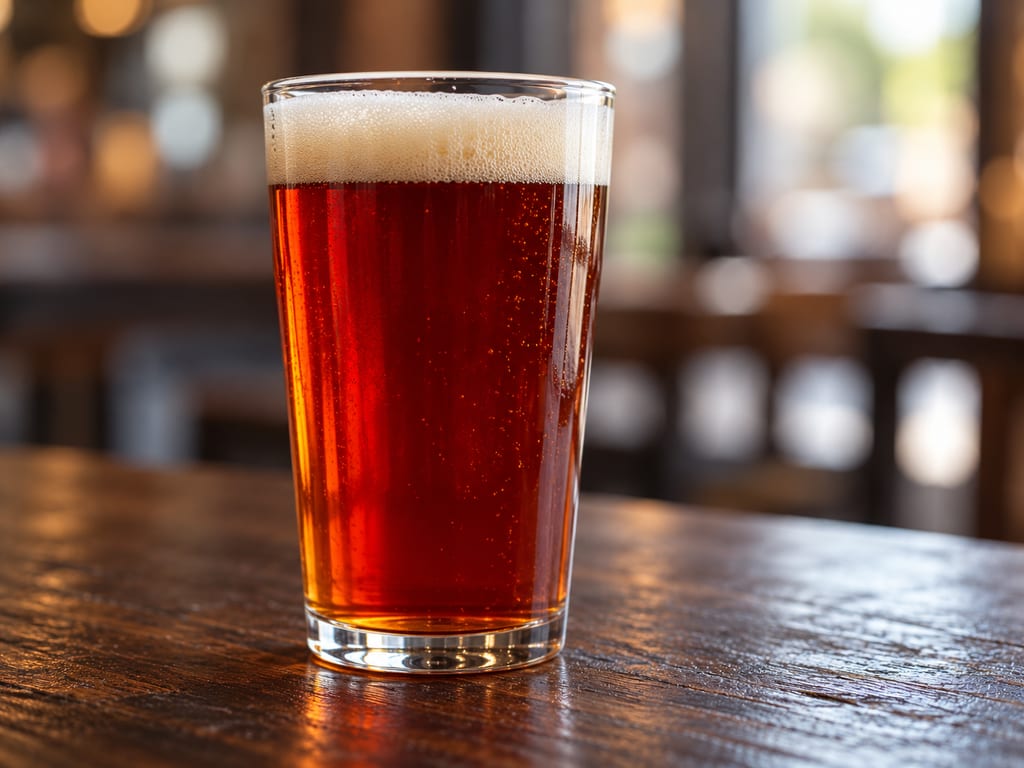
A deep amber-red American ale brewed from pale, Munich, CaraVienne and chocolate malts, bittered with Columbus hops and finished with Amarillo.

A source-specific modern extract adaptation of Düsseldorf Altbier, with specialty malts, two hop additions and an ale yeast. It is distinct from a brewery's commercial Altbier process and from Kölsch.
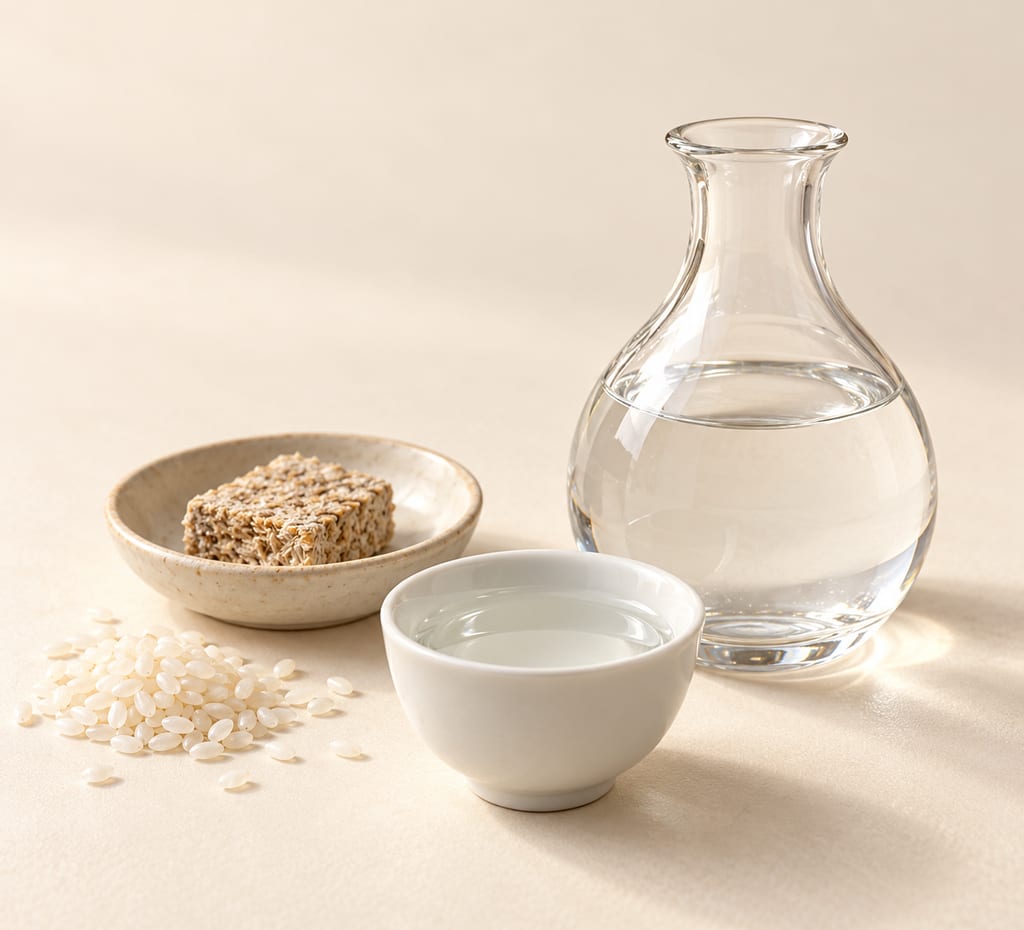
Andong soju is a rice spirit from North Gyeongsang, distilled from steamed rice and wheat nuruk. This method makes the starter before fermenting the rice mash in a jar.
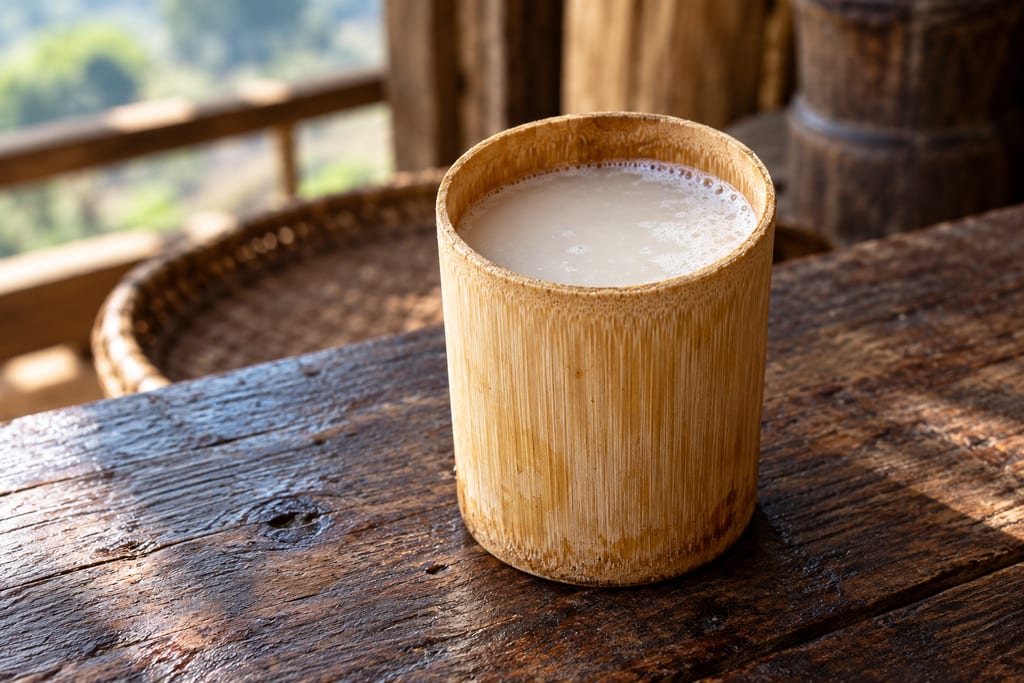
Angami rice beer from Nagaland. A surveyed method mixed cooked rice with piazu, fermented it for about four days in summer or a week in winter, then added water and filtered it. The starter ratio leaves the rice-weight basis unclear.
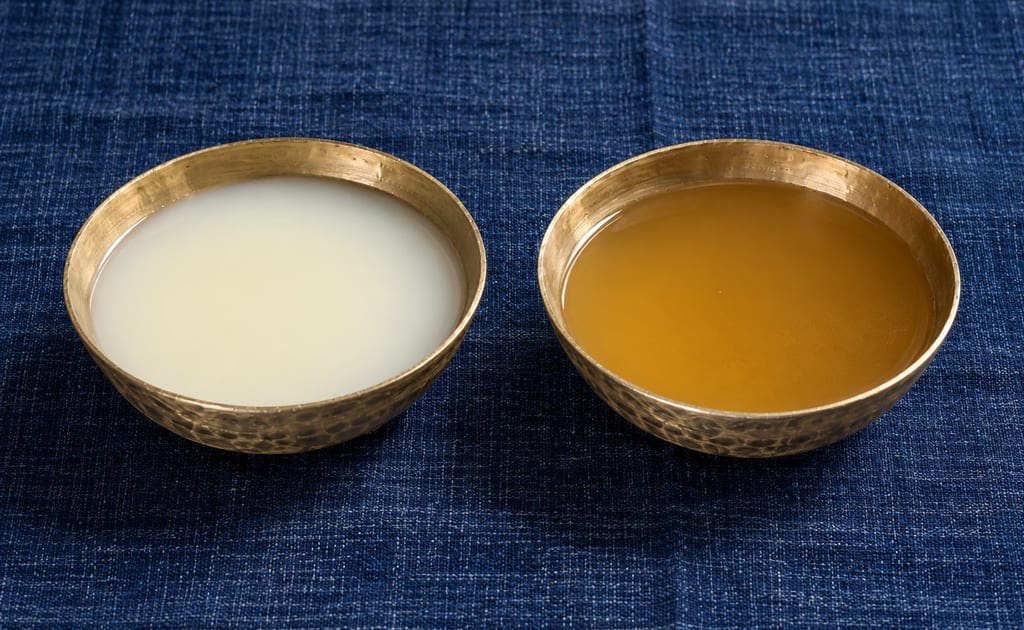
Apong names Mising rice beverages in Assam, including pale Nogin and ash-associated Po:ro. Sources describe distinct preparations and do not establish one unified household recipe or validated safety endpoint.

An Okinawan rice spirit made by turning all the rice into black koji, fermenting it with water and yeast, then pot-distilling and maturing the spirit.
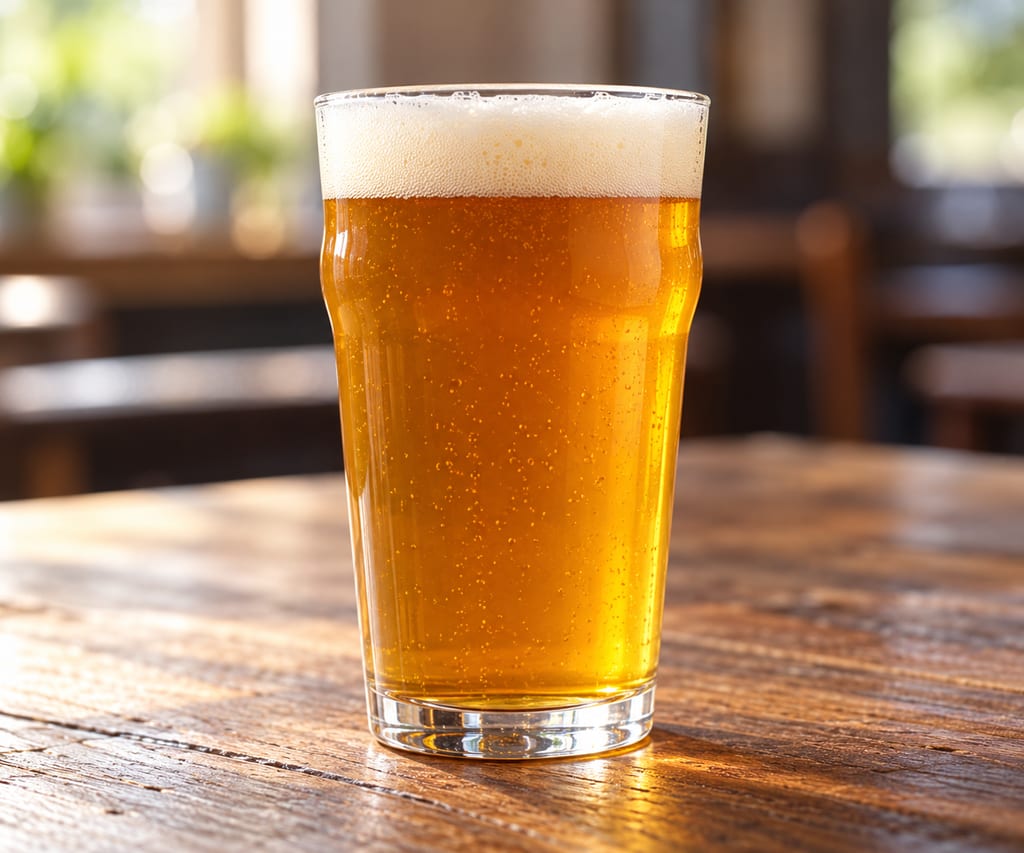
This is a process overview, not a complete batch recipe: key quantities, yield and packaging directions are absent. The AHA tutorial uses Hop Hammer Imperial IPA as an example; this page is not that full formulation.
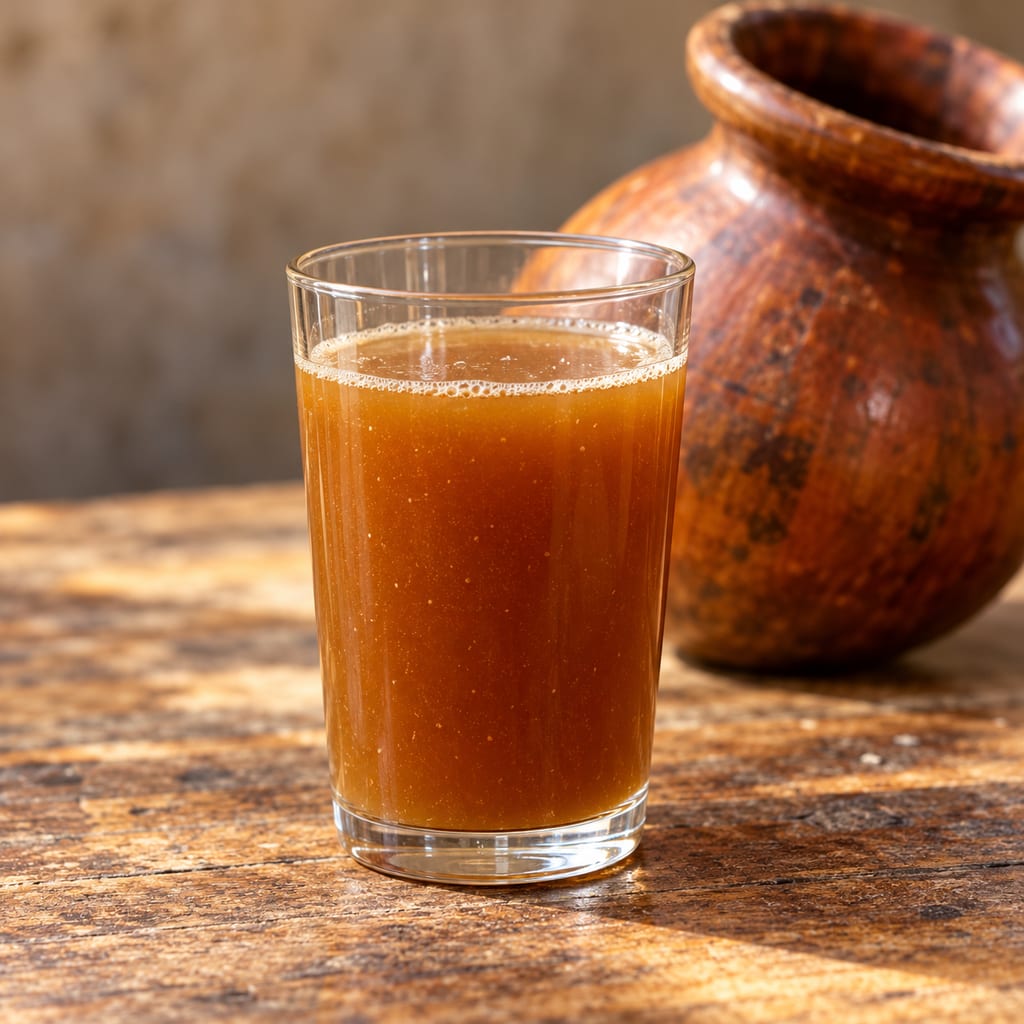
A darker Ethiopian maize tella, brewed from maize baked into a hot, dry kita pancake and then fermented in three stages with barley malt, gesho and water.

A Cap-Pelé boucanière is an Acadian herring-smoking building. The documented Willie Niles example is a one-storey wood-frame structure with a ridge smoke vent and interior bays for hanging fish-bearing cannes.

Achcharu is a family of Sri Lankan vinegar pickles made with mixed vegetables or seasonal fruit and a piquant spice dressing. This version is a quick, refrigerated, non-fermented mixed-vegetable pickle.

The acocote is a long, hollowed and dried gourd used to draw aguamiel from a mature maguey. It is a harvesting tool: the sap is transferred to a separate vessel before it ferments into pulque.

Adrak murabba preserves young ginger in sugar syrup, a sweet South Asian preparation recorded in Indian cookery and food-processing sources.

Parkia biglobosa seeds are fermented into regional West African seasonings, including nététou, iru, dawadawa and soumbala. The yellow fruit pulp is a separate food, and names and methods vary by place.

Japanese reddish-brown vinegar from sake lees matured about three years, turned to vinegar by acetic bacteria; the vinegar of Handa and Edomae sushi rice.

A refined common-wheat flour blended for a broad range of baking; its protein and behavior vary with wheat, milling and market.

The almond mushroom, Agaricus subrufescens, was cultivated in eastern North America in the 1800s, lost its market, and returned as a cultivated mushroom from Brazil, where it is grown under several names.
No community contributions have been published for this entry yet.
Sign in to contribute. Published comments and photos are free to read.
RAC: Revista Angolana de Ciências; Associação Multidisciplinar de Investigação Científica and Universidade Rainha Njinga a MbandeMethod · Geography · History · Safety · Use
Bebidas do povo Umbundo (Angola): Quissângua e QuimbomboDescribes the Umbundu maize beer Quimbombo, distinguishing it from the lactic maize drink Quissângua and other products using the same name.
Documents a producer in Huambo's Aeroporto neighbourhood from late 1973 to April 1974 and records one source-specific batch and its process stages.
Reports maize malt preparation, initial and final saccharification, lactic and alcoholic fermentation, observed temperature/time values and stage-dependent alcohol observations.
Discusses mycotoxin risk, raw-material and hygiene issues, spoilage and incomplete safety validation.
Cited in: Quimbombo is the Umbundu maize beer; An 1881 name and a later Huambo process record; Malt, root extract and two kinds of fermentation; The stages recorded for one maker; Serving stages and safety limits
Project Gutenberg (text of the 1881 edition published by Sampson Low, Marston, Searle & Rivington)History · Geography
Como eu atravessei África do Atlântico ao Mar Índico, Volume ICarvalho cites the 1881 description of capata, quimbombo or chimbombo as a maize beer in the Bihé.
Cited in: An 1881 name and a later Huambo process record