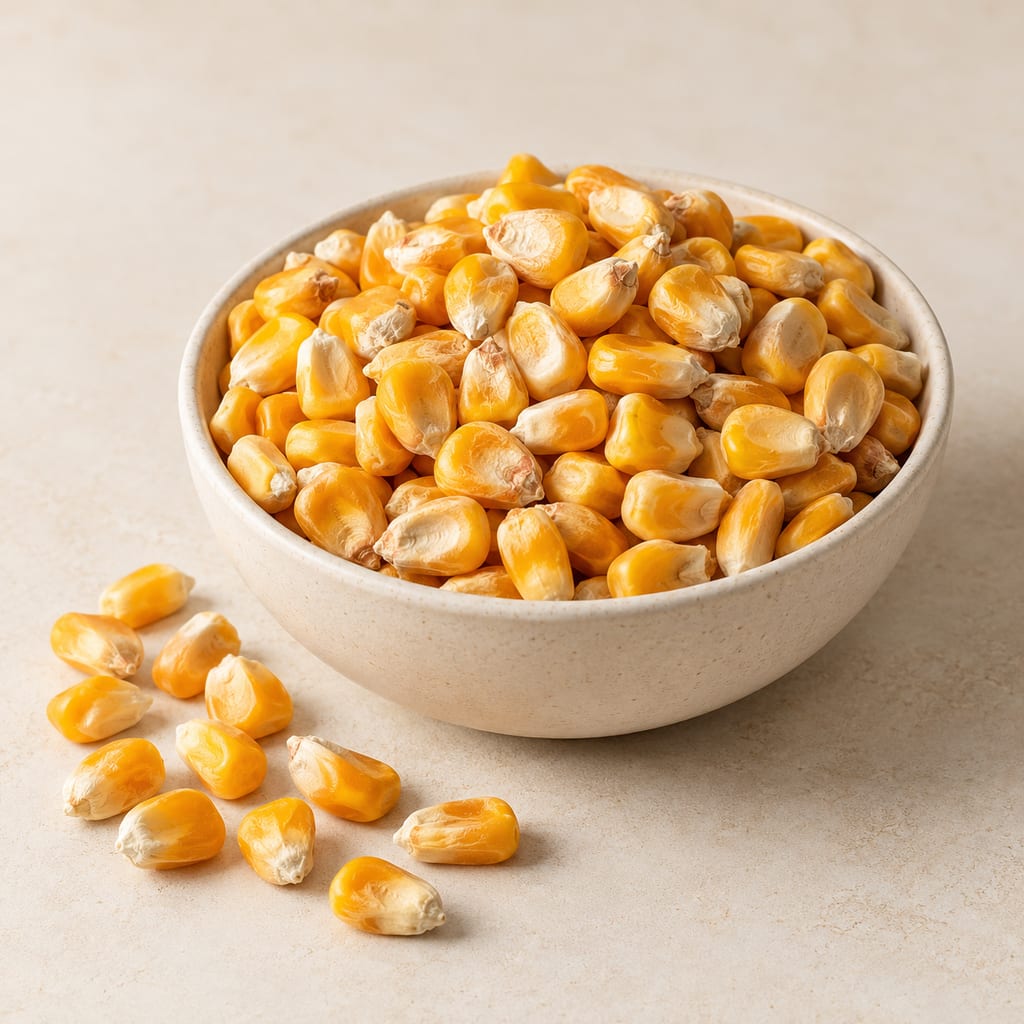
Maize
Maize is the foundational grain of Andean fermentation. Its role in brewing chicha de jora depends on germination into jora, a malted form generating enzymes and sugars necessary for alcoholic fermentation.
 FermenteaWhere food goes to change
Equipment · Bags, sacks and casings
PICS bag · Purdue Improved Crop Storage bag
A hermetic grain bag stores suitably dried grain in an airtight, multilayer package. The PICS design pairs two inner liners with a woven outer sack; it is a storage tool, not a fermenter or dryer.
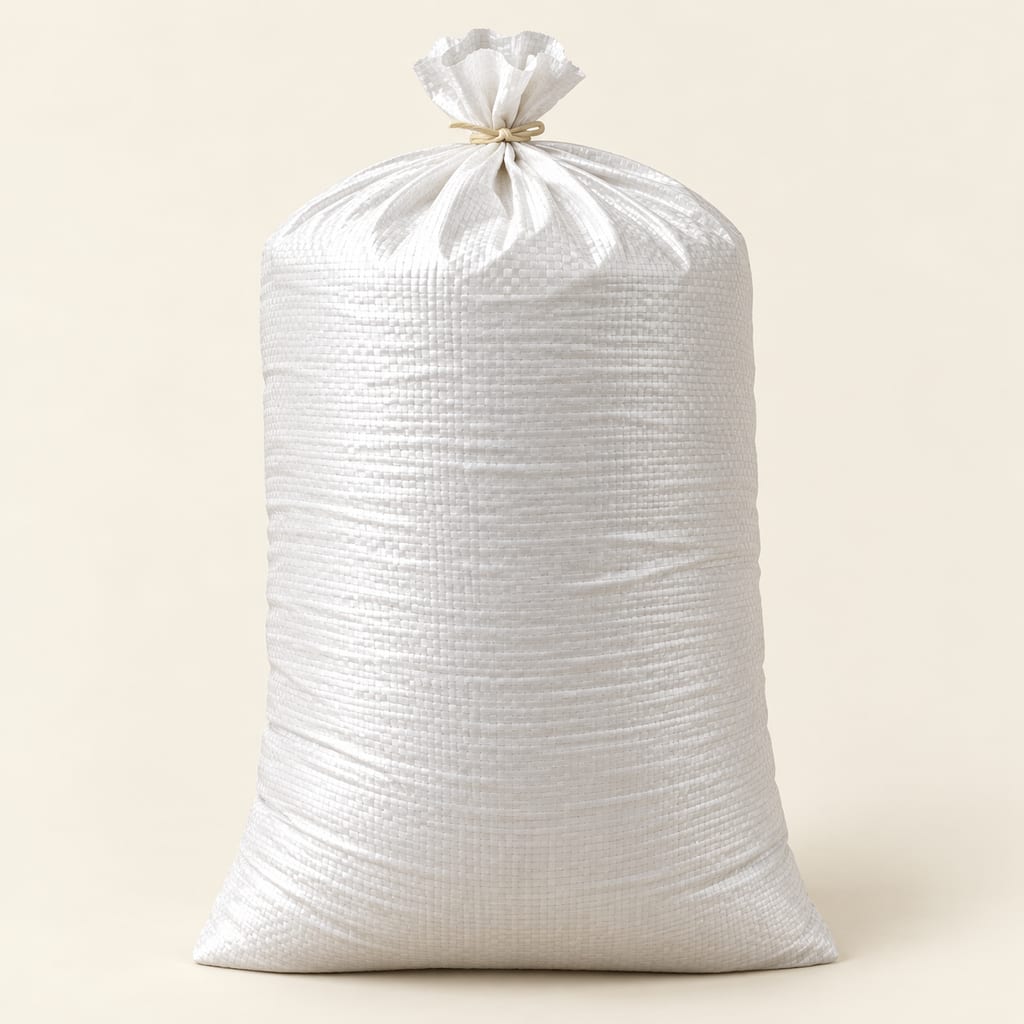
This entry focuses on the PICS (Purdue Improved Crop Storage) design as a documented example of a hermetic grain bag. Purdue describes a composite package: two high-density polyethylene (HDPE) liners inside a woven polypropylene (PP) outer sack. The plastic liners form the gas barrier; the tougher outer sack makes the filled bag easier to handle. These materials describe PICS bags, not every bag sold as hermetic.
The closure matters because the storage effect depends on limiting gas exchange. Purdue explains that insects use oxygen while feeding and growing; in a well-sealed package, oxygen can fall and carbon dioxide rise until insect activity and reproduction are suppressed. The bag does not need a powered pump or heater. It creates a storage environment around grain already harvested and dried.
A hermetic bag is not a dryer. Purdue's guide says to store clean, dry grain, check both inner liners and their seals for holes, and close the package correctly. Dirt, sharp debris and careless handling can damage a liner. If the barrier leaks, the storage conditions described for an intact bag cannot be assumed. Purdue's care guidance also recommends keeping bags away from direct sunlight and extreme heat, and patching small holes when appropriate for the product.
The same limit appears in FAO's account of the Zimbabwe Idai Recovery Project: grain had to be adequately dried before it was stored. The FAO story reports 25,600 hermetic bags distributed to 6,400 households across four districts. It says the bags were reusable and that the grain could last up to two years in that programme. Those details describe the local project; they are not a universal shelf-life guarantee for every crop, bag or storage room.
PICS bags are sold in different capacities. Purdue's extension bulletin compares 50 kg and 100 kg models, while a current Purdue Edustore listing offers 25 kg and 50 kg options. The numbers are grain-mass capacities, not litres, and the exact range depends on the product and market. The sources do not give one standard height or diameter for this equipment class.
Purdue's programme names maize, sorghum, wheat, rice, peanuts, common beans and other crops as uses for PICS storage. One field study compared hermetic bags and other storage approaches for sorghum in Zimbabwe; its result belongs to the tested crop and storage conditions, rather than proving that every bag produces the same outcome for every grain.
The PICS system began as Purdue research with African collaborators and was first developed for cowpea storage. Purdue's Extension materials describe its later use across cereal and legume crops and dissemination in multiple parts of Africa and Asia. Purdue's current programme page describes a wider vendor network and use beyond its focus countries. This page therefore records the contemporary manufactured equipment as modern and global rather than assigning the bag a single place of origin.
Zimbabwe is one documented setting, not a claim of origin. The 2021 sorghum field study and FAO's post-Cyclone Idai report describe hermetic storage in Zimbabwe. FAO names districts in Manicaland and Masvingo affected by the project, while the separate research study evaluates sorghum storage. These examples show use and context, not one universal local design.
The bag does not dry grain. Purdue and FAO guidance says to store only adequately dried grain; wet or damp material is not covered by the PICS storage recommendation.
Source →A punctured or poorly closed liner compromises the hermetic barrier and can reduce effectiveness.
Source →The cited field study evaluates hermetic bags in smallholder sorghum storage in Zimbabwe; this is one documented-use context and not an origin or exclusive-use claim.
Maize is the foundational grain of Andean fermentation. Its role in brewing chicha de jora depends on germination into jora, a malted form generating enzymes and sugars necessary for alcoholic fermentation.
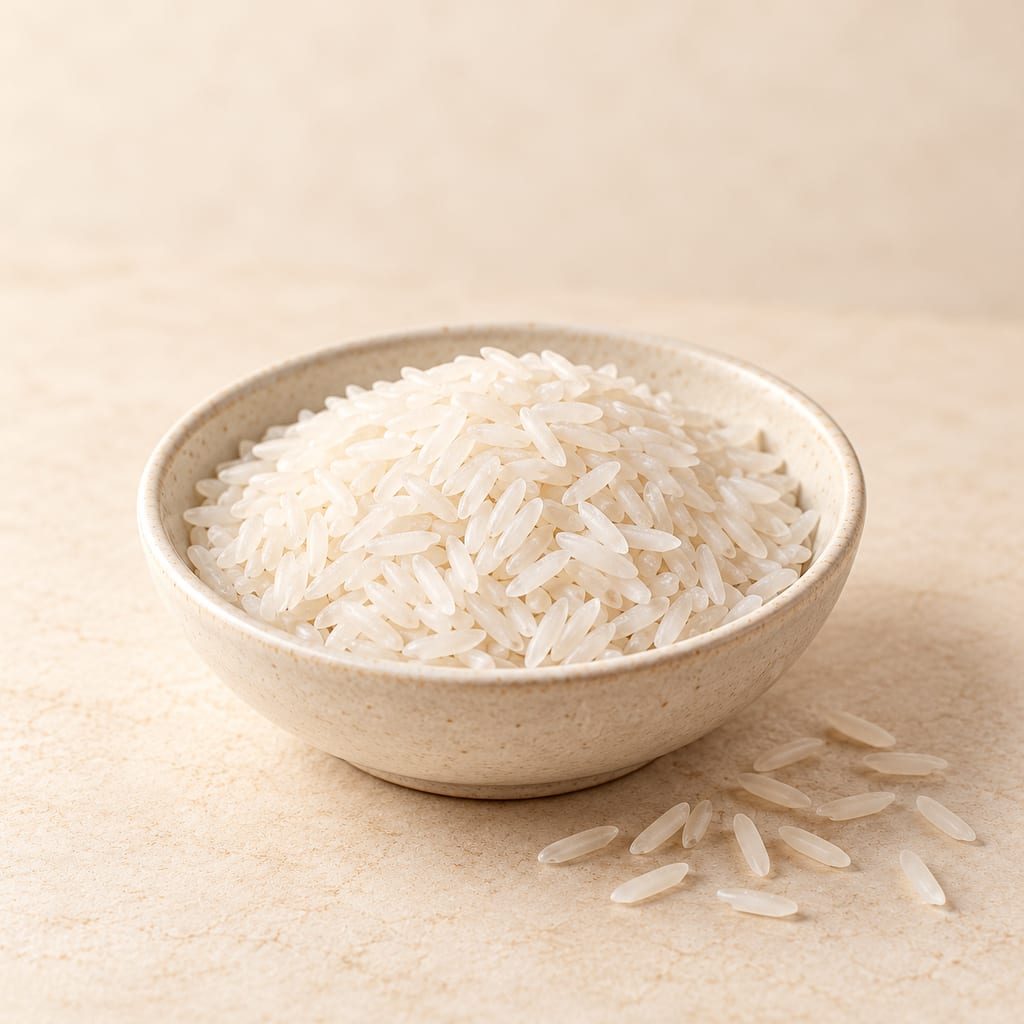
Rice contributes starch to flatbreads, steamed breads, batters and many distinct fermentations. Its species, milling and starch character shape how it cooks, binds, expands and feeds enzymes.
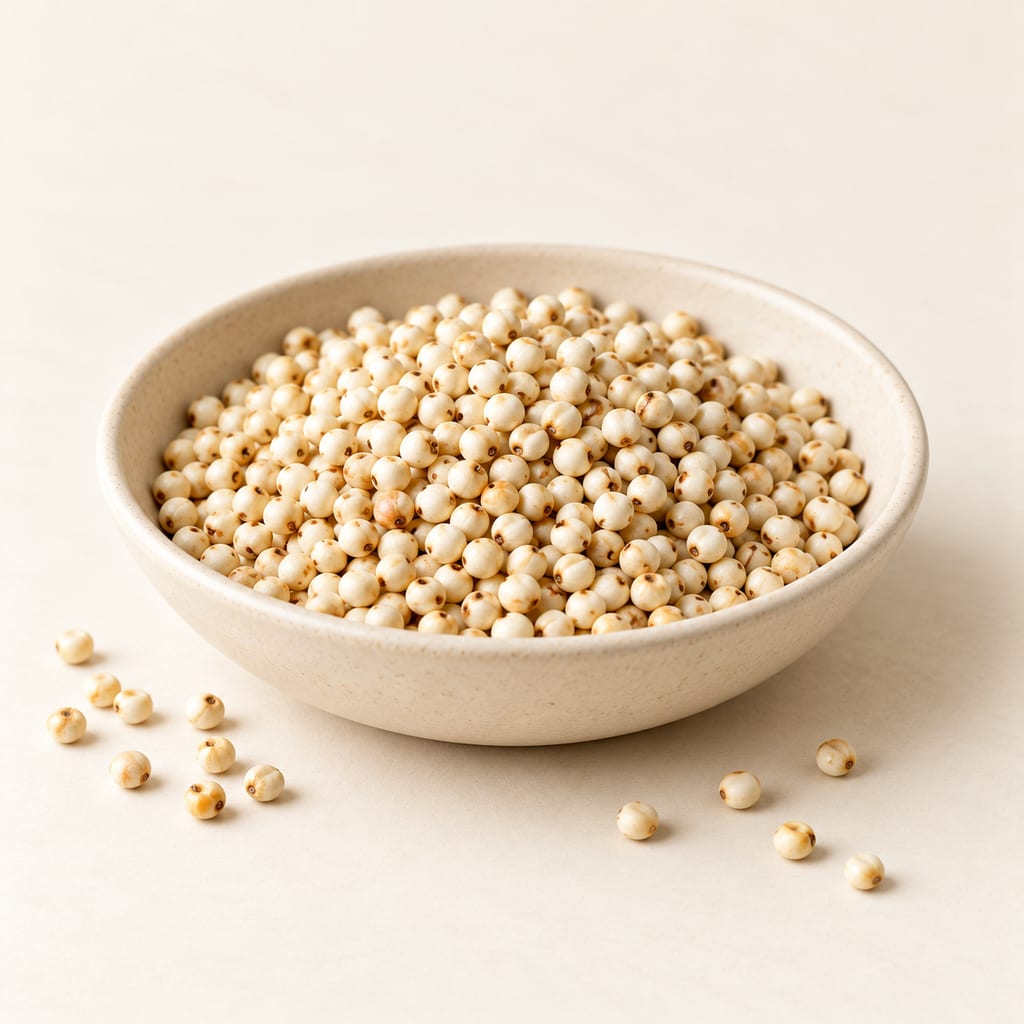
Sorghum is the grain of Sorghum bicolor, a variable African-origin cereal used whole, milled, malted and cooked in distinct fermented foods and drinks.
Every preserved food is a stack of barriers against microbes, enzymes, air and time. This is how they work, what a recipe's numbers measure, and how cooks worldwide build them.

Soft, spreadable Calabrian pork sausage made with a great deal of red chilli and fatty pork, stuffed into natural casings, sometimes smoked and matured while staying soft.

A way to add independent temperature logging to an existing food dehydrator without changing its built-in controls or protections. It is a monitoring method, not a rewiring plan.

Pleurotus cystidiosus is the abalone mushroom, a cultivated oyster-type fungus with dark brown caps that grows more slowly and is more demanding than other Pleurotus species.

A dark, balanced vinegar from Emilia-Romagna made by combining cooked or concentrated grape must with wine vinegar, then acetifying and refining it in wood under a protected specification.

A living dairy inoculum that starts controlled cream fermentation, developing acidity and aroma before sour cream or cultured butter is finished.

A small electric incubator holds jars at a selected temperature for yogurt and other documented warm food preparations. Controls, capacity and vessel arrangement vary by model.

Adygean salt is a seasoned table salt associated with Adygea and the wider North Caucasian culinary tradition. Salt is blended with garlic and a variable selection of herbs and spices; the exact mix depends on the named style and maker.

The African Caesar-group mushroom, Amanita masasiensis, is a wild ectomycorrhizal species of central and southern African woodlands, eaten locally. The genus contains deadly poisonous species, so identification needs care.
No community contributions have been published for this entry yet.
Sign in to contribute. Published comments and photos are free to read.
Purdue University Center for Global Food SecurityEquipment identity · Crop range · Geographic reach
Purdue Improved Crop Storage (PICS)Purdue describes PICS as a triple-layer hermetic bag for storage of maize, sorghum, wheat, rice, peanut, common bean and other crops without insecticides.
The program describes a vendor/distribution network and current focus countries in Sub-Saharan Africa, with use extending beyond its initial focus.
Cited in: A layered bag for dry grain; Sizes and crop choices vary; Modern distribution and geographic context
Purdue University ExtensionMaterials · Construction · Mechanism · History
Purdue Improved Cowpea Storage (PICS) TechnologyPurdue describes the PICS bag as two 80-micron high-density polyethylene inner bags fitted inside a woven polypropylene outer sack.
The outer sack supports handling; the liners greatly hinder oxygen movement. Insects in a sealed bag use oxygen, and sufficiently low oxygen arrests their feeding, growth and reproduction.
Purdue dates the development of PICS by its entomologists and African collaborators to the late 1980s.
Cited in: A layered bag for dry grain; Modern distribution and geographic context
Purdue University ExtensionCapacity · Use · Limits
Purdue Improved Crop Storage (PICS) Bag: Size Matters!PICS bags are documented in 50 kg and 100 kg sizes; size choice and handling requirements vary.
Purdue states that the hermetic system is effective for dry grains and recommends adequately dry grain to avoid mould growth.
Cited in: Sizes and crop choices vary
Purdue University ExtensionCare · Geographic distribution · Re use
Using and Recycling Purdue Improved Crop Storage (PICS) BagsPurdue describes the PICS system as used for maize, beans, sorghum, mung bean, pigeon pea, wheat and rice, with dissemination across Sub-Saharan Africa and Asia.
Purdue advises keeping grain clean, avoiding damage to liners, protecting bags from sun and extreme heat, and repairing small holes to maintain airtightness.
Cited in: Dryness and seal integrity come first; Modern distribution and geographic context
Purdue University ExtensionUse · Care · Limits
A Guide on the Use of PICS Bags for Grain StoragePICS consists of two high-density polyethylene inner bags and a woven polypropylene outer sack.
The guide says to use clean, dry grain, check the liners and seals for holes, and close the bag correctly; damage can reduce effectiveness.
PICS was originally developed for cowpeas and later applied to several other cereal and legume crops.
Cited in: Dryness and seal integrity come first
Purdue Extension EdustoreCurrent product form · Capacity · Source image
Purdue Improved Crop Storage (PICS) Bags (5 Pack)The current Purdue listing describes a three-layer PICS bag with two liners inside a woven sack and lists 25 kg or 50 kg size options.
The listing identifies storage of grain and seed without chemicals to control insect pests and states that bags are sold in a five-pack.
Cited in: Sizes and crop choices vary
Scientific ReportsField evidence · Documented use · Geography
Field evaluation of hermetic and synthetic pesticide-based technologies in smallholder sorghum grain storage in hot and arid climatesThe Zimbabwe field study compared hermetic storage approaches, including bags, with alternative sorghum-storage treatments.
Under the study conditions, hermetic treatments had lower grain losses than pesticide-based treatments; findings apply to the tested sorghum and storage conditions.
Cited in: Sizes and crop choices vary; Modern distribution and geographic context
Food and Agriculture Organization of the United NationsDocumented use · Geography · Use · Image reference
Building resilience after Cyclone Idai: Farmers say hermetic bags are reducing lossesFAO reports distribution of 25,600 hermetic bags to 6,400 households across four Zimbabwe districts in the Zimbabwe Idai Recovery Project.
The report says grain must be adequately dried before storage and describes bags as reusable.
The source photographs show genuine PICS bags and their use in a Zimbabwean household setting; the article page does not name a photographer or state an image reuse licence.
Cited in: Dryness and seal integrity come first; Modern distribution and geographic context
Purdue University Center for Global Food SecurityCrop range · Distribution
Purdue Improved Crop Storage (PICS)Purdue identifies cereals, legumes and other dry crops stored in PICS bags and describes the program's international vendor and dissemination network.
Cited in: A layered bag for dry grain; Sizes and crop choices vary; Modern distribution and geographic context