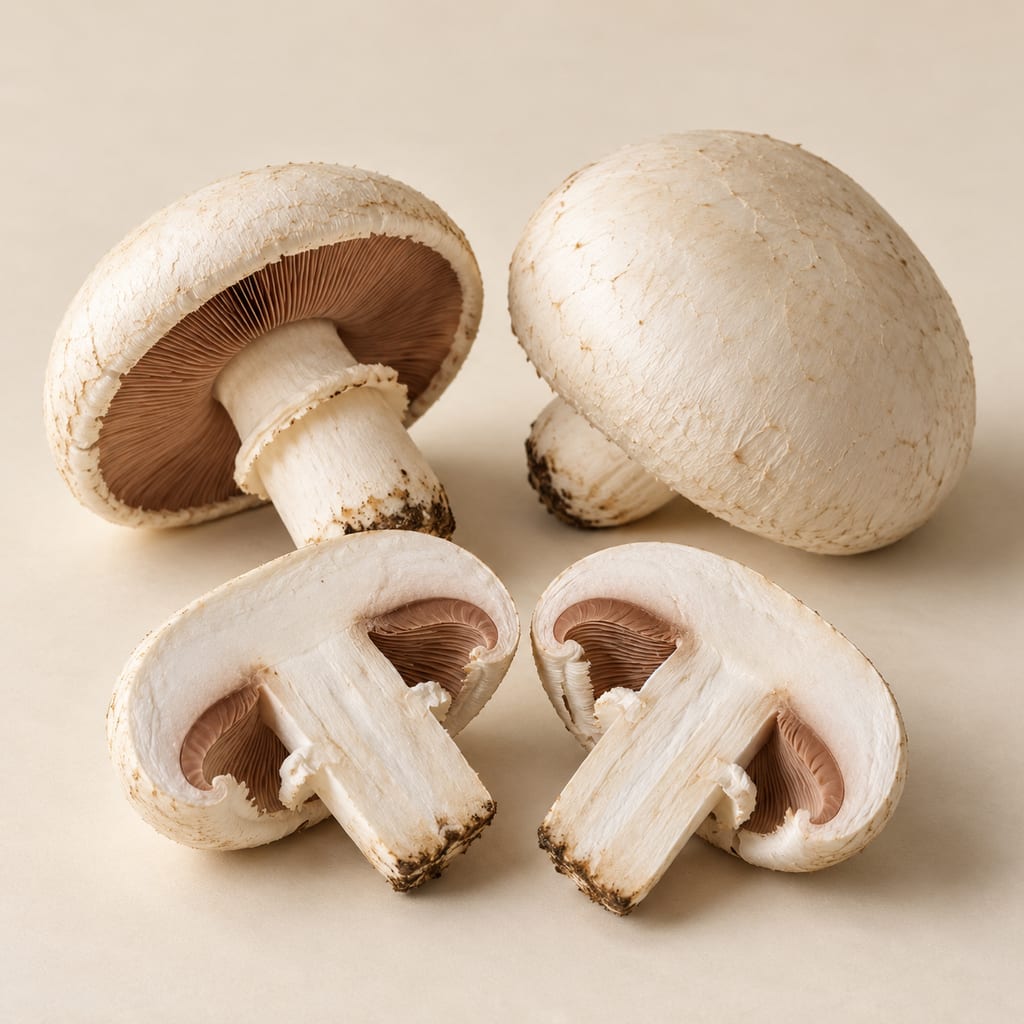
Field mushroom
The field mushroom (Agaricus campestris) is a wild grassland fungus with a long record of cooked food use in several regions. Local names, seasons and practices belong to particular communities.
 FermenteaWhere food goes to change
Mushrooms
A wild Andean gilled fungus eaten in Peru under the name q’oncha. A 2017 study moved it from Pleurocollybia to Gerhardtia, and it features in Cusco festival tradition.
Q’oncha is the Andean name for Gerhardtia cibaria, a wild gilled fungus of the family Lyophyllaceae. The species was described as Pleurocollybia cibaria. A 2017 molecular study in Cryptogamie, Mycologie moved it to Gerhardtia on the basis of ITS sequence data and microscopy, and the supplied record follows that combination. Older sources still use Pleurocollybia.
In the supplied record the mushroom is known in Cusco as qoncha or seta cusqueña.
A 2025 review, Los hongos comestibles en el Perú, published in Lilloa, lists edible and medicinal mushrooms as part of local cuisine and festivals. It documents 35 to 40 such species in Peru and names the Qoncha Raymi festival at Conchacalla, in Cusco, as a meeting point for that tradition. The review traces mushroom eating in Peru back to pre-Columbian evidence and sixteenth-century chronicles, and it ties mushrooms to Chavín, Moche and Paracas art and ritual.
The review’s text, as read for this page, names the festival rather than this species, so the species-level link comes from the supplied record.
The name change rests on the 2017 study by Matheny and colleagues. Its reported sale in Peruvian markets places it in trade as well as in household use.
The supplied record places it in Andean habitats and records its supply as wild. No cultivation is recorded.
The Lilloa review describes the Peruvian species as edible and medicinal, and it gives no toxicity warnings or identification detail for this species. It advises consulting specialist sources before collecting.
Gather or eat no wild fungus on the strength of a catalogue listing, a description or a photograph. Identification needs a qualified expert, and the sources read here do not establish a safe preparation.
Recorded as a wild edible in the supplied Peruvian research record.
Site of the Qoncha Raymi festival named in the review; the review does not tie the species to this site alone.
The field mushroom (Agaricus campestris) is a wild grassland fungus with a long record of cooked food use in several regions. Local names, seasons and practices belong to particular communities.
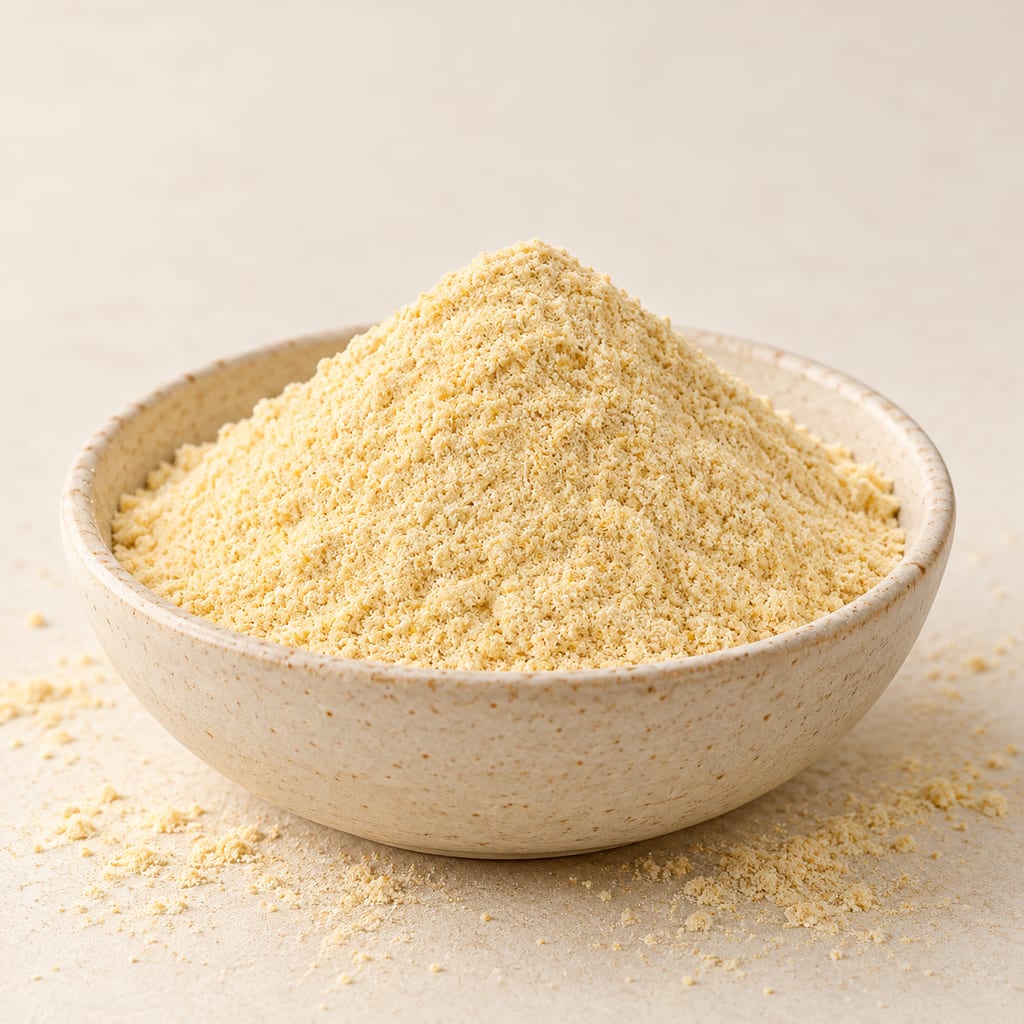
Jora flour is ground malted maize, produced by germinating, drying and milling corn kernels. It provides the enzymatic starch breakdown essential for chicha de jora.
No community contributions have been published for this entry yet.
Sign in to contribute. Published comments and photos are free to read.
Cryptogamie, Mycologie 38(2), 2017History
The Wild Edible Mushroom Pleurocollybia cibaria from Peru is a Species of Gerhardtia in the Lyophyllaceae (Agaricales)Transfer of Pleurocollybia cibaria to Gerhardtia on ITS sequence data and microscopy; reported as sold in Peruvian markets
Cited in: Overview; Taxonomy; Ecology and supply
Lilloa 62, Suplemento 1 (2025), DOI 10.30550/j.lil/1825History · Method
Los hongos comestibles en el Perú35 to 40 edible and medicinal species documented in Peru; mushrooms part of local cuisine and festivals; Qoncha Raymi festival at Conchacalla, Cusco; advice to consult specialist sources before collecting
Cited in: Food and festival in Peru; Edibility and safety