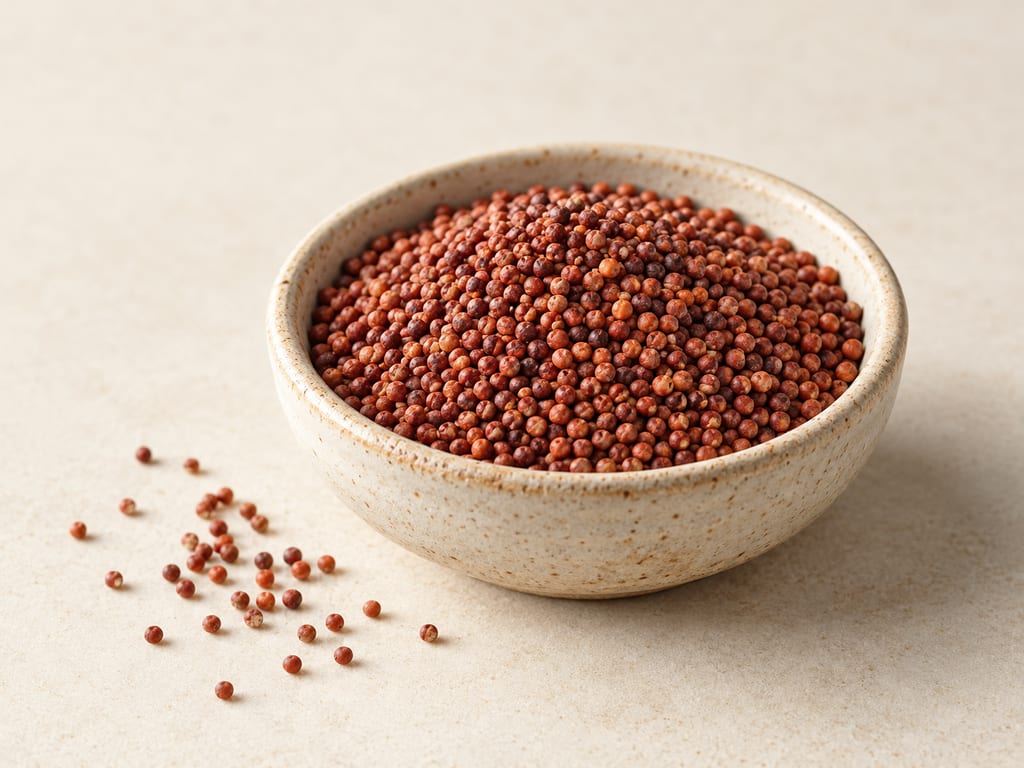
Finger millet
Finger millet (Eleusine coracana) is a small-grained cereal grown across parts of Africa and Asia. It is milled, cooked, malted and fermented in distinct food traditions.
 FermenteaWhere food goes to change
Traditional method
Busaa · Luhya traditional drink
An opaque Kenyan maize beer: fermented maize paste is roasted into tsimbale, then mixed with finger-millet malt called kimera at ten to one and fermented a second time.
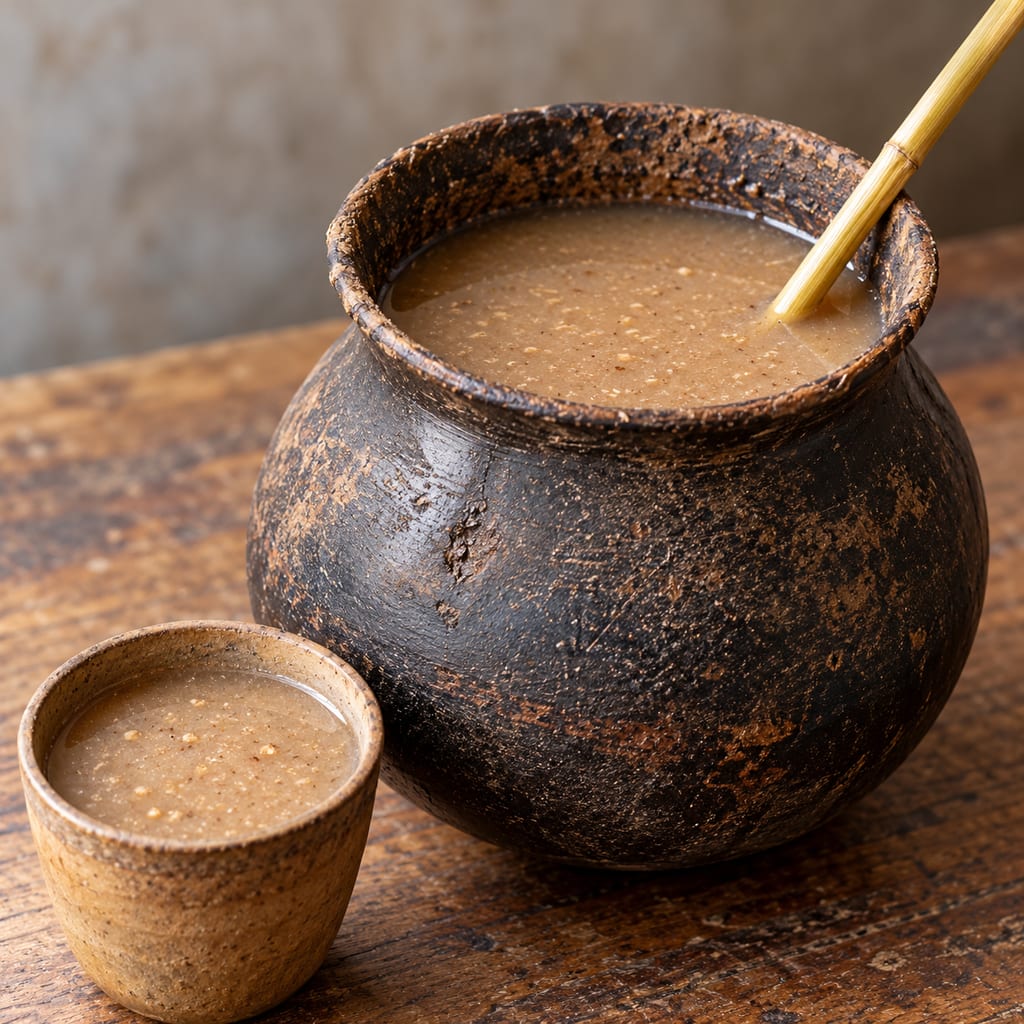
Busaa is a traditional Kenyan cereal beer made from maize, millet or combinations of grains. It is usually opaque, relatively thick and consumed fresh, often communally.
The version documented here uses maize that undergoes an initial fermentation before being roasted. The roasted material is called tsimbale. It is then combined with malted finger millet called kimera, followed by another fermentation.
The process is particularly associated in the documented record with Luhya communities, especially the Tiriki, in the Kericho area.
Busaa is much more widespread in Kenya than that one community. The Tiriki association identifies this particular preparation, not exclusive ownership of the entire beverage tradition.
The two-stage method distinguishes it from a simple grain beer in which malt is mixed with raw cereal flour and fermented once.
Name — Meaning
Busaa — Kenyan traditional fermented cereal beer
Tsimbale — Fermented maize preparation after roasting
Kimera — Sprouted, dried and ground finger-millet malt
Maize — Zea mays
Finger millet — Eleusine coracana
Sorghum, used in other cereal beers — Sorghum bicolor
The local terminology is preserved in the Latin-script spellings documented for the preparation. A separate indigenous-script spelling is not established.
Traditional grain brewing is closely connected to Kenyan agriculture and social life. Maize and millet supply both food and the raw material for alcoholic drinks.
Busaa has been associated with community gatherings, ceremonies and social drinking. It can be consumed from a common vessel using long drinking straws, although practices differ across communities.
Its production has also provided income for small-scale brewers and grain producers.
The particular method involving tsimbale and kimera is documented by the Slow Food Ark of Taste project in connection with Luhya, especially Tiriki, food heritage.
That documentation does not establish an invention date.
It also does not prove that busaa was historically confined to one ethnic group. Numerous communities across Kenya have produced related maize-and-millet beverages.
The use of maize places this particular formulation within the history of maize cultivation in Africa following its introduction from the Americas. A pre-Columbian African origin cannot be claimed for a maize-based recipe in its present form.
The documented ingredients are:
Ingredient — Amount
Dried Katumani maize — Not specified
Water — Not specified
Finger millet for malting — Not specified
Prepared tsimbale and kimera — 10:1 ratio
The source gives a ratio of 10 parts tsimbale to 1 part kimera, but does not establish whether the ratio is based on weight, volume or another customary measure.
It would be misleading to reinterpret it automatically as 10 kg to 1 kg.
No complete batch size, water quantity, malt weight or final yield is documented.
This is therefore a process-based traditional recipe, not a reliably scalable formulation.
Dried Katumani maize is coarsely milled.
The grain should be sound and free from mould.
Coarse milling breaks the kernels while retaining a relatively substantial particle structure.
The source does not specify a mill setting or particle-size measurement.
Mix the maize with water to form a paste.
The water quantity is not specified.
The mixture must be workable enough to undergo the initial fermentation, but a numerical consistency cannot be reconstructed.
Leave the maize paste at room temperature for two to three days.
The source supplies no numerical temperature range, pH endpoint or microbial starter dose.
This is a spontaneous fermentation.
The cereal mixture can become more acidic as microorganisms metabolize available carbohydrates.
Roast the fermented maize preparation for approximately 30 minutes.
The resulting material is called tsimbale.
Roasting changes the physical structure of the fermented cereal and contributes cooked or toasted flavours.
The source does not give a roasting temperature or measured internal endpoint.
Finger millet is allowed to sprout.
The sprouted grain is sun-dried and ground to produce kimera.
The source does not specify soaking duration, germination temperature, sprout length or drying endpoint.
These cannot be replaced with generic barley-malting figures because finger millet behaves differently.
Mix tsimbale with kimera at the recorded 10:1 ratio.
The source does not define the ratio basis.
Additional liquid is required for a drinkable fermentation, but no measured quantity is recorded.
Leave the mixture to ferment for approximately two more days.
This stage develops the finished alcoholic beverage.
The source does not provide a numerical fermentation temperature or final alcohol concentration.
The traditional preparation uses a cloth strainer to remove coarse material where required.
The exact filtering method, final dilution and serving yield are not quantified.
The resulting drink is consumed fresh.
The initial fermentation and subsequent malt-assisted fermentation have different roles.
In the first stage, microorganisms act on the hydrated maize paste. Lactic acid bacteria can convert available sugars into organic acids, changing taste and acidity. Yeasts may also be present.
Roasting then changes the fermented substrate.
Heat alters starch structure, reduces moisture and produces additional flavour compounds. At sufficiently high temperatures it also reduces viable microorganisms, although the source gives no validated heat-treatment endpoint.
Finger-millet malt supplies enzymes activated during germination.
Amylases can break down accessible starch into smaller sugars.
These sugars become available to microorganisms in the second fermentation.
Yeasts can produce ethanol and carbon dioxide. Lactic acid bacteria can produce additional acids.
The finished beer therefore results from interacting enzymatic, thermal and microbial processes.
Finger millet is not simply a decorative addition.
Its sprouted form provides enzymes and contributes grain flavour.
The degree of germination and drying conditions affect enzymatic activity.
If the millet fails to germinate properly, the malt may provide fewer useful enzymes.
If it is dried excessively hot, enzyme activity can be damaged.
The traditional source does not quantify enzyme activity, so a brewer cannot predict fermentable-sugar production precisely.
Busaa is produced in different areas of Kenya using different grain ratios and preparation methods.
Some versions include maize and millet, while others use different cereal combinations.
Related East African cereal beers may involve sorghum malt or different cooking stages.
These are relevant comparisons, but their ingredients and procedures should not be silently substituted for the Tiriki method.
Busaa is often served as a communal beverage.
Traditional drinking vessels may be shared and long straws used to access the liquid below floating cereal material.
Its flavour can be mildly sour and cereal-rich.
The beverage may contain suspended solids and sediment.
It is an alcoholic drink, not simply a cereal porridge.
A fermenting batch may develop an acidic aroma and some gas production.
The roasted maize contributes a distinctive cooked flavour.
The finished drink should retain a recognizable cereal character.
However, bubbling, sourness and aroma cannot establish microbiological safety.
A final pH, alcohol level and pathogen-control endpoint are not specified.
Mouldy maize is especially concerning because some grain-associated mycotoxins survive ordinary fermentation and cooking.
Roasting should not be assumed to make contaminated maize safe.
A weak fermentation may reflect poor malt quality or an unsuitable microbial population.
Continued acidification after preparation can shorten the usable life of the drink.
Research on Kenyan busaa describes a traditional shelf life of approximately one to two days, associated partly with continuing acidification. That observation is not a validated storage limit for this specific Kericho method.
Use clean equipment and clean straining cloths.
Do not seal an active fermentation in pressure-tight glass containers.
The final beverage can contain alcohol; no exact ABV is established for this recipe.
The Ark of Taste identifies busaa as a Kenyan grain brew associated with the Luhya, especially the Tiriki clan, in Kericho County. This local preparation should not be read as a universal busaa formula.
Scaling: source batch only
The source describes the final busaa as mildly alcoholic but gives no alcohol measurement for this preparation.
Hazard sourceKenyan busaa is a spontaneous mixed lactic and alcoholic cereal fermentation; a process-development study describes a one-to-two-day shelf life for traditional busaa because it continues to acidify.
Hazard sourceUse clean brewing equipment and a clean straining cloth. The sources do not set a measured acidity endpoint or a storage duration for this particular Kericho preparation.
Control sourceBusaa is described as mildly alcoholic; the exact alcohol concentration is not measured and the drink is not guaranteed alcohol-free.
The source gives no tested end point or household storage directions. Traditional busaa can continue to acidify after brewing; elapsed time alone does not validate safety.
The Ark of Taste lists Kericho County, Rift Valley, and identifies the indigenous community as Luhya, especially Tiriki.
Finger millet (Eleusine coracana) is a small-grained cereal grown across parts of Africa and Asia. It is milled, cooked, malted and fermented in distinct food traditions.
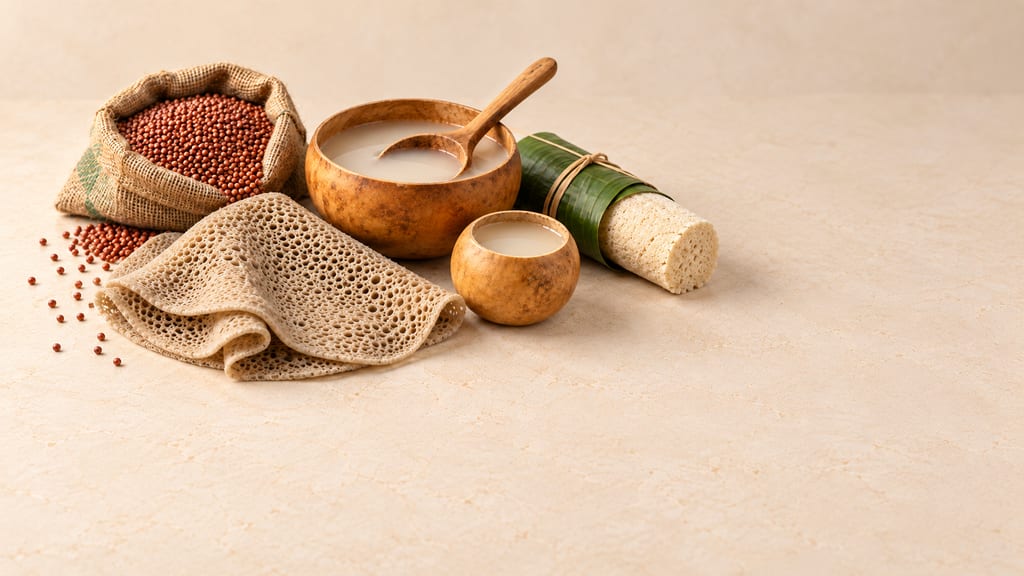
From sour breads and milk to savoury seeds, cassava staples and living beers, African fermentation follows the crop, the community and the work of transformation.
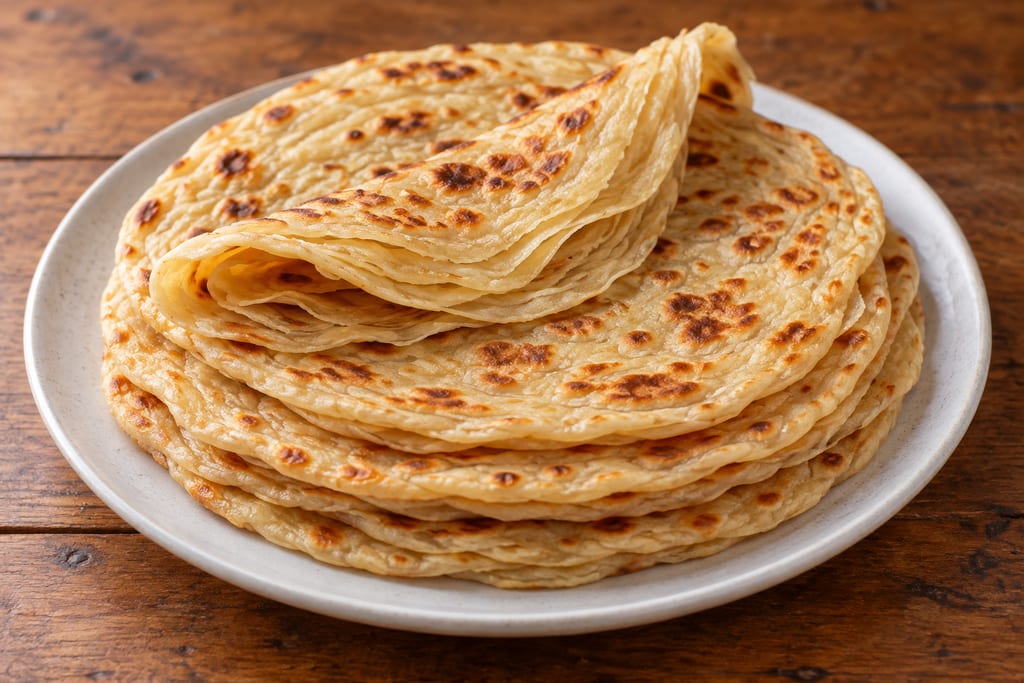
Six Kenyan layered wheat flatbreads, pleated with ghee, coiled and cooked on a griddle.
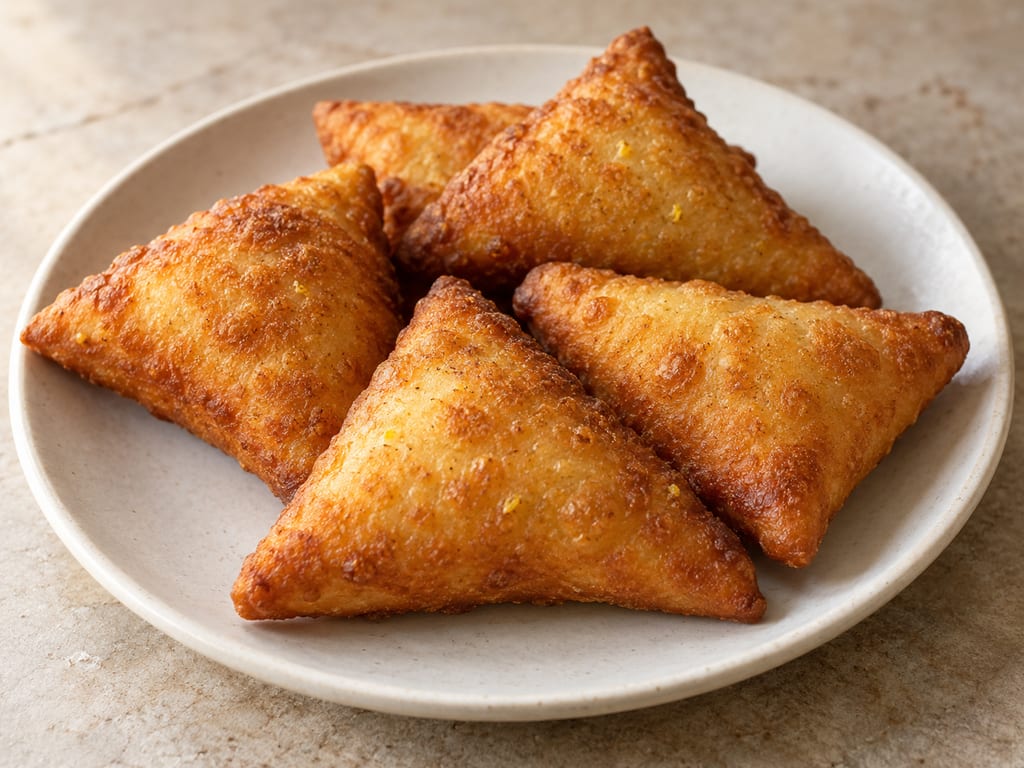
A Kenyan mandazi made with self-raising flour, lemon and optional cardamom, cut into triangles and deep-fried. This baking-powder-raised version is distinct from yeast-raised coastal mahamri.
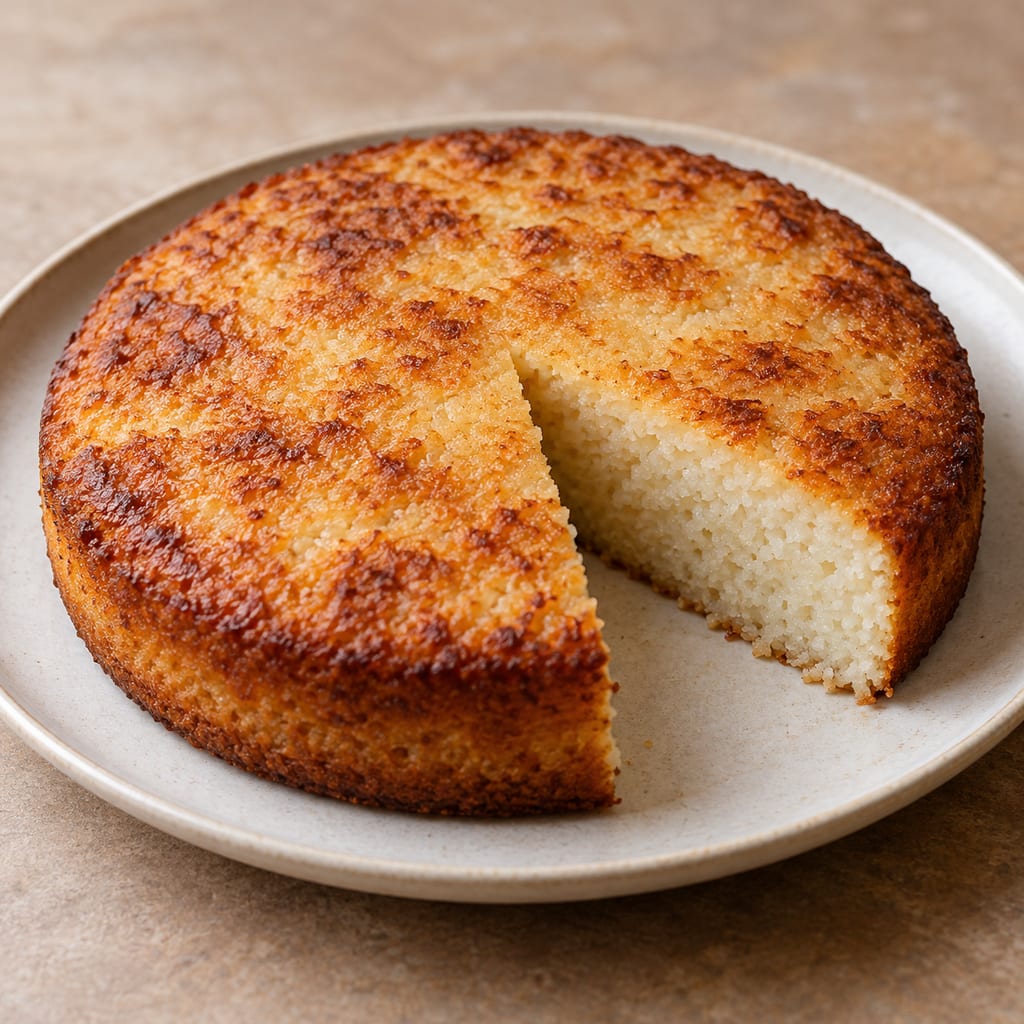
Fauzia’s Mombasa mkate wa sinia blends soaked rice with coconut milk, sugar, cardamom and yeast, then sets it covered on the hob and browns the top under a grill.
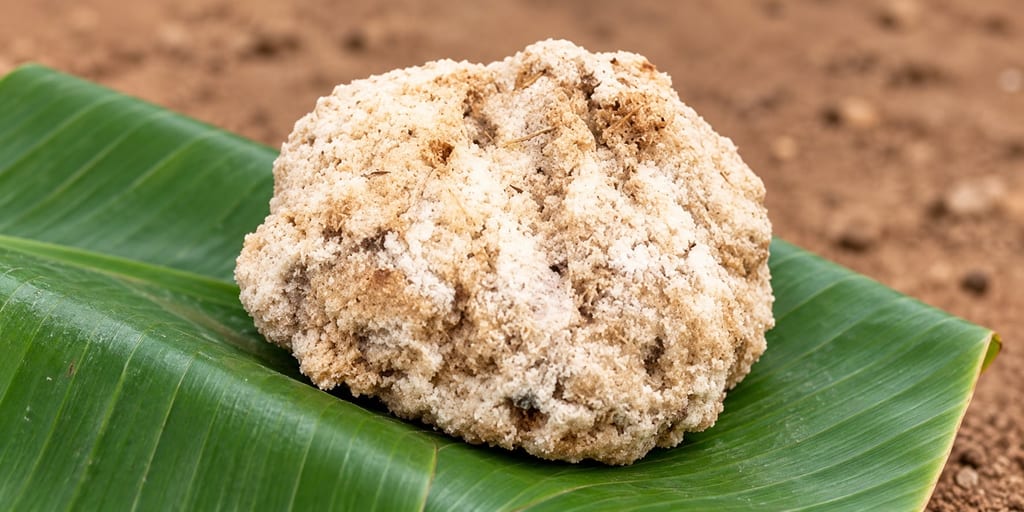
Nzoia River reed salt is a Bukusu seasoning made by leaching and evaporating the ash of mature muchua reeds. Its sources document a local method, but provide neither a measured formula nor verified mineral composition.
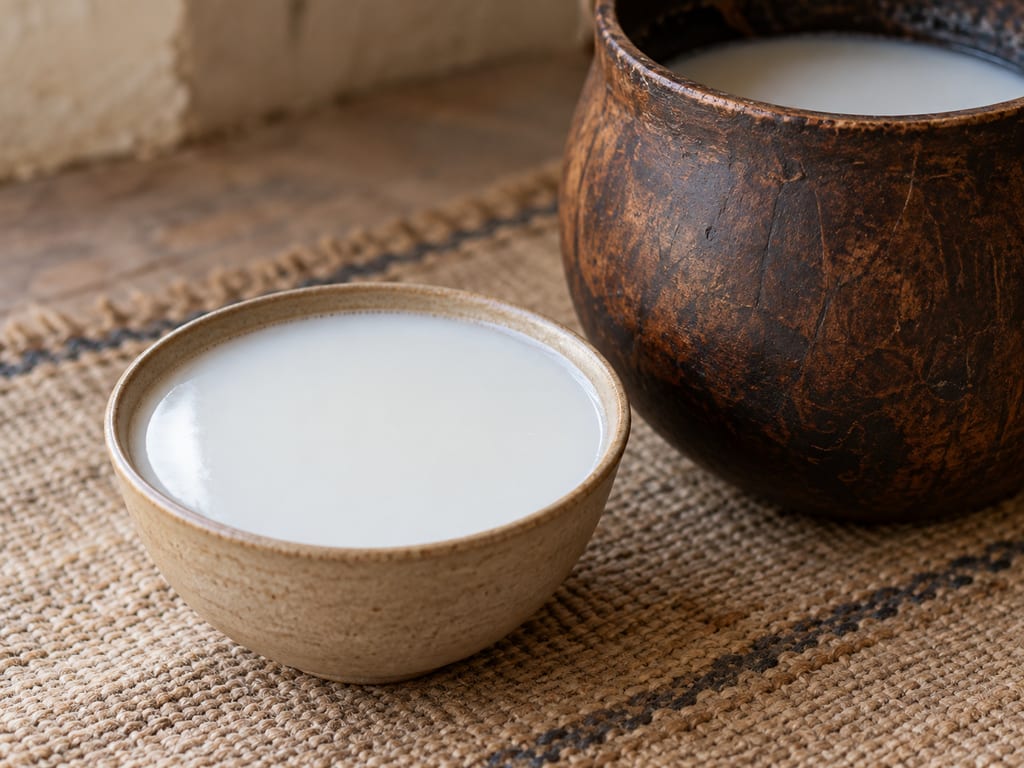
Suusac is a traditional fermented camel-milk drink of Somali pastoral communities in Kenya and Somalia, soured spontaneously in smoke-treated vessels into a thin, acid, smoky milk.
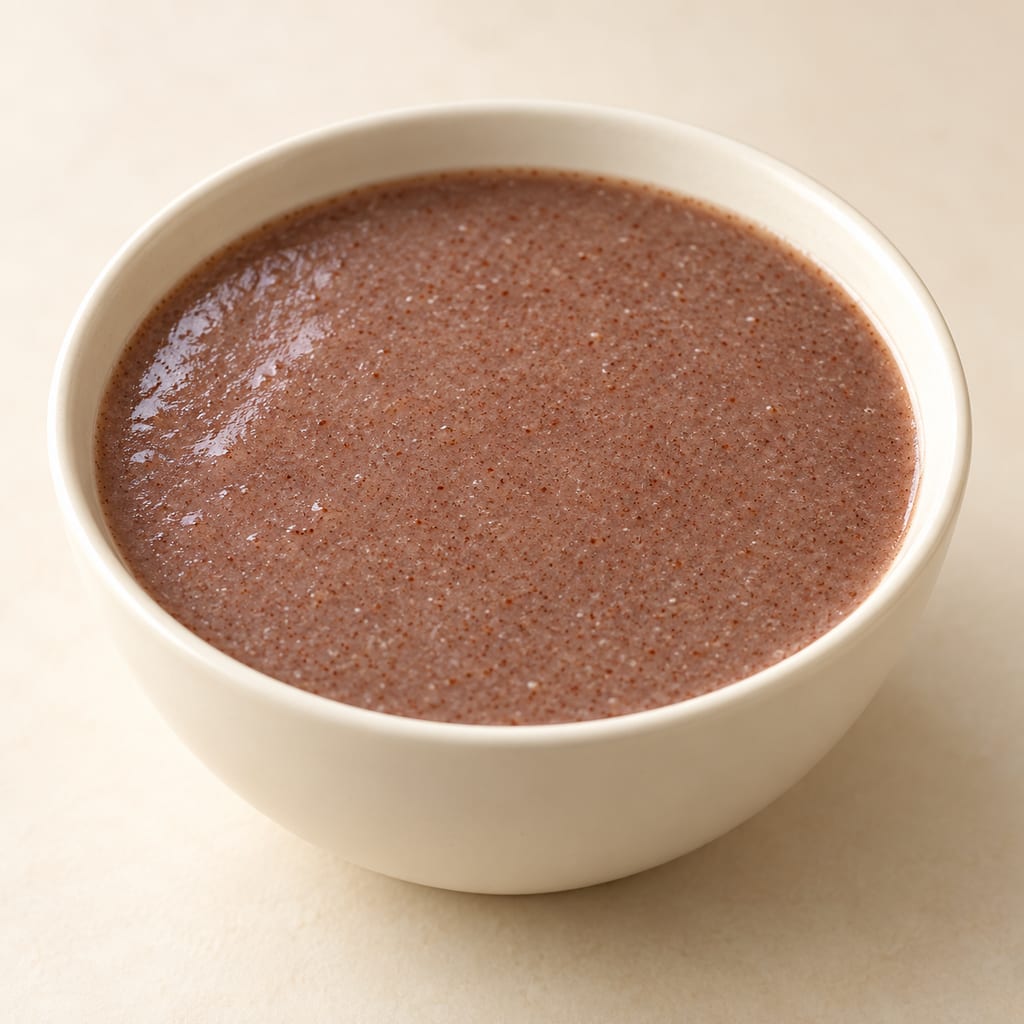
A thin, sour porridge of western Kenya made by fermenting unroasted finger-millet flour in water for a day or two, then diluting it and cooking it through.

A deep amber-red American ale brewed from pale, Munich, CaraVienne and chocolate malts, bittered with Columbus hops and finished with Amarillo.

A source-specific modern extract adaptation of Düsseldorf Altbier, with specialty malts, two hop additions and an ale yeast. It is distinct from a brewery's commercial Altbier process and from Kölsch.

Andong soju is a rice spirit from North Gyeongsang, distilled from steamed rice and wheat nuruk. This method makes the starter before fermenting the rice mash in a jar.
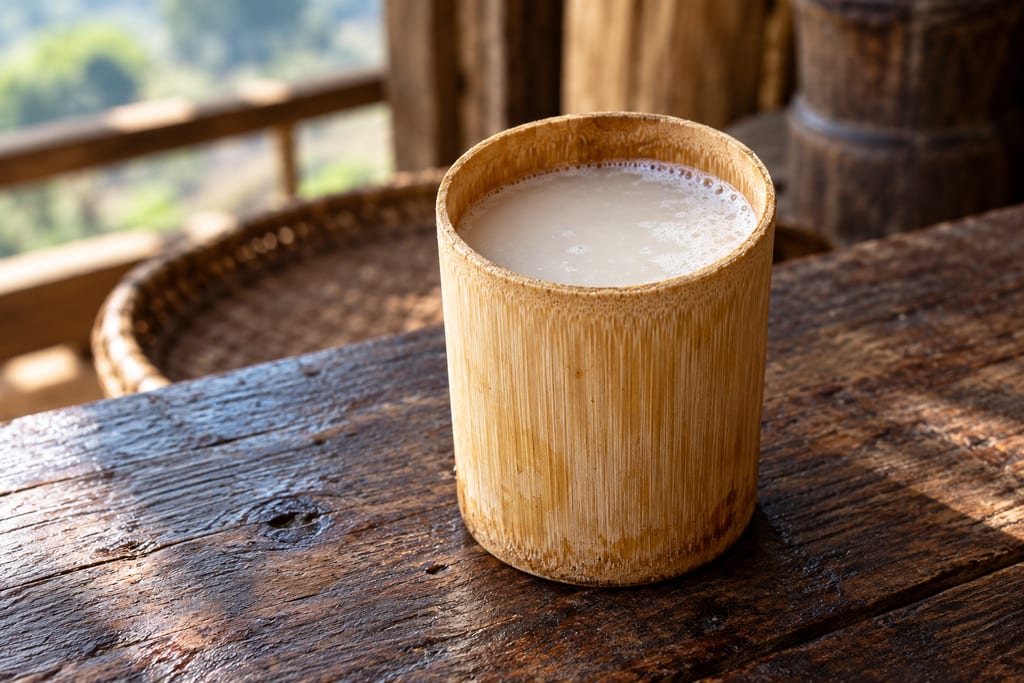
Angami rice beer from Nagaland. A surveyed method mixed cooked rice with piazu, fermented it for about four days in summer or a week in winter, then added water and filtered it. The starter ratio leaves the rice-weight basis unclear.
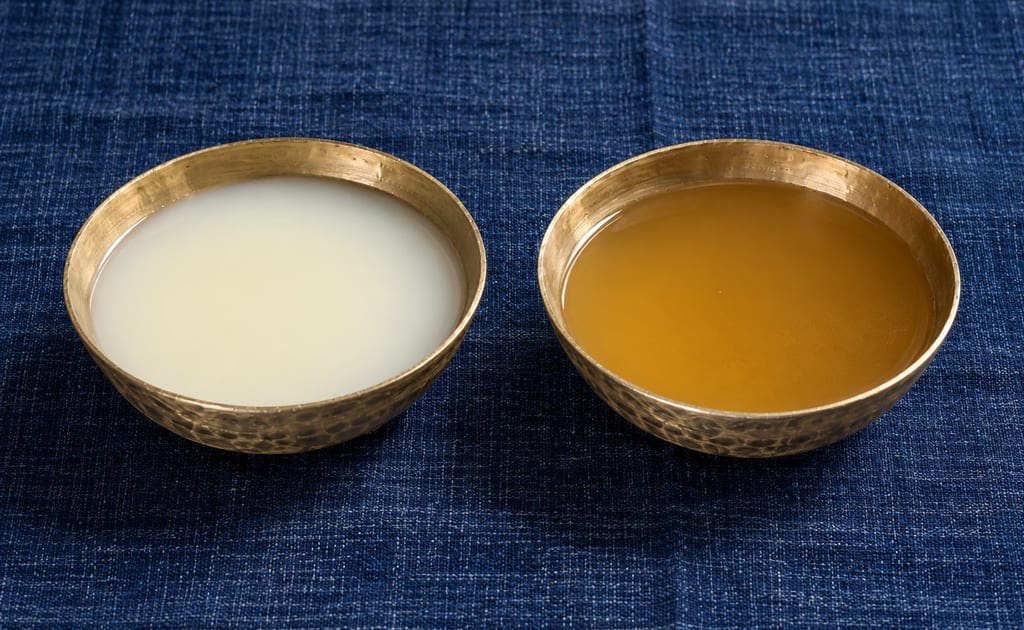
Apong names Mising rice beverages in Assam, including pale Nogin and ash-associated Po:ro. Sources describe distinct preparations and do not establish one unified household recipe or validated safety endpoint.

An Okinawan rice spirit made by turning all the rice into black koji, fermenting it with water and yeast, then pot-distilling and maturing the spirit.

This is a process overview, not a complete batch recipe: key quantities, yield and packaging directions are absent. The AHA tutorial uses Hop Hammer Imperial IPA as an example; this page is not that full formulation.
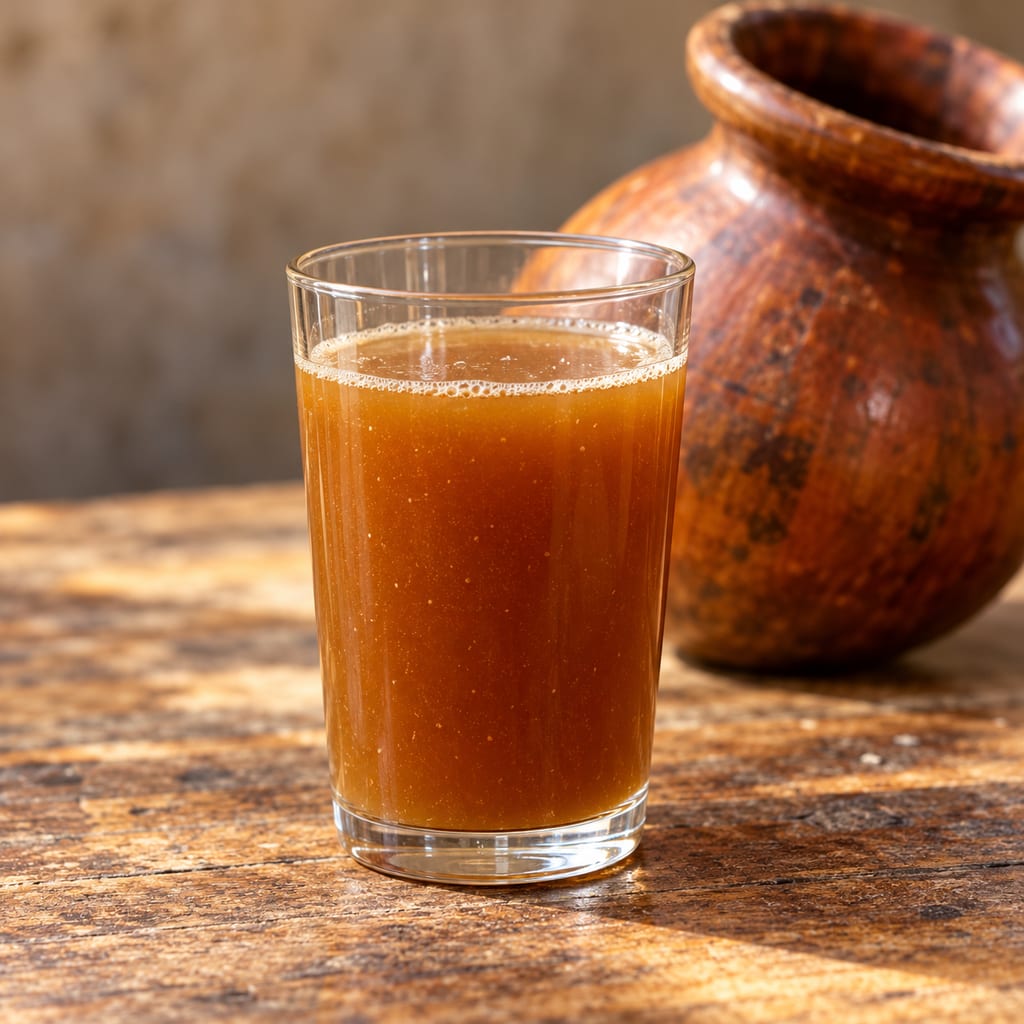
A darker Ethiopian maize tella, brewed from maize baked into a hot, dry kita pancake and then fermented in three stages with barley malt, gesho and water.
No community contributions have been published for this entry yet.
Sign in to contribute. Published comments and photos are free to read.
Slow Food Kenya / University of Embu repositoryInspiration · Process · History · Location · Safety
Ark of Taste: BusaaThe recipe is associated with Luhya, especially the Tiriki, in Kericho County, Rift Valley
Dried Katumani maize is coarsely milled, mixed with water and fermented 2–3 days at room temperature, then roasted about 30 minutes into tsimbale
Finger millet is sprouted, sun-dried and ground into kimera; tsimbale and kimera are combined at a 10:1 ratio and fermented another two days
Source calls the result mildly alcoholic but does not state ratio basis, ingredient quantities or finished yield
Cited in: What is busaa?; Names and identity; History and cultural significance; Ingredients and preparation ratios; Stage 1 — Prepare the maize; Stage 2 — Hydrate; Stage 3 — First fermentation; Stage 4 — Roast the fermented paste; Stage 5 — Prepare kimera; Stage 6 — Combine roasted maize and malt; Stage 7 — Second fermentation; Stage 8 — Separate and serve; How it is consumed
Frontiers in Nutrition / PubMed CentralHistory · Safety
Eastern African traditional fermented foods and beverages: Advancements, challenges, and perspectives on food technology, nutrition, and safetyBusaa is associated with Kenya and maize substrate; microbial communities include lactic acid bacteria and yeasts
A cited process-development study reports short 1–2 day shelf life for traditional busaa because acidification continues
Cited in: What is busaa?; How the fermentation works; Why finger millet matters; Variants and related beers; Signs of successful fermentation; Problems and safety
Wageningen University and Research repositorySafety
Aspects of the manufacture and consumption of Kenyan traditional fermented beveragesA Busaa process-development study describes continued lactic acidification and a short one-to-two-day traditional shelf life
Cited in: How the fermentation works; Why finger millet matters; Variants and related beers; How it is consumed; Signs of successful fermentation
Clemson Cooperative ExtensionSafety
Cleaning and Sanitation for the HomebrewerClean brewing equipment to reduce contamination during home fermentation
Cited in: Problems and safety
History · Method
Food Anthropology — Critical review of the Ark of Taste Kenya and busaa's wider distributionCited in: History and cultural significance; Variants and related beers