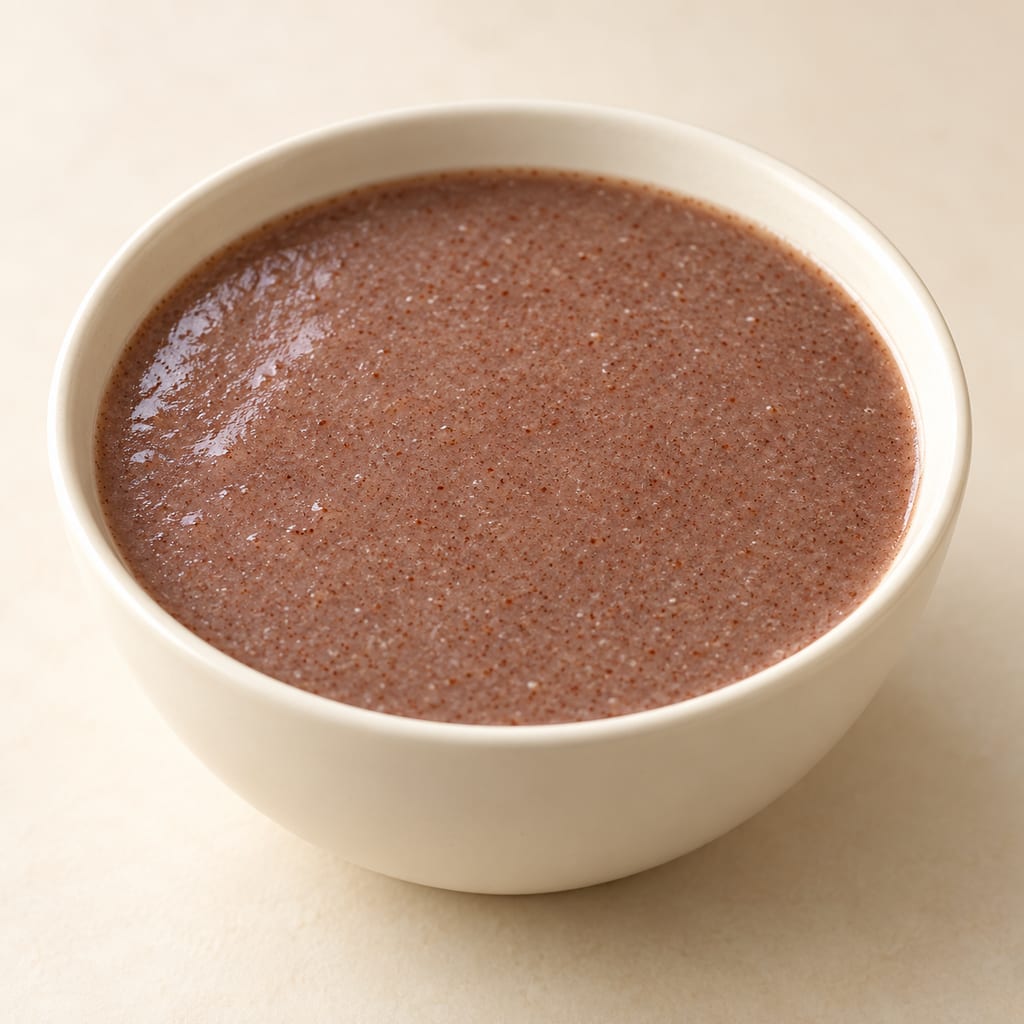
Western Kenyan fermented finger-millet uji
A thin, sour porridge of western Kenya made by fermenting unroasted finger-millet flour in water for a day or two, then diluting it and cooking it through.
 FermenteaWhere food goes to change
Mkate wa sinia
Fauzia’s Mombasa mkate wa sinia blends soaked rice with coconut milk, sugar, cardamom and yeast, then sets it covered on the hob and browns the top under a grill.
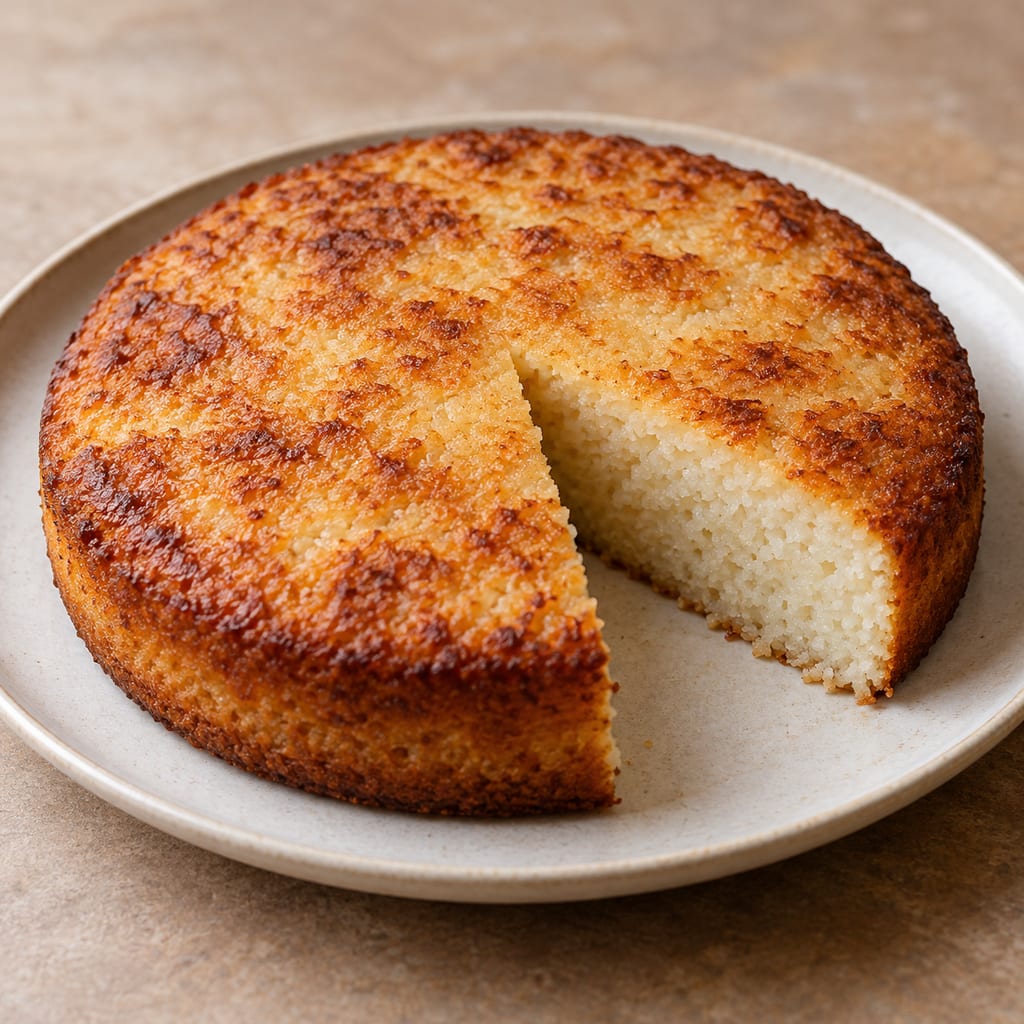
Fauzia’s Kitchen Fun calls this a Mombasa delicacy and recommends it with tea, especially during Ramadan. Its name, mkate wa sinia, is presented here for the source’s round rice-and-coconut cake rather than for wheat bread. The author’s batch makes two small 6-inch cakes.
The structure comes from blended rice and coconut milk, with yeast raising the batter. The recipe first sets each cake covered on the hob; the oven grill is used afterward to brown the top. The method is specific to the author’s household preparation and does not establish a single formula across the Swahili coast.
The source calls for overnight soaking, or at least five to six hours. Refrigerate the rice while it soaks: rice-safety guidance identifies Bacillus cereus spores in uncooked rice and recommends temperature control for rice-based foods. Drain before blending.
Blend the rice in two passes with thick and light coconut milk, instant yeast and cardamom until completely smooth. The source interrupts the first blend to stir the batter before returning it to the blender. Cover the container and let the yeast mixture stand only for the stated 20–30 minutes, until roughly doubled. Cook it promptly after this short rise.
Stir in the sugar until it dissolves. Melt the margarine or butter in the same 6-inch pan, then mix it through the batter. Use an oven-safe pan whose handle is rated for the maximum grill setting; the source’s foil-wrapped-handle workaround is not repeated here.
Cook half the batter at a time over heat just below medium with the pan covered. Check the top as it cooks. Fauzia’s Kitchen Fun says to move the pan under the grill only after the top has dried and looks firm, then brown it to a golden color. This separates the center-setting stage from the brief top-browning stage. The source gives no exact stovetop or grill duration, so watch the cues rather than adding a timer it does not provide.
Let the cake cool until quite cool to the touch before removing it and cutting it; the author warns that a warm centre will remain gooey. Serve promptly with tea. The food-safety source advises prompt consumption of rice-based foods and temperature control when they are not being eaten immediately; this recipe makes no shelf-life claim.
Fauzia’s Kitchen Fun identifies this version as a Mombasa delicacy, especially enjoyed with tea during Ramadan. The author makes two small rice-and-coconut cakes from a yeast-raised batter and cooks them in a covered pan before browning their tops under a grill. This supports a Mombasa association for this documented preparation, not a date of origin or a single Swahili-coast formula.
Yield 2 6-inch cakes · Scaling: source batch only
Food-safety guidance notes that spores may be present in uncooked rice and that they can multiply in rice-based foods left in the temperature danger zone; cooking may not destroy toxin already formed.
Hazard sourceThe source moves a frying pan under a maximum grill; an unverified handle may not be safe for that heat.
Hazard sourceKeep the overnight rice soak refrigerated at 4°C or below; after the source-specified 20–30-minute batter rise, cook promptly.
Control sourceServe once cool enough to slice. If the rice-based cake is not served promptly, refrigerate it at 4°C or below; cooking does not destroy toxin that may already have formed in rice-based food.
Control sourceUse a 6-inch pan and handle rated for the oven grill's maximum setting; do not put cookware with an unverified handle under the grill.
Control sourceThe source gives no timed stovetop or grill stage. Use its covered-pan cue—the top dries and looks firm—before browning; do not substitute color alone for the center-setting step.
The source says to cool until quite cool before slicing but gives no exact cooling duration or storage shelf life.
Fauzia’s Kitchen Fun describes this specific recipe as a Mombasa delicacy; it does not establish one origin for all mkate wa sinia.
A thin, sour porridge of western Kenya made by fermenting unroasted finger-millet flour in water for a day or two, then diluting it and cooking it through.
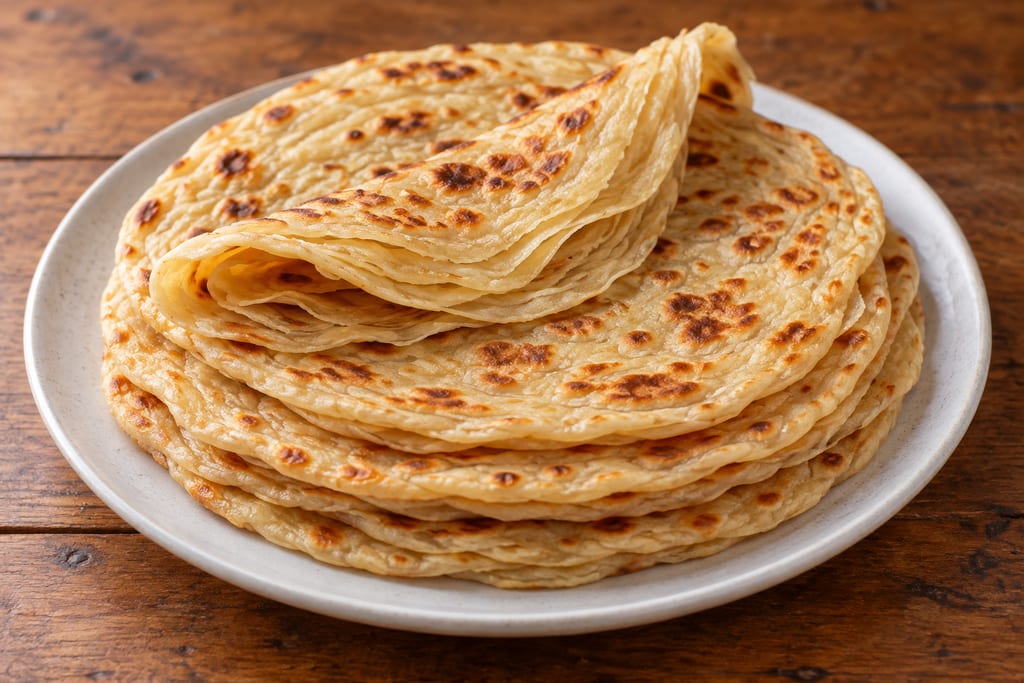
Six Kenyan layered wheat flatbreads, pleated with ghee, coiled and cooked on a griddle.
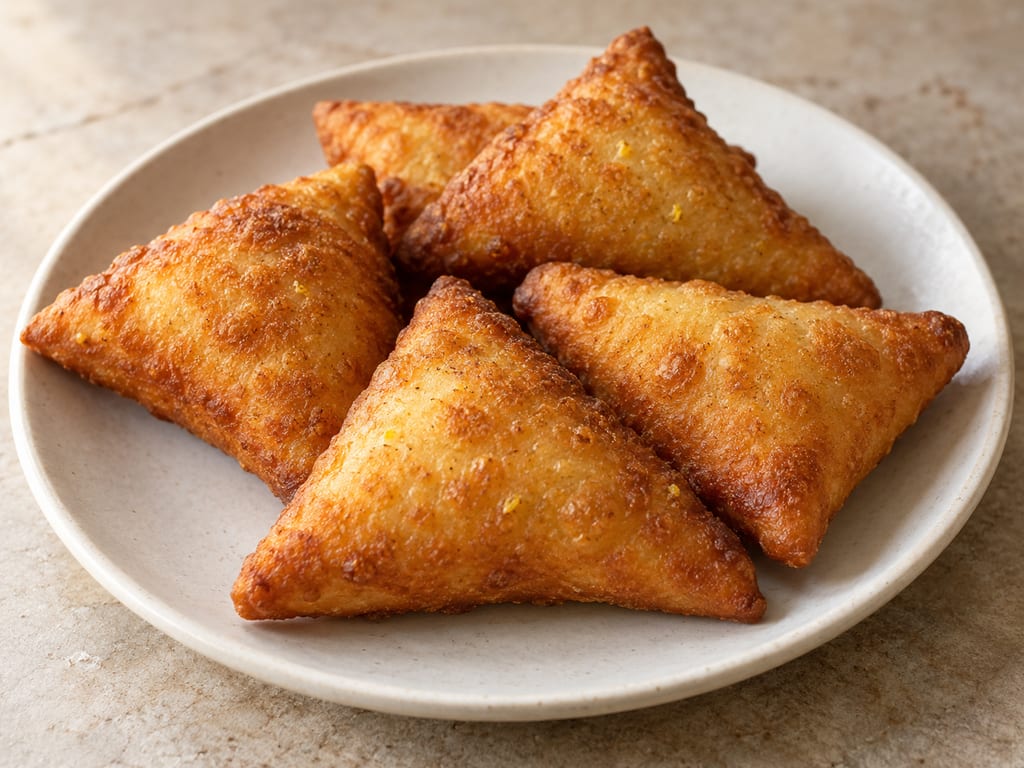
A Kenyan mandazi made with self-raising flour, lemon and optional cardamom, cut into triangles and deep-fried. This baking-powder-raised version is distinct from yeast-raised coastal mahamri.
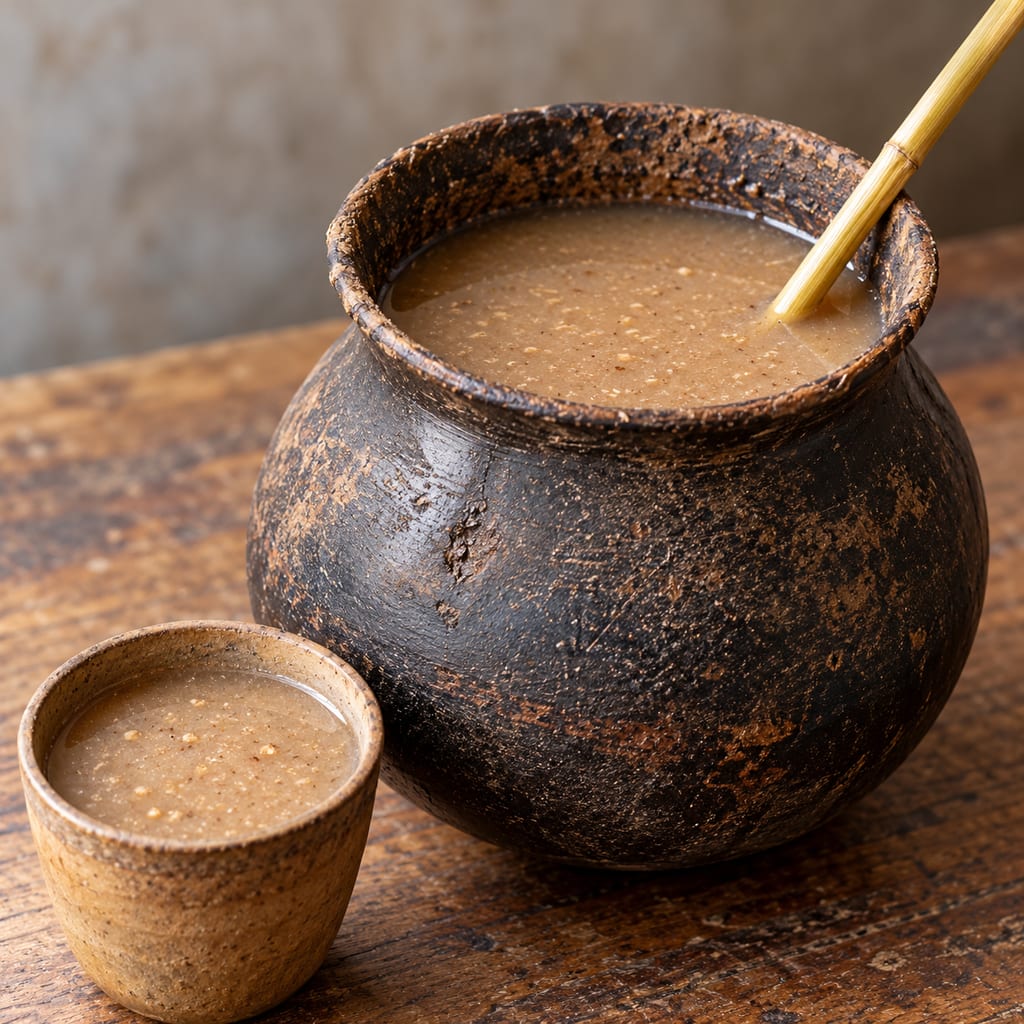
An opaque Kenyan maize beer: fermented maize paste is roasted into tsimbale, then mixed with finger-millet malt called kimera at ten to one and fermented a second time.
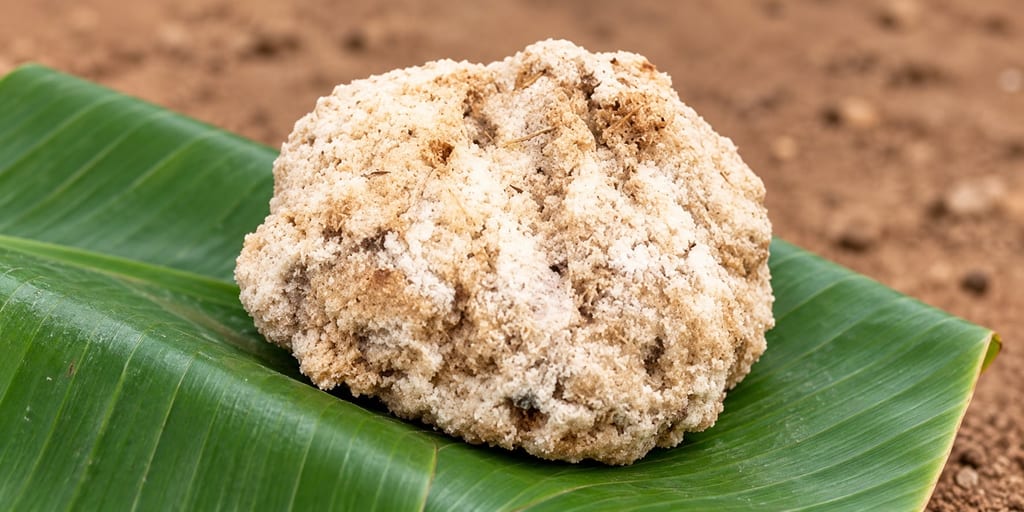
Nzoia River reed salt is a Bukusu seasoning made by leaching and evaporating the ash of mature muchua reeds. Its sources document a local method, but provide neither a measured formula nor verified mineral composition.
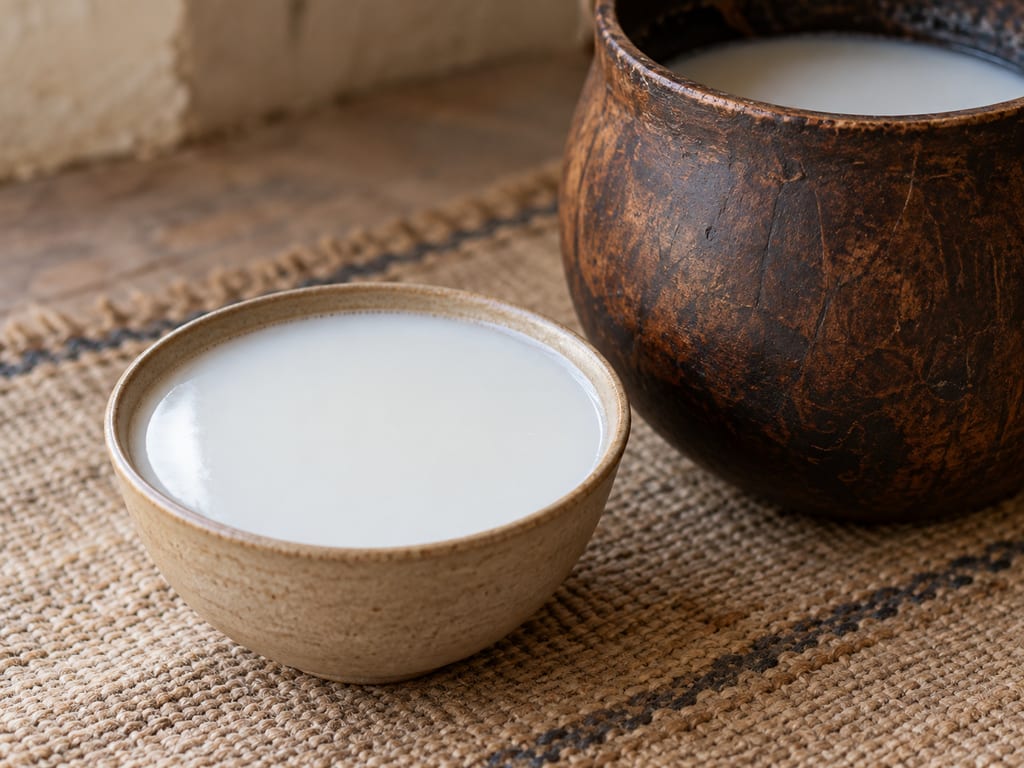
Suusac is a traditional fermented camel-milk drink of Somali pastoral communities in Kenya and Somalia, soured spontaneously in smoke-treated vessels into a thin, acid, smoky milk.
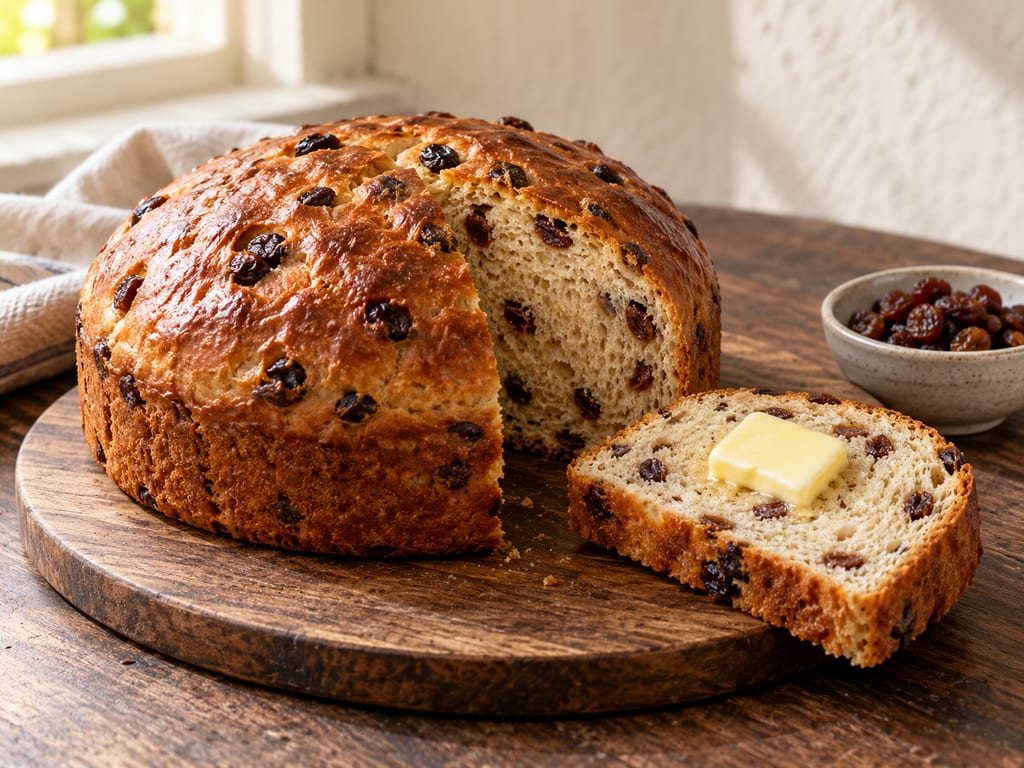
An Irish fruit-studded yeast loaf, associated in a contemporary cultural account with Halloween and often served fresh or toasted with butter.
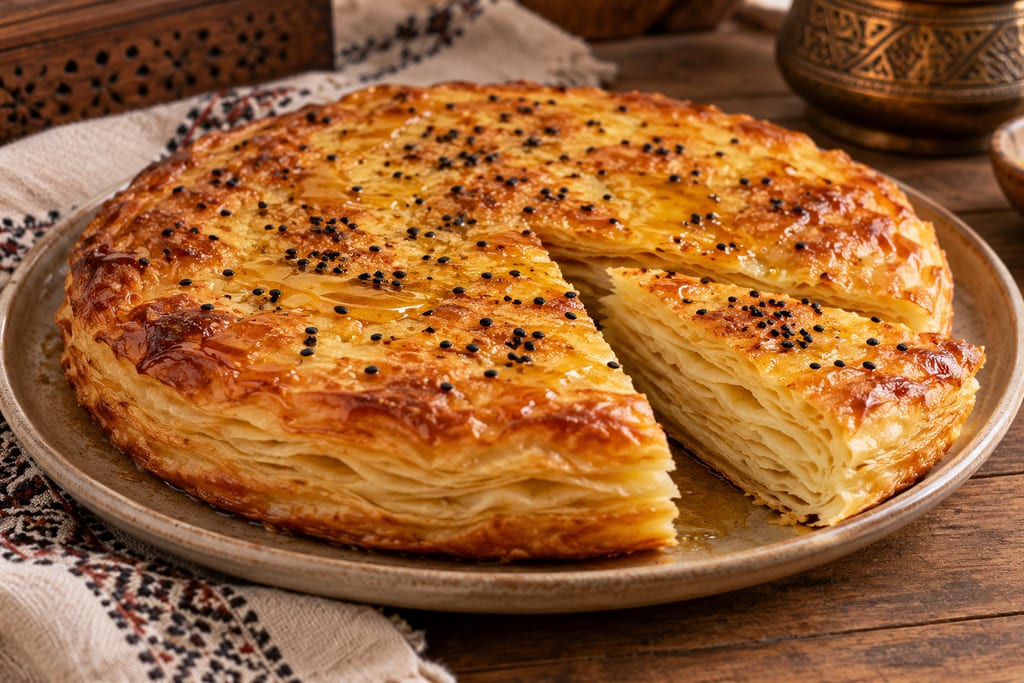
Bint al-sahn is a Yemeni celebration and home bread built from thin, egg-rich yeast dough layers brushed with ghee or butter. This source-specific version makes one round cake, baked until golden and served warm with honey.
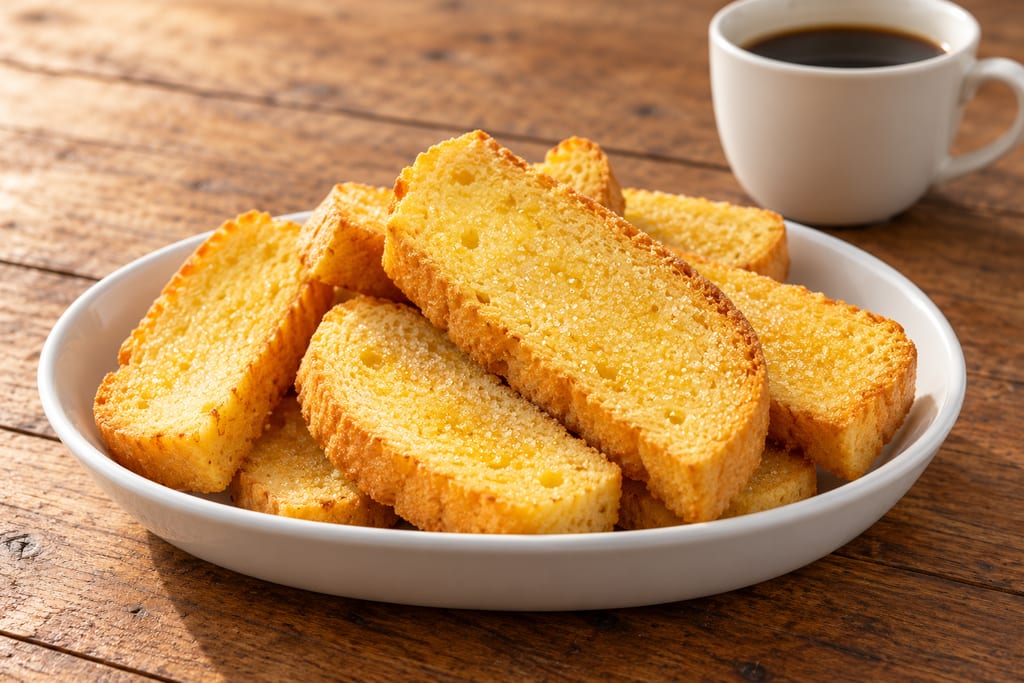
PagkainPinoy’s 24–30 piece version twice-bakes day-old soft bread with a thin butter-and-sugar coating.
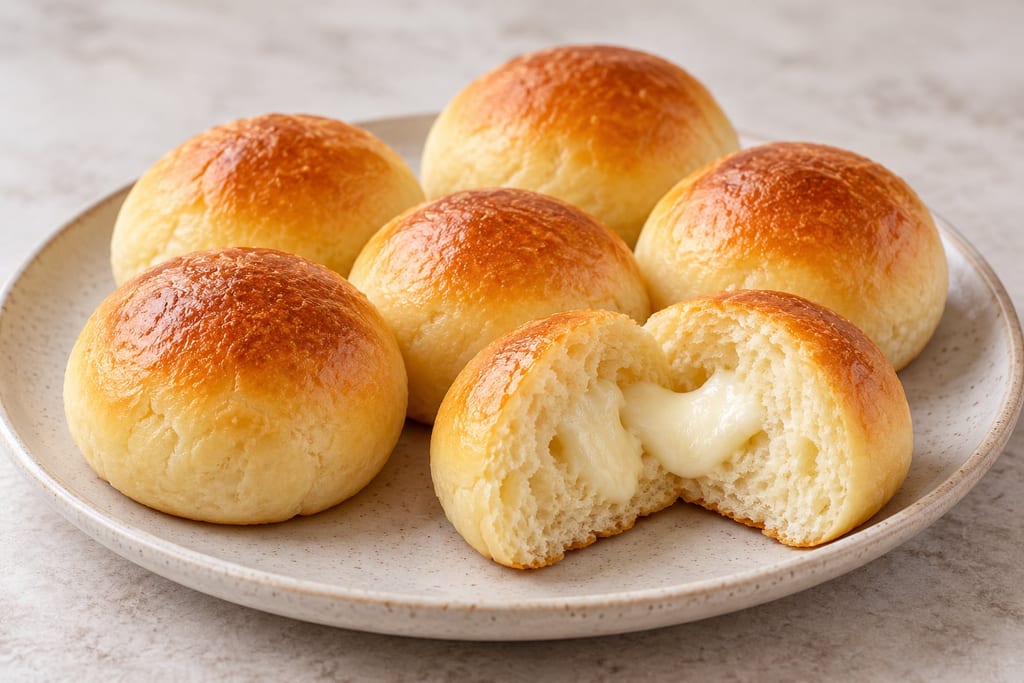
Soft Brazilian yeast rolls use cooked mashed potato in an enriched dough, with mozzarella cubes enclosed before baking.
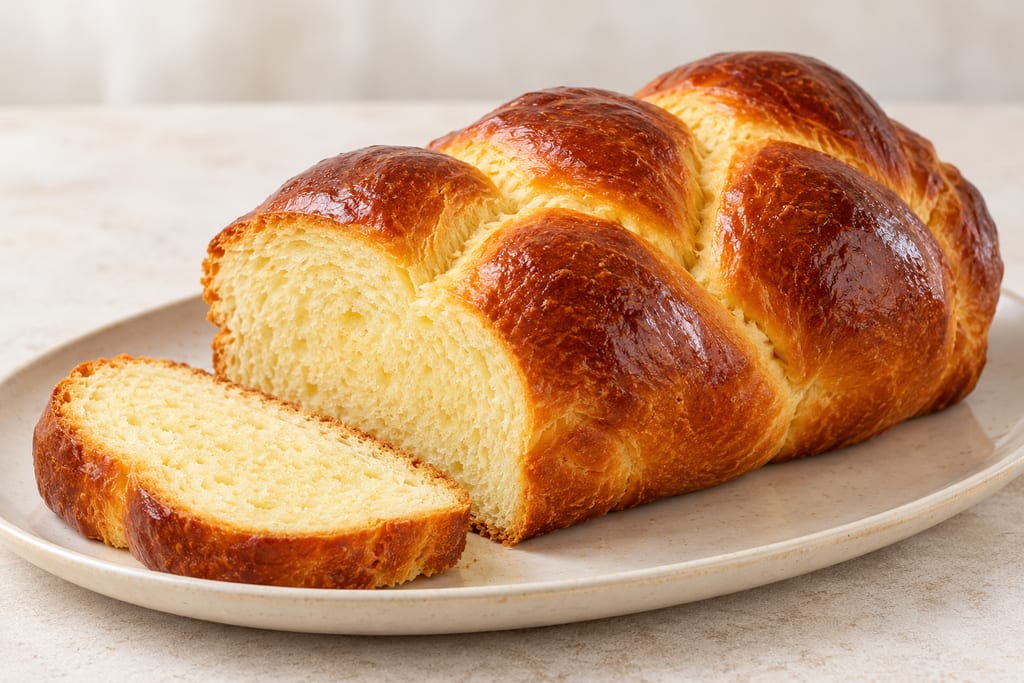
An egg-and-butter-rich yeast dough shaped as one round loaf, two loaves or twelve small brioches, with baking paths that vary by shape.
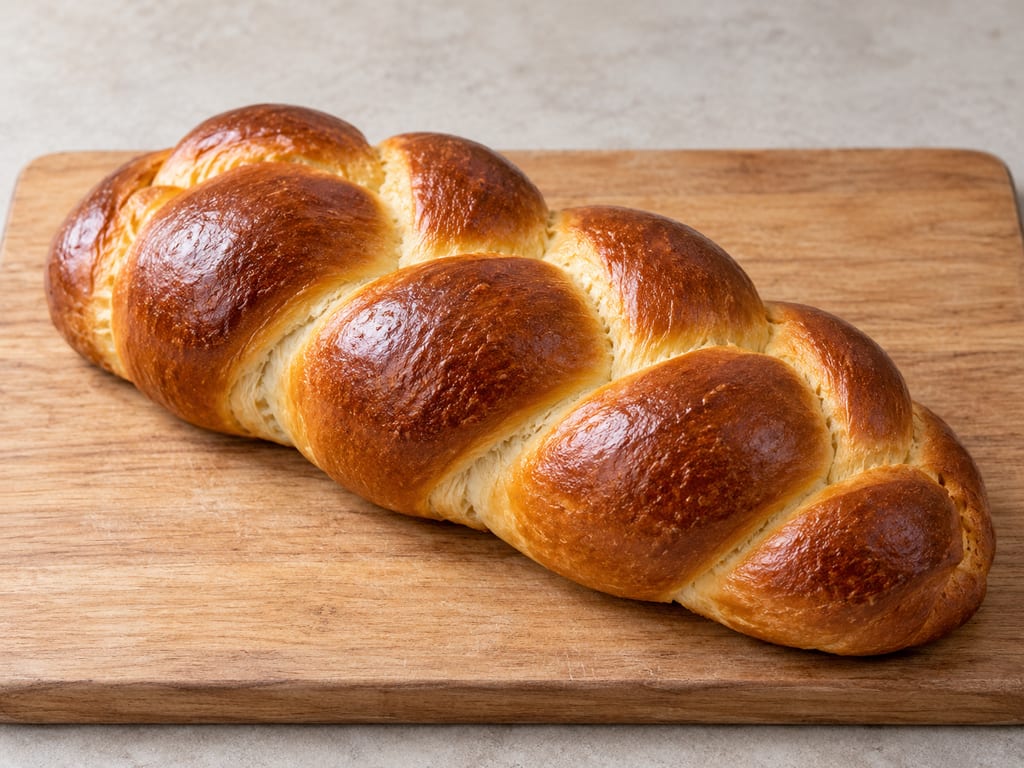
A three-strand yeast-raised challah with flour, salt, yeast, water, neutral oil, honey and egg, based on a Jewish Museum Vienna home recipe.
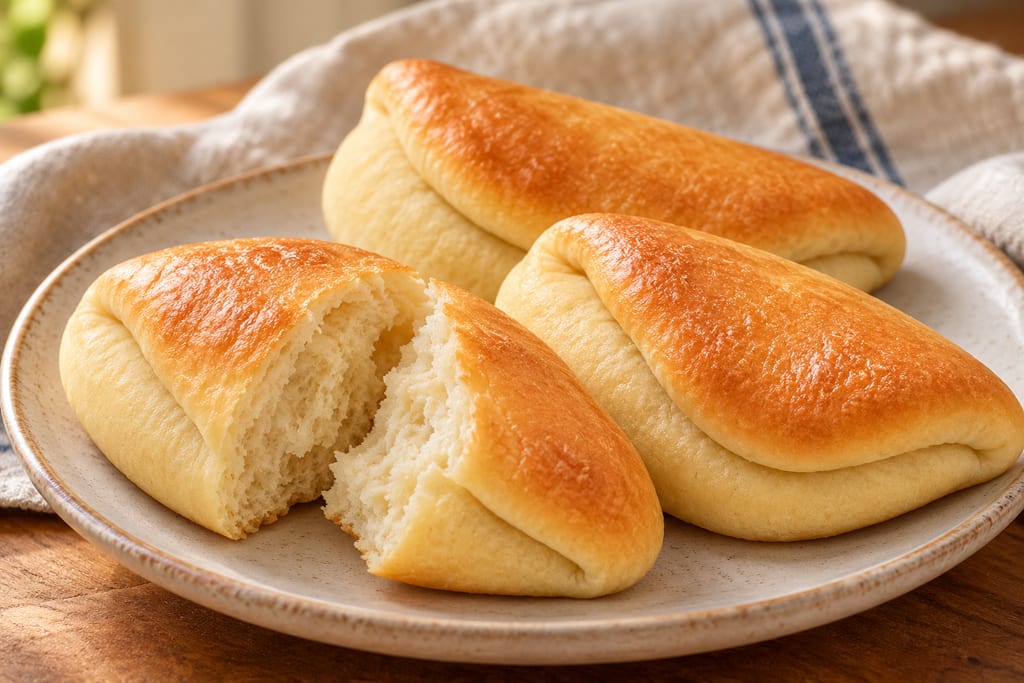
Jamaican-style folded rolls made from sweet coconut-milk yeast dough and brushed with butter.
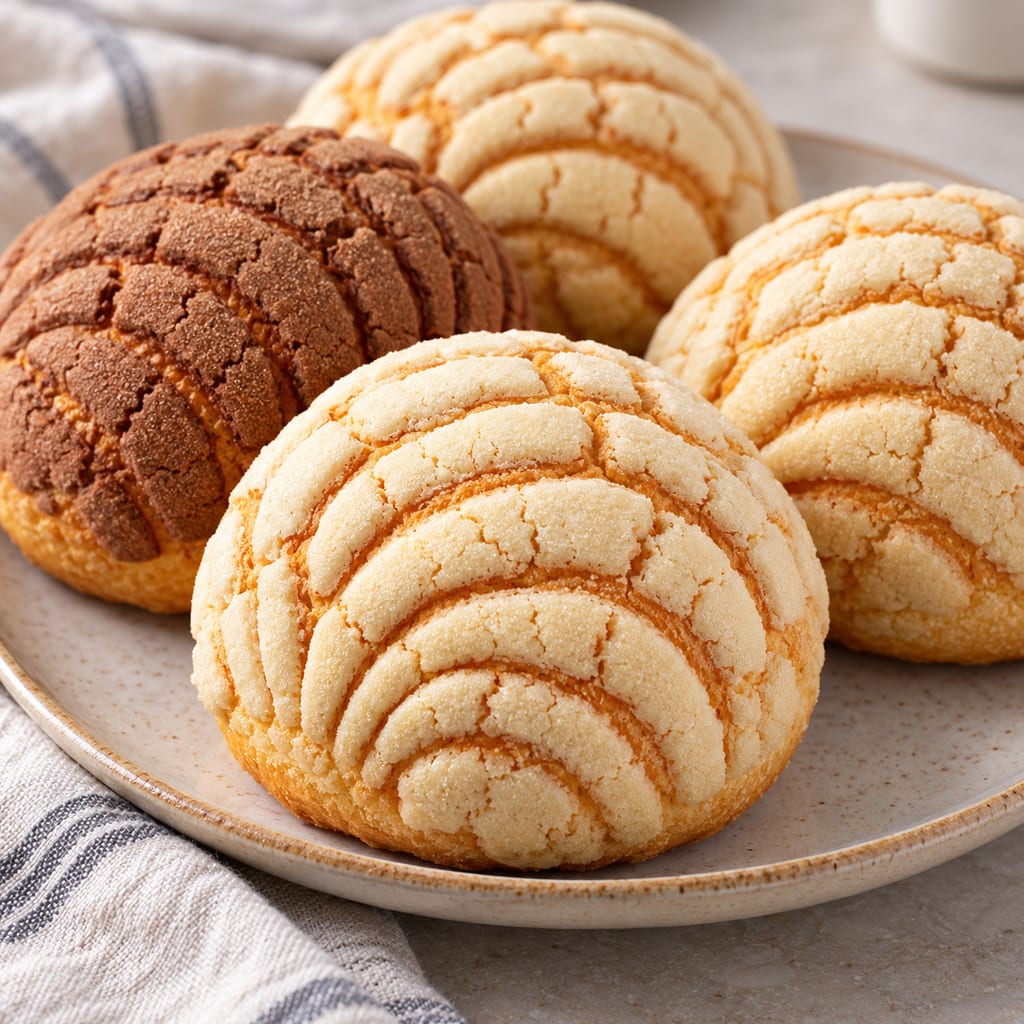
Mexican sweet rolls with a soft enriched yeast dough and a separate scored sugar-flour topping shaped like a shell. This version makes 15 rolls and uses a chilled dough rest before final proofing.
No community contributions have been published for this entry yet.
Sign in to contribute. Published comments and photos are free to read.
Fauzia’s Kitchen FunInspiration · Method · Identity · Geography · History
Mkate wa Sinia (Rice and Coconut Cake)The page identifies mkate wa sinia as a Mombasa delicacy served with tea, especially during Ramadan; it gives a yield of two 6-inch cakes.
The formula uses 1½ cups rice, 1 cup thick coconut milk, 1½ cups light coconut milk, ⅔ cup sugar (or ½ cup for less sweetness), 1 teaspoon instant yeast, 1 tablespoon margarine or butter and cardamom powder.
The method soaks rice overnight or at least 5–6 hours, blends it with yeast, cardamom and coconut milks in two passes until smooth, rests the batter covered for 20–30 minutes until roughly doubled, adds sugar and melted margarine, then cooks half at a time covered over just-below-medium heat until the top is dry and firm before grilling the top until golden.
The source does not specify rice-soak temperature, exact stovetop or grill duration, cardamom quantity or storage duration. It warns to cool the cake until quite cool before cutting to avoid a gooey result.
Singapore Food AgencySafety
B. cereus in Rice-based FoodFood-safety guidance identifies Bacillus cereus spores in uncooked rice and explains that toxins formed in rice-based foods left in the temperature danger zone may not be destroyed by cooking.
It recommends good hygiene, prompt consumption and keeping food refrigerated at 4°C or below or hot at 60°C or above when it is not consumed immediately. This supports refrigerating the rice soak and cooking the source's short-rested batter promptly.