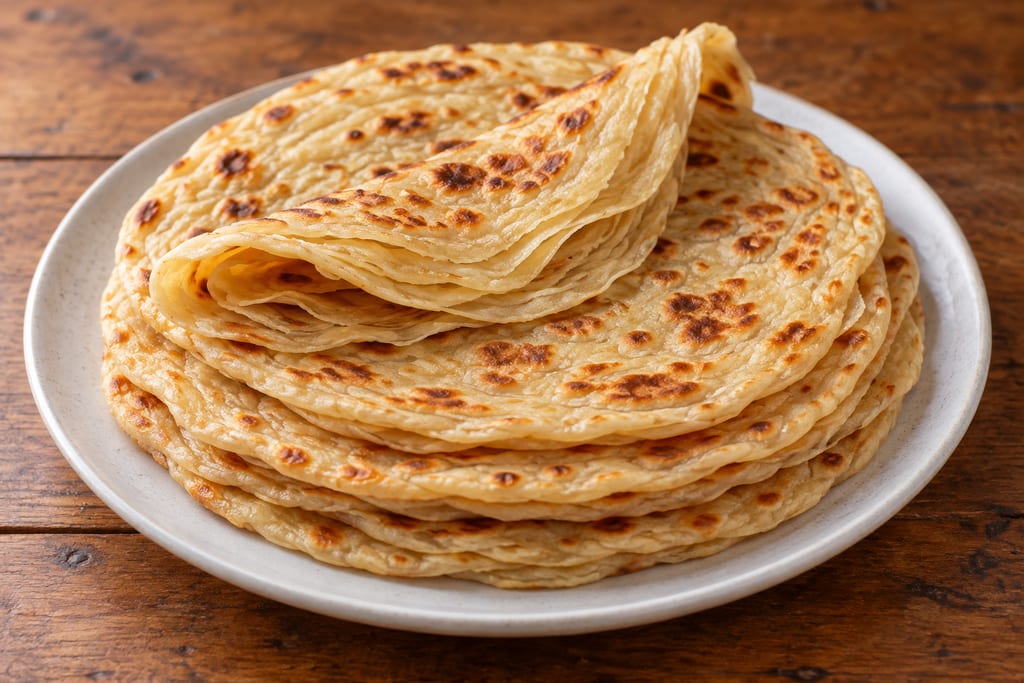
Kenyan chapati
Six Kenyan layered wheat flatbreads, pleated with ghee, coiled and cooked on a griddle.
 FermenteaWhere food goes to change
Modern adaptation
Mandazi
A Kenyan mandazi made with self-raising flour, lemon and optional cardamom, cut into triangles and deep-fried. This baking-powder-raised version is distinct from yeast-raised coastal mahamri.
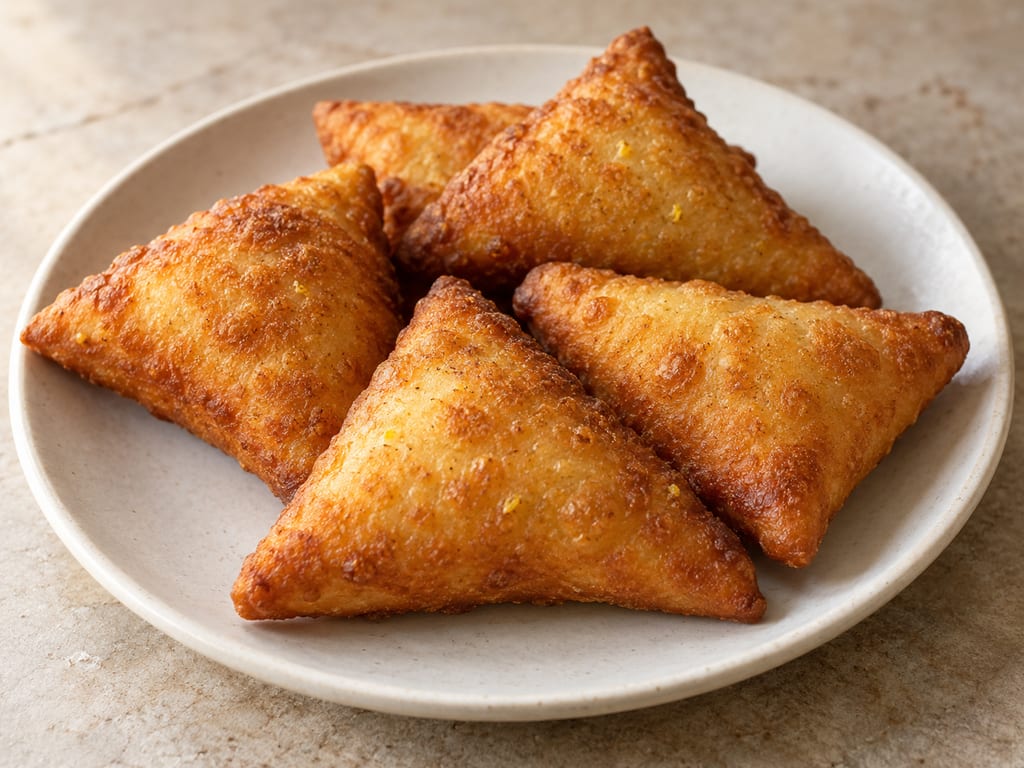
Mandazi is a fried dough eaten in East Africa, but recipes vary in their leavening, flavorings and shape. This record follows a Kenyan family version described by Kate Hahnel: a simple dough made with self-raising flour, sugar, lemon rind, water and optional cardamom. The recipe contains no yeast, eggs or dairy. Its triangle shapes puff and brown in hot oil, giving a crisp outside and soft inside when fried as directed.
Other preparations sold or described as mandazi may use baker’s yeast, coconut milk, eggs or grated coconut. Coastal mahamri often includes coconut and cardamom, and some versions use yeast. The names overlap in use, but those ingredients change the dough and method. The separate mandazi recipe credited to Georgia Reader, for example, activates yeast and adds coconut milk, egg and shredded coconut. It is not the formula recorded here. The range of recipes means the name alone does not establish a single standard dough or a precise origin.
Self-raising flour supplies the raising agent in this version, so the dough does not go through a yeast fermentation or proof. Sifting it with sugar, cardamom and salt distributes those dry ingredients before water is added. Lemon rind seasons the dough; the author lists cardamom as optional. Water is added gradually while kneading, because the amount needed to reach a firm, smooth dough can vary. The recipe card lists one and a half cups, while the accompanying method says to use more or less as needed.
The covered rest of at least 20 minutes gives the dough time to relax before rolling; it is not a biological rise. The source also allows an overnight rest, but does not explain its storage conditions. This entry preserves that option without adding an unsupported room-temperature storage instruction. Roll the dough into four portions, each about 20 cm wide and 6 mm thick, then cut each circle into eight triangles or a chosen shape. Even thickness helps each piece cook at a similar pace.
Heat the oil in a large pot and use a kitchen thermometer to reach the recipe’s stated 350°F. The page gives 180°C beside that figure, but the accurate whole-degree conversion is 177°C. Keep the oil close to the stated Fahrenheit target, lower a few pieces carefully and avoid crowding them. The author advises that oil which is too hot can brown the pieces before the interior is ready, while oil that is too cool can leave them greasy. Bring the oil back to its target between batches.
The recipe says to fry each side for 3 to 5 minutes until golden brown. It does not give a separate internal temperature or a reliable visual test for the center, so do not treat exterior color alone as proof of doneness. The dough is thin, and its self-raising flour changes during frying; still, the cited method gives no probe temperature or center check. Follow the stated time and thickness, and do not shorten the cook because the outside colors quickly.
Mandazi is commonly served as breakfast or a snack with tea, and can also be eaten with savory accompaniments. The Kenyan recipe suggests serving it fresh with chai, coffee or other drinks. The recipe card lists 40 servings, but its shaping directions make four circles and cut eight triangles from each, which is 32 pieces. The batch record follows the directions and notes the discrepancy rather than silently reconciling it.
Deep-frying requires more attention than the dough itself. Heat oil slowly, keep it in view and use a stable, heavy pot that is not crowded. Lower the pieces gently to reduce splashing. If the oil begins to smoke, switch off the heat and let it cool. Keep water away from hot oil and never pour water onto an oil fire. Raw flour dough should not be tasted; wash hands and utensils after handling it. Drain the cooked pieces on paper towels and serve fresh. The recipe gives no verified storage interval, so this entry does not promise one.
Mandazi is described as a popular East African fried dough with multiple forms. This entry records a specific Kenyan family version made without yeast or eggs, using self-raising flour, lemon and optional cardamom; it should not be conflated with yeast-raised coconut mahamri.
Yield 32 triangular pieces · Scaling: source batch only
Deep-frying oil can cause serious burns and may ignite if overheated; splashes are also hazardous.
Hazard sourceThe uncooked dough contains flour and must be cooked before eating.
Hazard sourceUse a thermometer to hold the recipe's oil temperature, heat oil slowly, monitor it continuously and do not overcrowd the pot.
Control sourceKeep food dry before lowering it into hot oil; if oil smokes, turn off the heat and let it cool. Never use water on an oil fire.
Control sourceDo not taste raw dough; wash hands, utensils and work surfaces after handling flour and dough.
Control sourceHot oil can burn or ignite. Stay with the pot, lower pieces carefully, keep water away from hot oil and never use water to extinguish an oil fire.
Cook the dough before eating; raw flour can carry germs.
The author identifies this as a Kenyan family recipe; it does not establish a precise locality or stand for every East African mandazi tradition.
Six Kenyan layered wheat flatbreads, pleated with ghee, coiled and cooked on a griddle.
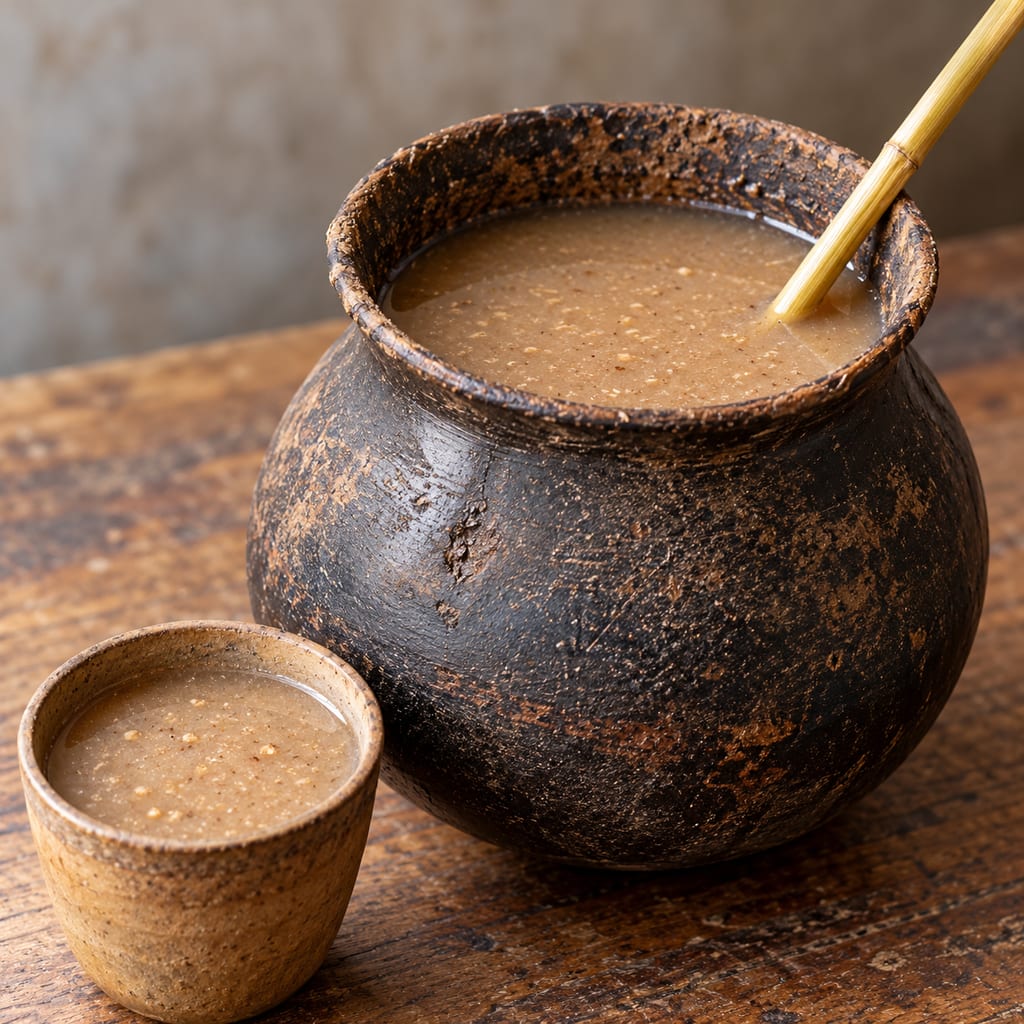
An opaque Kenyan maize beer: fermented maize paste is roasted into tsimbale, then mixed with finger-millet malt called kimera at ten to one and fermented a second time.
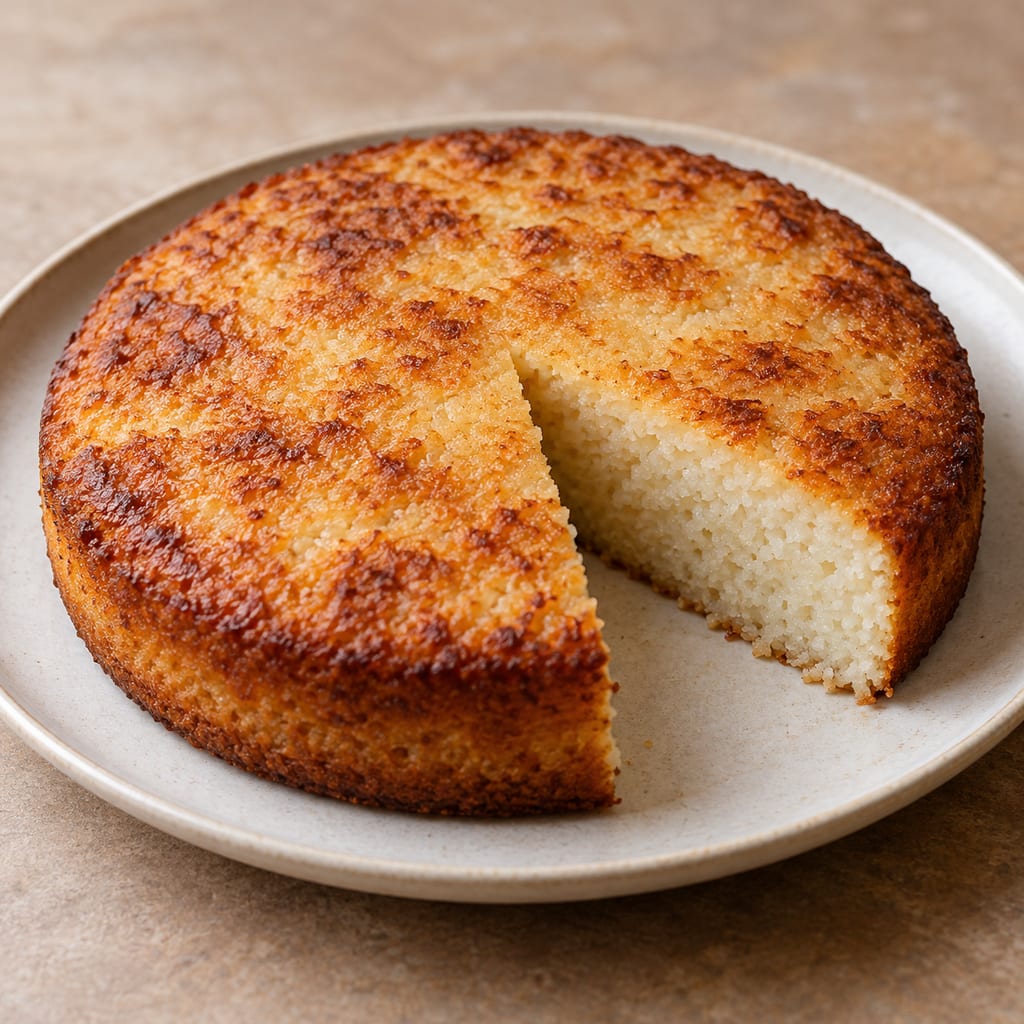
Fauzia’s Mombasa mkate wa sinia blends soaked rice with coconut milk, sugar, cardamom and yeast, then sets it covered on the hob and browns the top under a grill.
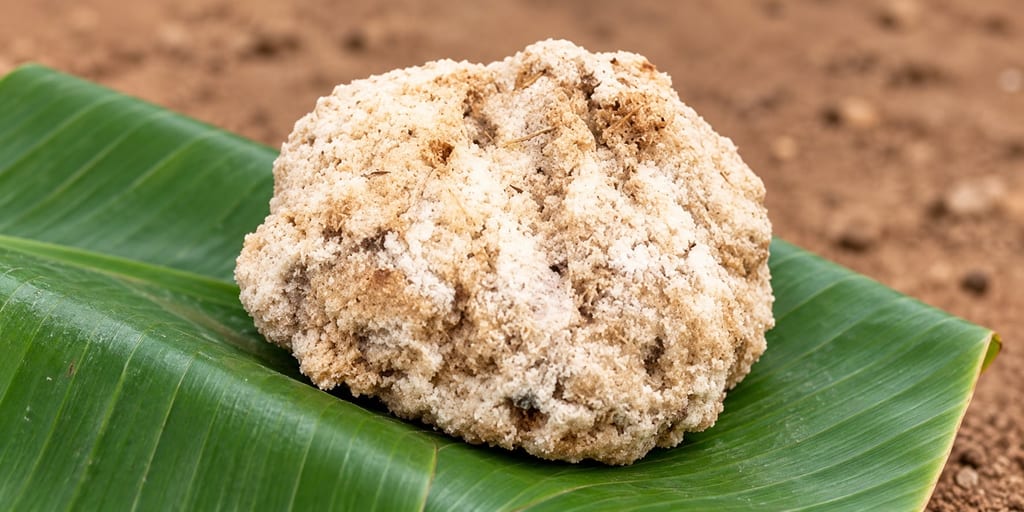
Nzoia River reed salt is a Bukusu seasoning made by leaching and evaporating the ash of mature muchua reeds. Its sources document a local method, but provide neither a measured formula nor verified mineral composition.
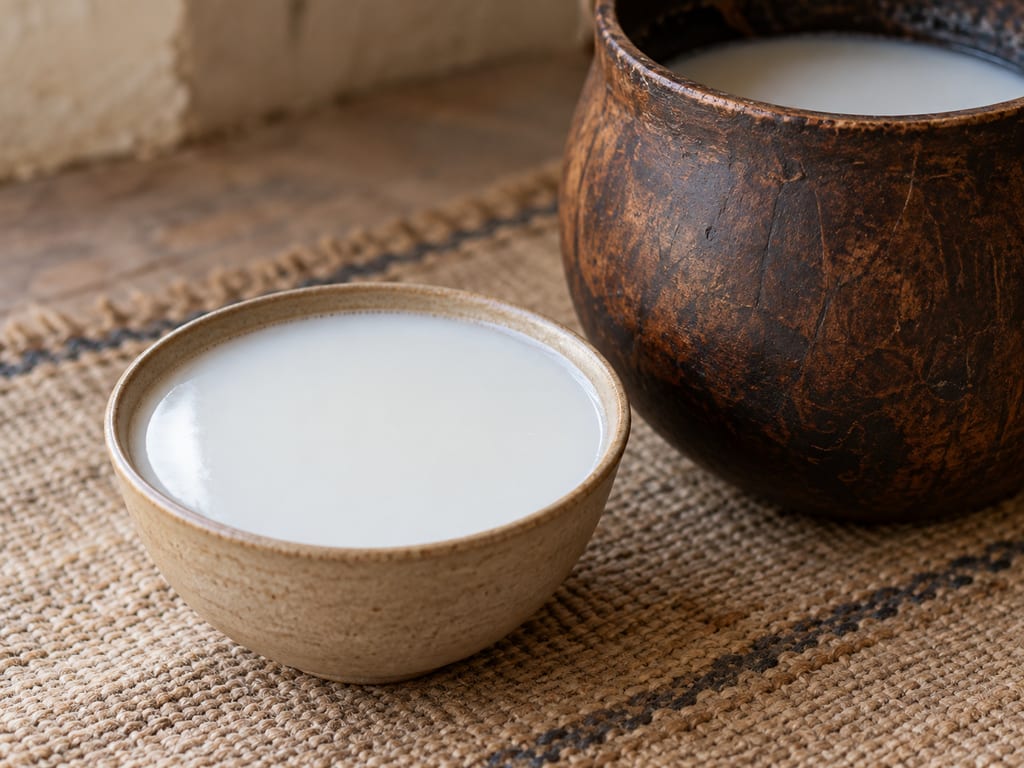
Suusac is a traditional fermented camel-milk drink of Somali pastoral communities in Kenya and Somalia, soured spontaneously in smoke-treated vessels into a thin, acid, smoky milk.
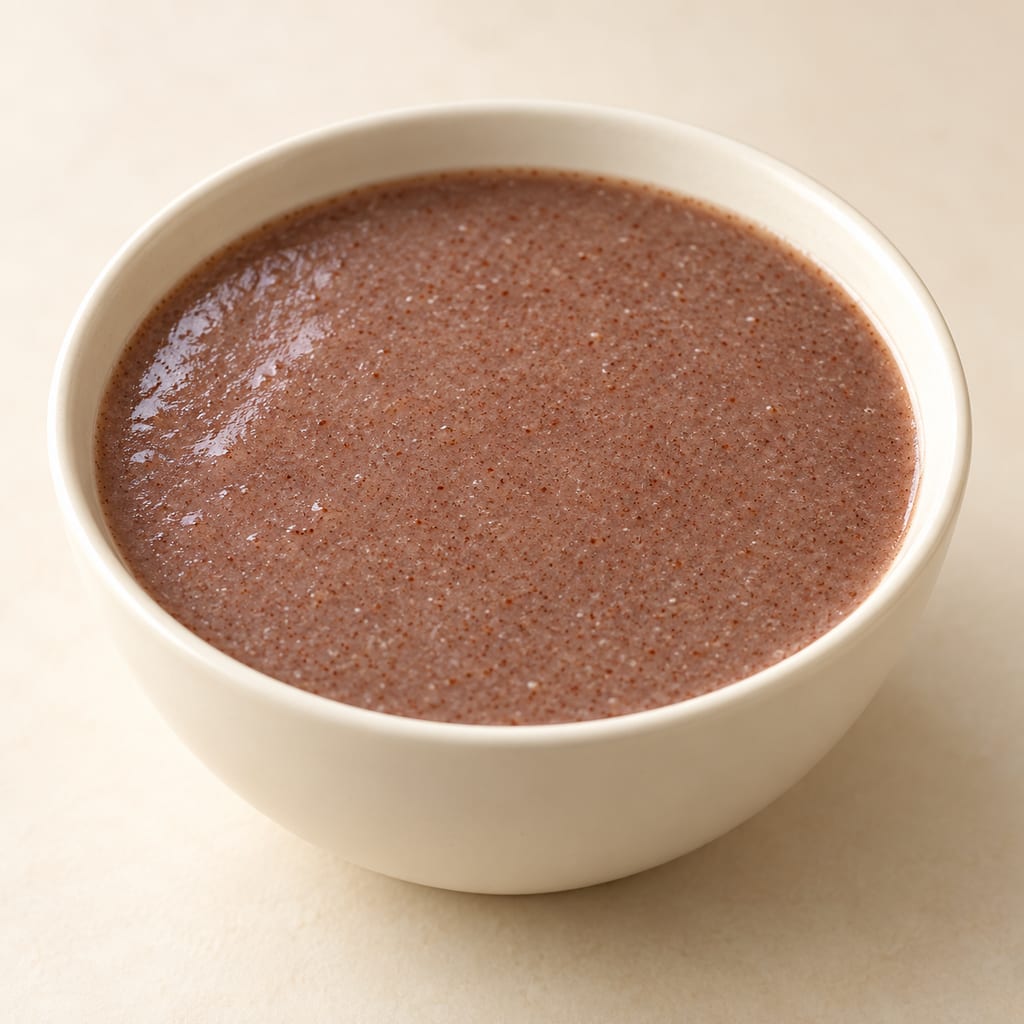
A thin, sour porridge of western Kenya made by fermenting unroasted finger-millet flour in water for a day or two, then diluting it and cooking it through.
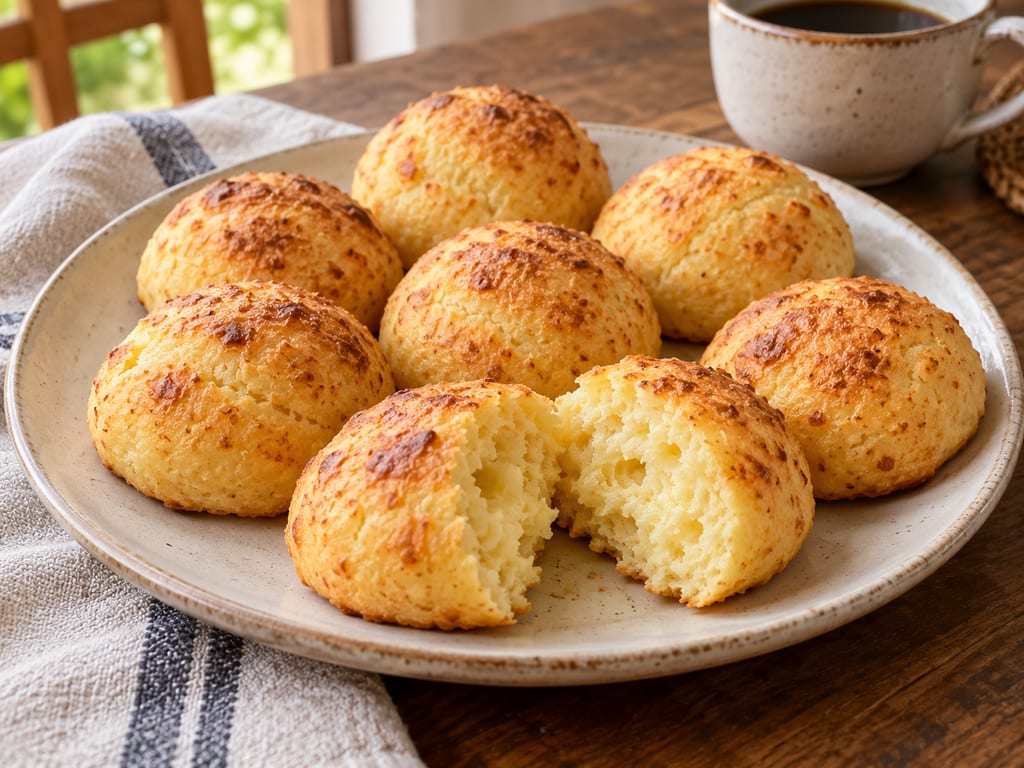
Small Colombian cheese breads made with precooked corn flour, queso fresco, mozzarella, eggs, milk and baking powder. This documented home version makes eight breads and is served warm.
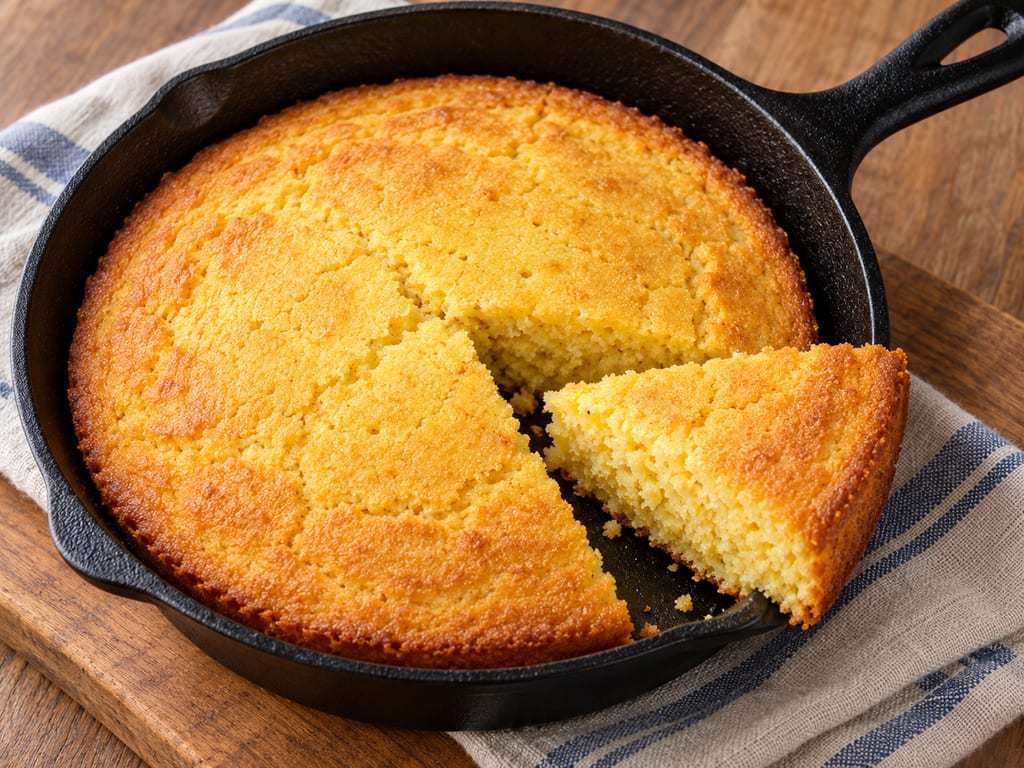
A modern cornmeal-and-wheat cornbread that King Arthur Baking describes as a compromise between Northern and Southern styles. The batter is baked in a pan or as muffins and served warm.
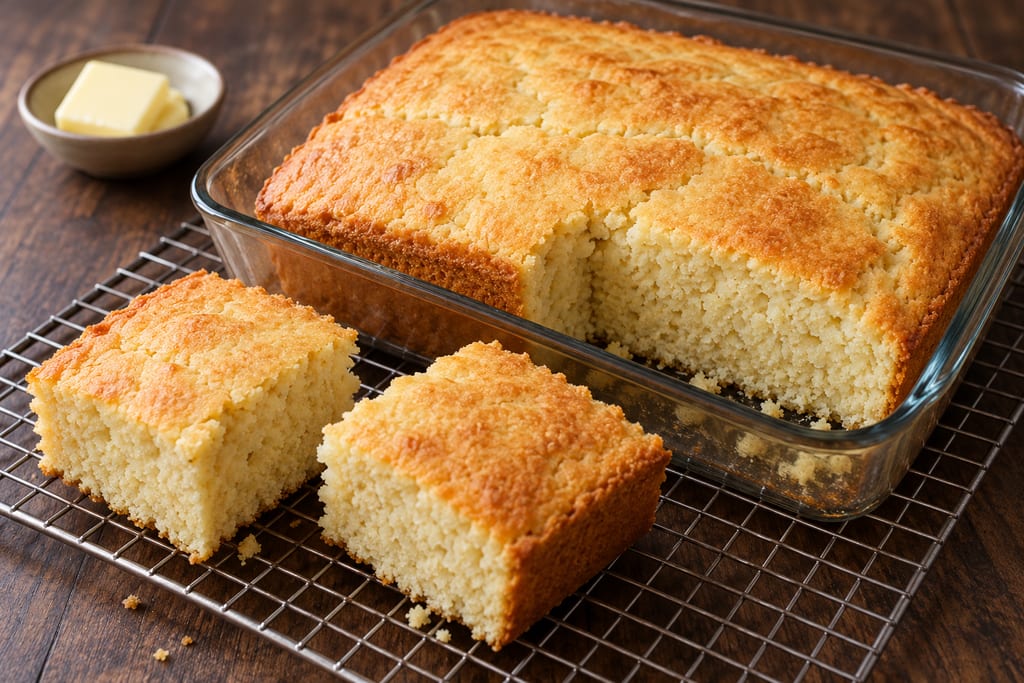
A soft, butter-rich Bahamian-style baked johnnycake made from flour, baking powder, sugar, butter and milk. The dough rests briefly in a square pan before baking.
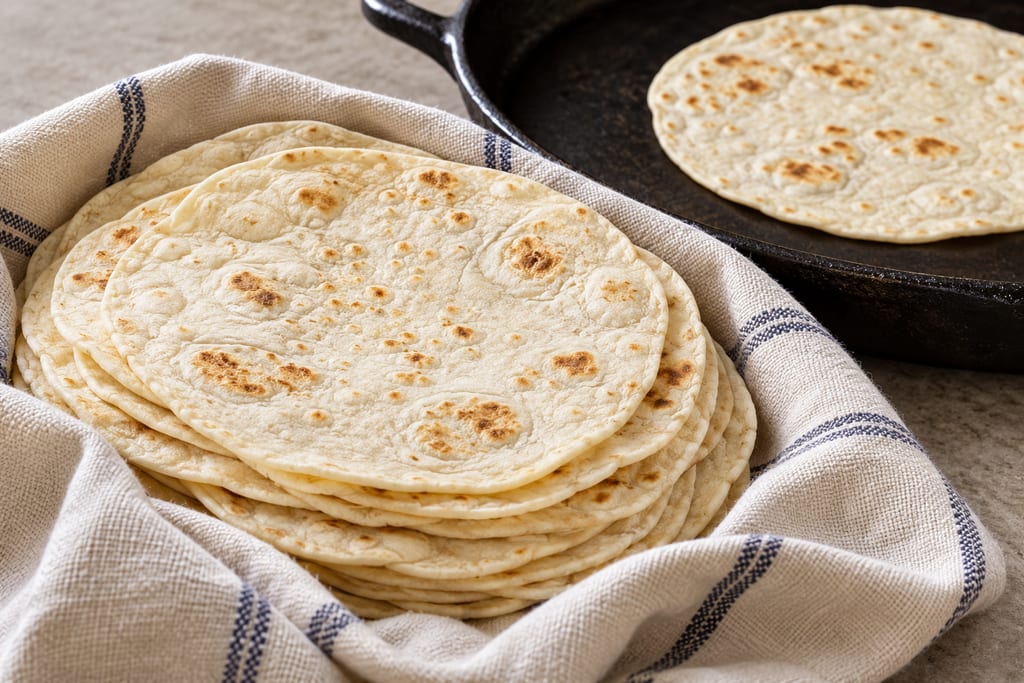
Soft wheat-flour rounds from an INCAP Honduran baleada recipe are rolled thin and cooked on a dry skillet; this record covers tortillas, not the filled dish.
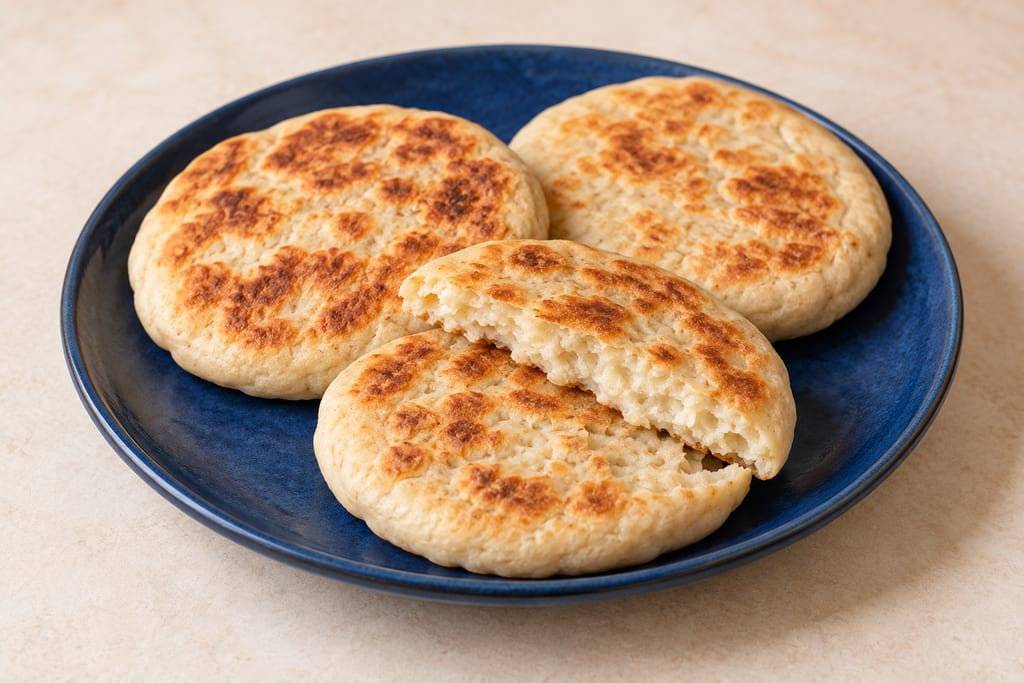
A Central Tibetan style pan bread made from flour, water and baking powder. Four dough balls are rested, rolled into rounds and cooked covered in a skillet, turning them several times.
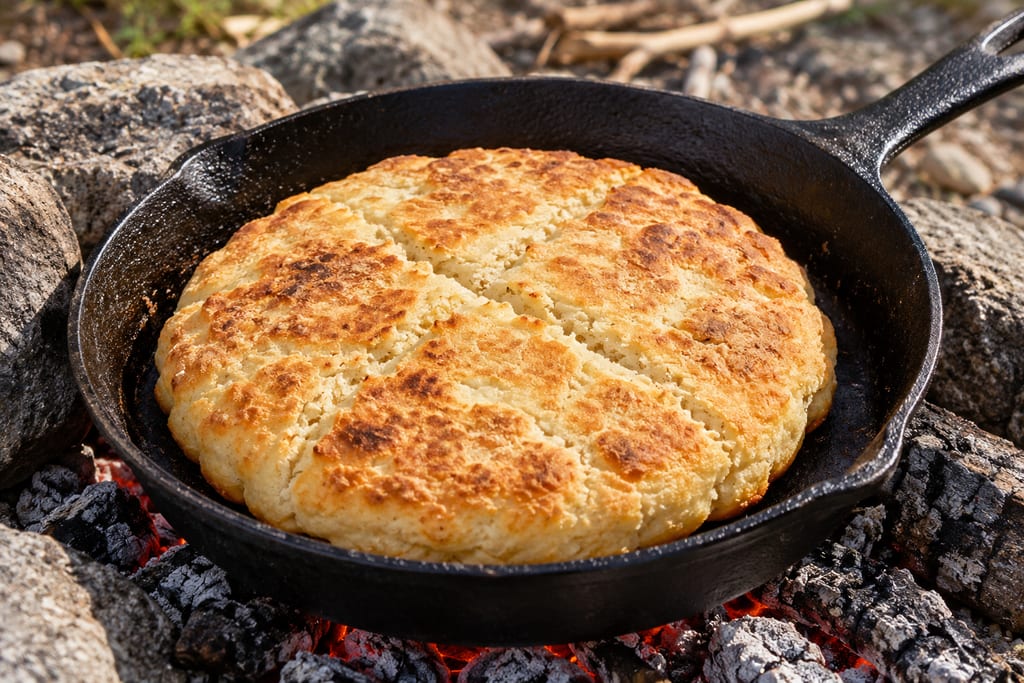
This flour, baking-powder and oil dough is Parks Canada’s contemporary Métis-interpreter version prepared at Rocky Mountain House; its specific recipe origin is unknown.
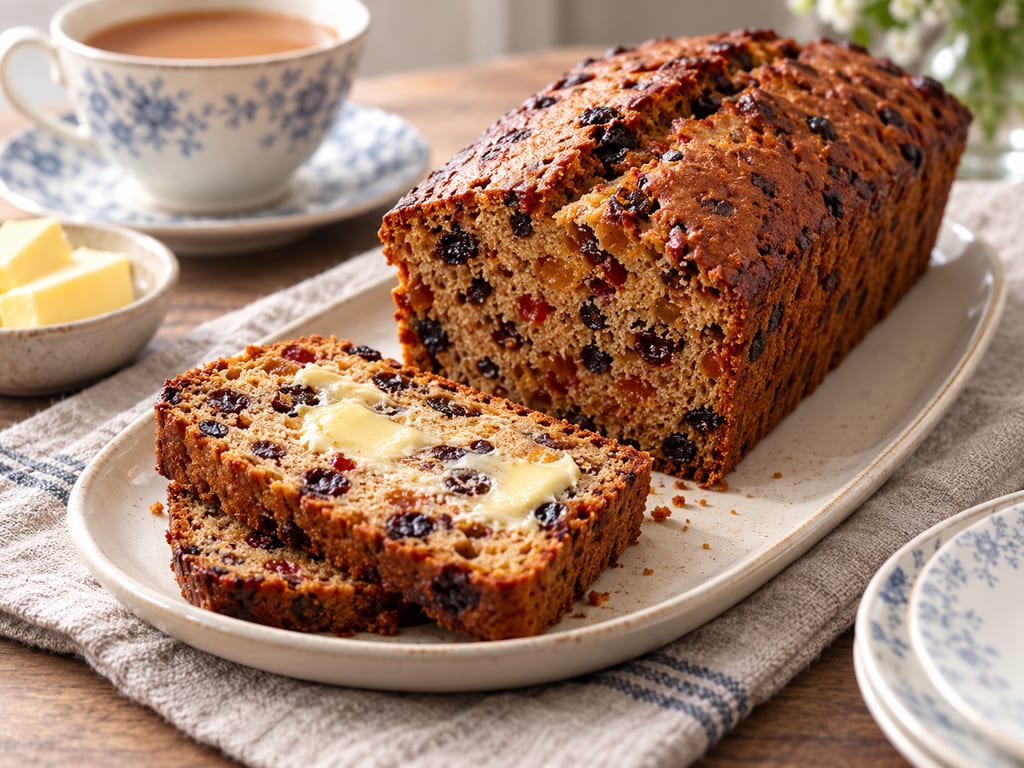
Bara brith is Wales’s speckled fruit loaf, made in both yeasted bread forms and the widely served modern tea-loaf style. This version soaks dried fruit in strong tea before mixing it with self-raising flour, spice, sugar and egg.
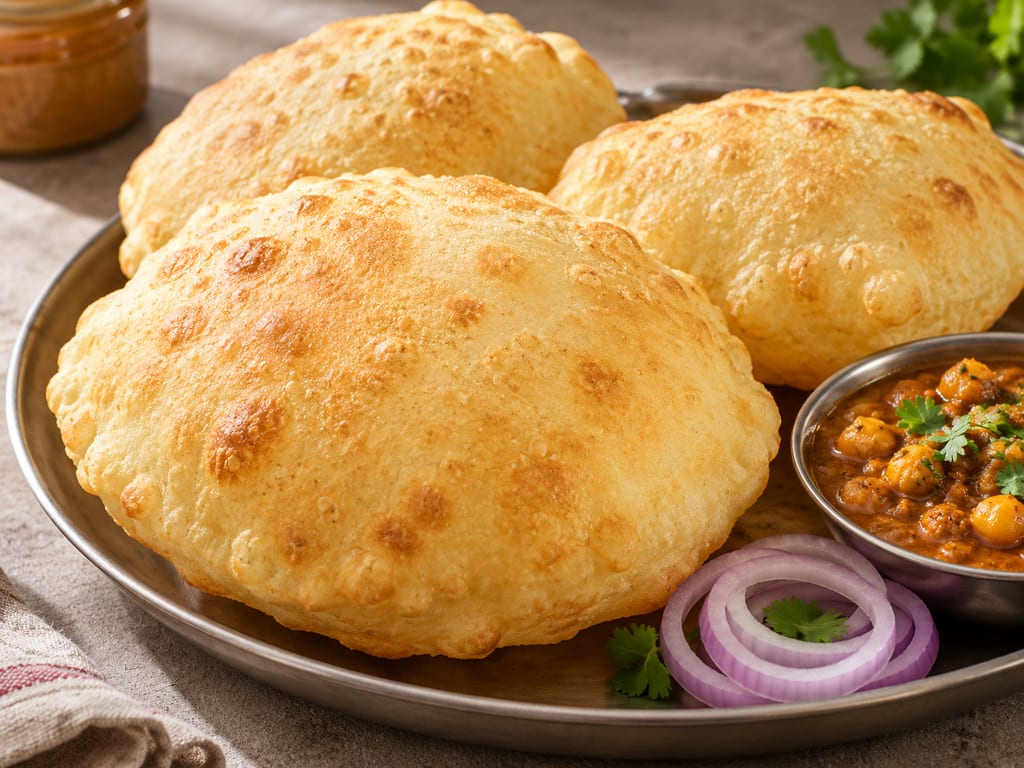
A North Indian fried bread made with yogurt, wheat flour and chemical leaveners. This source batch makes eight.
No community contributions have been published for this entry yet.
Sign in to contribute. Published comments and photos are free to read.
We Eat At LastRecipe · Method · Geography · Identity
Kenyan Soft Mandazi RecipeThe author describes it as a Kenyan family recipe and identifies mandazi as popular across East Africa.
The recipe card lists 3 cups self-raising flour, ¾ cup sugar, grated lemon rind, optional ½ teaspoon cardamom, ¼ teaspoon salt, 1½ cups warm water and oil for frying; its method rests dough at least 20 minutes, rolls four circles 20 cm wide and 6 mm thick, and cuts eight triangles from each.
The source specifies frying oil at 350°F (it also prints 180°C), frying 3–5 minutes per side, using a kitchen thermometer, frying in batches and avoiding overcrowding.
The card lists 40 servings while the cutting instructions yield 32 triangles from four circles cut into eight.
Cited in: One Kenyan mandazi, among several East African forms; A quick dough made with self-raising flour; Frying with measured oil temperature; Serving and safe frying
Together Women RiseIdentity · Variation
MandaziA separate recipe credited to Georgia Reader identifies Kenya and combines yeast, coconut milk, egg, shredded coconut and spices; it illustrates a richer leavened form distinct from the selected no-yeast dough.
Cited in: One Kenyan mandazi, among several East African forms
Health CanadaSafety
Cooking safetyUse a cooking thermometer to track oil temperature when frying in a pot; heat oil slowly, stay with it, lower food carefully and do not leave a fryer unattended. Never use water on an oil fire.
Cited in: Serving and safe frying
GOV.UKSafety
Fire safety in the home (accessible version)Hot oil can ignite; food should be dry before frying, smoking oil is too hot, and water must never be thrown on an oil fire.
Cited in: Serving and safe frying
Centers for Disease Control and PreventionSafety
Raw Flour and DoughUncooked flour can carry germs; do not eat raw dough and wash hands, utensils and surfaces after handling it.
Cited in: Serving and safe frying