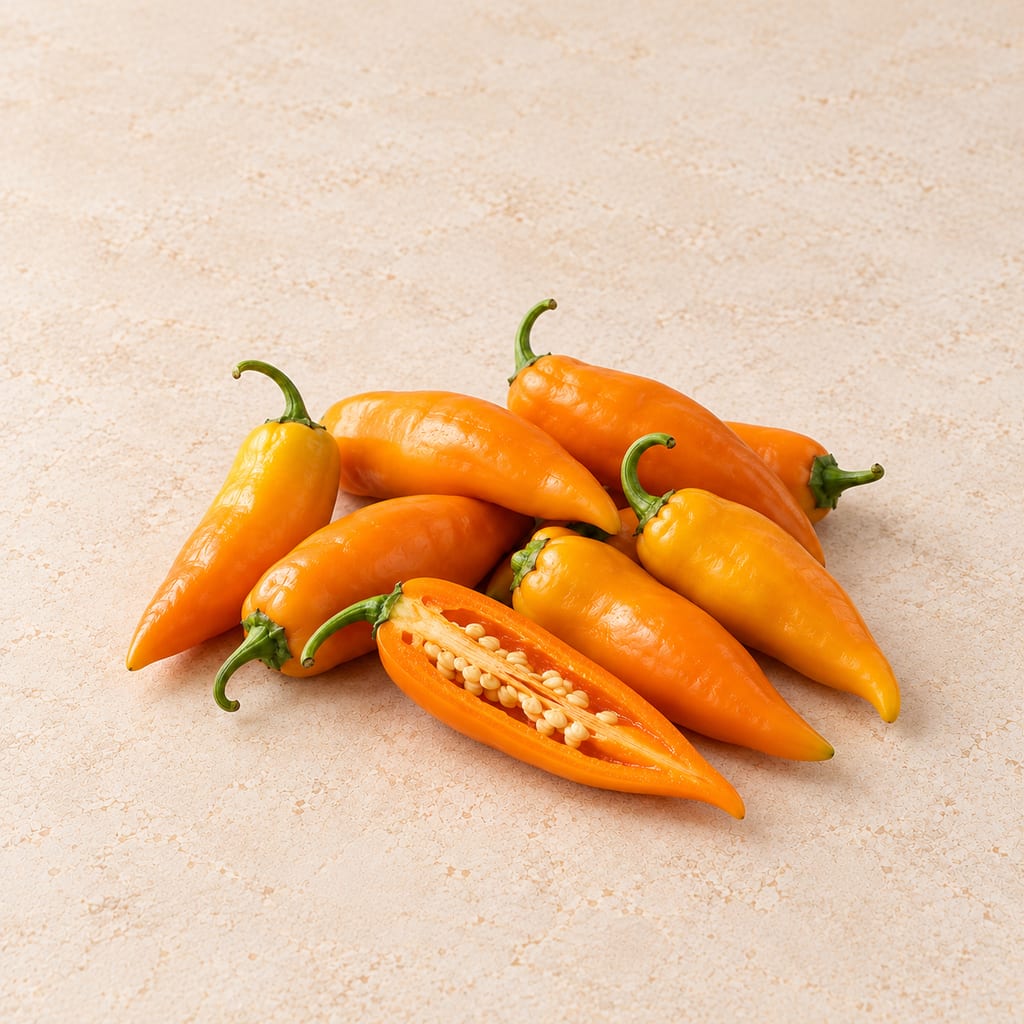
Ají amarillo
Ají amarillo is the orange-yellow Peruvian chilli cultivar group of Capsicum baccatum, used to colour and season huancaína sauce and ají de gallina. Published heat estimates do not establish one range for the named cultivar.
 FermenteaWhere food goes to change
Spices and aromatics
Chincho is the aromatic leaf of Tagetes elliptica, a perennial Andean herb used especially to season pachamanca in Peru's central highlands.
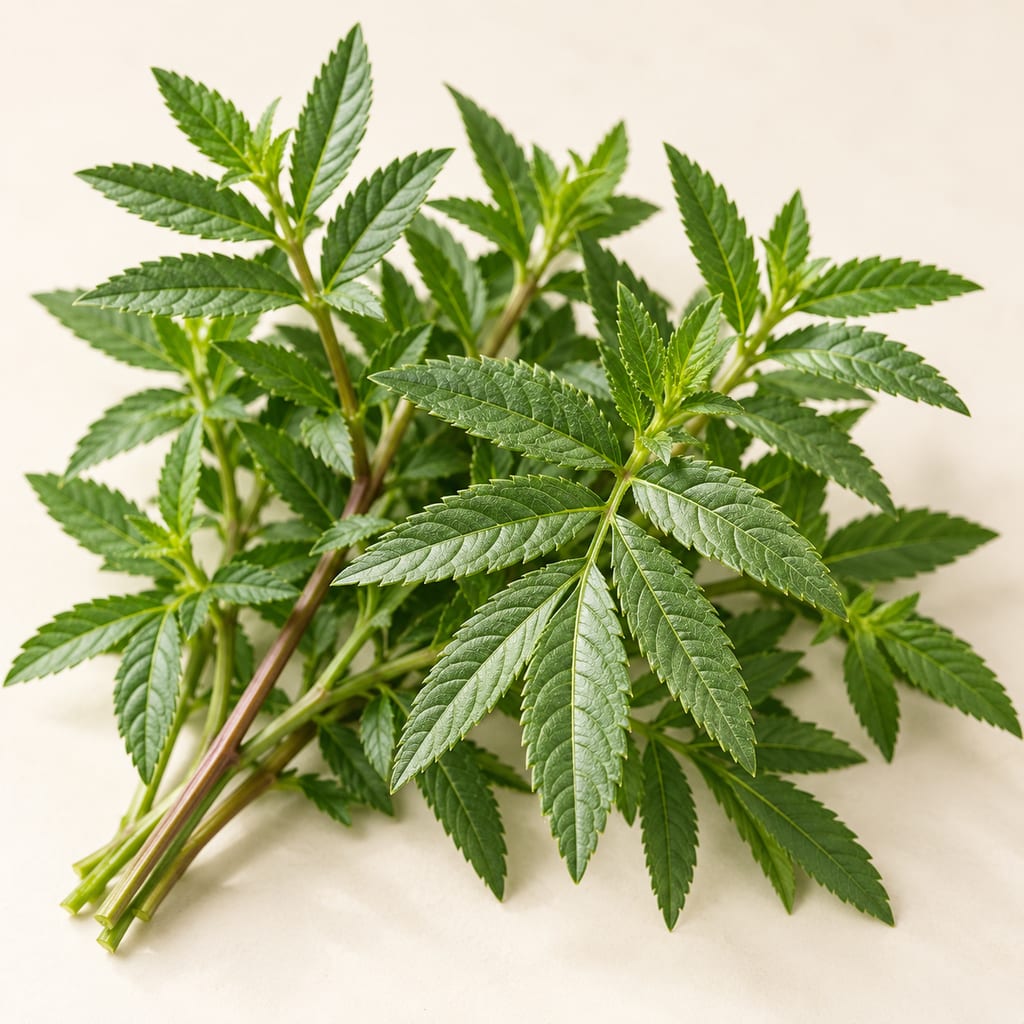
Chincho is a culinary herb most consistently identified in Peruvian food and agricultural sources as Tagetes elliptica Sm., a perennial member of the Asteraceae. It is also called chinchu or chikchimpa; the name culantrillo serrano is used for it in Peru, and quincho is recorded as another local name. The plant is described as a leafy herb with a strong aroma, an intense green colour and elongated, serrated leaflets. Its scent is often described as anise-like, while its flavour is more delicate than that of huacatay.
Chincho and huacatay are related herbs, but the names should not be treated as interchangeable. Huacatay is commonly identified as Tagetes minuta, while the food sources describing chincho for central Andean cooking identify T. elliptica. Common names can still vary between communities: a recent ethnobotanical inventory records “chincho” for T. minuta and “shalla chincho” for both T. minuta and T. elliptica. A botanical name is therefore the clearest way to distinguish the herb discussed here from huacatay or another plant sold under a regional name.
The evidence for culinary identity is strongest around the central Peruvian Andes. This entry follows the sources that explicitly connect chincho with T. elliptica and its regional dishes; it does not claim that every use of the word chincho elsewhere refers to the same species.
The leaves are the culinary part most consistently documented. Chincho is used as a seasoning in meat and vegetable stews, soups, roasts and aderezos. Its best-known association is pachamanca, the Andean meal cooked among heated stones in a covered earth oven. In the Huánuco account, chincho marks the regional seasoning of the meat. Local descriptions say fresh leaves are ground on a batán with other ingredients and worked into a marinade before pork is cooked in the stone-lined oven. Chincho contributes an aromatic green herb character to that mixture; it is not the heat source or a separate fermentation.
Pachamanca is not a single fixed formula across Peru. The Ministry of Agrarian Development and Irrigation lists chincho among the seasonings used in versions from Junín, Cusco, Ayacucho, Huánuco and Áncash, alongside regional choices such as huacatay, paico, culantro, parsley, chilli and garlic. The mix varies by place. A Huánuco regional account likewise singles out chincho in the meat aderezo, while descriptions of the Huánuco preparation pair the meat with potatoes, sweet potato and cassava. The herb is one marker of a regional preparation, not proof that every pachamanca uses it.
Outside the earth oven, the same leafy seasoning suits the dishes recorded for the herb: soups, guisos and roasts made with meat or vegetables. The common thread is that chincho is used to perfume and season food, often in a ground mixture or aderezo. These sources do not establish a universal quantity or a standard proportion. Recipes may call for fresh or dried leaf, but a reader should follow the particular dish's instructions rather than infer an equivalent measure between forms.
A dried chincho product is sold in Peru as a ready-to-use herb, and its producer names pachamanca and caldo verde among its uses. That shows that dried leaf is part of current commerce and cooking. It does not establish that every packaged product has the same species or flavour: a botanical name on the label is more informative than a common name by itself.
Chincho grows wild along cultivated field edges and is also planted in household gardens. Slow Food's account places its traditional production principally in the highlands and upper forests of central Peru, especially Huánuco, and notes that it also occurs in some central coastal areas and at middle elevations in the Andes. It describes the plant as delicate and not readily adaptable, with cultivation remaining concentrated in a relatively small number of areas. This local distribution helps explain why chincho is much less familiar outside its established growing regions than the related huacatay.
Peruvian research describes T. elliptica leaves gathered for study in Chupaca, Junín, at 3,360 metres above sea level. That is a documented research collection site, not a complete map of the species or a claim about where all commercial chincho is grown. Agricultural work at the National University Hermilio Valdizán has also investigated vegetative propagation of chincho under nursery conditions, a sign that cultivation is being studied; experimental nursery results should not be mistaken for a settled household growing prescription.
Descriptions identify chincho as perennial, and some accounts report foliage harvest in every season, with spring and summer preferred. These are broad regional notes, not a calendar for every valley or garden. The sources reviewed here do not specify a uniform soil, watering, pruning or harvest-age protocol. A grower should not treat a single local observation as a species-wide cultivation standard.
Scientific studies have examined volatile compounds and other properties in extracts made from T. elliptica leaves. One study used steam distillation and chemical analysis to describe the essential oil of Peruvian-grown material; another compared leaf conditioning and extraction methods. These are laboratory studies of prepared extracts. They help establish that the leaves contain a complex aromatic oil, but they do not provide a culinary dosage, a preservation method, a safe medicinal use or a guaranteed flavour profile for a bunch of fresh or dried leaves.
Chincho is used in some settings as a traditional insect repellent and botanical pest-control plant as well as a food seasoning. Those uses are distinct from eating the leaves, and laboratory activity of a concentrated extract should not be interpreted as an instruction to make or ingest an extract. The food sources support seasoning use; they do not provide a validated therapeutic claim.
Chincho is a raw herb used in cooking, not a fermented ingredient or a starter culture. The sources reviewed for this page document it in pachamanca seasoning and other dishes, but do not describe a fermentation role. A pachamanca may use fermented foods or drinks alongside it, yet that does not make chincho itself fermented.
Modern regional sources document chincho as an important seasoning in central Andean cooking, especially in Huánuco pachamanca, and botanical and research sources identify the culinary plant as T. elliptica. The material reviewed here does not establish a first dated written attestation for chincho as a food, a specific historical origin date, or a continuous chronology back to a particular pre-Columbian period. Pachamanca's broad cultural history cannot supply a date for this herb's use by itself.
Fresh leaves are used for seasoning, and dried leaf is available commercially. The sources consulted do not give a dependable home-storage life, a drying specification for household use, a standard substitution ratio for huacatay, or an authoritative allergen assessment specific to chincho. No storage duration, safety threshold or medical benefit is inferred here. When identity matters, seek the botanical name T. elliptica and the growing or production region; common names alone can be ambiguous.
Regional growing and culinary association; this does not identify one birthplace or an exclusive range.
Sources document chincho as a regional seasoning for pachamanca; not a claim that the species originates only here.
Ají amarillo is the orange-yellow Peruvian chilli cultivar group of Capsicum baccatum, used to colour and season huancaína sauce and ají de gallina. Published heat estimates do not establish one range for the named cultivar.
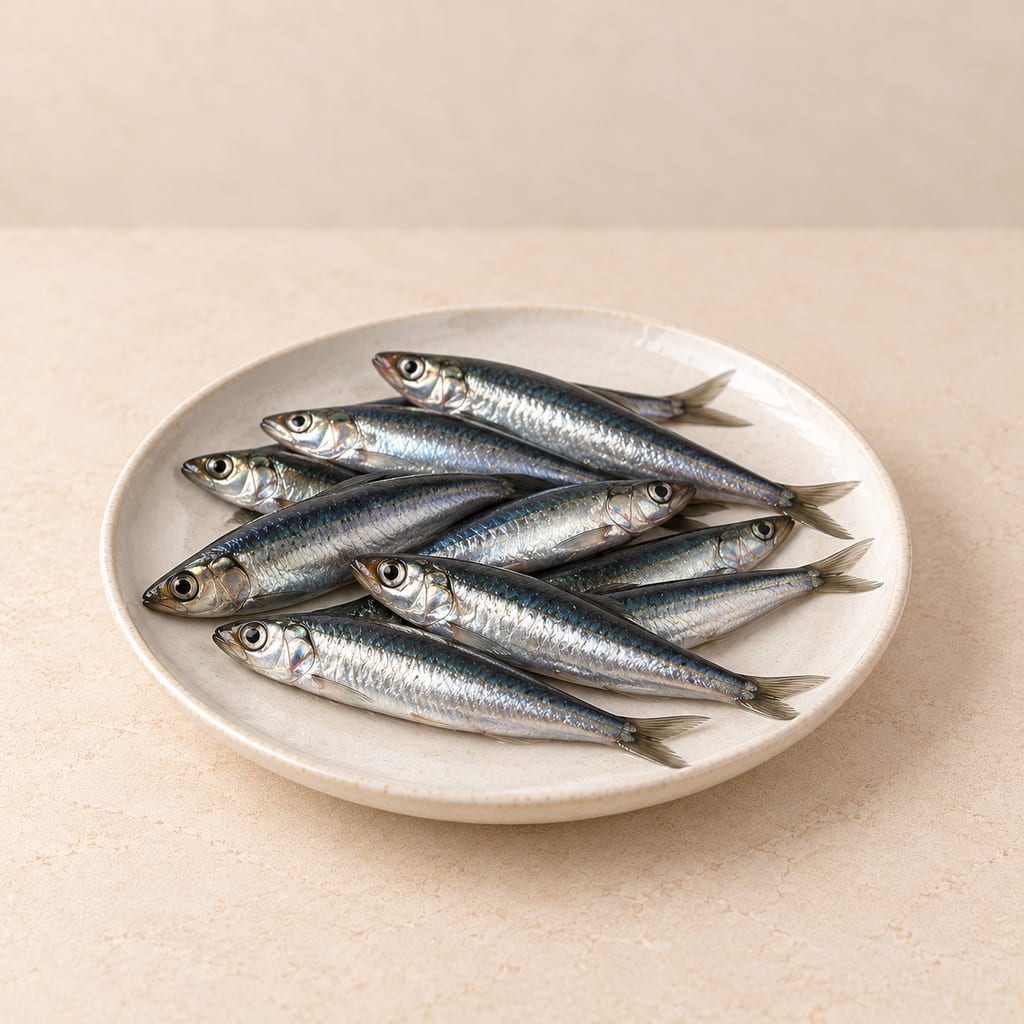
Anchovies are small schooling sea fish of the family Engraulidae, eaten fresh or dried and above all salted: as fillets in oil, whole salted fish or fish sauce.
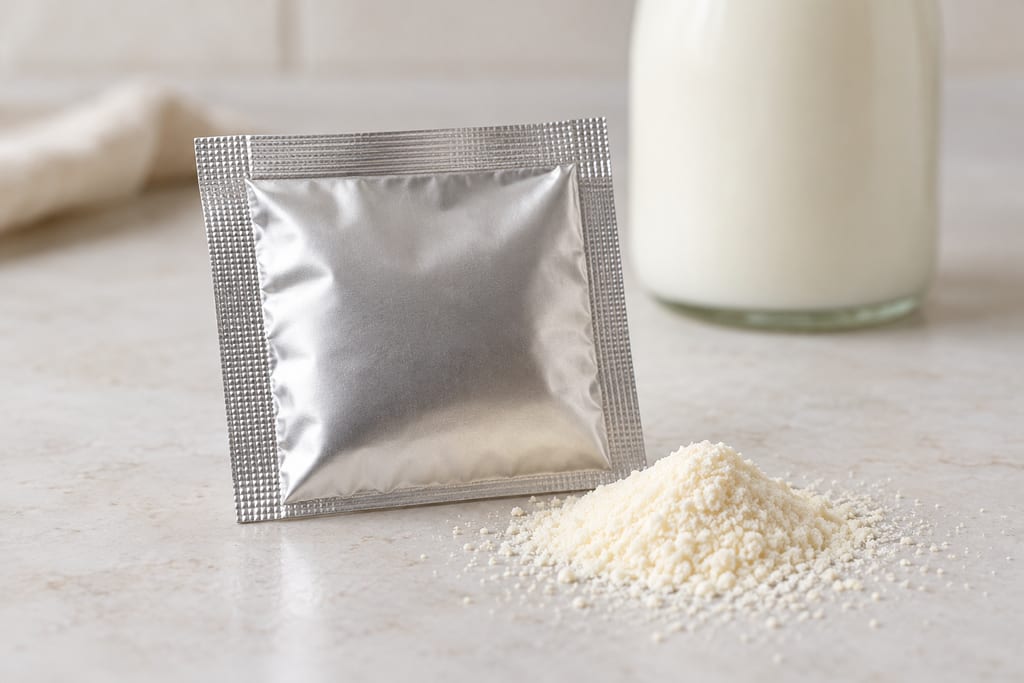
A mixed dairy starter selected for acidification and aroma. The documented Queso Andino culture has no identified modern strain blend or commercial formulation.

Ripe avocado flesh is the soft, buttery, fat-rich pulp of Persea americana, eaten raw. It is low in acid, so it is a fresh ingredient that needs care in chilled dishes.
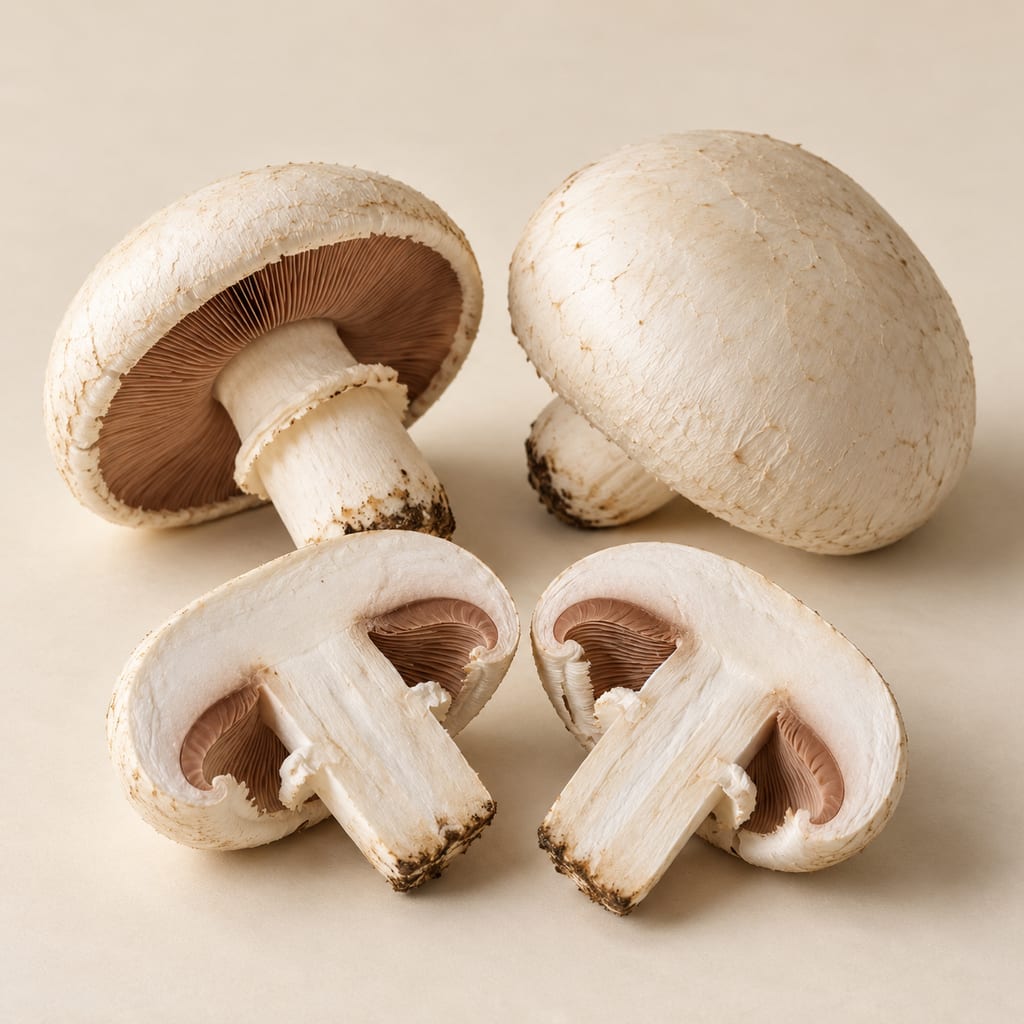
The field mushroom (Agaricus campestris) is a wild grassland fungus with a long record of cooked food use in several regions. Local names, seasons and practices belong to particular communities.
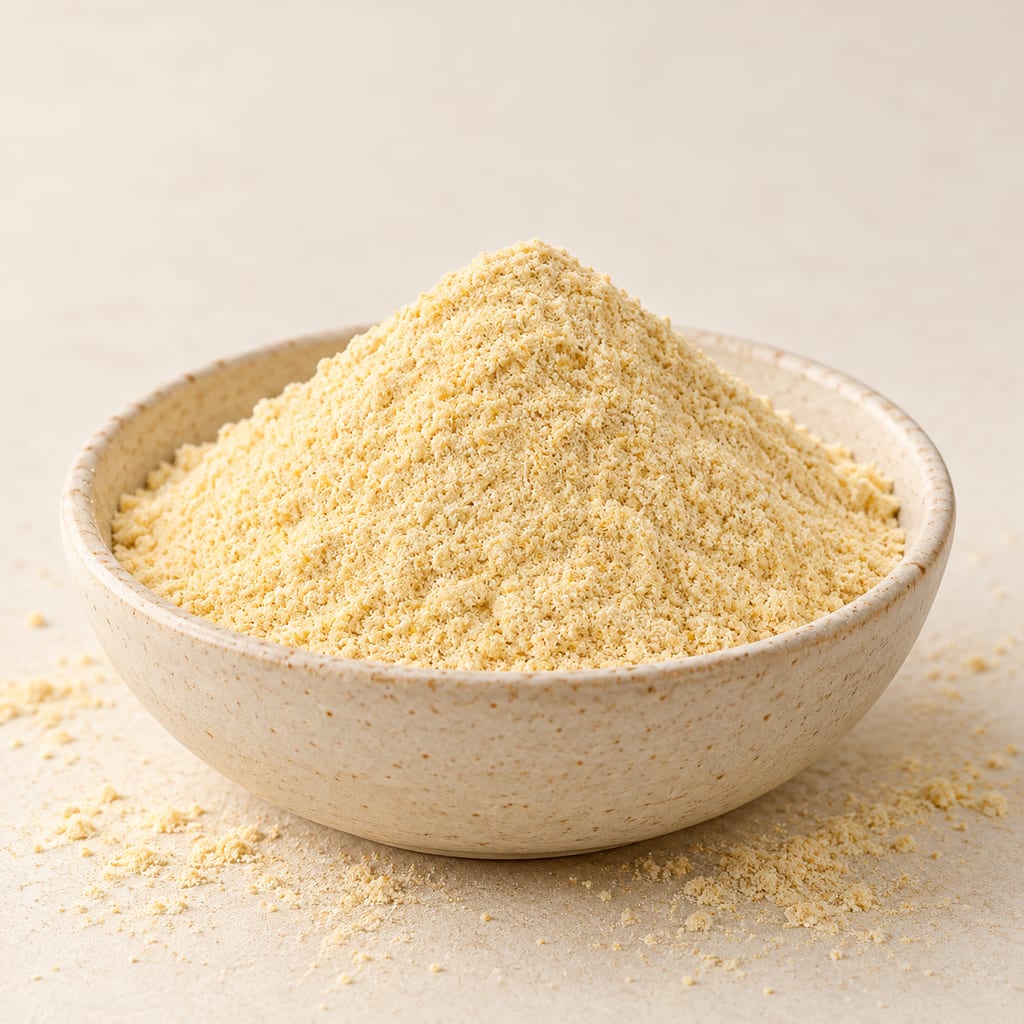
Jora flour is ground malted maize, produced by germinating, drying and milling corn kernels. It provides the enzymatic starch breakdown essential for chicha de jora.
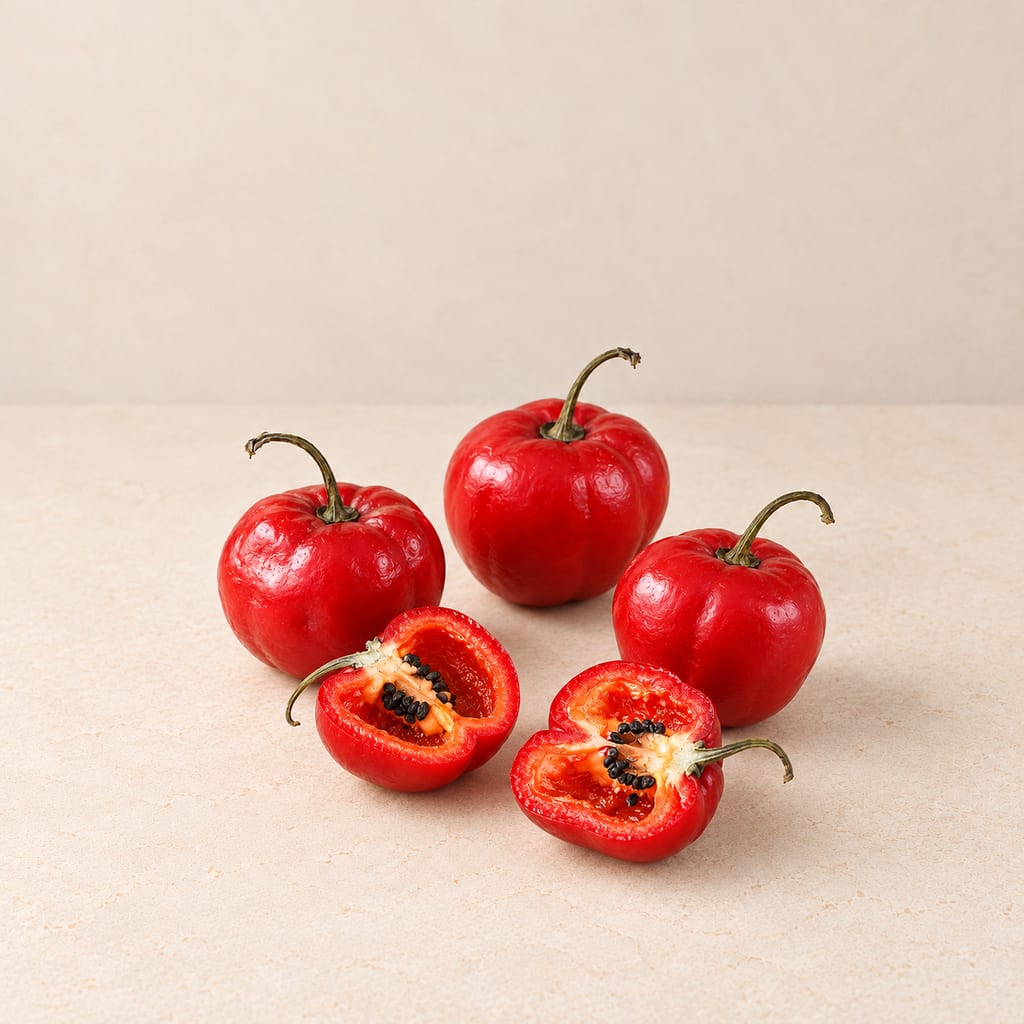
Locoto is the Bolivian name for Capsicum pubescens, an Andean chilli with thick-walled fruit, distinctive dark seeds and heat that varies between plants and harvests.
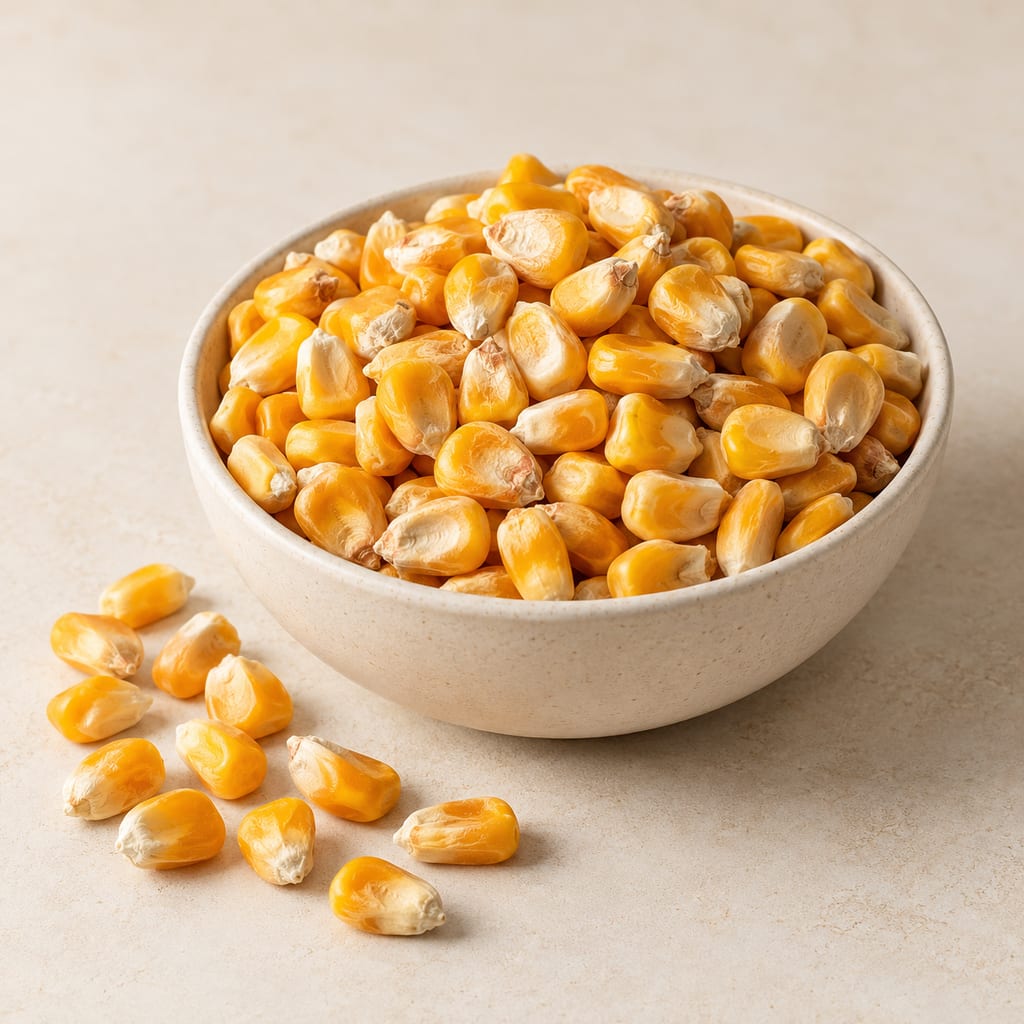
Maize is the foundational grain of Andean fermentation. Its role in brewing chicha de jora depends on germination into jora, a malted form generating enzymes and sugars necessary for alcoholic fermentation.
No community contributions have been published for this entry yet.
Sign in to contribute. Published comments and photos are free to read.
Slow Food FoundationIdentity · Cultivation · Recipe use
ChinchoTagetes elliptica; perennial form; names; aroma and flavour; leaf uses; Central Peruvian growing distribution; pachamanca marinade and other food uses; cultivation limits.
Cited in: A name, a species and a regional distinction; Leaves in pachamanca and everyday cooking; A central Andean garden herb; Aromatic leaf, extracts and the limits of the evidence; What is established and what remains open
Universidad Nacional Agraria La MolinaIdentity · Cultivation · Recipe use
Hierbas aromáticasTagetes elliptica; edible leaves; perennial plant; chincho sauce as seasoning for pachamanca meat in central Peru; other local cultivation and pest-control uses.
Cited in: A name, a species and a regional distinction
Ministerio de Desarrollo Agrario y Riego del PerúRecipe use
Día de la Pachamanca: Agricultura Familiar provee de principales insumos en la preparación del plato ancestral peruanoLists chincho in pachamanca seasonings used in Junín, Cusco, Ayacucho, Huánuco and Áncash, among regional ingredients.
Cited in: Leaves in pachamanca and everyday cooking
Instituto Nacional de Estadística e InformáticaRecipe use
Conociendo HuánucoIdentifies chincho as a distinguishing regional herb used to season Huánuco pachamanca meat.
Cited in: Leaves in pachamanca and everyday cooking
PMCIdentity
Gathering, agriculture, and exchange: an ethnoecological approach to the study of food patterns and feedstuff sources in communities of the Central Andes, PeruA regional species table records chincho for Tagetes minuta and shalla chincho for both Tagetes minuta and Tagetes elliptica, showing that common-name use overlaps in the surveyed community.
Cited in: A name, a species and a regional distinction; What is established and what remains open
Misha RastreraRecipe use · Preparation
Chincho deshidratado 18 gA current Peruvian producer sells dried chincho, identifies it as Tagetes elliptica and names pachamanca and caldo verde as uses.
Cited in: Leaves in pachamanca and everyday cooking; What is established and what remains open
PubMedIdentity · Preparation
Chemical Composition, Antioxidant and Antibacterial Activities of Essential Oil Obtained from Chincho (Tagetes elliptica Sm) Leaves Grown in the Peruvian AndesScientific study describes steam-distilled essential oil and compounds in a Peruvian-grown leaf sample; study concerns extract properties, not culinary dose or health advice.
Cited in: Aromatic leaf, extracts and the limits of the evidence
Scientia AgropecuariaCultivation · Preparation
Effect of the conditioning and ultrasound-microwave sequential technique on the yield, chemical and functional properties of the essential oils and hydrolats extracted from the leaves of Tagetes elliptica SmithPrimary study collected T. elliptica leaves in Chupaca, Junín, at 3,360 metres and compared laboratory conditioning and extraction methods.
Cited in: Aromatic leaf, extracts and the limits of the evidence
Universidad Nacional Hermilio ValdizánCultivation
Tamaño de esquejes y tipos de sustratos en la propagación vegetativa de chincho (Tagetes elliptica Sm.), bajo condiciones de vivero en Pillco Marca, HuánucoUniversity repository record documents research into vegetative propagation of chincho under nursery conditions in Pillco Marca, Huánuco.
Cited in: A central Andean garden herb
Scientia AgropecuariaCultivation · Preparation
Effect of the conditioning and ultrasound-microwave sequential technique on the yield, chemical and functional properties of the essential oils and hydrolats extracted from the leaves of Tagetes elliptica SmithPrimary study collected T. elliptica leaves in Chupaca, Junín, at 3,360 metres and compared laboratory conditioning and extraction methods.
Cited in: A central Andean garden herb