What it is
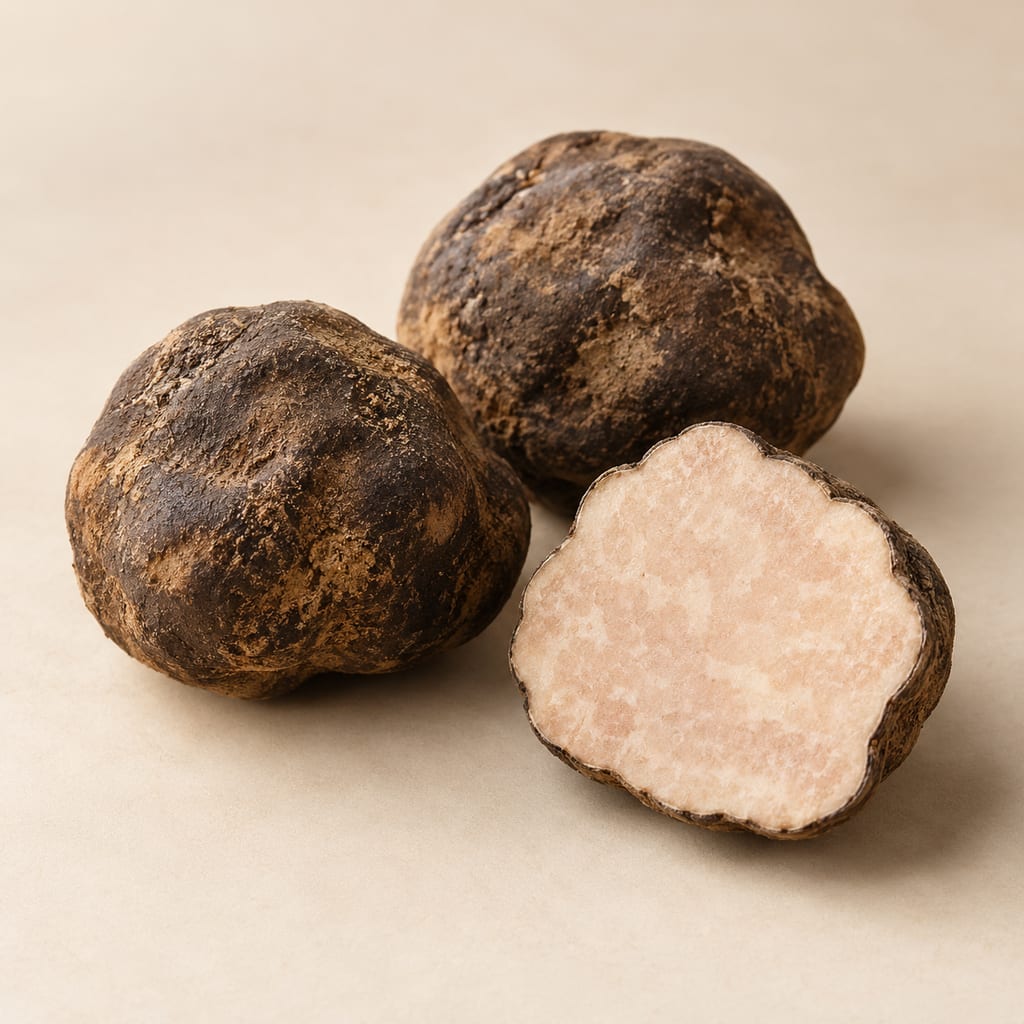
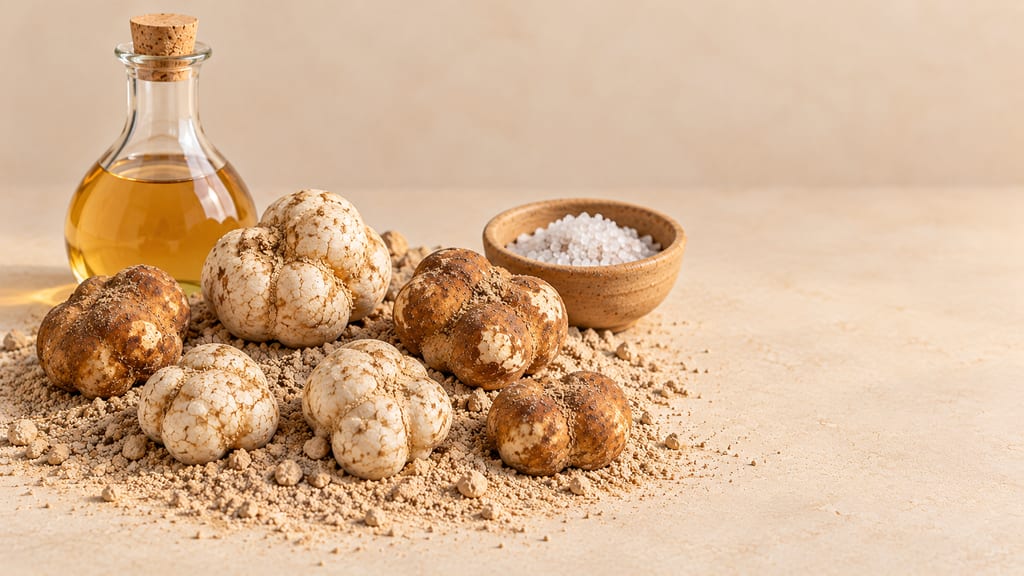
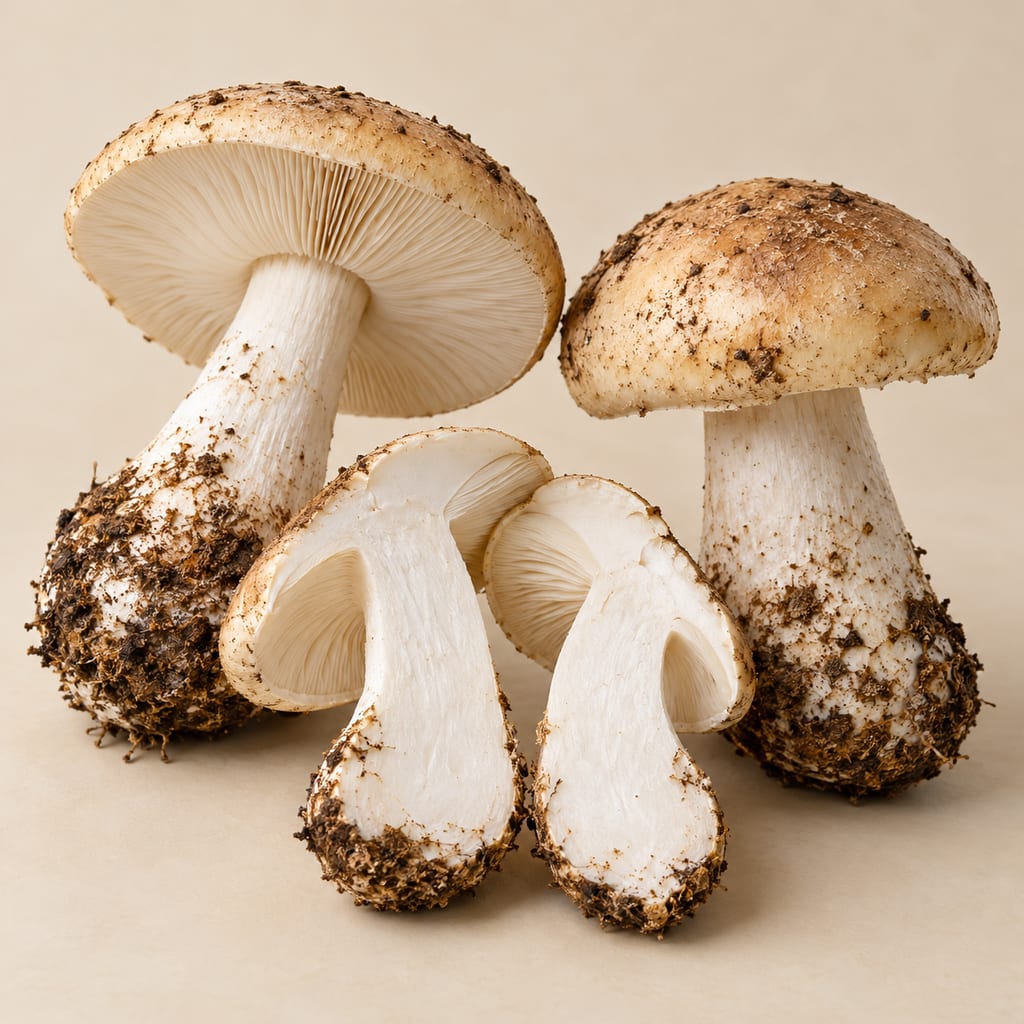
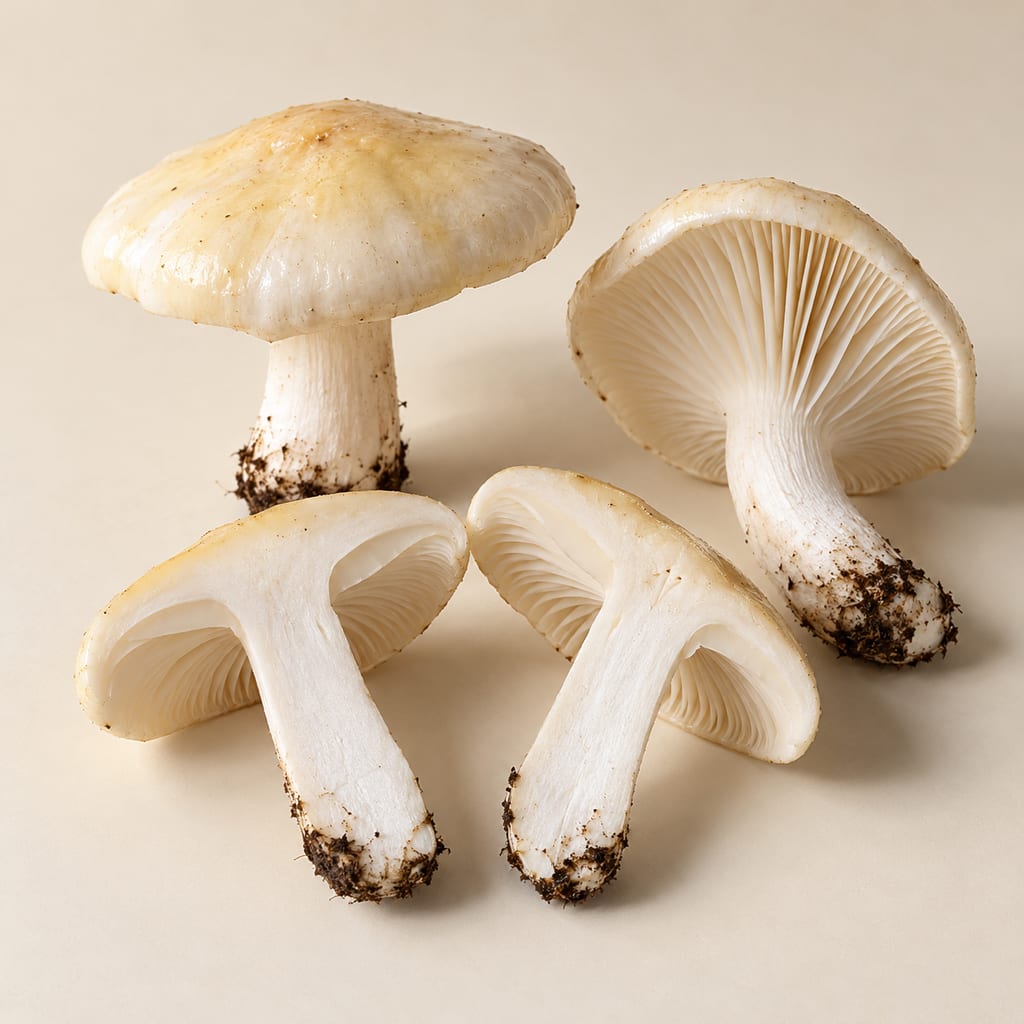
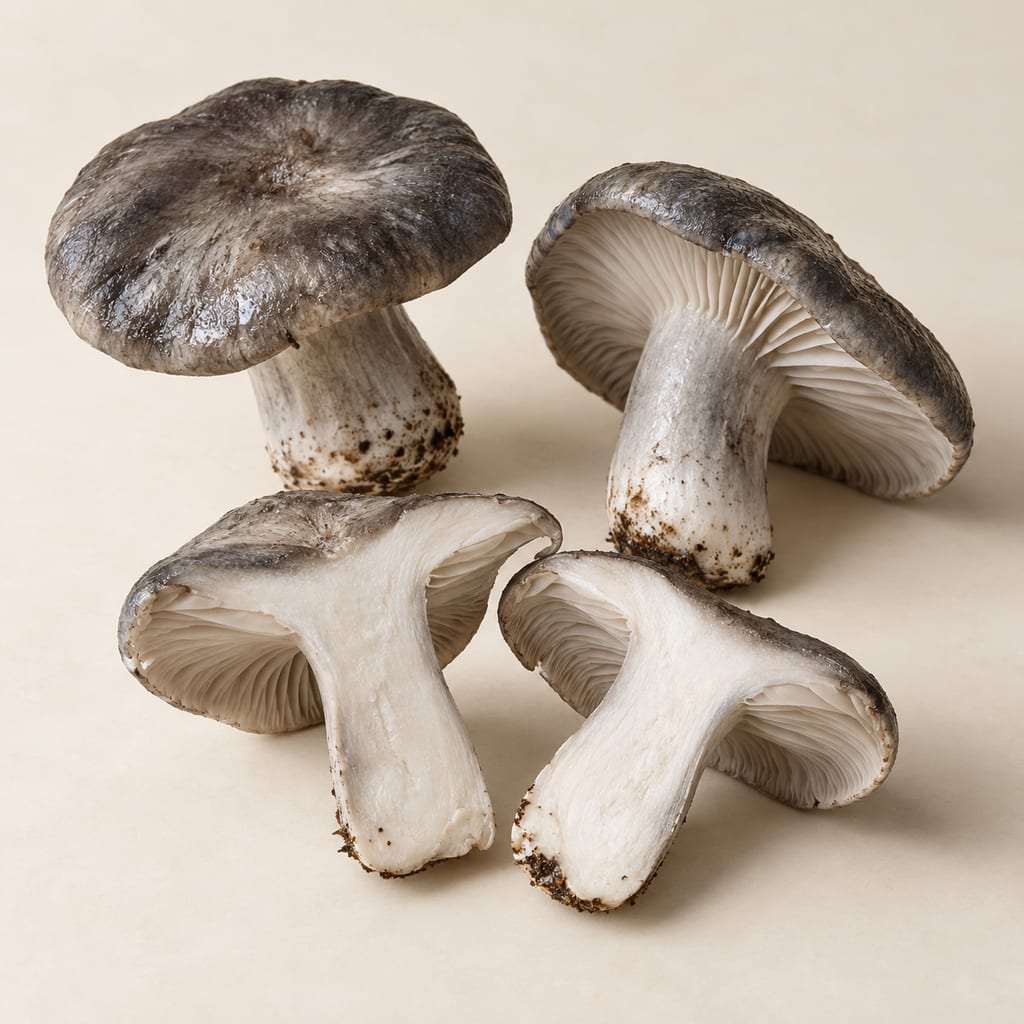
Terfezia claveryi is a desert truffle: the underground fruiting body of a fungus that grows in association with the roots of desert shrubs. The species is recorded in Spain and Morocco, where it is known in local markets and in regional names. Sources describe it as an edible desert truffle with a seasonal, local trade.
The name desert truffle covers several related species and genera. Sources on the group note that colour and market names vary, so a label on a sale is not enough to say which fungus it is.
Names and recognition
Moroccan markets sell the fungus as terfass, also spelled terfess or terfez. A study from the Arfoud area of south-eastern Morocco describes a specimen collected close to Helianthemum lippii, which it calls the Red Terfess of Tafilalt.
In Spain the names differ by region: turmas in Murcia, and patatas de tierra or criadillas de tierra in Extremadura. Some sources call the species the black desert truffle and others the red one.
Habitat and host plants
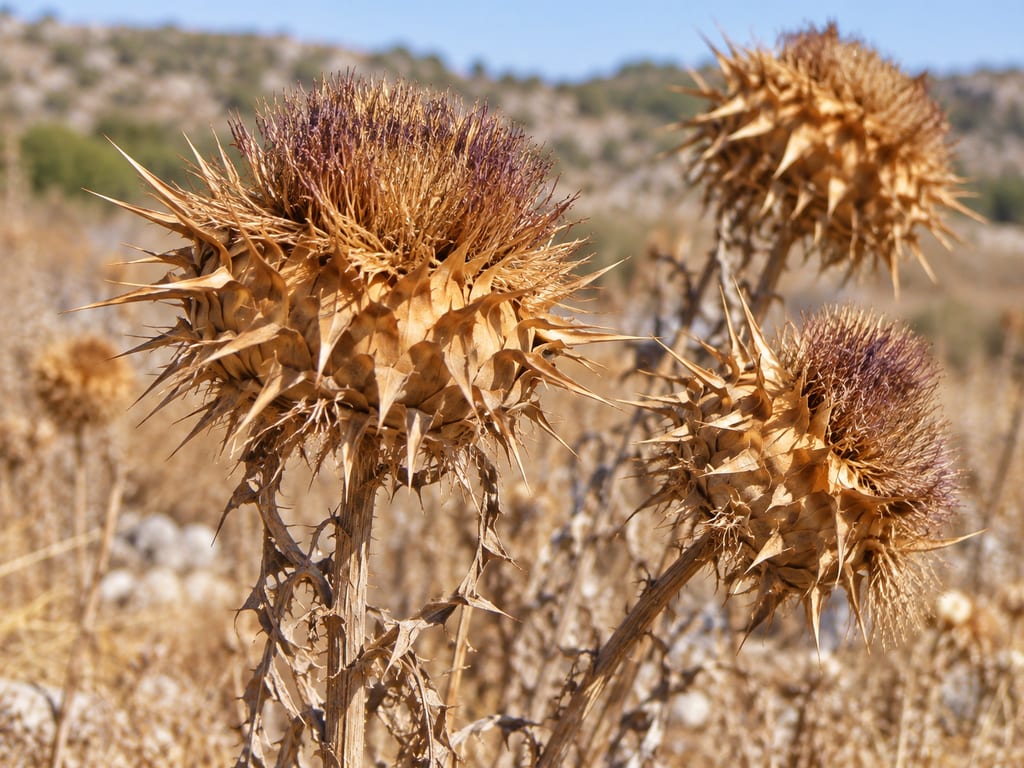
The Moroccan study ties the species to the desert shrub Helianthemum lippii. Spanish sources record cultivation of the species from 1999, with Helianthemum almeriense as the principal host plant. The mycorrhizal link to these shrubs is the subject of the Moroccan biodiversity study cited below.
Use in Spain and Morocco
In both countries the truffle is gathered from the ground and sold in markets, as a seasonal local food. A regional review from south-eastern Spain describes the species as a socio-economic resource of that region and the wider Mediterranean basin.
The sources reviewed do not give a validated preparation method, a cooking time or a storage limit for the species.
Chemistry and research
A 2021 study compared the aroma and nutrient profiles of Terfezia claveryi and Terfezia boudieri, and describes it as a first look at the metabolites and sensory composition of desert truffles. A genome of T. claveryi has been sequenced and released through the US Department of Energy Joint Genome Institute.
Safety and identification
The edibility of this species rests on regional use and on correct identification. The sources reviewed contain no toxicity assessment for T. claveryi. Anyone who gathers or buys a desert truffle should have its identity confirmed by a qualified local authority rather than by a photograph or a market label. This page gives no dose, cooking time or storage limit.
Places
Spain
Documented use · Country evidenceCountry-level. Spanish cultivation and regional names are recorded; no single origin is claimed.
Morocco
Documented use · Country evidenceCountry-level. Moroccan markets and a documented specimen are recorded.
Arfoud region, Tafilalt
Documented use · Region evidenceOne documented specimen collected near Helianthemum lippii; this does not describe all collection in the region.