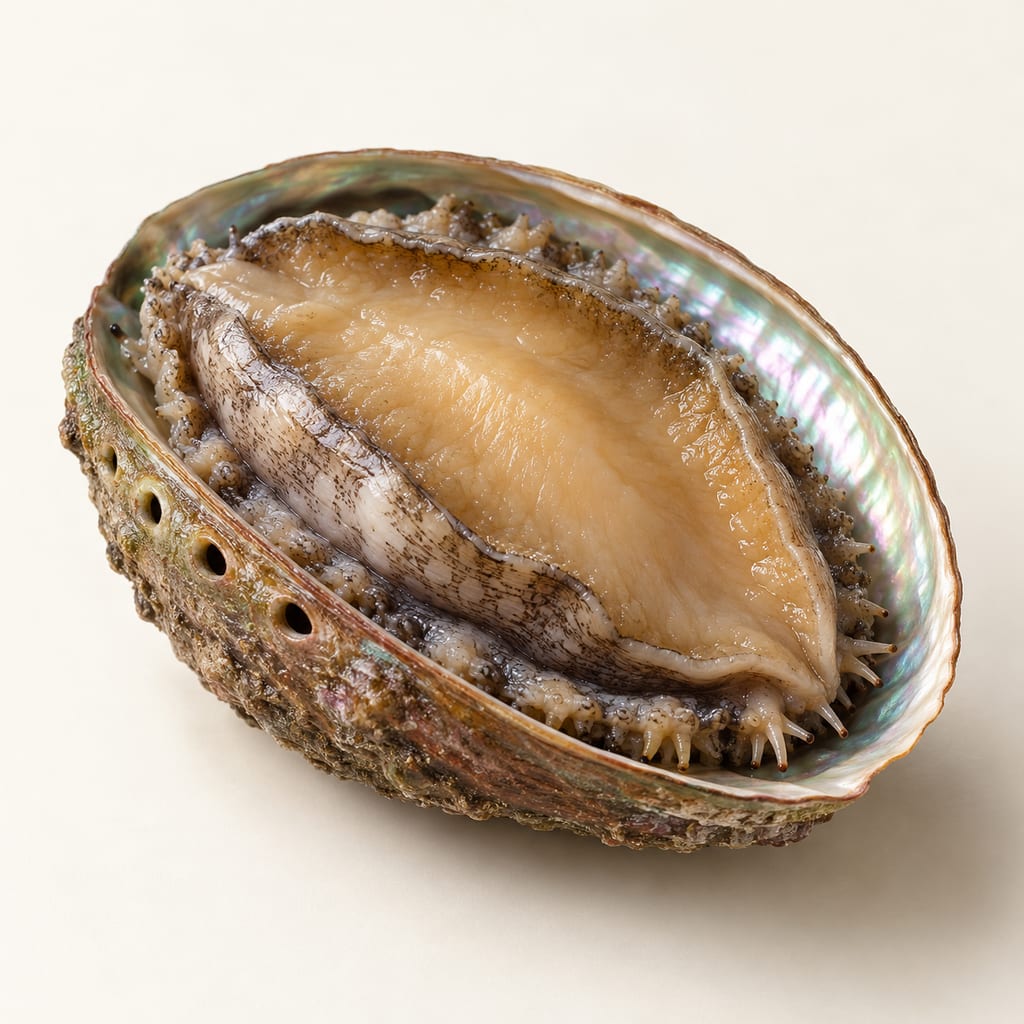
Abalone
Abalone are marine snails valued for their broad muscular foot and distinctive shell. They are eaten fresh or dried and appear in documented Korean dishes and preserved seafood traditions.
 FermenteaWhere food goes to change
Cultures
A defined vegetable lactic acid bacteria culture is a chosen strain or blend added to a vegetable ferment. Its effect depends on the strain, the vegetable, the salt level and the process.
A defined vegetable culture is a chosen bacterial strain, or a blend of strains, added to a vegetable ferment instead of relying on the bacteria that arrive on the produce. The strains named in the sources include Lactiplantibacillus plantarum, L. pentosus, Pediococcus and Leuconostoc, depending on the vegetable. The phrase names a question rather than one product: a culture is judged by what it does on a particular food.
Keep a defined culture separate from the organisms found in a sampled ferment, from a retained portion of an earlier batch, and from a commercial inoculant sold for other purposes. Finding a bacterium in a sample does not make it a suitable starter.
In sauerkraut, the fermentation runs as a relay: heterofermentative bacteria make a mix of acids and gas first, and homofermentative bacteria that make mostly lactic acid take over. A starter for cabbage would join that relay. The research asked whether a Leuconostoc starter could support the opening stage at lower salt, because salt controls the order in which bacteria take over.
In kimchi, Leuconostoc mesenteroides leads the early ripening, so a starter strengthens a species already in charge. In the 2012 study, strain B1 raised the share of Leuconostoc, reduced free sugars sooner and finished fermentation earlier. In olives, a Lactobacillus pentosus starter acidified the brine in a pilot trial, but in a larger factory trial it fell out of the brine during storage.
A starter is meant to make a ferment more predictable, and its price is evidence. The sources ask for a named culture, validated for the specific food, before its effect can be trusted. A strain that grows well in the laboratory can still fail in a large vessel, in open tanks or in a season with a different wild microbiota.
A good olive starter is expected to survive drying and storage, make lactic acid in brine, tolerate high pH after lye treatment, cling to the fruit surface and be safe, which excludes enterococci. Those are the criteria the review sets out, and they are not met by every culture sold for vegetables.
No source reviewed gives a household quantity, an activation routine, a storage schedule or a response to contamination for a defined vegetable culture. None establishes a health benefit or a universal safety endpoint. Smell, taste, bubbling and visible growth do not show that a ferment is safe, and transferring a culture from batch to batch does not reliably keep a defined blend stable.
A starter for a particular vegetable needs a named culture, a process defined for that food, and the producer's instructions. The reviewed studies are not a substitute for those.
Leuconostoc mesenteroides strain DRC is reported as a kimchi starter in the Korean industry. One 2012 study tested strain B1 in two kimchis; neither result applies to every maker.
Pilot-plant and factory trials with Spanish-style green olives tested Lactobacillus pentosus starters. The sources do not state a single origin for the practice.
Abalone are marine snails valued for their broad muscular foot and distinctive shell. They are eaten fresh or dried and appear in documented Korean dishes and preserved seafood traditions.

Pleurotus cystidiosus is the abalone mushroom, a cultivated oyster-type fungus with dark brown caps that grows more slowly and is more demanding than other Pleurotus species.
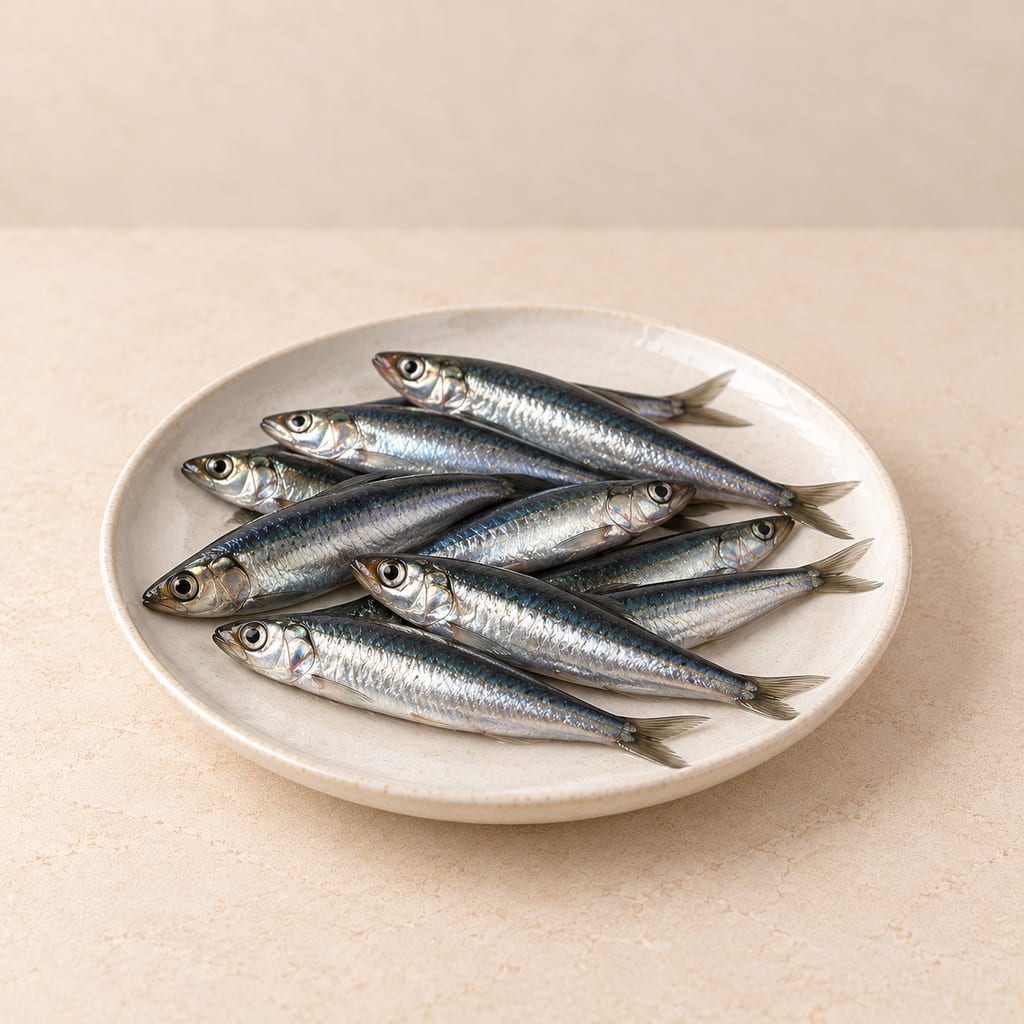
Anchovies are small schooling sea fish of the family Engraulidae, eaten fresh or dried and above all salted: as fillets in oil, whole salted fish or fish sauce.
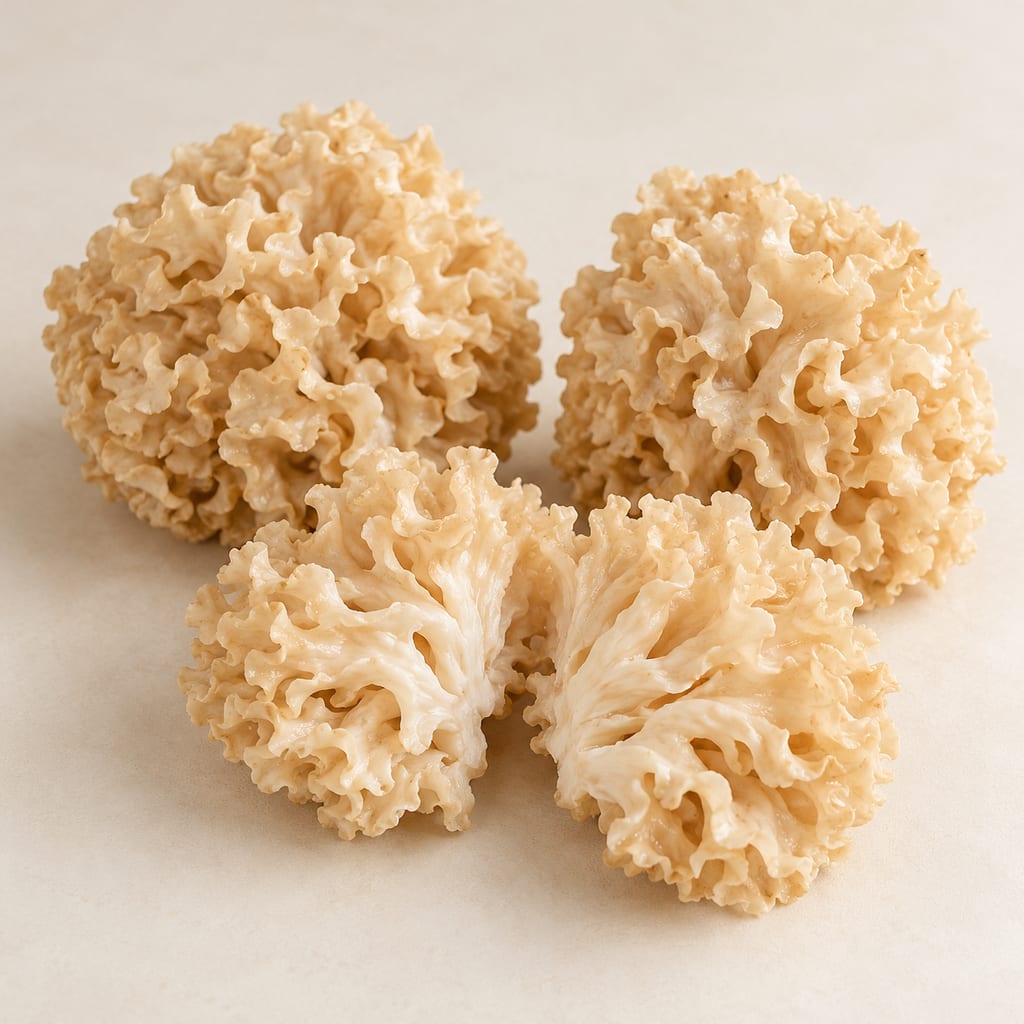
The Asian cauliflower mushroom, Sparassis latifolia, is a cultivated fungus with a frilled, fronded form that is eaten in China, Japan and Korea. Many Asian records under the name Sparassis crispa refer to this species.
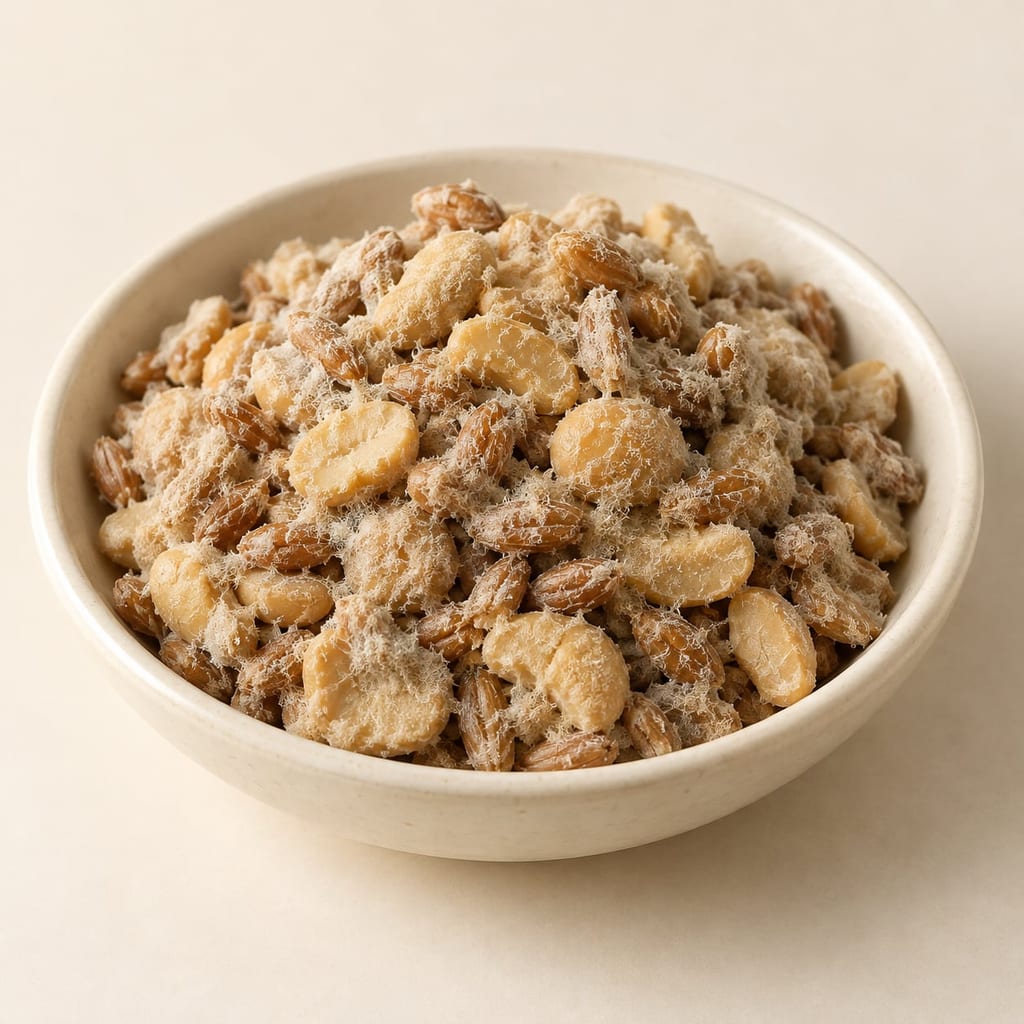
Aspergillus sojae is a koji mould of the Aspergillus flavus group, closely related to A. oryzae, used as a starter in soybean fermentations such as Korean meju, doenjang and ganjang.
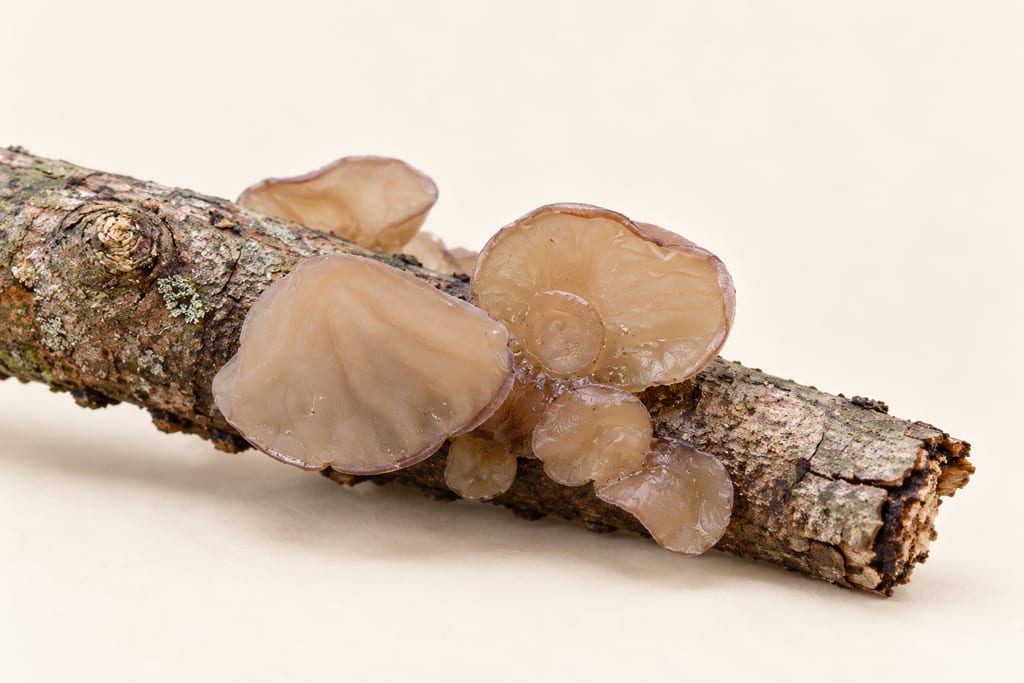
A small wood-decaying jelly fungus recognized as a distinct East Asian species. A Chinese edible-fungi catalogue lists it as edible, but species-specific preparation and safety evidence remain limited.

Animal blood is a perishable food material used fresh, coagulated, cooked, dried or processed into ingredients. Its uses range from grain-filled puddings to functional protein ingredients, each with distinct history and handling needs.
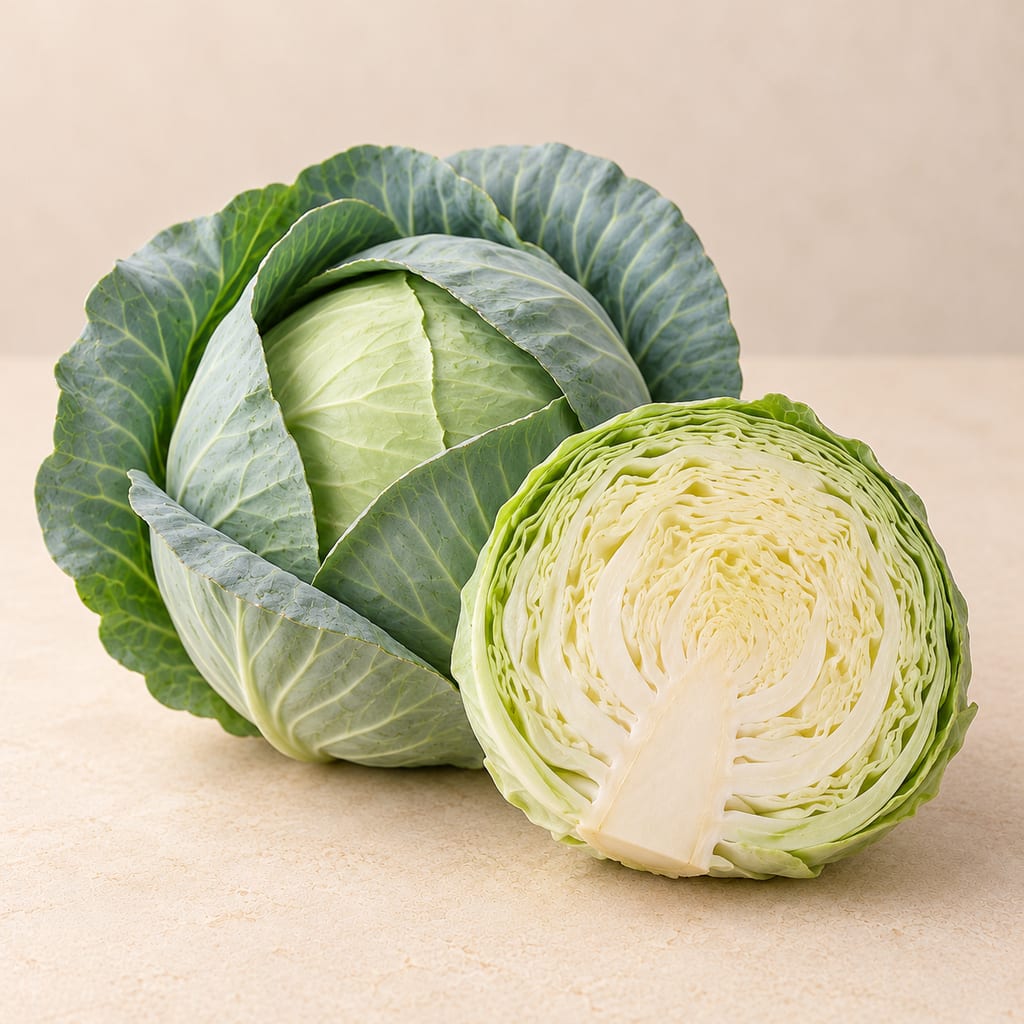
Cabbage is the dense leafy head of Brassica oleracea, a European vegetable that keeps for months and is the classic raw material for sauerkraut, with napa cabbage the base of kimchi.

Soft, spreadable Calabrian pork sausage made with a great deal of red chilli and fatty pork, stuffed into natural casings, sometimes smoked and matured while staying soft.

A way to add independent temperature logging to an existing food dehydrator without changing its built-in controls or protections. It is a monitoring method, not a rewiring plan.

A dark, balanced vinegar from Emilia-Romagna made by combining cooked or concentrated grape must with wine vinegar, then acetifying and refining it in wood under a protected specification.

A living dairy inoculum that starts controlled cream fermentation, developing acidity and aroma before sour cream or cultured butter is finished.

A small electric incubator holds jars at a selected temperature for yogurt and other documented warm food preparations. Controls, capacity and vessel arrangement vary by model.

Adygean salt is a seasoned table salt associated with Adygea and the wider North Caucasian culinary tradition. Salt is blended with garlic and a variable selection of herbs and spices; the exact mix depends on the named style and maker.

The African Caesar-group mushroom, Amanita masasiensis, is a wild ectomycorrhizal species of central and southern African woodlands, eaten locally. The genus contains deadly poisonous species, so identification needs care.

Ghanaian sour cassava dough fermented with traditional inoculum and drained during fermentation. It is used as a base for cooked foods such as banku and akple; process variants and safety outcomes differ.
No community contributions have been published for this entry yet.
Sign in to contribute. Published comments and photos are free to read.
Method · Identity
Effects of Leuconostoc mesenteroides starter cultures on microbial communities and metabolites during kimchi fermentationIn a 2012 study, Leuconostoc mesenteroides B1 added to baechu and chonggak kimchi raised the share of Leuconostoc, lowered Lactobacillus and finished fermentation earlier.
Cited in: What it does on the vegetable
Method
Production of potential probiotic Spanish-style green table olives at pilot plant scale using multifunctional startersTwo multifunctional Lactobacillus pentosus strains acidified the brine and recovered high frequencies from the olive surface in a pilot-plant trial.
Cited in: What it does on the vegetable
Method · Safety
Microbiota of table olive fermentations and criteria of selection for their use as startersA good olive starter must survive freeze-drying and storage, make lactic acid, tolerate brine and high pH, adhere to the olive and be safe; enterococci are excluded.
Cited in: What the culture is; Why the choice matters; Limits for home use
Identity · Method
DNA fingerprinting of lactic acid bacteria in sauerkraut fermentationsCommercial sauerkraut fermentation proceeds as a relay from heterofermentative to homofermentative bacteria; the authors considered a Leuconostoc starter to support the opening stage at lower salt.
Cited in: What the culture is; What it does on the vegetable
History · Use
Starter cultures for kimchi fermentationA Leuconostoc mesenteroides strain called DRC has served as a kimchi starter in the Korean industry since 2004, according to the review.
Limits
Assessing the challenges in the application of potential probiotic lactic acid bacteria in the large-scale fermentation of Spanish-style table olivesIn a factory trial, a starter dominated only when added after brining and again 24 hours later, and it disappeared from the brine around day 40 in September-processed olives.
Cited in: What it does on the vegetable; Why the choice matters; Limits for home use