
Agar / kanten
A gelling polysaccharide extracted from red seaweeds, sold as kanten strips or powder; it sets firm at a low concentration and stays solid until about 85 °C.
 FermenteaWhere food goes to change
Mushrooms
Hygrophorus gliocyclus is a slimy, cream-yellow wild woodwax of conifer woods. Spain lists it among wild mushrooms that may be sold fresh, and the sources read record little else about its food use.
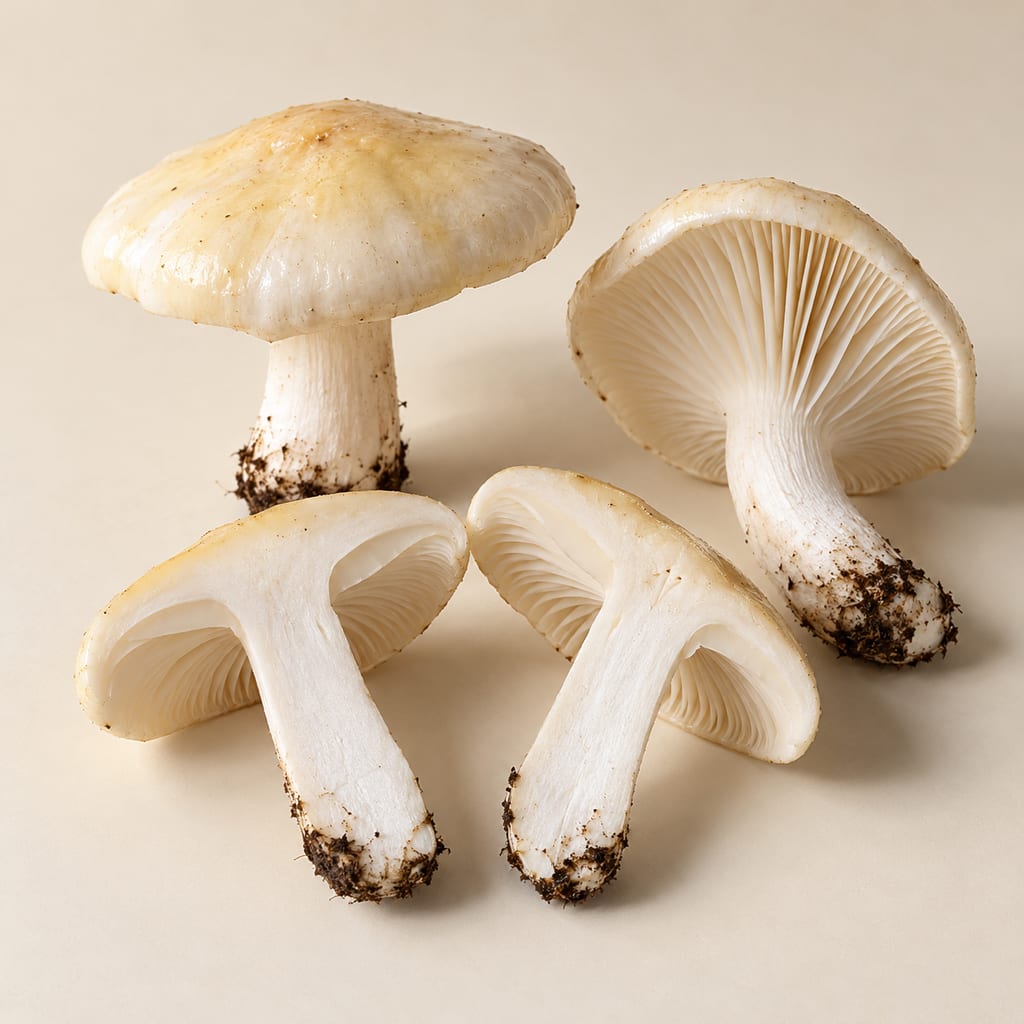
Hygrophorus gliocyclus has a viscid cap 3 to 9 cm across. It is convex, then plano-convex to centrally depressed, and cream to cream-yellow with a slightly darker centre. When moist the surface is glutinous; when dry it looks varnished. The gills are adnate to decurrent, thick and waxy, and the same colour as the cap. The spore print is white, and the spores measure 8.5 to 10 by 4.5 to 6.0 micrometres.
The stem is 3.0 to 5.0 cm long and 1.5 to 2.5 cm thick. Its top is whitish and minutely scaly, and its lower part is cream-yellow and covered in slime. A glutinous partial veil leaves a slimy ring when the fungus is fresh. It grows scattered to gregarious under conifers and fruits from mid to late winter. The description does not name a host tree species.
The catalogue entry gives the English name ivory woodwax. That name belongs to Hygrophorus eburneus, a different white species with a more slender build and no annulus. The Mykoweb description lists no common name for H. gliocyclus, so this page uses the scientific name as its title until a regional name is sourced.
Fries described the species in Monographia Hymenomycetum Sueciae 2 in 1863. The catalogue marks the name as a research label rather than a checked current name, and this page has not reconciled it against a current taxonomic authority.
Spain lists the species in Part A of the annex to Real Decreto 30/2009, the national decree that sets health conditions for marketing mushrooms for food. Part A is the list of wild species that may be sold fresh. Hygrophorus gliocyclus appears only in Part A, with five other Hygrophorus species: H. agathosmus, H. latitabundus (limacinus), H. marzuolus, H. penarius and H. russula.
The decree governs what may be sold fresh. It does not assess the safety of any collection. The catalogue describes the species' range as Southern Europe; the sources read here support only the Spanish listing and the Mykoweb description, which is part of the California Fungi database. No other European food record was found.
The only edibility statement found is on the Mykoweb page: 'Edible, but maybe too slimy to be of value.' The page gives no preparation, cooking method or tested use, and it does not establish that the species is safe to eat.
Hygrophorus eburneus is the viscid species most often confused with this one. It is white and more slender, and it lacks an annulus. H. gliocyclus is cream-yellow, with a slimy stem and a glutinous ring when fresh. Anyone considering eating a viscid Hygrophorus should have the collection confirmed by a specialist first, and the Spanish listing does not replace that check.
The sources read give no food tradition, no regional name, no account of cooking, and no range beyond the Spanish listing and the California Fungi context. The next research question is which European regions use this species, under what local name, and whether the Spanish fresh-market listing rests on a published assessment.
Country-level. Listed in Part A of the annex to Real Decreto 30/2009 as a wild species that may be marketed fresh; this is a marketing rule, not a safety assessment.
A gelling polysaccharide extracted from red seaweeds, sold as kanten strips or powder; it sets firm at a low concentration and stays solid until about 85 °C.

Toasted almonds are whole sweet almond kernels dry-roasted until golden to brown. Heat replaces their marzipan note with a roasted, nutty one; they thicken and flavour romesco.
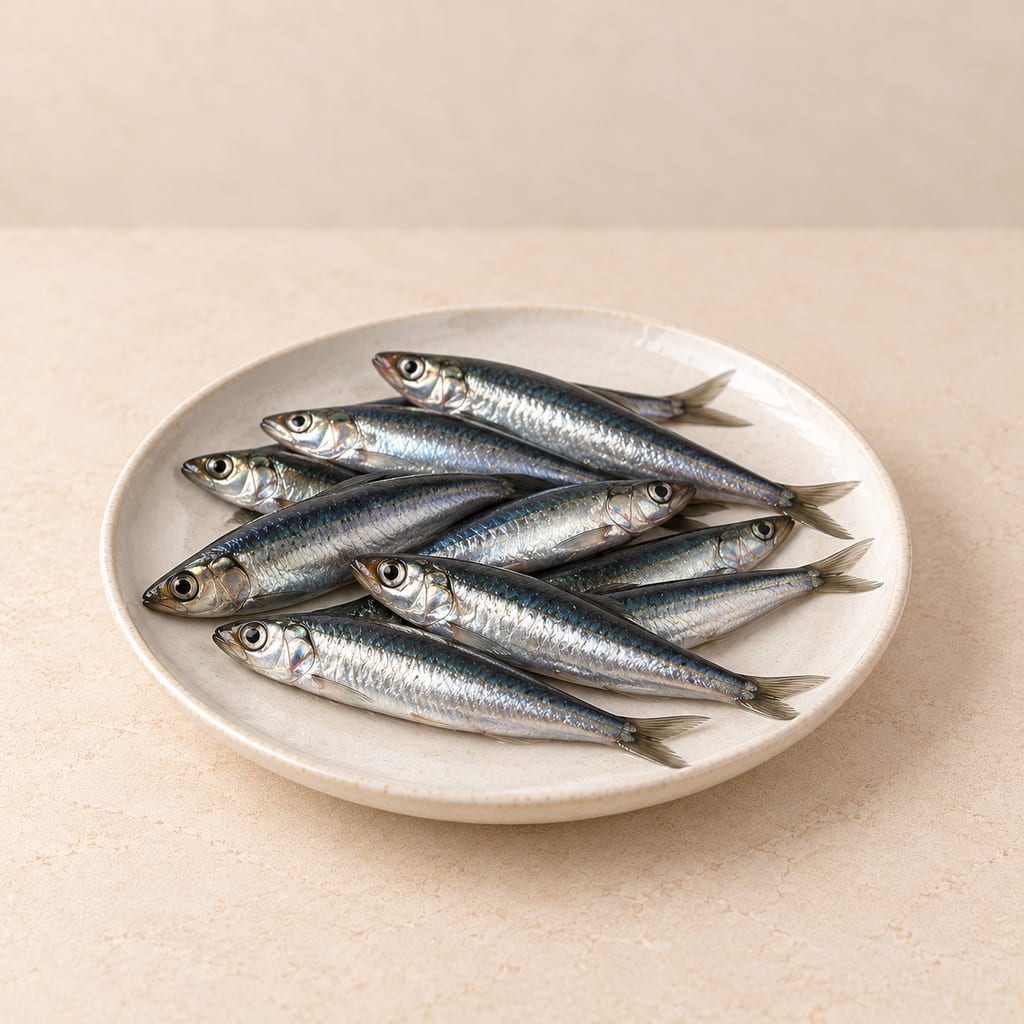
Anchovies are small schooling sea fish of the family Engraulidae, eaten fresh or dried and above all salted: as fillets in oil, whole salted fish or fish sauce.
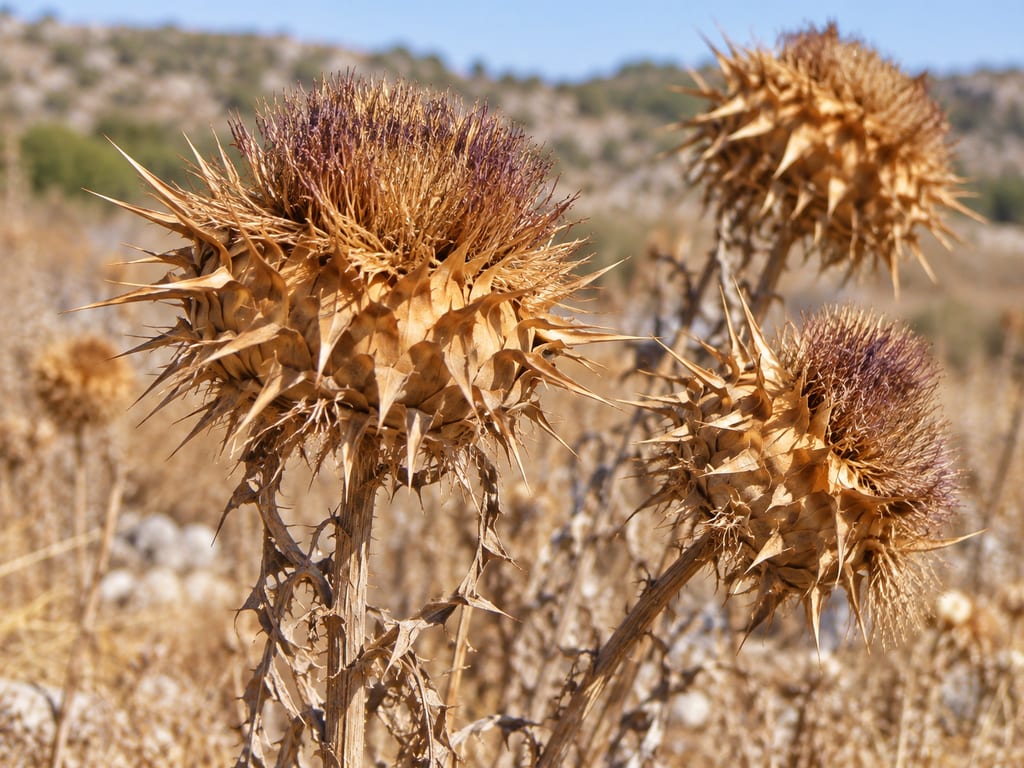
Dried flower heads of cardoon (Cynara cardunculus) supply plant proteases used to coagulate milk in several documented regional cheeses. Plant, extraction, milk and dose matter; evidence does not establish a universal home method.
A defined vegetable lactic acid bacteria culture is a chosen strain or blend added to a vegetable ferment. Its effect depends on the strain, the vegetable, the salt level and the process.
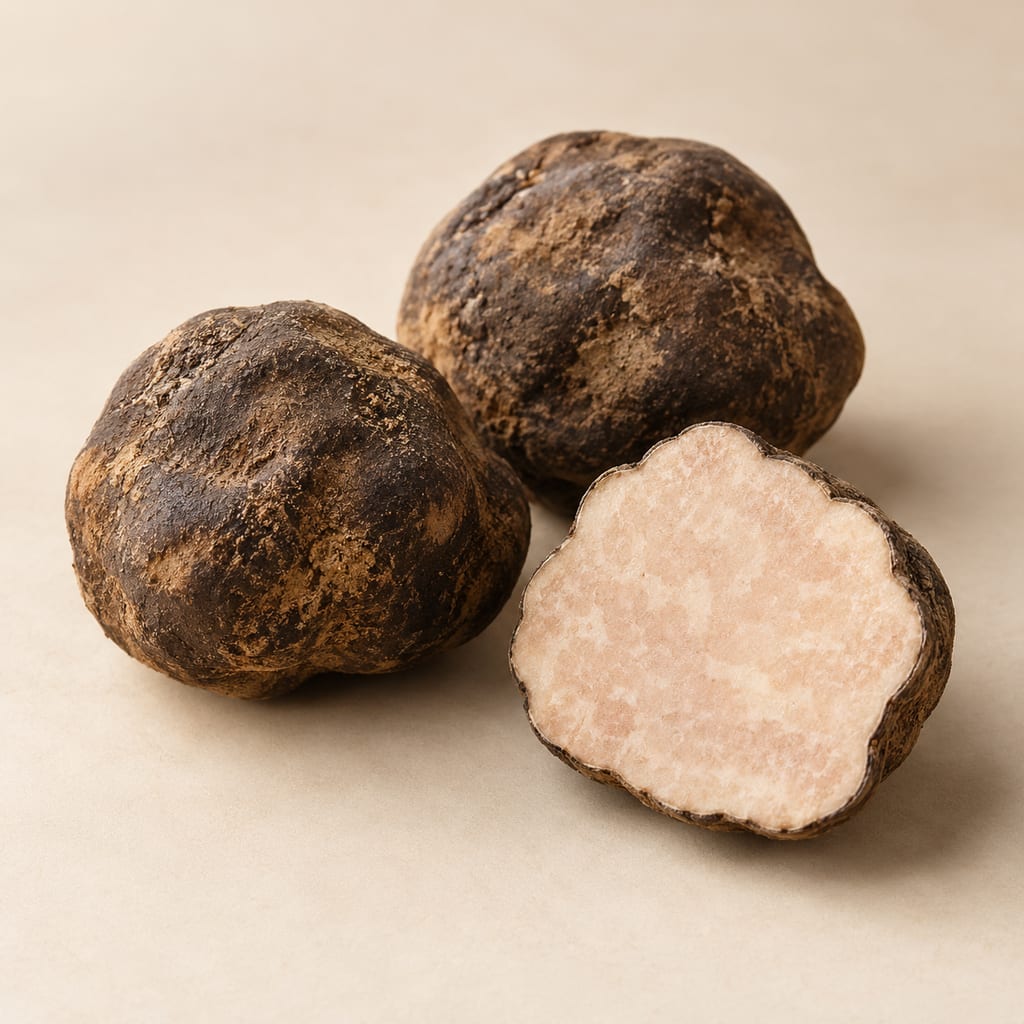
Desert truffle, Terfezia claveryi, is an underground fungus of dry Spanish and Moroccan ground that is gathered and sold seasonally, under names such as terfass, in local markets.
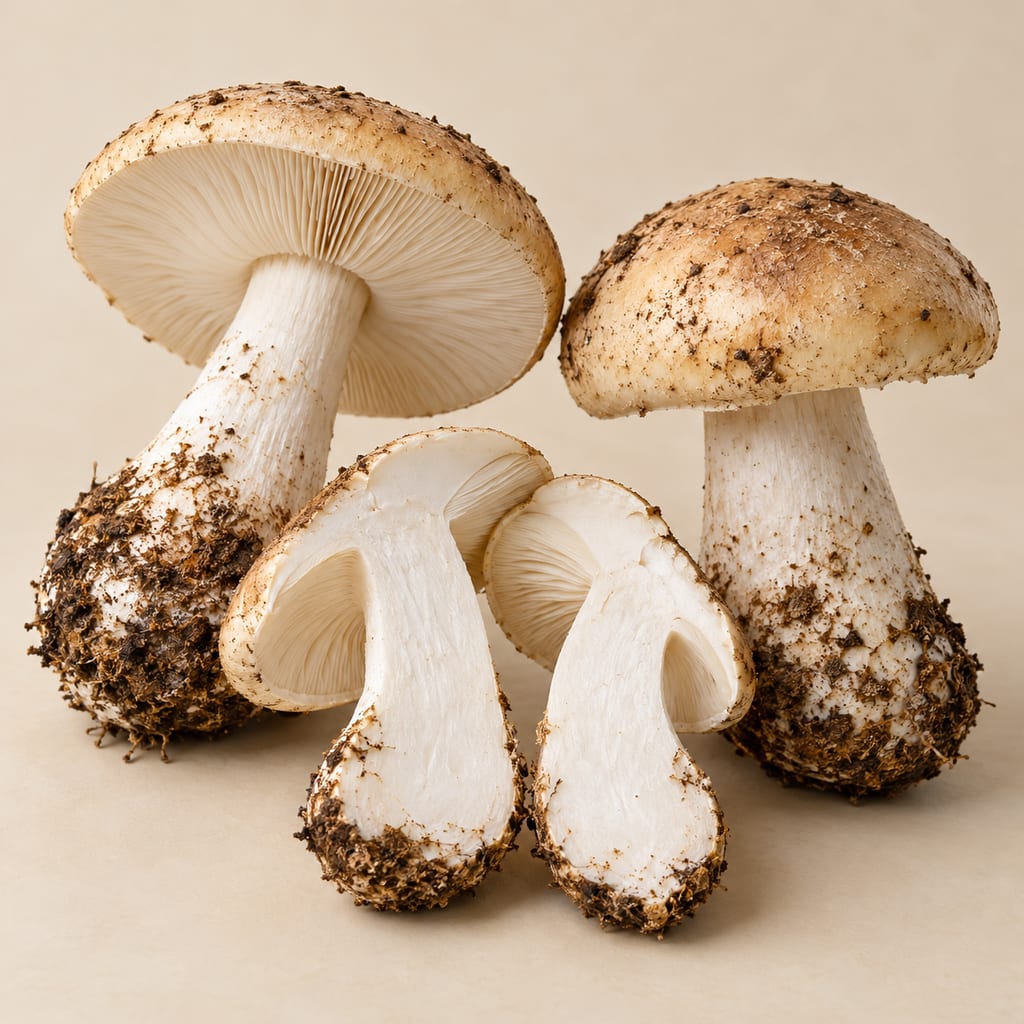
The Spanish name for a wild Amanita of the Iberian Peninsula. Spain’s 2009 mushroom decree lists it among wild species that may be sold fresh; it is a high-consequence identification.
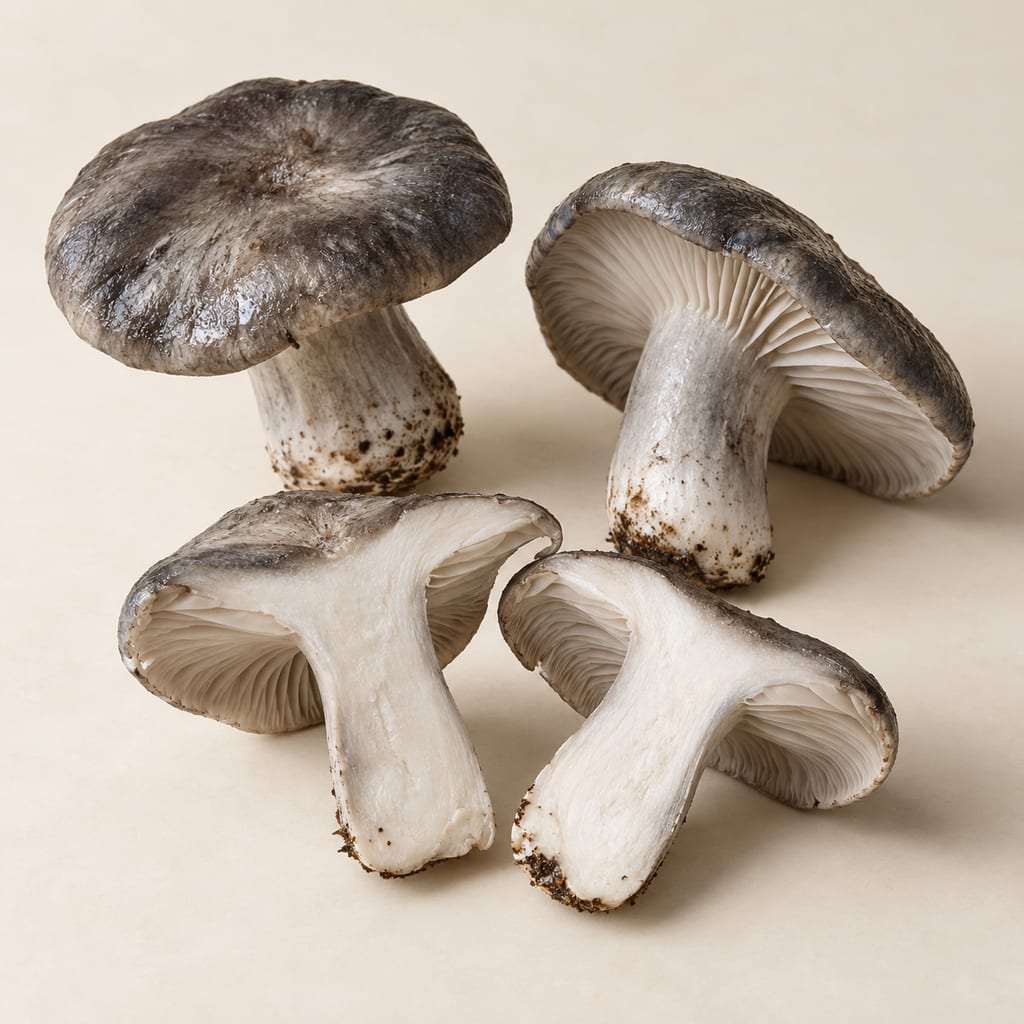
A European mountain mushroom associated with old conifer and mixed forests. It is valued as an early spring edible, but its vulnerable status and local collection rules matter.
No community contributions have been published for this entry yet.
Sign in to contribute. Published comments and photos are free to read.
Mykoweb (California Fungi)Identity · Safety · History
Hygrophorus gliocyclusDescribed by Fries in 1863 (Monogr. Hymen. Suec. 2: 311).
Cap 3-9 cm, cream to cream-yellow, glutinous when moist.
Spores 8.5-10 x 4.5-6.0 micrometres, white spore print.
Scattered to gregarious under conifers; fruiting mid to late winter.
Edible, but maybe too slimy to be of value.
Lookalike H. eburneus is white, slender and lacks an annulus.
Cited in: A slimy woodwax of conifer woods; A name the catalogue gets wrong; Where it is recorded; Edibility and lookalikes; Open questions
Boletin Oficial del EstadoMethod · History
Real Decreto 30/2009, de 16 de enero, por el que se establecen las condiciones sanitarias para la comercializacion de setas para uso alimentarioHygrophorus gliocyclus listed in Annex Part A, wild species that may be marketed fresh.
Other Hygrophorus in Part A: agathosmus, latitabundus (limacinus), marzuolus, penarius, russula.
Cited in: Where it is recorded; Edibility and lookalikes