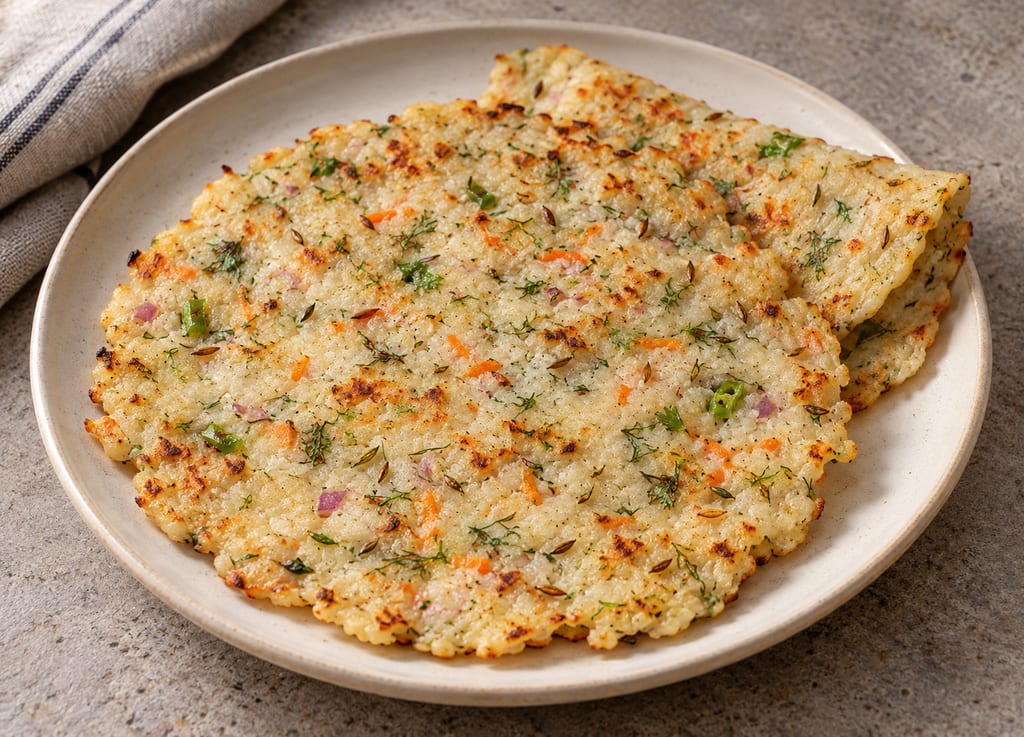
Akki rotti (Karnataka rice-flour flatbread)
This Karnataka-style akki rotti mixes fine rice flour with vegetables, coconut, herbs and spices, then hand-pats and griddle-cooks the dough.
 FermenteaWhere food goes to change
Modern adaptation
A Karnataka finger-millet flatbread with onion and spices, hand-patted and cooked on a covered tawa. This batch makes four.
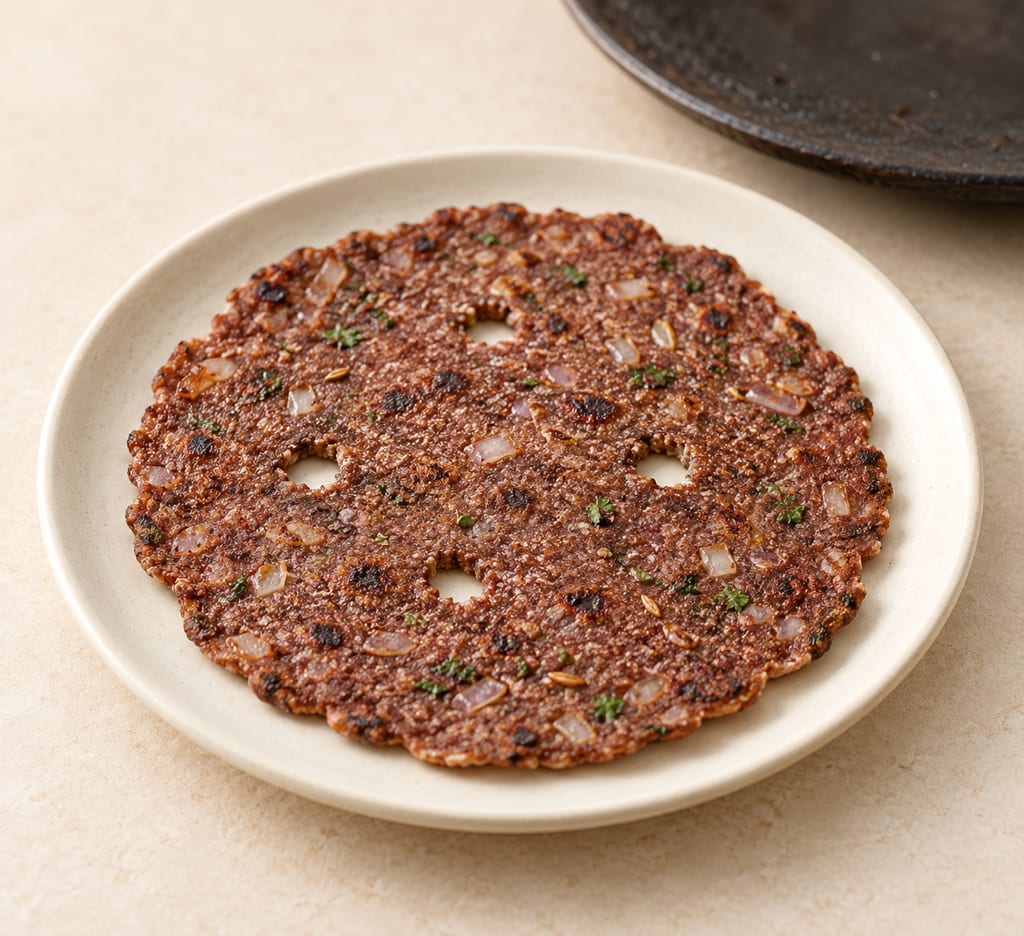
This Karnataka breakfast version combines finger-millet flour with onion, chilli and cumin. The dough is patted onto a cold tawa and cooked under a lid before turning. Coconut is optional in the selected source.
Ragi is finger millet, Eleusine coracana, a grain used in the dry regions of Asia and Africa. An Indian Farming account identifies it as part of staple diets in Karnataka, Andhra Pradesh and Telangana. The Karnataka association of this rotti therefore sits within a broader southern Indian grain tradition; it does not establish that every finger-millet flatbread shares the same recipe.
Here the flour becomes an onion-and-herb dough, patted by hand and cooked on a tawa. The vegetables, optional coconut and oil belong to the selected household formula. The name of the grain alone cannot establish those additions or the proportions.
Karnataka Tourism describes ragi mudde as a staple in central Karnataka: flour and water are heated and stirred into a thick mass, then shaped into balls. It is served with saaru, sambar or curd. Ragi rotti takes another form, spreading the dough into a flat round and cooking it against a pan.
The shared ingredient connects the foods, while their handling and finished shapes remain distinct. A photograph or instruction for mudde cannot stand in for this rotti, and the accompaniments documented for one preparation need not define every serving of the other.
A 2018 Karnataka study by Veerabhadrappa Bellundagi, K. B. Umesh and K. R. Hamsa examined producer and consumer preferences for finger millet. Farmers valued yield, duration and drought tolerance, while consumers placed particular weight on taste and aroma. The study links agricultural choices with the qualities people seek in food, rather than reducing the grain to a nutritional label.
Those findings concern the study’s respondents and period. They do not establish a medical benefit for this rotti or date its invention. The first attestation and precise birthplace of the dish remain unknown here.
The recipe identifies ragi rotti as a Karnataka breakfast; first date and precise origin remain unknown.
Yield 4 rottis · Scaling: source batch only
Groundnut oil is made from peanuts, an allergen.
Shape each rotti on a cold pan; keep hands away from the hot surface.
The source describes a Karnataka breakfast preparation; it does not establish a precise origin.
This Karnataka-style akki rotti mixes fine rice flour with vegetables, coconut, herbs and spices, then hand-pats and griddle-cooks the dough.
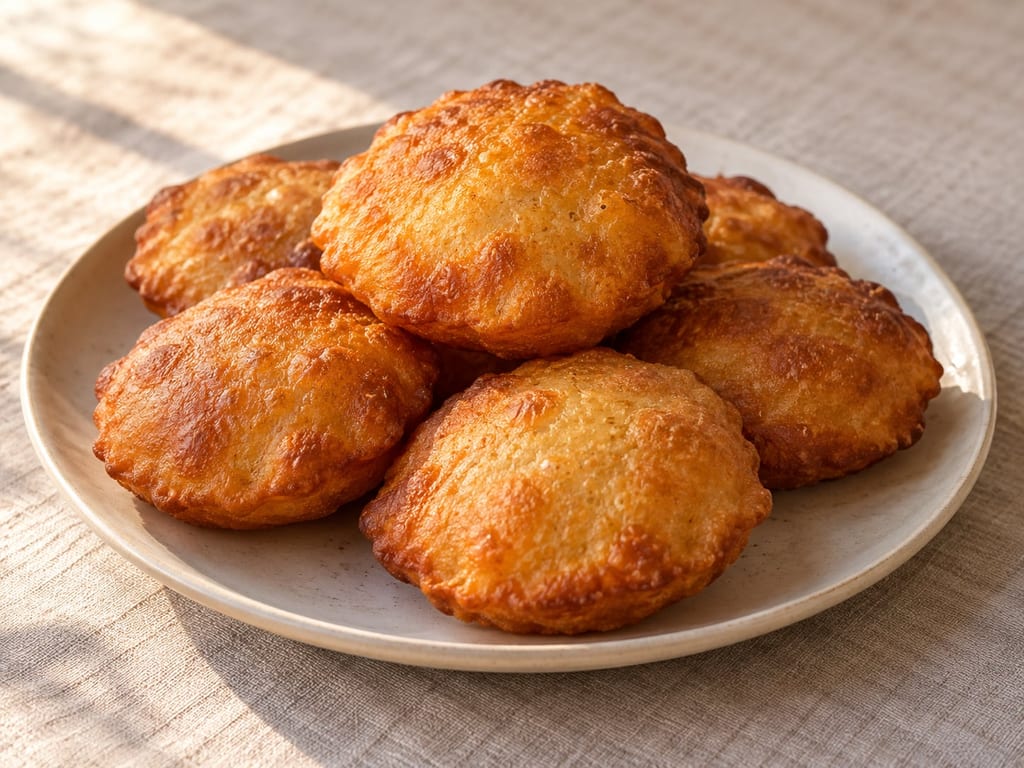
Sweet banana and wheat breads, rolled into rounds and fried. This coastal Karnataka home version rests the dough for 30 minutes.
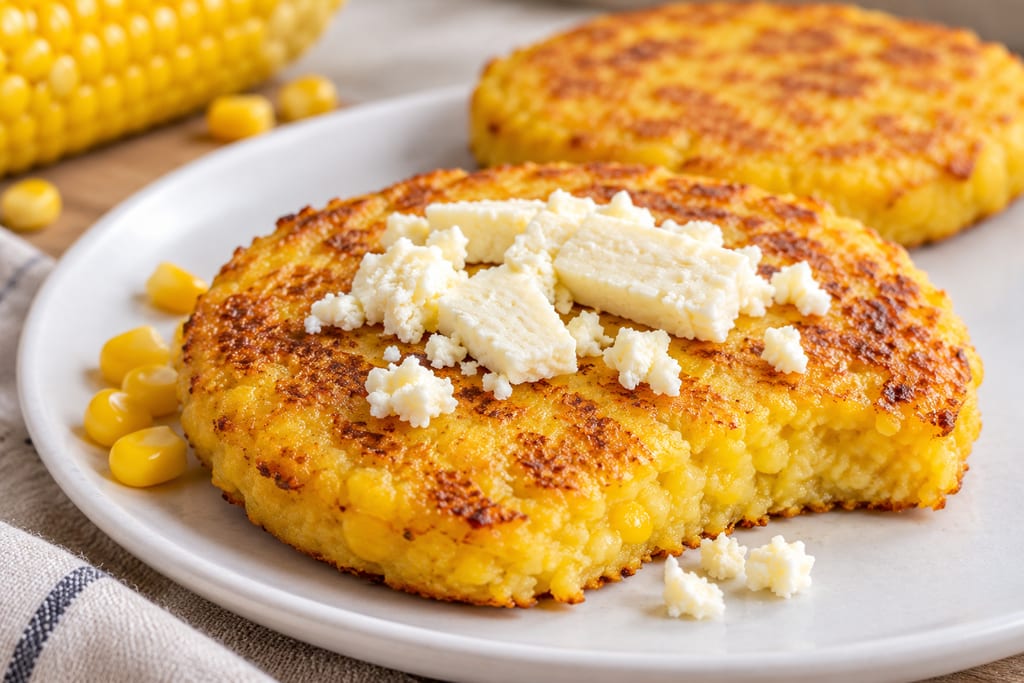
A Colombian Andean griddle cake made from fresh sweet-corn batter, cooked in butter and served with white cheese.
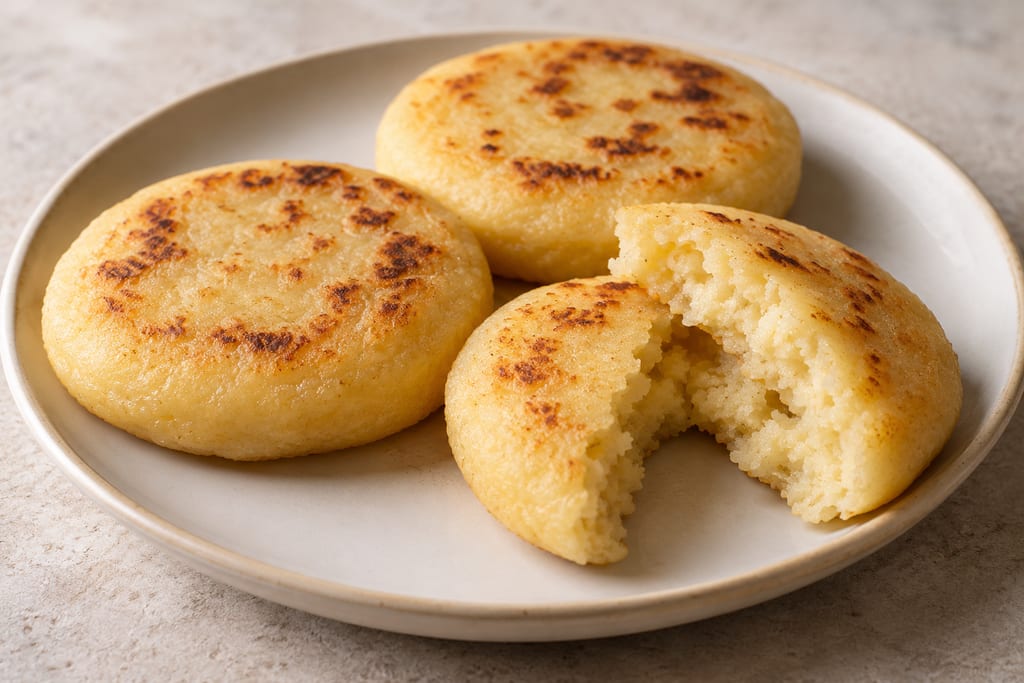
This household version combines precooked corn flour, warm water and salt, then cooks thick rounds on a lightly oiled skillet or griddle. It is one source-specific arepa method, not a universal Colombian or Venezuelan formula.
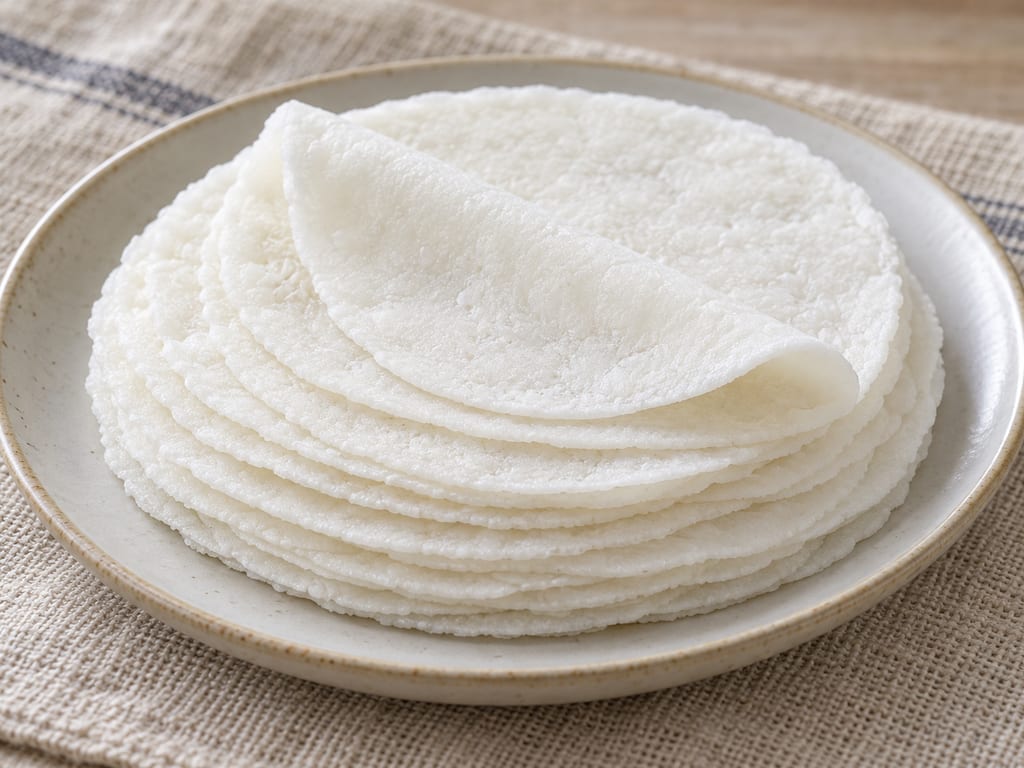
Thin Malabar rice-flour rounds made from roasted rice flour cooked into salted boiling water, kneaded after cooling, and rolled to about 1 mm. They cook on a hot griddle without taking on colour.
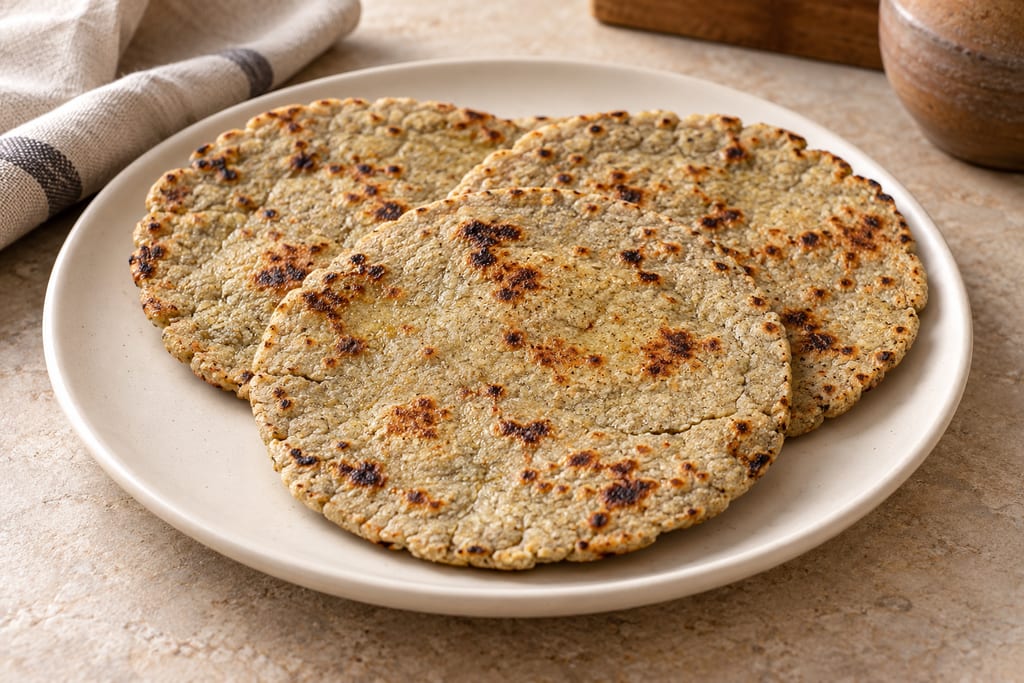
A pearl-millet flatbread shaped between sheets and cooked on a hot tawa. This home batch makes eight.
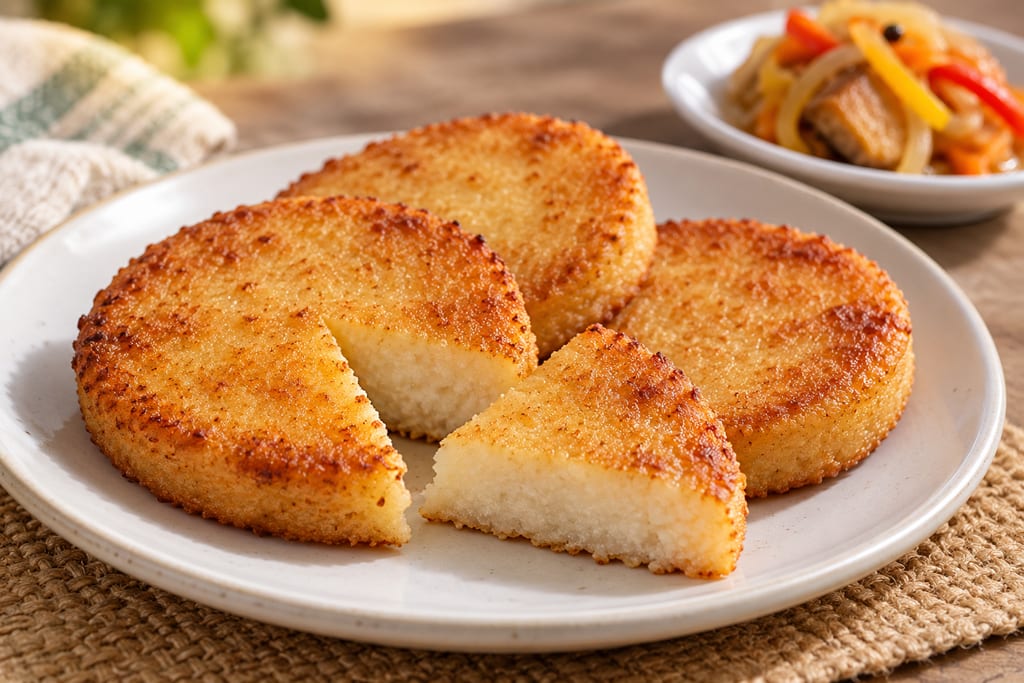
A serving method for approved, prepared bammy rounds: soak them in coconut milk and refry until golden. It does not process raw cassava.
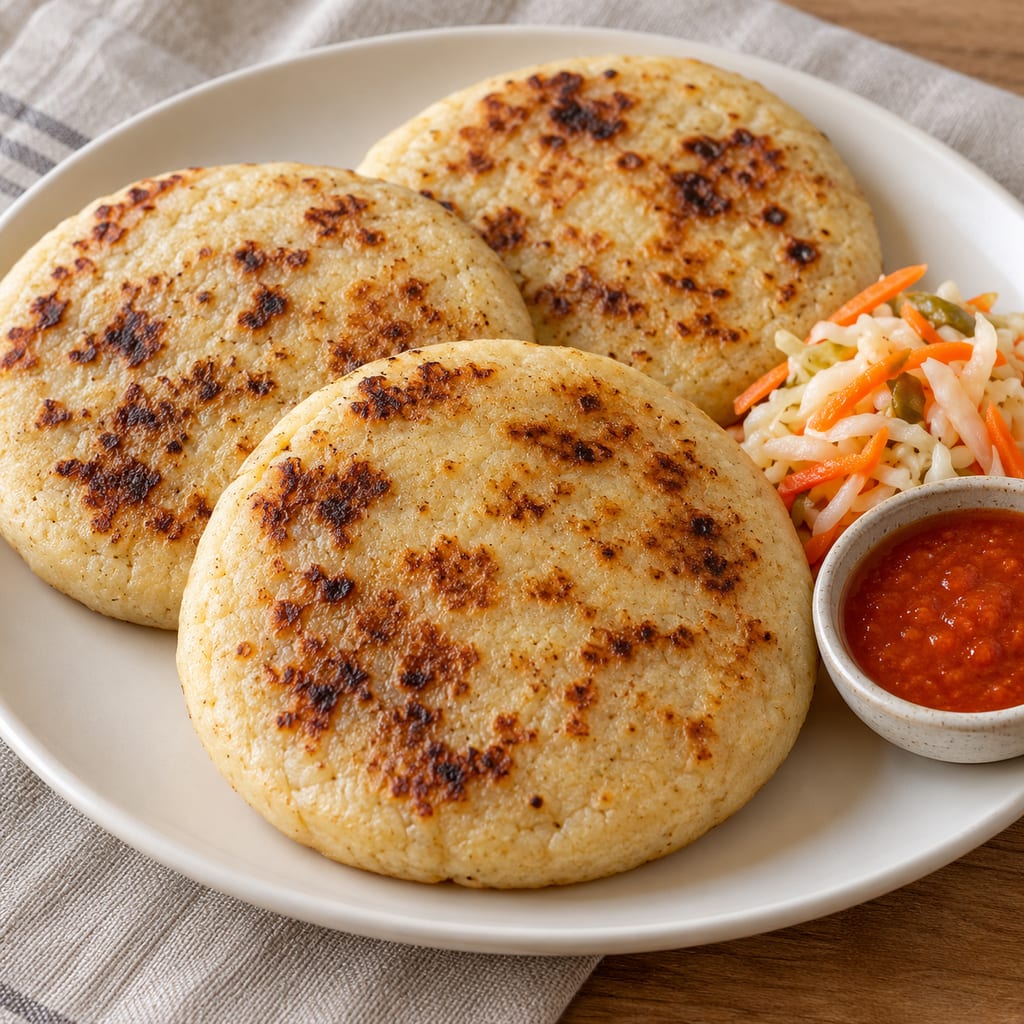
Salvadoran-style masa harina cakes filled with refried beans and cheese, sealed and cooked on an oiled skillet.
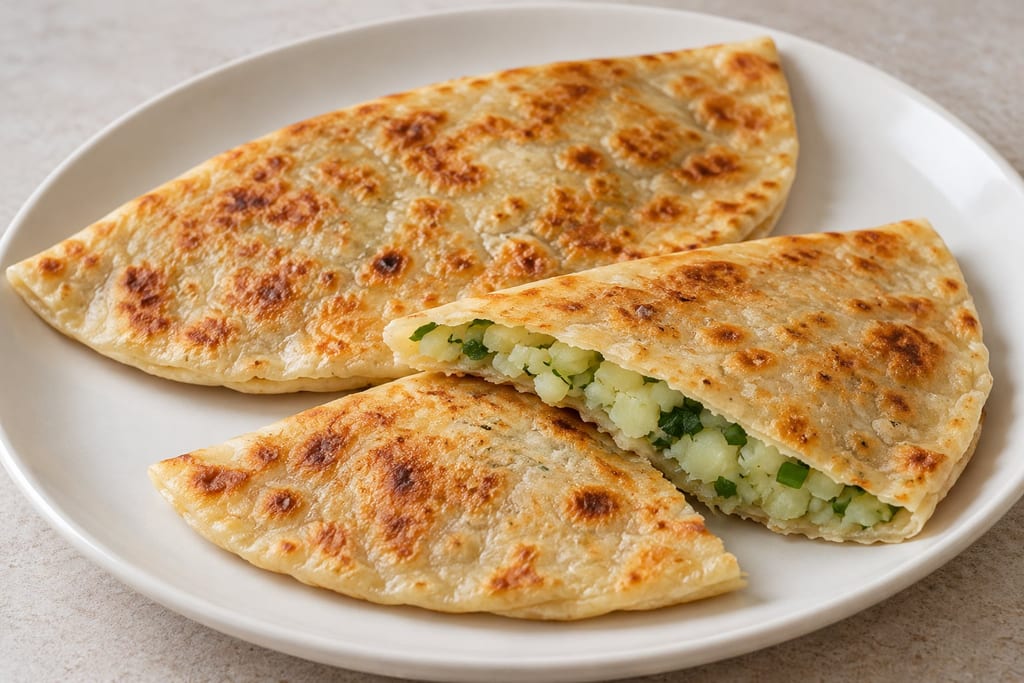
A thin, unleavened Afghan flatbread filled with mashed potato, scallion and cilantro, folded and pan-browned. This version uses a dough made from scratch.
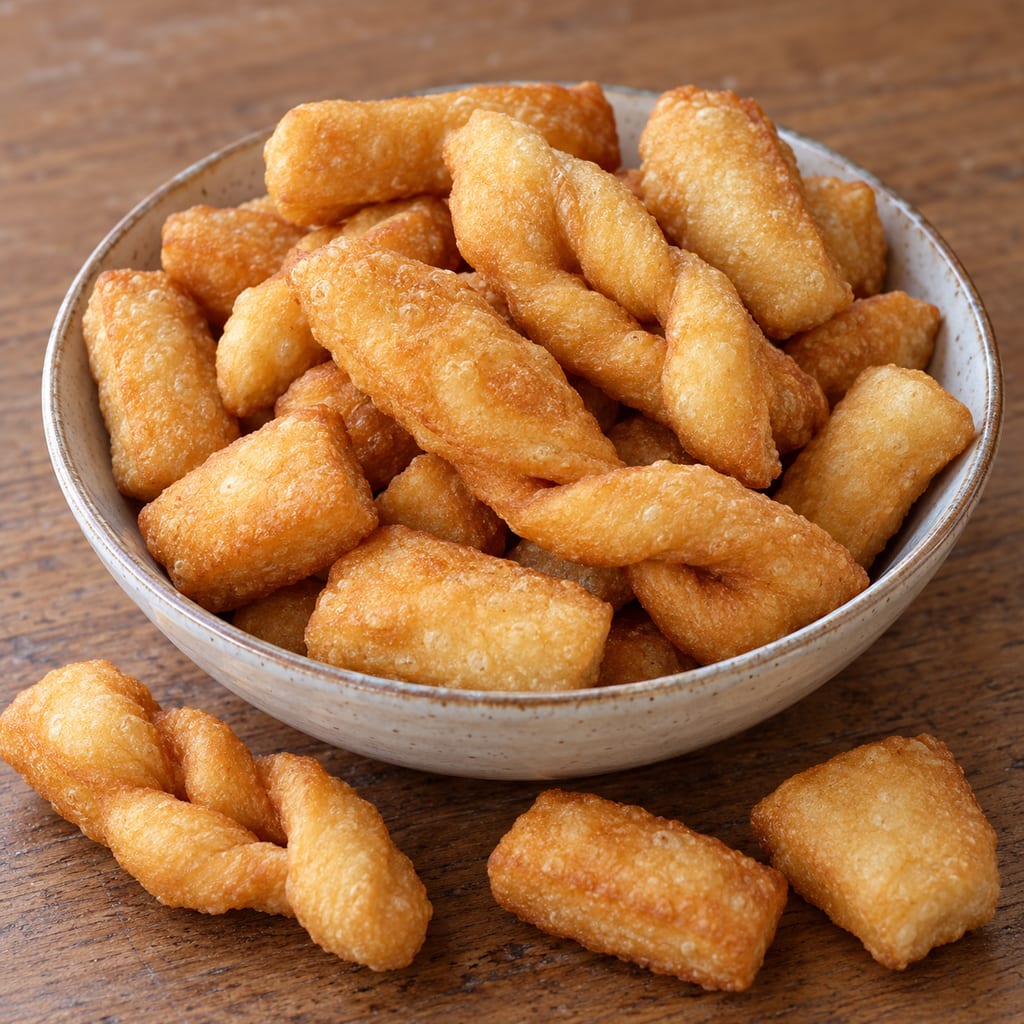
Firm Mongolian fried pastries made from an unyeasted wheat dough enriched with butter and sweetened with sugar; the dense dough is rested, cut or knotted, and fried until golden.
No community contributions have been published for this entry yet.
Sign in to contribute. Published comments and photos are free to read.
SwayampaakaInspiration · Method · Geography
Ragi Rotti | Finger Millet Rotti | Millet RecipesSix portions, finger-millet and vegetable dough, covered skillet method and Karnataka association; coconut unit is omitted.
OrgguInspiration · Method · Geography
Ragi RotiFour-rotti ingredient quantities, cold-tawa shaping, rest and cooking method, and Karnataka association.
Cited in: Finger millet and onion; Ragi in the regional diet; Rotti and mudde use the grain differently
Indian FarmingContext
Finger millet: Scientific production technologies and its nutritional importanceFinger millet scientific name, dry-region cultivation and southern Indian staple use.
Cited in: Ragi in the regional diet
Karnataka TourismContext
Ragi MuddeCentral Karnataka mudde preparation and accompaniments, kept distinct from rotti.
Cited in: Rotti and mudde use the grain differently
Current Journal of Applied Science and TechnologyContext
Ex-ante Producer and Consumer Preference for Finger Millet in Karnataka: Application of Conjoint analysis and Logit Model2018 producer preferences and consumer taste/aroma findings; not recipe origin or health evidence.
Cited in: Taste matters alongside crop yield