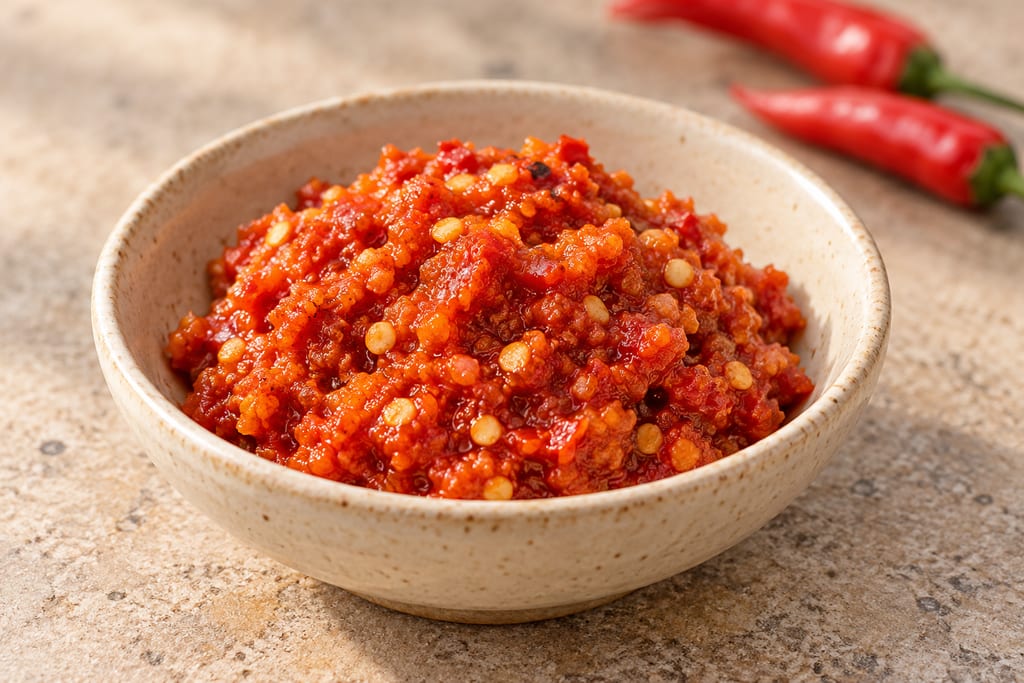
Dinanche
Dinanche, or donne' dinanche, is a Chamorro hot pepper paste of crushed chillies that Guam cooks use on its own or stir into fina'denne'. Its versions range from pepper alone to ones with eggplant, miso or coconut milk.
 FermenteaWhere food goes to change
Modern adaptation
Titiyas · sweet flour titiyas · titiyas harina · CHamoru flour titiyas
A sweet, soft CHamoru flour titiyas made with wheat flour, coconut milk, butter and cream of coconut, rolled thin and cooked on a dry skillet.
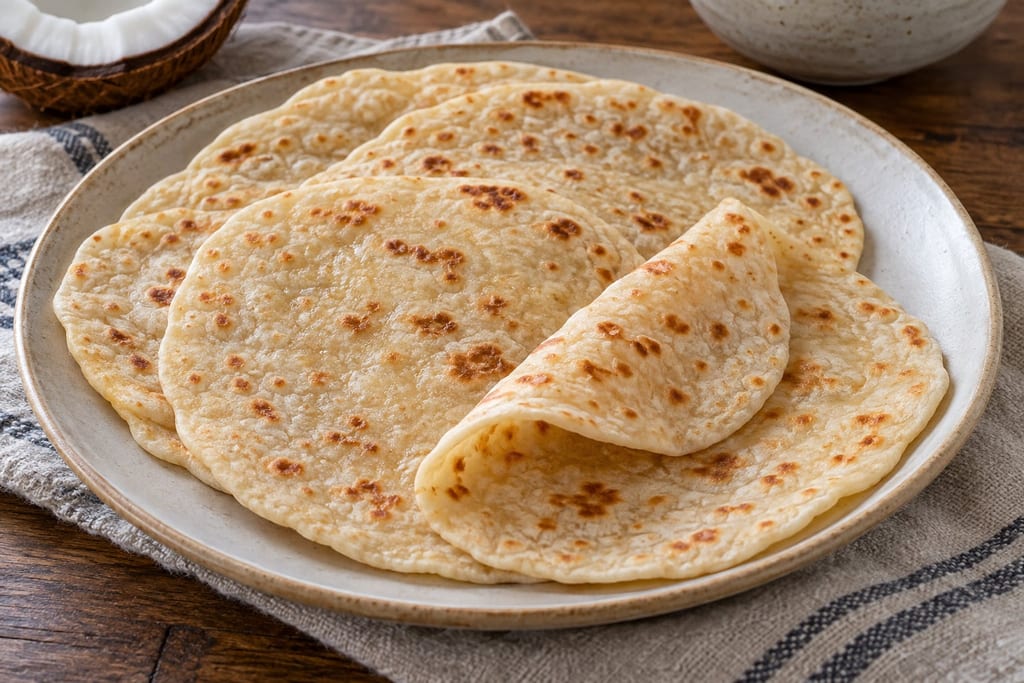
This page follows Annie's sweet flour titiyas, a wheat dough raised with baking powder and cooked on a dry skillet. Her page, posted in 2013, presents it alongside chicken kelaguen and describes the two foods as familiar on a Chamorro fiesta table. The dough is gently kneaded, rolled into small rounds and griddled. It is a particular flour recipe, not a single definition for every food called titiyas.
Guampedia describes flour harina as one of several titiyas forms on Guam. Mai'es is made from corn; faddang uses processed Federico palm nut; månha uses young coconut; and titiyas lemmai uses ripe breadfruit pulp, sometimes with flour. Each has a different starch and process. This recipe uses all-purpose wheat flour, coconut milk and sweetened cream of coconut. It contains no maize, cycad flour or young-coconut flesh, and none should be substituted by name alone.
Guampedia's maize preparation has a separate grain process. The page describes corn kernels being softened with hot water and quicklime, washed and ground, then mixed with water, shaped on banana leaf and cooked on a flat iron pan. That process cannot be represented by substituting masa harina into Annie's wheat dough. Guampedia's short present-day corn recipe uses masa harina and water only, while Annie's method relies on baking powder and coconut liquids. This version follows neither corn formula; it follows the sweet wheat recipe.
Faddang titiyas is another distinct starch preparation. Guampedia says the Federico palm is a toxic cycad and describes repeated water changes over about two weeks in the traditional processing of its nuts before they are dried and ground. That account is not a household substitution instruction. This recipe uses wheat flour and does not adapt faddang flour or its processing. The source also records titiyas lemmai from ripe, soft breadfruit pulp, sometimes mixed with flour, flattened and cooked on a flat iron pan. Its dough composition and hydration differ from this measured batch.
Annie's recipe uses 3 cups all-purpose flour, 4 teaspoons baking powder, 1/2 teaspoon salt, 3/4 cup coconut milk, 1/4 cup melted butter and 1/4–1/2 cup cream of coconut. Cream of coconut is the sweet product used in mixed drinks; the author warns that it is not the same product as thick coconut cream. Start with 1/4 cup and add up to 1/2 cup as needed to bring the dough together. Annie relates the amount to humidity and says that more humid conditions call for less liquid.
If cream of coconut is unavailable, Annie gives a separate alternative: increase coconut milk to 1 cup and add 1/2 cup white granulated sugar. Omit the cream of coconut in that version. This recipe records the substitution so the reader can follow it, but keeps the main formula's products and quantities clear. Guampedia's older flour-titiyas card uses salad oil and milk, while its corn titiyas method uses masa harina and water. Those recipes are not blended into this butter-and-coconut-flour batch.
Guampedia also reproduces a flour-titiyas recipe from the 1985 Guam cookbook Lepblon Fina’tinas Para Guam, credited to Magdalena S. Taitano. That separate version uses 3 cups flour, 4 teaspoons baking powder, 1/3 cup sugar, 1/4 teaspoon salt, 1/4 cup salad oil and 3/4 cup milk. Its dough is divided into three parts, rolled, pricked and cooked on a grill; the entry says to turn it twice on each side and cook for 8 minutes. The batch serves 8–10. These measurements are not the Annie formula: they contain no coconut milk or cream of coconut, and the salt, fat and sweetener amounts differ.
Stir the flour, baking powder and salt together in a large mixing bowl. Add the melted butter, coconut milk and cream of coconut. Mix until the liquid is absorbed and a dough forms. Begin with the lower amount of cream of coconut and add only enough, up to the author's stated range, to form the dough on that day's conditions.
Knead gently until the dough forms a smooth ball. Annie does not give a kneading time, specify a dough temperature or call for a rest. Baking powder supplies the lift; this is a chemically raised, non-fermented bread. Do not add a yeast rise or fermentation step. The batch's smooth ball is the texture cue in the source.
The main recipe has two coconut liquids with different roles. Coconut milk supplies the base liquid, while cream of coconut contributes sweetness and additional moisture. Annie identifies cream of coconut as the sweet drink-mixing product and explicitly distinguishes it from thick coconut cream. Follow the product label rather than relying on similar names. The alternate formula changes both liquids and adds granulated sugar; it is not a one-for-one replacement of the main ingredients.
Break the dough into pieces about the size of a golf ball. No exact count or gram weight is given. The author's note says the batch serves about 8–10 people with kelaguen, depending on how much each person eats, so the yield is approximate and the number of rounds varies with portion size.
Flour the work surface and rolling pin lightly so the pieces can be rolled. Roll each portion into a flat disc about 1/8 inch thick. Keep the rounds close to this thin size for the medium-low skillet method that follows. Annie also describes a thicker titiyas; that is a different shape with a lower heat and longer cooking time, so do not use its timing for the thin rounds.
Annie does not state how many rounds the batch yields because the golf-ball portion size is approximate. In a later reply, she estimates that it makes enough bread to serve with her kelaguen for about 8–10 people. That estimate describes the meal context, not a fixed number of rounds or a serving weight. The batch field therefore stays approximate, and this record does not translate the cups into grams or calculate a piece count.
Heat a dry skillet over medium-low heat. Place one disc in the pan and prick it all over with a fork. Annie says this prevents the bread from bubbling during cooking. The source calls for no oil in the skillet, so leave the pan dry.
Cook for about 3–4 minutes per side. Watch the bottom for the first golden-brown patches before turning it, then cook the other side until golden. The source gives no measured pan temperature or exact number of turns. Do not raise the heat to speed up the batch; use the stated setting and colour change as the cooking cues for this version. Work in batches that fit the skillet without overlapping rounds.
The author also gives a thicker option, separate from the 1/8-inch rounds in this method. She says to cook thicker titiyas over low heat for 4–5 minutes per side and uses a somewhat firm centre when gently pressed as the texture cue. This is a source-specific cooking variation, but the page does not define thickness, exact time or pan temperature for that option. The published steps stay with the thin rounds so the main shape and medium-low timing remain paired.
Move cooked titiyas to a plate covered with a clean kitchen towel to keep them warm while the remaining rounds cook. Annie serves hers with chicken kelaguen. The associated food is mentioned here as a serving context only; this recipe contains no chicken or other meat. Titiyas can also be served with other meal foods, but this page does not prescribe additional fillings or toppings.
The recipe's sweet dough also works as a side bread. Annie calls it sweet flour titiyas, with sweetness in the cream of coconut rather than in a separate sugar ingredient for the main version. The optional granulated sugar belongs to the source's no-cream substitution only. This distinction keeps the ingredients aligned with the selected variant.
Guampedia's history places corn in Rota in a 1602 missionary account, but the cited passage is about planting and does not name a titiyas method. It then describes wheat flour becoming more readily available as an import later in the eighteenth century and reports flour combined with coconut cream, salt and a little sugar. That is evidence for a broad historical flour-and-coconut form, not for baking powder, butter or sweetened cream of coconut in this recipe. The exact formula used here is Annie's separately published 2013 version.
Guampedia describes titiyas as a common fiesta food on Guam, and Annie connects her flour titiyas with kelaguen on a fiesta table. Annie also presents it as food that can be made whenever the cook wants it, rather than only for a holiday. The recipe keeps that relationship specific: the flatbread pairs with kelaguen, while the associated meat dish remains outside this recipe and its ingredient list.
Guampedia describes titiyas as a prominent part of the Guam fiesta table, often served after red rice and cut into pieces for the platter. The entry notes that current maize rounds are often cut, stacked and wrapped in foil, while flour titiyas are sold in plastic bags. These details show how the forms are handled and served locally; they do not prescribe portioning or packaging for a home skillet batch. Annie's recipe likewise pairs the bread with kelaguen without requiring a fiesta or a particular serving arrangement.
Stars and Stripes Guam publishes a separate flour-titiyas card, credited to Annette Merfalen, beside a chicken kelaguen recipe. It uses wheat flour, baking powder, coconut milk, butter and salt; the dough is rolled thin and cooked on a dry skillet. That matches the general shape of the batch above. This page does not use the card's measurements, and it does not carry the corn or faddang processing described by Guampedia over to either wheat batch.
Guampedia identifies mai'es, harina and faddang as common Guam forms and discusses månha and breadfruit titiyas as other preparations. It reports that wheat flour became available as an import later in the eighteenth century and that flour titiyas was made with coconut cream, salt and a little sugar. That account supports a historical association between flour and coconut in titiyas; it does not establish that Annie's baking-powder formula is eighteenth-century or unchanged from that preparation.
Guampedia also mentions a Spanish missionary's 1602 note about planting corn on Rota. The note does not explain how corn was prepared, so it is not a dated recipe for mai'es titiyas. This page leaves the earliest attestation of the exact sweet, chemically raised flour recipe unknown. Guam is the supported geographic association; neither source names a specific village as the place where this particular formula began.
Wheat flour is raw until cooked. CDC warns that uncooked flour can carry germs and advises against tasting raw dough. Keep the dough away from ready-to-eat foods, then wash hands, bowls, utensils and surfaces that touched it. Cook each round on the skillet following the source's time, heat and colour guidance. The source does not give a validated internal temperature or professional safety test.
The skillet remains hot between rounds. Use a stable, heat-safe surface for the pan and keep hands clear while turning the bread. The recipe does not require frying in oil. It contains wheat and butter, and it uses coconut milk and cream of coconut. Check product labels and avoid cross-contact when serving people who cannot eat these ingredients.
Guampedia describes several distinct Guam titiyas forms: sweet wheat-flour harina, maize mai'es, young-coconut månha and faddang made from processed Federico palm nut, as well as breadfruit titiyas. It says wheat flour mixed with coconut cream was used after imported wheat became available later in the eighteenth century, but that does not date Annie's exact recipe. Guampedia's 1602 account concerns corn planting on Rota and does not describe titiyas preparation. Annie's 2013 recipe is one modern sweet flour version, not a universal formula for all titiyas.
Scaling: source batch only
Uncooked flour may contain germs; eating or tasting raw dough can cause foodborne illness.
Hazard sourceThe skillet is heated on the stove and can burn hands during cooking or when removing a round.
Hazard sourceDo not taste the uncooked dough. Cook the rounds following the source directions, and wash hands, bowls, utensils and work surfaces after handling raw flour.
Control sourceUse a heat-safe surface for the skillet and take care when turning the bread over the hot pan.
Control sourceContains wheat and gluten, dairy from butter, and coconut. The cream-of-coconut alternative is sweetened; do not substitute thick unsweetened coconut cream by name alone.
Annie's CHamoru Kitchen identifies the pairing as part of a Chamorro fiesta table; Guampedia distinguishes flour titiyas from Guam's corn and faddang forms. This row locates the documented version in Guam without claiming a particular village or exclusive origin.
Dinanche, or donne' dinanche, is a Chamorro hot pepper paste of crushed chillies that Guam cooks use on its own or stir into fina'denne'. Its versions range from pepper alone to ones with eggplant, miso or coconut milk.
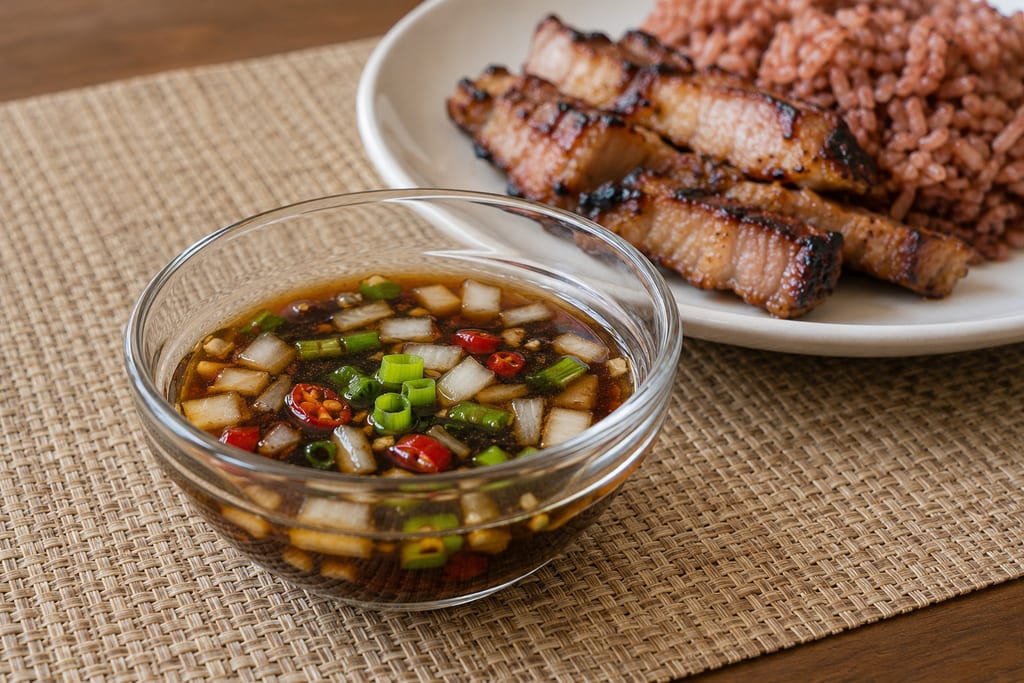
Fina'denne' is the all-purpose Chamorro dipping sauce of Guam, made in soy, citrus, vinegar or fish-brine versions with hot peppers. It is spooned over meat and rice or served in a small dish.
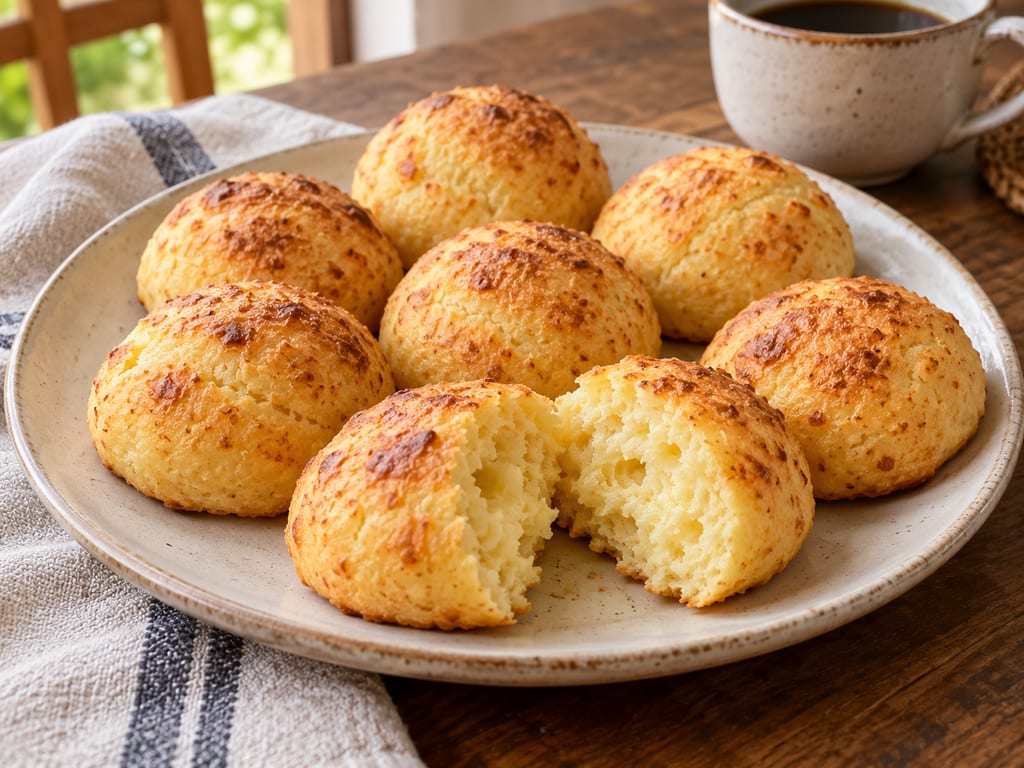
Small Colombian cheese breads made with precooked corn flour, queso fresco, mozzarella, eggs, milk and baking powder. This documented home version makes eight breads and is served warm.
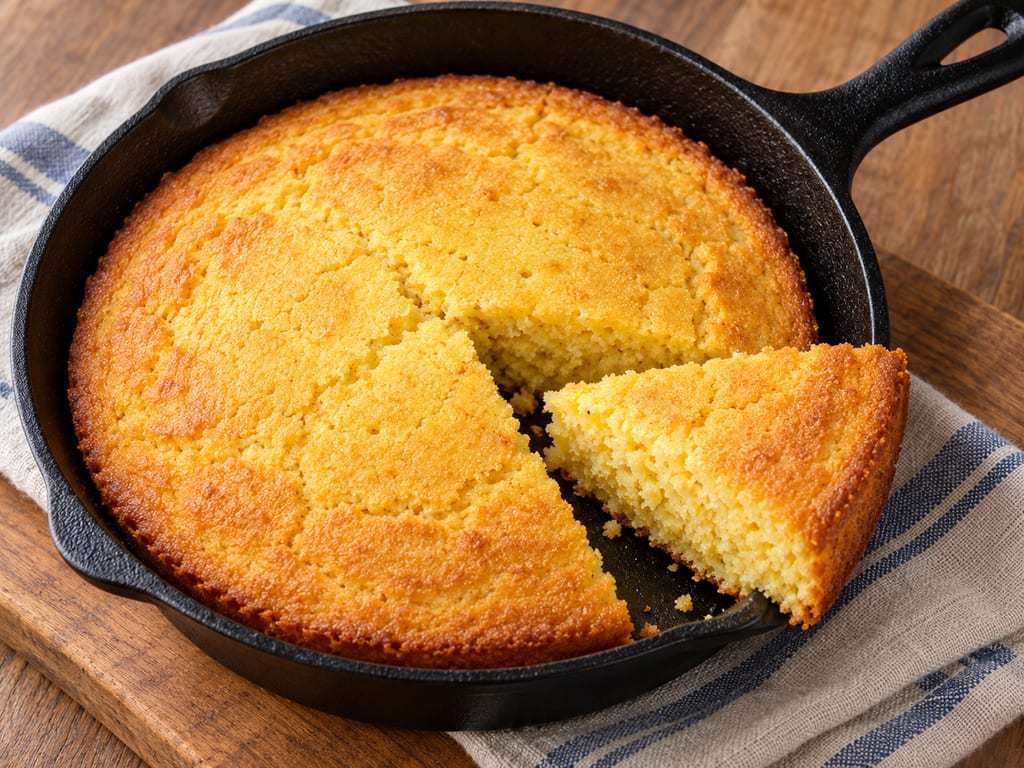
A modern cornmeal-and-wheat cornbread that King Arthur Baking describes as a compromise between Northern and Southern styles. The batter is baked in a pan or as muffins and served warm.
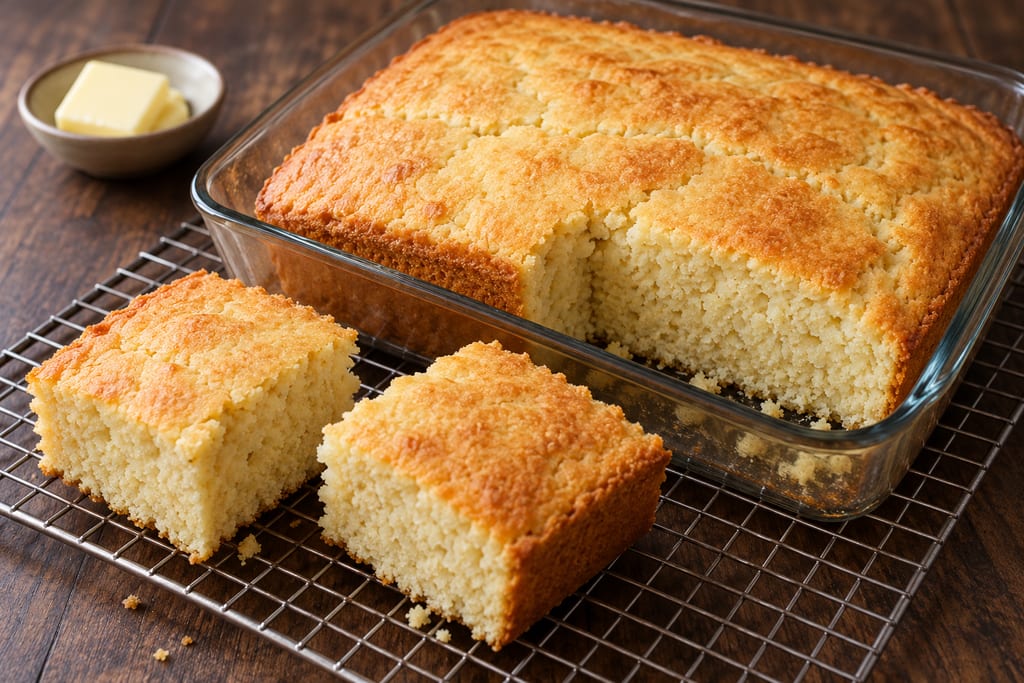
A soft, butter-rich Bahamian-style baked johnnycake made from flour, baking powder, sugar, butter and milk. The dough rests briefly in a square pan before baking.
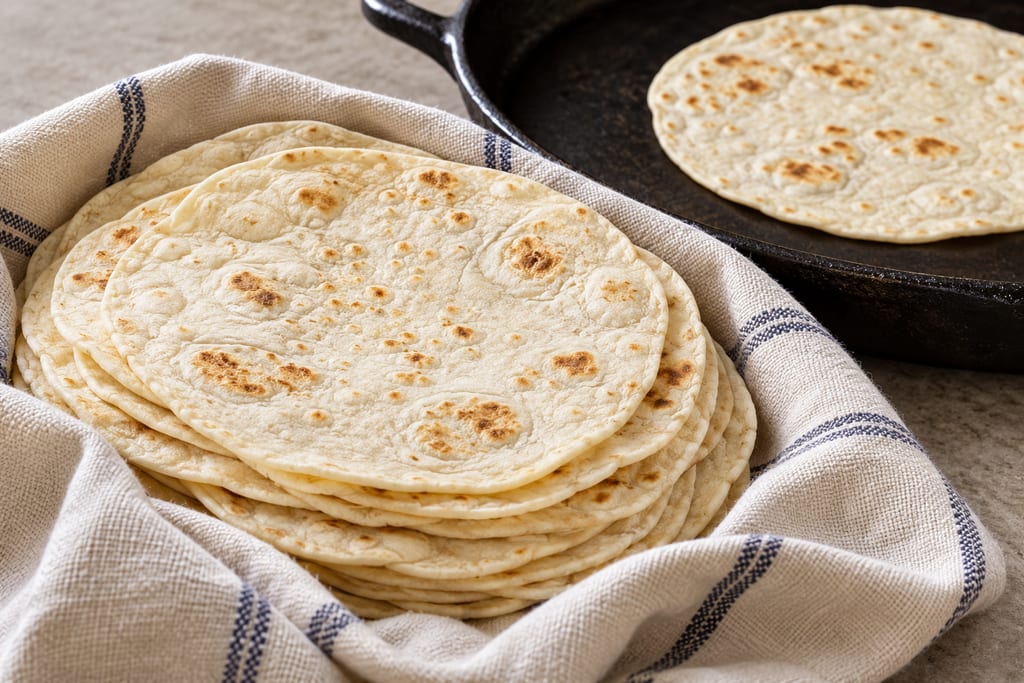
Soft wheat-flour rounds from an INCAP Honduran baleada recipe are rolled thin and cooked on a dry skillet; this record covers tortillas, not the filled dish.
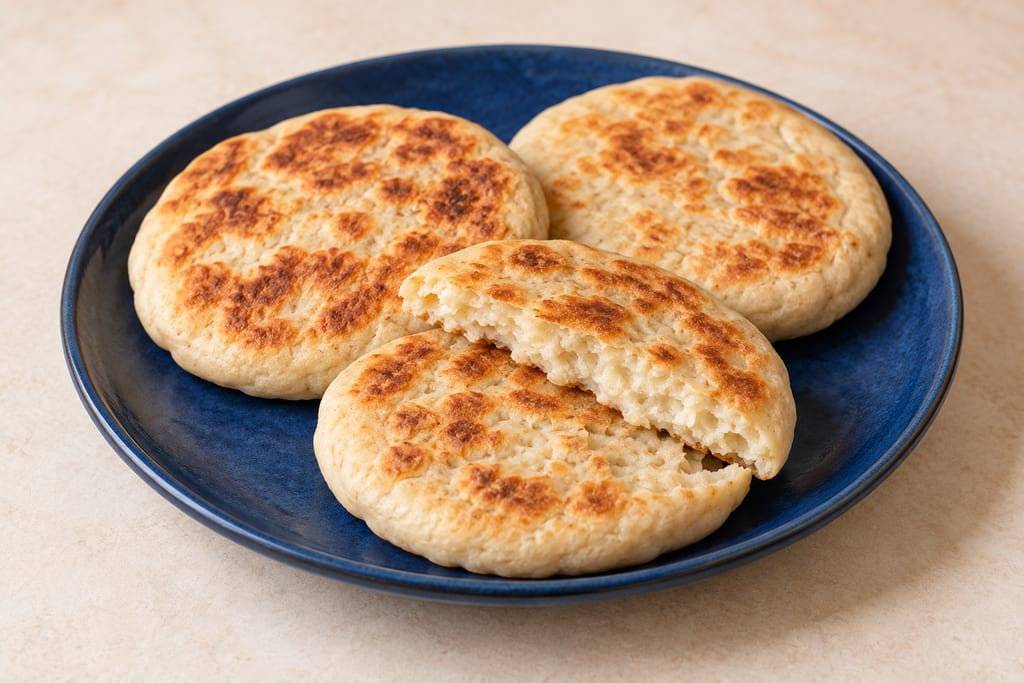
A Central Tibetan style pan bread made from flour, water and baking powder. Four dough balls are rested, rolled into rounds and cooked covered in a skillet, turning them several times.
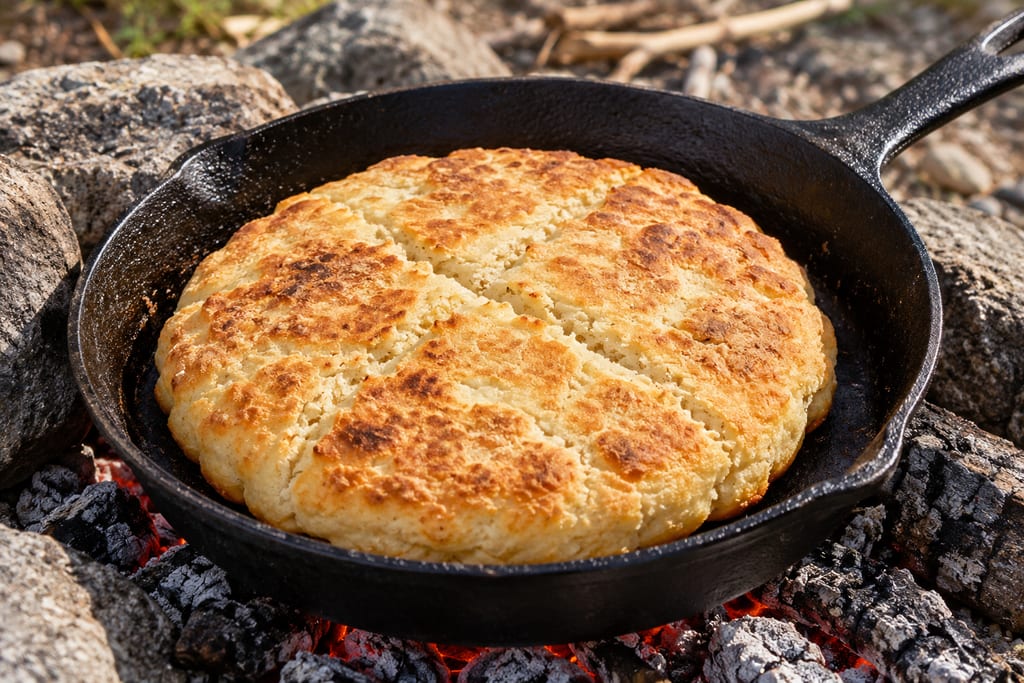
This flour, baking-powder and oil dough is Parks Canada’s contemporary Métis-interpreter version prepared at Rocky Mountain House; its specific recipe origin is unknown.
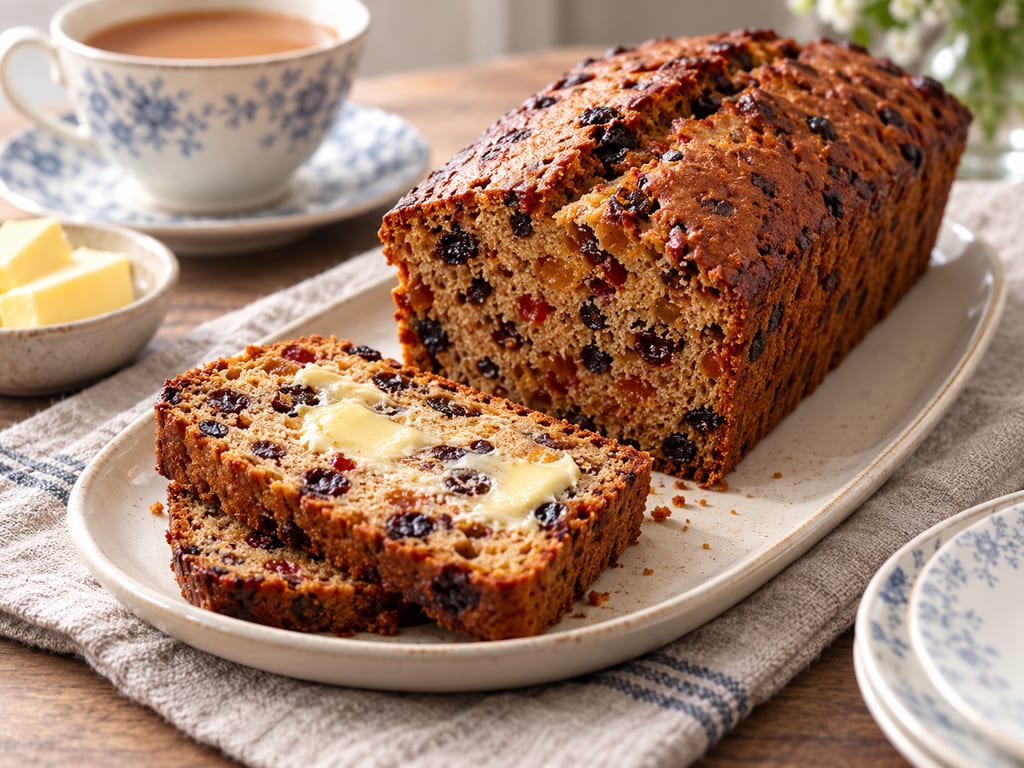
Bara brith is Wales’s speckled fruit loaf, made in both yeasted bread forms and the widely served modern tea-loaf style. This version soaks dried fruit in strong tea before mixing it with self-raising flour, spice, sugar and egg.
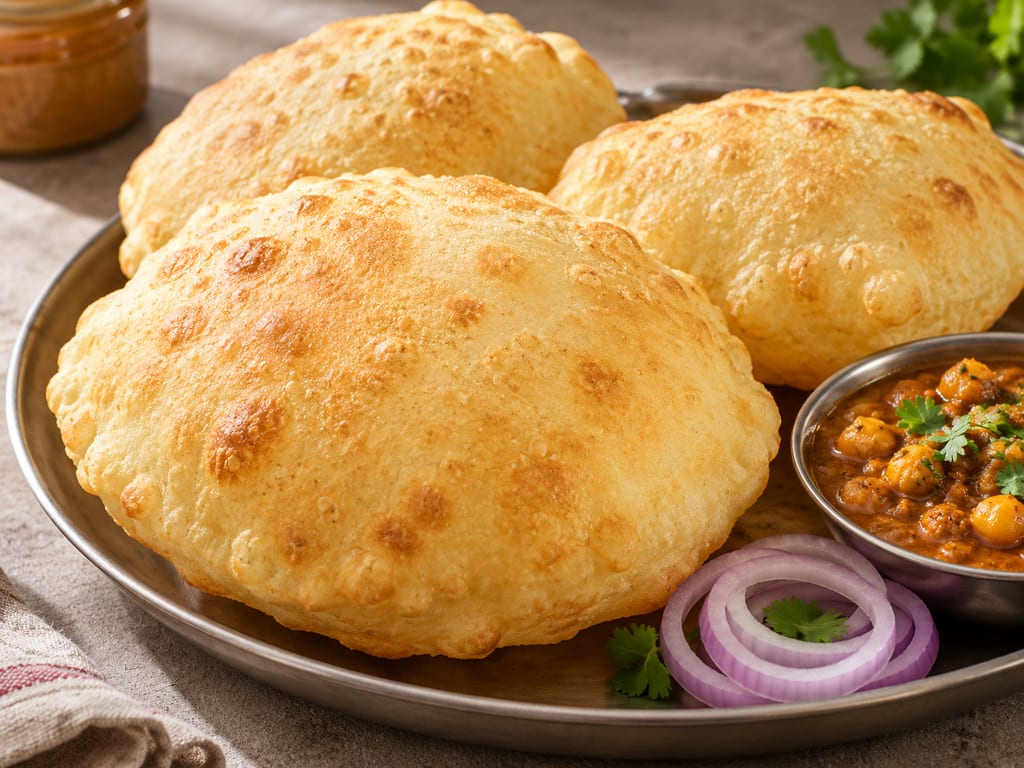
A North Indian fried bread made with yogurt, wheat flour and chemical leaveners. This source batch makes eight.
No community contributions have been published for this entry yet.
Sign in to contribute. Published comments and photos are free to read.
Annie's Chamorro KitchenRecipe · Method · Foodways · Regional identity
Chicken Kelaguen & Flour TitiyasThe July 2013 page identifies kelaguen and titiyas as CHamoru fiesta foods and presents Annie's sweet flour titiyas separately from the chicken recipe.
The flour batch uses 3 cups all-purpose flour, 4 teaspoons baking powder, 1/2 teaspoon salt, 3/4 cup coconut milk, 1/4 cup melted butter and 1/4–1/2 cup cream of coconut.
If cream of coconut is unavailable, the author says to use 1 cup coconut milk and add 1/2 cup white sugar; the page distinguishes cream of coconut from thick coconut cream.
The method gently kneads a smooth dough, forms golf-ball-sized pieces, rolls rounds about 1/8 inch thick, pricks each round, and cooks on a dry skillet over medium-low heat for about 3–4 minutes per side until golden brown.
The author says a thicker option cooks over low heat for 4–5 minutes per side and is done when its center feels somewhat firm; her later comment estimates the batch at about 8–10 servings depending on portion size.
Cited in: One flour titiyas, among several CHamoru forms; The measured sweet flour batch; Mix and gently knead; Portion and roll the rounds; Prick and cook on a dry skillet; Keep warm and serve; Foodways and historical limits; Flour handling and hot-pan care
GuampediaRegional context · History · Variant distinction
Titiyas: FlatbreadGuampedia distinguishes harina (sweetened wheat flour), mai'es (corn), faddang (Federico palm nut), månha (young coconut) and breadfruit titiyas.
It associates wheat-flour titiyas with coconut cream after imported wheat became available later in the eighteenth century, while not dating Annie's exact formula.
The cited 1602 account says Fray Juan Pobre planted corn on Rota and does not explain how corn was prepared.
The page documents Guam fiesta use and historical/current preparation contexts; its distinct masa-harina-and-water recipe is not combined with Annie's wheat dough.
Cited in: One flour titiyas, among several CHamoru forms; The measured sweet flour batch; A second modern flour card; Foodways and historical limits
Stars and Stripes GuamSecond home method · Context
Chicken Kelaguen and Flour TitiyasThe card credited to Annette Merfalen uses wheat flour, baking powder, coconut milk, butter and salt; the dough is rolled thin and cooked on a dry skillet.
Cited in: A second modern flour card
Centers for Disease Control and PreventionFood safety guidance
Raw Flour and DoughCDC says uncooked flour can contain germs, advises against eating raw dough, recommends following recipe cooking directions, and calls for washing hands, bowls, utensils and counters after handling flour or dough.
Cited in: Flour handling and hot-pan care