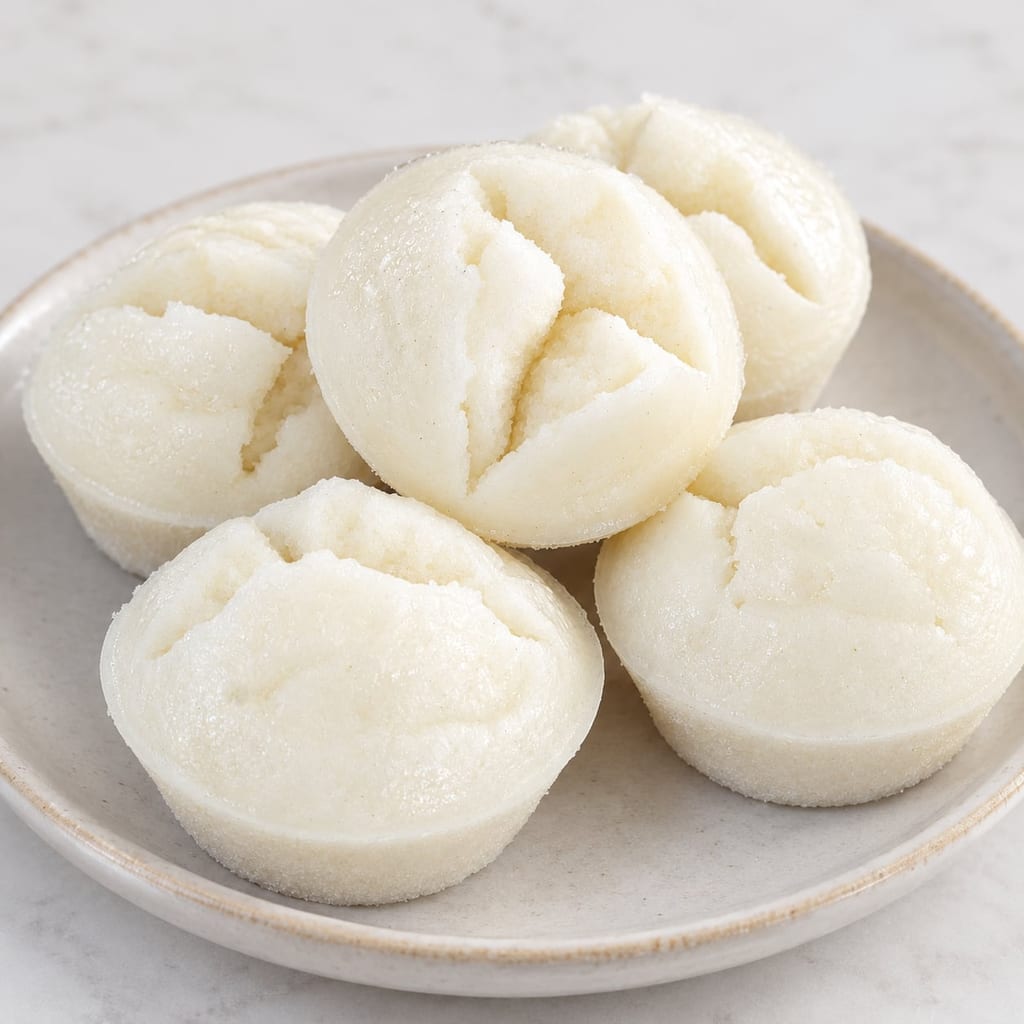
Puto is a broad Filipino steamed-cake family. This recipe follows Kawaling Pinoy's putong bigas made from prepared rice flour, coconut milk and baking powder. The author recommends chilling the batter overnight for texture but says it can also be steamed without that rest. The rest is refrigerated and does not turn this formula into a fermented batter.
The same source distinguishes traditional putong puti made by soaking and grinding rice into galapong, which ferments before steaming. It also notes wheat-flour versions. Those methods have different ingredients and processes; neither is represented by this measured rice-flour batch.
The source's recipe card lists 10 minutes of steaming, while the detailed instructions say about 15 minutes or until a toothpick inserted in the centre comes out clean. This method retains that disagreement and follows the more detailed instruction with its doneness check. The author suggests serving the cakes plain or with dinuguan, pancit palabok or chicken sopas.
Kawaling Pinoy describes puto as a popular Filipino steamed rice cake and distinguishes this rice-flour method from the broader family: it describes traditional putong puti made from soaked rice ground to fermented galapong, as well as wheat-flour versions. This recipe uses prepared rice flour and baking powder, not fermented rice batter or wheat.
Ingredients
Yield 36 cakes · Scaling: source batch only
Rice flourUse ordinary rice flour, not glutinous rice flour.
Uncooked flour can carry harmful germs; tasting the batter before steaming is unsafe.
Hazard source
Hot steam
Opening a covered steamer releases hot steam that can scald.
Hazard source
Do not taste raw batter. Steam the cakes as directed until a toothpick inserted in the centre comes out clean; wash hands, bowls, utensils and surfaces after handling the flour and batter.
Control source
Keep the mixed batter refrigerated overnight. Refrigerate cooked leftovers in a covered container within 2 hours and use within 3 days, following the recipe's storage note and USDA leftover guidance.
Control source
Do not taste uncooked rice-flour batter. Open the steamer away from your face to avoid hot steam.
Whisk the rice flour, sugar, baking powder and salt in a bowl until evenly distributed.
Add the water and coconut milk. Stir until smooth, then pass the batter through a fine-mesh sieve to remove lumps.
Cover the batter and refrigerate it overnight. The recipe author says it can be steamed as soon as it is mixed, but recommends the chilled rest for a softer, fluffier and less crumbly texture.
Set out small heatproof molds; greasing is unnecessary. Fill each mold to about three-quarters full.
Put water in the lower part of a steamer and bring it to a boil. Arrange the filled molds in a single layer on the basket above the water. Wrap the lid with cheesecloth or cotton to catch condensation, then cover the steamer.
Steam for about 15 minutes, or until a toothpick inserted in the centre comes out clean. Remove the molds from the heat and let the cakes cool enough to unmold gently.
Serve on their own or with dinuguan, pancit palabok or chicken sopas.
Conditions
Yield36 cakes
Active time20 min
Temperature controlMulti-stage
Places
Philippines
Documented preparation · Country evidence
The recipe page describes this as a Filipino steamed rice cake without a more precise place association.
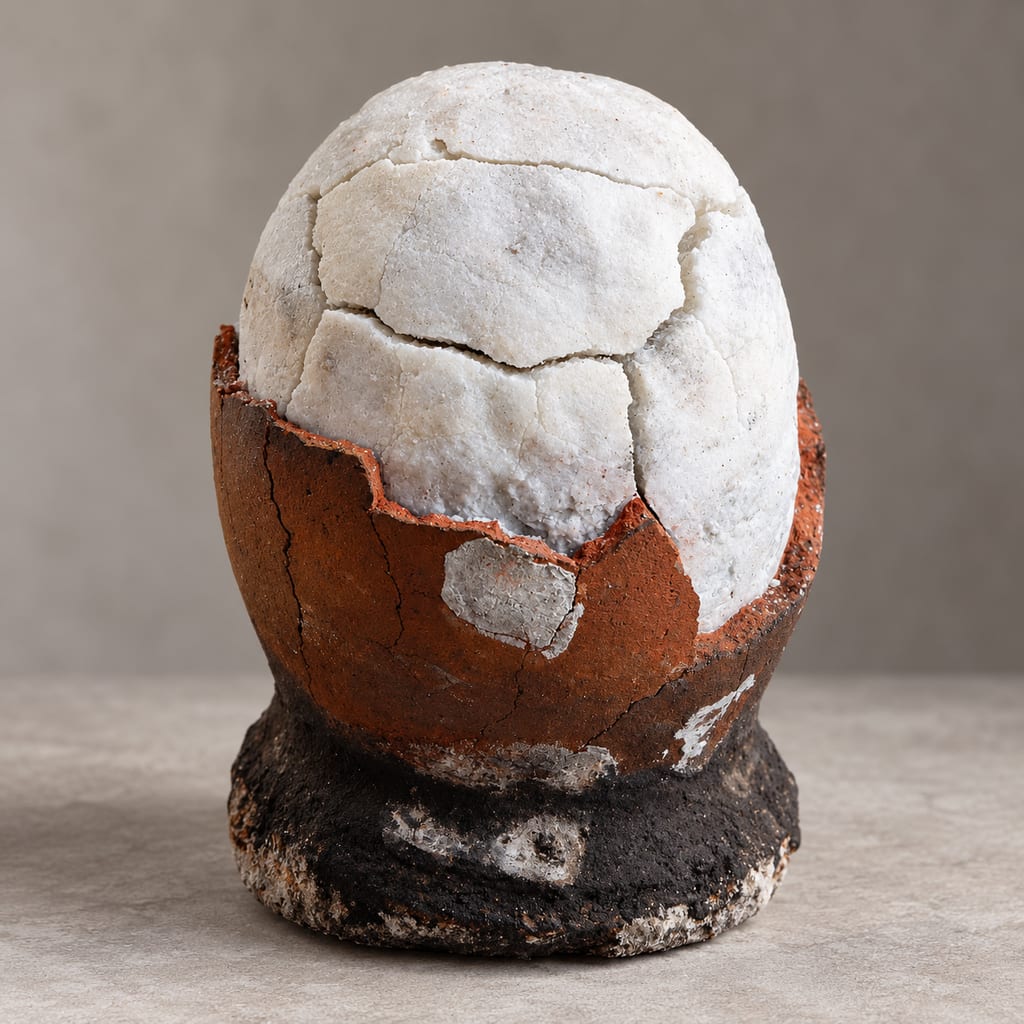
Asin tibuok is a Boholano salt-making craft that turns seawater-soaked coconut husks into a salt-rich ash, brine and formed sea salt in specialized clay pots. This record follows one published account of the community process; it is not a validated household formula.
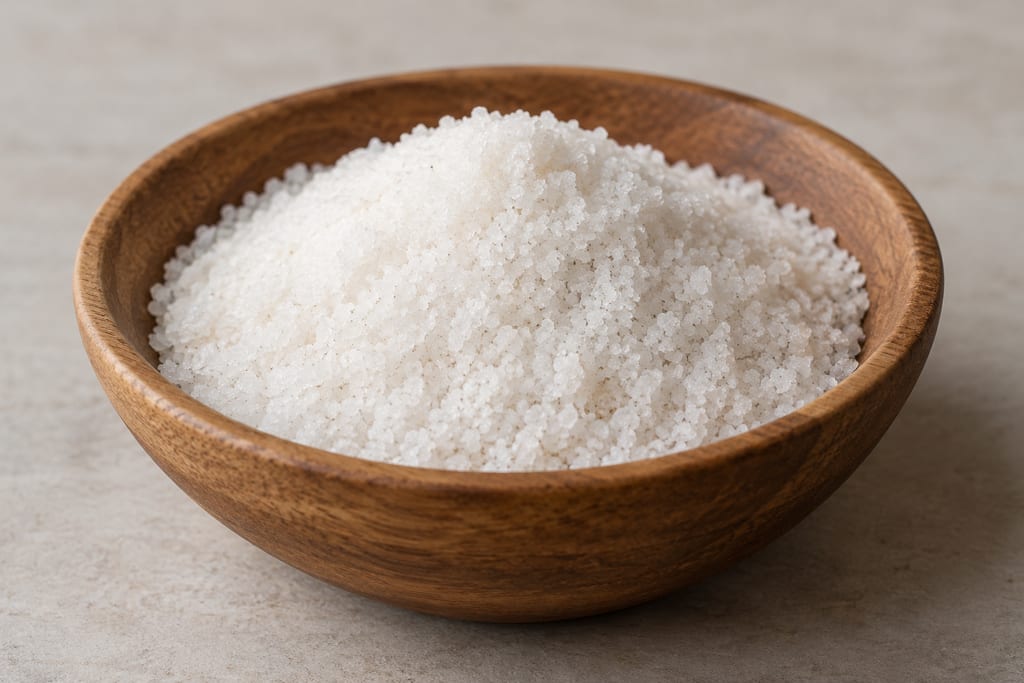
Asin sa buy-o is a fine sea salt made in Panayunan, Botolan, and packed in a woven nipa pouch called a buy-o. Salt-bearing coastal earth is leached with seawater, and the brine is boiled to crystals.
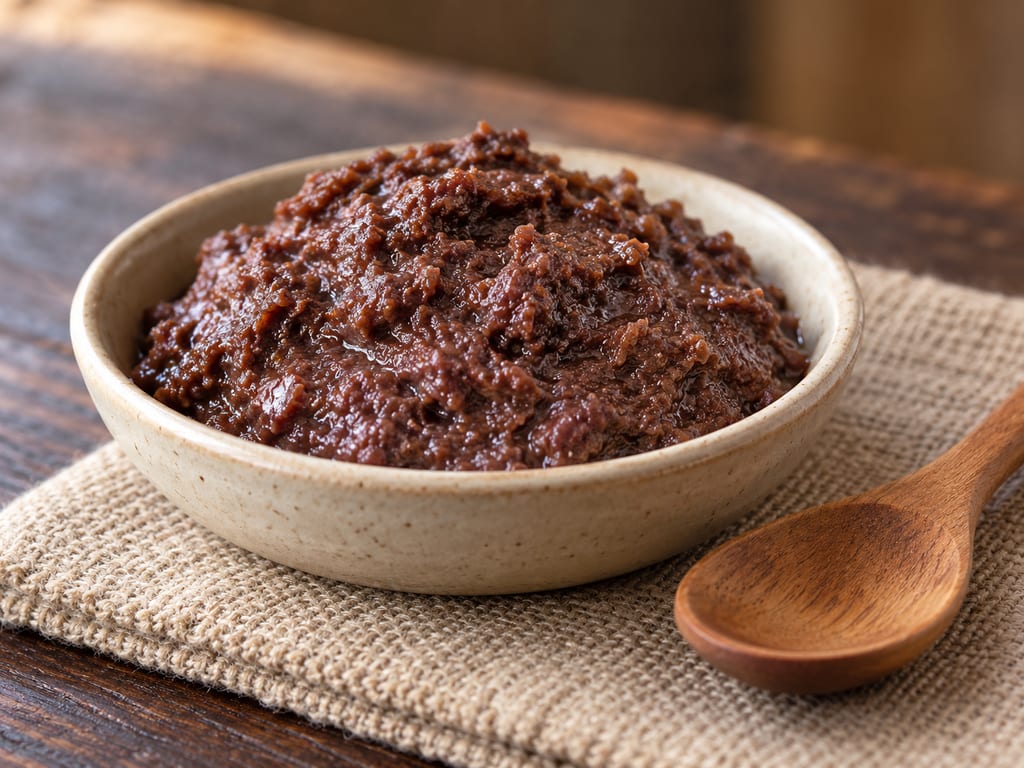
Bagoong isda is a Philippine fish paste: whole small fish salted and left to ferment for a month or more in earthen jars. It is the fish counterpart of bagoong alamang.
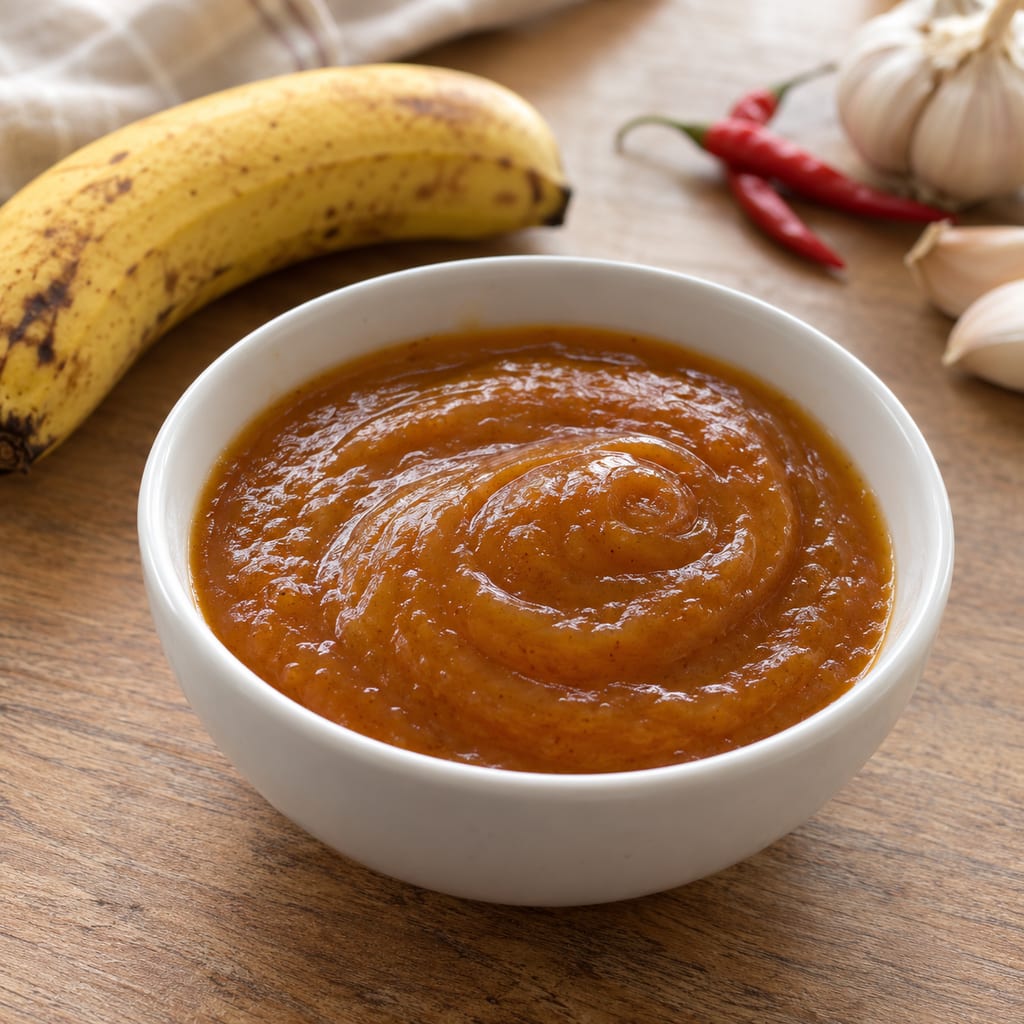
A sweet-hot table sauce of ripe banana simmered with vinegar, sugar, onion, garlic and fresh chilli, in the manner of Philippine banana ketchup. An untested development batch of about 500 g.
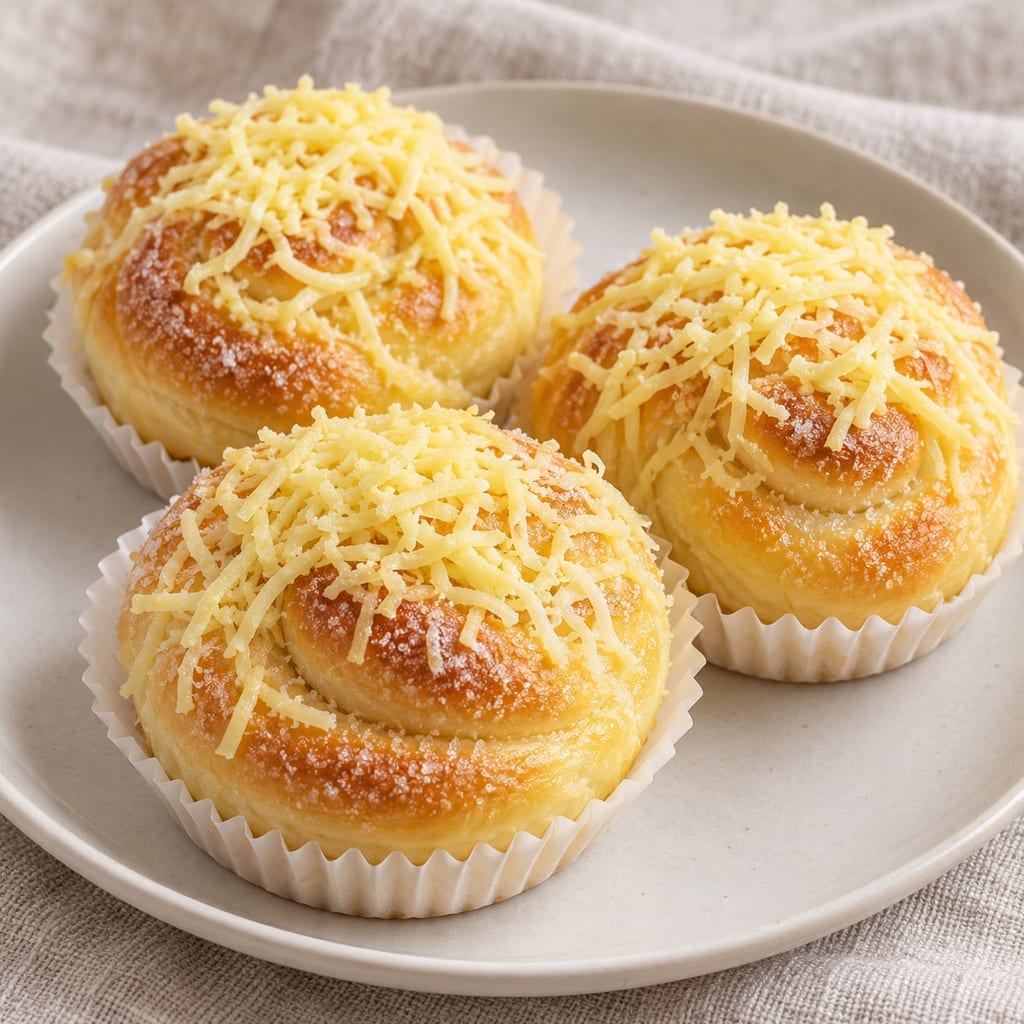
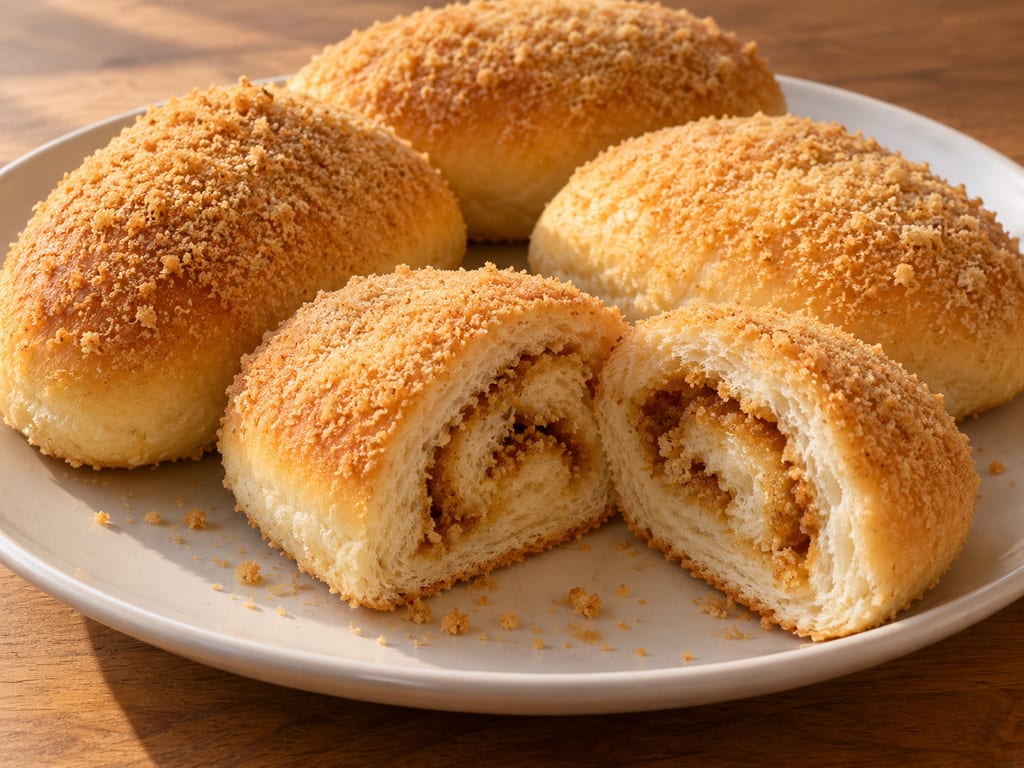
Soft Filipino ensaymada coils use enriched yeast dough, then receive butter, sugar and grated cheese. This modern Filipino version differs from Mallorcan ensaïmada and other Philippine regional formulas.
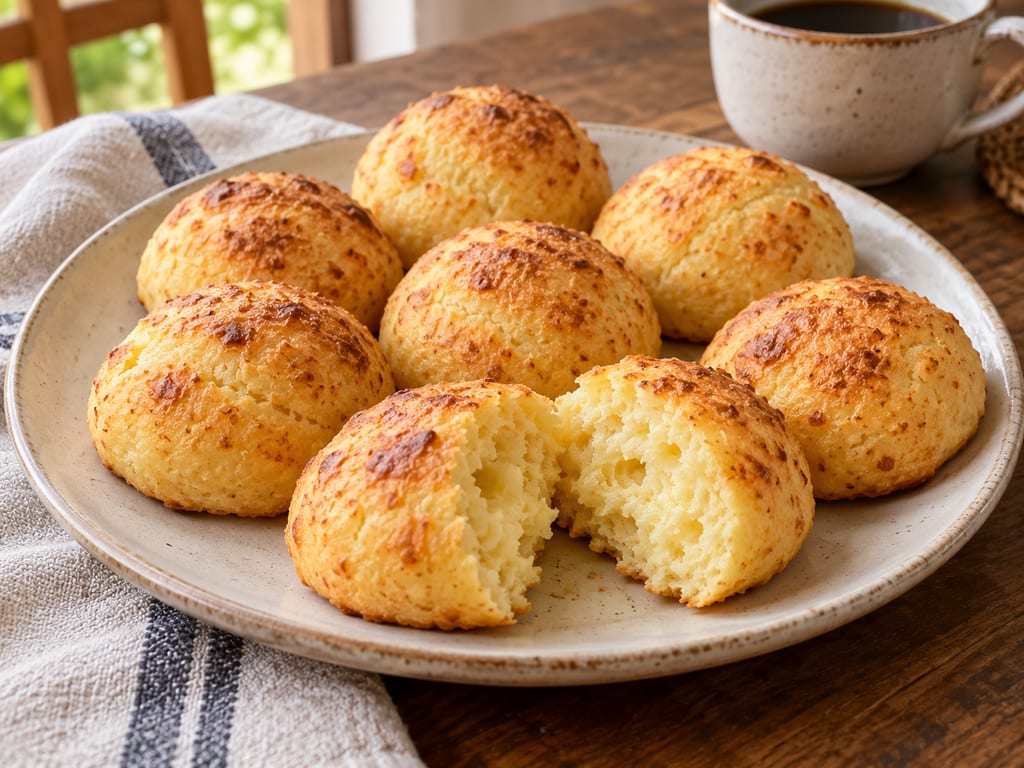
Small Colombian cheese breads made with precooked corn flour, queso fresco, mozzarella, eggs, milk and baking powder. This documented home version makes eight breads and is served warm.
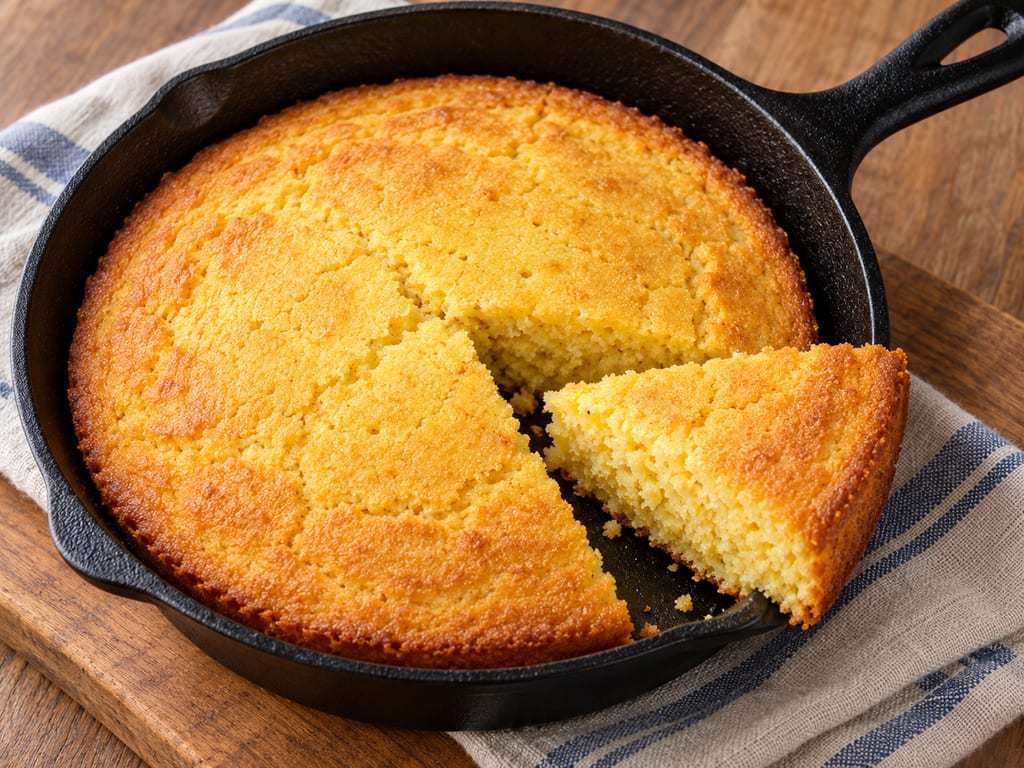
A modern cornmeal-and-wheat cornbread that King Arthur Baking describes as a compromise between Northern and Southern styles. The batter is baked in a pan or as muffins and served warm.
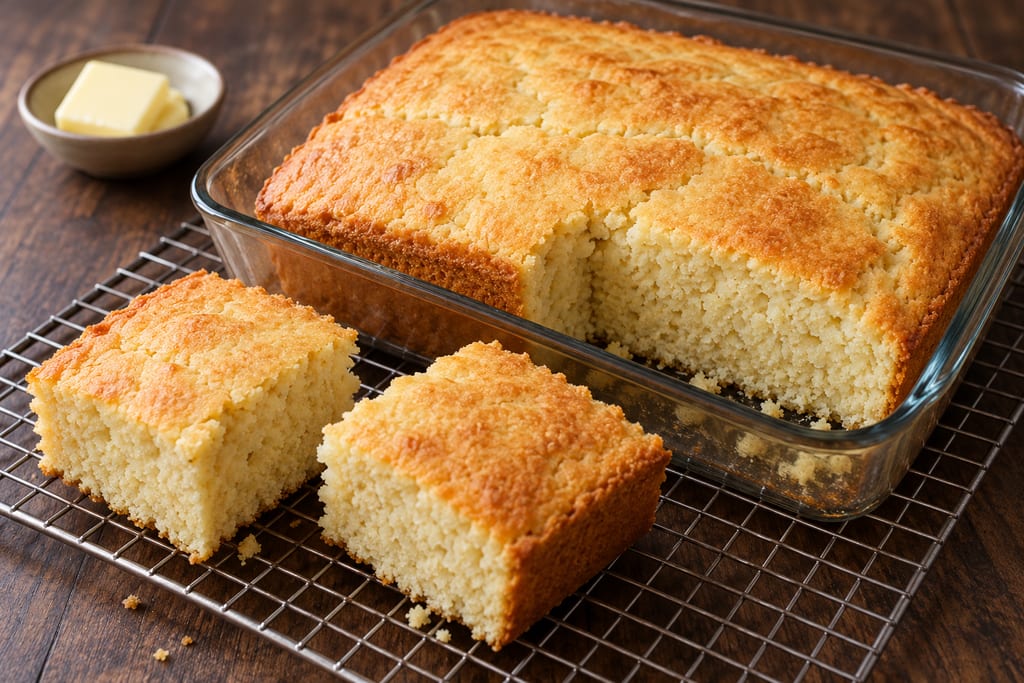
A soft, butter-rich Bahamian-style baked johnnycake made from flour, baking powder, sugar, butter and milk. The dough rests briefly in a square pan before baking.
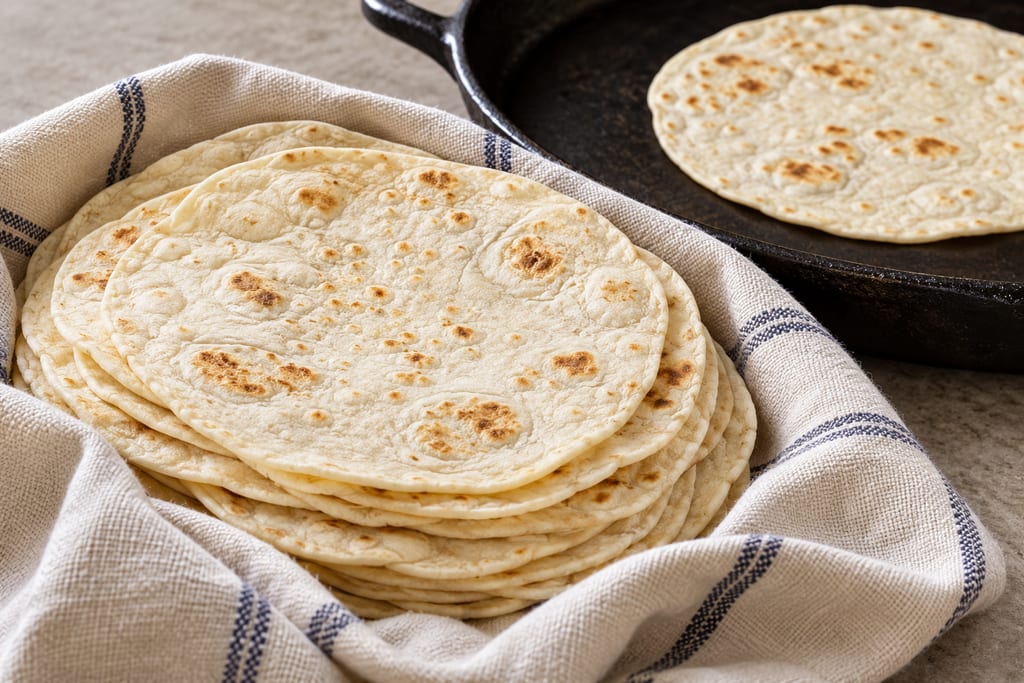
Soft wheat-flour rounds from an INCAP Honduran baleada recipe are rolled thin and cooked on a dry skillet; this record covers tortillas, not the filled dish.
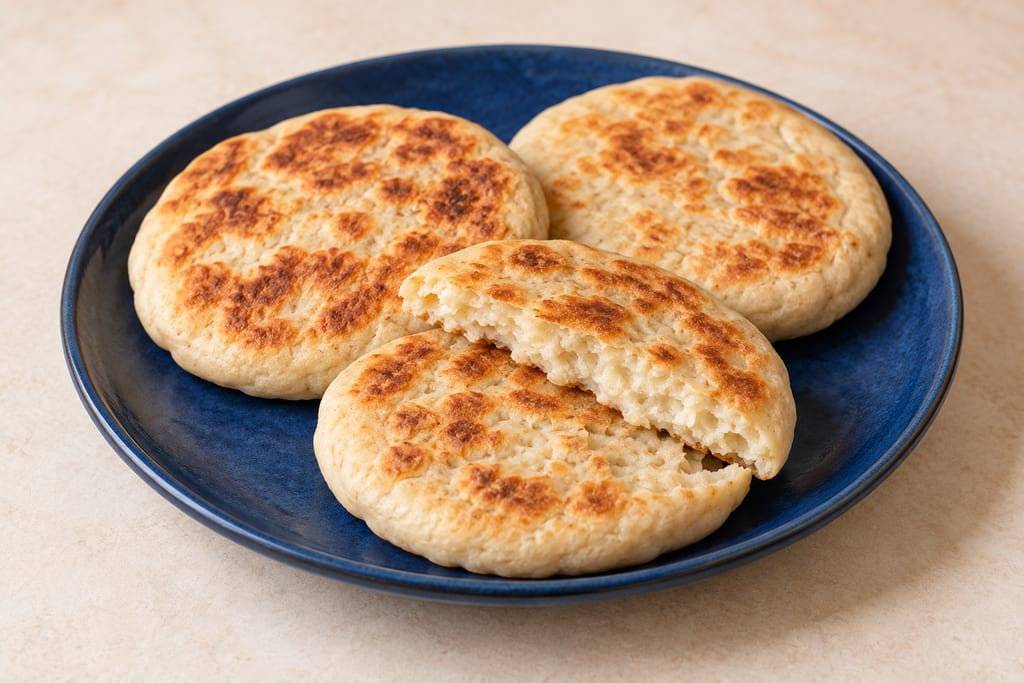
A Central Tibetan style pan bread made from flour, water and baking powder. Four dough balls are rested, rolled into rounds and cooked covered in a skillet, turning them several times.
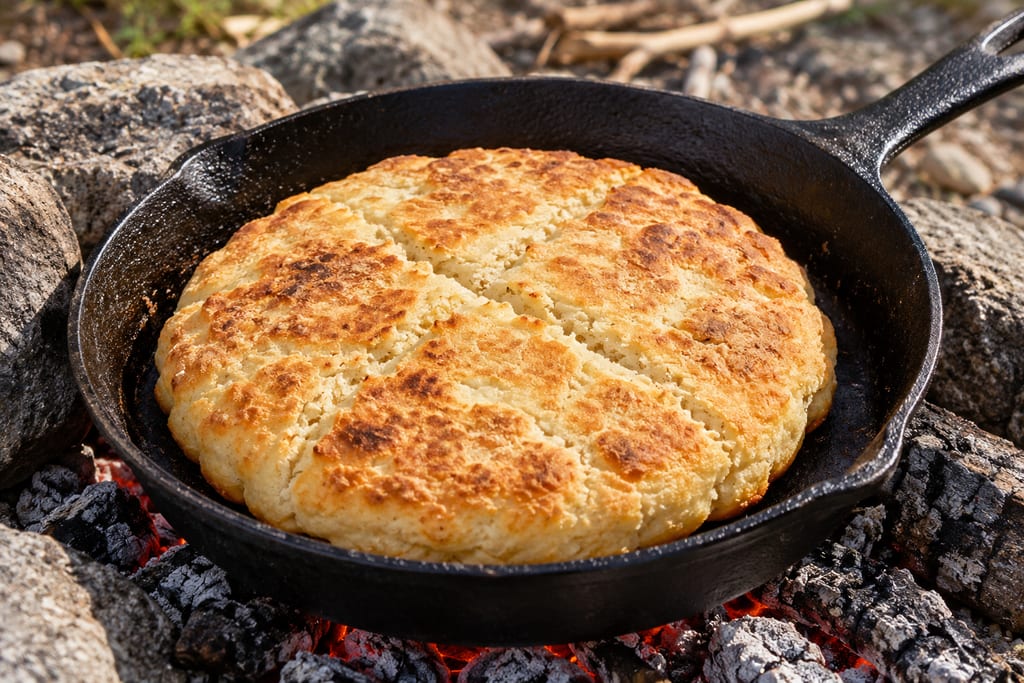
This flour, baking-powder and oil dough is Parks Canada’s contemporary Métis-interpreter version prepared at Rocky Mountain House; its specific recipe origin is unknown.
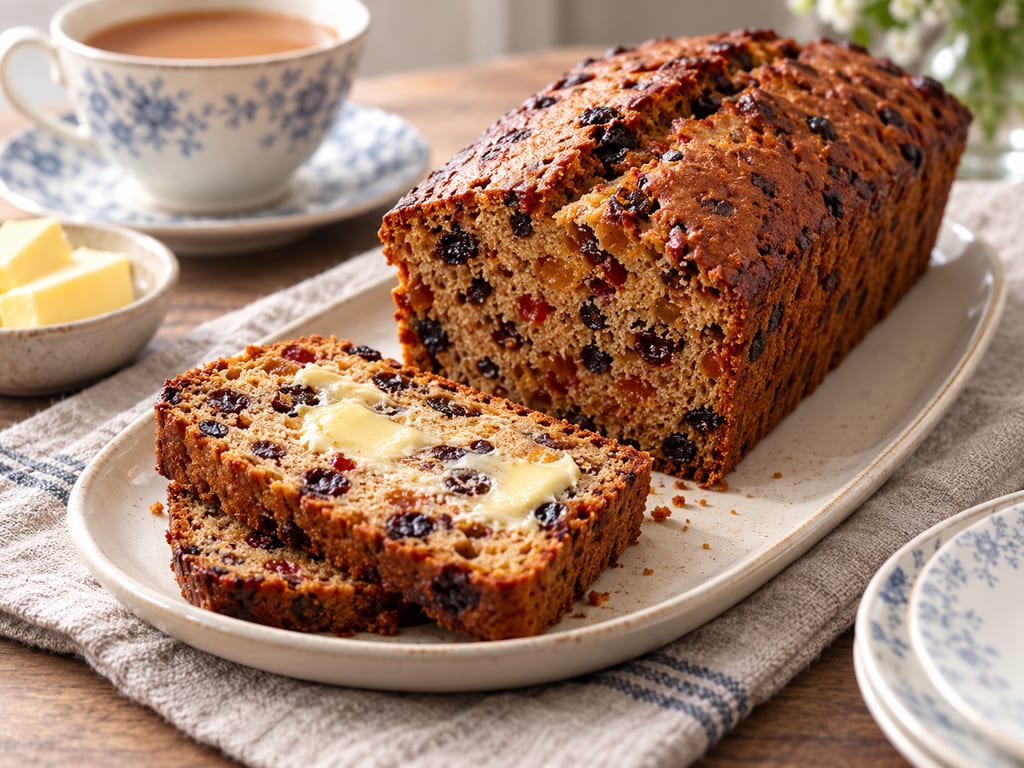
Bara brith is Wales’s speckled fruit loaf, made in both yeasted bread forms and the widely served modern tea-loaf style. This version soaks dried fruit in strong tea before mixing it with self-raising flour, spice, sugar and egg.
The measured rice-flour formula yields three dozen cakes and uses 4 cups rice flour, 1 1/2 cups sugar, 2 tbsp baking powder, 1/2 tsp salt, 2 cups water and one 13.5 oz can of coconut milk.
The method combines and strains the batter, refrigerates it overnight for texture, fills molds three-quarters full and steams for about 15 minutes or until a toothpick comes out clean.
The page distinguishes this rice-flour chemically raised version from fermented galapong putong puti and wheat-flour puto. The card says 10 minutes while the method text says about 15 minutes; the difference is not silently resolved.
The page recommends airtight refrigerated storage for up to 3 days and suggests serving with dinuguan, pancit palabok or chicken sopas.