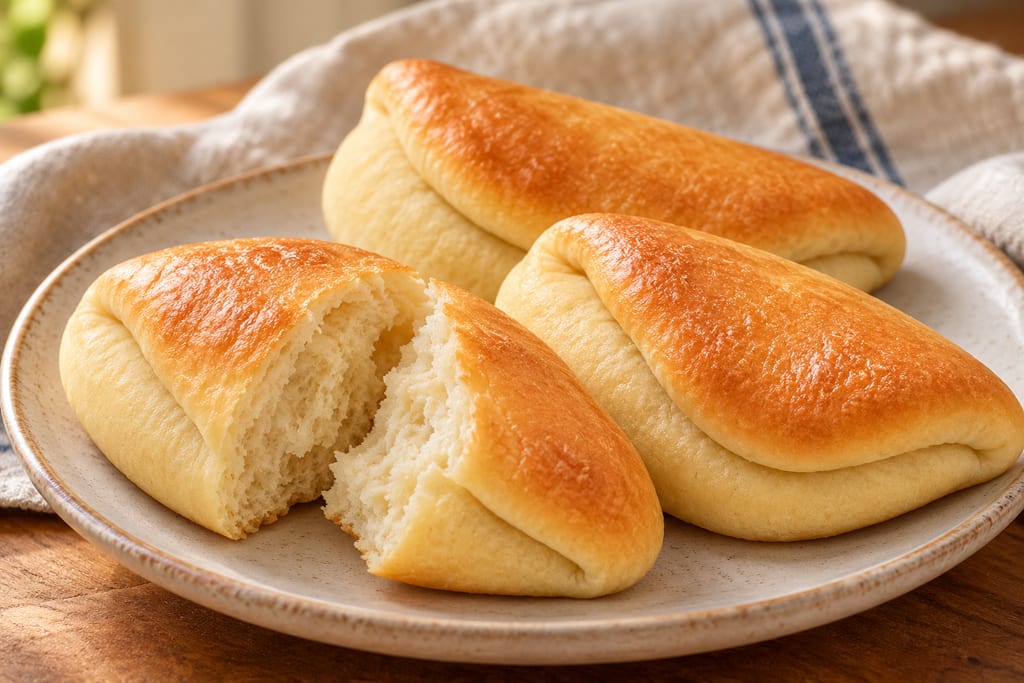
Coco bread (Immaculate Bites version)
Jamaican-style folded rolls made from sweet coconut-milk yeast dough and brushed with butter.
 FermenteaWhere food goes to change
Modern method
hardo bread
Jamaican hard dough bread is a firm, close-crumbed yeasted wheat loaf with a thicker crust and a soft, chewy interior. Roll the dough tightly and bake it in a loaf tin.
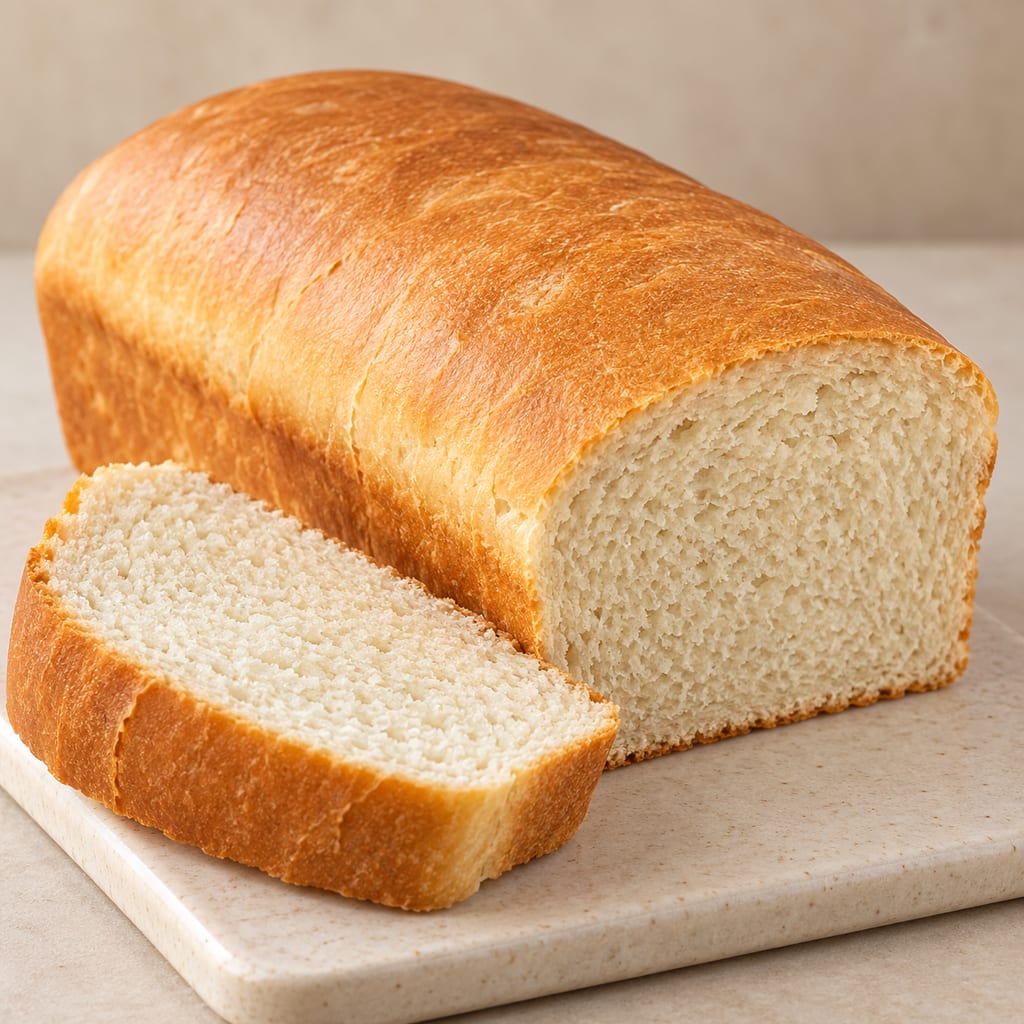
Edward Bottone describes Jamaican hard dough bread as an everyday loaf with a close crumb and thicker crust, while remaining soft and chewy inside. His measured home recipe adapts a formula from Enid Donaldson's Real Taste of Jamaica. It uses all-purpose wheat flour, yeast, a small amount of butter or shortening, and one rise before shaping followed by a shorter rise in the pan.
The dough is firmer than a high-hydration rustic loaf. Knead until smooth, roll it tightly, and tuck the ends beneath the loaf so it fits the tin. The source also gives an alternative roll shape, but this batch follows its one-loaf method. No first attestation, precise birthplace, or storage duration is established by the inspected material.
Edward Bottone's contemporary recipe calls Jamaican hard dough bread an everyday bread in Jamaica and says his method adapts Enid Donaldson's Real Taste of Jamaica. It does not establish an earliest date.
Yield 1 loaf · Scaling: source batch only
Uncooked flour can carry germs, and this dough is handled before baking.
Hazard sourceDo not taste the raw dough. Bake it according to the recipe, then wash hands, bowls, utensils, and work surfaces after handling flour or dough.
Control sourceThe source provides approximate proofing and baking times; use the stated dough-temperature and loaf-doneness cues, and avoid eating the dough before it is baked.
Use care around the hot oven and pan.
The source describes Jamaican hard dough as an everyday bread in Jamaica; no more precise regional origin is claimed.
Jamaican-style folded rolls made from sweet coconut-milk yeast dough and brushed with butter.
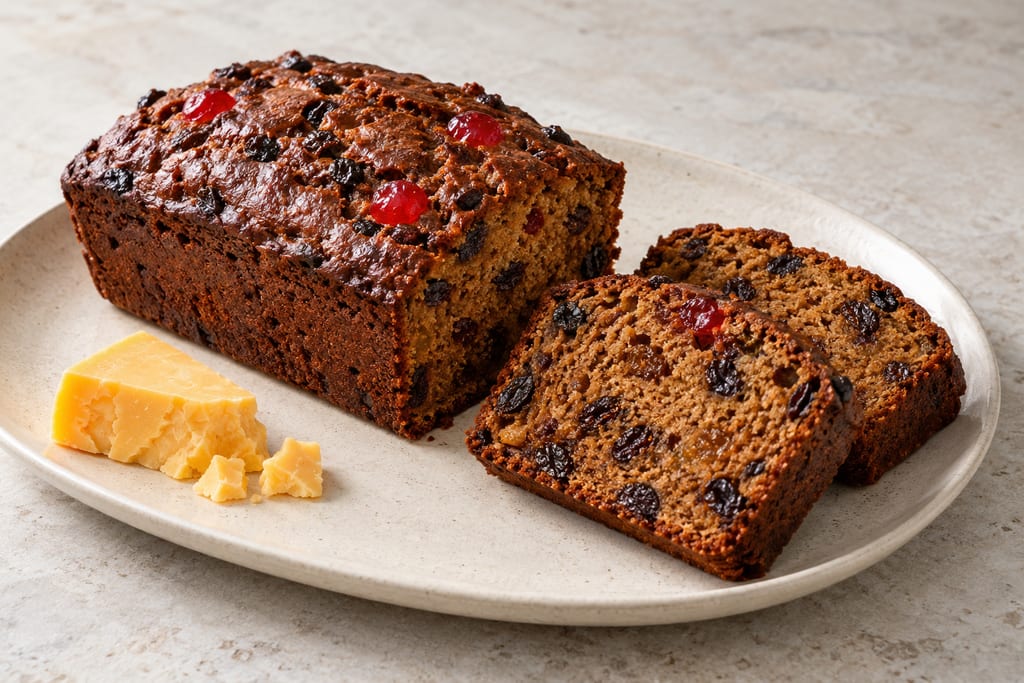
A Jamaican Easter loaf made from a dark, sweet batter of stout, dried fruit and warm spices. This version uses baking powder and a loaf pan; yeast-raised variations are separate preparations.
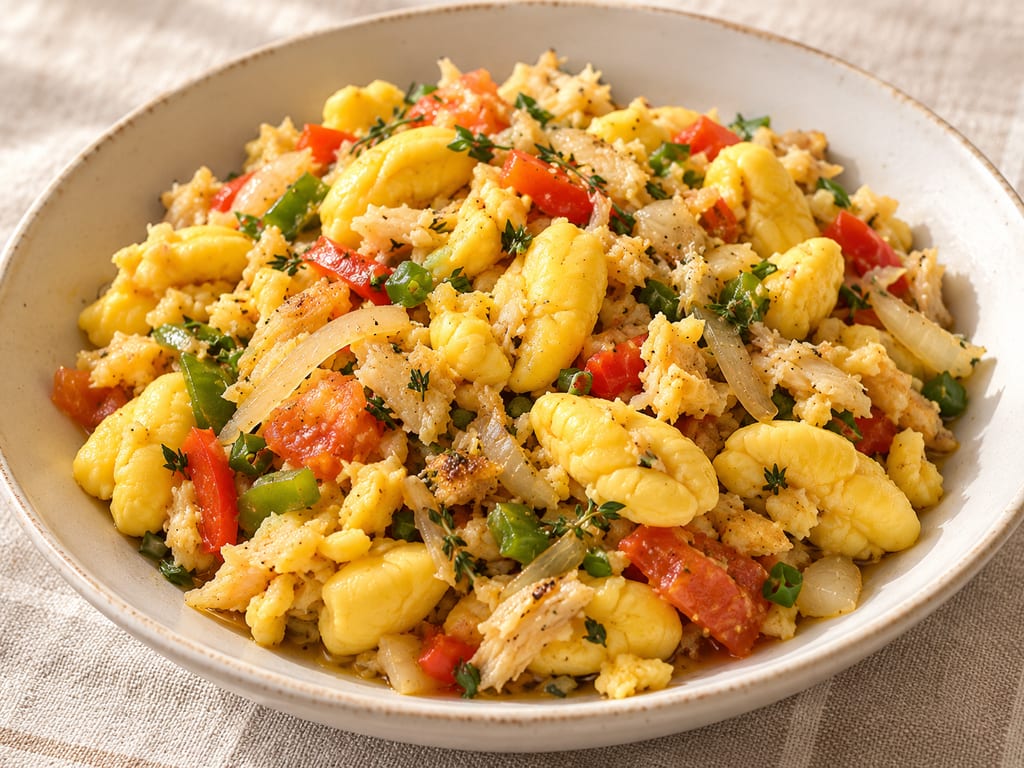
Jamaica's best-known dish: salt-cured cod desalted and flaked, then folded through ackee arils with onion, tomato, sweet pepper, thyme and Scotch bonnet.
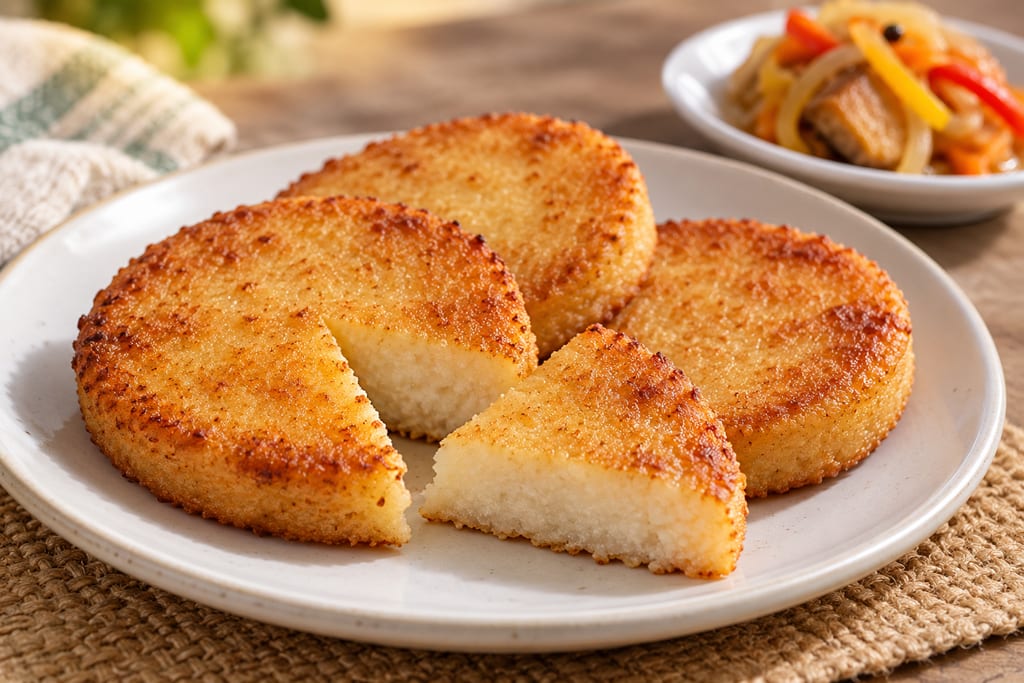
A serving method for approved, prepared bammy rounds: soak them in coconut milk and refry until golden. It does not process raw cassava.
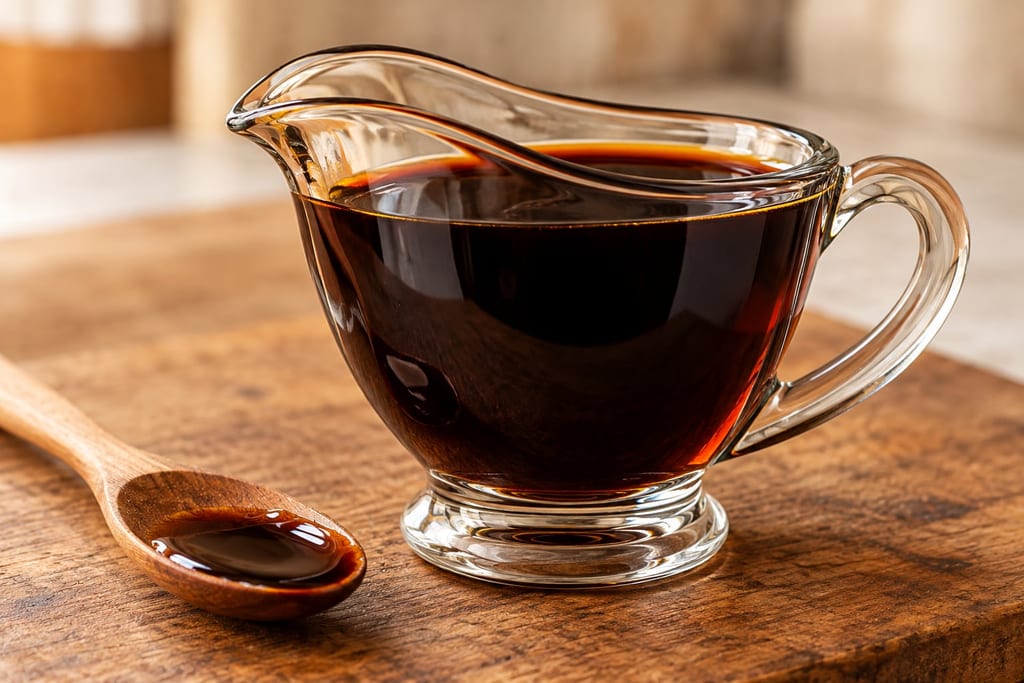
Caribbean browning is a dark liquid of deeply caramelised sugar, used in small amounts for colour and a smoky, bitter-sweet flavour in stews and black cake.
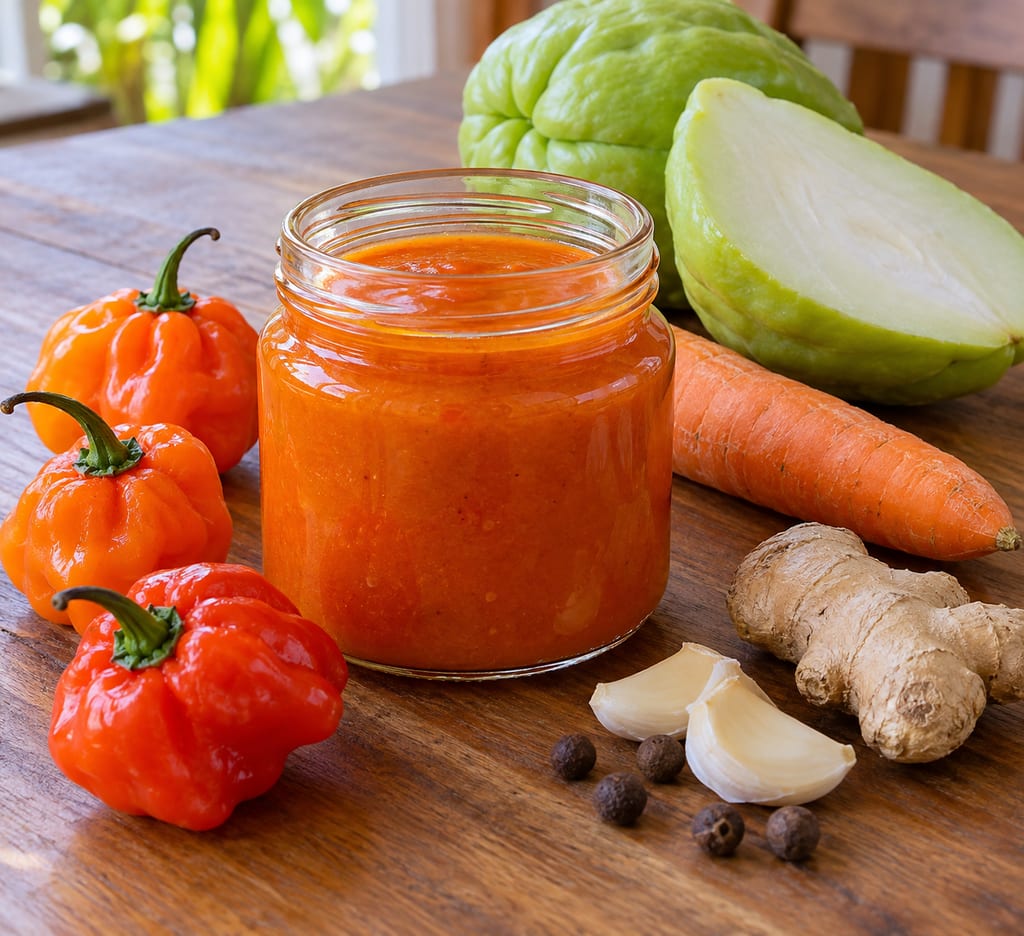
This Jamaican recipe cooks Scotch bonnet peppers with carrot, cho cho, onion, garlic, ginger, allspice and vinegar, then blends and strains the mixture.
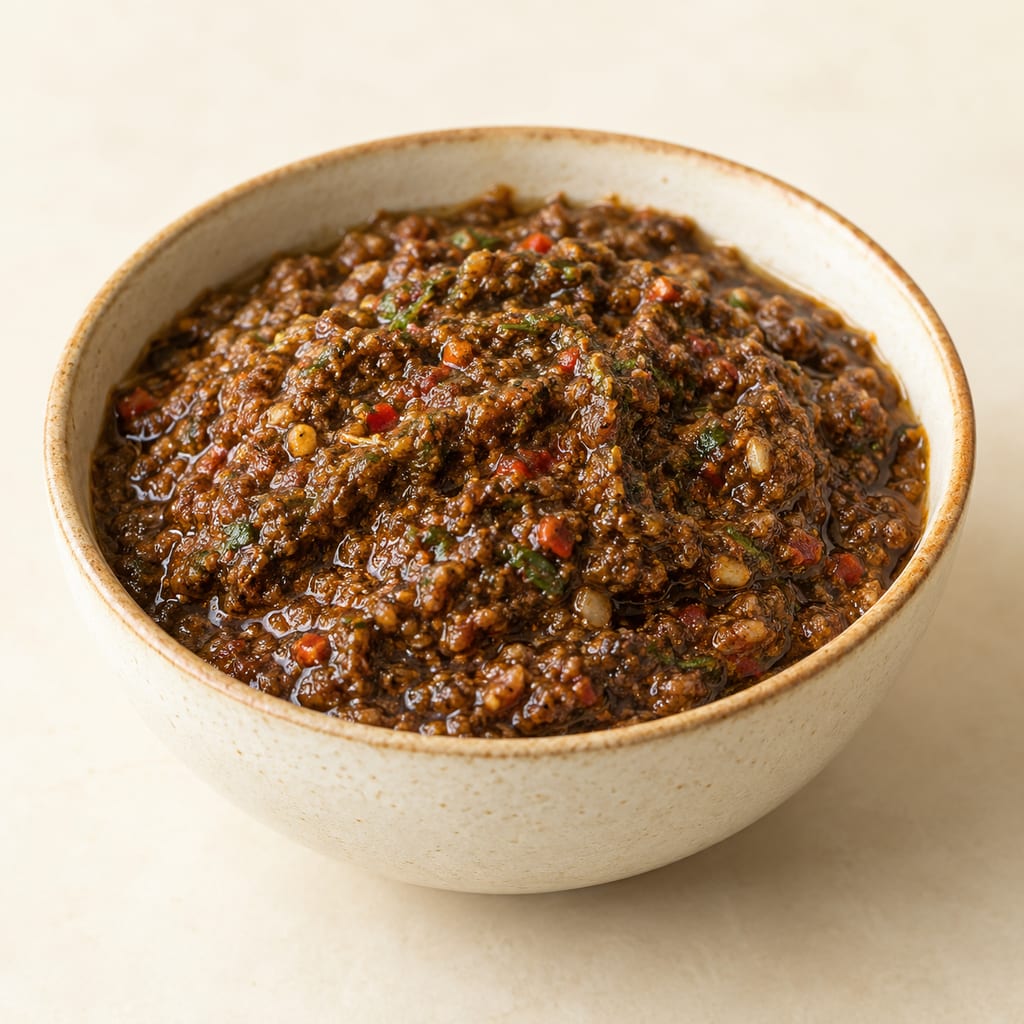
A Jamaican wet jerk paste of ground allspice, Scotch bonnet pepper, thyme, scallion, garlic, ginger and nutmeg, loosened with soy sauce, oil, vinegar and lime, used to marinate meat, fish or tofu before cooking.
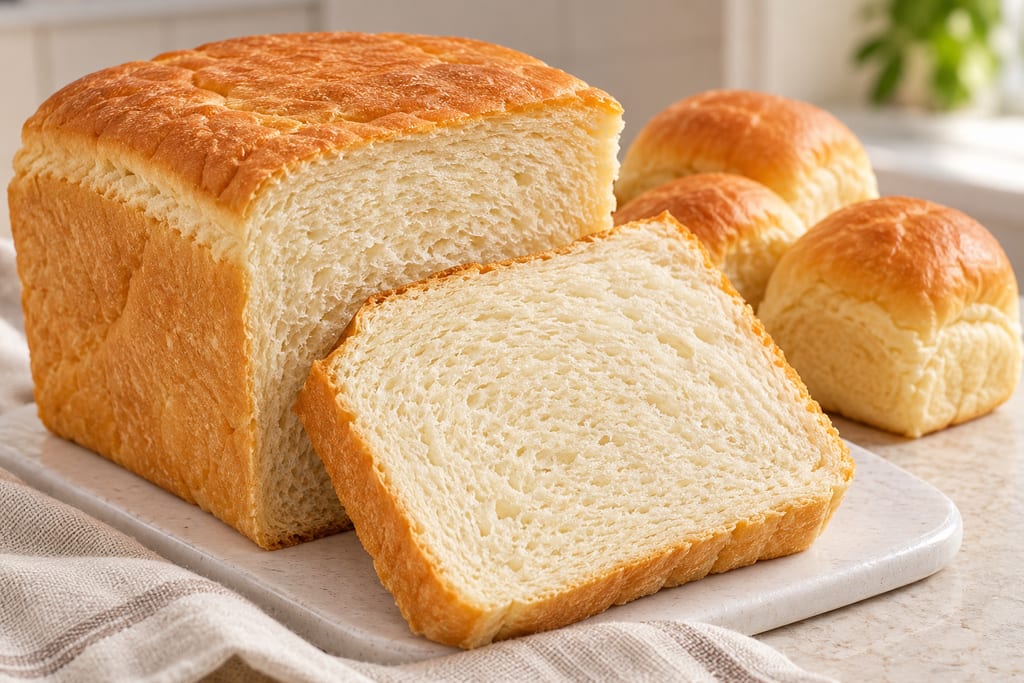
This softer home-style Agege bread uses a scalded flour paste, an enriched yeast dough and a 9×5-inch loaf pan, with rolls from the extra dough.
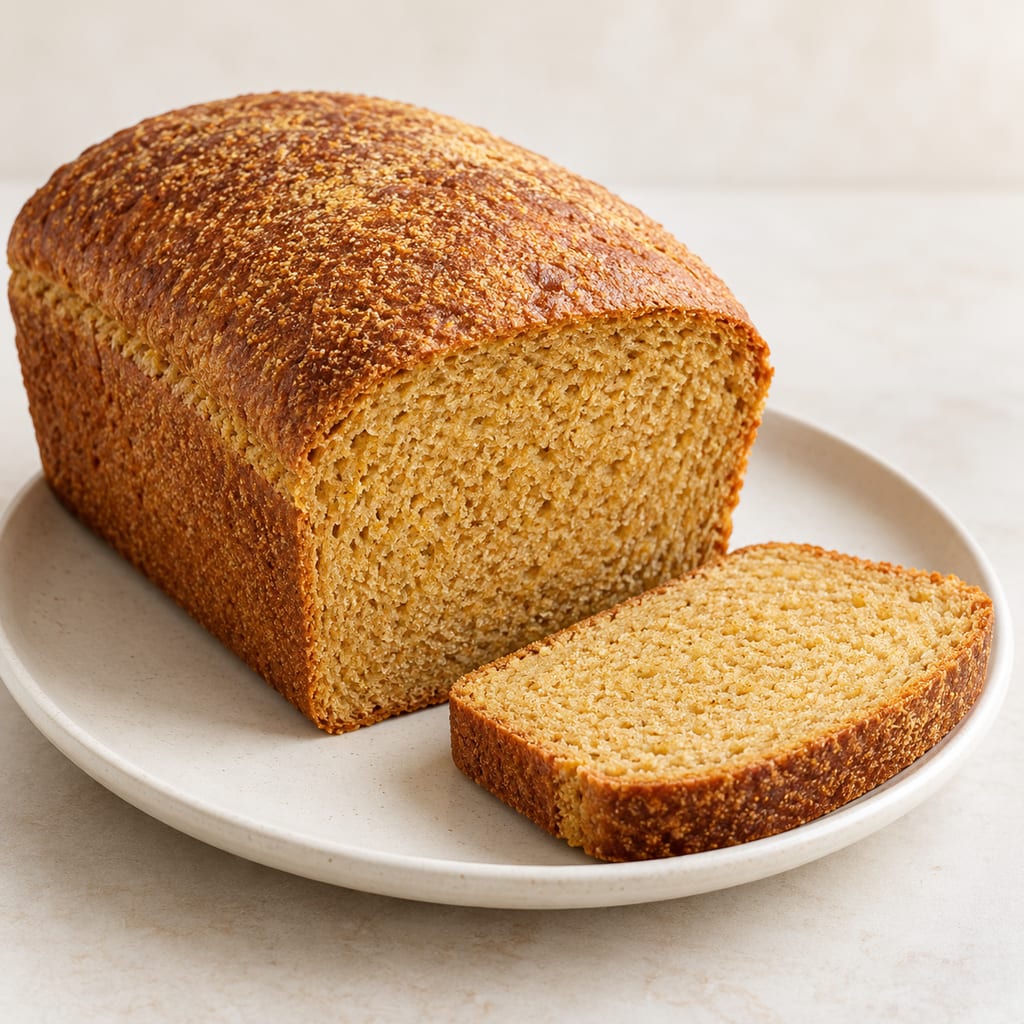
Anadama is a New England yeast loaf made with wheat flour, cornmeal and molasses. Scalded cornmeal enriches the dough, while molasses lends sweetness and a dark crust; it is especially good toasted or beside soup and baked beans.

A yeast-raised wheat ring shaped from a firm dough, briefly boiled and baked. This source-batch formula gives a gently malted crust and a chewy crumb.
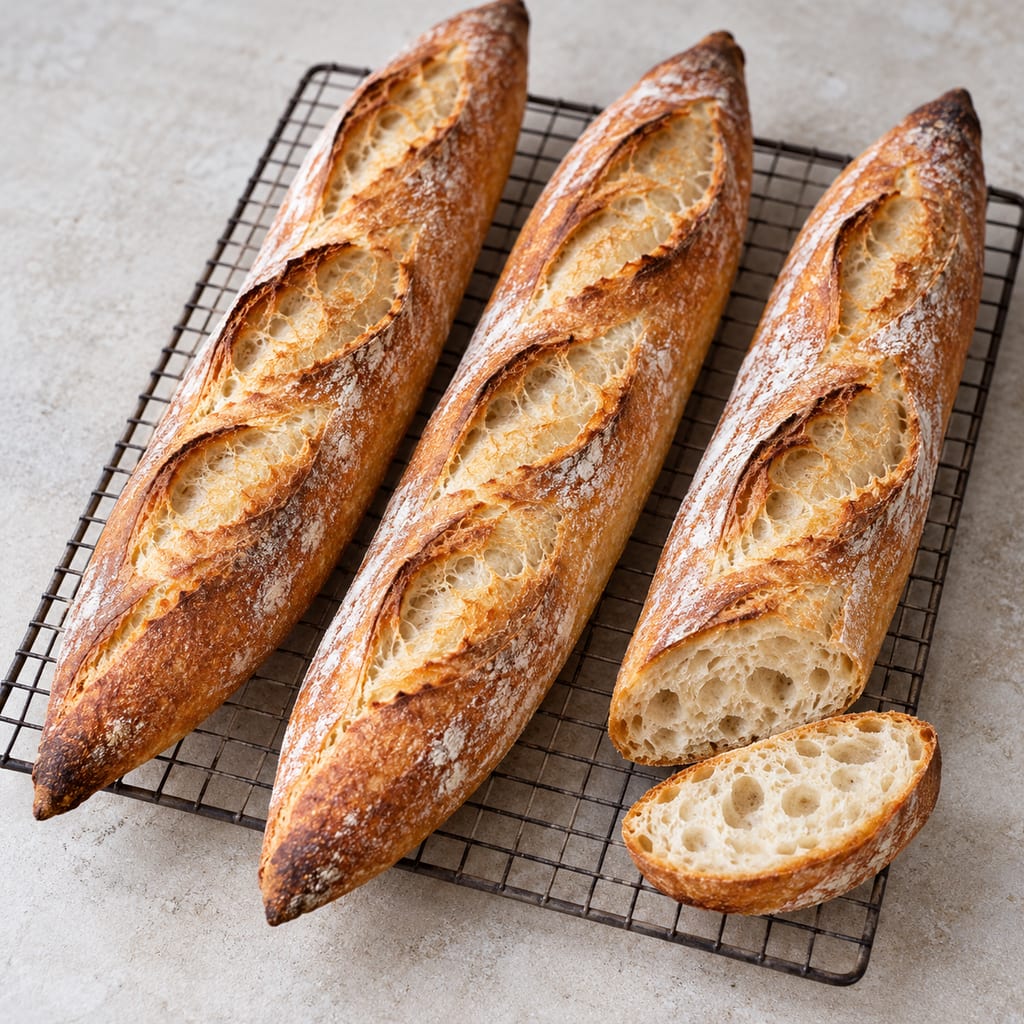
Three long, crusty wheat loaves made with an overnight yeast poolish, shaped by hand and baked with steam for a crisp crust.
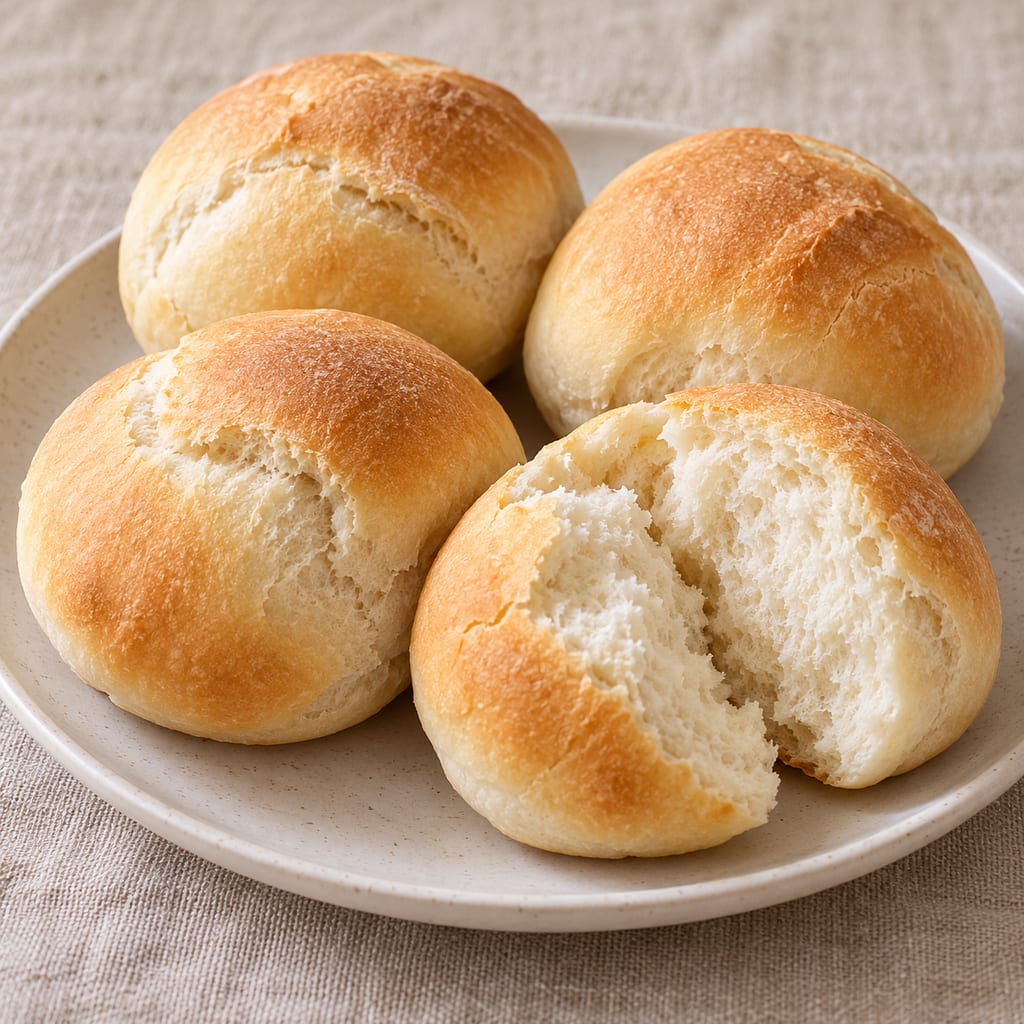
A lightly salted, yeast-raised Barbadian roll, baked in a dozen-roll home batch and often split for cutters.
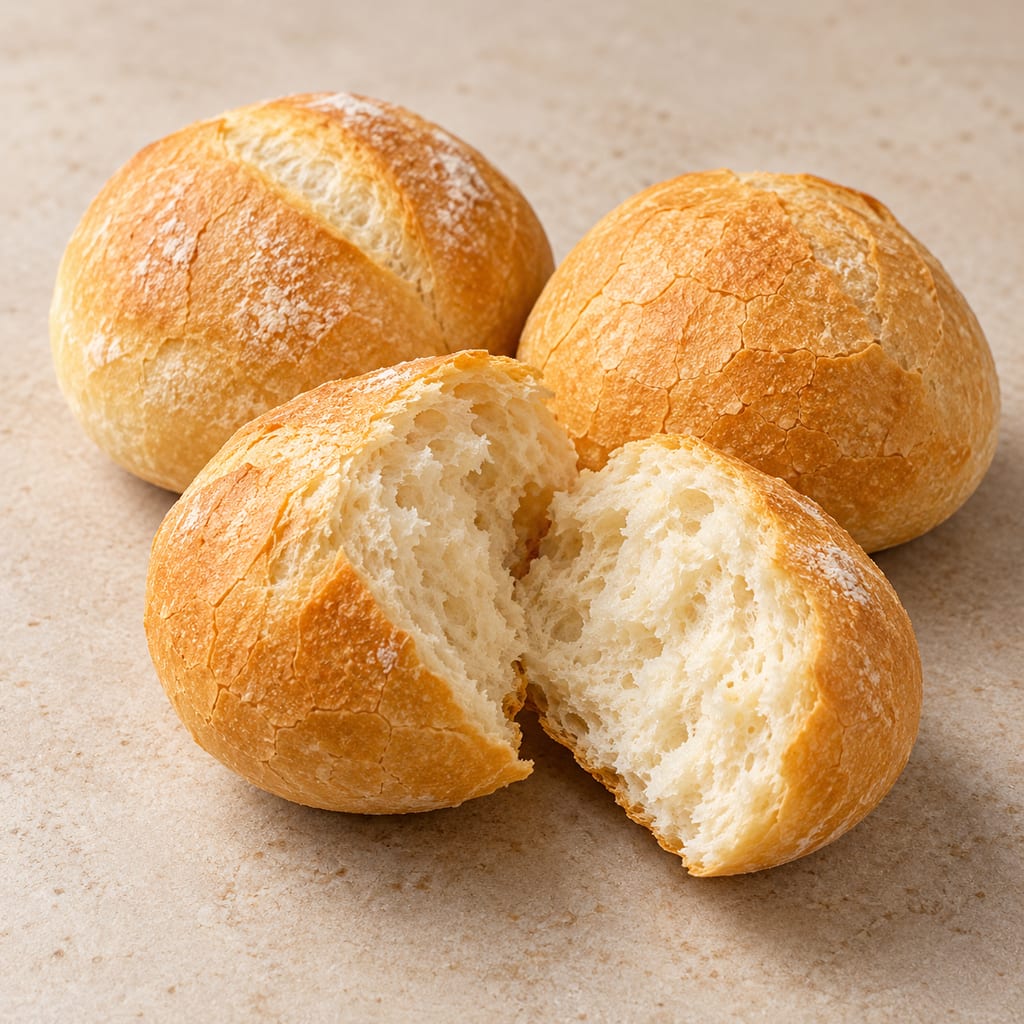
A crisp Belgian roll made from a supplier’s Croc-flour dough, mixed by hand or machine, proofed in rounds and baked with steam.
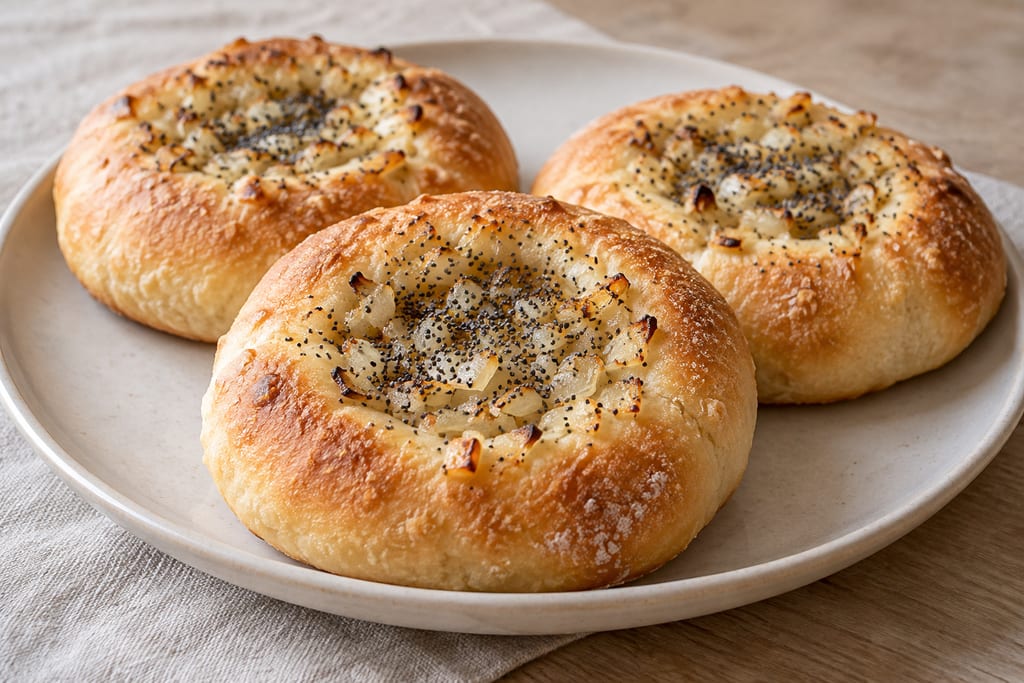
Bialys are soft, yeasted wheat rolls baked without boiling, each shaped with an onion-filled central depression instead of a hole.
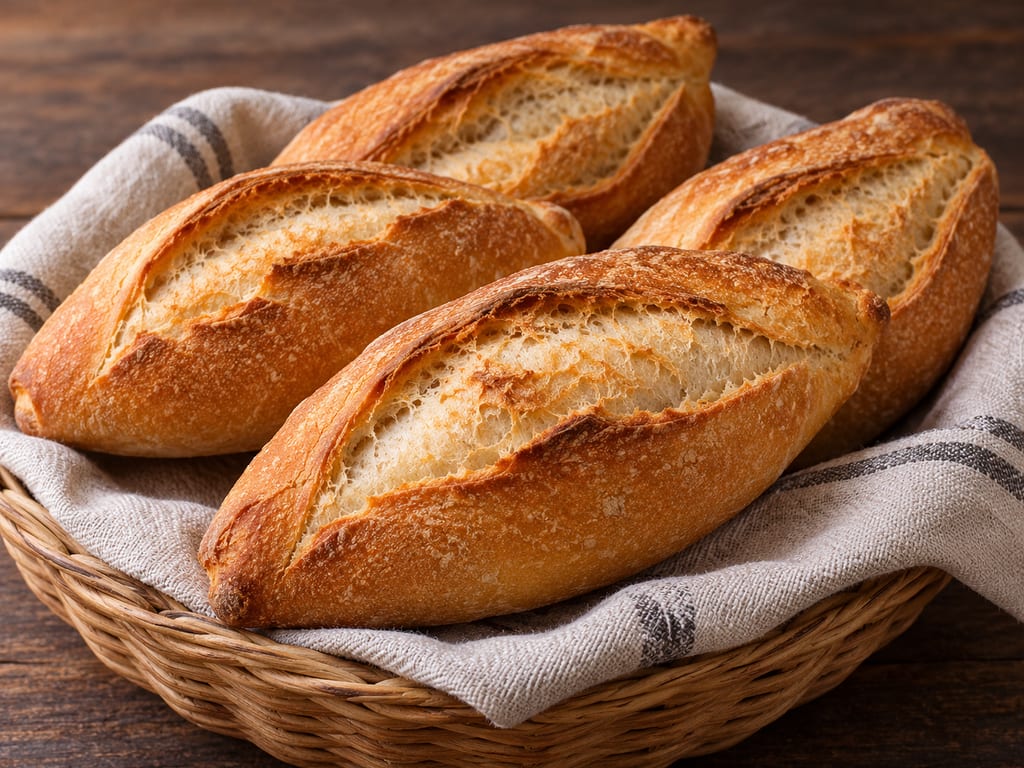
A measured, commercial-yeast home method for Guadalajara-style birote salado, with a six-hour preferment, shaped rolls and a two-temperature steam bake. This formula contains no egg.
No community contributions have been published for this entry yet.
Sign in to contribute. Published comments and photos are free to read.
The Cook's CookMethod · Geography · History
Jamaican Hard Dough BreadThe source describes hard dough bread as everyday bread in Jamaica, with a close crumb and thicker crust while still soft and chewy.
It credits the recipe as adapted from Enid Donaldson's Real Taste of Jamaica and supplies a complete measured loaf formula, two rises, tight pan shaping, an oven setting, and visual and sound doneness cues.
Cited in: A firm Jamaican loaf
Centers for Disease Control and PreventionSafety
Raw Flour and DoughRaw flour may carry germs; do not eat raw dough; bake it following the recipe and wash hands and surfaces after handling flour and dough.