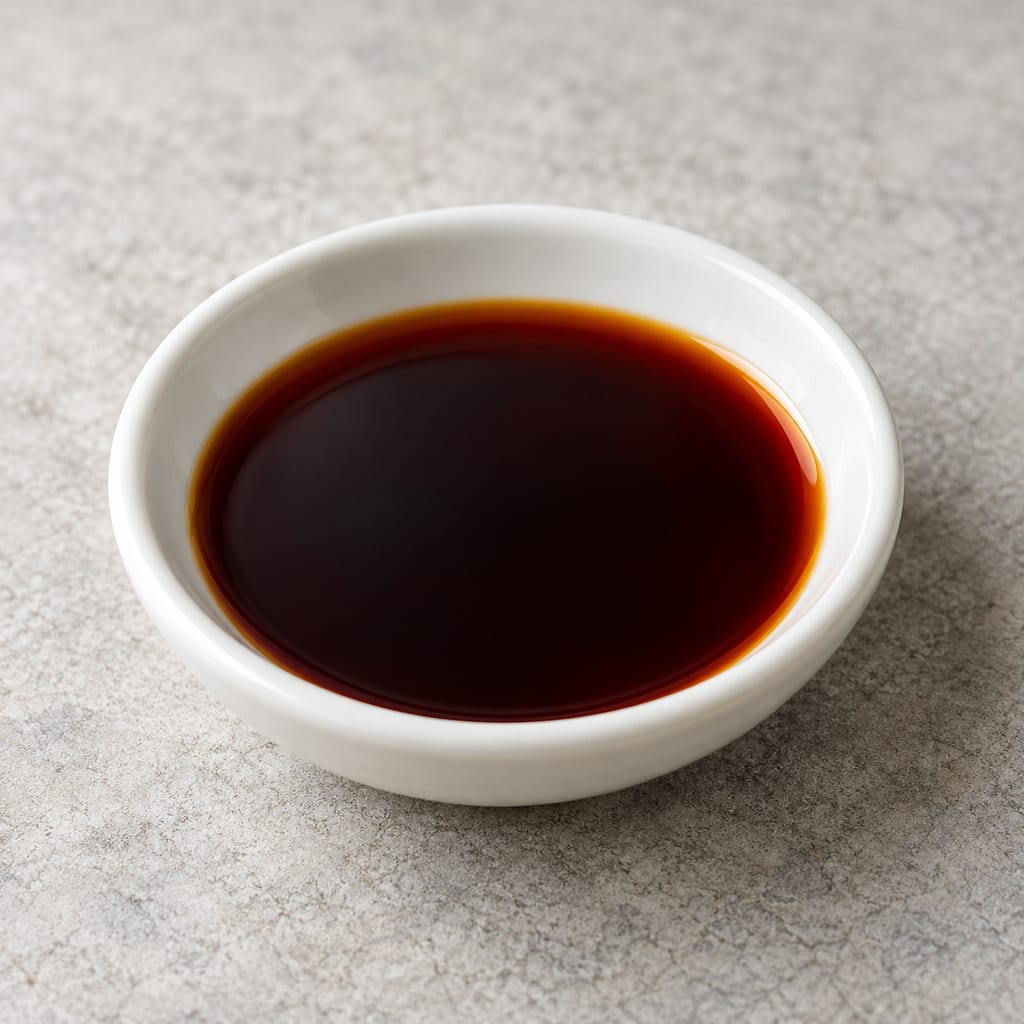
Soy sauce
Soy sauce is a salted liquid seasoning made by growing koji mould on soybeans and grain, maturing the mash in brine and pressing out the liquid. Japan's shoyu is the best-documented form.
 FermenteaWhere food goes to change
Jerk paste · Wet jerk marinade · Jamaican jerk paste
A Jamaican wet jerk paste of ground allspice, Scotch bonnet pepper, thyme, scallion, garlic, ginger and nutmeg, loosened with soy sauce, oil, vinegar and lime, used to marinate meat, fish or tofu before cooking.
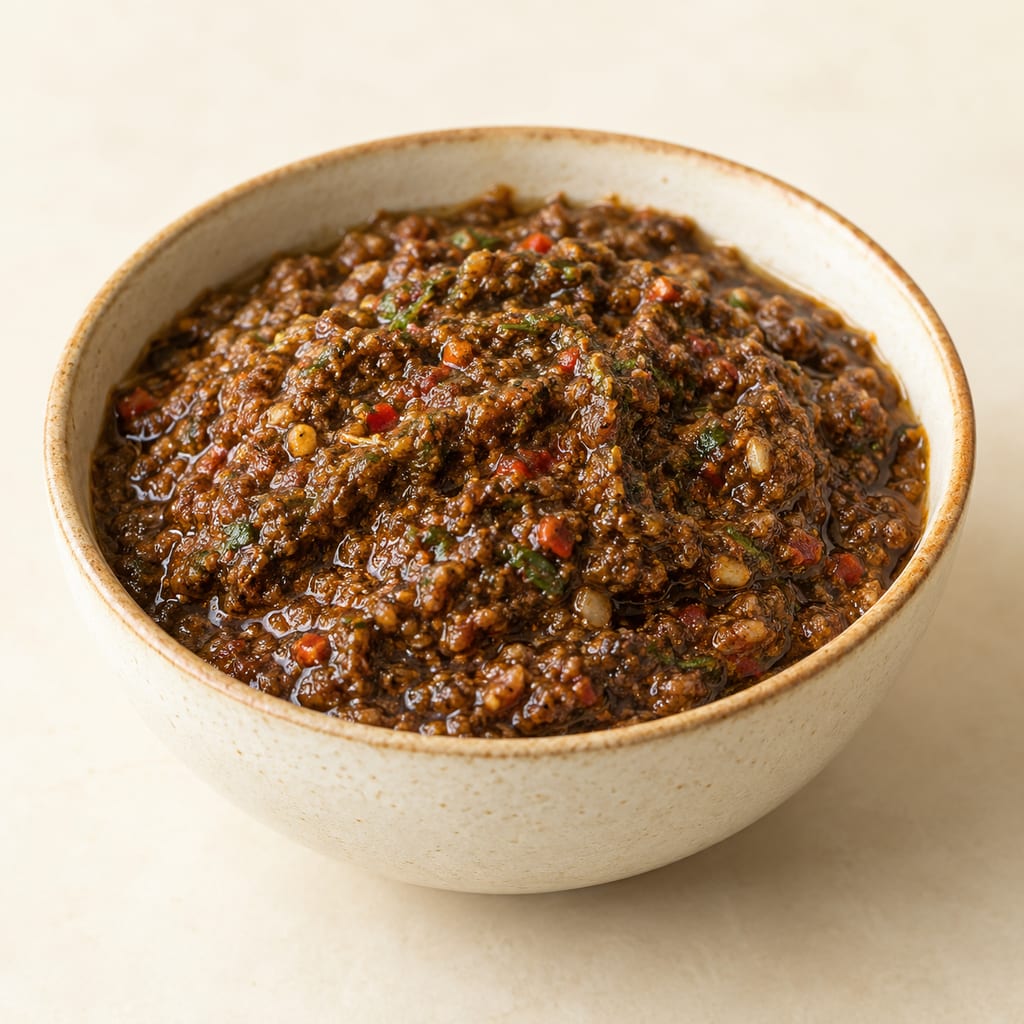
Wet jerk seasoning is the paste form of Jamaican jerk. Allspice (pimento) and Scotch bonnet pepper carry the flavour, with thyme, scallion, garlic and ginger giving the aromatic base. The paste is loosened with soy sauce, oil, vinegar and lime, so it clings to meat and can be rubbed in.
The paste is a marinade and a cooking base. It is not the jerk cooking method itself, which is a way of slow-cooking meat over pimento wood, and it is not the sweet bottled jerk barbecue sauces, which are a separate product.
Jerk is a Jamaican cooking style. The general account traces it to the Taíno, whose use of native hot peppers and pimento to season meat is recorded in a 1516 account, and it holds that Maroon communities who joined and intermarried with the Taíno developed the sauce, cooking wild hogs over pimento wood. The term jerk is said to derive from the Spanish word for dried meat, charqui, which comes from Quechua.
These origin stories are attributions in general accounts, not evidence for this paste. The earliest dated record concerns the seasoning of meat with peppers and pimento, and no dated source describes the wet paste in these exact proportions.
Allspice is the central spice. It is ground from whole berries just before use, and the recipe grinds it in a coffee grinder rather than using a pre-ground powder. Scotch bonnet supplies the heat, and the recipe uses fresh thyme, scallion, onion, garlic and ginger for the aromatic base.
Soy sauce and red wine vinegar add salt and acid, and olive oil carries the spices onto the meat. Brown sugar and lime juice are included in the recipe, and nutmeg and cinnamon add warmth. The page gives no alternative to thyme, and this record does not offer one.
Blend the liquids first so the paste moves freely, then add the spices and herbs and pulse until it reaches a thick paste with some texture. The author adds about a tablespoon of water only when the blender needs help. The paste is tasted before it touches raw meat, which allows the seasoning to be corrected while it is still separate from the meat.
The meat is massaged with the paste, covered and refrigerated. Chicken, pork and tofu take at least four hours, and overnight is recommended for the most flavour. Shrimp need no more than about 30 minutes, because the acid in the marinade can make the shrimp soft.
Jerk paste is used as a marinade and rub for meat, fish and tofu, and the general account says it is also added to other dishes. The page gives no storage guidance for the finished paste or for leftovers, and this record does not add a limit.
Jerk is a Jamaican style of seasoning and cooking meat that is traditionally smoked over pimento wood. The origin accounts are general and Taíno and Maroon attributions are not dated to the paste itself.
Yield 2 cups · Scaling: the page gives one batch of 2 cups; scale the allspice, pepper and aromatics together and season at the tasting step.
Jerk is a Jamaican cooking style; this wet paste is one modern home formulation of it and the page names no locality.
Soy sauce is a salted liquid seasoning made by growing koji mould on soybeans and grain, maturing the mash in brine and pressing out the liquid. Japan's shoyu is the best-documented form.
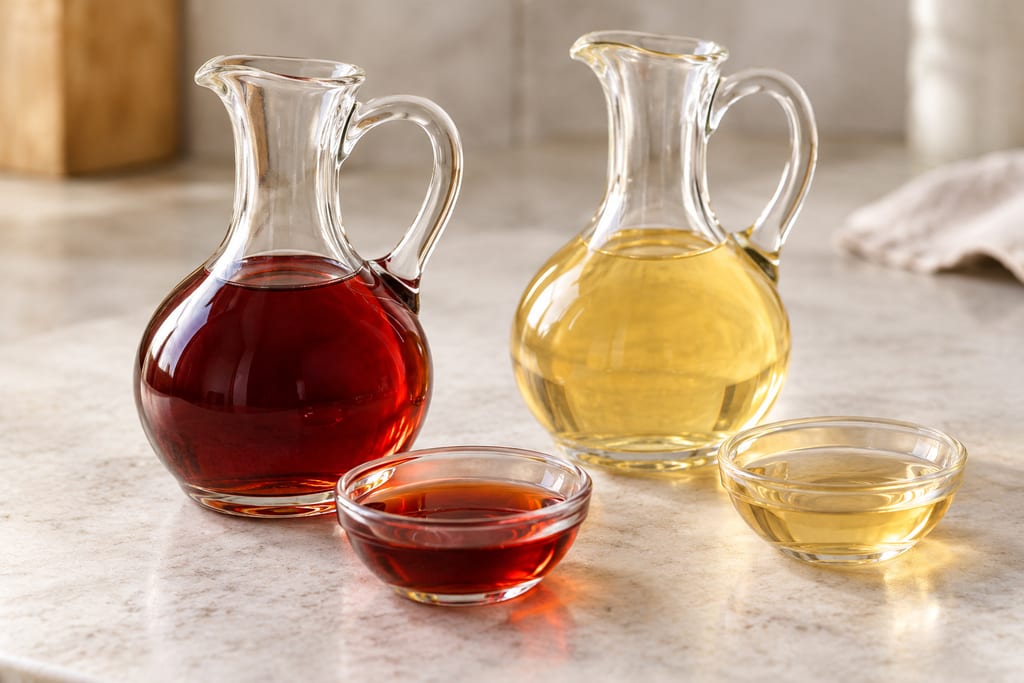
Wine vinegar is made by the aerobic oxidation of wine's alcohol into acetic acid by bacteria, producing a sour, wine-derived condiment used in dressings, sauces, marinades and preserved foods.
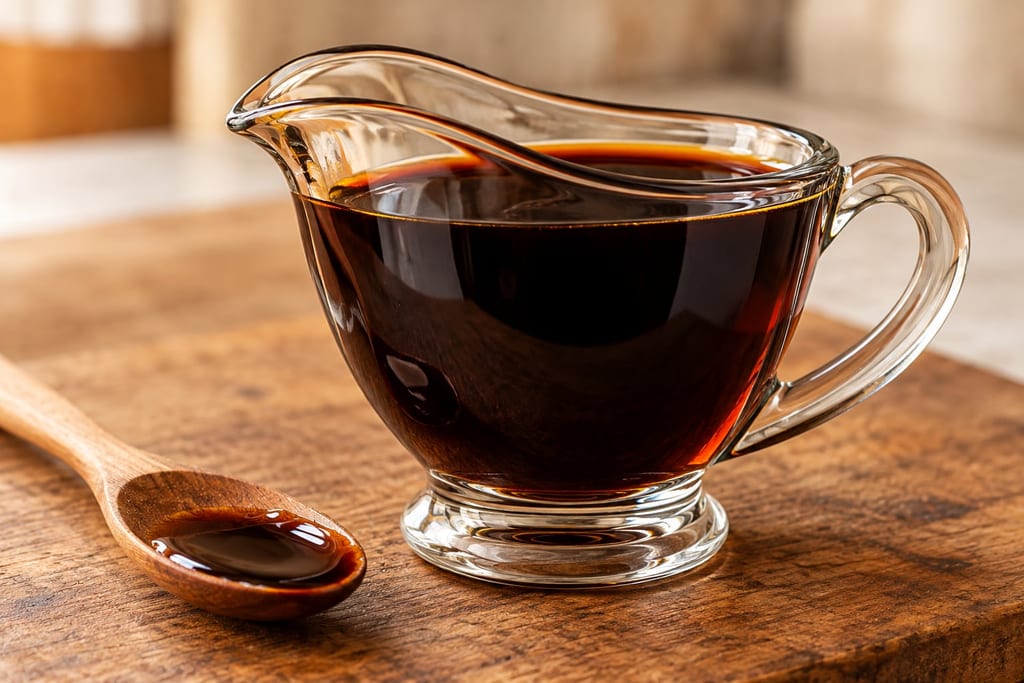
Caribbean browning is a dark liquid of deeply caramelised sugar, used in small amounts for colour and a smoky, bitter-sweet flavour in stews and black cake.
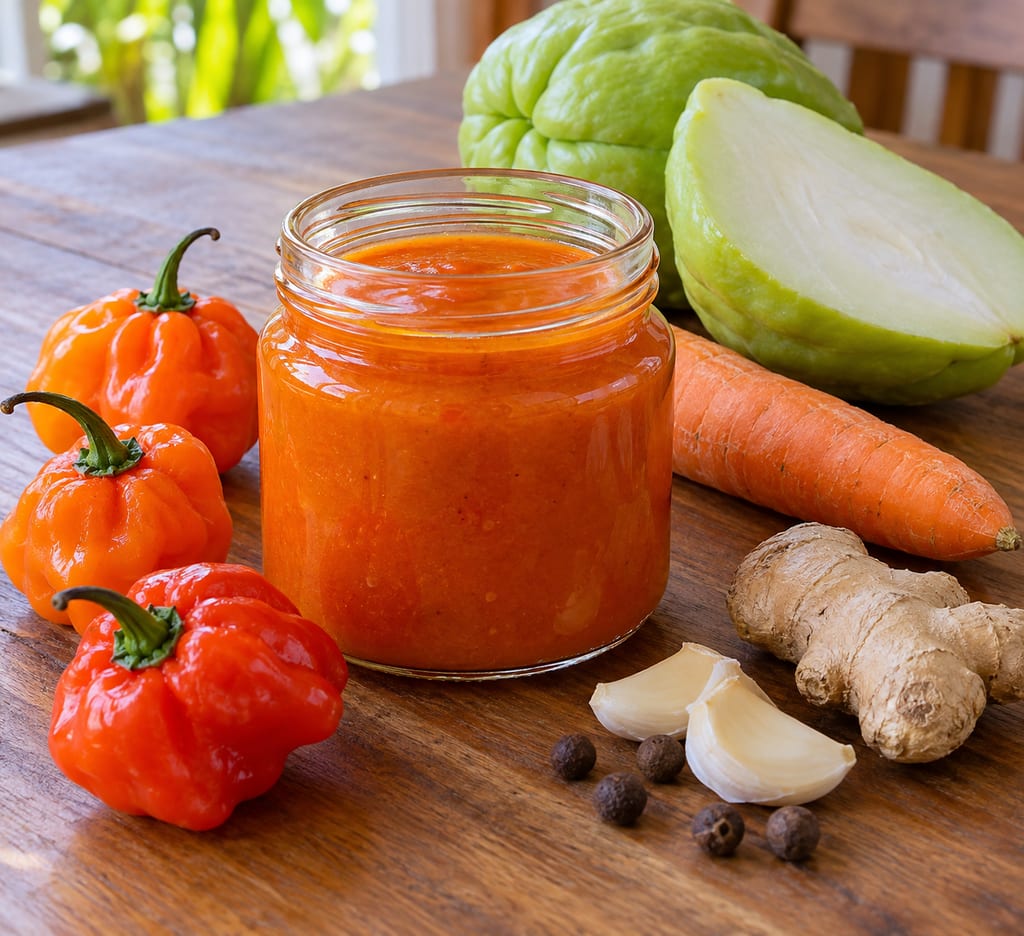
This Jamaican recipe cooks Scotch bonnet peppers with carrot, cho cho, onion, garlic, ginger, allspice and vinegar, then blends and strains the mixture.
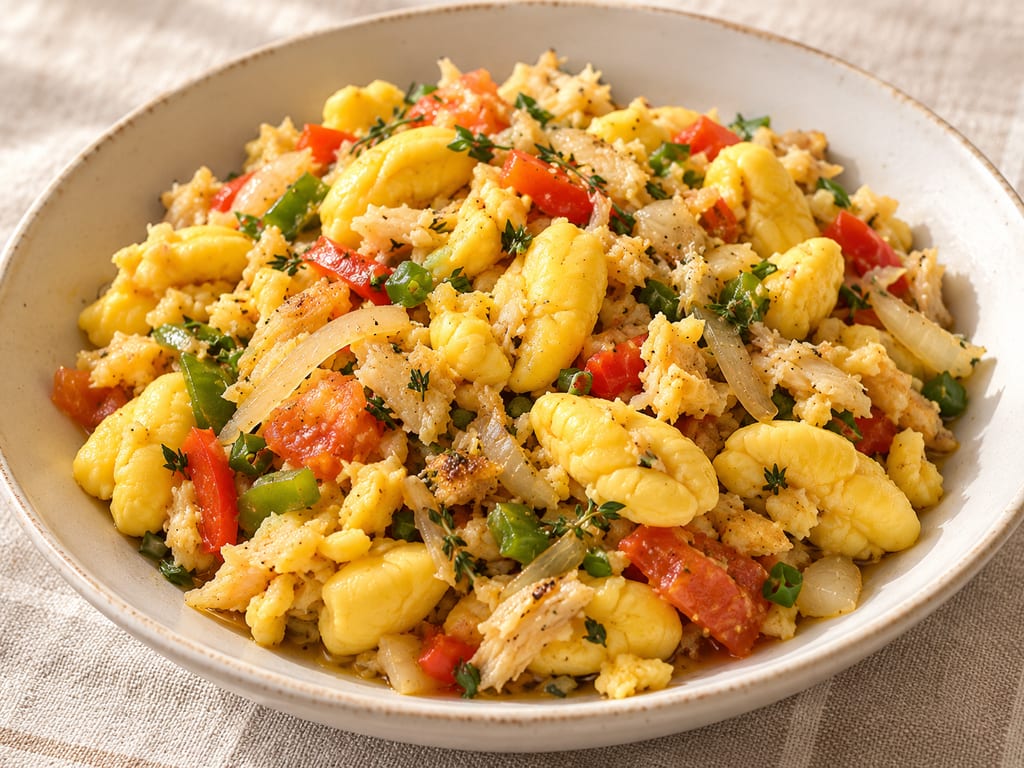
Jamaica's best-known dish: salt-cured cod desalted and flaked, then folded through ackee arils with onion, tomato, sweet pepper, thyme and Scotch bonnet.
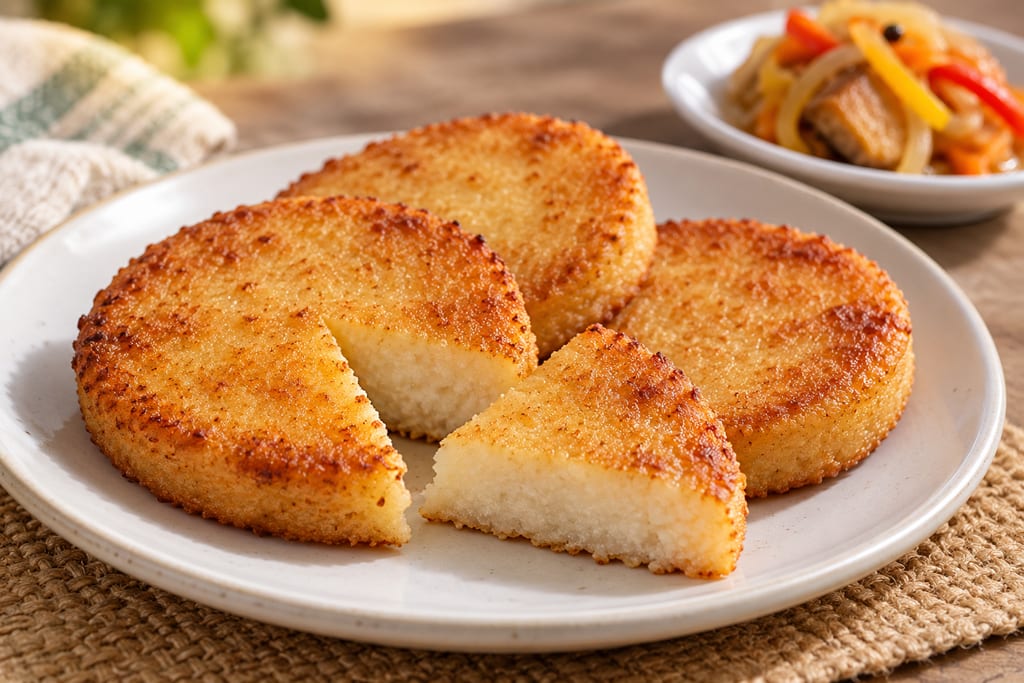
A serving method for approved, prepared bammy rounds: soak them in coconut milk and refry until golden. It does not process raw cassava.
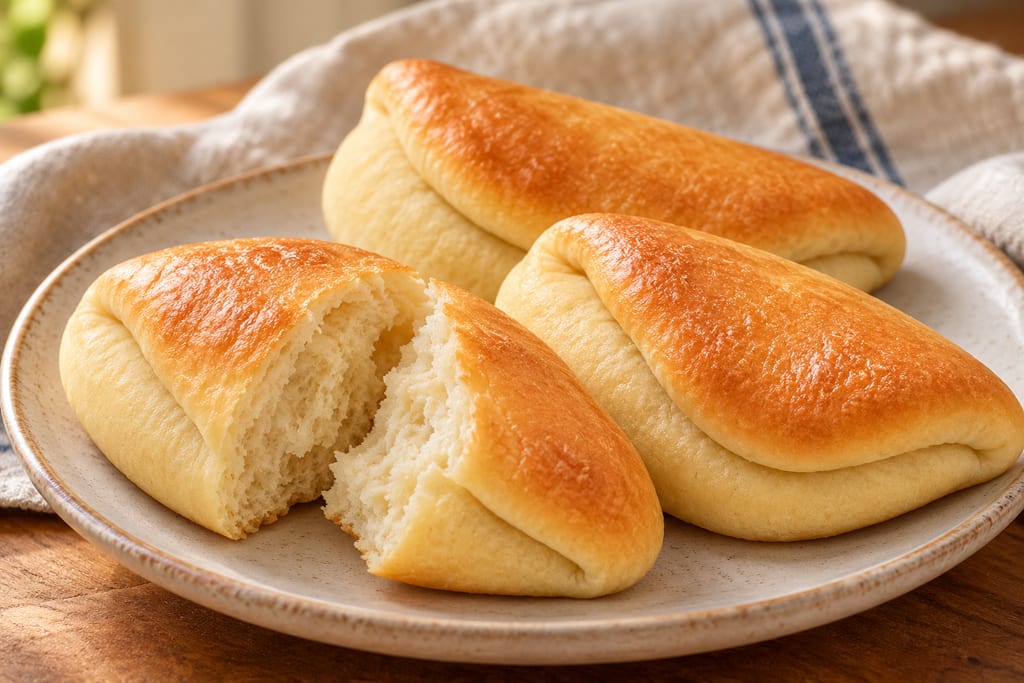
Jamaican-style folded rolls made from sweet coconut-milk yeast dough and brushed with butter.
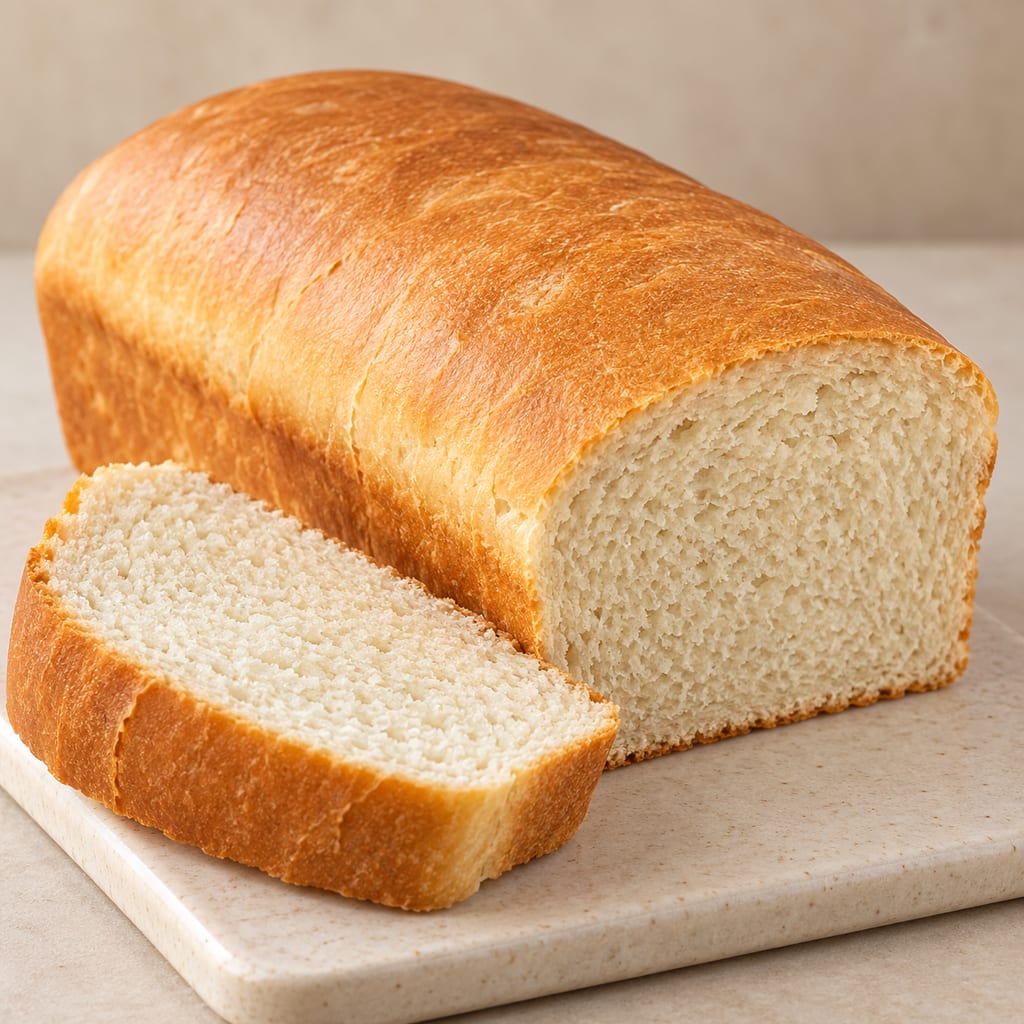
Jamaican hard dough bread is a firm, close-crumbed yeasted wheat loaf with a thicker crust and a soft, chewy interior. Roll the dough tightly and bake it in a loaf tin.
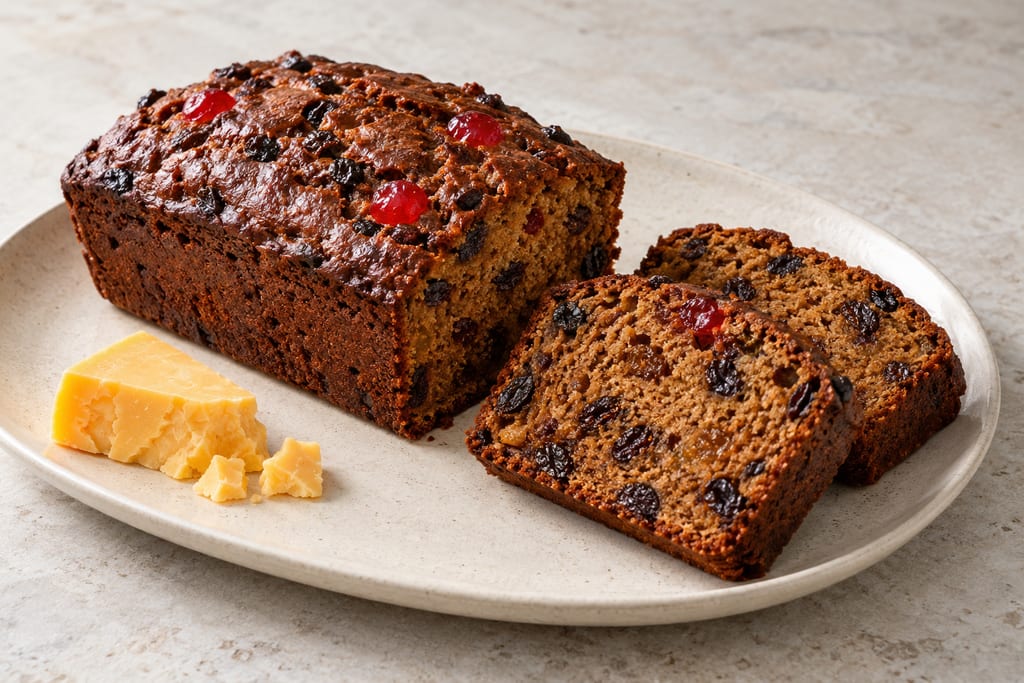
A Jamaican Easter loaf made from a dark, sweet batter of stout, dried fruit and warm spices. This version uses baking powder and a loaf pan; yeast-raised variations are separate preparations.
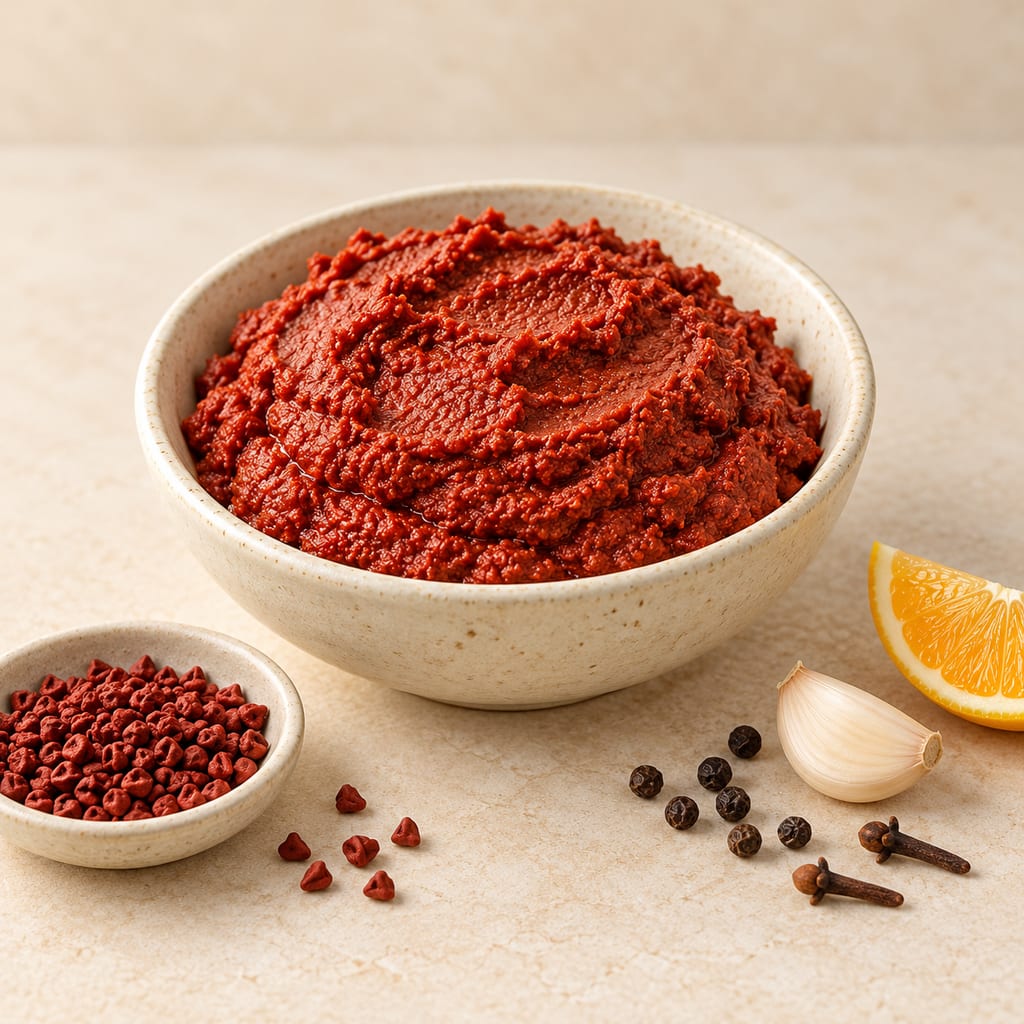
A Yucatecan recado rojo is a brick-red seasoning paste built on annatto seed, garlic and sour orange. This measured home version shows one route into a much wider family of market and household recados.
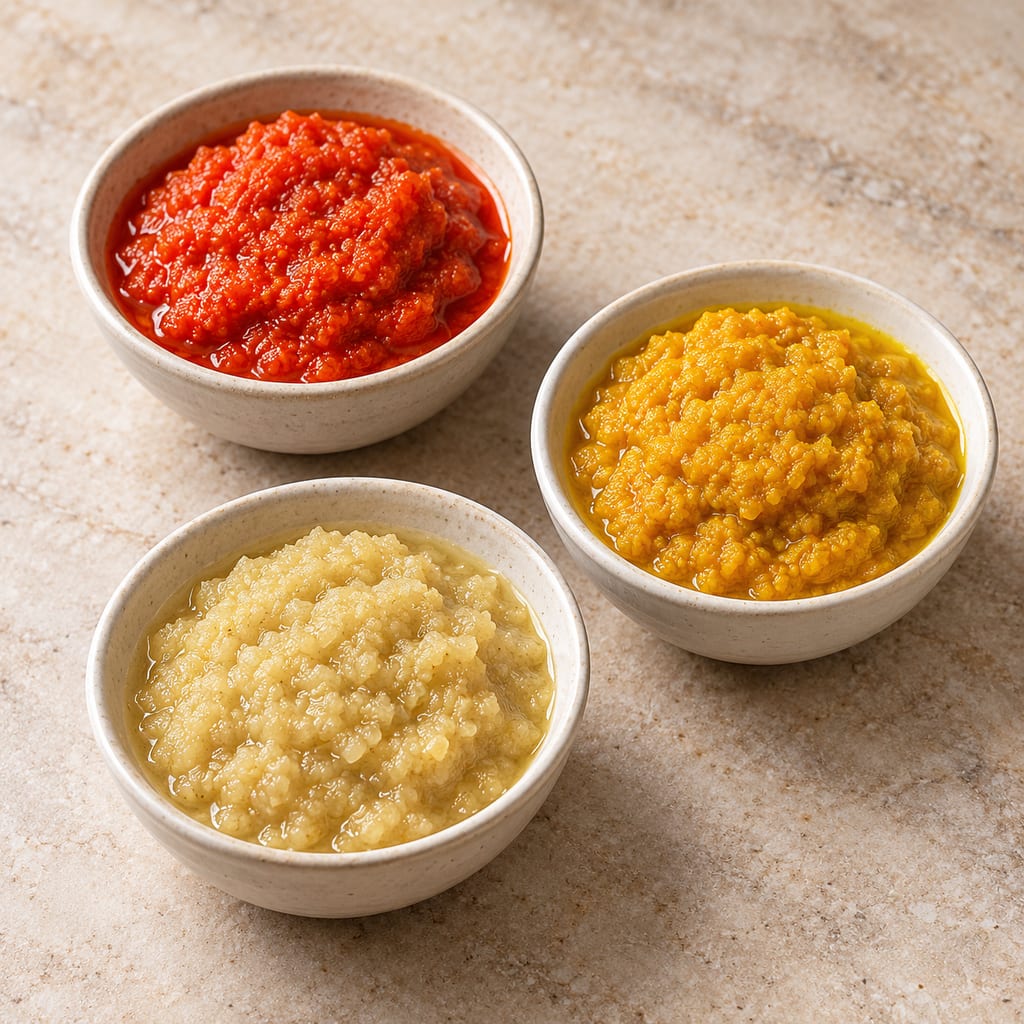
Bumbu dasar are the ground spice bases of Indonesian cooking: a white paste of shallot, garlic and salt, with chile added for red and turmeric for yellow, cooked into dishes.
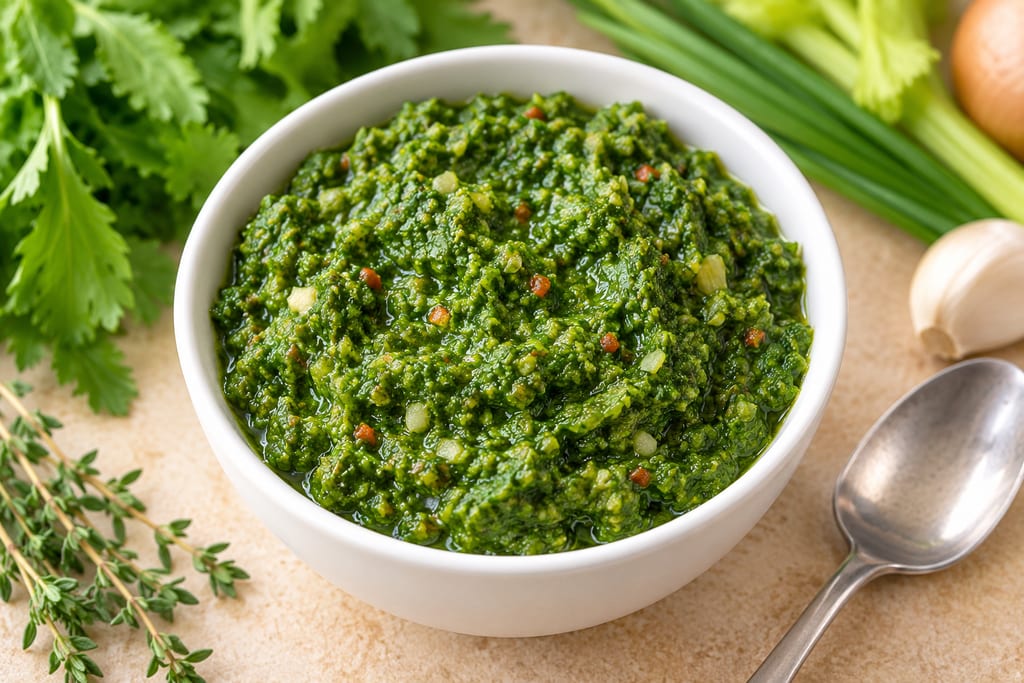
A fresh herb and aromatic paste of chadon beni (culantro), thyme, chives, celery, onion, garlic and peppers, blended with vinegar and water and used as the base for Trinidadian cooking.
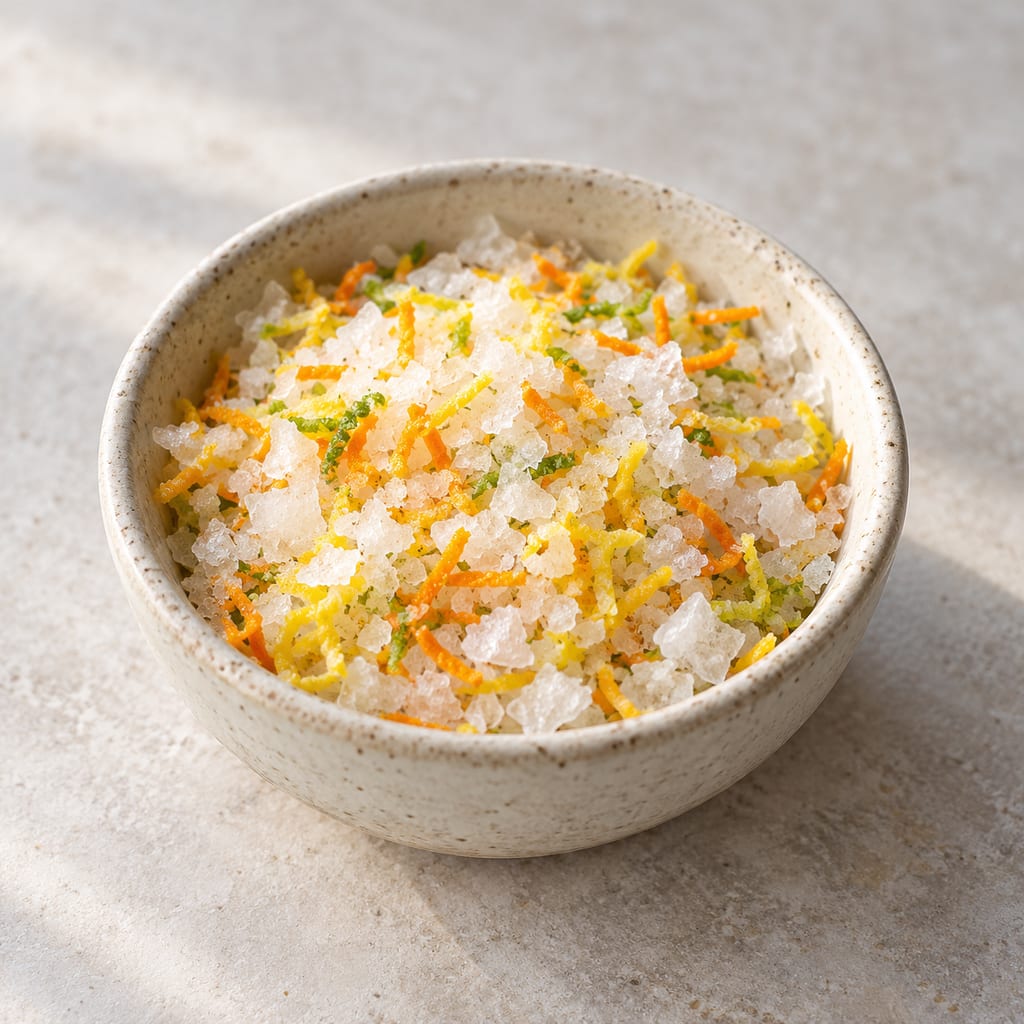
Citrus zest is rubbed into coarse or flake salt and dried on a tray. This peel-based seasoning preserves the chosen citrus aroma without adding juice.
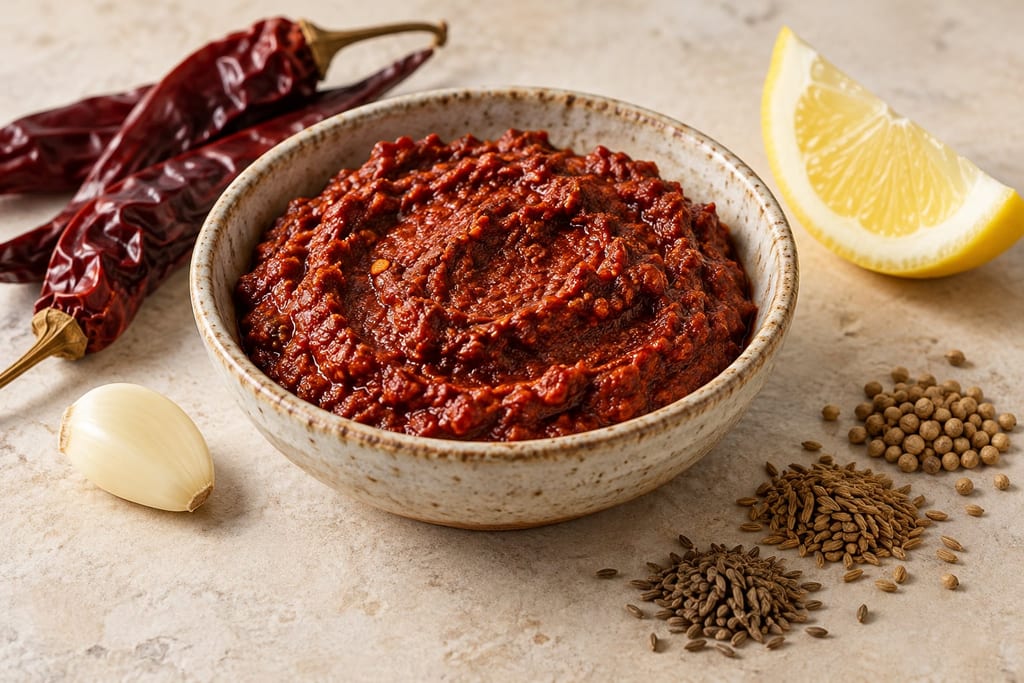
A fresh chilli paste made from rehydrated dried red peppers, garlic, olive oil, lemon and warm spices; this small-batch formula adapts the harissa family rather than reproducing a tested Tunisian method.
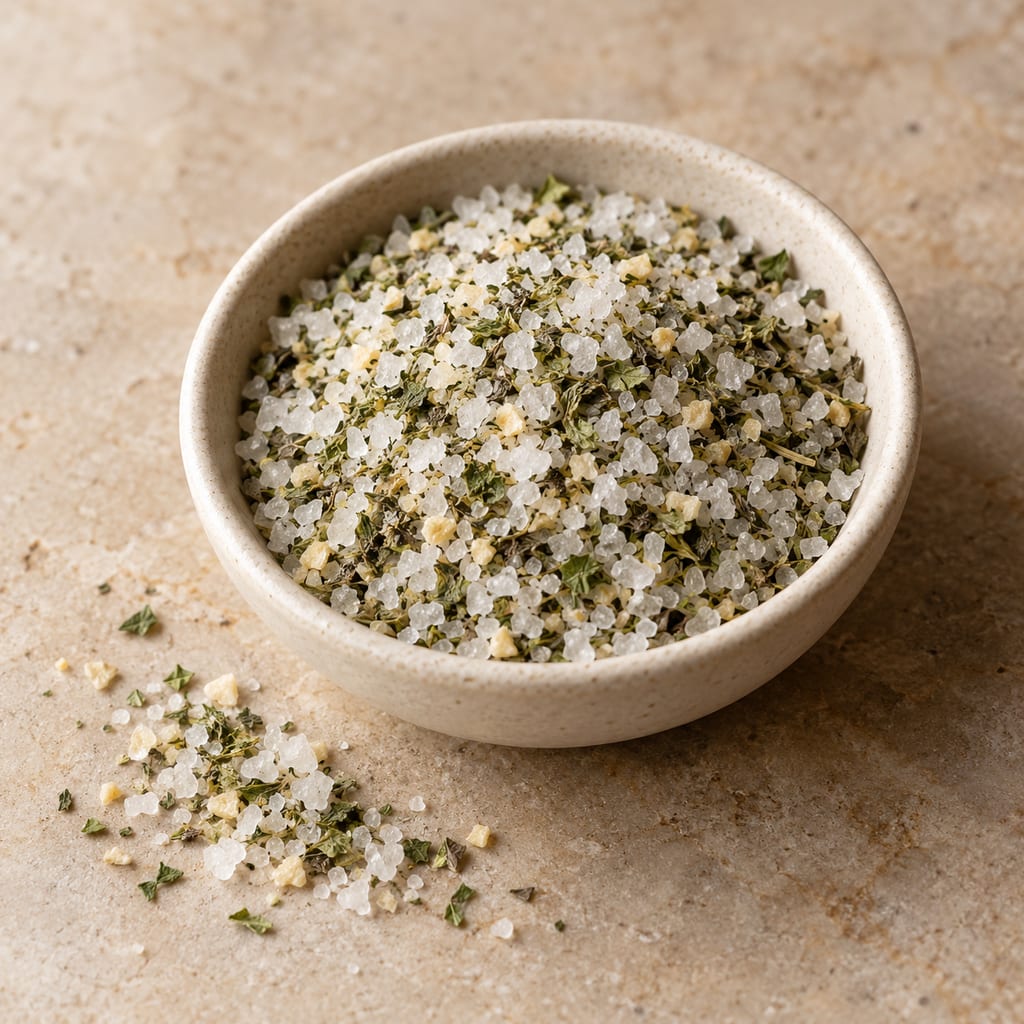
Fresh garlic and pungent herbs are chopped with kosher salt, then dried in the warmth of a switched-off oven. The blend keeps the selected herbs together in one seasoning.
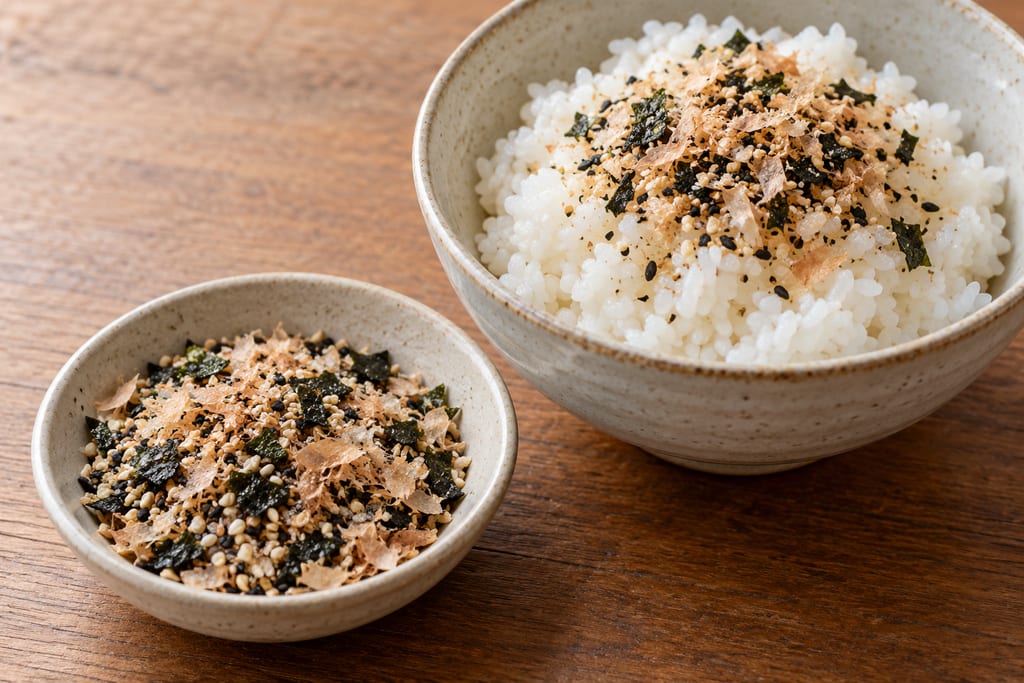
A dry Japanese rice seasoning of sesame, bonito, nori, sugar and salt. This documented home blend is one specific formula within a varied category with several early product histories.
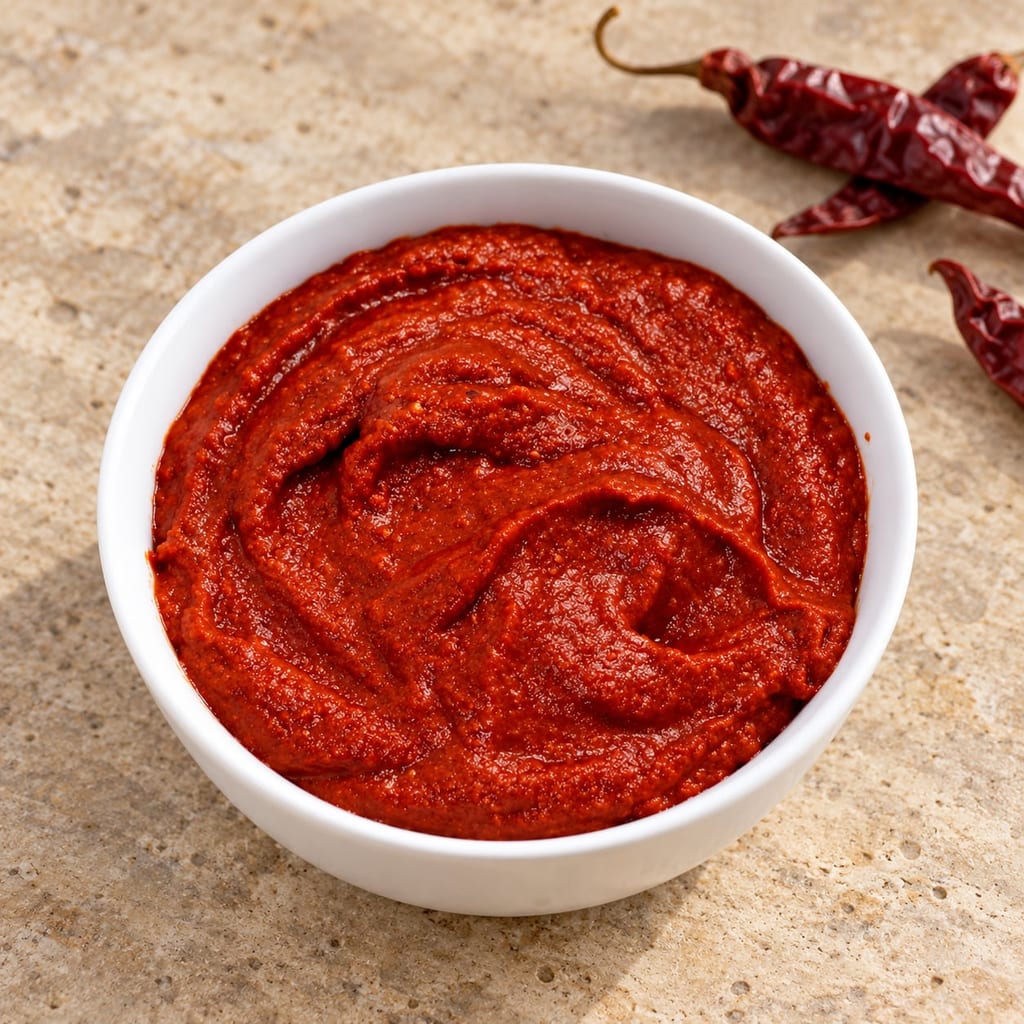
Recheado is a red Goan spice paste of Kashmiri chillies, garlic and spices ground in vinegar, best known as the stuffing for fried fish such as mackerel.

A gelling polysaccharide extracted from red seaweeds, sold as kanten strips or powder; it sets firm at a low concentration and stays solid until about 85 °C.

A Dominican table and seasoning condiment of sour orange juice, mixed with lime and salt and bottled raw; garlic, oregano or a hot pepper may be added for meat or a spicier bottle.

Cicerbita alpina is an alpine perennial whose tender shoots and leaves have been eaten raw or cooked. Sámi milk preparations and modern Carnian dishes are distinct uses, with serious identification and preservation limits.

Japanese skipjack tuna cooked, then repeatedly smoked and dried over a wood fire by the hand-fired tebiyama method into a hard block for shaving into dashi: the first stage of katsuobushi.

A Swedish-style spirit vinegar made by fermenting neutral alcohol with live vinegar bacteria, with a separate guide to commercial ättika strengths.

A yeast-raised wheat ring shaped from a firm dough, briefly boiled and baked. This source-batch formula gives a gently malted crust and a chewy crumb.

A warm dip of garlic, anchovy and olive oil, often enriched with butter, that Piedmont serves over a flame with raw and cooked vegetables and bread.

Bechamel is a white sauce of milk thickened with a butter and flour roux, one of the French mother sauces, and the base from which Mornay and other cheese and cream sauces are made.
No community contributions have been published for this entry yet.
Sign in to contribute. Published comments and photos are free to read.
Food FidelityMethod · Uses · History
Authentic Jerk Marinade Recipe (Jamaican-Style)Yield 2 cups; ingredients include ground allspice berries, thyme, 2 Scotch bonnet peppers, 4 scallions, ginger, 6 garlic cloves, nutmeg, cinnamon, brown sugar, olive oil, soy sauce, red wine vinegar, onion, salt, pepper and 2 limes.
Method: grind the allspice, grate the nutmeg, blend the liquids first, pulse to paste, taste before it touches raw meat, massage in and refrigerate.
Marinating: at least 4 hours for chicken, pork or tofu, and overnight for the strongest flavour; no more than 30 minutes for shrimp, from a reader comment by the author.
Traditional Jamaican jerk cooking gets much of its smoky character from cooking over pimento wood.
Cited in: Overview; Ingredients and their roles; Method; Use and storage
WikipediaHistory · Ingredients · Uses
Jerk seasoningJerk is a Jamaican cooking style in which meat is seasoned with a hot spice mixture, applied as a dry rub or a wet marinade.
The general account says the practice is traced to the Taíno, that a 1516 account records their use of native hot peppers and pimento, and that Maroon communities are believed to have developed the sauce.
Core ingredients are allspice (pimento) and Scotch bonnet peppers, with thyme, scallions, garlic, spices and vinegar among the others.
The jerk seasoning is used on chicken and pork traditionally, and on fish, seafood, beef, lamb, goat and tofu as well.
Cited in: Overview; Origins of jerk; Ingredients and their roles; Use and storage