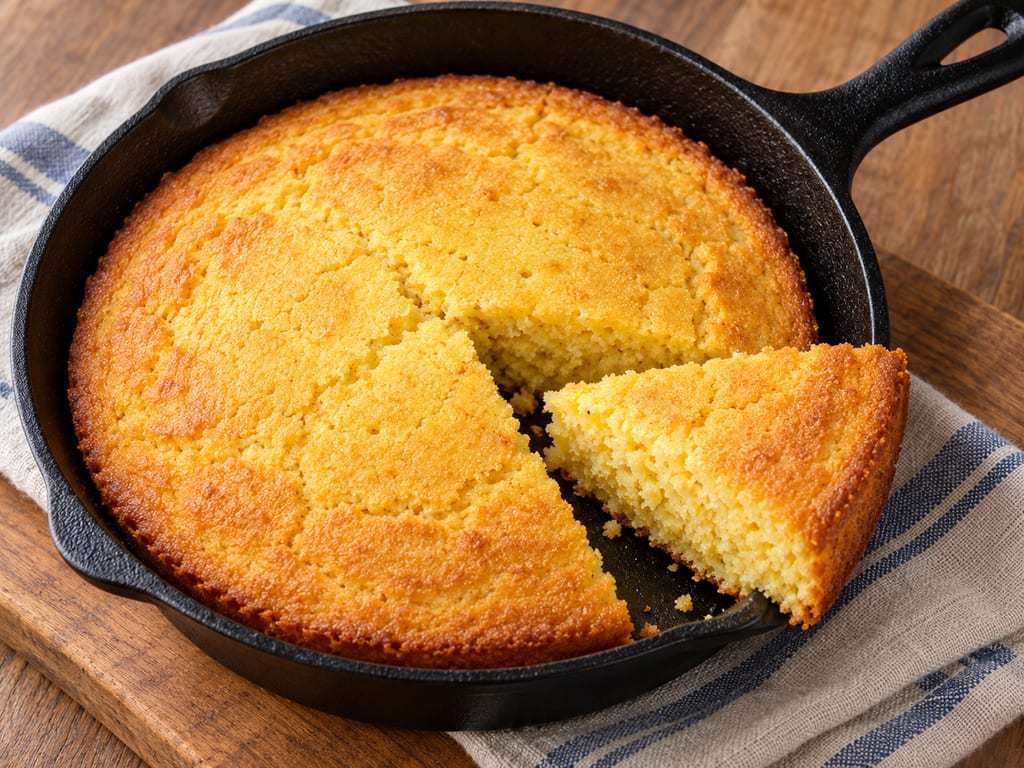
American cornbread
A modern cornmeal-and-wheat cornbread that King Arthur Baking describes as a compromise between Northern and Southern styles. The batter is baked in a pan or as muffins and served warm.
 FermenteaWhere food goes to change
Modern adaptation
Ploye · Acadian buckwheat bread
A thin buckwheat-and-wheat batter, loosened with cold and hot water, cooked on one side until lacy holes form and the top sets.
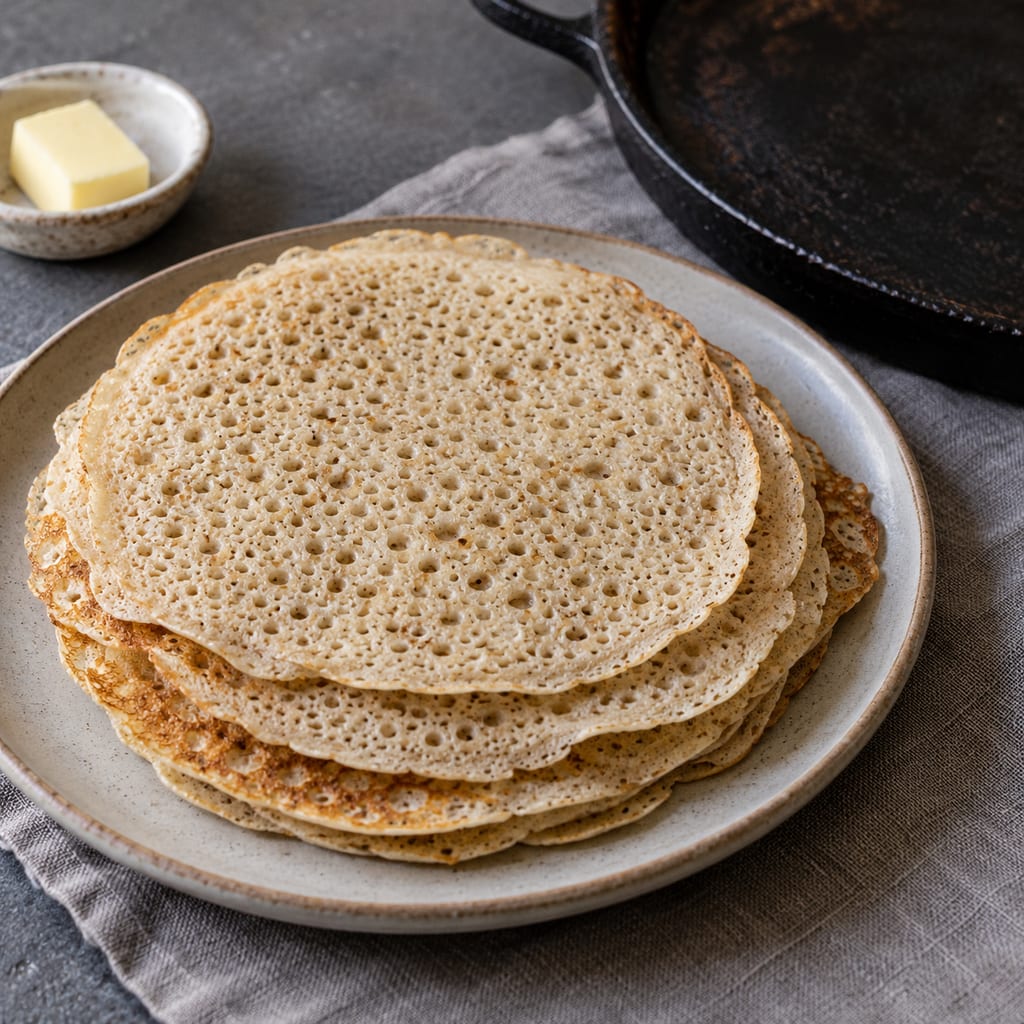
Ployes are buckwheat griddle breads associated with Acadian communities in the Upper St. John Valley. The University of Maine at Fort Kent describes buckwheat pancakes there as a local cultural symbol on both sides of the international border, while a University of Maine family account identifies its version as French-Acadian food in northern Maine.
The family’s batch uses buckwheat flour, a smaller amount of white wheat flour, baking powder, salt, cold water and hot water, and makes about ten ployes, depending on their size. No exact portion size, griddle temperature or cooking time is given.
Whisk the dry ingredients together. Add the cold water, then stir in the hot water until the batter is thin and smooth. The family source says it should be thinner than pancake batter but not watery. Stir it again before each pour so it stays mixed.
Pour a small portion onto a hot, level griddle or cast-iron skillet and spread it into a thin round. Cook only on the first side until bubbles open into holes and the surface sets. The one-sided method is also described in a report on Madawaska ployes. The University of Maine author notes that her father flipped his own family version; this recipe chooses the one-sided form and does not blend the two methods.
Ployes are eaten as bread with meals as well as with butter, molasses or other toppings. The University of Maine family account describes breakfast service, sausage rolled inside, and ployes alongside chicken stew. A report from northern New Brunswick's Madawaska region describes their use in place of bread at meals.
Texture, thickness and color vary across the Upper St. John Valley. Saveur recounts a theory that an older batter may have fermented, based on family memories and an analogy to another griddle bread. That remains a hypothesis, not a verified historical recipe. The measured preparation here uses baking powder and is non-fermented.
The batter contains wheat flour, so this formula is not gluten-free even though it also uses buckwheat. FDA advises against tasting raw flour or batter and recommends washing hands, utensils and work surfaces after handling flour. Cook the ployes before serving. The source gives no numerical time or temperature limit; this recipe does not invent one.
Ployes are associated with Acadian foodways in northern Maine and the Madawaska region of New Brunswick. A University of Maine family account provides the measured buckwheat-and-wheat baking-powder formula used here. Saveur reports an attributed hypothesis that an older batter may have fermented, but the account does not verify that process or provide a reproducible historical formula; this recipe is non-fermented.
Yield 10 ployes · Scaling: source batch only
Buckwheat and wheat flour are uncooked before the ployes are griddled; FDA advises not to taste raw flour or batter and to clean hands and equipment after handling them.
Hazard sourceDo not taste the uncooked batter. Cook the ployes before serving, and wash hands, bowls, utensils and work surfaces after handling flour and batter.
Control sourceThis formula contains wheat flour and is not gluten-free. Buckwheat alone does not make the recipe suitable for people avoiding gluten.
The source gives no numerical griddle temperature or cooking time. Do not treat a fixed time or appearance alone as a validated safety limit.
The University of Maine family account identifies ployes as French-Acadian food familiar in northern Maine. The University of Maine at Fort Kent describes the Upper St. John Valley buckwheat-pancake tradition as a local symbol on both sides of the border.
A regional feature documents household ployes in northern New Brunswick's Madawaska region. This regional association does not locate a single origin.
A modern cornmeal-and-wheat cornbread that King Arthur Baking describes as a compromise between Northern and Southern styles. The batter is baked in a pan or as muffins and served warm.
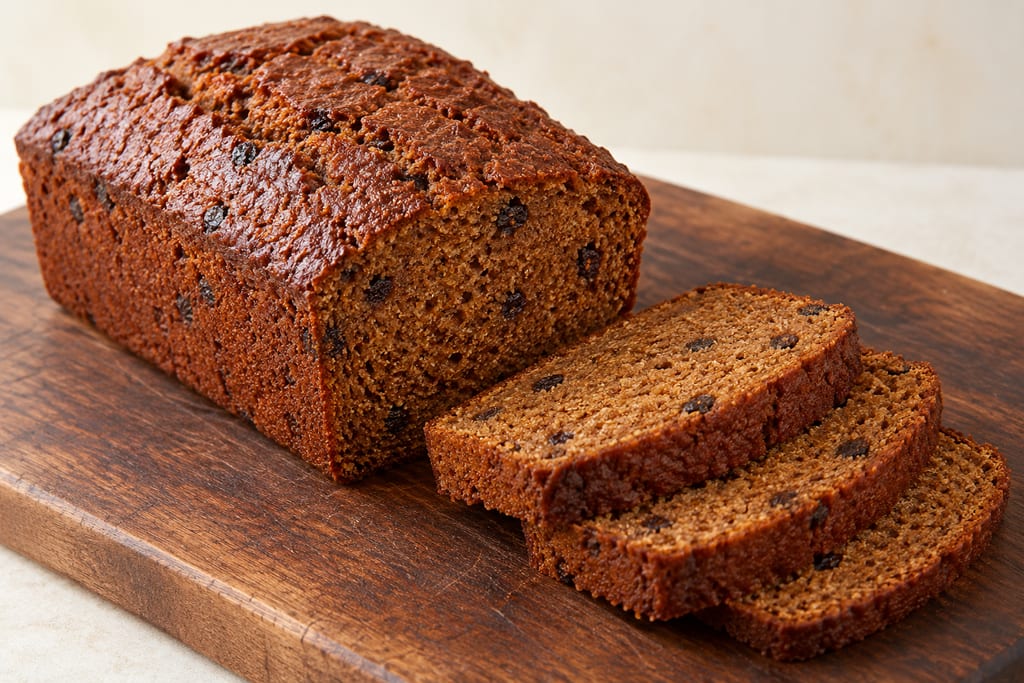
A molasses-sweetened rye, wheat and cornmeal batter that can be steamed on the stovetop or baked in a covered pan.
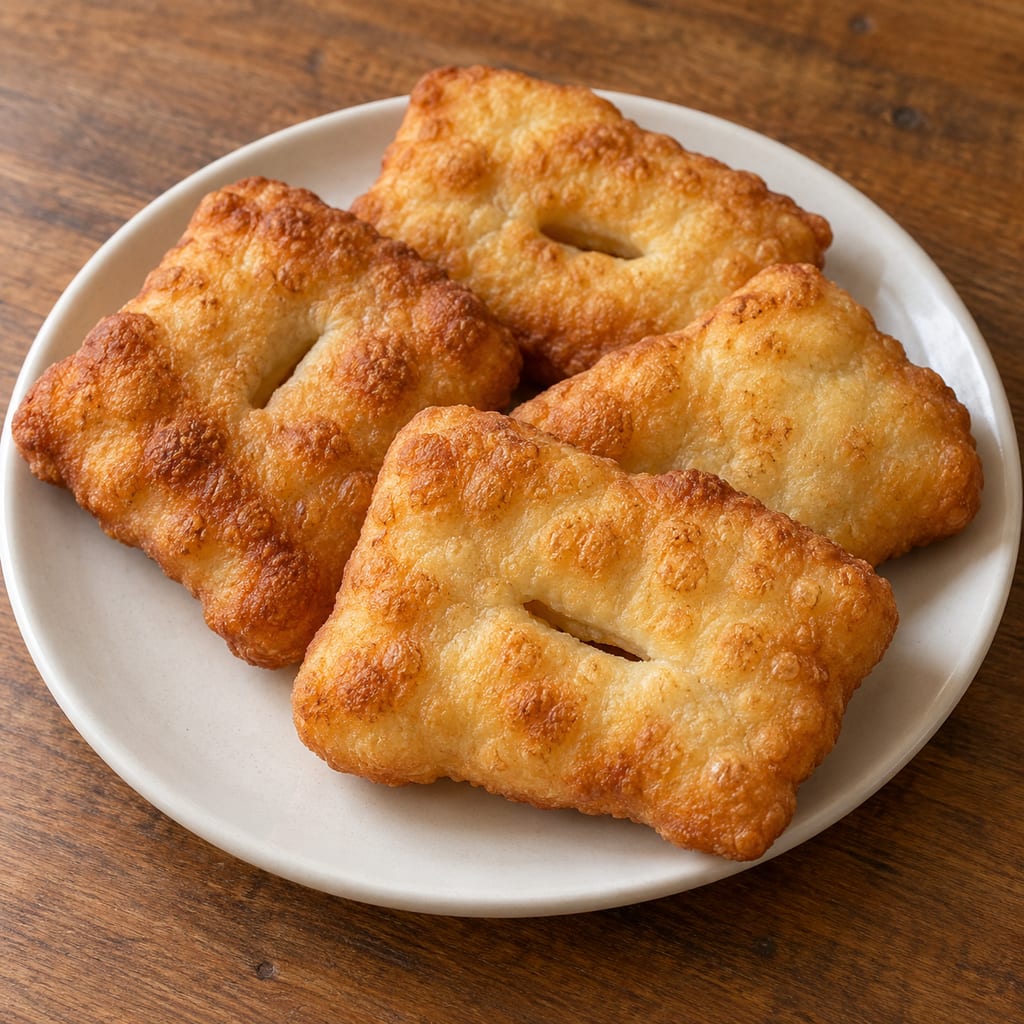
A soft egg-and-flour dough is lightly kneaded, cut into strips and fried until browned on both sides.
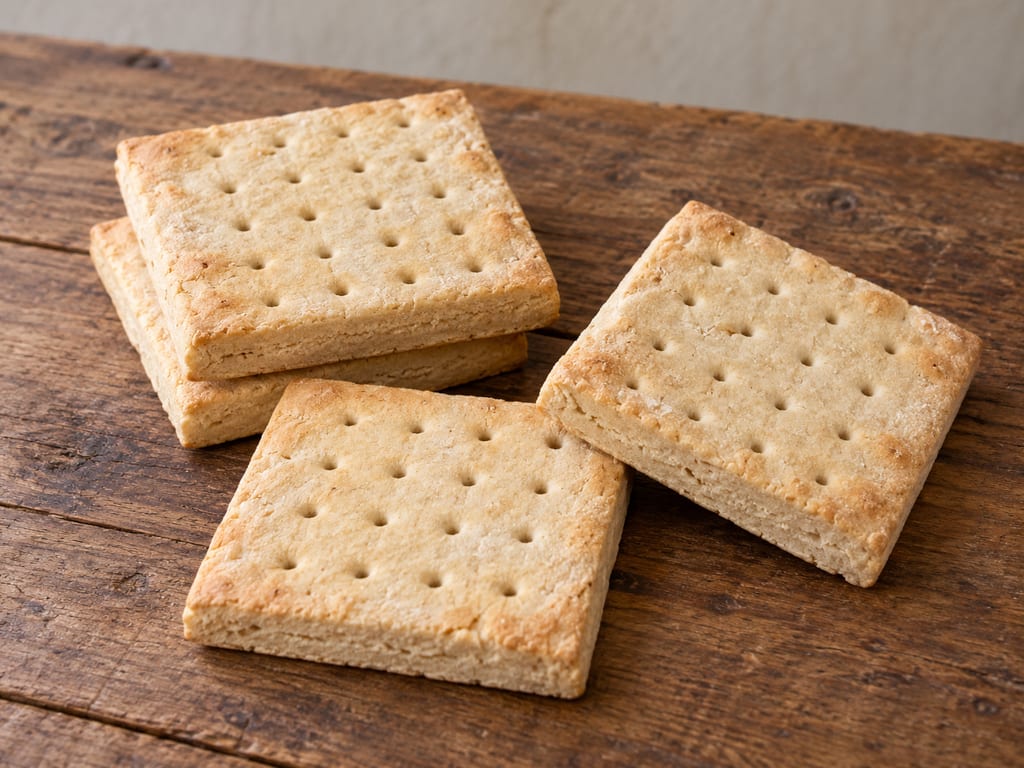
A flour-and-water biscuit baked hard for transport; this home version follows the measured National Park Service Manassas interpretation.
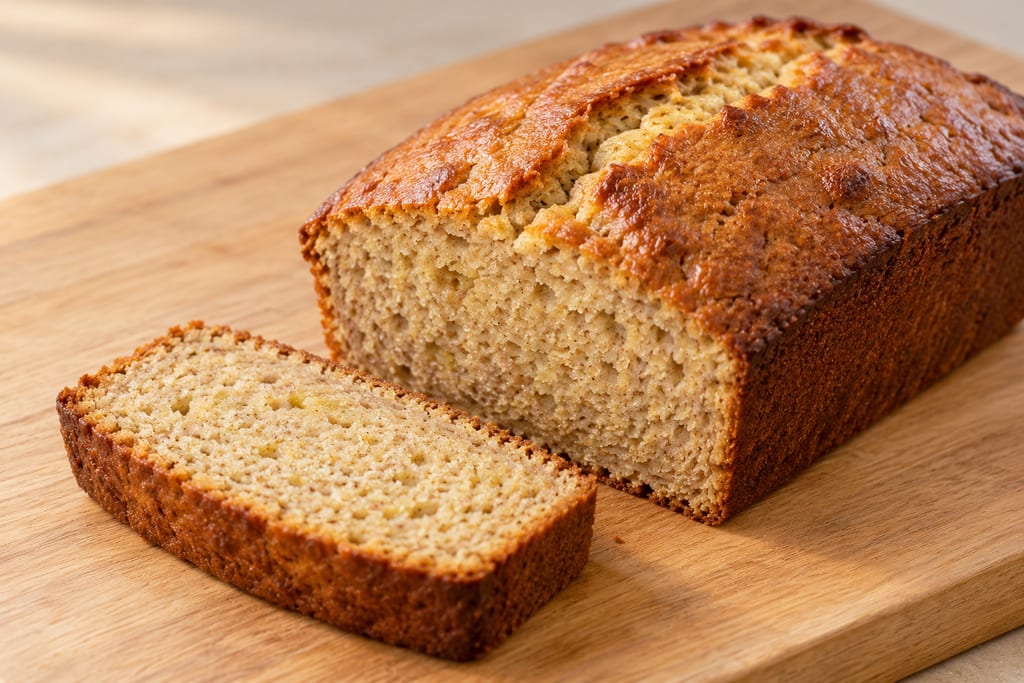
A Hawaiʻi ʻUlu Cooperative home loaf made with ripe banana, ʻulu, or a mixture of the two, leavened with baking powder.
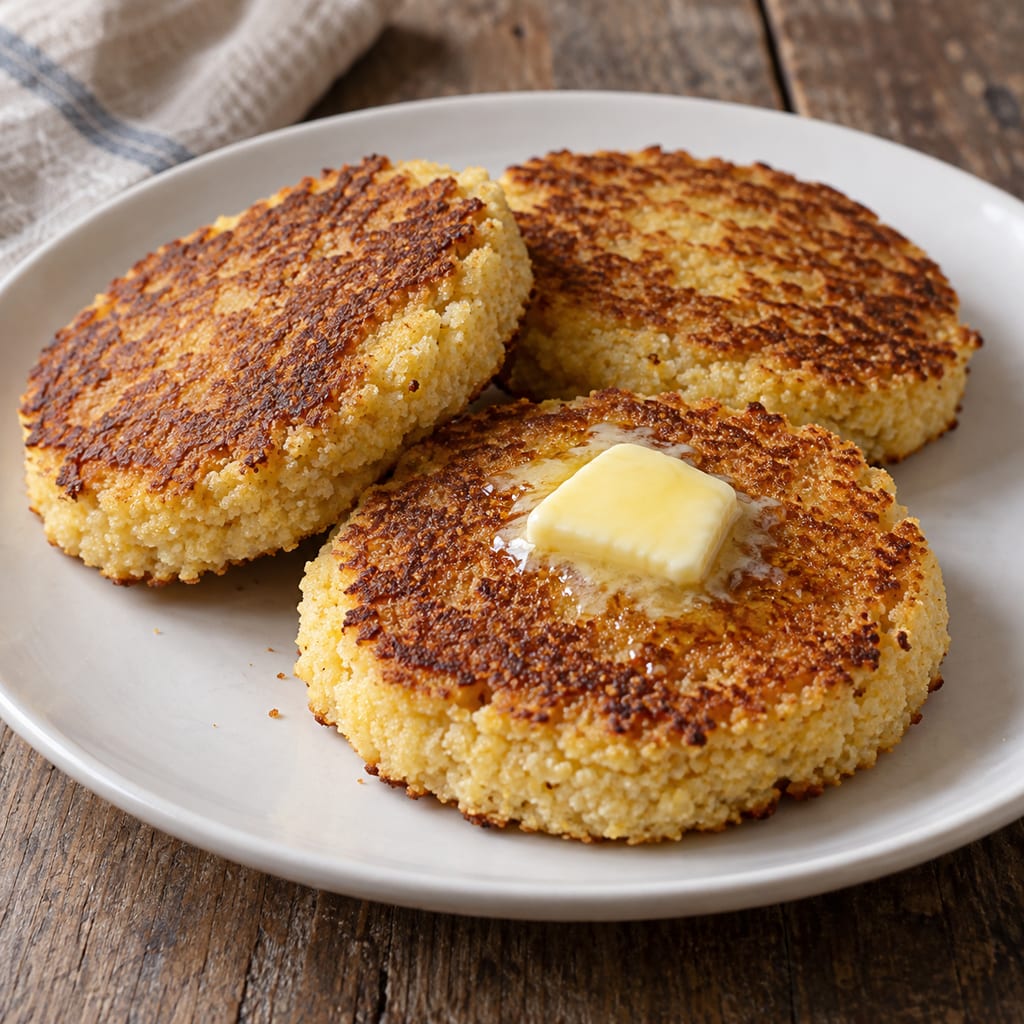
Thicker cornmeal cakes scalded with boiling water and cooked in butter. This South County formula is separate from thin Newport milk-batter cakes and Caribbean wheat breads.
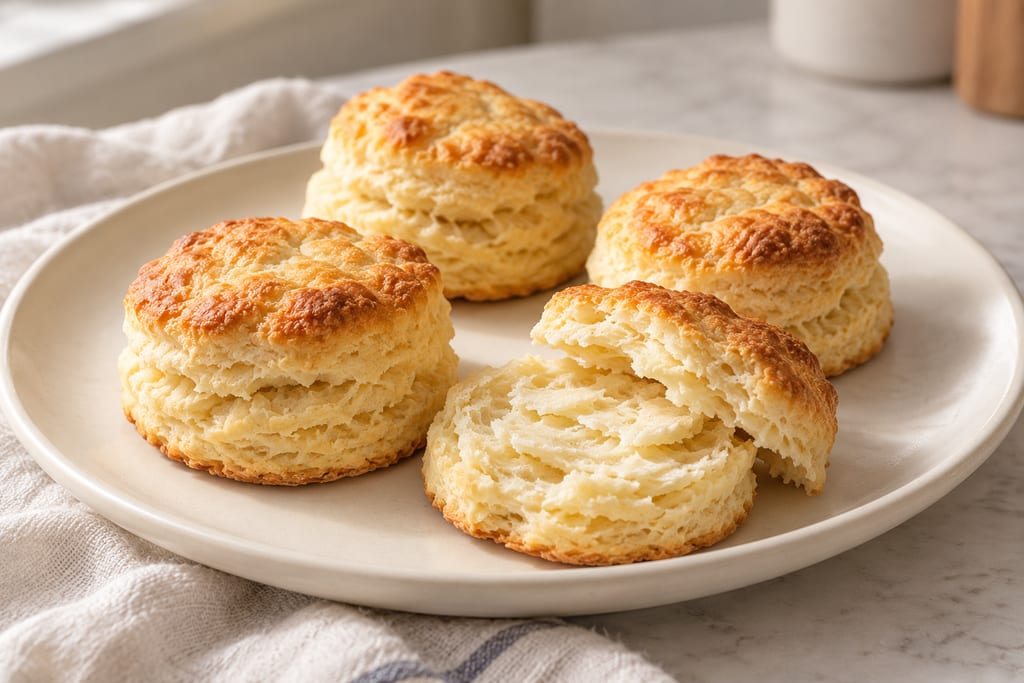
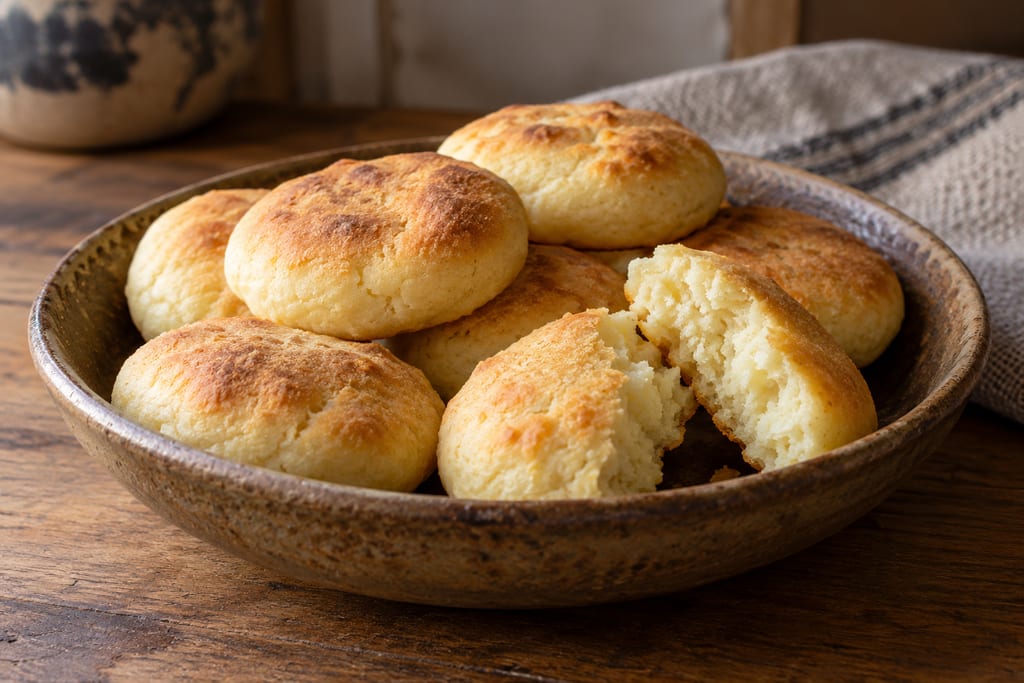
A small batch of tender American quick breads made with cold butter, buttermilk and baking powder.
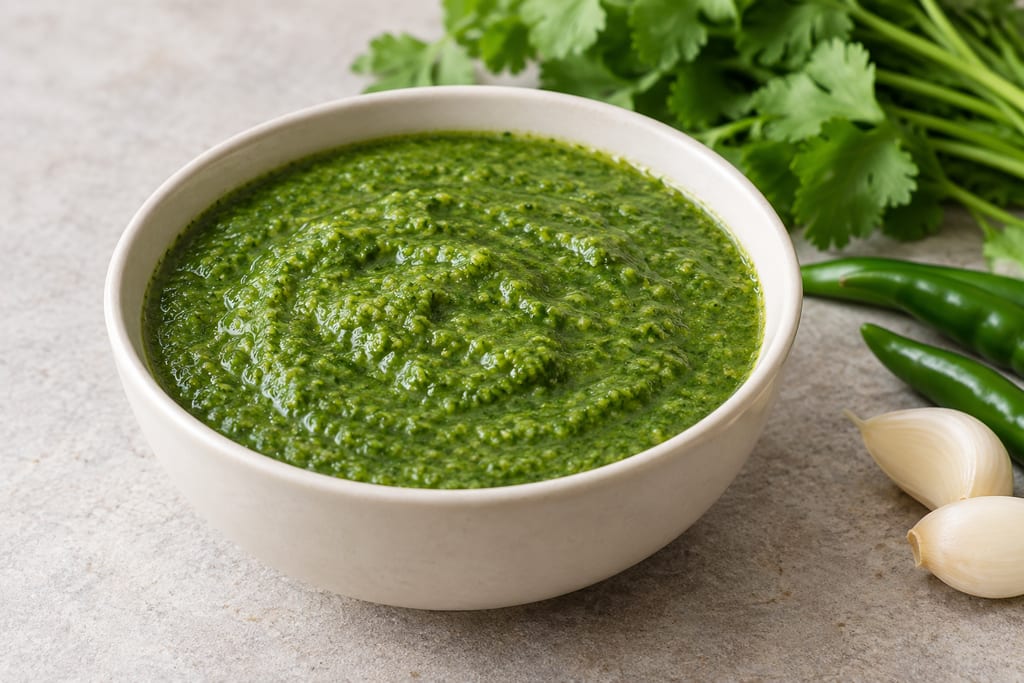
Afghan coriander chatni is a sharp, hot herb sauce with garlic and vinegar. A 2008 Afghanistan manual records green or red pepper and optional walnut; heat and household versions vary.
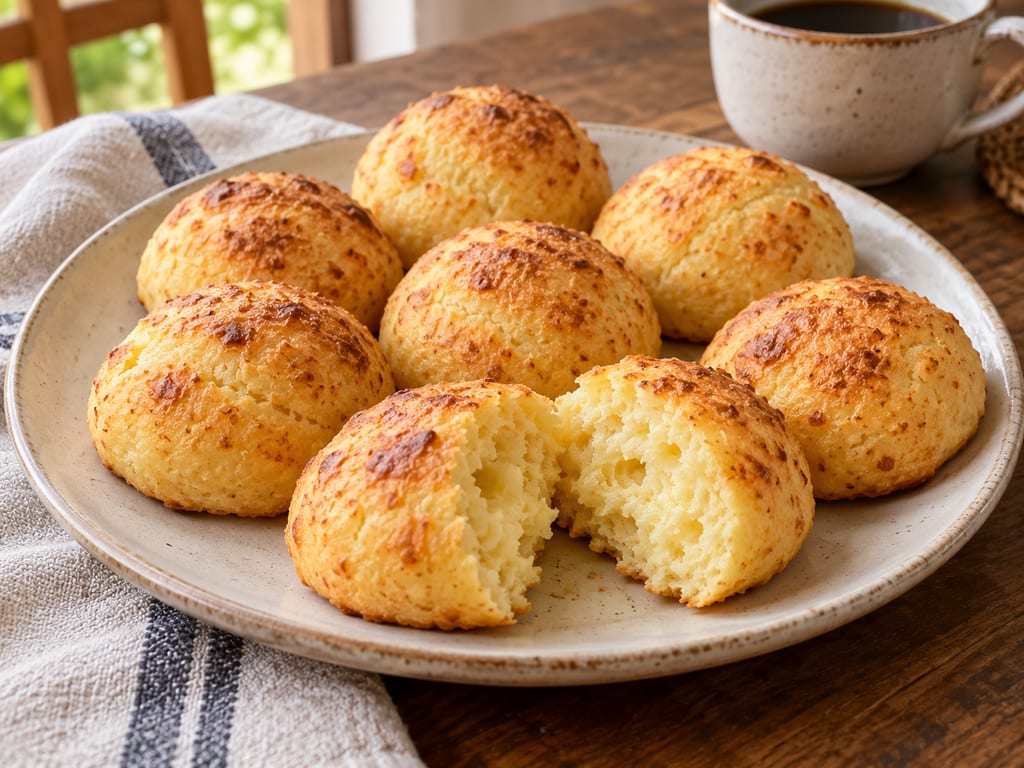
Small Colombian cheese breads made with precooked corn flour, queso fresco, mozzarella, eggs, milk and baking powder. This documented home version makes eight breads and is served warm.
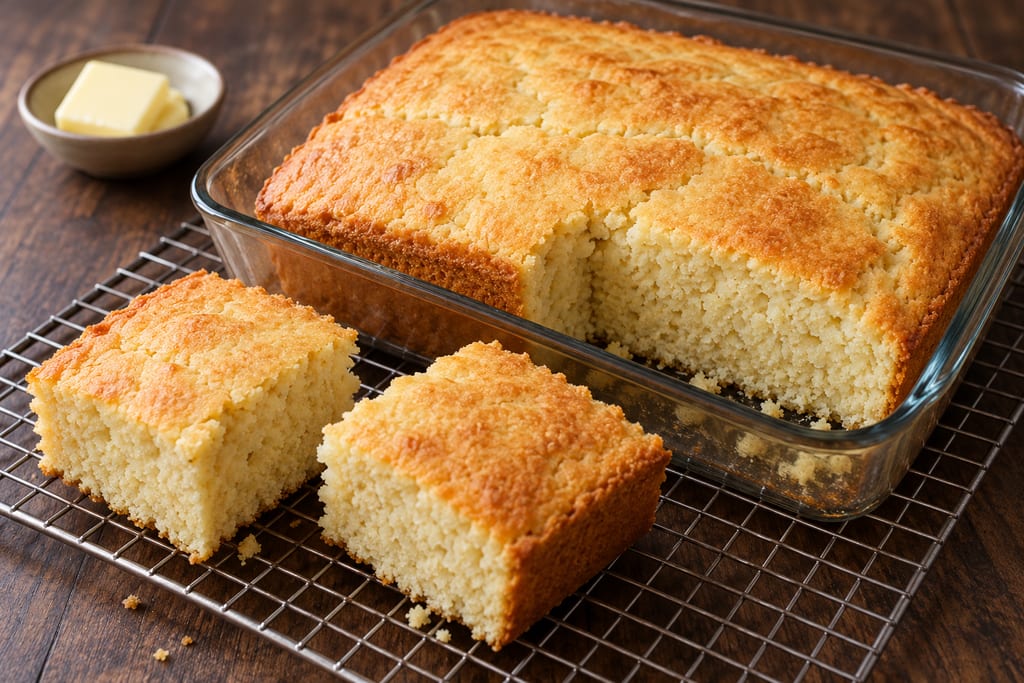
A soft, butter-rich Bahamian-style baked johnnycake made from flour, baking powder, sugar, butter and milk. The dough rests briefly in a square pan before baking.
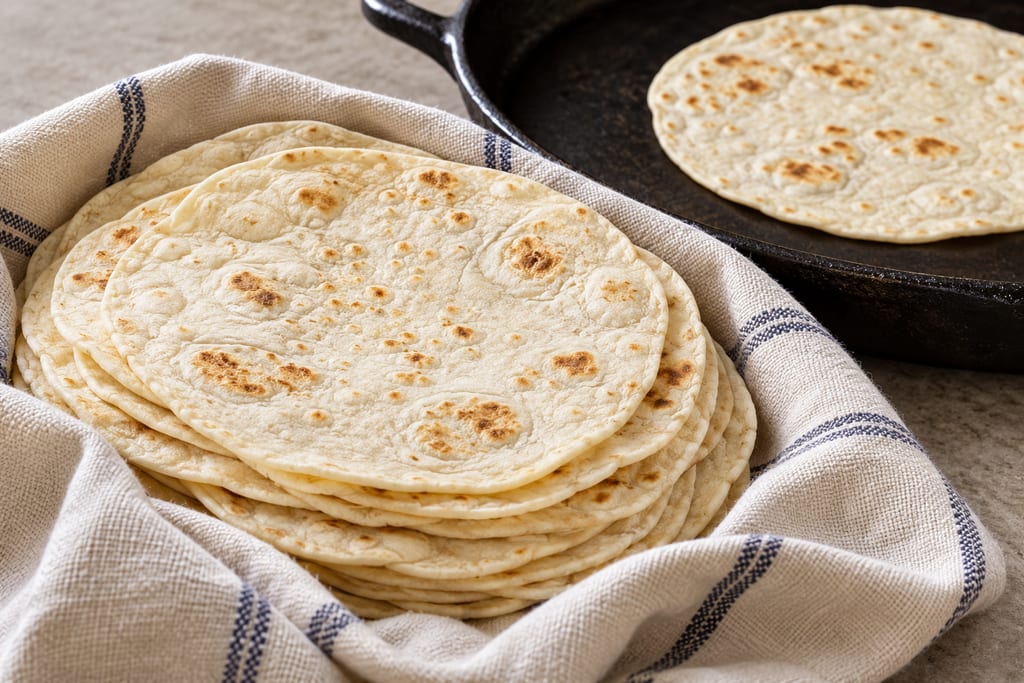
Soft wheat-flour rounds from an INCAP Honduran baleada recipe are rolled thin and cooked on a dry skillet; this record covers tortillas, not the filled dish.
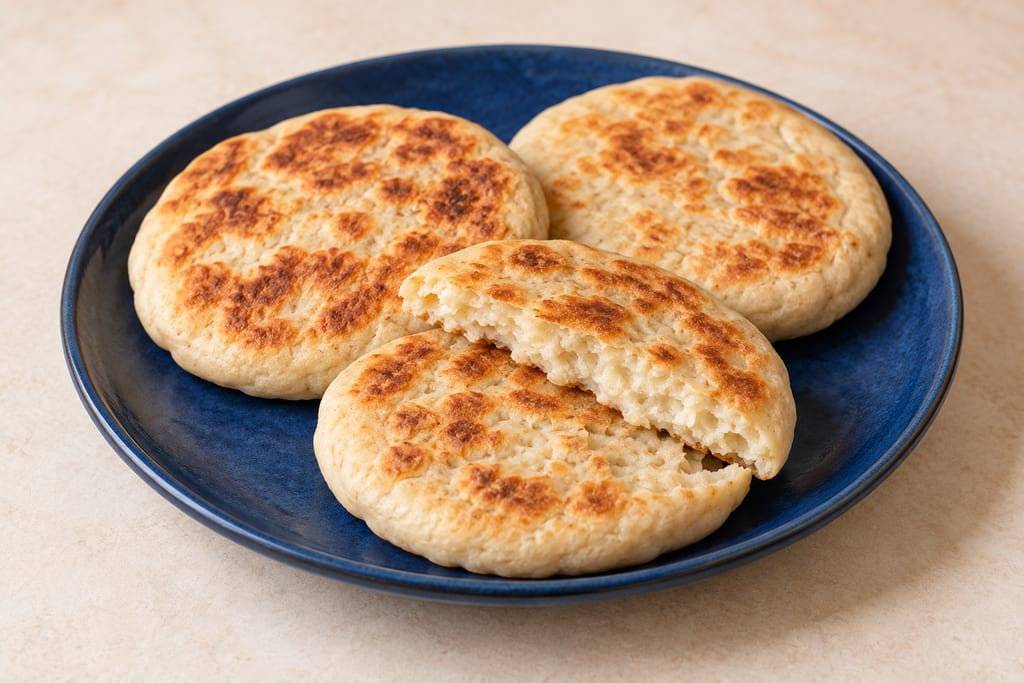
A Central Tibetan style pan bread made from flour, water and baking powder. Four dough balls are rested, rolled into rounds and cooked covered in a skillet, turning them several times.
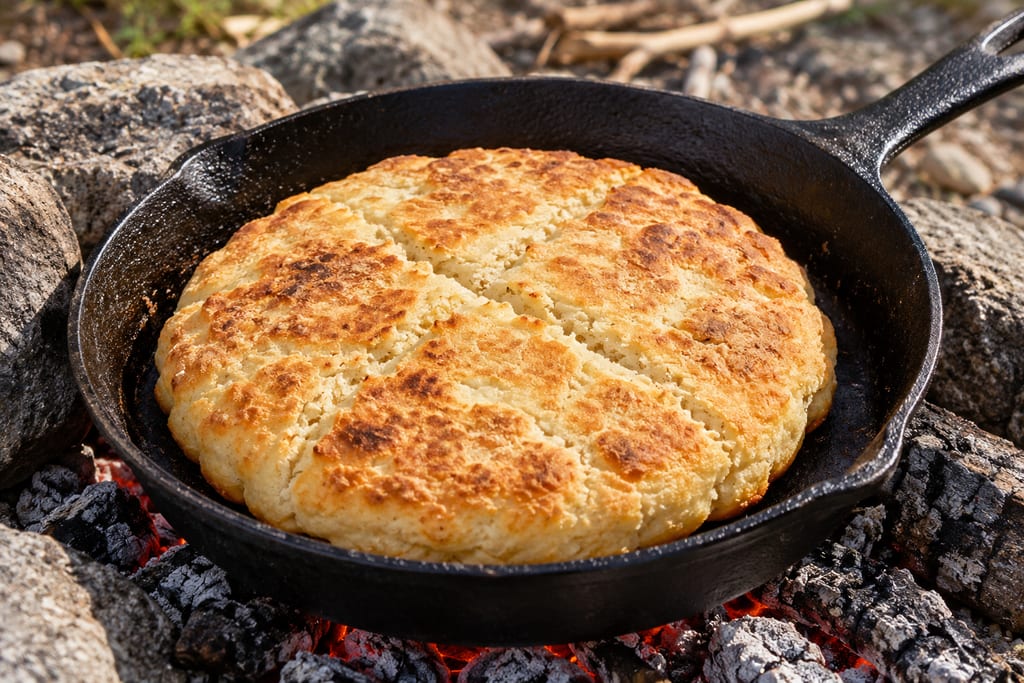
This flour, baking-powder and oil dough is Parks Canada’s contemporary Métis-interpreter version prepared at Rocky Mountain House; its specific recipe origin is unknown.
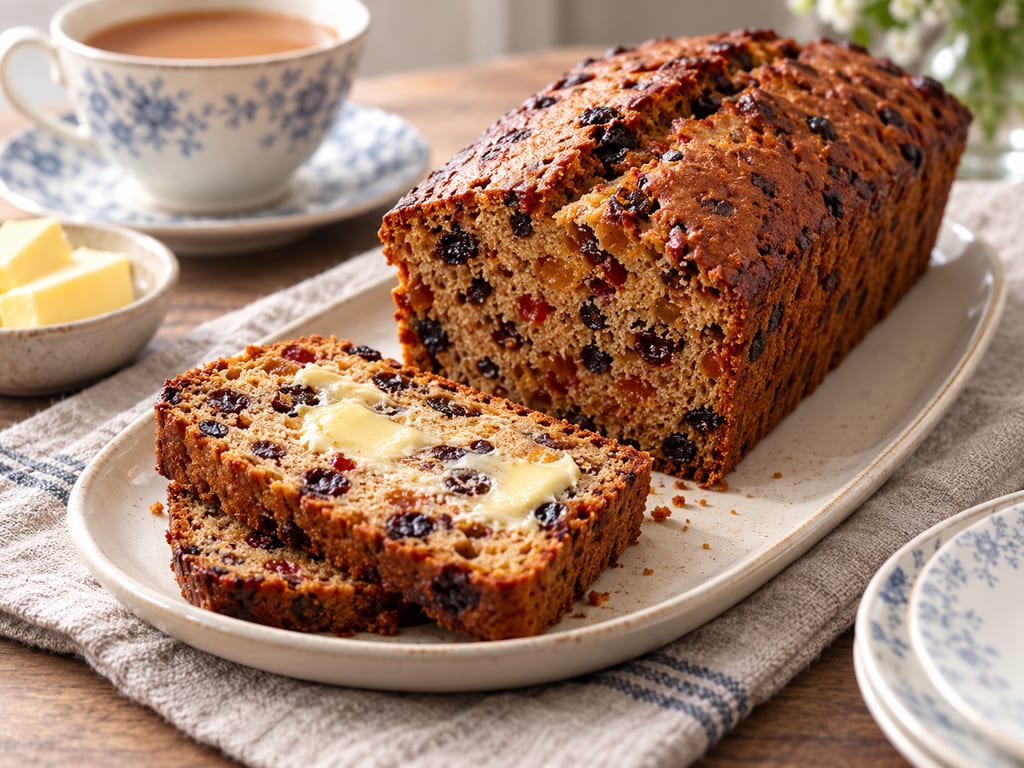
Bara brith is Wales’s speckled fruit loaf, made in both yeasted bread forms and the widely served modern tea-loaf style. This version soaks dried fruit in strong tea before mixing it with self-raising flour, spice, sugar and egg.
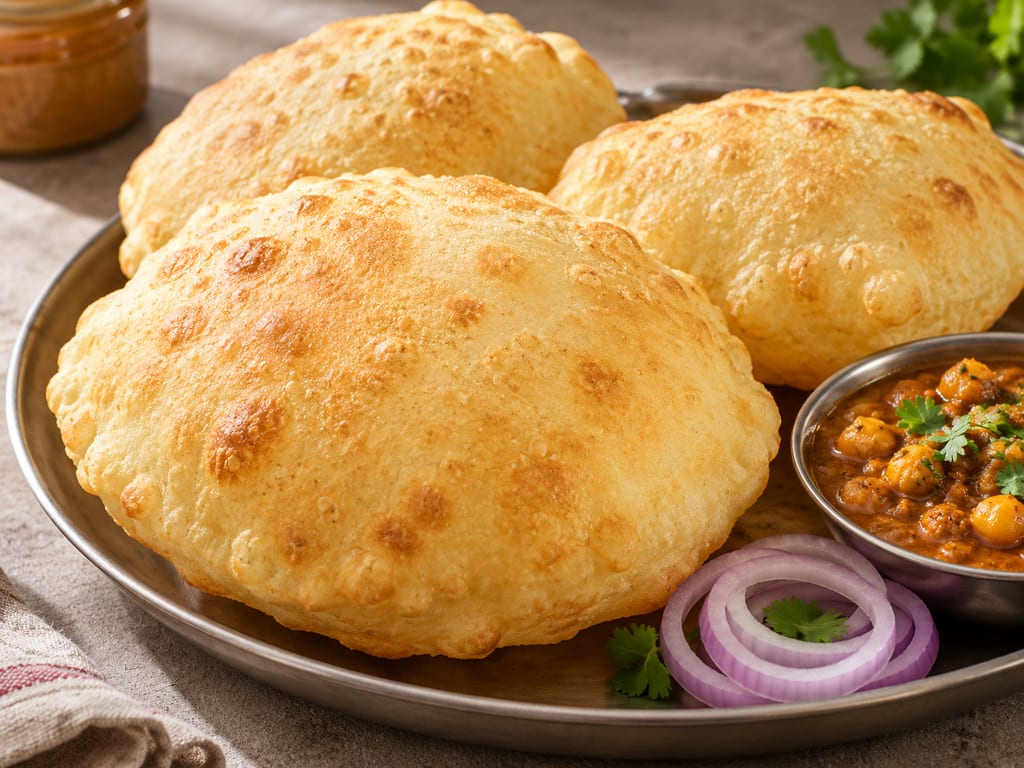
A North Indian fried bread made with yogurt, wheat flour and chemical leaveners. This source batch makes eight.
A baked Chiloé chapalele based on Gourmet's recipe: smooth cooked potato mixed with wheat flour, baking powder, sea salt and butter, shaped into 16 pieces.
No community contributions have been published for this entry yet.
Sign in to contribute. Published comments and photos are free to read.
University of Maine, Undiscovered MaineInspiration · Method · History · Geography
Maine Recipe: PloyesThe family batch lists 1 cup buckwheat flour, ⅓ cup white flour, 1½ teaspoons baking powder, ½ teaspoon salt, 1 cup cold water and ½ cup hot water; it makes around ten depending on size.
The source describes a fairly thin, lump-free batter and cooking on a pan, cast-iron skillet or griddle until bubbling holes appear. It says the contributor's father flipped his version, while noting many recipe instructions wait until the top dries and do not flip.
The author identifies the food as French-Acadian and discusses family practice in northern Maine. The source gives no numeric griddle temperature or cooking time.
Acadian Culture in Maine, University of Maine at Fort KentGeography · History
FoodsThe source says buckwheat pancakes in the Upper St. John Valley became a symbol of local culture on both sides of the international border and identifies a local Acadian variety.
It documents variation in texture, thickness and color and links ployes to Maine Acadian identity.
Quench MagazineMethod · History · Geography
Ployes – Canada’s Endangered PancakeThe feature documents household ployes in northern New Brunswick's Madawaska region and their use in place of bread.
It describes a one-sided method using buckwheat flour, wheat flour, baking powder, salt, cold water and boiling water; it says not to flip and notes family variations.
The source gives no measured formula or numeric cooking temperature in the inspected passage.
SaveurHistory
Don’t Call it a Pancake: The Surprising Backstory to the Staple Bread of Acadian CookingSaveur reports an interviewee's hypothesis that a batter of an earlier generation may have fermented before chemical leavening; the article presents this as an attributed theory, not a verified historical formula.
The article describes Madawaska ployes as one-sided, with tiny holes forming on a hot, barely greased griddle.
U.S. Food and Drug AdministrationSafety
Handling Flour Safely: What You Need to KnowFDA advises against tasting raw flour or batter and recommends washing hands, utensils and surfaces after handling flour.