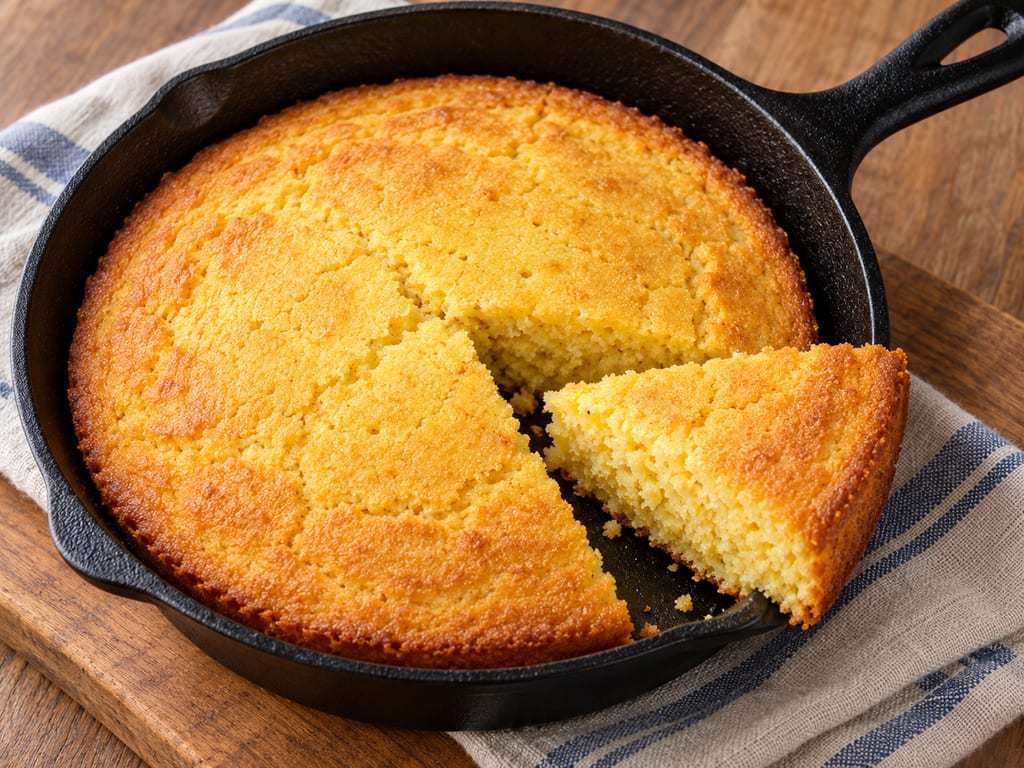
American cornbread
A modern cornmeal-and-wheat cornbread that King Arthur Baking describes as a compromise between Northern and Southern styles. The batter is baked in a pan or as muffins and served warm.
 FermenteaWhere food goes to change
Modern adaptation
American biscuits · Buttermilk biscuits · Southern biscuits
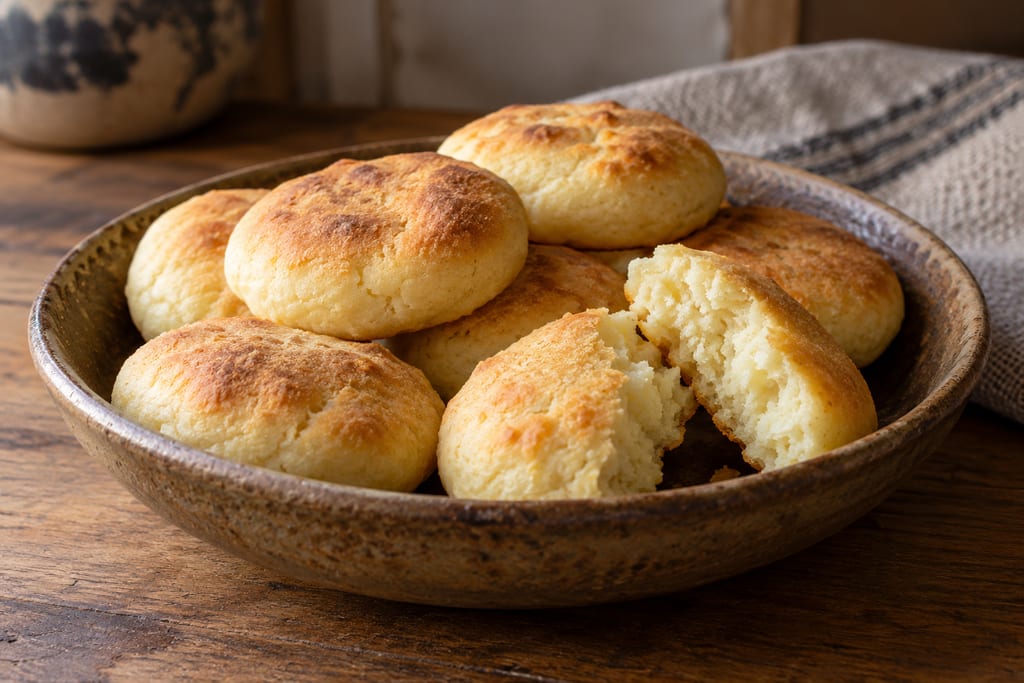
A small batch of tender American quick breads made with cold butter, buttermilk and baking powder.
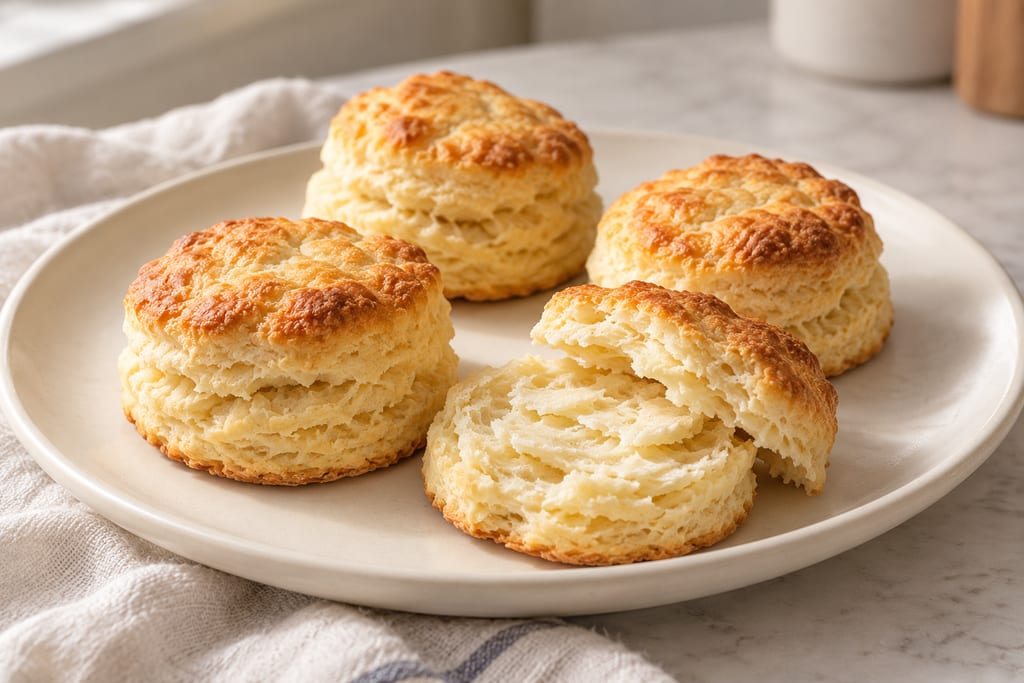
American biscuits are small, chemically leavened wheat breads. This measured version uses a King Arthur Baking class formula for four to six buttermilk biscuits. Cold butter is cut into the flour, then cold buttermilk brings the dough together; brief folding gathers dry bits without turning the dough into a kneaded bread.
The archive associates American biscuits especially with the southern United States. NCpedia records their increased popularity in North Carolina after the Civil War as woodstoves, commercial baking powder and cheaper white flour became more available. The American Chemical Society places the development of more reliable baking powder in the mid-19th century. These sources give useful context but do not establish the first date or a single birthplace for the style.
Keep the butter and buttermilk cold, and stop mixing once the dough holds together. Pat it to an even inch thickness, cut the biscuits, and bake them in a hot oven for 15 to 18 minutes until golden and baked through. The source gives no internal temperature.
Flour is raw and may carry harmful bacteria. Do not taste the dough. Keep it away from ready-to-eat foods, and wash hands, tools and work surfaces after handling it.
North Carolina's state encyclopedia says biscuits became especially popular there after the Civil War alongside woodstoves, commercial baking powder and cheaper white flour. The American Chemical Society dates the development of more reliable baking powder to the mid-19th century. Neither source dates the first southern buttermilk biscuit, so the first attestation remains unknown.
Yield 4 to 6 biscuits · Scaling: source batch only
Flour is a raw food and may carry harmful bacteria; the dough must be baked before eating.
Hazard sourceDo not taste the raw flour or dough. Keep flour and dough away from ready-to-eat foods, then wash hands, utensils and work surfaces after handling. Bake the biscuits through before tasting.
Control sourceThe biscuits should be golden and baked through; no internal temperature is provided.
The archive identifies American biscuits especially with the southern United States. NCpedia documents their growing popularity in North Carolina after the Civil War; this association does not claim a single birthplace.
A modern cornmeal-and-wheat cornbread that King Arthur Baking describes as a compromise between Northern and Southern styles. The batter is baked in a pan or as muffins and served warm.
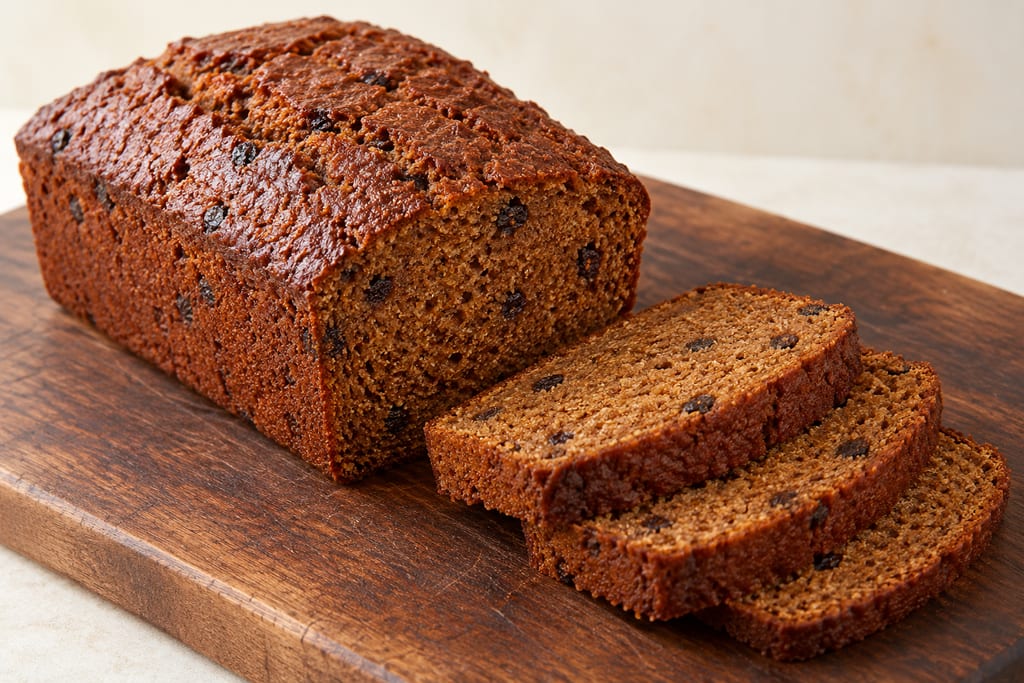
A molasses-sweetened rye, wheat and cornmeal batter that can be steamed on the stovetop or baked in a covered pan.
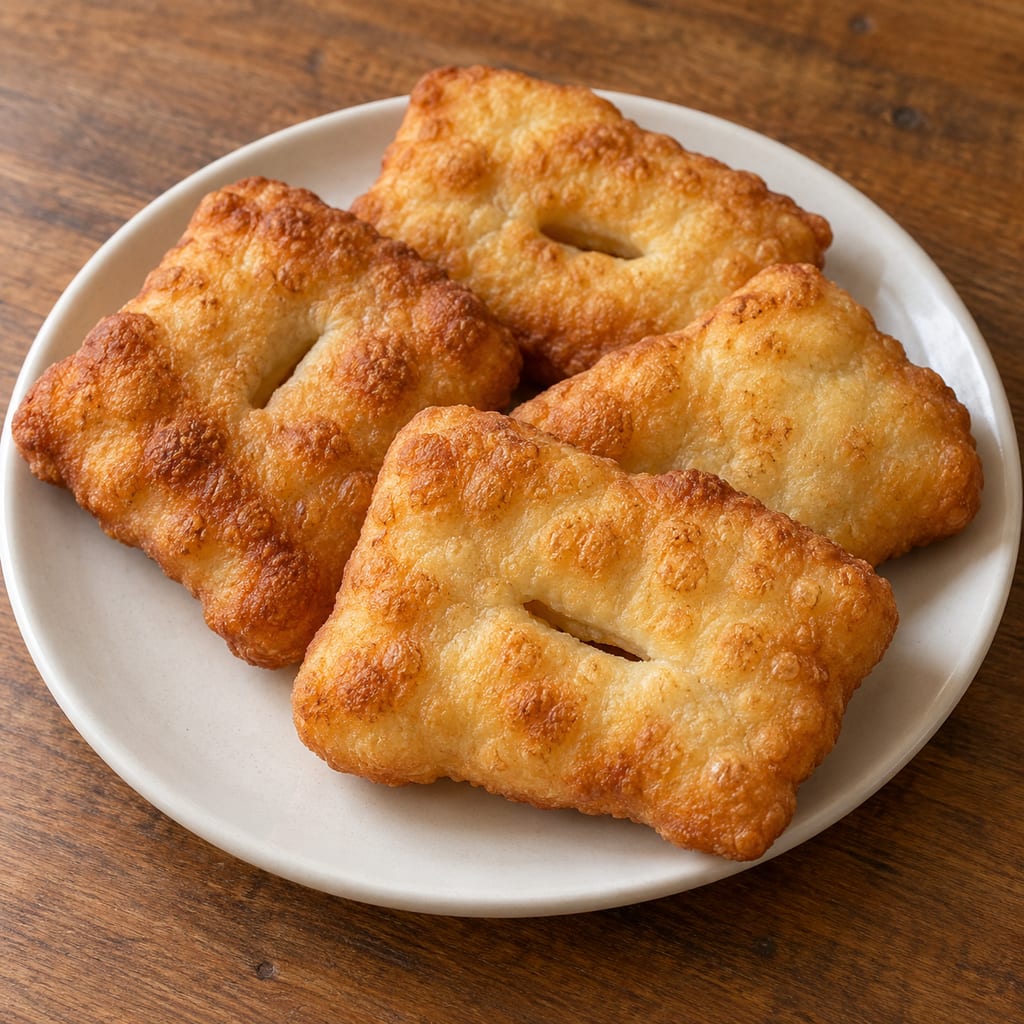
A soft egg-and-flour dough is lightly kneaded, cut into strips and fried until browned on both sides.
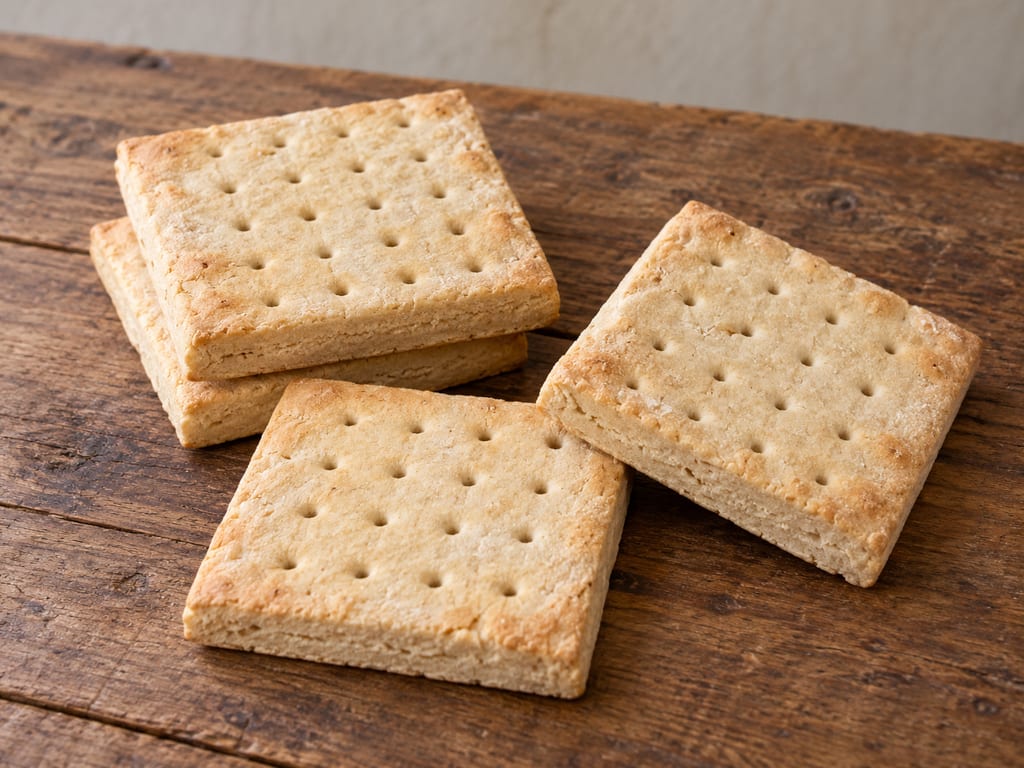
A flour-and-water biscuit baked hard for transport; this home version follows the measured National Park Service Manassas interpretation.
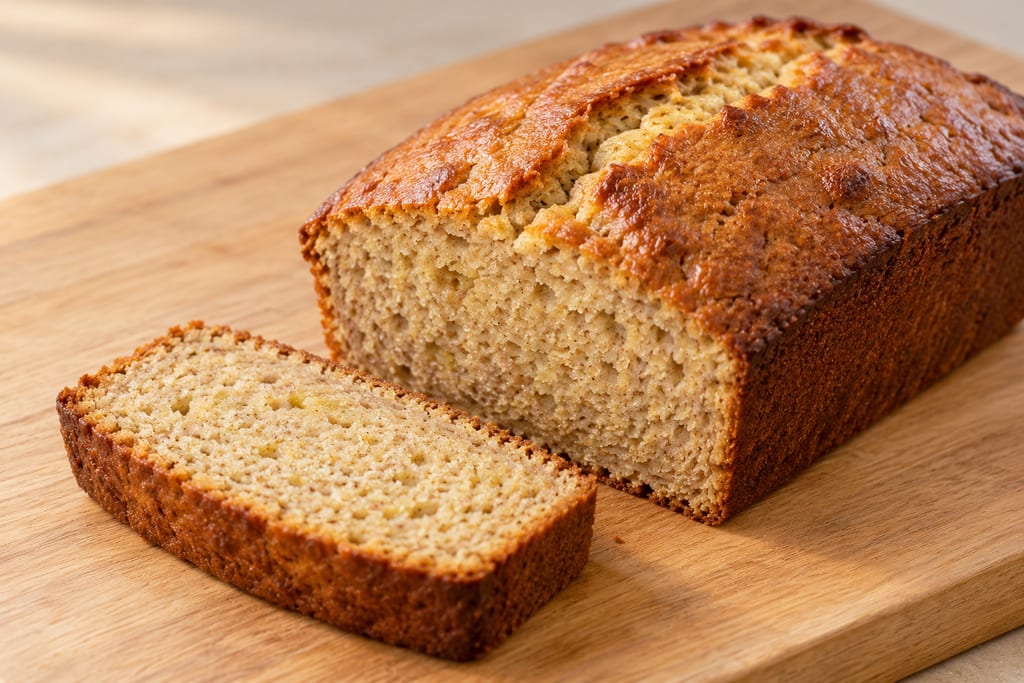
A Hawaiʻi ʻUlu Cooperative home loaf made with ripe banana, ʻulu, or a mixture of the two, leavened with baking powder.
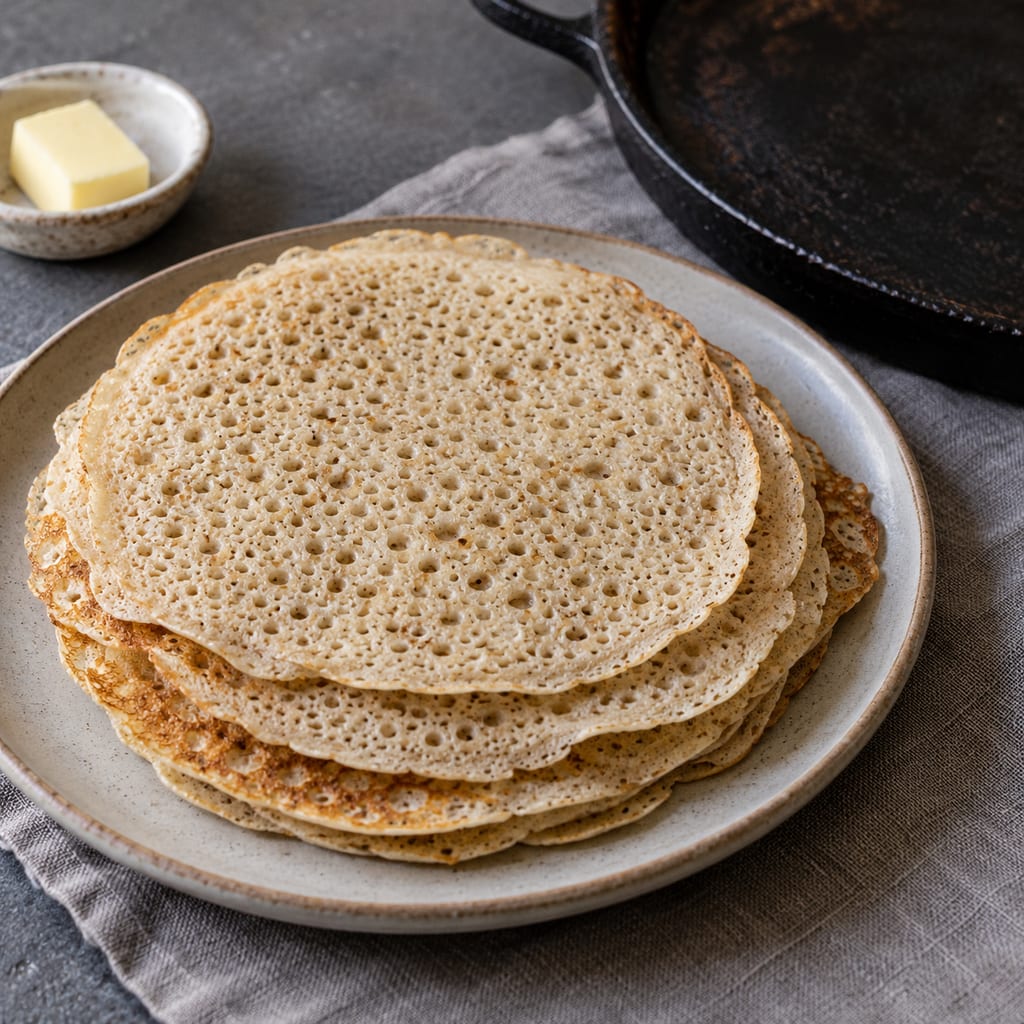
A thin buckwheat-and-wheat batter, loosened with cold and hot water, cooked on one side until lacy holes form and the top sets.
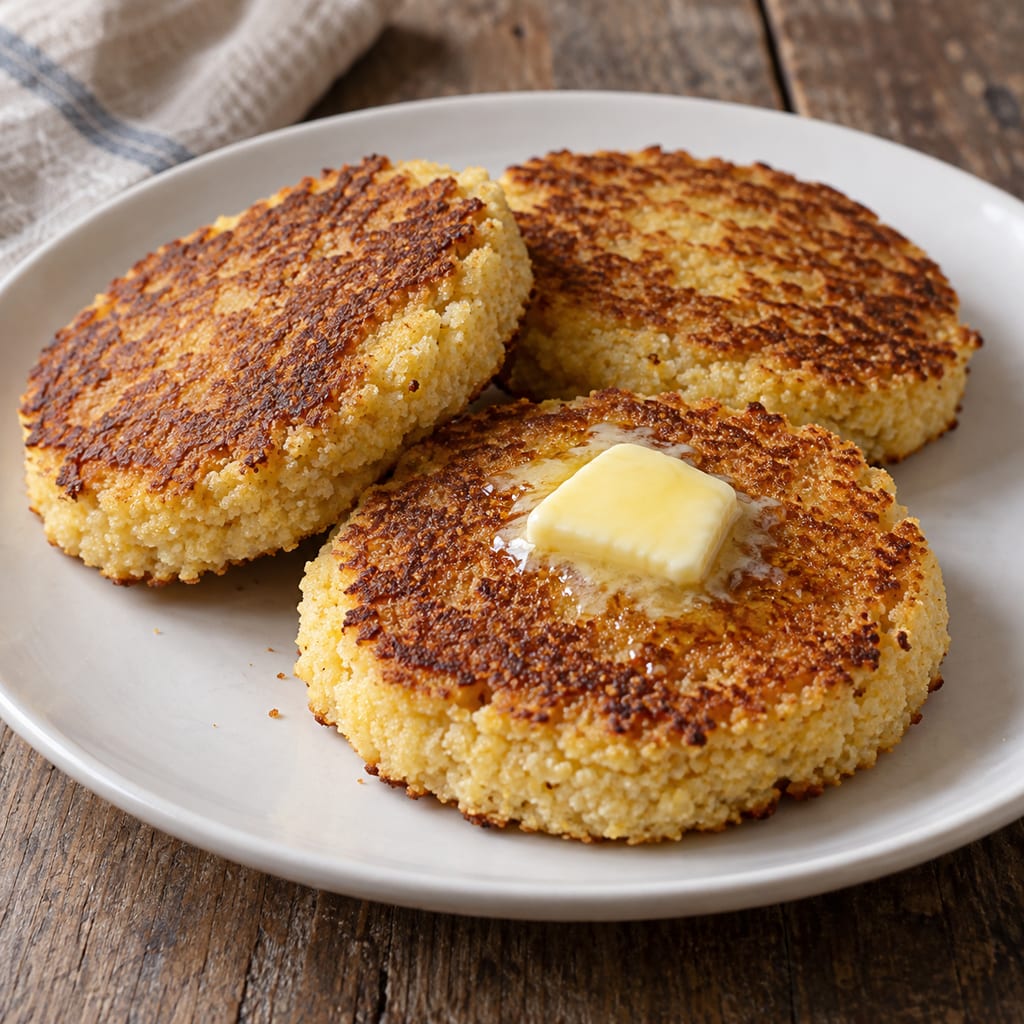
Thicker cornmeal cakes scalded with boiling water and cooked in butter. This South County formula is separate from thin Newport milk-batter cakes and Caribbean wheat breads.
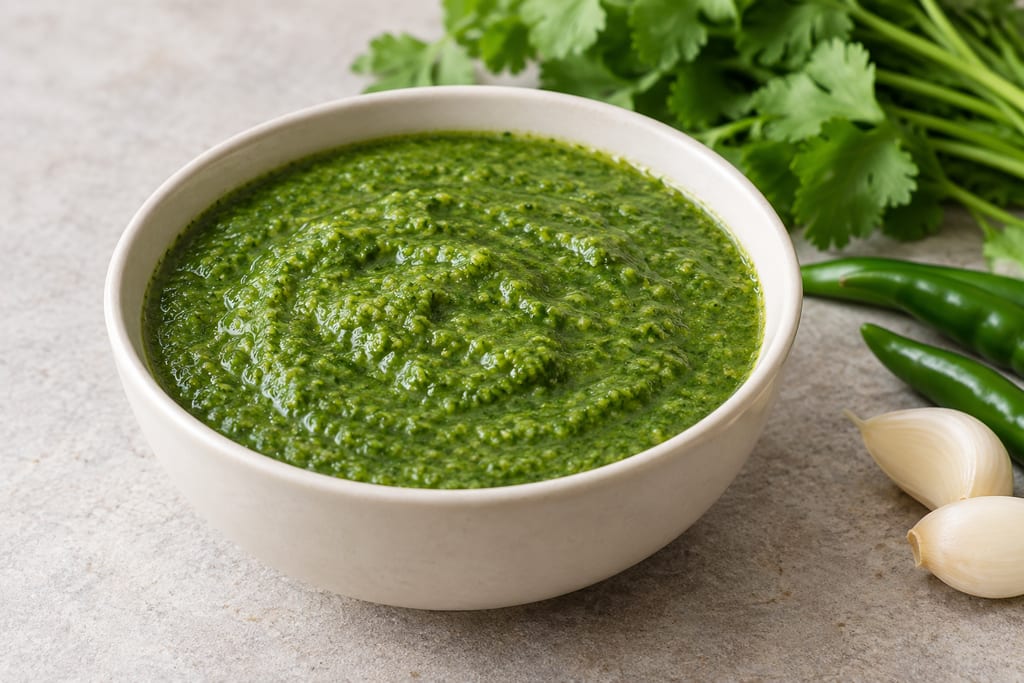
Afghan coriander chatni is a sharp, hot herb sauce with garlic and vinegar. A 2008 Afghanistan manual records green or red pepper and optional walnut; heat and household versions vary.
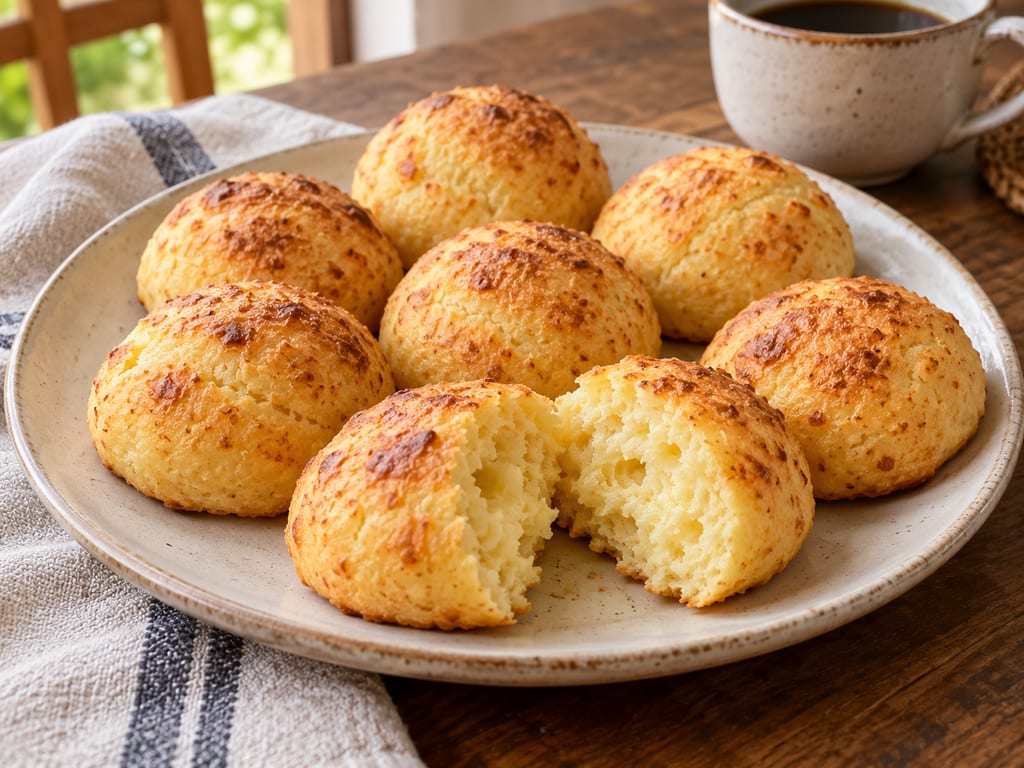
Small Colombian cheese breads made with precooked corn flour, queso fresco, mozzarella, eggs, milk and baking powder. This documented home version makes eight breads and is served warm.
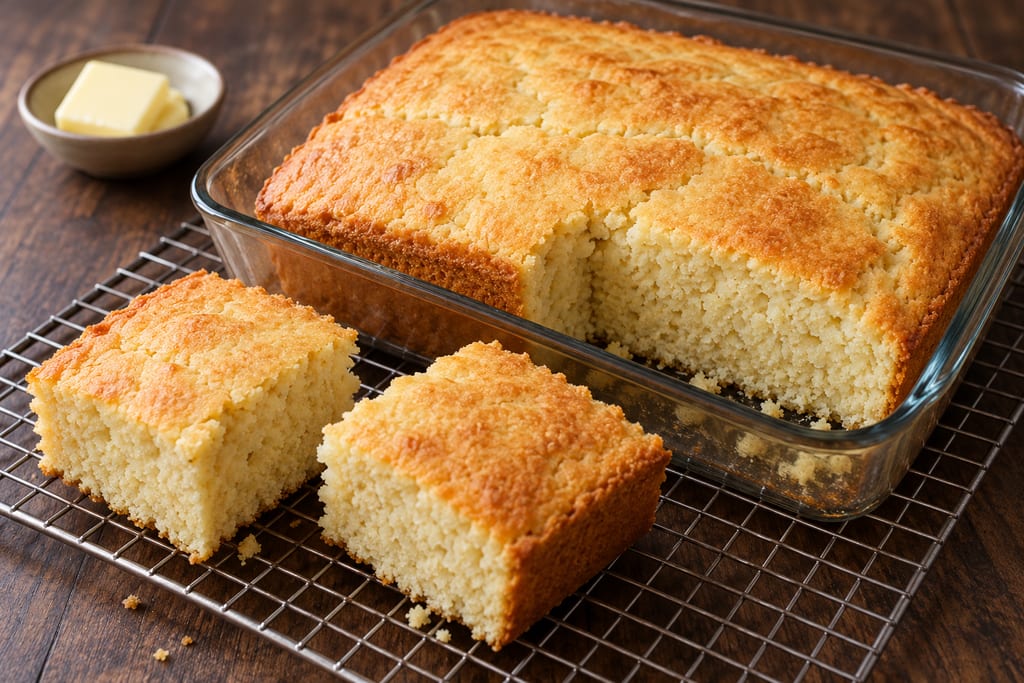
A soft, butter-rich Bahamian-style baked johnnycake made from flour, baking powder, sugar, butter and milk. The dough rests briefly in a square pan before baking.
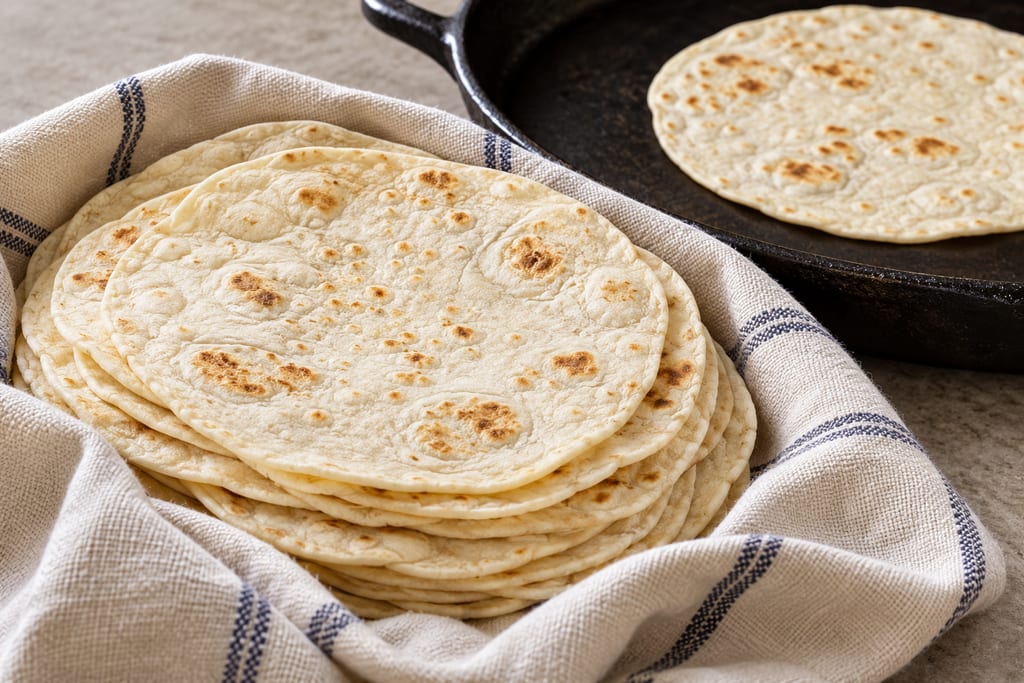
Soft wheat-flour rounds from an INCAP Honduran baleada recipe are rolled thin and cooked on a dry skillet; this record covers tortillas, not the filled dish.
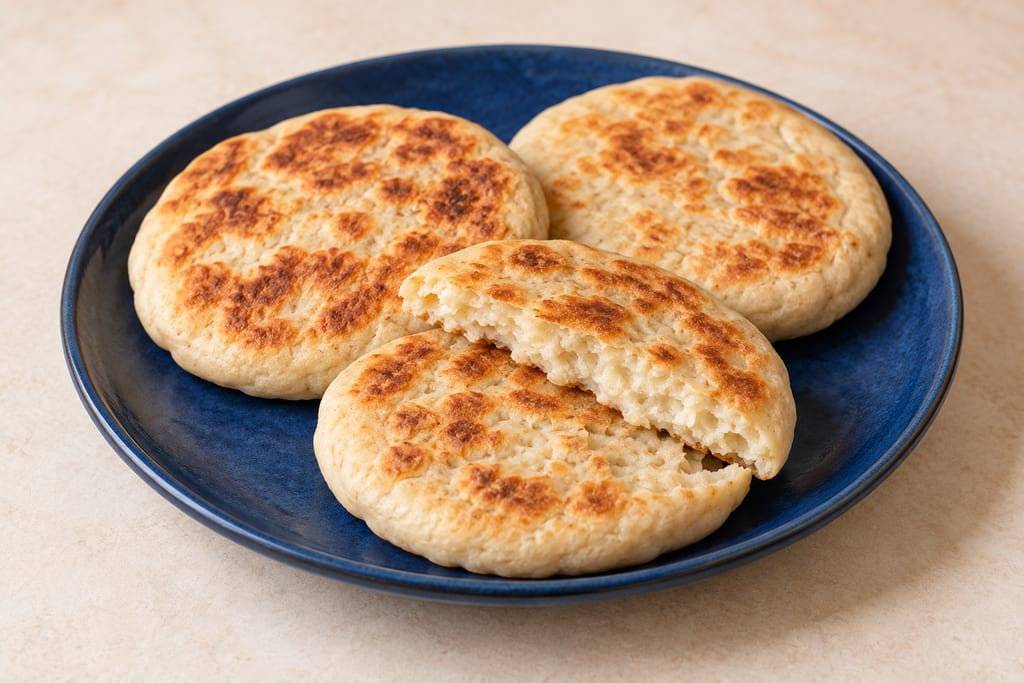
A Central Tibetan style pan bread made from flour, water and baking powder. Four dough balls are rested, rolled into rounds and cooked covered in a skillet, turning them several times.
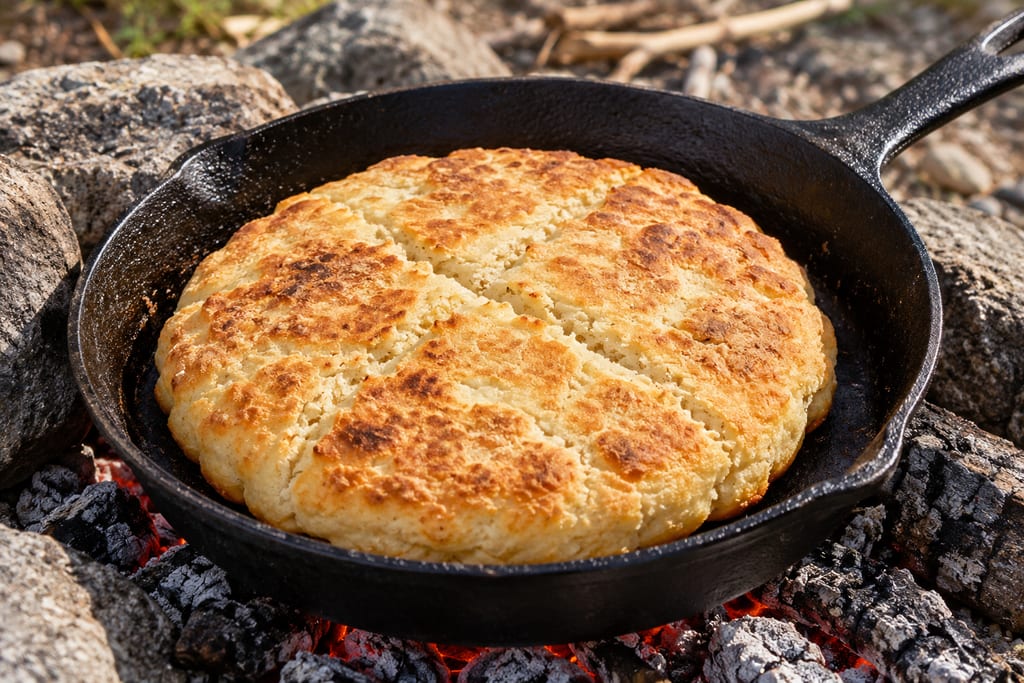
This flour, baking-powder and oil dough is Parks Canada’s contemporary Métis-interpreter version prepared at Rocky Mountain House; its specific recipe origin is unknown.
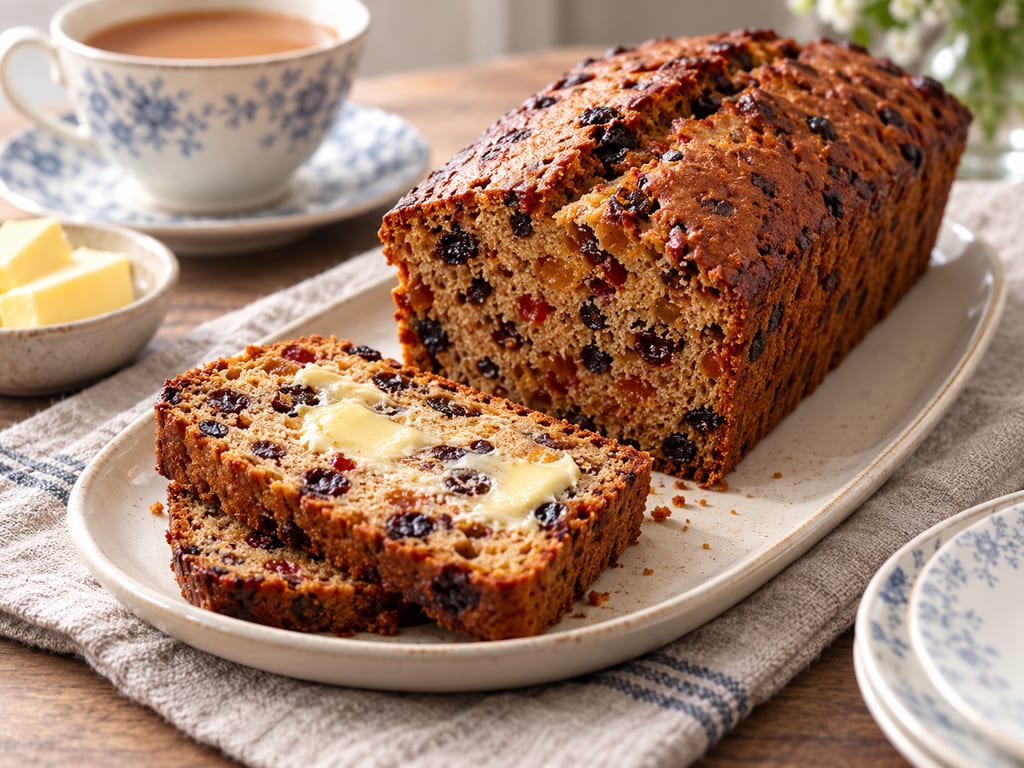
Bara brith is Wales’s speckled fruit loaf, made in both yeasted bread forms and the widely served modern tea-loaf style. This version soaks dried fruit in strong tea before mixing it with self-raising flour, spice, sugar and egg.
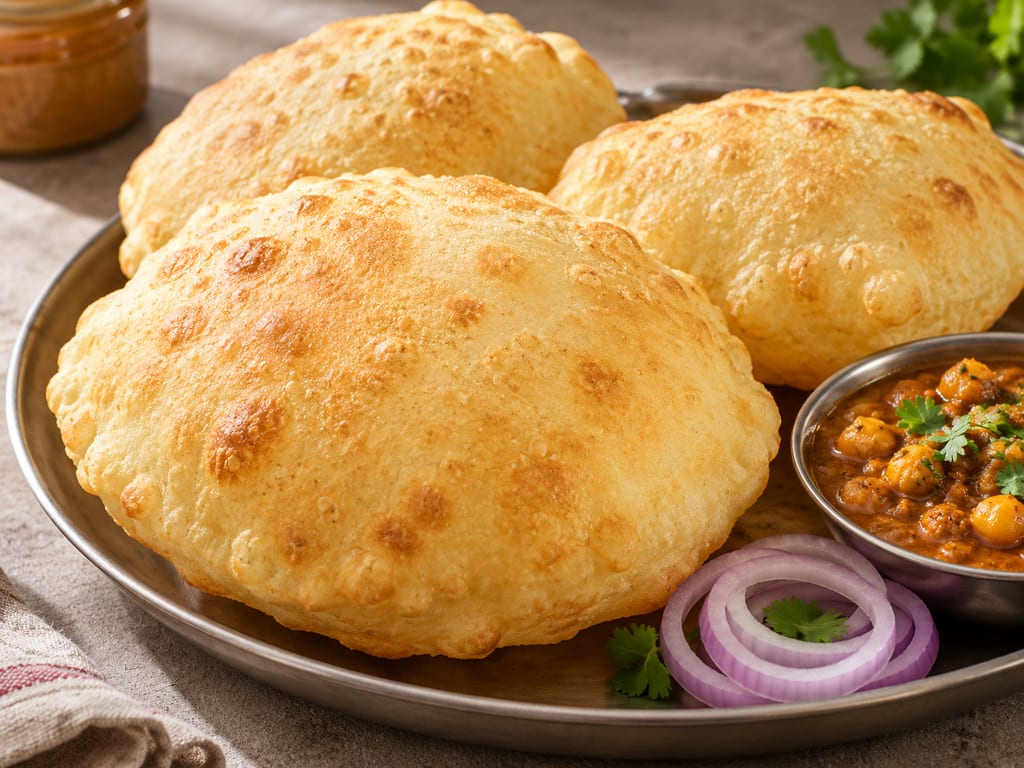
A North Indian fried bread made with yogurt, wheat flour and chemical leaveners. This source batch makes eight.
A baked Chiloé chapalele based on Gourmet's recipe: smooth cooked potato mixed with wheat flour, baking powder, sea salt and butter, shaped into 16 pieces.
No community contributions have been published for this entry yet.
Sign in to contribute. Published comments and photos are free to read.
King Arthur Baking CompanyInspiration · Method
Biscuits & SconesSmall batch yield of 4–6 biscuits; flour, baking powder, salt, sugar, cold butter and buttermilk quantities.
Oven temperature, mixing and folding sequence, 1-inch dough thickness, cutting, spacing, bake time and baked-through cue.
Equipment list includes mixing bowl, optional pastry blender, cutter or knife, and parchment-lined baking sheet.
NCpedia; Encyclopedia of North CarolinaHistory · Geography
BreadsBiscuits became especially popular in North Carolina after the Civil War with woodstoves, commercial baking powder and cheaper white flour.
American Chemical SocietyHistory
Development of Baking PowderBaking powder made baking easier and more reliable in the mid-19th century; Eben Horsford received a patent for calcium acid phosphate in 1856.
U.S. Food and Drug AdministrationSafety
Handling Flour Safely: What You Need to KnowFlour may contain harmful bacteria; do not taste raw flour or dough, keep it separate from ready-to-eat food, and clean hands, utensils and surfaces after handling.