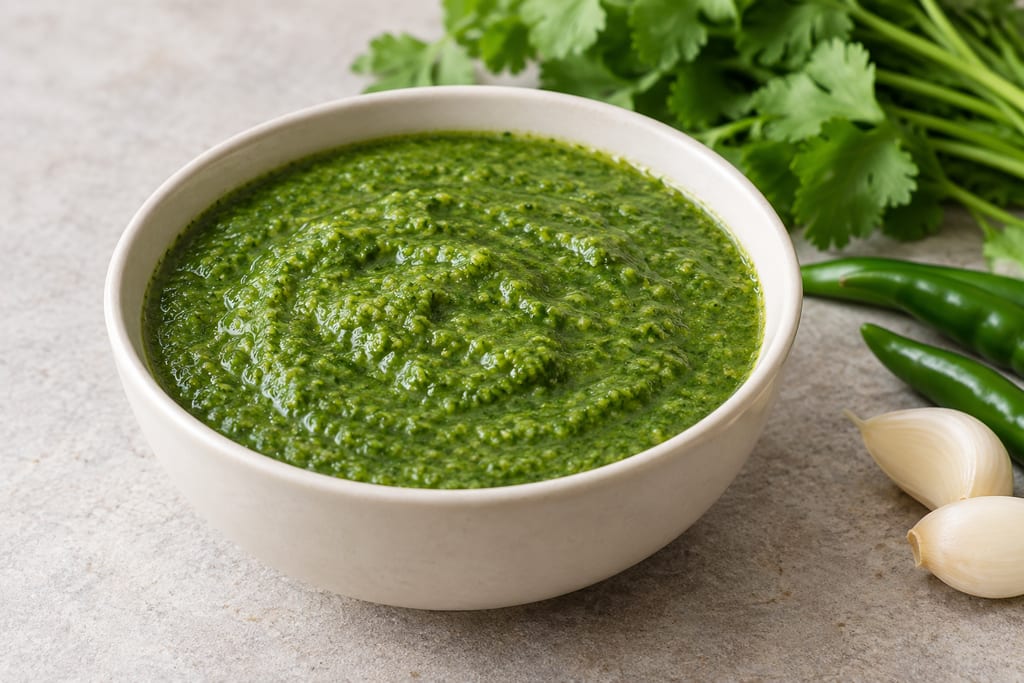
Afghan chutney (chatney)
Afghan coriander chatni is a sharp, hot herb sauce with garlic and vinegar. A 2008 Afghanistan manual records green or red pepper and optional walnut; heat and household versions vary.
 FermenteaWhere food goes to change
ranch · ranch salad dressing
Ranch dressing is an American cultured-dairy dressing of buttermilk or sour cream and mayonnaise, seasoned with garlic, onion and dried herbs, and made either pourable or thick enough to dip.
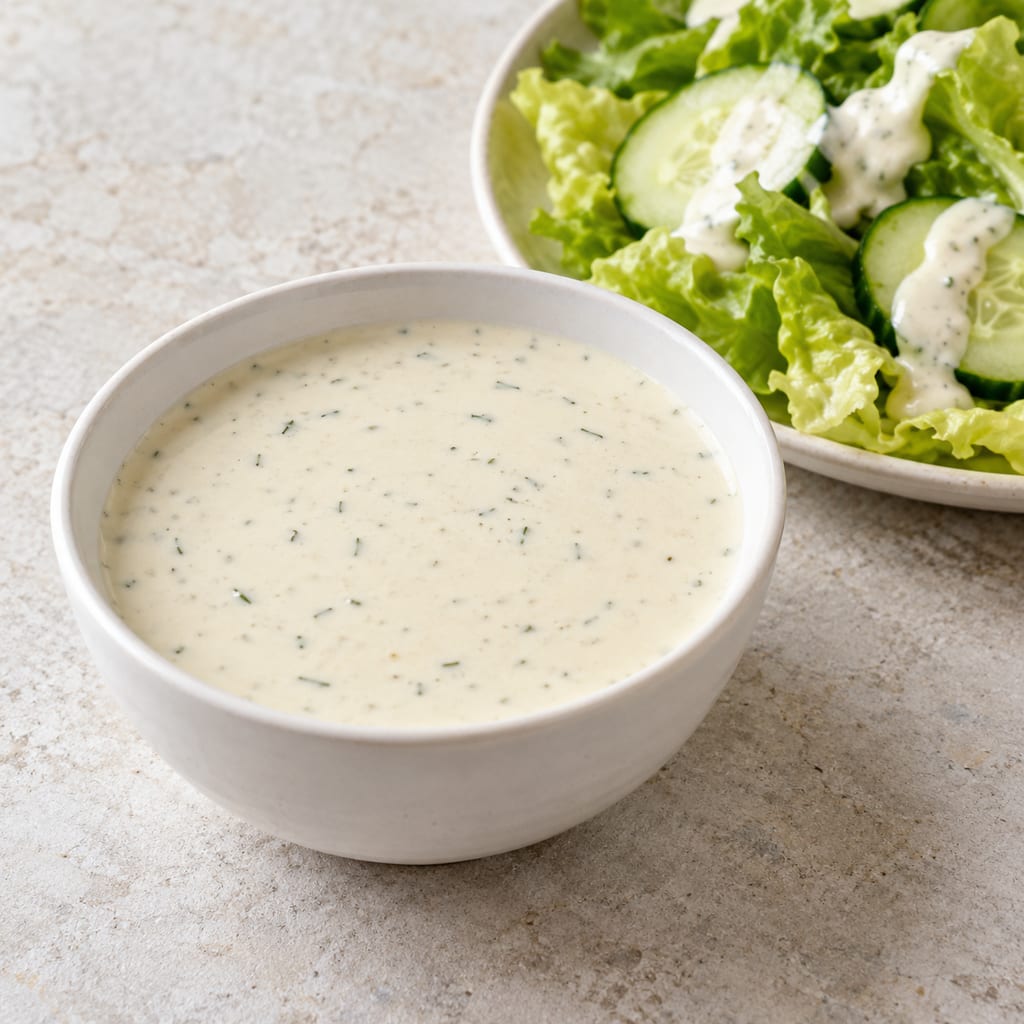
Ranch dressing is a creamy, savoury dressing. Its base is a cultured dairy product, most often buttermilk, sometimes with sour cream, and it is commonly enriched with mayonnaise. Garlic, onion, dried herbs and salt give it its character, and the tang of the cultured dairy keeps it from tasting heavy.
The dressing can be made pourable for a green salad or thick enough to serve as a dip for vegetables and fried food. The research sources treat these as two formats of one family rather than separate dressings.
The best-known origin story credits Steve Henson, a plumbing contractor who cooked for his crew in remote Alaska in the early 1950s and often made a buttermilk dressing that the men liked. He later moved to California, where the ranch he bought in 1954 gave its name to the dressing. The name Hidden Valley was attached to the mix that the Hensons sold by mail order.
The sources are not fully consistent on dates, on where Henson was born and on when the brand was sold to Clorox. The early 1950s and the 1954 California move are the most often cited dates.
Cold blending is the method. Buttermilk or sour cream is combined with mayonnaise where used, then garlic, onion, herbs and salt are stirred in until smooth. Herbs are commonly dried, and the choice of herbs and the proportion of dairy change the result.
The cook sets the thickness by the amount of liquid dairy: less for a dip, more for a pourable dressing. The sources do not give a ratio, so the proportions are a matter of taste.
The research catalogue lists ranch and blue cheese as related branches of cultured dairy dressing rather than aliases, and this record keeps them apart. No storage limit is established by the sources; a dairy dressing is perishable and should be kept cold.
Most accounts credit Steve Henson, a plumbing contractor who developed a buttermilk herb dressing in the early 1950s while cooking for his crew in Alaska. In 1954 he and his wife, Gayle, bought a ranch above Santa Barbara, California, and named it Hidden Valley Ranch; the name then passed to the dressing. Mail-order sales of the packaged mix followed. Sources differ on Henson's birthplace, the ranch's purchase year and the year the brand was sold to Clorox, which is given as 1972 in one source and 1973 in another.
Scaling: quantities are not established by the research sources.
The dressing is documented in the United States; the source does not place it in a single town.
Afghan coriander chatni is a sharp, hot herb sauce with garlic and vinegar. A 2008 Afghanistan manual records green or red pepper and optional walnut; heat and household versions vary.
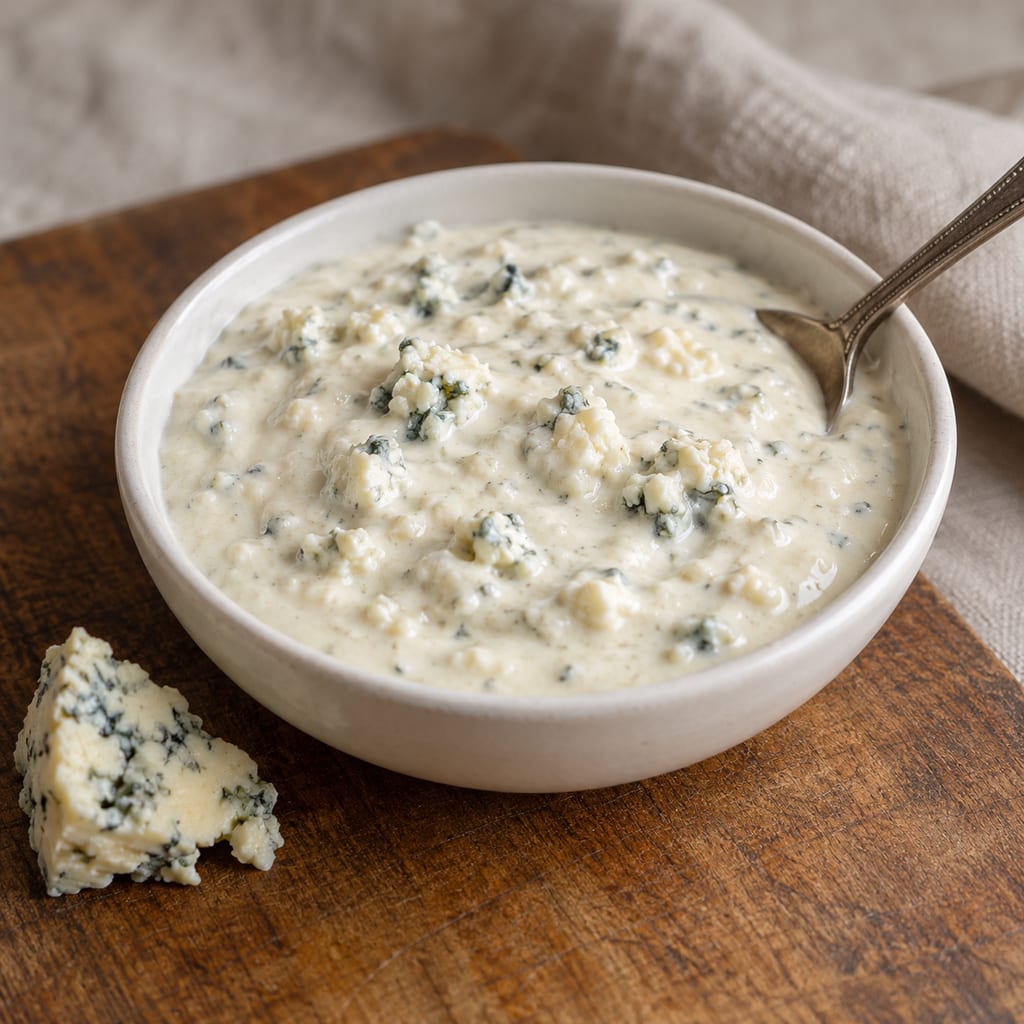
Blue cheese dressing is a creamy dressing built on crumbled blue cheese mashed into buttermilk, with sour cream, mayonnaise, vinegar and seasoning, and kept cold for up to two weeks.
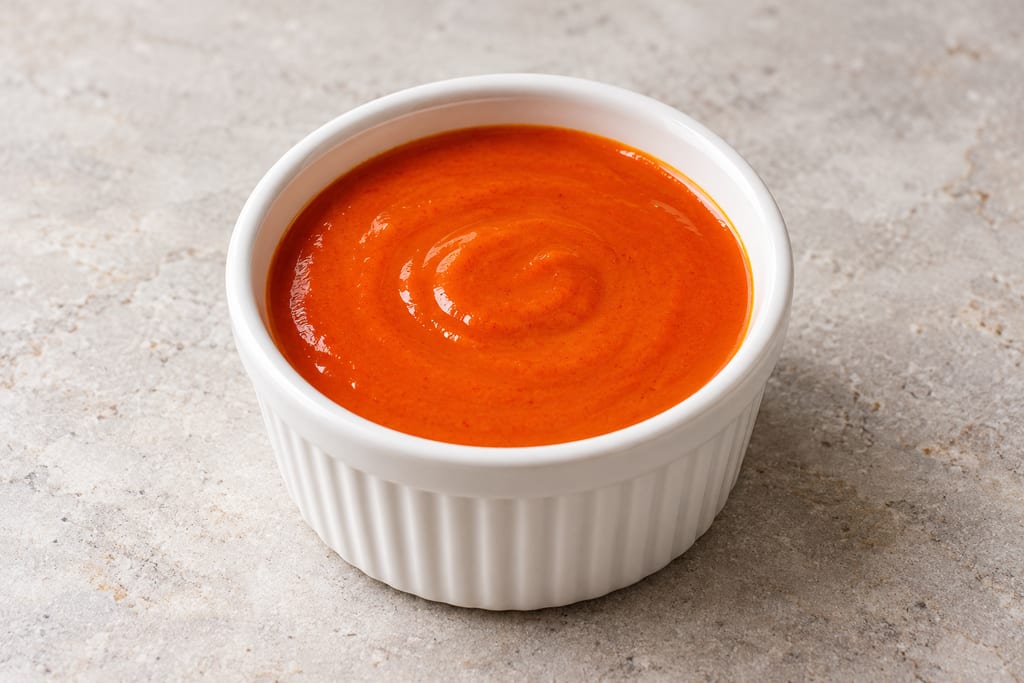
A warm, buttery cayenne sauce made by melting butter into a hot pepper sauce, first tossed onto fried chicken wings in Buffalo, New York.
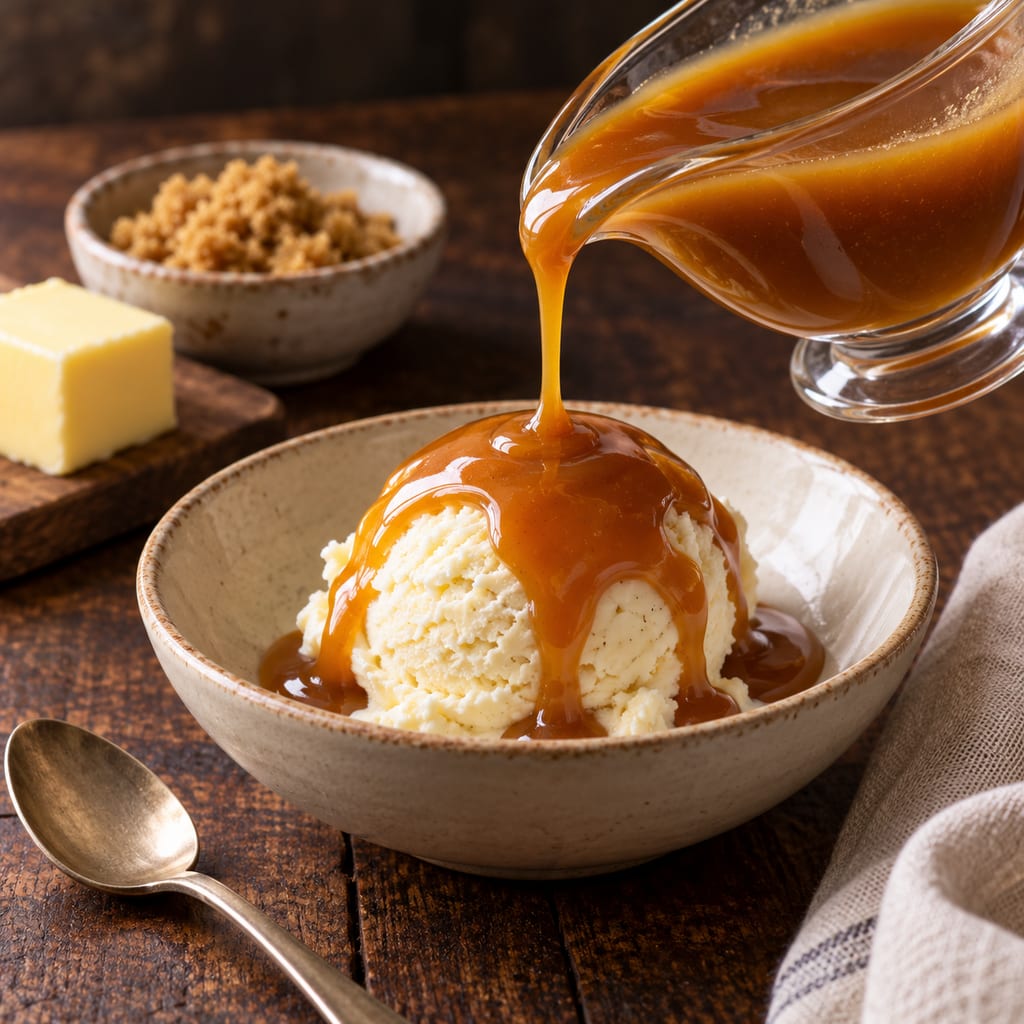
A pourable dessert sauce of brown sugar, butter and cream, with a little corn syrup and salt. It is the sauce form of the butterscotch confection and is made without water, unlike caramel.
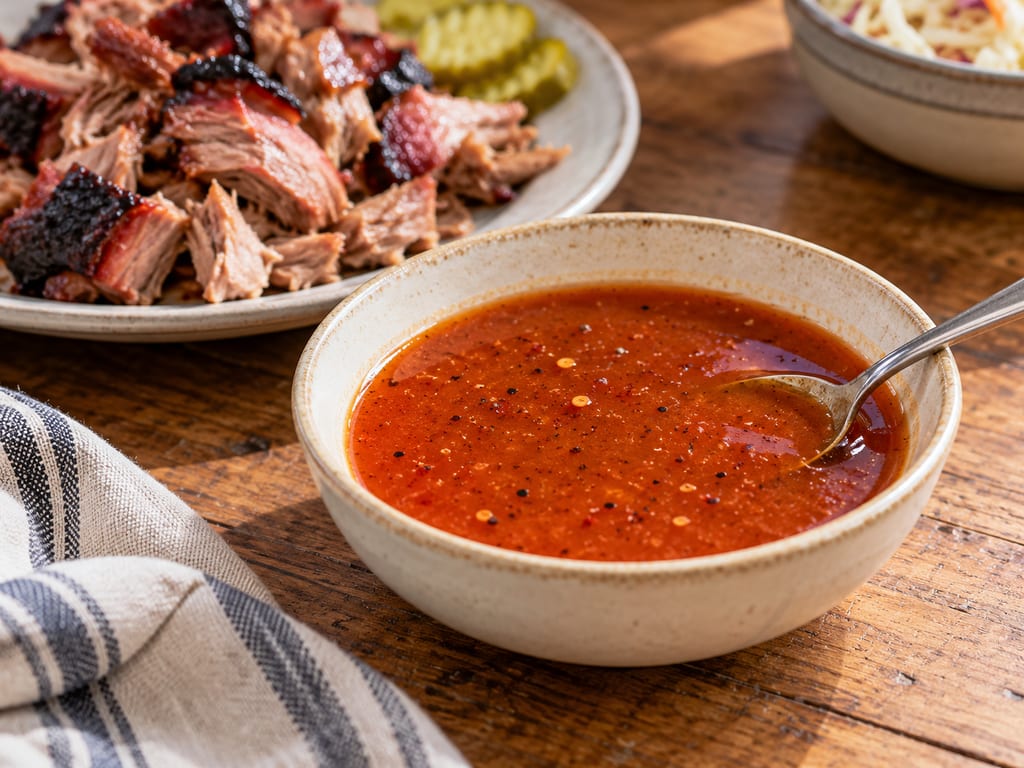
Light tomato barbecue sauce is a thin, sharp South Carolina sauce: a vinegar and pepper base with a small amount of ketchup, sitting between the clear vinegar sauce and the sweeter tomato sauces.
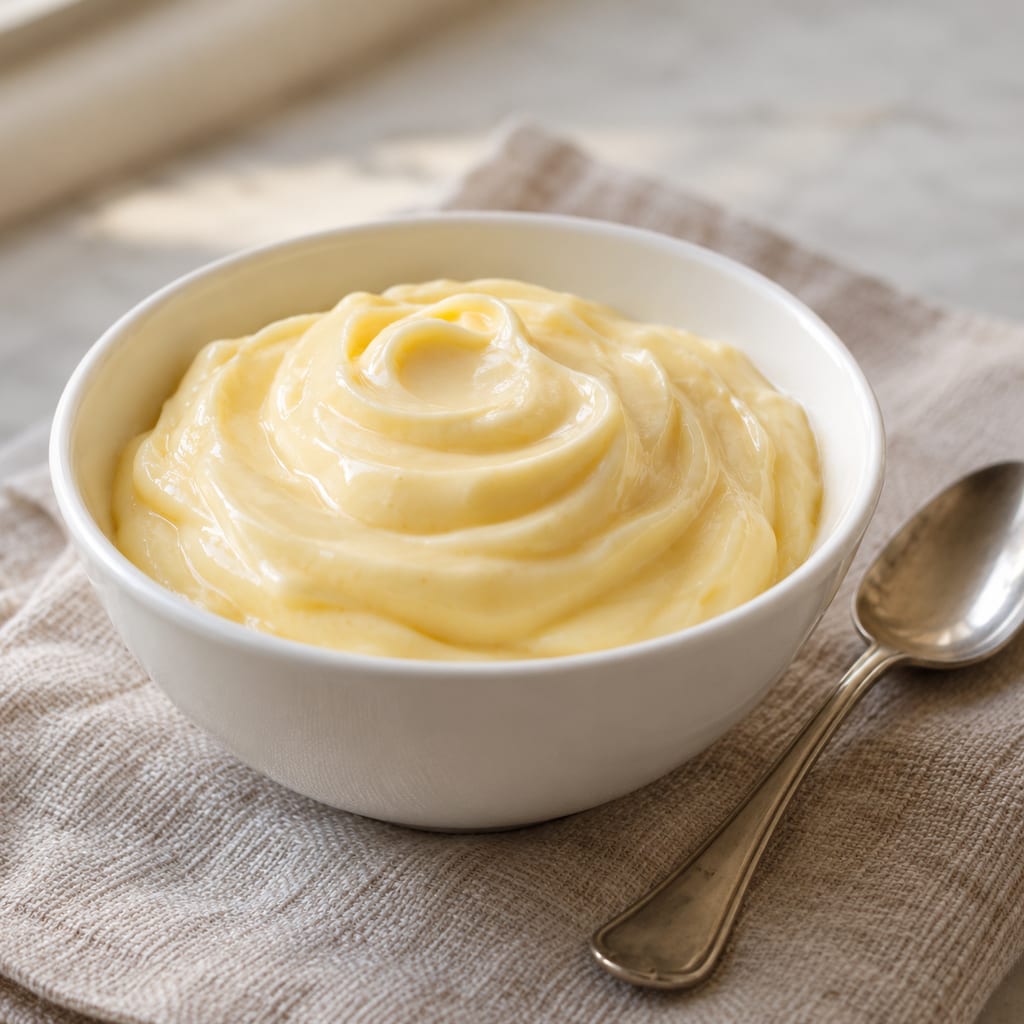
A cooked-yolk mayonnaise documented in the University of Tennessee Extension’s 2007 Egg University Handbook. The egg mixture is heated before oil is emulsified into it.
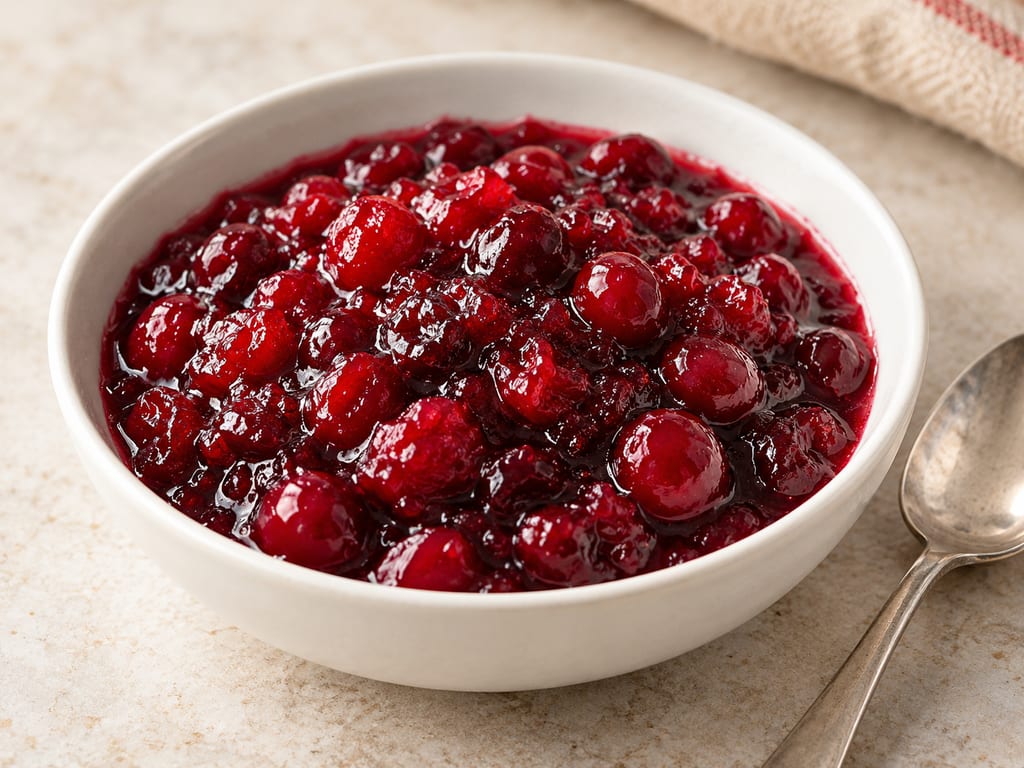
Cranberry sauce is a sauce of cranberries cooked in sugar syrup until the berries burst and thicken, served with roast turkey, pork, chicken and ham.
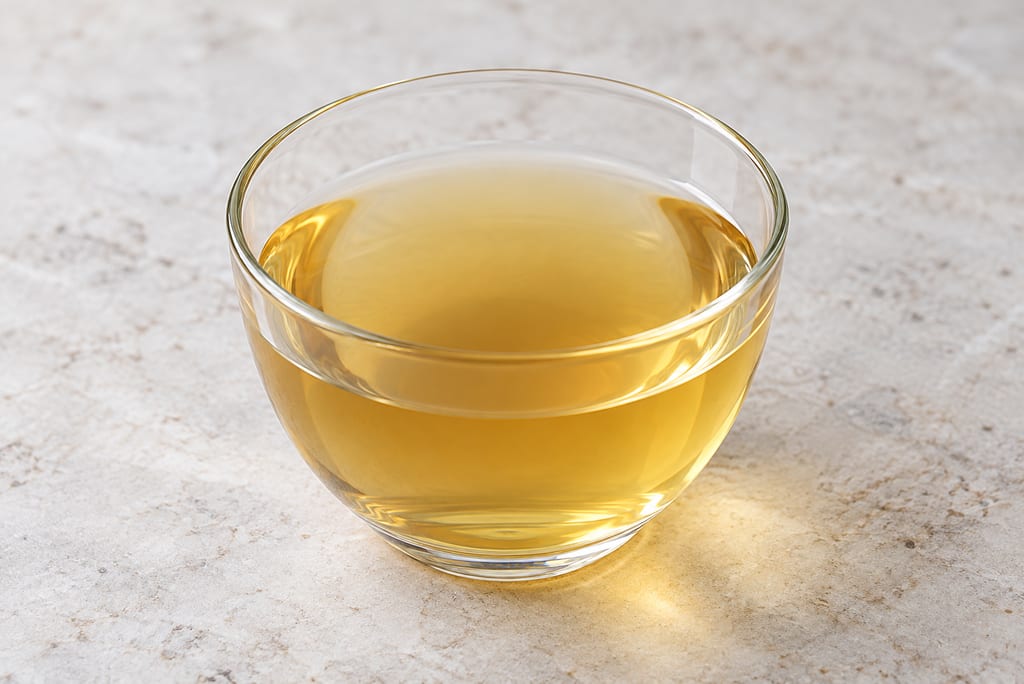
A liquid set with a little gelatin, frozen solid, then thawed through cloth in the refrigerator so that clear liquid drips out and the cloudy gel stays behind.
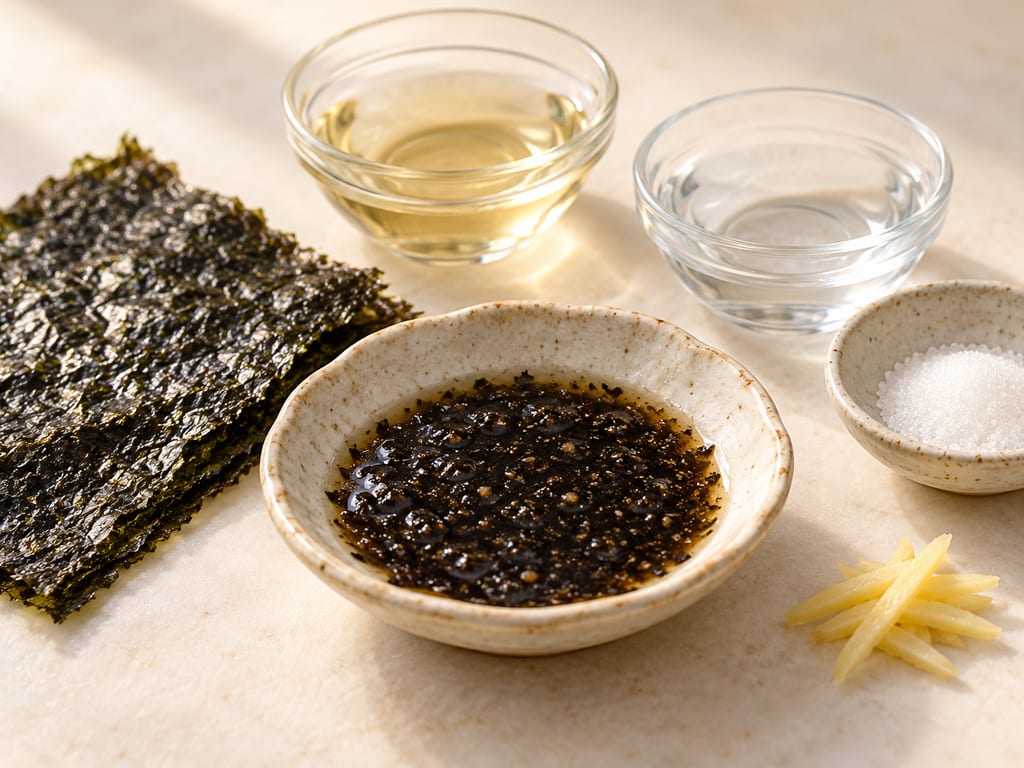
A fresh condiment in which crumbled nori softens in lightly sweetened vinegar and water. It is not vinegar fermented from seaweed.
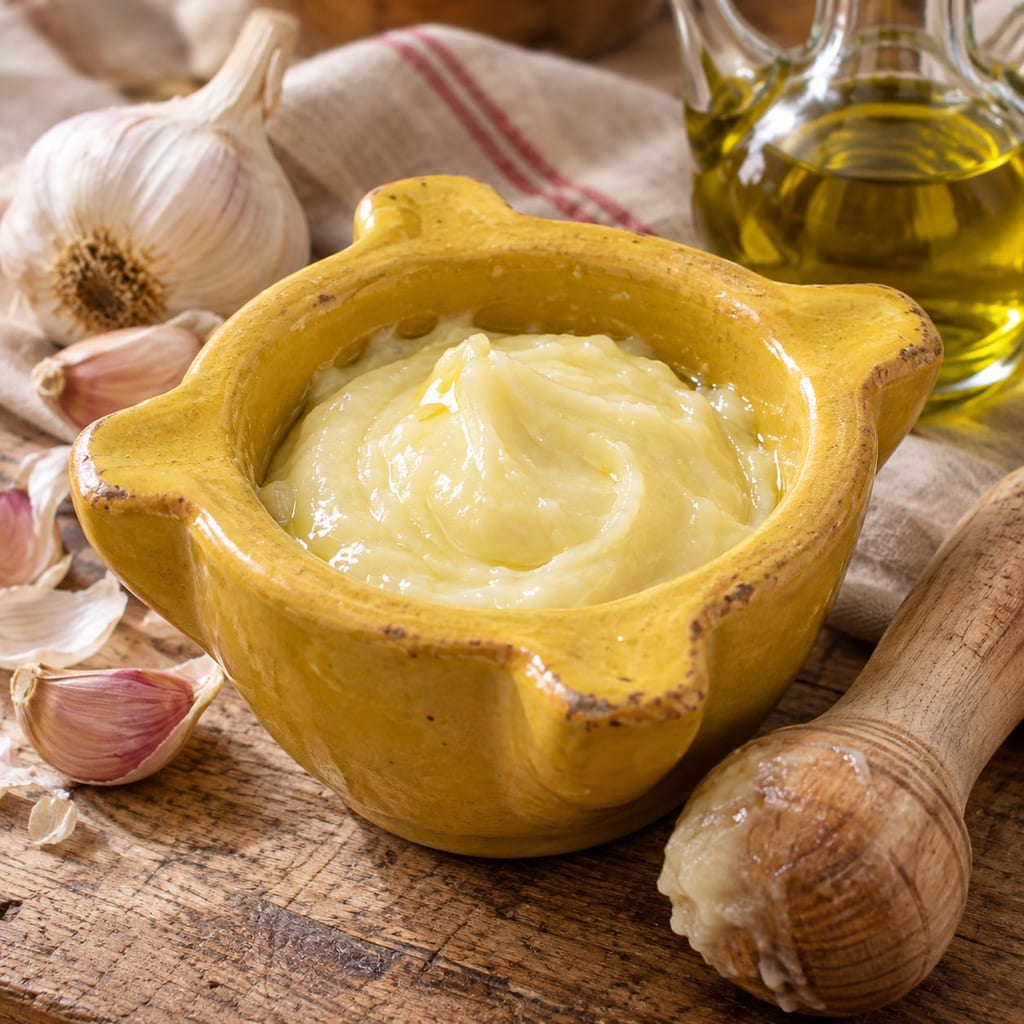
Traditional Catalan allioli is a dense emulsion of garlic, olive oil and salt made slowly in a mortar. This measured Barcelona-style version keeps egg-based garlic mayonnaise distinct.
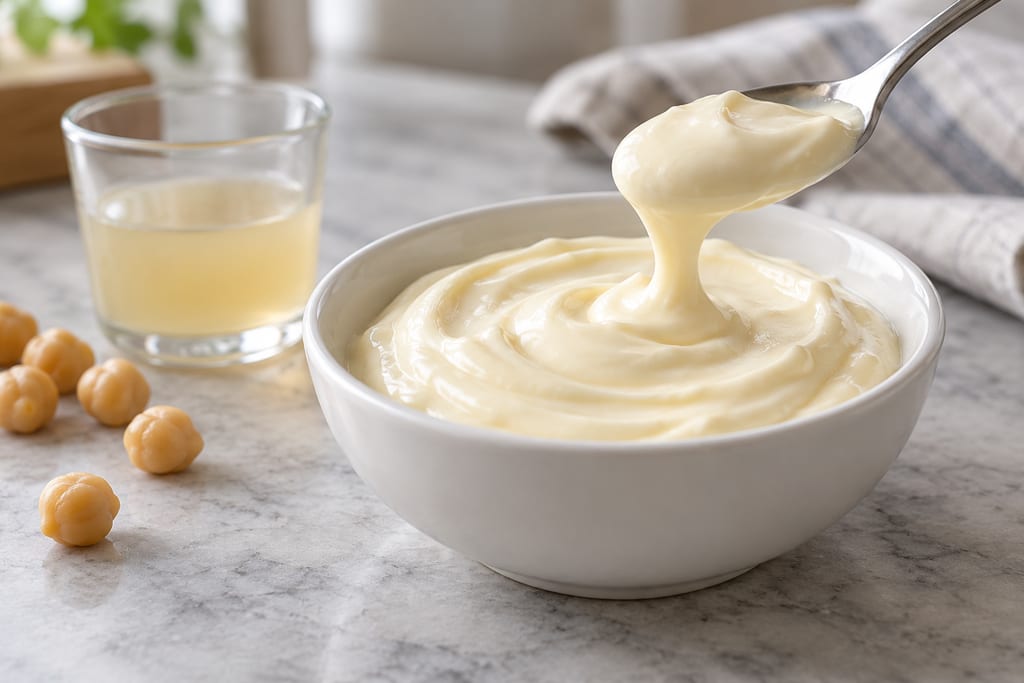
An eggless, untested emulsion made with canned chickpea liquid. Nominal yield 255 g.
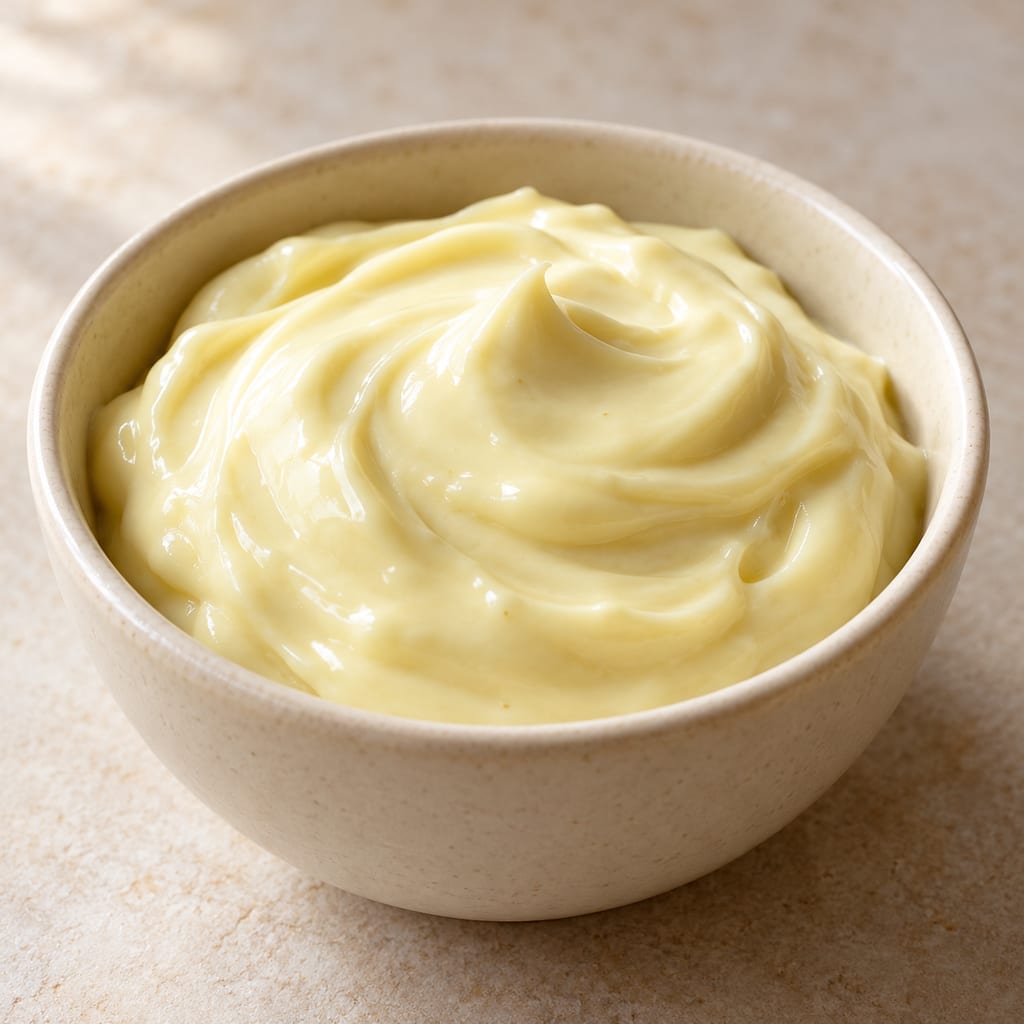
Avocado-oil mayonnaise is an ordinary egg-and-oil emulsion in which avocado oil supplies the oil phase. The oil changes flavour and colour, and it does not preserve the sauce.

Bechamel is a white sauce of milk thickened with a butter and flour roux, one of the French mother sauces, and the base from which Mornay and other cheese and cream sauces are made.
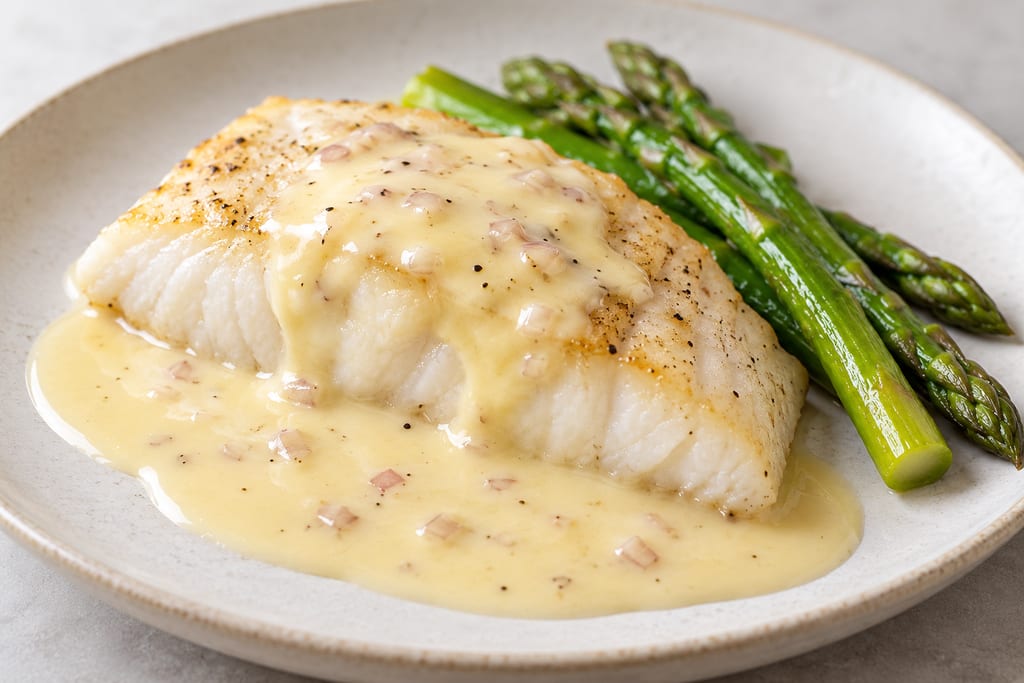
Beurre blanc is a warm emulsion of cold butter whisked into a reduction of white wine, vinegar or lemon juice and shallot, a sauce from the Loire Valley and its red-wine version, beurre rouge.
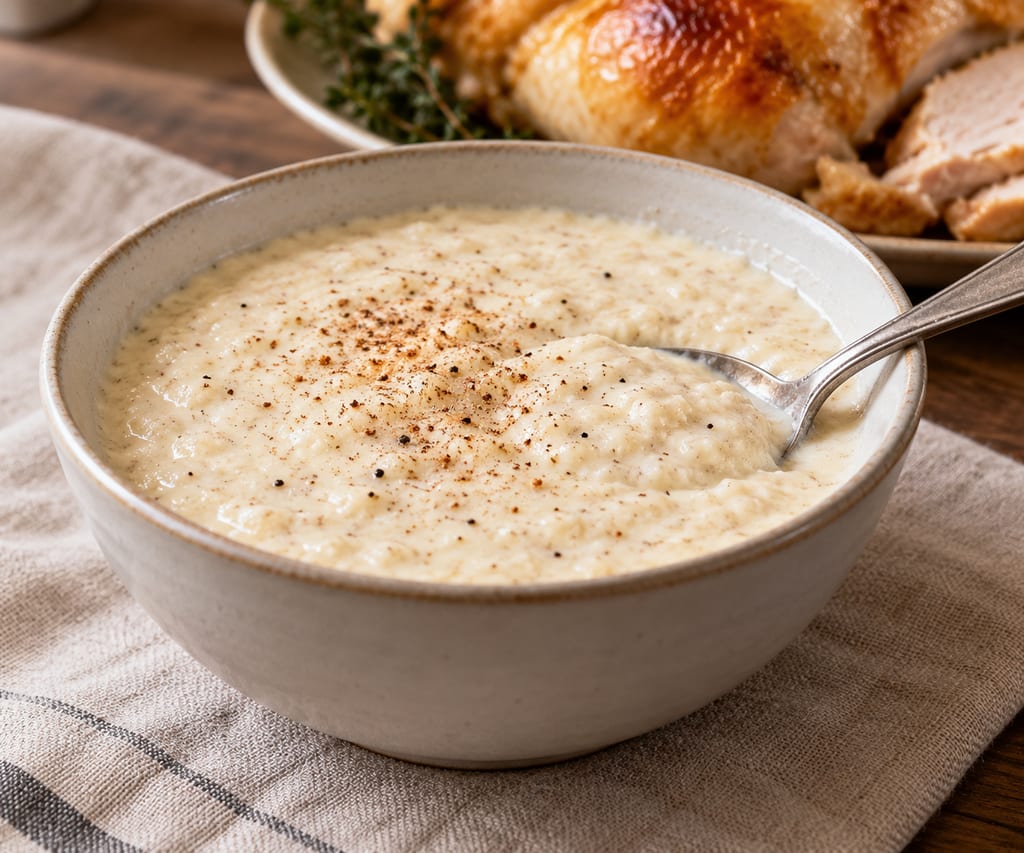
Bread sauce is a British sauce of milk infused with onion, clove and bay, thickened with stale breadcrumbs and finished with butter, served with roast chicken or turkey.
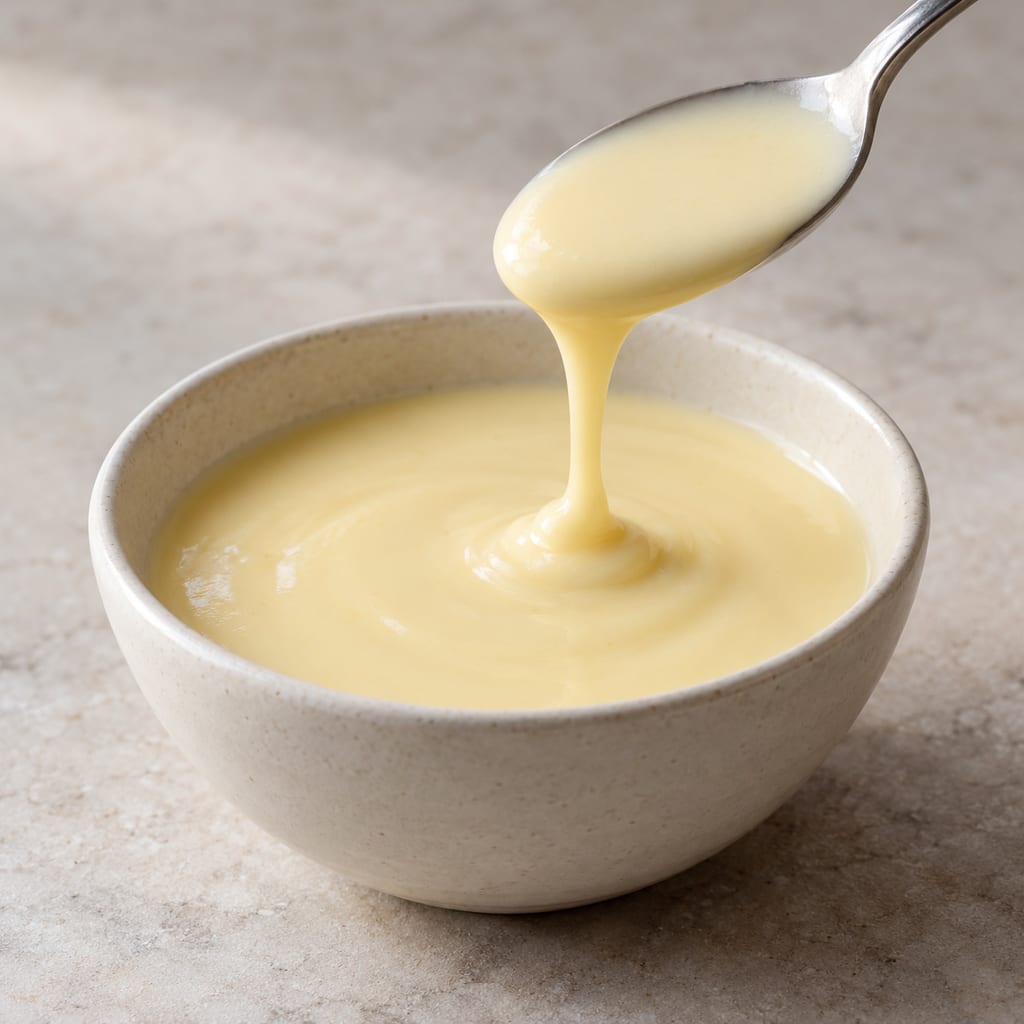
Starch-thickened salad-cream prototype with pasteurised yolk added after cooling; not a Heinz copy. Approximate yield 300 g.

Soft, spreadable Calabrian pork sausage made with a great deal of red chilli and fatty pork, stuffed into natural casings, sometimes smoked and matured while staying soft.

A way to add independent temperature logging to an existing food dehydrator without changing its built-in controls or protections. It is a monitoring method, not a rewiring plan.

Pleurotus cystidiosus is the abalone mushroom, a cultivated oyster-type fungus with dark brown caps that grows more slowly and is more demanding than other Pleurotus species.

A dark, balanced vinegar from Emilia-Romagna made by combining cooked or concentrated grape must with wine vinegar, then acetifying and refining it in wood under a protected specification.

A living dairy inoculum that starts controlled cream fermentation, developing acidity and aroma before sour cream or cultured butter is finished.

A small electric incubator holds jars at a selected temperature for yogurt and other documented warm food preparations. Controls, capacity and vessel arrangement vary by model.

Adygean salt is a seasoned table salt associated with Adygea and the wider North Caucasian culinary tradition. Salt is blended with garlic and a variable selection of herbs and spices; the exact mix depends on the named style and maker.

The African Caesar-group mushroom, Amanita masasiensis, is a wild ectomycorrhizal species of central and southern African woodlands, eaten locally. The genus contains deadly poisonous species, so identification needs care.
No community contributions have been published for this entry yet.
Sign in to contribute. Published comments and photos are free to read.
WikipediaHistory · Method
Ranch dressingRanch is a buttermilk and herb dressing with garlic, onion and dried herbs; dressing and dip formats differ.
Cited in: What it is; Origin and the Hidden Valley story; Making it; Notes
Mental FlossHistory
Ranch dressing food historySteve Henson developed the dressing in the early 1950s; the Hidden Valley Ranch name and the mail-order packaged mix; the brand's later sale.
Cited in: Origin and the Hidden Valley story