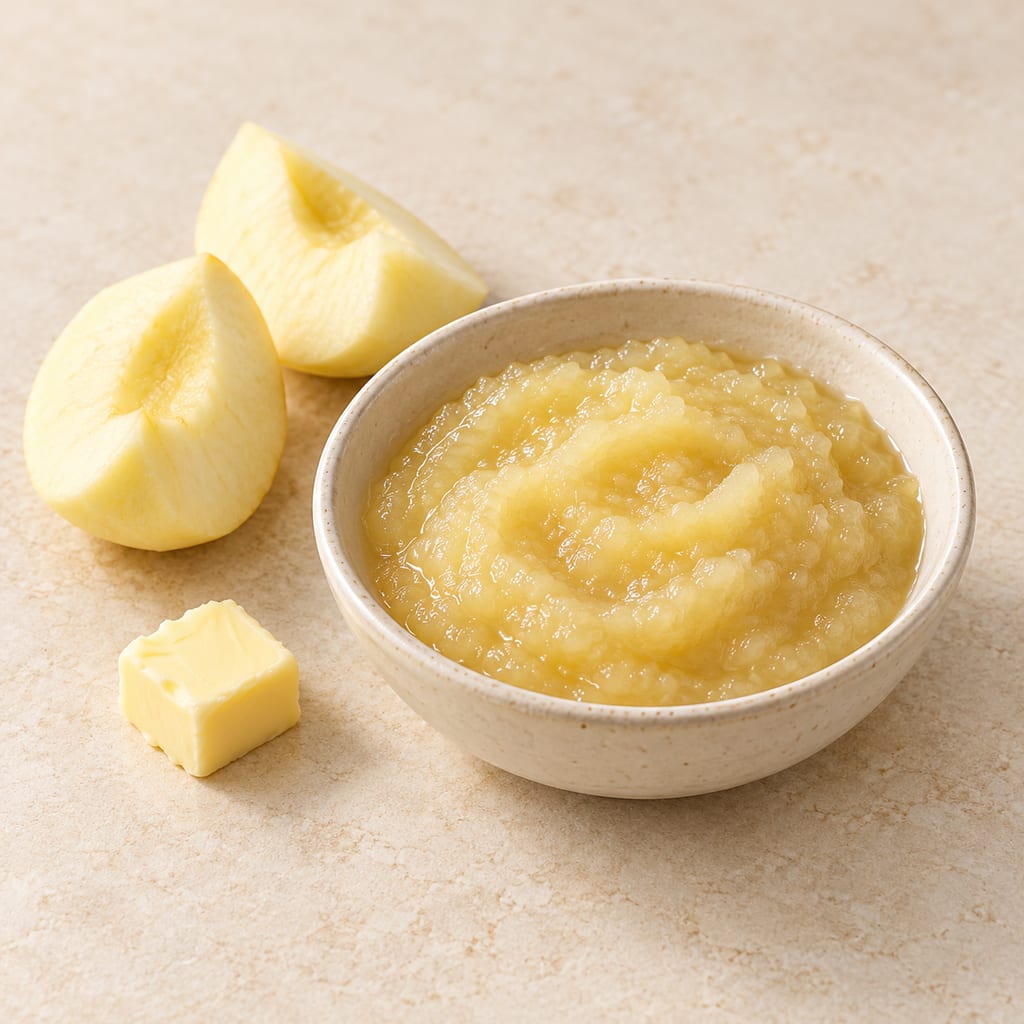
Apple sauce for goose and pork
Apple sauce for goose and pork is a plain English accompaniment: cooked apples pulped with water, then sweetened with sugar and finished with a little butter.
 FermenteaWhere food goes to change
Walnut catsup
A dark liquid seasoning made from young green walnuts steeped in salt and vinegar, then boiled with spices, shallots and anchovies. It belongs to the British ketchups of the 1700s and 1800s.
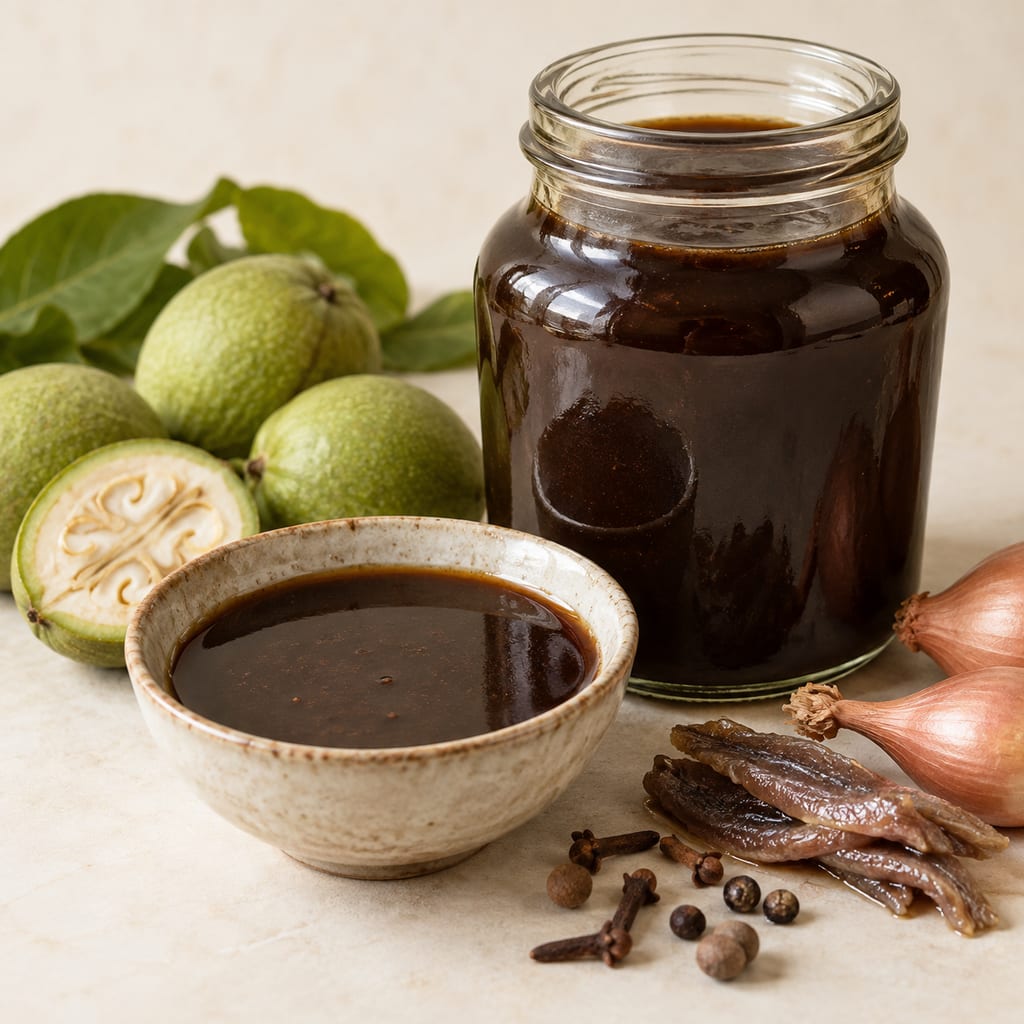
Walnut ketchup is a thin, dark, salty and sharp liquid seasoning. It is not a nut cream or a tomato sauce. The flavour comes from the bitter, astringent juice of young green walnuts, steeped in salt and vinegar, then boiled with spices, shallots, anchovies and wine.
In the eighteenth and nineteenth centuries the word ketchup named many liquid seasonings, and walnut was one of the common forms beside mushroom and tomato. Recipes such as this one were kept by cooks to add depth to gravies, sauces and fish dishes.
Wikipedia reports that a 1770 manuscript cookbook from Charleston, South Carolina, by Harriott Pinckney Horry contains a walnut ketchup recipe beside a mushroom ketchup. Wikipedia cites Smith (1996) for that manuscript. The same article cites Richard Briggs's The English Art of Cookery, first published in 1788, for both walnut and mushroom ketchup.
Mrs Beeton’s Book of Household Management, first published in 1861, prints a walnut ketchup as recipe 535. Where the 1861 text leaves a gap, modern redactions fill it.
The walnut is the whole question. Pick the walnuts while they are still green, when a pin can still pass through the shell, and to make the ketchup from the beginning to the middle of July. A walnut whose shell has hardened has passed the stage the recipe needs, so the timing is a matter of the nut's maturity as much as the calendar.
The modern redaction on one website keeps the instruction: the walnuts are bruised, left in a jar with salt and vinegar for eight days, and stirred daily. That is the same steep as the 1861 text.
The walnuts are bruised slightly and put into a jar with the salt and vinegar. They stand for eight days and are stirred each day, which draws out the liquor. The liquor is then drained and boiled with the remaining ingredients for about half an hour, so the spices, shallots and anchovies release their flavour into the liquid.
The 1861 text says the result can be strained or not, as preferred, and adjusted with a little more vinegar or wine. It is bottled hot and sealed with corks.
A modern version on another website steeps green walnuts in cider vinegar for ten days, stirring once a day, and then simmers the strained liquid with mace, black pepper, cloves and mirin for about fifteen minutes. That version drops the anchovies and the wine. It is a different product from the 1861 recipe, and its keeping advice is not given.
Both versions are low-acid bottled liquids. The sources do not establish a shelf-stable bottling process, so the storage advice here is the source's own and remains unvalidated.
Walnut ketchup was used as a seasoning rather than a table sauce. Mrs Beeton's book uses it as an ingredient, for example in walnut gravy and walnut sauce, and in fish sauces. It adds a dark, salty depth to a cooked dish.
The 1861 text does not state a yield or a shelf life that a cook can rely on. The walnut's exact maturity is described only by the picking test, and no source gives a measurement for it. John Mollard's cookery book is listed in the catalogue for this subject; its walnut ketchup text was not read for this page and should be added when it is checked.
Walnut ketchup belongs to the family of liquid ketchups that were made before tomato became the usual base. Wikipedia reports a walnut recipe in a 1770 Charleston manuscript and cites Richard Briggs's 1788 book for walnut and mushroom ketchup. Mrs Beeton's 1861 Book of Household Management prints a walnut ketchup as recipe 535. The catalogue also lists John Mollard, whose book was not read for this page.
Scaling: source batch only
Anchovies, shallots and walnuts make a low-acid product, and the source's cool cupboard storage is not validated.
Hazard sourceThe sources do not validate shelf-stable bottling. Do not treat the cool-cupboard storage in historical texts as a tested process.
Use only green walnuts picked at the stage the source describes; hard shells indicate walnuts that are too mature.
Walnut ketchup appears in British cookery books; the sources do not place one origin town.
A 1770 manuscript by Harriott Pinckney Horry contains a walnut ketchup recipe, as Wikipedia reports.
Apple sauce for goose and pork is a plain English accompaniment: cooked apples pulped with water, then sweetened with sugar and finished with a little butter.
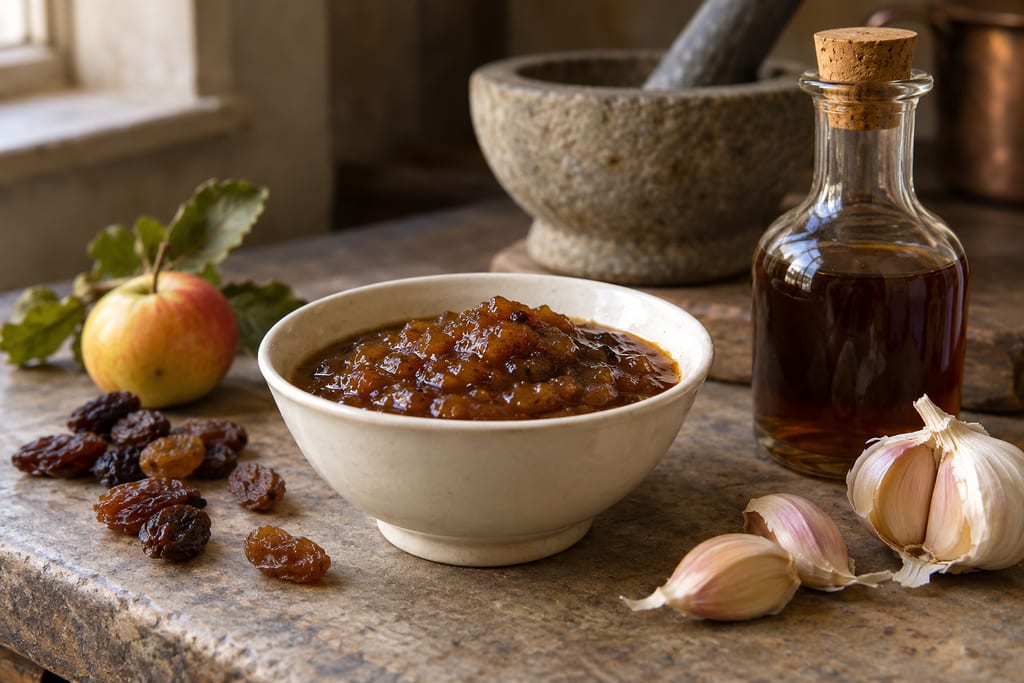
Eliza Acton's Bengal receipt for chetney sauce: stoned raisins and a hard acid fruit pounded with brown sugar, ginger, salt, cayenne and garlic, then thinned with vinegar to the consistence of thick cream.
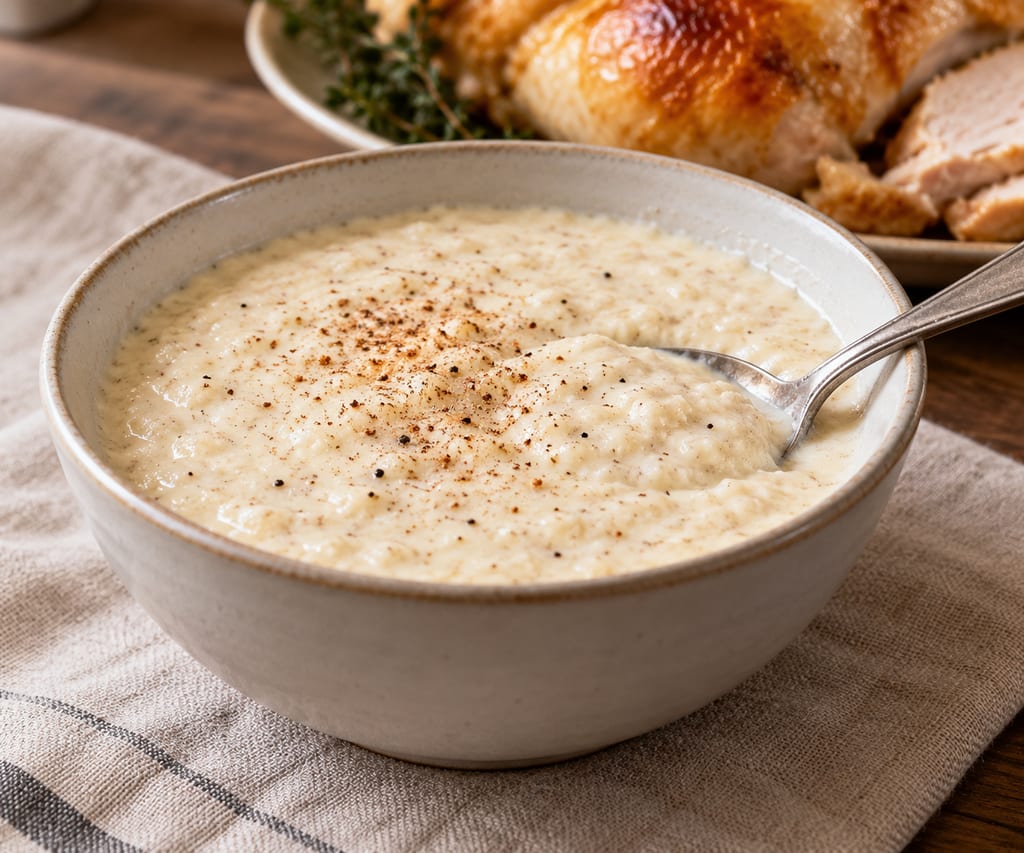
Bread sauce is a British sauce of milk infused with onion, clove and bay, thickened with stale breadcrumbs and finished with butter, served with roast chicken or turkey.
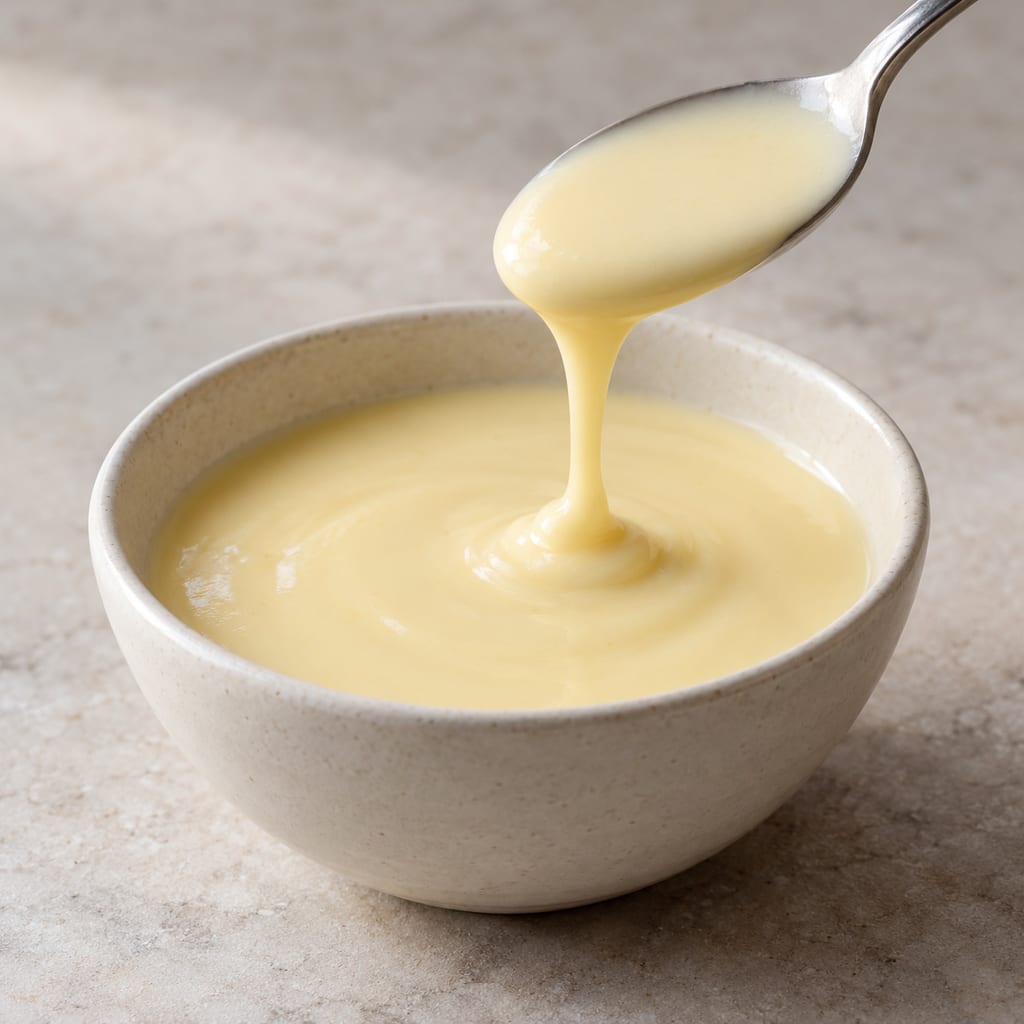
Starch-thickened salad-cream prototype with pasteurised yolk added after cooling; not a Heinz copy. Approximate yield 300 g.
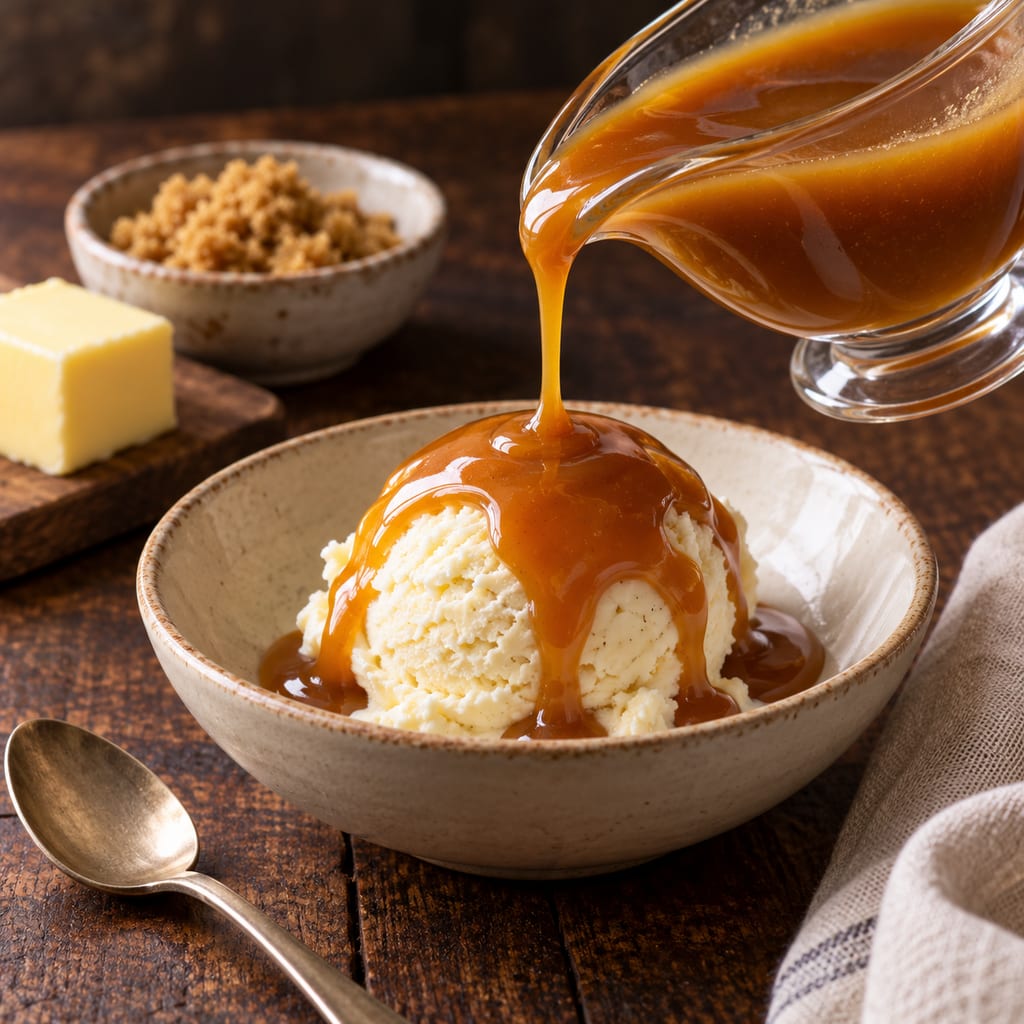
A pourable dessert sauce of brown sugar, butter and cream, with a little corn syrup and salt. It is the sauce form of the butterscotch confection and is made without water, unlike caramel.
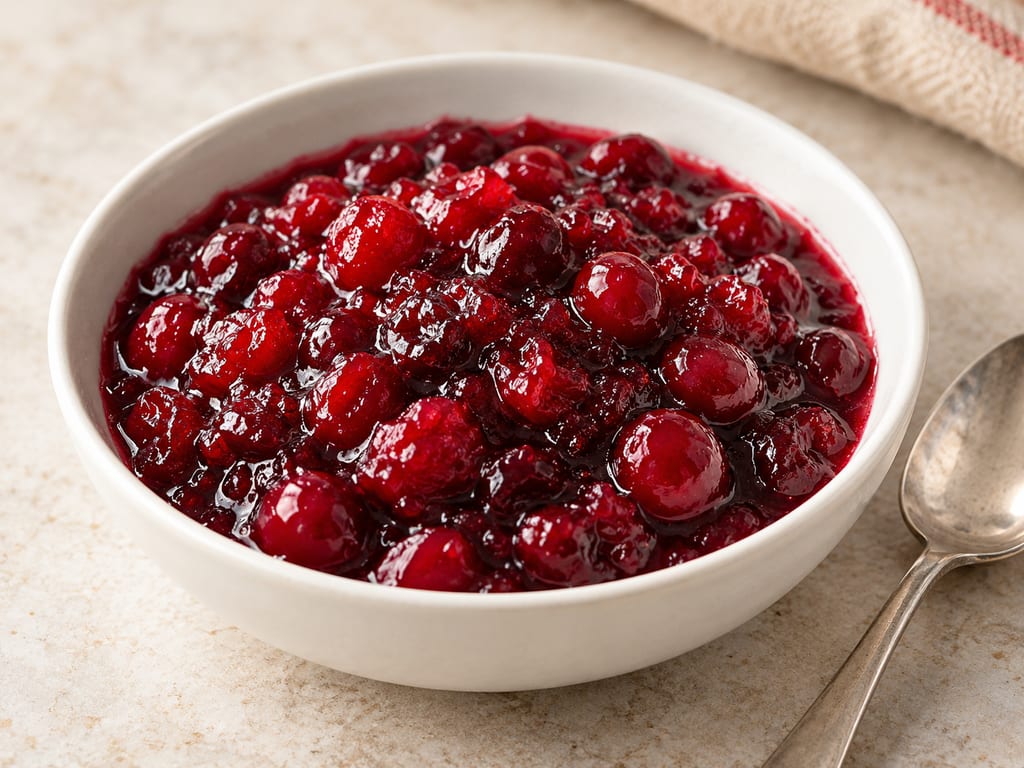
Cranberry sauce is a sauce of cranberries cooked in sugar syrup until the berries burst and thicken, served with roast turkey, pork, chicken and ham.
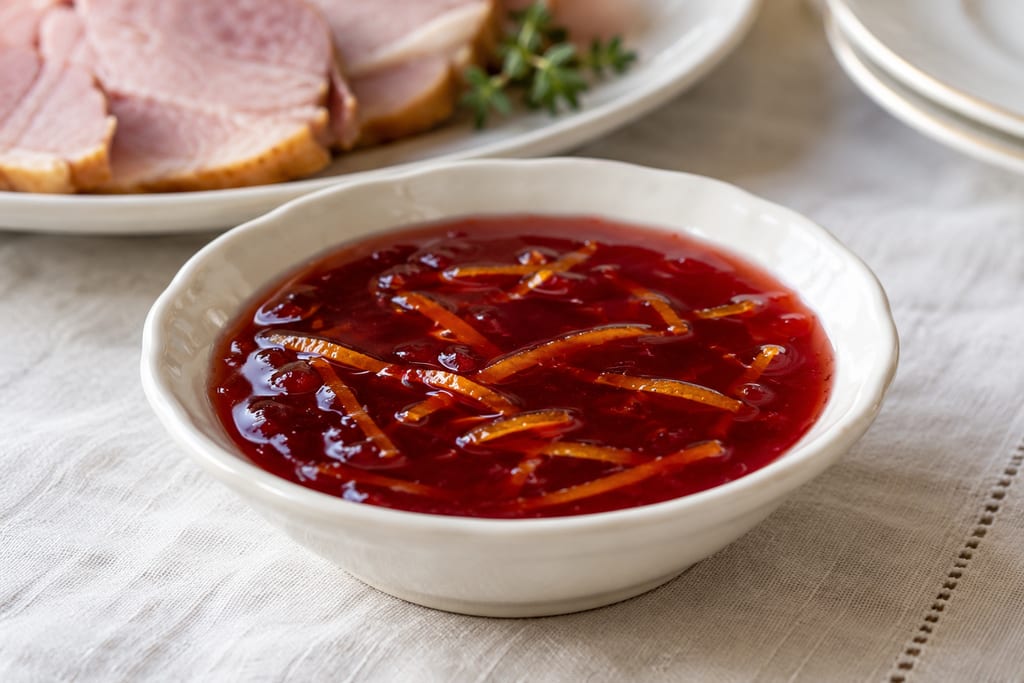
Cumberland sauce is a British condiment of redcurrant jelly, mustard, blanched orange peel and port, traditionally served cold with ham, game and cold meats.
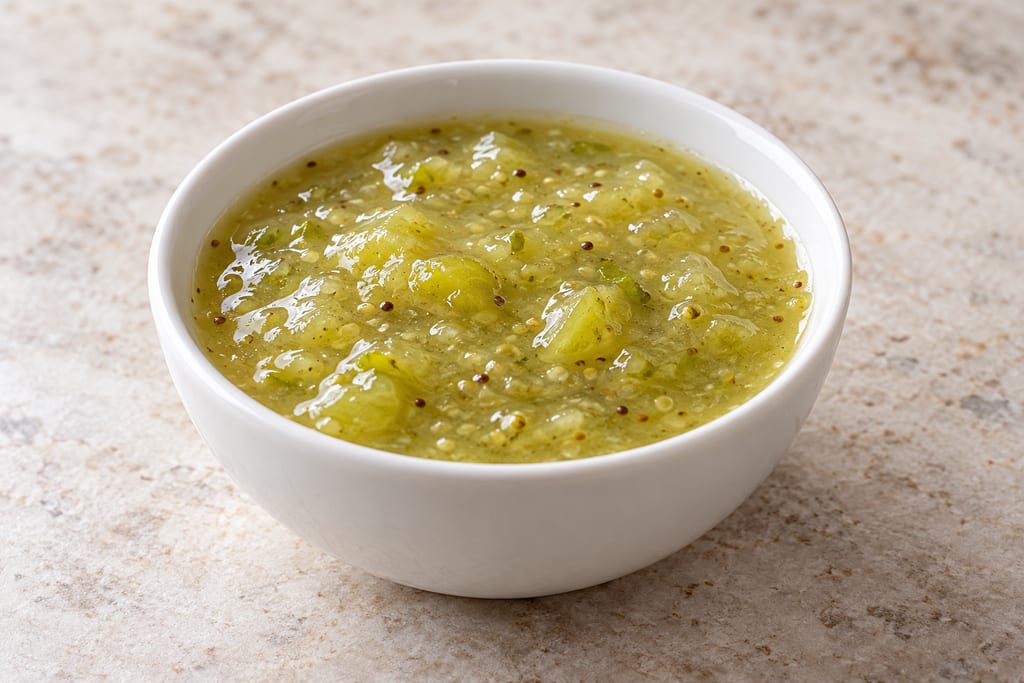
Gooseberry sauce is a soft, tart sauce of cooked green gooseberries, sharpened with wine or vinegar and lightly sweetened, traditionally served with mackerel.
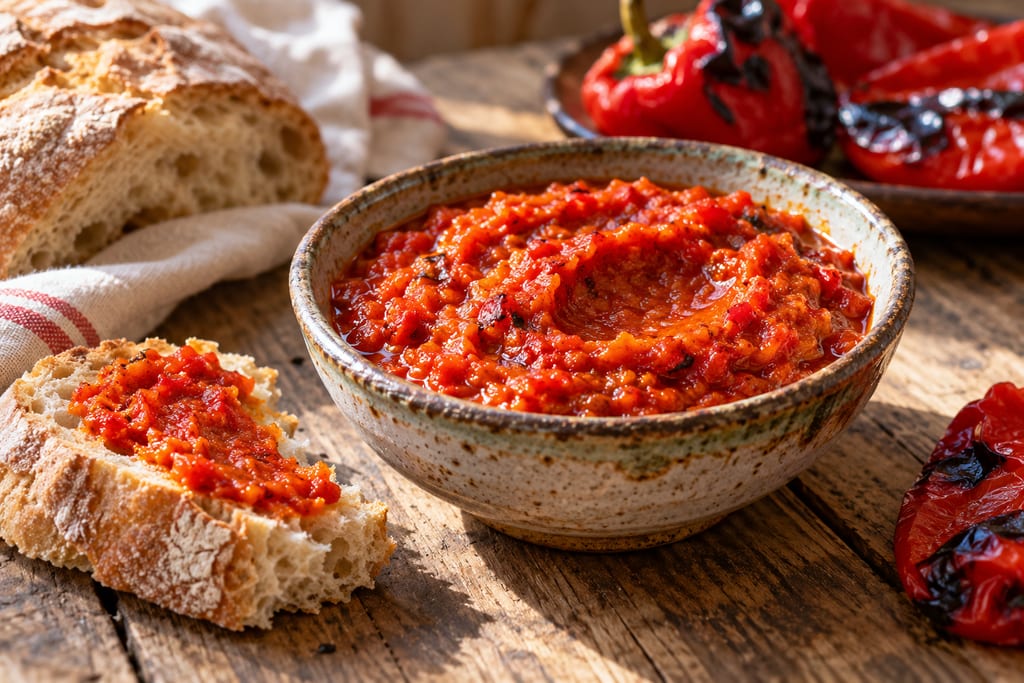
Ajvar is a cooked Balkan pepper preserve built around roasted red peppers, peeled, drained, ground and slowly fried with oil and seasoning. Leskovac’s protected version is a pepper specialty; regional versions vary.
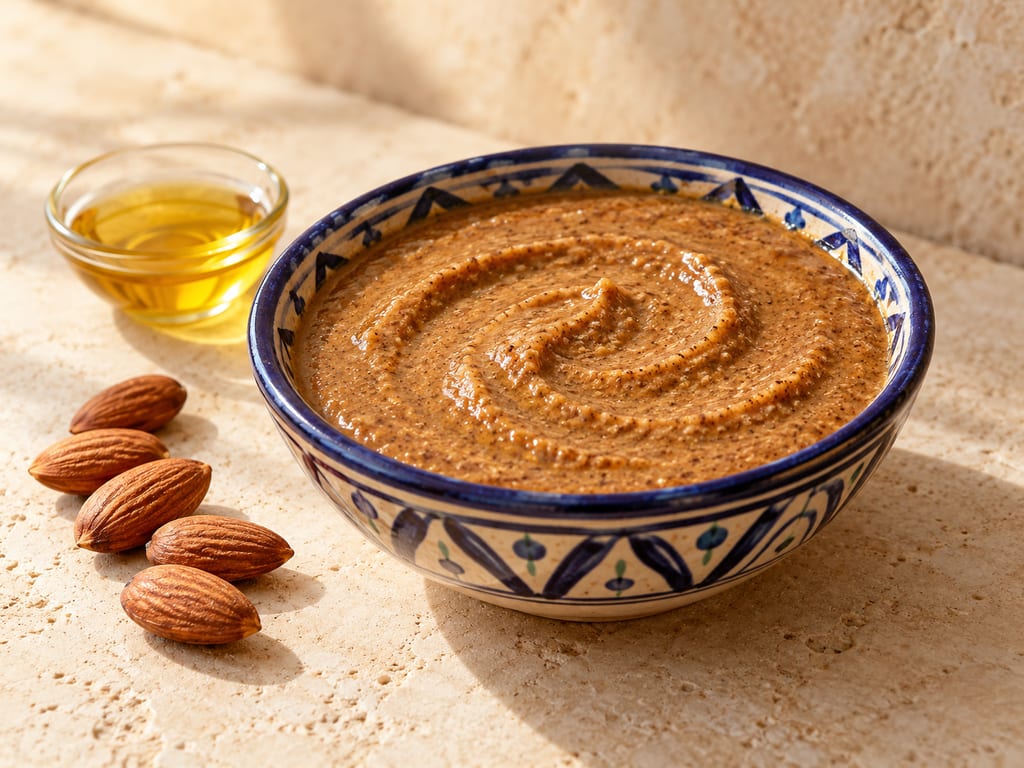
Amlou is a nutty, lightly sweet Moroccan spread of roasted almonds, culinary argan oil and honey. The almonds are ground first, then loosened with oil and sweetened; the balance can range from a thick spread to a dip.

A warm dip of garlic, anchovy and olive oil, often enriched with butter, that Piedmont serves over a flame with raw and cooked vegetables and bread.
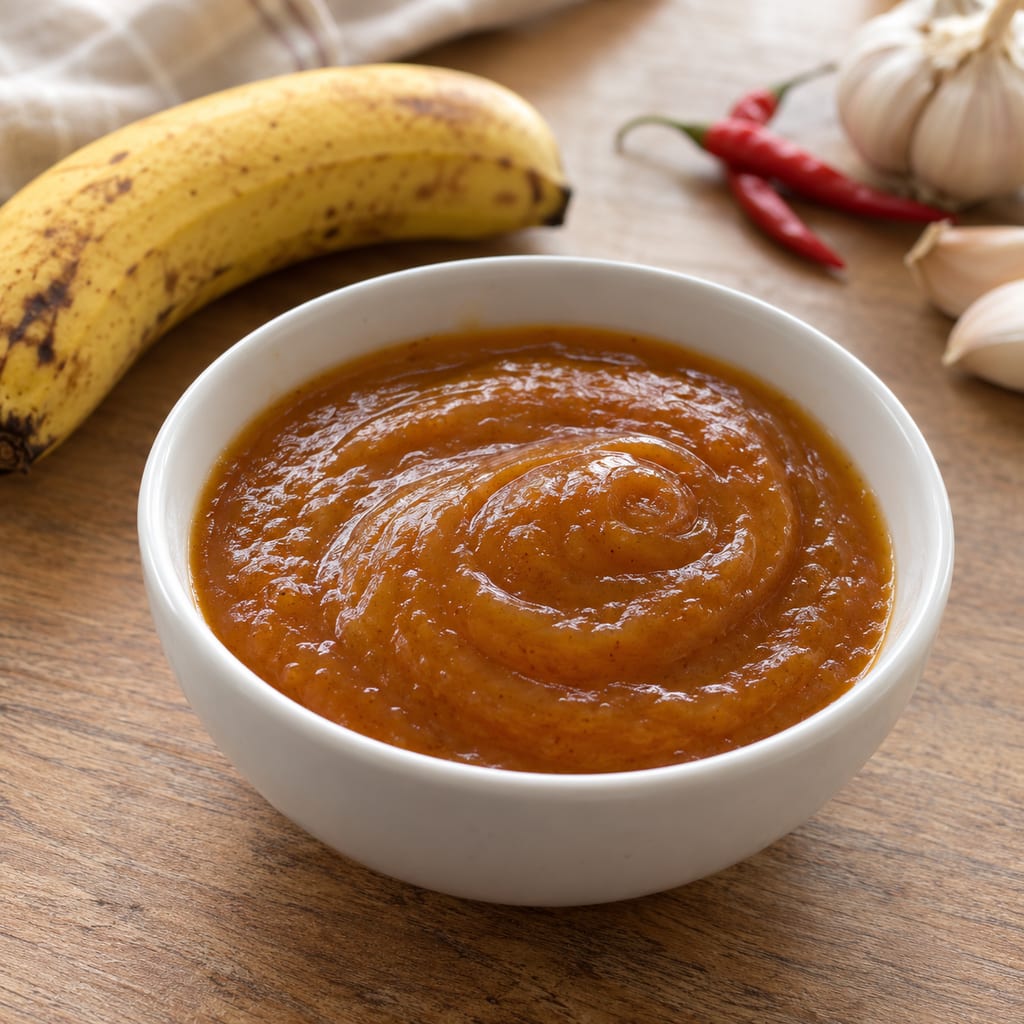
A sweet-hot table sauce of ripe banana simmered with vinegar, sugar, onion, garlic and fresh chilli, in the manner of Philippine banana ketchup. An untested development batch of about 500 g.
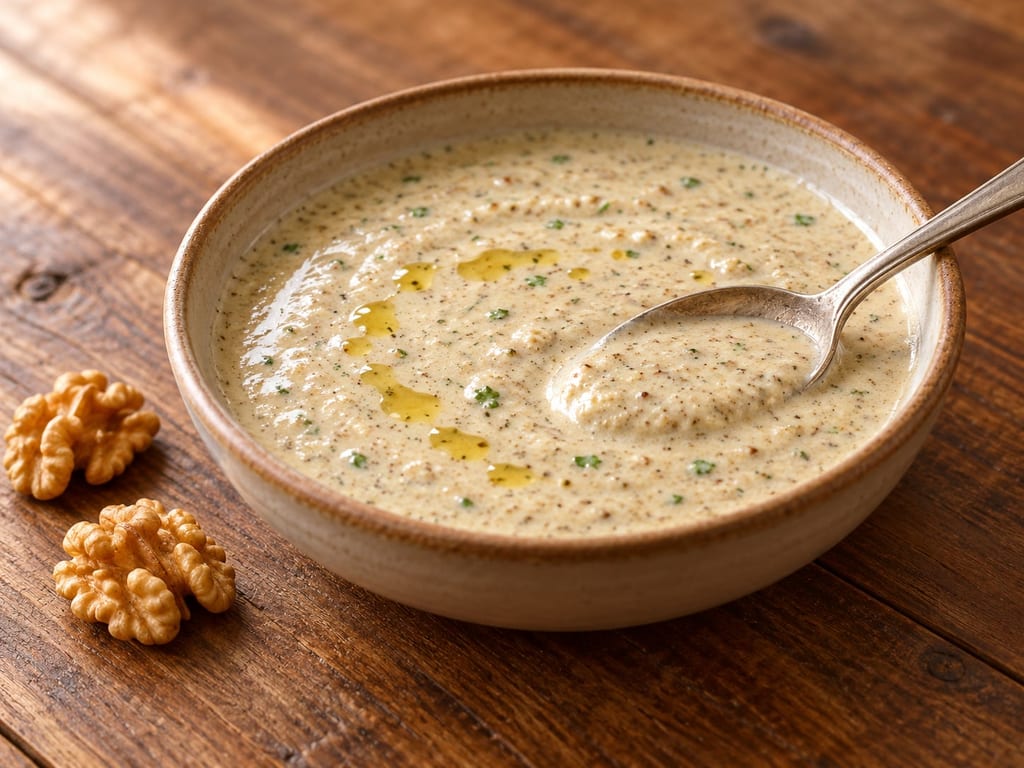
A Georgian walnut sauce of ground walnuts, garlic, vinegar and spices, thinned with water or broth. It is served with poultry, vegetables and bread, and is the sauce of the dish satsivi.
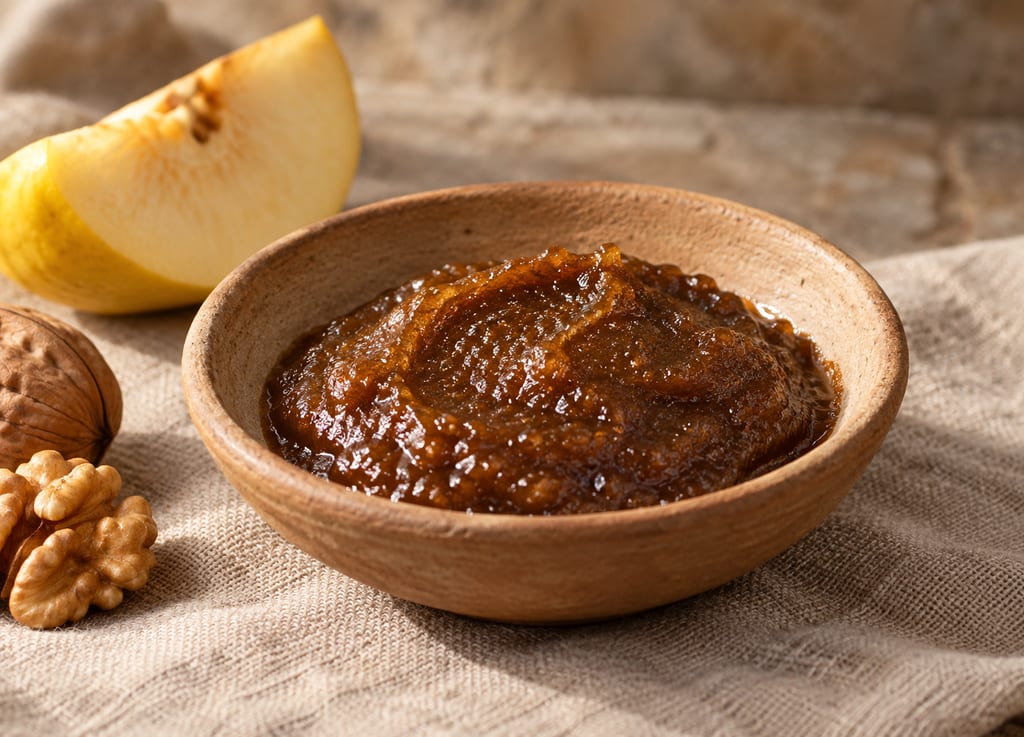
Byzantine murrī is a cooked imitation of murrī from the medieval Arabic repertoire, made from scorched honey, toasted bread, walnuts, quince, carob and spices rather than from a long grain fermentation.
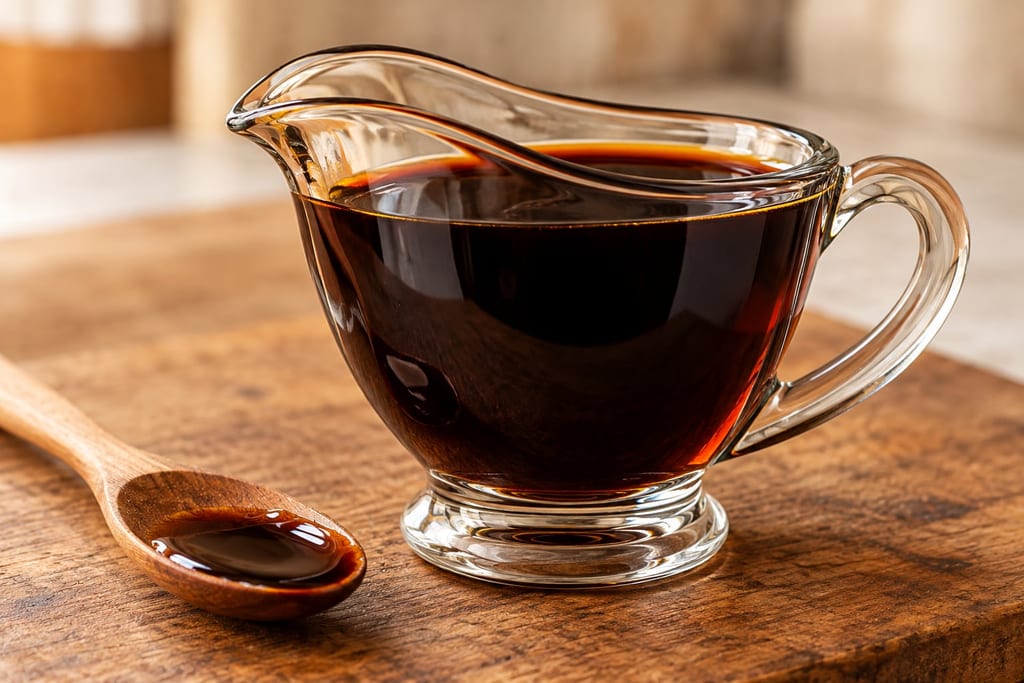
Caribbean browning is a dark liquid of deeply caramelised sugar, used in small amounts for colour and a smoky, bitter-sweet flavour in stews and black cake.
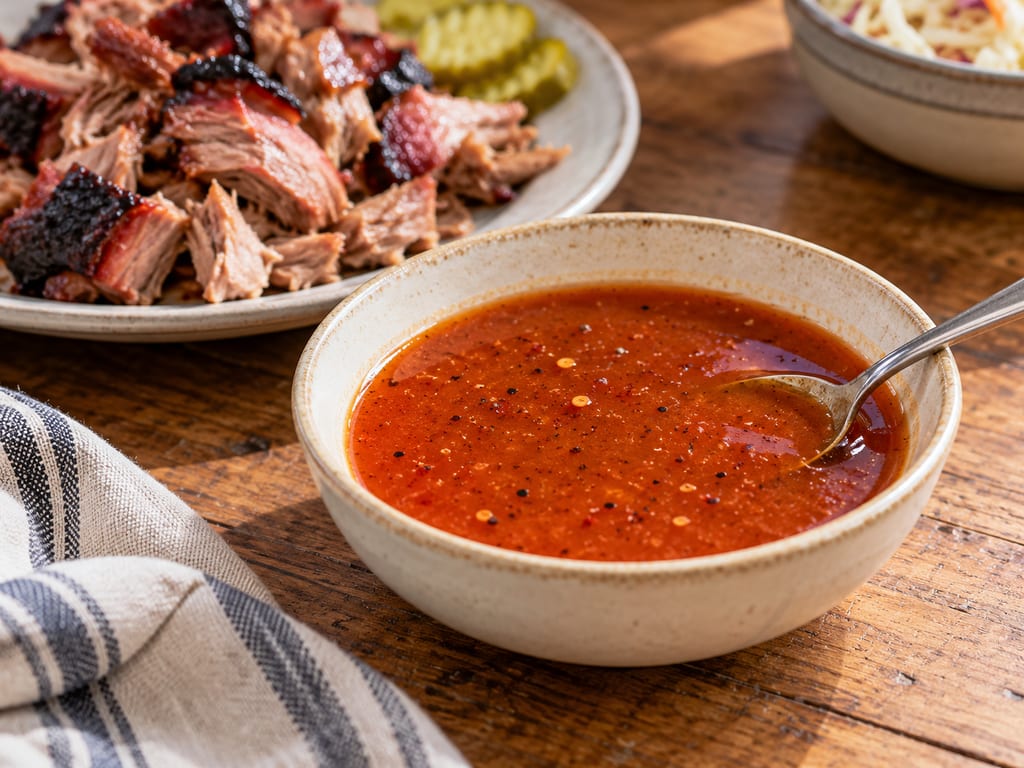
Light tomato barbecue sauce is a thin, sharp South Carolina sauce: a vinegar and pepper base with a small amount of ketchup, sitting between the clear vinegar sauce and the sweeter tomato sauces.

A gelling polysaccharide extracted from red seaweeds, sold as kanten strips or powder; it sets firm at a low concentration and stays solid until about 85 °C.

A Dominican table and seasoning condiment of sour orange juice, mixed with lime and salt and bottled raw; garlic, oregano or a hot pepper may be added for meat or a spicier bottle.

Cicerbita alpina is an alpine perennial whose tender shoots and leaves have been eaten raw or cooked. Sámi milk preparations and modern Carnian dishes are distinct uses, with serious identification and preservation limits.

Japanese skipjack tuna cooked, then repeatedly smoked and dried over a wood fire by the hand-fired tebiyama method into a hard block for shaving into dashi: the first stage of katsuobushi.

A Swedish-style spirit vinegar made by fermenting neutral alcohol with live vinegar bacteria, with a separate guide to commercial ättika strengths.

A yeast-raised wheat ring shaped from a firm dough, briefly boiled and baked. This source-batch formula gives a gently malted crust and a chewy crumb.

Bechamel is a white sauce of milk thickened with a butter and flour roux, one of the French mother sauces, and the base from which Mornay and other cheese and cream sauces are made.
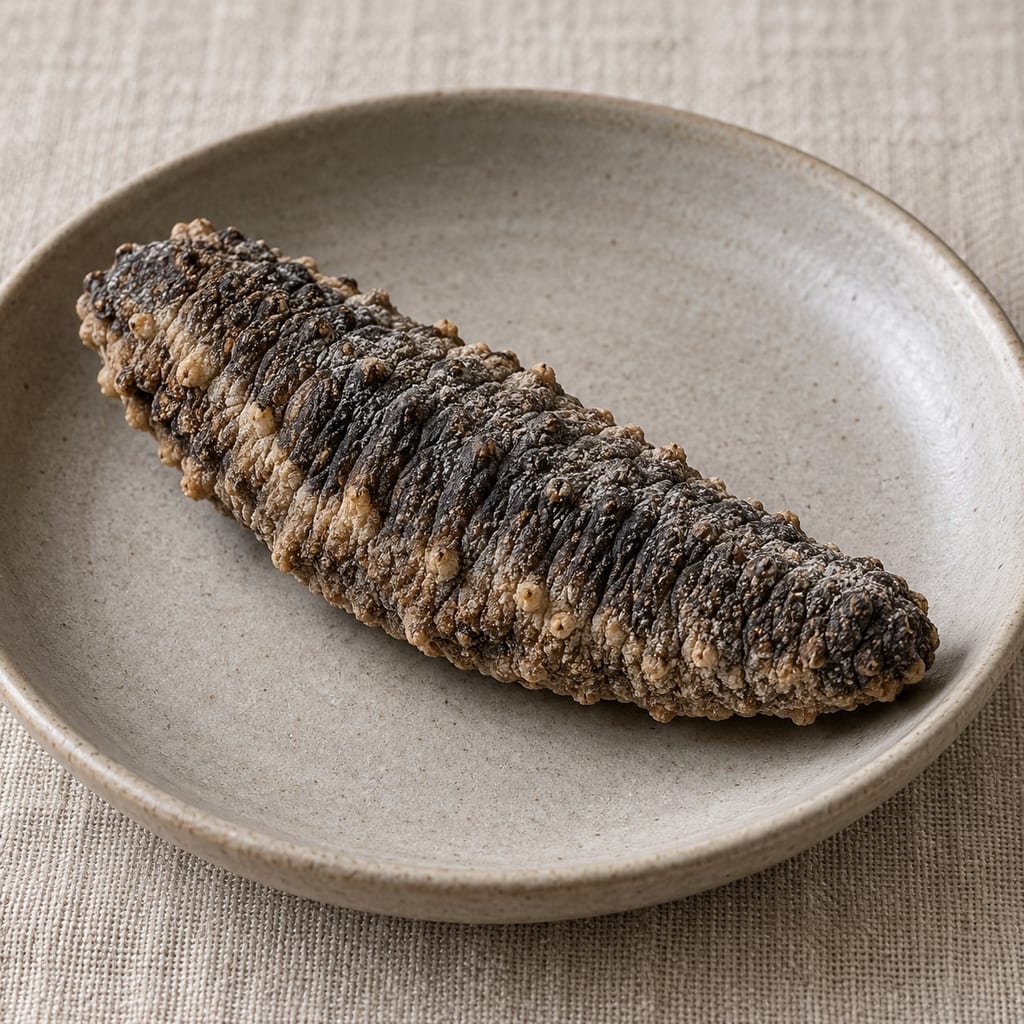
Sea cucumber cleaned, boiled and dried, sometimes with smoke, into a long-keeping trade product; Makassan processing in Arnhem Land is documented from at least the eighteenth century.
No community contributions have been published for this entry yet.
Sign in to contribute. Published comments and photos are free to read.
WikipediaHistory
Mushroom ketchup1770 Charleston manuscript by Harriott Pinckney Horry with a walnut ketchup recipe, citing Smith 1996
Richard Briggs's The English Art of Cookery 1788 with mushroom and walnut ketchup
Fabulous Fusion FoodMethod · History
Walnut Ketchup IMrs Beeton 1861 recipe 535 ingredients, quantities and eight-day steep
Walnut picking note, early July, pin test
Boil about 30 minutes, bottle hot, cool cupboard at least four weeks in the modern redaction
Eat WeedsMethod
Green Walnut Ketchup: A Wild Vegan Worcestershire Sauce AlternativeModern version: green walnuts in cider vinegar, ten days, simmer 15 minutes with mace, pepper, cloves and mirin