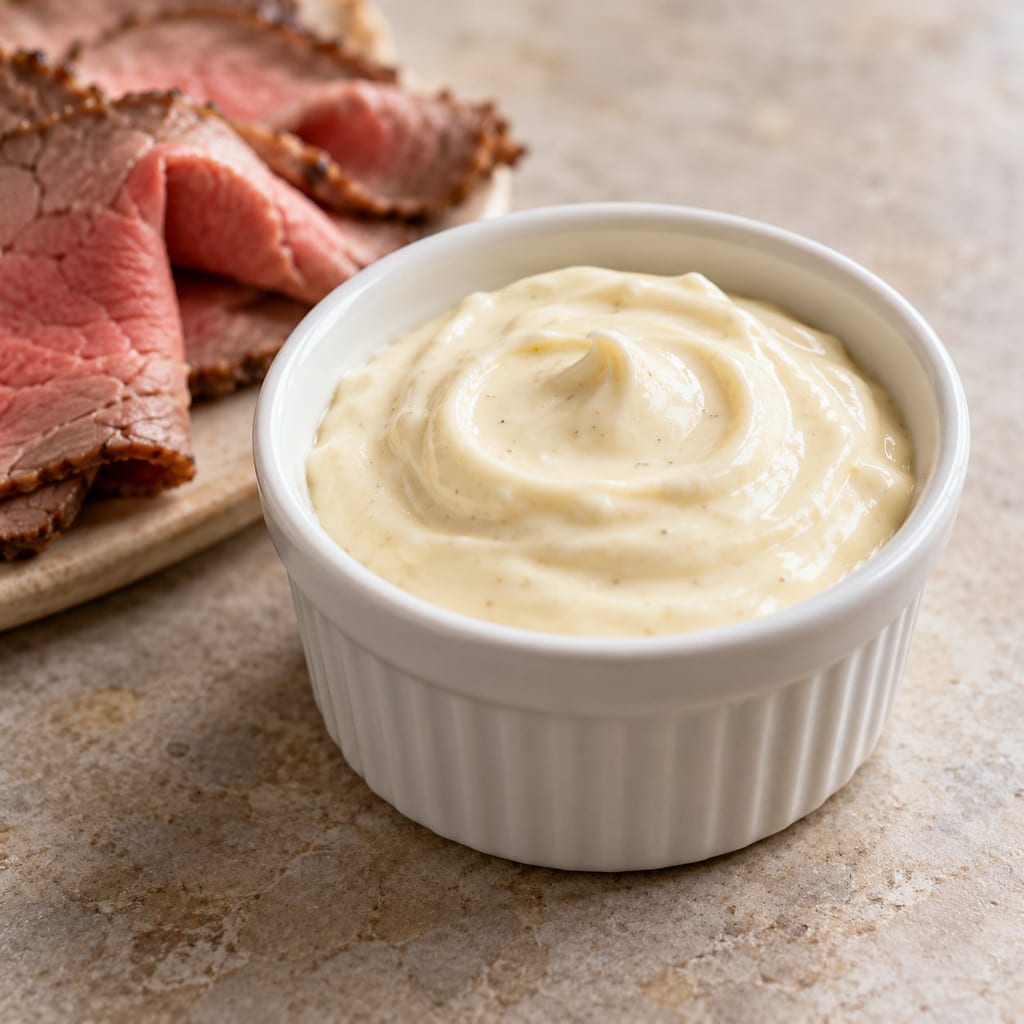
Horseradish mayonnaise
Prepared horseradish and lemon sharpen finished mayonnaise into a fresh accompaniment for roast meat or fish; the archived ratio has not been tested.
 FermenteaWhere food goes to change
Spices and aromatics
Horseradish is the long white root of Armoracia rusticana, a perennial of the mustard family. Grated, it releases a sharp, nose-clearing heat that vinegar fixes in the sauce.
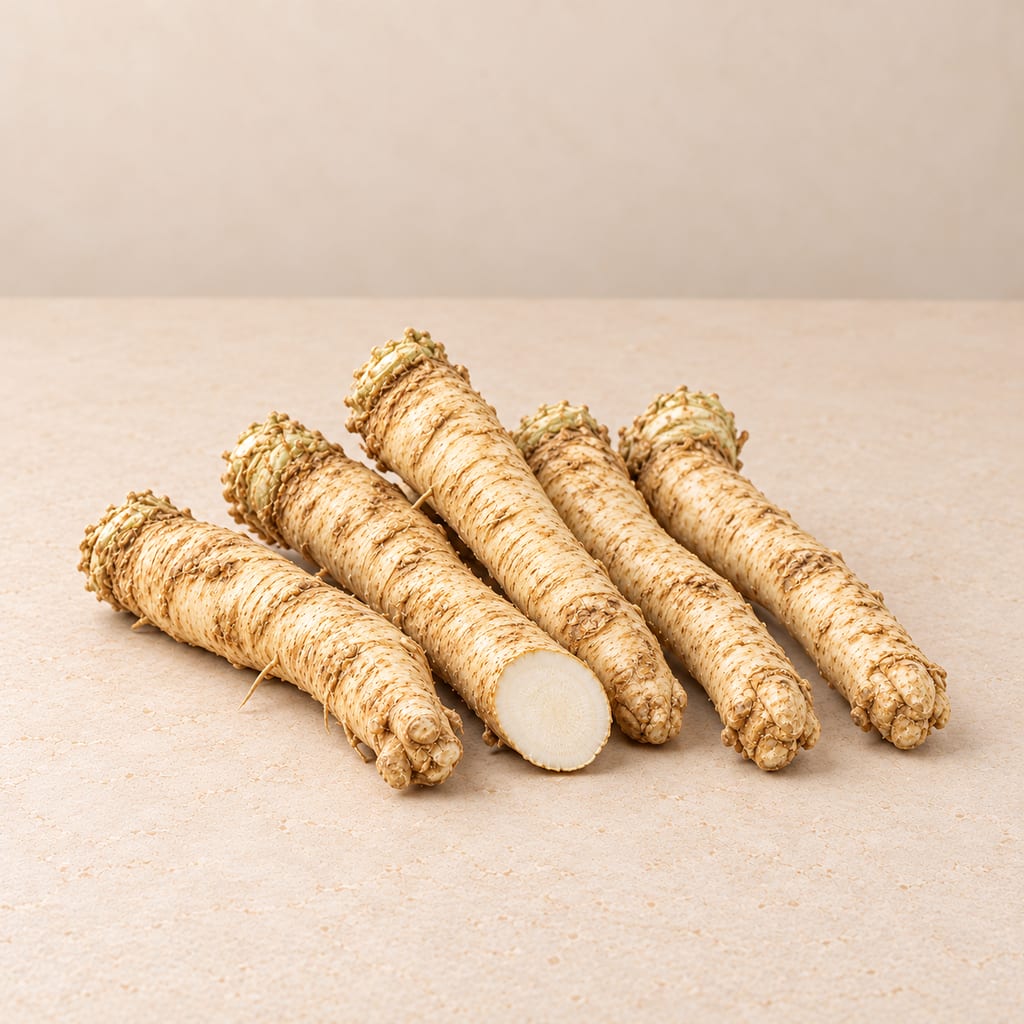
Horseradish is the root of Armoracia rusticana, a hardy perennial of the family Brassicaceae, which also holds mustard, cabbage, radish and wasabi. The plant stands up to 1.5 metres tall, with hairless, unlobed leaves up to a metre long that are easily mistaken for docks, and white, four-petalled, scented flowers in dense clusters. It is grown for the large, white, tapering root. Left alone it spreads by underground shoots into extensive patches and can become invasive.
The intact root has little smell. Cut or grated, it gives off a sharp vapour that irritates the nose and eyes, and it fills the sinuses at once. A diner knows it from a spoonful of horseradish sauce with roast beef. The sharpness fades quickly, and it does not sear the mouth the way hot peppers do.
Horseradish is often confused with wasabi, the Japanese rhizome that gives the same kind of heat. The two are related, and in Japan horseradish is called seiyō wasabi, Western wasabi, because outside Japan the green paste sold as wasabi is usually horseradish. They are different plants.
Horseradish is likely native to south-eastern Europe and western Asia. It is reported to have been grown for over 3,000 years. Pliny the Elder probably recommended it as a medicine under the name Amoracia. It was a medieval folk medicine, and the root became a meat condiment in Germany, Scandinavia and Britain.
The medicinal reputation is long. Because the root is high in vitamin C it was used against scurvy, and naturopathy has prescribed it for coughs, bronchitis, sinus and urinary infections, headaches and the pain of rheumatism. Horseradish extract was reported in studies of 1957 and 1960 to inhibit Bacillus subtilis, Escherichia coli and Staphylococcus aureus in culture, and the two isothiocyanates have since been shown to act against a wider range of bacteria, yeasts and moulds. Antimicrobial action in a dish is a different thing from a cure in a patient.
John Gerard's Herball of 1597 describes it as a sauce for fish and meat, similar to mustard. The English word horseradish appears in the 1590s; the suggestion that it came from the German Meerrettich through "mareradish" is disputed. Linnaeus called the plant Cochlearia armoracia, and the genus name Armoracia was first used by Ruppius in 1745. European colonists took it to North America, and George Washington and Thomas Jefferson mention it in their garden accounts.
Among Ashkenazi Jews the root is the maror, the bitter herb of the Passover Seder. Chrain, the Yiddish name for horseradish sauce, is first attested in writing in the twelfth century, and it comes in a white form and a red form coloured with beetroot, both served with gefilte fish. In scientific work the plant has had a second career: horseradish peroxidase, an enzyme from the root, is a standard tool in molecular biology for amplifying weak signals.
Like wasabi, horseradish keeps its heat in a form that is not hot. The cells hold glucosinolates, sulfur-rich compounds made from amino acids, and keep them apart from an enzyme, myrosinase. Cutting or grating mixes the two, and myrosinase breaks the glucosinolate into allyl isothiocyanate, which is mustard oil. The plant makes the compound as a defence against animals, and stores it as a harmless precursor.
In horseradish the precursors are two. In a wild population in Croatia, the root held mostly gluconasturtiin, 64.9 per cent of its glucosinolates, with sinigrin at 33.9 per cent, while the leaves held almost nothing but sinigrin, 99.9 per cent. Sinigrin breaks down to allyl isothiocyanate and gluconasturtiin to 2-phenylethyl isothiocyanate, and both of these, along with the related nitriles, were found in the distillates. How much of each forms depends on how the plant is broken: distillation of the root favoured the isothiocyanates, which were 81 per cent of the volatiles, while microwave-assisted isolation gave a larger share of nitriles, up to about 45 per cent.
The two isothiocyanates make the smell. A comparison of six horseradish varieties found 39 odour-active compounds. Allyl isothiocyanate, which smells pungent, mustard-like and onion-like, and 2-phenylethyl isothiocyanate, which smells horseradish-like and watercress-like, were among the strongest odorants in all of them, with allyl isothiocyanate at dilution factors of 1,024 to 2,048. Alongside them were grassy (Z)-3-hexenal and a green-pepper-smelling pyrazine, 3-isopropyl-2-methoxypyrazine, which had the highest factors of all, up to 8,192. The varieties compared were two Hungarian types, BA and Nyehemes, two crosses between BA and another Hungarian variety, a widely grown variety of Austrian origin named Kroener, and a sixth line, all grown on the same acreage and harvested under the same conditions.
The heat does not last. Allyl isothiocyanate degrades over days at 37 °C, and in air or heat the root loses pungency and darkens. This is why horseradish is grated at the moment of use or fixed in vinegar, and why a root that has been cut and left will taste flat.
Prepared horseradish is grated root mixed with vinegar, a white to creamy beige condiment. Fresh, clean roots can be grated directly into 5 per cent white wine or distilled vinegar; cider vinegar turns the product brown. Freshly grated horseradish keeps only a few weeks in the refrigerator, so small batches are best, although up to three months is also reported before the sauce darkens and loses flavour.
The timing of the vinegar sets the strength. A tested home method from Cook's Illustrated blends 5 ounces of peeled, chopped root with half a cup of warm water and a teaspoon of distilled white vinegar for about a minute, leaves the mixture in the blender for ten minutes so the pungency can develop, and then adds half a teaspoon of salt and four more teaspoons of vinegar. It keeps up to three weeks in an airtight container in the refrigerator. The reasoning given is that the first splash of vinegar and the warm water favour the enzyme reaction, the rest gives it time, and the final addition of acid stabilises the heat so it does not fade.
Prepared horseradish is itself a recipe, and sauces such as horseradish mayonnaise are made from it.
Horseradish is not fermented in the way cabbage is, but its leaves and root have long been put into pickling jars, and there is now laboratory evidence about what they do. In a Polish study of traditionally fermented low-salt cucumbers, adding horseradish leaves, or grapevine leaves, did not slow the fermentation and improved the overall liking of the pickles. Antioxidant compounds rose, with ellagic acid higher in both leaf types, and the expression of genes for the bacteriocins plantaricin and acidocin, which are protein toxins that lactic acid bacteria make against rivals, rose with all the additives. The leaves are farm by-products. The measurements covered microbes, flavour and antioxidants, not firmness, so the old claim that leaves keep pickles crisp is not tested.
The heat compound itself acts selectively on the microbes of a pickle. In a model of acidified cucumbers, allyl isothiocyanate at 2 millimolar stopped the growth of spoilage yeasts, including Zygosaccharomyces globiformis, but did not stop Lactobacillus plantarum, the lactic acid bacterium that does the work. Fish cakes treated with the compound stayed free of spoilage by foodborne pathogens and lactic acid bacteria for 30 days in modified-atmosphere packaging at 4 °C, so how it treats lactic acid bacteria depends on the food and the dose. How much allyl isothiocyanate a leaf or a piece of root gives to a jar, and what it does to the course of a ferment, is not established.
Horseradish wants well-drained, fertile soil high in organic matter, with a pH of 6.0 to 7.5. It is grown from crown or root cuttings and not from seed. Root cuttings are pencil-sized pieces planted 2 to 3 inches deep with the square end higher than the angled end, in late March or early April, about a foot apart; Nebraska gives them as 8 to 10 inches long and says never to plant them upside down. Three to six plants are enough for a household. A plant stressed by too little water makes a woody root with weak flavour, and one that is overwatered gives a soft root with a strong flavour.
The root is dug in autumn, after several frosts have improved the flavour, in October or early November, and the leaves are trimmed to an inch above the root. In regions with a 150-day growing season it can be harvested at the end of the first year. Roots left in the ground for two years or more become woody and stringy, and small pieces left behind regrow, so a bed is hard to clear. Growers remove side roots from plants when the leaves are 8 to 10 inches tall to get large straight roots. The plant is hardy in zones 2 to 9. Some gardeners contain its spread by planting it in buried pots or lengths of pipe 12 inches wide and 24 inches long, and the variegated cultivar is described as less invasive and tolerant of partial shade. Cabbageworm larvae and the mustard leaf beetle eat the leaves.
Commercial growing is concentrated: in the United States around Collinsville, Illinois, and in Wisconsin and California, and in Europe, where output is about 30,000 tonnes a year and Hungary is the largest single producer at 12,000 tonnes.
Buy firm, clean roots. Keep harvested roots cool, at 32 to 40 °F, humid and out of the light, which turns them green; they keep for up to three months in moist sand or sawdust in a root cellar, or in a plastic bag with moist sand in the refrigerator. Grate only what will be used within a month and keep the rest whole. One root makes about half a pint of sauce.
The root is used in Britain with roast beef, in the United States in cocktail sauce and the Bloody Mary, and in horseradish cream with sour cream for prime rib. In American shops, "horseradish sauce" often means grated root combined with mayonnaise or salad dressing. Young leaves are edible raw or cooked; they are described both as milder than the root and as sharp, bitter and peppery, like arugula or kale. Prepared horseradish provides 48 kilocalories per 100 grams and is high in vitamin C; a tablespoon provides no significant nutrients.
Horseradish should not be fed to animals: its volatile oils can cause acute stomach inflammation and can be fatal. For people, the heat is a temporary irritation of the mucous membranes of the nose and eyes.
The figure of over 3,000 years for its cultivation is not tied to a dated record. The glucosinolate proportions quoted are from one wild Croatian population and one analysis, and the varietal differences in aroma are from one trial on one plot. How long prepared horseradish keeps its heat is stated differently by different sources, from a few weeks to three months.
The probable native range; no locality of domestication is established.
The root became a meat condiment in these countries; Gerard describes a sauce in 1597.
Largest single European producer, 12,000 tonnes a year; the BA and Nyehemes varieties are Hungarian.
The most concentrated area of growing in the United States; Wisconsin and California also grow it.
A wild-growing population was sampled for the glucosinolate analysis; not a claim about origin.
Horseradish leaves tested in traditionally fermented low-salt cucumbers.
Prepared horseradish and lemon sharpen finished mayonnaise into a fresh accompaniment for roast meat or fish; the archived ratio has not been tested.
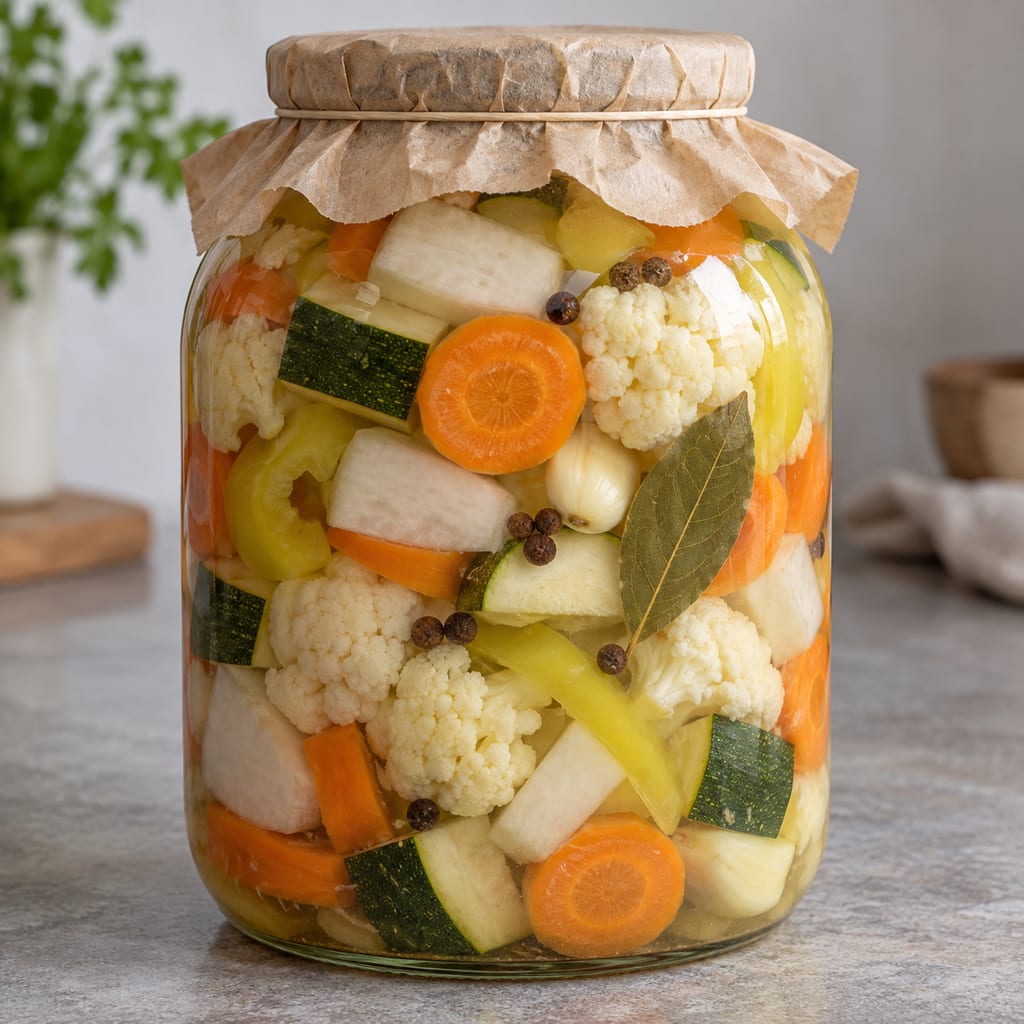
A 2 L jar holds cut carrot, radish, cauliflower, zucchini and pepper under a one-litre salt brine with aromatics; the source gives no produce mass or qualified endpoint.
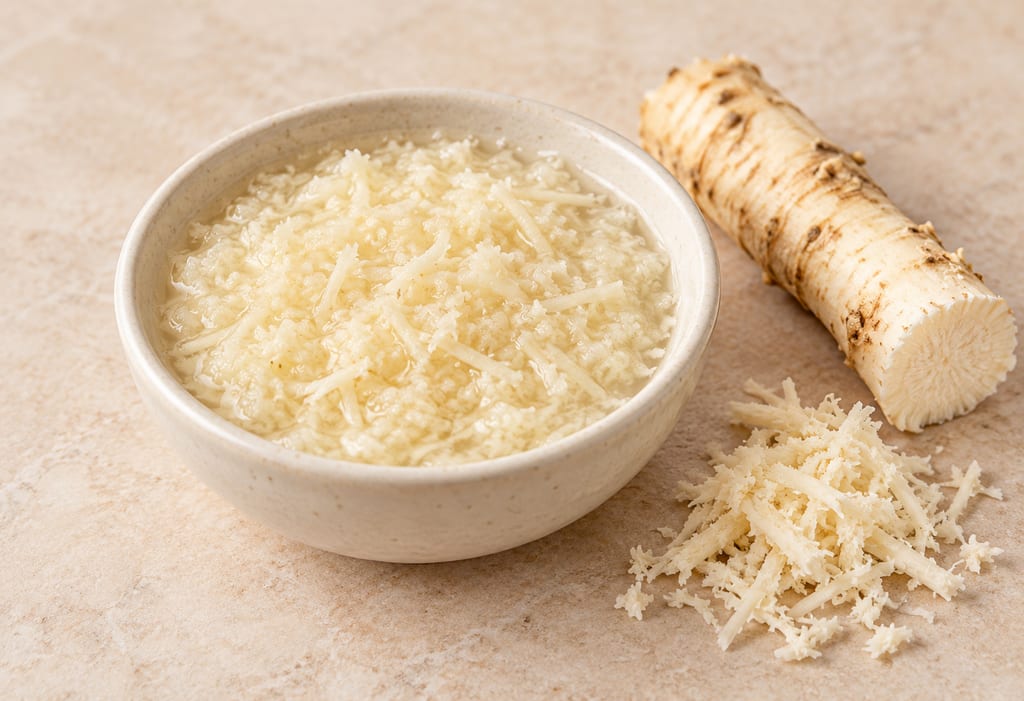
Prepared horseradish is freshly grated horseradish root mixed with vinegar and salt. This refrigerated relish holds the root’s sharp, nasal pungency in a spoonable form.
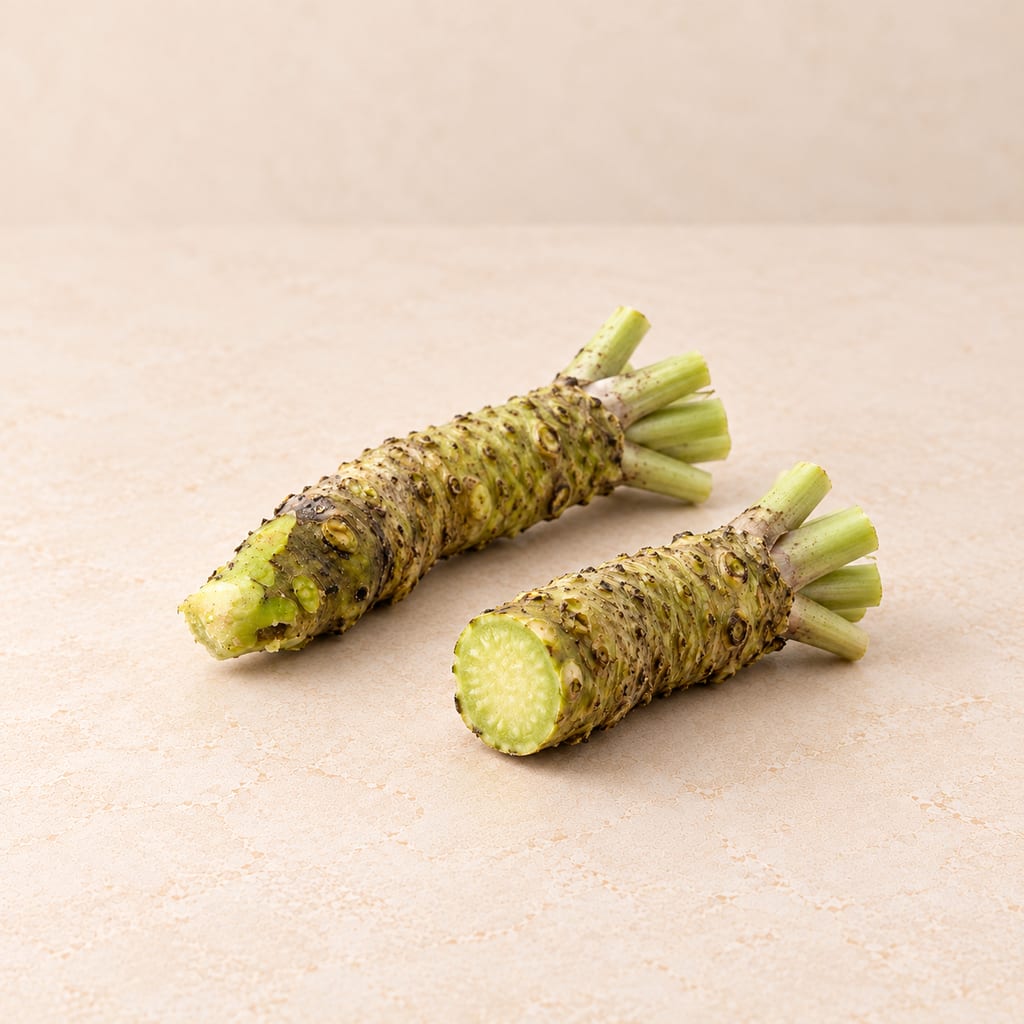
Wasabi is the enlarged stem of Eutrema japonicum, a pungent perennial in the mustard family. Fresh rhizome is grated as a Japanese condiment; powder and prepared paste are separate products.
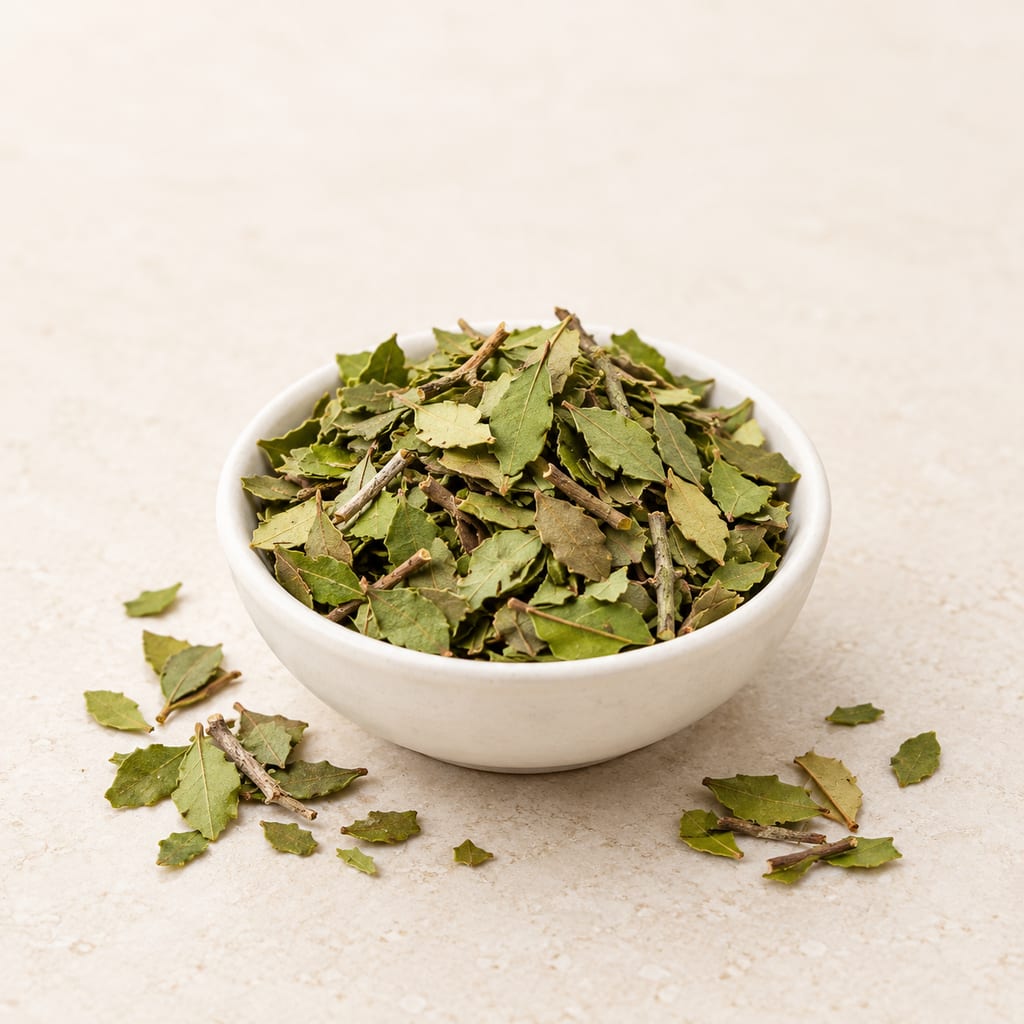
Yaupon is the caffeinated leaf of the southeastern North American holly Ilex vomitoria, dried and sometimes roasted for infusions. Its identity and cultural history differ from other hollies.
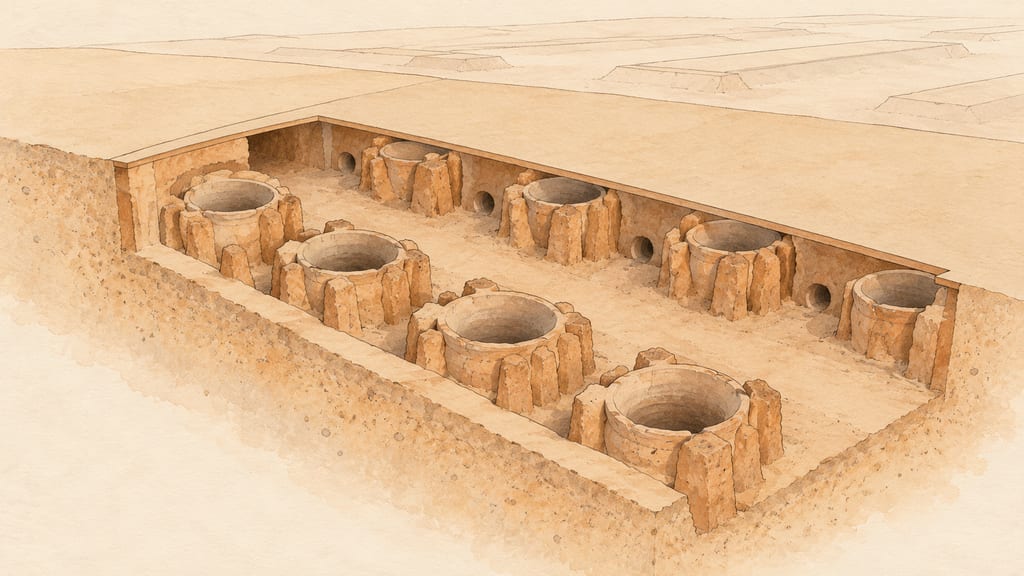
At North Abydos in Egypt, a fixed early Dynastic brewery comprised parallel semi-subterranean installations with rows of ceramic mash vats; excavation reports revise their number, scale and estimated batch capacity.
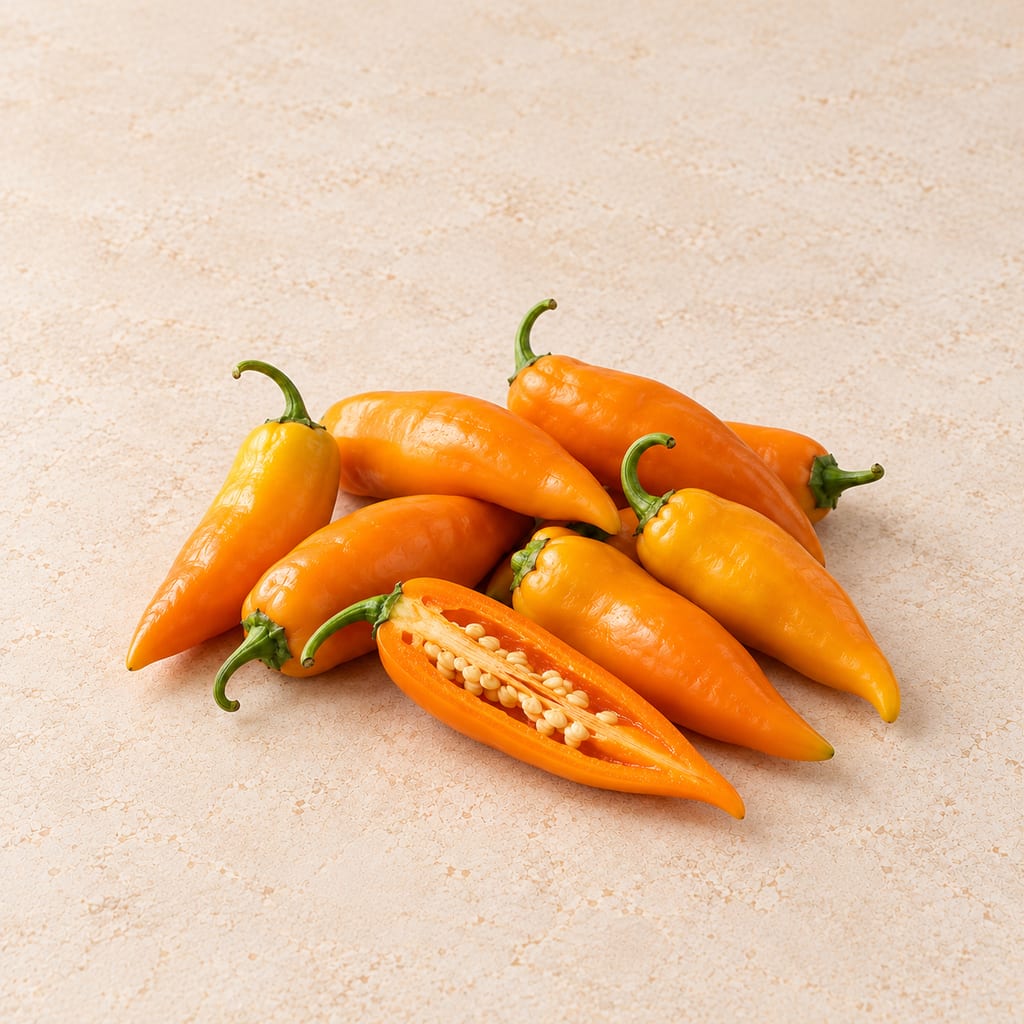
Ají amarillo is the orange-yellow Peruvian chilli cultivar group of Capsicum baccatum, used to colour and season huancaína sauce and ají de gallina. Published heat estimates do not establish one range for the named cultivar.

Toasted almonds are whole sweet almond kernels dry-roasted until golden to brown. Heat replaces their marzipan note with a roasted, nutty one; they thicken and flavour romesco.

Kodiak salmon, halibut and cod cut as seg'aq and hung on an initaq rack to become tamuuq, with kac'amaasaq and kupcuunaq named as different results.
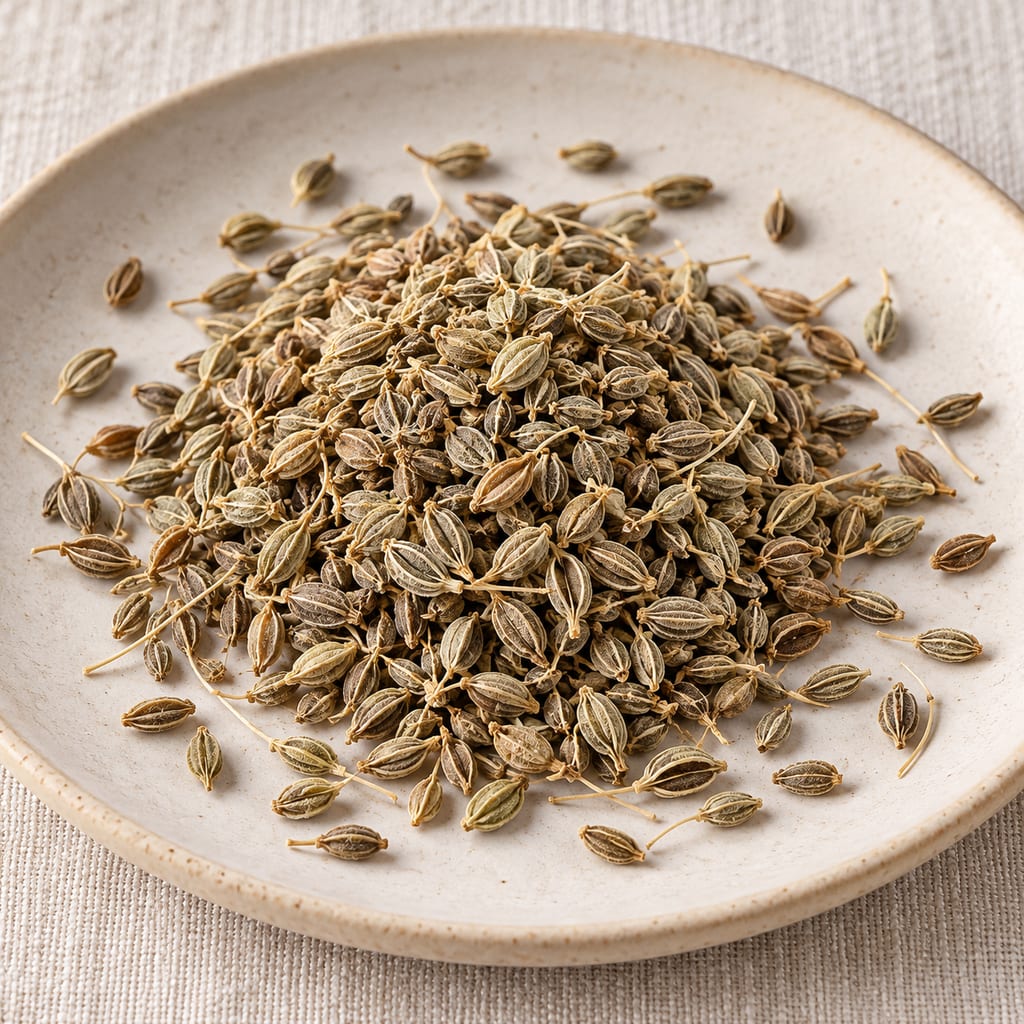
Aniseed is the dried ripe fruit of Pimpinella anisum, an aromatic Apiaceae spice commonly called a seed. It adds a sweet, warm aroma to breads such as Moroccan krachel and South African mosbolletjies, and is distinct from star anise.
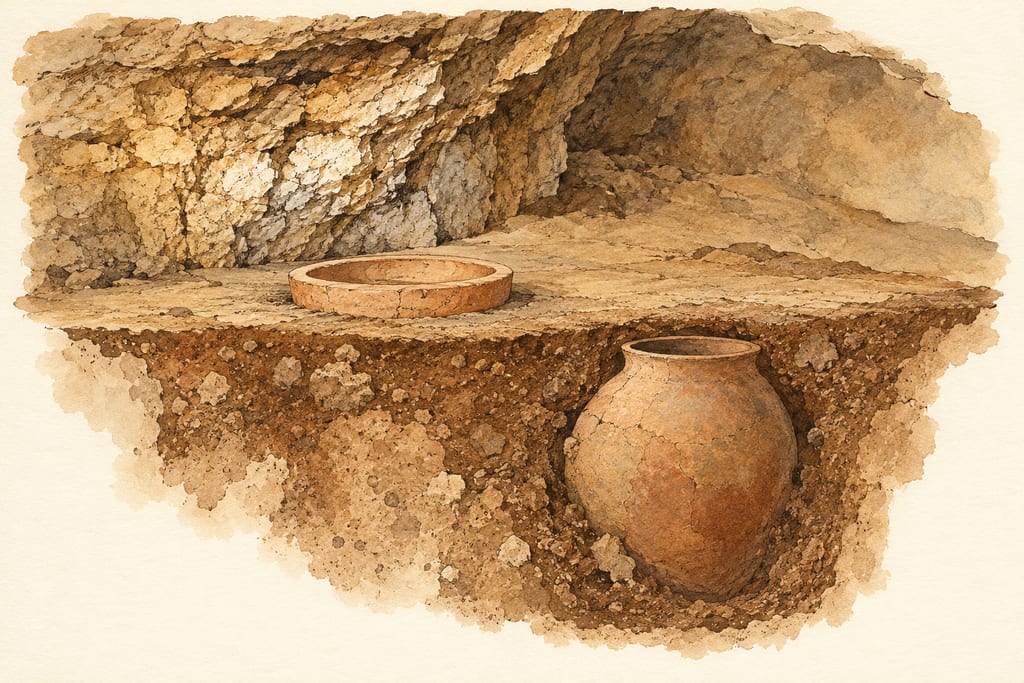
A fixed Late Chalcolithic installation in Areni-1 cave combined a shallow clay pressing basin with a large jar set into the cave floor and storage vessels nearby.

Ripe avocado flesh is the soft, buttery, fat-rich pulp of Persea americana, eaten raw. It is low in acid, so it is a fresh ingredient that needs care in chilled dishes.
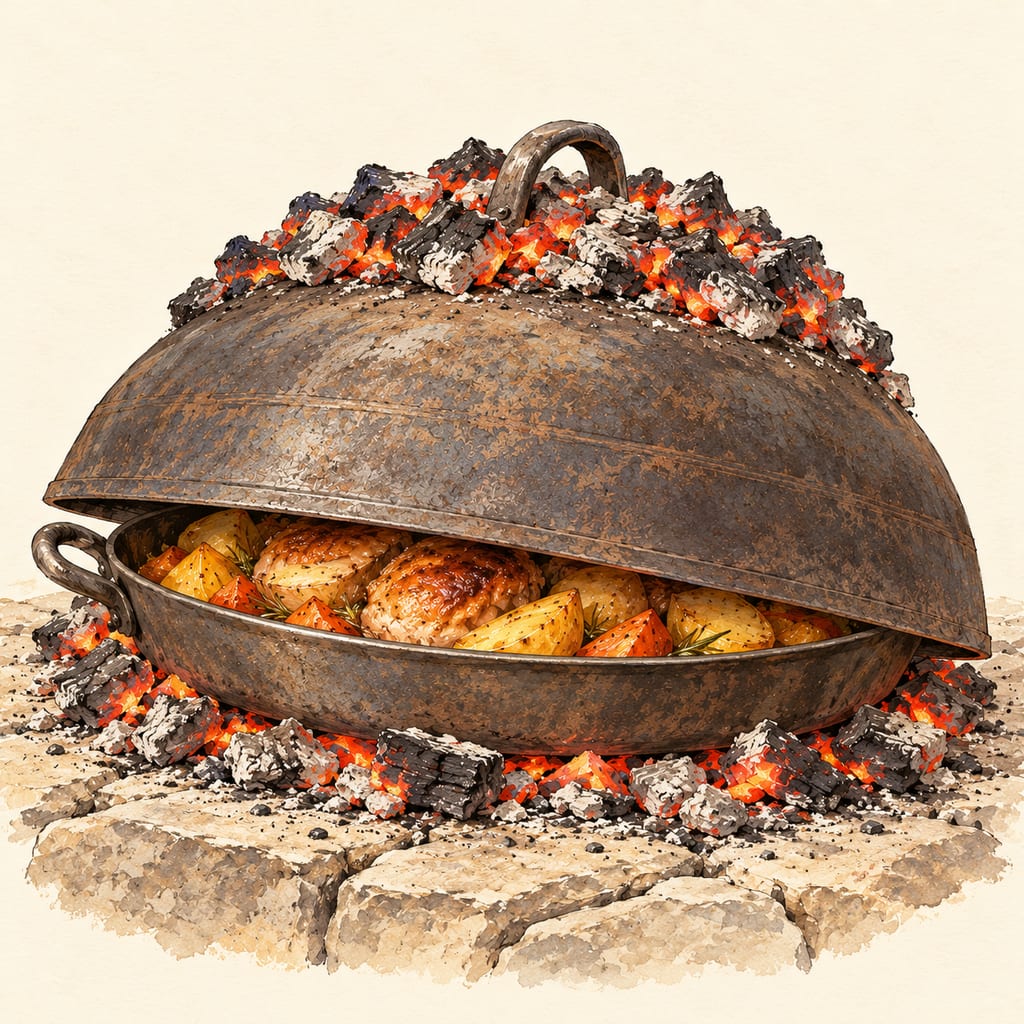
A portable dome and pan used over a hearth, with embers on the lid and heat from below. Regional peka and saç forms share this principle while differing in materials, pan shape and how the food is cooked.
No community contributions have been published for this entry yet.
Sign in to contribute. Published comments and photos are free to read.
WikipediaIdentity · History · Production · Culinary · Secondary
HorseradishBotany; likely native range; Pliny, Gerard and the English word; chrain and maror; chemistry; hardiness zones; producers; prepared horseradish; uses; nutrition; peroxidase.
Cited in: A root that does not smell until it is cut; A very old root, and a late word; How the heat is made; Prepared horseradish: heat and vinegar; Growing it; Choosing, storing and using it; Open points
Biomolecules, 2020 (Popovic and colleagues)Chemistry
Biological Effects of Glucosinolate Degradation Products from Horseradish: A Horse that Wins the RaceGlucosinolate shares in roots and leaves; allyl isothiocyanate and 2-phenylethyl isothiocyanate and nitrile products; effect of the isolation method.
Cited in: How the heat is made
Frontiers in Chemistry, 2018 (Kroener and Buettner)Chemistry · Varieties
Sensory-Analytical Comparison of the Aroma of Different Horseradish Varieties (Armoracia rusticana)Isothiocyanates are the main volatiles; 39 odour-active compounds in six varieties; Hungarian and Austrian varieties; roots used as a medicine for scurvy; extract inhibited Bacillus subtilis, E. coli and Staphylococcus aureus in 1957 and 1960 studies.
Cited in: A root that does not smell until it is cut; A very old root, and a late word; How the heat is made; Open points
Sustainability, 2024 (Staninska-Pieta, Cyplik, Drozdzynska and Piotrowska-Cyplik)Fermentation
Grapevine and Horseradish Leaves as Natural, Sustainable Additives for Improvement of the Microbial, Sensory, and Antioxidant Properties of Traditionally Fermented Low-Salt CucumbersLeaves did not slow fermentation and improved sensory desirability; ellagic acid rose; plantaricin and acidocin gene expression rose.
Cited in: Horseradish and fermented foods
Journal of Food Science 75(4), 2010 (Perez-Diaz and McFeeters)Fermentation · Antimicrobial
Preservation of Acidified Cucumbers with a Natural Preservative Combination of Fumaric Acid and Allyl Isothiocyanate that Target Lactic Acid Bacteria and YeastsAllyl isothiocyanate at 2 mM blocked spoilage yeasts and did not stop Lactobacillus plantarum in acidified cucumbers.
Cited in: Horseradish and fermented foods
Foods, 2025 (Alibrahem and colleagues)Chemistry · Preservation
Health Benefits, Applications, and Analytical Methods of Freshly Produced Allyl IsothiocyanateFish cakes treated with allyl isothiocyanate stayed free of spoilage by pathogens and lactic acid bacteria for 30 days in modified atmosphere at 4 C.
Cited in: Horseradish and fermented foods
Utah State University ExtensionCultivation · Storage
How to Grow Horseradish in Your GardenSoil and pH; crown and root cuttings; planting depth and timing; autumn harvest after frost; storage in moist sand up to three months; grate what will be used within a month; do not feed to animals.
Cited in: Growing it; Choosing, storing and using it
University of Nebraska-Lincoln Extension, Lancaster CountyCultivation · Storage · Method
HorseradishGrown for over 3,000 years; cuttings 8 to 10 inches; harvest October or November; storage at 32 to 40 F, light turns roots green; grate into 5 per cent vinegar, cider vinegar browns; keeps a few weeks.
Cited in: A very old root, and a late word; Prepared horseradish: heat and vinegar; Growing it; Choosing, storing and using it; Open points
Cook's Illustrated, America's Test KitchenMethod · Secondary
DIY Prepared HorseradishBlend, ten-minute rest, then salt and vinegar; keeps up to three weeks refrigerated; why the timing works.
Cited in: Prepared horseradish: heat and vinegar