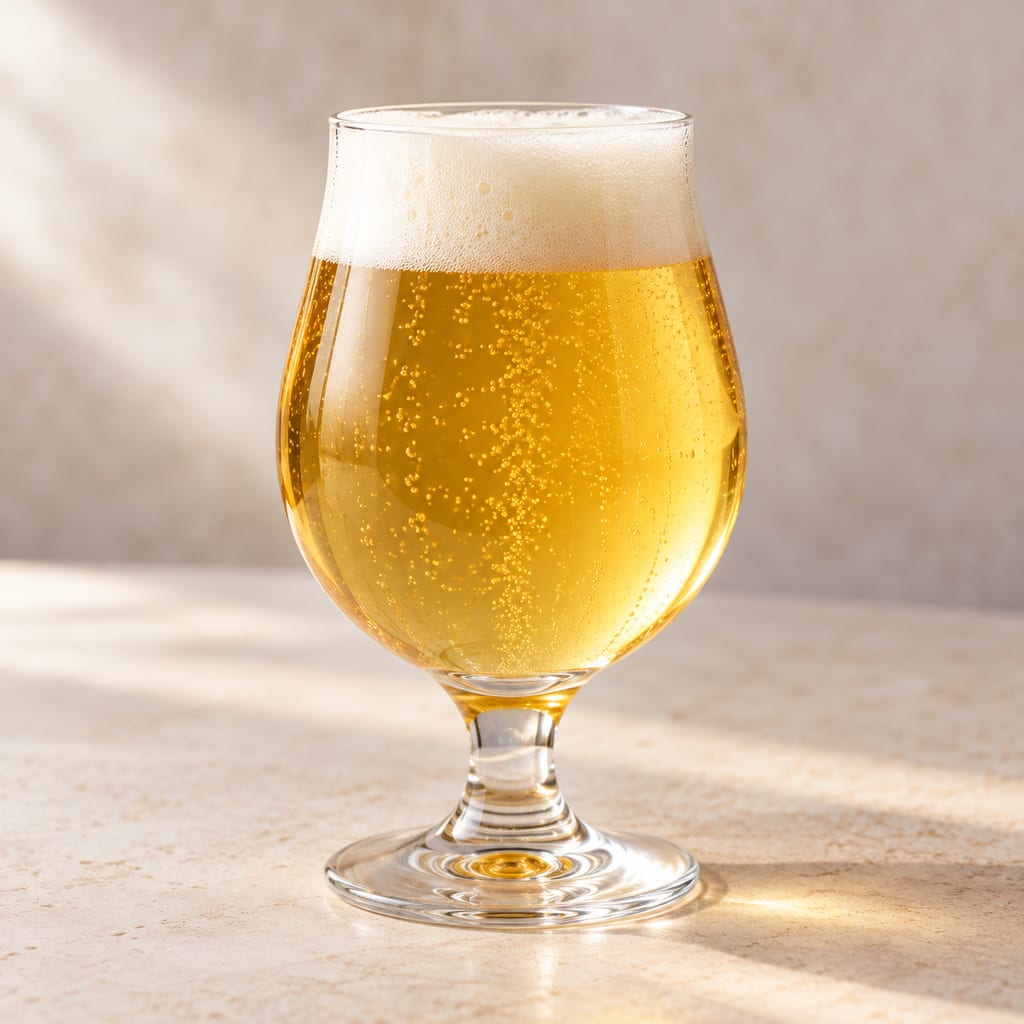
Monk’s Ration Trappist-style single
A pale Belgian-style ale with Pilsner and aromatic malts, cane sugar and Saaz hops, fermented under loose foil before an airlock is fitted.
 FermenteaWhere food goes to change
Substrates
Root Shoot Pilsner malt is a pale barley base malt named in Monk’s Ration. Root Shoot currently lists several pale Pilsner products; the recipe does not identify which one or a lot specification.
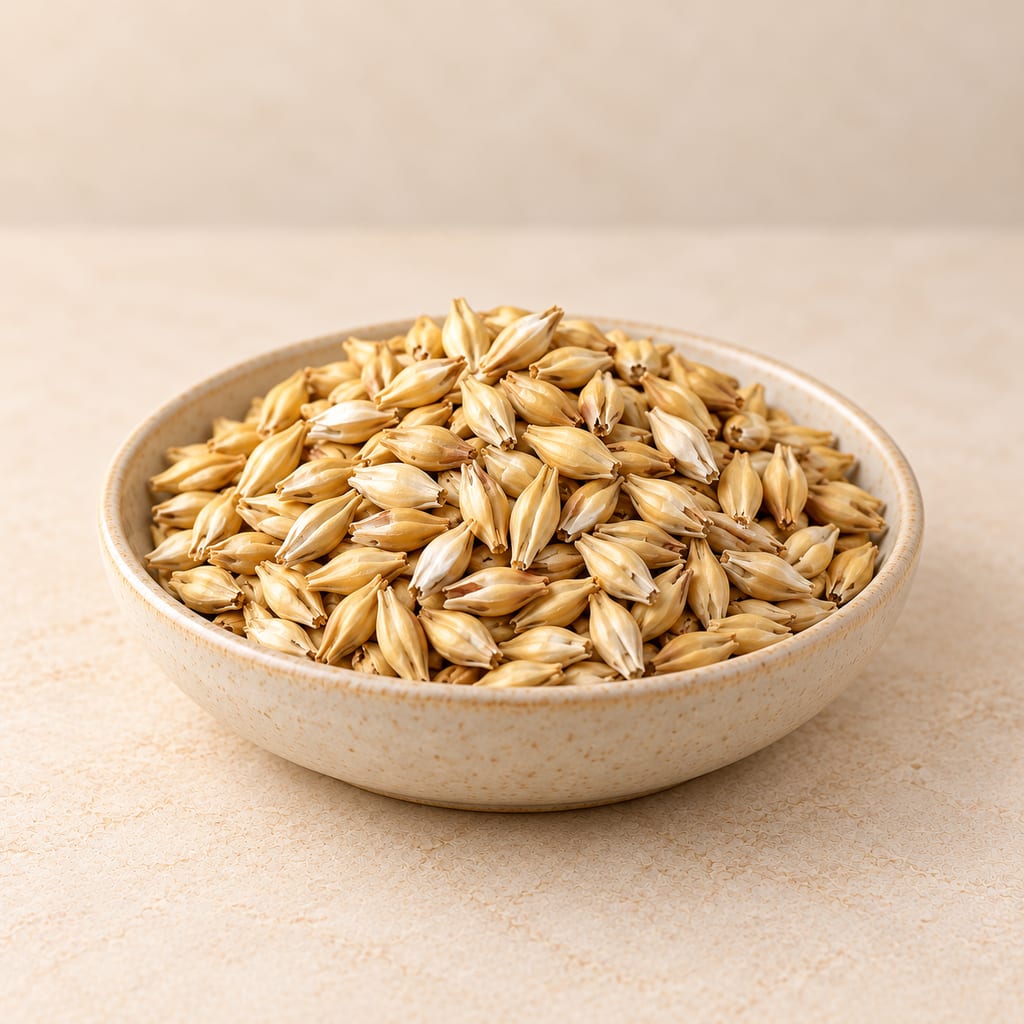
Root Shoot Pilsner malt is the main grain in Phil LaFleur’s Monk’s Ration, a Belgian-style single made for the American Homebrewers Association’s Big Brew collection. The formula uses four pounds of it in a two-and-a-half-gallon batch. Three ounces of Briess Aromatic and two ounces of Carapils are much smaller companions. This makes the Pilsner malt the beer’s base: it provides most of the malted grain that will become wort, while the smaller additions adjust character around it.
Pilsner in the ingredient name describes a pale malt style, not a requirement that the finished drink be a Pilsner lager. The same light grain can support an ale whose yeast, sugar and hopping give it a different identity. Root Shoot itself describes a Genie Pilsner with a clean, crisp grain character suitable not only for German lagers but also for Belgian beers. The malt's pale colour gives the brewer room to build an expressive yet light-coloured beer without the roasted weight of dark grain.
The AHA recipe prints Root Shoot Pilsner malt, without a SKU or malt analysis. Root Shoot’s present catalogue distinguishes Genie Pilsner from Low Color Pilsner, and a retailer lists another Pilsner product with its own typical figures. Those sources help a buyer recognize the producer’s range, but do not prove which current catalogue entry LaFleur used. The exact source line is enough to explain the malt’s job: a pale, fermentable barley base in a particular modern beer.
The name Root Shoot ties malt to a farm rather than disguising the grain’s origin. The Olander family traces its northern Colorado farming history back through generations. Root Shoot’s own account says Todd Olander established the estate malthouse in 2016, after family experience growing malting barley for larger breweries. Supplying grain to large brewers and then making malt for smaller regional producers are different positions in the same food chain: one sells a crop, the other also shapes its brewing character. Its Loveland operation joins crop growing and malting on the same land. This is a documented modern producer story; it does not mean that Pilsner malt as a category began there.
An estate malt moves through several hands even when the land and malthouse are close together. Farmers choose and grow barley suited to malting, then the harvested grain is cleaned and graded. The maltster coaxes the seed into early growth and stops that growth through drying. The brewer finally crushes and mashes the finished malt. Root Shoot’s account emphasizes this chain from field to bag; the AHA recipe shows how one bag enters a distant home brewer’s formulation.
The family history makes the ingredient more tangible without assigning a regional flavour by wishful thinking. Soil, weather, barley variety, harvest and malting decisions can affect grain quality, but no analysis of LaFleur’s particular lot is in the recipe. Nor does the farm’s nineteenth-century history date this named product. The firm’s 2016 establishment and the AHA’s 2026 use are the clear anchors. Between those dates lies an evolving catalogue of pale and specialty malts, not one timeless, interchangeable sack.
Barley is a seed with starch stored for a new plant. Malting begins by letting the grain absorb water; germination follows, activating and developing the seed’s enzymatic capacity and loosening parts of the kernel. Kilning dries it again, preserving a usable malt and shaping its colour and flavour. Pale Pilsner malt is dried to remain light enough for a delicate wort. The steps are physical and biological preparation of grain, not alcoholic fermentation.
During the later mash, the brewer combines crushed malt with water so enzymes can work on its starch and proteins. Amylases help break starch into smaller carbohydrates, including sugars yeast can ferment and fragments that may remain as body. The mash produces a sweet liquid called wort, which is separated from spent grain. The barley’s earlier malting is what makes this conversion practical. A bag of dry Pilsner malt is therefore not equivalent to an equal bag of raw barley.
Root Shoot’s present product descriptions emphasize a clean cereal character in its pale malts. Such descriptions are useful buying language, though the malt’s flavour in a finished ale is altered by mash, boil, hops and fermentation. A light base can carry subtle bready or straw-like impressions without insisting on one tasting note for every batch. In Monk’s Ration it works with a more aromatic Munich-style malt, so the base supplies the field on which that smaller accent can be noticed.
Malting has a decisive last stage in the kiln. The germinated grain must be dried so growth stops and the kernels can be stored and milled. Drying also develops the cereal aroma and colour that later enter wort. A pale Pilsner-style malt is treated differently from a deeply roasted malt: the aim is to leave a light grain character and useful enzymatic potential for the mash. A brewer can then use a large proportion of it without making the beer dark before the specialty grains or yeast have done anything.
Root Shoot’s own catalogue shows why the word Pilsner needs a second glance. Genie Pilsner is described as light and crisp with straw and bread notes; Low Color Pilsner is presented as especially pale, made from a blend of two-row varieties. The retailer’s Root Shoot Pilsner listing identifies a specific Genie-barley product and publishes typical numbers. Those are present-day product descriptions, not evidence that the 2026 AHA ingredient line names that exact bag. A brand can offer more than one way of making a pale base.
Colour is only part of the choice. Germination and kilning influence how the malt will yield extract and supply enzymes when the brewer mashes it. A bright pale beer can still have body if the wort contains longer carbohydrate fragments and proteins; it does not have to be thin. Conversely, a pale grain does not guarantee a clean or dry finished beer, because the mash schedule and fermentation determine what yeast can consume and how the remaining materials feel. The base malt gives a promising starting point, while the recipe makes those properties meaningful.
In Monk’s Ration the light base is paired with a small dose of deeper, intensely malty Aromatic grain. The contrast is a culinary one: a clear broth can carry a concentrated seasoning more distinctly than an already heavy stew. It is an analogy for balance, not a claim that the malts dissolve unchanged into a glass. The mash and fermentation transform both. Root Shoot’s pale grain supplies the broad, quiet field of barley character on which the other additions can register.
The largest grain addition need not be the loudest smell in a beer. Pilsner malt is often chosen because it builds fermentable wort and a pale grain foundation without dominating with roast or caramel. In this recipe, cane sugar joins the wort later, while Aromatic and Carapils are present in smaller amounts. Sugar contributes fermentable material without passing through malted grain; Aromatic gives a richer malt accent; Carapils has its own body and foam purpose. These are different jobs, not four names for the same sweetness.
The malt’s enzymatic potential matters while the grain is wet in the mash. Barley starch cannot be handed directly to ordinary brewing yeast as though it were table sugar. A successful mash converts a useful share into accessible smaller molecules. The recipe’s multiple rests are one way to guide that process. What the yeast later receives depends on grain quality and mash handling as well as the printed grain weights. Four pounds of base malt states the recipe’s measure; it does not by itself state a final alcohol content.
This quiet centrality also explains why a substitution changes more than colour. Another pale base malt might work, but it could differ in enzyme activity, extract yield, grain aroma and how it responds to the same mash. A bag of specialty Aromatic malt cannot simply take the place of the four-pound base addition. If Root Shoot’s exact product is unavailable, a brewer would compare current malt specifications and adjust a whole formulation, not treat all pale grains as anonymous starch.
Monk’s Ration is a modern American homebrew recipe with a monastic reference in its title. It is not a beer brewed at a Trappist abbey. The style comparison helps describe the intention: a relatively pale, dry, bitter Belgian-style ale with lively fermentation character. Its Colorado-grown base malt enters that style alongside continental hops, cane sugar and an Abbaye yeast packet. Ingredients can travel across traditions while the documented recipe remains anchored to its actual author and setting.
The choice of Pilsner malt suits the lightness of the intended beer. A heavily roasted base would pull the colour and flavour toward a different family. Root Shoot’s grain leaves room for the yeast’s fruit-and-spice expression and for hop bitterness to show against a soft malt background. The three-ounce Aromatic addition lends a different malty emphasis, demonstrating how a brewer can use a restrained amount of specialty grain rather than darken the entire grist.
At the table, the finished beer can be read through balance rather than provenance slogans. The pale grain supplies bread-like support; the yeast can add fermentation character; hops shape the finish. Nothing in the AHA source specifies a food pairing for the exact batch. A drinker might place it among other crisp, expressive pale ales, but the precise impression belongs to a brewed and tasted glass. The ingredient page explains the malt’s contribution without promising that every Root Shoot Pilsner lot makes the same beer.
Buy the malt by the producer and the actual product listing, not solely by the word Pilsner. Root Shoot currently lists more than one pale Pilsner option. The recipe’s source line is broad enough that a maker should record the current product and lot chosen. A supplier may offer whole kernels or pre-crushed grain. Crushing just before mashing exposes the interior for extraction; pre-crushed malt saves work but has more exposed surface during storage. The best handling follows the supplier’s packaging and freshness guidance.
Keep malt dry, sealed against pests and away from heat or damp. A musty smell or visibly damaged grain is a reason to reject a bag rather than ask the mash to hide it. Whole kernels hold their condition differently from flour-like crushed grain, and no single shelf life applies to every package and environment. Root Shoot’s story stresses hand-packed malt, but that does not replace ordinary storage care after purchase.
In the kettle and fermenter, the malt’s responsibility ends where yeast’s begins. Mash and runoff release its soluble material; boiling and hopping alter the wort; cooled wort is then offered to the Abbaye culture. The chosen barley cannot decide final carbonation or fermentation health by itself. It does give the beer its largest grain contribution and a traceable modern producer. That combination of quiet cereal flavour and substantial wort-making work is why four pounds of pale malt sit at the center of Monk’s Ration.
Root Shoot describes its farm and estate malthouse in Loveland. This is producer location; the exact malt lot in the AHA recipe is not documented.
A pale Belgian-style ale with Pilsner and aromatic malts, cane sugar and Saaz hops, fermented under loose foil before an airlock is fitted.

A refined common-wheat flour blended for a broad range of baking; its protein and behavior vary with wheat, milling and market.

Toasted almonds are whole sweet almond kernels dry-roasted until golden to brown. Heat replaces their marzipan note with a roasted, nutty one; they thicken and flavour romesco.
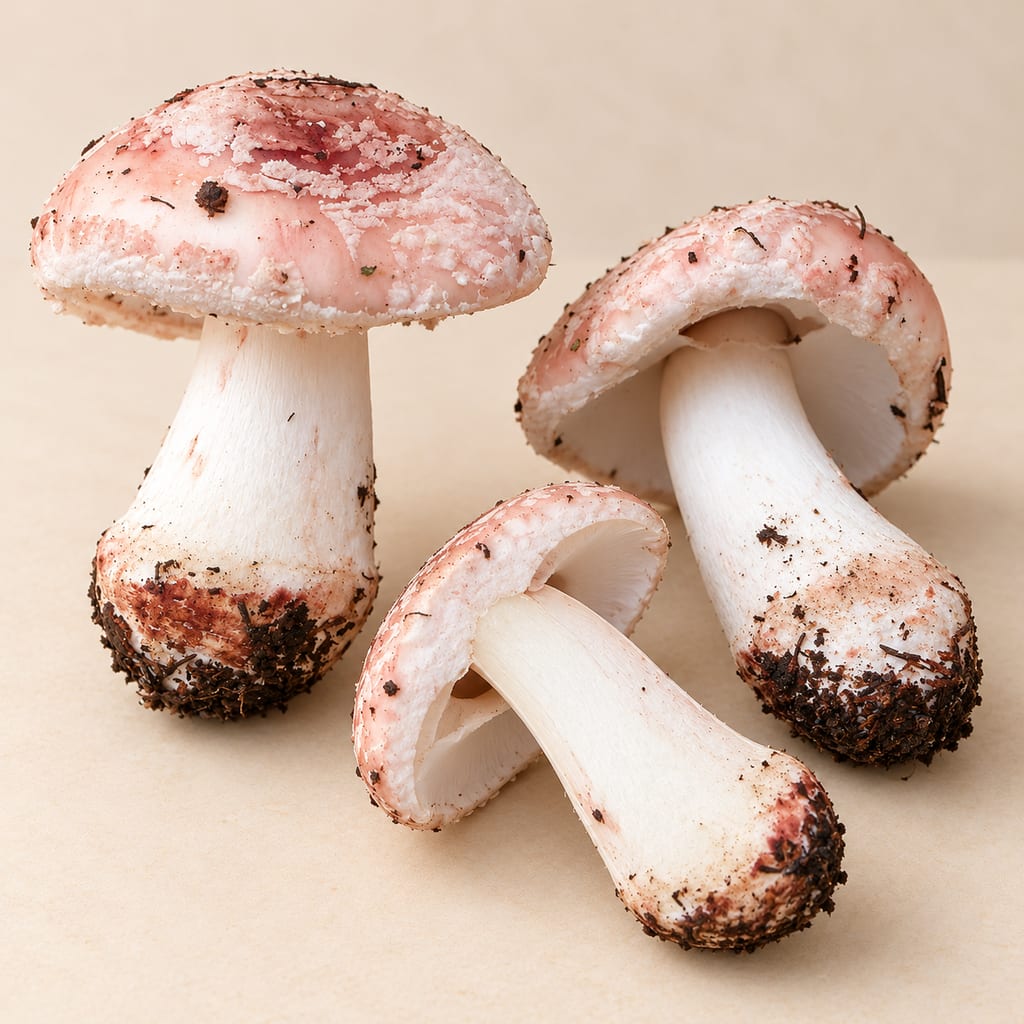
Amanita novinupta is a western North American blusher, a forest mushroom recorded as food in Mexico, and one that must be cooked because its raw flesh is toxic.
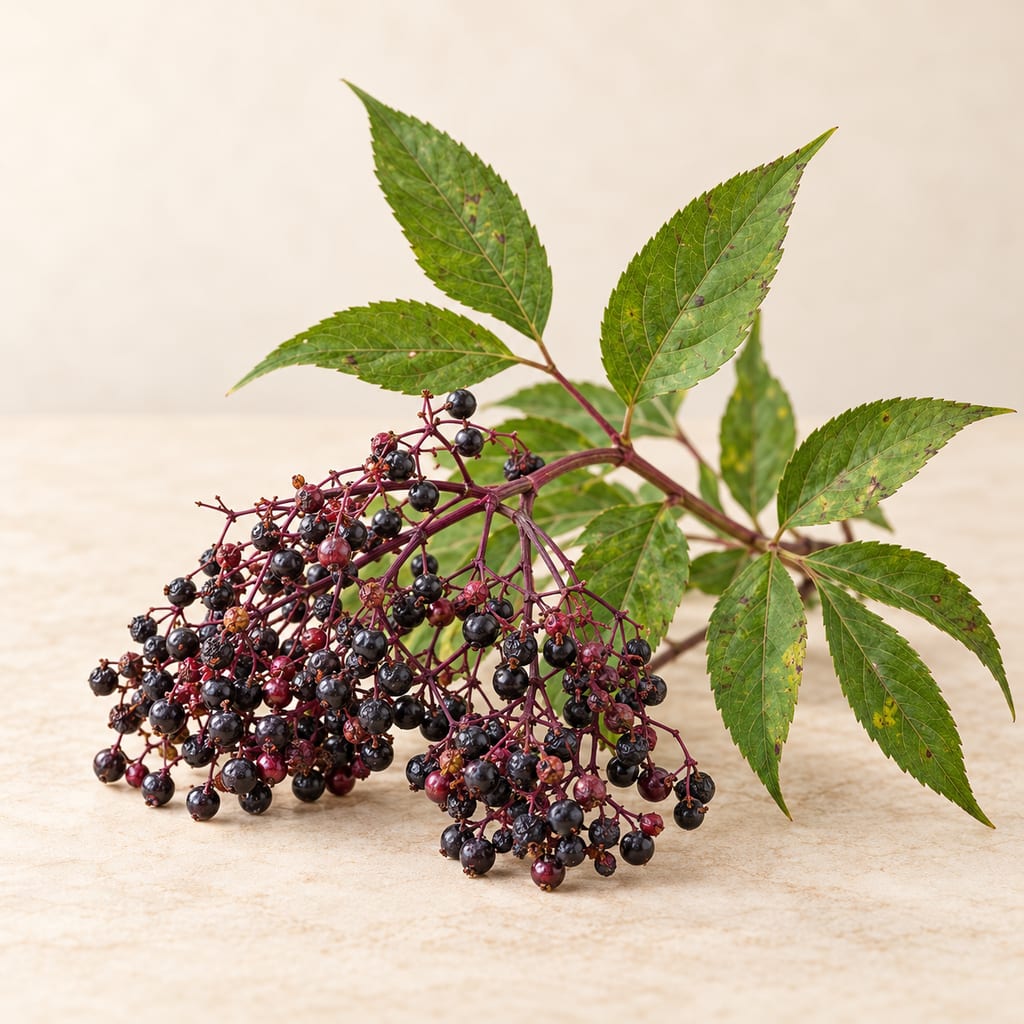
Sambucus canadensis is the accepted name used here for American elderberry. Missouri production guidance and named-cultivar studies give useful regional growing information, while food and analytical sources leave process questions open.
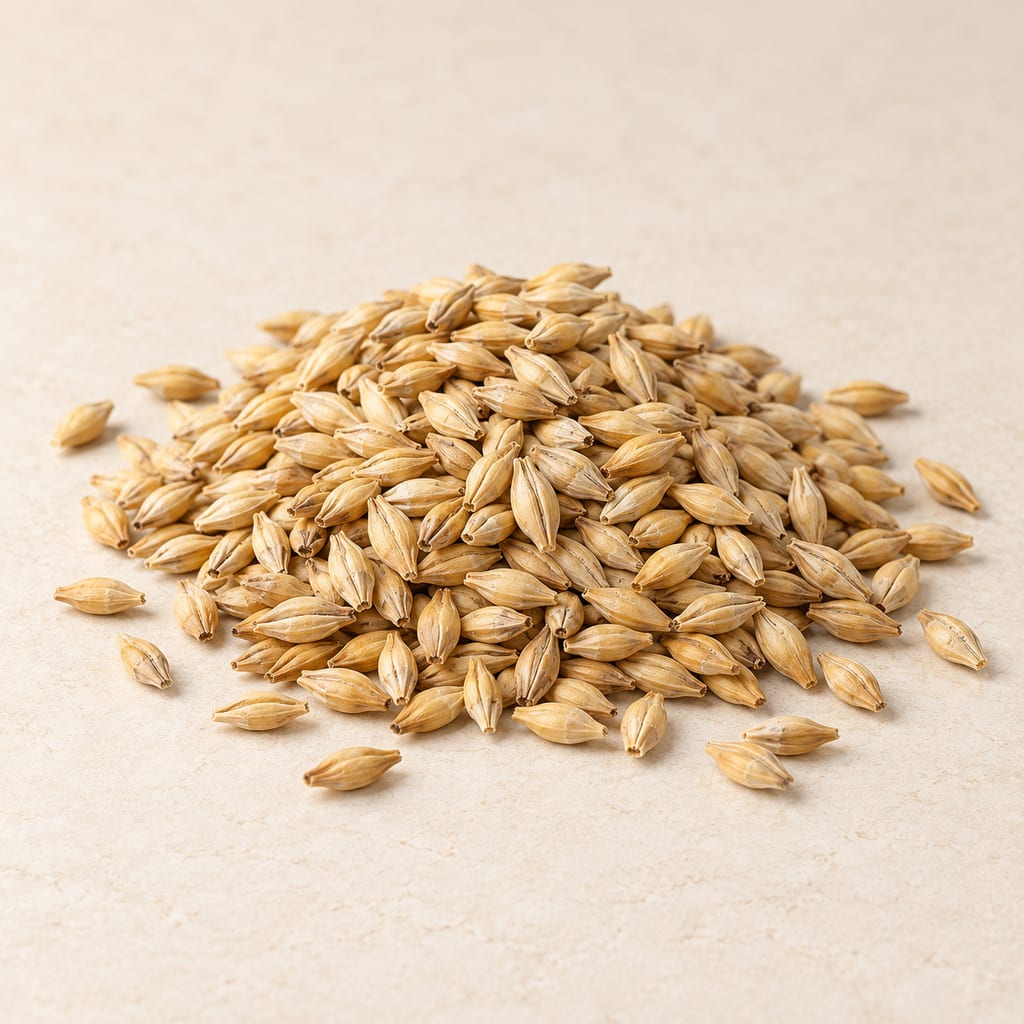
A lightly kilned brewing base made from two-row barley. It supplies starch and enzymes for the mash, with the maltster’s product and lot analysis defining its brewing properties.

Ripe avocado flesh is the soft, buttery, fat-rich pulp of Persea americana, eaten raw. It is low in acid, so it is a fresh ingredient that needs care in chilled dishes.
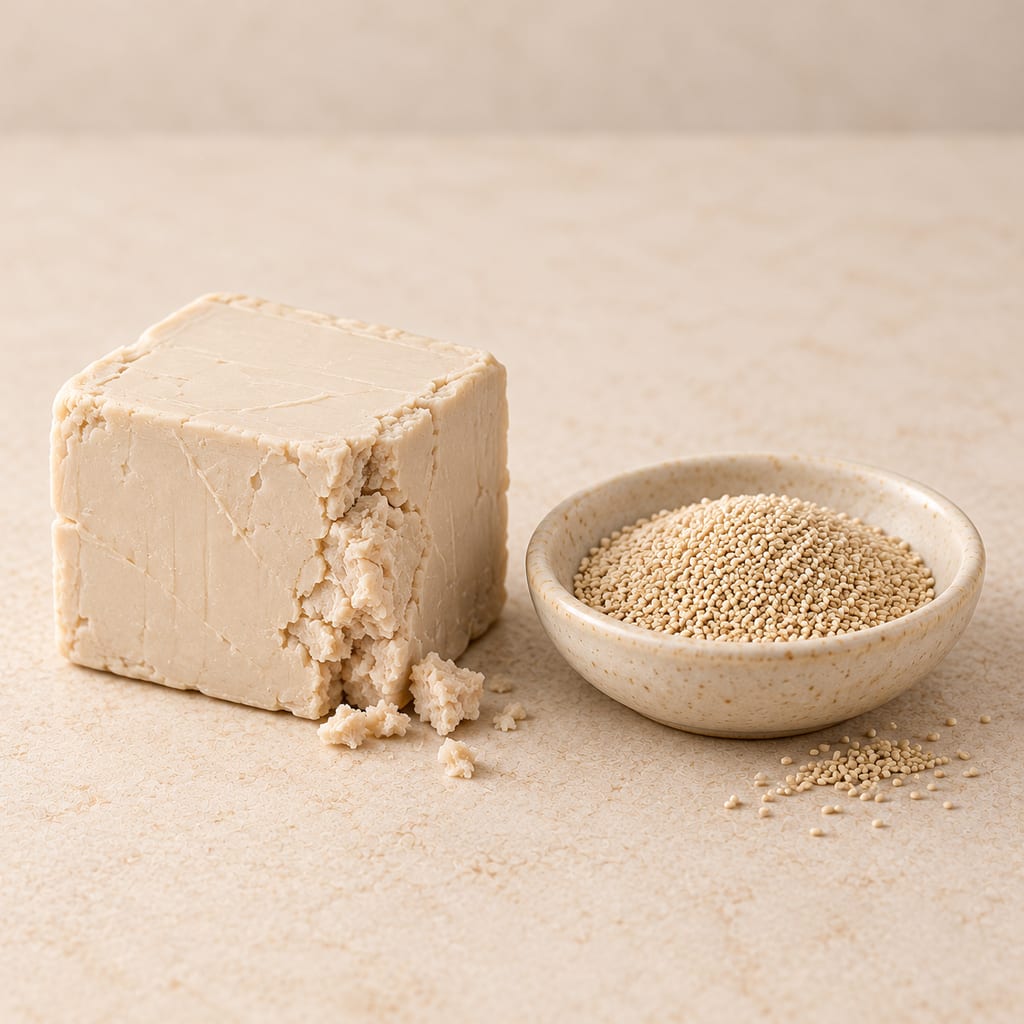
Baker's yeast is a cultivated living leavener, commonly sold fresh or dried. In dough, selected Saccharomyces cerevisiae cells make gas that can raise bread.
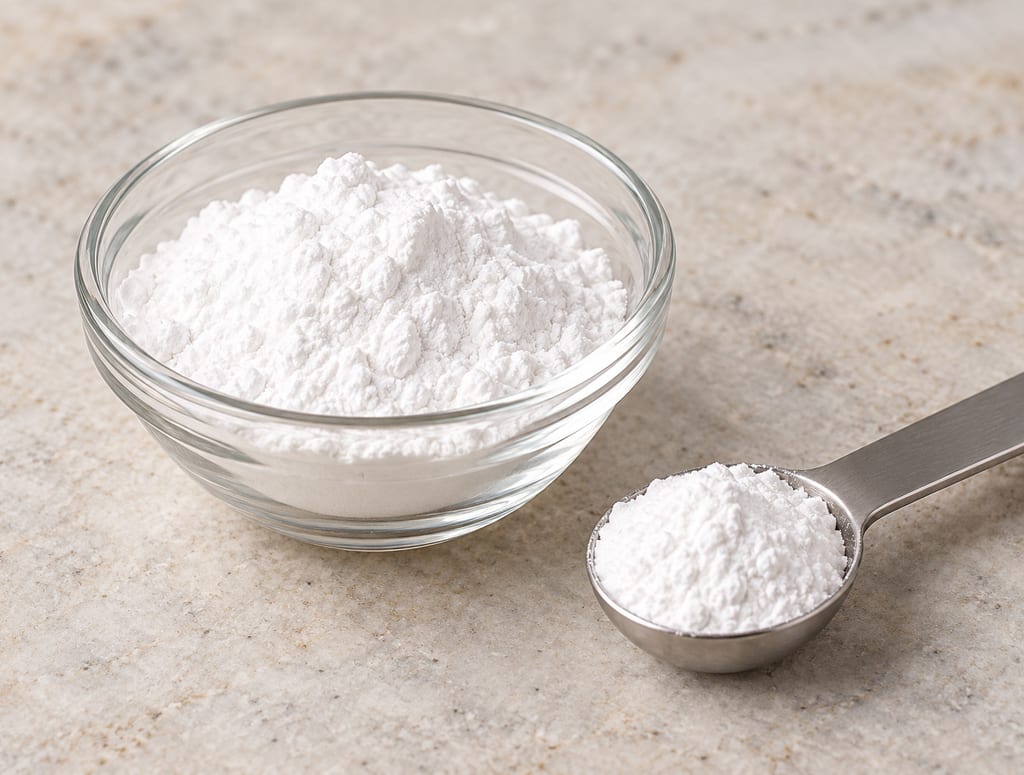
Baking powder is a dry chemical leavener that combines bicarbonate with acid-reacting ingredients and a carrier. Moisture and heat release carbon dioxide for quick breads, batters and griddle cakes.

Soft, spreadable Calabrian pork sausage made with a great deal of red chilli and fatty pork, stuffed into natural casings, sometimes smoked and matured while staying soft.

A way to add independent temperature logging to an existing food dehydrator without changing its built-in controls or protections. It is a monitoring method, not a rewiring plan.

Pleurotus cystidiosus is the abalone mushroom, a cultivated oyster-type fungus with dark brown caps that grows more slowly and is more demanding than other Pleurotus species.

A dark, balanced vinegar from Emilia-Romagna made by combining cooked or concentrated grape must with wine vinegar, then acetifying and refining it in wood under a protected specification.

A living dairy inoculum that starts controlled cream fermentation, developing acidity and aroma before sour cream or cultured butter is finished.

A small electric incubator holds jars at a selected temperature for yogurt and other documented warm food preparations. Controls, capacity and vessel arrangement vary by model.

Adygean salt is a seasoned table salt associated with Adygea and the wider North Caucasian culinary tradition. Salt is blended with garlic and a variable selection of herbs and spices; the exact mix depends on the named style and maker.

The African Caesar-group mushroom, Amanita masasiensis, is a wild ectomycorrhizal species of central and southern African woodlands, eaten locally. The genus contains deadly poisonous species, so identification needs care.
No community contributions have been published for this entry yet.
Sign in to contribute. Published comments and photos are free to read.
American Homebrewers Association; recipe by Phil LaFleurEditorial
2026 Official Big Brew Recipes: Monk’s Ration Trappist-Style SingleAll-grain recipe uses 4 lb Root Shoot Pilsner malt in 2.5-gallon batch with smaller Aromatic and Carapils additions.
Cited in: The pale grain under Monk’s Ration; A Colorado farm becomes a malthouse; Pale colour begins before the kettle; Why a base malt can be quiet and decisive; How a Belgian-style single uses an American malt; Choosing and keeping a sack
Root Shoot MaltingEditorial
Our GrainsCurrent lineup distinguishes Genie Pilsner, Low Color Pilsner and other base malts; descriptions of pale malt character.
Cited in: The pale grain under Monk’s Ration; A Colorado farm becomes a malthouse; What malting changes in a barley kernel; Pale colour begins before the kettle; Why a base malt can be quiet and decisive; How a Belgian-style single uses an American malt; Choosing and keeping a sack
Root Shoot MaltingEditorial
Who We AreOlander family farm history, Loveland site, 2016 estate malthouse establishment.
Cited in: A Colorado farm becomes a malthouse; Choosing and keeping a sack
Northern Brewer, retailer product descriptionEditorial
Pilsner Malt, Root Shoot MaltingRetail listing gives one Root Shoot Pilsner product and representative specifications; not proof of the AHA recipe lot.
Cited in: The pale grain under Monk’s Ration; Pale colour begins before the kettle
American Homebrewers AssociationEditorial
Introduction to Home MaltingSteeping, germination and kilning are distinct steps that make barley malt.
Cited in: What malting changes in a barley kernel; Pale colour begins before the kettle; Choosing and keeping a sack
David Houseman and Scott Bickham, Beer Judge Certification ProgramEditorial
Wort ProductionMalt amylase and mashing convert starch to soluble fermentable sugars and dextrins.
Cited in: What malting changes in a barley kernel; Pale colour begins before the kettle; Why a base malt can be quiet and decisive; Choosing and keeping a sack
Beer Judge Certification ProgramEditorial
26A. Belgian Single, 2021 Beer Style GuidelinesPale, dry, bitter Belgian Single comparison; style context not origin of this malt.
Cited in: The pale grain under Monk’s Ration; How a Belgian-style single uses an American malt
Briess Malt & Ingredients Co.Editorial
Aromatic Munich Malt 20L Product Information SheetOther malt in same formula has a distinct intensely malty role; does not describe Root Shoot product.
Cited in: What malting changes in a barley kernel; Pale colour begins before the kettle; Why a base malt can be quiet and decisive; How a Belgian-style single uses an American malt