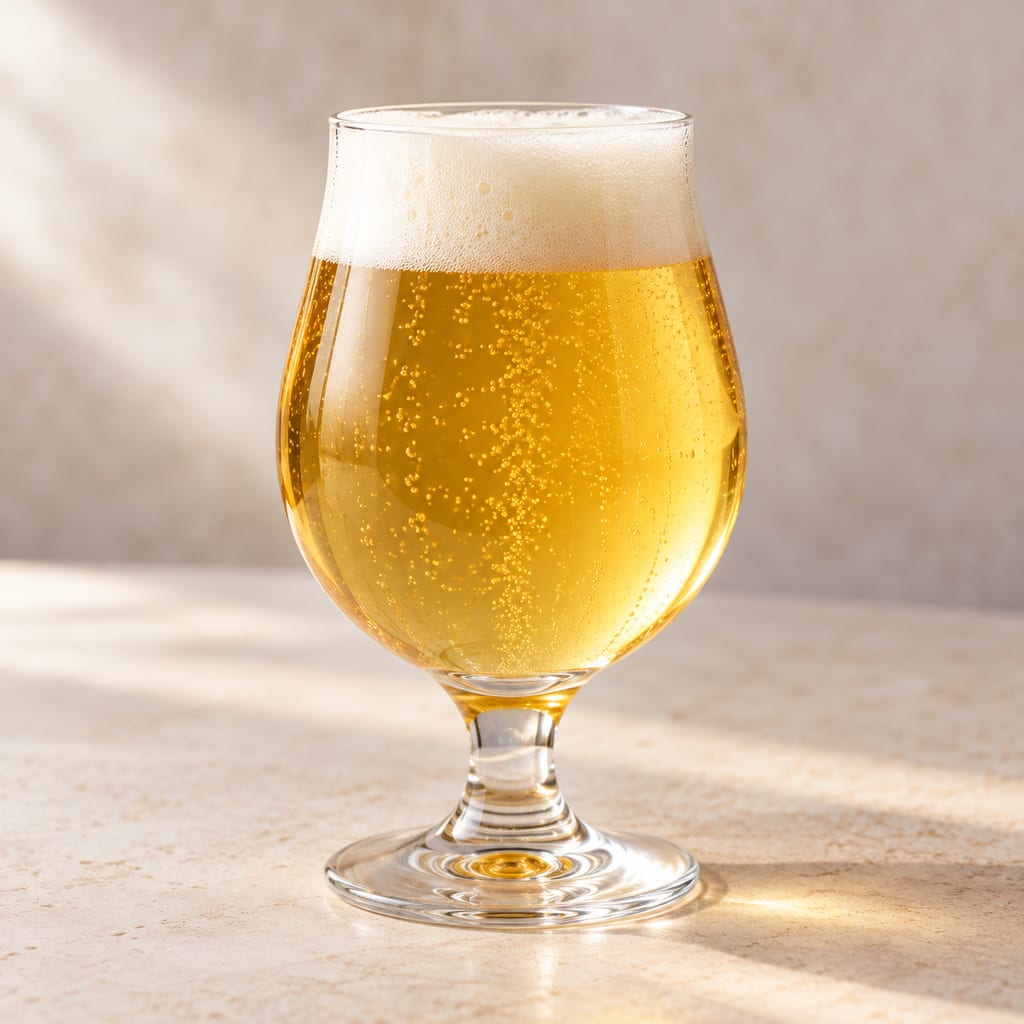
Monk’s Ration Trappist-style single
A pale Belgian-style ale with Pilsner and aromatic malts, cane sugar and Saaz hops, fermented under loose foil before an airlock is fitted.
 FermenteaWhere food goes to change
Substrates
Briess Aromatic Munich Malt 20L is a deeply kilned two-row barley malt used in small measure to lend malt aroma and colour. Monk’s Ration lists three ounces alongside four pounds of pale base malt.
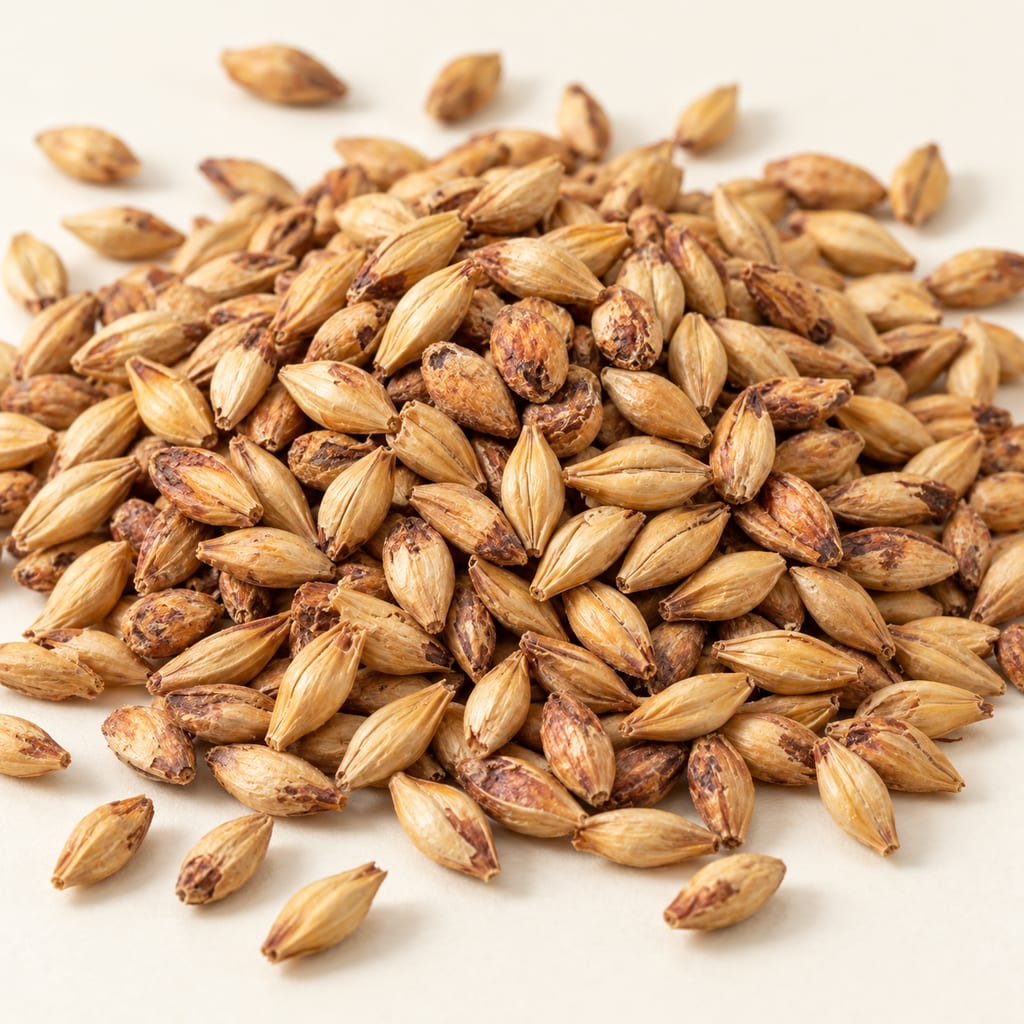
Briess Aromatic malt is a barley malt made to bring a pronounced malty impression to a beer without asking the brewer to build the whole grist from dark grain. Briess calls its current product Aromatic Munich Malt 20L, a deep-golden, orange-leaning malt with smooth, slightly sweet, intense malt character. The words describe the maker’s sensory aim, not a promise that a finished beer will taste sweet. After mashing and fermentation, that grain character meets other ingredients and can be perceived differently.
In Phil LaFleur’s Monk’s Ration, the Aromatic contribution is deliberately small. The 2026 American Homebrewers Association formula gives it three ounces in a two-and-a-half-gallon batch beside four pounds of pale Root Shoot Pilsner malt. The larger grain provides most of the wort-making base. Aromatic is an accent within that base, while Carapils, sugar, hops and Abbaye yeast have their own jobs. Seeing the weights together keeps three ounces from seeming trivial: a little intensely malty grain can alter the impression of a pale beer.
Aromatic is a specific Briess product name in this source, not a generic instruction to choose any fragrant malt. A package sold as Munich malt, melanoidin malt or caramel malt may have a related purpose but need not share this product’s colour, processing or flavour. For the documented beer the exact named ingredient matters. It connects the brewer’s intention to a producer specification rather than to an adjective whose meaning would change from shop to shop.
Munich-style malts refer to a tradition of deeply kilned barley used to create fuller malt character in beer. Briess’s Aromatic is a U.S.-made interpretation rather than a claim that the kernels came from Munich. The product information sheet identifies two-row malting barley and describes a European-style dark Munich malt. Its name tells a brewer roughly what part of the flavour spectrum to expect; the manufacturer and product sheet tell them which malt is actually in the sack.
Briess’s own 2014 account recalls introducing its European-style two-row Bonlander and Aromatic Munich malts in the 1990s, alongside earlier six-row Munich products. That is a company retrospective, so it supports a broad modern introduction rather than an exact launch day. It also shows that an apparently traditional malt name can have a precise, recent manufacturing history. The barley-malt family is older; this branded version belongs to a particular American malting business and its choices.
The 2026 Monk’s Ration recipe is another step in that movement of names. A Colorado brewer uses a named American Munich-style malt in a Belgian-style ale. No one of those places supplies the beer’s whole identity. The malt contributes a flavoring grain, Root Shoot supplies the pale base, and Abbaye yeast contributes fermentation character. The beer is a modern homebrew with a documented author and ingredients, not a reconstruction of a Bavarian or monastic formula.
Malt begins with a seed rather than a flavouring powder. Barley is steeped so it takes up water, then allowed to germinate. During early growth the grain changes internally and develops enzyme capacity useful to a later mash. Kilning dries it again and arrests that growth. This last stage is where a maltster can lead one batch toward a pale, delicate base and another toward a darker, fuller profile. Briess places Aromatic Munich on the richer end of its kilned-malting spectrum.
Heat does not merely paint a darker surface on an unchanged kernel. As the grain dries and warms, sugars and amino-containing materials can take part in many browning reactions. The Maillard reaction is a family of chemical routes that produce colour and a spread of roasted, bready or malty aromas. Moisture, time and temperature affect the results. A deeply kilned malt can therefore bring a layered cereal flavour, not simply darker liquid. Briess’s smooth, intense description reflects a particular treatment of barley within that broad chemistry.
The current product sheet gives typical malt figures, including colour and enzymatic measures, but warns that averages are not a guarantee for every lot. It would be misleading to calculate a finished beer’s exact colour or mash conversion from a retail description alone. The brewer mashes Aromatic with the pale base; both grains release material into one wort. A small amount of darker malt can be important to aroma and colour while the base malt provides most of the enzymatic and starch reservoir.
Aromatic Munich sits in an interesting place between pale base malt and black roasted grain. It deepens the malt side of a beer without bringing the charred, coffee-like profile expected from a stout grain. Briess describes it as clean and smooth, with strong maltiness and a golden-orange colour. Those cues suggest baked grain, crust and a fuller malt impression. They do not mean the beer will contain extra sugar after fermentation; perceived malt sweetness and measured residual fermentable sugar are different things.
Briess compared its kilned malts in pilot beers made with otherwise controlled ingredients. In that setting, changing the malt shifted the flavour and colour observed by tasters. The comparison is informative because it lets the grain’s heat history speak against a shared brewing background. Monk’s Ration is not that pilot trial: it mixes several malts, adds cane sugar, hops and a Belgian-style yeast, and uses a different brew method. Its three-ounce Aromatic accent cannot be translated directly into the pilot beer’s tasting notes.
The distinction between a malt and a caramelized sugar is useful here. Cane sugar in the Monk’s Ration kettle contributes fermentable material without bringing a barley kernel or malting aroma. Aromatic’s flavour begins with grain that has grown and been dried under heat. Both can eventually contribute molecules to the wort, but they arrive through different paths. The recipe uses sugar to shape the fermentable supply and Aromatic to add malt depth within a light base.
The main pale malt and the Aromatic portion go into the same mash, but their proportions express different intentions. If all four pounds of Pilsner were replaced with this richer grain, the beer would no longer have the same pale, restrained foundation. If the Aromatic were omitted, it might still ferment but lose some intended malt depth. That is why a small ingredient can be structurally optional in a broad sense yet important to this particular formulation’s balance.
Briess suggests modest percentages for beers that need added malt aroma and much larger portions for very malt-forward styles such as bock. Those are manufacturer use bands, not universal laws. LaFleur’s specific grist makes a subtler use than a dark, malt-dominant beer. The brewer can taste that choice alongside a bitter, dry style target: Aromatic fills the centre of the flavour without turning the ale into a dessert or overwhelming the yeast.
The company also sells other Munich-style malts. Its 2014 comparison describes Bonlander and Aromatic as distinct two-row products, with the latter deeper in the family. A brewer choosing between them would ask how much malt richness and colour the recipe needs, rather than treating the names as cosmetic. For this page, the three-ounce line is already decided by the published recipe. The useful flexibility lies in understanding what that line contributes before making a considered variant.
The American Homebrewers Association also gives an extract version of Monk’s Ration. It replaces the four pounds of Pilsner grain with malt-extract syrup and omits Carapils, but keeps the three ounces of crushed Aromatic. That one unchanged measure is revealing: the brewer can change the principal source of wort sugars yet still wants the dark-gold malt accent. Rather than putting the Aromatic into a full grain mash, the extract directions steep it in warm water and carry the resulting wort to the kettle. The ingredient remains barley malt, even though its route into the beer changes.
The two versions are not demonstrations that every method extracts an identical aromatic profile. A mash mixes crushed grains under conditions intended to convert grain starch, while extract brewing starts with much of that work already embodied in syrup. The Aromatic steep is a limited contact with water, designed to bring some of its soluble colour and flavour into the kettle. This makes the malt useful even to someone brewing without a full-grain setup. It also clarifies what the small addition is for: no one is relying on three ounces to supply the batch’s whole fermentable foundation. Its purpose is to keep a recognizable malt layer beside the much larger pale contribution, whether that contribution began as grain or as prepared extract.
A Belgian-style single can be pale, lively and dry while still carrying malt character. Monk’s Ration seeks that tension: light base malt, a measured Aromatic accent, sugar that can ferment away, hop bitterness and an expressive culture. A drinker may sense bread-like grain under the yeast and hops rather than a dominant caramel note. The product sheet gives a vocabulary for the malt’s own character; the finished glass determines how much of it survives and how it fits the beer.
Such a beer can be approached at the table as one would a savoury, grain-led drink: noticing whether malt rounds a bitter finish or brings a little warmth to a salty bite. The malt is not a seasoning added directly to the plate. Its culinary role is indirect, shaped through mashing, boiling and fermentation. The richness of the barley can make the beer feel more complete without making it heavy.
This is also why a brewer should not judge Aromatic by colour alone. Two malts of similar shade can differ in the flavours formed during kilning, and two beers with the same malt may taste different when their yeasts or hop schedules change. Briess’s pilot comparison and product description are ways to understand the ingredient; the actual Monk’s Ration provides the context in which its little three-ounce measure becomes meaningful.
Look for the producer’s full name, Aromatic Munich Malt 20L, and check the present product information before substituting another sack. Briess offers whole-kernel and preground forms. Whole grain can be crushed close to brew day; preground grain is convenient but has more exposed surface. Both need dry, pest-free storage away from excessive heat. A musty smell or damp clumping is a poor start for a beer intended to display clean malt character.
The manufacturer’s stated storage advice is tied to its product and packaging, not a shelf-life promise for every opened homebrew bag. Keep a smaller remainder closed and identify it with the product and date so it is not confused with a paler base or a different Munich malt. A weighed three-ounce portion is easier to repeat than an unmeasured scoop, especially when the ingredient is deliberately a minority of the grist.
During brew day the malt is crushed and mashed with the other grain; it is not sprinkled into finished beer for aroma. Its contribution leaves the spent kernel as soluble material in wort, then meets hops and yeast. The brand, form, amount and storage history all shape how dependably that contribution appears. The ingredient’s appeal is concentrated but quiet: a few ounces of treated barley help a pale modern ale carry the fullness of malt without surrendering its dry, lively shape.
Producer sheet states the Aromatic Munich 20L malt is made in the U.S.A.; no exact production site or lot is established for the AHA recipe.
A pale Belgian-style ale with Pilsner and aromatic malts, cane sugar and Saaz hops, fermented under loose foil before an airlock is fitted.

A refined common-wheat flour blended for a broad range of baking; its protein and behavior vary with wheat, milling and market.

Toasted almonds are whole sweet almond kernels dry-roasted until golden to brown. Heat replaces their marzipan note with a roasted, nutty one; they thicken and flavour romesco.
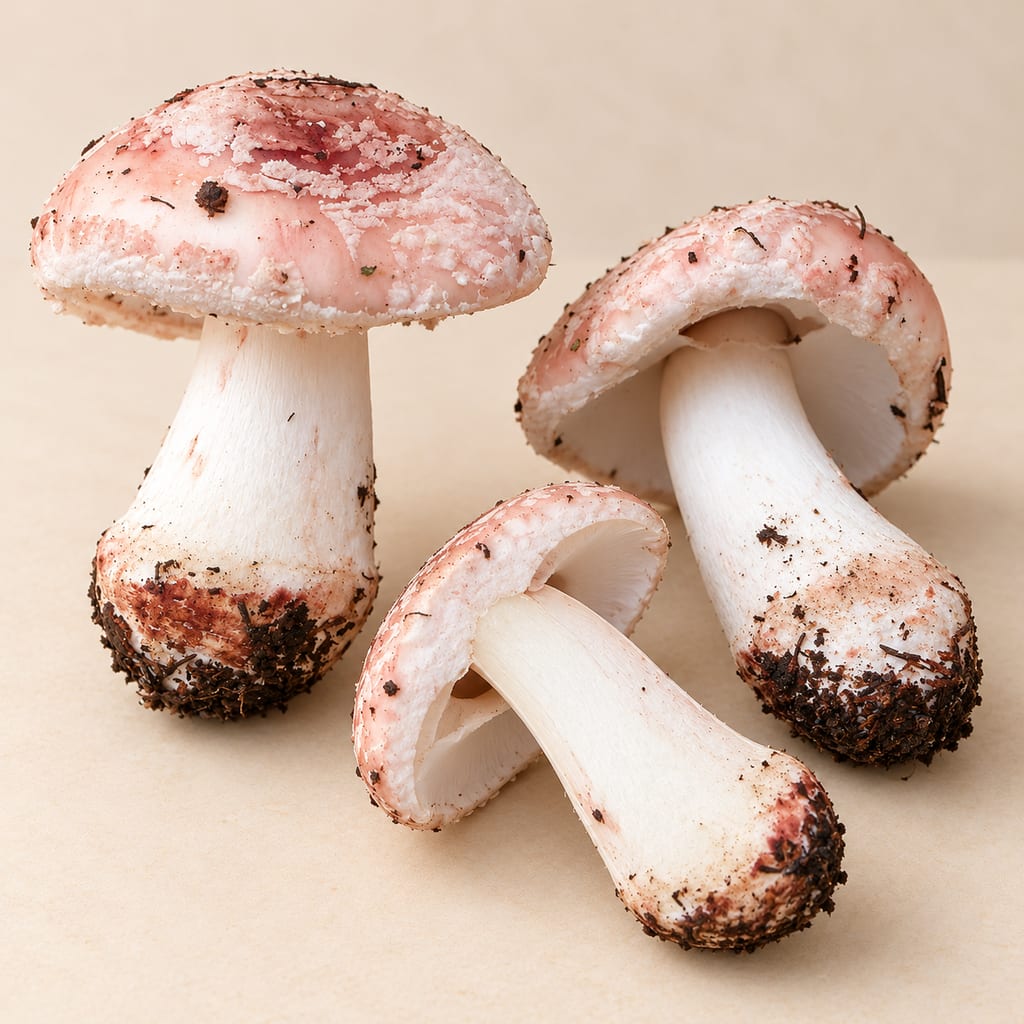
Amanita novinupta is a western North American blusher, a forest mushroom recorded as food in Mexico, and one that must be cooked because its raw flesh is toxic.
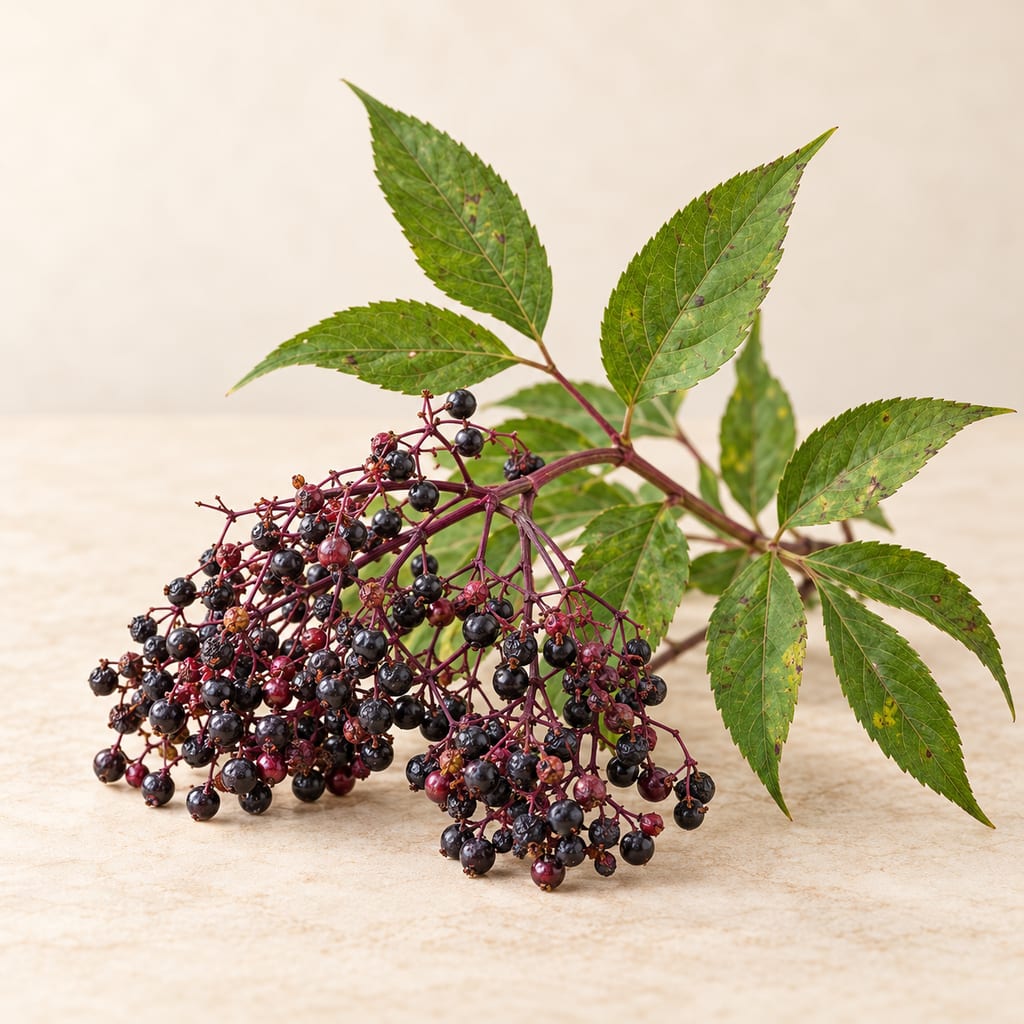
Sambucus canadensis is the accepted name used here for American elderberry. Missouri production guidance and named-cultivar studies give useful regional growing information, while food and analytical sources leave process questions open.
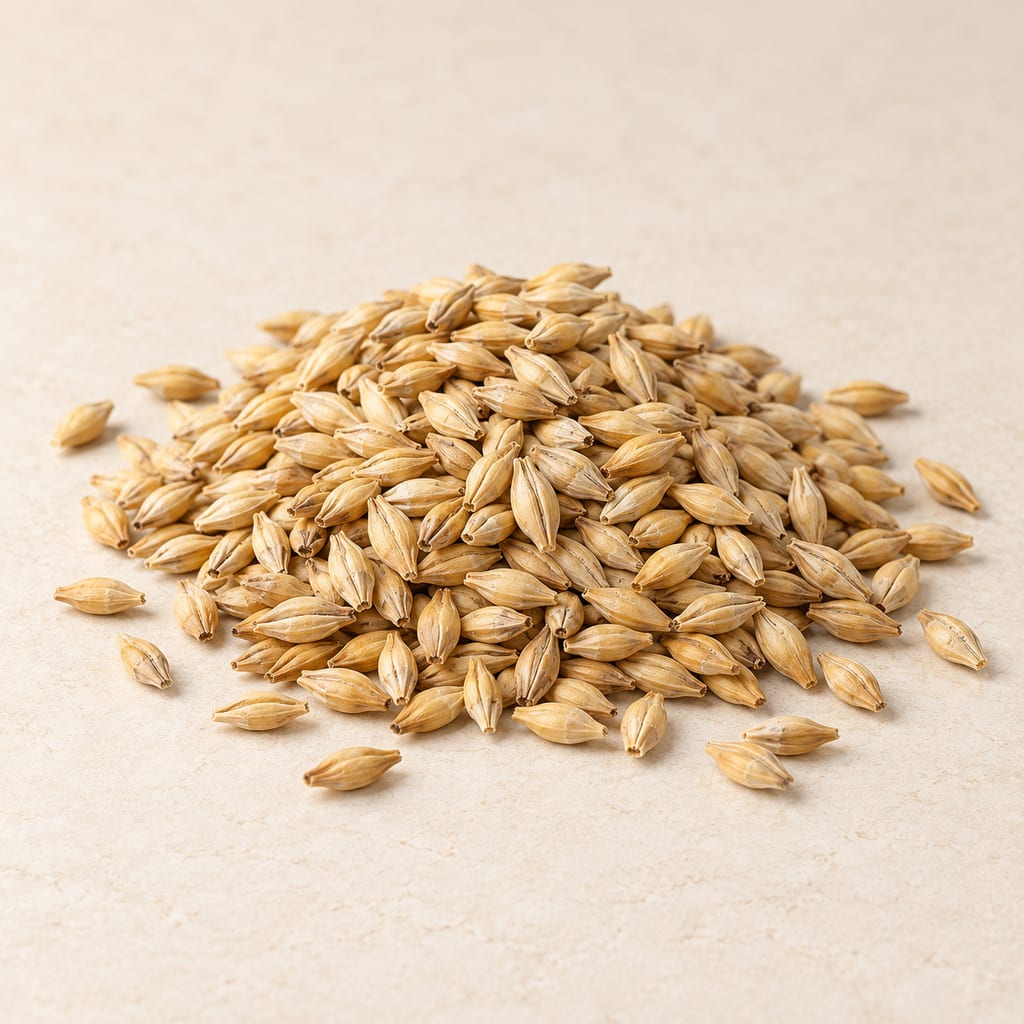
A lightly kilned brewing base made from two-row barley. It supplies starch and enzymes for the mash, with the maltster’s product and lot analysis defining its brewing properties.

Ripe avocado flesh is the soft, buttery, fat-rich pulp of Persea americana, eaten raw. It is low in acid, so it is a fresh ingredient that needs care in chilled dishes.
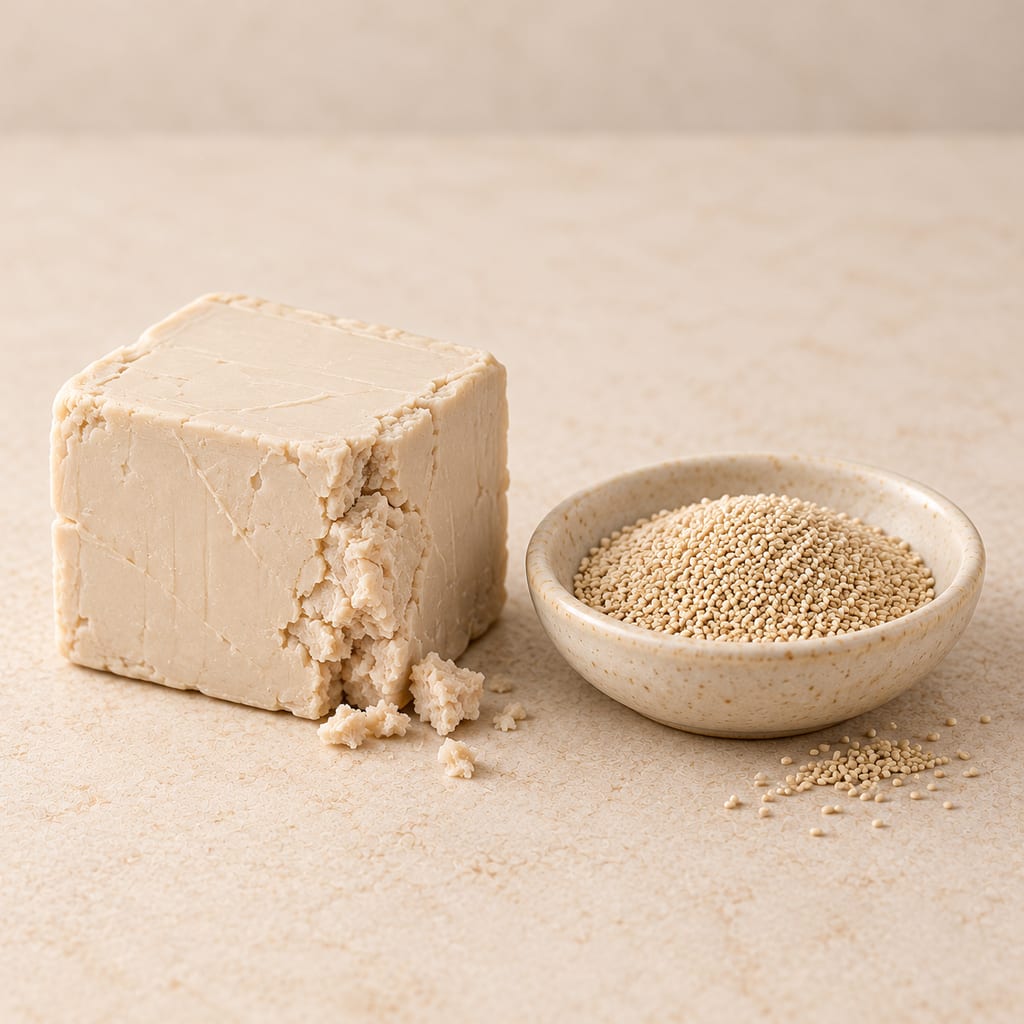
Baker's yeast is a cultivated living leavener, commonly sold fresh or dried. In dough, selected Saccharomyces cerevisiae cells make gas that can raise bread.
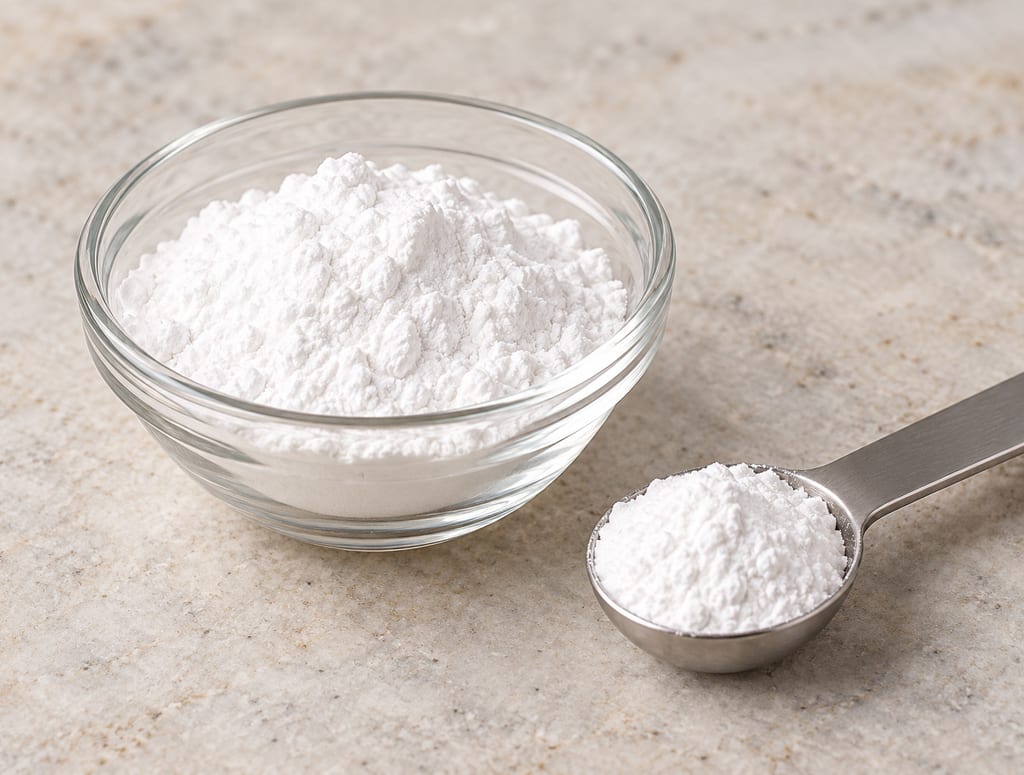
Baking powder is a dry chemical leavener that combines bicarbonate with acid-reacting ingredients and a carrier. Moisture and heat release carbon dioxide for quick breads, batters and griddle cakes.

Soft, spreadable Calabrian pork sausage made with a great deal of red chilli and fatty pork, stuffed into natural casings, sometimes smoked and matured while staying soft.

A way to add independent temperature logging to an existing food dehydrator without changing its built-in controls or protections. It is a monitoring method, not a rewiring plan.

Pleurotus cystidiosus is the abalone mushroom, a cultivated oyster-type fungus with dark brown caps that grows more slowly and is more demanding than other Pleurotus species.

A dark, balanced vinegar from Emilia-Romagna made by combining cooked or concentrated grape must with wine vinegar, then acetifying and refining it in wood under a protected specification.

A living dairy inoculum that starts controlled cream fermentation, developing acidity and aroma before sour cream or cultured butter is finished.

A small electric incubator holds jars at a selected temperature for yogurt and other documented warm food preparations. Controls, capacity and vessel arrangement vary by model.

Adygean salt is a seasoned table salt associated with Adygea and the wider North Caucasian culinary tradition. Salt is blended with garlic and a variable selection of herbs and spices; the exact mix depends on the named style and maker.

The African Caesar-group mushroom, Amanita masasiensis, is a wild ectomycorrhizal species of central and southern African woodlands, eaten locally. The genus contains deadly poisonous species, so identification needs care.
No community contributions have been published for this entry yet.
Sign in to contribute. Published comments and photos are free to read.
American Homebrewers Association; recipe by Phil LaFleurEditorial
2026 Official Big Brew Recipes: Monk’s Ration Trappist-Style SingleThe 2.5-gallon all-grain recipe lists 3 oz Briess Aromatic malt beside 4 lb Root Shoot Pilsner malt and 2 oz Carapils; its extract version retains the Aromatic measure, steeps it, substitutes Pilsner extract syrup and omits Carapils.
Cited in: A small dark-gold voice in a pale beer; How an American malt took a Munich name; The flavour of heat without roast heaviness; A companion, not a replacement for the base; The same grain in an extract brew; In the glass and alongside food; Buying, milling and keeping it fresh
Briess Malt & Ingredients Co.Editorial
Aromatic Munich Malt 20L Product Information SheetU.S.-produced 2-row Munich-style malt; deep golden-orange colour and smooth rich malty sensory description; typical figures and storage.
Cited in: A small dark-gold voice in a pale beer; How an American malt took a Munich name; From living barley to heated malt; The flavour of heat without roast heaviness; A companion, not a replacement for the base; The same grain in an extract brew; In the glass and alongside food; Buying, milling and keeping it fresh
Bernadette Wasdovitch, Briess Malt & Ingredients Co.Editorial
Malt of the Month: Briess Munich-style MaltsCompany retrospective places European-style two-row Aromatic Munich introduction in 1990s; distinguishes Munich styles.
Cited in: How an American malt took a Munich name; A companion, not a replacement for the base; Buying, milling and keeping it fresh
Dan Bies, Briess Malt & Ingredients Co.Editorial
Who Turned Up the Heat?Pilot brews compare malts along kilning spectrum, including Aromatic Munich 20L; malt flavour and colour change with heat.
Cited in: From living barley to heated malt; The flavour of heat without roast heaviness; In the glass and alongside food
American Society of BakingEditorial
Maillard ReactionReducing sugars and amino groups react with heat to produce diverse browning and flavour compounds; general food chemistry.
Cited in: From living barley to heated malt; The flavour of heat without roast heaviness
American Homebrewers AssociationEditorial
Introduction to Home MaltingBarley malting comprises steeping, germination and kilning; kiln shapes finished malt.
Cited in: From living barley to heated malt; The same grain in an extract brew
David Houseman and Scott Bickham, Beer Judge Certification ProgramEditorial
Wort ProductionMash enzymes convert starch to fermentable sugars and dextrins; base and kilned malts enter same mash.
Cited in: From living barley to heated malt; Buying, milling and keeping it fresh
Briess Malt & Ingredients Co.Editorial
Find Your Perfect Malt: Aromatic Munich Malt 20LCurrent Aromatic Munich product description and recommended usage bands; product flavour vocabulary.
Cited in: A small dark-gold voice in a pale beer; A companion, not a replacement for the base; Buying, milling and keeping it fresh
Beer Judge Certification ProgramEditorial
26A. Belgian Single, 2021 Beer Style GuidelinesStyle context for pale, dry, bitter Belgian-style single; not origin of the product.
Cited in: How an American malt took a Munich name; A companion, not a replacement for the base; In the glass and alongside food