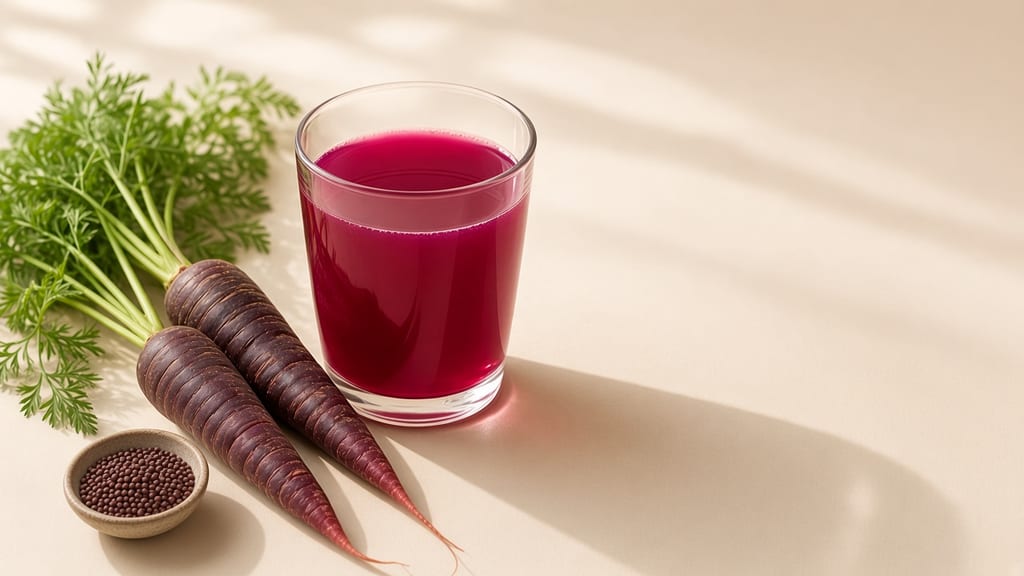
The purple carrot came first
Purple and yellow carrots preceded Europe's orange root. In Punjab, kanji kept kali gajar working as a lactic drink substrate long after orange took the supermarket.
 FermenteaWhere food goes to change
Şalgam suyu · Shalgam
A sour, red Turkish drink of black carrot, rock salt and bulgur or sourdough, fermented in a traditional two-stage method or a direct one, and drunk with food in southern Turkey.
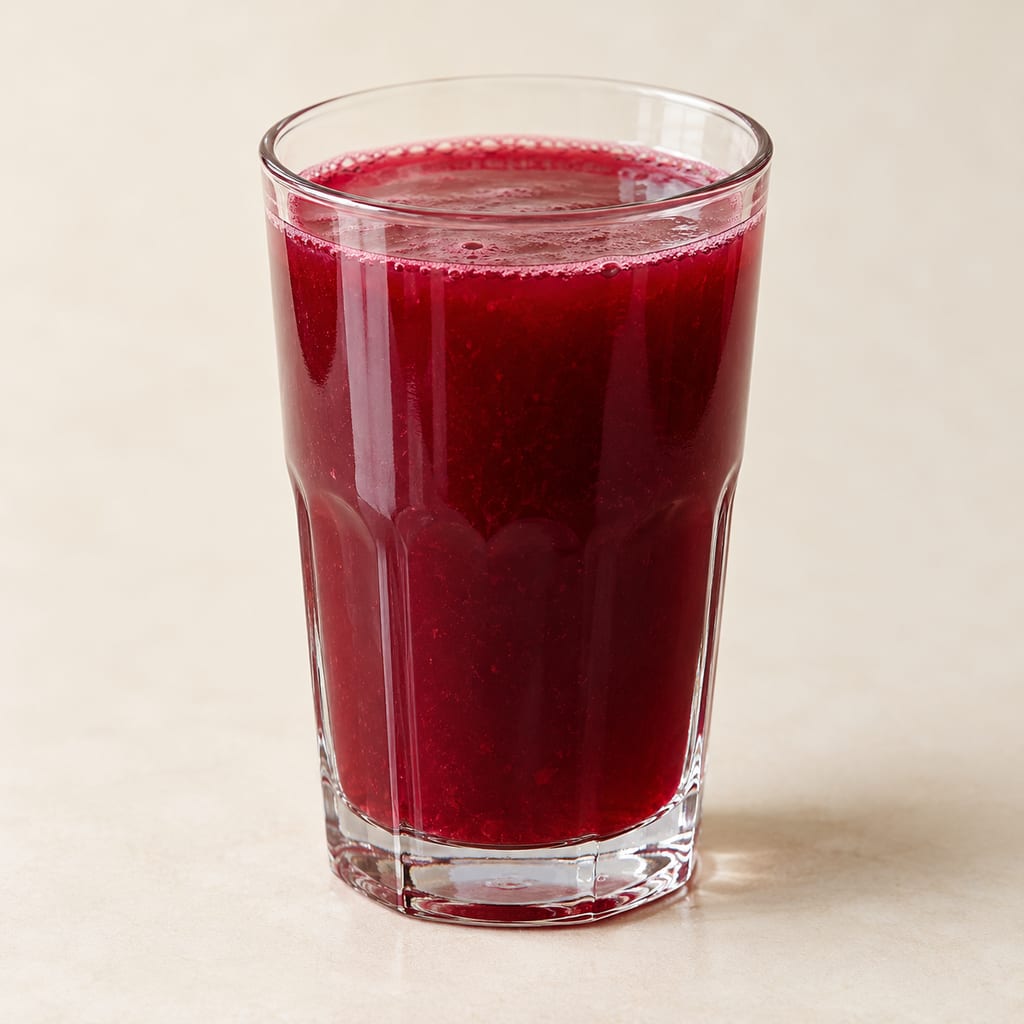
Şalgam is a Turkish drink with a sharp, sour taste and a deep red colour. The 2012 study by Tanguler and Erten describes it as a lactic acid fermented beverage made from black carrot, rock salt, sourdough, bulgur flour, turnip and water. Black carrot provides most of the colour and much of the sugar that the fermentation uses. Turnip is a lesser ingredient in the common formulations.
The drink is strongly associated with Çukurova and the neighbouring Adana, Mersin and Hatay region. The authors describe it as a regional favourite rather than a product of one town. The sources reviewed do not establish a single origin, a date of first making or a local name beyond şalgam.
The 2017 aroma study describes şalgam as drunk with food, such as kebap and pita, and as a refreshing drink in its own right. This is the study's introduction to the product, not an ethnographic survey of households, so the page reports it as an observation about use rather than a full account of custom.
The sources do not describe the seasons, occasions or service of şalgam in detail, and this page does not add them.
The overview in the 2012 study separates a traditional method from a direct one. The traditional method begins with a dough of bulgur flour, rock salt and sourdough, which ferments for three to five days at room temperature. The dough is then extracted with water three to five times, and the combined extract is fermented in a main stage of three to ten days at ambient temperature, with black carrot, turnip and salt added.
The direct method leaves out the first fermentation. Chopped black carrot, optional salt and turnip, baker's yeast (Saccharomyces cerevisiae) or sourdough, and water are fermented together at ambient temperature. The 2012 paper attributes the drink's typical flavour to compounds made by lactic acid bacteria, but it does not give a complete recipe for the direct method, and the two methods should not be merged into one formula.
The 2012 study followed five commercial producers in the Adana area: three using the traditional method and two using the direct one. Samples were taken at the beginning, middle and end of production, and the fermentation ran at ambient temperature. The producers finished their fermentations in 17, 6, 12, 10 and 14 days, a mean of 11.8 days. These are the observed durations of five batches, not a schedule the cook can rely on.
The abstract and results report a mixture of lactic acid bacteria, yeasts and other bacteria, and coliforms were found in these commercial samples. The study measured those batches; it does not turn them into prevalence figures for all şalgam or into a safe limit for a home batch.
The 2017 study by Tanguler and colleagues set out a fully specified laboratory method. Its dough held 30 g/L of bulgur flour, 2 g/L of rock salt and 2 g/L of sourdough, and that sourdough was itself prepared by incubating baker's yeast at 30 °C for 24 hours. The dough fermented three days at 25 °C. It was then extracted four times for 15 minutes each, and the extracts were combined.
The main-stage batch added 150 g/L of black carrot, 10 g/L of turnip and 10 g/L of rock salt in 10 L glass jars, filled with water. The study ran every fermentation at 25 °C, measured pH and titratable acidity each day, and stored the finished beverage at 4 °C. A separate experiment inoculated the second stage with a 5% lactic acid bacteria starter. That treatment is a distinct experiment and must not be mixed into the base batch.
The study does not give the denominator for the g/L figures, a defined end point for the main stage, the finished yield, or a storage duration. Those gaps are kept open here.
No source reviewed gives a home method with a verified end point, a safe storage period or a validated control for coliforms and spoilage yeasts. A 2024 study tests spoilage yeasts in a black-carrot beverage, but only its abstract was reviewed, so no control is taken from it.
The black carrot and turnip used in these studies are generic descriptions. The sources do not identify a local cultivar, so this page does not link şalgam to a specific carrot variety.
The 2012 and 2017 papers describe şalgam as a traditional Turkish lactic acid fermented drink with a strong regional following in the south. They are not historical studies, so they give no origin or earliest attestation.
Scaling: study batch only
The 2012 commercial study reports coliforms in its five producer samples. Those results describe the sampled batches, not household prevalence or a safety limit.
Hazard sourceA 2024 study tests spoilage yeasts in a black-carrot beverage. Only its PubMed abstract was reviewed, so no control is drawn from it.
Hazard sourceHold the finished drink at 4 °C after fermentation, as the 2017 laboratory study did. The study gives no storage duration, so this is an observation rather than a limit.
Control sourceNo validated endpoint for household fermentation is established by these sources.
Appearance, smell, taste, foam and sourness do not establish safety.
Denominators, main-stage endpoint, yield and storage duration are unknown and must not be filled from other recipes.
The traditional and direct methods are different batches; do not combine their inputs.
The authors locate the drink core popularity here; the 2012 study does not establish an origin.
Five commercial producers sampled: three traditional, two direct.
Purple and yellow carrots preceded Europe's orange root. In Punjab, kanji kept kali gajar working as a lactic drink substrate long after orange took the supermarket.
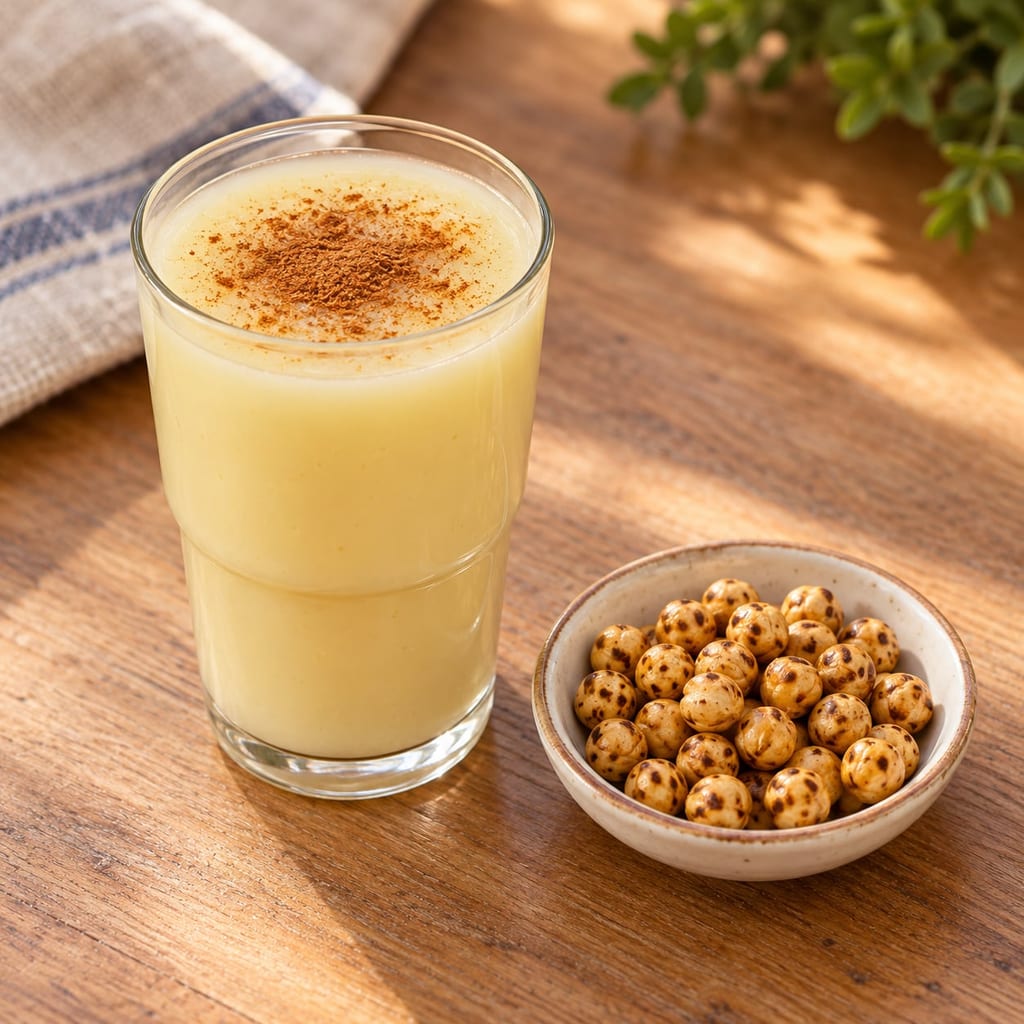
A thick, pale Turkish winter drink of bulgur and rice cooked to a soft cereal base, sweetened with grape molasses and fermented for two days.

Ayran is Turkey’s cold, savoury yogurt drink: plain yogurt is loosened with water and lightly salted, then whisked smooth or aerated into a soft cap of foam.
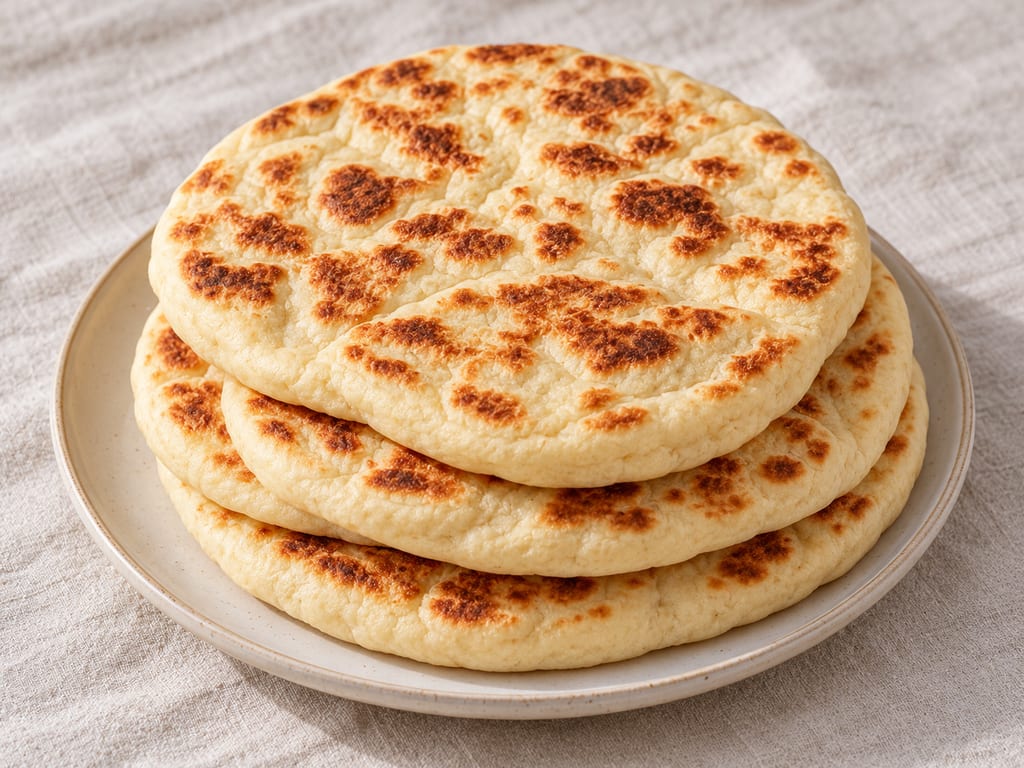
This Turkish bazlama uses yeast, plain yogurt and olive oil for a soft dough cooked in a skillet. Shape it into twelve small or six larger rounds, flip as bubbles appear, and wrap the breads to keep them soft.

Beyaz peynir is a Turkish white cheese matured in brine. Sheep milk, alone or mixed with other milks, gives a close-textured cheese cut into blocks and packed in cans.
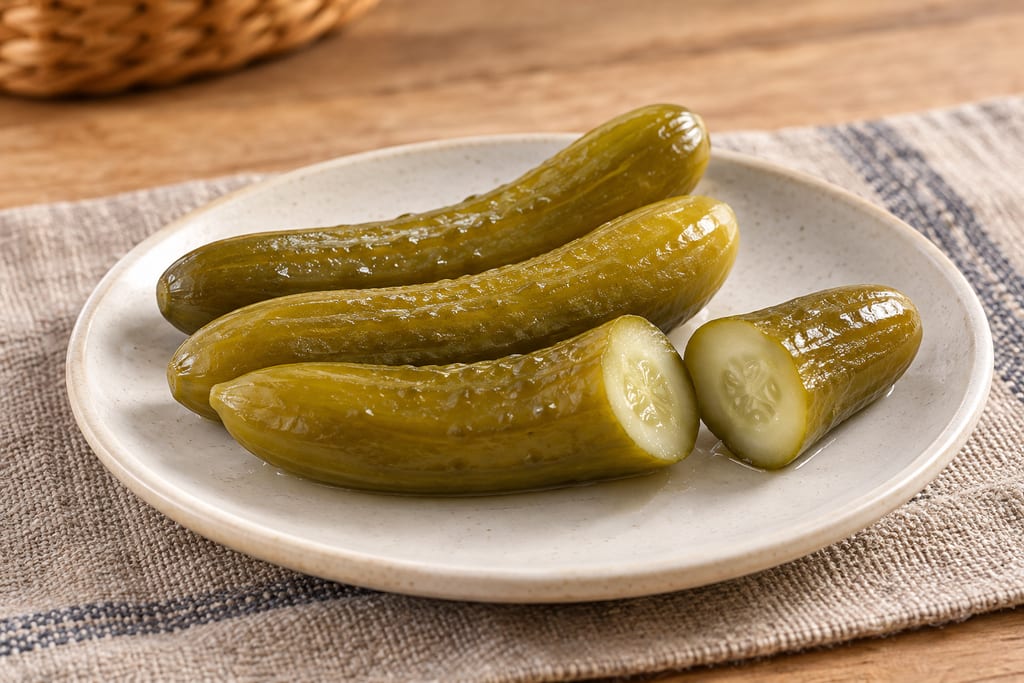
Çubuk turşusu is a registered pickle from Çubuk district in Ankara. Its cucumber variant is sold as Salatalık Turşusu, and a commercial specification sets its brine and room-temperature period.
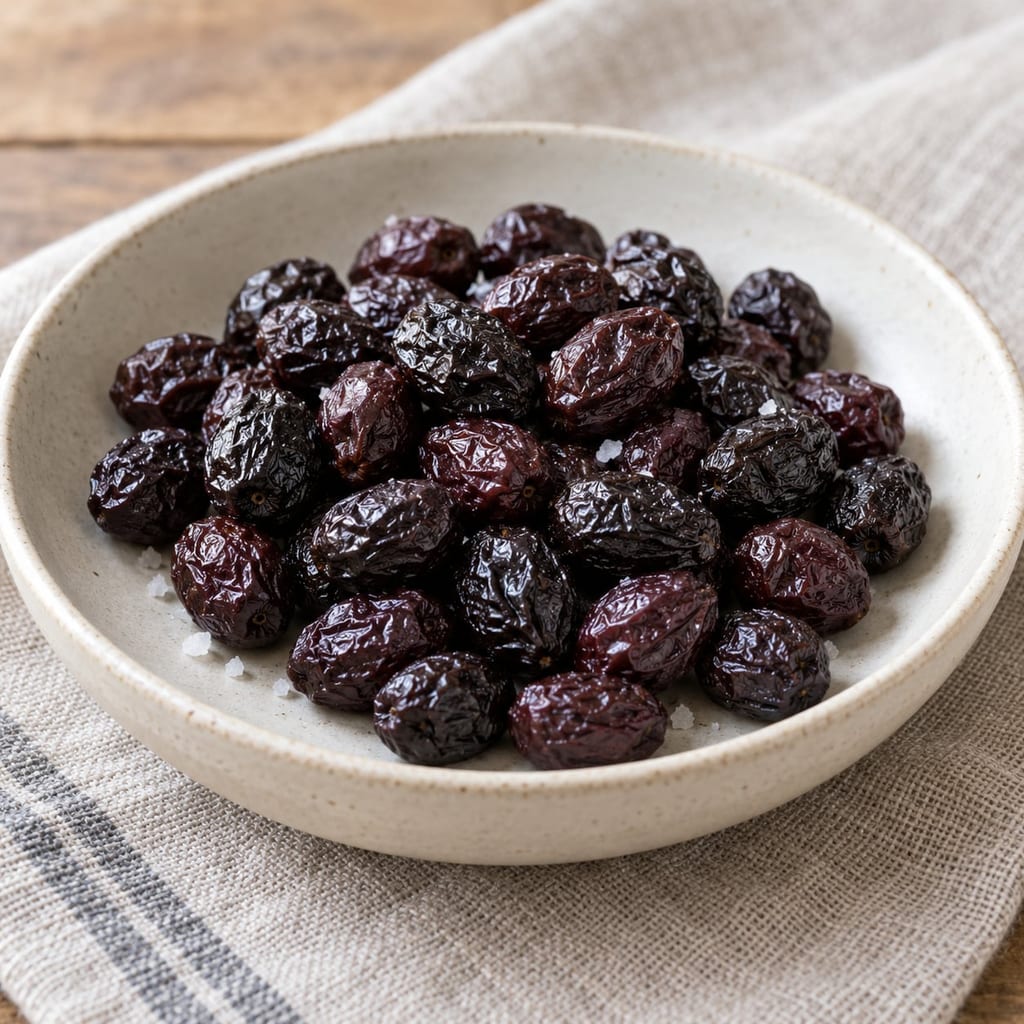
Fully ripe dark olives are mixed with salt and turned weekly as salt draws out moisture. Distinct from existing brine-fermented and lye-treated olives.
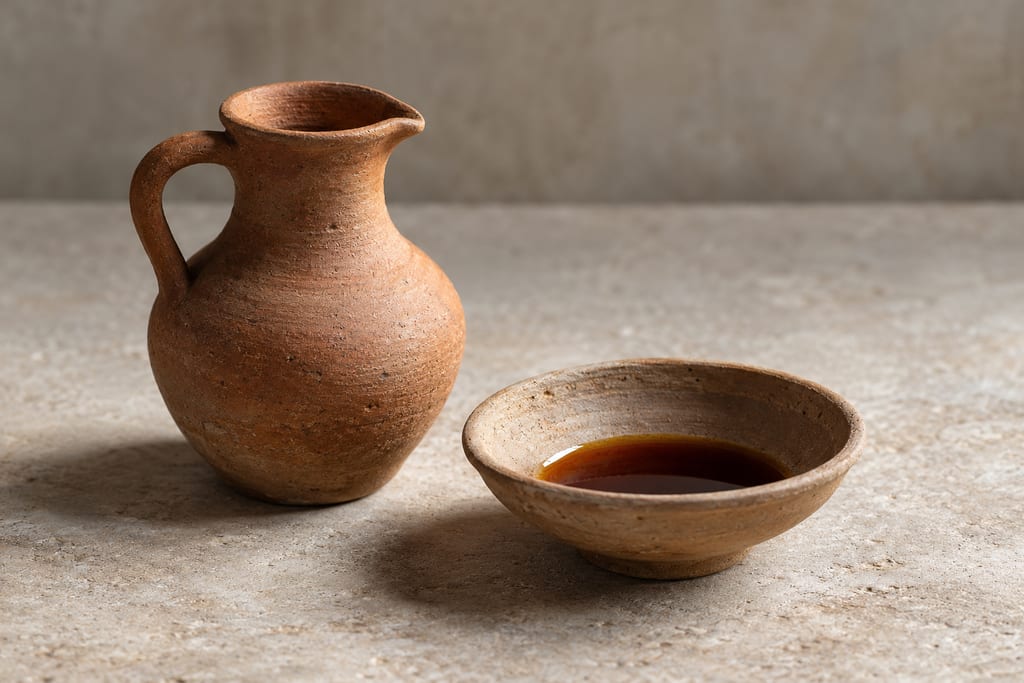
Garum, Greek garos and Latin liquamen, was the fish sauce of the ancient Mediterranean: fish and viscera salted and left in the sun, then drained off as a savoury liquid.
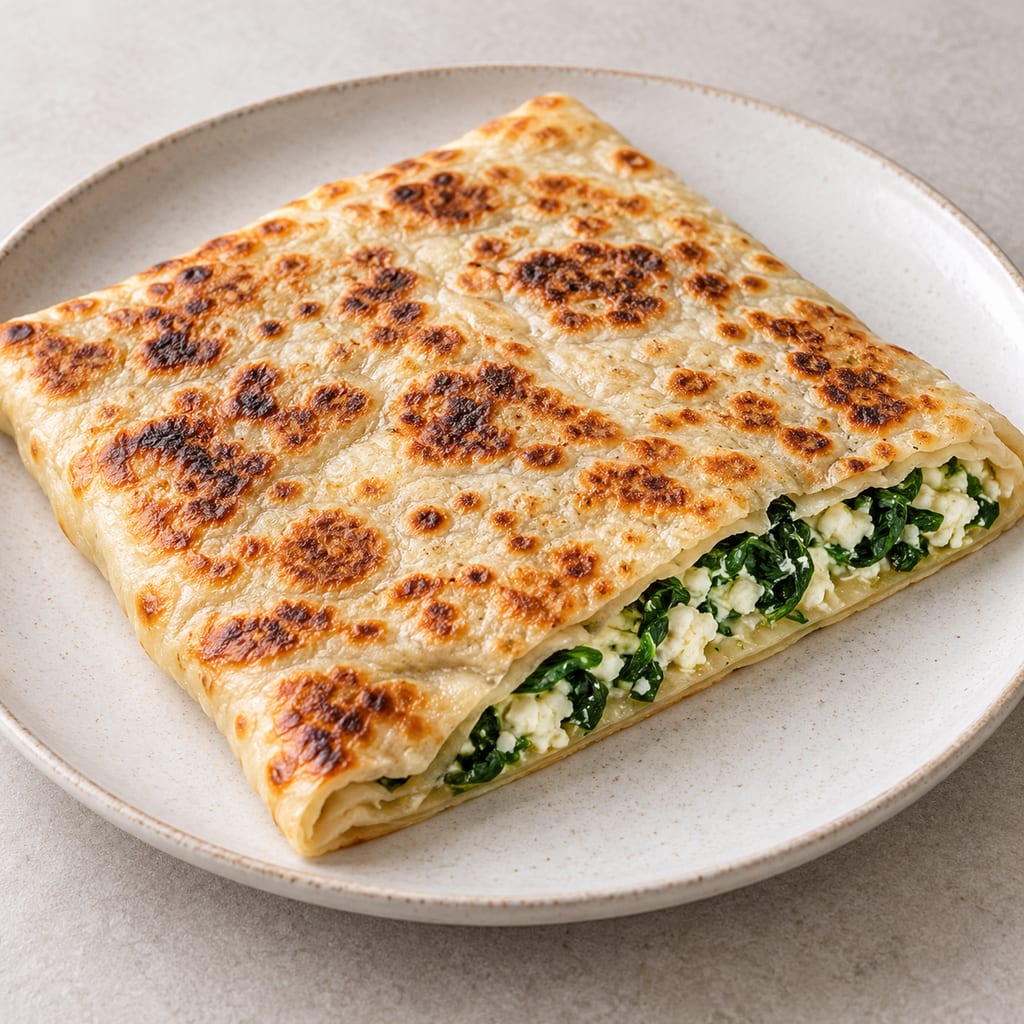
A yeast-and-yogurt dough is rolled into a large thin sheet, filled with spinach, onion and feta, folded closed, then cooked on an oiled griddle. This is Özlem Warren’s spinach-and-cheese family-style version.
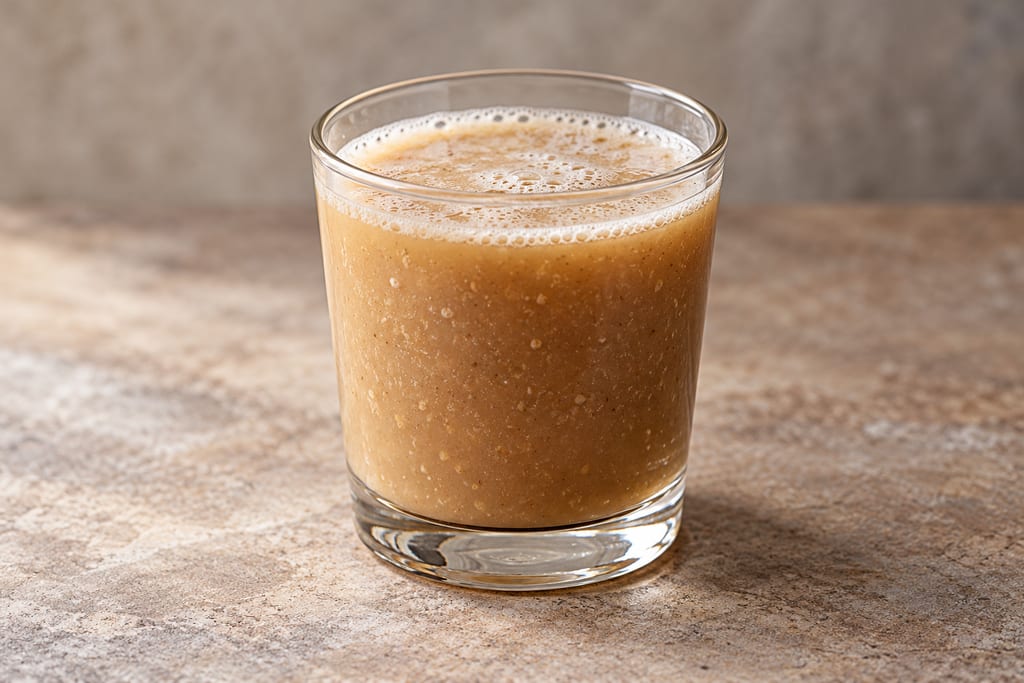
A thick, faintly fizzy Ethiopian cereal drink in which a wheat dough is fermented, roasted dark, then fermented a second time with barley malt into a drinkable slurry.
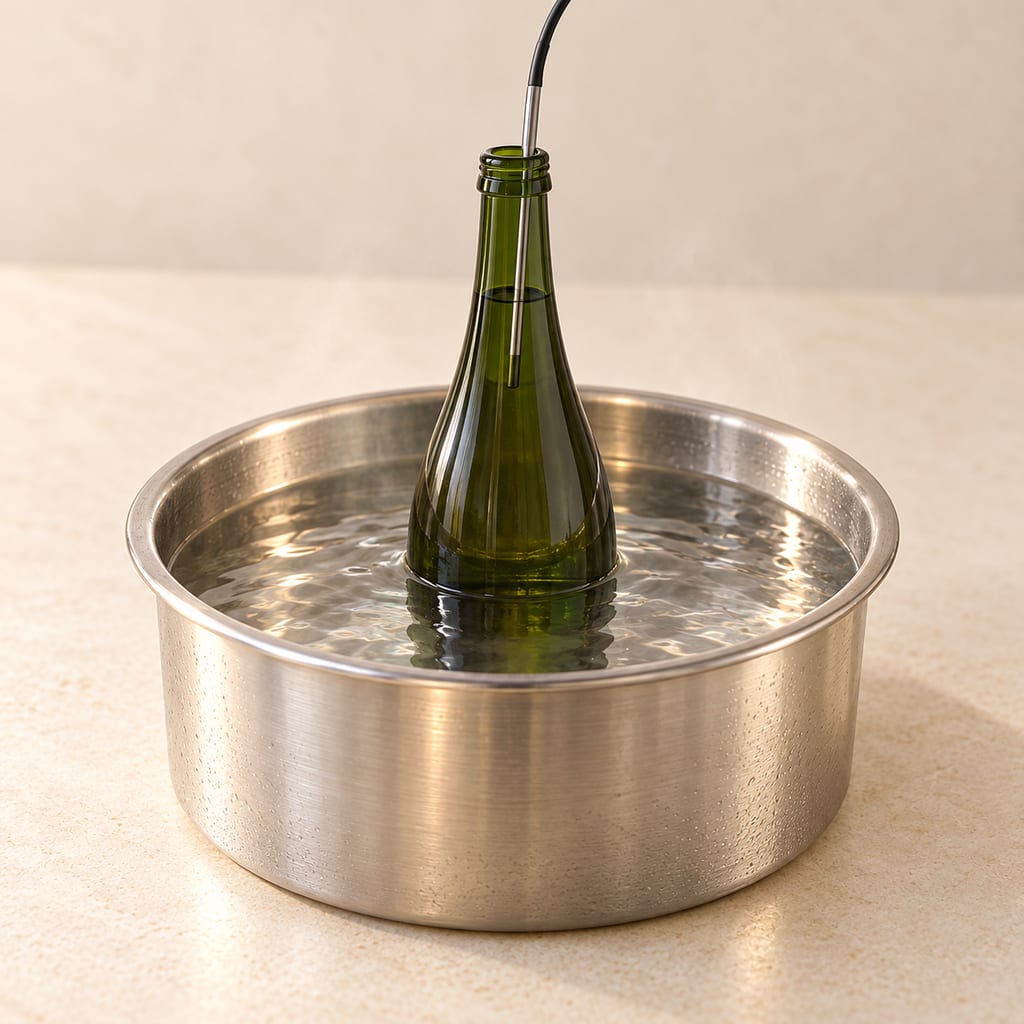
Hi-ire is the Japanese heat treatment of finished sake, about 65 °C, used to stop re-fermentation and souring. Brewers applied it from the Muromachi era.
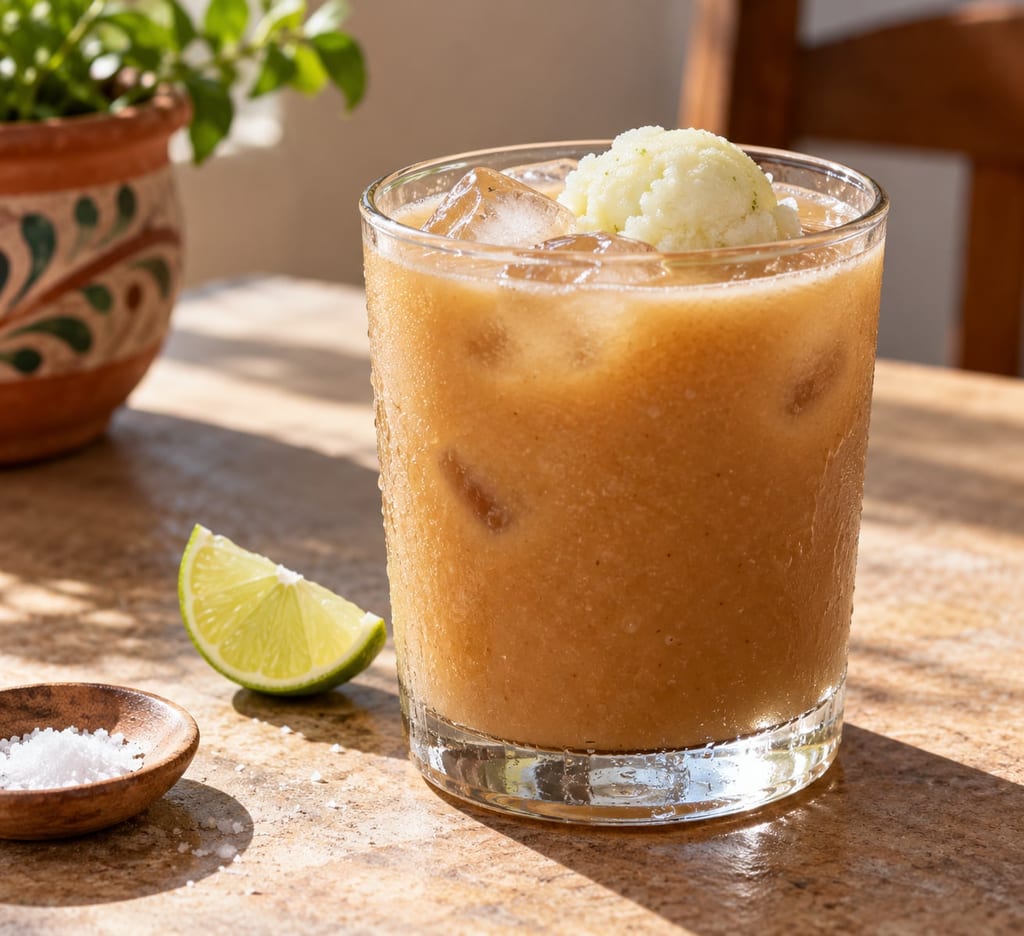
A tart, lightly fermented drink of Jalisco: nixtamalized maize masa cooked with piloncillo and limed, then diluted over ice and salted at serving.
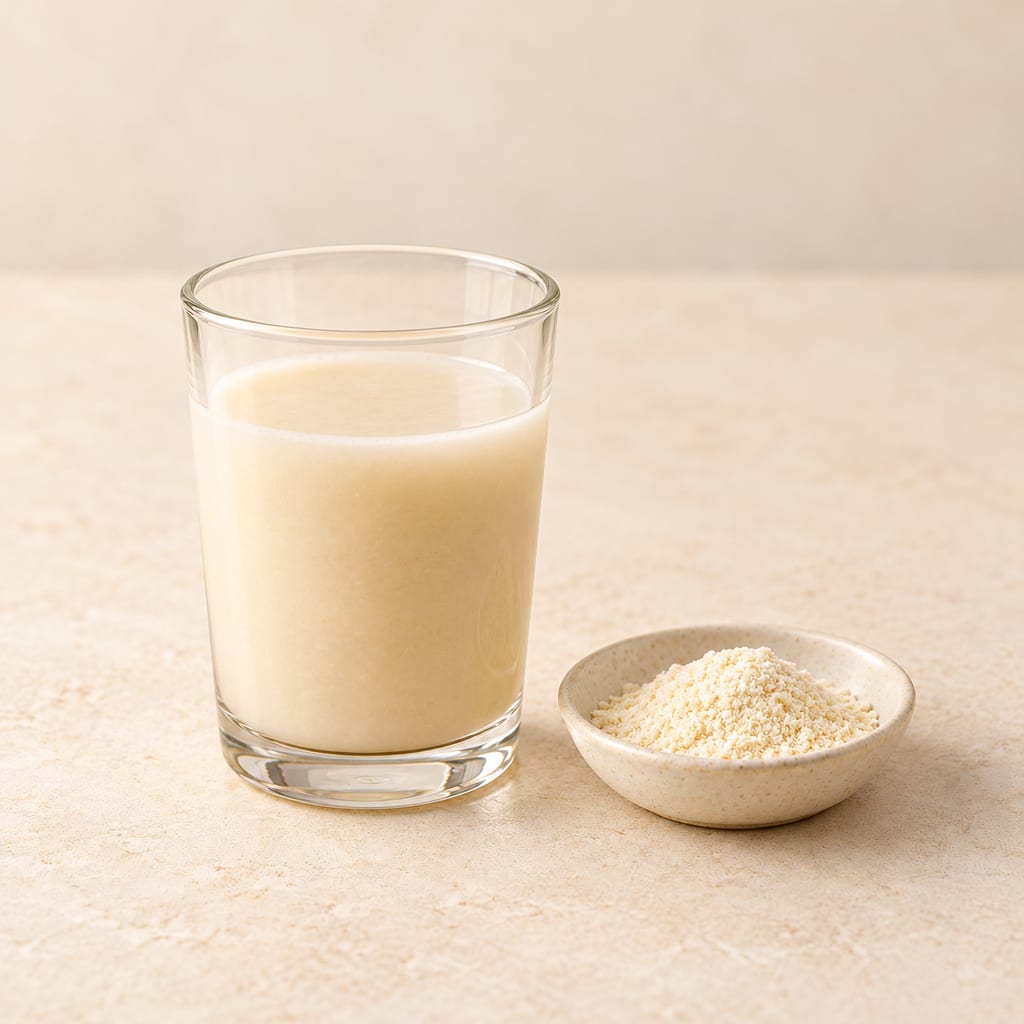
A Ugandan maize drink remade with a defined two-strain starter: roasted maize dough boiled to porridge, cooled and fermented under controlled conditions.
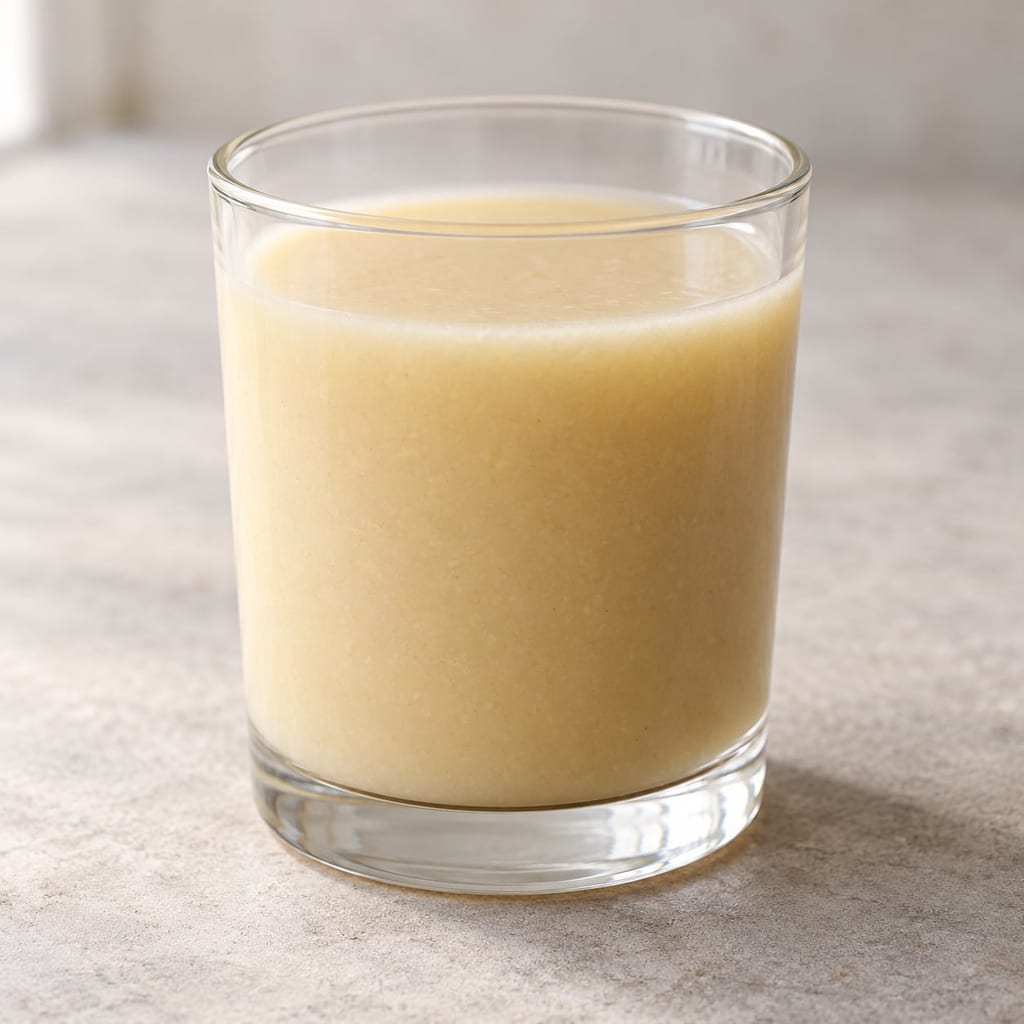
Kyrgyz Bozo is a mixed-fermented cereal drink made with ground grits, sprouted-wheat ugut and carried-over starter. This registry preparation leaves cereal selection, water and starter allocation unresolved.
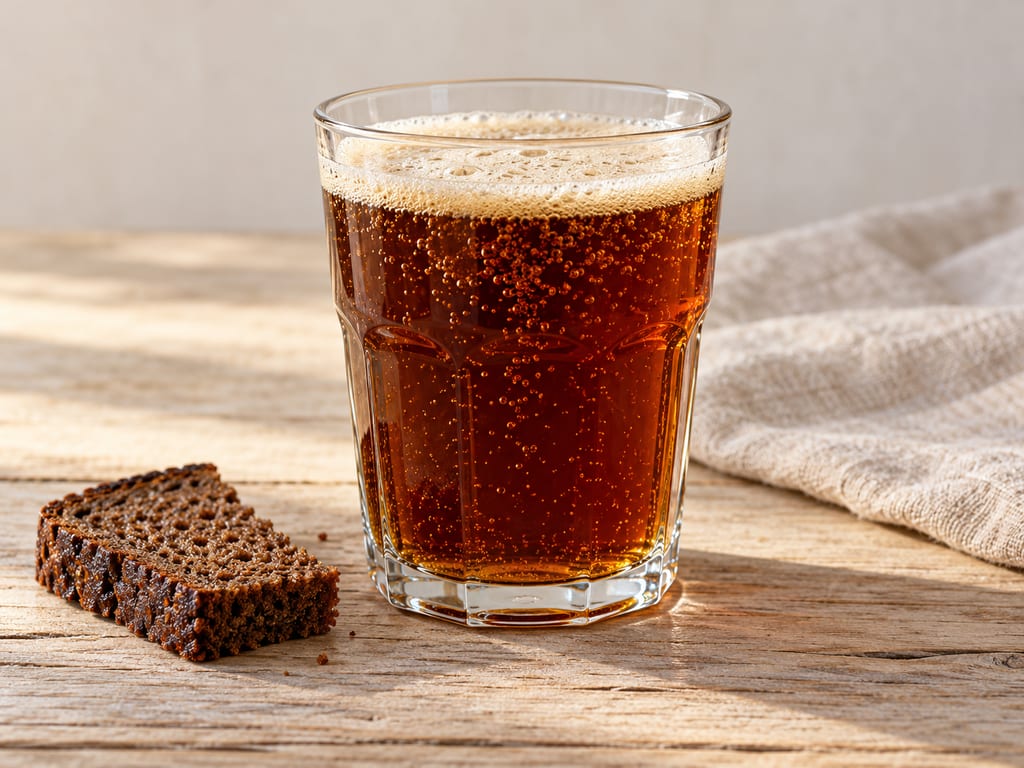
A documentary entry on Latvian rye-bread kvass, preserved from a modern Latvian rye collection. It records a food tradition, not a home-fermentation method.
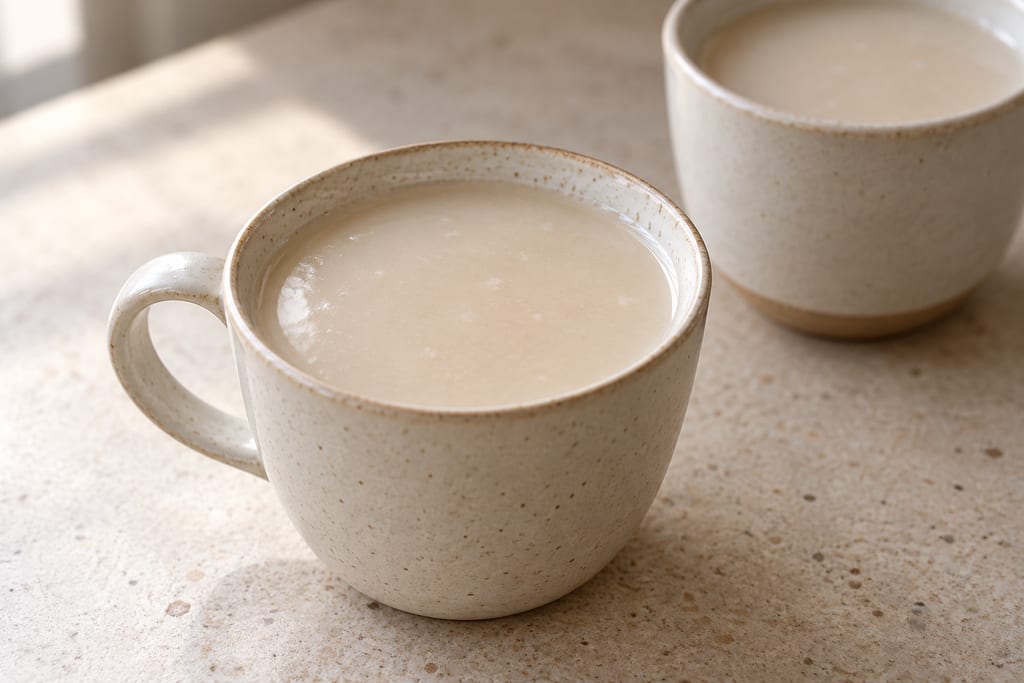
A documentary account of Zimbabwean mahewu and one producer's formula. Its quantities exceed the stated vessels, and research does not validate it as a safe home method.
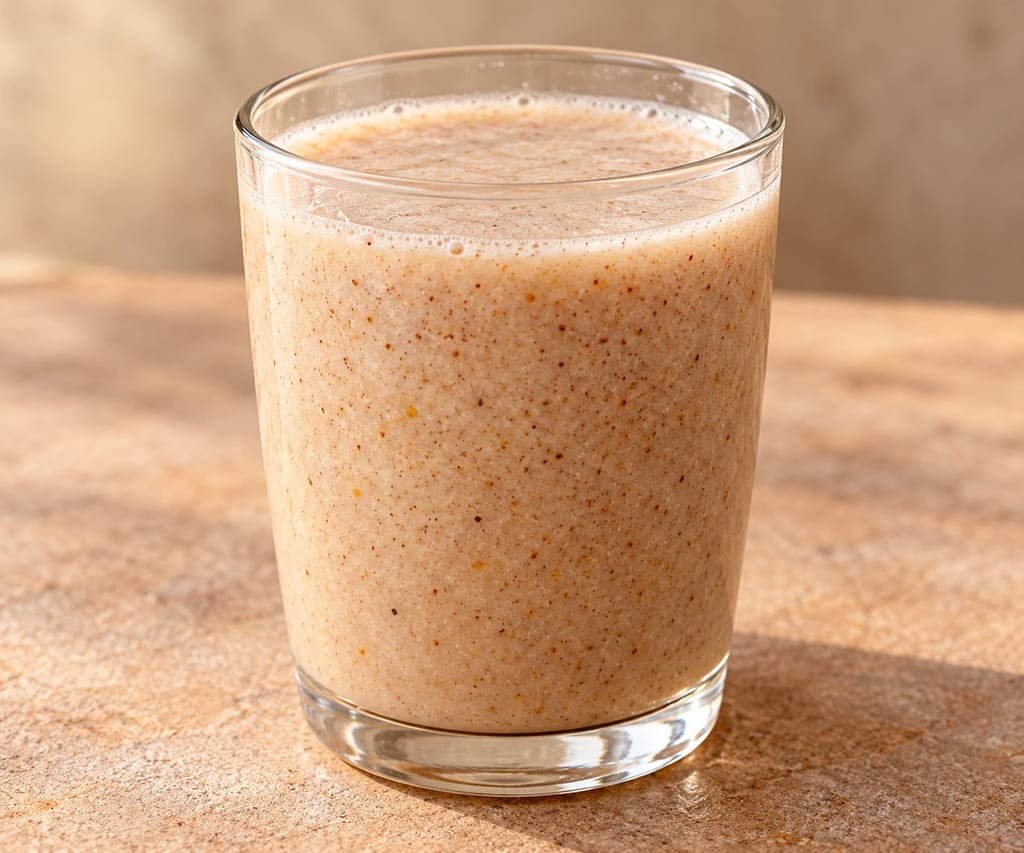
A thick, sweet-sour Malawian drink of boiled maize flour into which sorghum flour is stirred before an overnight spontaneous fermentation.
No community contributions have been published for this entry yet.
Sign in to contribute. Published comments and photos are free to read.
Journal of Food Quality, 35(4), 298–306Method · History · Safety
Chemical and Microbiological Characteristics of Shalgam (Şalgam): A Traditional Turkish Lactic Acid Fermented BeverageŞalgam is a red, sour Turkish lactic acid fermented beverage made from black carrot, rock salt, sourdough, bulgur flour, turnip and water.
Traditional and direct production methods; five Adana-area commercial producers (three traditional, two direct), sampled at three points; completion after 17, 6, 12, 10 and 14 days, mean 11.8 days.
Mixed lactic acid bacteria, yeast and other bacteria in the samples; coliforms reported in the commercial samples.
Cited in: A red, sour drink from southern Turkey; Two ways to make it; What the commercial study observed; What the sources do not settle
PubMed CentralMethod · Use
Aroma composition of shalgamLaboratory method: dough of 30 g/L bulgur flour, 2 g/L rock salt, 2 g/L sourdough prepared with baker's yeast at 30 °C for 24 hours; dough three days at 25 °C; four 15-minute extractions.
Main stage: 150 g/L black carrot, 10 g/L turnip, 10 g/L rock salt in 10 L glass jars; 5% lactic acid bacteria starter as a separate experiment; 25 °C; daily pH and titratable acidity; storage at 4 °C.
Introduction: black carrot as the main raw material; şalgam served with food such as kebap and pita and drunk as a refreshing drink.
Cited in: Eating and drinking it; The 2017 laboratory method
PubMedSafety
PubMed record: black-carrot beverage and spoilage-yeast study (2024)Abstract-only record of a spoilage-yeast study of a black-carrot beverage. No full text was relied on.
Cited in: What the sources do not settle