
Marcha
An ethnographic record of marcha (murcha), a dry starter cake used in Eastern Himalayan cereal fermentations. This page documents source-specific community knowledge and is not a recipe for making or storing starter.
 FermenteaWhere food goes to change
Traditional method
Chhyang (छ्याङ)
A Kathmandu rice beer in which a marcha starter saccharifies and ferments cooked white rice, the mash later thinned with water for drinking.
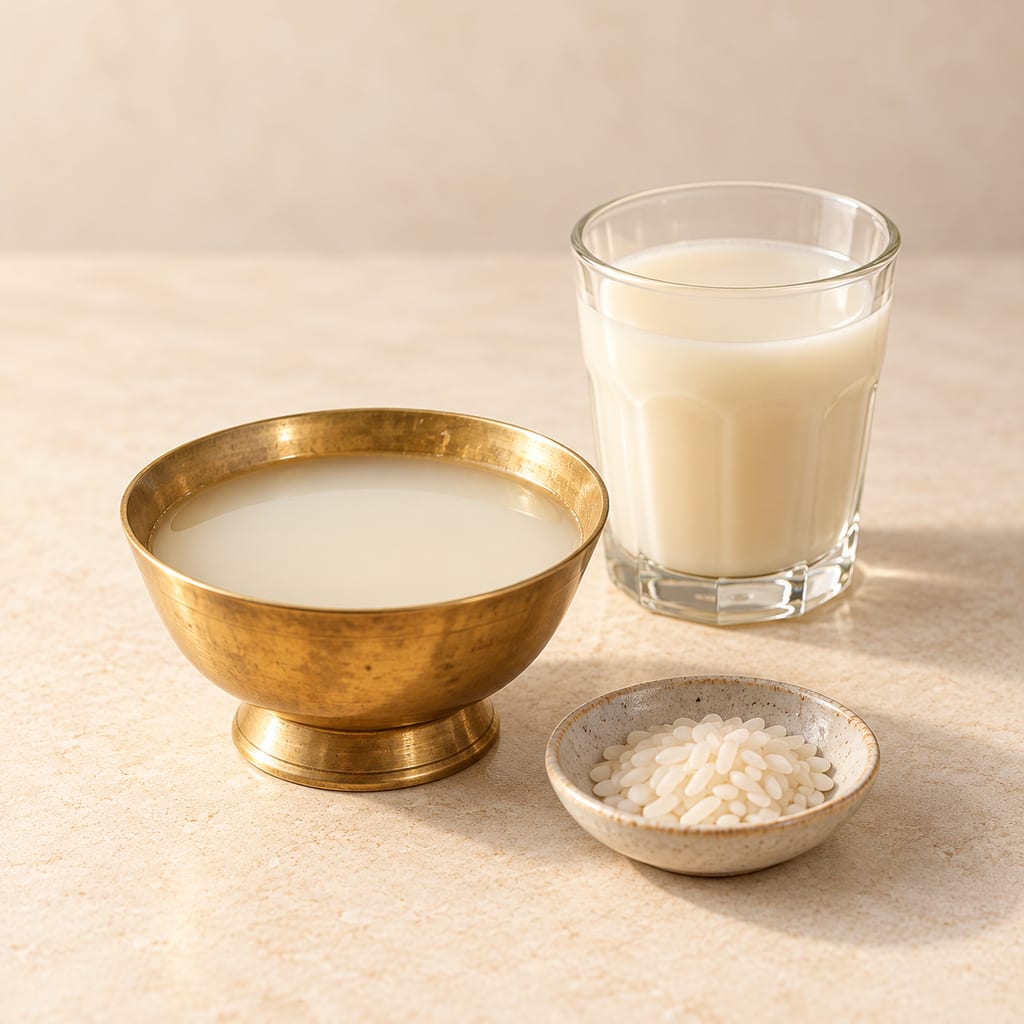
Chhyang is an alcoholic fermented cereal beverage consumed in Nepal and other Himalayan regions.
The exact raw material and method vary by community.
Rice chhyang is especially familiar in the Kathmandu Valley, where it is associated with Newar food culture, household brewing, hospitality and ceremonial occasions.
The preparation documented here was recorded in Patan, within the Kathmandu Valley.
It uses white rice and a traditional starter called marcha or mann(a)pu.
The fermented rice is eventually mixed with water to produce the drink.
Its appearance is typically cloudy and pale.
The flavour can combine sweetness, acidity and alcohol, while retaining a distinctive cereal character.
It should not be confused with distilled Nepali spirits, nor with every Himalayan fermented-grain beverage that happens to be called chhyang in English.
The principal differences arise from grain selection, microbial starter, fermentation time and serving method.
Chhyang belongs to a long-standing Himalayan family of grain fermentations.
These drinks occur across Nepal, Tibet, Bhutan and neighbouring Himalayan regions, but their cultural meaning and technical details are not uniform.
Within the Kathmandu Valley, fermented rice beverages are closely associated with Newar social and culinary traditions.
The drink can be offered during communal celebrations and religious occasions.
The specific Patan recipe was documented in February 2020, when the preparation was demonstrated by a local food-business owner named Hastaman and his wife.
That gives an identifiable contemporary producer account.
It does not establish the original invention date of chhyang.
Nor can the individual household method be assumed to represent every Newar family.
Separate accounts describe rice chhyang as being served in brass bowls and sometimes hot, while other forms are served cool.
Such variations are important because the drink's temperature, dilution and texture change the eating experience.
The rice-cooking water is not specified numerically.
The recipe recommends white rice other than basmati, which is regarded as less suitable for this particular preparation.
The source does not give a weight equivalent for five cups of rice.
It also does not identify the starter's precise microbial strains.
Rice contains starch that can be converted into fermentable sugar.
Different rice cultivars vary in grain shape, starch composition and cooking characteristics.
The original household method prefers rice that can be steamed to a semi-cooked state without becoming excessively clumped.
Basmati rice is discouraged in this particular account.
That preference should be preserved as a household observation rather than converted into a universal scientific prohibition.
Other Himalayan grain fermentations use millet or maize.
Those processes may share a starter-based fermentation principle but produce different flavours and textures.
For this recipe, white rice is the defining grain.
Marcha is a traditional dried fermentation starter used in several Himalayan grain fermentations.
It belongs to the family of mixed starters sometimes formed into cakes or tablets.
Such starters can contain fungi, yeasts and bacteria.
Their functions include starch saccharification, alcoholic fermentation and flavour development.
Studies of marcha from Sikkim have identified several kinds of yeast, including Saccharomycopsis, Pichia and Saccharomyces-related organisms.
Some are particularly important because of their ability to produce starch-degrading enzymes.
Research on eastern Himalayan starters also identifies bacterial groups capable of contributing organic acids and other metabolites.
The exact organisms in the Patan starter used for this recipe were not measured.
Scientific observations from Sikkim therefore explain plausible mechanisms but cannot be treated as a species list for the Kathmandu batch.
Measure five cups white rice.
Soak it in water for a few hours.
The original preparation does not specify an exact soaking time.
Soaking hydrates the grains and helps prepare them for steaming.
Cook the rice with the usual household amount of water.
Steam until semi-cooked.
The source does not provide a measured cooking-water volume, cooking time or final grain temperature.
The goal is rice that is not fully soft and sticky.
Transfer the cooked rice to a clean flat surface.
Spread it out.
Allow some surface moisture to evaporate.
Gently separate clumps while the rice cools.
This produces a more open grain structure and helps distribute starter material evenly.
Grind enough dried starter to produce one full tablespoon of powder.
A fine powder spreads more evenly across the rice than larger pieces.
The source gives a volumetric spoon measure, not the weight of the starter.
Allow the rice to become only slightly warm.
The source does not provide a precise inoculation temperature.
The preparation warns that excessively hot rice is undesirable and that cooler rice may ferment more slowly.
These are the brewer's practical observations rather than measured laboratory relationships.
Sprinkle the powdered marcha across the rice.
Mix thoroughly with clean hands.
The important point is even distribution through the grains.
Avoid forming dense lumps in which the starter is concentrated in only one area.
Transfer the inoculated rice into the fermentation vessel.
Cover it.
The recorded household method wraps the vessel in blankets to retain warmth.
No controlled temperature is specified.
Leave the vessel for 2–3 days.
A sweet aroma develops during this early period.
It is a traditional sensory observation, not proof of microbiological safety.
The preparation also reports stirring once or twice daily over approximately 2–3 weeks.
The account does not make clear whether this period includes the first 2–3 undisturbed days or follows them.
The source gives no pressure management for its tightly sealed vessel, numeric fermentation temperature or analytical endpoint.
Transfer the fermented rice to a clean container.
Add approximately three cups water.
The amount may be adjusted to suit the intended strength and consistency.
This changes the liquid's concentration but does not remove the alcohol already produced.
The procedure is documented in the original Patan recipe.
Baker's yeast readily metabolises simple fermentable sugars, but rice consists largely of starch.
Without a sufficient source of starch-degrading enzymes, ordinary baker's yeast cannot efficiently convert the bulk of cooked rice starch into ethanol.
The traditional starter supplies organisms capable of saccharification.
Amylolytic organisms release enzymes that convert starch into smaller carbohydrates.
Other organisms consume those carbohydrates.
This division of biological labour is fundamental to many Asian rice and millet fermentations.
The starter's biological complexity is therefore not incidental.
Replacing marcha with a packet of ordinary baker's yeast would create a different process.
The documented method repeatedly emphasises avoiding clumped, excessively wet rice.
This is technologically meaningful.
If the rice forms dense masses, microorganisms and enzymes may not distribute evenly.
The physical structure can also influence moisture movement and local access to oxygen.
A more open, separated grain mass offers a different fermentation environment.
The recipe's instruction to cool and loosen the semi-cooked rice helps produce that condition.
It is not merely a presentational step.
The main alcoholic pathway involves yeast converting sugars into ethanol and carbon dioxide.
Other organisms may produce lactic acid and additional metabolites.
The resulting drink can have a balance of sweetness, acidity and alcohol.
Continued fermentation can change that balance as available sugars decline.
The precise final ABV depends on grain composition, microbial activity, fermentation conditions and extraction.
The household source provides no measured ABV.
Adding water at serving changes concentration, but the final strength remains unknown unless measured.
The names and classifications of Himalayan grain drinks can overlap.
Chhyang is used broadly in some English-language descriptions.
In Newar food contexts, terms such as thon are associated with rice-based fermented drink.
Elsewhere, related names describe preparations based on millet, rice or other grains.
Tongba is particularly associated with fermented millet served by adding hot water to a vessel of fermented grain and drinking through a filtering straw.
That is not identical to the strained or diluted rice chhyang described here.
The two deserve related but separate database entries.
Likewise, aila is a distilled alcoholic spirit, not simply another spelling of chhyang.
The distinction between fermentation and distillation should be maintained.
Traditional starter cultures can be maintained through community knowledge and local production.
Their ingredients and preparation methods may vary.
Some include grains, herbs and plant materials.
Different microbial populations can become established in starters prepared in different environments.
Those differences can influence the rates of starch conversion, acid production and alcohol formation.
Modern microbiological research helps explain this variability.
It does not eliminate the cultural value of inherited knowledge.
A practical database should record where the starter originated and how it was obtained, rather than assuming every product sold as marcha is equivalent.
Chhyang accompanies local food and social gatherings.
In Kathmandu and Patan, it is particularly associated with Newar cuisine.
A cloudy rice drink provides a contrast to strongly seasoned dishes, meats and snacks.
Some servings are offered in traditional metal bowls.
Other establishments serve the drink in glasses.
It may be served at different temperatures depending on local practice.
The original recipe does not define a single serving temperature.
The dilution stage permits variation in texture and strength.
However, it is not possible to know the final alcohol concentration solely from the amount of water added.
The rice may soften as starch is broken down.
Liquid can develop around the grains.
A sweet or alcoholic aroma can emerge.
The mixture may become more acidic over time.
These are possible features of fermentation.
They are not definitive safety indicators.
Visible unwanted mould, putrid odour or abnormal slime are reasons to reject the product.
The familiar local aroma used as a traditional cue does not replace microbiological assessment.
Cooked rice can support Bacillus cereus under unsuitable conditions.
The fermentation is a warm one, with no measured temperature, pH or safe-handling endpoint given.
The container should be clean and protected from contamination.
The recipe also describes covered fermentation, so any vessel must accommodate gas production safely.
Chhyang is alcoholic. Its ABV cannot be inferred from sweetness, aroma or dilution alone.
A Kathmandu Post reporter observed a household brewer and his wife prepare chhyang in Patan, where the brewer shared the method for younger generations. Ceremonial and hospitality uses in Nepal are recorded.
Scaling: source batch only
The source directs a tightly closed vessel for a multiweek alcoholic rice fermentation but gives no pressure-control measure.
Hazard sourceThe cooked rice is held during a prolonged ambient fermentation without a measured safety endpoint or alcohol assay. FoodSafety.gov identifies cooked rice as a Bacillus cereus concern.
Hazard sourceUse clean, sanitized vessels and utensils for handling the cooled rice and ferment; the source does not provide a validated pressure or pathogen-control endpoint.
Control sourceThe source tells brewers to keep the ferment tightly closed but does not report pressure control. It also gives no measured alcohol content.
The traditional aroma cue in the source does not demonstrate safety.
The article reporter observed a household preparation in Patan and published the brewer’s formula; no exact household address is claimed.
An ethnographic record of marcha (murcha), a dry starter cake used in Eastern Himalayan cereal fermentations. This page documents source-specific community knowledge and is not a recipe for making or storing starter.
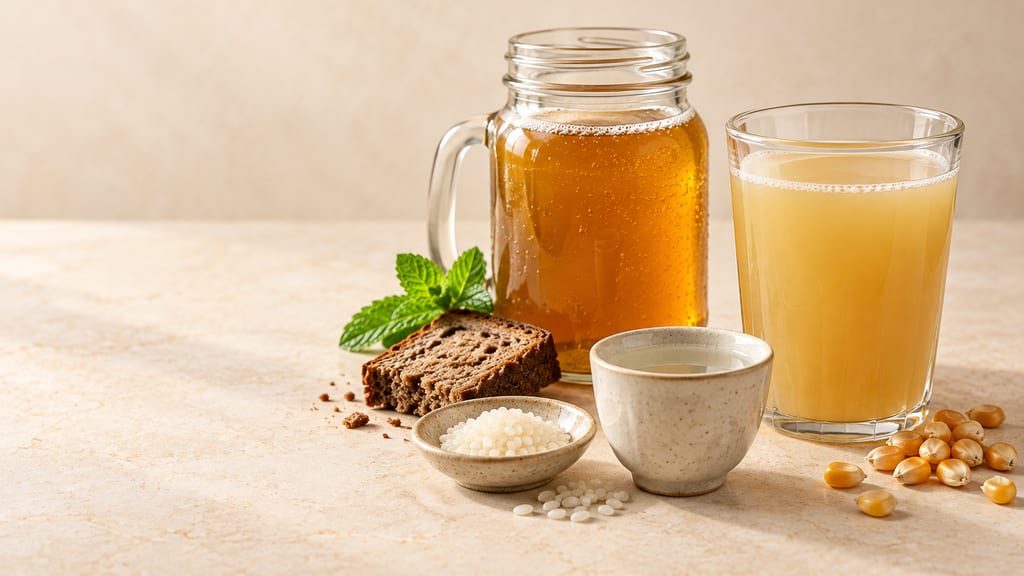
People kept, traded and steered living ferments for thousands of years before anyone saw a yeast cell. This is that history, region by region, and a guide to what a yeast strain is today.
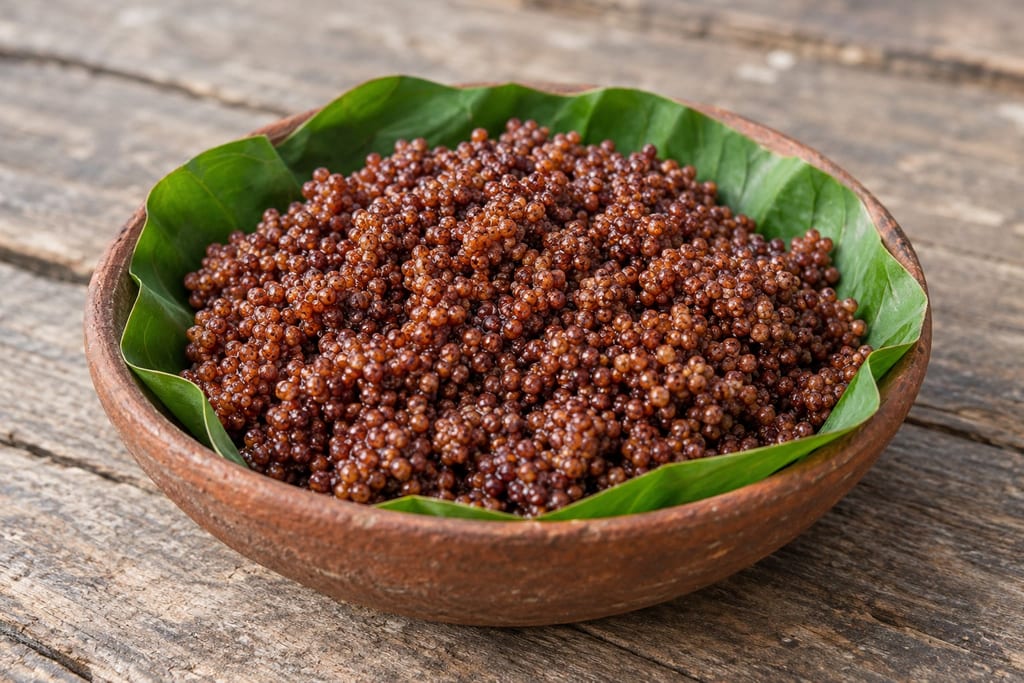
Finger millet fermented with marcha in surveyed Darjeeling and Sikkim communities. Tongba is the later warm-water extraction from the fermented grain. The cited accounts do not establish a complete or validated home batch.
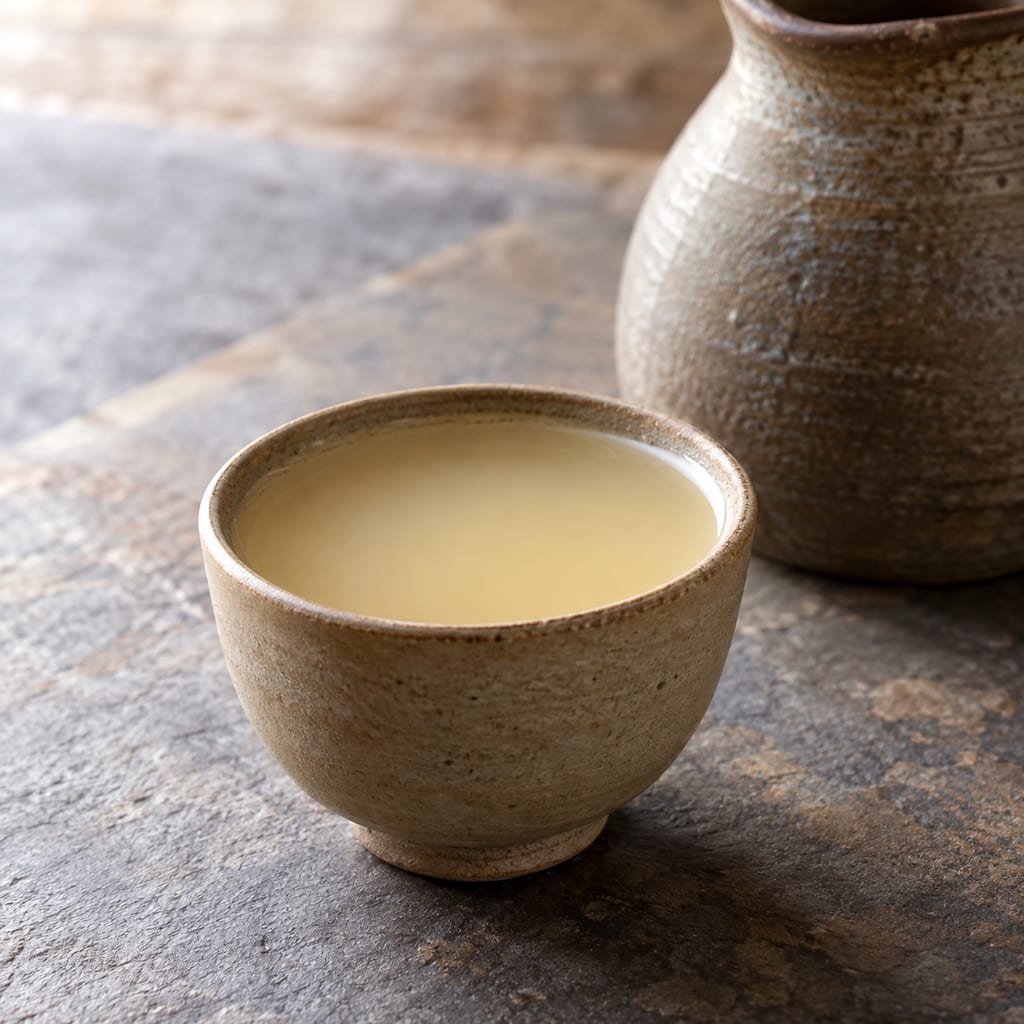
A 2005 Tibetan account describes cooked barley mixed with changdzi, fermented as moist grain, then steeped in water for an alcoholic drink. Grain and water amounts, starter dose and a verified safety endpoint are absent.
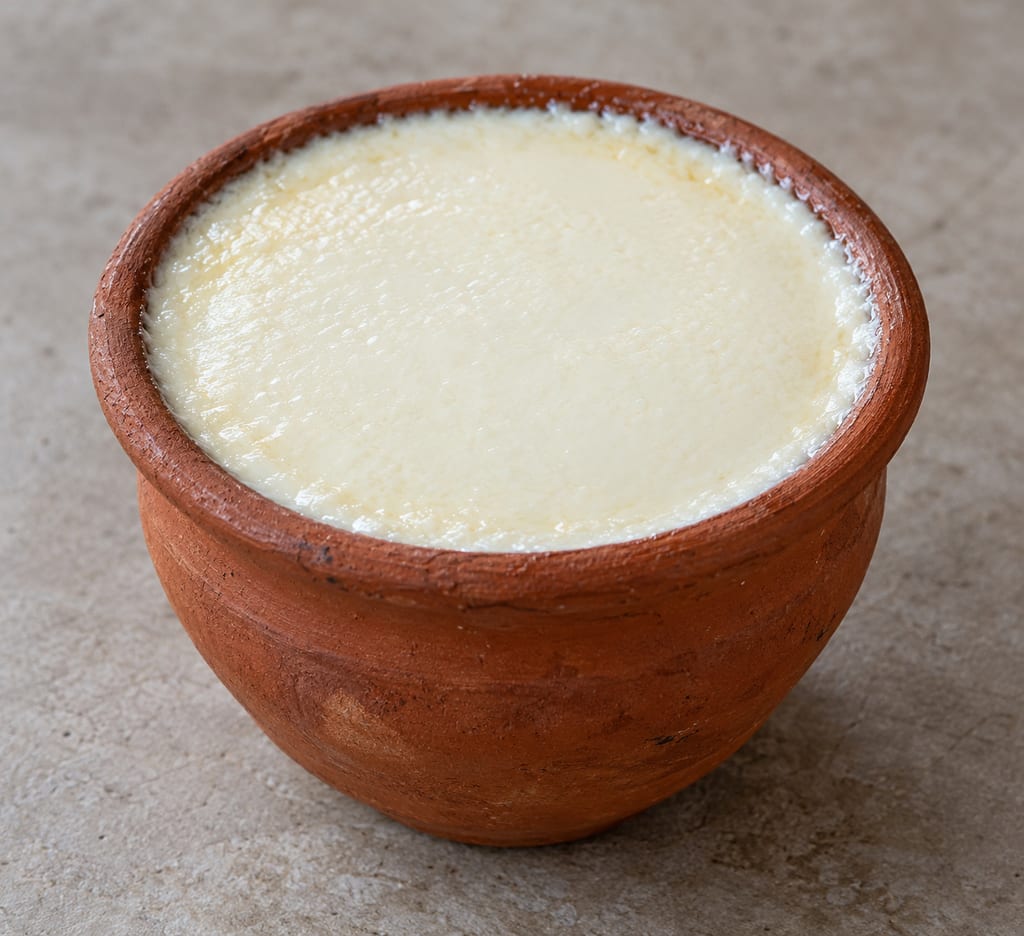
Juju dhau is a rich Newar cultured milk associated with Bhaktapur, Nepal. A local account describes buffalo milk concentrated by boiling, inoculated with previous-day curd and set in earthen pots.
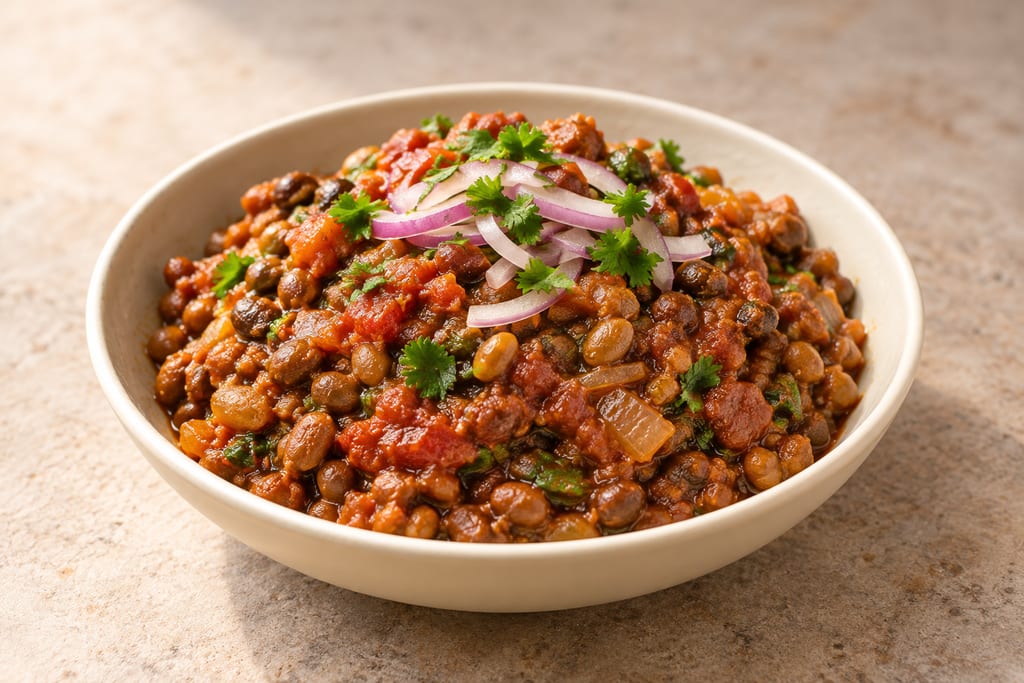
Kinema ra golbheda ko achar combines already-fermented soybean kinema with tomatoes, onion, garlic and spices, finished with sesame powder and fresh garnish, and is eaten with rice or toast.
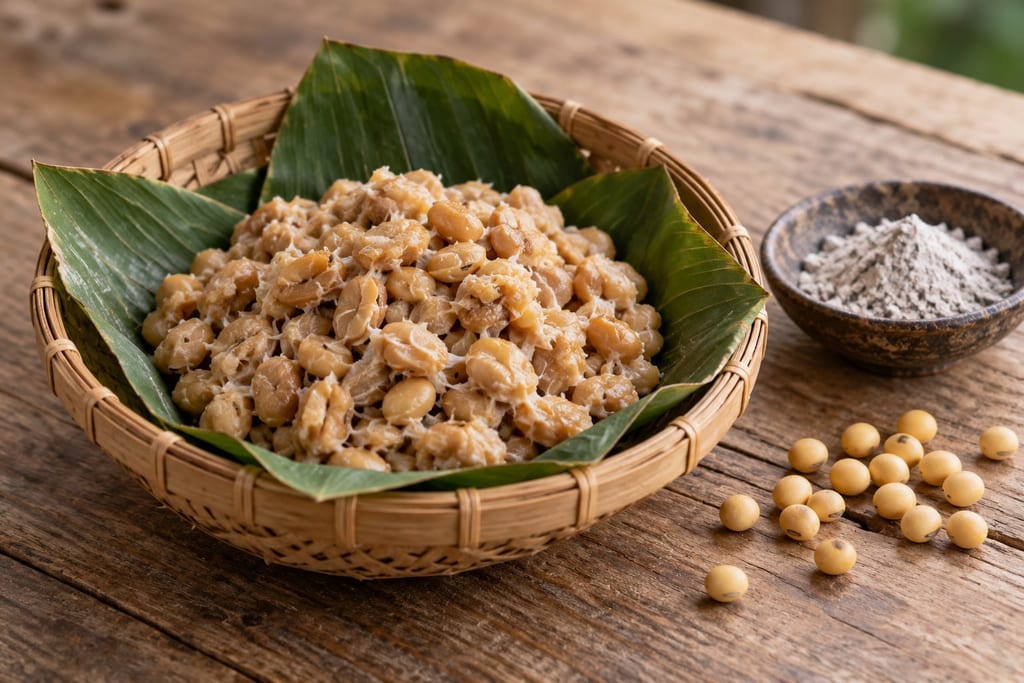
A sticky fermented soybean food of the eastern Himalaya, made here with a measured addition of firewood ash as an alkaline aid to the bacteria that drive it.
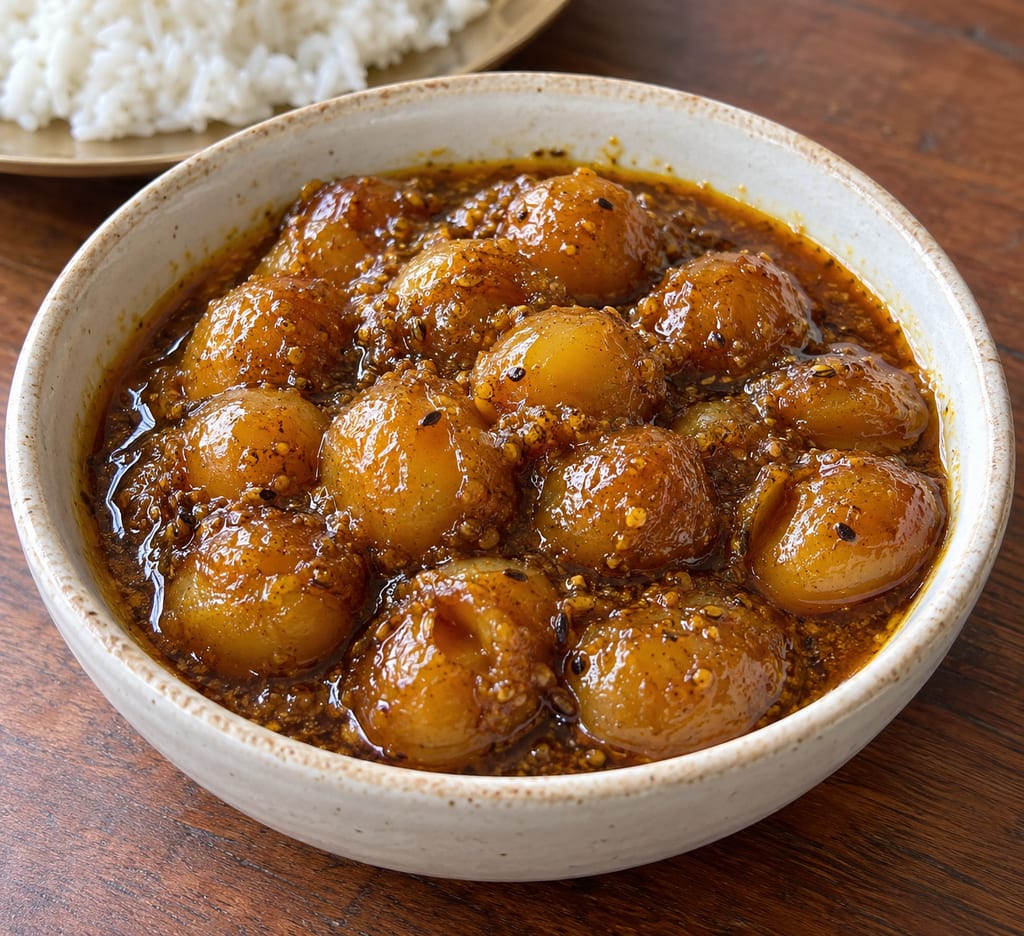
Ripe Nepali lapsi is boiled, peeled and cooked with mustard oil, salt, sugar and roasted spices to make a sweet-sour achar served alongside a meal.
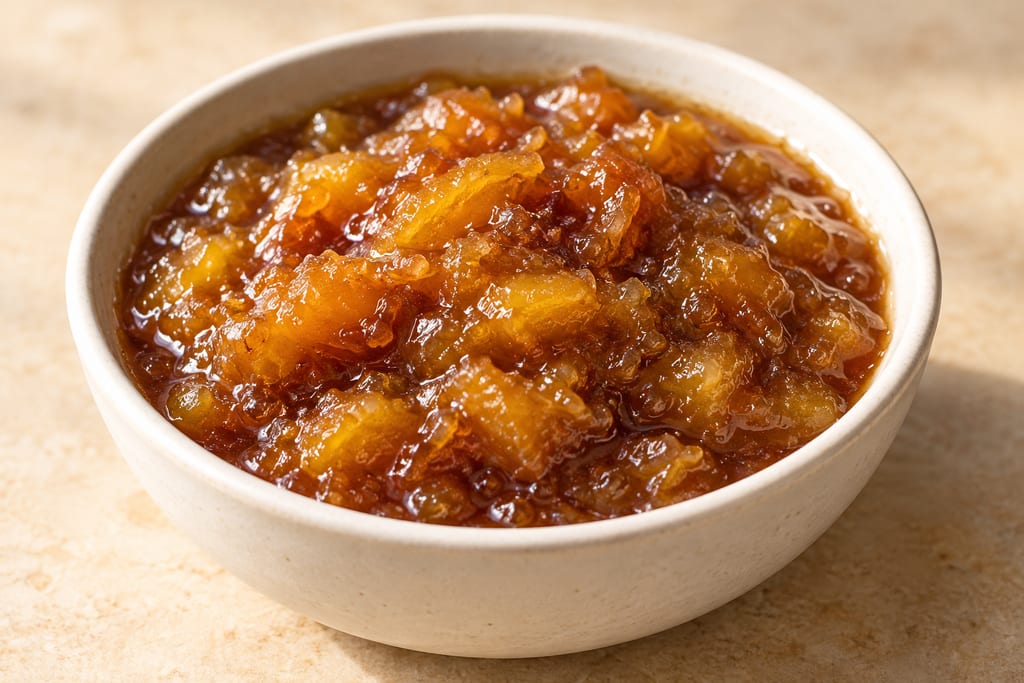
A Suryabinayak municipal recipe cooks ripe lapsi pulp in sugar syrup with cloves, cardamom, cinnamon, sukumel and ginger juice to make a sweet Nepali achar.
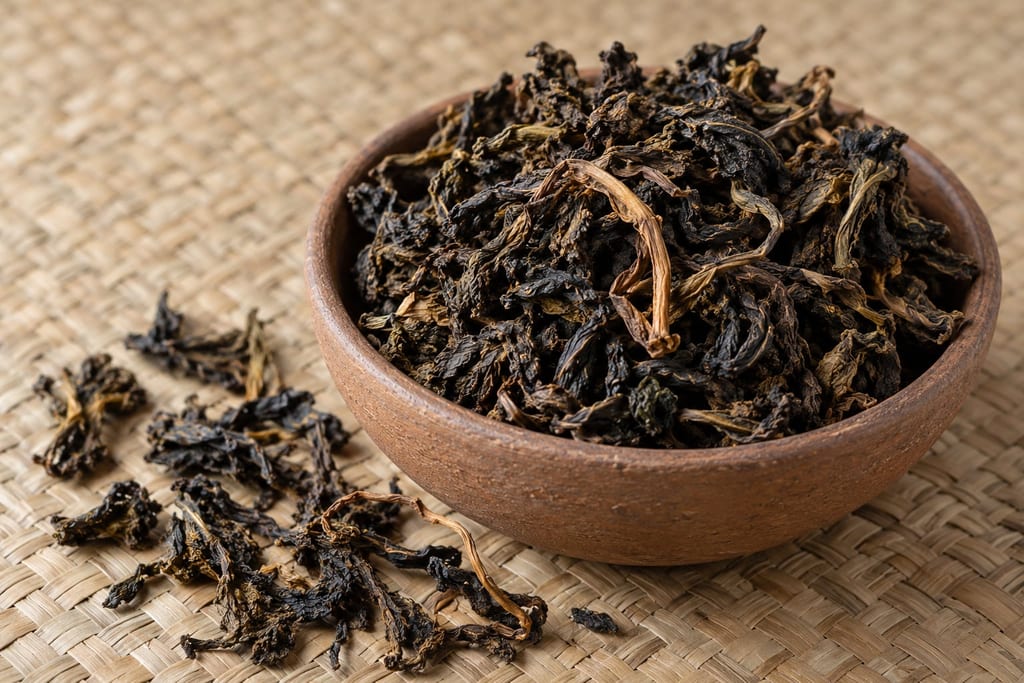
Mustard leaves wilted, bruised and packed tight into an earthenware vessel to sour without salt, then sun-dried into dark tangled pieces that carry Himalayan meals through the year.

A deep amber-red American ale brewed from pale, Munich, CaraVienne and chocolate malts, bittered with Columbus hops and finished with Amarillo.
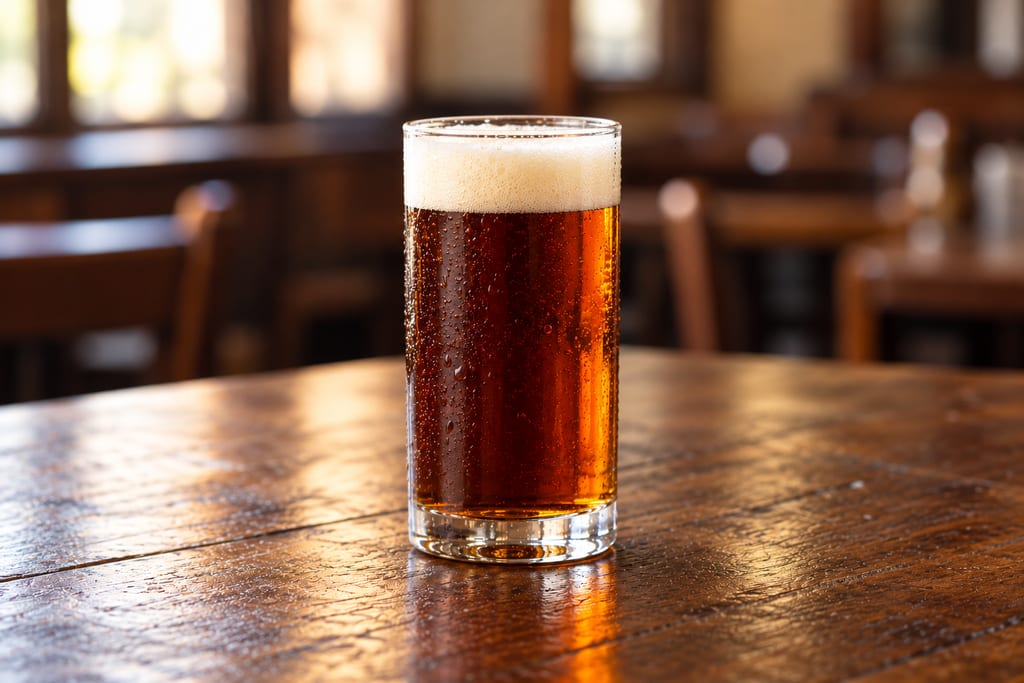
A source-specific modern extract adaptation of Düsseldorf Altbier, with specialty malts, two hop additions and an ale yeast. It is distinct from a brewery's commercial Altbier process and from Kölsch.
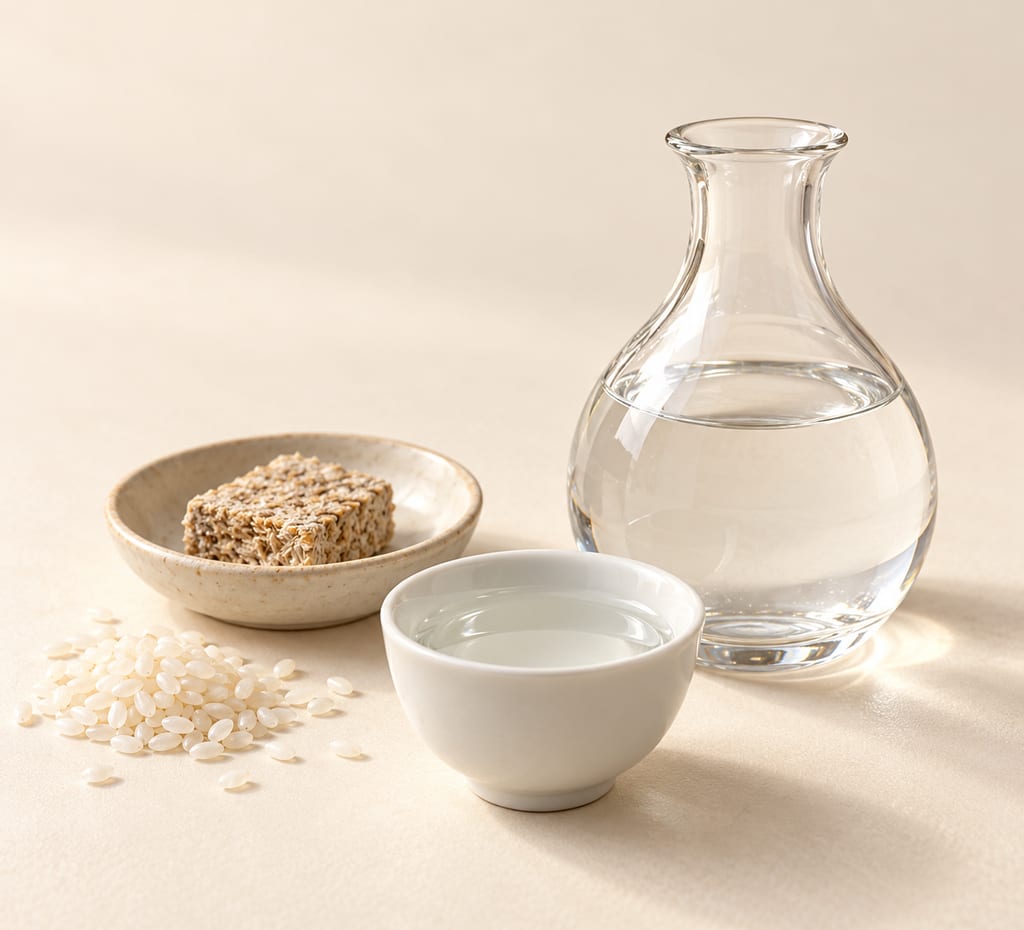
Andong soju is a rice spirit from North Gyeongsang, distilled from steamed rice and wheat nuruk. This method makes the starter before fermenting the rice mash in a jar.
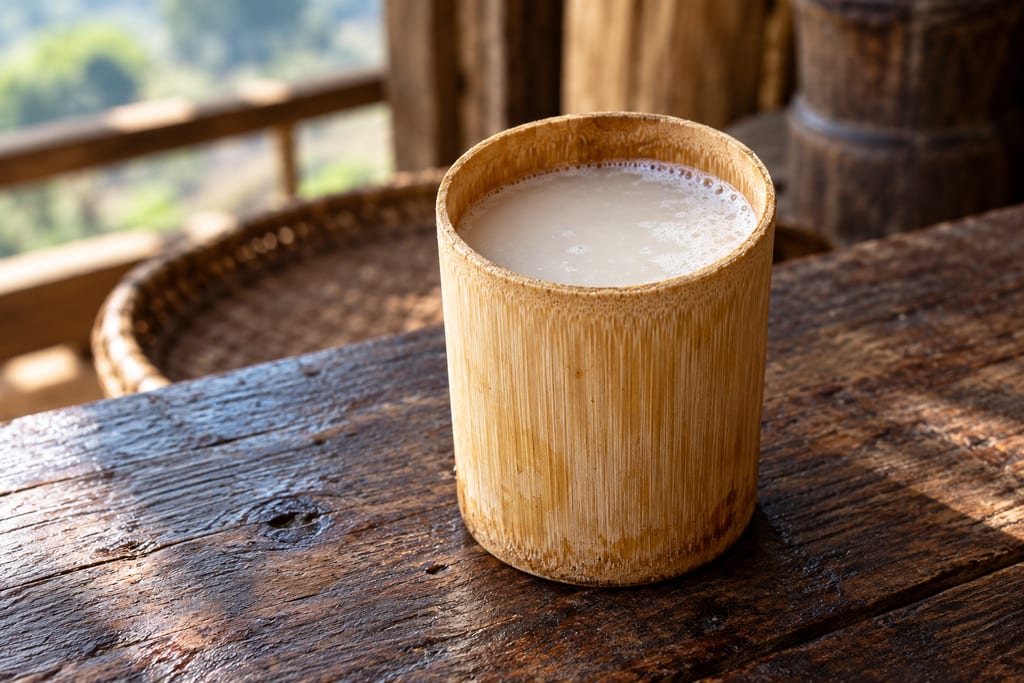
Angami rice beer from Nagaland. A surveyed method mixed cooked rice with piazu, fermented it for about four days in summer or a week in winter, then added water and filtered it. The starter ratio leaves the rice-weight basis unclear.
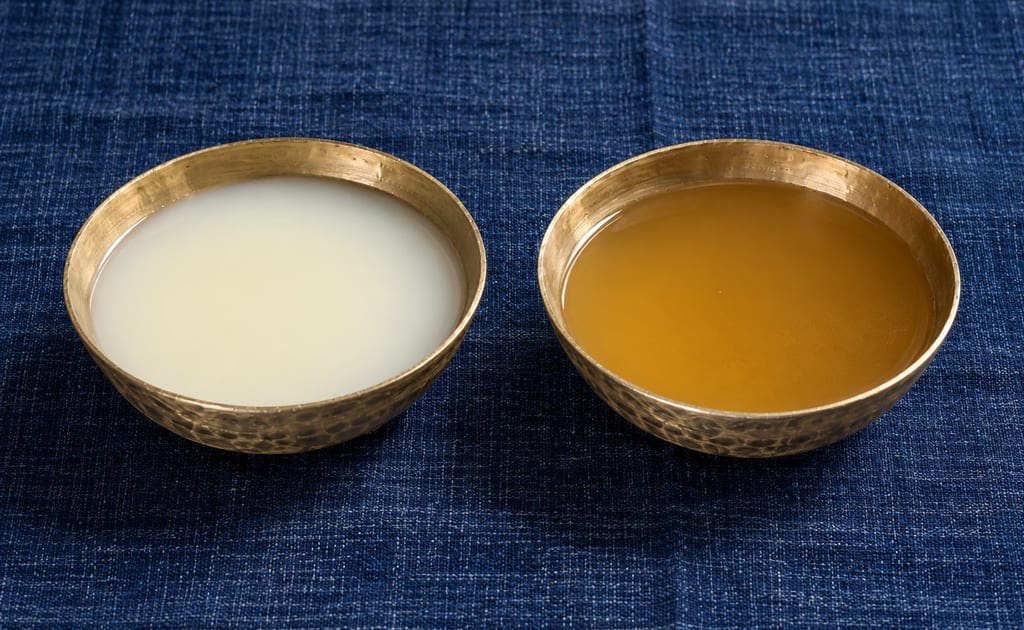
Apong names Mising rice beverages in Assam, including pale Nogin and ash-associated Po:ro. Sources describe distinct preparations and do not establish one unified household recipe or validated safety endpoint.
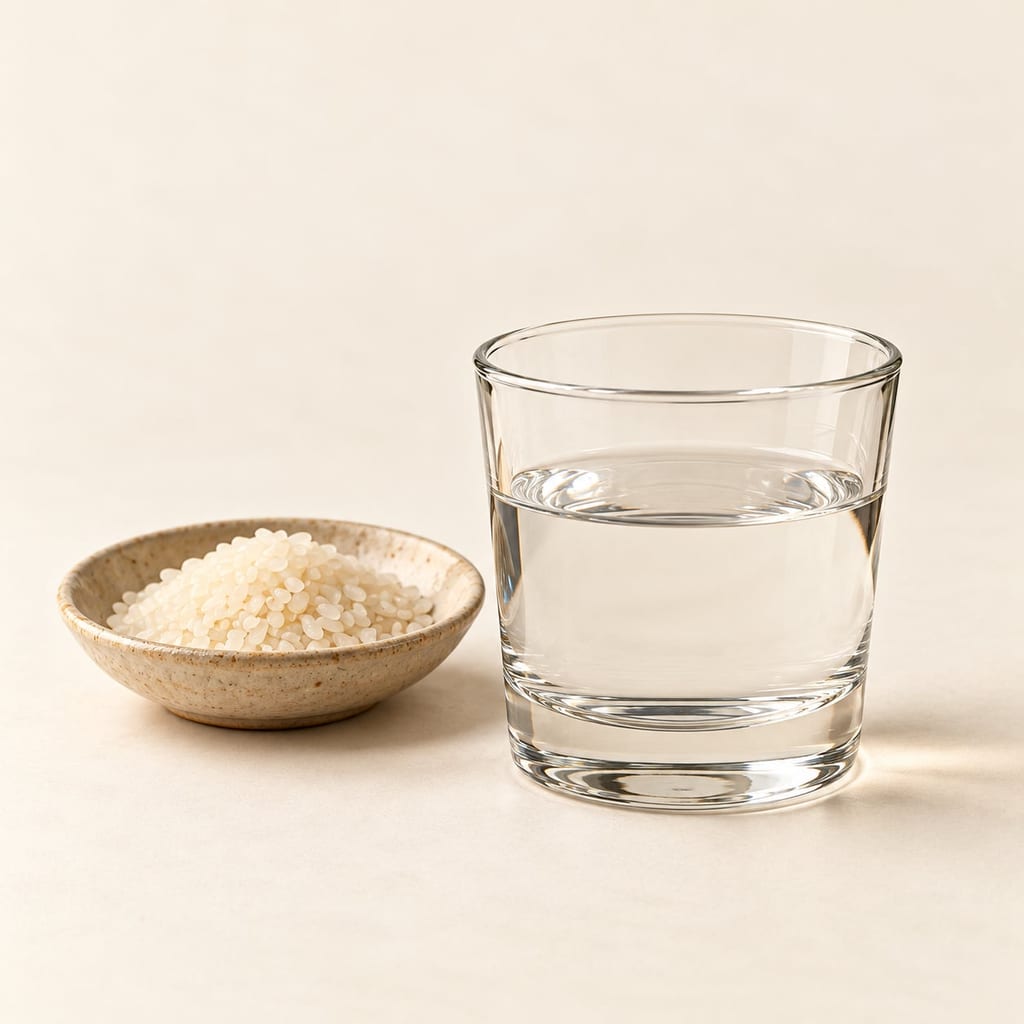
An Okinawan rice spirit made by turning all the rice into black koji, fermenting it with water and yeast, then pot-distilling and maturing the spirit.

This is a process overview, not a complete batch recipe: key quantities, yield and packaging directions are absent. The AHA tutorial uses Hop Hammer Imperial IPA as an example; this page is not that full formulation.
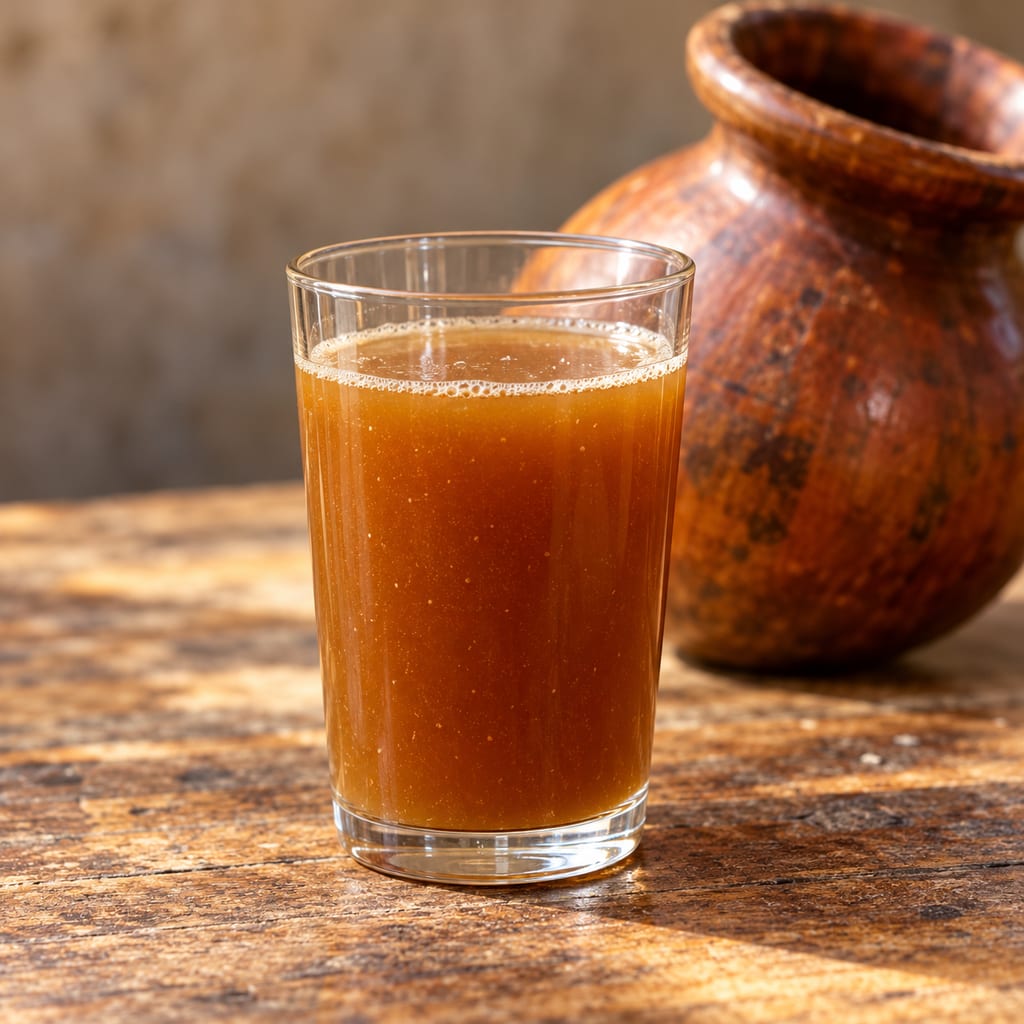
A darker Ethiopian maize tella, brewed from maize baked into a hot, dry kita pancake and then fermented in three stages with barley malt, gesho and water.
No community contributions have been published for this entry yet.
Sign in to contribute. Published comments and photos are free to read.
The Kathmandu PostInspiration · Process · History · Location · Safety
Chhyang: A recipe awayHousehold source recipe uses five cups white rice, the usual rice-cooking water and one tablespoon marcha/mannapu
The account reports 2–3 undisturbed days in a tightly sealed vessel and stirring once or twice daily over about 2–3 weeks, without clarifying whether the periods overlap; about three cups water are added before serving
The source does not specify numeric temperature, alcohol level or pressure control
Cited in: What is chhyang?; Historical and cultural background; Ingredients; Why rice is used; What is marcha?; 1. Soak the rice; 2. Steam until semi-cooked; 3. Spread and dry the surface; 4. Prepare the marcha; 5. Cool the rice; 6. Add the starter; 7. Pack and cover; 8. Initial fermentation; 9. Continue fermentation; 10. Dilute and serve; Why the rice is not simply mixed with baker's yeast; The importance of grain texture; What fermentation produces; Chhyang, thon and other Himalayan drinks; The role of the starter community; How chhyang is served; Recognising normal changes; Safety
FoodSafety.govSafety
Bacteria and Viruses: Bacillus cereusCooked rice is a B. cereus concern; appropriate time-temperature handling is needed
Cited in: 6. Add the starter; 8. Initial fermentation; 9. Continue fermentation; Why the rice is not simply mixed with baker's yeast; What fermentation produces; The role of the starter community; Safety
Clemson Cooperative ExtensionSafety
Cleaning and Sanitation for the HomebrewerHomebrew sanitation and pressure concerns; cleanliness does not validate this recipe
The Kathmandu PostInspiration
The Kathmandu Post — Locally Brewed Magic PotionsThe Kathmandu Post — Locally Brewed Magic Potions
Science
Microbial Identification of Marcha Yeast from SikkimMicrobial Identification of Marcha Yeast from Sikkim
Cited in: 6. Add the starter; 8. Initial fermentation; 9. Continue fermentation; Why the rice is not simply mixed with baker's yeast; What fermentation produces; The role of the starter community
History · Safety · Science
Bacteria in Traditional Eastern Himalayan Dry StartersBacteria in Traditional Eastern Himalayan Dry Starters
Cited in: Historical and cultural background; 6. Add the starter; 8. Initial fermentation; 9. Continue fermentation; Why the rice is not simply mixed with baker's yeast; What fermentation produces; The role of the starter community; Safety