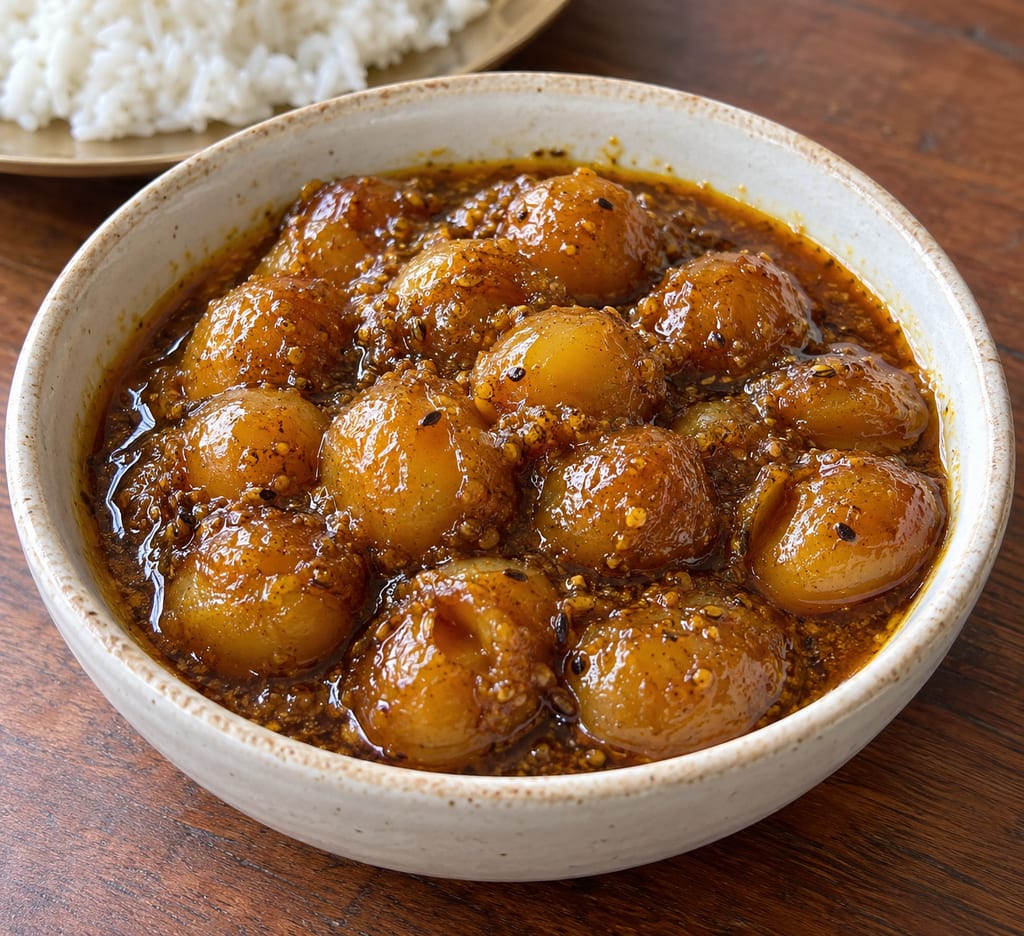
Lapsi ko achar with mustard oil
Ripe Nepali lapsi is boiled, peeled and cooked with mustard oil, salt, sugar and roasted spices to make a sweet-sour achar served alongside a meal.
 FermenteaWhere food goes to change
Modern method
Kinema ra Golbheda ko Achaar · Fermented soybean and tomato chutney
Kinema ra golbheda ko achar combines already-fermented soybean kinema with tomatoes, onion, garlic and spices, finished with sesame powder and fresh garnish, and is eaten with rice or toast.
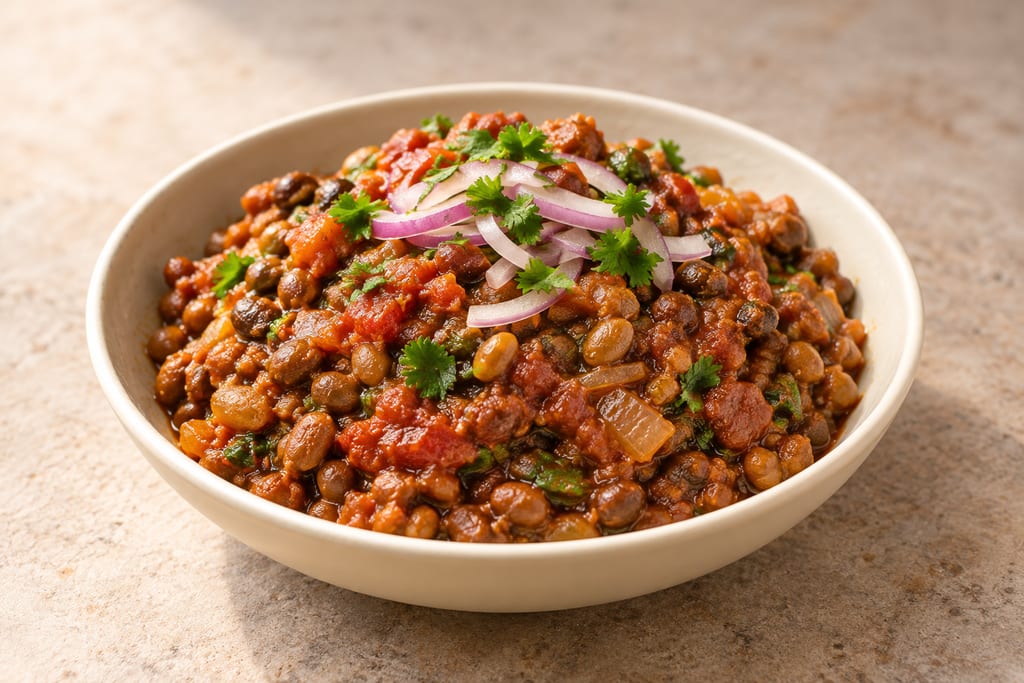
Kinema tomato achar combines fermented soybeans with tomatoes, onion, garlic and spices to create a strongly flavoured Nepali condiment.
The Nepali name is commonly written किनेमा र गोलभेडाको अचार, meaning an achar made with kinema and tomato.
Kinema itself is made from fermented soybeans.
The finished tomato achar, however, is cooked rather than subjected to a new fermentation.
This distinction matters because the recipe uses a fermented ingredient without requiring the cook to ferment a second mixture.
Kinema has a powerful savoury aroma and a characteristic flavour associated with the breakdown of soybean proteins during fermentation.
Tomatoes provide acidity, sweetness and moisture.
Garlic, onion, chilli, turmeric and coriander provide additional flavour.
Sesame powder contributes nuttiness and body.
The recipe is associated with Nepali cooking and particularly the culinary traditions of Kirati communities, including Rai and Limbu groups.
The version preserved here was published in December 2022 by Junifoods.
A related kinema-and-tomato achar was also documented in January 2016 by The Gundruk food blog, demonstrating that the combination predates the more recent published formula.
Kinema belongs to an important family of naturally fermented soybean foods found in the eastern Himalayas.
It is particularly associated with eastern Nepal, Sikkim, Darjeeling and neighbouring regions.
Soybeans provide substantial protein and oil.
Fermentation transforms their flavour and texture, producing a food that can contribute strong savouriness to otherwise relatively simple meals.
Kinema is valued by communities for whom it forms part of inherited household food knowledge.
Its production and use should not be treated as an exotic version of Japanese natto.
The two foods share broad biochemical characteristics, including the importance of Bacillus fermentation, but their preparation, starter ecology, social history and culinary uses differ.
Kinema can be cooked in soups, curries and condiments.
Tomato achar is one way of incorporating its flavour into a sauce-like accompaniment.
Published scientific studies have investigated kinema for several decades.
A microbiological study from 1994 examined its composition and microbial populations.
Later research, including molecular studies in the 2010s and 2020s, explored greater microbial diversity.
The existence of those publications establishes the modern scientific record, not the original invention date of kinema.
Traditional use predates these investigations, but the available material does not support assigning a specific ancient century to this tomato achar.
The directly documented culinary version from 2016 provides an earlier online attestation of the combination.
The 2022 version adds its own measured seasoning quantities and serving preferences.
Both belong to the same recipe family rather than requiring separate articles for differences in oil, chilli or spice quantities.
Fermented soybeans, kinema — 1 cup
Medium tomatoes — 2, diced
Red onion — ½, diced
Garlic — 5 cloves, minced
Chillies — 4
Turmeric powder — 1 teaspoon
Coriander powder — 1 teaspoon
Sesame powder — 1 tablespoon
Timmur powder — ½ teaspoon, optional
Vegetable oil — 4 tablespoons
Salt — ½ teaspoon in recipe card; method says to taste
Finely sliced onion for garnish — 1 tablespoon
Finely sliced coriander leaves — 1 tablespoon
Yield: Four servings.
Published preparation time: 10 minutes.
Published cooking time: 25 minutes.
The separately timed cooking stages do not add up exactly to 25 minutes because the recipe also requires heating, preparation and adjustment.
Fresh kinema is relatively moist.
Dried kinema has had water removed for preservation and transport.
The two forms cannot be treated as physically identical.
Dried kinema must first absorb water before it can soften and behave similarly in a cooked sauce.
The recipe specifically directs cooks to soak dried kinema for 10–15 minutes.
Fresh kinema does not require that rehydration step.
The ingredient amount is given as one cup, but the source does not provide separate weights for fresh and dried versions.
Because drying changes the density and water content, a cup of each may not contain the same amount of soybean solids.
This is a limitation of the published household measurement.
Kinema is an alkaline fermented soybean product.
This is a crucial distinction from many familiar acidic fermented foods.
In a vegetable lactic-acid fermentation, microorganisms convert carbohydrates into acids, lowering pH.
During kinema fermentation, proteolytic microorganisms break down soybean proteins.
The resulting transformations can produce peptides, free amino acids and nitrogenous compounds associated with increasing alkalinity.
A 1994 study reported an average kinema pH of approximately 7.89, compared with an average raw-soybean pH of approximately 6.75.
These are measurements from the studied samples, not specifications for every kinema sold today.
ScienceDirect
Bacillus subtilis is particularly important in the scientific literature on kinema.
The organism can produce extracellular enzymes, including proteases, that break down soybean proteins.
However, kinema is not always a fermentation involving only one organism.
Research has detected a wide range of bacteria and fungi in traditional products.
A 2021 high-throughput sequencing study of kinema from India, Nepal and Bhutan identified considerable bacterial and fungal diversity.
Its core bacterial community included Bacillus subtilis alongside other species.
The study also detected organisms whose presence can be undesirable from a food-safety perspective.
This matters because finding a food-associated Bacillus species does not automatically establish that the entire spontaneous fermentation is safe.
The microbial composition of the actual purchased kinema is not specified in the tomato achar recipe.
Soybeans contain substantial quantities of storage proteins.
During fermentation, enzymes break those proteins into smaller peptides.
Further hydrolysis releases free amino acids.
Some amino acids, including glutamate, contribute directly to savoury taste.
Other compounds contribute aroma or are transformed by microbial metabolism.
The resulting flavour is more complex and pungent than that of simply boiled soybeans.
This is why a comparatively small quantity of kinema can strongly influence a tomato-based dish.
The aroma is not merely a sign of decomposition; it is part of the food's traditional sensory identity.
Nevertheless, extreme putrefaction, visible contamination or abnormal microbial changes should not be interpreted as desirable fermentation.
If using dried kinema, soak it in water for 10–15 minutes.
Allow the fermented soybeans to soften.
The source does not specify a water volume.
Drain as appropriate before cooking.
Fresh kinema can be used directly.
Dice the two tomatoes.
Dice half a red onion.
Mince five garlic cloves.
Prepare the chillies.
Have the turmeric, coriander powder, sesame powder and optional timmur ready.
Keep the garnish ingredients separate.
Place a frying pan over medium heat.
Add 4 tablespoons vegetable oil.
The source does not specify an oil temperature.
Add the minced garlic and diced red onion.
Cook for 3–4 minutes.
Stir as needed.
The onion should begin to turn lightly golden.
This stage develops aromatic compounds and softens the alliums.
Add 1 cup kinema.
Fry for approximately 1 minute, until its characteristic aroma becomes noticeable.
Stir to coat the soybeans in oil and distribute them through the onion-garlic base.
Add 1 teaspoon turmeric powder and 1 teaspoon coriander powder.
Add the chillies if using.
The original ingredient card lists four chillies, while the cooking method treats them as optional.
Keep that discrepancy visible.
Mix to distribute the seasonings.
Add the diced tomatoes.
Season with salt.
The recipe card gives ½ teaspoon, but the method says to begin with a pinch or season to taste.
The saltiness of the finished kinema may vary, so adjustment is sensible.
Cover the pan.
Cook for approximately 10 minutes.
Stir occasionally to prevent sticking.
The tomatoes soften and release liquid.
The mixture develops into a thick, savoury sauce.
While the mixture cooks, finely slice onion and coriander leaves.
Measure 1 tablespoon of each.
When the sauce has cooked to the desired consistency, adjust the seasoning.
Stir in 1 tablespoon sesame powder.
The original recipe does not state that the sesame powder must be fermented or separately cooked.
Scatter the prepared onion and coriander over the sauce.
Serve with rice or another suitable accompaniment.
junifoods
Kinema has a pronounced fermented aroma and concentrated savoury taste.
Tomato provides a contrasting sweet-acidic base.
Fresh tomato contains organic acids, including citric and malic acid.
It also contains sugars and flavour-active compounds.
Cooking softens the tissue and concentrates the mixture as water evaporates.
This produces a sauce in which the kinema is distributed rather than eaten entirely on its own.
The tomato does not reverse fermentation.
It changes the sensory balance.
The result is more approachable for some diners because the pungent soybean flavour is combined with familiar vegetable acidity.
The recipe uses a relatively generous quantity of oil.
Oil conducts heat and allows the onion, garlic and kinema to fry.
It also carries fat-soluble flavour compounds from the spices.
As the tomatoes cook, the oil and water phases interact with the suspended solids.
The mixture becomes a thick, textured sauce.
Reducing the oil significantly may change the frying behaviour and final mouthfeel.
The 2016 variation uses three tablespoons oil rather than four, illustrating a legitimate household difference.
Timmur is commonly associated with Zanthoxylum armatum.
It is a member of the Rutaceae family rather than the black pepper family.
The spice is often described as Nepali Sichuan pepper.
Its sensory character includes citrus-like aroma and a characteristic tingling effect.
The 2022 recipe lists ½ teaspoon as optional.
However, the original method does not explicitly state when to add it.
A separate 2016 recipe adds timmur near the end of cooking.
That provides a documented variant but should not be silently inserted into the later source as though it were an original instruction.
Sesame seeds contain oil, protein and aromatic compounds.
When ground, they contribute fine particles and a nutty flavour.
In this recipe, sesame powder is added after the main tomato cooking stage.
It helps give body and richness to the sauce.
The source does not specify whether the powder was freshly roasted.
Do not invent a roasting temperature or time.
A recipe made with raw ground sesame could have a different flavour from one using roasted sesame.
An earlier published kinema tomato achar uses one cup kinema, approximately half a kilogram tomatoes, garlic, chilli, turmeric, timmur, oil and salt.
It uses less oil, omits the later recipe's onion and sesame powder, and cooks the tomato mixture further until moisture reduces.
The 2016 method also uses mustard oil as a preference and adds timmur towards the end.
These differences affect flavour and texture.
However, both preparations are fundamentally cooked tomato condiments made with previously fermented kinema.
They should remain variants of one recipe family.
The earlier version's storage advice should not be imported into the 2022 recipe as a validated shelf life.
The 2022 recipe is particularly associated with serving the achar alongside steamed rice.
Its strong flavour means it can season a relatively plain starch.
The dish can also be eaten with toast, as described by the recipe writer.
The earlier published preparation mentions rice and bread.
Kinema itself also appears in soups and curries.
The tomato achar is therefore one culinary use of a fermented ingredient rather than the only traditional way of eating kinema.
Because the product is pungent, portion size is often guided by personal preference.
The documented recipe gives four servings but does not specify grams per serving.
Good purchased kinema should have the characteristic appearance and aroma associated with its producer's fermentation.
A pungent smell is expected in some products.
However, smell alone cannot establish safety.
The cooked achar should develop a thick tomato-based consistency.
The onion and garlic should be softened.
The soybeans remain recognisable rather than dissolving completely.
Burnt garlic or scorched tomato can create bitterness.
If the mixture sticks, stir and adjust cooking carefully.
The source does not provide a target final temperature or water activity.
Kinema is fermented before it enters the recipe.
The cooked achar is not subjected to a new controlled fermentation.
The recipe's 25-minute cooking-time estimate does not establish a validated heat-treatment schedule against all possible hazards.
Use food-grade, safely produced kinema.
Soybeans are a declared allergen in the UK.
Sesame is another declared allergen.
The source's comments about refrigerating or drying kinema apply to the fermented ingredient, not automatically to the completed tomato achar.
No validated finished-achar shelf life is supplied.
Refrigerate leftovers promptly and use suitable cooked-food handling procedures.
The publisher describes kinema as a fermented soybean food associated with the Kirati community (Rai and Limbu groups) in Nepal, and presents this tomato achar as a way to serve it with rice. This is a contemporary publisher account; it does not date the finished achar or establish its origin.
Yield 4 servings · Scaling: source batch only
The article’s airtight-refrigerator and drying statements refer to fermented kinema as an ingredient, not the cooked tomato achar. No finished-achar storage interval or validated process is given.
The recipe card labels its cuisine Nepal and the article associates the already-fermented ingredient kinema with the Kirati community; neither establishes the finished achar’s origin.
Ripe Nepali lapsi is boiled, peeled and cooked with mustard oil, salt, sugar and roasted spices to make a sweet-sour achar served alongside a meal.
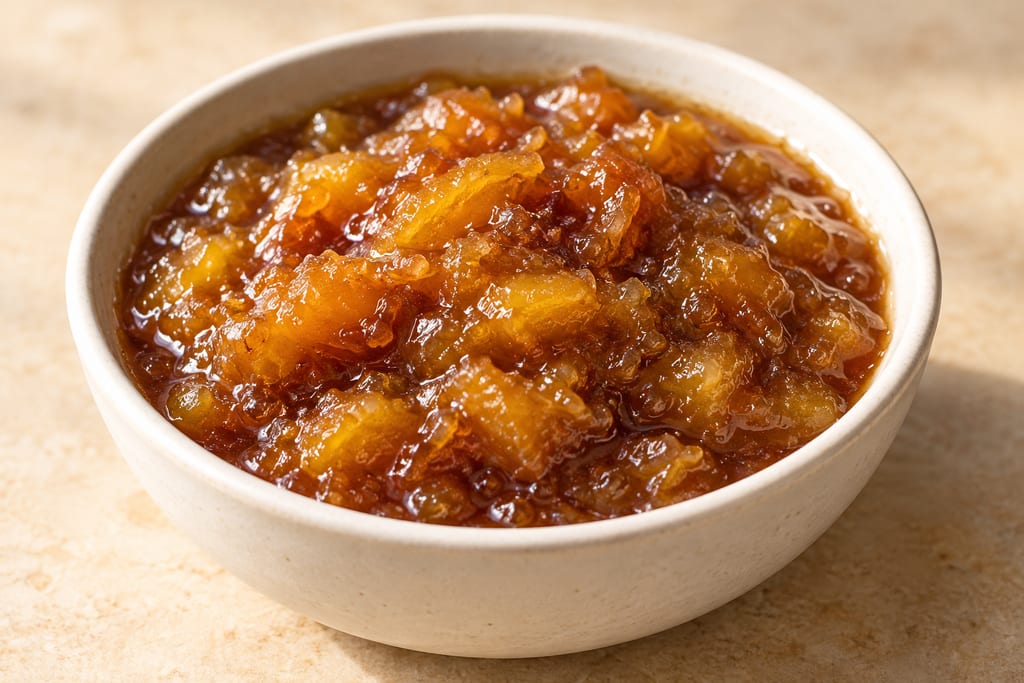
A Suryabinayak municipal recipe cooks ripe lapsi pulp in sugar syrup with cloves, cardamom, cinnamon, sukumel and ginger juice to make a sweet Nepali achar.
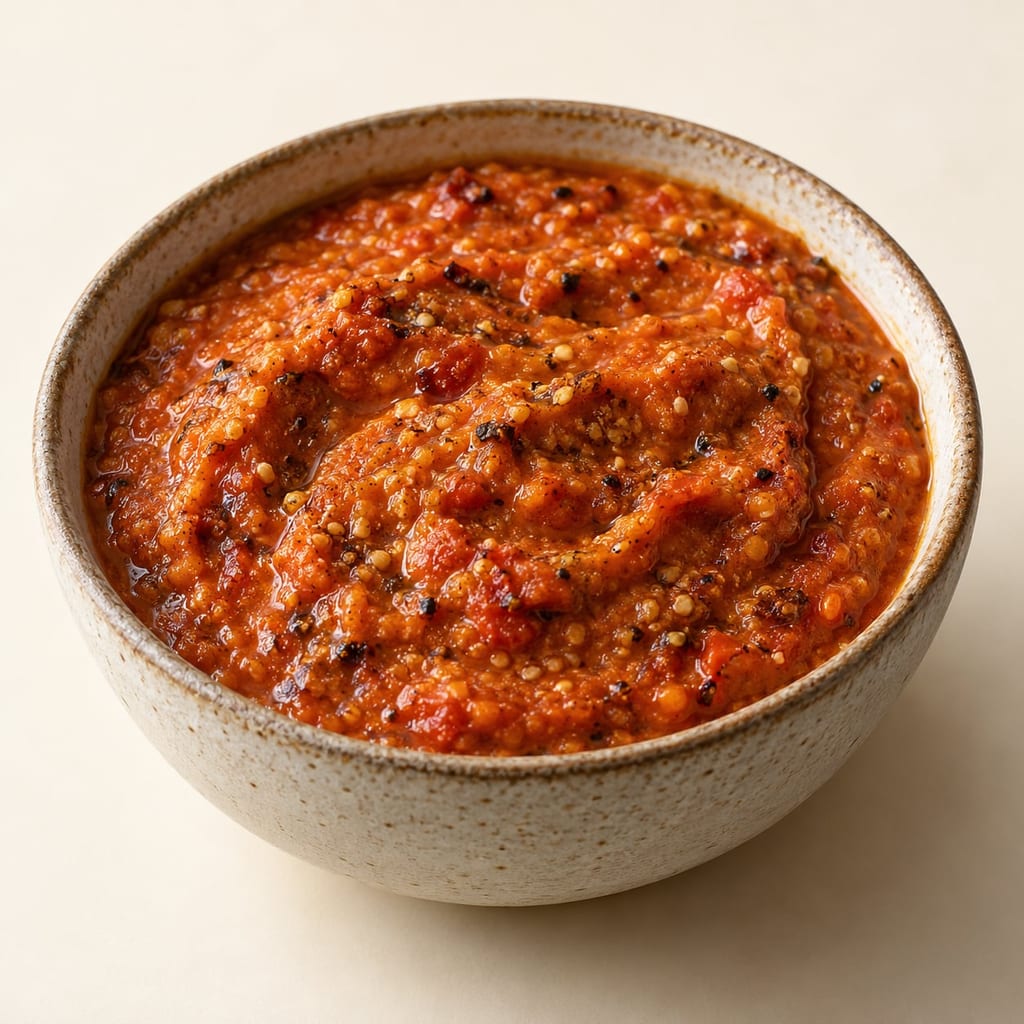
A roasted tomato dip thickened with toasted sesame and seasoned with dried chilli, cumin and timur. This measured version follows a contemporary published momo achar recipe; it is one documented formula, not a national standard.
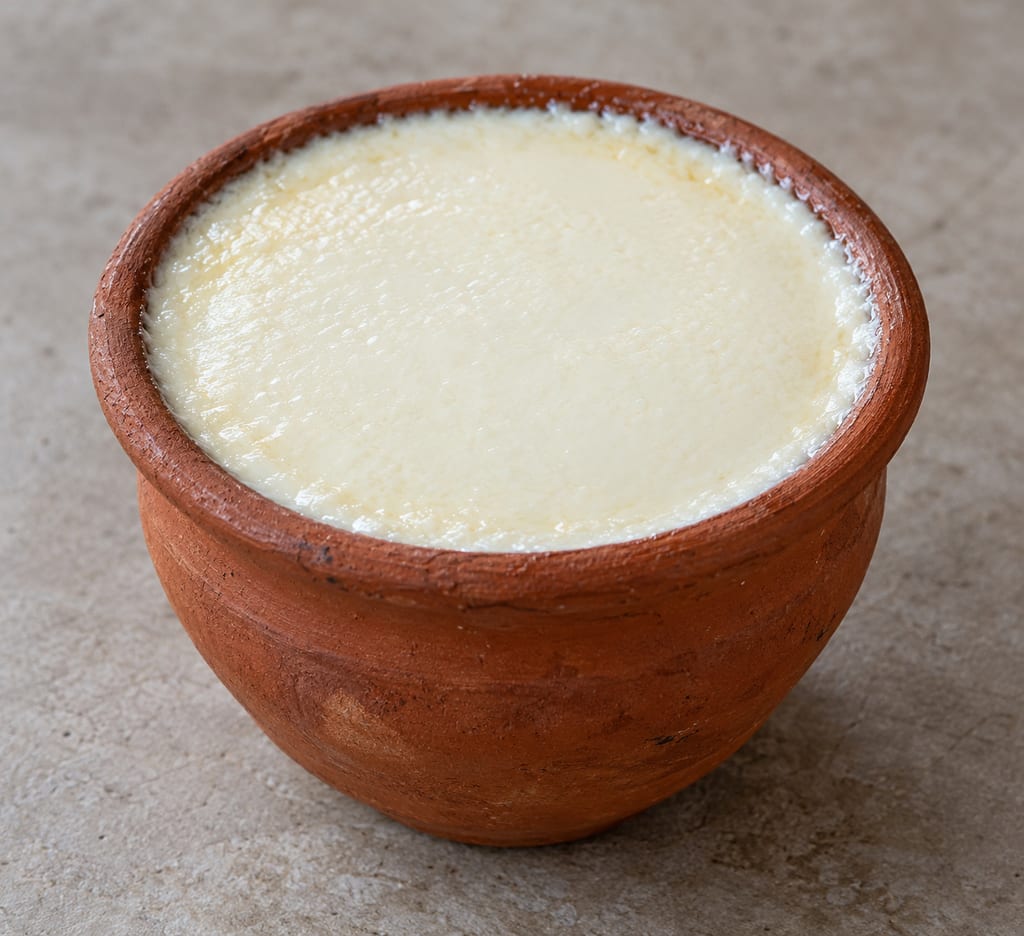
Juju dhau is a rich Newar cultured milk associated with Bhaktapur, Nepal. A local account describes buffalo milk concentrated by boiling, inoculated with previous-day curd and set in earthen pots.

A Kathmandu rice beer in which a marcha starter saccharifies and ferments cooked white rice, the mash later thinned with water for drinking.
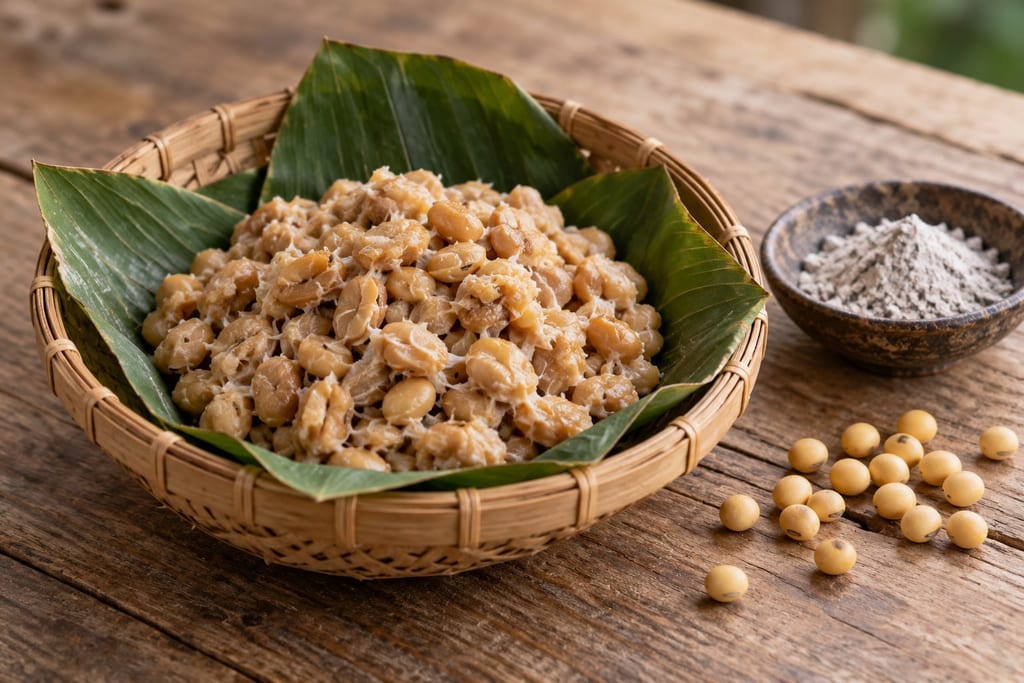
A sticky fermented soybean food of the eastern Himalaya, made here with a measured addition of firewood ash as an alkaline aid to the bacteria that drive it.
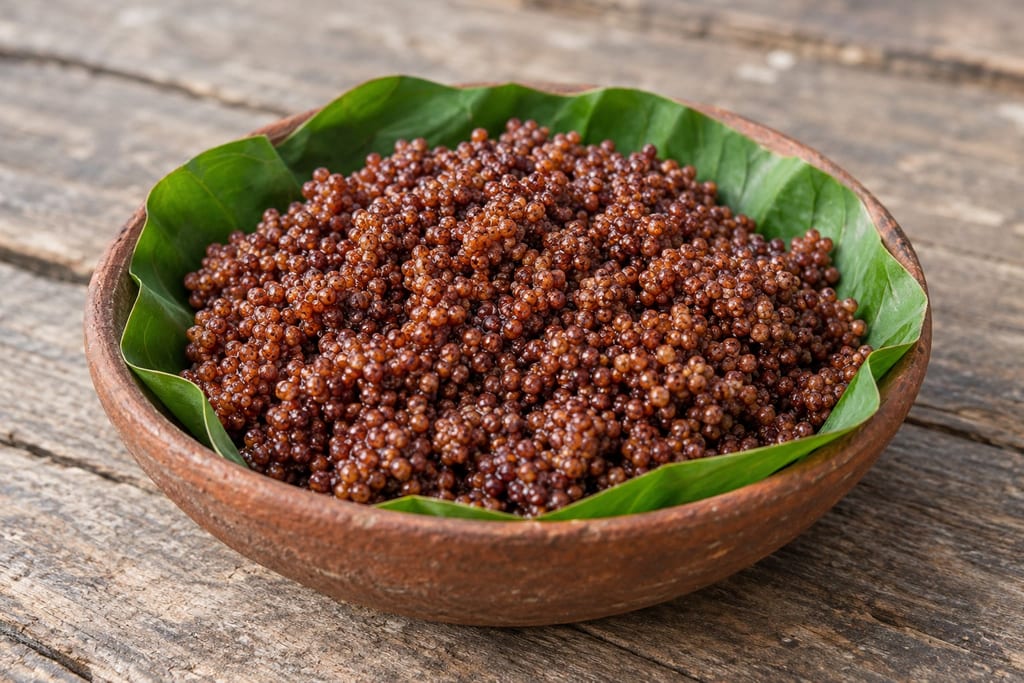
Finger millet fermented with marcha in surveyed Darjeeling and Sikkim communities. Tongba is the later warm-water extraction from the fermented grain. The cited accounts do not establish a complete or validated home batch.

An ethnographic record of marcha (murcha), a dry starter cake used in Eastern Himalayan cereal fermentations. This page documents source-specific community knowledge and is not a recipe for making or storing starter.
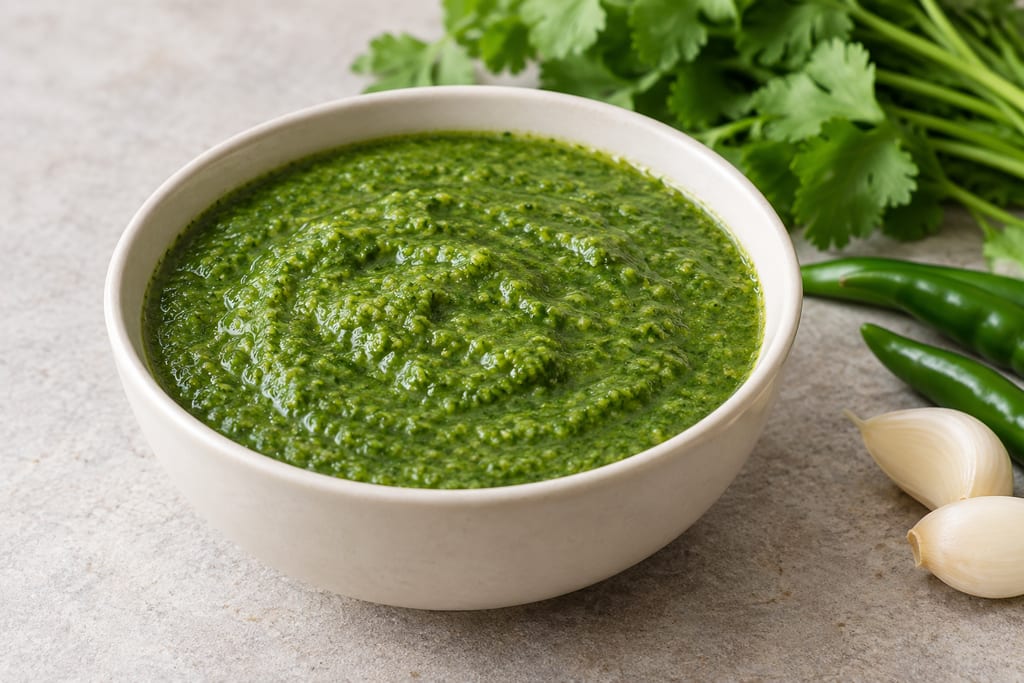
Afghan coriander chatni is a sharp, hot herb sauce with garlic and vinegar. A 2008 Afghanistan manual records green or red pepper and optional walnut; heat and household versions vary.
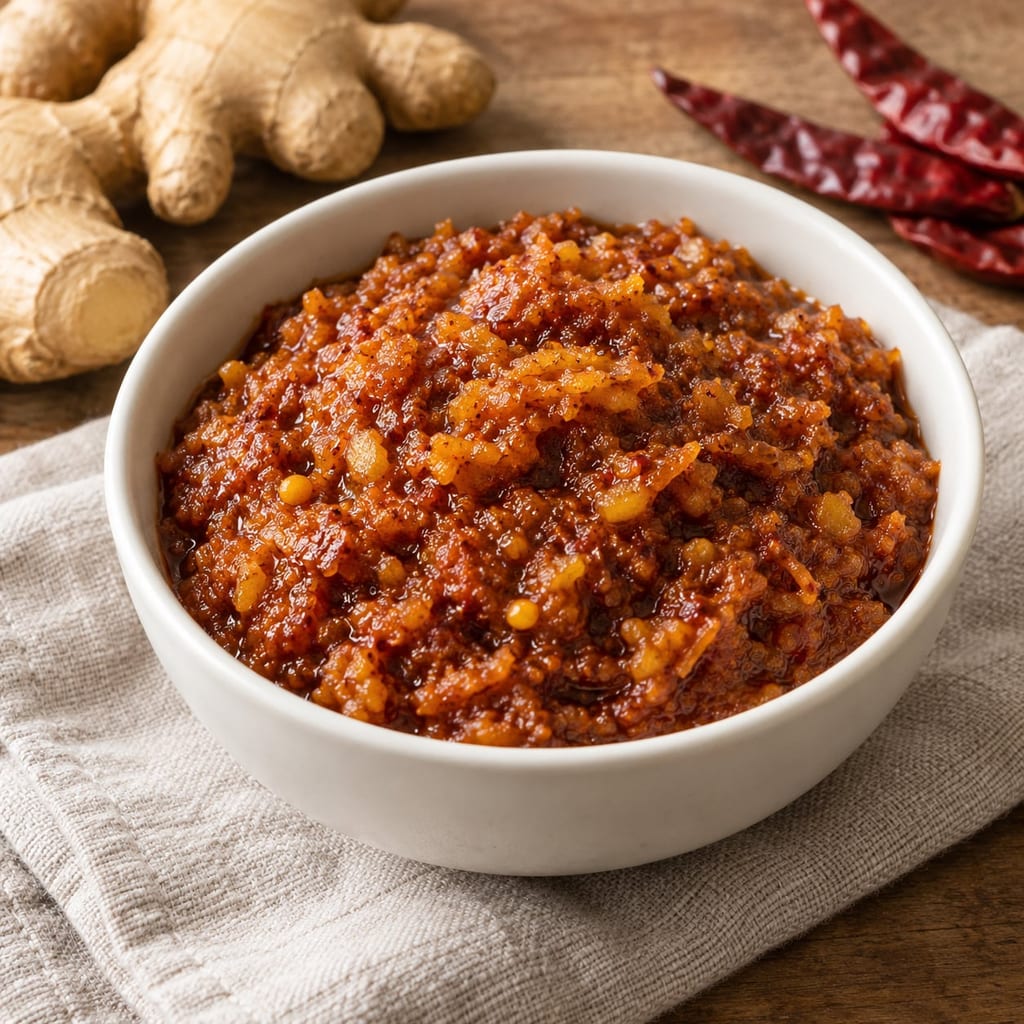
An Andhra ginger-and-urad chutney in which browned dal and briefly fried ginger and chillies are cooled, then ground with jaggery to a coarse paste.
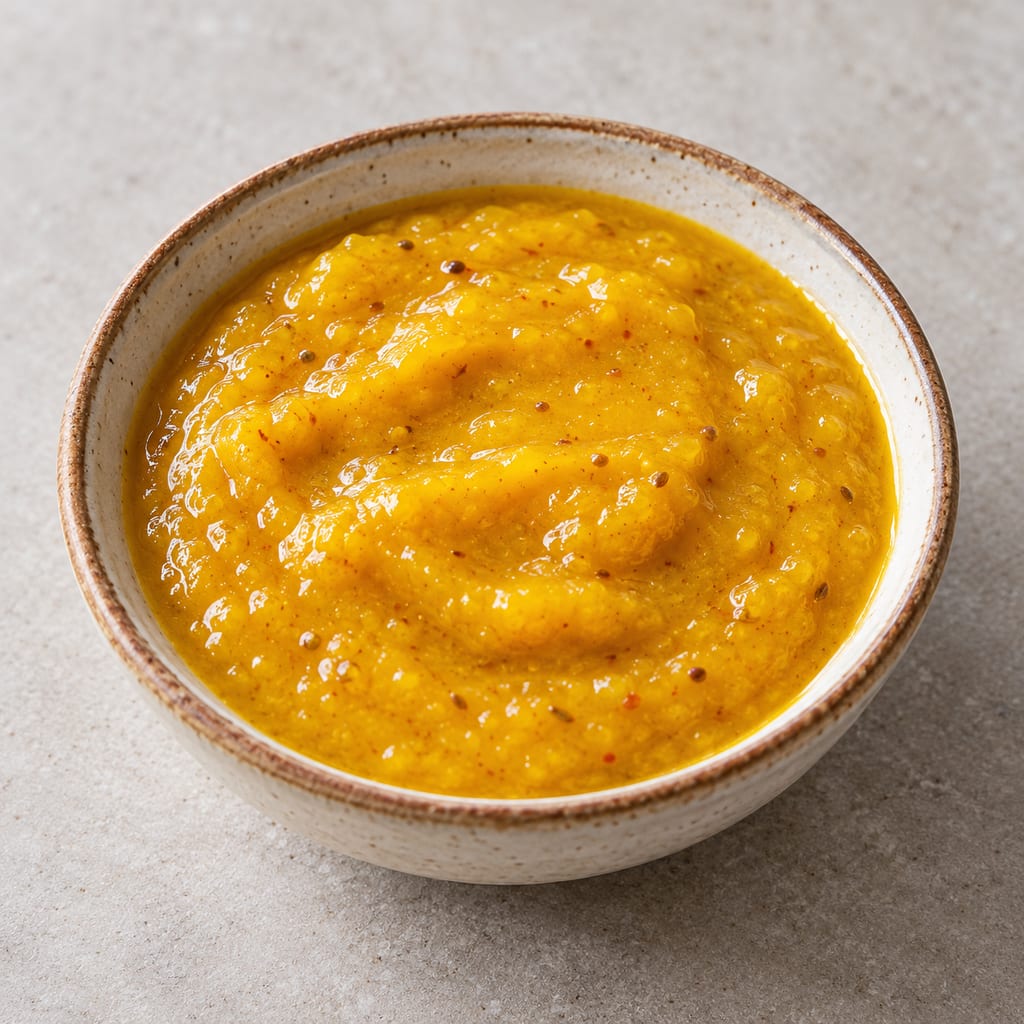
This cooked amba follows a Jewish Food Society recipe that simmers ripe mango with onion, garlic, mustard seed and warm spices into a tangy Middle Eastern condiment.
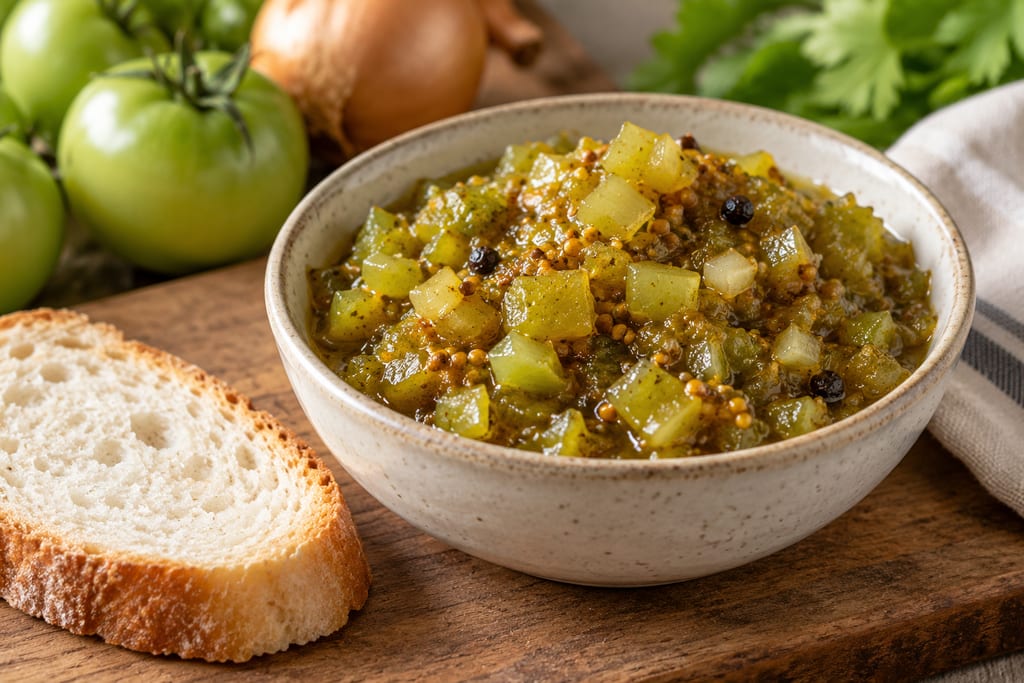
Australian green tomato pickles and relishes vary. This partial version follows ABC Western Victoria’s 2018 pickle recipe, not Beerenberg’s commercial formula. Sources document examples from 1944 onward, not a single origin.
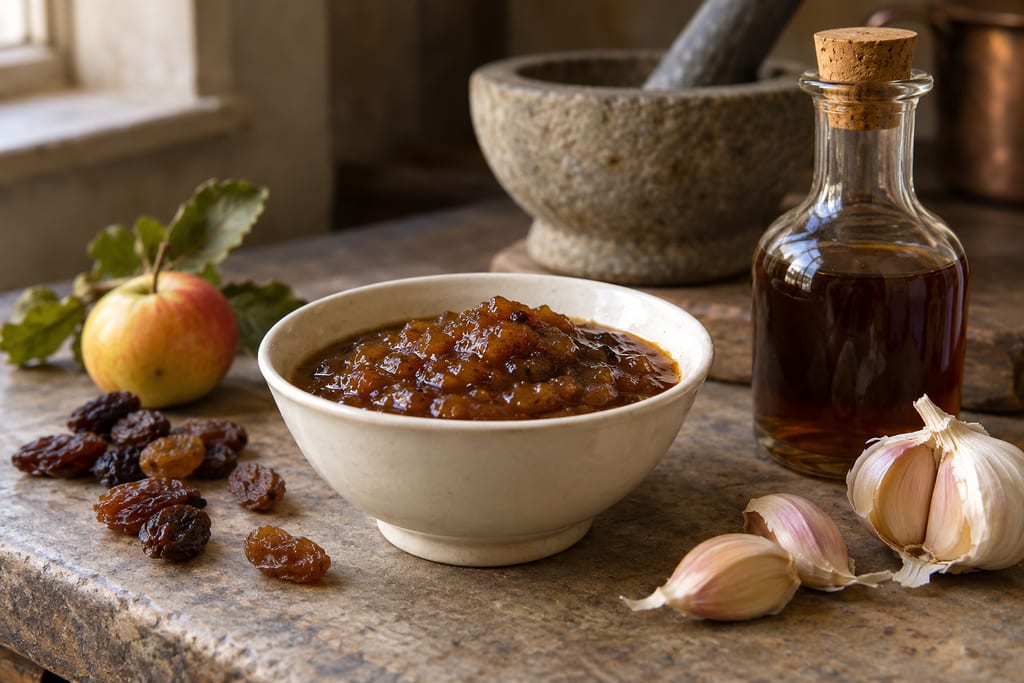
Eliza Acton's Bengal receipt for chetney sauce: stoned raisins and a hard acid fruit pounded with brown sugar, ginger, salt, cayenne and garlic, then thinned with vinegar to the consistence of thick cream.
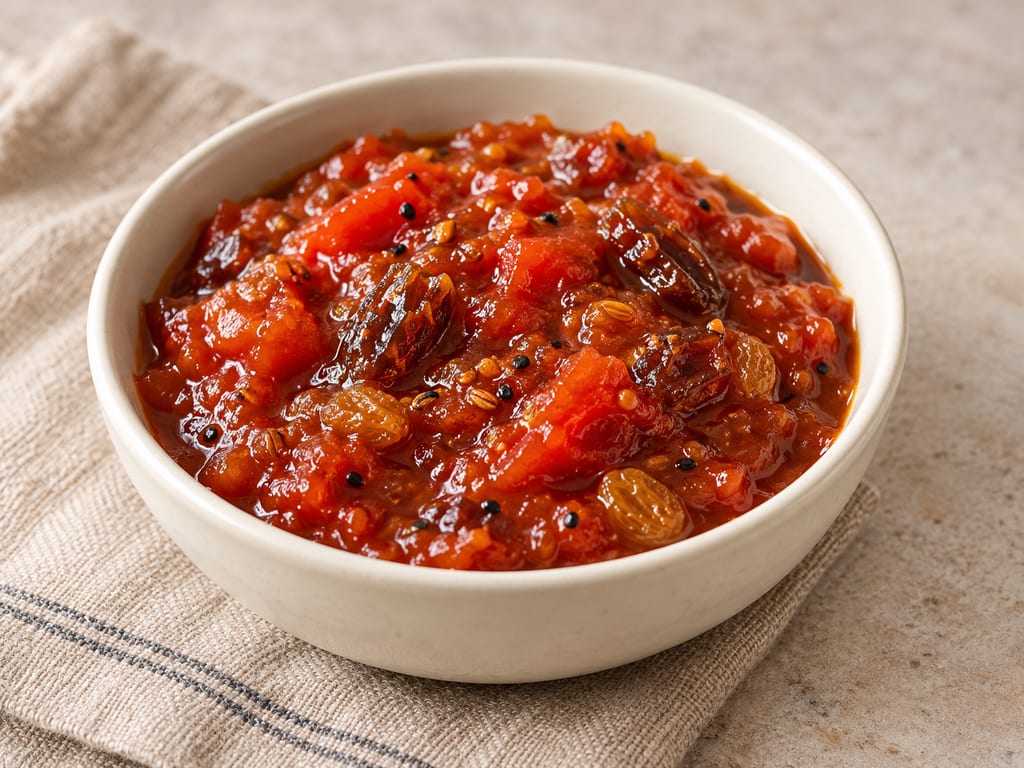
A cooked Bengali meal chutney combining tomatoes, dates, raisins, ginger and panch phoron.

A spicy South African vegetable relish of onion, carrot, pepper, tomato, curry seasoning and beans, cooked briefly and served warm or cold beside pap and grilled meat.
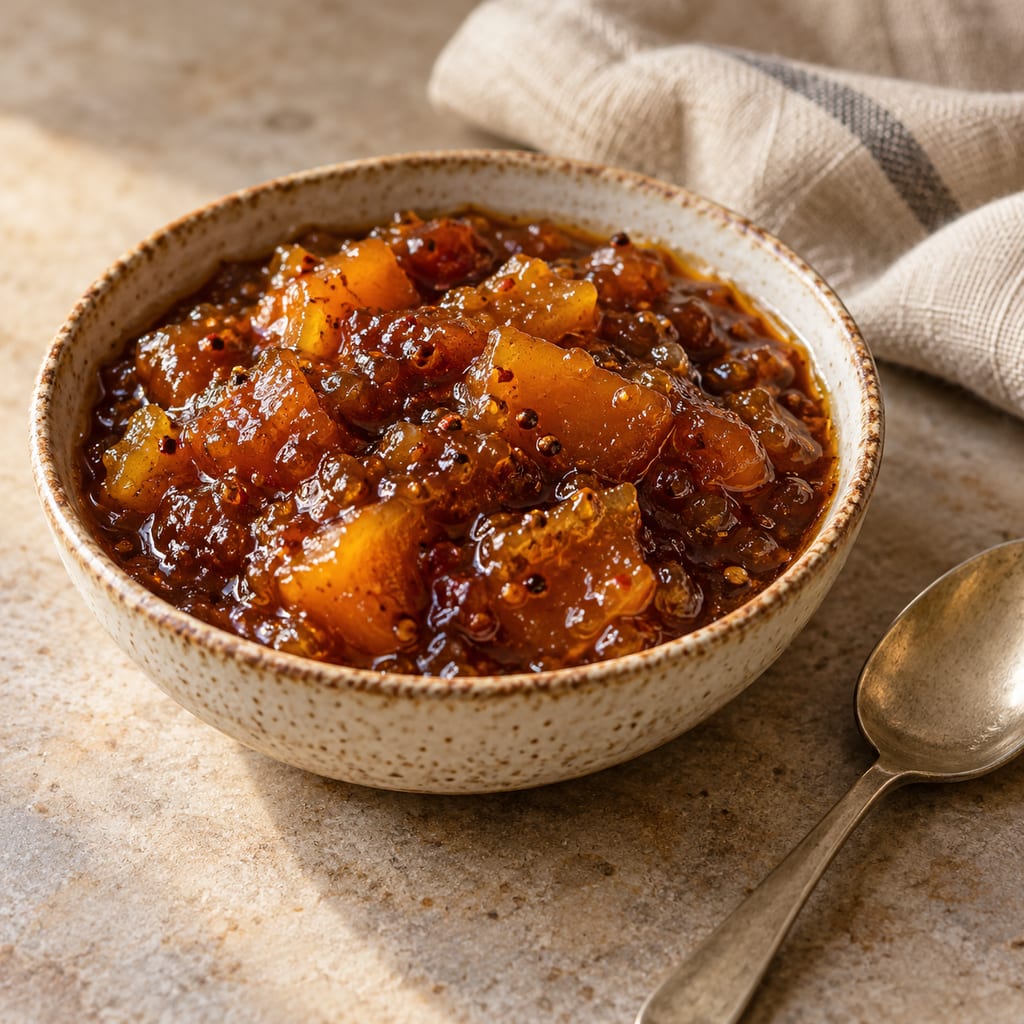
A broad account of cooked chutney traditions: fruit or vegetables combined with sugar, spices and sometimes acid, often boiled into a thick condiment. This record is historical and process context, not a formula or storage recipe.
No community contributions have been published for this entry yet.
Sign in to contribute. Published comments and photos are free to read.
JunifoodsRecipe · Geography · Current use
Fermented soy bean and Tomato Chutney (Kinema ra Golbheda ko Achaar) किनेमा टमाटर को चटनीLines 28–36 and 45–54: publisher/date, claim that kinema comes from the Kirati community, kinema ingredient fermentation description, and rice/toast uses; these are attributed modern publisher statements, not independent historical verification.
Lines 75–105: card time/servings, ingredient quantities, 1/2 tsp salt and optional timmur; garnish is listed separately.
Lines 110–122: dried-kinema soak, pan stages, covered tomato cooking, method’s pinch-or-to-taste salt, sesame powder and garnish. Timmur has no listed method stage; kinema-base storage notes at lines 57–60 are separate from finished achar storage.
Cited in: What is kinema tomato achar?; The cultural setting of kinema; Historical evidence; Ingredients; Fresh versus dried kinema; Stage 1 — Prepare dried kinema if necessary; Stage 2 — Prepare vegetables and spices; Stage 3 — Heat oil; Stage 4 — Cook onion and garlic; Stage 5 — Fry kinema; Stage 6 — Add dry seasonings; Stage 7 — Add tomato and salt; Stage 8 — Cook covered; Stage 9 — Prepare garnish; Stage 10 — Finish with sesame; Stage 11 — Garnish; Why the tomato is so important; The role of oil; Timmur — A distinctive Himalayan seasoning; The role of sesame powder; Comparing the 2016 variation; How kinema achar is eaten; Quality assessment; Storage and food safety
The GundrukVariation
Kinema ra golbheda ko achaar, 2016 variationThe 2016 variation of the same dish and where it differs from the 2022 method
Cited in: Comparing the 2016 variation
Food Microbiology (ScienceDirect)Science · History
Kinema composition and microfloraComposition of kinema and the bacteria recovered from it
Cited in: The cultural setting of kinema; Historical evidence; What makes kinema distinctive?; The microbiology of kinema; Why fermented soybean protein develops umami
Food Research International (PubMed)Science
Kinema microbial communitiesMicrobial communities of kinema as sequenced from household and market samples
Cited in: What makes kinema distinctive?; The microbiology of kinema; Why fermented soybean protein develops umami
PMCScience
Kinema metagenomic researchMetagenomic account of the kinema ferment and its protein breakdown
Cited in: What makes kinema distinctive?; The microbiology of kinema; Why fermented soybean protein develops umami
Royal Botanic Gardens, KewIdentity
Timmur, Zanthoxylum armatumBotanical identity of timmur
Cited in: Timmur — A distinctive Himalayan seasoning