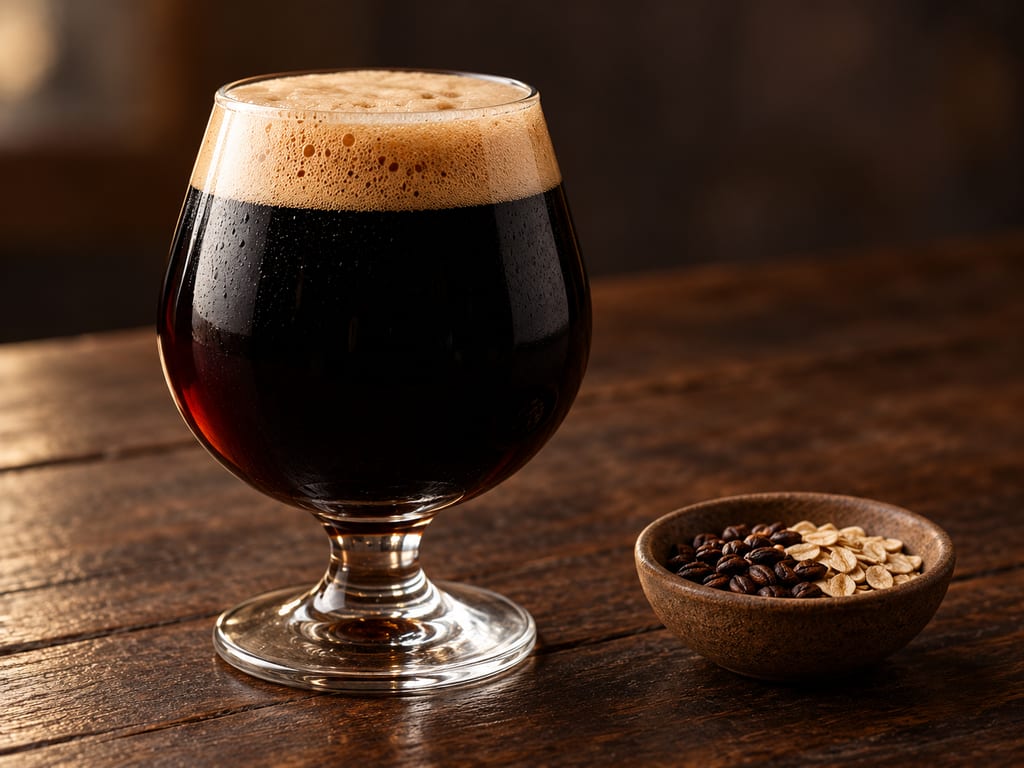
Dark Cellar imperial stout
An all-grain imperial stout with pale malt, roasted barley, dark malts and oats, fermented with an American ale-yeast starter.
 FermenteaWhere food goes to change
Spices and aromatics
An Oregon-bred Fuggle-related aroma hop whose cones and pellets contribute bitterness and aroma through the brewer's choice of crop and addition stage.
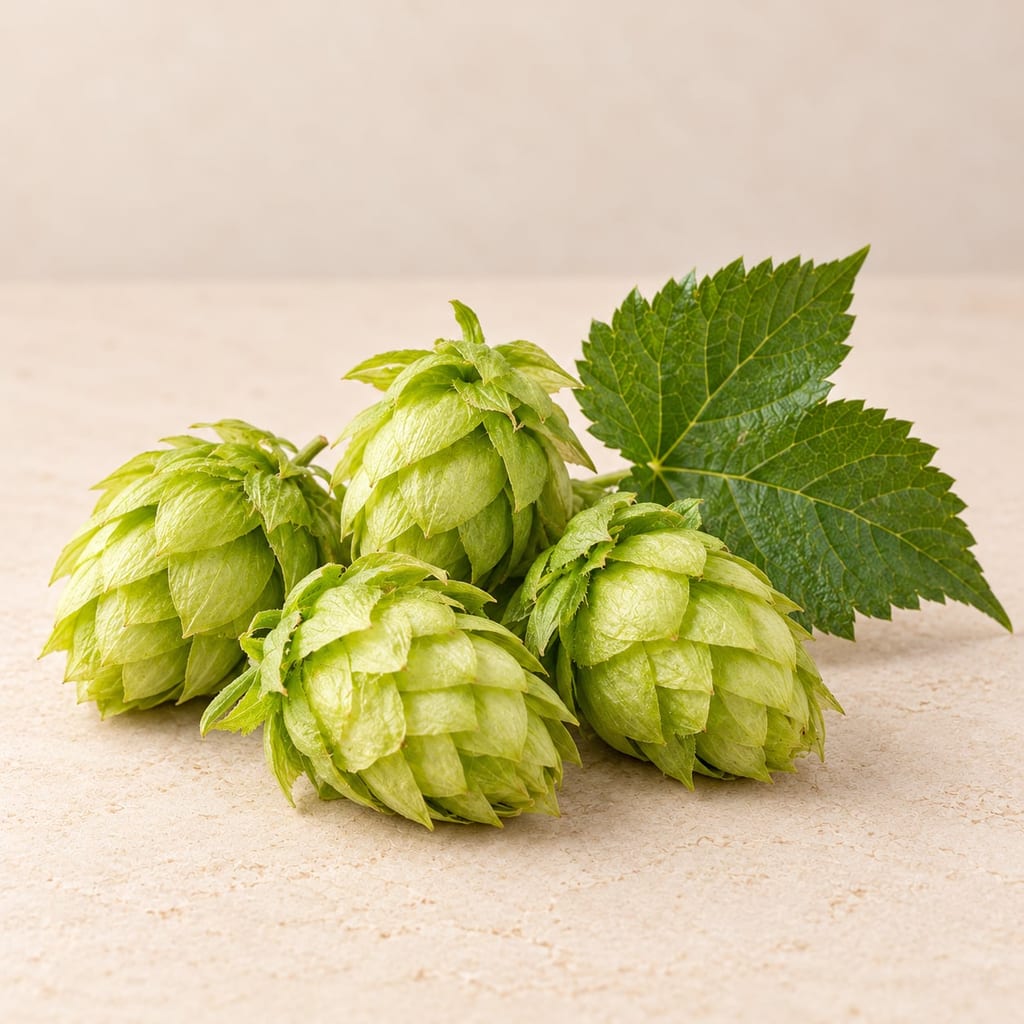
Willamette is an aroma hop cultivar of Humulus lupulus. Its cones carry the resins and volatile compounds that brewers use to shape bitterness and aroma. The name identifies a cultivated plant, rather than a fixed chemical recipe: cones from different seasons and growing conditions can differ, and processing changes the form in which they reach the brewery. Whole cones and compact pellets can therefore carry the same cultivar name while requiring attention to different product information.
The cultivar began with a cross made at Corvallis, Oregon, in 1967. Its recorded parents were a tetraploid Fuggle and a Fuggle seedling. Selection and assignment of its USDA accession followed in 1971, and its registration was published in 1976. These are separate stages in the development of a commercial cultivar. The breeding record describes a female triploid plant that can produce seedless cones even in the presence of fertile males, combining a Fuggle-type aroma with substantial yield potential.
The English parent has an older story of its own. Fuggle was found as a seedling in George Stace's hop yard at Horsmonden, Kent, in 1861 and introduced by Richard Fuggle in 1875. Willamette belongs to that family connection without becoming an English landrace transplanted unchanged to Oregon. Breeding selected a new plant from related material. The history joins the movement of hop germplasm with the practical search for a cultivar that could serve commercial brewers.
Hops are climbing herbaceous perennials with underground stems called rhizomes. Their above-ground stems are bines: they climb by wrapping around support rather than attaching with tendrils. Female plants produce the cones used for brewing, while the yellow lupulin glands within those cones hold a complex mixture of resinous and aromatic material. The conspicuous green cone is therefore a structure carrying the useful glands, not one solid lump of flavouring resin.
Maintaining a cultivar means retaining its selected traits. Commercial hop plants are propagated vegetatively, using rhizomes or cuttings, rather than treating seed as an equivalent way to reproduce a named plant. The new growth comes from established plant material with the intended identity. Healthy propagation material also matters because the crop persists beyond a single growing season, and problems carried into a planting can affect later production.
Sunlight, drainage, water supply and a climbing structure shape the growing crop. A hop yard must support the seasonal bines while the perennial root system remains below. Harvest then removes the cones from that annual growth. This agricultural setting helps explain why cultivar identity and growing place are different kinds of information: the name tells the brewer what was planted, while a farm, harvest year and lot identify the particular crop being bought.
Willamette is associated with Fuggle-type aroma rather than solely with a large supply of bittering acids. Its aroma profile can include spicy, earthy, ginger and citrus notes. These characters make it useful where a brewer wants a recognizable hop contribution alongside malt and fermentation flavours. Raw-hop aroma, the stage of addition and the rest of the beer all belong to the eventual sensory result.
The cone brings several chemical fractions. Alpha acids are important precursors of kettle bitterness; beta acids and their changes during storage also matter; volatile oils contribute aroma. A cultivar sheet may consequently report acid percentages and an oil concentration alongside descriptive language. Those measurements answer different questions. A large oil value does not mean the same thing as a large alpha-acid value, and neither figure describes the whole flavour of the finished drink.
Willamette's acid and oil contents vary with the crop and the material sampled. A historical cultivar measurement and a new commercial lot consequently describe different harvests. The purchased packet's analysis brings the information closer to the actual brew. It lets the brewer connect a known weight with the acids or oils present, while the cultivar name supplies the family identity.
Boiling does more than dissolve material from a cone. Alpha acids undergo isomerization, forming iso-alpha acids that contribute bitter taste to beer. In a model wort-boiling system, this conversion depends on temperature and the resulting compounds can subsequently degrade. Extraction, chemical transformation and loss can occur during the same operation, which is why hop mass alone cannot describe the bitterness delivered to a beer.
A kettle addition is tied to time and conditions. Two equal weights do not necessarily make equal contributions if their alpha-acid contents or boiling histories differ. Temperature and exposure time determine the circumstances in which the reaction occurs. A hop addition's place in the schedule connects its composition to that treatment: the brewer chooses both what enters the liquid and how long it encounters the boiling wort.
Willamette's aroma-hop classification does not exclude kettle bitterness. It describes a common emphasis in selection and use. A brewer can employ an aroma cultivar at a boiling stage where its acids are transformed while also valuing the character of the plant. That combination is visible in recipes with more than one Willamette addition, where each portion encounters a different part of the boil.
Volatile compounds do not all remain unchanged from the original hops to the glass. Some are lost during heating, and some hop-derived compounds undergo further change in brewing. This makes aroma retention a different problem from simply maximizing the conversion of alpha acids. A raw cone's smell is informative about the ingredient, but it is not a miniature version of the finished beer's entire aromatic profile.
The same reasoning applies to age. During hop storage, both resins and aroma-related components change. The effect is more complicated than an ingredient losing a little of everything at the same rate: compounds disappear, oxidation products accumulate and the balance changes. The brewer is buying a botanical material with a history of harvest, processing and storage, rather than an unchanging collection of flavour labels.
Brewing yeasts can transform particular hop-derived aroma compounds. Geraniol can be converted towards beta-citronellol, and changes involving linalool contribute to the mixture. Other major terpenoids can remain unchanged under the same conditions. Yeast and hop compounds therefore interact selectively: different molecules follow different paths. An aromatic ingredient can continue changing after the kettle has been emptied and the wort enters fermentation.
Transfer into beer is compound-specific too. Different hop varieties can have different transfer rates for aroma compounds, and the measured concentration of linalool does not alone determine the perceived intensity of the aroma. Compounds can act together in perception. A list of oil percentages consequently describes part of the starting material, while the final aroma reflects extraction, transformation and sensory interactions rather than a simple sum of those percentages.
Fresh cones can enter brewing soon after picking, or they can be dried for later use. Drying reduces their water content and makes subsequent handling possible while retaining brewing material. It is a controlled postharvest operation: unnecessarily harsh treatment can lose volatile components, while the crop still needs to be processed promptly. Fresh and dried forms should consequently retain their own identification rather than being treated as equal weights of identical material.
Pellet production takes the dried crop further. Commercial processors mill the cones and press the material into compact pellets, then protect it in packaging that limits light and air exposure. The form is easier to transport and measure than loose cones, but it still contains hop-derived compounds that change during storage. The smaller shape does not turn Willamette into a synthetic bittering ingredient or remove its connection to a particular agricultural crop.
The physical forms retain different amounts of water and have different arrangements of the plant material. Drying removes much of the fresh cone's water; milling then breaks up the dried structure before pressing. A weight of fresh cones therefore cannot be treated as a weight of dry pellets simply because both are Willamette. The recipe and product specification identify which material is being measured.
Cold storage and limiting oxygen exposure help slow chemical change in hops. Across hops, temperature, air access and whether the material is stored as cones or pellets affect resin stability. A cold, protected crop is held in a different environment from one exposed to warmth and air. The aim is to slow changes in the compounds that will later reach the wort, preserving both useful brewing material and its intended character.
The practical aim is to preserve the condition of the purchased material as closely as possible. Keep its protective package intact until needed and follow its storage directions. After opening, exposure changes, so retaining the identity and protecting the remaining hops are part of managing the ingredient. A manufacturer's shelf-life statement should be read with its specified packaging and conditions, rather than extended automatically to an opened bag.
Willamette has historically been valued for good storage stability, alongside its Fuggle-type aroma. Storage behaviour is one of the practical characteristics that connects cultivar selection with commercial use. The useful combination is a known variety, an identified lot and appropriate handling. Together these give a brewer a better account of what is entering the kettle than appearance or the age of a catalogue description alone.
Hop bitterness has a biological dimension as well as a sensory one. Iso-alpha acids can inhibit susceptible bacteria under acidic beer-like conditions. In Lactobacillus brevis, their activity involves movement of ions and effects associated with metal ions and oxidative stress. These are mechanisms affecting microbial cells; they explain why hops can help select the environment in which brewing organisms operate.
Susceptible bacteria encounter that chemistry within the acidic environment of beer. The same bitter compounds that reach the drinker's palate can influence microbial competition in the liquid. Hop selection, cleaning and fermentation management serve different purposes within the brew: the ingredient contributes its compounds, while handling and the yeast culture shape other parts of the environment. Antimicrobial activity joins bitterness as one consequence of hop chemistry.
Adding hops during or after fermentation is a different setting from boiling them. Hop-associated enzymes can break beer dextrins into sugars that yeast can ferment. This renewed fermentation is often called hop creep. It separates two actions that are easily confused: hop enzymes release additional sugar, while viable yeast performs the subsequent fermentation.
The potential differs across hop cultivars, and processing and storage can influence it too. In beer containing viable yeast, newly available sugars can support further fermentation. Aroma extraction and carbohydrate breakdown can thus happen in the same addition, giving the brewer more to follow than the strength of the hop smell. A dry-hopping method needs its own monitoring and completion criteria before the brewer assumes that the beer has reached its final state.
The linked Dark Cellar imperial stout uses Willamette at separate points in its boil, alongside an earlier Warrior addition. The formulation illustrates distinct jobs within one hop schedule: a named bittering addition and later portions of an aroma cultivar. Willamette also appears in a separate porter in the same recipe collection. The stout and porter offer different dark-malt settings for the same aroma cultivar, showing how its use extends across related beer styles.
The roasted grains, pale malt, yeast and hop schedule together create those beers. Understanding Willamette helps explain one ingredient's contribution without attributing the whole result to it. For another preparation, the cultivar's family character remains useful information, while the actual quantity, stage and intended balance stay with that recipe. Its role is best read through the way the brewer uses the particular crop.
The generic cultivar name does not establish a current lot analysis, growing farm, universal brewing dose or shelf life. Supplier ingredient and allergen information applies to the actual product; no food-allergen absence is inferred from the plant name.
Recorded breeding cross location; not the source farm of every commercial crop.
The generic ingredient identifies no purchased lot or growing farm. US commercial association does not specify recipe supply.
An all-grain imperial stout with pale malt, roasted barley, dark malts and oats, fermented with an American ale-yeast starter.
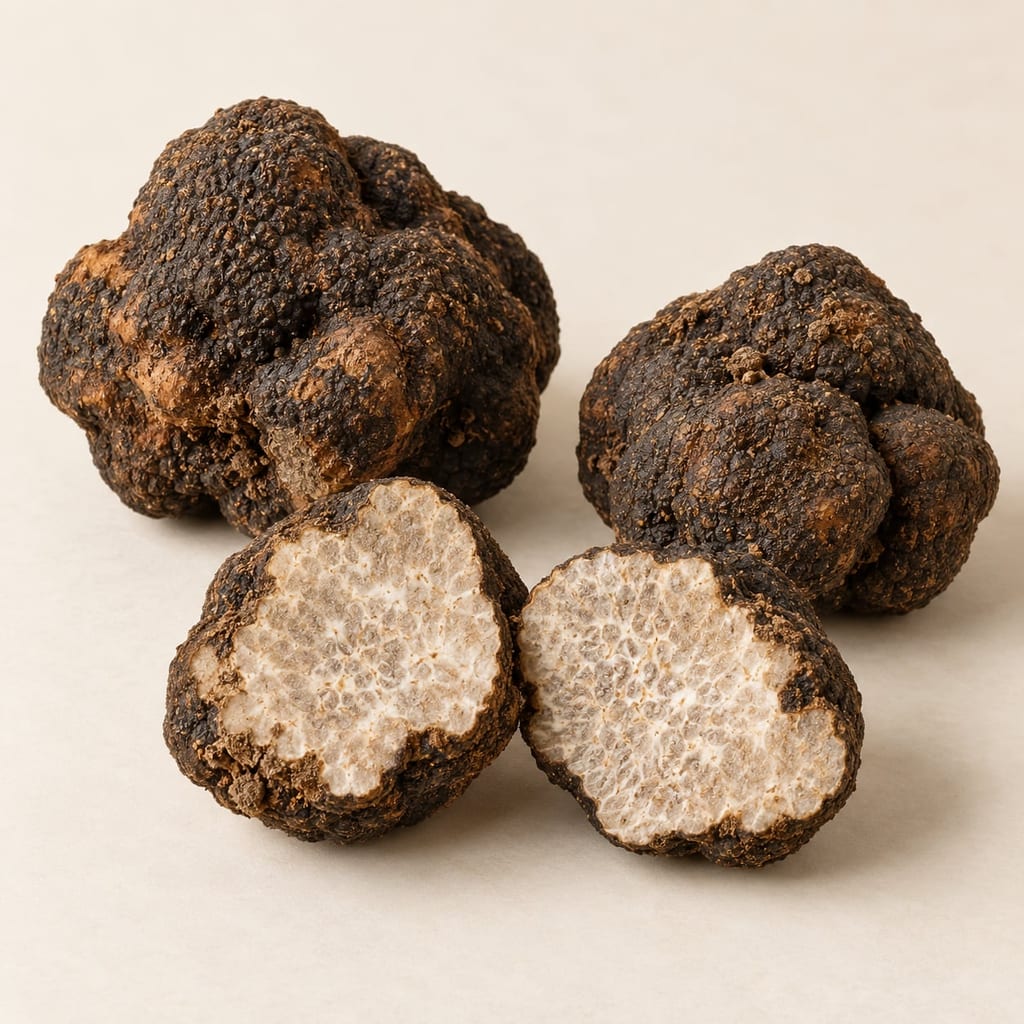
Kalapuya brunnea, the Oregon brown truffle, is a native truffle of the Pacific Northwest that is shaved raw over warm food. Sources describe it as a gourmet edible, and its safe identification needs an expert.
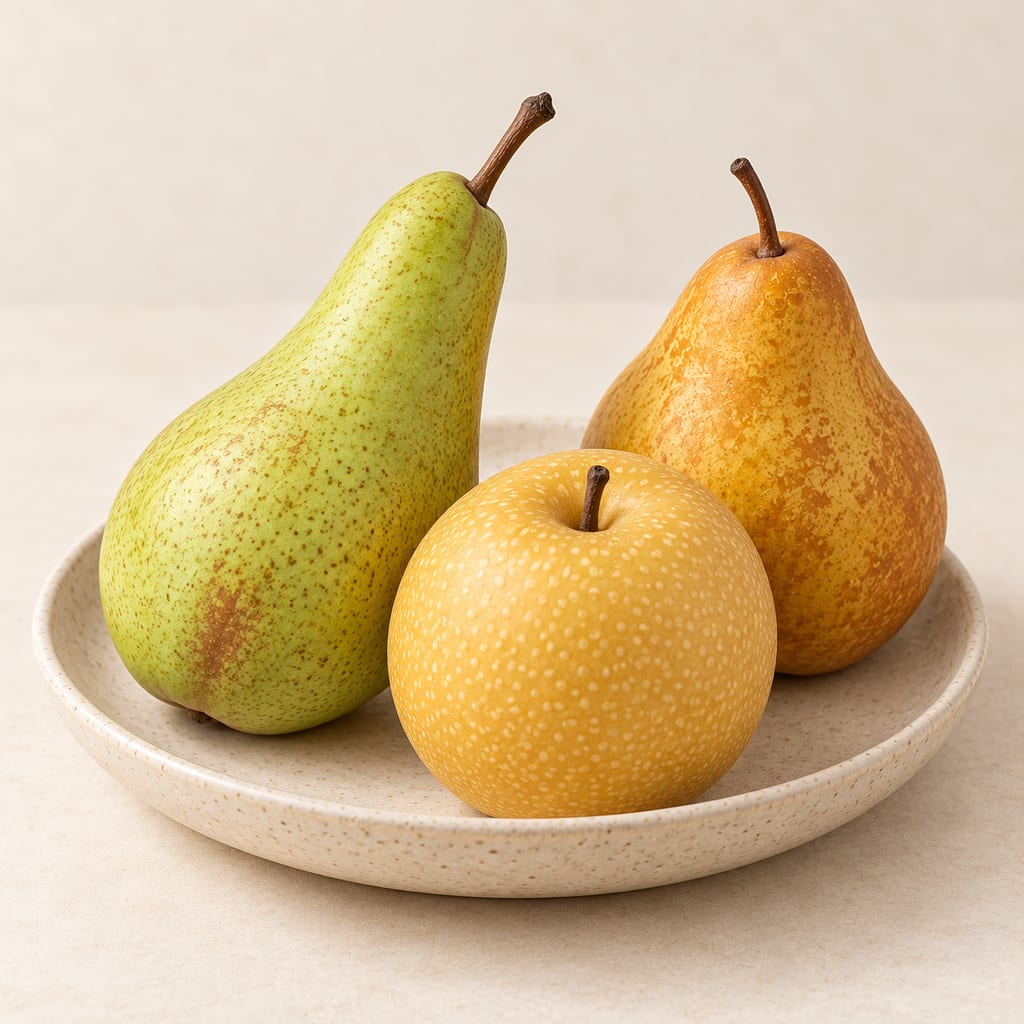
Pears are Pyrus fruits used fresh, pressed for perry, or crushed for fruit spirits; cultivar, species and ripening stage shape each preparation.
A named liquid Saccharomyces cerevisiae culture used for restrained, malt- and hop-forward ale fermentation; its living cells and package format require product-specific handling.

Soft, spreadable Calabrian pork sausage made with a great deal of red chilli and fatty pork, stuffed into natural casings, sometimes smoked and matured while staying soft.

A way to add independent temperature logging to an existing food dehydrator without changing its built-in controls or protections. It is a monitoring method, not a rewiring plan.

Pleurotus cystidiosus is the abalone mushroom, a cultivated oyster-type fungus with dark brown caps that grows more slowly and is more demanding than other Pleurotus species.

A dark, balanced vinegar from Emilia-Romagna made by combining cooked or concentrated grape must with wine vinegar, then acetifying and refining it in wood under a protected specification.

A living dairy inoculum that starts controlled cream fermentation, developing acidity and aroma before sour cream or cultured butter is finished.

A small electric incubator holds jars at a selected temperature for yogurt and other documented warm food preparations. Controls, capacity and vessel arrangement vary by model.

Adygean salt is a seasoned table salt associated with Adygea and the wider North Caucasian culinary tradition. Salt is blended with garlic and a variable selection of herbs and spices; the exact mix depends on the named style and maker.

The African Caesar-group mushroom, Amanita masasiensis, is a wild ectomycorrhizal species of central and southern African woodlands, eaten locally. The genus contains deadly poisonous species, so identification needs care.
No community contributions have been published for this entry yet.
Sign in to contribute. Published comments and photos are free to read.
USDA Agricultural Research ServiceIngredient context
Willamette (21041)Willamette's cross was made at Corvallis in 1967; selection and accession followed in 1971, with a 1976 registration citation. The female triploid cultivar has Fuggle-type aroma.
Cited in: An Oregon hop with an English family connection; Aroma language and the chemistry behind it; Storage protects a changing resin profile
USDA Agricultural Research ServiceIngredient context
Fuggle (19209)Fuggle was found in George Stace's Horsmonden hop yard in 1861 and introduced by Richard Fuggle in 1875.
Cited in: An Oregon hop with an English family connection
Oregon State University ExtensionIngredient context
Growing hops in the home gardenHops are perennial climbing bines; female cones carry lupulin glands, and named cultivars are propagated vegetatively.
Cited in: A cultivar continues through living plants; Whole cones, pellets and the work after harvest
University of Nebraska–Lincoln / Stacy A. AdamsIngredient context
Cultivating Hops for Cone Production in Nebraska, EC3050Cones are dried, milled and pressed into pellets; protective packaging and postharvest handling preserve brewing material.
Cited in: A cultivar continues through living plants; Aroma language and the chemistry behind it; Whole cones, pellets and the work after harvest
HopsteinerIngredient context
Willamette: Hop Variety Data SheetWillamette has spicy, earthy, ginger and citrus aroma descriptors; acid and oil analyses characterize particular crops and products.
Cited in: An Oregon hop with an English family connection; Aroma language and the chemistry behind it; A note on the purchased lot
Journal of Agricultural and Food Chemistry / Malowicki and ShellhammerIngredient context
Isomerization and degradation kinetics of hop (Humulus lupulus) acids in a model wort-boiling systemAlpha acids isomerize into bitter iso-alpha acids during heating, while subsequent degradation can occur in a model wort-boiling system.
Cited in: The kettle transforms bittering acids
Journal of the Institute of Brewing / Mikyška and KroftaIngredient context
Assessment of changes in hop resins and polyphenols during long-term storageHop resins and aroma components change during storage; temperature, air exposure and cultivar affect the changes.
Cited in: Aroma has a different journey; Storage protects a changing resin profile
Plants / Rutnik, Ocvirk and KoširIngredient context
The Stability of Hop (Humulus lupulus L.) Resins during Long-Period StorageResin stability differs with storage conditions and the cone or pellet form of the tested hops.
Cited in: Storage protects a changing resin profile
Food Microbiology / Schurr et al.Ingredient context
Molecular mechanisms behind the antimicrobial activity of hop iso-alpha-acids in Lactobacillus brevisHop iso-alpha acids act on Lactobacillus brevis through mechanisms involving ion transport, metal ions and oxidative stress.
Cited in: Hops affect the microbial environment
Journal of the American Society of Brewing Chemists / Kirkpatrick and ShellhammerIngredient context
A Cultivar-Based Screening of Hops for Dextrin Degrading Enzymatic PotentialHop-associated dextrin-degrading enzymes can release fermentable sugars; enzymatic potential differs across cultivars and can contribute to renewed fermentation.
Cited in: Dry hopping can also change fermentation
Journal of Agricultural and Food Chemistry / Takoi et al.Ingredient context
Biotransformation of hop-derived monoterpene alcohols by lager yeast and their contribution to the flavor of hopped beerLager yeast can transform hop-derived geraniol towards beta-citronellol, with sensory interactions among aroma compounds.
Cited in: Aroma has a different journey
FEMS Yeast Research / King and DickinsonIngredient context
Biotransformation of hop aroma terpenoids by ale and lager yeastsAle and lager yeasts transform some hop aroma terpenoids while others remain unchanged in the tested conditions.
Cited in: Aroma has a different journey
BrewingScience / Hanke et al.Ingredient context
Hop Volatile Compounds (Part II): Transfer Rates of Hop Compounds from Hop Pellets to Wort and BeerTransfer rates of hop aroma compounds differ by compound and variety; perceived aroma involves interactions beyond a single measured concentration.
Cited in: Aroma has a different journey
American Homebrewers AssociationIngredient context
2026 Official Big Brew RecipesWillamette appears in the porter and Dark Cellar imperial stout formulations, at their specified addition points.
Cited in: The kettle transforms bittering acids; Willamette within a dark beer
US Food and Drug AdministrationIngredient context
Food AllergiesIngredient labels and supplier information identify the composition and cross-contact context of the purchased product.
Cited in: A note on the purchased lot