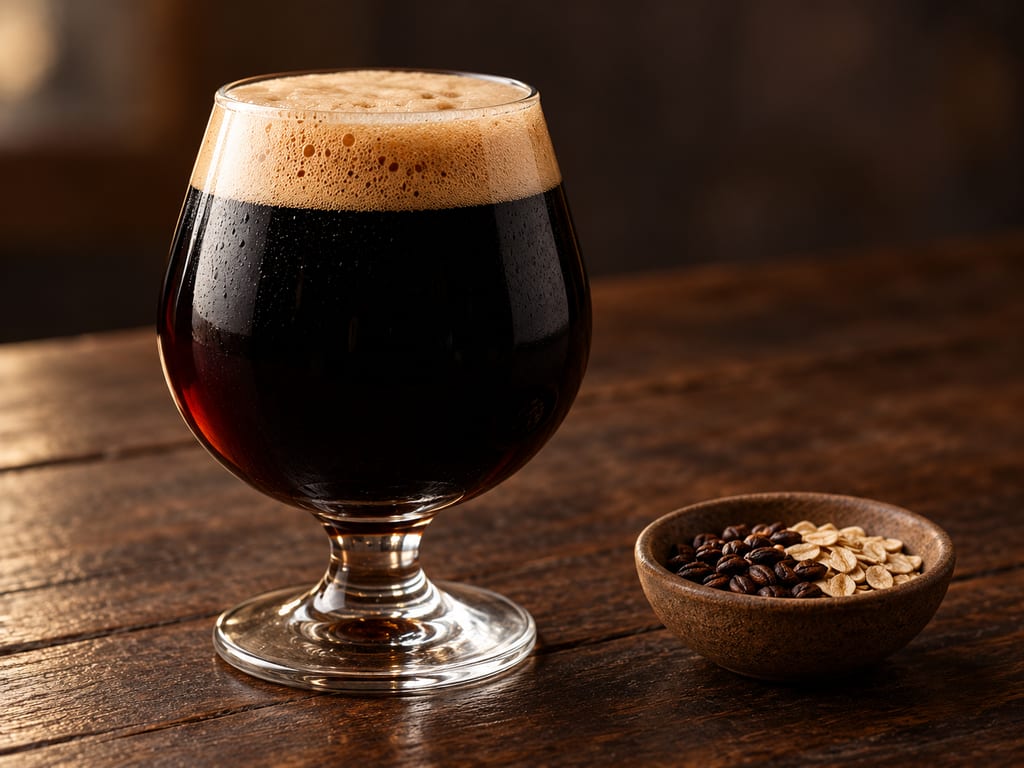
Dark Cellar imperial stout
An all-grain imperial stout with pale malt, roasted barley, dark malts and oats, fermented with an American ale-yeast starter.
 FermenteaWhere food goes to change
Processing aids
Red seaweed sold as dried material or a concentrated fining, connecting carrageen desserts and coastal trade with the separation of protein material in brewing wort.
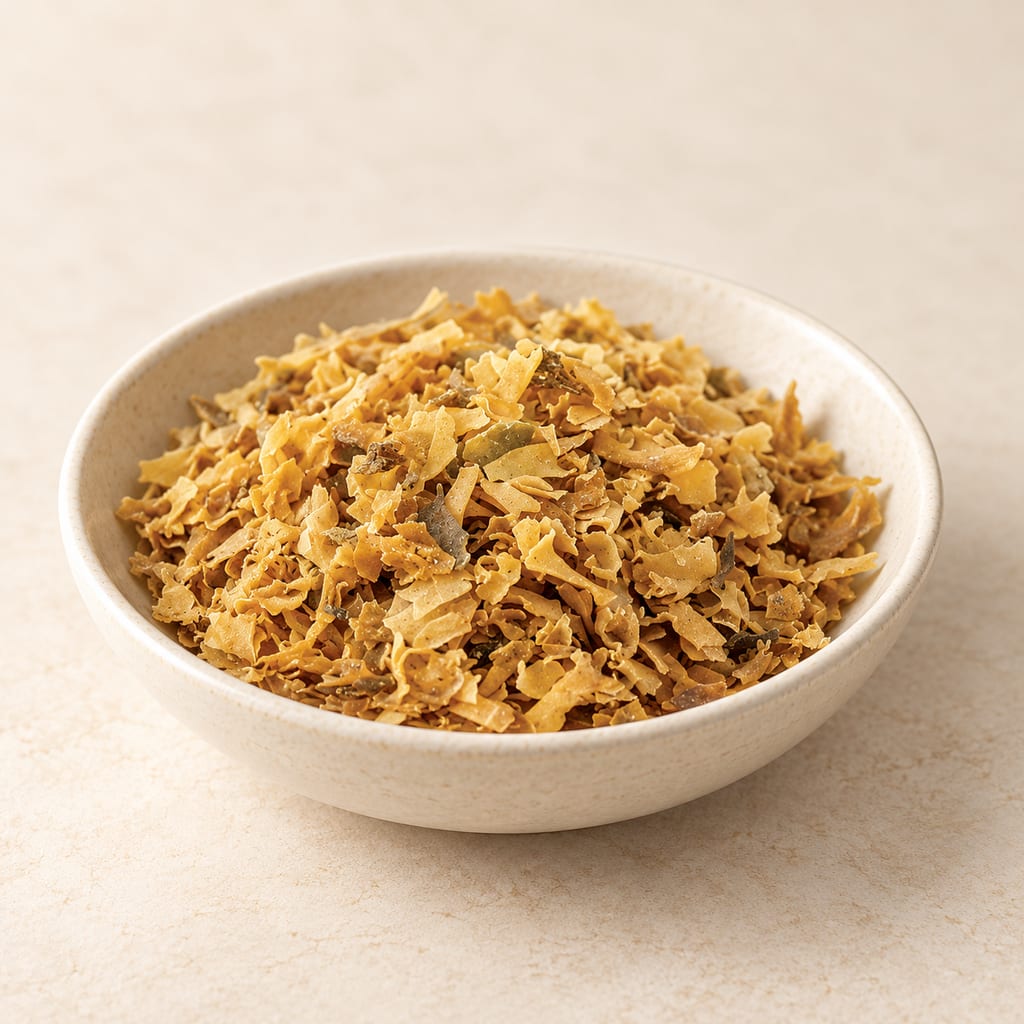
Irish moss is a name for red seaweed sold for its useful thickening and clarifying properties. In brewing it commonly appears as a kettle fining: a small addition intended to help material in the wort gather and settle. The bought ingredient may be dried flakes or a more concentrated preparation. Its role is quite different from the malt supplying most of the wort's fermentable material or the yeast that will later ferment it.
Despite the name, it is not a terrestrial moss. Chondrus crispus is a familiar botanical referent, but Irish carrageen trade has also included Mastocarpus stellatus. Both are red algae collected for similar uses. A recipe that says only Irish moss therefore gives a trade name without necessarily identifying a species, manufacturer or form. That distinction matters when comparing whole dried seaweed with a concentrated brewing product.
The older name carrageen connects the ingredient with Irish coastal use. In a Dublin newspaper advertisement of 22 October 1829, carrageen or Irish moss was offered as a substitute for isinglass in blancmange and jellies, alongside the period's claims about food for invalids. The notice is an early printed commercial attestation, not evidence that the seaweed was first gathered or eaten that year. The historical remedy language belongs to the advertisement, rather than to present-day dietary advice.
The Atlantic supply was never confined to the country in the common name. In 1877, Irish moss harvested near Scituate, Massachusetts, supplied manufacturers and brewers as well as household uses. Gathering followed access to the shore: some material was hand-picked at exceptionally low tides, while rakes reached growth at other tides. The account makes a coastal occupation visible behind a commodity that could later arrive as a dry, anonymous purchase.
Selection and curing were part of that work. Gatherers looked for material free of small shells and other foreign matter, and the harvested seaweed was exposed to repeated wetting and drying in the sun. Buyers distinguished qualities and destinations. The cured material was picked over and packed into barrels. The hand-picked grade could enter the apothecary trade, while other material served a wider manufacturing market. Coastal gathering thus fed several businesses with different demands on cleanliness and quality.
By 1977, the Canadian industry connected harvesters with buyers and processors, exporting dried Chondrus for further processing. Carrageenan demand had also drawn other red seaweeds into the supply from South America and Southeast Asia. The history concerns an expanding industrial market as well as a traditional coastal food. A useful material could move far from its growing shore before the eventual manufacturer received it.
The seaweeds gathered as carrageen occupy rocky Atlantic shores and pools. Chondrus crispus has tough, branching fronds, while Mastocarpus stellatus has inrolled margins and stalked fruiting bodies that help distinguish it. Colour varies with the plant and its surroundings; drying or bleaching can produce material much paler than a submerged red or purplish specimen. A dried golden-brown fragment on a brewer's scale need not resemble the living seaweed in a coastal photograph.
In documented Irish shore harvesting, gatherers took the upper part while leaving the holdfast and base undamaged. The holdfast is the part anchoring the alga to its surface; preserving it is a different approach from removing the entire growth. Such practices belong to the ecology and management of a shore, where the resource persists beyond one collection. Gathering the upper bushy part and retaining its attachment separates the portion taken for use from the part left on the shore. Harvesting and subsequent drying are successive operations, with the seaweed's growing form important to the first and its desired commercial form important to the second.
Drying makes the material available for later use, and cutting produces the loose flakes familiar in brewing shops. More concentrated products take processing further. The ingredient's physical form is therefore useful information alongside its common name. Whole fronds, flakes and an extract-containing tablet do not represent the same concentration of material merely because a seller connects them with Irish moss.
Carrageenans are polysaccharides associated with red seaweeds. Their structures differ, and the commercial types do not all behave alike in water. Kappa and iota forms can make gels under suitable conditions involving particular salts, while lambda gives viscous solutions without the same gel formation. The seaweed's composition and the liquid around it both matter to the result. Calling it a gelling ingredient is useful, but does not specify one universal texture.
Refined carrageenan is produced by extracting material into water, separating insoluble seaweed residue and recovering the dissolved carrageenan. Semi-refined processing works differently, leaving carrageenan together with insoluble material in the treated seaweed. These operations explain why the refined powder and the original dried frond are distinct commercial forms. They share a useful class of compounds without being identical ingredients to weigh or substitute.
That chemistry also explains a change in the supply chain. Industrial carrageenan can come from cultivated tropical seaweeds such as Kappaphycus and Eucheuma. Their cultivation supports coastal producers in regions including the Philippines and Indonesia. Cultivation supplies material for extraction, while the old Irish-moss trade also includes dried seaweed sold directly. These routes meet in the wider hydrocolloid industry, where the final ingredient's composition and physical form determine how it is used.
Cultivating those tropical seaweeds also changes who can participate in production. Coastal families can work with relatively simple methods and modest capital, and short production cycles can bring income sooner than a long-lived crop. Fishing households may combine seaweed work with other activities. The economic value begins with growing and drying a raw material, while extraction and the manufacture of finished ingredients may happen elsewhere.
That opportunity has constraints. Disease, adverse weather and uncertain prices affect growers, while limited processing can leave little of the later value with the farming community. International farming cases assembled in 2013 show the connection between the crop's commercial value and coastal livelihoods: the reliable supply sought by a manufacturer depends on work and risks carried at the coast.
Carrageen blancmange makes the seaweed's gelling purpose visible at the table. A household method published under Mrs. Beeton's name washes the moss, lets it soak, then heats it with milk before straining and pouring into small moulds. Sugar and vanilla shape the finished dessert. The seaweed supplies the thickening material while the remaining fragments are separated from the liquid that will set.
The sequence has a physical logic. Washing removes adhering material, soaking wets the dried fronds, and heating brings their soluble components into contact with the milk. Straining removes the seaweed pieces after they have performed that role. The finished dish is a moulded dairy dessert, rather than a bowl of visible seaweed. This is an example of cooking with an ingredient for the behaviour of its compounds as much as for its own appearance.
A simpler household Irish-moss blancmange uses milk and flavouring with the washed seaweed. These variants show a culinary use distinct from beer clarification. Their historical placement in invalid cookery explains one market for the food, but does not establish a medical benefit. In the dessert, the extracted material remains in the milk and helps form the texture served to the diner. In wort, the purpose is aggregation and subsequent separation. The difference in purpose explains why both uses can draw on seaweed compounds while seeking quite different results.
Wort contains proteins and other material from the brewing ingredients. Heating and subsequent cooling change the way some of that material associates. Brewers refer to hot break during boiling and cold break after cooling; the latter includes protein–protein and protein–polyphenol complexes. A kettle fining helps material aggregate so that it can be separated before or during later handling, rather than remaining as fine suspended particles.
Carrageenan's negative charge is important in the usual explanation of Irish moss fining. It associates with positively charged protein material, helping larger flocs form. Those aggregates can settle more readily than their smaller suspended constituents. The fining is therefore assisting a separation within the wort. It is not yeast, does not initiate alcoholic fermentation and is not being added chiefly to sweeten or flavour the finished beer.
The stage of addition connects preparation of the fining with the wort's changing proteins. Product instructions commonly place the addition late in the boil. The chosen form must disperse and work within that stage before the wort is cooled and transferred. That sequence is more informative than treating Irish moss as a last-minute cosmetic ingredient that can be added anywhere a beer looks cloudy.
Concentrated products and loose dried flakes have their own directions. A larger addition is not necessarily an improvement: excessive fining can remove material useful for foam or reduce free amino acids available in the brewing process. The aim is an appropriate separation, rather than removal of every protein-derived constituent. A beer needs its intended body and fermentation performance as well as the appearance its maker wants.
For Dark Cellar imperial stout, the documented formulation names one teaspoon of Irish moss at its fifteen-minute addition point. It does not name a species, brand, grade or rehydration treatment. The spoonful is one part of that stout's kettle schedule, alongside grain-derived material and hop additions. A concentrated tablet and loose flakes bring different concentrations into that setting; their own directions determine how the purchased form is prepared and measured.
The dark colour of that beer does not erase the processing role. Fining concerns the behaviour and later separation of material, not only whether a reader can see through a pale glass. The fining changes the separation of material before fermentation rather than performing the yeast's later work. Clarity and fermentation progress are consequently different features of a batch, followed through different parts of the method.
Begin with a product supplied for the intended food or brewing use. Its label can distinguish whole dried seaweed, flakes and a concentrated preparation, and may identify the species or other ingredients. Keep those details with the container. A packet of brewing flakes is a more specific purchase than an unidentified dried coastal plant, even where both carry a familiar common name.
Follow the supplier's directions for preparation and storage of that form. Instructions to rehydrate one product do not automatically establish how to handle another. No universal shelf life follows from the words Irish moss, and a manufacturer's directions belong to its package and composition. The practical information that cannot be recovered from the ingredient's colour or shape should remain attached to it.
Whole seaweed used in a dessert also brings a different amount of material to a meal from a small fining addition to wort. It is misleading to transfer a nutritional value or dietary exposure directly between those uses. Species, source, processing and the amount actually consumed would all be needed for that comparison. A botanical name by itself does not supply those measurements.
The alga itself is distinct from animal gelatin or isinglass, which helps explain its historical place as an alternative gelling material. A completed preparation still has its other ingredients: carrageen blancmange made with milk remains a dairy food. A concentrated fining may also have its own formulation. Read the purchased product's ingredient and allergen information rather than deriving a finished food's dietary identity from the seaweed alone.
The broader carrageenan trade connects wild harvesting, aquaculture, extraction and food manufacture. A brewing spoonful sits within that chain while performing a narrow job in one vessel. Understanding the form and the separation it assists makes the ingredient useful without turning its old name into a guarantee of Irish origin, a single species or a universal brewing result.
The linked recipe identifies Irish moss without species, supplier or physical form. No universal storage duration, allergen absence, iodine exposure or trace-metal limit is established for that unspecified product.
Historical common-name use and documented coastal harvest; not proof of present recipe supply.
The linked recipe does not identify species, supplier, form or harvest location.
An all-grain imperial stout with pale malt, roasted barley, dark malts and oats, fermented with an American ale-yeast starter.
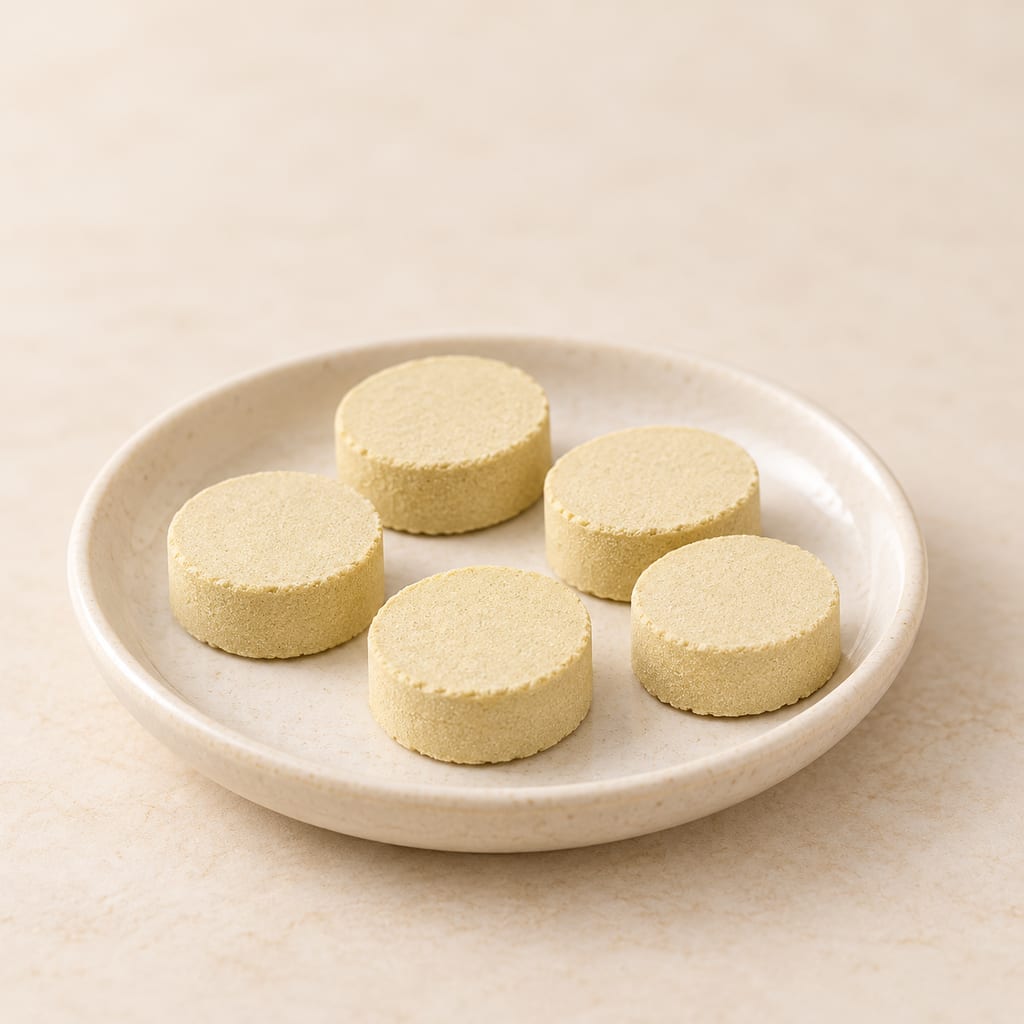
Whirlfloc is a tablet of processed Eucheuma red seaweed, rich in carrageenan, that brewers add to the boiling kettle so that wort proteins clump and settle out as cold break.
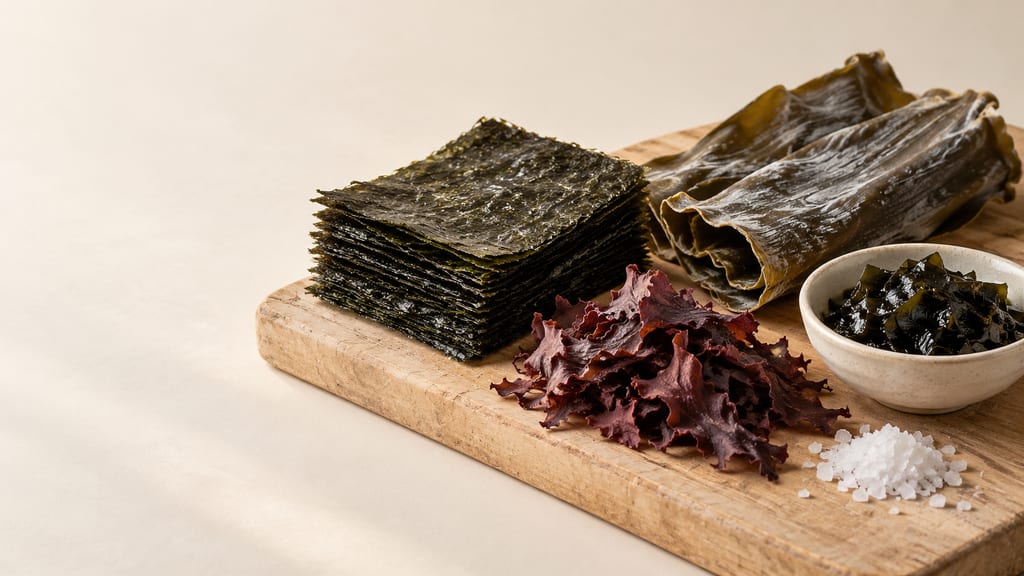
Nori, laverbread, Korean seaweed soup and carrageen pudding all begin as algae used for different jobs. This account covers seaweed names, coasts and farms, their histories, cooking, fermentation and composition.
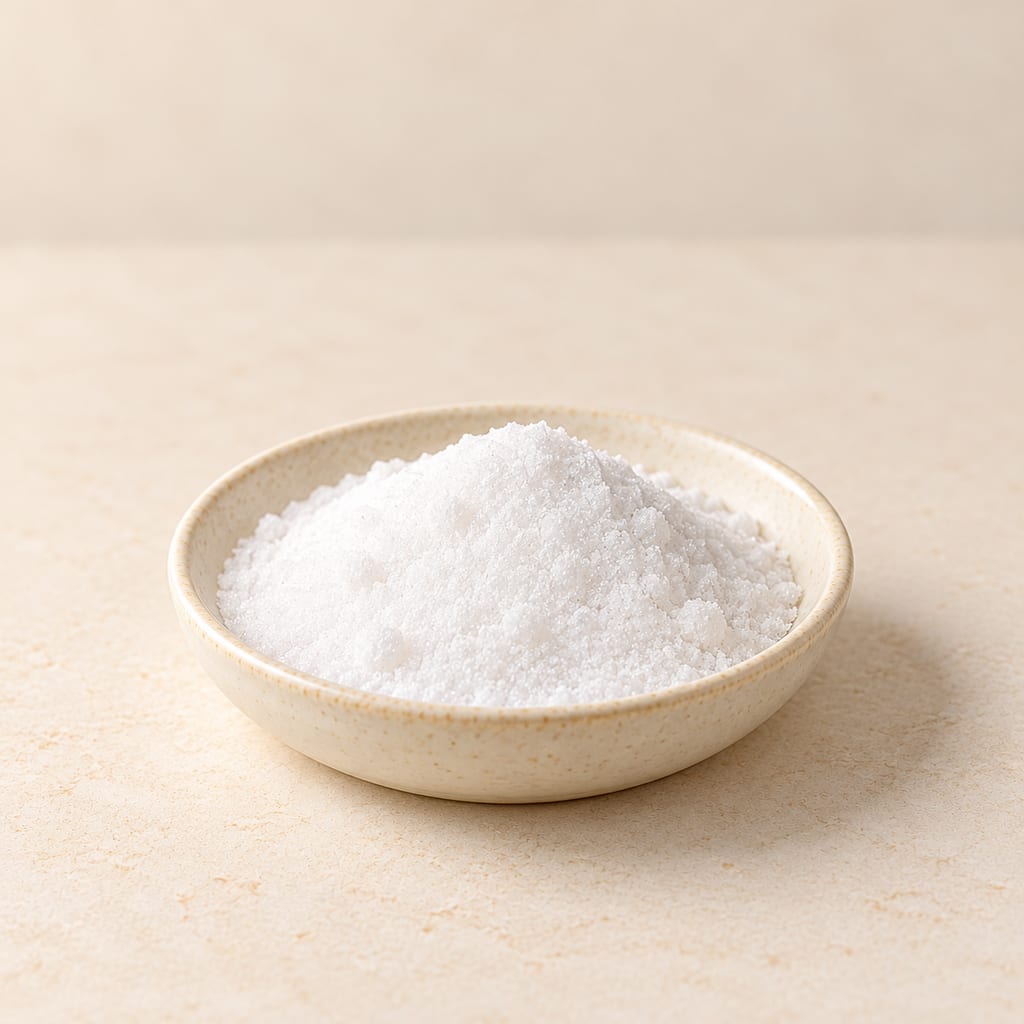
Baking soda is food-grade sodium bicarbonate, a single alkaline powder that releases carbon dioxide when it meets acid in a wet batter. It lifts quick breads without a living culture.
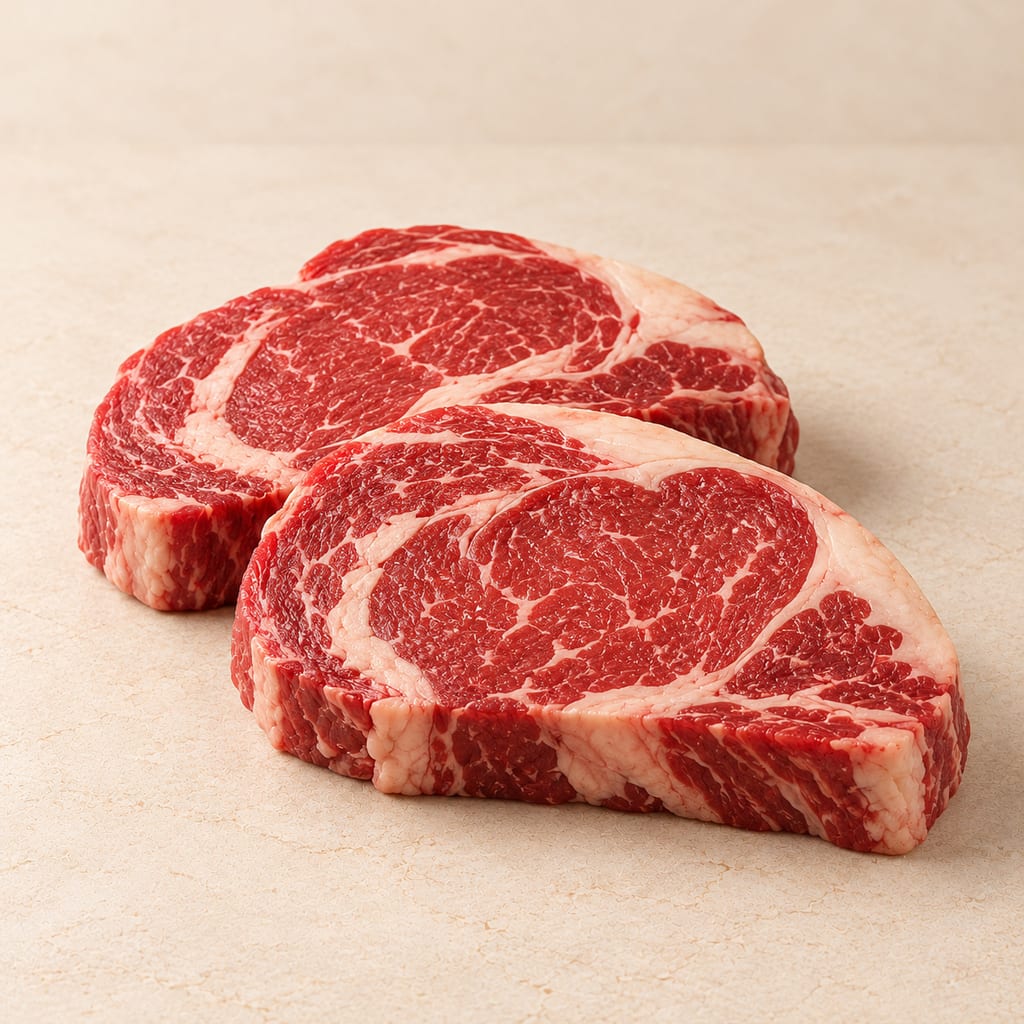
Beef is the meat of domestic cattle, Bos taurus and Bos indicus, sold as steaks, roasts, ground meat and cured products, and used in broths, salami and koji seasonings.
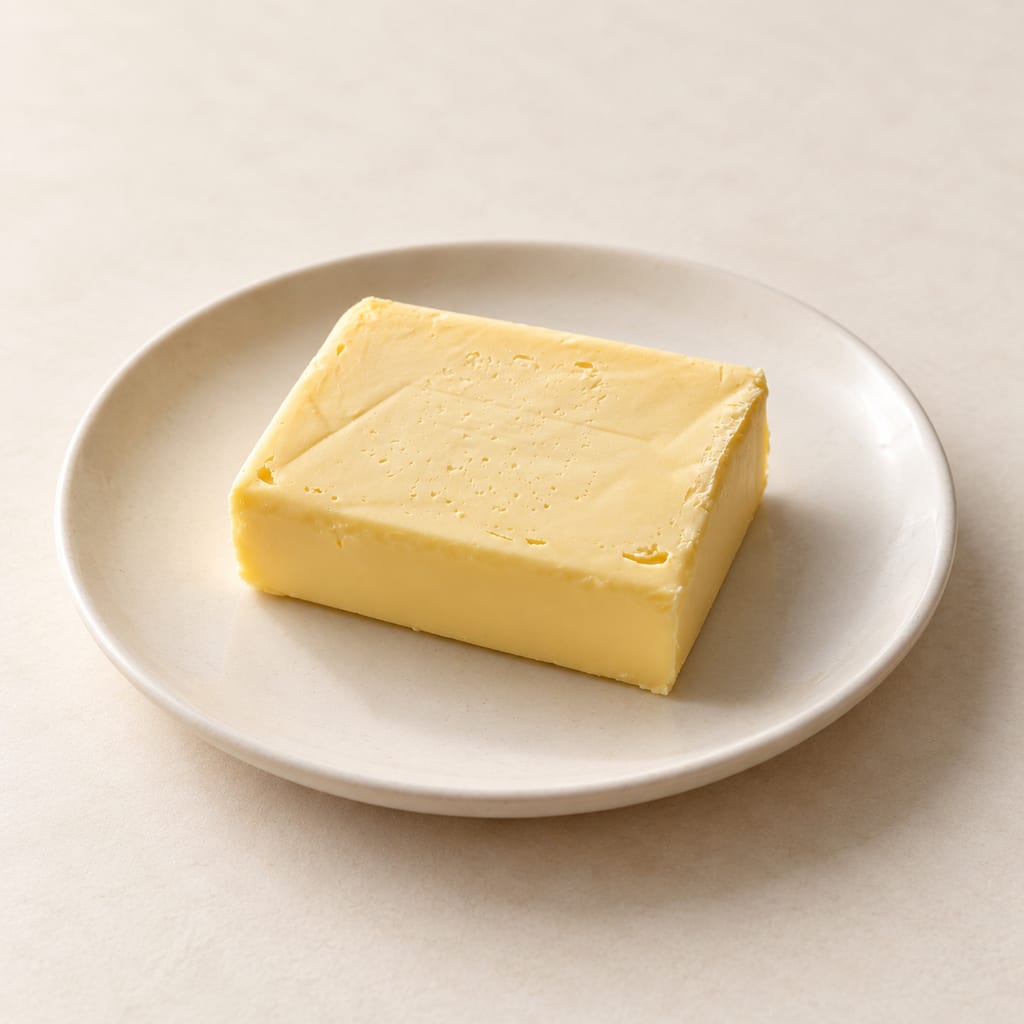
Butter is a milk-fat emulsion made by churning cream. It enriches dough or finishes bread; melted, cool and room-temperature butter serve different recipe roles.
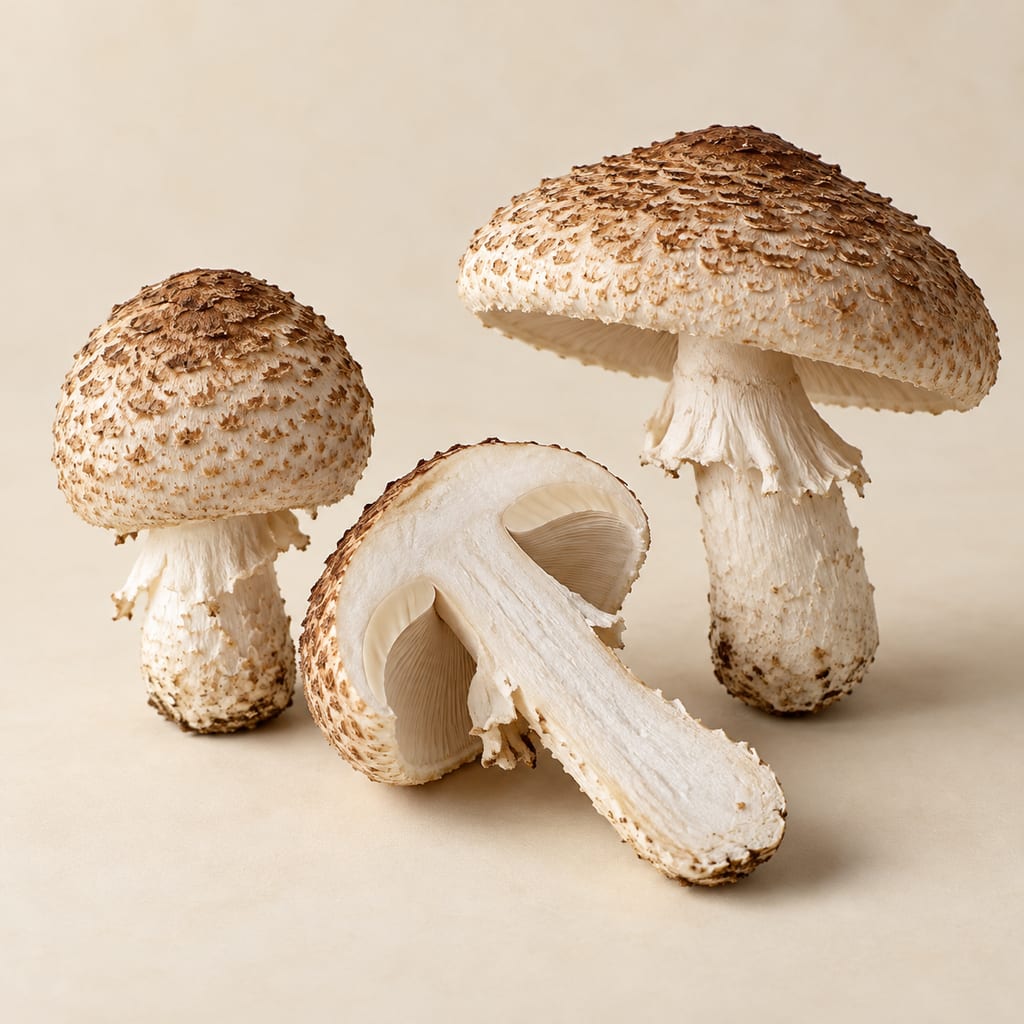
The prince (Agaricus augustus) is a large wild mushroom with a pale, brown-scaled cap and sweet almond-like aroma. Field guides describe it as edible, with species-specific contaminant cautions.

A Cap-Pelé boucanière is an Acadian herring-smoking building. The documented Willie Niles example is a one-storey wood-frame structure with a ridge smoke vent and interior bays for hanging fish-bearing cannes.

Achcharu is a family of Sri Lankan vinegar pickles made with mixed vegetables or seasonal fruit and a piquant spice dressing. This version is a quick, refrigerated, non-fermented mixed-vegetable pickle.

The acocote is a long, hollowed and dried gourd used to draw aguamiel from a mature maguey. It is a harvesting tool: the sap is transferred to a separate vessel before it ferments into pulque.

Adrak murabba preserves young ginger in sugar syrup, a sweet South Asian preparation recorded in Indian cookery and food-processing sources.

Parkia biglobosa seeds are fermented into regional West African seasonings, including nététou, iru, dawadawa and soumbala. The yellow fruit pulp is a separate food, and names and methods vary by place.

Japanese reddish-brown vinegar from sake lees matured about three years, turned to vinegar by acetic bacteria; the vinegar of Handa and Edomae sushi rice.

A refined common-wheat flour blended for a broad range of baking; its protein and behavior vary with wheat, milling and market.

The almond mushroom, Agaricus subrufescens, was cultivated in eastern North America in the 1800s, lost its market, and returned as a cultivated mushroom from Brazil, where it is grown under several names.
No community contributions have been published for this entry yet.
Sign in to contribute. Published comments and photos are free to read.
M. E. Mitchell and M. D. Guiry / Journal of EthnopharmacologyIngredient context
Carrageen: A Local Habitation or a Name?A Dublin newspaper advertisement dated 22 October 1829 documents carrageen as a traded product; this is an attestation rather than proof of first use.
Cited in: A seaweed name that travelled into the brewhouse
Bord Iascaigh Mhara; Morrissey, Kraan and GuiryIngredient context
A Guide to Commercially Important Seaweeds on the Irish CoastChondrus crispus and Mastocarpus stellatus are distinct red seaweeds described in the harvesting guide, with different visible forms.
Cited in: A seaweed name that travelled into the brewhouse; A living frond becomes a dried ingredient
Scientific American / Project Gutenberg transcriptionIngredient context
The Carrigeen Crop, Scientific American 14 July 1877The historical Scituate account describes hand and rake harvesting, sorting out shells, and wetting with salt water during sun drying.
Cited in: Shore work and a wider trade
J. G. Tompkins / Department of Industry, Trade and CommerceIngredient context
The Irish Moss Industry in the Maritimes: A Synoptic ReviewThe 1977 Maritime report describes harvesters and processors supplying dried Chondrus for export and the industry's use of alternative red-seaweed sources.
Cited in: Shore work and a wider trade
Dennis J. McHugh / FAO, 2003Ingredient context
A Guide to the Seaweed Industry, Chapter7 CarrageenanCarrageenan types differ in gel behaviour. Refined and semi-refined processing are distinct, and brewing is one application of carrageenan preparations.
Cited in: Carrageenan connects the uses; A dessert shows the material at work; Food identity and dietary context
FAO; Valderrama, Cai, Hishamunda and Ridler, editors, 2013Ingredient context
Social and economic dimensions of carrageenan seaweed farmingThe historical smallholder case studies describe Kappaphycus and Eucheuma farming in the Philippines and Indonesia, with livelihood opportunities and weather, disease, price and processing constraints.
Cited in: Carrageenan connects the uses; Food identity and dietary context
Wikisource primary-text transcriptionIngredient context
Mrs. Beeton's Book of Household Management, Chapter XLVBeeton's carrageen recipes wash and soak the seaweed, heat it with milk, strain and flavour the liquid, and set it in a mould.
Cited in: A dessert shows the material at work; Food identity and dietary context
Beer Judge Certification ProgramIngredient context
Beer Exam Study Guide: Wort ProductionCooling wort produces complexes that can be separated during clarification; late-kettle fining contributes to that separation.
Cited in: Why a brewer adds it near the end of the boil
American Homebrewers AssociationIngredient context
Take the Luck Out of Clear Beer With Irish MossBrewing Irish moss is sold in different forms. Negatively charged material promotes protein aggregation; excessive fining can reduce foam material and free amino acids.
Cited in: A seaweed name that travelled into the brewhouse; Why a brewer adds it near the end of the boil; The amount belongs to the product and beer; Choosing the ingredient on the shelf
American Homebrewers AssociationIngredient context
2026 Official Big Brew RecipesThe Dark Cellar formulation lists one teaspoon of Irish moss with fifteen minutes of boiling remaining, without specifying a species, manufacturer or physical form.
Cited in: The amount belongs to the product and beer; What the recipe name leaves open
MoreBeer!Ingredient context
Irish Moss FlakesThe brewing product is sold as loose Irish-moss flakes; its photograph shows the purchased flaked form.
Cited in: A living frond becomes a dried ingredient; Choosing the ingredient on the shelf; What the recipe name leaves open
US Food and Drug AdministrationIngredient context
Food AllergiesIngredient labels and cross-contact declarations identify the actual product's allergen information; a generic seaweed name does not supply a product-specific declaration.
Cited in: Choosing the ingredient on the shelf; Food identity and dietary context; What the recipe name leaves open