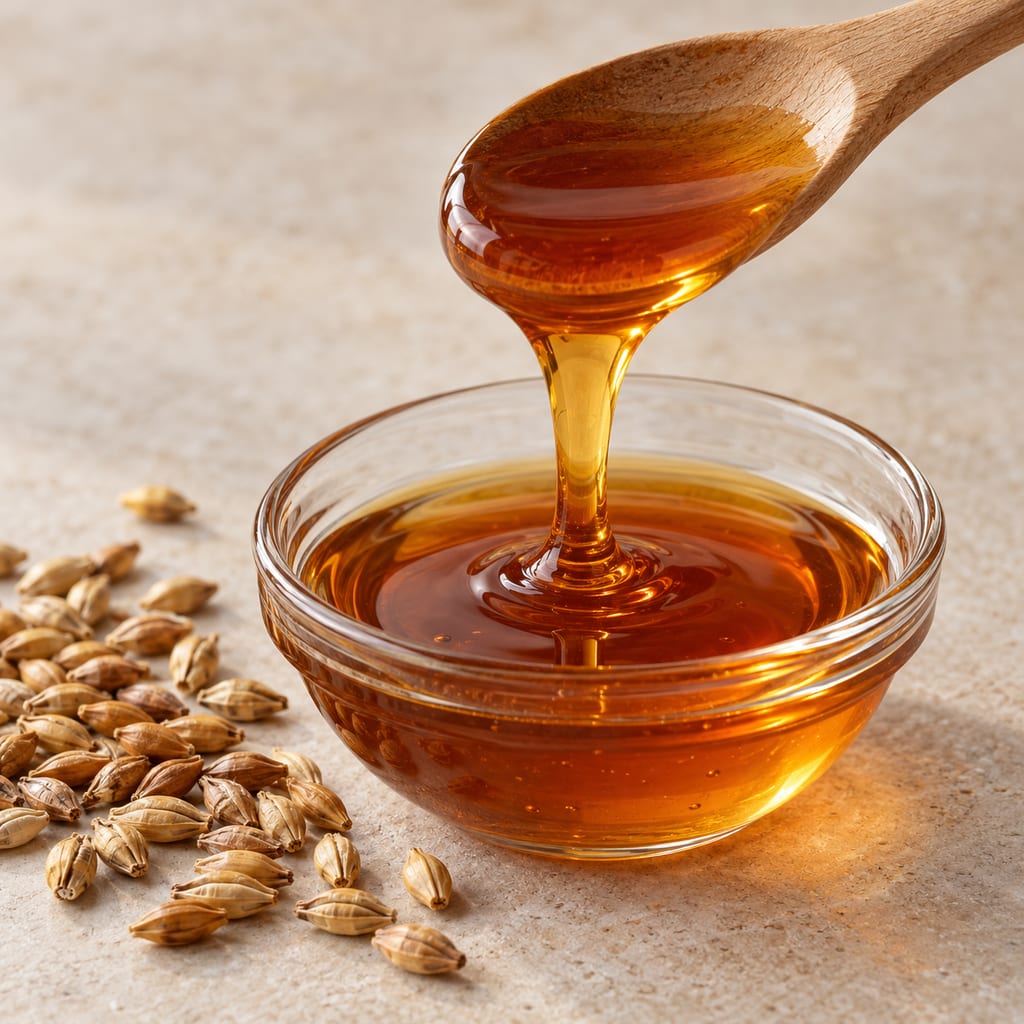
Briess wheat extract
Briess wheat extract is prepared wheat-and-barley malt wort sold in concentrated form for brewing. The linked Weizen recipe uses two cans, 6.6 lb total, without naming a specific Briess wheat-extract variant.
 FermenteaWhere food goes to change
Modern method
Weizen · Hefeweizen
A German-style wheat beer made with wheat extract, a short hop boil and a hefeweizen yeast, using cold water to top up the fermenter.
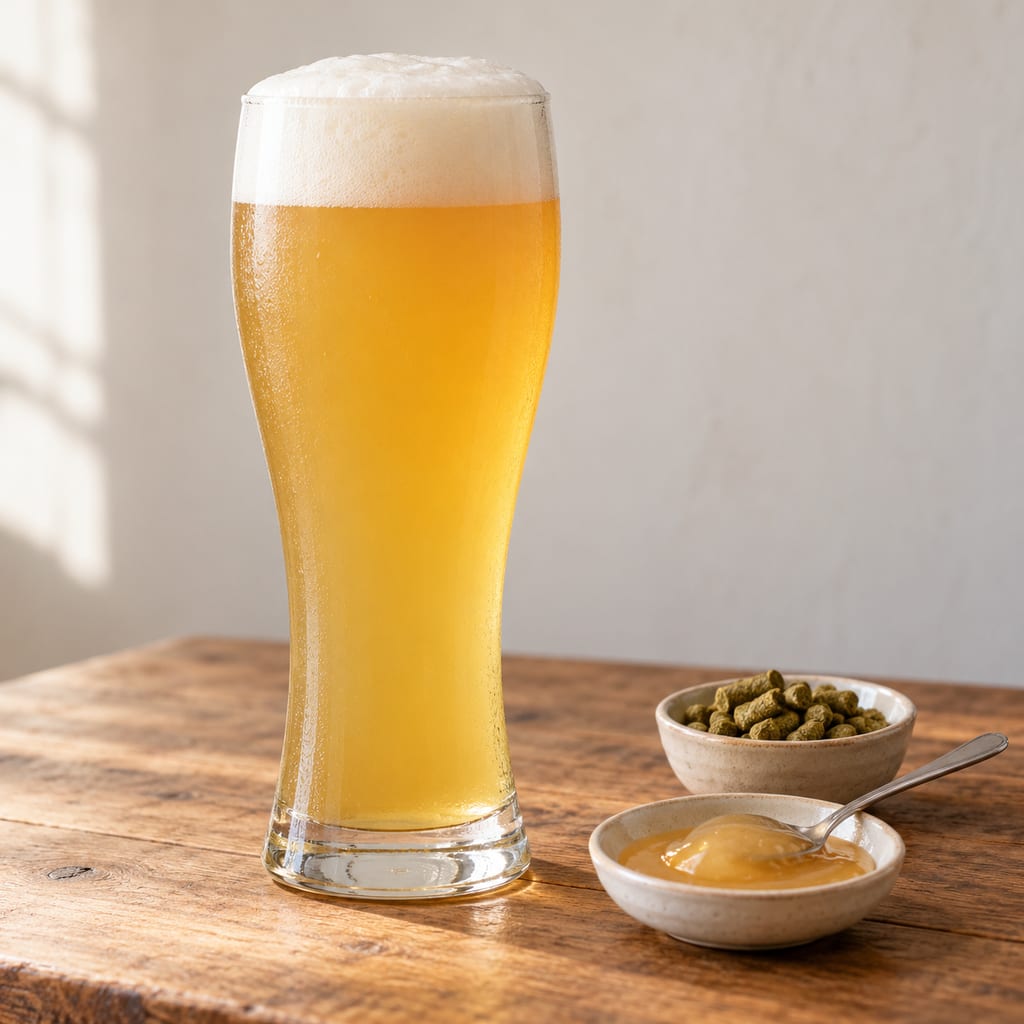
Weizen is German-style wheat beer, and this version is built around a wheat malt extract and a deliberately chosen fermentation culture. The American Homebrewers Association uses it to teach extract brewing. A short ingredient list leaves the beer's identity to the character of the malt preparation, restrained hopping and the yeast. It is an approachable brewing method for a beer whose aroma can be surprisingly expressive.
The familiar banana and clove language of German wheat beer describes fermentation character, rather than an instruction to add fruit or spice. The selected WLP300 Hefeweizen Ale culture is marketed for precisely that balance. A pale, cloudy appearance and a generous white head also belong to the modern Weissbier family. These are style expectations that help explain the ingredient choices; the recipe is not a record of a tasted finished batch.
The name needs a little untangling. Weizen refers to wheat, while Hefeweizen draws attention to yeast. Weissbier is another name used for this German wheat-beer family. Pale wheat beer should not be confused with every other beer containing wheat: a Belgian witbier, a Berliner Weisse and an American wheat beer can use the grain within quite different fermentation and flavour traditions.
Wheat beer's Bavarian history includes privileges and control over who could make and sell it. The Historisches Lexikon Bayerns describes the Degenbergs' wheat-beer privilege, its transfer after that family died out, and the later ducal monopoly. These are distinct changes in production rights. They show a beer connected to government, commerce and access to grain, rather than a timeless household formula that everyone made in the same way.
That history also complicates a familiar assumption about German beer. A general story about barley-based brewing rules does not erase the documented place of wheat beer. Privilege and exception were part of how particular beers reached drinkers. The relevant question is who had the right to brew, where and under what arrangement, rather than whether all German brewing can be compressed into one short ingredient rule.
Today's Weissbier remains varied. The family includes pale Weissbier, darker wheat beers and filtered Kristall versions. Filtration changes the presence of suspended material without turning wheat into a different cereal. A cloudy beer's appearance can therefore reflect finishing choices as well as its ingredients and fermentation.
The AHA recipe belongs to a modern teaching context. Its canned extract, packaged yeast and small-kettle method are not presented as a reconstruction of a ducal brewery. The historical connection gives the beer a family and vocabulary; the practical instructions show a contemporary way to make a German-style example with equipment accessible to homebrewers.
Malt extract begins as wort. Briess describes its extract manufacture as mashing and lautering in a brewhouse, followed by concentration under vacuum. Mashing uses grain enzymes to turn starch into soluble material, including fermentable sugars; lautering separates wort from the grain. Concentration then removes water. These are connected manufacturing operations, rather than alcoholic fermentation inside the can.
The homebrewer therefore starts later in the wort-making process than an all-grain brewer. Dissolving the extract restores a liquid containing prepared malt material. There is no need to invent a grain mash merely because the finished beer is called wheat beer. The remaining tasks include heating, hopping, cooling, dilution, sanitation and the management of live yeast.
This five-US-gallon batch uses two cans totalling 6.6 lb, or 3 kg, of Briess Wheat Extract. It does not identify the product sufficiently to establish a particular wheat-to-barley ratio. Current wheat-extract products can contain both cereals, so “wheat extract” should not be read as proof of an all-wheat grain bill. The named ingredient and its form remain more useful than an assumed percentage.
Extract also changes the practical source of variation. The manufacturer has handled the base mash, while the homebrewer controls how fully the extract is dissolved, the final liquid volume and the fermentation. The method removes one large operation from brew day; it does not make ingredient identity, careful measurement or temperature irrelevant.
The brewing sequence starts with a comparatively small quantity of water. The extract is dissolved after the kettle is removed from the heat, then the wort returns to a boil with the selected hop pellets. Heating and dissolving are separate stages in this method. It should not be shortened to an instruction to pour thick extract into an unattended boiling pan.
After the stated 30-minute boil and short stand, cold water and the concentrated wort are brought together, then topped up to the final batch volume. Dilution is consequently part of making the wort, not an optional way to rescue an overly strong drink. The amount of extract and the final volume need to be understood together when interpreting the recipe's expected original gravity.
A concentrated kettle boil and a full-volume boil expose wort and hops to different conditions. This method is specifically a partial-boil, top-up approach. Replacing it with another brewing arrangement may be a reasonable separate adaptation, but it should not be disguised as the method printed in the teaching guide. The source's sequence gives a useful common basis for following and comparing batches.
Cooling has to account for the receiving vessel as well as the culture. Transferring hot wort into glass and adding yeast to excessively hot wort present different problems. These address different problems. Keeping their thresholds attached to the right operation is more useful than reducing both to a vague instruction to cool the beer.
The recipe offers Perle or Liberty pellets, using one ounce for the batch. The selected version uses Perle. This is one addition in a short boil, rather than the layered early-and-late schedule of many more hop-forward beers. Hops participate in balancing the malt, while the modern Weissbier style generally gives fermentation character more prominence than hop aroma.
Hop bitterness and hop aroma have related but different sources. Alpha acids become more soluble bitter compounds during boiling. Essential oils contribute aroma, but many are volatile and decline with extended heat exposure. A single boiled addition can therefore contribute to the beer without producing the aromatic emphasis expected from late additions or dry hopping.
Perle and Liberty remain documented alternatives. Their presence in the source does not mean a brewer should add both in full, or treat all hop varieties as interchangeable ounce for ounce. The AHA gives no alpha-acid specification for this recipe, so the page cannot offer an exact bitterness calculation by inventing one. The restrained hop role is clearer than a falsely precise number would be.
White Labs describes WLP300 as producing a high level of isoamyl acetate, an ester associated with banana aroma, together with phenolic character commonly described as clove. This gives a concrete explanation for aromas that could otherwise sound like flavouring ingredients. The culture changes the wort chemically as it ferments; an ingredient list does not have to contain banana for a beer to suggest it.
The clove side also has a biochemical basis. Research on brewing yeast has shown that some strains can convert ferulic acid into 4-vinylguaiacol, an aroma-active phenolic compound. Different yeast strains differ in this capacity. That finding helps explain why selecting the culture matters. It is general mechanism evidence, rather than a measurement of the compounds in an AHA teaching batch.
Yeast selection is therefore more consequential than choosing whichever packet says ale. Wyeast 3068 is another German wheat-beer option, while WLP320 or Wyeast 1010 provide a softer American-style option. These are meaningful variations in the intended fermentation character. They should stay labelled as alternatives rather than being blended into an ingredient line that promises the same result from all four.
Pitching and temperature influence the balance of banana and phenolic character. This is a reason to record and manage fermentation, not a licence to invent a recipe-specific temperature range. Steady conditions appropriate to the chosen yeast remain part of fermentation management; a complete culture-specific schedule is not provided for this formulation.
Hefeweizen is often cloudy because suspended yeast remains part of its presentation. White Labs describes WLP300 as having low flocculation, meaning its cells are relatively reluctant to gather and settle out. This property helps connect the selected culture with the familiar appearance of the beer. It does not mean that any haze in any batch has a single cause.
Grain proteins also contribute to beer's physical character. Experimental brewing research comparing wheat- and barley-based beers links protein composition with foam behaviour. Different cereal contributions can affect the structure and stability of foam. The findings explain why wheat beer's head is a meaningful feature, without proving that this particular extract batch will achieve a specified head height or retention time.
Cloudiness and carbonation should also be kept separate. Suspended material affects how light passes through the beer; dissolved carbon dioxide affects bubbles and mouthfeel as it leaves solution. A cloudy glass can be lively or flat, and a clear beer can be highly carbonated. Neither appearance alone tells the brewer whether the intended fermentation and conditioning are complete.
The filtered Kristall comparison is useful here. It shows that removing suspended material can create a visually different expression of a wheat beer. This extract method includes no such filtration instruction. Its identity is better understood through the chosen ingredients, yeast and handling than through a claim that every German wheat beer must look exactly alike.
Modern Bavarian producers place Weissbier alongside foods that range well beyond a single sausage pairing. Hofbräu's own Münchner Weisse guidance includes Weisswurst, poultry, fish, mild cheese and light fruit desserts. These are examples from a particular producer's serving advice, rather than documented customs for the AHA recipe. They suggest the range in which a yeast-expressive wheat beer can be considered.
The pairings make more sense when the beer is considered through aroma and texture. A wheat beer can offer fruit-like and spice-like impressions while retaining a comparatively light, lively body. A rich-looking head and cloudy appearance do not necessarily mean a heavy drink. That distinction helps explain why the family is served with both savoury food and lighter desserts.
A drinker can compare banana and clove impressions, grain character and the finish without assuming every example should be identical. A version made with one of the softer American cultures is a particularly useful contrast. It changes the fermentation emphasis while retaining the recipe's accessible extract-brewing approach. Such comparisons reveal what yeast contributes more clearly than adding an unrecorded flavouring would.
The teaching guide includes broad fermentation and packaging times, plus a generic priming example. These belong to its introductory brewing instructions; they do not establish a measured endpoint or a Weizen-specific carbonation target. Time in a vessel should be read alongside actual fermentation progress, rather than as proof that remaining fermentable sugars have reached a safe packaging state.
Bottle conditioning uses yeast to produce carbon dioxide in the package. That is a further biological activity, distinct from the physical act of filling and capping. Too much fermentable material can produce excessive pressure. Appropriate packaging, sanitation and a suitable calculation matter even when the brew day used a small kettle and only a few ingredients.
The practical details deserve that care because extract brewing preserves the most interesting part of this beer: the live transformation of wort by a selected culture. The preparation of base wort is shortened, while the relationship between yeast, aroma, texture and handling remains available to follow. A well-described batch starts with the actual extract and yeast used and records its results without turning expected banana, clove or haze into a safety test.
The American Homebrewers Association uses this Weizen as an introduction to brewing with malt extract. It is a modern teaching adaptation of German wheat beer: the extract supplies the wort base, while the selected hefeweizen yeast gives the fermentation its style. Its recipe does not establish a German brewing location.
Yield 5 gal · Scaling: source batch only
Yeast releases carbon dioxide during this beer fermentation; a sealed vessel can build pressure.
Hazard sourceResidual fermentation and priming sugar can increase pressure beyond the bottle or can rating.
Hazard sourceUnwanted yeasts and bacteria on equipment can contaminate cooled wort and beer.
Hazard sourcePouring hot wort into a glass carboy can break it through thermal shock.
Hazard sourceThe hop additions and boiling wort can foam over; hot wort sticks to skin and can cause severe burns.
Hazard sourceKeep a gas escape path through an airlock or blow-off system; use the stated loosely covered stage where called for.
Control sourceEstablish fermentation completion and match any priming calculation to the beer, package and intended carbonation.
Control sourceClean equipment, then sanitize surfaces that contact cooled wort and beer; follow the sanitizer label.
Control sourceCool wort below 100°F (38°C) before transfer into glass; cool to 75°F (24°C) or lower before pitching.
Control sourceMonitor the boil and be able to reduce heat from a safe position. Add hops gradually and stay clear of overflow.
Control sourceDo not seal an actively fermenting beer without a gas escape path.
Packaging unfinished beer or adding too much priming sugar can rupture bottles. Confirm completion and the package’s pressure suitability before conditioning.
Clean and sanitize equipment that will touch cooled wort or beer.
Hot wort can break a glass fermenter. Cool it below 100°F (38°C) before transfer into glass.
Hot wort can cause severe burns. Watch the boil, add hops gradually and reduce heat before foam overflows.
The German-style label identifies the style, not the location where the teaching batch was brewed.
Briess wheat extract is prepared wheat-and-barley malt wort sold in concentrated form for brewing. The linked Weizen recipe uses two cans, 6.6 lb total, without naming a specific Briess wheat-extract variant.
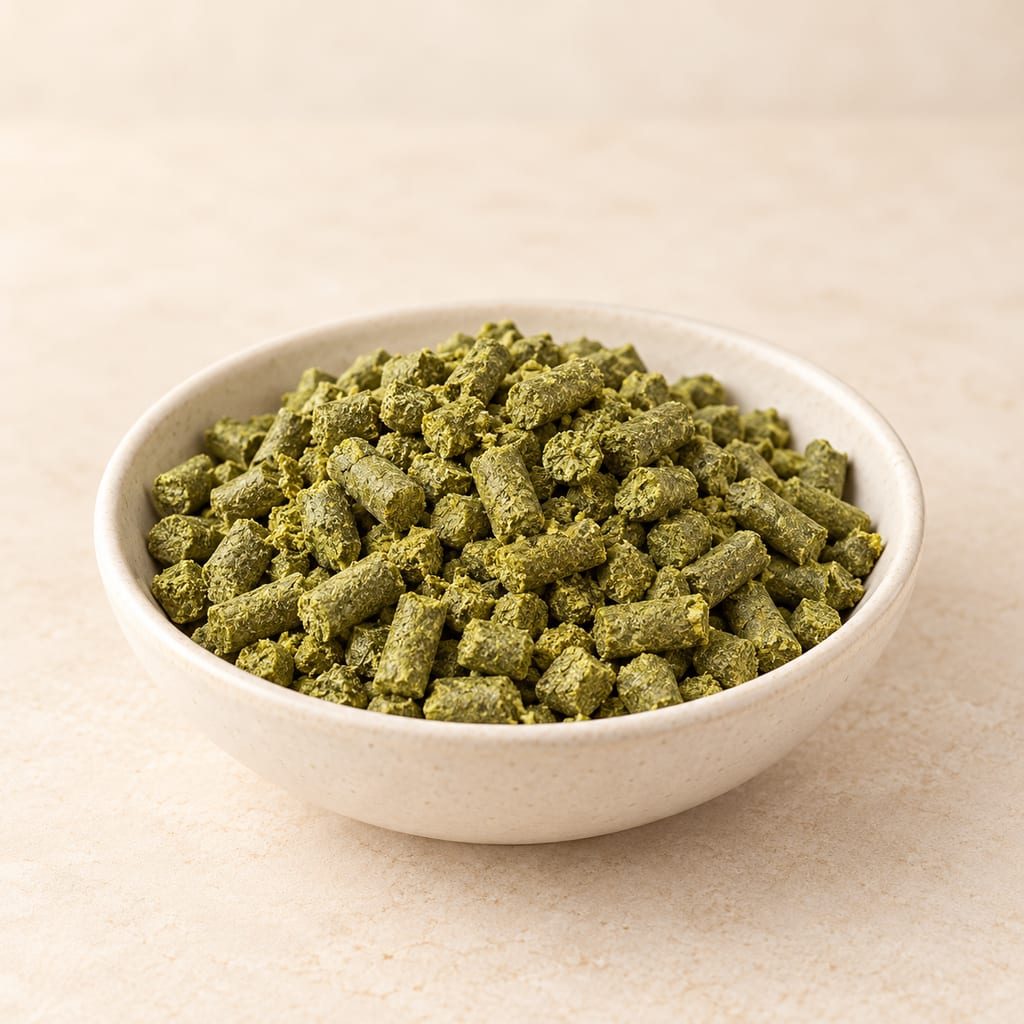
Perle is a German-bred hop cultivar supplied as pellets for beer, with documented spicy aroma and both bittering and aromatic uses. Pellet grade and lot chemistry are unconfirmed.

Water carries dissolved ingredients, transfers heat and forms the liquid environment of many ferments; its minerals and treatment influence how it behaves.
WLP300 is a commercial brewing yeast culture selected for German-style wheat beer, with banana-like ester and clove-like phenolic character. Its performance depends on the wort, culture condition and fermentation process.
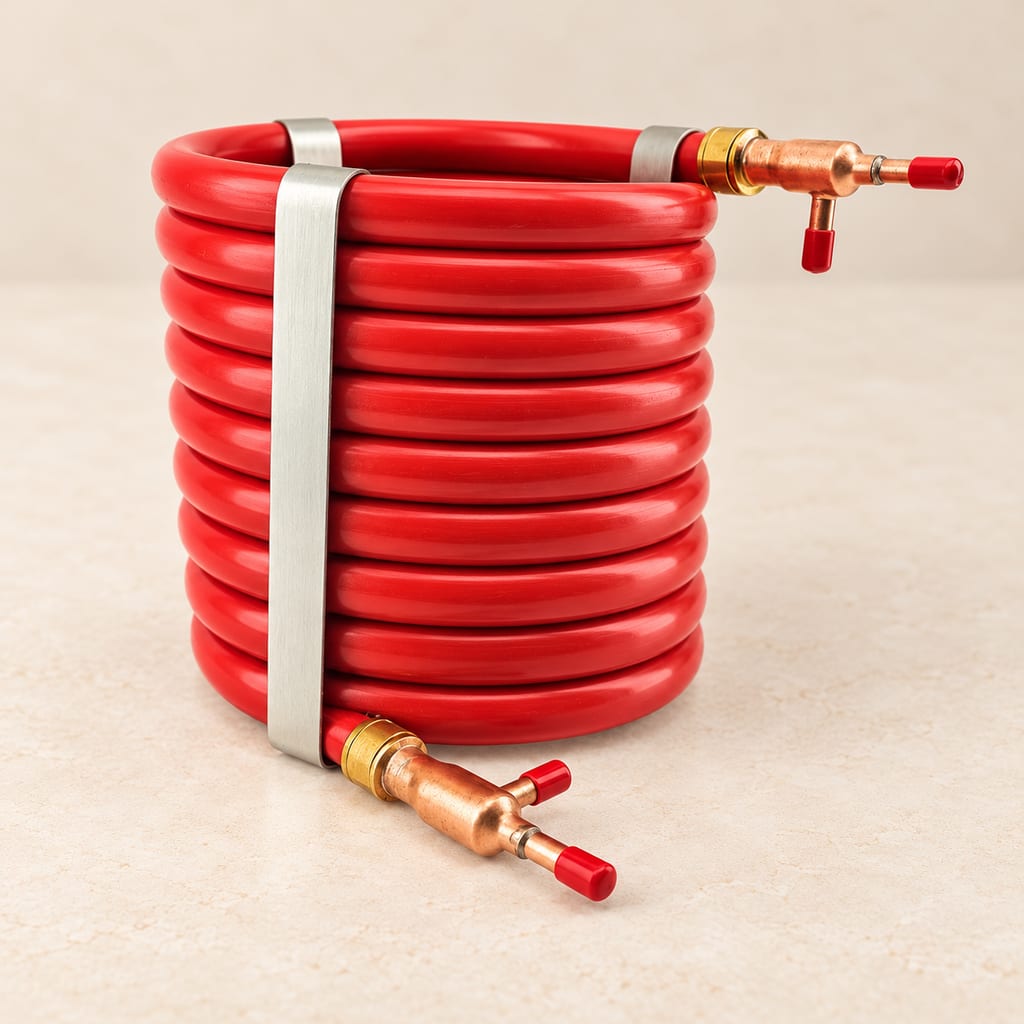
A counterflow wort chiller cools hot wort through separate, counter-moving coolant passages. Tube-in-tube and coil-in-jacket designs vary by materials and fittings; capacity and performance are model-specific.

A deep amber-red American ale brewed from pale, Munich, CaraVienne and chocolate malts, bittered with Columbus hops and finished with Amarillo.

A source-specific modern extract adaptation of Düsseldorf Altbier, with specialty malts, two hop additions and an ale yeast. It is distinct from a brewery's commercial Altbier process and from Kölsch.
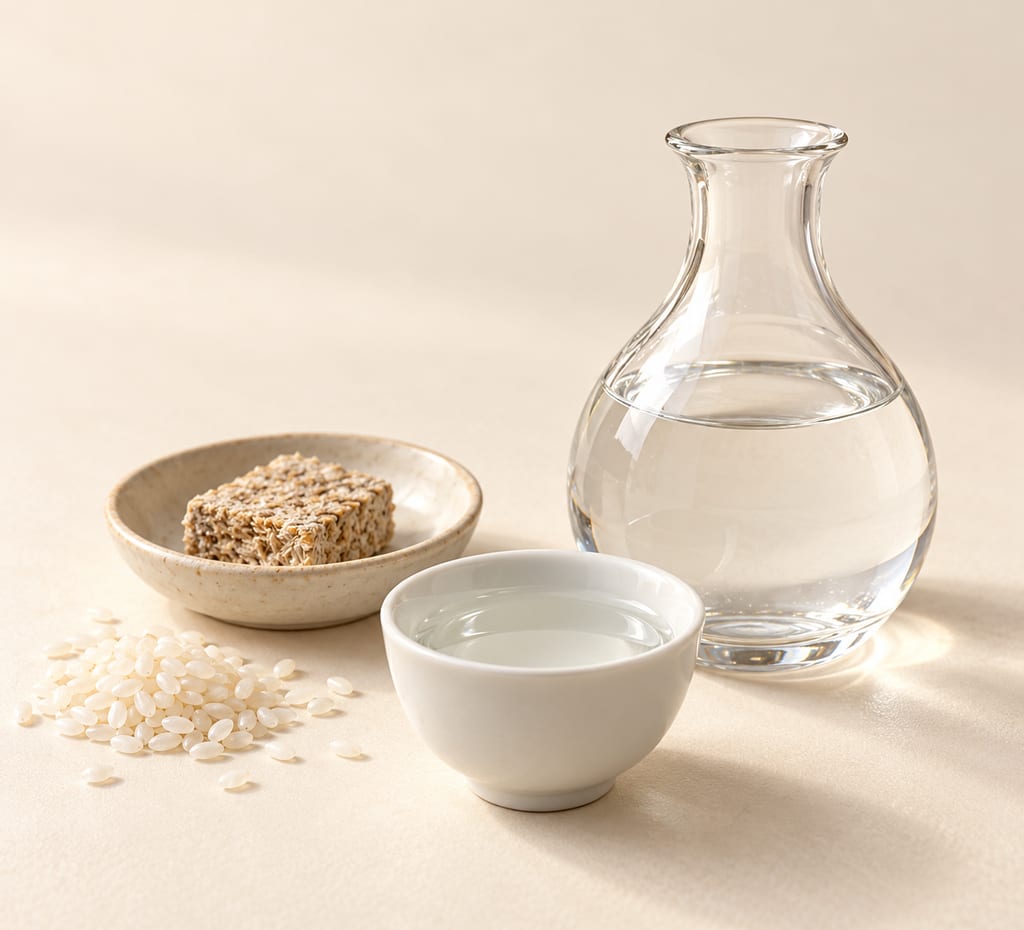
Andong soju is a rice spirit from North Gyeongsang, distilled from steamed rice and wheat nuruk. This method makes the starter before fermenting the rice mash in a jar.

Angami rice beer from Nagaland. A surveyed method mixed cooked rice with piazu, fermented it for about four days in summer or a week in winter, then added water and filtered it. The starter ratio leaves the rice-weight basis unclear.
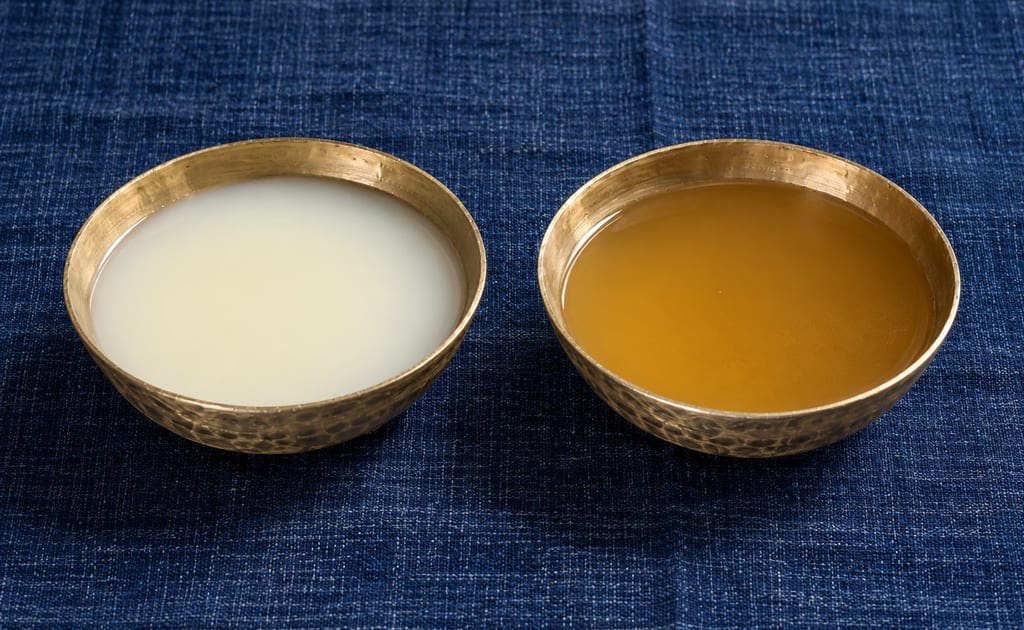
Apong names Mising rice beverages in Assam, including pale Nogin and ash-associated Po:ro. Sources describe distinct preparations and do not establish one unified household recipe or validated safety endpoint.
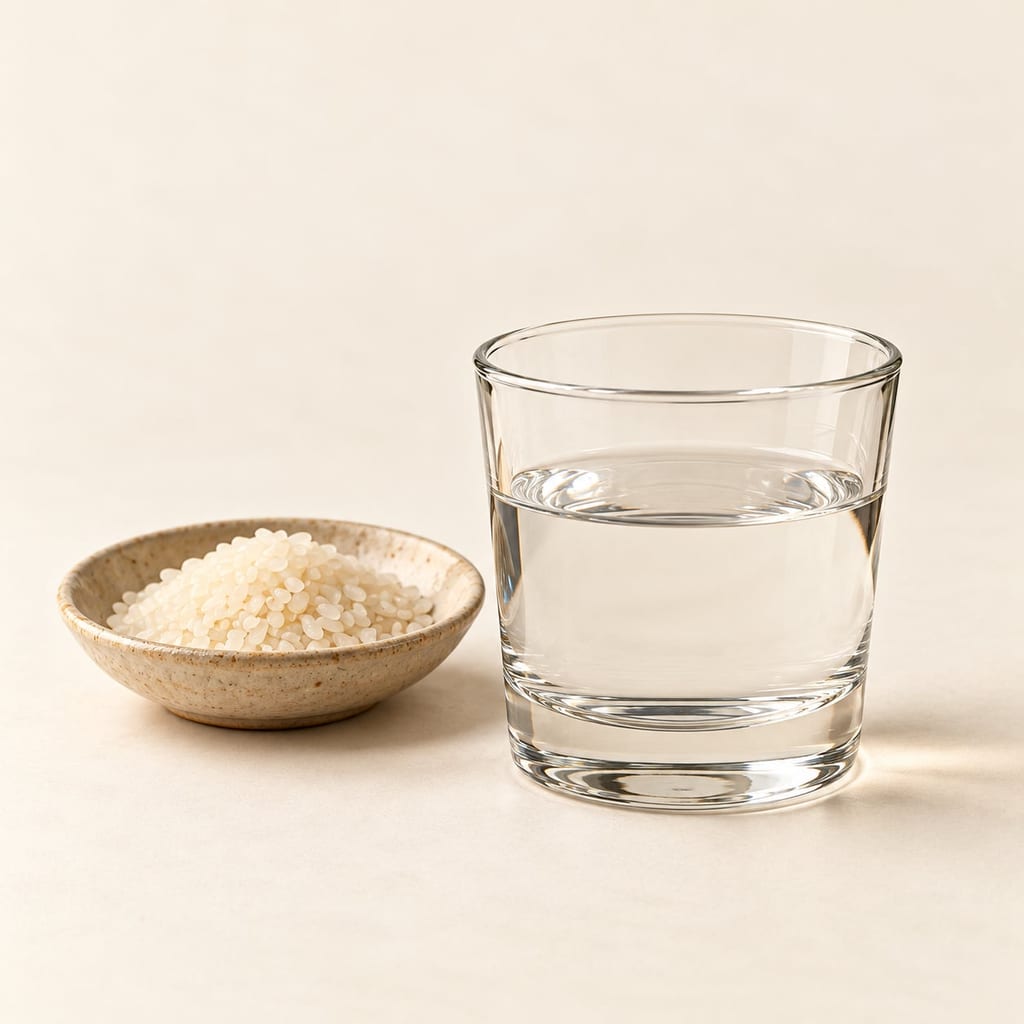
An Okinawan rice spirit made by turning all the rice into black koji, fermenting it with water and yeast, then pot-distilling and maturing the spirit.

This is a process overview, not a complete batch recipe: key quantities, yield and packaging directions are absent. The AHA tutorial uses Hop Hammer Imperial IPA as an example; this page is not that full formulation.
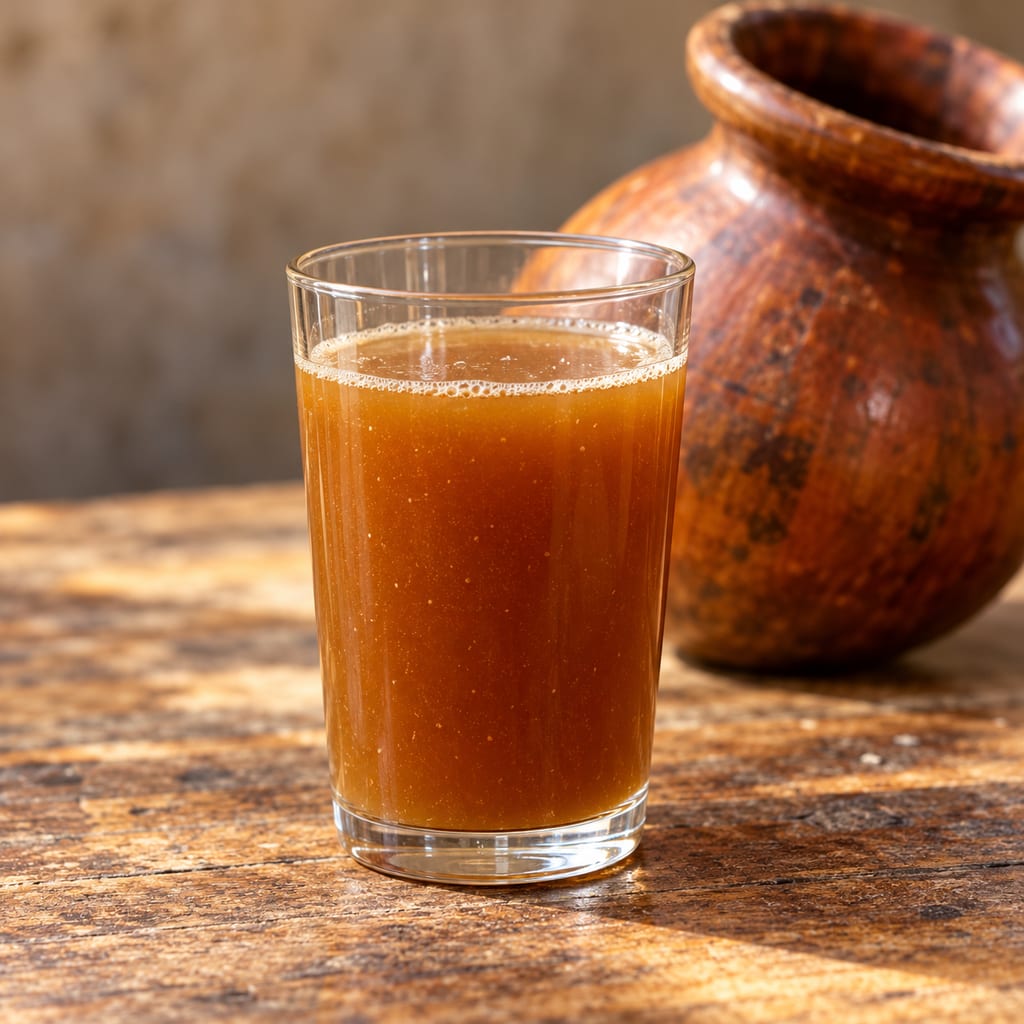
A darker Ethiopian maize tella, brewed from maize baked into a hot, dry kita pancake and then fermented in three stages with barley malt, gesho and water.
No community contributions have been published for this entry yet.
Sign in to contribute. Published comments and photos are free to read.
American Homebrewers AssociationInspiration · Process · History · Location · Safety
Brewing with Extract: German-Style Wheat Beer (Weizen)Five-gallon extract formula with 6.6 lb wheat extract, 1 oz hop pellets, and one tube or packet of named wheat yeast
Thirty-minute boil, cool-to-pitch method, fermentation and package timing
AHA warning about thermal shock when hot wort is poured into glass and its note that airlock bubbling does not confirm completion
German-style Weizen label; contemporary US teaching method
Wheat beer whose yeast shapes the aroma: Modern teaching recipe and wheat-extract identity; culture banana/clove and style/name comparisons.
A grain with a place in Bavarian history: Wheat privilege, Degenberg transfer/ducal monopoly as historical synthesis; modern filtered/style differences.
What the extract has already done: Manufacturer mash/lauter/vacuum concentration; recipe6.6lb two cans and unknown exactSKU/ratio.
A small kettle and a larger finished batch: Partialboil/topup, offheat dissolution,30minboil, stand, vessel versus pitching cooling thresholds.
One hop choice, with alternatives kept visible: Perle/Libertyalternative and no statedalphaacid; generalboil bitterness/aroma mechanism.
Banana, clove and a living culture: Productisoamylacetate/banana,phenols/clove,conditiondependence; ferulic conversion mechanism and AHA yeastalternatives.
Wheat beer at the table: Producer-specific modern meal suggestions; AHA American-culture contrast.
Finishing the batch thoughtfully: Generic teaching durations/priming are not measured recipe endpoints; package refermentation hazard.
Cited in: Wheat beer whose yeast shapes the aroma; A grain with a place in Bavarian history; What the extract has already done; A small kettle and a larger finished batch; One hop choice, with alternatives kept visible; Banana, clove and a living culture; Wheat beer at the table; Finishing the batch thoughtfully
American Homebrewers AssociationSafety
Homebrew EquipmentAirlock and blow-off sections: carbon dioxide escape and pressure.
Brewers AssociationSafety
Preventing Package Over-PressurizationUnintended refermentation can rupture packages; package pressure ratings, completion and calculated priming additions.
Brewers AssociationSafety
Best Practice Guidance: Preventing Kettle BoiloversHot wort burn hazard; monitor heating and boil conditions, reduce heat from a safe position, add ingredients gradually.
White LabsBackground
WLP300 Hefeweizen Ale YeastWheat beer whose yeast shapes the aroma: Modern teaching recipe and wheat-extract identity; culture banana/clove and style/name comparisons.
Banana, clove and a living culture: Productisoamylacetate/banana,phenols/clove,conditiondependence; ferulic conversion mechanism and AHA yeastalternatives.
Haze, foam and what settling means: Lowflocculation/haze; experimental protein/foam and filteredstyle comparison.
Cited in: Wheat beer whose yeast shapes the aroma; Banana, clove and a living culture; Haze, foam and what settling means
Beer Judge Certification ProgramBackground
10A. Weissbier, 2021 Beer Style GuidelinesWheat beer whose yeast shapes the aroma: Modern teaching recipe and wheat-extract identity; culture banana/clove and style/name comparisons.
A grain with a place in Bavarian history: Wheat privilege, Degenberg transfer/ducal monopoly as historical synthesis; modern filtered/style differences.
Haze, foam and what settling means: Lowflocculation/haze; experimental protein/foam and filteredstyle comparison.
Wheat beer at the table: Producer-specific modern meal suggestions; AHA American-culture contrast.
Cited in: Wheat beer whose yeast shapes the aroma; A grain with a place in Bavarian history; Haze, foam and what settling means; Wheat beer at the table
Historisches Lexikon Bayerns; Martin Zarnkow and Franz MeußdoerfferBackground
BierA grain with a place in Bavarian history: Wheat privilege, Degenberg transfer/ducal monopoly as historical synthesis; modern filtered/style differences.
Cited in: A grain with a place in Bavarian history
Briess Malt & IngredientsBackground
ExtractsWhat the extract has already done: Manufacturer mash/lauter/vacuum concentration; recipe6.6lb two cans and unknown exactSKU/ratio.
Cited in: What the extract has already done
Beer Judge Certification Program; Peter Garofalo, updated Scott BickhamBackground
HopsOne hop choice, with alternatives kept visible: Perle/Libertyalternative and no statedalphaacid; generalboil bitterness/aroma mechanism.
Cited in: One hop choice, with alternatives kept visible
Microbiology Society, Journal of General Microbiology128,2615–2620; Goodey and TubbBackground
Genetic and Biochemical Analysis of the Ability of Saccharomyces cerevisiae to Decarboxylate Cinnamic AcidsBanana, clove and a living culture: Productisoamylacetate/banana,phenols/clove,conditiondependence; ferulic conversion mechanism and AHA yeastalternatives.
Cited in: Banana, clove and a living culture
Journal of the Institute of Brewing125(2),235–241; Hu et al.Background
Differences in protein content and foaming properties of cloudy beers based on wheat malt contentHaze, foam and what settling means: Lowflocculation/haze; experimental protein/foam and filteredstyle comparison.
Cited in: Haze, foam and what settling means
Hofbräu MünchenBackground
Hofbräu Münchner WeisseWheat beer at the table: Producer-specific modern meal suggestions; AHA American-culture contrast.
Cited in: Wheat beer at the table
Brewers AssociationBackground
Best Practice Guidance: Preventing Package Over-PressurizationFinishing the batch thoughtfully: Generic teaching durations/priming are not measured recipe endpoints; package refermentation hazard.
Cited in: Finishing the batch thoughtfully