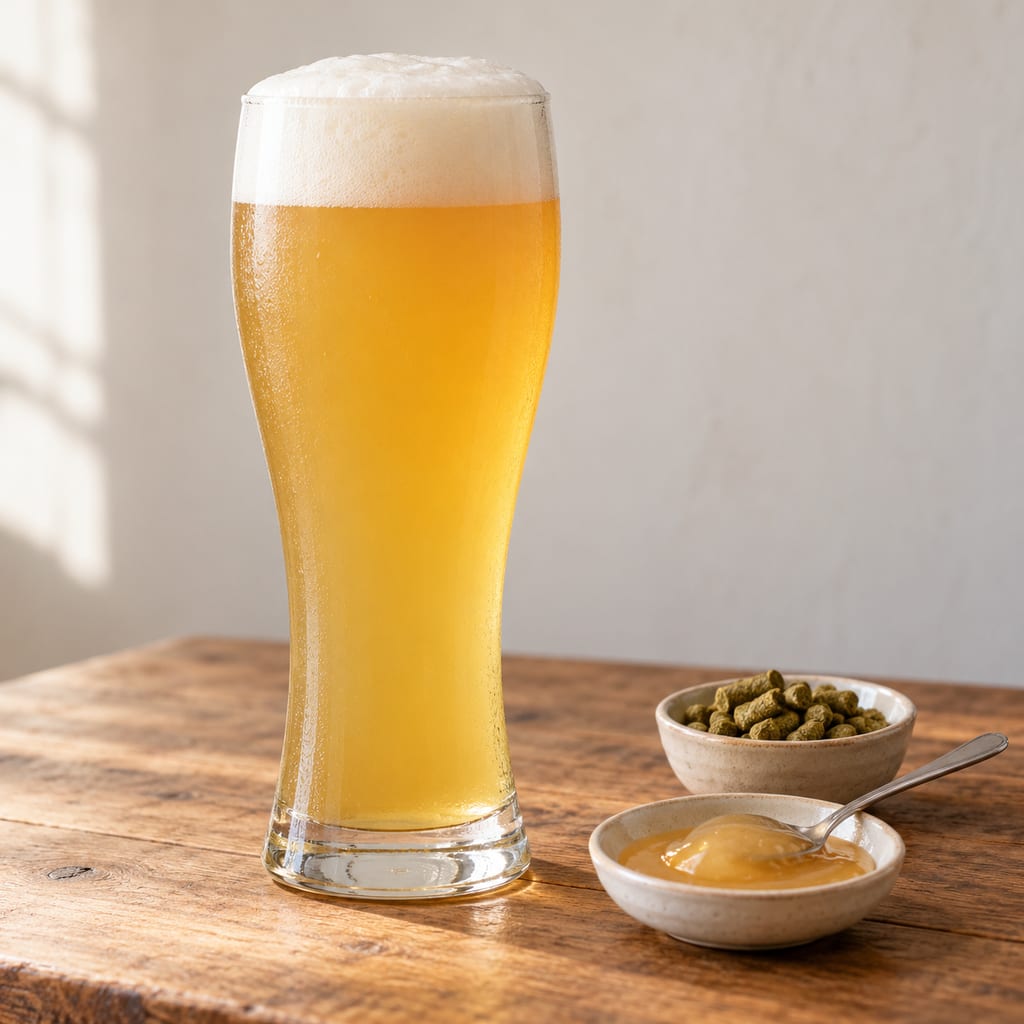
Weizen, extract method
A German-style wheat beer made with wheat extract, a short hop boil and a hefeweizen yeast, using cold water to top up the fermenter.
 FermenteaWhere food goes to change
Substrates
Briess wheat extract is prepared wheat-and-barley malt wort sold in concentrated form for brewing. The linked Weizen recipe uses two cans, 6.6 lb total, without naming a specific Briess wheat-extract variant.
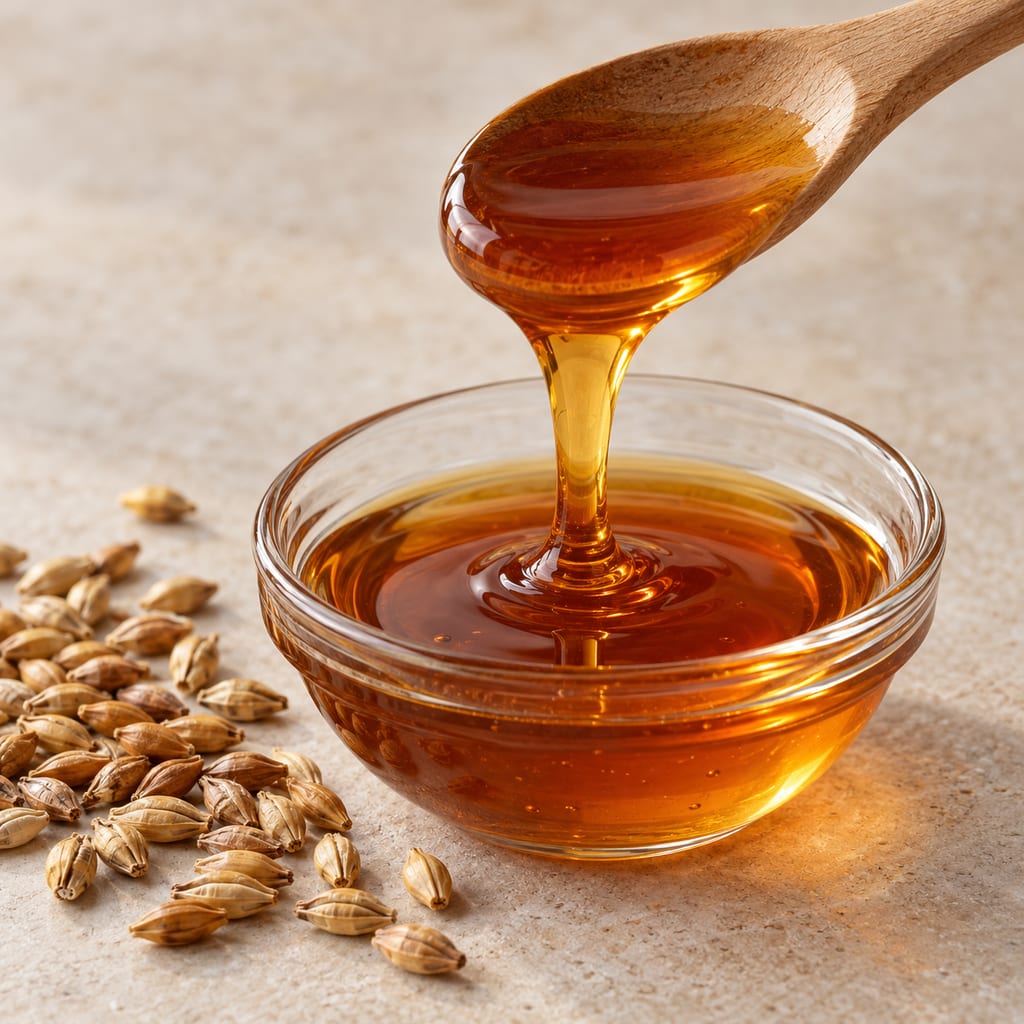
A can of wheat malt extract is a compact form of wort-making work. It begins with malted grain, water, heat and enzymes; the liquid drawn from the mash is concentrated so a brewer can carry more malt material in less volume. In the American Homebrewers Association’s teaching Weizen, two cans of Briess Wheat Extract supply the main fermentable base. The home brewer does not steep a large grain bed and then run off fresh wort. The extract maker has already done much of that preparation, leaving the brewer to dissolve the concentrate, add hops, cool and tend the yeast.
The beer is called a wheat beer because wheat malt contributes to the prepared extract. It is not a syrup squeezed from raw wheat. Malted wheat has been germinated and dried; mashing exposes its starch to enzymes in water so soluble sugars and other materials can be drawn off. Briess’s current Bavarian Wheat liquid extract is made from malted wheat and malted barley, not wheat alone. The AHA formula names Briess Wheat Extract and two cans but does not identify a current CBW variant or disclose its wheat-to-barley ratio. The present product sheet illustrates what can be sold under the brand without retroactively specifying the old recipe’s can.
That distinction is useful at the shop. Liquid malt extract is a thick gold-to-amber syrup; dry malt extract is a powder made from concentrated wort. Briess currently sells a Bavarian Wheat version in both forms. A recipe that says cans and a total weight points toward liquid extract in its own practical setting, but swapping dry powder for syrup changes the amount of water carried by the ingredient. A brewer choosing a current packet should read its exact form and directions rather than treating all wheat extracts as an equal spoonful of dry grain.
At the malt plant, cleaned malt is milled and mixed with water. Heat and time let enzymes act on starch, producing a mixture of smaller sugars and other soluble material. The sweet liquid, wort, is separated from the spent husks and particles. Briess describes a brewhouse-style extraction with controlled infusion mashing, followed by gentle vacuum evaporation. Under reduced pressure, water can be removed at a lower temperature than an open rolling boil. This helps concentrate the wort while limiting additional darkening.
The syrup contains a family of carbohydrates rather than pure table sugar. Maltose and maltotriose sit beside glucose and longer fragments in the manufacturer’s present Bavarian Wheat analysis. Some are readily used by a brewing yeast; others can remain and contribute to body. Protein-derived material, minerals and colour compounds travel with the liquid too. A beer made from extract therefore begins with prepared grain flavour and nutrients, although the brewer did not see the mash or decide its exact enzymatic schedule.
The word extract can mislead someone who knows vanilla extract or a concentrated fruit flavour. Brewing malt extract is not a tiny seasoning squirt. In the AHA five-gallon batch it weighs 6.6 lb, or 3 kg, and supplies much of the liquid beer’s starting material. The brewer reconstitutes the concentrate into a larger volume of wort. If the can is old or stored warm, flavour and colour can drift; the malt character inside it cannot be reset by a later yeast choice. Its value lies in moving a substantial grain transformation into a stable, measured ingredient.
Wheat malt and barley malt each contribute grain material to a wheat-beer wort. In Briess’s current Bavarian Wheat extract, wheat is the larger share, while barley is also deliberately present. The formula is not a statement that all wheat beers must have the same ratio. It is a particular manufacturer’s approach to building a prepared wort with a wheat identity and enough barley-derived material for its chosen processing and flavour balance. That matters to a reader with a barley allergy as well as to a brewer thinking about taste: wheat extract is not necessarily an all-wheat product.
A wheat-rich mash behaves differently from a barley mash. Wheat malt lacks the husks that can help form a porous grain bed when liquid wort is drawn off. The American Homebrewers Association describes the possibility of slow or stuck runoff and the ways an all-grain brewer may manage the mash. The buyer of malt extract never sees that grain bed, yet the separation has happened at the extract plant. One of the conveniences inside the can is precisely this completed handling of malt solids.
The remaining liquid still carries the character of both grains. A pale wheat-beer extract can provide cereal softness and a light malt base without turning the beer into a dark, roasted style. Barley contributes familiar malt sugars and flavour, while the wheat portion shifts the grain impression and protein balance. How much of each remains perceptible after fermentation depends on the yeast, hops and finished beer. The manufacturer’s present 65-to-35 description belongs to its named Bavarian Wheat products; it should not be silently assigned to an unnamed historical can in the AHA sheet.
Briess places its extract production at an Irish Road facility in Chilton, Wisconsin. The company says its own malt feeds the plant and describes the resulting CBW products as brewer’s-grade pure malt extracts. This is a modern industrial route with a recognizable agricultural starting point: barley and wheat are malted, the malt is brewed into wort, and the wort is made portable. A heavy can on the homebrew counter thus connects farm grain, a malthouse and a brewhouse before the kitchen kettle is lit.
The AHA chooses this prepared base to teach a Weizen. That choice says something about homebrewing culture. A beginner can focus on the biological stage of fermentation and the physical care of hot wort without owning a large mash vessel. The recipe still needs a kettle, cooling, clean vessels and a chosen yeast. Extract shortens one part of the work; it does not transform brewing into simply stirring syrup into cold water. The main experience remains making a wort suitable for a culture and then giving that culture suitable conditions.
The older cultural tradition belongs to wheat beer, not to this can. Weissbier and Weizen have histories in German brewing, while the AHA teaching sheet is a contemporary American way to brew a German-style example. No document here establishes the first manufacture of the named Briess wheat extract, so the product should not inherit an invented medieval date. Its real story is the adaptation of malt processing into a form that lets a smaller brewer make a recognizable wheat beer with less grain-handling equipment.
An all-grain brewer can choose specific wheat and barley malts, crush them, set the mash’s water, temperature and time, and decide how to rinse the grain. Those decisions shape the wort before hops or yeast appear. The extract brewer buys many of them already settled. That is a genuine trade in control for convenience, but it is also a way to make a consistent starting point with less equipment. The AHA teaching sheet concentrates attention on the hot-kettle and fermentation stages while Briess has handled the main mash.
The can is nevertheless not finished beer. Its sugars have not yet been fermented by the home brewer’s culture. Hops have not acquired their boiled bitterness in this particular batch, and a chosen wheat-beer yeast has not produced the aroma. Water added at home changes the strength of the concentrate into a drinkable volume of wort. These remaining operations can still lead to very different beers from a similar malt base; a softer American wheat-beer yeast is one alternative that the AHA itself names.
A brewer deciding between syrup and dry extract should also think about scale. The AHA’s two cans supply a specified mass of moist concentrate. Dry extract has less water by weight, so an equal mass would not restore the same amount of malt solids. Likewise, a different syrup with a darker colour or a different grain bill could alter both flavour and the beer’s starting gravity. The source’s 6.6 lb figure is not a generic measure of every Briess wheat product; it is the quantity within this example Weizen.
Wheat malt is attractive in this beer for more than sugar. Its proteins and other grain materials influence the way a wheat beer holds foam and appears in the glass. A cloudy Weizen can draw haze from suspended yeast as well as grain-derived material. An experiment comparing wheat-malt content and foam in cloudy beers supports the broader relationship, but it does not measure the AHA teaching batch. A product sheet’s promise of body or head retention describes its intended use; the actual beer still reflects the recipe and handling.
The characteristic banana and clove impressions associated with some German wheat beers are not prepacked in the Briess can. The formula proposes WLP300 or Wyeast 3068, with softer American wheat-beer strains as explicit alternatives. Brewing yeast can produce fruit-like esters during fermentation; some strains also convert a grain-derived precursor into the phenolic compound associated with a clove impression. The difference is biological. Malt supplies a prepared medium and potential precursors, while a selected culture turns part of that material into the finished beer’s aroma.
That division of labour prevents two easy mistakes. Adding more wheat extract cannot substitute for selecting the intended wheat-beer yeast, and choosing a yeast does not turn plain barley extract into the same grain base. The Weizen’s identity comes from their meeting. Hop pellets provide another, smaller contribution through the kettle. In the AHA formula, the large wheat-extract addition builds the beer’s foundation; hopping and fermentation shape how that foundation is perceived.
Liquid extract resists pouring and can settle at the bottom of a pot before it dissolves. The AHA removes the kettle from the heat while the concentrate is stirred into water, then returns it to the boil. This has a plain physical purpose: a dense sugar-rich syrup against a hot metal base can scorch, darken and add an unintended cooked flavour. Once mixed into water, it behaves as wort for the subsequent hop boil. The preparation remains brewing, with a concentration step already completed elsewhere.
Storage matters because malt extract is not chemically frozen in time. Briess advises temperate, low-humidity, pest-free conditions and notes that poorly stored extract can lose freshness or gain colour. Liquid syrup has a different relationship to moisture and packaging than dry powder. A clean, sealed can with a known product identity gives more dependable results than an unlabelled remainder. Check the package date and current directions; the manufacturer’s typical analysis represents average values rather than a guarantee for every batch.
At the table, the result should be considered as a beer, not as a syrup diluted to a target colour. A wheat-beer yeast may make the aroma lively, the wheat malt may give a soft grain foundation, and the modest hop addition can keep the finish from seeming heavy. The brewer can compare the actual beer with the style’s familiar range without attributing every note to a single ingredient. The can’s achievement is to bring malted wheat into the wort in a usable form; the finishing character is made after it is opened.
AHA documents an extract Weizen formula; Briess describes malt-extract production in Chilton, Wisconsin. No particular can in the recipe has been traced to a batch.
A German-style wheat beer made with wheat extract, a short hop boil and a hefeweizen yeast, using cold water to top up the fermenter.

A refined common-wheat flour blended for a broad range of baking; its protein and behavior vary with wheat, milling and market.

Toasted almonds are whole sweet almond kernels dry-roasted until golden to brown. Heat replaces their marzipan note with a roasted, nutty one; they thicken and flavour romesco.
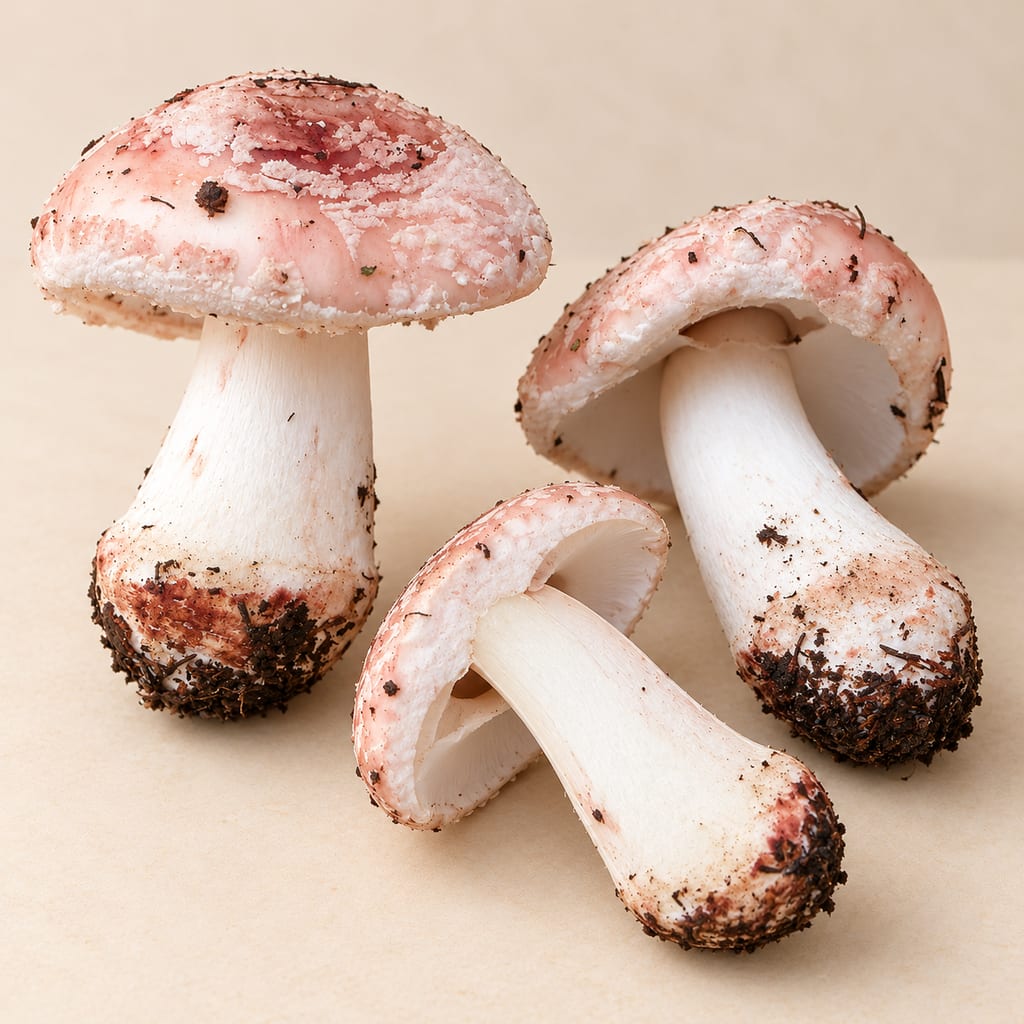
Amanita novinupta is a western North American blusher, a forest mushroom recorded as food in Mexico, and one that must be cooked because its raw flesh is toxic.
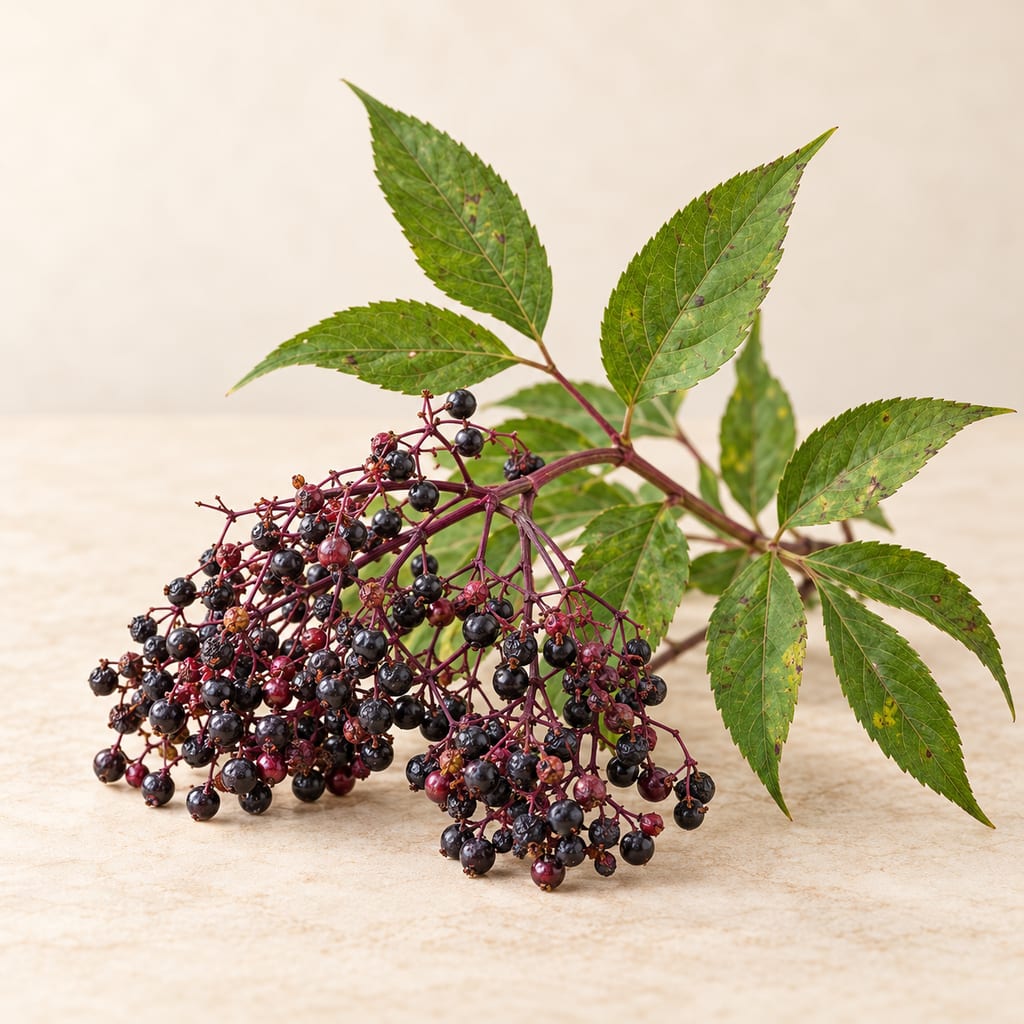
Sambucus canadensis is the accepted name used here for American elderberry. Missouri production guidance and named-cultivar studies give useful regional growing information, while food and analytical sources leave process questions open.
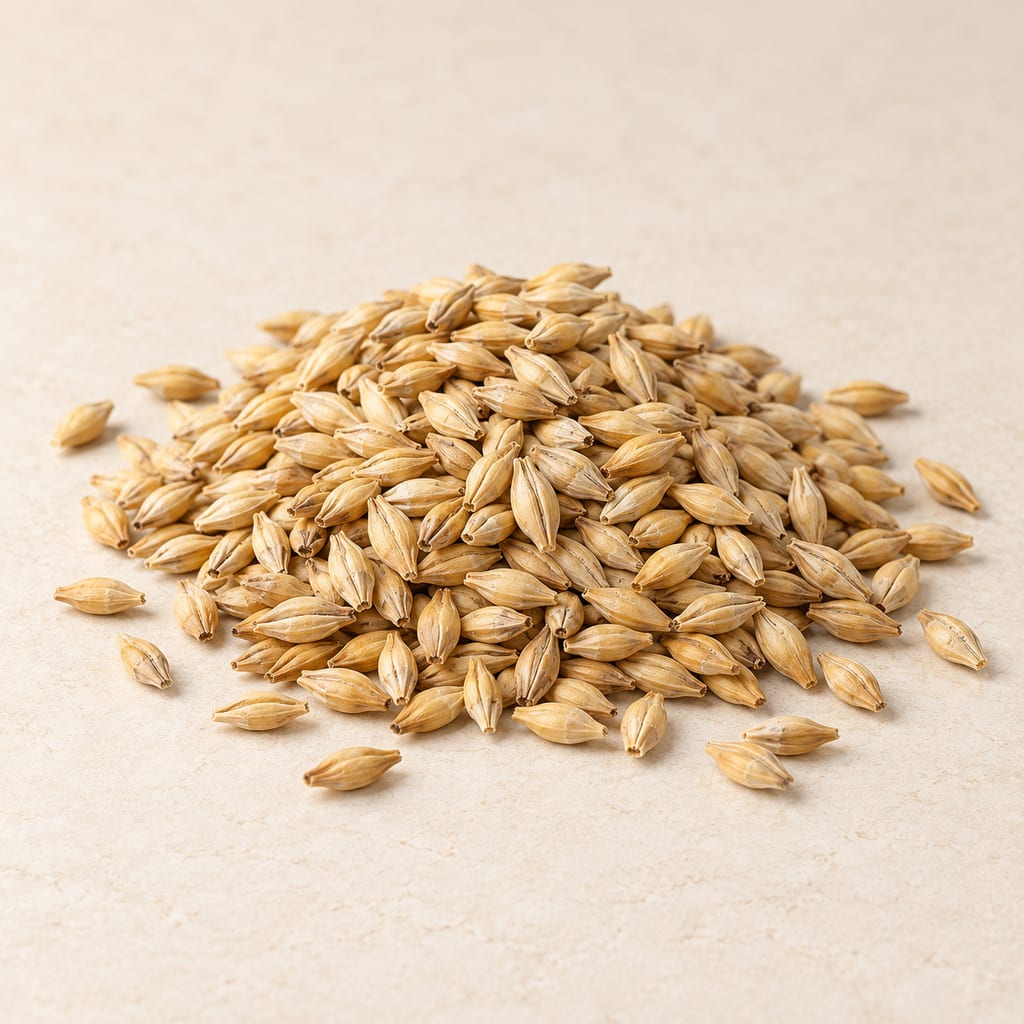
A lightly kilned brewing base made from two-row barley. It supplies starch and enzymes for the mash, with the maltster’s product and lot analysis defining its brewing properties.

Ripe avocado flesh is the soft, buttery, fat-rich pulp of Persea americana, eaten raw. It is low in acid, so it is a fresh ingredient that needs care in chilled dishes.
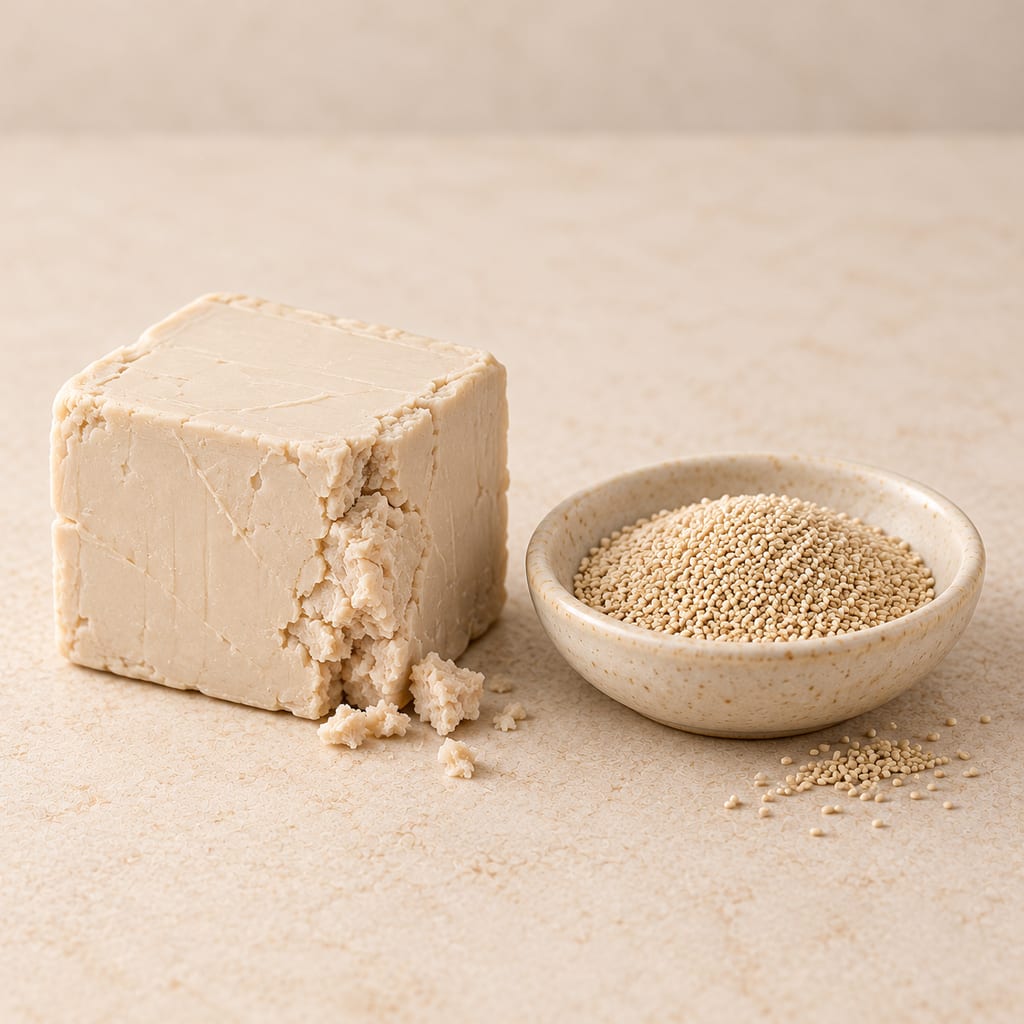
Baker's yeast is a cultivated living leavener, commonly sold fresh or dried. In dough, selected Saccharomyces cerevisiae cells make gas that can raise bread.
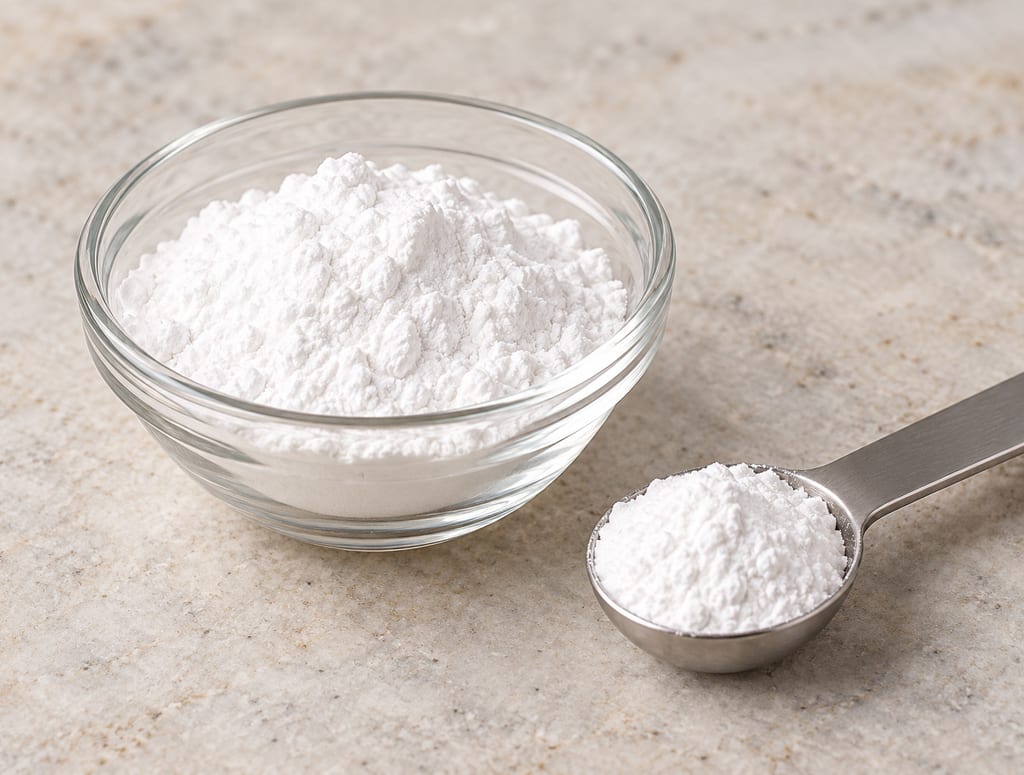
Baking powder is a dry chemical leavener that combines bicarbonate with acid-reacting ingredients and a carrier. Moisture and heat release carbon dioxide for quick breads, batters and griddle cakes.
No community contributions have been published for this entry yet.
Sign in to contribute. Published comments and photos are free to read.
American Homebrewers AssociationEditorial
Brewing with ExtractWeizen formula: two cans, 6.6 lb/3 kg Briess Wheat Extract for five gallons; hop and yeast choices; extract brew context.
Cited in: Wheat beer with the mash already made; Inside the extract works; Why wheat travels with barley; From Chilton to a home kettle; What the shortcut changes for a brewer; What wheat contributes, and what yeast adds; Working with a dense syrup
Briess Malt & Ingredients Co.Editorial
Benefits of Malt ExtractsBriess CBW process in Chilton, Wisconsin: infusion brewing, vacuum evaporation; product properties and uses.
Cited in: Wheat beer with the mash already made; Inside the extract works; From Chilton to a home kettle; Working with a dense syrup
Briess Malt & Ingredients Co.Editorial
CBW Bavarian Wheat LME: Product Information SheetCurrent named liquid wheat extract is 65% malted wheat, 35% malted barley and water; typical analysis, storage guidance.
Cited in: Wheat beer with the mash already made; Inside the extract works; Why wheat travels with barley; What the shortcut changes for a brewer; What wheat contributes, and what yeast adds; Working with a dense syrup
Briess Malt & Ingredients Co.Editorial
LME & DME: Briess Brewer's Grade Malt ExtractsCurrent wheat extract offered in liquid and dry forms; named Bavarian Wheat composition.
Cited in: Wheat beer with the mash already made; Why wheat travels with barley; What the shortcut changes for a brewer; Working with a dense syrup
Briess Malt & Ingredients Co., reprint of Brew Your Own articleEditorial
Making Malt ExtractMilling, mashing, wort separation and concentration in brewing-grade malt extract.
Cited in: Wheat beer with the mash already made; Inside the extract works; Why wheat travels with barley; From Chilton to a home kettle; What the shortcut changes for a brewer
Beer Judge Certification ProgramEditorial
10A. Weissbier, 2021 Beer Style GuidelinesWeissbier ingredient and sensory context; wheat and characteristic yeast expression.
Cited in: From Chilton to a home kettle; What wheat contributes, and what yeast adds; Working with a dense syrup
White LabsEditorial
WLP300 Hefeweizen Ale YeastRecipe's named yeast has wheat-beer fermentation character; strain not supplied by the extract.
Cited in: What wheat contributes, and what yeast adds
Andrew R. Goodey and Roy S. Tubb, Journal of General Microbiology 128:2615–2624 (1982)Editorial
Genetic and Biochemical Analysis of the Ability of Saccharomyces cerevisiae to Decarboxylate Cinnamic AcidsSome brewing yeast strains convert ferulic-acid related substrate toward 4-vinylguaiacol; yeast contribution distinct from malt.
Cited in: What wheat contributes, and what yeast adds
American Homebrewers AssociationEditorial
7 Tips on Brewing German Wheat BeersWheat malt lacks husks and can make lautering a wheat-rich mash more difficult; barley husks and mash handling provide context for extract brewing.
Cited in: Why wheat travels with barley
Hu et al., Journal of the Institute of Brewing 125(2):235–241 (2019)Editorial
Differences in protein content and foaming properties of cloudy beers based on wheat malt contentWheat malt and beer proteins are relevant to foam and haze; not direct test of the AHA extract formula.
Cited in: What wheat contributes, and what yeast adds