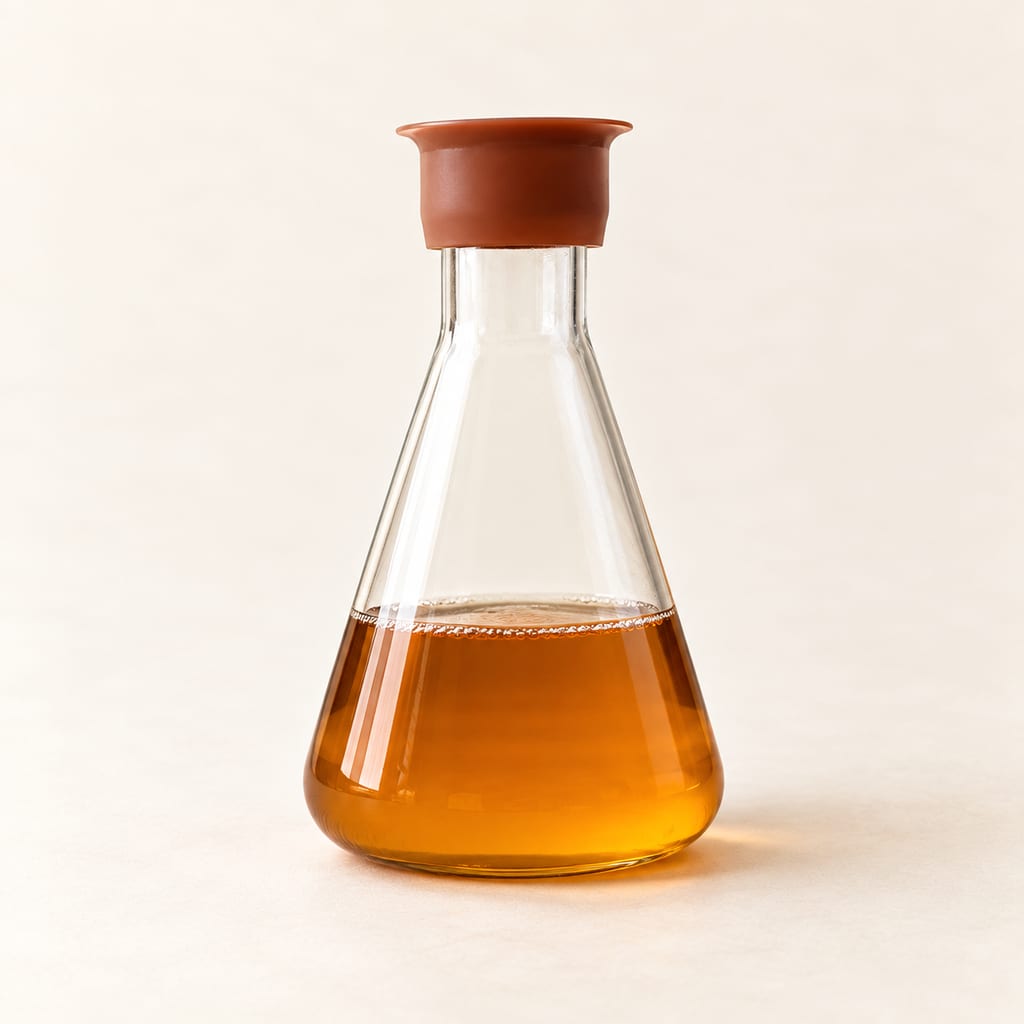
Awamori yeast
Awamori yeast ferments sugar released from rice koji in the Okinawan spirit’s mash. Sakimoto names the ingredient but gives no strain, form, supplier or dose.
 FermenteaWhere food goes to change
Traditional method
泡盛 · Awamori · 琉球泡盛
A Yonaguni rice spirit made with two-day koji, a nineteen-day moromi stage and direct-fire pot distillation, followed by filtration and tank maturation.
At Sakimoto, awamori and hanazake share basic ingredients and production methods. Hanazake is Yonaguni's especially strong spirit. The producer explains its name through the abundant, flower-like bubbles that appear when liquor is poured into a glass. That local account is distinct from proof of the name's earliest use.
Sakimoto's modern history includes a change that a visitor might overlook beside an old-fashioned still: the factory's working environment. The Okinawa Distillers Association's profile describes the move to a new factory in 2006. In the earlier premises, summer heat limited the brewing season. Better temperature control at the new site allowed production through the year.
That change matters because the still is only one part of making awamori. Rice must first become koji and then fermenting mash. A distillery can preserve a characteristic distilling technique while changing how it manages those earlier stages. New equipment and a traditional ground-set still coexist in this account, rather than marking two incompatible kinds of producer.
The profile also connects increased production with the ability to put spirit aside for ageing. Aged stock requires something to store: a producer meeting immediate demand with nearly everything it makes has less freedom to reserve liquor. Maturation thus depends on decisions about production and inventory as well as time in a vessel. The factory move belongs to the history of the finished drink, even though it adds no new ingredient to the mash.
A newspaper report published in May 1972 presents a less comfortable view of island distilling than a picturesque still house. Young people were leaving Yonaguni, the local market was contracting, and freight made raw materials and empty bottles expensive. The report followed producers trying to operate small businesses within those conditions.
It also described a change from liquor sold by measure to bottles bearing seals and recognizable labels. Buyers had brought empty containers to ask for small amounts; packaged products made another relationship between customer, seller and brand possible. The report's language about the disappearance of the old hanazake belongs to that particular commercial transition. It is not evidence that the island's present hanazake never existed afterward.
Other producers were investing in koji-making equipment and storage. Those details place technical change beside economic necessity. Efficiency, transport and demand were practical concerns in an island industry, alongside attachment to the drink. The article records contemporary observations and recollections, not an unbroken production ledger. Read in that scope, it shows why a local spirit's history includes packaging, migration and the cost of moving goods across water.
Sakimoto starts with Thai indica rice. Washing removes rice bran, soaking allows the grain to absorb water, and steaming prepares it for the koji stage. These operations establish the rice's physical condition before the culture is added. The grain is not simply tipped dry into a vessel of yeast and water. Koji-making and wet mash fermentation occupy separate stages in this sequence.
Seed koji is introduced to the steamed rice, and the producer describes two days of koji-making with close attention to temperature and moisture. Water, rice koji and awamori yeast then form the moromi, the fermenting mash. Sakimoto gives nineteen days for this stage. That is its published production outline, rather than a universal awamori timetable.
After fermentation, a pot still separates the distilled spirit from the mash. The producer calls the first liquor emerging during distillation hanazake. Its outline then moves through prompt filtration to remove excess oily material, tank maturation, bottling and hand-applied labels. These are distinct operations: filtration removes material, storage allows later development, and packaging prepares the spirit for sale. The outline does not disclose batch quantities or operating settings from which to reproduce the industrial process.
Black koji and yeast perform different work. In the general awamori process described by brewing researchers, the mold Aspergillus luchuensis supplies enzymes that turn rice starch into sugars. Awamori yeast, Saccharomyces cerevisiae, uses the resulting sugars in alcoholic fermentation. Rice supplies the starting starch; koji helps make it available to the fermenting yeast.
Black koji also produces citric acid, which contributes to suppressing spoilage in the mash. That is a biological role within the brewing system, rather than evidence that any acid-tasting grain mixture is protected. The research describes awamori organisms generally; Sakimoto's public process does not identify its precise strains.
The mold can contribute to aroma as well as sugar production. Work reviewed in 2022 links it to 1-octen-3-ol, a compound with a mushroom-like smell, and to pathways relevant to later aroma development. This explains why koji is more than an interchangeable dose of starch-digesting material. Its metabolism can influence what proceeds through the mash and into the spirit. It does not mean that every bottle should smell distinctly of mushrooms, or that this research measured Sakimoto's particular product.
Yonaguni's tourism association emphasizes the labour of Sakimoto's direct-fired ground still. The mash can scorch, so the operator cannot simply leave the equipment unattended. That physical problem helps explain why the distillery presents the still as a skilled part of its work. Applying heat and watching how the mash behaves are active tasks.
The association dates the enterprise's beginnings to a group of islanders in 1927 and its renaming as Sakimoto in 1971, connecting the business with efforts to preserve Yonaguni's hanazake culture. The founding story concerns people organizing a distillery; it is not a date for the invention of the drink.
Its account also points to a newer product, Nigori Awamori Kaiha, whose cloudiness is deliberately developed through the producer's handling of concentrated spirit and dilution. A cloudy style therefore sits alongside the familiar clear spirit within the same business. This is a documented product variation, rather than a reason to leave every awamori unfiltered. The combination of demanding direct heat and experiments with finished-drink character makes the producer's work more specific than a claim that every stage has remained unchanged.
Distillation is followed by a different kind of development. A study published in 1983 compared new awamori with spirits matured in jars and in sealed containers. The researchers examined chemical properties, including acidity and esters, rather than treating age as a flavour by itself.
In their samples, jar-matured spirit had higher pH and acidity than new spirit, while ester content was lower in both aged groups. Those findings show why maturation cannot be described simply as concentrating the original aroma. Components can change in different directions, and the storage environment belongs to the explanation.
The comparisons were between particular samples. They do not establish that a jar always creates one result, or that time alone explains every difference. For a drinker, the useful distinction is between a stated age and the history behind it: vessel, conditions and starting spirit all matter to interpretation. Sakimoto's production outline mentions storage tanks, so a result from jar-aged samples should not be presented as its tank's measured outcome. The study broadens the understanding of maturation without supplying an undisclosed storage programme for this distillery.
A wider investigation of commercial awamori helps explain why products can share a family resemblance without tasting identical. Researchers at Japan's National Research Institute of Brewing compared volatile compounds in ordinary and aged awamori, and compared awamori with other shochu. Volatile compounds are substances that can enter the air above the drink and contribute to its smell.
The analysis found differences among many compounds, rather than a single chemical that could account for the whole experience. Compounds useful in distinguishing the aged and ordinary groups included vanillin, several esters and sulfur-containing material. Another set helped distinguish awamori from other shochu.
Such a result describes patterns across a collection of commercial products. It is not a tasting note for every bottle in the collection, and the categories contained spirits with different production and storage histories. Still, it gives substance to the idea of a recognizable style. Rice, black koji, fermentation and distillation produce a complex mixture; later handling shifts its balance. Comparing young and aged awamori is therefore an encounter with related mixtures, not merely the same flavour made stronger by additional years.
Sotolon is one of the aroma compounds drawing attention in aged awamori. It can have sweet, honey-like or caramel-like associations. In a study of commercial products published in 2025, spirit stored in earthenware jars contained more sotolon than the group stored in other vessels. The researchers also measured possible precursor compounds and minerals.
The mineral results suggested a possible explanation worth investigating: material released from earthenware might help catalyse reactions leading to sotolon. This was a proposed mechanism, not a demonstration that adding minerals to a drink will produce desirable ageing. The commercial samples also differed in more than their containers.
The practical interest lies in the vessel's possible participation. A container can do more than keep liquid in one place, yet its contribution cannot be reduced to a promise that pottery makes better liquor. Nor does a honey-like descriptor mean sugar has been added. Aroma vocabulary describes a perception; chemical analysis asks which compounds may contribute to it. Together, those approaches offer a more precise way to discuss aged spirits while leaving Sakimoto's own unmeasured tank maturation distinct from the experiment.
Hanazake's local significance extends beyond the table. Sakimoto describes an association with funerary customs in which liquor accompanies the dead and is used at a later bone-washing ceremony. This is the producer's account of a cultural use, including remembrance shared by those gathered. Its references to applying liquor to the body describe a belief and practice, not medical efficacy.
Anthropologist Kenji Karaki's study of two Yonaguni families gives that wider setting human variation. The observed bone-washing events differed in timing, participants and the role of religious specialists. Family wishes, obligations to the deceased and changing choices about cremation shaped what happened. His account describes washing with materials that can include water and liquor; it does not identify Sakimoto hanazake in every action.
These accounts make the island connection concrete without turning a ceremony into a drinking recommendation. They also resist a frozen picture of tradition. A distiller's explanation of why hanazake matters and an anthropologist's observation of particular families answer different questions. Together they show a spirit embedded in relationships among living people, the dead and the place where those relationships continue to be negotiated.
The producer's serving suggestions reveal several ways of encountering the spirit. Chilling, ice and dilution are alternatives, rather than a single prescribed manner of drinking. Water changes the strength in the glass, while lemon is suggested as an optional accompaniment. These are serving choices for an already manufactured drink, separate from brewing and distilling it.
Sakimoto also describes cloudiness that can appear with chilling or dilution. A clear bottle and a cloudy glass can therefore belong to the same product. The producer connects that change with constituents of the spirit. This is a useful feature to recognize when serving its hanazake, without turning appearance into a general test of composition or safety for other drinks.
Awamori is Okinawa’s rice spirit, used at weddings, births, housewarmings and other celebrations. Its history is linked to Ryukyu’s trade with Siam, now Thailand, and China; the routes by which distilling reached the islands remain uncertain. On Yonaguni, this preparation uses Thai indica rice and preserves direct-fire pot distillation, followed by filtration and tank maturation.
Scaling: source batch only
Ethanol vapour can ignite in the presence of flames, sparks or hot surfaces; the direct-fire heat source makes this a particular concern for this commercial still.
Hazard sourceA blocked outlet, external fire or cooling failure can overpressure pot-still equipment.
Hazard sourceKeep potential ethanol-vapour releases away from ignition sources and provide suitable ventilation as part of a site-specific fire-risk assessment.
Control sourceHave a qualified process engineer assess credible overpressure cases and size and select suitable relief equipment for the installation.
Control sourceArrange relief discharge to a safe location in the process-plant design.
Control sourceThe producer describes a direct-fire still. Ethanol-vapour leaks can ignite, and blocked outlets, fire or cooling failure can overpressure still equipment. This industrial process needs site-specific engineering controls before operation.
Named producer location, not a claimed origin.
Awamori yeast ferments sugar released from rice koji in the Okinawan spirit’s mash. Sakimoto names the ingredient but gives no strain, form, supplier or dose.
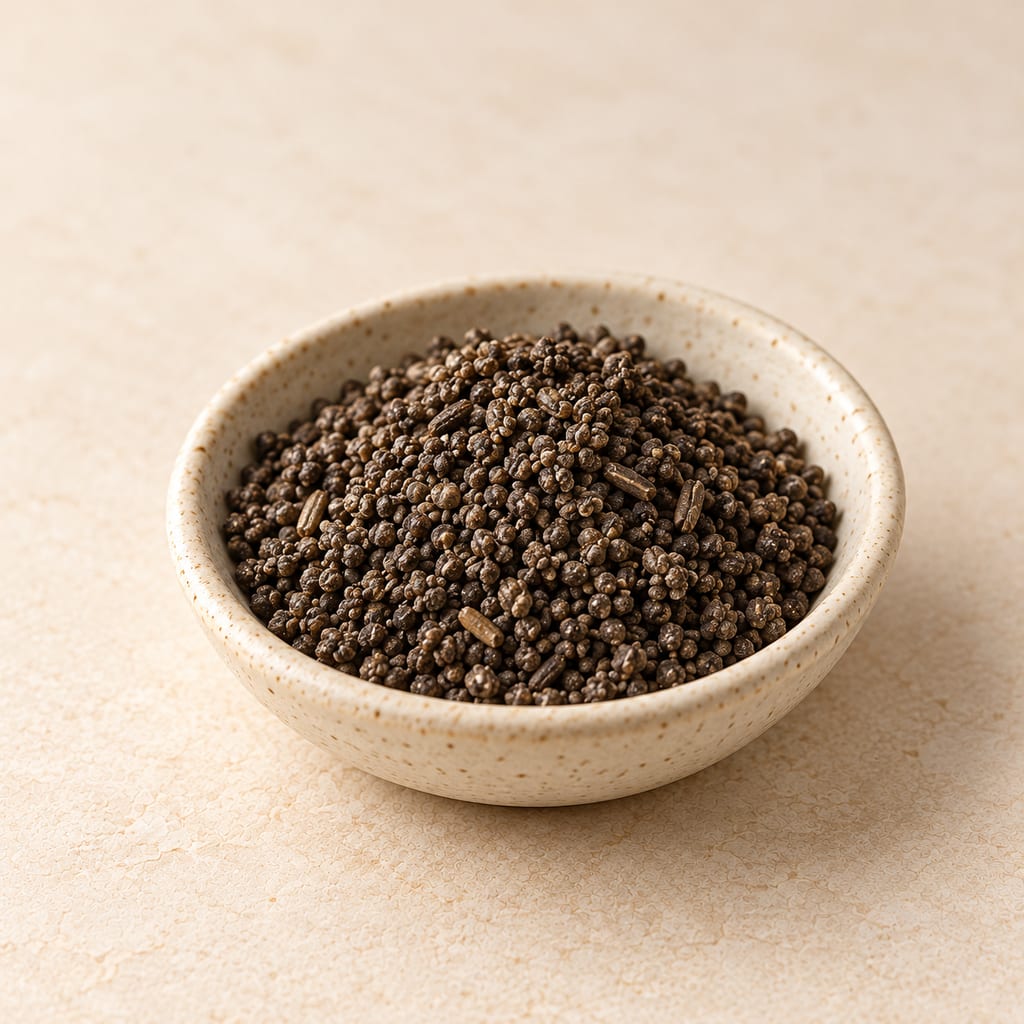
Tane-koji is the mold inoculum Sakimoto plants on steamed rice to make rice koji for Yonaguni awamori; its exact strain and supplier are unpublished.
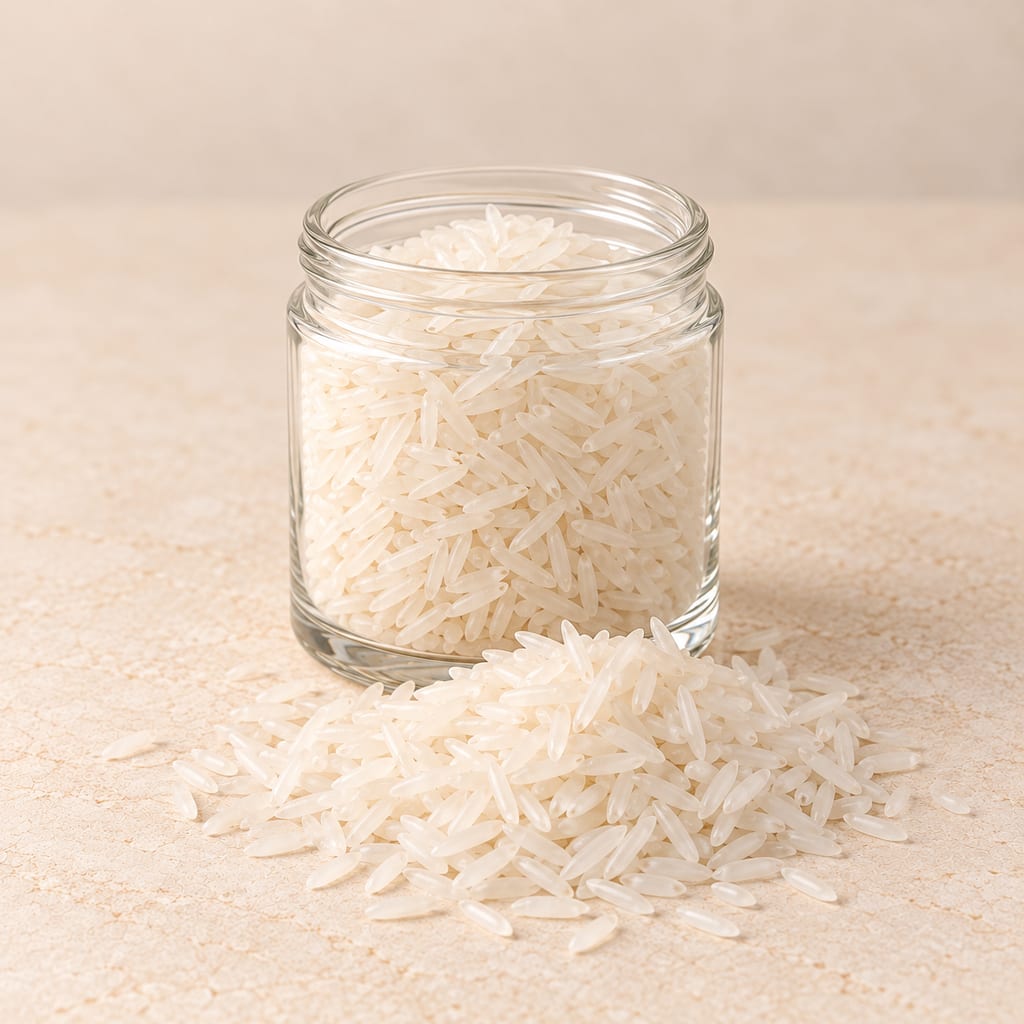
Thai indica rice is the starch-bearing grain Sakimoto steams for Yonaguni awamori koji. The producer names its origin and rice group, but no cultivar, lot or grain grade.
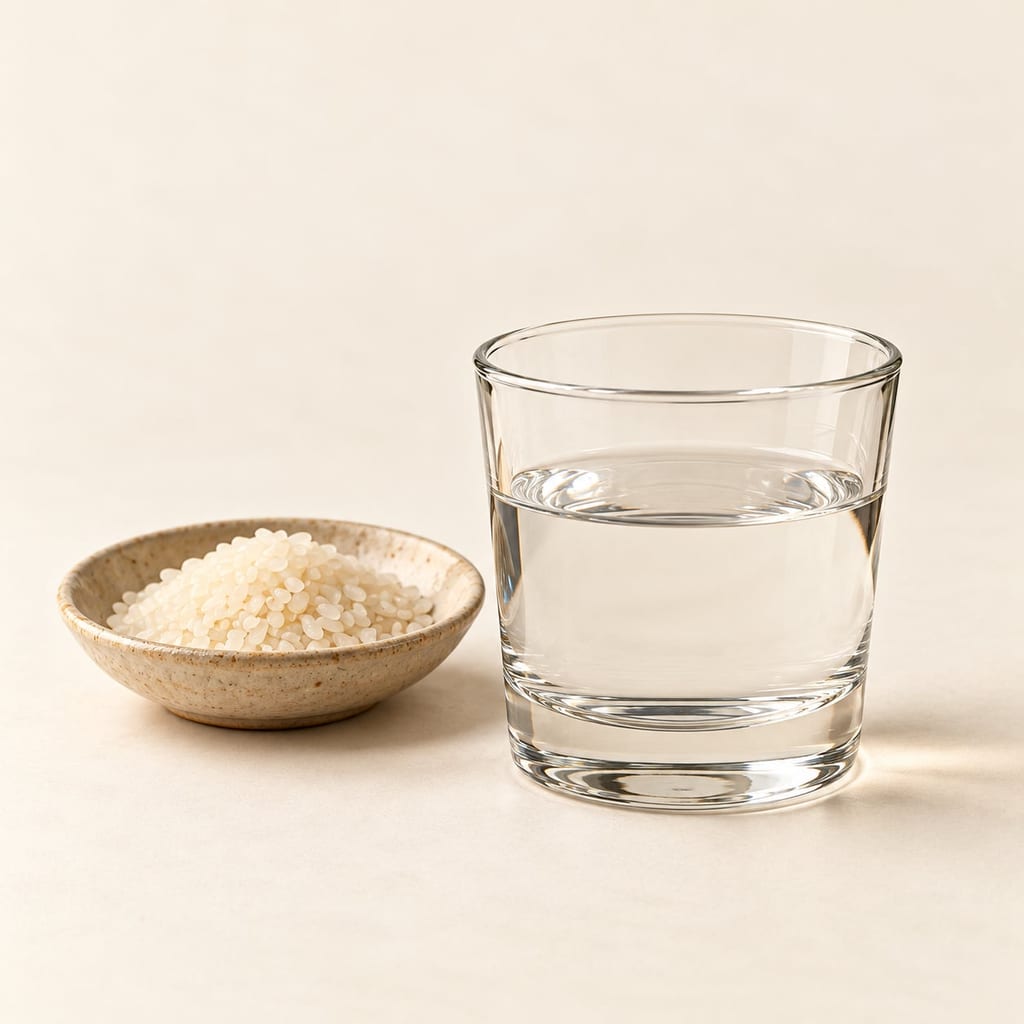
An Okinawan rice spirit made by turning all the rice into black koji, fermenting it with water and yeast, then pot-distilling and maturing the spirit.

An Okinawan fermented tofu: dried tofu cubes matured in rice koji, awamori and salt, traditionally with red Monascus koji, until the curd turns smooth and intensely savoury.
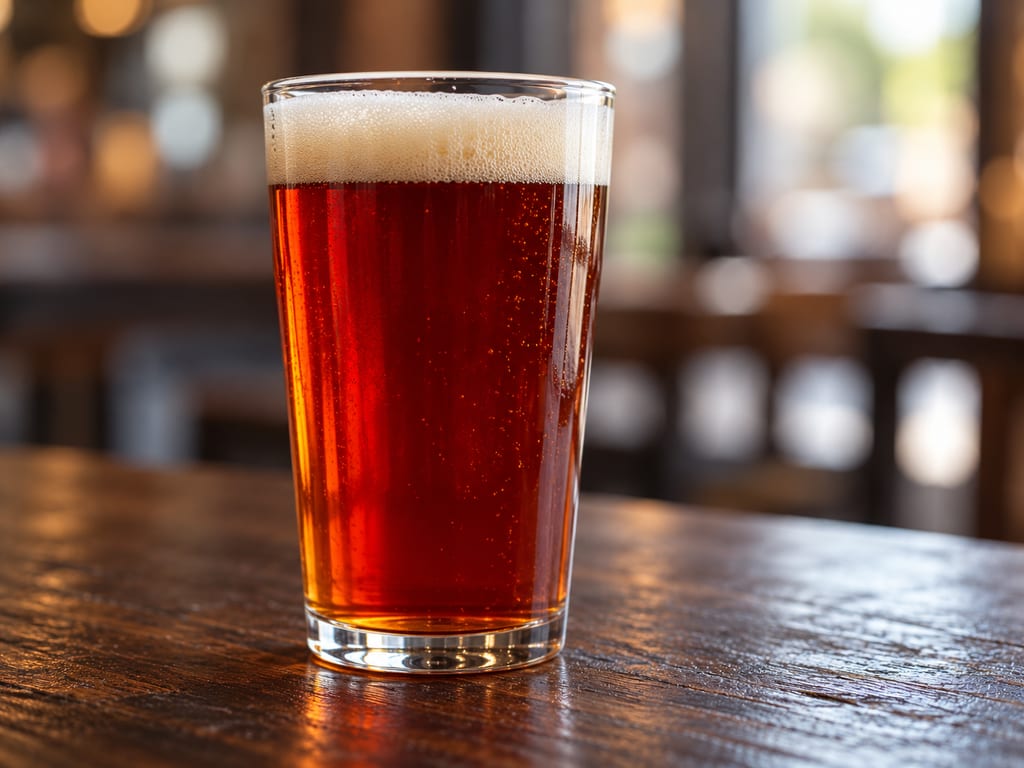
A deep amber-red American ale brewed from pale, Munich, CaraVienne and chocolate malts, bittered with Columbus hops and finished with Amarillo.
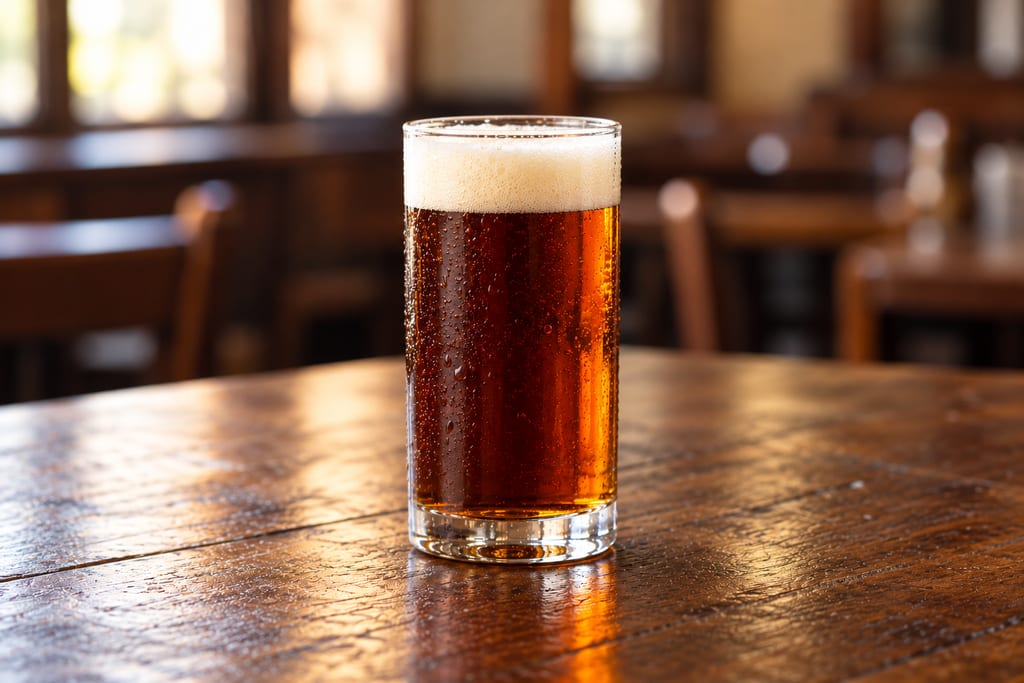
A source-specific modern extract adaptation of Düsseldorf Altbier, with specialty malts, two hop additions and an ale yeast. It is distinct from a brewery's commercial Altbier process and from Kölsch.
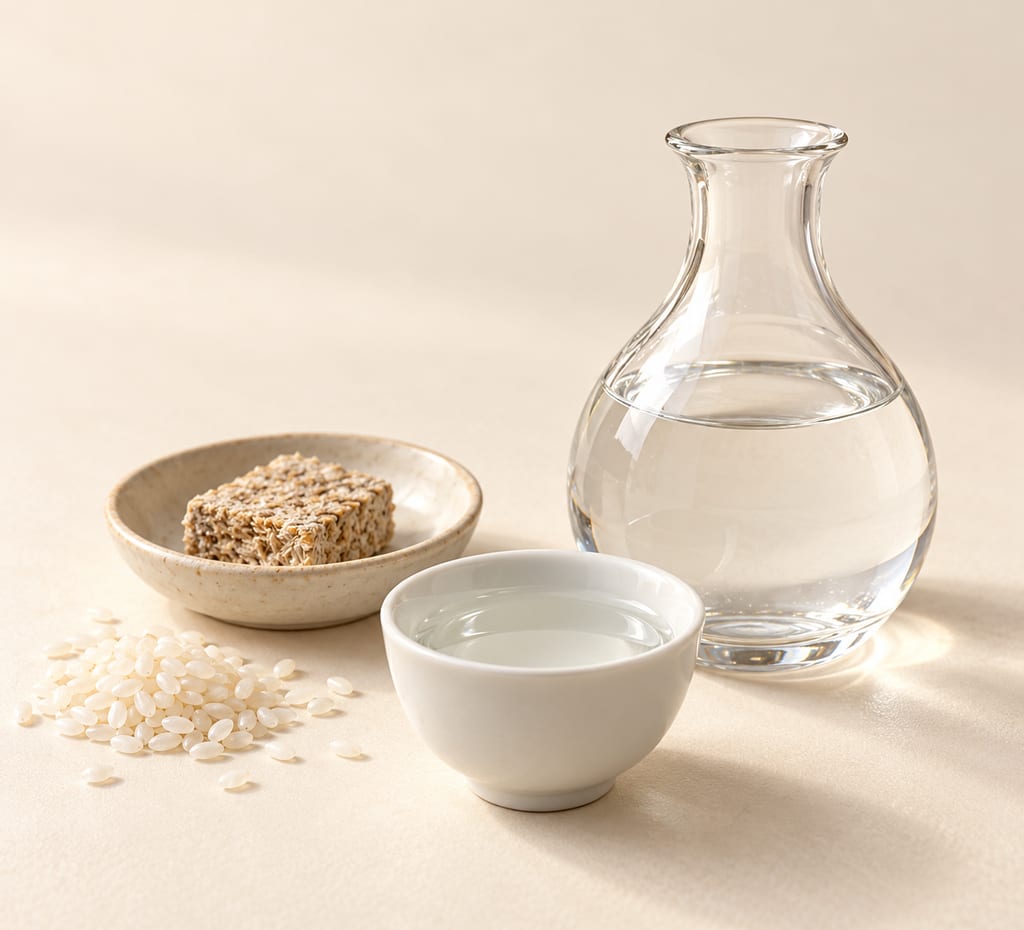
Andong soju is a rice spirit from North Gyeongsang, distilled from steamed rice and wheat nuruk. This method makes the starter before fermenting the rice mash in a jar.
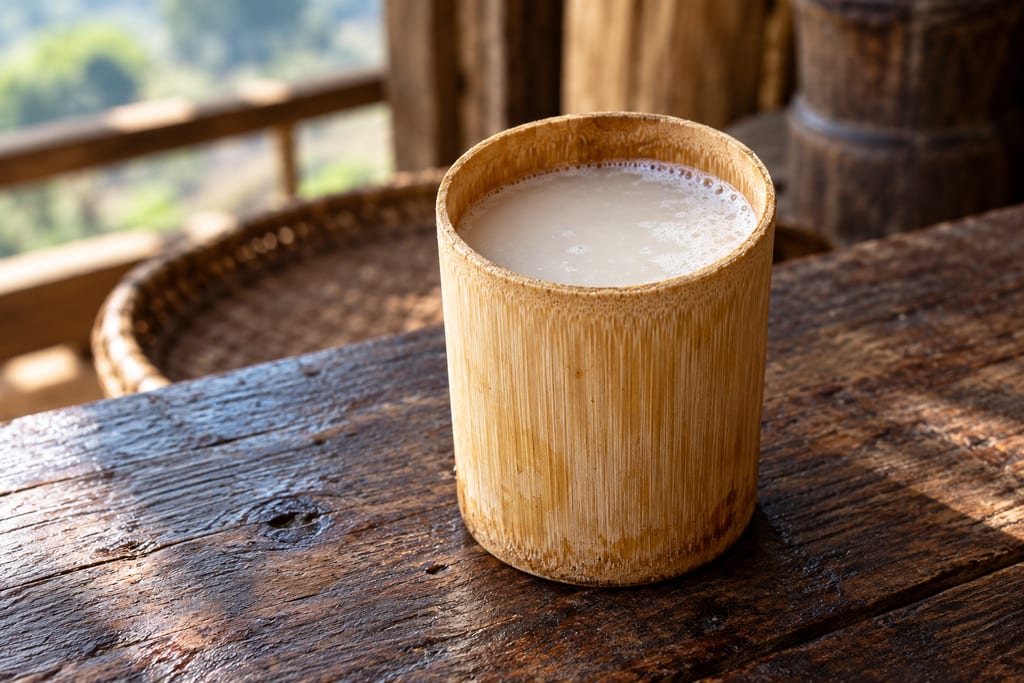
Angami rice beer from Nagaland. A surveyed method mixed cooked rice with piazu, fermented it for about four days in summer or a week in winter, then added water and filtered it. The starter ratio leaves the rice-weight basis unclear.
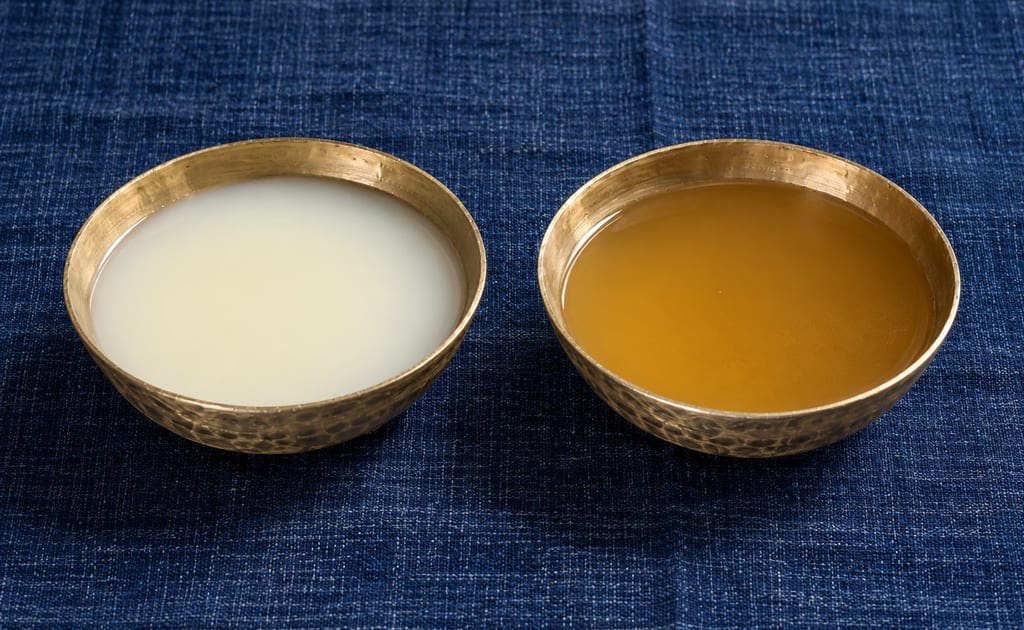
Apong names Mising rice beverages in Assam, including pale Nogin and ash-associated Po:ro. Sources describe distinct preparations and do not establish one unified household recipe or validated safety endpoint.
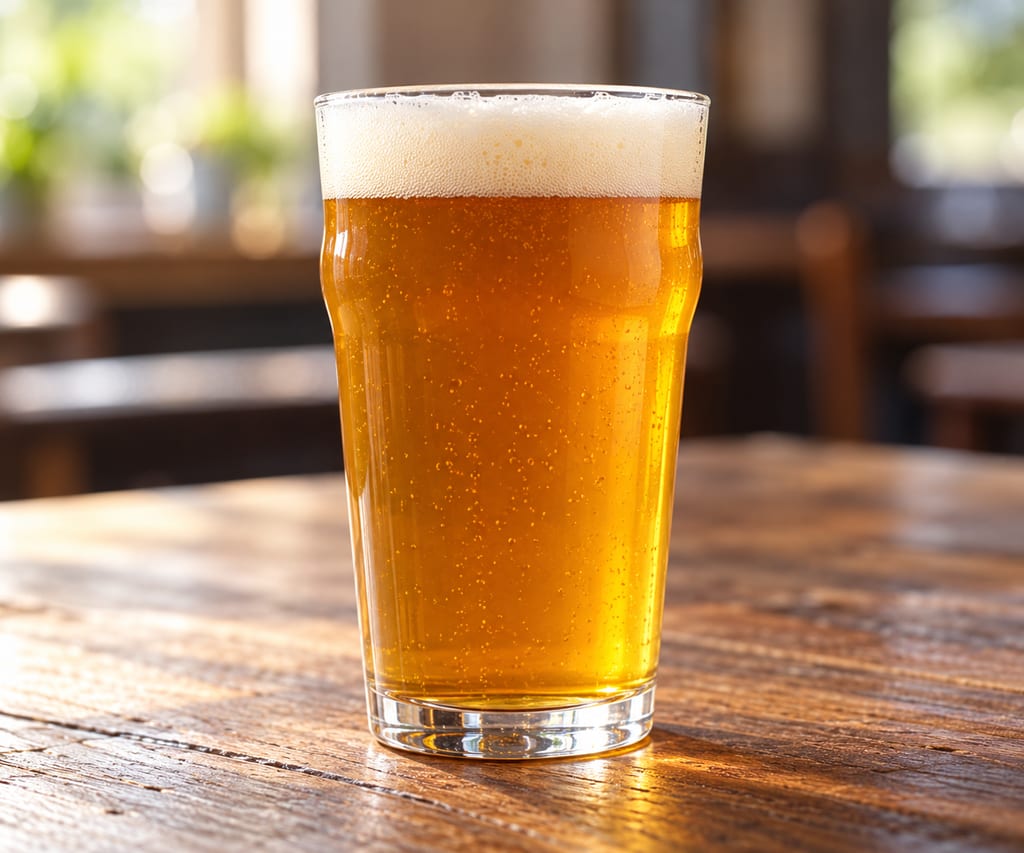
This is a process overview, not a complete batch recipe: key quantities, yield and packaging directions are absent. The AHA tutorial uses Hop Hammer Imperial IPA as an example; this page is not that full formulation.
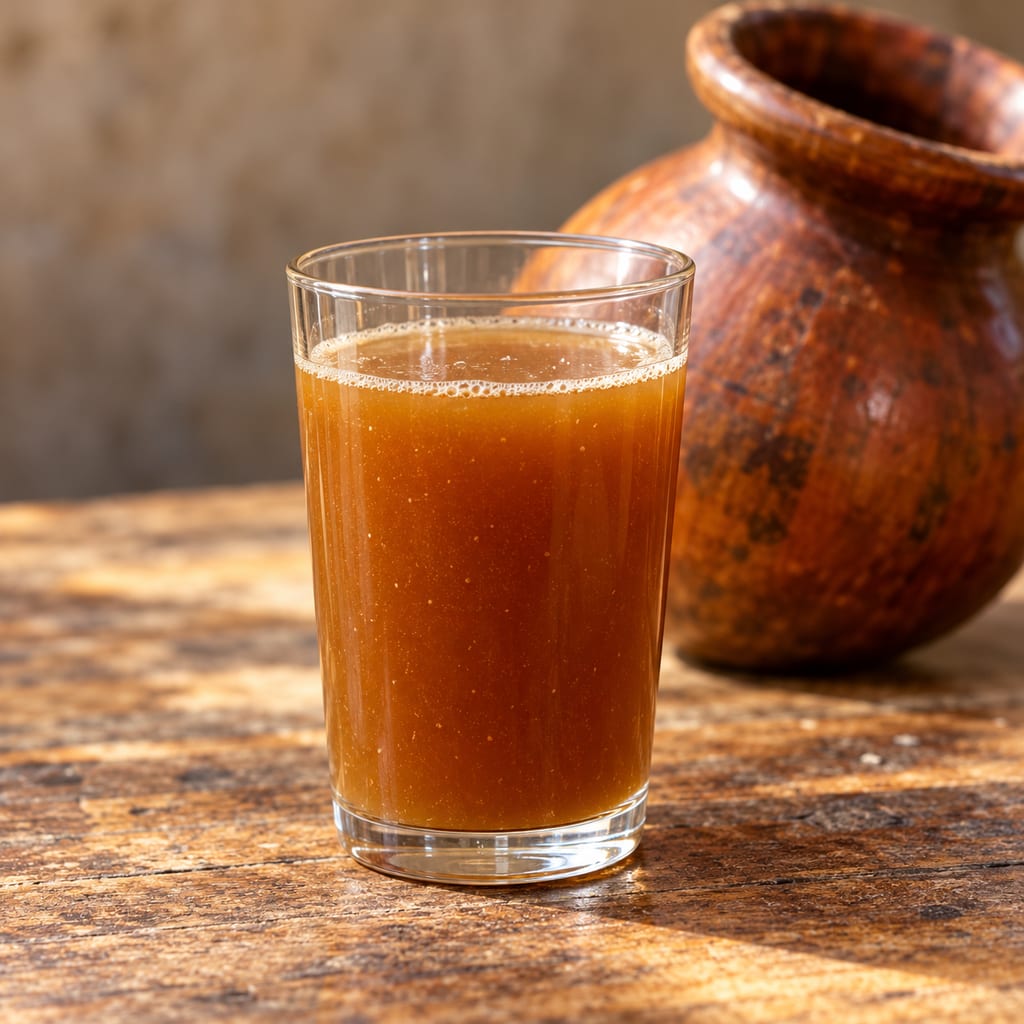
A darker Ethiopian maize tella, brewed from maize baked into a hot, dry kita pancake and then fermented in three stages with barley malt, gesho and water.
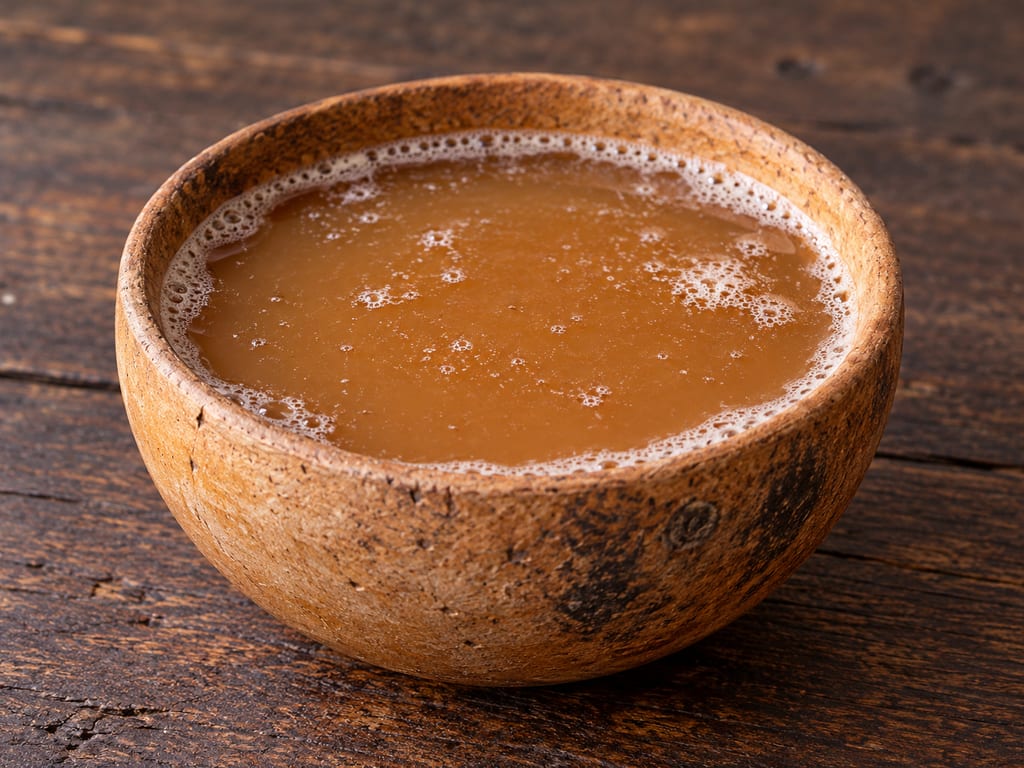
A Burkina Faso sorghum beer brewed from malted grain, soured by a spontaneous lactic stage and then fermented with a traditional yeast leaven.
No community contributions have been published for this entry yet.
Sign in to contribute. Published comments and photos are free to read.
Sakimoto Shuzo, YonaguniIngredients · Method
泡盛 製造行程 (Awamori manufacturing process)Production sections: Thai indica rice, seed koji, water and Awamori yeast; two-day koji, 19-day moromi; single-still distillation, filtration, tank maturation and bottling.
Temperature/moisture attention is described without values; ingredient doses, yield, distillation cutoffs and maturation duration are not given.
Thai indica washing/soaking/steaming, two-day koji, nineteen-day moromi, pot distillation, first liquor hanazake, filtration and tank maturation.
Cited in: Rice becomes koji before it becomes mash
Okinawa Prefectural Distillery CooperativeHistory
君知るや名酒泡盛Awamori’s use at celebrations and life events; proposed Siamese and Chinese influences. General awamori context, not the Yonaguni production schedule.
Occupational Safety and Health AdministrationSafety
OSHA Technical Manual, Section IV, Chapter 5: Ethanol ProcessingSections III.A and IV.A and the distillation subsection: ethanol-vapour ignition, overpressure releases, engineered containment and pressure relief, ventilation and elimination of ignition sources. Industrial ethanol controls; no validation of a household awamori procedure.
Sakimoto ShuzoImage
花酒について (About hanazake)Producer page labels its photograph as awamori being poured into a clear open glass. The image is a finished-spirit appearance reference, not evidence for process or ingredient quantities.
Same basic ingredients and method, stronger Yonaguni spirit; producer bubble-name account, serving/chill/dilution/cloudiness account and funerary use.
Cited in: Hanazake and awamori on Yonaguni; A drink within a changing ceremonial world; Serving hanazake
Distilled Spirits Council Safety & Risk Management CommitteeSafety
Pressure and Vacuum Relief in Pot Still DistillationPage 6: blocked outlet, external fire and cooling failure are pot-still overpressure scenarios; a process engineer determines the worst case and selects/sizes pressure-relief equipment. Industrial guidance, not a validated small-scale awamori procedure.
UK Health and Safety ExecutiveSafety
Relief systems / vent systemsRelief systems protect process plant against overpressure and discharge to a safe location. General process-plant guidance; not a household awamori specification.
WorkSafe VictoriaSafety
Fire and explosion risks at wineriesEthanol vapour can create fire or explosion risk; guidance calls for controlling ignition sources and providing cross-flow ventilation. Winery context, applied only to the general ethanol-vapour hazard.
Okinawa Distillers Association
崎元酒造所2006 factory move, former seasonal brewing, temperature control and year-round operation; output supporting storage inventory.
Cited in: A distillery that changed its working year
Awamori Newspaper
現地ルポ 過疎化に悩む業界 生まれ変わった与那国の「花酒」1972 island population/freight/market pressures; measured sales changing to sealed labelled bottles; contemporary investment in equipment/storage.
Cited in: An island trade under pressure
Journal of the Brewing Society of Japan117(3),156–167
Production and Biosynthesis of 1-octen-3-ol, A Characteristic Aroma Component of Awamori by Aspergillus luchuensisGeneral awamori mold/yeast roles, citric acid and1-octen-3-ol aroma mechanism; no producer strain identification.
Cited in: The two biological jobs behind the spirit
Yonaguni Tourism Association
合名会社崎元酒造所1927 beginnings,1971 renaming, operator attendance to avoid scorching in direct-fired still; separate cloudy Kaiha product.
Cited in: Direct heat demands attention
Journal of the Brewing Society of Japan78(12),970–972
泡盛新酒と古酒の一般成分含量の差異Jar-aged samples had higher acidity and pH than new spirit; both aged vessel groups had lower esters than new spirit.
Cited in: Ageing changes a mixture
Journal of the Brewing Society of Japan111(4),261–270
Characteristics of the volatile composition of commercially available AwamoriCommercial awamori volatile-compound comparisons across ordinary/aged products and other shochu; multiple compounds distinguish groups.
Cited in: A recognizable family with many aromas
Food Science and Technology Research31(3),223–232
Determination of sotolon, sotolon precursors, and minerals in Okinawan awamoriCommercial sample sotolon and mineral associations; higher jar-group sotolon; mineral-catalysis proposed as possible mechanism.
Cited in: Why the storage vessel attracts research
Japanese Society of Cultural Anthropology annual meeting abstract
離島における洗骨改葬:沖縄県与那国島の事例からTwo observed Yonaguni bone-washing events differed in timing, participants and specialist roles; family wishes and changing cremation choices.
Cited in: A drink within a changing ceremonial world