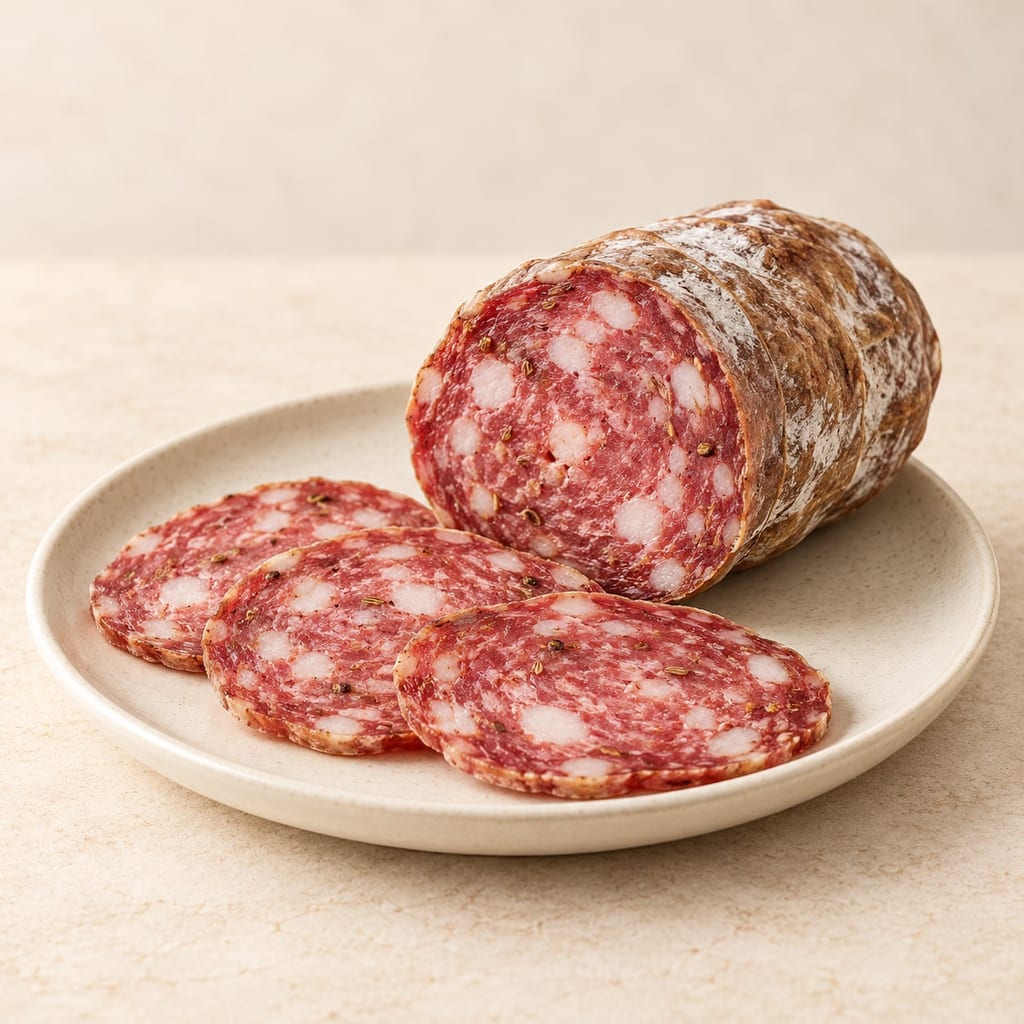
Finocchiona, starter-cultured
A Tuscan-style fennel salami made with pork and back fat. Toasted fennel, fennel pollen and Sambuca flavor this starter-cultured preparation.
 FermenteaWhere food goes to change
Spices and aromatics
Minced garlic is peeled Allium sativum cut into small, moist pieces, releasing the pungent sulfur aromas that season sauces, vegetables and meat preparations.
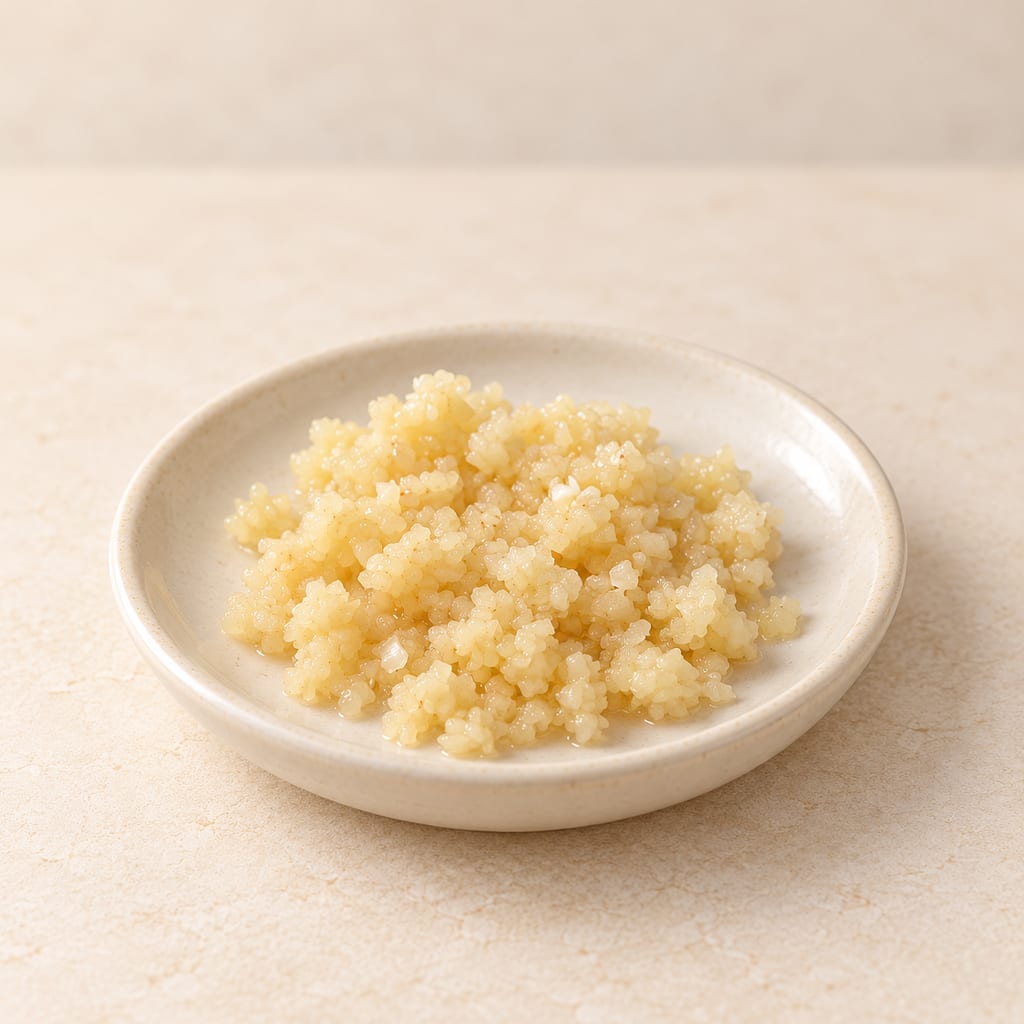
Minced garlic is peeled garlic cut into small pieces. Its plant is Allium sativum, a bulb-forming member of the Amaryllidaceae family, but mincing describes a preparation rather than a botanical variety. A bulb contains separate cloves enclosed in papery coverings; the cook removes those coverings and breaks up the flesh. Fresh mince is moist and irregular, with recognisable small fragments rather than the smooth consistency of a purée or the dry particles of garlic granules.
That distinction matters in a recipe. Whole cloves, slices, mince, paste and powder present different physical materials to the food around them. A recipe that specifies minced garlic is asking for both garlic and a particular way of distributing it. A spoonful of preserved paste may carry garlic flavour, but can also bring water, oil, salt or acid that a freshly chopped clove does not.
Garlic belongs to the same broad culinary group as onions, leeks and chives, yet their names should not be treated as interchangeable. Even elephant garlic, despite its large cloves and familiar appearance, is Allium ampeloprasum, more closely related to leek. Knowing the plant behind the name prevents the size of a bulb or the convenience of a jar from becoming the only guide to ingredient identity.
Pliny the Elder's first-century Natural History presents garlic as a familiar garden crop. He describes the fine outer coverings and individual cloves, remarks on its pungency, and distinguishes kinds by their size and ripening period. His account records people paying attention to differences within an ordinary food, rather than treating every bulb as identical.
The chapter also gathers cultivation and keeping advice. Pliny describes planting cloves, working the soil, and differing opinions about the planting season. He knew that stored bulbs could sprout and shrivel. Such observations show the continuing problem behind a pantry ingredient: a living plant part must be kept in usable condition between harvest and cooking.
He also describes a larger plant called ulpicum being beaten with oil and vinegar for rural dishes in Africa. That historical name cannot be assigned confidently to a modern garlic cultivar merely from the description. Nor should his old storage treatments be revived as current preservation instructions. The useful historical witness is the crop's established place in gardens and food, alongside the practical attention it received.
Modern garlic cultivation commonly starts with cloves rather than true seed. Each planted clove is living propagation material as well as potential food. Separating a bulb therefore reveals the units from which another crop can be grown. Growers select healthy planting stock; a damaged or diseased bulb is not improved simply by putting its cloves into new soil.
In cold-climate cultivation, fall planting allows roots to develop before rapid top growth in spring. The green leaves support the developing bulb. Soil fertility, adequate water during growth and freedom from weeds contribute to bulb production, while excessive water as the leaves mature can delay curing and create storage problems. A crop needs moisture in the growing season and a different set of conditions when it is being prepared for keeping.
Planting calendars depend on place. Maine and Utah extension guides describe their own seasons and growing conditions; neither is a universal timetable for garlic wherever it is cultivated. The same restraint applies to geographical history. Kew's current botanical record gives a native range from Central Asia to northeastern Iran. That broad range does not identify one village of domestication or date the first use of finely chopped garlic.
Hardneck and softneck are useful horticultural categories. Hardneck garlic develops a firm central flowering stalk, called a scape. Softneck garlic lacks that same stiff stalk and is often used for braiding. Clove arrangement, size and keeping behaviour vary with the type and cultivar. A category helps explain the bulb's structure, but does not guarantee a fixed strength of flavour in every purchase.
Young scapes are also edible. They provide a different garlic ingredient from the mature clove and can be chopped for cooking. Removing a developing scape is part of some growers' management of the bulb crop. It should not be confused with mincing the harvested cloves: the plant part, texture and stage are different.
Harvest and subsequent drying affect what reaches the kitchen. Bulbs must be lifted without unnecessary damage, while their wrappers are still able to protect the cloves. Curing dries the outer leaf sheaths and neck tissues. Good air movement helps that drying; excessive heat and direct sun are avoided in the Maine guidance. Curing prepares an intact bulb for storage. It does not dry the interior into garlic powder, and it does not make freshly cut mince a shelf-stable food.
Garlic's immediate aroma is connected to tissue damage. The precursor alliin and the enzyme alliinase participate in the formation of allicin and other sulfur-containing flavour compounds when cloves are crushed or damaged. An enzyme is a protein that helps a chemical reaction proceed. The change begins as the plant tissue is opened; it does not need a fermenting culture to produce the characteristic fresh garlic smell.
Mincing is consequently more than a convenient reduction in size. It breaks up the clove and distributes those damaged pieces through a sauce, filling or seasoning mixture. Whole-clove storage, a newly cut pile of mince and a processed paste represent different stages of the ingredient. Their aroma cannot be described fully by the weight of garlic alone.
Heat and the order of preparation matter as well. Research on garlic paste has compared heating before blending with blending before heating and found different patterns of sulfur compounds, colour and tissue structure. Those results help explain why a cooked garlic preparation differs from fresh mince. They do not provide one cooking time that produces the same flavour in every pan, quantity or recipe.
Commercial minced garlic is a formulated product, whose contents must be read on its own label. Lee Kum Kee's U.S. Minced Garlic, for example, lists water, dehydrated garlic, soybean oil, sugar, salt and citric acid. The garlic ingredient in that particular jar begins in dried form, and the finished product includes several additions. It is more specific than the word garlic on the front of the package.
A manufacturer's cooking substitution advice applies to that product and its intended uses. It does not establish that all jars contain the same proportion of garlic, or that a spoonful can replace freshly minced cloves in every fermented preparation. Added liquid, salt and acid belong to the formulation. If a recipe depends on defined ingredient amounts, an unexamined substitution changes more than the convenience of preparation.
The same care is needed with allergen information. This product declares soybeans. That declaration concerns the formulated jar, rather than a botanical property of plain garlic. Check the complete ingredient and allergen list whenever buying a prepared version, and follow its opening and storage instructions. Another brand or market may have a different formula even when the culinary name appears identical.
Begin with firm, sound garlic. A good intact bulb has well-dried outer coverings and firm cloves; soft, spongy or decayed tissue is a different condition from normal papery skin. Break the head into cloves and remove the coverings before cutting. Pressing a clove with the flat of a knife can crack its skin and make peeling easier when the clove is going to be chopped anyway.
Then chop to the form the recipe requests. Mince retains small pieces; a purée has been worked further into a paste. Keeping those terms distinct helps when following a preparation that expects visible particles rather than a smooth sauce. There is no need to assign every kitchen's word mince a single particle measurement unless the particular recipe provides one.
Clean hands, utensils and work surfaces matter when handling cut produce. Once prepared, keep mince in a clean container under refrigeration rather than borrowing the pantry conditions used for an intact cured bulb. A direction for keeping whole heads is not a storage life for chopped flesh. Prepare only what the recipe needs, or use a documented preservation method for the portion that will be kept.
In fermented recipes, minced garlic has a clear culinary purpose: it brings garlic taste and aroma in small particles that mix through the other ingredients. The mince also remains plant tissue with its natural moisture. It is not interchangeable with a dry powder simply because both are sold as garlic, and its strong flavour does not make it a preservation control.
The site's linked sausage preparations illustrate different seasoning combinations. The finocchiona preparation combines minced garlic with black pepper and fennel; the Maltese sausage uses it with black pepper and coriander. The character comes from the whole combination. Keeping garlic's form and the other aromatics explicit helps the reader understand why two pork preparations need not taste alike.
Those recipes also have processing stages separate from seasoning. Garlic does not replace their specified salt, culture or handling conditions, and adding it cannot be used to judge whether fermentation has finished. An ingredient page explains what goes into a preparation; the linked recipe must retain the quantities and method for that particular food. Outside fermentation, minced garlic is used in marinades, stir-fries and steamed dishes. These uses also benefit from specifying the prepared ingredient: small pieces mix into a marinade or sauce, while the degree of cooking changes the fresh garlic character. A preserved commercial sauce brings its own seasoning as well as its garlic.
Whole cured bulbs need dry, ventilated storage. Moisture accumulation encourages rooting and mould, while the variety, harvest condition and storage environment affect keeping quality. A commercial cold store and a household cupboard offer different conditions. No single duration describes every bulb, and neither environment should be assumed suitable for a wet pile of cut garlic.
For chopped garlic intended for later use, freezing is one documented option. University of California guidance describes tightly wrapping chopped garlic and freezing it, then breaking off the portion needed. That is a distinct preservation choice from leaving prepared mince on a counter. It also preserves garlic in a different condition from a commercially acidified jar; the package name alone does not explain how a product was made safe to keep.
Garlic mixed with oil needs particular care. The National Center for Home Food Preservation warns that room-temperature garlic-in-oil can develop botulism. Its home guidance is to make the mixture fresh, refrigerate at 40°F or below for no more than four days, or freeze for longer storage. These limits apply to garlic-in-oil, not to every garlic-containing dish or unopened commercial product. Garlic's pungency offers no protection from that hazard.
True allergy to garlic is documented. A published case report describes reactions to garlic and differing responses to raw and cooked forms. Those individual observations do not make cooking a dependable way for a person with garlic allergy to eat it. A reader with a diagnosed allergy needs to avoid relying on a change of chopping size, heating or product form as an assurance.
Garlic also contains fructans, fermentable carbohydrates relevant to some people managing irritable bowel syndrome. That is a different issue from an immune allergy. Fructans are water-soluble: adding a whole clove to a soup and removing it later does not remove everything that has moved into the liquid. Finely mincing garlic similarly does not erase its carbohydrate content. Individual tolerance and dietary guidance matter more than whether pieces remain visible on the plate.
The exact first domestication place and date of mincing are not established here. Whole-bulb storage guidance is kept separate from fresh mince, and no universal jar-to-fresh substitution or fresh-mince shelf life is assumed.
Garlic allergy is documented; cooking does not reliably remove the risk for an allergic individual., Prepared minced-garlic products can contain additional allergens; one cited U.S. product declares soybeans.
Extension source documents growing and curing garlic; not origin of garlic or mincing.
Regional cultivation guidance, not a universal calendar or culinary birthplace.
A Tuscan-style fennel salami made with pork and back fat. Toasted fennel, fennel pollen and Sambuca flavor this starter-cultured preparation.
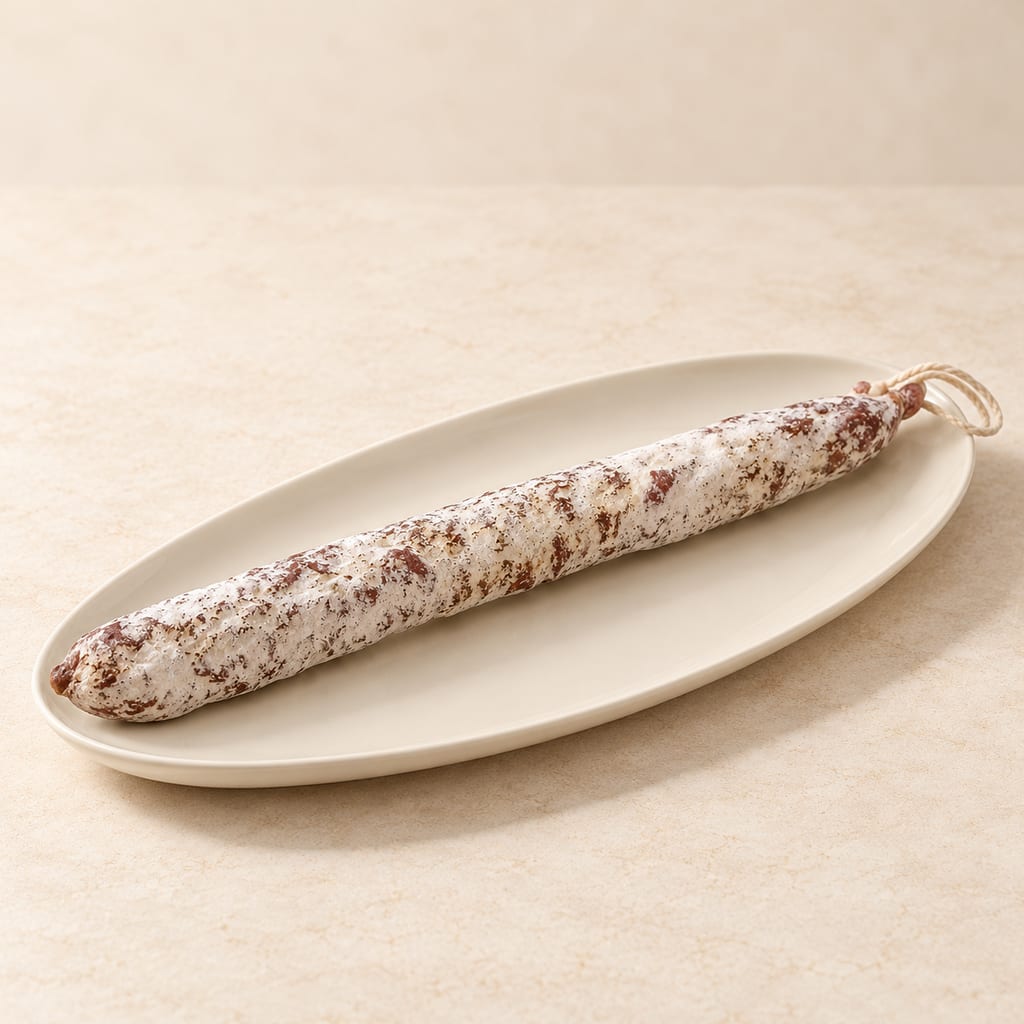
A documentary account of a modern starter-cultured Fuet formula and its place in Catalan sausage culture. The cited raw-pork process lacks matched safety validation, so this page does not present it as a household recipe.
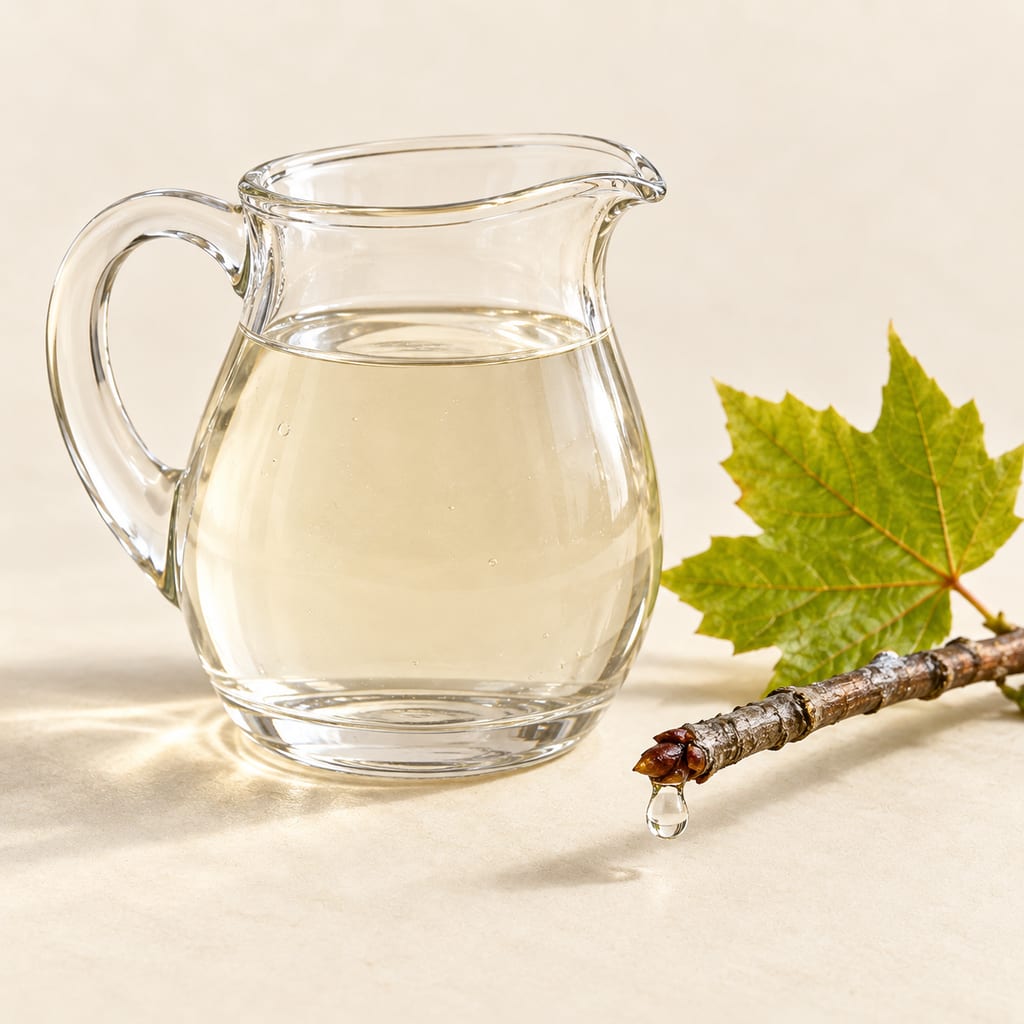
Maple sap is the dilute, mildly sweet liquid gathered from maple trees in late winter and early spring, before heat concentrates it into syrup or sugar.
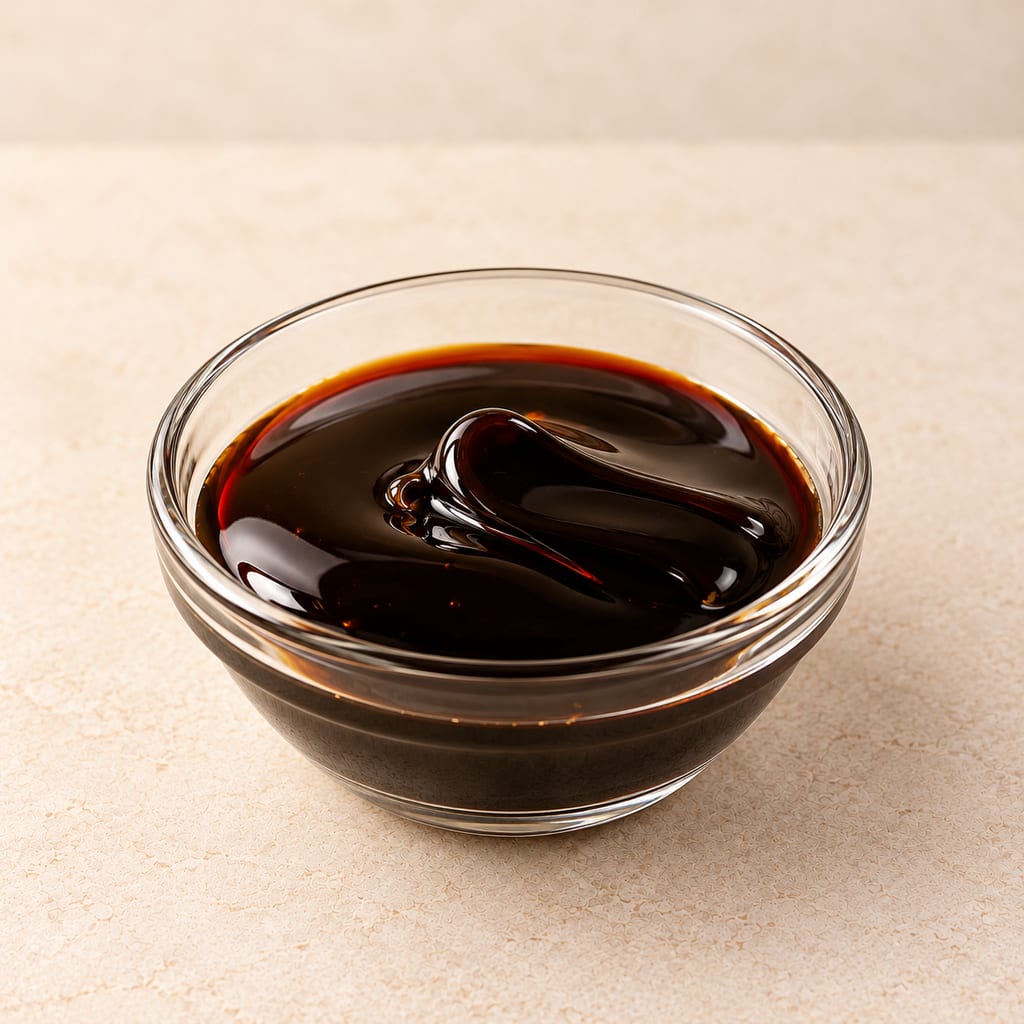
Molasses is the syrup separated as sugar crystallises from cane or beet; its grades and food uses vary, from Anadama and steamed brown bread to fermentation.
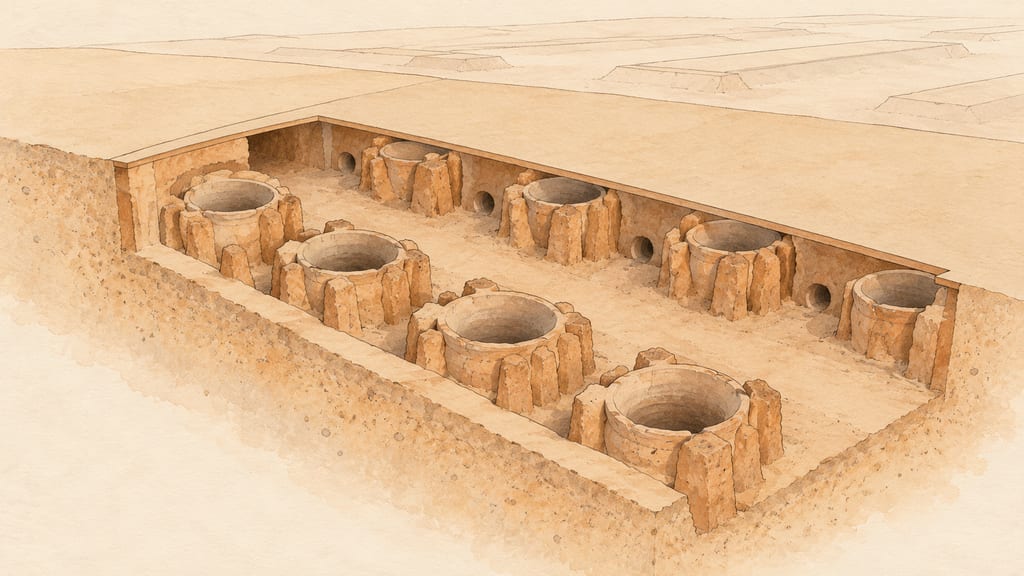
At North Abydos in Egypt, a fixed early Dynastic brewery comprised parallel semi-subterranean installations with rows of ceramic mash vats; excavation reports revise their number, scale and estimated batch capacity.
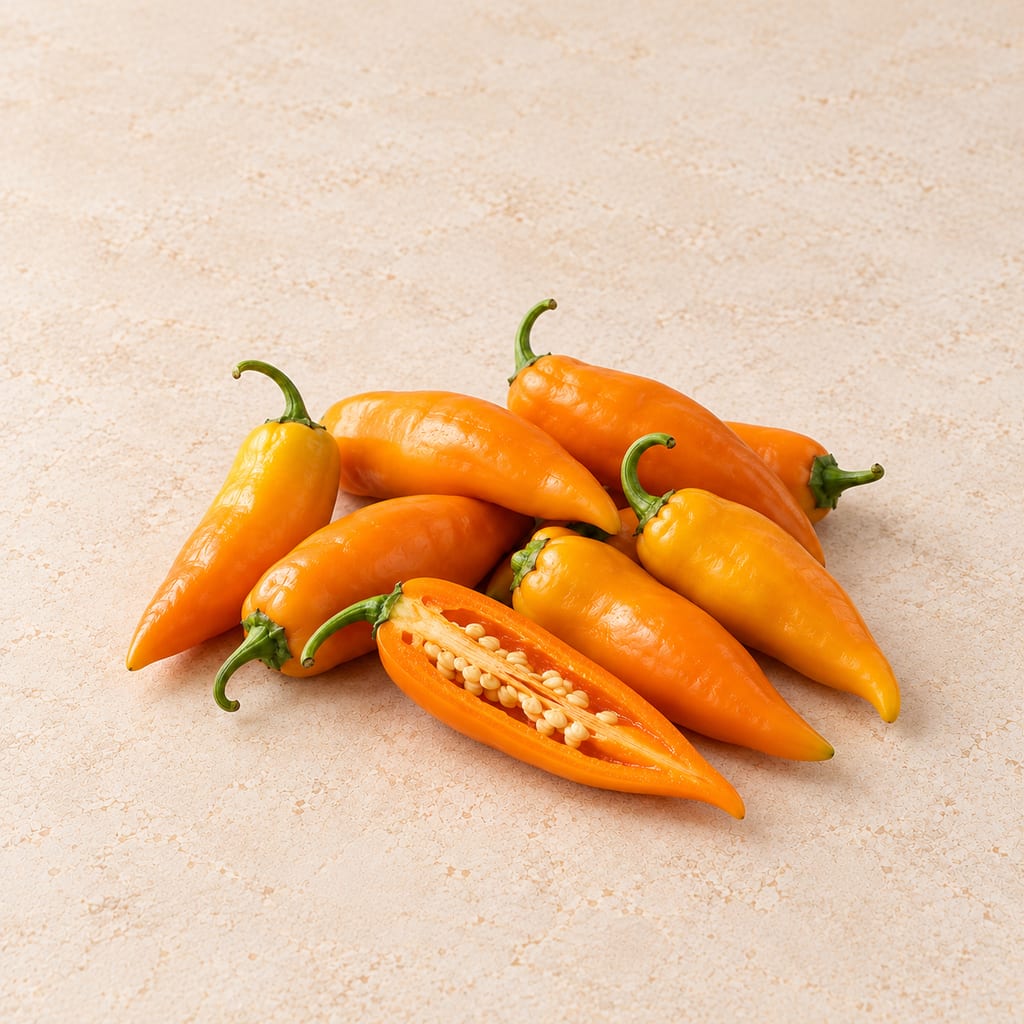
Ají amarillo is the orange-yellow Peruvian chilli cultivar group of Capsicum baccatum, used to colour and season huancaína sauce and ají de gallina. Published heat estimates do not establish one range for the named cultivar.

Toasted almonds are whole sweet almond kernels dry-roasted until golden to brown. Heat replaces their marzipan note with a roasted, nutty one; they thicken and flavour romesco.

Kodiak salmon, halibut and cod cut as seg'aq and hung on an initaq rack to become tamuuq, with kac'amaasaq and kupcuunaq named as different results.
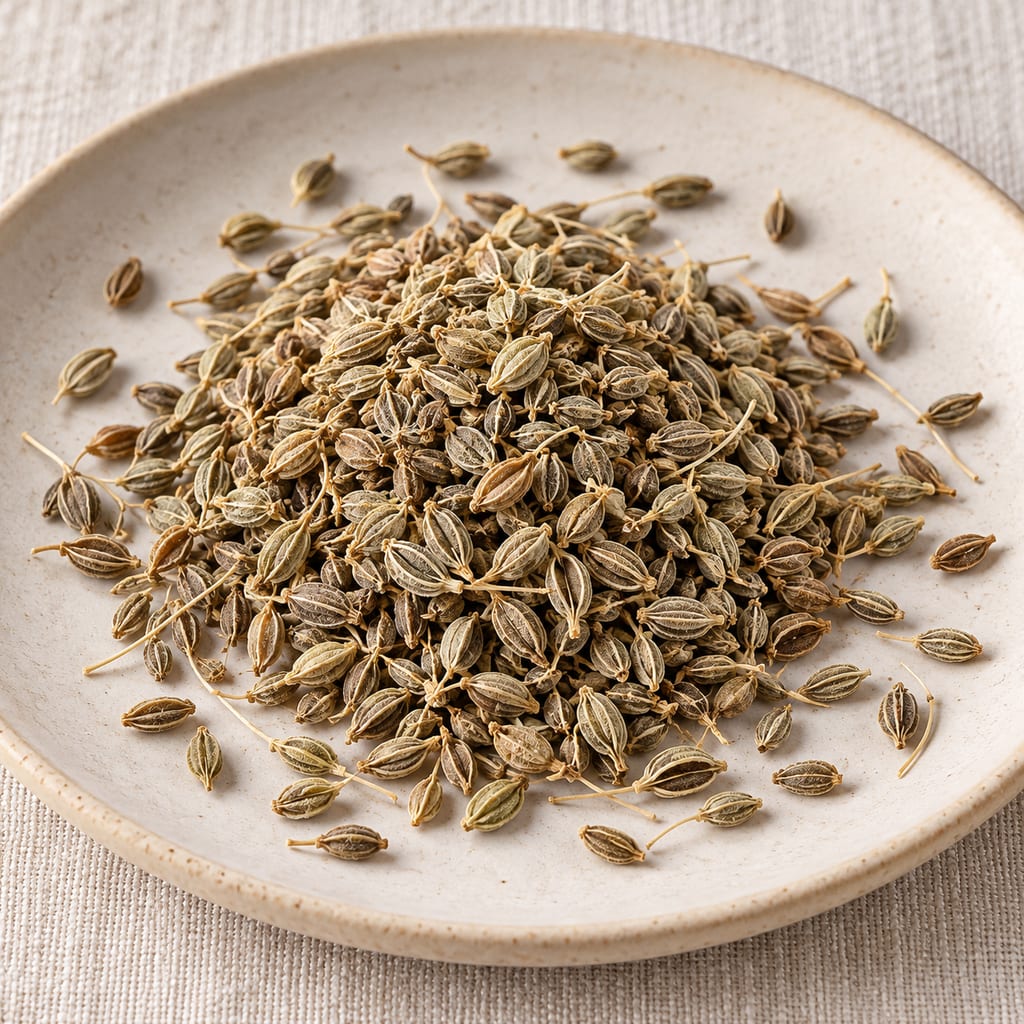
Aniseed is the dried ripe fruit of Pimpinella anisum, an aromatic Apiaceae spice commonly called a seed. It adds a sweet, warm aroma to breads such as Moroccan krachel and South African mosbolletjies, and is distinct from star anise.
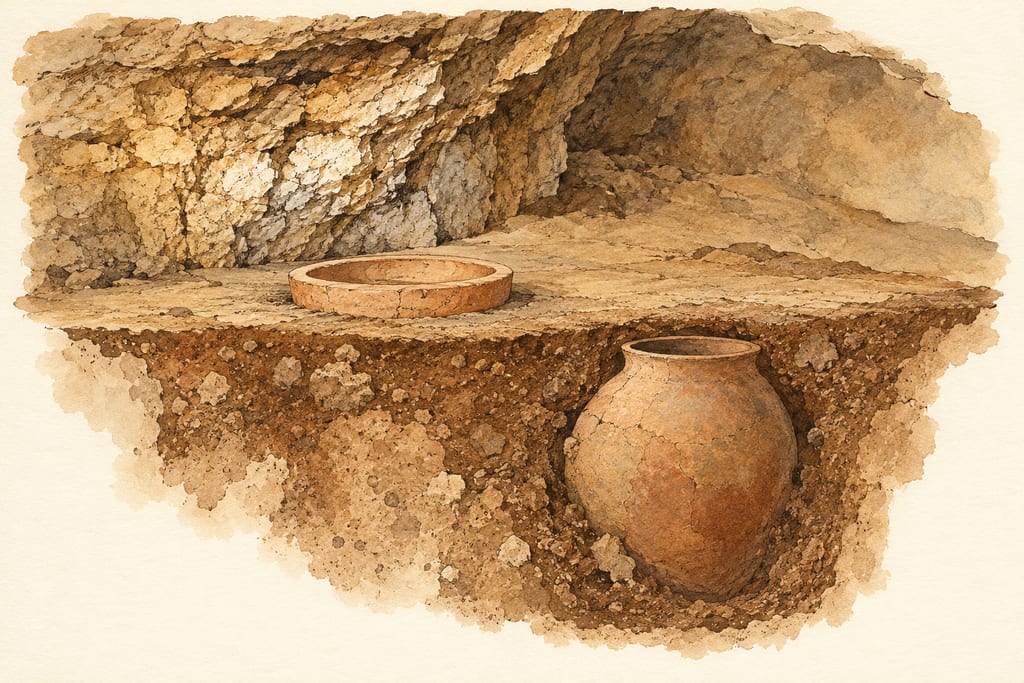
A fixed Late Chalcolithic installation in Areni-1 cave combined a shallow clay pressing basin with a large jar set into the cave floor and storage vessels nearby.

Ripe avocado flesh is the soft, buttery, fat-rich pulp of Persea americana, eaten raw. It is low in acid, so it is a fresh ingredient that needs care in chilled dishes.
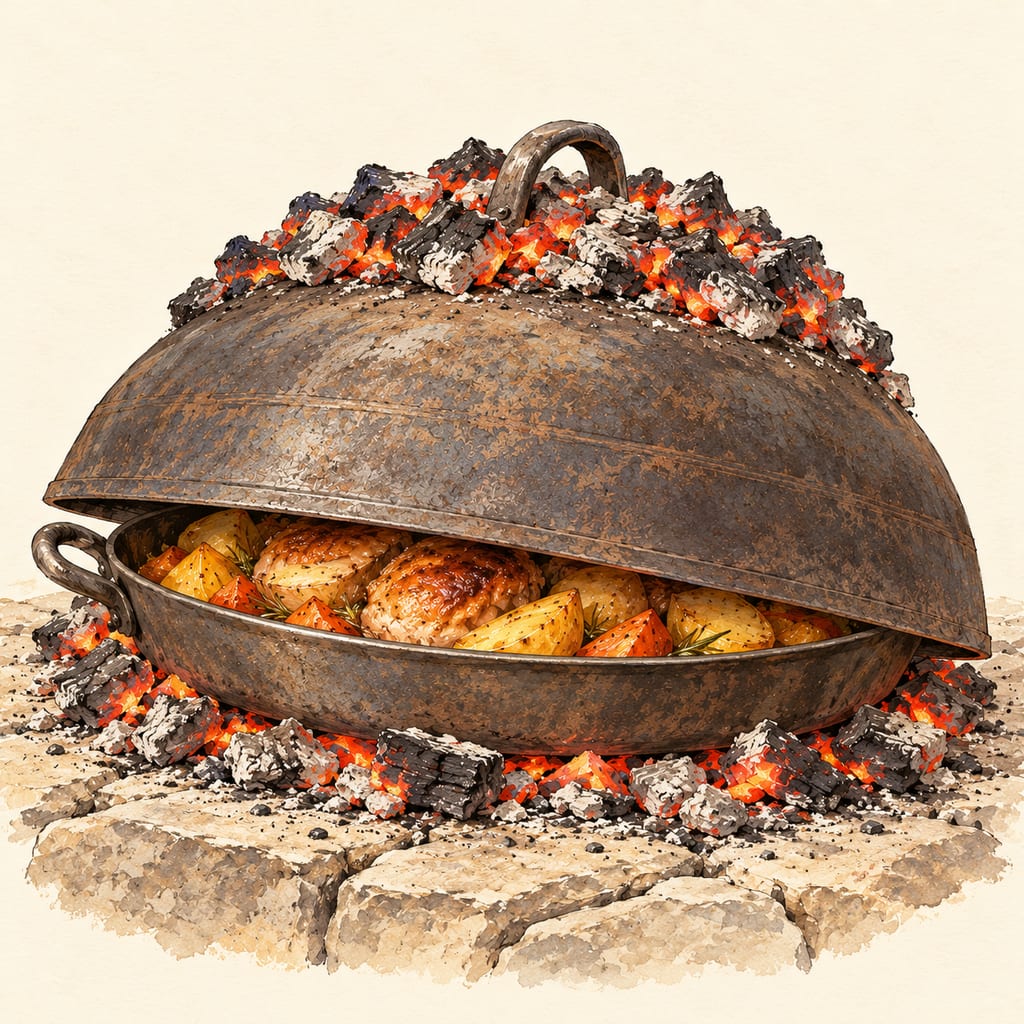
A portable dome and pan used over a hearth, with embers on the lid and heat from below. Regional peka and saç forms share this principle while differing in materials, pan shape and how the food is cooked.
No community contributions have been published for this entry yet.
Sign in to contribute. Published comments and photos are free to read.
Royal Botanic Gardens, KewIngredient context
Allium sativum L.Allium sativum belongs to Amaryllidaceae, with a broad native-range account extending from Central Asia toward northeastern Iran.
Cited in: A clove opened into an ingredient; A crop carried in its cloves; Notes
Pliny text project, Bostock–Riley historical English translationIngredient context
Natural History, Book XIX, Chapter 34: GarlicThe ancient text describes cloves, pungency, cultivation and storage, and a named ulpicum preparation with oil and vinegar.
Cited in: Garlic in the Roman garden; Notes
Utah State University ExtensionIngredient context
How to Grow Garlic in Your GardenRegional cultivation guidance explains propagation from cloves, roots and tops, water and fertility, hardneck and softneck forms, and elephant garlic as Allium ampeloprasum.
Cited in: A clove opened into an ingredient; A crop carried in its cloves; Hardnecks, softnecks and the harvest
University of Maine Cooperative ExtensionIngredient context
Bulletin #2063: Growing Garlic in MaineGarlic propagation, scapes, harvesting and bulb curing depend on intact wrappers, ventilation and protection from excessive heat and direct sun.
Cited in: A crop carried in its cloves; Hardnecks, softnecks and the harvest
UC Davis Postharvest Research and Extension CenterIngredient context
Garlic produce fact sheetBulb quality, curing, storage airflow and humidity, sprouting and the chemistry of garlic flavour precursors.
Cited in: Hardnecks, softnecks and the harvest; Why cutting changes the smell; From papery bulb to small pieces; Keeping bulbs, mince and oil apart
Applied Biochemistry and Biotechnology; PubMed abstractIngredient context
Alliin lyase (Alliinase) from garlic (Allium sativum): Biochemical characterization and cDNA cloningThe primary biochemical study describes alliinase and the formation of allicin when garlic tissue is disrupted.
Cited in: Why cutting changes the smell
Journal of Food Science and Technology, Springer NatureIngredient context
Effect of different combined mechanical and thermal treatments on the quality characteristics of garlic pasteThe study finds that the order of heating and blending changes garlic-paste compounds, colour and microstructure.
Cited in: Why cutting changes the smell
Lee Kum Kee USAIngredient context
Minced GarlicThis U.S. minced-garlic product contains water, dehydrated garlic, soybean oil, sugar, salt and citric acid; its manufacturer declares soybean and describes marinating, stir-frying and steaming uses.
Cited in: Fresh mince and a jar share a name; Seasoning a fermented food
University of California Agriculture and Natural ResourcesIngredient context
Garlic: Safe Methods to Store, Preserve, and EnjoySelecting and peeling garlic, freezing chopped cloves, and distinguishing whole-bulb storage from prepared-garlic handling and the hazards of garlic in oil.
Cited in: A clove opened into an ingredient; From papery bulb to small pieces; Keeping bulbs, mince and oil apart; Notes
U.S. Food and Drug AdministrationIngredient context
Selecting and Serving Produce SafelyProduce handling calls for clean hands and surfaces, sound ingredients, refrigeration after cutting and separation from raw meat.
Cited in: From papery bulb to small pieces
National Center for Home Food Preservation, University of GeorgiaIngredient context
Freezing Garlic-In-OilFresh garlic-in-oil mixtures carry a botulism hazard at room temperature; the stated guidance is refrigeration at40°F or lower for no longer than four days, or freezing.
Cited in: Keeping bulbs, mince and oil apart
Journal of Food Allergy; PubMed abstractIngredient context
Garlic: a potential food allergen?Two clinical cases document garlic allergy and differing responses to raw and cooked garlic.
Cited in: Allergy and carbohydrate tolerance
Monash University FODMAP TeamIngredient context
Cooking with onion and garlic: myths and factsGarlic fructans dissolve in water, so removing cloves from a soup does not remove carbohydrate already leached into it.
Cited in: Allergy and carbohydrate tolerance
2 Guys & A CoolerIngredient context
How to Make Tuscan Finocchiona SalamiThe modern Finocchiona formulation uses minced garlic with black pepper and fennel seed or pollen.
Cited in: Seasoning a fermented food
2 Guys & A CoolerIngredient context
Maltese SausageThe modern Maltese sausage formulation combines minced garlic with black pepper and coriander.
Cited in: Seasoning a fermented food