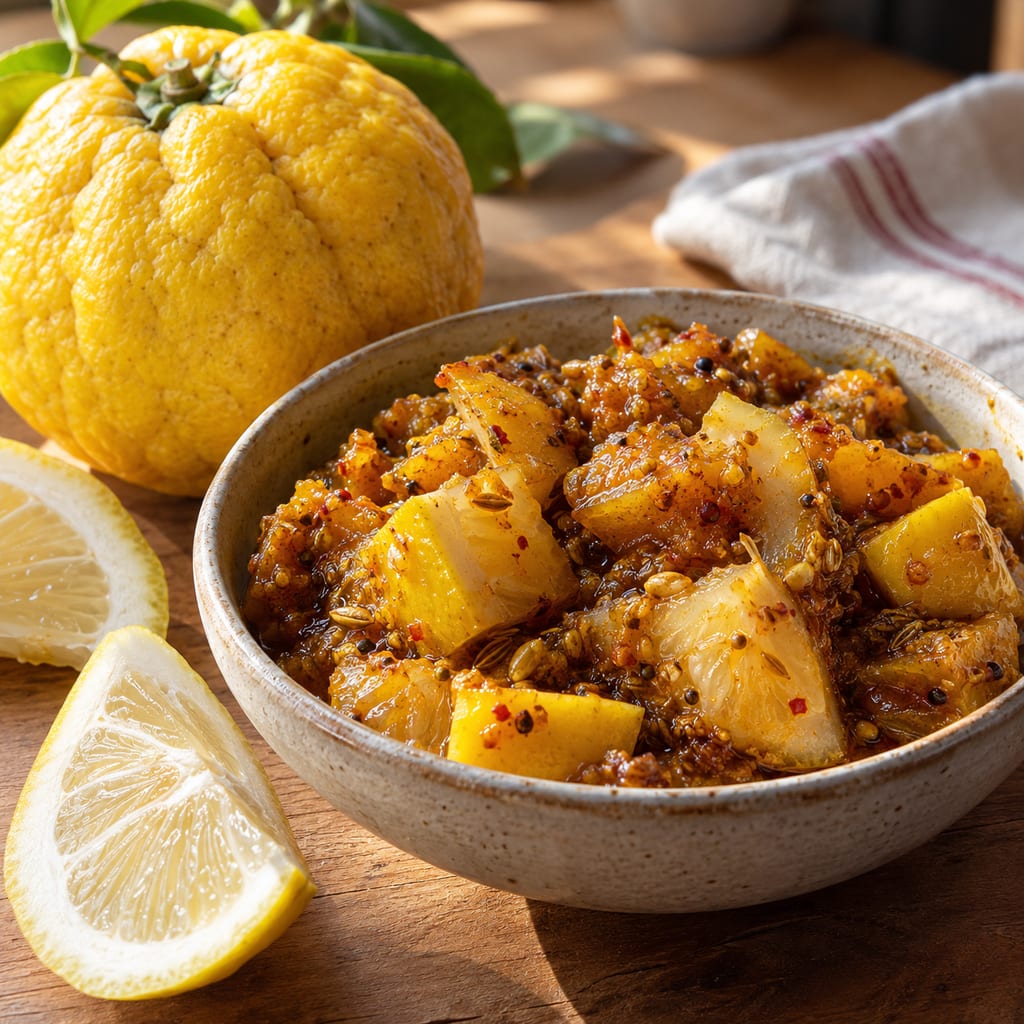
Galgal pickle
Ripe Himalayan galgal is boiled, sun-dried and cooked with mustard oil, spices and jaggery before a further rest in a ceramic jar.
 FermenteaWhere food goes to change
Sugar sources
Jaggery is a family of concentrated, non-centrifugal sweeteners made from cane juice or palm sap. Plant source and form shape its flavour and use.
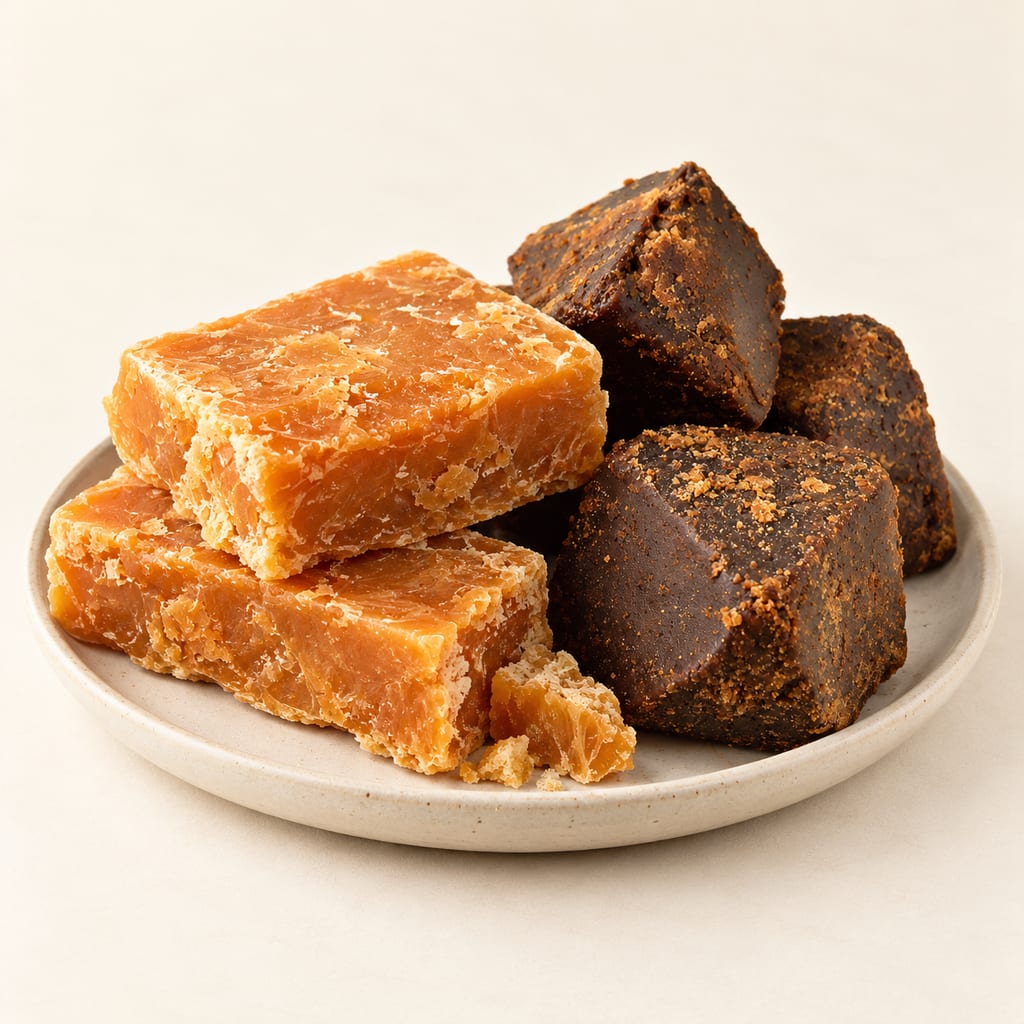
Jaggery is a family of concentrated, non-centrifugal sugars: plant juice is heated until much of its water has evaporated, then cooled as a block, granule or syrup. “Non-centrifugal” describes a method: unlike refined sugar production, the concentrated juice is not spun to separate sugar crystals from the remaining syrup. The result keeps some of the juice’s other soluble compounds alongside sucrose and other sugars. The source may be sugarcane or a palm; its species, growing conditions, clarification, heat and final moisture all shape the sweetener. “Jaggery” alone is therefore a broad name, not one fixed recipe ingredient.
A solid cane block can be dense and hard, then fracture into sandy or crumbly pieces. A softer block may feel tacky and dissolve readily. Powdered cane jaggery is easy to scatter through dry ingredients; liquid gur pours into batters, drinks and sauces. Colours range from golden to deep brown, but colour alone cannot identify the plant or establish purity. Heated cane jaggery carries sweetness with a cooked-sugar aroma and other notes formed during concentration. Palm gur starts from a different juice and has its own sensory character: date-palm gur recorded in Bengal is not simply a darker version of cane gur.
The distinction between cane and palm is built into Indian food standards, which give separate definitions for cane gur and gur from palmyra, date or coconut palm juice. These terms matter in the kitchen as much as on a label. A date-palm sweetener, coconut jaggery and a cane block may all sweeten a dish, but they differ in aroma, composition, moisture and how their liquid or solid forms behave.
Jaggery has no single plant origin. Cane pressing and heating belong to a broad South Asian history of making sweet foods from sugarcane juice, while palms in tropical regions have supplied sap for drinks, syrups and sugars. The surviving records describe these traditions in different places and forms rather than tracing one universal invention.
In Bengal's date-palm sugar trade, sap was gathered in earthenware pots and boiled until it set as gur. A 1919 description also records molasses draining from gur to make a paler sugar. Behind each block stood tappers, fuel, boiling pans and a market for the solid sweet. The record shows the trade in operation at that time; it does not date the first person to concentrate palm sap.
Palmyra offers much more than sweet sap: its fruit, fibre, timber and fuel enter everyday use alongside the tapped inflorescence. In Sri Lanka, *Caryota urens* sap has also become jaggery and treacle. A tapping household can turn a tree into several foods and useful materials, with jaggery one branch of that wider economy.
Cane jaggery links harvest to processing. Cane juice is bulky, so crushing and boiling near the fields can convert it into a dense sweet that moves more easily to market. Near Rahon in Punjab, farmers facing delayed mill payments and low cane prices began turning their harvest into solid and granular jaggery. Crushing and boiling the cane gave them a product they could sell more directly, while fibrous bagasse could heat the pans. This farm-level choice joins a traditional sweetener to a present economic problem: processing needs equipment and skilled work, but it can create a second route from field to market. Palm economies have a different rhythm: tapping depends on the trees and local collection craft, while sap is handled before it changes into a fermented drink.
Sugarcane jaggery begins with cut stalks crushed to release juice. Producers strain or settle the liquid to remove fibre and heavier particles. In an open-pan method, the clarified juice is heated and skimmed. As water evaporates, the syrup thickens; it is then cooled or worked in a trough and poured into moulds or trays. Powder and granule forms need additional finishing. The fibrous residue, bagasse, can be dried and burned to heat the pans, joining the crop’s by-product to the energy needed for processing. Multi-pan furnaces can pass heat from one pan to another, reducing fuel use while juice moves through stages of warming, evaporation and final concentration.
Each stage changes the material in a different way. Filtering and settling remove suspended cane matter. Clarification and skimming take out some non-sugar solids; producers use differing agents, including plant mucilage or permitted food-grade clarifiers. Heating removes water and also changes colour and aroma. With further concentration, the syrup grows more viscous and sets more firmly as it cools. If heating is uneven or prolonged, browning and cooked flavours can deepen. A light or dark colour alone does not tell the whole story: juice composition, clarification and the desired product form all affect the result. These are physical separations and heat-driven chemical changes, not fermentation.
Palm jaggery starts with sap from a tapped palm, often collected from a young flower stalk or inflorescence. Coconut, palmyra and date palms are distinct raw materials. Their sap varies with species, cultivar, place, season and handling. In India, fresh coconut-palm sap is commonly called neera. It can be consumed fresh, allowed to ferment into toddy, or heated while still unfermented into syrup and coconut jaggery. Native yeasts and bacteria can ferment sap after it leaves the tree and contacts air; heating unfermented sap instead concentrates its sugars. The two paths make different products.
In the coconut method, sap is filtered and heated; froth and scum are removed before the thick syrup is poured into moulds to harden. Other palm traditions use their own tapping and finishing methods. The names also distinguish stages: fresh coconut sap is called neera in India, while fermented sap becomes toddy. Naming the source palm prevents these processes and products from collapsing into one vague category. It also helps explain why a sweetener made from palm sap can behave and taste differently from one concentrated from cane juice.
Cane juice contains sucrose alongside glucose and fructose, acids, proteins, gums, waxes, minerals and plant colour compounds. Filtering and clarification remove some of this material, but non-centrifugal sugar carries a portion of the juice’s minor constituents into the finished sweet. Their levels depend on cane, maturity, processing and how much water remains. That is why jaggery is both a sweetener and a flavouring: it does not taste like a simple sucrose solution, and batches do not all taste alike.
When cane juice heats and thickens, its smell grows beyond the sweetness of sucrose. In one measured progression from cane to non-centrifugal sugar, researchers identified 84 volatile aroma compounds across nine sampled stages, among them acids, alcohols, aldehydes, ketones, phenols and pyrazines. Some notes come from the plant; others change as the juice is cooked and concentrated. The result explains why shaving a cane block into food gives a more layered scent than adding plain white sugar. Palm jaggery begins with sap of a different plant and develops its own aroma during heating.
Texture also depends on concentration and moisture. A well-set block can be grated or shaved; a softer block may cut and dissolve more easily. As jaggery granules absorb moisture, they can become sticky and cake, while a block can soften or sweat. Comparative work on cane, palmyra and date-palm granules shows that their moisture-related stickiness differs by type. These are changes in quality and handling, not reliable signs that a food is safe. Nor does undiluted jaggery preserve a pickle once mixed into its wetter ingredients.
Across Indian cooking, jaggery moves between sweets and savoury dishes. At Sankranti it can bind sesame into a sweet; at Pongal it deepens sweet rice; in Assam it enters til pitha. A little in sambar or rasam rounds sour, hot and salty tastes without turning the dish into dessert. The form changes with the work: a set block melted around seeds becomes a binder, while dissolved jaggery colours rice and a smaller amount softens the edge of a savoury pot. These foods belong to distinct regional kitchens rather than to one generic jaggery recipe.
Form affects method. A hard block can be grated, shaved or dissolved in liquid. Powder disperses more readily through a dry mixture. Syrup pours into a batter or sauce, but brings water as well as sweetness, so it can thin a mixture that was designed for a solid block. Recipes are more reliable when they name the form and, when known, the plant source. The flavour difference can be central: a date-palm gur with a distinct seasonal character is chosen for more than its sugar content, while a less aromatic cane product may suit a dish where sweetness and colour matter most.
Once dissolved, jaggery's sugars can become food for microorganisms. In a controlled batch fermentation, sugarcane jaggery supplied the carbon for *Aureobasidium pullulans* CFR-77 to make the polysaccharide pullulan. The example shows a role different from sweetening a dish: which organism is present, and how the liquid is handled, decides what fermentation produces.
In a Western Himalayan Galgal pickle, a local recipe cooks 250 g jaggery with a one-kilogram batch of ripe fruit, mustard oil and spices after the fruit has been boiled and dried. The jaggery brings sweetness against the citrus sourness and helps make a coating for the pieces. The account does not say whether the jaggery is cane or palm, or whether it begins as a block. Its sun-rest stage is part of that pickle's method; jaggery's presence by itself does not establish fermentation.
Begin with the label. Cane jaggery, date-palm gur, coconut jaggery and palmyra jaggery identify different plants. Note whether the product is a block, granule, powder or liquid, and check for any named clarifiers or permitted additives. Brown colour, rustic shape and “natural” wording do not establish source, purity or process. India’s food standards define cane jaggery as processed juice pressed from *Saccharum officinarum*, separately from palm gur made from palmyra, date or coconut palm. On the dry-weight basis used in these Indian standards, cane jaggery has a minimum 70% sucrose and palm gur a minimum 60% sucrose. The separate maximum moisture figures are 7% for cane jaggery and 10% for palm gur other than liquid or semi-liquid forms. These are regulatory categories, not a kitchen test of an unlabelled block.
Keep solid and granular jaggery dry and protected from humid air; close the package after use. Moisture gain can make it sticky, soften a block or cake granules. Comparative research shows that stickiness varies among cane, palmyra and date-palm granules, so storage behavior depends on the form as well as the source. In a six-month comparison of cane-jaggery packages, moisture and other quality measures changed differently with the wrapping. A tight, dry package therefore helps a block stay pleasant to handle and grate; that one trial does not set a universal shelf life for palm or cane products. Follow the package directions and use the stated date; visible spoilage or damaged packaging are reasons to discard it, while smell or taste alone cannot establish safety.
For a recipe, grate or chop a hard block, or dissolve it in liquid already called for. Strain only when the product contains sediment and a smooth syrup is needed. Powder is useful when an ingredient must distribute dry; liquid gur is convenient for fillings, batters, drinks and sauces but adds more water. A tested substitution using the same plant source and form gives the closest result. Changing from block to syrup or from cane to palm can change sweetness, aroma, colour and texture even when the nominal amount of sweetener is unchanged.
Jaggery remains concentrated sugar even though it is less refined than white sugar. Residual minerals and plant compounds distinguish it from refined sucrose, but the ingredient is best valued for its flavour, forms and culinary history rather than as a medicine or special dietary treatment. Jaggery comes from plant juice; in packaged products, added ingredients and cross-contact depend on the producer, so check the label. A good block or syrup brings a distinctive plant sweetness to a dish and, in its regional forms, carries the work of growers, tappers and processors into the kitchen.
The cited production account documents one Indian cane-jaggery setting, not the origin of all jaggery.
TNAU reports historical use of Caryota urens sap for jaggery and treacle in Sri Lanka; this does not identify the Galgal recipe ingredient.
Ripe Himalayan galgal is boiled, sun-dried and cooked with mustard oil, spices and jaggery before a further rest in a ceramic jar.
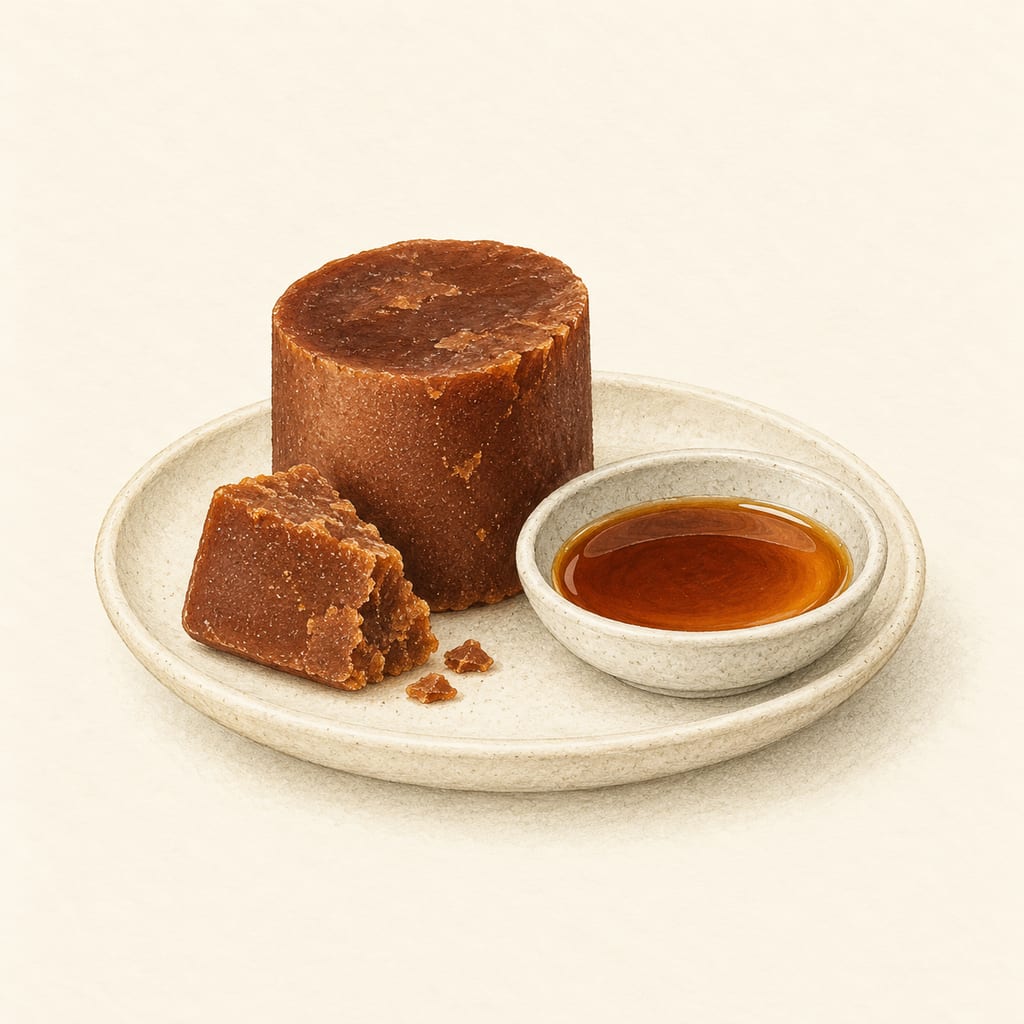
Palm sugar is made by concentrating sap from several palm species. The plant and the finished form shape its aroma, flavour and use.
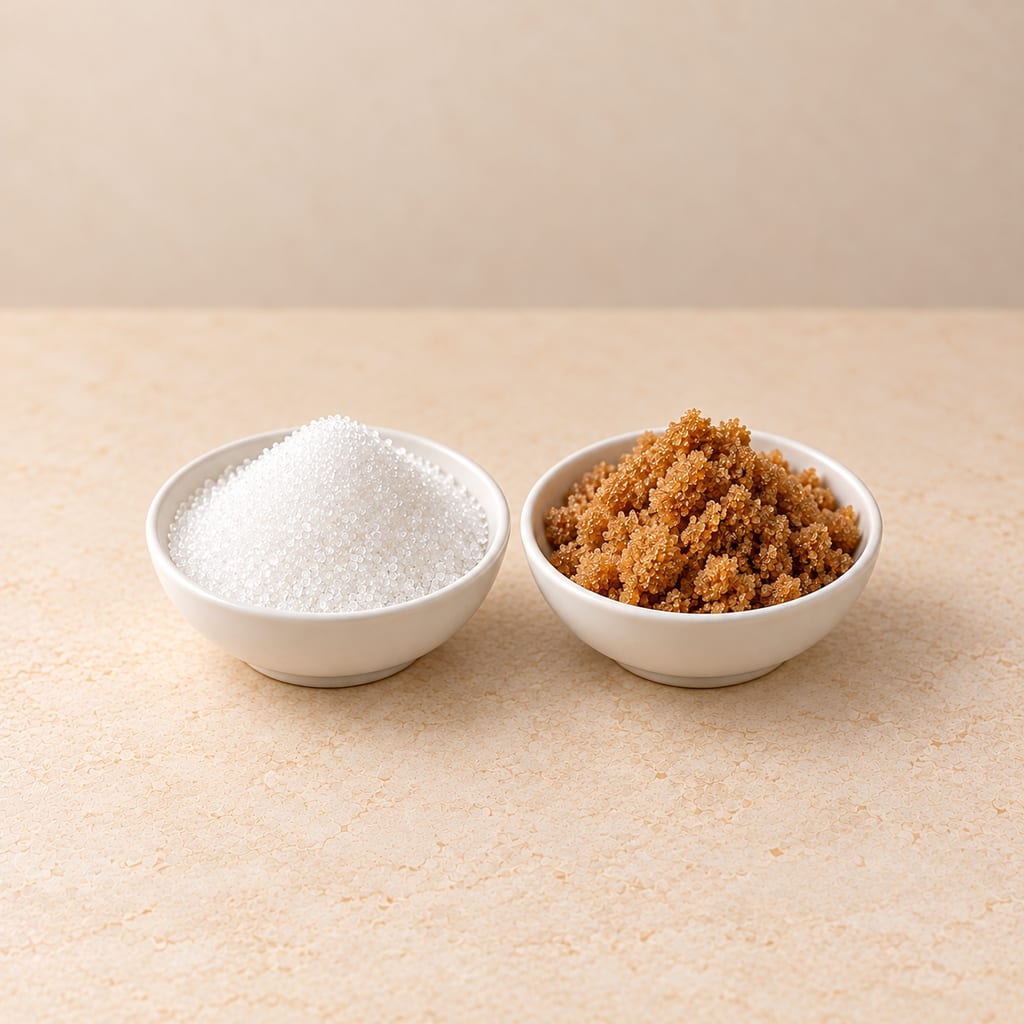
White sugar is refined sucrose, almost pure; brown sugar is sucrose with molasses, left in or added back. Molasses makes brown sugar moister, darker and more strongly flavoured.
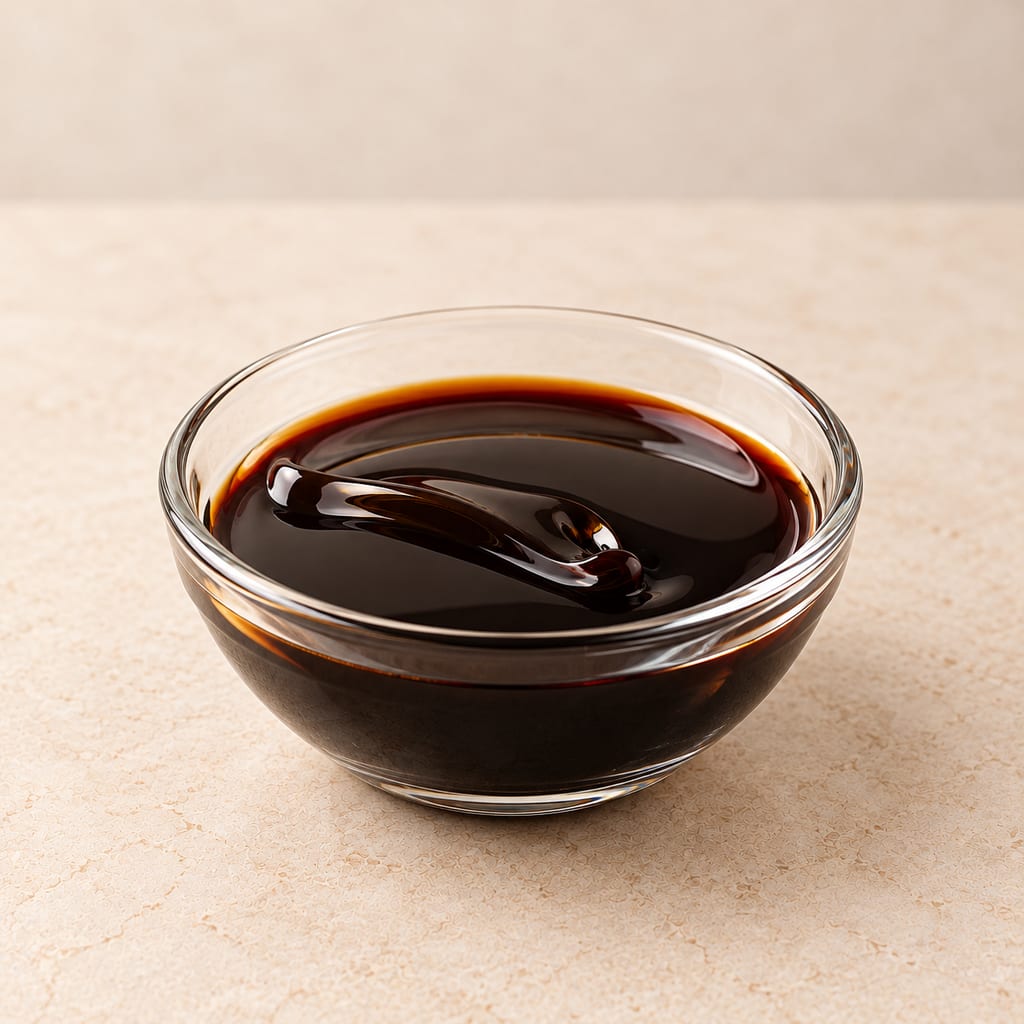
Cane syrup is sugarcane juice boiled down until it is thick and sweet, or the first syrup left after sugar is crystallised. Historical American recipes used it as a sweetener in ham cures.
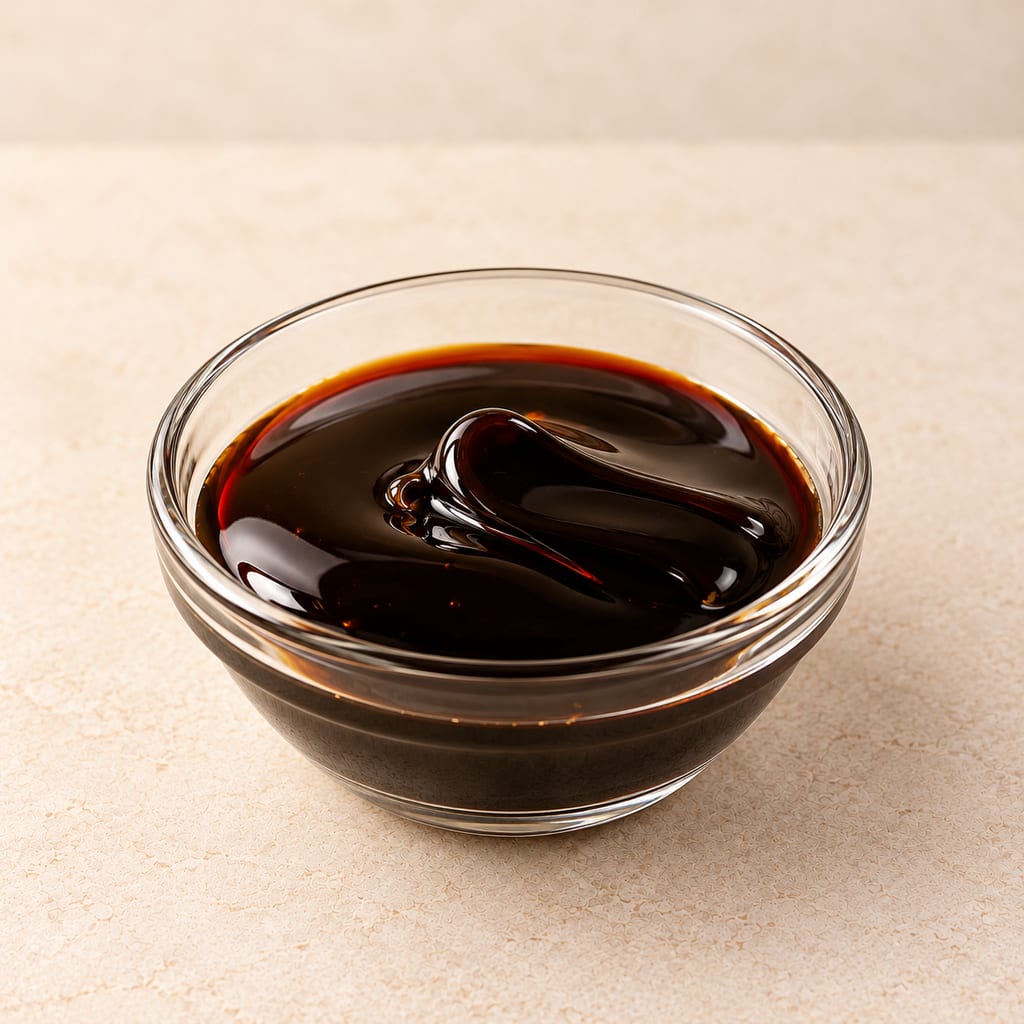
Molasses is the syrup separated as sugar crystallises from cane or beet; its grades and food uses vary, from Anadama and steamed brown bread to fermentation.
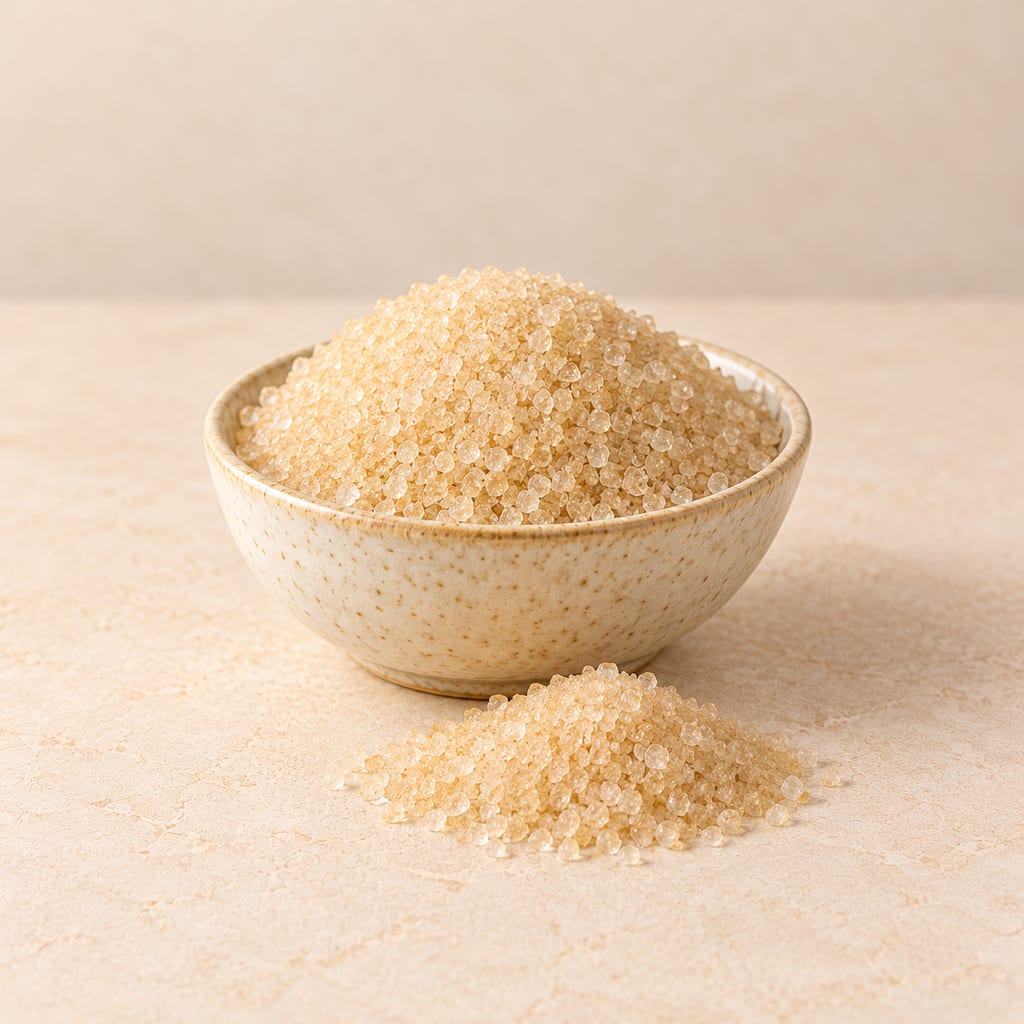
Turbinado is a pale golden cane sugar made by washing and spinning raw crystals, leaving large, dry grains that keep a faint trace of molasses and a mild toffee note.

A gelling polysaccharide extracted from red seaweeds, sold as kanten strips or powder; it sets firm at a low concentration and stays solid until about 85 °C.
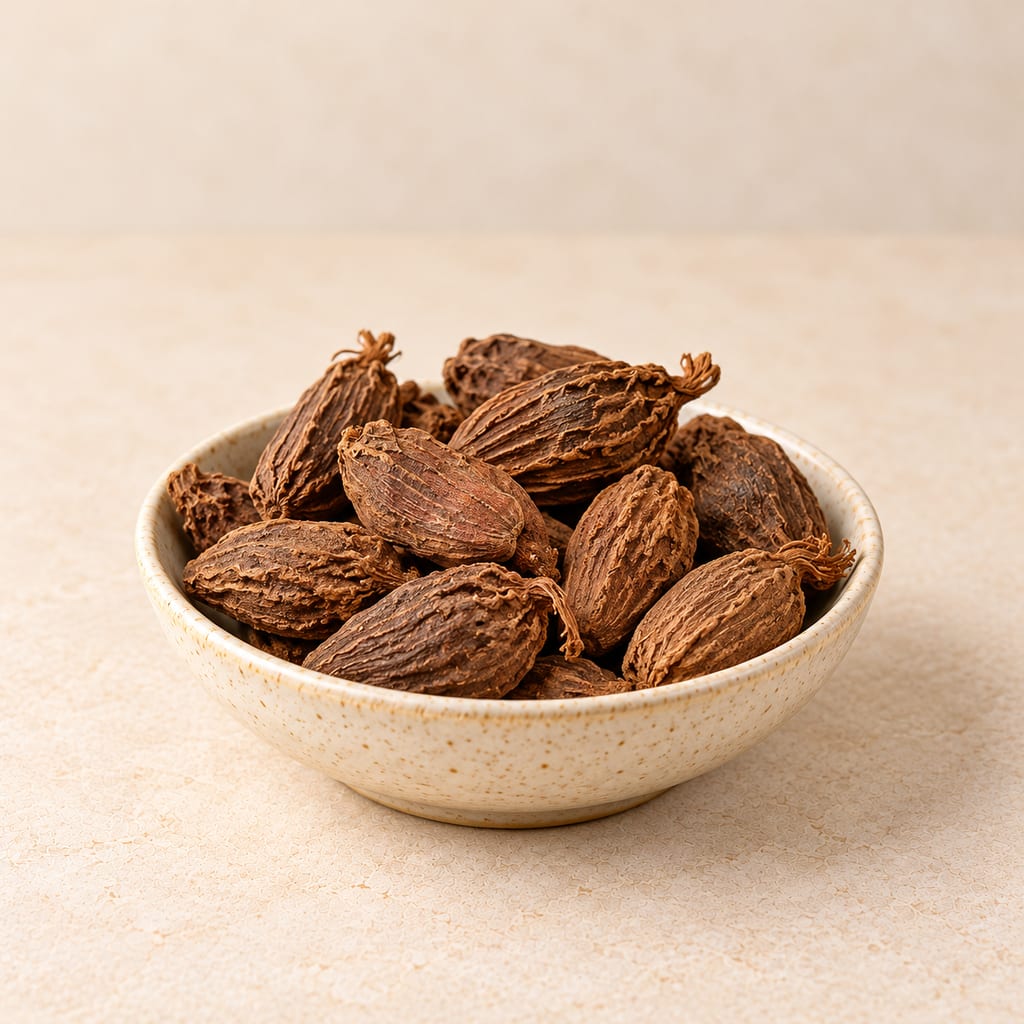
Alainchi is the large or black cardamom of the eastern Himalaya, the dark, smoke-dried pods of Amomum subulatum. Its camphor-cool, smoky seeds season Himalayan and North Indian cooking and a sweet Nepali lapsi achar.
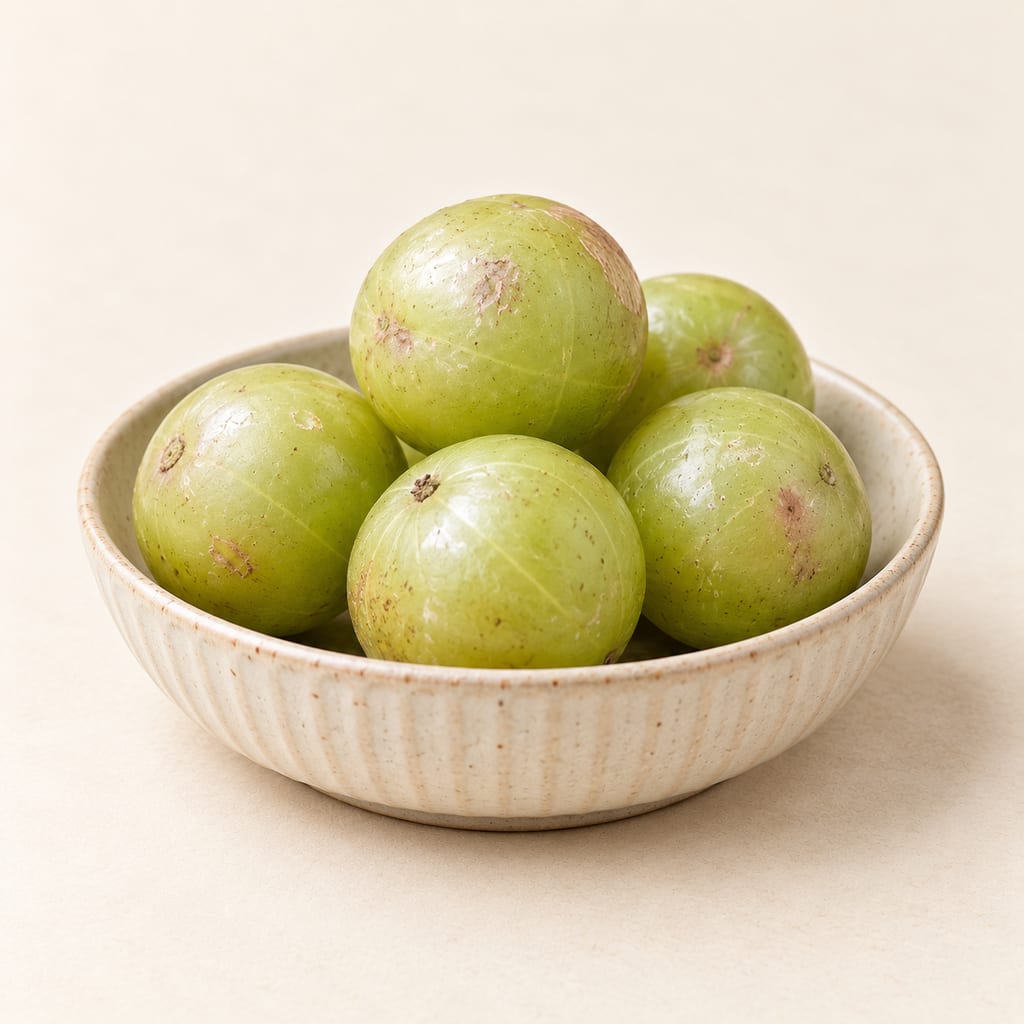
Amla is the firm, sharply sour fruit of Phyllanthus emblica. Cooks transform it into murabba, pickles, chutneys, drinks and dried snacks.
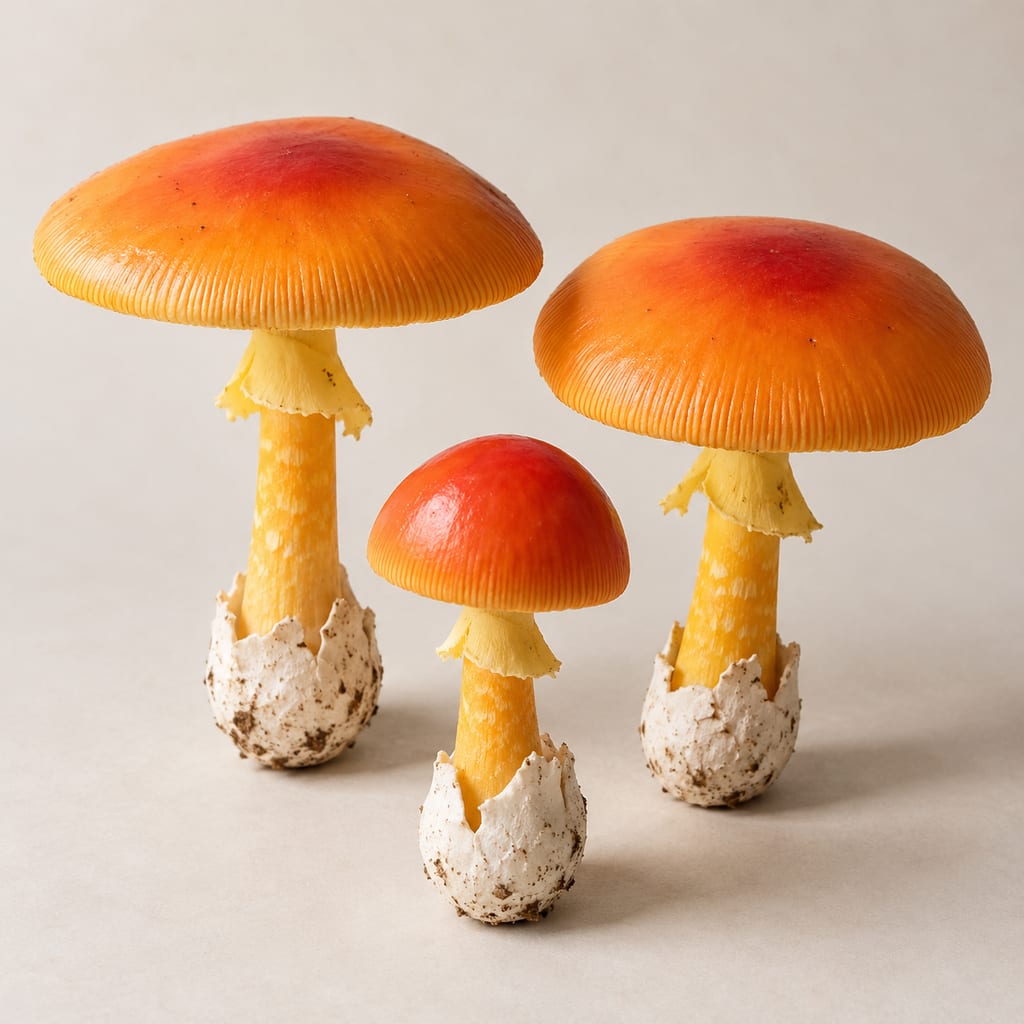
A wild Asian Amanita reported as food in regional literature and listed in China’s edible-fungi catalogue. Lookalikes include lethal species; this record is not a guide to identifying wild mushrooms.
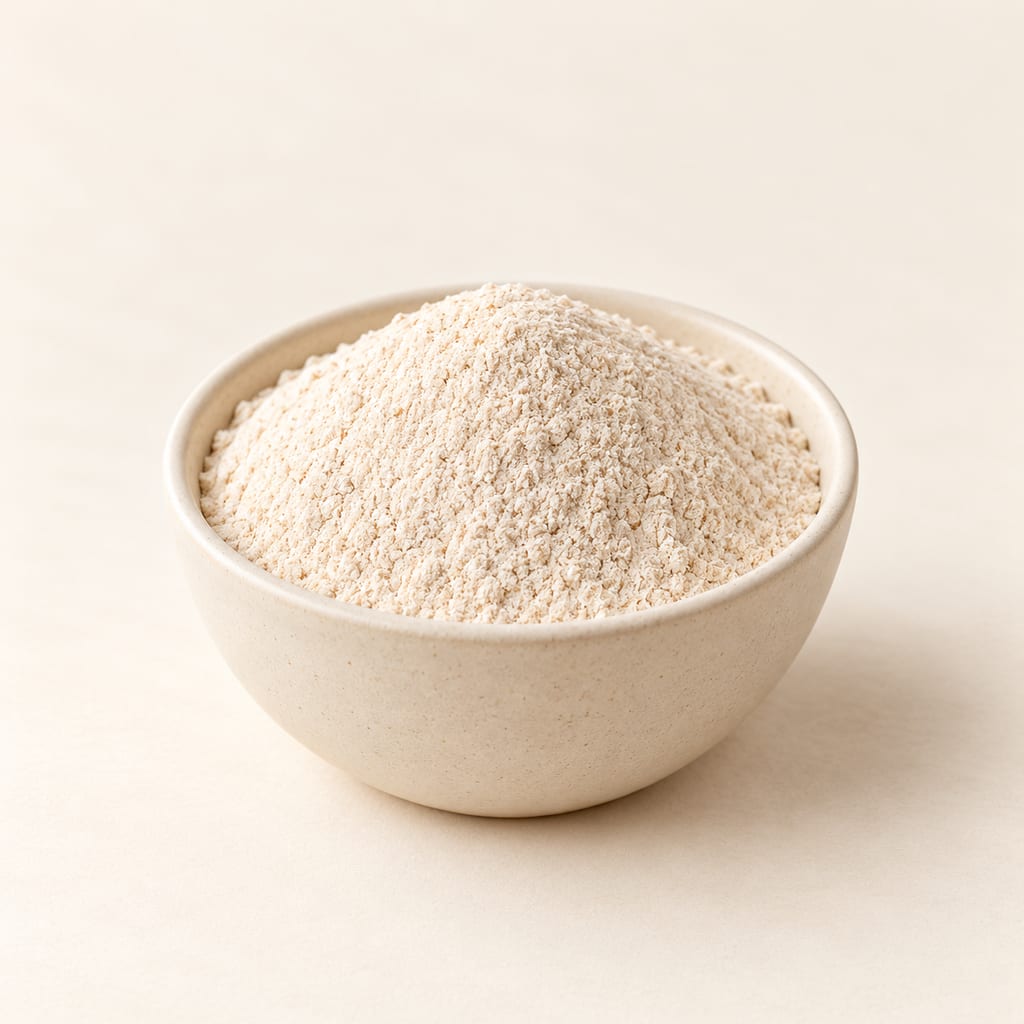
Atta is wheat flour used across South Asian bread traditions. Indian standards distinguish wheat flour (atta) from resultant atta; milling route and particle size shape its behavior in chapati dough.

Bamboo shoots are the young culms of many bamboo species, eaten after boiling or leaching in Asia, and fermented into sour and preserved foods in the Himalayas, northeast India and Burma.
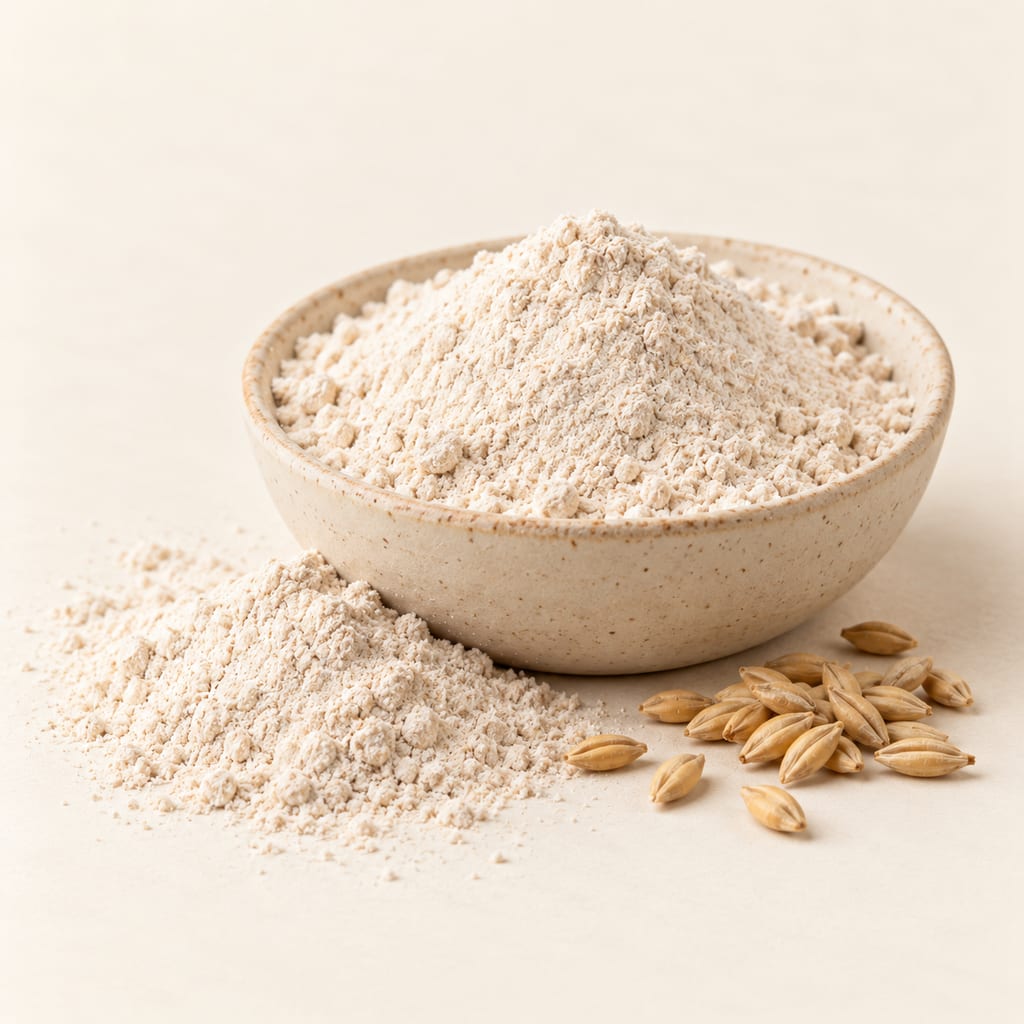
Barley flour is ground barley grain; whether it comes from pearled or hulless kernels, its milling and limited wheat-like gluten-forming ability shape the doughs and foods it can make.

Black carrot is the anthocyanin-pigmented Eastern carrot (Daucus carota var. atrorubens), the purple root that preceded orange types and still colours kanji and şalgam.
No community contributions have been published for this entry yet.
Sign in to contribute. Published comments and photos are free to read.
Food Safety and Standards Authority of IndiaIdentity · Standards · Handling
Food Safety and Standards (Food Products Standards and Food Additives) Regulations, Chapter 2.8: Sweetening agents including HoneySeparately defines palm gur/jaggery from palmyra, date and coconut palm juice and cane gur from Saccharum officinarum juice
Cane-jaggery limits include at least 70% sucrose and at most 7% moisture; palm category includes at least 60% sucrose and at most 10% moisture for non-liquid products
Cited in: A sweetness made by concentration; Choosing, storing and using jaggery
Chen et al., RSC Advances 10(54):32276–32289 (2020), DOI 10.1039/D0RA05963CIdentity · Production · Flavor
Analysis of aroma components from sugarcane to non-centrifugal cane sugar using GC-O-MSThe primary abstract explicitly reports 84 volatile aroma components across nine samples from sugarcane to non-centrifugal cane sugar; this is a study-specific measurement.
Cited in: A sweetness made by concentration; What heat leaves in the block
NatureHistory · Regional forms
The Date-Palm Sugar Industry of IndiaA 1919 report describes Bengal date-palm sap concentrated in earthenware pots into gur/jaggery and later molasses drainage; full text is subscription-restricted
Cited in: A sweetness made by concentration; A history made from cane and palms
Indian Farming / ICAR-CIPHETProduction · History · Economy · Flavor · Storage
Innovative processing approaches for producing chemical-free jaggery from sugarcaneDescribes cane extraction, filtering/settling, clarification, boiling, cooling/moulding and bagasse fuel
Explains heat concentration and modern multi-pan production; includes one farm-level processing case
Cited in: A history made from cane and palms; Cane, palm and the work of the maker; What heat leaves in the block
Coconut Development BoardPalm production · Fermentation
Article on Value AdditionDescribes coconut inflorescence sap, its natural yeast/bacterial fermentation after collection, and concentration of unfermented sap into coconut jaggery
Cited in: Cane, palm and the work of the maker; Regional cooking and fermentation
Tamil Nadu Agricultural University, Post Harvest Technology CentrePalm history · Economy
Post Harvest Technology :: Palmyra — IntroductionDescribes palm sap products and reports historic references to Borassus flabellifer sugar in India and Caryota urens jaggery/treacle in Sri Lanka
Cited in: A history made from cane and palms; Cane, palm and the work of the maker
International Journal of Food Science & Technology 45(1):94–104 (2010)Texture · Storage
Effect of moisture content on glass transition and sticky point temperatures of sugarcane, palmyra-palm and date-palm jaggery granulesCompares moisture-related glass-transition and stickiness behavior across three jaggery granule types
Cited in: What heat leaves in the block; Choosing, storing and using jaggery
Journal of Sugarcane ResearchCulinary use · Culture
Non Centrifugal Sugar (NCS): a review of its production, nutritional composition, health benefits and industrial applicationsReviews jaggery use in sweet and savoury foods and regional examples such as Sankranti and Pongal; health claims excluded
Cited in: Regional cooking and fermentation
Process Biochemistry / CSIR-CFTRI ePrintsFermentation
Jaggery: a novel substrate for pullulan production by Aureobasidium pullulans CFR-77CFTRI institutional repository abstract identifies A. pullulans CFR-77 and sugarcane jaggery as carbon source for pullulan batch fermentation; restricted full PDF, no unsupported details transferred.
Cited in: Regional cooking and fermentation
European Journal of Nutrition & Food SafetyStorage
Assessment of Microbial, Physicochemical and Shelf-Life of Sugarcane Jaggery Stored in Various Types of Packaging MaterialsReports packaging-dependent changes in specific cane-jaggery samples over a six-month experiment; not a universal shelf-life guarantee
Cited in: Choosing, storing and using jaggery
Himalayan Wild Food PlantsPrimary Galgal pickle recipe · Documented regional use
Citrus pseudolimon Tanaka – Galgal (गलगल), Khtta2020 local account lists 250 g jaggery for 1 kg ripe Galgal, cooked with mustard oil and spices after boiling and drying fruit; does not specify jaggery plant source or prove fermentation.
Cited in: Regional cooking and fermentation