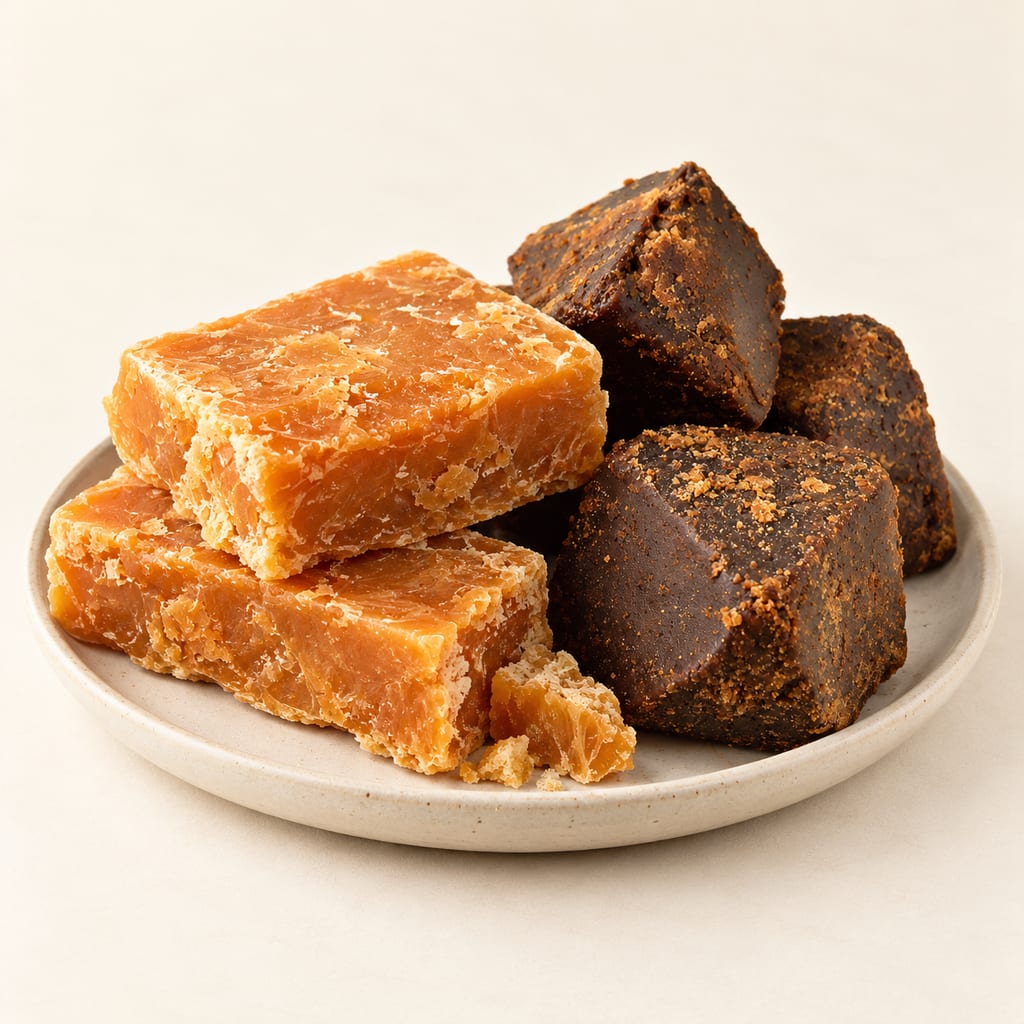
Jaggery
Jaggery is a family of concentrated, non-centrifugal sweeteners made from cane juice or palm sap. Plant source and form shape its flavour and use.
 FermenteaWhere food goes to change
Sugar sources
Palm sugar is made by concentrating sap from several palm species. The plant and the finished form shape its aroma, flavour and use.
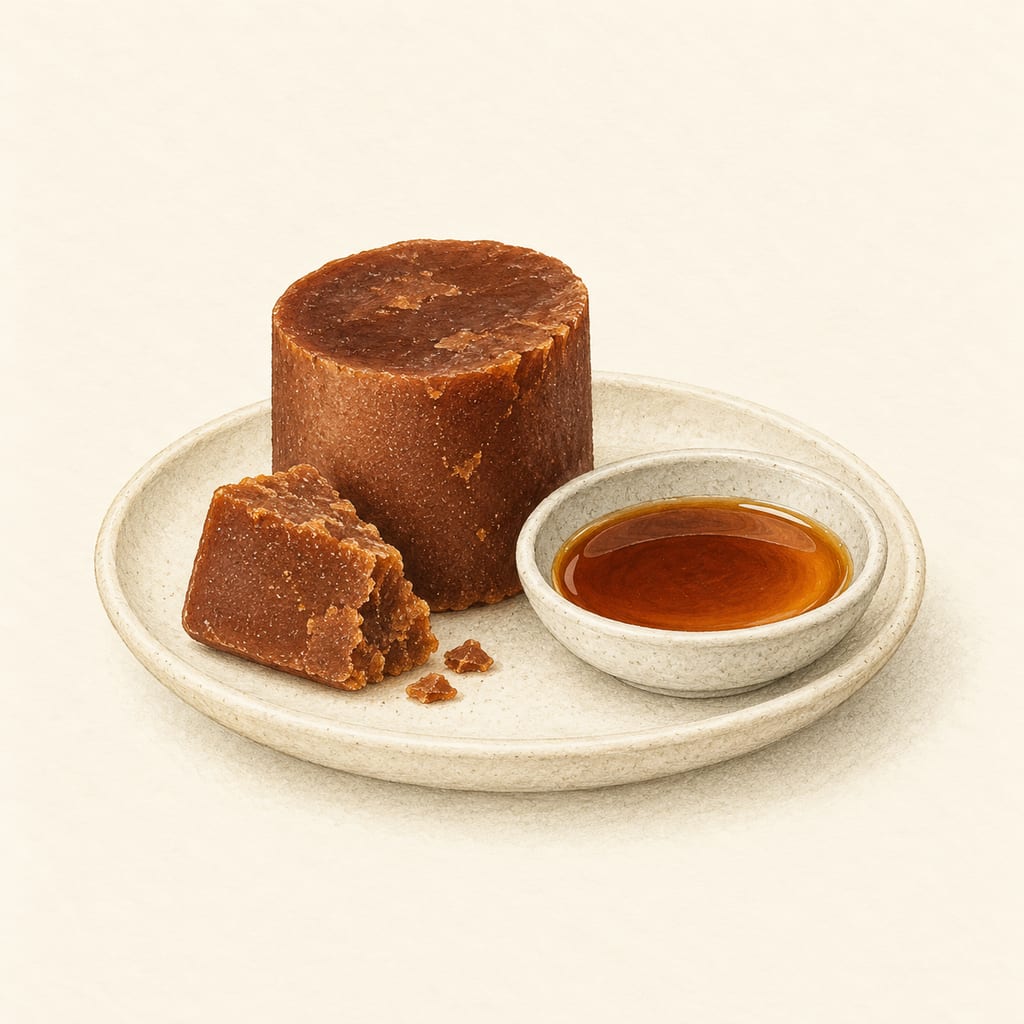
Palm sugar is a family of sweeteners made by concentrating sugary sap from palms. It is not one fixed product: the palm species, the part tapped, the condition of the sap and the way it is heated all matter. The same broad name covers products that differ in aroma, moisture and form.
Many palm-sugar processes use inflorescence sap; the Coconut Development Board describes sugar made from unfermented coconut inflorescence sap. Date palms are tapped differently: the Food and Agriculture Organization describes date sap drawn from an incision near the growing point or upper trunk. This page covers sugars from palm sap, not date sugar made from the fruit or starch extracted from a palm trunk. Those are different materials.
Gula aren names sugar made from aren sap in Indonesia. Gur and jaggery are used for several concentrated sugars in South Asia, including palm-derived products, so the unqualified words do not identify a plant source. Nolen gur is a documented regional palm-sugar name in a public-domain photo caption from Kakdwip, West Bengal; it is included here as an image reference, not as proof of a particular palm species.
A 1919 Nature note describes date-palm sap in Bengal being collected and concentrated into gur. The Tamil Nadu Agricultural University page describes palmyra products in India and Caryota sap products in Sri Lanka, which documents particular palm products by species and place. These sources document particular contexts; they do not establish the earliest date or a single place of origin for palm sugar as a whole.
Examples in the sources include sugar palm (Arenga pinnata), palmyra (Borassus flabellifer), fishtail palm (Caryota urens), coconut (Cocos nucifera) and date palm (Phoenix dactylifera). Regional and producer accounts use several product names. Do not infer a palm species from the general label “palm sugar”; keep a named species attached only to the product the source identifies.
Coconut Development Board describes sugar made by boiling unfermented coconut inflorescence sap. Sugar palm sap is known as gula aren in Indonesia. Historical and university sources describe date-palm sap concentrated into gur in Bengal, palmyra products in India, and jaggery or treacle from Caryota urens in Sri Lanka. These are documented examples, not a map of every palm-sugar tradition.
Producers concentrate sap by heating it. Depending on the palm and local method, the result can be a pourable syrup, a moulded block or granules. A review describes traditional heating that yields dark-brown sugar and notes that long heating can produce a bitter taste. These observations describe particular processes, not every palm-sugar product.
Fresh palm sap is a separate, perishable material. The FAO account says date-palm sap left standing in warm conditions can ferment spontaneously. That observation concerns raw sap and does not turn finished palm sugar into a fermented food. Neither taste nor smell establishes whether raw sap is suitable to use. Follow the supplier's handling directions for the product in hand; this page gives no universal storage life or home-processing limit.
The taste and sensory profile vary with palm species, growing region and climate. A review also describes bitter notes in sugar made by a long traditional heating process. These findings are specific to the sources and products studied; they do not define every palm sugar.
Choose a product by its named palm source and form when the distinction matters. Colour alone cannot identify the species or predict a single flavour. Palm sugar can sweeten drinks, desserts and sauces; a documented use does not make the sweetener itself a ferment or a preservative.
A Cambodian study of traditional fermented foods identifies Mam trey as fermented freshwater fish made with palm sugar and salt. This documents palm sugar as an ingredient in one fermented fish preparation; it does not provide a process recipe or validate a home method. The ingredient alone does not establish a safe time, salt concentration or storage life.
Sources document Indian palm-sap sugars and a 1919 account of Bengal date-palm gur. This is not a claim that palm sugar originated in India.
The Ministry of Agriculture source identifies Arenga pinnata sugar production in Indonesia; it does not cover every palm-sugar tradition in the country.
Tamil Nadu Agricultural University reports historical use of Caryota urens sap for jaggery and treacle in Sri Lanka; this is one palm-sugar association, not a general origin claim.
The study documents palm sugar in the ingredient list for sampled Mam trey fermented fish; this is one product association, not a palm-sugar origin claim.
Jaggery is a family of concentrated, non-centrifugal sweeteners made from cane juice or palm sap. Plant source and form shape its flavour and use.
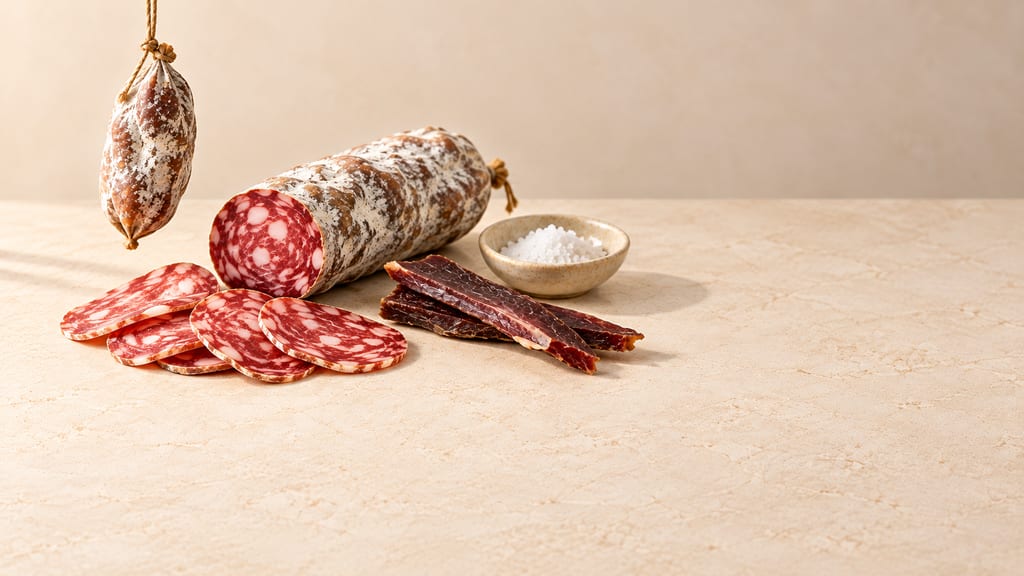
Dry salami, sour pork with rice, matured sheep and aged blubber follow different paths from animal to food. Their stories connect microbes with climate, slaughter, migration and the meals people share.

A gelling polysaccharide extracted from red seaweeds, sold as kanten strips or powder; it sets firm at a low concentration and stays solid until about 85 °C.
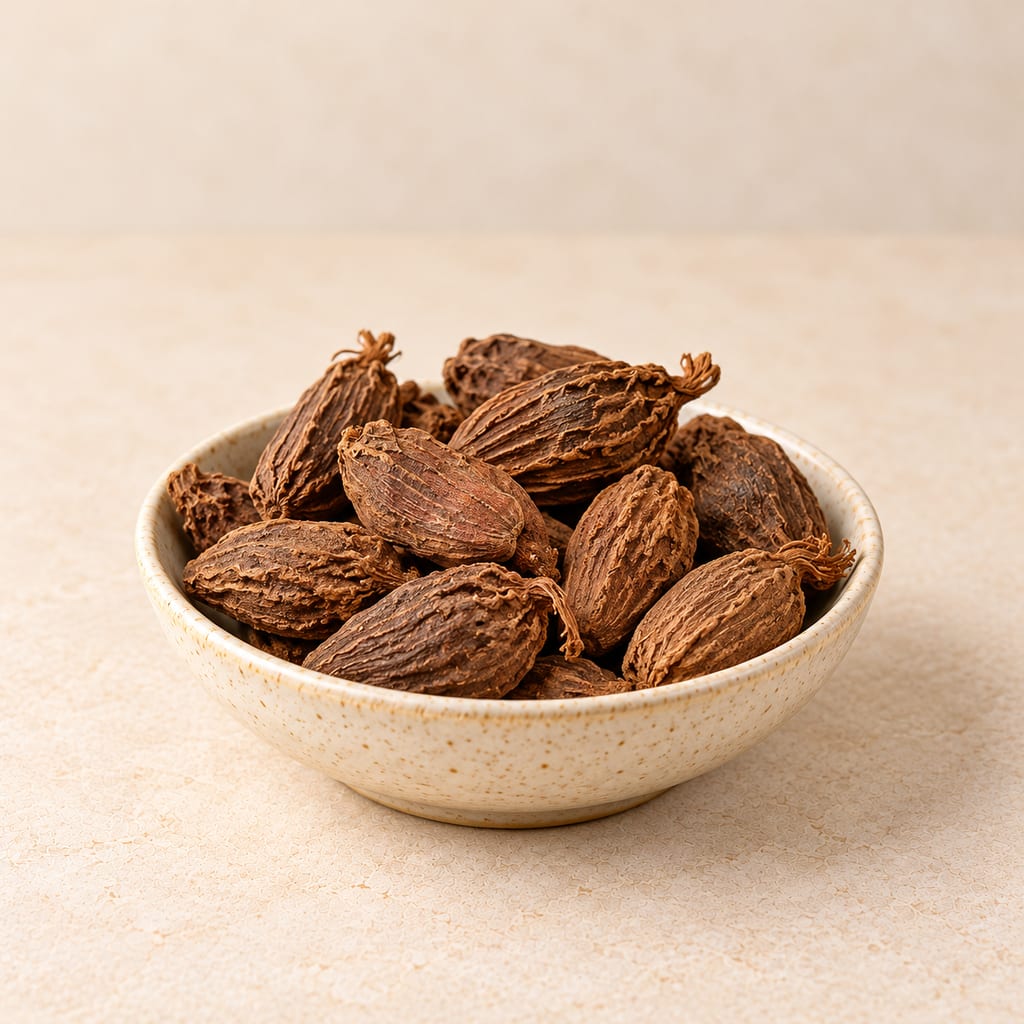
Alainchi is the large or black cardamom of the eastern Himalaya, the dark, smoke-dried pods of Amomum subulatum. Its camphor-cool, smoky seeds season Himalayan and North Indian cooking and a sweet Nepali lapsi achar.
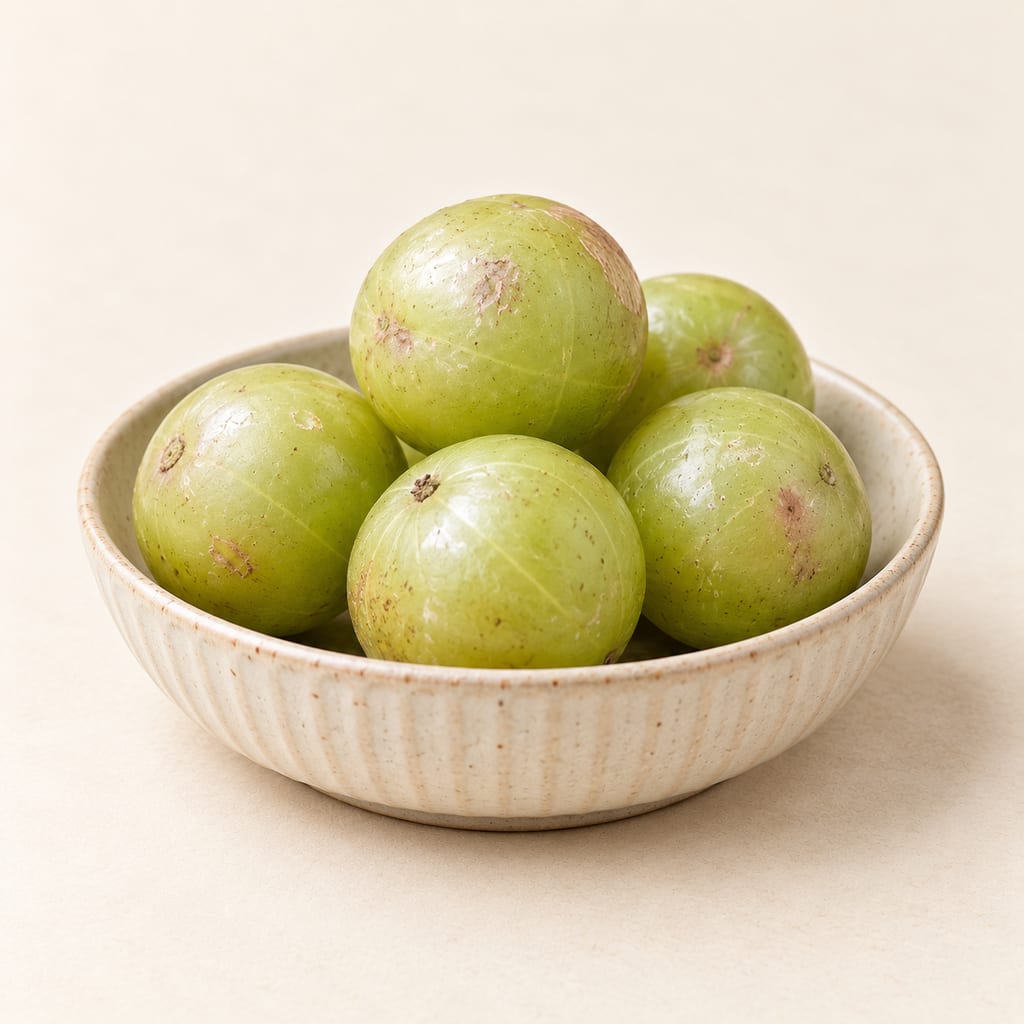
Amla is the firm, sharply sour fruit of Phyllanthus emblica. Cooks transform it into murabba, pickles, chutneys, drinks and dried snacks.
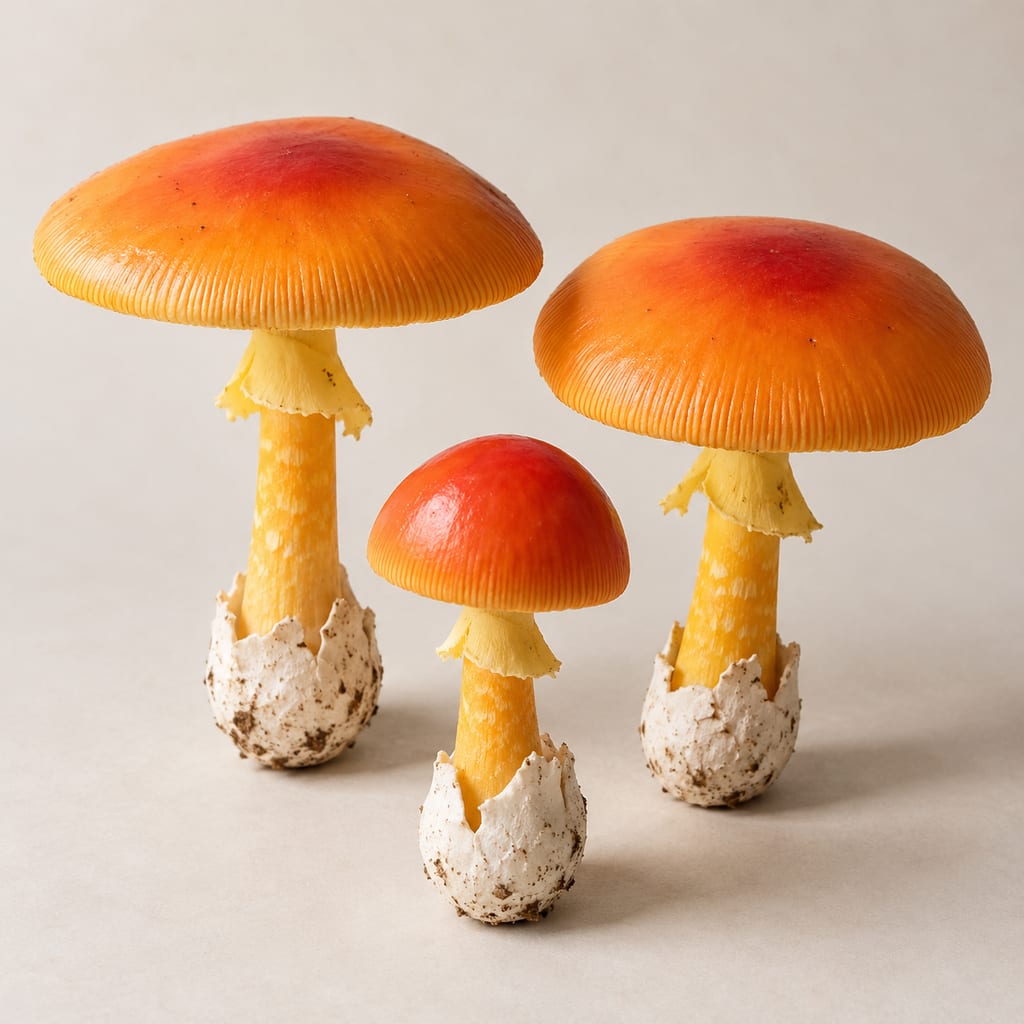
A wild Asian Amanita reported as food in regional literature and listed in China’s edible-fungi catalogue. Lookalikes include lethal species; this record is not a guide to identifying wild mushrooms.
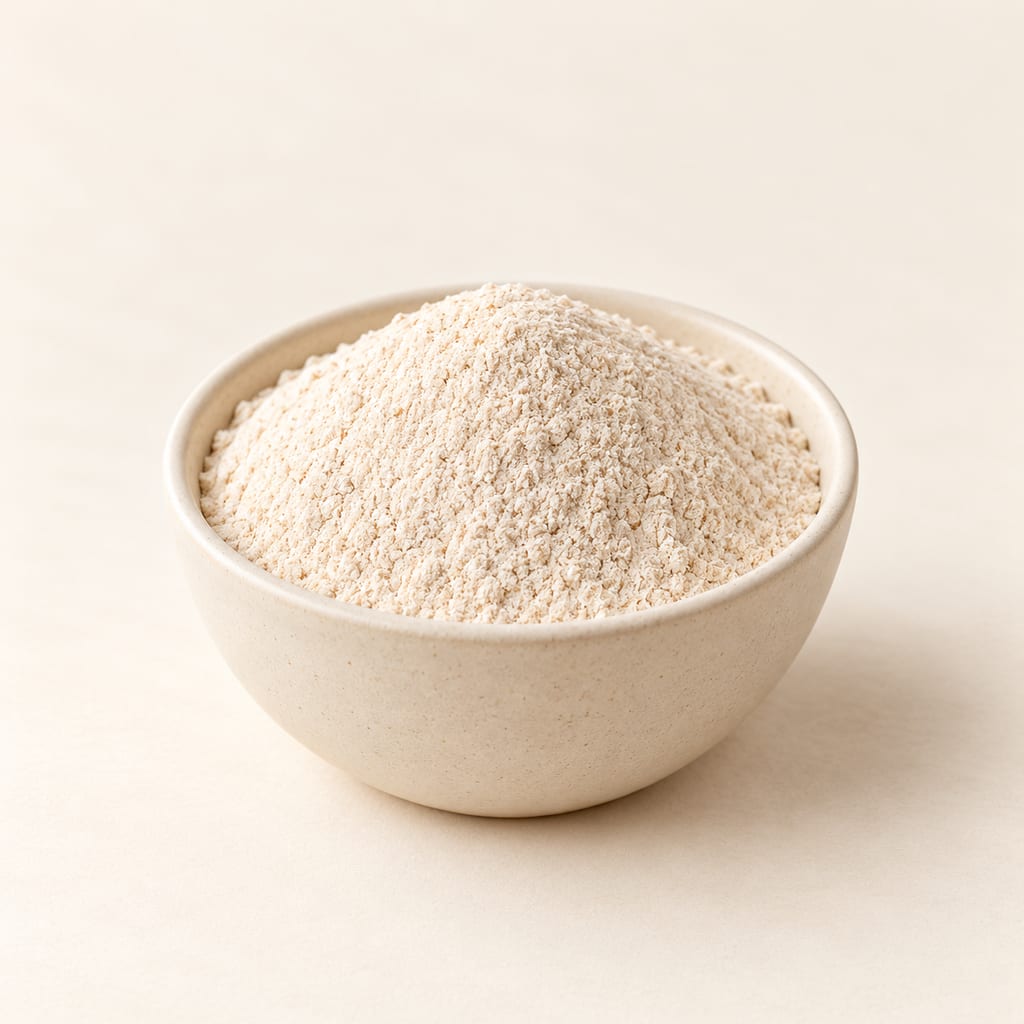
Atta is wheat flour used across South Asian bread traditions. Indian standards distinguish wheat flour (atta) from resultant atta; milling route and particle size shape its behavior in chapati dough.

Bamboo shoots are the young culms of many bamboo species, eaten after boiling or leaching in Asia, and fermented into sour and preserved foods in the Himalayas, northeast India and Burma.
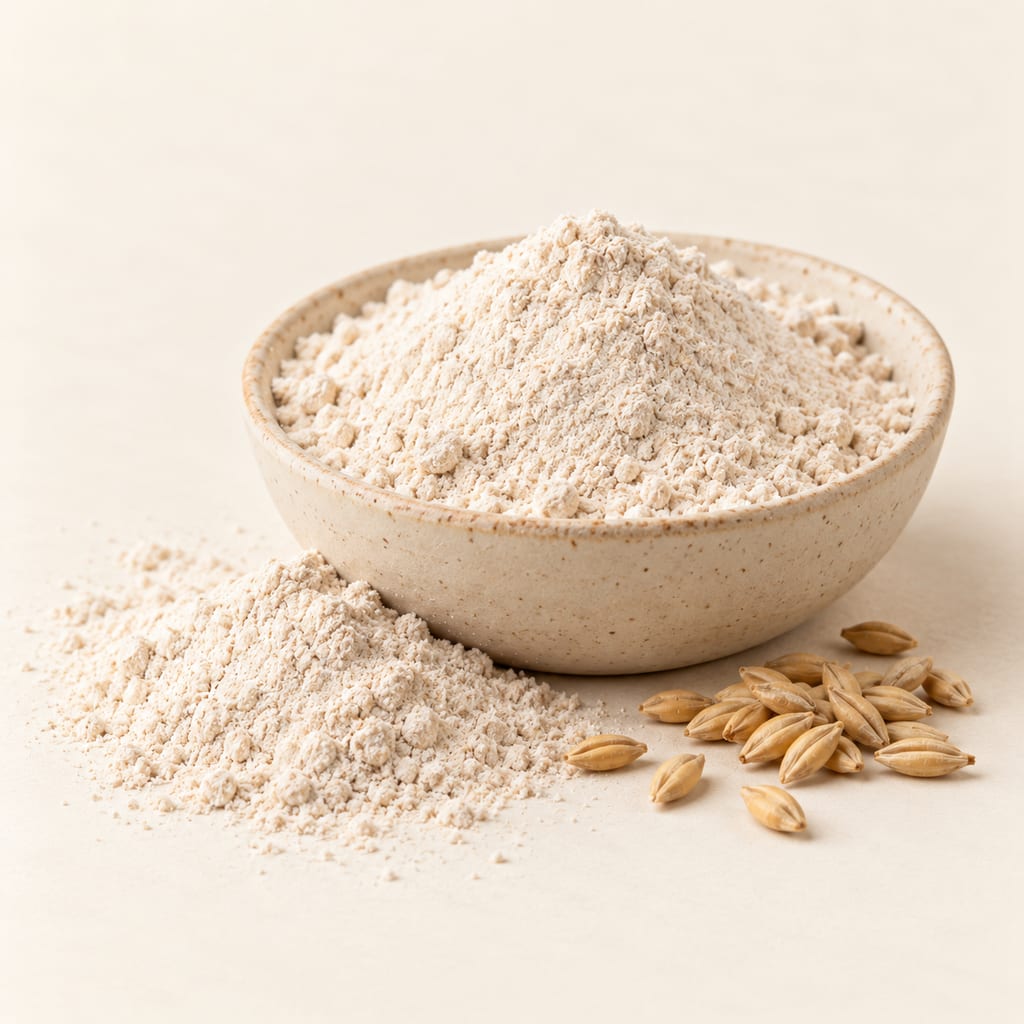
Barley flour is ground barley grain; whether it comes from pearled or hulless kernels, its milling and limited wheat-like gluten-forming ability shape the doughs and foods it can make.

Black carrot is the anthocyanin-pigmented Eastern carrot (Daucus carota var. atrorubens), the purple root that preceded orange types and still colours kanji and şalgam.
No community contributions have been published for this entry yet.
Sign in to contribute. Published comments and photos are free to read.
Tamil Nadu Agricultural University, Post Harvest Technology CentreIdentity · Geography · History
Post Harvest Technology :: Palmyra — IntroductionDescribes palm sap products, palmyra products in India and Caryota urens jaggery and treacle in Sri Lanka; its ancient-origin statement is not treated as a verified earliest attestation.
Cited in: A sweetener made from palm sap; Regional names and historical record; Different palms make different sugars; From sap to block, granules or syrup
Food and Agriculture Organization of the United NationsIdentity · Processing · Handling
Date palm products. Chapter 5: Date palm sapDescribes date-palm sap drawn from the upper trunk and spontaneous change of raw sap when left standing in warm conditions.
Cited in: A sweetener made from palm sap; From sap to block, granules or syrup
Nature, volume 103, pages 272–273 (1919)History · Regional forms
The Date-Palm Sugar Industry of IndiaThe accessible abstract describes Bengal date-palm sap collected and concentrated into gur; it is cited as a 1919 attestation, not as the earliest origin.
Cited in: Regional names and historical record; Different palms make different sugars
Badan Penyuluhan dan Pengembangan Sumber Daya Manusia Pertanian, Ministry of Agriculture of IndonesiaIdentity · Processing · Geography
Info Literasi: Aren, Tanaman Multiguna Penopang Ekonomi HijauIdentifies Arenga pinnata as aren, describes Indonesian gula aren and gula semut, and discusses sap processing into sugar products.
Cited in: Regional names and historical record; Different palms make different sugars; From sap to block, granules or syrup
Heliyon, 9(4), e14788 (2023)Identity · Taste · Processing · Geography
Palm sap sugar: an unconventional source of sugar, exploration for bioactive compounds and its role on functional food developmentReviews palm-sap sugar across species and regions; sensory profiles vary with species, region and climate; describes bitter notes in some long-heated traditional sugar samples.
Cited in: A sweetener made from palm sap; Different palms make different sugars; From sap to block, granules or syrup; Taste depends on source and process
Coconut Development Board, IndiaIdentity · Processing · Handling
Value addition, product diversification and by-product utilization in coconutDescribes coconut inflorescence sap, distinguishes unfermented sap and toddy, and documents palm sugar or coconut jaggery from unfermented sap concentrated by boiling.
Cited in: A sweetener made from palm sap; Different palms make different sugars; From sap to block, granules or syrup
Wikimedia Commons; photograph by Billjones94Image reference
File:Nolen gur, known as new jaggery or Palm sugar, from Kakdwip, West Bengal, India.jpgPhoto page identifies a palm-sugar product from Kakdwip, West Bengal and states CC0 1.0; image is a visual reference, not evidence of species or history.
Cited in: Regional names and historical record
Wikimedia Commons; photograph by DwiFidratulImage reference
File:Gula Aren Asli Puncak Pato.jpgUploader identifies the image as a processed product from aren sap; page states CC0 1.0.
Wikimedia Commons; photograph by NapiezImage reference
File:Cendol.pngUploader describes cendol as containing palm sugar; the page marks the photograph public domain. Culinary context only; the sugar itself is not isolated.
Wikimedia Commons; photograph by KembangrapsImage reference
File:Bajigur DSC 1981.jpgThe source identifies a West Java drink made with palm sugar and marks the photograph CC0 1.0; culinary context only.
Wikimedia Commons; photograph by HijrahhImage reference
File:Foto Gubuk Aren.jpgThe uploader identifies the hut as a place used to process aren sap into sugar and marks the photograph CC0 1.0; production context only.
Foods, 9(2), 198 (2020)Identity · Fermentation use · Geography
Biogenic Amine Contents and Microbial Characteristics of Cambodian Fermented FoodsTable 1 identifies Mam trey as fermented freshwater fish prepared from fish, palm sugar and salt; the study sampled three products and does not give a recipe or validated process.
Cited in: Use in a fermented fish preparation